

We use cookies to ensure our website works properly and to personalise your experience. Cookies policy
Central India College of Pharmacy, Lonara, Nagpur
Alcohol use disorder (AUD) remains a major global health burden, and pharmacotherapy is underused relative to its evidence base. Disulfiram, an aldehyde dehydrogenase (ALDH) inhibitor approved for alcohol dependence in the 1950s, produces an aversive reaction when alcohol is consumed. Its principal limitation is poor adherence, because therapeutic protection depends on daily oral dosing and is lost quickly when doses are missed. This review examines whether controlled-release delivery of disulfiram, through implants, long-acting injectables, polymer depots, or other sustained-release systems, could maintain therapeutic ALDH inhibition over prolonged periods and thereby address the adherence problem. The review summarizes the pathophysiology of AUD, the pharmacology of disulfiram and its metabolites, the existing pharmacotherapies for AUD, and the clinical evidence for disulfiram. It then evaluates the rationale, historical experience, and pharmaceutical feasibility of sustained-release disulfiram, and compares it with long-acting naltrexone and delayed-release acamprosate. The available evidence supports the concept on pharmacological grounds, but no disulfiram-specific controlled-release product has been validated in large randomized trials. The principal gaps concern pharmacokinetic-pharmacodynamic modeling of sustained ALDH inhibition, safety under unplanned alcohol exposure, polymer and formulation stability, and ethical requirements for implantable or non-removable systems. Addressing these gaps is essential before controlled-release disulfiram can be recommended in routine practice.
Alcohol use disorder is a chronic relapsing condition characterized by impaired control over alcohol use, craving, and continued use despite harm. The World Health Organization estimates that harmful use of alcohol causes approximately three million deaths annually worldwide, and it attributes a substantial share of premature mortality and disability to alcohol-related conditions [11]. Despite the scale of the problem, only a small proportion of people with AUD receive any pharmacological treatment, and recent reviews have consistently identified this treatment gap as a central public health concern [8].
Three medications are approved in the United States for AUD: disulfiram, naltrexone (oral and extended-release injectable), and acamprosate [8]. Among these, disulfiram was the first to be introduced. Its clinical use depends on a deterrent principle: after ingestion of alcohol, accumulated acetaldehyde produces unpleasant physiological effects that discourage drinking [1]. Although this mechanism is well characterized, its clinical application is constrained by the need for sustained patient cooperation. Because disulfiram is administered orally on a daily basis, non-adherence is common and is widely considered the main reason for its limited real-world effectiveness.
Controlled-release drug delivery offers a potential solution to this problem. Long-acting formulations of other addiction medications, most notably extended-release injectable naltrexone, have demonstrated that adherence barriers can be reduced by decoupling drug exposure from daily patient behavior [7]. Whether a similar strategy can be applied to disulfiram is a legitimate pharmaceutical question. It requires consideration of the drug's unusual pharmacology, in which the clinically relevant enzyme inhibition is mediated by metabolites rather than by the parent compound, and in which the duration of protection depends on enzyme turnover rather than on plasma drug concentration alone. The present review addresses this question in a structured manner.
4. Objectives of the Review
The objectives of this review are to:
(a) describe the neurobiological basis of AUD and the rationale for pharmacological intervention;
(b) summarize the pharmacokinetics, pharmacodynamics, and mechanism of action of disulfiram and its metabolites;
(c) critically appraise the clinical evidence for oral disulfiram and for the other approved AUD medications;
(d) evaluate the scientific rationale, prior experience, and technical feasibility of controlled-release disulfiram delivery systems;
(e) identify safety considerations, formulation challenges, and ethical issues specific to sustained-release disulfiram; and
(f) propose research priorities that would be required to establish the therapeutic value of controlled-release disulfiram.
5. Literature Search Strategy
The review was structured as a narrative synthesis with a systematic element for the core clinical evidence. The intended search covered PubMed/MEDLINE, Embase, and the Cochrane Library, with additional screening of regulatory product labeling and reference lists of key reviews. Search terms combined controlled-vocabulary and free-text headings for disulfiram, aldehyde dehydrogenase, alcohol use disorder, alcohol dependence, controlled-release, sustained-release, long-acting injectable, implant, and depot. Boolean operators were used to combine concepts. Inclusion criteria were peer-reviewed human or preclinical studies addressing disulfiram or other AUD pharmacotherapies, systematic reviews and meta-analyses, and regulatory documents. Priority was given to publications from the last ten years, supplemented by landmark studies that established the clinical foundations of the field. Non-English articles without an English abstract and purely commercial materials were excluded.
Table 1 summarizes the search framework. Because the search was designed for narrative synthesis, study selection emphasized relevance and methodological quality rather than exhaustive enumeration. Readers planning a formal systematic review should re-run the search and document it according to PRISMA guidance before reliance on the conclusions.
Table 1: Search Framework Used for the Review
| Element | Specification |
|---|---|
| Databases | PubMed/MEDLINE, Embase, Cochrane Library; regulatory labeling documents |
| Core concepts | Disulfiram; aldehyde dehydrogenase; alcohol use disorder; alcohol dependence |
| Formulation concepts | Controlled-release; sustained-release; long-acting injectable; implant; depot; polymer microsphere |
| Study types | Randomized controlled trials; systematic reviews and meta-analyses; pharmacokinetic and mechanistic studies; regulatory labels |
| Period emphasis | Last ten years, with landmark studies included regardless of date |
| Exclusions | Non-English articles without English abstract; purely promotional content |
6. Background and Overview of the Topic
AUD is defined in DSM-5 by a cluster of symptoms, including tolerance, withdrawal, loss of control, unsuccessful efforts to cut down, and continued use despite recurrent problems [9]. Severity is graded by the number of criteria met. The disorder is heterogeneous in onset, course, and genetic and environmental contributions, and it is associated with liver disease, cardiovascular disease, injury, and psychiatric comorbidity [9,11].
Pharmacological treatment of AUD aims to reduce heavy drinking, promote abstinence, and lower relapse risk. The principal medications act through distinct mechanisms. Naltrexone is an opioid receptor antagonist that reduces the rewarding effects of alcohol and reduces craving [6,8]. Acamprosate is thought to modulate glutamatergic and gamma-aminobutyric acid (GABA) neurotransmission and is used primarily to support maintenance of abstinence [8]. Disulfiram is the only one of the three approved agents whose effect depends directly on alcohol ingestion, and it is therefore classified as an aversive or deterrent agent rather than a craving-reduction agent [1,8].
Disulfiram was discovered in the 1940s, when it was observed that exposure to alcohol after its administration produced a marked reaction. Subsequent work established that the reaction results from inhibition of aldehyde dehydrogenase [1,2]. Its clinical use spread in the 1950s, and it has remained among the approved options for AUD for several decades.
7. Current Status and Clinical/Pharmaceutical Importance
Disulfiram is an established but underutilized therapy. Clinical guidelines and expert reviews generally recognize its efficacy in supervised settings, while noting that its use is limited by adherence, safety concerns, and the need for patient motivation and informed consent [8]. Systematic reviews of randomized trials report a benefit over placebo for some outcomes, particularly in supervised regimens, although heterogeneity in trial design and endpoints is considerable [3,4].
From a pharmaceutical standpoint, disulfiram presents a distinctive development challenge. The compound is inexpensive and well characterized, yet its formulation and dosing have changed little in decades. This combination makes it an attractive candidate for life-cycle innovation through improved delivery technology, because the clinical value of the molecule is already established and the principal limitation is its delivery profile rather than its intrinsic activity. Controlled-release strategies that stabilize drug exposure and extend the duration of enzyme inhibition therefore have potential public health significance, provided that safety and feasibility can be demonstrated.
8. Pathophysiology / Mechanism / Scientific Basis
The neurobiology of AUD is commonly described as a cycle of binge/intoxication, withdrawal and negative affect, and preoccupation or anticipation of drinking. Each stage engages distinct neurocircuits. The mesolimbic dopaminergic system mediates reinforcement, the extended amygdala mediates negative emotional states during withdrawal, and prefrontal regions mediate impaired executive control and inhibition [10]. Repeated alcohol exposure produces neuroadaptations in these systems, which contribute to the persistence of craving and relapse even after prolonged abstinence [10].
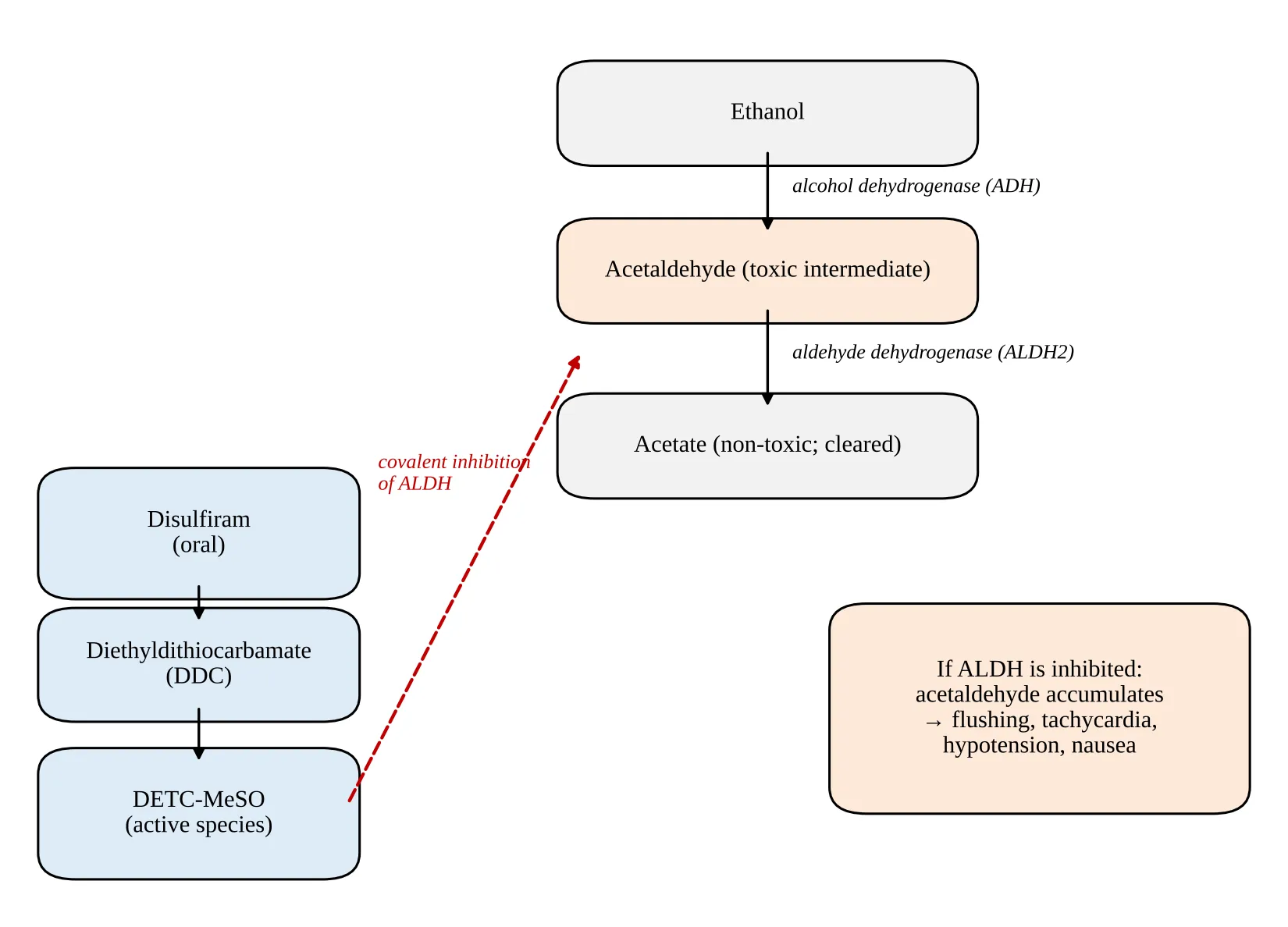
Alcohol itself is metabolized mainly in the liver. Alcohol dehydrogenase converts ethanol to acetaldehyde, a reactive and toxic intermediate. Acetaldehyde is then oxidized to acetate by ALDH, predominantly by the mitochondrial isoform ALDH2 [1]. Under normal conditions acetaldehyde is cleared rapidly, and its concentration remains low. When ALDH activity is inhibited, acetaldehyde accumulates, and the resulting systemic effects, including facial flushing, tachycardia, hypotension, nausea, and vomiting, form the basis of the disulfiram-alcohol reaction [1]. The reaction is dose-dependent and varies between individuals, partly because of genetic variation in ALDH2 that is most pronounced in populations with the ALDH2*2 allele.
9. Classification and Types
Pharmacological agents used in AUD may be classified by their therapeutic principle and by their delivery system. By principle, agents are classified as deterrent (disulfiram), craving-reducing (naltrexone and related opioid antagonists, acamprosate), or other off-label agents such as baclofen and topiramate, which are used less commonly [8]. By delivery system, the relevant categories for the present review are conventional immediate-release oral tablets, delayed-release oral formulations, and extended-release parenteral systems. Table 2 summarizes these categories and their relevance to disulfiram delivery.
Table 2: Classification of AUD Pharmacotherapies by Therapeutic Principle and Delivery System
| Category | Representative agent | Delivery form | Relevance to disulfiram |
|---|---|---|---|
| Deterrent (aversive) | Disulfiram | Immediate-release oral tablet | Reference product for the present review |
| Opioid antagonist | Naltrexone | Oral tablet; extended-release injectable suspension | Demonstrates feasibility of long-acting AUD delivery |
| Glutamate-GABA modulator | Acamprosate | Delayed-release oral tablet | Shows that formulation changes can alter dosing patterns |
| Off-label agents | Baclofen; topiramate | Oral | Not directly comparable; included for context |
| Investigational sustained-release | Disulfiram (proposed) | Implant, polymer depot, nanocarrier, long-acting injectable | Subject of this review; not yet validated |
10. Pharmacological or Therapeutic Aspects
The therapeutic rationale for disulfiram rests on a single, specific pharmacological effect: sustained inhibition of ALDH in the presence of alcohol. The clinical benefit is therefore conditional. A patient who abstains from alcohol derives no direct pharmacological benefit from disulfiram, and the deterrent effect operates only as a consequence of drinking. This feature distinguishes disulfiram from craving-reducing agents, and it has implications for patient selection, counseling, and the design of any controlled-release system. Patients must understand that the aversive response is intended as a deterrent and that severe reactions can occur.
Standard oral dosing typically begins at 500 mg once daily for one to two weeks and is then reduced to a maintenance dose of 250 mg daily, according to prescribing information [15]. Dosing is intended to be individualized, and lower maintenance doses are used in some regimens to reduce adverse effects. Because the duration of pharmacological effect is governed by enzyme turnover rather than by continuous plasma exposure, the therapeutic window is influenced by both the dose and the pattern of administration.
11. Mechanism of Action
Disulfiram is a thiuram disulfide that is not itself the principal ALDH inhibitor. Following oral administration, disulfiram undergoes reduction to diethyldithiocarbamate (DDC), which is subsequently converted to S-methyl N,N-diethylthiocarbamate sulfoxide (DETC-MeSO) in vivo. DETC-MeSO is widely regarded as the active species responsible for ALDH inhibition, through covalent modification of the catalytic cysteine residue of the enzyme [2]. This modification is essentially irreversible, so restoration of ALDH activity requires synthesis of new enzyme, a process that takes several days. This explains why the aversive effect can persist for days after the last dose.
Disulfiram and its metabolites also interact with other biological systems. DDC chelates copper and inhibits dopamine beta-hydroxylase, and disulfiram inhibits several cytochrome P450 isoforms, including CYP2E1 [2]. These effects are relevant to drug interactions and to some adverse effects, although their contribution to the therapeutic action against AUD has not been established [2,15]. Figure 1 illustrates the principal pathway of the disulfiram-alcohol reaction.
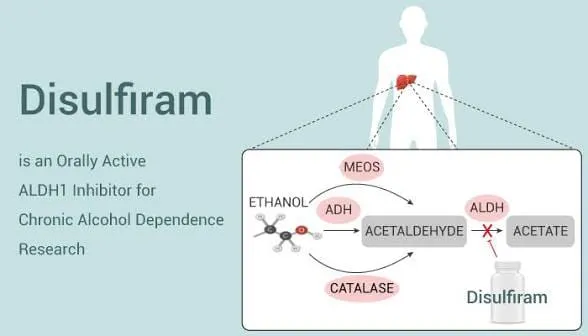
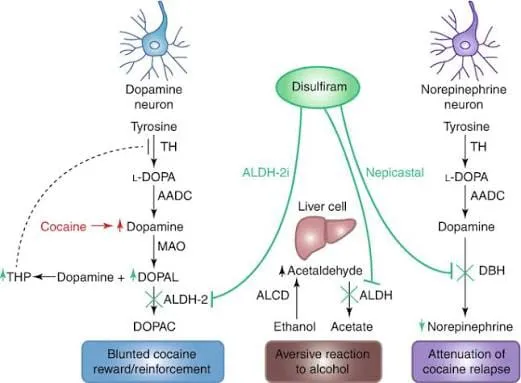
Figure 1: Pathway of Ethanol Metabolism and the Disulfiram-Alcohol Reaction
12. Pharmacokinetics
The pharmacokinetics of disulfiram are complicated by extensive metabolism and by the instability of the parent compound in biological matrices. After oral administration, disulfiram is absorbed, but plasma concentrations of the parent drug are low and variable, and most of the dose is converted to DDC and downstream metabolites [2]. Because of this, the parent compound is a poor surrogate for the pharmacological effect, and plasma disulfiram concentrations are not a reliable measure of therapeutic status. Metabolite concentrations and the degree of ALDH inhibition are more informative, although they are less commonly measured in clinical practice.
Elimination of disulfiram proceeds through metabolic routes, and the pharmacokinetics of the metabolites are not fully characterized in all populations. Variability in absorption, metabolism, and enzyme status contributes to inter-individual differences in response. Table 3 summarizes the pharmacokinetic features most relevant to controlled-release design.
Table 3: Pharmacokinetic Features of Disulfiram Relevant to Controlled-Release Design
| Parameter | Characteristic | Implication for controlled release |
|---|---|---|
| Absorption | Oral absorption occurs; exposure varies between individuals | A release system must bypass variable gastrointestinal absorption |
| Parent compound | Low and variable plasma concentrations; chemically labile | Plasma parent drug is an unreliable marker of effect |
| Metabolism | Reduction to DDC; conversion to DETC-MeSO | Formulation must deliver or preserve metabolic precursors predictably |
| Duration of effect | ALDH inhibition persists for days after dosing ceases | Effect depends on enzyme turnover; this supports less frequent dosing |
| Interactions | Inhibits several CYP enzymes; interacts with multiple drug classes | Sustained exposure may prolong interaction risk |
13. Pharmacodynamics
The pharmacodynamic response to disulfiram is determined by the extent and duration of ALDH inhibition and by the amount of alcohol consumed. Acetaldehyde concentrations rise with alcohol intake, and the severity of the reaction correlates with the magnitude of ALDH inhibition. Because ALDH2 activity varies with genotype, individuals with reduced enzyme activity may experience a more pronounced response to alcohol while taking disulfiram, while others may have a weaker response [1].
A key pharmacodynamic consequence is that the deterrent effect is not a simple function of the dose taken on a given day. Enzyme inhibition is cumulative and persists after dosing is stopped, so the risk of a reaction depends on the recent dosing history and on the timing of alcohol exposure. This characteristic is one reason why controlled-release systems that maintain steady ALDH inhibition have theoretical appeal: they could provide a more predictable deterrent effect than intermittent oral dosing. The same characteristic, however, also raises the risk that unplanned or prolonged alcohol exposure would produce a severe reaction, which is a principal safety concern for any sustained-release system.
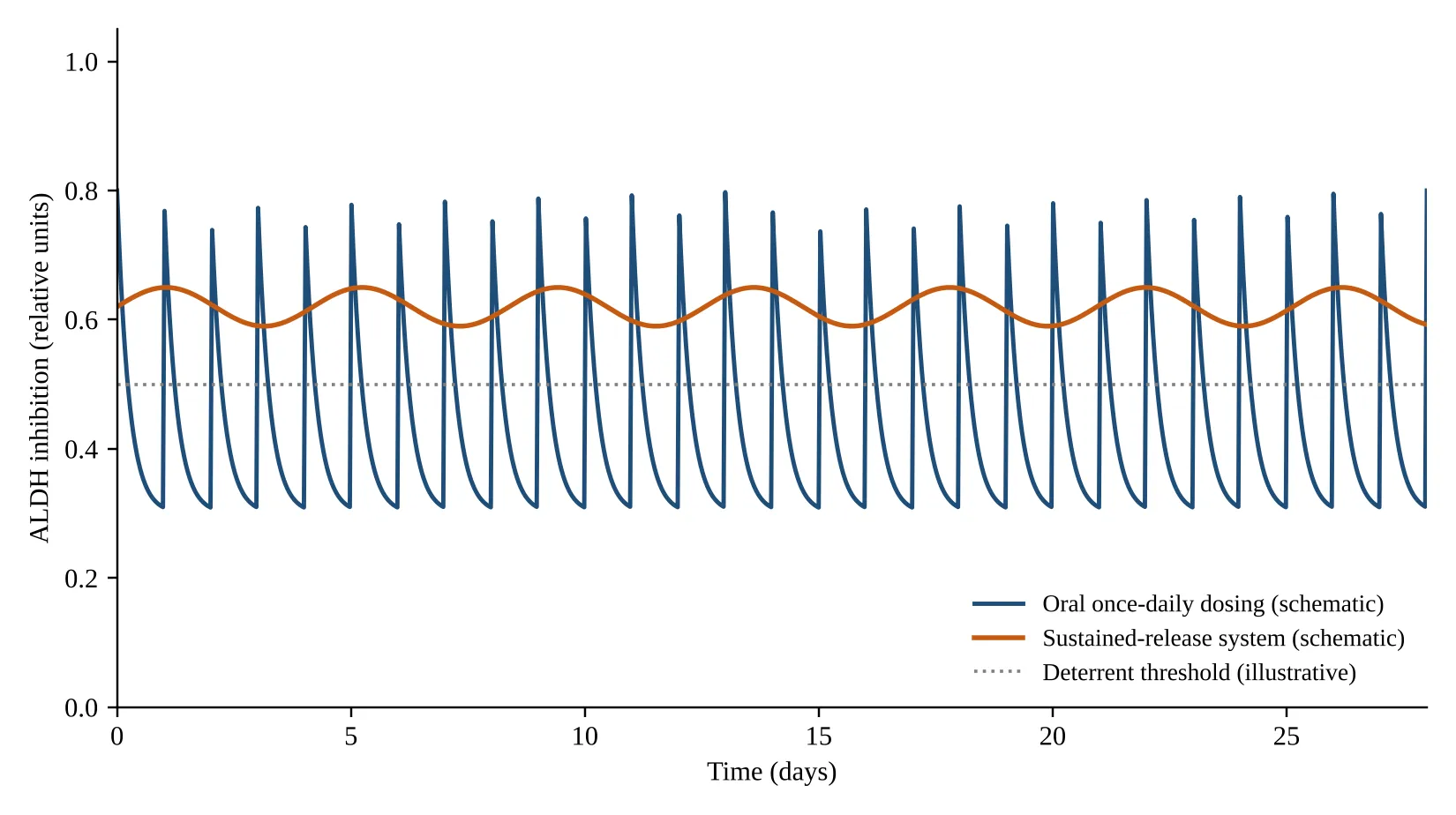
Figure 2: Schematic Comparison of ALDH Inhibition Under Oral Daily Dosing and a Sustained-Release System
14. Current Treatment and Existing Approaches
Current AUD management combines psychosocial interventions, such as motivational interviewing, cognitive behavioral therapy, and mutual-help approaches, with pharmacotherapy where indicated [8]. Pharmacotherapy is recommended for patients with moderate to severe AUD who are motivated to reduce or stop drinking and who have no contraindications [8,9]. Although guidelines support the use of approved medications, rates of prescribing remain low in many health systems [8].
Oral disulfiram is the least expensive of the approved options and has a long track record. Its use is most defensible in patients who are highly motivated, who have supervised administration available, and who understand and accept the risks. Naltrexone and acamprosate are generally preferred in many settings because they do not produce a deterrent reaction and are considered to carry a lower risk of serious interaction with alcohol [8]. The availability of extended-release injectable naltrexone has further broadened options for patients who struggle with daily oral dosing [6].
15. Recent Advances and Emerging Approaches
Recent advances in AUD pharmacotherapy have focused on three areas: long-acting delivery, precision medicine, and novel mechanisms. Extended-release injectable naltrexone is the most prominent example of long-acting delivery applied to AUD. A randomized controlled trial demonstrated that monthly injections improved adherence and reduced heavy drinking relative to placebo in a population of patients with AUD [6]. This finding established the principle that long-acting delivery can overcome the adherence barrier that limits oral therapy.
Pharmaceutical technologies that could support controlled-release disulfiram include biodegradable polymer depots such as poly (lactic-co-glycolic acid), subdermal implants, and nanoparticle or microsphere carriers. These platforms are well established for other long-acting therapies, and their application to disulfiram is conceptually straightforward. However, the chemical instability of the parent compound and its metabolites presents a formulation challenge that is not encountered with more stable molecules, and no disulfiram-specific depot has yet progressed to large-scale clinical evaluation according to the published literature reviewed here.
Precision medicine approaches, including pharmacogenetic assessment of ALDH2 genotype and characterization of AUD heterogeneity, may also influence the future selection of candidates for deterrent therapy [9]. Patients with reduced ALDH2 activity already experience aversive reactions at low alcohol exposure, which raises questions about the appropriateness of any deterrent system for those individuals.
16. Clinical Studies and Research Evidence
The clinical evidence for disulfiram was assessed in meta-analyses and systematic reviews. Jørgensen and colleagues performed a systematic review and meta-analysis of randomized trials of disulfiram in AUD and concluded that the drug showed benefit in some outcomes, with the effect depending on trial design, dosing, and whether supervision was provided [3]. Skinner and colleagues conducted a separate meta-analysis that also evaluated disulfiram efficacy in alcohol dependence and reported a benefit over placebo, while noting the heterogeneity of included trials [4]. Both reviews emphasized that adherence and supervision are important determinants of outcome.
Evidence for the other approved agents has been synthesized in large meta-analyses. Jonas and colleagues reviewed outpatient pharmacotherapy trials and found that naltrexone and acamprosate were associated with reductions in return to drinking relative to placebo [5]. The COMBINE study, a multisite randomized trial, showed that combined pharmacotherapy with behavioral intervention produced favorable outcomes, although the contribution of each component varied by endpoint [12]. Table 4 summarizes representative evidence bearing on the present review.
Table 4: Summary of Representative Clinical Evidence for AUD Pharmacotherapies
| Study (reference) | Design and population | Agent(s) | Principal finding relevant to this review |
|---|---|---|---|
| Jørgensen et al. (3) | Systematic review and meta-analysis of randomized trials | Disulfiram | Benefit in some outcomes; effect depends on supervision and trial design |
| Skinner et al. (4) | Meta-analysis of randomized trials in alcohol dependence | Disulfiram | Benefit over placebo with substantial heterogeneity |
| Jonas et al. (5) | Systematic review and meta-analysis of outpatient trials | Naltrexone; acamprosate | Reduced return to drinking versus placebo |
| Garbutt et al. (6) | Randomized controlled trial | Extended-release injectable naltrexone | Improved adherence and reduced heavy drinking versus placebo |
| Anton et al. (12) | Multisite randomized trial (COMBINE) | Naltrexone; acamprosate; behavioral therapy | Combined treatment favorable; benefit varies by endpoint |
No randomized controlled trial of a controlled-release disulfiram formulation was identified in the sources reviewed. The absence of such trials is the central evidence gap for the topic, and it means that any claim of clinical superiority for a sustained-release disulfiram product would currently be unsupported.
17. Safety, Adverse Effects and Limitations
The principal safety concern with disulfiram is the disulfiram-alcohol reaction. Although usually self-limiting, severe reactions with hypotension, cardiac arrhythmia, and in rare cases fatal outcomes have been reported, particularly when a patient consumes alcohol unknowingly or in large quantities [1,15]. Patients should be counseled to avoid alcohol and alcohol-containing products, including some over-the-counter preparations, and should understand that the effect persists after the last dose [15].
Other adverse effects include fatigue, drowsiness, headache, metallic taste, and skin reactions. Peripheral neuropathy and hepatotoxicity are recognized but uncommon, and liver function should be monitored in appropriate patients [15]. Disulfiram can produce psychotic reactions in some individuals, and caution is advised with drugs such as metronidazole, which can produce similar effects in combination [15]. Interactions with warfarin, phenytoin, and other agents are clinically relevant because of enzyme inhibition [2,15].
For a controlled-release system, additional safety considerations arise. Implants and depots cannot be removed as readily as oral tablets, and a deterrent that is difficult to discontinue may pose ethical and clinical problems if a patient wishes to stop treatment or if an adverse event occurs. Local tissue reactions, device-related complications, and the accumulation of metabolites during prolonged exposure would also require systematic evaluation. These factors are discussed further in Section 19.
18. Comparative Analysis
Table 5 compares oral disulfiram with the principal approved agents and with the investigational controlled-release concept. The comparison is intended to clarify where a sustained-release disulfiram system might offer advantage and where it would present new risks.
Table 5: Comparative Analysis of Oral Disulfiram, Approved Long-Acting Alternatives, and Proposed Controlled-Release Disulfiram
| Feature | Oral disulfiram | Extended-release naltrexone | Delayed-release acamprosate | Controlled-release disulfiram (proposed) |
|---|---|---|---|---|
| Mechanism | ALDH inhibition; aversive reaction | Opioid receptor antagonism | Glutamate-GABA modulation | ALDH inhibition; aversive reaction |
| Dosing interval | Daily | Monthly intramuscular injection | Oral, multiple times daily (delayed-release tablets) | Potentially weeks to months |
| Adherence dependence | High | Low | Moderate | Expected to be low, but not validated |
| Evidence base | Meta-analyses of older trials; heterogeneous | Randomized controlled trial evidence | Meta-analytic evidence | None identified in clinical trials |
| Principal safety concern | Severe reaction with alcohol | Injection-site reaction; hepatic caution | Renal dose adjustment | Unplanned severe reaction; non-removable device |
| Reversibility | Stop dosing; effect resolves over days | Effect wanes over weeks | Stop dosing | Limited if implanted or depot is non-removable |
19. Challenges and Research Gaps
Several challenges must be resolved before controlled-release disulfiram can be considered a clinically viable option. These challenges span pharmacology, formulation science, clinical evaluation, and ethics. The most important are summarized below.
19.1 Pharmacokinetic-pharmacodynamic modeling
A mechanistic model linking release rate, metabolite formation, ALDH turnover, and the threshold for aversive reaction does not yet exist in a form suitable for regulatory use. Such a model would allow prediction of the release profile required to maintain protection while limiting the risk of severe reactions during unplanned alcohol exposure.
19.2 Formulation stability
Disulfiram is chemically labile, and its metabolites are reactive. Demonstrating that a polymer depot or implant maintains drug integrity and releases the active species reproducibly over the intended period presents a substantial analytical and formulation challenge.
19.3 Safety under unplanned alcohol exposure
The central safety question is whether a sustained-release system would produce a more severe or prolonged reaction than oral dosing if a patient drinks. This question cannot be answered from existing data and would require controlled clinical studies with appropriate safeguards.
19.4 Ethics and patient autonomy
A non-removable deterrent raises issues of consent, reversibility, and patient autonomy. Any development program would need to define clear procedures for device removal, emergency management, and the rights of patients who wish to discontinue treatment.
19.5 Trial design and endpoints
Trials of AUD medications have historically used heterogeneous endpoints, such as percentage of heavy drinking days, abstinence, and time to relapse. Standardized endpoints and validated biomarkers of alcohol exposure, such as phosphatidylethanol, would improve comparability across studies [8,9].
20. Future Perspectives
The future development of controlled-release disulfiram may follow a staged pathway. Early work should focus on in vitro release characterization, stability testing of candidate polymer systems, and preclinical pharmacokinetic and pharmacodynamic studies that establish the relationship between sustained exposure and ALDH inhibition. Animal models of alcohol consumption could then be used to assess the relationship between release rate and the risk of severe reactions under controlled conditions.
If preclinical results are favorable, first-in-human studies would need to be designed with strict safeguards, including supervised administration, clearly defined stopping rules, and monitoring of ALDH activity or metabolite levels where feasible. Later phases could evaluate efficacy against oral disulfiram and extended-release naltrexone in populations with moderate to severe AUD. Digital adherence monitoring and integration with psychosocial care may also enhance the overall value of any sustained-release strategy, although these combinations would themselves require evaluation [8].
Future Perspectives of Disulfiram
Disulfiram has considerable potential for future pharmaceutical research because of its established role in the management of Alcohol Use Disorder (AUD) and its emerging applications in drug repurposing. Although conventional disulfiram therapy is available in tablet form, limitations such as variable patient adherence, frequent administration, adverse effects and fluctuations in drug exposure create opportunities for developing improved drug delivery systems.
Future research may focus on the following areas:
1. Advanced Drug Delivery Systems: Development of novel drug delivery systems may improve the therapeutic performance of disulfiram by providing better drug release characteristics and reducing fluctuations in drug concentrations.
2. Controlled-Release Formulations: Controlled-release formulations could provide prolonged drug release, maintain more consistent drug exposure and potentially reduce the frequency of administration.
3. Long-Acting Formulations: Research into long-acting dosage forms may offer an alternative to conventional oral therapy, particularly for patients who experience difficulties with regular medication adherence.
4. Improved Patient Compliance: Novel formulations may help overcome treatment discontinuation and improve long-term adherence among individuals undergoing treatment for AUD.
5. Nanotechnology-Based Approaches: Nanoparticles, polymeric carriers and other advanced drug delivery platforms may be investigated to improve drug stability, delivery characteristics and therapeutic performance.
6. Implant-Based Drug Delivery: Disulfiram-loaded biodegradable or biocompatible polymeric implants may be investigated as long-acting drug delivery systems. Such systems could potentially provide sustained drug release over an extended period and reduce dependence on daily oral administration. However, their safety, release kinetics and clinical effectiveness require systematic evaluation.
7. Improved Bioavailability: Further research should focus on overcoming the poor aqueous solubility, low oral bioavailability and rapid metabolism of disulfiram to improve its pharmaceutical performance.
8. Safety and Toxicity Evaluation: Future studies should investigate optimized drug concentrations, long-term safety, hepatotoxicity and other potential adverse effects to establish an appropriate therapeutic profile.
9. Clinical Evaluation: Well-designed clinical trials are necessary to evaluate the safety, efficacy and patient acceptability of advanced disulfiram formulations before their clinical application.
10. Drug Repurposing: Further investigations may explore disulfiram’s potential applications in oncology, inflammatory disorders and other therapeutic areas. However, these applications require further clinical evidence.
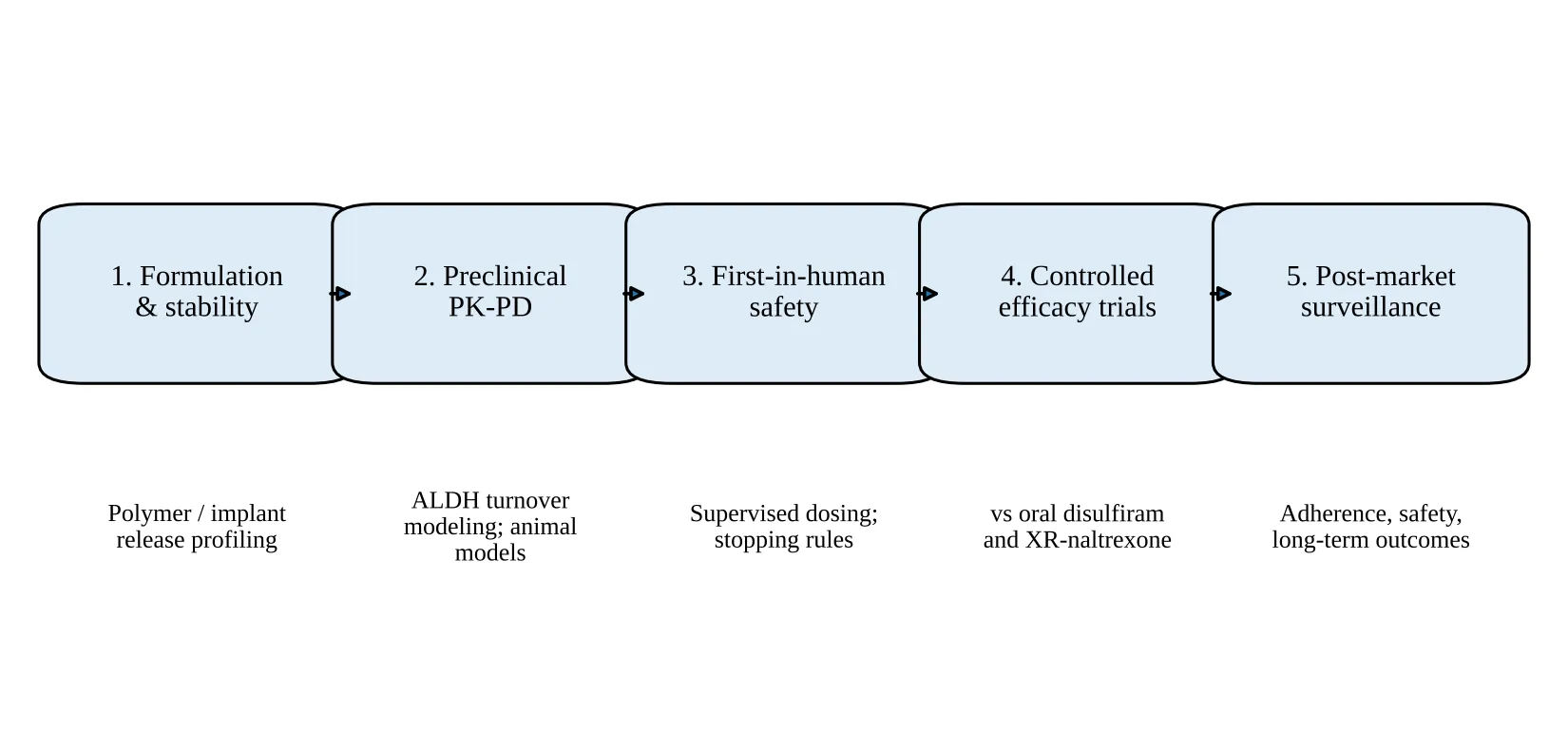
Figure 3: Proposed Staged Development Pathway for Controlled-Release Disulfiram
Longer term, the most important contribution of this research may be conceptual. Demonstrating that a deterrent pharmacotherapy can be delivered in a sustained, non-adherence-dependent form would inform the development of other agents whose clinical value depends on maintaining specific pharmacological states over time.
DISCUSSION
This review has examined the controlled-release potential of disulfiram from the perspectives of pathophysiology, pharmacology, clinical evidence, and pharmaceutical feasibility. The central finding is that disulfiram occupies a distinctive position among AUD medications. Its clinical value is established, its mechanism is well characterized, and its principal limitation is the adherence barrier associated with daily oral dosing [1,3,4]. These characteristics make it a logical candidate for long-acting delivery, and the success of extended-release naltrexone supports the general principle that adherence barriers can be overcome through formulation [6].
However, the disulfiram case is not a simple analogue of naltrexone. The therapeutic effect of disulfiram depends on an aversive response to alcohol rather than on a reduction in craving, and its duration is governed by enzyme turnover rather than by plasma concentration. A sustained-release system would therefore need to be designed around the risk of unplanned drinking rather than simply the goal of stable drug exposure. This distinction is important because the safety margin of any deterrent depends on the timing and magnitude of alcohol exposure, which patients cannot always control.
The evidence base also requires cautious interpretation. The meta-analyses of oral disulfiram report benefit in some outcomes, but heterogeneity among trials is substantial, and supervision appears to be a key determinant of outcome [3,4]. It would be inappropriate to assume that a sustained-release formulation would reproduce these results without direct evaluation. Equally, the absence of clinical data for controlled-release disulfiram should not be taken as evidence of inefficacy. It simply reflects that the concept has not been tested in a rigorous manner.
From a pharmacy practice perspective, the concept is most relevant to patients who are motivated to abstain, who have difficulty with daily adherence, and for whom alternatives are unsuitable or less acceptable. In such patients, a validated sustained-release deterrent could represent a meaningful addition to the therapeutic repertoire. Realizing this potential will depend on coordinated work across formulation science, clinical pharmacology, and bioethics.
CONCLUSION
Disulfiram remains a clinically relevant pharmacotherapy for AUD, and its principal limitation is the dependence of its effect on daily oral adherence. Controlled-release delivery offers a rational strategy for addressing this limitation, because the pharmacological effect of disulfiram depends on sustained ALDH inhibition that persists for days after dosing. The scientific rationale is supported by the experience with extended-release naltrexone and by an understanding of disulfiram metabolism. However, no disulfiram-specific controlled-release product has been validated in clinical trials, and important questions regarding pharmacokinetic-pharmacodynamic relationships, formulation stability, safety under unplanned alcohol exposure, and ethical management remain unresolved. Controlled-release disulfiram should therefore be regarded as a promising but investigational concept. Its development should proceed through rigorous preclinical characterization and carefully designed clinical studies before it can be recommended for routine use.
REFERENCES

Zaid Ameen Gulam Wasi, Belkhode Prathamesh Bhaurao, Linata Gulab Madame, Sadique Faizan, Dr. Sandip Ramesh Fulzele, Ruchita Sonwane, Rahela Anjum, Prerona Das, Gayatri Chinchulkar, Amrin Tabassum, Iftesham Ansari, Dr. Mohd Saleemuddin Faroqui, Dr. Sayyad Sajauddin Gulab, Exploring the Controlled-Release Potential of Disulfiram for the Management of Alcohol Use Disorder: A Comprehensive Review, Int. J. Sci. R. Tech., 2026, 3 (11), 1383-1394. https://doi.org/10.5281/zenodo.24553495
 10.5281/zenodo.24553495