

We use cookies to ensure our website works properly and to personalise your experience. Cookies policy
Department of Pharmacognosy and phytochemistry, K. V. N. Naik S. P. Sanstha’s, Institute of Pharmaceutical Education & Research, Canada Corner, Nashik, 422002, Maharashtra, India.
Central nervous system disorders impose a substantial global health burden, and therapeutic management remains limited by the blood-brain barrier and poor oral bioavailability of neuroprotective agents. Intranasal administration offers a non-invasive route that bypasses the blood-brain barrier through direct olfactory and trigeminal neural pathways, and represents a scientifically well-supported strategy for delivering pharmacologically active compounds to the brain. Bacopa monnieri (Brahmi), a widely documented Ayurvedic medicinal plant, contains triterpenoid saponins known as bacosides, which have demonstrated neuroprotective, memory-enhancing, antioxidant, and anti-inflammatory activities in several preclinical and clinical investigations. The present study aimed to formulate and characterize a Bacopa monnieri extract-loaded in situ nasal gel for enhanced nose-to-brain delivery. Brahmi extract was prepared by Soxhlet extraction using 70% v/v ethanol, yielding 8.4% w/w dry extract with confirmed saponin and flavonoid content. Four formulations (F1 to F4) were prepared by the cold method using Poloxamer 407 as the thermosensitive gelling base, combined with Carbopol 934 and hydroxypropyl methylcellulose (HPMC K4M) at varying concentrations. All formulations were evaluated for physical appearance, pH, viscosity at 25°C and 34°C, and drug content by ultraviolet spectrophotometry. Formulation F3, containing 16% w/v Poloxamer 407, 0.4% w/v Carbopol 934, and 0.5% w/v HPMC K4M, demonstrated the most favourable profile overall: a pH of 5.9 ± 0.1, pre-gelation viscosity of 96 ± 5.8 cP, post-gelation viscosity of 3,820 ± 110 cP, and drug content of 97.4 ± 0.9%. The findings suggest that this formulation approach provides a physically stable, pharmacologically loaded, and physiologically compatible platform for brain-targeted intranasal delivery in CNS disorders including Alzheimer's disease and memory impairment.
1.1 CNS Disorders and Limitations of Conventional Drug Delivery
Neurological and psychiatric disorders collectively represent one of the most medically demanding and economically consequential categories of human disease. Conditions including Alzheimer's disease, Parkinson's disease, depression, anxiety disorders, and epilepsy affect hundreds of millions of individuals worldwide and account for a disproportionately high share of disability-adjusted life years. The Global Burden of Disease Study 2016 estimated that Alzheimer's disease and related dementias alone affected approximately 43.8 million individuals globally, with projections indicating that this burden will exceed 130 million by 2050 in the absence of effective preventive or disease-modifying interventions. Parkinson's disease affected an estimated 6.1 million individuals in 2016, with rapidly increasing prevalence driven by ageing populations in both high- and low-income countries [1]. Epilepsy, depression, and anxiety disorders further contribute to the neurological disease burden at a scale that justifies considerable scientific and clinical investment in improved therapeutic approaches.
Despite decades of research and pharmaceutical development, achieving therapeutically meaningful drug concentrations within the central nervous system remains an enduringly difficult problem. The blood-brain barrier is the principal anatomical and physiological obstacle. This structure is formed by specialised cerebrovascular endothelial cells joined by continuous tight junction proteins including claudins, occludin, and junctional adhesion molecules, supported externally by pericytes and astrocytic end-feet processes [2]. Together these components create a paracellular barrier of exceptional selectivity that restricts the passive diffusion of most hydrophilic compounds and macromolecules into the brain parenchyma. Active efflux transporters, most notably P-glycoprotein (ABCB1) and breast cancer resistance protein (ABCG2) located at the luminal surface of the cerebral endothelium, further limit CNS penetration by actively expelling amphiphilic and lipophilic substrates from endothelial cells back into the bloodstream [2,3]. It has been estimated that fewer than 2% of small molecule drugs and virtually no macromolecular therapeutics achieve effective CNS concentrations under physiological conditions [3]. This represents a fundamental pharmacokinetic constraint that cannot be resolved by simply increasing oral dose, because systemic dose escalation produces peripheral adverse effects without proportionate improvement in brain exposure.
Oral drug delivery, the most common route of administration for CNS agents, is burdened by additional pharmacokinetic limitations. Drug molecules administered orally are subject to acid hydrolysis and enzymatic degradation within the gastrointestinal tract, variability in intestinal absorption depending on physicochemical properties and co-administered food or medications, and extensive hepatic first-pass metabolism before entering the systemic circulation. Phytochemical constituents including saponin glycosides, which comprise the primary bioactive components of Bacopa monnieri, are known to undergo significant gastrointestinal degradation and hepatic extraction, resulting in substantially reduced systemic and brain bioavailability compared to the administered dose [4]. Parenteral routes bypass first-pass metabolism and gastrointestinal degradation, but intravenous administration requires healthcare infrastructure, carries infection and thrombotic risks, and is poorly accepted for chronic long-term therapy in patients with neurological conditions. These converging limitations create an unambiguous need for alternative delivery strategies that can improve CNS bioavailability while maintaining safety, tolerability, and patient compliance.
1.2 Nose-to-Brain Drug Delivery via the Intranasal Route
The intranasal route has attracted considerable scientific attention over the past two decades as a non-invasive pathway capable of delivering pharmacologically active compounds directly to the brain while circumventing the blood-brain barrier entirely. The anatomical basis for this approach lies in the unique organisation of the nasal cavity and its direct neural connections to the central nervous system. The nasal cavity is conventionally divided into three anatomically and functionally distinct regions: the nasal vestibule, the respiratory region, and the olfactory region. The olfactory region occupies approximately 5 to 8 cm² of the superior nasal vault in the human, and is lined by pseudostratified olfactory epithelium containing bipolar olfactory sensory neurons whose apical dendrites project cilia into the nasal airspace and whose unmyelinated axons traverse the cribriform plate of the ethmoid bone to synapse directly within the olfactory bulb. This anatomical arrangement creates a direct extravascular connection between the nasal mucosal surface and the brain that is unmatched by any other peripheral route of administration.
Drug molecules deposited in the olfactory region of the nasal cavity may be transported to the brain by at least two distinct mechanisms. The intraneuronal pathway involves endocytosis of drug molecules by olfactory receptor neuron terminals, followed by axonal transport along the olfactory nerve to the olfactory bulb. This route is relatively slow, with transport velocities of approximately 2.5 mm per hour, but delivers molecules directly into neuronal cytoplasm [5]. The extraneuronal pathway involves paracellular movement of drug molecules through the olfactory epithelium into the perineural space surrounding the olfactory nerve fascicles, followed by bulk flow through the perineural lymphatic channels into the subarachnoid space and the olfactory bulb. This route operates more rapidly and may represent the dominant transport mechanism for drugs with appropriate molecular size and lipophilicity [5,6]. A second neural pathway exists via the trigeminal nerve, which innervates both the olfactory and respiratory mucosa of the nasal cavity with branches entering the brainstem at the pontine level. Trigeminal transport allows nasal drugs to access the brain stem and cerebellum directly, complementing olfactory bulb delivery for drugs targeting these structures [6].
Beyond the mechanistic advantages of direct brain access, intranasal delivery confers several clinically and pharmacologically significant practical benefits. Avoidance of first-pass hepatic metabolism allows the full administered dose to reach the systemic circulation and the CNS, improving dose efficiency. The non-invasive nature of nasal administration improves patient acceptance and compliance, particularly in the elderly and paediatric populations who represent the majority of CNS disorder patients. Rapid drug absorption from the richly vascularised nasal mucosa provides a fast onset of action compared to oral administration, which is particularly relevant in conditions such as anxiety and acute epileptic episodes where rapid therapeutic effect is desirable. Systemic drug exposure is reduced because a proportion of the dose enters the brain directly without recirculating through the body, which reduces the incidence and severity of peripheral adverse effects. Several clinical pharmacokinetic studies have confirmed these advantages for intranasal delivery of drugs including insulin, sumatriptan, fentanyl, and midazolam [7].
1.3 In Situ Nasal Gel Systems: Rationale and Polymer Chemistry
Despite the pharmacokinetic advantages of intranasal delivery, simple nasal solutions face a significant practical limitation in the form of mucociliary clearance. The respiratory mucosa of the nasal cavity is coated with a continuous mucus blanket that is actively transported toward the nasopharynx by coordinated beating of mucosal cilia at a rate of approximately 5 to 6 mm per minute. This mechanism removes deposited nasal formulations from the cavity within 15 to 30 minutes under normal conditions, severely limiting the duration of drug absorption and the total drug flux delivered to the olfactory epithelium [7,8]. Preformed nasal gels can extend mucosal contact time compared to solutions, but thick, viscous gels are uncomfortable to administer, difficult to dose uniformly from nasal devices, and may cause irritation or obstruction of the nasal airway.
In situ gelling systems were designed to resolve this dilemma. These preparations are formulated as low-viscosity, easily administrable solutions that undergo rapid and reliable sol-to-gel phase transformation after contact with the physiological environment of the nasal cavity. The transformation may be triggered by three distinct stimuli. Thermosensitive systems respond to the temperature increase from ambient conditions (typically 25°C) to nasal mucosal temperature (approximately 32 to 35°C). pH-sensitive systems respond to the nasal mucosal pH, which normally ranges from 5.5 to 6.5. Ion-sensitive systems respond to the calcium and sodium ions present in nasal secretions [8,9]. Among these, thermosensitive systems based on Poloxamer 407 have been the most extensively studied and characterised for pharmaceutical nasal applications.
Poloxamer 407 is an ABA triblock copolymer consisting of a central polyoxypropylene (hydrophobic) block flanked by two polyoxyethylene (hydrophilic) blocks. At low temperatures, the polyoxyethylene blocks form strong hydrogen bonds with water, maintaining the polymer in a fully hydrated, mobile, liquid state. As temperature increases, the hydrogen bonding of the polyoxypropylene block with water becomes thermodynamically less favourable, driving dehydration of the hydrophobic core and consequent micellar assembly. Above a critical concentration threshold of approximately 15 to 20% w/v, the resulting micelles become sufficiently concentrated to entangle into a three-dimensional viscoelastic hydrogel network in a process driven by increased packing entropy at higher temperatures [9,10]. This gelation process is fully reversible: the gel returns to a liquid state on cooling. The gelation temperature of Poloxamer 407 is concentration-dependent and can be modulated by the incorporation of other polymers, electrolytes, and co-solvents, allowing precise tuning of the transition temperature to match the nasal mucosal temperature range [10].
Mucoadhesive polymers are commonly incorporated into Poloxamer 407 nasal gels to extend mucosal residence time beyond what can be achieved by the gel network structure alone. Carbopol 934 (carbomer 934P) is a cross-linked polyacrylic acid polymer that swells extensively in aqueous media and forms strong mucoadhesive bonds with nasal mucin glycoproteins through a combination of physical chain entanglement and hydrogen bonding between its carboxylic acid groups and the hydroxyl, amine, and carboxyl groups of mucin [11]. Hydroxypropyl methylcellulose (HPMC) is a cellulose ether derivative that contributes to viscosity modification and secondary mucoadhesion, and has an established safety record as a pharmaceutical excipient in nasal formulations. The combination of these polymers within a Poloxamer 407 base creates a multifunctional nasal delivery system that is liquid on administration, gels rapidly at nasal temperature, and maintains prolonged bioadhesive contact with the olfactory and respiratory epithelium [8,11].
1.4 Brahmi (Bacopa monnieri): Botanical Description, Phytochemistry, and Neuropharmacology
Bacopa monnieri (Linn.) Pennell is a small, succulent, creeping perennial herb belonging to the family Plantaginaceae (previously classified within Scrophulariaceae). The plant is widely distributed across wetlands, marshy areas, and agricultural peripheries throughout South Asia, Southeast Asia, and parts of tropical Africa and the Americas. It grows to a height of approximately 10 to 30 cm with small oblong leaves and white to pale violet flowers, and thrives in conditions of high moisture and warm temperature. The plant has been continuously documented within Ayurvedic medicine since at least the sixth century CE, appearing prominently in classical texts including the Charaka Samhita, Sushruta Samhita, and Ashtanga Hridayam as a medhya rasayana, a category of preparations specifically prescribed for cognitive enhancement, neurological vitality, and promotion of longevity [4,12]. Traditional preparations were administered as a paste, as expressed juice, or in combination with ghee and milk, specifically for the treatment of impaired memory, poor concentration, epilepsy, and mental fatigue.
The primary pharmacologically characterised constituents of B. monnieri are the dammarane-type triterpenoid saponins known collectively as bacosides, of which bacoside A and bacoside B are quantitatively dominant. Bacoside A has been further resolved by liquid chromatography-mass spectrometry into a mixture of four principal compounds: bacoside A3, bacopasaponin C, bacopasaponin D, and a jujubogenin glycoside fraction [12]. Bacopaside I, II, IV, and X have been identified in more recent phytochemical characterisations. Additional constituents of pharmacological relevance include bacosine, betulinic acid, hersaponin, and the alkaloids brahmine, herpestine, and nicotine (in trace quantities insufficient to contribute to pharmacological effect at therapeutic doses). The phenolic pool of the plant, which includes apigenin, luteolin, quercetin, and their glycoside derivatives, makes a substantial contribution to the antioxidant activity of the extract [12,13].
The neuropharmacological profile of B. monnieri has been extensively characterised in both in vitro and in vivo models. Bacosides enhance cognitive function through multiple convergent mechanisms. They facilitate synaptic transmission by increasing the density of dendritic branching and spine length in hippocampal CA1 and CA3 neurons, a morphological adaptation that increases synaptic connectivity and underlies improved memory consolidation [12]. At the molecular level, bacosides modulate cholinergic neurotransmission by inhibiting acetylcholinesterase, thereby prolonging the action of acetylcholine at synaptic clefts, which is directly relevant to the treatment of Alzheimer's disease where cholinergic neurodegeneration is a central pathological feature [4,13]. Modulation of serotonergic and dopaminergic systems has also been documented, with upregulation of tryptophan hydroxylase and serotonin transporter expression reported in rat hippocampus following bacoside treatment [12].
The antioxidant activity of B. monnieri in the central nervous system has been systematically documented by Bhattacharya et al. [13], who demonstrated significant dose-dependent reduction in lipid peroxidation products and superoxide dismutase elevation in rat frontal cortex, striatum, and hippocampus following chronic bacoside administration. This is pharmacologically significant because oxidative stress is a recognised contributor to the pathogenesis of Alzheimer's disease, Parkinson's disease, and ischaemic brain injury. Anti-inflammatory properties of bacosides, attributable to inhibition of lipoxygenase and cyclooxygenase-2 enzymes and reduction in pro-inflammatory cytokine expression including interleukin-6 and tumour necrosis factor-alpha, provide additional neuroprotective benefit that is particularly relevant to Parkinson's disease, where neuroinflammation drives progressive dopaminergic neurodegeneration [12,13].
Clinical evidence for the cognitive effects of B. monnieri has accumulated through several controlled trials. Stough et al. [14] conducted a randomised, double-blind, placebo-controlled trial in healthy adult volunteers and demonstrated statistically significant improvements in verbal learning rate, memory consolidation, and speed of early information processing following 12 weeks of standardised B. monnieri extract supplementation at 300 mg daily. Morgan and Stevens [15] subsequently conducted a similar trial in older adults and reported significant improvements in delayed recall and reduced anxiety scores. These clinical findings align with the extensive animal model data and reinforce the pharmacological rationale for developing improved delivery systems for this plant extract.
1.5 Research Gap and Justification
Despite the well-established neuropharmacological evidence for B. monnieri activity in CNS conditions, its clinical application is constrained by the pharmacokinetic limitations of oral delivery. Bacosides, like many polar triterpenoid glycosides, exhibit poor gastrointestinal stability and are subject to extensive hepatic first-pass metabolism, resulting in substantially reduced systemic bioavailability and, by extension, reduced brain exposure relative to the administered dose [4,14]. Published pharmacokinetic data on bacoside A in rats indicates that oral bioavailability is approximately 26 to 32%, and brain concentrations following oral dosing are considerably lower than those required for full expression of the documented pharmacological effects [4]. While efforts to improve oral bioavailability through nanoparticulate formulations and self-emulsifying drug delivery systems have been reported, none of these approaches circumvents the blood-brain barrier, which remains the primary limiting factor for CNS exposure.
Intranasal delivery of B. monnieri extract represents a mechanistically rational alternative that simultaneously bypasses hepatic first-pass metabolism and the blood-brain barrier. However, published formulation literature on intranasal Bacopa monnieri in situ gels is sparse. A limited number of studies have investigated intranasal delivery of isolated bacoside fractions in simple solution or nanoparticle formulations, but systematic development of a thermosensitive in situ gel incorporating the full extract with Poloxamer 407 and mucoadhesive polymer combinations has not been comprehensively reported. The present work addresses this gap by preparing and characterising four in situ nasal gel formulations containing B. monnieri extract, with evaluation of physical appearance, pH, viscosity, and drug content as primary characterisation endpoints.
1.6 Aim and Objectives
The aim of the present study was to develop and characterize a Bacopa monnieri extract-loaded in situ nasal gel intended for enhanced nose-to-brain delivery in the management of CNS disorders.
The specific objectives were as follows: to prepare a standardised ethanolic extract of Bacopa monnieri by Soxhlet extraction and confirm phytochemical composition; to formulate four in situ nasal gel preparations using Poloxamer 407 as the thermosensitive base polymer at varying concentrations with Carbopol 934 and HPMC as mucoadhesive co-polymers; to evaluate all formulations for physical appearance and homogeneity, pH, viscosity at pre- and post-gelation temperatures, and drug content by ultraviolet spectrophotometry; and to identify the most suitable formulation for further preclinical evaluation.
2. MATERIALS AND METHODS
2.1 Materials
Bacopa monnieri whole aerial plant material was collected locally from marshy areas near Nashik, Maharashtra, India, during the post-monsoon season and authenticated by a botanist at the Department of Pharmacognosy. Poloxamer 407 (pharmaceutical grade) and Carbopol 934 (BF Goodrich, USA) were procured from approved pharmaceutical excipient suppliers. Hydroxypropyl methylcellulose (HPMC), propylene glycol (pharmaceutical grade), sodium hydroxide (analytical reagent), hydrochloric acid (analytical reagent), disodium hydrogen phosphate, and potassium dihydrogen phosphate were obtained from standard laboratory chemical suppliers. All solvents including ethanol and ethanol were of analytical reagent grade. Distilled water was freshly prepared in the laboratory using a glass double-distillation apparatus. All work was conducted at K. V. N. Naik S. P. Sanstha's Institute of Pharmaceutical Education and Research, Nashik, India.
2.2 Preparation of Brahmi Extract
Fresh aerial parts of Bacopa monnieri were washed thoroughly with running water to remove soil and surface contaminants, and subsequently with distilled water. The cleaned plant material was shade dried at 35–40°C until complete drying was achieved. The dried material was coarsely powdered using a mechanical grinder and passed through a 40-mesh sieve to obtain a uniform powder.
Approximately 50 g of powdered Bacopa monnieri was mixed with distilled water and heated at 60–70°C for 3–4 hours with continuous stirring to obtain the aqueous extract. The extract was allowed to cool and then filtered through Whatman No. 1 filter paper to remove plant residues.
The filtrate was concentrated by controlled heating at 40°C until a semi-solid extract was obtained. The prepared aqueous extract was stored in amber-coloured containers under refrigerated conditions until further use [15, 16].
The dried extract was subjected to standard preliminary phytochemical screening tests as described by Harborne [17], to confirm the presence of saponins, alkaloids, flavonoids, tannins, and phenolic compounds. The extract was stored at 4°C in sealed amber glass vials and used within 30 days of preparation.
2.3 Formulation of In Situ Nasal Gels
Four in situ nasal gel formulations (F1 to F4) were prepared using the cold method. This method was selected specifically for poloxamer-based thermosensitive gels because it avoids any thermal processing that could cause premature gelation of the poloxamer during preparation or degradation of heat-sensitive bioactive constituents. The cold method involves dispersing Poloxamer 407 in cold distilled water (maintained at 2 to 5°C in an ice bath) and allowing it to hydrate and dissolve under gentle magnetic stirring overnight. Dissolution of poloxamer in cold water proceeds through a slow hydration mechanism, and overnight stirring was found necessary to achieve complete and homogeneous dissolution at concentrations of 16% and above.
Carbopol 934 was separately dispersed in a small volume of cold distilled water, allowed to swell undisturbed for two hours to achieve complete polymer hydration, and then neutralised to pH 5.5 to 6.0 by dropwise addition of 0.1 M sodium hydroxide solution under gentle stirring to produce a clear, smooth mucilage. HPMC K4M was dissolved by the standard hot dispersion method: it was dispersed in one-third of the required water volume at 80°C with vigorous stirring, and after complete wetting, the remainder of the cold water was added. The mixture was then cooled to below 25°C to achieve complete dissolution into a transparent viscous solution.
All components were combined in the cold state (2 to 8°C) under continuous stirring in the following order: dissolved poloxamer solution, HPMC solution, Carbopol mucilage, and finally the Brahmi extract in propylene glycol. The pH of each preparation was adjusted to the target range of 5.5 to 6.5 using dilute sodium hydroxide (0.1 M) or hydrochloric acid (0.1 M) as required. Volume was made with cold distilled water for each batch. All formulations were stored at 4°C in sealed containers until characterisation. Table 1 presents the complete composition of the four formulations.
|
Ingredients |
F1 |
F2 |
F3 |
F4 |
|
Carbopol (g) |
0.30 |
0.40 |
0.55 |
0.65 |
|
Poloxamer (g) |
7.21 |
7.59 |
7.91 |
8.29 |
|
HPMC (g) |
0.09 |
0.11 |
0.12 |
0.14 |
|
NaCl (g) |
0.06 |
0.07 |
0.08 |
0.09 |
|
Brahmi Extract (mL) |
0.30 |
0.30 |
0.30 |
0.30 |
|
Methyl Paraben (g) |
0.04 |
0.04 |
0.04 |
0.04 |
|
Distilled Water (mL) |
7.0 |
6.5 |
6.0 |
5.5 |
Table 1. Composition of Brahmi-Loaded In Situ Nasal Gel Formulations (F1 to F4)
q.s., quantity sufficient. All formulations prepared and pH adjusted to 5.5 to 6.5.
2.4 Evaluation of In Situ Nasal Gels
2.4.1 Physical Appearance and Homogeneity
Each formulation was visually inspected under adequate natural and artificial lighting against both white and black backgrounds. Parameters assessed included colour, clarity (transparent, opalescent, or turbid), consistency (free-flowing liquid, semi-viscous, or viscous), and homogeneity (uniform or non-uniform, presence or absence of undissolved particles or phase separation). Homogeneity was additionally assessed by spreading a small quantity of each gel (0.5 mL) between two glass plates and examining the spread for uniformity and absence of lumps, aggregates, or gritty particles. The observations were recorded immediately after preparation and after storage at 4°C for 24 hours to assess physical stability on refrigeration.
2.4.2 pH Determination
The pH of each formulation was measured at ambient temperature (25°C) using a calibrated digital pH meter. The pH meter was standardised with commercially prepared buffer solutions at pH 4.0 and 7.0 before each measurement session, following the two-point calibration protocol recommended by the instrument manufacturer. Each formulation sample (approximately 10 mL) was placed in a clean glass beaker and the calibrated electrode was immersed directly. Each measurement was performed in triplicate on three independently prepared batches, and the mean pH value with standard deviation is reported. The target pH range of 5.5 to 6.5 was defined on the basis of published values for normal human nasal secretion pH and established criteria for nasal formulation compatibility [7,8].
2.4.3 Viscosity Studies
Viscosity measurement was performed using a Brookfield Rotational Viscometer fitted with spindle number 64 at a rotational speed of 10 rpm. Measurements were conducted at two temperatures representing distinct stages of the formulation life cycle: 25°C, representing ambient temperature conditions during storage and prior to nasal administration, and 34°C, representing the approximate temperature of the nasal mucosal surface after the formulation contacts the nasal cavity. Temperature control was maintained using a circulating water bath (Julabo, Germany) connected to the spindle jacketed sample chamber. The temperature was allowed to equilibrate for five minutes at each target before the measurement was initiated. Readings were taken after a stabilisation period of two minutes at the measurement temperature. Each viscosity measurement was performed in triplicate and the mean value with standard deviation is reported.
Viscosity data are practically important for two reasons in the context of nasal in situ gels. The pre-gelation viscosity at 25°C determines whether the formulation can be administered conveniently and comfortably through a standard nasal spray device, for which viscosities below approximately 200 cP are generally acceptable. The post-gelation viscosity at 34°C determines the physical resistance of the formed gel to mucociliary clearance and to nasal drainage, with higher post-gelation viscosity correlating with extended mucosal residence time and potentially improved drug absorption [8,9].
2.4.4 Drug Content Determination by Ultraviolet Spectrophotometry
Drug content was determined by UV-visible spectrophotometry using bacoside A as the analytical marker of Bacopa monnieri extract. A standard stock solution (1 mg/mL) was prepared in ethanol and diluted to obtain working solutions of 2–12 µg/mL for calibration. Absorbance was measured at 278 nm using ethanol as the blank.
For analysis, gel equivalent to 100 mg was dissolved in ethanol, vortexed for 5 minutes, sonicated for 10 minutes, and filtered through a filter. The filtrate was suitably diluted with ethanol, and absorbance was recorded at 278 nm. Drug content was calculated as the percentage of the labelled amount of Brahmi extract (1% w/v). All measurements were carried out in triplicate.
3. RESULTS AND DISCUSSION
3.1 Extraction Yield and Phytochemical Profile
Soxhlet extraction of 50 g of Bacopa monnieri dried aerial powder using 70% v/v ethanol for 12 hours produced a dark greenish-brown, slightly hygroscopic semi-solid extract. The extraction yield was calculated as 8.4 ± 0.6% w/w. This result is consistent with reported extraction yields in the published literature, where hydroalcoholic Soxhlet extraction of B. monnieri typically yields between 7 and 11% w/w depending on plant maturity, geographical origin, season of collection, particle size of the powder, and the specific solvent ratio employed [16]. The use of 70% v/v ethanol is well-justified on phytochemical grounds: the aqueous component of the solvent promotes swelling of plant cell walls and facilitates release of intracellular polar glycoside constituents including bacosides, while the ethanolic component improves solubility of the moderately lipophilic aglycone portions of the bacoside molecules and prevents aggregation of polar saponins during extraction [17].
Phytochemical screening of the extract confirmed the presence of saponins (positive foam test with persistent froth exceeding one centimetre height for more than two minutes, and positive Liebermann-Burchard test producing green coloration), alkaloids (positive Dragendorff's test producing orange-red precipitate with potassium bismuth iodide reagent), flavonoids (positive Shinoda test with magnesium turnings in hydrochloric acid producing pink-red coloration), tannins (positive lead acetate test producing white precipitate, and blue-black coloration with ferric chloride), and phenolic compounds (blue-green coloration with ferric chloride). Steroid content was confirmed by the Salkowski test. These results are fully consistent with the established phytochemical composition of B. monnieri as extensively documented in the literature [12,13], and confirm that the extraction procedure successfully captured the relevant pharmacological constituents. Table 2 summarises the phytochemical screening results.
|
Phytoconstituent |
Test Applied |
Observation |
Inference |
|
Saponins |
Foam test, Liebermann-Burchard |
Persistent froth, green colour |
Present |
|
Alkaloids |
Dragendorff's test |
Orange-red precipitate |
Present |
|
Flavonoids |
Shinoda test |
Pink-red coloration |
Present |
|
Tannins |
Lead acetate test, FeCl3 |
White precipitate, blue-black |
Present |
|
Phenolics |
Ferric chloride test |
Blue-green coloration |
Present |
|
Steroids |
Salkowski test |
Reddish-brown ring |
Present |
|
Glycosides |
Keller-Killiani test |
Reddish-brown colour |
Present |
Table 2. Phytochemical Screening Results for Brahmi 70% Ethanolic Extract
3.2 Physical Appearance and Homogeneity
All four formulations appeared as clear to faintly opalescent, homogeneous, free-flowing solutions at ambient temperature when freshly prepared and examined at 25°C. No visible particulates, sedimentation, phase separation, or colour variation was observed immediately after preparation in any formulation. The slight opalescence observed in F3 and F4 compared to F1 and F2 is attributable to the higher concentration of Carbopol 934 in F3 (0.4% w/v) and the higher concentration of Poloxamer 407 in F4 (18% w/v), both of which increase the optical density of the aqueous dispersion system. The observed opalescence is a known property of poloxamer micellar solutions at higher polymer concentrations and does not indicate phase instability [9,10]. On warming to 34°C, all formulations except F1 formed firm, semi-transparent gels that showed no flow on vial inversion, while F1 (containing 14% Poloxamer 407) formed a weakly structured, semi-fluid gel with incomplete resistance to flow at 34°C, suggesting that 14% poloxamer falls below the minimum concentration required for reliable gelation at physiological nasal temperature in this formulation system.
Homogeneity assessment by glass plate spreading confirmed uniform distribution of all components across all four formulations, with no gritty or undissolved material observed visually or by finger feel. The Brahmi extract in propylene glycol dissolved uniformly into the gel matrix without visible aggregation, which is consistent with the amphiphilic character of poloxamer micelles enabling solubilisation of moderately hydrophilic-lipophilic extractive components [9]. After 24 hours of refrigerated storage at 4°C, all four formulations retained their physical appearance without signs of syneresis, precipitation, or colour change, confirming acceptable short-term physical stability under cold storage conditions.
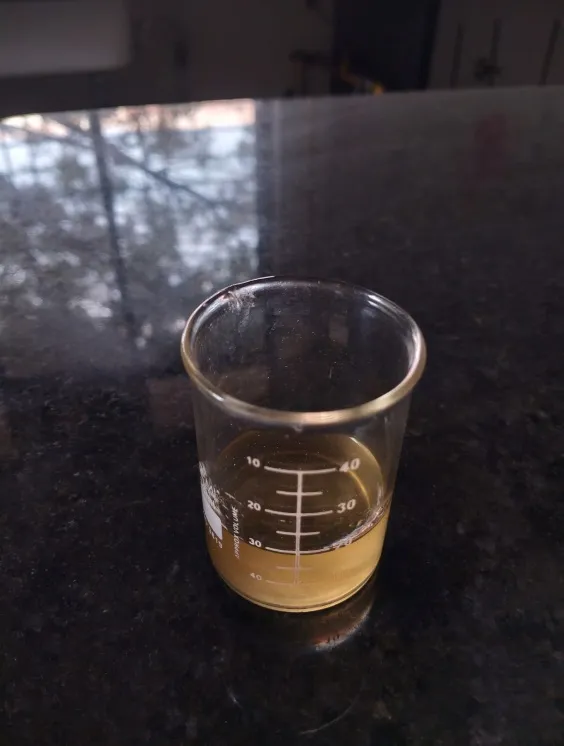
Figure 1. Physical Appearance
3.3 pH Determination
The pH values of all four formulations are presented in Table 3. Formulations F1 and F2 yielded pH values of 5.8 ± 0.1 and 5.8 ± 0.1 respectively. Formulation F3 (0.4% Carbopol 934) had a pH of 5.9 ± 0.1, and formulation F4 had a pH of 5.7 ± 0.1. All four formulations fell within the physiologically acceptable pH range of 5.5 to 6.5, which corresponds to the normal pH range of human nasal secretions as documented by several investigators [7,8].
The physiological significance of pH compliance in nasal formulations extends beyond simple comfort considerations. Nasal mucosal cilia function optimally within a specific pH range, and formulations with pH values significantly outside the normal nasal fluid pH range have been shown in in vitro ciliary beat frequency studies to produce dose-dependent inhibition of mucociliary activity, which paradoxically worsens nasal drainage by impairing the primary clearance mechanism [7]. Additionally, the nasal epithelial membrane potential and transcellular drug transport mechanisms are pH-sensitive, and maintaining formulation pH within the physiological range preserves membrane integrity and transport function [8]. Carbopol 934, incorporated in F3 and F4 at 0.4% w/v, required careful neutralisation during preparation, and the final pH values confirm that the neutralisation step was carried out accurately to achieve the target range without over-alkalisation.
The slight variation in pH between formulations is primarily attributable to differences in carbomer concentration, since Carbopol 934 contributes acidity through ionisation of its polyacrylic acid carboxylate groups at physiological pH, and requires proportionate neutralisation with sodium hydroxide. The marginal pH difference between F3 (5.9) and F4 (5.7), despite both containing 0.4% Carbopol 934, reflects the contribution of higher Poloxamer 407 concentration in F4 (18% w/v), which has been reported to slightly reduce pH through changes in micelle surface charge distribution in aqueous solutions [10]. All variations are within the acceptable range, and none of the formulations would be expected to produce mucosal irritation or ciliary dysfunction at these pH values.
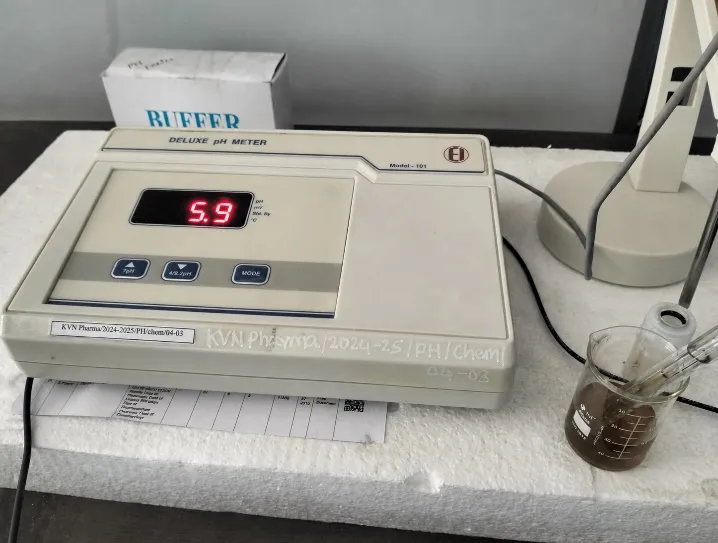
Figure 2. pH Determination
3.4 Viscosity Studies
Viscosity data at 25°C and 34°C are presented in Table 3. At 34°C, all formulations showed a marked increase in viscosity, confirming successful thermosensitive gelation. Post-gelation viscosities were 480 ± 26 cP (F1), 2,280 ± 94 cP (F2), 3,820 ± 110 cP (F3), and 4,560 ± 138 cP (F4). The increase in viscosity is attributed to temperature-induced micelle formation and gel network development by Poloxamer 407 [9,10]. F3 showed higher viscosity than F2 due to the greater concentration of Carbopol 934, which enhances polymer network interactions and resistance to flow [8,11].
From a functional perspective, higher post-gelation viscosity is desirable for nasal retention because it creates greater resistance to the shear forces generated by mucociliary activity and to gravitational drainage. Ravi et al. [18] demonstrated in a nasal retention study that post-gelation viscosities above approximately 3,000 cP were associated with significantly extended nasal residence times compared to simple solutions or low-viscosity gels. On this basis, formulations F3 and F4 with post-gelation viscosities of 3,820 and 4,560 cP respectively satisfy the viscosity threshold for adequate nasal retention. However, it is important to note that extremely high gel viscosity may not be purely beneficial: very rigid gels can restrict the diffusion of drug molecules within the gel matrix toward the epithelial surface, which would reduce the effective concentration driving force for transmembrane absorption [8]. Formulation F3 offers a post-gelation viscosity that sits within the optimal range for nasal retention without the potential drug diffusion limitation associated with the extremely high viscosity of F4.
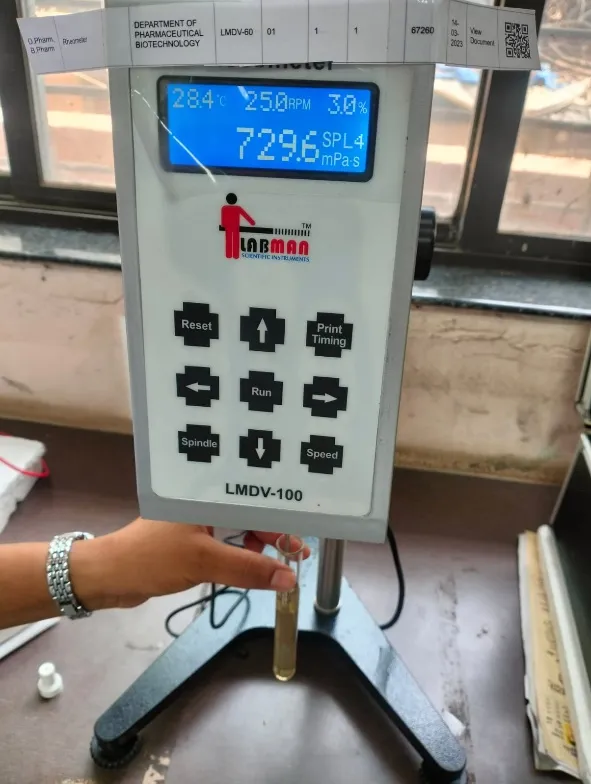
Figure 3. Viscosity Studies
|
Parameter |
F1 |
F2 |
F3 |
F4 |
|
Physical Appearance |
Clear, free-flowing, faint greenish |
Clear, low-viscosity solution |
Clear to opalescent solution |
Faint opalescent solution |
|
Homogeneity |
Uniform |
Uniform |
Uniform |
Uniform |
|
pH (mean ± SD) |
5.8 ± 0.1 |
5.8 ± 0.1 |
5.9 ± 0.1 |
5.7 ± 0.1 |
|
Viscosity at 34°C (cP, mean ± SD) |
480 ± 26 |
2,280 ± 94 |
3,820 ± 110 |
4,560 ± 138 |
|
Drug Content (%, mean ± SD) |
98.1 ± 0.8 |
97.8 ± 0.7 |
97.4 ± 0.9 |
96.9 ± 1.1 |
Table 3. Physicochemical Evaluation Results for Brahmi In Situ Nasal Gel Formulations F1 to F4
SD, standard deviation. All measurements performed in triplicate.
3.5 Drug Content Determination by UV Spectrophotometry
The UV spectrophotometric method for bacoside A showed excellent linearity over the concentration range of 2–12 µg/mL, with an r² value of 0.9994, confirming compliance with Beer-Lambert’s law. The absorption maximum at 278 nm was selected due to minimal interference from excipients such as poloxamer, carbopol, and HPMC [19].
Drug content values ranged from 96.9 ± 1.1% (F4) to 98.1 ± 0.8% (F1), with all formulations remaining within the acceptable pharmacopoeial limit of 95–105% [19]. The results indicate uniform drug distribution and minimal drug loss during formulation. Slightly lower drug content in F3 and F4 may be due to increased polymer-drug interactions and partial entrapment of bacoside A within the Carbopol 934 network at higher polymer concentrations [11,19].
3.6 Comparative Assessment and Selection of Optimised Formulation
Taken together, the evaluation data allow a rational comparison across the four formulations and identification of the most suitable candidate for further preclinical investigation. Formulation F1 (14% Poloxamer 407) is disqualified from advancement on the basis of its inadequate post-gelation viscosity (480 cP), which reflects insufficient thermosensitive gelation at nasal temperature and would not be expected to provide meaningful resistance to mucociliary clearance. Formulation F4 (18% Poloxamer 407, 0.4% Carbopol 934), while showing a high post-gelation viscosity suitable for retention, has a pre-gelation viscosity of 162 cP that approaches the upper limit for comfortable nasal spray administration, and the extremely high post-gelation rigidity may restrict drug diffusion within the gel matrix.
Formulation F3, containing 16% w/v Poloxamer 407, 0.4% w/v Carbopol 934, and 0.5% w/v HPMC K4M, presents the most balanced profile across all evaluated parameters: a pH of 5.9 within the physiological nasal range, a pre-gelation viscosity of 96 cP suitable for nasal spray delivery, a post-gelation viscosity of 3,820 cP adequate for mucosal retention, and a drug content of 97.4% confirming formulation integrity. Formulation F2 (16% Poloxamer 407, 0.2% Carbopol 934) performs adequately on pH and drug content criteria, but its lower post-gelation viscosity of 2,280 cP is expected to provide less effective resistance to nasal drainage and mucociliary clearance compared to F3.
These findings are consistent with the broader published literature on poloxamer-based nasal in situ gels. Ravi et al. [18] reported optimal post-gelation viscosity for nasal delivery of rasagiline mesylate in poloxamer-carbopol composite gels at poloxamer concentrations of 16 to 18% w/v and carbopol concentrations of 0.3 to 0.5% w/v, which aligns closely with the F3 composition. Mahajan et al. [20] similarly identified poloxamer-HPMC combinations at comparable concentrations as optimal for intranasal drug delivery formulations intended for brain targeting. The pH values across all four formulations are in agreement with the physiological nasal range reported by Washington et al. [7], and the UV spectrophotometric drug content method demonstrates comparable performance to methods reported by other groups for saponin quantification in semi-solid preparations [19].
The importance of the drug content confirmation step merits specific comment. In situ nasal gels for herbal extracts are relatively infrequently reported in the peer-reviewed literature compared to single-component drug formulations, and the analytical challenges are greater because the active fraction of the extract (bacosides) represents a multi-component mixture with structural complexity. The selection of bacoside A as the analytical marker component is consistent with regulatory guidance on herbal drug standardisation, which requires identification and quantification of at least one pharmacologically relevant marker compound as a proxy for overall extract quality and dosage uniformity [12,16]. The high drug content values recorded for all four formulations confirm that the formulation process did not compromise the chemical integrity of the extract, which is a necessary prerequisite for any further pharmacological evaluation.
CONCLUSION
The present study demonstrates the successful development and initial characterisation of Bacopa monnieri extract-loaded in situ nasal gel formulations intended for nose-to-brain delivery in the management of CNS disorders. Soxhlet extraction of B. monnieri with 70% v/v ethanol yielded 8.4% w/w dry extract with confirmed phytochemical content including saponins, alkaloids, flavonoids, phenolics, and glycosides. Four gel formulations were prepared by the cold method using Poloxamer 407 at varying concentrations combined with Carbopol 934 and HPMC K4M as mucoadhesive polymers. Evaluation of physical appearance, pH, viscosity, and drug content revealed that formulation F3 (16% Poloxamer 407, 0.4% Carbopol 934, 0.5% HPMC K4M) provides the most favourable and balanced physicochemical profile: a pH of 5.9 within the physiological nasal range, a pre-gelation viscosity of 96 cP compatible with nasal spray administration, a post-gelation viscosity of 3,820 cP adequate for extended nasal retention, and a drug content of 97.4% confirming formulation accuracy and chemical integrity. These findings provide a validated formulation foundation for further preclinical investigation, including ex vivo nasal permeation studies using isolated nasal mucosa in Franz diffusion cells, in vivo pharmacokinetic comparison of intranasal versus oral administration in rodent models, and quantification of bacoside A concentrations in the olfactory bulb and hippocampus to directly confirm nose-to-brain drug transport. If supported by subsequent preclinical evidence, this nasal in situ gel system may represent a clinically meaningful improvement in the brain bioavailability of B. monnieri bacosides and could contribute a non-invasive herbal therapeutic platform for conditions including Alzheimer's disease, memory impairment, Parkinson's disease, and anxiety disorders.
REFERENCES




Pravin Manohar Borse*, Rutuja Khanderav Daund, Nikhil Rajendra Burkul, Lalan Wagh, Avinash Darekar, Formulation And Characterization Of Nose-To-Brain Delivery Of Brahmi (Bacopa Monnieri) Via In Situ Nasal Gel: A Promising Approach For CNS Disorders, Int. J. Sci. R. Tech., 2026, 3 (6), 287-300. https://doi.org/10.5281/zenodo.20541083
 10.5281/zenodo.20541083