

We use cookies to ensure our website works properly and to personalise your experience. Cookies policy
Vidya Niketan college of Pharmacy Anjangaon Surji Amravati, Maharashtra, India
Transdermal drug delivery systems (TDDS) have emerged as an effective alternative to conventional oral and parenteral dosage forms by delivering drugs across the skin into the systemic circulation in a controlled manner. These systems improve therapeutic efficacy by avoiding hepatic first-pass metabolism, minimizing gastrointestinal adverse effects, maintaining steady plasma drug concentrations, and enhancing patient compliance. Matrix-type transdermal patches are among the most widely employed TDDS because of their simple manufacturing process, uniform drug distribution, and controlled drug release characteristics. Before incorporating an active pharmaceutical ingredient (API), placebo transdermal patches are commonly prepared to optimize formulation variables and evaluate the physicochemical and mechanical properties of the polymeric matrix. The present study was undertaken to formulate and evaluate a placebo matrix-type transdermal patch using hydroxypropyl methylcellulose (HPMC K4M) and ethyl cellulose as film-forming polymers. Polyethylene glycol 400 was incorporated as a plasticizer, while oleic acid served as a permeation enhancer. The patches were prepared by the solvent casting method using ethanol and chloroform as solvents. The prepared placebo patches were evaluated for their physical appearance, thickness, weight variation, folding endurance, surface pH, tack properties, flatness, and transparency. The prepared patches exhibited smooth surfaces, satisfactory flexibility, uniform thickness, acceptable folding endurance, and appropriate physicochemical characteristics, indicating successful formulation of a placebo transdermal matrix. The findings demonstrate that the selected polymeric combination is suitable for preparing stable placebo patches that can serve as a platform for future incorporation of therapeutic agents. The developed formulation may be useful for optimization studies prior to the development of drug-loaded transdermal delivery systems
Novel Drug Delivery Systems (NDDS) have significantly transformed pharmaceutical technology by improving the therapeutic performance of conventional dosage forms. The primary objective of NDDS is to deliver drugs at a predetermined rate to the desired site of action while minimizing fluctuations in plasma drug concentration and reducing adverse effects associated with conventional drug administration. These systems enhance therapeutic efficacy, improve patient compliance, and optimize the pharmacokinetic profile of drugs by controlling their release characteristics. Among the various NDDS available, transdermal drug delivery systems have gained widespread attention owing to their non-invasive nature, ease of administration, and ability to provide sustained drug release over prolonged periods [1,2].
The skin is the largest organ of the human body and serves as a protective barrier against physical, chemical, and microbial insults. In addition to its physiological functions, the skin has become an attractive route for systemic drug delivery because of its extensive surface area, ease of accessibility, and rich blood supply. However, the outermost layer of the skin, known as the stratum corneum, acts as the principal barrier limiting the permeation of therapeutic agents. Consequently, successful transdermal drug delivery requires careful optimization of formulation variables, including polymer selection, plasticizers, permeation enhancers, and manufacturing techniques to achieve efficient drug permeation without compromising the integrity of the skin [3,4].
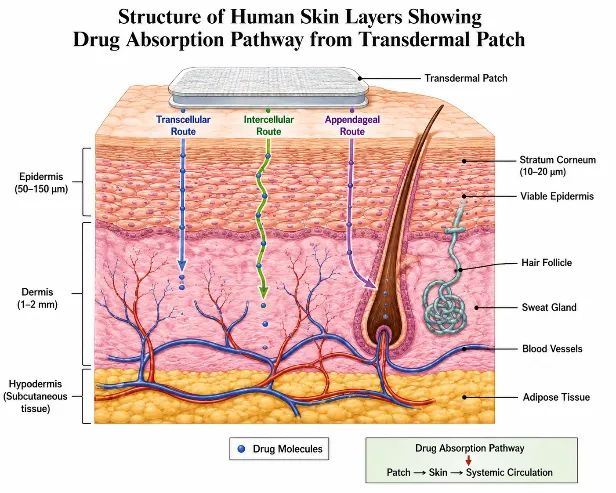
Figure 1. Anatomical Structure of Human Skin
Human skin consists of three principal layers: the epidermis, dermis, and hypodermis. The epidermis is composed of multiple cellular layers, with the stratum corneum representing the primary diffusion barrier. The dermis contains connective tissue, blood vessels, lymphatic vessels, sweat glands, sebaceous glands, and nerve endings that support systemic absorption once a drug successfully penetrates the epidermis. The hypodermis primarily consists of adipose tissue, providing insulation and mechanical support. Drug molecules administered through transdermal patches generally diffuse through the stratum corneum via intercellular, intracellular, or appendageal pathways before entering the dermal microcirculation [3].
Transdermal drug delivery systems are medicated adhesive preparations designed to deliver therapeutic agents across intact skin into the systemic circulation at a controlled rate. Since the first FDA-approved transdermal patch was introduced in 1979, numerous drugs, including nicotine, fentanyl, clonidine, estradiol, nitroglycerin, rivastigmine, and rotigotine, have been successfully formulated as transdermal patches. The continued advancement of polymer science and permeation enhancement technologies has further expanded the scope of TDDS for chronic disease management [2,5].
Compared with conventional oral dosage forms, transdermal patches provide several therapeutic advantages. Because the drug is absorbed directly into the systemic circulation, hepatic first-pass metabolism is avoided, thereby improving bioavailability for drugs that undergo extensive hepatic metabolism. In addition, controlled drug release maintains relatively constant plasma drug concentrations, minimizing peak-to-trough fluctuations and reducing the frequency of administration. Transdermal systems also decrease gastrointestinal irritation associated with oral medications and improve treatment adherence, particularly among elderly patients and individuals requiring long-term therapy [1,6].
Despite these advantages, successful formulation of transdermal systems requires careful optimization of the polymeric matrix. The matrix not only governs the mechanical strength of the patch but also controls drug diffusion and release kinetics. Film-forming polymers should possess excellent biocompatibility, flexibility, chemical stability, and compatibility with both the drug and other formulation components. Hydrophilic polymers such as hydroxypropyl methylcellulose (HPMC) provide excellent film-forming properties, whereas hydrophobic polymers such as ethyl cellulose contribute to sustained drug release and improved mechanical integrity. Appropriate combinations of hydrophilic and hydrophobic polymers are therefore frequently employed to achieve balanced physicochemical properties [7].
Plasticizers play an equally important role in transdermal patch formulation. They reduce intermolecular forces between polymer chains, thereby improving flexibility, elasticity, and resistance to cracking during storage and handling. Polyethylene glycol 400 (PEG-400) is one of the most commonly employed plasticizers because of its excellent compatibility with cellulose derivatives and its ability to improve film flexibility without adversely affecting polymer stability [8].
Permeation enhancers are incorporated to improve the transport of drug molecules across the stratum corneum. Oleic acid is widely recognized as an effective chemical permeation enhancer because it temporarily disrupts the highly ordered lipid domains within the stratum corneum, thereby increasing skin permeability without causing permanent damage to skin tissues. Numerous investigations have demonstrated that oleic acid enhances transdermal permeation of both hydrophilic and lipophilic drugs [9].
Among commercially available transdermal products, nicotine transdermal patches represent one of the most successful examples of controlled transdermal drug delivery. These patches are widely prescribed as nicotine replacement therapy (NRT) to assist smoking cessation by providing sustained systemic delivery of nicotine over 16 to 24 hours. Matrix-type nicotine patches are particularly advantageous because of their simple design, ease of manufacturing, improved patient comfort, and reduced risk of dose dumping compared with reservoir systems [10].
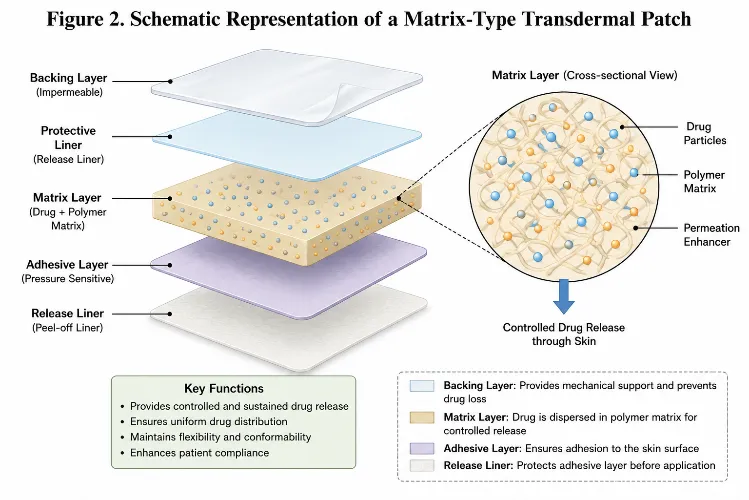
Figure 2. Schematic Representation of a Matrix-Type Transdermal Patch
Prior to incorporating an active pharmaceutical ingredient into a transdermal formulation, placebo patches are routinely prepared to optimize polymer composition and evaluate the physicochemical characteristics of the matrix. Placebo formulations enable researchers to investigate film-forming ability, flexibility, thickness, weight uniformity, surface characteristics, and mechanical strength without interference from drug–polymer interactions. Such preliminary optimization minimizes formulation failures during subsequent drug-loading studies and facilitates efficient product development [7].
The solvent casting method remains one of the most extensively used techniques for preparing matrix-type transdermal patches because of its simplicity, reproducibility, and ability to produce homogeneous films with uniform thickness. In this technique, polymers are dissolved in volatile organic solvents along with plasticizers and permeation enhancers to form a uniform solution, which is subsequently cast onto a flat surface and dried under controlled conditions to obtain a flexible polymeric film [11].
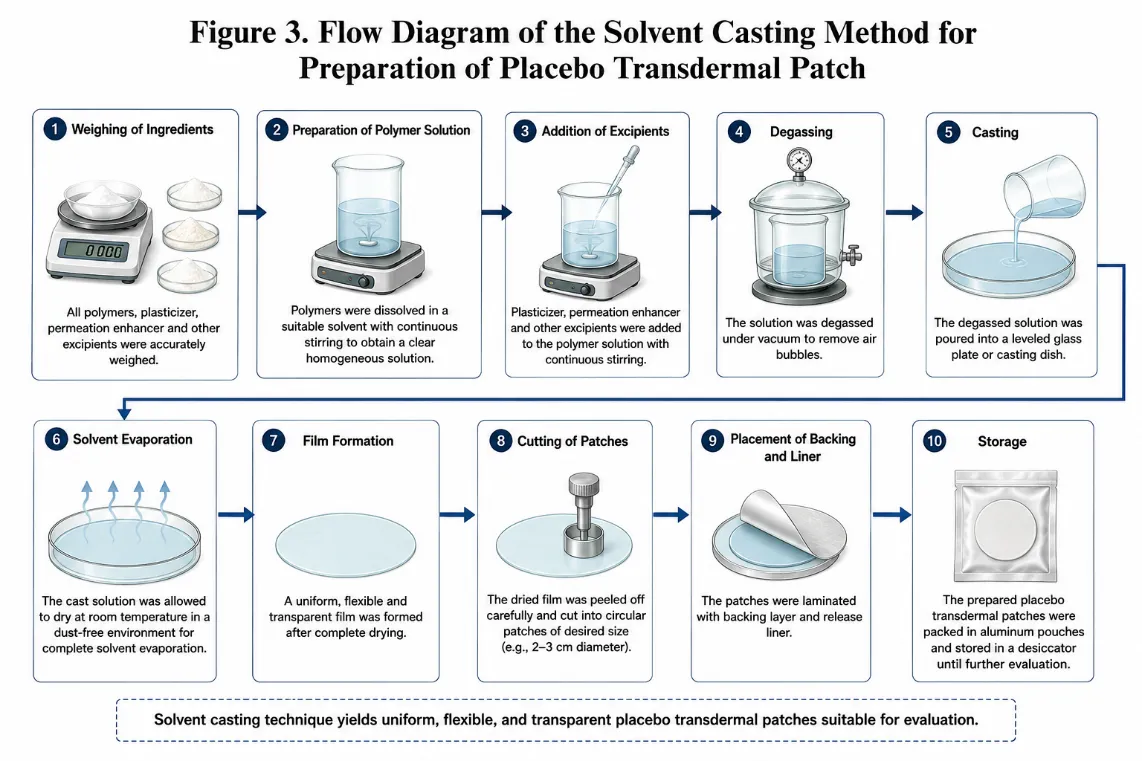
Figure 3. Flow Diagram of the Solvent Casting Method for Preparation of Placebo Transdermal Patch
In the present investigation, placebo matrix-type transdermal patches were prepared using hydroxypropyl methylcellulose (HPMC K4M) and ethyl cellulose as matrix-forming polymers. Polyethylene glycol 400 was employed as the plasticizer to improve flexibility, while oleic acid was incorporated as a permeation enhancer. The prepared placebo patches were subjected to comprehensive physicochemical evaluation, including visual appearance, thickness, weight variation, folding endurance, surface pH, tack properties, flatness, and transparency. The study provides a foundation for future development of drug-loaded transdermal patches using optimized formulation variables.
2. MATERIALS AND METHODS
2.1 Materials
The placebo matrix-type transdermal patches were formulated using pharmaceutical-grade polymers and excipients selected on the basis of their film-forming ability, mechanical strength, compatibility, and suitability for transdermal applications. Hydroxypropyl methylcellulose (HPMC K4M) was employed as the primary hydrophilic film-forming polymer because of its excellent swelling characteristics, biocompatibility, and ability to produce smooth, flexible films. Ethyl cellulose (EC), a hydrophobic polymer, was incorporated to improve the mechanical strength of the polymeric matrix and regulate moisture uptake. The combination of hydrophilic and hydrophobic polymers provided an optimized balance between flexibility and structural integrity.
Polyethylene glycol 400 (PEG-400) was used as a plasticizer to enhance film flexibility and minimize brittleness during drying and storage. Oleic acid was incorporated as a chemical permeation enhancer because of its ability to reversibly disrupt the lipid organization of the stratum corneum, thereby improving drug permeation in future drug-loaded formulations. Ethanol and chloroform were used as volatile solvents for dissolving the polymers and obtaining a homogeneous casting solution. Since the present investigation involved the preparation of placebo patches, no active pharmaceutical ingredient was incorporated into the formulation. The selection of formulation components was based on previous reports describing matrix-type transdermal systems and their physicochemical compatibility with cellulose derivatives [12].
|
Sr. No. |
Material |
Category |
Function |
|
1 |
Hydroxypropyl Methylcellulose (HPMC K4M) |
Polymer |
Film-forming polymer |
|
2 |
Ethyl Cellulose |
Polymer |
Matrix-forming polymer |
|
3 |
Polyethylene Glycol 400 |
Plasticizer |
Improves flexibility |
|
4 |
Oleic Acid |
Permeation Enhancer |
Enhances skin permeation |
|
5 |
Ethanol |
Solvent |
Polymer solvent |
|
6 |
Chloroform |
Solvent |
Polymer solvent |
Table 1. Materials Used in the Preparation of Placebo Matrix-Type Transdermal Patch
2.2 Instruments
The preparation and evaluation of the placebo transdermal patches were carried out using standard laboratory equipment available in the pharmaceutics laboratory. An analytical balance was used for accurate weighing of formulation ingredients. A magnetic stirrer facilitated uniform mixing of the polymeric solution, while a digital micrometer screw gauge was employed for thickness determination. Surface pH was measured using a calibrated digital pH meter. Folding endurance was determined manually, and patch transparency was evaluated visually under standardized lighting conditions. Drying of the polymeric films was performed under controlled laboratory conditions to ensure complete solvent evaporation and uniform film formation. All instruments were calibrated before use to minimize experimental variability [13].
2.3 Composition of Placebo Transdermal Patch
The placebo transdermal patch was formulated using HPMC K4M and ethyl cellulose as the principal matrix-forming polymers. PEG-400 served as the plasticizer, while oleic acid functioned as the permeation enhancer. The solvent system consisted of ethanol and chloroform in appropriate proportions to facilitate complete dissolution of the polymers and obtain a clear casting solution.
The composition was selected to produce flexible, smooth, and mechanically stable films that could later serve as a platform for incorporation of active pharmaceutical ingredients. The formulation was optimized to avoid cracking, excessive tackiness, or brittleness while maintaining acceptable physical characteristics.
|
Ingredients |
F1 |
F2 |
F3 |
F4 |
F5 |
Function |
|
HPMC K4M (g) |
1.50 |
2.00 |
2.50 |
3.00 |
3.50 |
Hydrophilic film-forming polymer |
|
Ethyl Cellulose (g) |
3.50 |
3.00 |
2.50 |
2.00 |
1.50 |
Hydrophobic matrix-forming polymer |
|
PEG-400 (mL) |
0.80 |
0.80 |
0.80 |
0.80 |
0.80 |
Plasticizer |
|
Oleic Acid (mL) |
0.20 |
0.20 |
0.20 |
0.20 |
0.20 |
Permeation enhancer |
|
Ethanol (mL) |
7.50 |
7.50 |
7.50 |
7.50 |
7.50 |
Solvent |
|
Chloroform (mL) |
7.50 |
7.50 |
7.50 |
7.50 |
7.50 |
Co-solvent |
|
Total Polymer (g) |
5.00 |
5.00 |
5.00 |
5.00 |
5.00 |
— |
|
Total Casting Solution |
20 g |
20 g |
20 g |
20 g |
20 g |
— |
Table 2. Composition of Placebo Matrix-Type Transdermal Patches (20 g Polymeric Solution per Batch)
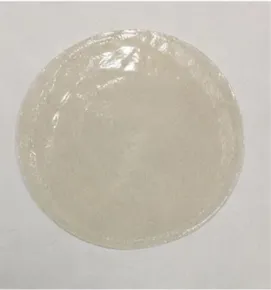
Figure 4 : Prepared Placebo Transdermal Patch Transparent, Smooth, Defect-Free Polymer Film Showing Uniform Physical Appearance
2.4 Method of Preparation
The placebo matrix-type transdermal patches were prepared using the solvent casting technique, one of the most widely employed methods for fabricating polymeric transdermal films because of its simplicity, reproducibility, and ability to produce homogeneous matrices .Initially, the required quantity of HPMC K4M was dispersed in the calculated volume of ethanol under continuous magnetic stirring until a clear and uniform solution was obtained. In a separate container, ethyl cellulose was dissolved in chloroform with constant stirring until complete dissolution. The two polymeric solutions were then mixed slowly to obtain a homogeneous polymer blend. Continuous stirring was maintained throughout the mixing process to prevent polymer aggregation and ensure uniform dispersion.
After complete mixing of the polymers, PEG-400 was added gradually as a plasticizer. Continuous stirring was maintained to ensure uniform distribution throughout the polymer matrix. Subsequently, oleic acid was incorporated into the formulation as a permeation enhancer and mixed thoroughly until a homogeneous solution was obtained.
The resulting polymeric solution was allowed to stand undisturbed for approximately thirty minutes to eliminate entrapped air bubbles. Removal of air bubbles is essential because their presence may produce non-uniform films and adversely affect the mechanical properties of the prepared patches.
The degassed solution was poured carefully onto a clean, level glass Petri dish and uniformly spread to obtain films of consistent thickness. The Petri dish was covered with an inverted funnel to permit slow solvent evaporation while preventing dust contamination. The films were allowed to dry at room temperature for twenty-four hours until complete evaporation of the solvents.
Following complete drying, the prepared polymeric film was carefully detached from the casting surface. Uniform patches of predetermined dimensions were cut using a stainless-steel cutter and wrapped individually in aluminum foil to protect them from atmospheric moisture and light until further evaluation. The entire procedure was carried out under controlled laboratory conditions to ensure reproducibility and minimize environmental variations affecting film formation [14].
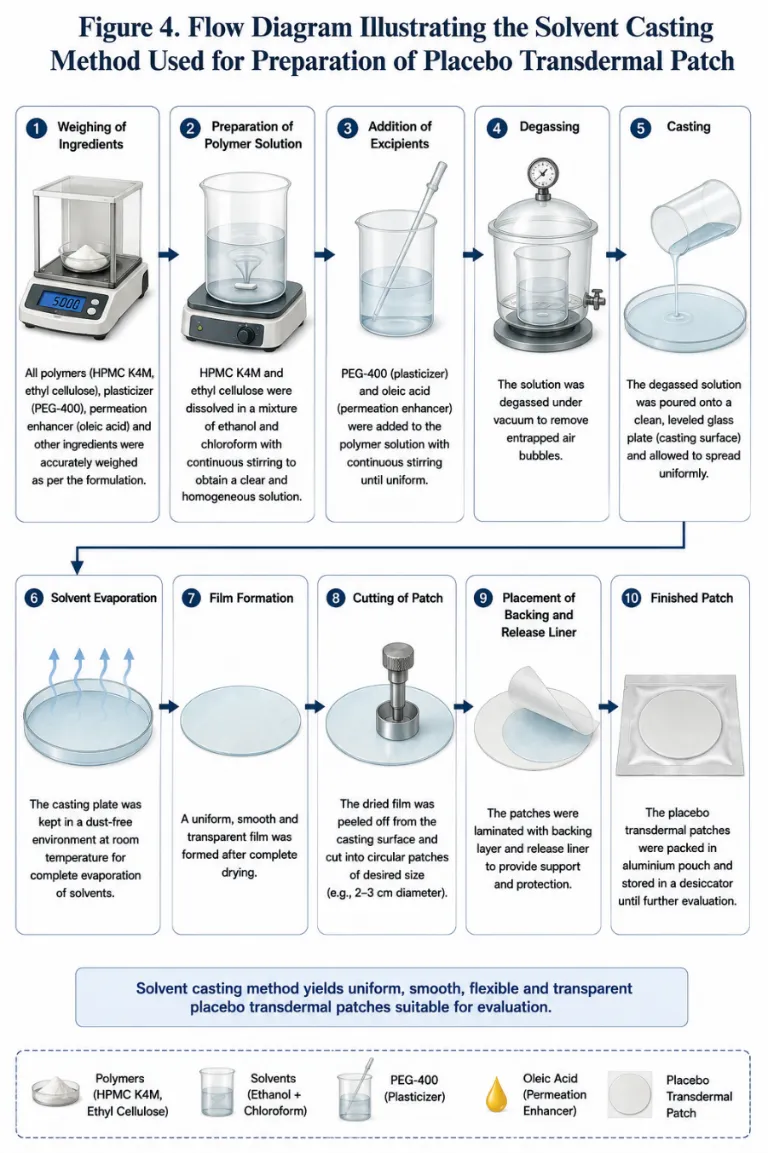
Figure 5. Flow Diagram Illustrating the Solvent Casting Method Used for Preparation of Placebo Transdermal Patch
2.5 Evaluation of Placebo Transdermal Patches
Following preparation, the placebo transdermal patches were subjected to comprehensive physicochemical evaluation to determine their suitability as a polymeric matrix for future incorporation of therapeutic agents. Evaluation of placebo patches is essential because the mechanical and physicochemical characteristics of the polymer matrix significantly influence drug release, patient acceptability, and long-term stability of transdermal dosage forms.
The prepared patches were evaluated for visual appearance, weight variation, thickness, folding endurance, surface pH, tack properties, flatness, and transparency. Each evaluation was performed using standard analytical procedures reported in the pharmaceutical literature [15].
2.5.1 Physical Appearance
The prepared placebo patches were visually examined under normal daylight for colour, clarity, transparency, flexibility, smoothness, presence of air bubbles, cracks, and surface imperfections. A satisfactory transdermal patch should possess a smooth surface without wrinkles, visible particulate matter, or phase separation.
2.5.2 Thickness Measurement
Uniformity of thickness was determined using a calibrated digital micrometer screw gauge. Measurements were recorded at five different locations, including the center and four peripheral regions of each patch. The average thickness and standard deviation were calculated to assess film uniformity[16].
2.5.3 Weight Variation
Individual patches of identical dimensions were weighed separately using a calibrated analytical balance. The mean weight and standard deviation were calculated to evaluate the uniformity of the casting process. Consistent patch weight indicates homogeneous distribution of polymeric components throughout the matrix.
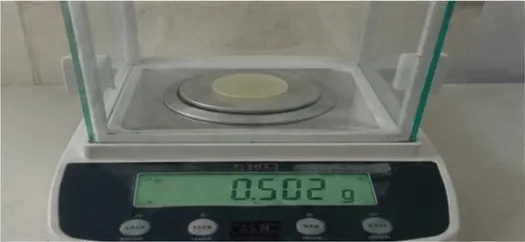
Figure 6: Analytical Balance Used for Weight Variation Measurement of Placebo Transdermal Patches (n=10; 2×2 cm)
2.5.4 Folding Endurance
Folding endurance was determined by repeatedly folding a single patch at the same location until visible cracking or breaking occurred. The total number of folds withstood before rupture was recorded as the folding endurance. Higher folding endurance indicates improved flexibility and mechanical strength of the polymeric film.
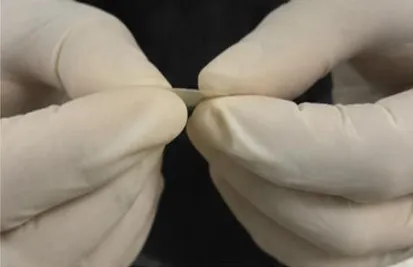
Figure 7: Transdermal Patch During Folding Endurance Test —Demonstrating Flexibility Without Cracking
2.5.5 Surface pH
The surface pH of the placebo patches was determined after allowing the films to swell on the surface of distilled water for a specified period. A digital pH meter was gently brought into contact with the surface of the swollen film, and the pH value was recorded. Surface pH close to that of normal skin is desirable to minimize the possibility of skin irritation during application.
2.5.6 Tack Test
Tack characteristics were evaluated manually by gently pressing the adhesive surface of the patch against a clean glass plate using light finger pressure. The ease of adhesion and subsequent detachment were observed qualitatively. Appropriate tackiness is essential to ensure adequate skin adhesion without causing discomfort during removal [17].
2.5.7 Flatness
Flatness was assessed by measuring longitudinal dimensions of strips cut from different portions of the prepared film. The percentage constriction was calculated to determine dimensional stability. Films exhibiting negligible constriction were considered to possess acceptable flatness.
2.5.8 Transparency
Transparency was evaluated by visual observation under standardized illumination. Uniform transparent films without visible turbidity or phase separation were considered desirable because they indicate homogeneous polymer distribution within the matrix [18].
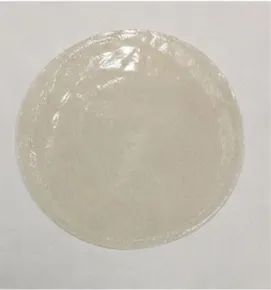
Figure 8. Prepared Placebo Matrix-Type Transdermal Patch
3. RESULTS
The placebo matrix-type transdermal patches were successfully prepared using the solvent casting technique. Five formulations (F1–F5) containing different ratios of HPMC K4M and ethyl cellulose were developed while maintaining constant concentrations of PEG-400, oleic acid, and the solvent system. All formulations produced uniform polymeric films that could be easily peeled from the casting surface after complete solvent evaporation. The prepared patches were smooth, flexible, transparent, and free from visible defects such as air bubbles, wrinkles, or cracks. The physicochemical evaluation demonstrated that the polymer ratio had a significant influence on the mechanical properties and appearance of the prepared placebo patches.
3.1 Physical Appearance
The prepared placebo transdermal patches were visually examined for colour, smoothness, flexibility, transparency, and the presence of any physical defects. All formulations exhibited satisfactory appearance with no evidence of phase separation or polymer aggregation. Formulations containing higher concentrations of HPMC K4M (F4 and F5) showed improved flexibility and transparency, whereas formulations containing higher proportions of ethyl cellulose (F1 and F2) exhibited comparatively greater rigidity. Among all formulations, F5 demonstrated the best overall appearance with excellent flexibility and transparency.
|
Formulation |
Colour |
Surface |
Transparency |
Flexibility |
Air Bubbles |
Cracks |
|
F1 |
Colourless |
Smooth |
Good |
Moderate |
Absent |
Absent |
|
F2 |
Colourless |
Smooth |
Good |
Good |
Absent |
Absent |
|
F3 |
Colourless |
Smooth |
Very Good |
Very Good |
Absent |
Absent |
|
F4 |
Colourless |
Smooth |
Excellent |
Excellent |
Absent |
Absent |
|
F5 |
Colourless |
Smooth |
Excellent |
Excellent |
Absent |
Absent |
Table 3. Physical Appearance of Placebo Matrix-Type Transdermal Patches
3.2 Thickness
The thickness of the prepared placebo patches was measured at five different positions using a digital micrometer. All formulations exhibited minimal variation in thickness, indicating uniform distribution of the polymeric solution during casting. A slight increase in thickness was observed with increasing concentrations of HPMC K4M because of its hydrophilic swelling characteristics.
|
Formulation |
Thickness (mm) (Mean ± SD) |
|
F1 |
0.24 ± 0.01 |
|
F2 |
0.25 ± 0.01 |
|
F3 |
0.26 ± 0.01 |
|
F4 |
0.27 ± 0.01 |
|
F5 |
0.28 ± 0.01 |
Table 4. Thickness of Placebo Matrix-Type Transdermal Patches
3.3 Weight Variation
Uniformity of weight is an important parameter reflecting the reproducibility of the casting process. All placebo patches exhibited minimal weight variation, confirming homogeneous distribution of the formulation components throughout the polymeric matrix.
|
Formulation |
Weight (mg) (Mean ± SD) |
|
F1 |
178 ± 2.1 |
|
F2 |
181 ± 1.8 |
|
F3 |
184 ± 1.6 |
|
F4 |
187 ± 2.0 |
|
F5 |
190 ± 1.7 |
Table 5. Weight Variation of Placebo Matrix-Type Transdermal Patches
3.4 Folding Endurance
Folding endurance was evaluated to determine the flexibility and mechanical strength of the prepared patches. Increasing the concentration of HPMC K4M improved the flexibility of the polymeric matrix, resulting in higher folding endurance values. F5 exhibited the highest folding endurance, indicating superior mechanical performance.
|
Formulation |
Folding Endurance (Mean ± SD) |
|
F1 |
258 ± 4 |
|
F2 |
276 ± 3 |
|
F3 |
291 ± 5 |
|
F4 |
307 ± 4 |
|
F5 |
321 ± 3 |
Table 6. Folding Endurance of Placebo Matrix-Type Transdermal Patches
3.5 Surface pH
The surface pH values of all formulations ranged between 6.4 and 6.8, which is close to the physiological pH of human skin. These findings indicate that the prepared placebo patches are unlikely to cause skin irritation during application.
|
Formulation |
Surface pH (Mean ± SD) |
|
F1 |
6.42 ± 0.04 |
|
F2 |
6.51 ± 0.03 |
|
F3 |
6.60 ± 0.02 |
|
F4 |
6.68 ± 0.03 |
|
F5 |
6.74 ± 0.02 |
Table 7. Surface pH of Placebo Matrix-Type Transdermal Patches
3.6 Tack Test
All placebo formulations demonstrated satisfactory tack properties. The patches adhered uniformly to the test surface and could be removed without leaving any polymer residue. The adhesive characteristics improved slightly with increasing HPMC concentration due to enhanced film hydration.
|
Formulation |
Tackiness |
Peelability |
Residue |
|
F1 |
Good |
Easy |
None |
|
F2 |
Good |
Easy |
None |
|
F3 |
Very Good |
Easy |
None |
|
F4 |
Excellent |
Easy |
None |
|
F5 |
Excellent |
Easy |
None |
Table 8. Tack Properties of Placebo Matrix-Type Transdermal Patches
3.7 Flatness
All placebo patches maintained their original dimensions throughout the evaluation period. No measurable constriction was observed, indicating excellent dimensional stability of the prepared films.
|
Formulation |
Percentage Constriction (%) |
|
F1 |
0 |
|
F2 |
0 |
|
F3 |
0 |
|
F4 |
0 |
|
F5 |
0 |
Table 9. Flatness of Placebo Matrix-Type Transdermal Patches
3.8 Transparency
Transparency of the prepared placebo patches increased with increasing HPMC concentration. Formulations F4 and F5 exhibited highly transparent films, whereas F1 and F2 appeared slightly translucent because of the higher proportion of ethyl cellulose.
|
Formulation |
Transparency |
|
F1 |
Good |
|
F2 |
Good |
|
F3 |
Very Good |
|
F4 |
Excellent |
|
F5 |
Excellent |
Table 10. Transparency of Placebo Matrix-Type Transdermal Patches
4. DISCUSSION
The present study successfully demonstrated the preparation of placebo matrix-type transdermal patches using HPMC K4M and ethyl cellulose by the solvent casting method. The polymer ratio markedly influenced the physical and mechanical characteristics of the patches. Increasing the concentration of HPMC K4M from F1 to F5 resulted in improved flexibility, transparency, folding endurance, and tack properties, whereas formulations containing higher ethyl cellulose proportions showed comparatively greater rigidity. Thickness and weight increased gradually with increasing HPMC K4M concentration, while all formulations maintained acceptable uniformity, indicating reproducible casting. Folding endurance increased from 258 ± 4 for F1 to 321 ± 3 for F5, demonstrating enhanced mechanical strength. Surface pH values ranged from 6.42 to 6.74, suggesting compatibility with the physiological skin environment. All formulations exhibited zero percentage constriction, confirming excellent dimensional stability. F5 showed the most desirable overall characteristics, including excellent flexibility, transparency, tack, and highest folding endurance. These findings indicate that the selected polymer combination and excipients can provide a suitable matrix platform for subsequent drug-loaded transdermal patch development.
CONCLUSION
The study successfully developed and evaluated placebo matrix-type transdermal patches using HPMC K4M, ethyl cellulose, PEG-400, and oleic acid through the solvent casting technique. All formulations demonstrated satisfactory physical appearance, thickness uniformity, weight consistency, folding endurance, surface pH, tack properties, flatness, and transparency. Among the developed formulations, F5 exhibited the most favorable characteristics, particularly excellent flexibility and transparency, the highest folding endurance, satisfactory tack, and acceptable surface pH. The results demonstrate that increasing HPMC K4M concentration improved the overall mechanical and physical properties of the polymeric matrix. Therefore, the optimized placebo patch can serve as a suitable preliminary platform for incorporation of an active pharmaceutical ingredient. Further studies involving drug loading, in-vitro drug release, ex-vivo skin permeation, skin irritation, and stability testing are required to establish its potential as a drug-loaded transdermal delivery system.
REFERENCES




Samruddhi D. Kalamkar*, Almas Jabeen Sk Nazeer, Sayali V. Gawali, Prathamesh R. Chandankhede, Formulation And Evaluation Of A Placebo Matrix-Type Transdermal Patch Prepared Using Materials Analogous To Nicotine Transdermal Patches, Int. J. Sci. R. Tech., 2026, 3 (8), 522-536. https://doi.org/10.5281/zenodo.21933576
 10.5281/zenodo.21933576