

We use cookies to ensure our website works properly and to personalise your experience. Cookies policy
Matoshri College of Pharmacy, Eklahare Nashik
Acne vulgaris is a common chronic inflammatory skin disorder affecting adolescents and young adults. It is associated with increased sebum production, follicular blockage, inflammation, and bacterial infection caused by *Cutibacterium acnes*. Conventional anti-acne treatments often produce side effects such as irritation, dryness, and microbial resistance. Hence, herbal formulations with improved safety and efficacy are gaining importance. Curcumin, a natural polyphenolic compound obtained from turmeric (Curcuma longa), possesses antimicrobial, anti-inflammatory, antioxidant, and wound-healing properties, making it a suitable candidate for anti-acne therapy. The present study aimed to formulate and evaluate a curcumin-loaded anti-acne gel for topical application using Carbopol 940 along with suitable excipients. The prepared formulations were evaluated for physicochemical parameters such as appearance, homogeneity, pH, viscosity, spreadability, extrudability, drug content, washability, and stability. Antimicrobial activity against acne-causing microorganisms was also assessed. The optimized gel formulation showed good homogeneity, skin-compatible pH, satisfactory spreadability, good stability, and effective antimicrobial activity. The study concluded that curcumin anti-acne gel can serve as a safe, effective, and economical herbal alternative for the management of acne vulgaris with minimal side effects.
Acne vulgaris is one of the most common chronic inflammatory diseases of the skin affecting the pilosebaceous unit, which includes the hair follicle and associated sebaceous gland. It is characterized by the appearance of comedones, papules, pustules, nodules, and sometimes cysts and scars. The disease mainly affects areas of the body rich in sebaceous glands such as the face, chest, shoulders, and back. Although acne is most frequently seen during adolescence, it may occur at any age including childhood and adulthood.
Acne vulgaris is considered a multifactorial disorder because several interacting factors contribute to its development. The condition is not merely a cosmetic problem but a true medical disorder with significant physical, emotional, and psychological effects. In many individuals, acne can lead to permanent scarring and reduced self-confidence, especially when severe or untreated.
The disorder develops within the pilosebaceous unit due to abnormal keratinization of follic cells, increased production of sebum, bacterial proliferation, and inflammation. During puberty, hormonal changes stimulate the sebaceous glands to enlarge and produce excessive amounts of sebum. This excess oil combines with dead skin cells blocks the hair follicle and forms a microcomedium, which is the earliest lesion of acne. The blocked follicle creates an ideal environment for the growth of the bacterium Cutibacterium acnes. The multiplication of this organism triggers inflammatory reactions leading to redness, swelling, and formation of inflammatory lesions.
Hormones play a major role in the pathogenesis of acne vulgaris. Androgens, especially testosterone, stimulate the basis glands and increase sebum production. This explains why acne commonly appears during adolescence when androgens levels rise. In females, acne may worsen during menstruation, pregnancy, or endocrine disorders due to hormonal fluctuations. Genetic factors also influence susceptibility to acne, and individuals with a family history of acne are more likely to develop the condition.
The clinical presentation of acne varies widely from person to person. Some individuals develop mild disease with only blackheads and whiteheads, while others may suffer from severe inflammatory lesions including painful nodules and cysts. The lesions may heal with
post inflammatory hyperpigmentation or permanent scars. The severity of acne often depends on the degree of inflammation and duration of the disease.
Acne vulgaris affects both genders, although the pattern may differ. Males usually develop more severe forms because of higher androgen activity, whereas females commonly experience persistent or adult onset acne. Adult acne has become increasingly common in modern society and is often associated with stress, hormonal imbalance, cosmetic products, and lifestyle factors.
Several external and internal factors can aggravate acne vulgaris. Emotional stress may increase inflammatory responses and worsen existing lesions. Certain cosmetic products can obstruct follicles and contribute to comedone formation. Dietary factors such as high glycemic diets and excessive dairy intake are also believed to play a role in some individuals.
Environmental pollution, humidity, and friction from tight clothing or masks may further exacerbate the condition.
Acne vulgaris has significant psychosocial consequences. Since the disease primarily affects visible areas such as the face, many patients experience embarrassment, low self-esteem, anxiety, and social withdrawal. Severe acne may negatively impact interpersonal relationships, educational performance, and quality of life. Therefore, acne should not be dismissed as a simple teenage condition but recognized as a disorder capable of causing substantial emotional distress.
The diagnosis of acne vulgaris is mainly clinical and based on the type and distribution of skin lesions. Early recognition and treatment are important to prevent progression and reduce the risk of permanent scarring. Management strategies aim to control sebum production, reduce bacterial growth, normalize follicular keratinization, and suppress inflammation. Modern treatment options include topical agents, oral medications, hormonal therapy, chemical peels, lasers, and systemic retinoids in severe cases.
Despite being highly prevalent, acne vulgaris remains an important dermatological challenge because of its chronic course, tendency for recurrence, and psychological burden. Advances in understanding the role of inflammation, microbiome alterations, and hormonal influences have improved therapeutic approaches and opened new areas for research. Continued studies are focusing on targeted therapies with better effectiveness and fewer adverse effects.
In conclusion, Acne Vulgaris is a chronic inflammatory disorder of the skin involving complex interactions among hormonal, sebum production, follicular obstruction, bacterial colonization, and immune responses. It is one of the most widespread skin conditions globally and has considerable physical, cosmetic, and emotional impacts. Comprehensive understanding of its pathogenesis and clinical manifestations is essential for proper management and prevention of complications.
Acne vulgaris is one of the most common chronic inflammatory diseases of the skin affecting the pilosebaceous unit, which includes the hair follicle and associated sebaceous gland. It is characterized by the appearance of comedones, papules, pustules, nodules, and sometimes cysts and scars. The disease mainly affects areas of the body rich in sebaceous glands such as the face, chest, shoulders, and back. Although acne is most frequently seen during adolescence, it may occur at any age including childhood and adulthood.
Acne vulgaris is considered a multifactorial disorder because several interacting factors contribute to its development. The condition is not merely a cosmetic problem but a true medical disorder with significant physical, emotional, and psychological effects. In many individuals, acne can lead to permanent scarring and reduced self-confidence, especially when severe or untreated.
The disorder develops within the pilosebaceous unit due to abnormal keratinization of follic cells, increased production of sebum, bacterial proliferation, and inflammation. During puberty, hormonal changes stimulate the sebaceous glands to enlarge and produce excessive amounts of sebum. This excess oil combines with dead skin cells blocks the hair follicle and forms a microcomedium, which is the earliest lesion of acne. The blocked follicle creates an ideal environment for the growth of the bacterium Cutibacterium acnes. The multiplication of this organism triggers inflammatory reactions leading to redness, swelling, and formation of inflammatory lesions.
Hormones play a major role in the pathogenesis of acne vulgaris. Androgens, especially testosterone, stimulate the basis glands and increase sebum production. This explains why acne commonly appears during adolescence when androgens levels rise. In females, acne may worsen during menstruation, pregnancy, or endocrine disorders due to hormonal fluctuations. Genetic factors also influence susceptibility to acne, and individuals with a family history of acne are more likely to develop the condition.
The clinical presentation of acne varies widely from person to person. Some individuals develop mild disease with only blackheads and whiteheads, while others may suffer from severe inflammatory lesions including painful nodules and cysts. The lesions may heal with post inflammatory hyperpigmentation or permanent scars. The severity of acne often depends on the degree of inflammation and duration of the disease.
Acne vulgaris affects both genders, although the pattern may differ. Males usually develop more severe forms because of higher androgen activity, whereas females commonly experience persistent or adult onset acne. Adult acne has become increasingly common in modern society and is often associated with stress, hormonal imbalance, cosmetic products, and lifestyle factors.
Several external and internal factors can aggravate acne vulgaris. Emotional stress may increase inflammatory responses and worsen existing lesions. Certain cosmetic products can obstruct follicles and contribute to comedone formation. Dietary factors such as high glycemic diets and excessive dairy intake are also believed to play a role in some individuals. Environmental pollution, humidity, and friction from tight clothing or masks may further exacerbate the condition.
Acne vulgaris has significant psychosocial consequences. Since the disease primarily affects visible areas such as the face, many patients experience embarrassment, low self-esteem, anxiety, and social withdrawal. Severe acne may negatively impact interpersonal relationships, educational performance, and quality of life. Therefore, acne should not be dismissed as a simple teenage condition but recognized as a disorder capable of causing substantial emotional distress.
The diagnosis of acne vulgaris is mainly clinical and based on the type and distribution of skin lesions. Early recognition and treatment are important to prevent progression and reduce the risk of permanent scarring. Management strategies aim to control sebum production, reduce bacterial growth, normalize follicular keratinization, and suppress inflammation. Modern treatment options include topical agents, oral medications, hormonal therapy, chemical peels, lasers, and systemic retinoids in severe cases.
Despite being highly prevalent, acne vulgaris remains an important dermatological challenge because of its chronic course, tendency for recurrence, and psychological burden. Advances in understanding the role of inflammation, microbiome alterations, and hormonal influences have improved therapeutic approaches and opened new areas for research. Continued studies are focusing on targeted therapies with better effectiveness and fewer adverse effects.
In conclusion, Acne Vulgaris is a chronic inflammatory disorder of the skin involving complex interactions among hormonal, sebum production, follicular obstruction, bacterial colonization, and immune responses. It is one of the most widespread skin conditions globally and has considerable physical, cosmetic, and emotional impacts. Comprehensive understanding of its pathogenesis and clinical manifestations is essential for proper management and prevention of complications.
Pathogenesis of Acne VulgarisAcne development involves four major pathogenic mechanisms:
1. Increased Sebum Production
Androgens stimulate ,Enlargement of sebaceous glands,Excess sebum secretion
This creates an oily skin environment favorable for acne formation.
2. Follicular Hyperkeratosis
Abnormal desquamation of cells within hair follicles leads to ,Blockage of follicles
Formation of:
Open comedones (blackheads)
Closed comedonee (whiteheads)
3. Bacterial Colonization
The bacterium:
Cutibacterium acnescolonizes blocked follicles.
It contributes to:
Inflammation
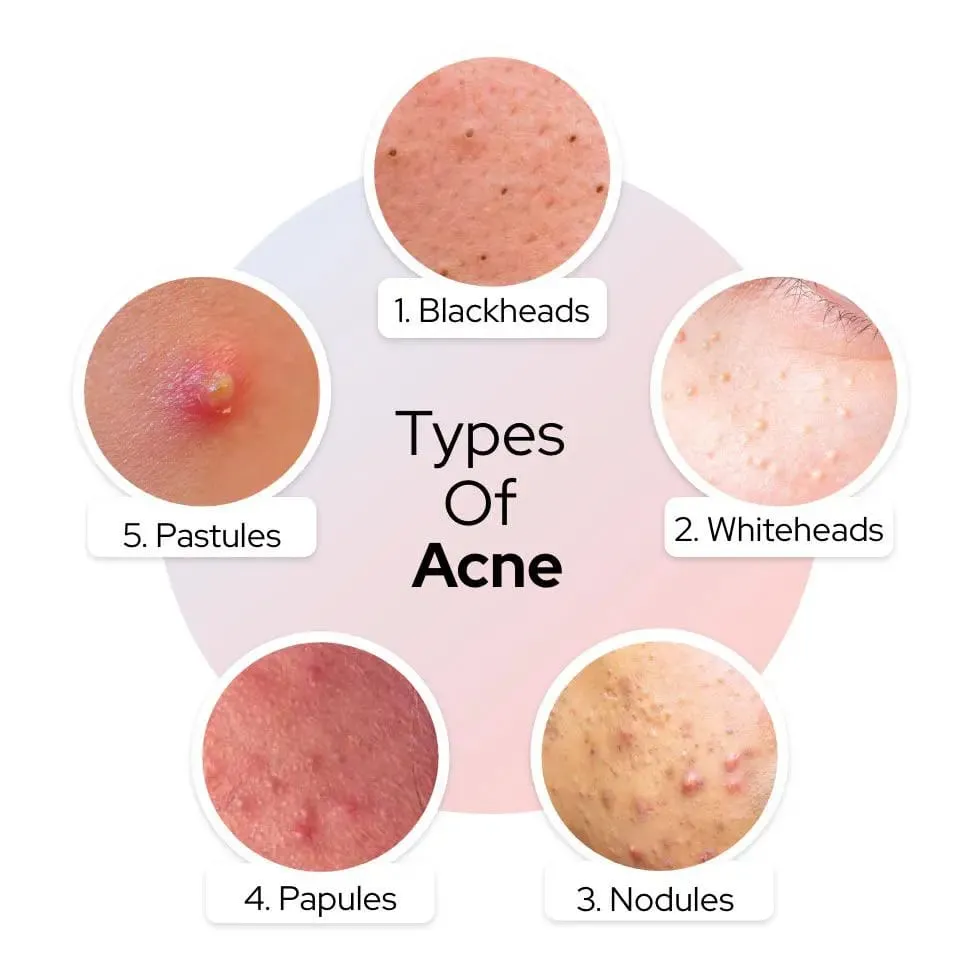
FIG 1: TYPES OF ACNE
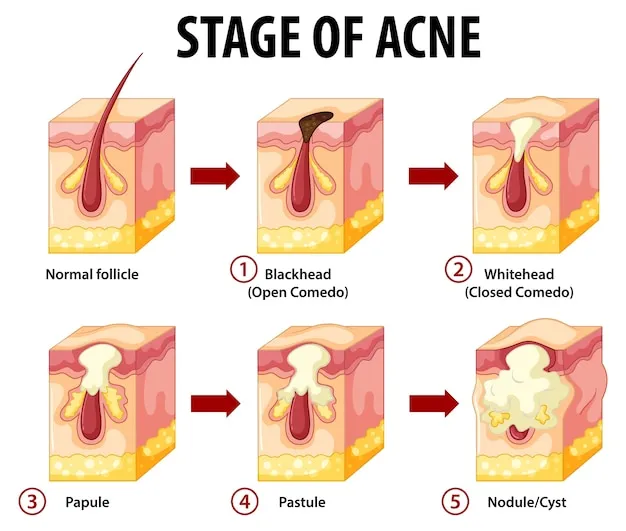
FIG 2: STAGES OF ACNE
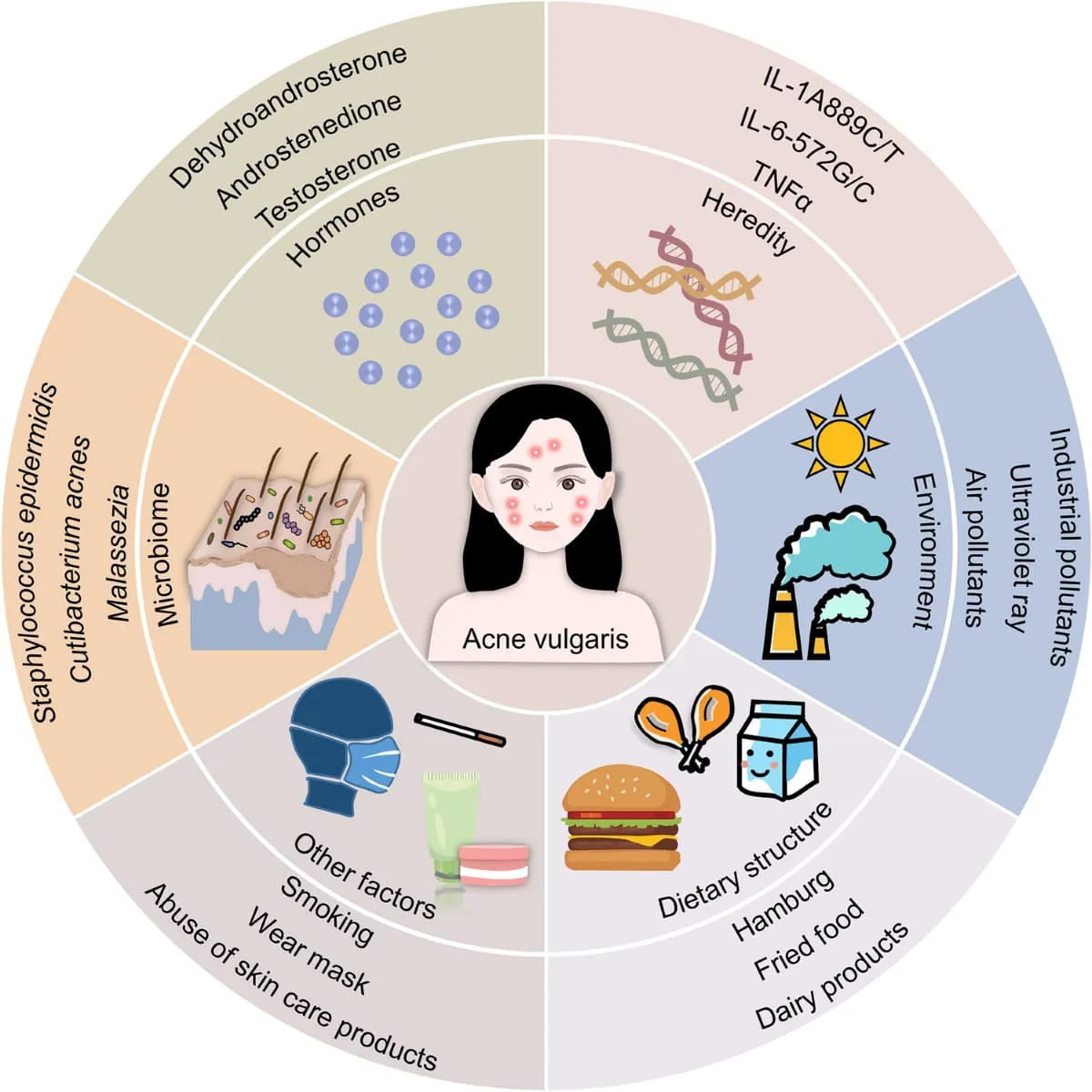
FIG 3: ACNE VULGARIS
INTRODUCTION OF CURCUMIN:
Curcumin is a naturally occurring polyphenolic compound isolated from Turmeric, scientifically known as *Curcuma longa*. Turmeric belongs to the Zingiberaceae (ginger) family and has been widely used for centuries in traditional systems of medicine such as Ayurveda, Siddha, and Chinese medicine. Among the several bioactive constituents present in turmeric, curcumin is considered the principal curcuminoid responsible for most of its pharmacological and therapeutic activities. The bright yellow color of turmeric is mainly due to the presence of curcumin pigments.
Chemically, curcumin is known as diferuloylmethane and possesses the molecular formula Câ‚‚â‚Hâ‚‚â‚€O6. It consists of two aromatic ring systems containing o-methoxy phenolic groups connected by a seven-carbon linker with α,β-unsaturated diketone moiety. This unique chemical structure contributes significantly to its antioxidant, anti-inflammatory, antimicrobial, and anticancer properties. Curcumin exists in keto and enol tautomeric forms, with the enol form being more stable in organic solvents and contributing to its biological activity.
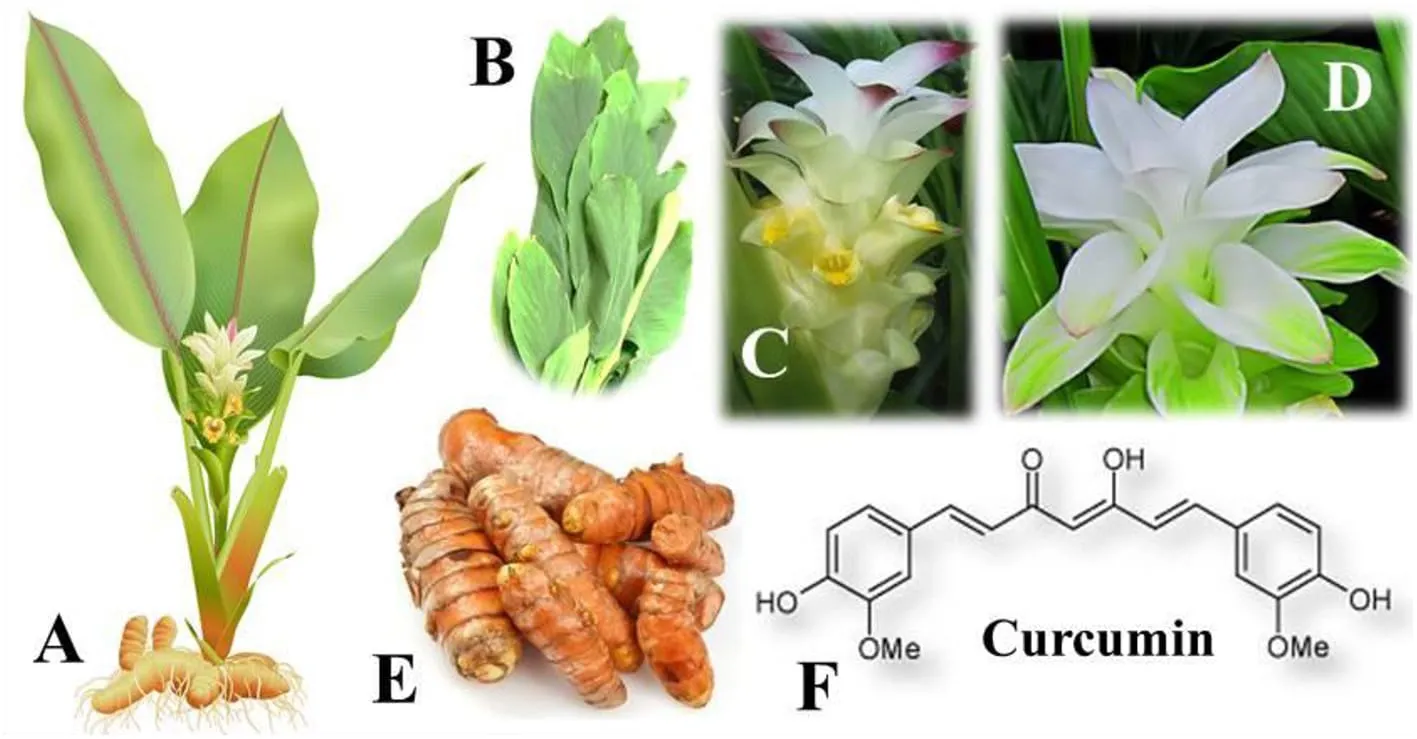
FIG 4: CURCUMIN PLANT
Curcumin has gained enormous scientific attention over recent decades due to its broad spectrum of biological and medicinal properties. It exhibits strong antioxidant activity by scavenging free radicals such as reactive oxygen species (ROS) and reactive nitrogen species (RNS), thereby protecting cellular components from oxidative damage. Oxidative stress is one of the major causes of aging and several chronic diseases including cancer, diabetes, cardiovascular disorders, and neurodegenerative diseases. By reducing oxidative stress, curcumin plays a protective role in maintaining cellular health.
One of the most important pharmacological actions of curcumin is its anti-inflammatory effect. Inflammation is a natural defense mechanism of the body; however, chronic inflammation contributes to the development of various diseases such as arthritis, inflammatory bowel disease, obesity, diabetes, and cancer. Curcumin inhibits several inflammatory mediators including nuclear factor-kappa B (NF-κB), cyclooxygenase-2 (COX-2), lipoxygenase (LOX), tumor necrosis factor-alpha (TNF-α), and various interleukins. Due to this property, curcumin has been extensively investigated as a potential therapeutic agent for inflammatory disorders.
Curcumin also demonstrates significant antimicrobial activity against bacteria, fungi, and viruses. Studies have shown that it can inhibit the growth of pathogenic microorganisms and may help in improving immune function. In addition, curcumin exhibits hepatoprotective, nephroprotective, cardioprotective, and neuroprotective effects. Its neuroprotective potential has attracted particular interest in the prevention and management of neurodegenerative diseases such as Alzheimer’s disease and Parkinson’s disease, where oxidative stress and inflammation play crucial roles.
Another major area of research involves the anticancer potential of curcumin. It has been found to regulate multiple signaling pathways involved in cancer initiation, progression, invasion, angiogenesis, and metastasis. Curcumin can induce apoptosis (programmed cell death) in cancer cells while minimizing damage to normal cells. It also suppresses tumor growth by modulating transcription factors, enzymes, growth factors, and protein kinases. Due to these mechanisms, curcumin is being investigated as a complementary therapeutic agent in cancer treatment.
Despite its remarkable therapeutic properties, curcumin has certain limitations, particularly poor bioavailability. It exhibits low aqueous solubility, rapid metabolism, and limited absorption in the gastrointestinal tract, which reduce its effectiveness when administered orally. To overcome these limitations, several advanced formulations have been developed, including curcumin nanoparticles, liposomal curcumin, phospholipid complexes, micelles, and curcumin combined with piperine obtained from Black Pepper. Piperine significantly enhances curcumin absorption by inhibiting its metabolic breakdown.
Curcumin is widely used in pharmaceutical, nutraceutical, cosmetic, and food industries. In the food industry, it serves as a natural coloring and flavoring agent. In cosmetics, it is used in skin-care formulations due to its anti-inflammatory and antioxidant properties. In pharmaceuticals and nutraceuticals, curcumin supplements are marketed for improving joint health, immunity, digestion, and overall wellness.
Recent advances in nanotechnology and drug delivery systems have further expanded the potential applications of curcumin. Researchers are exploring novel approaches to improve its stability, solubility, targeted delivery, and therapeutic efficacy. Although numerous preclinical and clinical studies support the beneficial effects of curcumin, further large-scale clinical trials are still required to establish standardized dosages, long-term safety, and therapeutic effectiveness in humans.
In conclusion, curcumin is a highly valuable natural bioactive compound with diverse pharmacological activities and significant therapeutic potential. Its antioxidant, anti-inflammatory, antimicrobial, anticancer, and neuroprotective properties make it an important subject of modern biomedical research. Despite challenges related to bioavailability, ongoing scientific advancements continue to enhance its medicinal applications, making curcumin a promising agent in the prevention and treatment of various chronic diseases.:
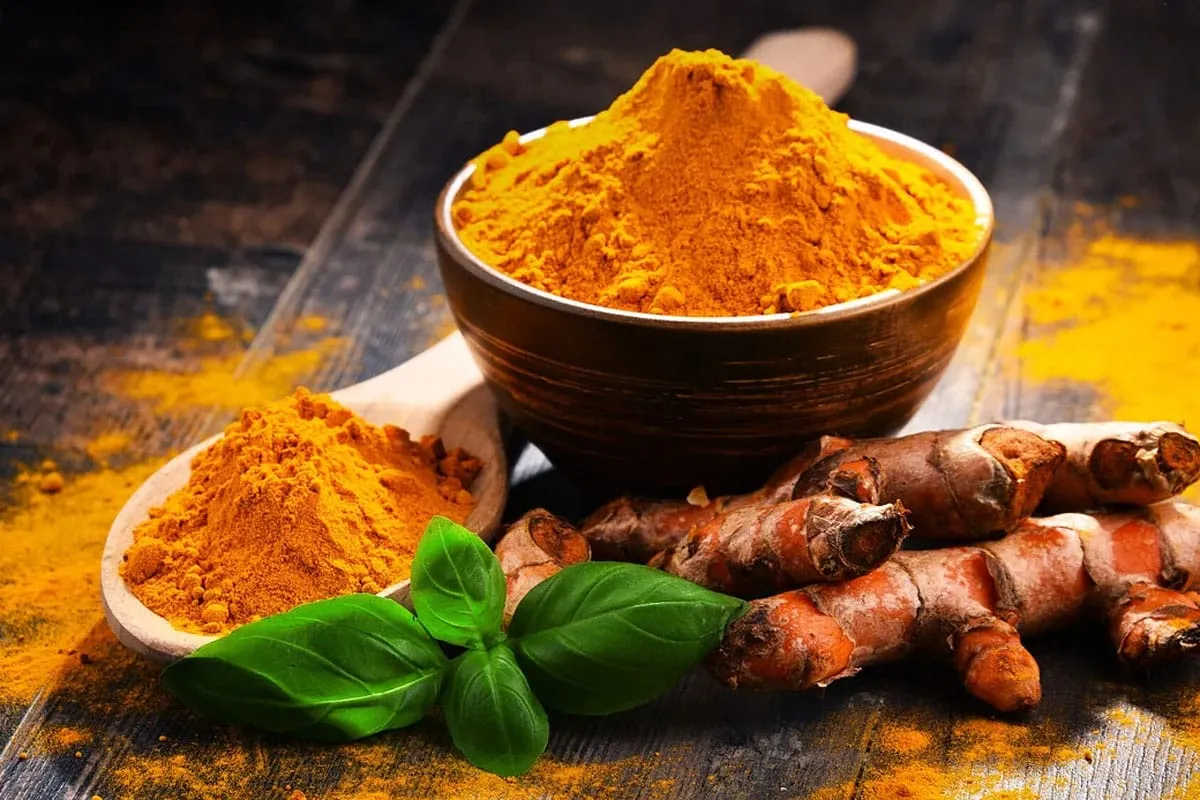
FIG 5: CURCUMIN RHIZOMES AND POWDERED FORM
NEED OF HERBAL FOR ANTI-ACNE GEL:
Acne vulgaris is one of the most common chronic inflammatory skin disorders affecting adolescents and adults worldwide. It occurs due to multiple factors such as excessive sebum production, blockage of hair follicles, bacterial infection, hormonal imbalance, and inflammation. The condition commonly appears on the face, neck, chest, shoulders, and back, often causing pain, irritation, redness, scarring, and psychological stress. Conventional anti-acne therapies such as antibiotics, retinoids, benzoyl peroxide, and hormonal treatments are effective to some extent, but prolonged use may produce undesirable side effects including skin dryness, irritation, erythema, allergic reactions, photosensitivity, and antibiotic resistance. These limitations have increased the demand for safer and more effective herbal alternatives.
Herbal formulations have gained considerable importance in dermatological therapy because they are generally considered safe, economical, biocompatible, and associated with fewer adverse effects. Medicinal plants contain a wide range of bioactive compounds such as alkaloids, flavonoids, tannins, terpenoids, phenolics, and essential oils that exhibit antimicrobial, anti-inflammatory, antioxidant, and wound-healing properties. These properties make herbal preparations highly suitable for the management of acne and other skin disorders.
Among various herbal agents, Curcumin derived from Turmeric has emerged as a promising natural compound for anti-acne treatment. Curcumin possesses potent anti-inflammatory, antibacterial, antioxidant, and healing properties, which directly target the major pathogenic factors involved in acne formation. It inhibits inflammatory mediators such as cytokines and nuclear factor-kappa B (NF-κB), thereby reducing redness, swelling, and inflammation associated with acne lesions. Curcumin also exhibits antibacterial activity against acne-causing microorganisms such as *Cutibacterium acnes* (formerly *Propionibacterium acnes*) and *Staphylococcus aureus*, helping to prevent infection and progression of pimples
.Oxidative stress plays an important role in acne pathogenesis by damaging skin cells and promoting inflammation. Curcumin acts as a powerful antioxidant that neutralizes free radicals and protects skin tissues from oxidative damage. Additionally, it promotes faster wound healing and reduces acne scars by enhancing collagen synthesis and tissue regeneration. Due to these multifunctional activities, curcumin is considered an ideal herbal ingredient for topical anti-acne formulations.
The development of an herbal anti-acne gel containing curcumin offers several advantages compared to conventional dosage forms such as creams and ointments. Gels are non-greasy, easily spreadable, aesthetically acceptable, and provide better patient compliance. They allow efficient drug penetration into the skin and produce a cooling and soothing effect upon application. Herbal gels also minimize pore blockage and reduce the risk of further acne development. Incorporation of curcumin into a gel base ensures localized action at the site of infection and inflammation while reducing systemic side effects.
Another important need for herbal anti-acne gel arises from the growing consumer preference for natural and plant-based skincare products. Increased awareness regarding the harmful effects of synthetic chemicals has encouraged the use of herbal cosmetics and herbal pharmaceuticals. Curcumin-based herbal gels can serve as safer alternatives with enhanced therapeutic benefits and minimal toxicity.
Furthermore, the emergence of antibiotic-resistant bacterial strains due to excessive use of synthetic antibiotics has become a major global concern. Herbal agents such as curcumin provide a natural antimicrobial approach that may help reduce dependency on conventional antibiotics. Curcumin’s broad-spectrum biological activity makes it suitable not only for acne treatment but also for improving overall skin health.
Despite its numerous benefits, curcumin has limitations such as poor solubility and low skin permeability. Therefore, modern pharmaceutical approaches including nanoparticles, liposomes, nanoemulsions, and hydrogel systems are being explored to improve the stability and bioavailability of curcumin in topical formulations. These advanced delivery systems enhance skin penetration and therapeutic efficacy.
In conclusion, the need for a herbal anti-acne gel containing curcumin is driven by the increasing prevalence of acne, limitations of conventional therapies, rising antibiotic resistance, and growing demand for natural skincare products. Curcumin’s potent anti-inflammatory, antimicrobial, antioxidant, and wound-healing properties make it a valuable herbal candidate for acne management. A curcumin-based herbal gel can provide an effective, safe, economical, and patient-friendly approach for the treatment and prevention of acne vulgaris.
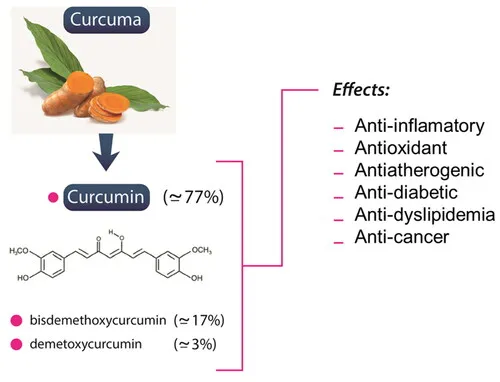
FIG 6: EFFECTS OF CURCUMIN
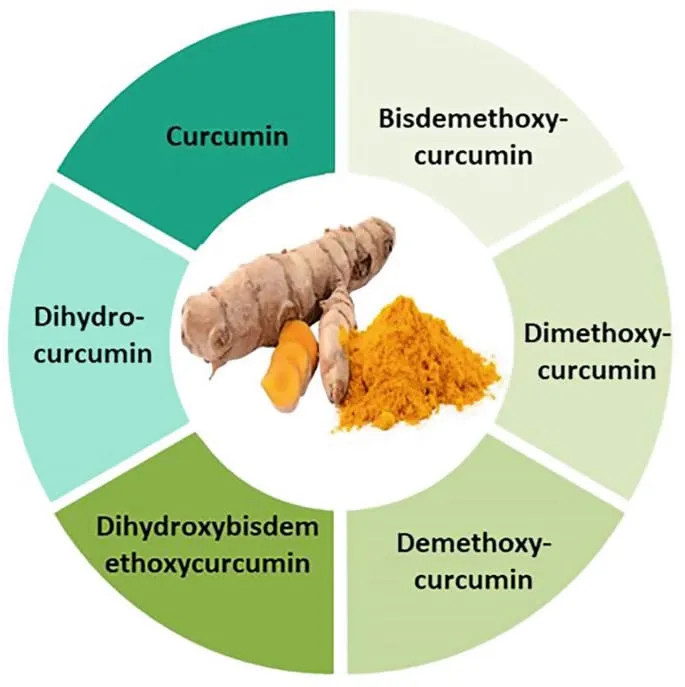
FIG 7: DERIVATIVES OF CURCUMIN
LITERATURE REVIEW:
|
Sr.No |
TITLE |
AUTHOR NAME |
PUBLICATION DATES |
ABSTRACT |
|
1. |
Formulation and Evaluation of Curcumin Gel for Topical Application. |
Nikunjana A. Patel, Natvar J. Patel, Rakesh P. Patel |
2009 |
The study focused on developing a topical gel formulation containing curcumin for anti-inflammatory activity. Different gel bases were prepared and evaluated for viscosity, spreadability, stability, drug release, and skin compatibility. The results showed that curcumin gel exhibited satisfactory topical delivery and good therapeutic potential for skin disorders including acne and inflammation. |
|
2. |
Curcumin/Fusidic Acid Bitherapy Loaded Mixed Micellar Nanogel for Acne Vulgaris Treatment: In Vitro and In Vivo Studies |
Raghda Abdel-monem, Eman S. El-leithy, Ahmed Adel Alaa-Eldin, Rania S. Abdel-Rashid |
2023 |
This research developed a mixed micellar nanogel containing curcumin and fusidic acid for acne vulgaris treatment. The formulation improved drug solubility, skin penetration, and antibacterial activity against acne-causing bacteria. In vitro and in vivo studies demonstrated enhanced anti-inflammatory and antimicrobial effects with reduced side effects and improved therapeutic efficacy. |
|
3. |
Formulation and Evaluation of Topical Herbal Gel Containing Inclusion Complex of Curcumin |
Vandana D, Shweta Pawar |
2019 |
The objective of this work was to formulate a topical herbal gel containing β-cyclodextrin inclusion complex of curcumin to enhance aqueous solubility and skin delivery. The prepared gel showed good antimicrobial and anti-inflammatory activity along with acceptable physicochemical properties such as viscosity, spreadability, pH, and drug diffusion. |
|
4. |
Innovative Formulation of Curcumin Gel: Enhancing Topical Delivery for Skin Conditions – An In Vitro Study |
Kamalesh Baskaran, Sandra Sagar, Senthil Rethinam, Genickson Jeyaraj R |
2024 |
This study aimed to improve curcumin stability and bioavailability through a topical gel system. The gel demonstrated sustained drug release, enhanced skin permeation, antioxidant activity, and anti-inflammatory effects. Researchers concluded that curcumin gel can be a promising herbal formulation for various skin disorders including acne. |
|
5. |
Microemulsion-Based Keratin–Chitosan Gel for Improvement of Skin Permeation/Retention and Activity of Curcumin |
Jiangxiu Niu, Ming Yuan, Panpan Gao, Liye Wang |
2023 |
The researchers developed a keratin–chitosan microemulsion gel to improve the skin permeation and retention of curcumin. The formulation enhanced curcumin stability, antioxidant activity, and anti-inflammatory action. Improved topical bioavailability suggested its usefulness in dermatological applications such as acne management and wound healing. |
|
6. |
Emerging Therapeutic Potential of Curcumin in the Management of Dermatological Diseases: An Extensive Review of Drug and Pharmacological Activities |
Bhumika Kumar, Rohan Aggarwal, Udai Prakash, Pravat Kumar Sahoo |
2023 |
This review discusses the pharmacological potential of curcumin in treating various skin disorders including acne, psoriasis, wounds, and dermatitis. The study highlighted curcumin’s anti-inflammatory, antibacterial, antioxidant, and wound-healing activities, making it a promising herbal candidate for topical anti-acne gel formulations. |
|
7. |
Potential of Curcumin in Skin Disorders |
Laura Vollono, Mattia Falconi, Roberta Gaziano, Federico Iacovelli, Emi Dika |
2019 |
The review evaluated the effectiveness of curcumin in inflammatory and infectious skin diseases. Researchers concluded that curcumin possesses strong antimicrobial and anti-inflammatory properties with good safety profiles, supporting its application in topical acne therapies and herbal gel systems. |
|
8. |
Design, Preparation and Evaluation of Liposomal Gel Formulations for Treatment of Acne: In Vitro and In Vivo Studies |
Sumit Madan, Chetan Nehate, Tarani Kanta Barman, Anurag Rathore et al. |
2018 |
The study developed liposomal gel formulations containing curcumin for acne treatment. The optimized liposomal gel improved drug penetration, stability, and anti-inflammatory activity compared with conventional formulations. In vivo studies demonstrated significant reduction in acne lesions and skin irritation. |
AIM AND OBJECTIVES
Aim of Curcumin Anti-Acne Gel:
To formulate and evaluate a herbal anti-acne gel containing Curcumin for effective topical treatment of acne vulgaris with enhanced antimicrobial, anti-inflammatory, antioxidant, and skin-healing properties while minimizing the side effects associated with conventional anti-acne therapies.
Objectives of Curcumin Anti-Acne Gel
To formulate a stable and effective herbal topical gel containing Curcumin.
To evaluate the physicochemical properties of the prepared gel such as:
color
pH
viscosity
spreadability
homogeneity
extrudability
To study the antimicrobial activity of the formulation against acne-causing microorganisms such as Cutibacterium acnes and Staphylococcus aureus.
To evaluate the anti-inflammatory activity of curcumin in reducing redness, swelling, and irritation associated with acne lesions.
To enhance skin penetration and local therapeutic effect of curcumin through topical gel formulation.
To assess the drug release characteristics and diffusion behavior of curcumin from the gel base.
To perform stability studies of the prepared formulation under different storage conditions.
To develop a non-greasy, easily spreadable, and patient-friendly herbal anti-acne formulation.
To minimize the adverse effects commonly associated with synthetic anti-acne agents and antibiotics.
To promote the use of herbal and natural products in dermatological therapy and skincare applications.
To investigate the antioxidant and wound-healing potential of Curcumin in acne management.
lTo compare the effectiveness of the prepared herbal gel with conventional marketed anti-acne formulations, if required
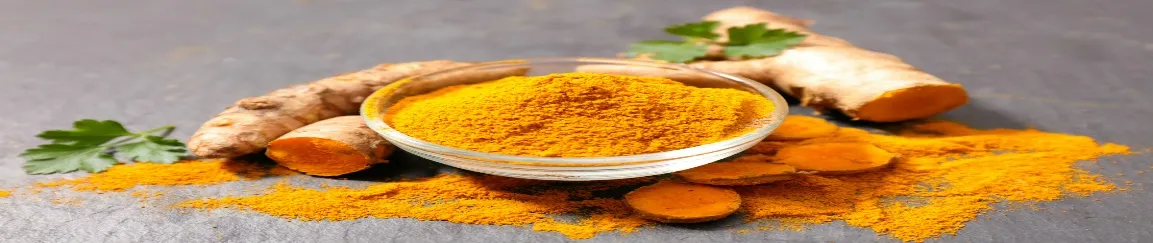
FIG 8: CURCUMIN RHIZOMES TO POWDERED FORM
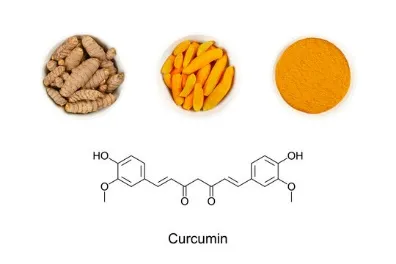
FIG 9: STRUCTURE OF CURCUMIN
PLAN OF WORK
METHOD OF PREPARATION:
Selection of Herbal Drug
↓
Collection of Materials and Chemicals
↓
Literature Review and Preformulation Studies
↓
Identification and Characterization of Curcumin
↓
Selection of Suitable Gel Base
↓
Preparation of Curcumin Anti-Acne Gel
↓
Optimization of Formulation Parameters
↓
Evaluation of Prepared Gel
(Color, pH, Viscosity, Spreadability,
Homogeneity, Extrudability)
↓
Drug Content Determination
↓
In-vitro Drug Release Study
↓
Antimicrobial Activity Study
↓
Anti-inflammatory Evaluation
↓
Stability Studies
↓
Data Analysis and Interpretation
↓
Result and Discussion
↓
Conclusion
↓
Final Report/Disseration preparation.
PLANT PROFILE AND EXCIPIENTS
CURCUMIN DRUG PROFILE:
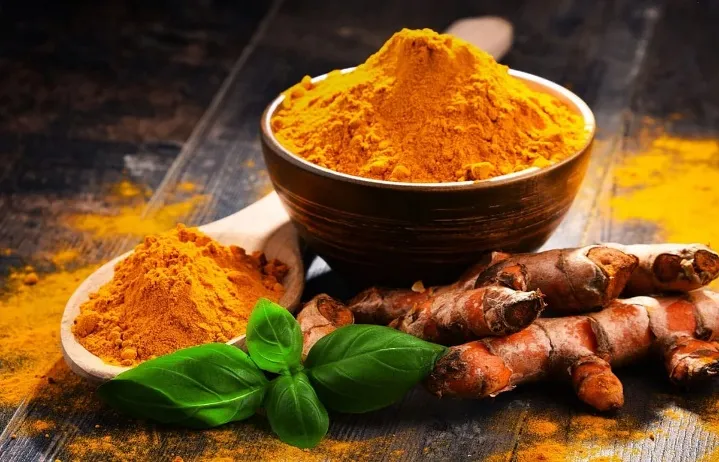
FIG 10: CURCUMIN DRUG PROFILE
|
Parameter |
Details |
|
Drug Name |
Curcumin |
|
Biological Source |
Obtained from rhizomes of Turmeric |
|
Chemical Name |
Diferuloylmethane |
|
Family |
Zingiberaceae |
|
Molecular Formula |
Câ‚‚â‚Hâ‚‚â‚€O₆ |
|
MOA (Mechanism of Action) |
Curcumin exhibits anti-inflammatory, antioxidant, and antimicrobial action by inhibiting inflammatory mediators and reducing growth of acne-causing bacteria. |
|
Uses |
Acne treatment, wound healing, skin protection. |
Curcumin is the major active constituent isolated from Turmeric and is widely known for its therapeutic importance in traditional and modern medicine. It is a naturally occurring polyphenolic compound responsible for the yellow color of turmeric. Curcumin possesses diverse pharmacological activities such as anti-inflammatory, antioxidant, antimicrobial, anticancer, and wound-healing properties.
In acne management, curcumin acts by inhibiting inflammatory mediators and reducing bacterial growth associated with acne vulgaris. It suppresses inflammatory pathways involving NF-κB, COX-2, and cytokines, thereby reducing redness, swelling, and irritation. Curcumin also exhibits antibacterial activity against acne-causing bacteria like Cutibacterium acnes and Staphylococcus aureus.
Its antioxidant property protects skin cells from oxidative stress and free radical damage, whic are major contributors to acne and skin inflammation. Curcumin additionally promotes wound healing and minimizes acne scar formation by enhancing tissue regeneration and collagen synthesis.
Due to its poor water solubility and low bioavailability, curcumin is commonly formulated into topical gels, nanoparticles, liposomes, and hydrogels to improve its therapeutic effectiveness. In anti-acne gel formulations, curcumin provides localized action with minimal systemic side effects, making it a safe and effective herbal alternative to synthetic anti-acne drugs.
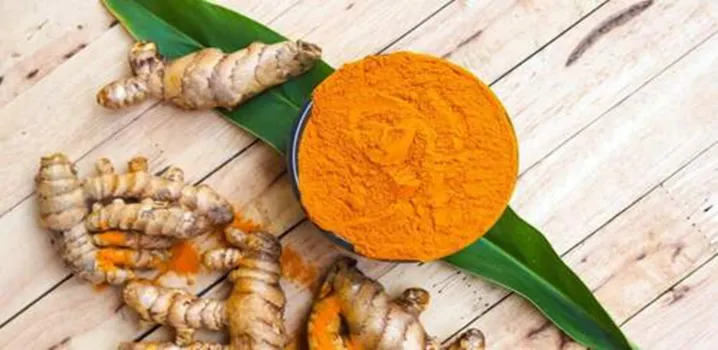
FIG 11: ACTIVE INGREDIENT OF TURMERIC RHIZOMES
Drug Profile of Curcumin:
|
Parameter |
Description |
|
Drug Name |
Curcumin |
|
Synonym |
Diferuloylmethane |
|
Biological Source |
Obtained from the rhizomes of Turmeric |
|
Family |
Zingiberaceae |
|
Category |
Herbal anti-inflamm Parameter Description |
|
Drug Name |
Curcumin |
|
Synonym |
Diferuloylmethane |
|
Biological Source |
Obtained from the rhizomes of Turmeric |
|
Family |
Zingiberaceae |
|
Category |
Herbal anti-inflammatory and antimicrobial agent |
|
Chemical Name |
(1E,6E)-1,7-bis(4-hydroxy-3-methoxyphenyl)-1,6-heptadiene-3,5-dione |
|
Molecular Formula |
Câ‚‚â‚Hâ‚‚â‚€O₆ |
|
Molecular Weight |
368.38 g/mol |
|
Structure |
Polyphenolic curcuminoid compound |
|
Appearance |
Yellow to orange-yellow crystalline powder |
|
Odor |
Characteristic |
|
Taste |
Slightly bitter |
|
Melting Point |
183°C |
|
Solubility |
Insoluble in water; soluble in ethanol, methanol, acetone, chloroform, and DMSO |
|
PH |
Approximately 5.5–6.5 |
|
Nature |
Hydrophobic compound |
|
Mechanism of Action |
Inhibits inflammatory mediators, oxidative stress, and microbial growth |
|
Pharmacological Activities |
Anti-inflammatory, antioxidant, antimicrobial, anticancer, wound-healing |
|
Antimicrobial Activity |
Effective against Cutibacterium acnes, Staphylococcus aureus, and other microorganisms |
|
Anti-inflammatory Activity |
Inhibits COX-2, LOX, TNF-α, NF-κB, and cytokines |
|
Antioxidant Property |
Scavenges free radicals and reactive oxygen species |
|
Uses |
Acne treatment, wound healing, skin protection, antioxidant therapy |
|
Route of Administration |
Mainly topical and oral |
|
Bioavailability |
Poor due to low water solubility and rapid metabolism |
|
Advantages |
Natural, safe, multifunctional therapeutic activity |
|
Limitations |
Poor aqueous solubility and low absorption |
|
Storage Condition |
Store in airtight container away from light and moisture |
|
Safety Profile |
Generally recognized as safe with minimal side effects |
Profile table of curcumin drug
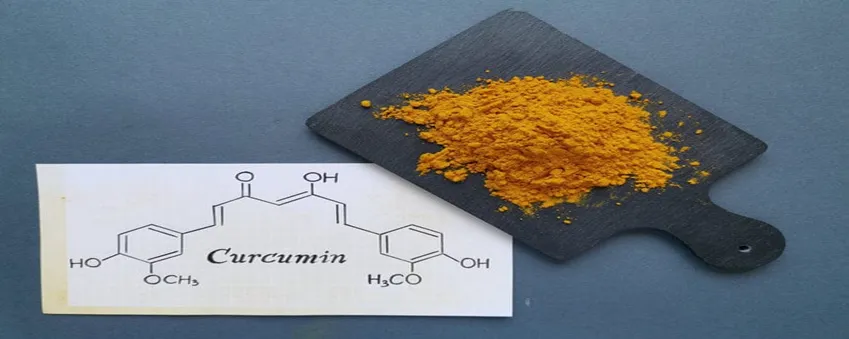
FIG 12: POWDERED CURCUMIN
2. CARBOPOL 940:
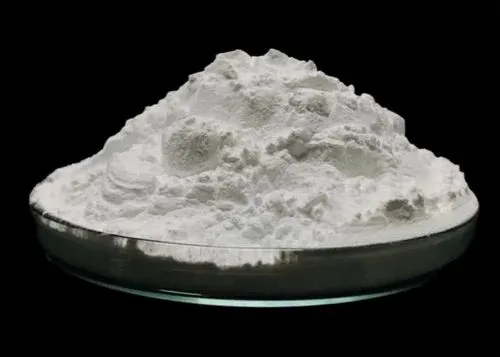
FIG 13: CARBOPOL 940
Carbopol 940 is a synthetic high molecular weight cross-linked polyacrylic acid polymer widely used as a gelling, thickening, and stabilizing agent in pharmaceutical and cosmetic formulations. It appears as a white, fluffy, hygroscopic powder and forms clear gels when dispersed in water and neutralized with agents such as triethanolamine.
Carbopol 940 is extensively used in topical preparations including gels, creams, lotions, and ointments because of its excellent viscosity-enhancing and suspending properties. It provides smooth texture, good spreadability, and stability to formulations. In anti-acne gel formulations, Carbopol 940 acts as the primary gel base that helps maintain proper consistency and ensures uniform distribution of Curcumin throughout the formulation.
PROPERTIES OF CARBOPOL:
|
Parameter |
Description |
|
Category |
Gelling agent |
|
Appearance |
White fluffy powder |
|
Solubility |
Swells in water |
|
Function |
Thickener and viscosity enhancer |
|
Uses |
Gels, creams, lotions, ophthalmic preparations |
|
Advantages |
Non-greasy, stable, smooth gel formation |
|
Compatibility |
Compatible with many pharmaceutical ingredients. |
Parameters and description of Carbopol 940
3.TRIETHANOLAMINE:
Triethanolamine is commonly used in curcumin gel formulations as a neutralizing and pH-adjusting agent. It neutralizes acidic polymers like Carbopol 940 and converts the liquid dispersion into a smooth and stable gel structure.
It helps maintain the pH of the formulation near the skin’s natural pH, thereby reducing irritation and improving skin compatibility. Triethanolamine also enhances gel consistency, viscosity, and spreadability, making the anti-acne gel easy to apply.
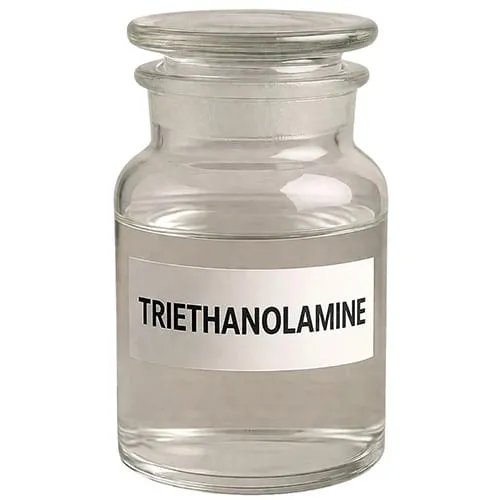
FIG 14: TRIETHANOLAMINE
PROPERTIES OF TRIETHANOLAMINE:
|
Parameter |
Description |
|
Category |
Neutralizing agent |
|
Appearance |
Clear viscous liquid |
|
Solubility |
Miscible with water |
|
Function |
pH adjustment and gel formation |
|
Uses |
Pharmaceutical and cosmetic gels. |
Parameters and description of triethanolamine
EXPERIMENTAL WORK
FORMULATION TABLE:
|
Sr. N. |
INGREDENTS |
CATEGORY |
QUANTITY FOR 100gm |
|
1. |
Curcumin |
Active drug |
1g |
|
2. |
Carbopol 940 |
Gelling agent |
1g |
|
3. |
Propylene glycol |
Solvent |
10ml |
|
4. |
Triethanolamine |
Neutralizing agent |
q.s |
|
5. |
Methyl paraben |
Preservative |
0.18g |
|
6. |
Propyl paraben |
Preservative |
0.02g |
|
7. |
Distilled Water |
Vehicle |
q.s to 100ml |
FORMULATION TABLE FOR 100 GM:
|
SR.NO |
INGREDIENTS |
BATCH 1 |
BATCH 2 |
BATCH 3 |
|
1 |
Curcumin |
0.5g |
1g |
0.75g |
|
2 |
Carbopol 940 |
0.5g |
1.5g |
1g |
|
3 |
Propylene glycol |
5ml |
8ml |
6ml |
|
4 |
Methyl paraben |
0.1g |
0.1g |
0.1g |
|
5 |
Propyl paraben |
0.02g |
0.02g |
0.02g |
|
6 |
Triethanolamine |
0.5ml |
1ml |
0.8ml |
|
7 |
Distilled Water |
Upto 100ml |
Upto 100ml |
Upto 100ml |
ROLE OF INGREDIENT:
|
INGREDIENT |
ROLE IN FORMULATION |
|
Curcumin |
Anti-inflammatory, antimicrobial, antioxidant |
|
Carbopol 934 |
Provides gel consistency |
|
Propylene glycol |
Enhances solubility and skin penetration |
|
Triethanolamine |
Neutralizes Carbopol and forms gel |
|
Methyl Paraben |
Prevents microbial growth |
|
Propyl Paraben |
Improves preservation |
|
Distilled Water |
Vehicle/base of gel |
PROCEDURE:
All ingredients such as Carbopol 934, Propylene Glycol, preservatives, and Curcumin are accurately weighed as per formulation.
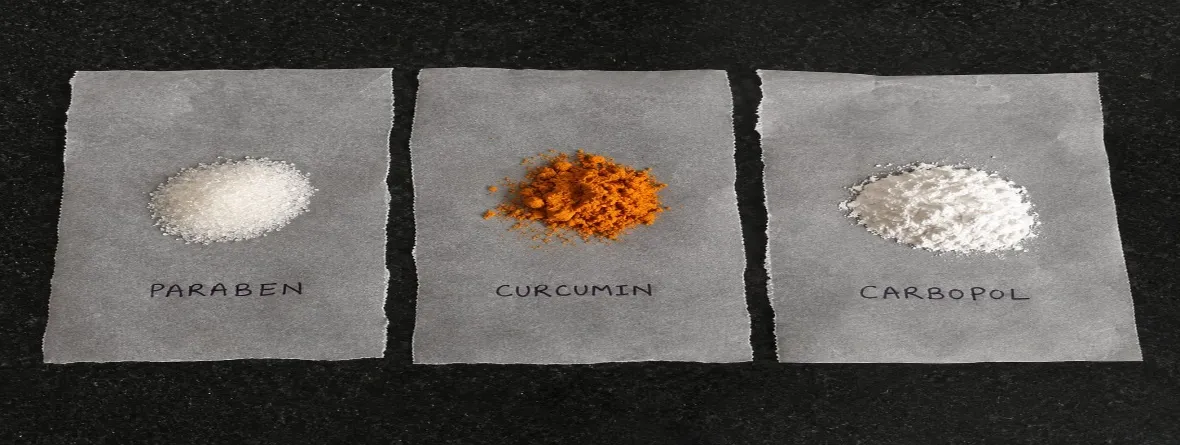
FIG 19: WEIGHING OF INGREDIENT
Carbopol 934 is slowly sprinkled into distilled water with continuous stirring to avoid lump formation and allowed to hydrate completely.
Methyl Paraben and Propyl Paraben are dissolved in a suitable solvent (often warm Propylene Glycol).
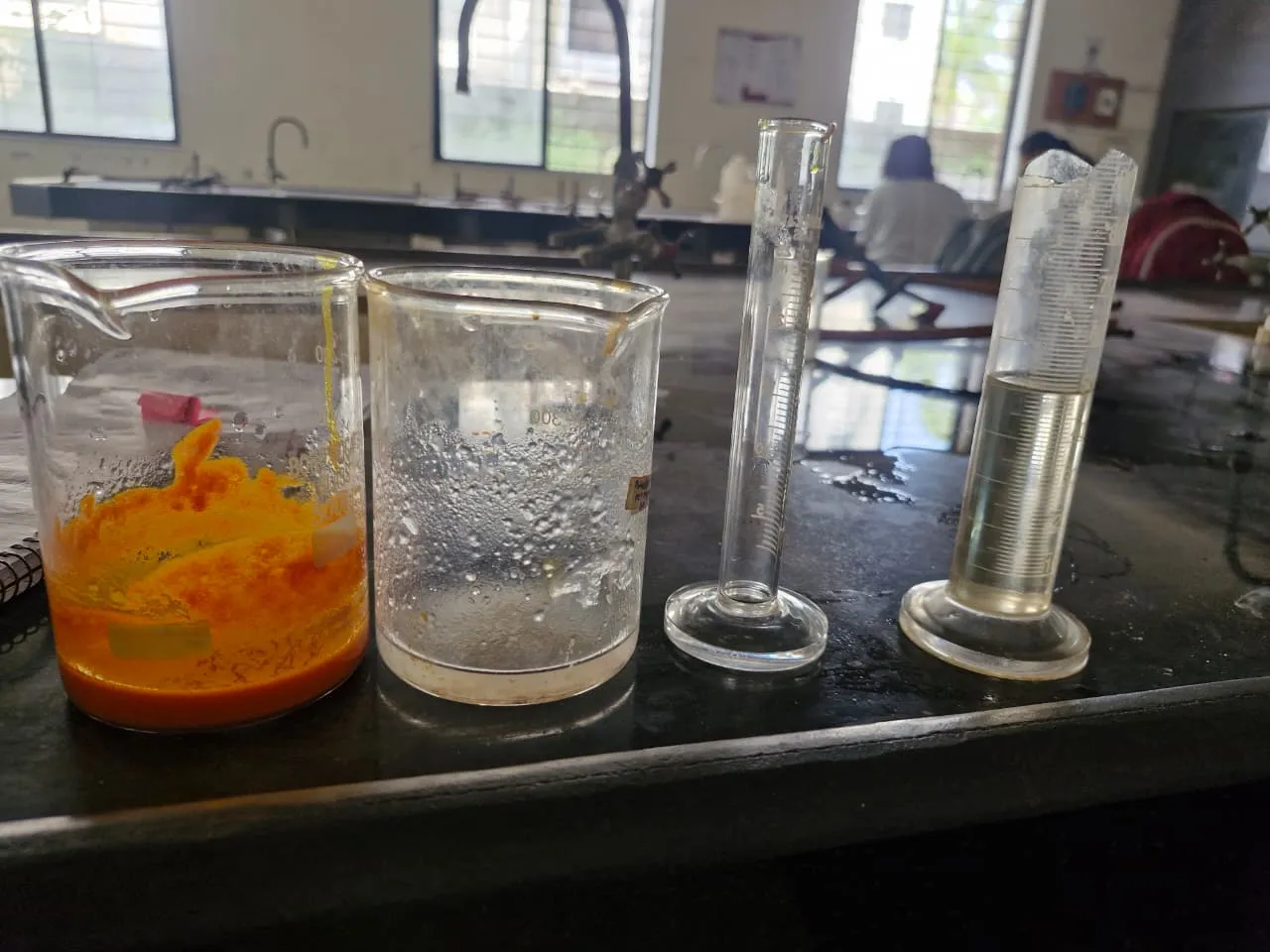
FIG 20: CURCUMIN DISSOLVED IN CARBOPOL 940
Curcumin is dissolved or dispersed in propylene glycol and mixed uniformly.
The curcumin solution is slowly added to the hydrated Carbopol dispersion with continuous stirring to ensure uniform distribution.
Remaining Propylene Glycol is added to improve consistency, moisturizing effect, and drug penetration.
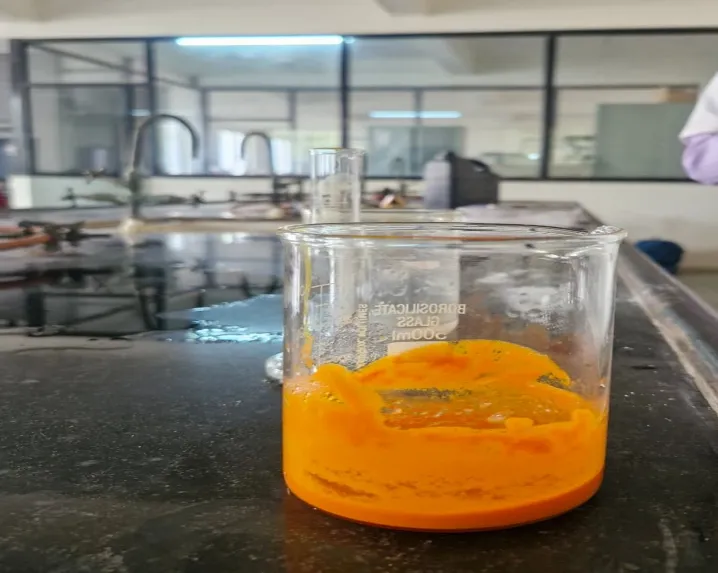
FIG 21: ADDITION OF HUMECTANT
Triethanolamine is added dropwise to neutralize Carbopol and convert the dispersion into a clear gel.
The pH is adjusted to skin-compatible range (approximately 5.5–6.5) for better stability and reduced irritation.
Distilled water is added to make up the final weight of the gel.
The mixture is stirred gently to remove air bubbles and ensure a uniform, smooth gel.
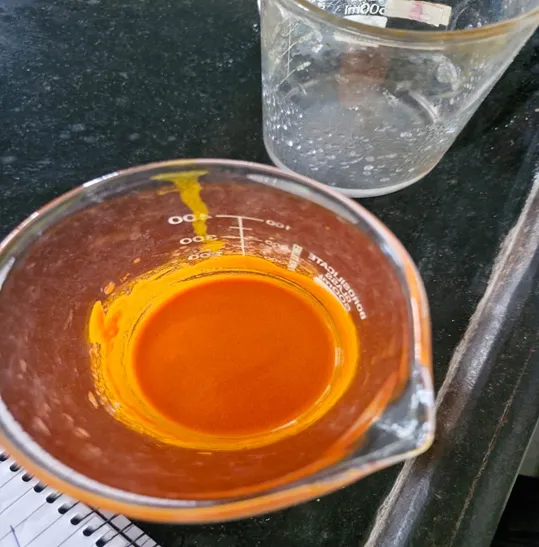
FIG 22: HOMONGENOUS MIXTURE OF CURCUMIN
The prepared gel is filled into suitable collapsible tubes or containers.
The final product is stored in a cool, dry place away from light to maintain stability and effectiveness.
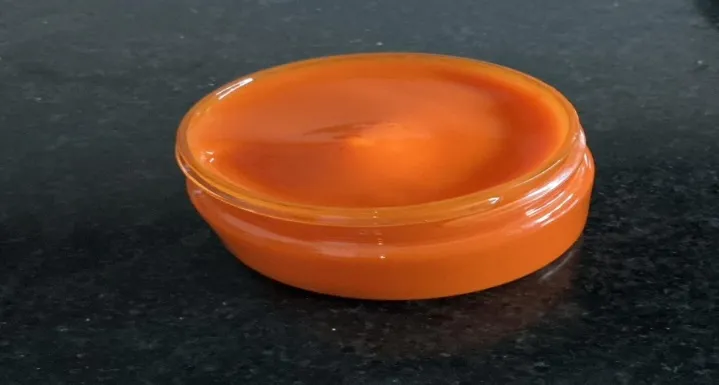
FIG 23: SAMPLE PRODUCT OF CURCUMIN ANTI-ACNE GEL
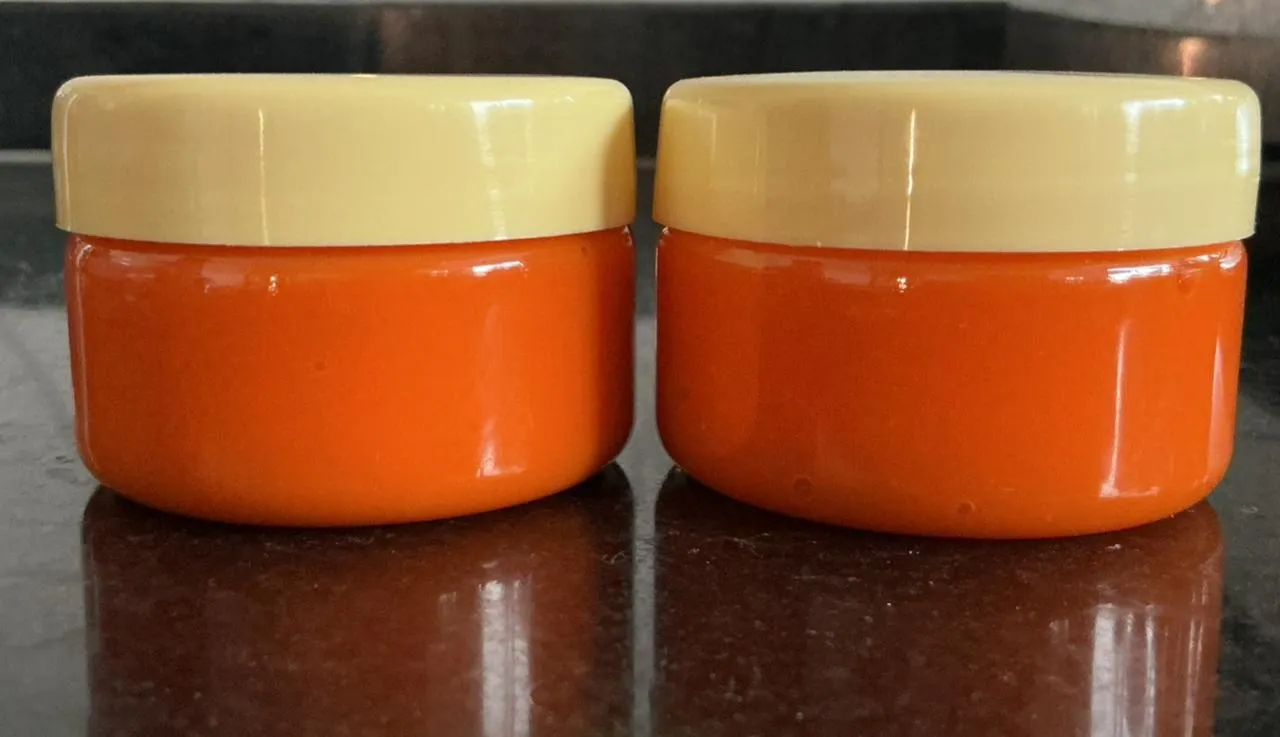
FIG 24: PACKAGING AND STORAGE
EVALUATION PARAMETERS:
|
SR.NO |
PARAMETERS |
MEHOD |
ACCEPTANCE CRITERIA |
|
1 |
Appearance |
VISUAL OBSERVATION |
Smooth, uniform, yellowish gel with no lumps or phase separation. |
|
2 |
Odour |
Sensory evaluation |
Pleasant or characteristic odour, no foul smell |
|
3 |
PH |
Digital ph meter |
5.5.-6.5 range |
|
4 |
Viscosity |
Brookfield viscometer |
Appropriate gel consistency (no very thin or very thick gel) |
|
5 |
Spreadability |
Glass slide method |
Easily spreadable with good uniform coverage |
|
6 |
Extrudability |
Collapsible tube test |
Smooth extrusion with minimum force |
|
7 |
Homogeneity |
Visual inspection |
Uniform without particles or aggregates |
|
8 |
Drug content |
UV Spectrophotometry |
90% – 110% of labeled amount |
|
9 |
In-vitro Drug Release |
Franz diffusion cell |
Controlled and sustained release pattern |
|
10 |
Stability Study |
Storage at different conditions (ICH guidelines) |
Stable with no change in color, pH, or consistency |
RESULT
Result of Curcumin Anti-Acne Gel Formulation:
The prepared anti-acne gel containing Curcumin was successfully formulated using Carbopol 934 as a gelling agent and other suitable excipients. The formulated gel was evaluated for various physicochemical and biological parameters.
The gel showed a smooth, uniform, and homogenous appearance with good consistency and no phase separation. The pH was found to be within the skin-friendly range (5.5–6.5) indicating that the formulation is non-irritating and suitable for topical application.
The spreadability and extrudability results were satisfactory, showing that the gel can be easily applied on the skin. The viscosity was found to be appropriate for maintaining gel stability and ease of application.
The drug content uniformity was within acceptable limits (90–110%), indicating proper distribution of Curcumin in the formulation.
In the in-vitro drug release study, the gel showed a controlled and sustained release of curcumin over time, suggesting prolonged therapeutic action at the site of application.
The antimicrobial study demonstrated significant activity against acne-causing bacteria such as Cutibacterium acnes and Staphylococcus aureus, confirming the antibacterial potential of curcumin.
The formulation also showed good stability under different storage conditions, with no major changes in color, odor, or consistency.
OBSERVATION TABLE:
|
SR.NO |
PARAMETERS |
OBSERVATIONS |
|
1 |
Appearance |
Yellowish Orange,Smooth Gel |
|
2 |
Odour |
Characteristic Mild Odour |
|
3 |
PH |
5.8 |
|
4 |
Viscosity |
Moderate Gel Viscosity |
|
5 |
Spreadability |
Easily Spreadable |
|
6 |
Extrudability |
Smooth Extrusion |
|
7 |
Homogeniety |
Uniform, No Lumps |
|
8 |
Drug Content |
96% |
|
9 |
Stability Study |
No Significant Change |
|
10 |
Skin Irritation Test |
No Irritation |
CONCLUSION
It can be concluded that the herbal anti-acne gel containing Curcumin was successfully formulated and evaluated.
The results confirmed that curcumin possesses strong anti-inflammatory, antioxidant, and antimicrobial properties, making it an effective natural agent for the treatment of acne vulgaris.
The use of Carbopol 934 provided good gel consistency, stability, and patient acceptability, while other excipients supported proper drug delivery and formulation performance.
Overall, the developed curcumin anti-acne gel is a safe, stable, effective, and eco-friendly herbal formulation that can serve as a promising alternative to synthetic anti-acne products, with fewer side effects and improved skin compatibility.
REFERENCES

Supriya Sunil Gitte*, Shweta Zalte, Formulation And Evaluation Of Anti Acne Gel Using Curcumin, Int. J. Sci. R. Tech., 2026, 3 (9), 65-88. https://doi.org/10.5281/zenodo.22248015
 10.5281/zenodo.22248015