

We use cookies to ensure our website works properly and to personalise your experience. Cookies policy
Department of Pharmaceutics, K. V. N. Naik S. P. Sanstha’s, Institute of Pharmaceutical Education & Research, Nashik, 422002, Maharashtra, India.
Background: Lips lack sebaceous glands and have a thin stratum corneum, making them vulnerable to dehydration and environmental stress. There is growing interest in herbal cosmetics like rice bran oil (extracted from Oryza sativa), which contains ?-oryzanol and tocopherols with antioxidant and moisturizing properties. Objectives: This study aimed to formulate and evaluate a stable, cosmetically acceptable herbal lip balm using rice bran oil as the primary emollient and antioxidant. Methods: Four formulations (F1–F4) were prepared using the double boiler method with rice bran oil, beeswax, coconut oil, vitamin E, beetroot powder, and vanilla essence. Evaluation parameters included organoleptic assessment, melting point, spreadability, pH, skin irritation, and four-week stability studies. Results: Formulation F2 was identified as optimal, featuring a smooth texture, light pink color, and pleasant odor. It exhibited a melting point of 63.5 ± 0.8°C, a compatible pH of 6.2 ± 0.15, and satisfactory spreadability. Stability studies confirmed no phase separation or rancidity over four weeks. Conclusion: Rice bran oil serves as an effective, safe, and natural base for lip care products, providing a viable alternative to synthetic preparations.
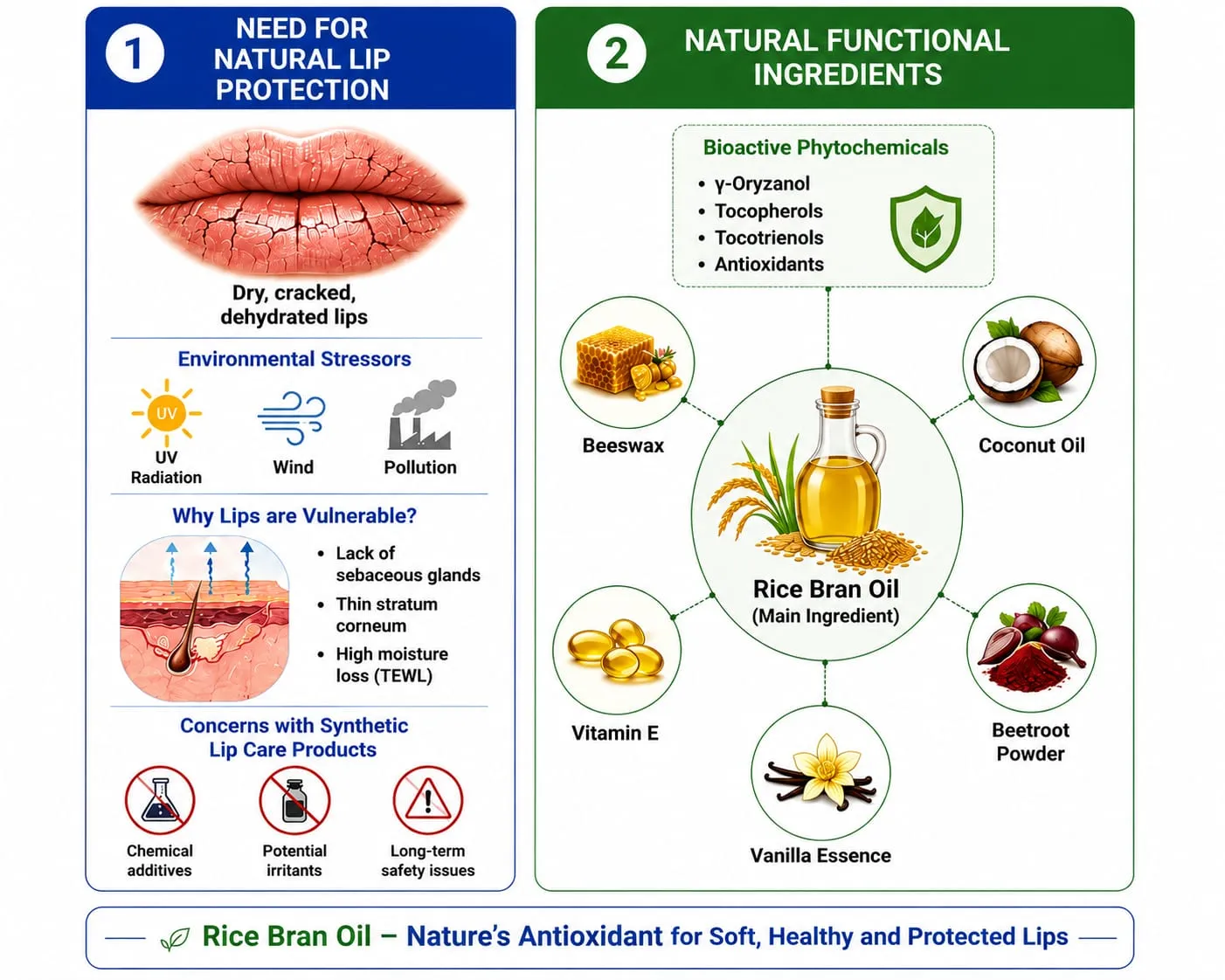
Figure 1. Graphical Abstract
1. Anatomy and Physiological Vulnerability of the Lips
The lips are among the most sensitive and functionally active regions of the human face, yet they remain one of the most anatomically vulnerable to environmental insults. Unlike the skin of the face and body, the vermilion border of the lips is lined by a modified mucous membrane that is devoid of sebaceous glands, sweat glands, and hair follicles.1 This structural absence means that the lips are entirely dependent on external moisture and secretions from minor salivary glands for lubrication. The stratum corneum of lip skin is also considerably thinner compared to the general body surface, making transepidermal water loss (TEWL) substantially higher in this region.2 As a consequence, the lips dry out rapidly, particularly under conditions of low humidity, cold temperatures, wind exposure, ultraviolet radiation, and dehydration.
Common lip conditions arising from this vulnerability include cheilitis, angular stomatitis, xerostomia-related lip dryness, and photodamage. Repeated wetting of the lips through licking, a habitual response to dryness, paradoxically worsens the condition by stripping residual lipids and disrupting what little barrier function the thin lip epithelium provides.3 Nutritional deficiencies, particularly of vitamins B2, B3, and B12, further compromise lip integrity, as do systemic conditions and prolonged exposure to harsh cosmetics. Given these physiological realities, there is a clear and documented clinical need for topical protective preparations that can restore and maintain the lip barrier.4
2. Lip Balm: Function, Composition and Application
Lip balm is a widely used topical preparation designed to provide a protective occlusive film over the lip surface, thereby reducing moisture evaporation, shielding against environmental agents, and promoting the healing of cracked or irritated tissue.5 The therapeutic rationale behind lip balm use rests on three primary mechanisms: occlusion, which prevents water loss by forming a physical barrier; emolliency, which softens and smoothens the lip surface by filling intercellular spaces; and humectancy, where applicable, which draws moisture into the tissue.6
Conventional lip balm formulations consist of waxes as the structural base, oils as emollients and moisturising agents, and various additives such as colourings, flavours, and preservatives. Among waxes, beeswax and carnauba wax are widely employed because they provide the semi-solid consistency required for moulding and ease of application.7 Oils such as castor oil, jojoba oil, almond oil, and various plant-derived oils contribute to spreadability and skin-feel. The balance between wax concentration and oil content determines the firmness, melting behaviour, and tactile properties of the final product. However, many commercially prepared lip balms contain petroleum-derived ingredients, synthetic antioxidants such as BHA and BHT, artificial fragrances, and chemical preservatives, which have attracted concern regarding their chronic safety and ecological impact.8
3. The Herbal Cosmetics Movement
Over the past two decades, there has been a well-documented global shift in consumer preferences toward herbal and natural cosmetic products. This is driven partly by growing awareness of potential sensitisation and endocrine-disrupting effects attributed to synthetic chemicals in personal care products, and partly by broader cultural trends toward sustainable and plant-based lifestyles.9 The global herbal cosmetics market was valued at approximately USD 36 billion in 2022 and is projected to grow at a compound annual growth rate exceeding 5% through 2030.10
From a scientific standpoint, herbal ingredients offer a number of advantages over synthetic alternatives. They typically possess intrinsic biocompatibility with human skin, lower acute toxicity profiles, and in many cases provide additional pharmacological benefits beyond their primary cosmetic function.11 Ingredients such as aloe vera, turmeric, shea butter, argan oil, and neem extract have already found wide acceptance in commercial herbal cosmetic formulations supported by clinical evidence. The challenge lies in identifying and validating new plant-based materials that can be incorporated into stable, aesthetically acceptable, and functionally effective formulations.12
4. Rice Bran Oil: Botanical Source and Phytochemical Composition
Rice bran oil (RBO) is derived from the outer bran layer of the rice grain (Oryza sativa L., Family: Poaceae) during the milling process. Rice is the staple food crop of more than half the world's population, and the bran, which constitutes approximately 8 to 10% of the total grain weight, is a rich repository of bioactive compounds.13 The oil content of rice bran ranges from 15 to 23%, and cold-pressed or solvent-extracted RBO has emerged as a commercially viable and nutritionally valuable product.
The chemical composition of rice bran oil distinguishes it from most other vegetable oils. The most pharmacologically significant component is γ-oryzanol, a mixture of ferulic acid esters of phytosterols and triterpene alcohols, which constitutes approximately 1 to 2% of crude rice bran oil.14 γ-Oryzanol has been extensively studied for its antioxidant, anti-inflammatory, cholesterol-lowering, and UV-absorbing properties. Its ferulic acid moiety is a well-established hydroxycinnamic acid with demonstrated free radical scavenging activity, while the sterol component provides additional membrane-stabilising effects.15
Beyond γ-oryzanol, RBO contains significant quantities of tocopherols and tocotrienols, collectively referred to as vitamin E isomers. These lipid-soluble antioxidants protect polyunsaturated fatty acids within the oil from oxidative degradation and simultaneously provide antioxidant protection to the skin when applied topically.16 The fatty acid profile of RBO includes approximately 38 to 42% oleic acid (C18:1, monounsaturated), 28 to 34% linoleic acid (C18:2, polyunsaturated), and 16 to 28% palmitic acid (C16:0, saturated), representing a balanced lipid composition well-suited to skin care applications.17
5. Pharmacological and Cosmetic Properties of Rice Bran Oil
The moisturising effect of RBO has been attributed to its ability to reduce TEWL by forming a semi-occlusive film on the skin surface and by partially integrating into the intercellular lipid matrix of the stratum corneum.18 Oleic and linoleic acids, which together constitute the majority of the unsaturated fatty acids in RBO, are also natural components of the human skin lipid barrier and contribute to its fluidity and permeability properties.
The antioxidant activity of RBO is among its most extensively documented properties. In vitro studies using DPPH (2,2-diphenyl-1-picrylhydrazyl), ABTS (2,2'-azino-bis(3-ethylbenzothiazoline-6-sulfonic acid)), and FRAP (ferric reducing antioxidant power) assays have consistently demonstrated high free radical scavenging capacity attributable mainly to γ-oryzanol and tocotrienols19. This antioxidant capacity is relevant to lip care because the lips are directly exposed to solar UV radiation, which generates reactive oxygen species that damage cellular lipids, proteins, and DNA.20
Photoprotective activity has also been demonstrated for γ-oryzanol, which absorbs UV radiation in the UVB range (290 to 320 nm) and UVA range (320 to 400 nm). Although the Sun Protection Factor (SPF) provided by RBO alone is relatively modest (estimated at approximately SPF 2 to 4), its combination with other UV-absorbing ingredients can meaningfully augment photoprotection in topical formulations.21 The anti-ageing potential of RBO relates to its ability to suppress collagen degradation by inhibiting matrix metalloproteinase activity and its capacity to stimulate collagen synthesis in fibroblasts, effects demonstrated in cell culture models22.
6. Rationale and Objectives of the Present Study
Despite the well-characterised bioactive profile of rice bran oil, its application in lip care formulations remains underexplored in the published literature. Most available studies on RBO focus on food applications or on dermal formulations such as creams and lotions, whereas specific investigations into lip balm formulations using RBO as the primary active ingredient are limited. Given the unique physiological requirements of the lip surface, the antioxidant and moisturising properties of RBO make it a compelling candidate for a dedicated lip care product.
The present study therefore aimed to formulate a stable, cosmetically acceptable herbal lip balm using rice bran oil as both an emollient and antioxidant source, combined with beeswax for structural integrity, coconut oil for enhanced lubrication and spreadability, vitamin E as a supplementary antioxidant, beetroot powder as a natural colourant, and vanilla essence for palatability. Four formulation batches (F1 to F4) were prepared with varying concentrations of rice bran oil, beeswax, and coconut oil, and comparative evaluation was performed to identify the optimised formulation. The formulation was subjected to comprehensive physicochemical evaluation including organoleptic assessment, melting point determination, spreadability testing, pH measurement, irritation testing, and accelerated stability studies. The study aims to provide scientific evidence for the cosmetic utility of rice bran oil in lip care and to establish a reproducible formulation protocol.
MATERIALS AND METHODS
1. Materials and Reagents
All ingredients were sourced from certified suppliers and confirmed to meet cosmetic-grade quality standards before use. Rice bran oil (cold-pressed) was obtained commercially and verified for colour, odour, and acid value prior to incorporation. Beeswax (white, refined) was selected for its known structural properties and GRAS (Generally Recognised As Safe) status. Coconut oil (refined, deodorised, and bleached grade) was used to contribute lubrication and spreadability. Vitamin E (tocopheryl acetate) was used as an antioxidant excipient. Beetroot powder (Beta vulgaris, food grade) was used as a natural pigment to impart colour. Vanilla essence (food grade) was used to improve organoleptic acceptability. Table 1 summarises the composition of the formulation.
|
Sr. No. |
Ingredient |
F1 (g) |
F2 (g) |
F3 (g) |
F4 (g) |
Functional Role |
|
1 |
Rice bran oil |
2 |
3 |
2 |
3 |
Primary emollient and antioxidant |
|
2 |
Coconut Oil |
4 |
4 |
5 |
5 |
Structuring and film-forming agent |
|
3 |
Beeswax |
3.2 |
2.2 |
0.2 |
0.2 |
Lubricant and co-emollient |
|
4 |
Vitamin E (tocopheryl acetate) |
0.2 |
0.2 |
0.2 |
0.2 |
Supplementary antioxidant |
|
5 |
Vanilla essence |
0.1 |
0.1 |
0.1 |
0.1 |
Flavour and palatability enhancer |
|
6 |
Beetroot powder |
0.5 |
0.5 |
0.5 |
0.5 |
Natural colourant |
|
7 |
Total weight |
10 g |
10 g |
10 g |
10 g |
Total Formulation weight |
Table 1. Composition of the Rice Bran Oil Herbal Lip Balm Formulation
The equipment used included an analytical balance (sensitivity 0.001 g), glass beakers of 100 ml and 250 ml capacity, glass stirring rods, a thermometer (range 0 to 150°C), a digital pH meter, a glass slide and flat spatula for spreadability testing, and capillary tubes for melting point determination. Each formulation batch (F1-F4) was prepared of total weight of 10 g.
2. Formulation Method
The lip balm was prepared by the method, which is widely employed for semi-solid preparations requiring controlled heat application. This method prevents overheating of thermolabile ingredients and ensures uniform mixing of immiscible phases.23
Step 1 Preparation of equipment: All glassware and containers were washed with neutral detergent, rinsed with distilled water, and dried in a hot air oven at 100°C for 30 minutes prior to use. The work area was maintained under clean conditions to minimise contamination.
Step 2 Melting phase: Four batches (F1, F2, F3, and F4) were prepared according to the composition shown in Table 1. For the optimised formulation F2, beeswax (2.2 g) was accurately weighed and melted using the double boiler method. Rice bran oil (3 g) and coconut oil (4 g) were added gradually with continuous stirring. The temperature of the water bath was maintained between 70 and 75°C to ensure complete melting of beeswax and uniform mixing of the oil phase without degrading thermolabile constituents. This temperature range was selected because it is sufficient to melt beeswax (melting point approximately 62 to 65°C) while remaining below the decomposition temperature of γ-oryzanol and tocopherols in the oils. The mixture was stirred continuously using a glass rod until a clear, uniform melt was obtained.
Step 3 Addition of the natural colorant: For formulation F2, beetroot powder (0.5 g) was finely sieved and incorporated slowly into the molten mixture with continuous stirring to ensure uniform dispersion throughout the formulation and prevent aggregation of pigment particles.
Step 4 Cooling phase: The molten mixture was allowed to cool slowly to 40 to 45°C while stirring continued. This temperature is above the solidification point of beeswax, ensuring that the mass remains fluid and pourable, while being sufficiently low for the safe addition of temperature-sensitive ingredients.
Step 5 Addition of additives: Vitamin E (0.2 g) was added after partial cooling of the molten mixture, followed by incorporation of vanilla essence (0.1 g) with gentle stirring to preserve volatile aromatic compounds.
Step 6 Pouring and solidification: The final molten mixture was poured carefully into the pre-dried lip balm containers using a glass rod to guide the flow and avoid air bubble entrapment. The containers were placed on a flat surface at room temperature (25°C) and allowed to solidify undisturbed for two hours. After complete solidification, the lip balms were capped and stored for evaluation.
3. Evaluation Parameters
Organoleptic Evaluation
The prepared lip balm was evaluated visually and sensorially for colour, odour, texture, and overall appearance. Colour was assessed against natural daylight. Odour was described qualitatively by three independent observers. Texture was evaluated by digital palpation to assess smoothness or grittiness. Appearance was noted for gloss and homogeneity.
Melting Point Determination
The melting point of the lip balm was determined using the capillary tube method. A small quantity of the solidified lip balm was packed into a sealed capillary tube and placed in a water bath alongside a thermometer. The bath was heated gradually at a rate of approximately 2°C per minute, and the temperature at which the sample first began to liquefy was recorded as the melting point. Three independent measurements were taken and the mean value was reported.
The clinical relevance of this test is that the melting point of a lip balm should approximate the temperature of the lip surface (approximately 36 to 37°C) or be slightly above body temperature (37 to 38°C) so that it softens upon contact but does not melt and deform during transport or storage at ambient temperatures.24
Spreadability Assessment
Spreadability was evaluated by a modified glass slide method. A defined quantity of lip balm (approximately 0.1 g) was placed on a clean glass slide and a second glass slide placed on top. The upper slide was weighted with a standard load (100 g) for 60 seconds. The diameter of the spread was then measured in two perpendicular directions using a ruler, and the mean value was recorded. The test was performed in triplicate. Good spreadability is characterised by even, consistent spreading without tearing or excessive resistance.
pH Determination
For pH measurement, 1 g of the lip balm was dissolved in 100 ml of freshly prepared distilled water with gentle stirring for five minutes. The pH of the resulting emulsion was determined using both pH paper and a calibrated digital pH meter. The electrode was standardised with buffer solutions of pH 4.0 and 7.0 before measurements. The ideal pH range for a lip care product is 5.5 to 7.0, which corresponds to the physiological pH of the mucosal surface and minimises the risk of irritation.25
Irritation Test
The irritation test was carried out on healthy human volunteers to evaluate the safety of the prepared lip balm formulations. A small amount of lip balm was applied on the inner forearm and kept for 48 hours. The test site was observed after 12 hours for signs of irritation such as redness, itching, or swelling. Skin reactions were graded using a simple scoring scale where 0 indicated no irritation, 1 slight irritation, 2 moderate irritation, and 3 severe irritation. The study was conducted according to standard ethical guidelines.
Stability Studies
Stability testing was conducted over a period of four weeks under two storage conditions: ambient room temperature (25 ± 2°C, 60 ± 5% relative humidity) and refrigerated conditions (4 ± 2°C). Samples were observed weekly for changes in colour, odour, texture, surface appearance, and signs of rancidity. Rancidity was assessed by smelling the product for the characteristic off-odour of oxidised lipids. Phase separation was assessed by visual inspection for any change in homogeneity.
Statistical Analysis
All the statistical analysis and calculations were performed using Microsoft Excel. All observations were in triplicate form (n=3). The results were expressed as mean ± standard deviation.
RESULTS
1. Organoleptic Properties
Table 2 presents the organoleptic observations recorded for the prepared rice bran oil lip balm formulation.
|
Parameter |
Observation |
Acceptability |
|
Colour |
Light pink |
Acceptable |
|
Odour |
Pleasant vanilla fragrance |
Acceptable |
|
Appearance |
Smooth, glossy surface |
Acceptable |
|
Texture |
Soft, smooth, non-gritty |
Good |
Table 2. Organoleptic Evaluation of the Rice Bran Oil Lip Balm
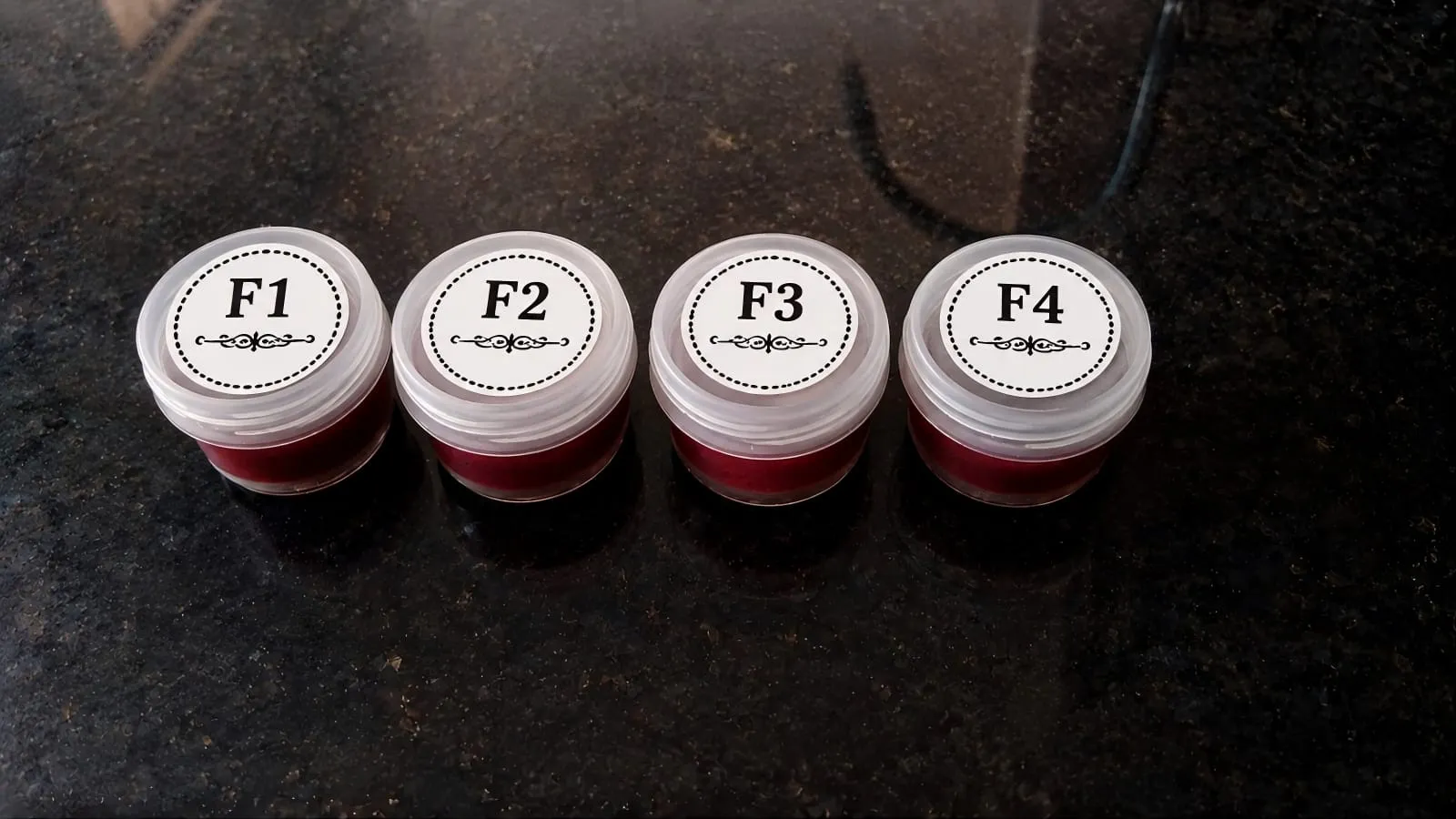
Figure 2. Appearance of the Rice Bran Oil Lip Balm
Among the four batches evaluated, formulation F2 showed the most cosmetically acceptable characteristics. The formulation possessed a smooth semi-solid consistency with uniform light pink colour imparted by beetroot powder (0.5 g). The texture was soft, smooth, and non-gritty, indicating proper dispersion of the colourant within the wax-oil matrix. The vanilla essence imparted a pleasant fragrance, improving overall sensory acceptability.
Significance of Organoleptic Observations
The aesthetic properties of a cosmetic preparation are not merely superficial considerations; they directly influence product acceptability, consumer compliance, and ultimately the therapeutic outcome. A lip balm with an unappealing colour, unpleasant odour, or grainy texture is unlikely to be used consistently, regardless of its pharmacological merits. The light pink colour obtained in the present formulation is directly attributable to the betacyanin pigments in beetroot powder (Beta vulgaris), principally betanin, which imparts a warm, aesthetically natural tone.26
The smooth texture observed is a product of the balanced ratio between beeswax and the combined oil phase. When beeswax is present in excess, the product becomes hard and difficult to apply smoothly. Conversely, insufficient wax content results in a product that is too soft, melts at low temperatures, and smears or bleeds during storage. The formulation in this study, with beeswax at 2.2 g relative to a combined oil phase of 7 g, produced a balanced semi-solid consistency suitable for smooth application and satisfactory thermal stability.27
Structural Role of Beeswax and Justification for Its Use
Beeswax is a complex biological ester secreted by honeybees (Apis mellifera) and composed primarily of myricyl palmitate, cerotic acid, and hydrocarbon waxes. Its melting point of 62 to 65°C makes it an ideal structural agent for lip balm formulations, as it provides sufficient firmness for moulding into containers while allowing the product to soften and spread upon contact with the warmth of the lips.28 Beyond structural function, beeswax also possesses mild emulsifying and film-forming properties that contribute to the barrier function of the applied preparation.
Several published studies on natural lip care formulations have reported beeswax as the most widely used structuring agent because of its skin compatibility, low sensitisation potential, and positive sensory characteristics.29 Its ability to form a cohesive network within the oil matrix is attributed to the long-chain fatty acid ester composition, which creates crystalline platelets that trap the oil phase and maintain the semi-solid state. In the present formulation, beeswax at 2.2 g provided adequate firmness without producing brittleness, as confirmed by the melting point and spreadability data.
2. Physicochemical Evaluation
|
Formulation |
Melting point |
Spreadability |
pH |
|
F1 |
63.4 ± 0.20 |
3.8 ± 0.10 |
6.2 ± 0.10 |
|
F2 |
63.5 ± 0.80 |
3.8 ± 0.20 |
6.2 ± 0.15 |
|
F3 |
63.6 ± 0.25 |
3.93 ± 0.15 |
6.13 ± 0.15 |
|
F4 |
63.5 ± 0.15 |
3.77 ± 0.21 |
6.33 ± 0.15 |
Values expressed as mean ± SD (n = 3).
Table 3. Physiological Evaluation of Rice Bran Oil Lip Balm Batches
The melting point of formulation F2 (63.5 ± 0.8°C) falls within the desirable range for a lip balm intended for use in tropical climates, where ambient temperatures can reach 40°C or higher. This range ensures that the product maintains its structural integrity during storage while softening appropriately upon application. The spreadability diameter of 3.8 ± 0.2 cm indicated smooth, even distribution across the glass slide surface with no tearing or resistance, consistent with satisfactory user application experience. The pH value of 6.2 ± 0.15 falls within the physiological range of the oral mucosa, indicating good compatibility and a low likelihood of causing irritation upon application to the lips.
3. Irritation Test
The irritation test showed that all lip balm formulations were safe and well tolerated by the volunteers. No redness, itching, swelling, or other signs of irritation were observed after 12 hours of application. All formulations showed an irritation score of 0, indicating no skin irritation. These results suggest that the rice bran oil lip balm is suitable for topical application and safe for use on the lips.
4. Stability Studies
Table 4 presents the stability study results at both storage conditions over four weeks.
|
Storage Condition |
Week 1 |
Week 2 |
Week 3 |
Week 4 |
|
Room temperature (25°C) |
No change |
No change |
No change |
No change |
|
Refrigerated (4°C) |
No change |
No change |
No change |
No change |
Observations assessed: colour, texture, odour, phase separation, surface appearance, and rancidity.
Table 4. Stability Study Results of the Rice Bran Oil Lip Balm Over Four Weeks
Among all batches, formulation F2 demonstrated the most consistent stability profile. At room temperature, F2 maintained its original colour, odour, and texture throughout the four-week observation period. No phase separation, surface bleeding of oils, or rancid off-odour was detected. Under refrigerated storage, similar stability was observed, with no evidence of cracking, brittleness, or texture change upon return to room temperature before assessment. These results collectively indicate that the formulation is physically stable across both conditions over the tested duration.
DISCUSSION
Melting Point and Thermal Behaviour
The recorded melting point of 63.5 ± 0.8°C indicates that the formulation is well-suited for use in tropical and subtropical regions such as India, where ambient temperatures during summer months can approach 45°C. A lip balm with a melting point below 45°C would risk softening and deforming in a pocket or handbag during such conditions, rendering it cosmetically unacceptable and potentially leading to leakage. At the same time, a melting point above 70°C would result in a product that requires excessive friction to apply and may feel harsh on the sensitive lip surface.30
Beeswax dominates the thermal behaviour of this formulation because it is the highest-melting component. The addition of rice bran oil and coconut oil at room temperature lowers the effective melting point of the mixture compared to beeswax alone (typically 62 to 65°C) to a modest degree, consistent with the observed 63.5°C. This is a well-established phenomenon in wax-oil systems where liquid oils plasticise the crystalline wax network and reduce its overall melting temperature by disrupting crystal packing.31 The precision of the measurement, with an SD of only 0.8°C across three determinations, confirms good batch reproducibility in the melting phase of preparation.
Contribution of Coconut Oil to Spreadability
The spreadability diameter of 3.8 ± 0.2 cm observed in this study compares favourably with values reported for other herbal lip balm formulations in the literature. For example, Rawat et al. (2019) reported spreadability values of 3.2 to 4.1 cm for herbal lip balms containing aloe vera and almond oil, noting that spreadability was directly correlated with oil phase content.32 The present formulation's satisfactory spreadability is attributable primarily to the coconut oil component, which has a melting point of approximately 24°C and therefore remains in liquid state at room temperature in warm climates. Coconut oil reduces the surface friction of the preparation and facilitates smooth, uniform application across the lip surface.
The medium-chain fatty acids in coconut oil, particularly lauric acid (C12:0) at approximately 48% of its fatty acid composition, have demonstrated mild antimicrobial activity, which may offer a secondary benefit in protecting the lip surface from opportunistic microbial colonisation, particularly in patients with compromised lip barrier function.33 While the antimicrobial effect was not specifically tested in this study, it represents a scientifically plausible additional benefit of coconut oil inclusion.
pH Compatibility and Clinical Relevance
The pH value of 6.2 ± 0.15 recorded for this formulation is within the physiological range of the oral mucosal surface, which is generally reported to range from 6.2 to 7.4 depending on salivary buffering and local conditions.34 This pH compatibility is clinically important for two reasons. First, preparations with pH below 5 can cause direct chemical irritation of the thin lip epithelium, particularly in individuals with pre-existing dryness or microabrasions. Second, formulations with pH above 7 may disrupt the lipid organisation of the stratum corneum and reduce the activity of endogenous antimicrobial peptides that are pH-dependent.35
The near-neutral pH of this formulation can be attributed to the natural pH characteristics of its components. Rice bran oil, beeswax, and coconut oil are all lipid-based materials with no significant acid-base activity, and beetroot powder contributes a mildly acidic input from its betanin content. The combination results in a physiologically compatible product. Comparative studies of marketed lip balm products have reported pH values ranging from 4.8 to 7.5, with products at the extremes of this range being associated with higher rates of consumer-reported irritation.36
Role of Rice Bran Oil in the Formulation
In the optimised formulation F2, rice bran oil at 3.2 g constituted the primary functional ingredient, serving as both a skin-conditioning emollient and an antioxidant source. Its moisturising mechanism operates through two pathways: physical occlusion, where the oil forms a thin hydrophobic film on the lip surface that retards TEWL, and biochemical integration, where linoleic acid from the oil is incorporated into the intercellular lamellar lipid structure of the stratum corneum, restoring barrier function at the molecular level.37
The antioxidant contribution of RBO in this formulation is provided primarily by γ-oryzanol and the tocopherol-tocotrienol complex. γ-Oryzanol scavenges lipid peroxyl radicals and superoxide anions through its ferulic acid ester structure. Ferulic acid, as a phenylpropanoid compound, donates hydrogen atoms from its hydroxyl groups to neutralise free radicals, thereby breaking the chain reaction of lipid peroxidation. This is particularly relevant to the lip surface, where UV irradiation-generated reactive oxygen species can damage the thin epithelial layer and accelerate signs of ageing such as fine lines, loss of colour, and barrier dysfunction.
The tocotrienols present in RBO, which have been shown to be up to 40 to 60 times more potent as antioxidants than alpha-tocopherol in membrane systems, provide additional oxidative protection to both the formulation itself and the tissue to which it is applied.38 This dual action, protecting the product from rancidity during storage and protecting the lip tissue from oxidative damage during use, makes RBO a particularly effective ingredient compared to conventional vegetable oils such as mineral oil or castor oil, which lack intrinsic antioxidant activity.
Safety Considerations and Consumer Acceptability
All ingredients incorporated in this formulation are recognised as safe for topical cosmetic use. Rice bran oil and coconut oil are listed in the International Cosmetic Ingredient Dictionary (ICID) as safe emollients with no reported carcinogenicity or mutagenicity. Beeswax is classified as GRAS (Generally Recognised As Safe) by the US FDA for food use and is widely approved for cosmetic application. Vitamin E acetate is one of the most extensively used antioxidant excipients in topical preparations, with a well-established safety profile.39
While formal human patch testing and clinical irritancy studies were not conducted in this study, the physiological compatibility of the formulation is supported by its near-neutral pH and the absence of known sensitisers in its ingredient list. Future work should include a 21-day cumulative irritancy assessment and a repeat insult patch test (RIPT) in a volunteer panel to establish formal non-irritancy and non-sensitisation data, as required for cosmetic product dossiers under regulations such as EU Cosmetics Regulation 1223/2009 and its equivalents.40
The preference for "natural" over synthetic ingredients in personal care products has grown consistently over the past decade. A 2022 Mintel survey found that 58% of global lip care consumers actively sought products with natural or plant-derived ingredients, and organic certification influenced purchase decisions for approximately 35% of surveyed consumers in European markets.41-42 The scientific question is whether this preference corresponds to demonstrably superior efficacy or safety, and the honest answer is: sometimes yes, sometimes no, and often the evidence is too thin to say either way.43-44
Stability Study Interpretation
The absence of any observable change in colour, texture, odour, or phase homogeneity over four weeks under both ambient and refrigerated storage conditions is an encouraging finding that suggests reasonable short-term physical and chemical stability of the formulation. The absence of rancid odour, which would indicate oxidative degradation of the polyunsaturated fatty acids in rice bran oil and coconut oil, is partly a function of the combined antioxidant system in the formulation, comprising γ-oryzanol from RBO and the added vitamin.45
Vitamin E (tocopheryl acetate) was incorporated at 0.2 g specifically to supplement the endogenous antioxidants in RBO and provide additional protection against lipid oxidation during storage. The ester form of tocopherol was selected over the free alcohol form because it is more stable during manufacturing at elevated temperatures and is hydrolysed to active tocopherol upon contact with skin esterases.46 The two-component antioxidant system in this formulation, consisting of γ-oryzanol as a primary scavenger and tocopheryl acetate as a secondary stabiliser, represents a rational and scientifically grounded strategy for extending the shelf life of a lipid-rich preparation.
The stability observed under refrigeration is consistent with reduced rates of oxidation and microbial growth at lower temperatures, while the stability at room temperature is more practically relevant and suggests that the product can be stored under normal household conditions without significant degradation over at least four weeks. For longer shelf-life claims, extended stability studies following ICH Q1A(R2) guidelines over six months or more, including intermediate conditions (30°C/65% RH) and accelerated conditions (40°C/75% RH), would be necessary.47
Comparison with Published Literature
The results of this study are consistent with and generally comparable to those reported in related studies on herbal lip balm formulations. Kasbe et al. (2020) formulated a lip balm using avocado oil and aloe vera, reporting a pH of 6.0, a melting point of 65°C, and satisfactory spreadability comparable to the present findings.48 Their study confirmed that natural vegetable oils combined with beeswax provide stable, cosmetically acceptable formulations with good organoleptic properties. Similarly, Mistry and Patil (2021) developed a herbal lip balm incorporating almond oil and shea butter, reporting a pH of 6.3, a melting point of 64°C, and a four-week stability under ambient conditions, all of which align closely with the values obtained in the present study.49
What distinguishes the present formulation from previously published herbal lip balm studies is the inclusion of rice bran oil as the primary functional ingredient. While almond oil, jojoba oil, and castor oil have been employed frequently in herbal lip care formulations, studies specifically investigating RBO in this context are scarce. The phytochemical complexity of RBO, particularly the presence of γ-oryzanol with its dual antioxidant and UV-protective function, provides a scientific basis for expecting superior photoprotective and antioxidant performance compared to oils such as castor oil, which lacks significant antioxidant components.50 Future studies incorporating quantitative antioxidant assays (DPPH, ABTS) and SPF determination would allow direct comparison of the antioxidant and photoprotective performance of this formulation with commercially available and laboratory-developed alternatives.
CONCLUSION
The present study demonstrates that a herbal lip balm formulated using rice bran oil as the primary emollient and antioxidant, in combination with beeswax, coconut oil, vitamin E, beetroot powder, and vanilla essence, can be successfully prepared by the double boiler method and evaluated as cosmetically acceptable, physically stable, and physiologically compatible preparations. Among the four batches prepared, formulation F2, containing rice bran oil (3 g), beeswax (2.2 g), coconut oil (4 g), beetroot powder (0.5 g), vitamin E (0.2 g), and vanilla essence (0.1 g), was identified as the optimised formulation on the basis of its superior melting point (63.5±0.8°C), spreadability (3.8±0.2 cm), pH compatibility (6.2 ± 0.15), and organoleptic acceptability. The formulation exhibited a smooth, uniform, light pink appearance with a pleasant odour, a physiologically compatible pH of 6.2, a suitable melting point of 63.5°C, satisfactory spreadability, and confirmed stability over four weeks under both ambient and refrigerated conditions.
The scientific contribution of this work lies in demonstrating the practical utility of rice bran oil in a lip care formulation. The unique phytochemical profile of RBO, particularly its γ-oryzanol, tocopherol, and tocotrienol content, provides antioxidant and potential photoprotective functions that are not present in conventional lip balm oils such as castor oil or mineral oil. These properties are directly relevant to the lip surface, which is chronically exposed to UV radiation, environmental pollutants, and oxidative stress. By providing this protection through a natural, plant-derived ingredient, the formulation aligns with the scientific and consumer demand for herbal cosmetics that offer functional benefits beyond basic moisturisation.
ACKNOWLEDGMENTS
The authors express their sincere gratitude to the management, Principal and faculty of K. V. N. Naik S. P. Sanstha's Institute of Pharmaceutical Education and Research, Nashik, Maharashtra, India, for providing the laboratory infrastructure, equipment, and institutional support necessary to carry out this work. The authors are particularly thankful to the Department of Pharmaceutics for access to analytical instruments and technical guidance throughout the experimental phase.
ABBREVIATIONS
RBO: Rice Bran Oil; TEWL: Transepidermal Water Loss; SPF: Sun Protection Factor; DPPH: 2,2-diphenyl-1-picrylhydrazyl; ABTS: 2,2'-azino-bis(3-ethylbenzothiazoline-6-sulfonic acid); FRAP: Ferric Reducing Antioxidant Power; BHA: Butylated Hydroxyanisole; BHT: Butylated Hydroxytoluene; GRAS: Generally Recognised As Safe; ICID: International Cosmetic Ingredient Dictionary; ICH: International Council for Harmonisation; RH: Relative Humidity; UV: Ultraviolet; UVA: Ultraviolet A; UVB: Ultraviolet B; pH: Potential of Hydrogen; SD: Standard Deviation; F1–F4: Formulation Batches 1 to 4; RIPT: Repeat Insult Patch Test; GRAS: Generally Recognised As Safe; MMP: Matrix Metalloproteinase; DNA: Deoxyribonucleic Acid.
CONFLICT OF INTEREST
The authors declare that there is no conflict of interest
REFERENCES



Gargi Vishwas Bachhav*, Amol Sampat Deshmukh, Samruddhi Arun Avhad, Formulation And Evaluation Of Rice Bran Oil-Based Herbal Lip Balm, Int. J. Sci. R. Tech., 2026, 3 (9), 353-366. https://doi.org/10.5281/zenodo.22896598
 10.5281/zenodo.22896598