

We use cookies to ensure our website works properly and to personalise your experience. Cookies policy
Department of Pharmaceutical Quality Assurance, KE Societies Rajarambapu College of Pharmacy, Kasegaon, Taluka – Walwa ; District – Sangli – 415404, Maharashtra, India.
Pharmaceuticals are indispensable to modern healthcare, yet their production, use, and disposal impose significant environmental and societal challenges. This review explores the integration of sustainability into pharmaceutical science and quality assurance (QA), emphasizing the shift from compliance-driven frameworks to proactive, eco-conscious strategies. Key themes include the adoption of green chemistry principles, life cycle assessment (LCA), sustainable manufacturing, eco-friendly packaging, waste minimization, and the role of digital technologies under Pharma 4.0. The review also examines global regulatory perspectives, highlighting the need for harmonized green QA standards, as well as innovations such as smart packaging, circular economy models, and green solvents. Beyond environmental aspects, the discussion expands to educational, societal, economic, pharmacological, and cultural domains, underscoring the interconnectedness of sustainability with health equity, patient care, and industry ethics. Despite existing barriers rigid regulations, fragmented practices, and limited awareness the opportunities for embedding sustainability within pharmaceutical QA are substantial. By aligning quality with environmental stewardship, the pharmaceutical sector can enhance resilience, foster innovation, and contribute to global health and ecological well-being. This work positions Sustainable Pharmacy not as a fixed outcome, but as a dynamic, evolving framework requiring continuous reflection, interdisciplinary collaboration, and systems thinking to shape a greener and more equitable future.
Pharmaceutical science has a rich history of advancing human health. Drugs chemical compounds with targeted biological effects are central to modern medicine, helping to prevent, treat, and manage numerous diseases, ultimately saving lives and enhancing quality of life. However, the rising consumption of pharmaceuticals has amplified global concerns about their impact on the environment through production, use, and disposal.[1] Improper disposal of unused medicines, such as flushing them into drains, contributes to pharmaceuticals entering drinking water supplies, creating significant risks to public health. Prolonged exposure to these substances can have harmful effects on human well-being.[2] On the other hand, it is clear that adopting environmentally friendly reactions, products, and processes can enhance competitiveness in the chemical industry. When companies address societal needs, the public is likely to encourage governments to support industries pursuing such environmental efforts. Naturally, fundamental research will remain crucial in reaching these goals. What we now refer to as green chemistry may actually represent some of the most progressive ideas and promising opportunities in the chemical sciences.[3] These chemicals are recognized as endocrine disruptors and carcinogens capable of causing serious health issues. Research, including that of several studies, has detected their presence across different environmental media such as water, soil, and air, highlighting the risk of widespread exposure. Yet, many of these studies fail to provide a thorough evaluation of exposure routes and long-term effects on human health, especially in sensitive groups like children and pregnant women. Moreover, knowledge about the combined or synergistic impacts of multiple plastic-related toxins remains limited, raising concerns that such interactions could intensify health risks. [4,5,6,7,8]
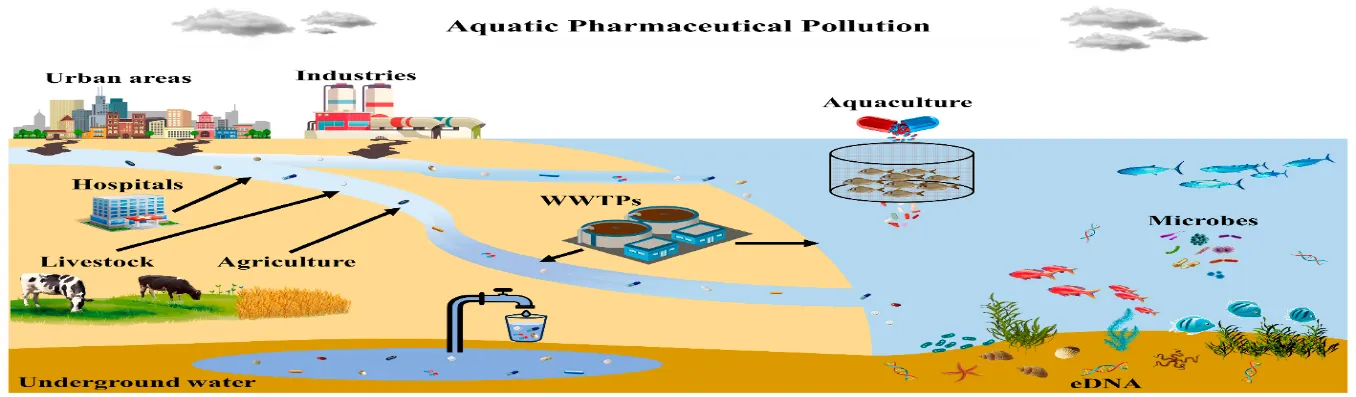
Fig 1 : aquatic pharmaceutical pollution [9]
Sustainable QA matters:
To fully integrate sustainability into the culture of healthcare, it is essential to incorporate it into the education and training of healthcare professionals. By embedding sustainability principles within medical education, we can foster a mindset of resource stewardship, encourage broader perspectives, and promote long-term planning. The General Medical Council (GMC) highlights this by identifying “demonstrating the knowledge and skills to enhance the sustainability of health systems” as one of the three key learning outcomes for sustainability in medical education, as outlined in their Outcomes for Graduates document. [10] Recent publications, including the National Quality Board's Shared Commitment to Quality, emphasize sustainability as a core dimension of quality and highlight the importance of strengthening workforce capability to drive improvement. Building skills in quality improvement is central to several key initiatives: the GMC’s Generic Professional Capabilities Framework introduced in May 2017, NHS Improvement’s Developing People – Improving Care national framework for leadership and improvement, and the Academy of Medical Royal Colleges’ report Quality Improvement: Training for Better Outcomes. Together, these developments mark a pivotal moment in healthcare education, offering a crucial opportunity to shape how such recommendations are put into practice for maximum impact. [11,12,13,14]
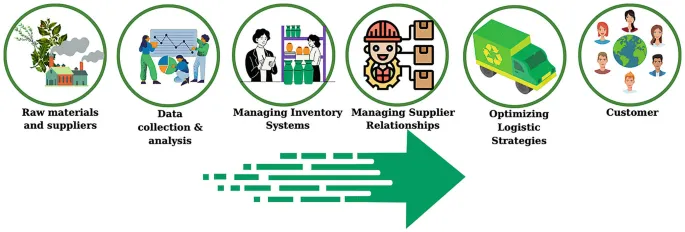
Fig 2 : sustainable practices in modern pharmaceuticals [15]
Key practices in sustainable QA:
To improve the quality of services and processes in higher education, a variety of quality management tools, methods, and models have been adopted. Approaches such as Total Quality Management (TQM), Quality Function Deployment (QFD), and, more recently, Lean Six Sigma (LSS), though originally designed for the private sector, have been effectively implemented in public and non-profit organizations to boost efficiency, lower costs, and enhance service delivery [16]. Higher Education Institutions (HEIs) have gained significant advantages from these practices, including cost reduction, higher productivity, streamlined operations, and better student satisfaction. Nevertheless, traditional quality approaches must continue to evolve to remain effective. [17] Elshennawy argues that quality professionals need to adapt to an era defined by technological advancement and innovation. As a result, both professionals and organizations are expected to refine quality practices by integrating modern technological tools, media, and strategies relevant to manufacturing as well as service sectors. In this context, the main goal of applying information technology (IT) in university quality assurance (QA) management is to improve applicants’ satisfaction with educational services through specialized software systems [18]. The higher education sector increasingly demands advanced ICT applications [19], as they support more efficient and simplified execution of tasks such as data collection, processing, and analysis, which are essential for monitoring and effectively presenting quality outcomes.
12 principles of green chemistry :
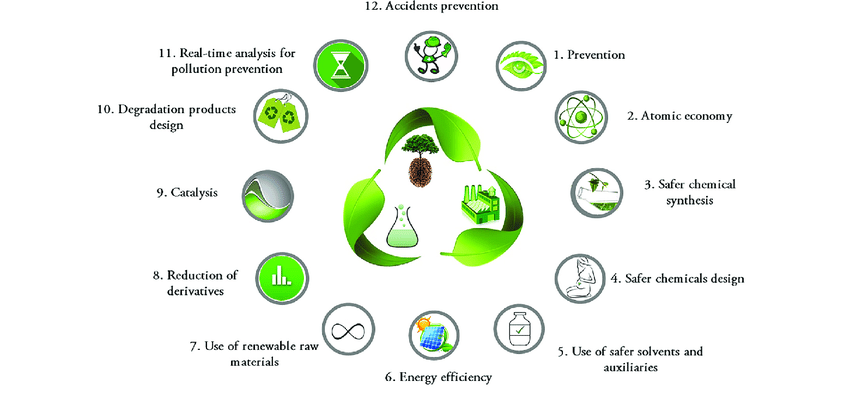
Formulated by Professor Paul Anastas in the 1990s, the 12 Principles of Green Chemistry serve as a guide for developing environmentally friendly chemical processes. Rather than relying on end-of-pipe treatments, these principles emphasize preventing pollution at its source. A closer look at each principle shows:
Sustainable quality assurance in pharmaceutical industry :
The pharmaceutical sector, though vital for human health, has a considerable environmental footprint due to its energy-demanding processes, hazardous waste generation, and high carbon emissions. This review examines how quality assurance (QA) is evolving into a strategic driver of sustainability within pharmaceutical manufacturing. Once primarily centered on compliance and product safety, QA is increasingly integrating green chemistry principles, sustainability indicators, and environmental audits into its scope. The adoption of digital innovations—including Digital Quality Management Systems (QMS), Artificial Intelligence (AI), and the Internet of Things (IoT)—under the Pharma 4.0 paradigm is reshaping QA into a dynamic, data-driven foundation for sustainable practices. Key approaches highlighted include life cycle assessment (LCA), ecodesign methodologies, the use of renewable feedstocks, solvent recovery, and eco-friendly documentation throughout the entire product lifecycle, from research and development to distribution and disposal. The review underscores the need for regulatory alignment, stakeholder engagement, and interdisciplinary collaboration to meet sustainability goals. However, challenges such as rigid regulatory structures, the absence of standardized green QA frameworks, and resistance to change remain significant obstacles. To overcome these, enablers like total quality management (TQM), employee engagement, supportive policies, and strong environmental governance are identified as essential. Ultimately, aligning QA with environmental responsibility not only strengthens regulatory compliance and operational performance but also enhances organizational resilience and public trust. Embedding sustainability within pharmaceutical QA frameworks is therefore key to driving the industry toward greener, more ethical, and future-oriented manufacturing that supports both global health and environmental objectives.[21]
Integrating sustainability into quality assurance :
Pharmaceuticals follow a complex nine-stage life cycle, each stage exerting environmental, social, and economic pressures. A cradle-to-grave perspective helps identify where sustainability challenges arise by examining material and energy flows between the human-made system (technosphere) and the natural environment (ecosphere).
The stages include:
Regulatory guidelines supporting green quality assurance :
With the rising emphasis on sustainability, global regulators are encouraging pharmaceutical companies to embed environmentally responsible practices into their Quality Assurance (QA) systems. Although explicit “green QA” regulations are still evolving, agencies like the FDA, EMA, and ICH have already integrated sustainability considerations into their frameworks.
Sustainability regulations in India :
India, now the world’s most populous nation, has long engaged in climate action, though not under a unified sustainability framework. While mandatory sustainability reporting is absent, regulators are gradually tightening environmental laws and supporting companies through national missions and sector-specific initiatives.
Key measures include:
Quality by design (QbD) helps reduce waste and boost efficiency :
The Quality by Design (QbD) framework, originally developed in quality management, has been increasingly applied to pharmaceutical process planning and manufacturing. Defined in ICH Q8 Pharmaceutical Development, QbD represents a systematic, science-based approach that begins with predefined objectives and emphasizes thorough product and process understanding supported by risk management. The European Medicines Agency (EMA) has also adopted QbD principles to enhance control over herbal drug production. However, despite its recognized benefits, QbD is still not fully integrated into pharmaceutical development and manufacturing.[29,30]
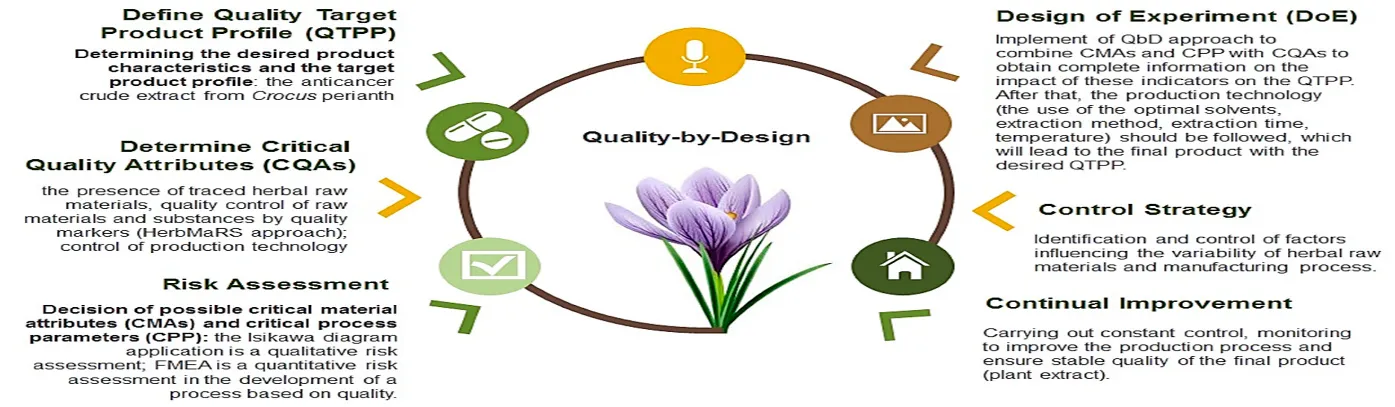
Fig 3 : The QbD approach to quality assurance drugs production.[30,31,32,34]
In line with the Quality by Design (QbD) framework, pharmaceutical development involves several key stages: defining the Quality Target Product Profile (QTPP), identifying Critical Quality Attributes (CQAs), determining Critical Process Parameters (CPPs) and Critical Material Attributes (CMAs), and applying Design of Experiments (DoE) to optimize processes and establish control strategies. For the development of an herbal anticancer preparation following ICH Q8 guidelines, the QTPP emphasized high efficacy, low toxicity, and suitability for long-term therapeutic use. Herbal compounds, particularly from Crocus flowers, are valued for their phenolic content, which provides strong antioxidant and anticancer properties that support patient survival, immune function, and quality of life when combined with conventional treatments. The ultimate goal was to produce a reliable, high-quality Crocus perianth extract, with extraction methods compared using different solvents and evaluated through chromatographic analysis to identify the most effective approach.[31,32,33] Within the QbD framework, identifying Critical Quality Attributes (CQAs) is essential to ensure consistent product quality throughout production. CQAs may include physical, chemical, biological, or microbiological properties of both the raw plant material and the final extract. Since they evolve during product development, CQAs must be regularly refined and updated across the product’s life cycle. Risk analysis is applied to pinpoint process control points linked to CQAs. Compliance with Good Agricultural and Collection Practices (GACP) ensures traceable and standardized plant raw materials, supporting reliable pharmacological activity. Additionally, strict quality control of raw materials, excipients, and the extraction process is vital for producing plant extracts with stable composition and consistent therapeutic effectiveness.[34]
Sustainable 🇶🇦 frameworks : merging sustainability with QA principles and regulatory standards :
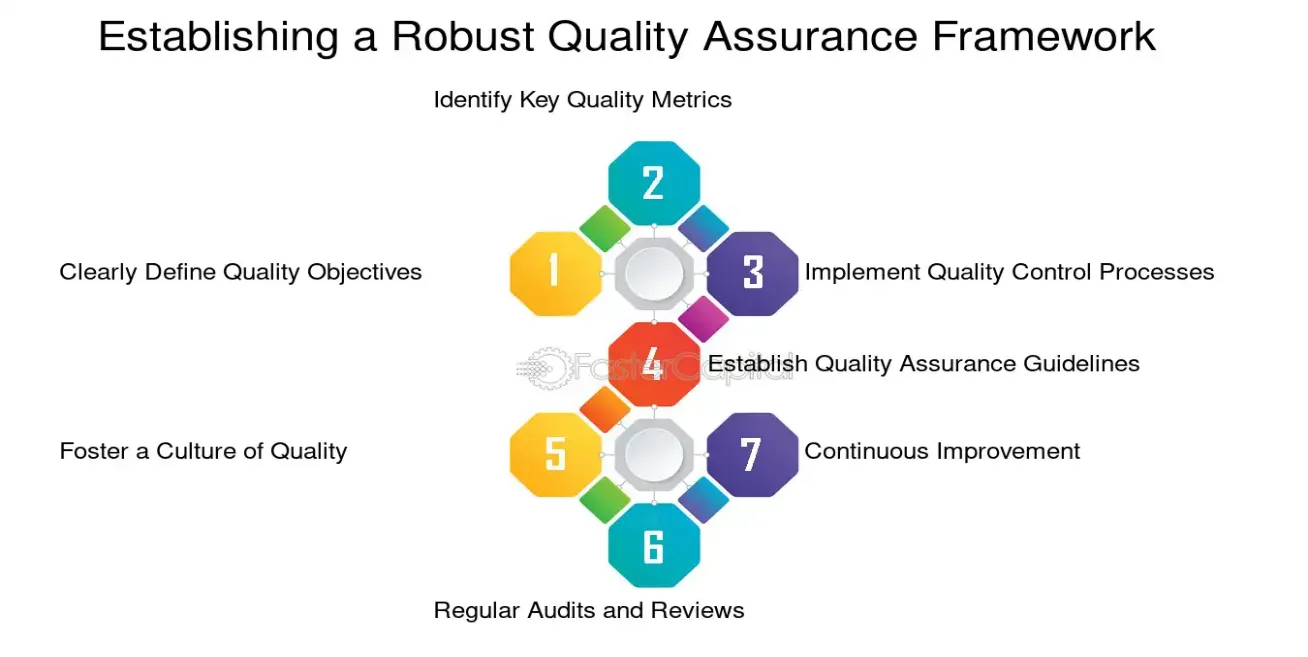
Fig 4 : framework for quality assurance [35]
Establishing a robust Quality Assurance (QA) framework is essential for ensuring high standards and organizational reliability. Such a framework begins with the formulation of clear, SMART quality objectives that align with overall business goals, followed by the selection of measurable performance indicators, such as customer satisfaction, defect rates, delivery timelines, and product or service reliability. Quality control measures, including inspections, testing, and corrective actions, are implemented to maintain consistency, while standardized QA guidelines outline processes, procedures, and best practices across the organization. Equally important is fostering a culture of quality by raising employee awareness, providing adequate training, and promoting collaboration so that all members take responsibility for quality outcomes. Regular audits and reviews are necessary to evaluate the framework’s effectiveness and adapt it to evolving needs, while continuous improvement is driven by analyzing performance data, incorporating customer feedback, and applying employee insights to refine processes and enhance overall quality.[35]
Eco-friendly manufacturing practices
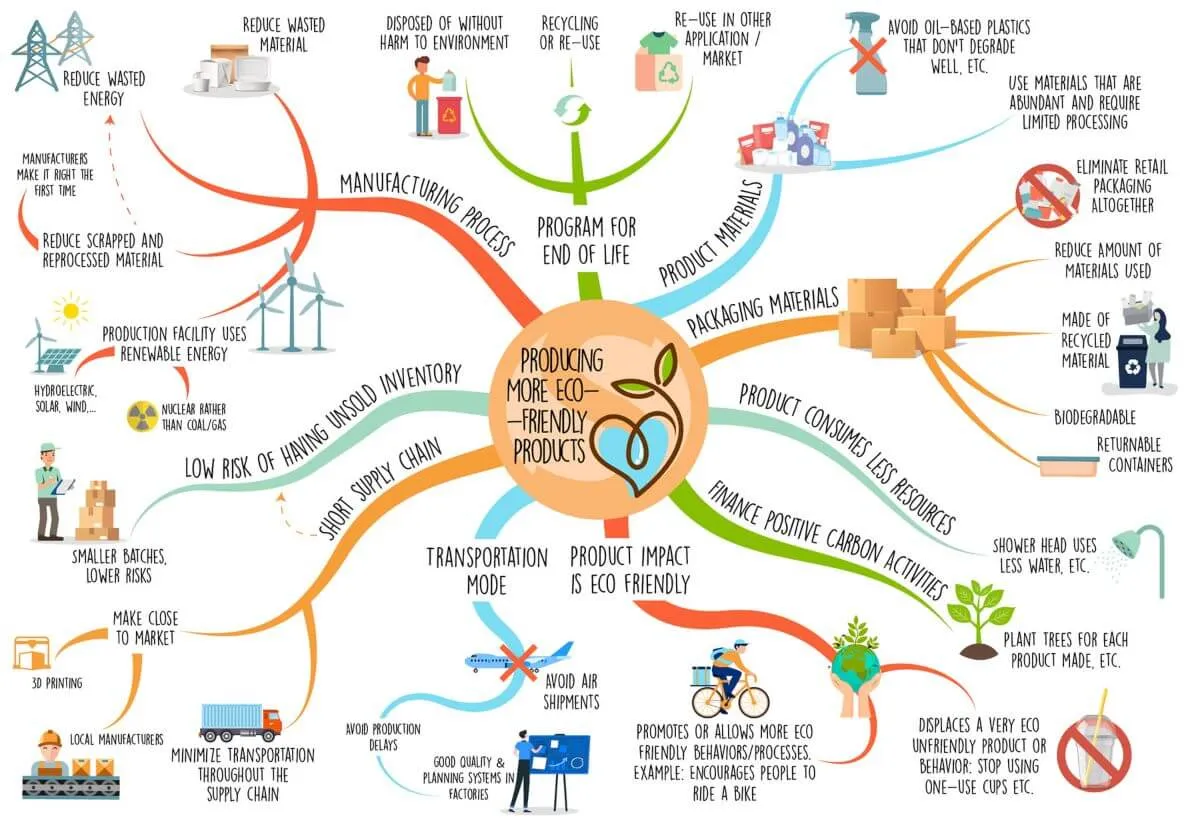
Fig 5 : Eco-friendly manufacturing overview [36]
One of the greatest challenges in implementing sustainable manufacturing or sustainability management is the lack of awareness regarding sustainability issues. Within organizations, this awareness is crucial, as the involvement and commitment of top management play a decisive role in driving sustainable practices. Key obstacles include insufficient managerial commitment and limited data availability, as systematic data recording has not yet become a common practice in many companies. For small and medium-sized enterprises (SMEs), economic constraints are particularly significant due to limited resources and unstable income. While the government has begun to encourage sustainable manufacturing, most initiatives remain voluntary. Stronger intervention is expected through process and data inventories, stricter actions against environmental and social violators, and the promotion of environmental standardization and awareness. At the same time, academia has an important role in preparing future generations by equipping students with the knowledge, skills, and values necessary to support sustainable manufacturing.[37]
Embracing green solvents and reagents :
The increasing global demand for development has made environmentally acceptable processes a major challenge for both the scientific community and the chemical industry. The UN 2030 Agenda for Sustainable Development, with its 17 goals, highlights the importance of adopting green and sustainable chemistry. This approach emphasizes efficient use of raw materials, replacement of toxic reagents with safer alternatives, adoption of green solvents, and minimizing waste generation to a level that remediation can manage. Introduced by Anastas and Warner in 1998, the twelve principles of green chemistry provide the foundation for designing new, sustainable products, processes, and routes rather than merely optimizing existing ones. To assess environmental impact, the E-factor defined as the ratio of waste generated to product produced is widely used, accounting for solvent losses and process aids. Since E-factors vary across industries, the use of sustainable green solvents is increasingly seen as an effective strategy to improve process efficiency and reduce environmental burdens.[38]
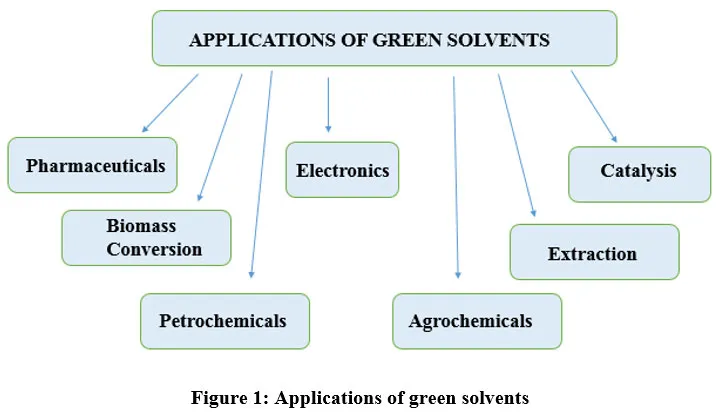
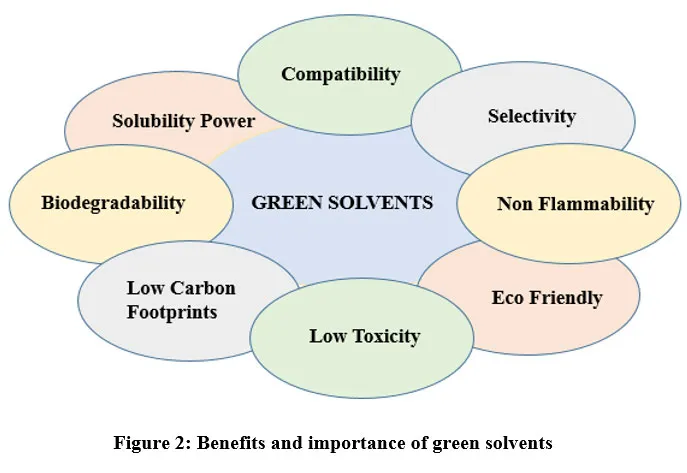
Fig 6 & 7 : Applicatins and benefits of green solvents [41,42]
Solvents are central to the chemical industry, shaping not only environmental but also cost, safety, and health outcomes. The idea of “green” solvents focuses on minimizing the ecological impact of solvent use, which requires a reliable method of evaluation. A proposed framework assesses solvent sustainability across their life cycle, considering hazards, emissions, and resource use. Application of this model to 26 organic solvents shows that simple alcohols and alkanes are generally more sustainable, while solvents like dioxane, acetonitrile, acids, formaldehyde, and tetrahydrofuran perform poorly. A case study on the solvolysis of p-methoxybenzoyl chloride found that methanol–water and ethanol–water mixtures are more environmentally favorable than pure alcohol or propanol–water mixtures. Overall, the framework proves valuable for identifying greener solvent options and can also support the evaluation of new solvent technologies, though its effectiveness depends on addressing current data gaps.[39,40]
Energy efficient processes and renewable energy adoption :
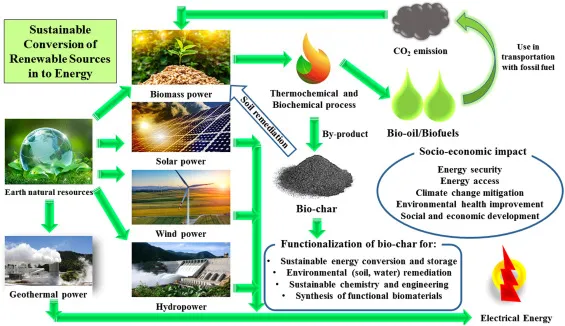
Fig 8 : Renewable energy adoption [43,44]
Clean, renewable, and sustainable energy is essential for improving social, economic, and environmental well-being while driving development and productivity. This study explores the role of renewable energy in mitigating climate change and enhancing environmental health, with a focus on the transition from fossil fuels to sustainable alternatives. Advances in biofuels and energy production from lignocellulosic biomass demonstrate that technologies such as biorefineries and bioreactors offer long-term solutions for efficient chemical transformation processes. To fully realize the potential of biorefineries, supportive government policies are needed to encourage innovation in universities and industry, enabling the production of high-value fuels and products from diverse biomass sources. The work also highlights the broader benefits of renewable energy, including enhanced energy security, improved accessibility, socio-economic progress, and reduced ecological and health impacts.[43] Producing fuels, chemicals, and electricity from biomass in a sustainable and eco-friendly way presents a strong alternative to fossil fuels. Biomass, as a renewable resource, is naturally abundant and diverse, differing in physical properties (such as shape and size) as well as in molecular composition, including cellulose, hemicellulose, proteins, carbohydrates, lipids, and other valuable metabolites. The complexity of this feedstock is a key factor in determining the most suitable conversion pathway, which can yield biochar, biofuels, biogas, or heat, with careful attention to both economic feasibility and environmental impact.[44]
Waste minimization and by-product recycling in pharma manufacturing :
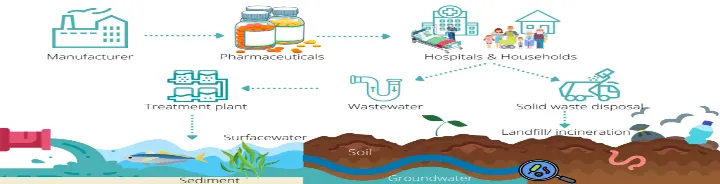
Fig 9 : by product recycling overview [45]
Medication waste occurs throughout the pharmaceutical chain, from manufacturers to pharmacists, and is influenced by packaging, storage, prescribing, and distribution practices.
Sustainable packaging : progress in biodegradable and recyclable materials :
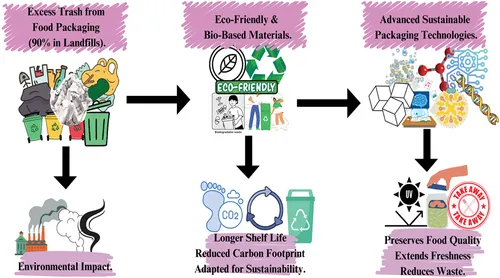
Fig 10 : sustainable food packaging of food products [50]
Sustainable packaging uses films made from recyclable materials to reduce environmental impacts, guided by life cycle assessments and inventories. To support this, governments worldwide have implemented regulations to limit plastic use and monitor packaging waste generation.[51] Consumers are increasingly environmentally conscious and favor biobased packaging materials. In response, many countries are introducing biomaterial-based packaging, while food wholesalers, brand owners, and packaging producers prioritize secure, high-quality packaging solutions.[52] Several prominent entrepreneurs, both within Unilever and beyond, have committed to developing environmentally friendly packaging that complies with waste management regulations and minimizes PVC usage. Additionally, the company is establishing standards to guarantee that all packaging paper is sustainably sourced, primarily supplied by Billerud. To reduce reliance on plastic packaging, various bio-based alternatives are being developed, with Billerud promoting the responsible use of natural and renewable resources.[53]
Biodegradable packaging material :

Fig 11: eco-friendly packaging materials [54]
1. Films
Biodegradable films are widely used as an alternative to polyethylene (PE) films, offering superior properties compared to non-degradable plastics. Key features of effective packaging films include controlled respiration, good barrier properties, structural integrity, and reduction of microbial spoilage. Studies on oxygen and carbon dioxide permeability in films for tomato packaging showed that optimal permeability supports proper fruit respiration, prevents microbial contamination, and preserves quality.Blown films, often based on PLA, provide transparency and mechanical strength. Since a single biodegradable polymer has limitations in crystallization and sealability, co-extrusion with polymers like PHA, PHB, or thermoplastic starch (TPS) is used. For example, Paragon™ by Avebe is applied in cheese packaging.[55]
2. Containers
Thermoformed trays and containers are suitable for vegetables, fruits, and salads requiring controlled atmospheres. Sheets are formed via melt extrusion and shaped above Tg and Tm. Although most biodegradable trays are brittle and moisture-resistant, oriented PLA trays maintain structural integrity during freezing and preserve fruit shelf-life comparable to PET trays.[56]
Starch-based foams are used in loose-fill and molded packaging, including trays and clamshells. Techniques include loose-fill molding, foam extrusion, expandable bead molding, and extrusion transfer molding. Coatings on PLA or starch are needed for direct food contact, with proper adhesion being critical. Products like Novamont (USA) and Green Cell Foam™ (Landaal Packaging) provide sustainable alternatives to conventional PP foams and can fully degrade in moist soil within weeks.[57]
Biodegradable bags are predominantly used in the food sector due to their flexibility, strength, and resistance to moisture and temperature changes. They decompose into carbon dioxide, water, and other natural products after use, making them a sustainable alternative to polyethylene bags. Additives may be used to tailor their properties for various industrial applications.[58]
Biodegradable hydrogels help reduce microbial contamination. Complex hydrogels can be used as bio-based polymer alternatives. While lettuce showed no improvement when treated with hydrogels, Solanum muricatum fruit maintained higher beta-carotene levels. However, some hydrogel combinations can reduce shelf-life due to water migration.[59]
Lifecycle assessment (LCA) in pharma :
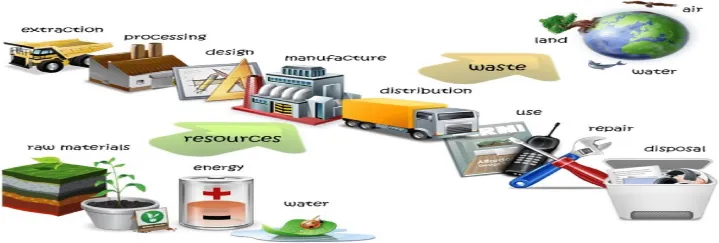
Fig 12 : Lifecycle assessment overview [60]
Life Cycle Assessment (LCA) is increasingly recognized as a valuable tool for evaluating the environmental impacts of pharmaceuticals, covering stages from API production to packaging, transport, use, and disposal. It has been applied in biopharmaceuticals to identify key environmental hotspots and is compatible with methods like Exergy Analysis, chemical process modeling, and eco-design. Studies highlight that energy (especially electricity) and chemical use are major contributors to environmental impacts, emphasizing the need for renewable energy, efficient chemicals, and process optimization, such as switching from batch to continuous manufacturing.[61]
Further LCA research is needed for packaging, transportation, and end-of-life management, particularly for unmetabolized drugs affecting wastewater systems. Proper handling of chemical and biological waste and exploring circular economy approaches are also crucial. Current LCA studies often focus on isolated lifecycle stages or energy use, underrepresenting impacts like human and ecological toxicity. More comprehensive “cradle-to-grave” assessments are needed, including understanding drug metabolites and their environmental effects.[62] Additionally, expired drugs show promise as eco-friendly corrosion inhibitors, reducing pharmaceutical waste, though their full life cycle impacts remain unstudied. Overall, advancing LCA research and integrating environmental considerations early in pharmaceutical design can promote sustainability across the industry.[63]
Innovation in smart packaging :
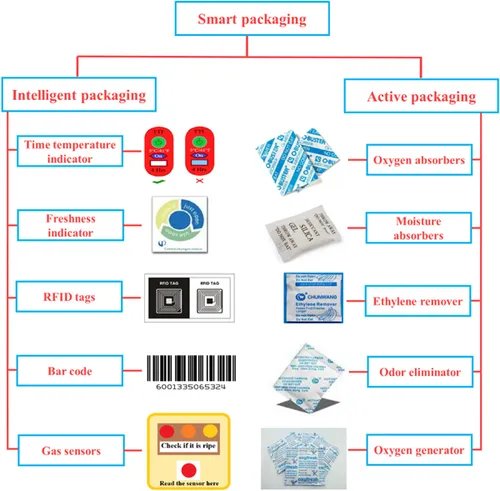
Fig 13 : smart packaging [64]
Implementing smart packaging for space food presents greater challenges due to the microgravity environment compared to conventional food products. Smart packaging is particularly suited for highly perishable items such as fruits, vegetables, meat, poultry, and dairy products, rather than beverages or baked goods. It is essential to raise consumer awareness about the benefits of smart packaging and dispel misconceptions about associated risks. Conducting surveys is an effective way to understand consumer needs, expectations, and complaints, which can guide the development of solutions. Future research should prioritize consumer-focused studies beyond just demographic and socioeconomic analysis and emphasize real-world applications rather than hypothetical scenarios to enhance market adoption. This paper provides a foundation for understanding smart packaging systems, their applications across the food industry, consumer preferences, and market demand, ultimately supporting broader integration of smart packaging into retail food products.[65,66,67,68,69,70]
Waste management practices :
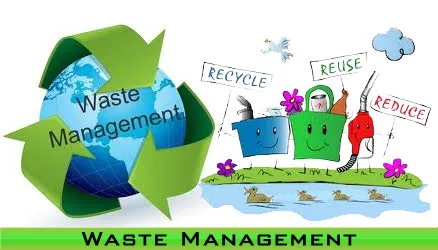
Fig 14 : waste management practices [71]
Human activities have always generated waste, but it became a significant problem with urbanization, poor management, and population growth, leading to contamination of water, soil, and air, and major public health issues such as epidemics in medieval Europe and cholera in the 19th century. Modern waste management has evolved into a complex system due to increasing waste volumes, lifestyle changes, and new chemical substances. While long-term health effects from low-level exposure are hard to measure, public concern persists, often amplified by industrial accidents and opposition to local waste facilities.[72]
Epidemiological studies have examined links between waste management and health, mainly focusing on municipal solid waste (MSW), composting, sewage treatment, and, to a lesser extent, radioactive waste. Observational studies suggest associations between proximity to waste sites particularly landfills and health issues, such as birth defects and some cancers, but causal evidence is limited.[73] This aims to summarize global and regional waste generation and disposal practices and evaluate epidemiological evidence of their health impacts. Studies were assessed based on design, sample size, confounding factors, exposure data, site-specific waste procedures, human population focus, and strength of cause-effect relationships. Despite regulatory and technological improvements, public acceptance of new waste facilities remains low due to environmental and health concerns.[74]
Sustainability supply chain and distributions :
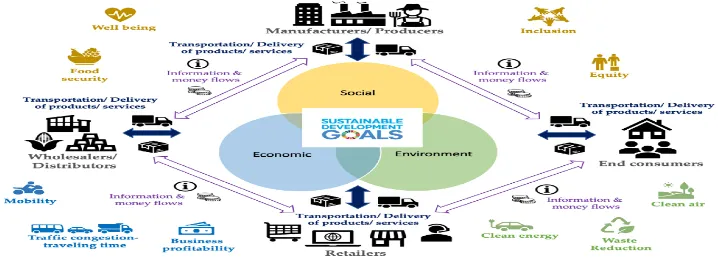
Fig 15 : sustainability in supply chain management [75]
Sustainable Supply Chain Management Practices (SSCMPs) are essential for balancing environmental, economic, and social goals across the supply chain. They involve collaboration among firms to integrate eco-friendly initiatives into processes such as product design, manufacturing, packaging, logistics, and end-of-life management. The aim is to minimize waste, reduce energy use, optimize resources, and lower pollution while improving financial and operational performance.[76,77,78] SSCMPs, often linked with green supply chain practices, include activities like green purchasing, reverse logistics, eco-design, green marketing, and environmental compliance. Many firms voluntarily adopt green labeling, auditing, and reporting to strengthen reputation, gain competitive advantage, and access global markets. Scaling up sustainable practices benefits both businesses and governments by enhancing social and environmental outcomes. Effective implementation requires joint efforts from suppliers, manufacturers, and customers, with success measured through tools such as ISO 14001 certification, environmental management systems, and total quality environmental management.[79,80]
Regulatory landscape and future perspective :
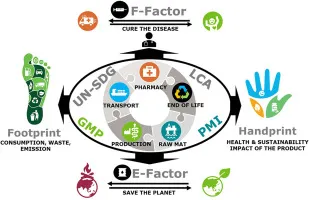
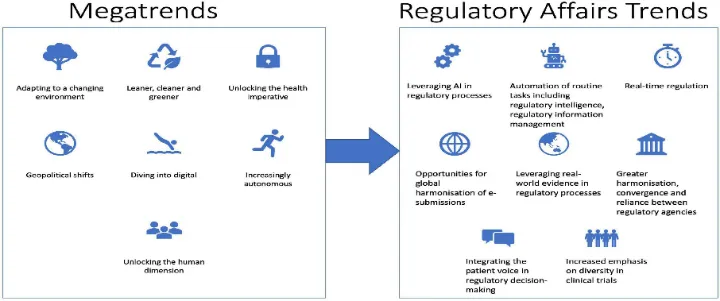
Fig 16 : future perspectives and regulatory landscape [81]
Pharmaceuticals are vital for preventing, treating, and managing diseases, significantly improving human health and quality of life. However, their production, use, and disposal raise growing environmental concerns. Improper chemical handling during manufacturing and the release of drugs into water and soil contribute to pollution, disrupt microbial communities, and harm wildlife for instance, diclofenac has caused kidney failure in vultures feeding on treated livestock carcasses. Inappropriate disposal of unused medicines, such as flushing, further contaminates drinking water and poses risks to public health. Prolonged exposure to these substances can also foster antibiotic resistance in bacteria, amplifying ecological and health threats. [82,83,84,85] Evaluating sustainability in the pharmaceutical sector is a key research focus for assessing policy effectiveness. suggested using specific indicators such as waste recycling and management, energy efficiency, and control of emissions and discharges to measure environmental performance and ensure pharmaceutical companies meet regulatory standards.[86] Promoting sustainable medicine use requires collaboration among governments, pharmaceutical companies, healthcare professionals, and the public. Governments can establish global guidelines for eco-friendly practices, including medication reuse and safe disposal of unused or expired drugs. Pharmaceutical companies can adopt sustainable measures such as recyclable drug delivery systems and drug take-back initiatives. Healthcare providers play a role by educating patients on proper disposal, prescribing more precisely to minimize waste, and using tools like electronic health records to monitor medication use. Meanwhile, the public can support these efforts by following official disposal guidelines, helping to protect the environment.[87,88,89,90,91]
Opportunities looking ahead :

Fig 17 : Green pharmacy as a opportunity [92,93]
Sustainable Pharmacy emphasizes a holistic approach to healthcare by integrating environmental, social, cultural, and economic considerations into pharmaceutical science and practice. Education should move beyond linear, end-of-pipe solutions to systems thinking, addressing root causes of disease and preparing future professionals for complex health challenges. Environmentally, pharmaceuticals contribute to climate change, pollution, and biodiversity loss, creating a cycle of health risks that require green pharmacy and circular economy strategies. Societally, issues like adherence, polypharmacy, and the pharmacist’s role highlight the need for patient-centered care. Economically, profit-driven systems often neglect global health equity and foster overproduction, while new models such as delinking payments from antibiotic sales offer alternatives. Pharmacologically, improving bioavailability, selectivity, and biodegradability, alongside personalized medicine, can reduce environmental and health impacts, though access remains unequal. Culturally, core values like health, justice, and equity must guide pharmacy, with open dialogue on priorities such as prevention vs. cure and lifestyle vs. essential medicines. In conclusion, Sustainable Pharmacy is not a fixed state but an evolving, dynamic framework requiring continuous reflection, systems thinking, and collaboration across education, research, policy, and practice.[94,95,96,97,98, 99, 100]
CONCLUSION
Sustainability in the pharmaceutical sector is no longer optional but a necessity for safeguarding both human health and the environment. This review highlights how sustainable quality assurance, green chemistry, life cycle assessment, supply chain management, and eco-innovations such as smart packaging and biodegradable materials can significantly reduce the industry’s ecological footprint. While progress has been made through regulatory frameworks, technological innovations, and collaborative practices, challenges such as regulatory rigidity, lack of standardized green QA models, and economic constraints persist. Addressing these challenges requires a systems-thinking approach that integrates environmental, social, economic, and cultural perspectives into pharmaceutical education, research, and practice. By embedding sustainability into every stage from raw material sourcing to end-of-life waste management pharmaceutical industries can transition from “end-of-pipe solutions” to preventive and circular strategies. Strong stakeholder collaboration, proactive regulation, and global alignment are key enablers for this shift. Ultimately, Sustainable Pharmacy should be seen as a dynamic and evolving framework one that continually adapts to new challenges while striving to balance innovation, public health needs, and ecological responsibility. By aligning industry practices with sustainability principles, the pharmaceutical sector can build resilience, foster equity, and contribute to a healthier planet for future generations.
REFERENCES

Pranali Sakate*, Archana Murgunde, Hemant Kandale, Prajakta Jadhav, Imran Mulla, Manali Pandit, Sustanable Quality Assurance And Eco-Friendly Practices In Pharma : A Comprehensive Review, Int. J. Sci. R. Tech., 2026, 3 (7), 570-591. https://doi.org/10.5281/zenodo.21426209
 10.5281/zenodo.21426209