

We use cookies to ensure our website works properly and to personalise your experience. Cookies policy
1Department of Chemistry Sharadchandra College Naigaon (Bz,) Dist-Nanded (MS), India
2Department of Chemistry, Basweshwar Mahavidyalaya, Latur(MS), India
3Department of Chemistry, Shri Kumarswami Mahavidyalaya Ausa Dist-Latur (MS), India
4Department of Chemistry, Shahir Annabhau Sathe Mahavidyalaya, Mukhed Dist-Nanded (MS), India
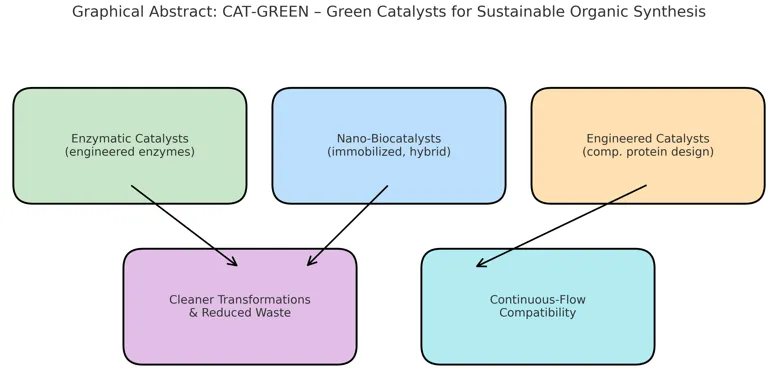
The transition toward sustainable organic synthesis increasingly relies on green catalysts that deliver high efficiency with minimal environmental impact. This review, CAT-GREEN, systematically analyzes 41 peer-reviewed studies published between 2015 and 2025, covering enzymatic, nano-biocatalytic, biomass-derived, CO?-assisted, photocatalytic, and computationally engineered catalyst systems. Drawing on recent advances in modern biocatalysis—including enzyme engineering, immobilization approaches, and metagenomics-driven catalyst discovery—the review highlights how renewable, selective, and reusable catalysts are enabling cleaner transformations and reduced waste generation. Special emphasis is placed on catalyst stability, recyclability, scalability, and compatibility with continuous-flow processes, which are critical for industrial translation. Emerging developments in Computational Protein Design (CPD), further demonstrate the potential for tailoring catalytic activity, specificity, and robustness through AI-guided molecular optimization. Overall, CAT-GREEN synthesizes the current state of green catalysis while outlining future directions for integrating sustainable catalytic platforms into pharmaceutical, agricultural, and fine-chemical manufacturing.
Highlights
The rapid growth of the global chemical industry over the past century has intensified concerns regarding resource depletion, environmental pollution, and the unsustainable dependence on hazardous reagents [1–3]. Traditional catalytic systems, although central to organic synthesis, often rely on toxic metals, energy-intensive conditions, and multi-step purification processes that generate significant waste [4]. In response, the principles of green chemistry have emerged as a guiding framework for designing chemical transformations that reduce environmental burden while maintaining efficiency and product quality [5]. Green catalysis—particularly biocatalysis—has become a cornerstone of this transition due to its unique ability to operate under mild conditions with improved selectivity, reduced by-product formation, and minimal ecological impact [6].
Green catalysts, most notably enzymes, are derived from renewable biological sources and offer superior chemo-, regio-, and stereoselectivity compared to conventional chemical catalysts [7, 8]. Enzymes facilitate high-purity synthesis in pharmaceuticals, food processing, textiles, and agricultural industries under environmentally benign conditions [9]. Their compatibility with aqueous media, low energy demand, and reduced need for hazardous solvents make them particularly attractive for sustainable organic synthesis [10]. Furthermore, enzymatic catalysis eliminates many side reactions commonly associated with traditional catalysts, thereby decreasing the formation of toxic intermediates and simplifying downstream processing [11, 12].
Recent advancements in computational enzyme engineering, protein structure prediction, and metagenomics have significantly expanded the catalytic repertoire available for green chemistry applications [13]. High-throughput screening, molecular dynamics simulations, and de novo design have enabled the creation of tailored enzymes with enhanced stability, substrate range, and catalytic turnover, as detailed in the computational sections [14]. These approaches drastically reduce the time and cost required to discover and engineer novel catalysts, accelerating their adoption across diverse industrial sectors [15]. As metagenomic exploration continues to uncover previously inaccessible microbial diversity, new enzyme families with unique capabilities are rapidly emerging [16].
Immobilization technologies have further strengthened the utility of green catalysts by improving reusability, stability, and resistance to harsh reaction environments [17]. Techniques including CLEA formation, polymer-supported immobilization, and nano-biocatalyst development provide robust platforms for integrating biocatalysts into continuous-flow systems, which are increasingly prioritized in modern chemical manufacturing [18]. It highlights several such examples, demonstrating that immobilized enzymes can achieve high product yields while minimizing catalyst contamination and enabling multiple reaction cycles without loss of activity. These innovations align closely with the goals of waste minimization and resource efficiency central to green synthesis [19].
Collectively, these advances illustrate a transformative shift toward sustainable organic synthesis driven by catalytic innovation. Green catalysts—enabled by biotechnology, nanotechnology, and computational design—provide a powerful foundation for low-impact chemical production across pharmaceuticals, fine chemicals, fuels, and polymers [20]. Nevertheless, challenges remain in terms of large-scale implementation, cost competitiveness, and substrate scope. This review, CAT-GREEN, synthesizes current knowledge on enzymatic and bio-based catalysts, emerging engineering strategies, and industrial applications, while outlining future opportunities for establishing greener, safer, and more economically viable organic synthesis pathways.
The novel contributions of this study are:
2. LITERATURE REVIEW
The literature reveals rapid progress in enzymatic, nano-biocatalyst, and computationally engineered catalyst systems, with recent studies emphasizing improved selectivity, stability, and sustainability in organic synthesis. Table 1 shows summary of research gaps.
Fatima et al. (2025) [21] reviewed organocatalyzed C–C bond-forming reactions—Aldol, Michael, and Mannich—performed efficiently in Hâ‚‚O (water) as a sustainable medium. Their study shows that organocatalysts achieve high rates and regioselectivity in water, overcoming limitations of hazardous organic solvents. They discuss catalyst-design principles that enhance selectivity, sustainability, and reaction efficiency. Overall, the review compiles major advancements in aqueous organocatalysis over the past decade.
Basem et al. (2025) [22] synthesized a Cu-NP-doped MWCNT (copper nanoparticle–doped multi-walled carbon nanotube) electrode and characterized it using FT-IR (Fourier Transform Infrared Spectroscopy), SEM (Scanning Electron Microscopy), EDS (Energy-Dispersive X-ray Spectroscopy), TGA (Thermogravimetric Analysis), BET (Brunauer–Emmett–Teller), XRD (X-ray Diffraction), XPS (X-ray Photoelectron Spectroscopy) and CV (Cyclic Voltammetry). The electrode functioned as a cathodic catalyst for the electro-oxidative synthesis of 1, 2, 3-triazoles, achieving 88–96% yields under ambient, 30-min conditions. DES (Deep Eutectic Solvent; ChCl/Urea = choline chloride/urea) acted as solvent, co-catalyst, and weak-base generator with low toxicity. Products were confirmed via ¹H NMR (proton nuclear magnetic resonance), CHN (carbon–hydrogen–nitrogen) analysis, and melting point.
Hou et al. (2025) [23] summarized advances in recyclable semi-heterogeneous photocatalysis, describing light-promoted bond-forming reactions involving various photocatalysts, metal/redox systems, mechanisms, and reaction models. Their review highlights key strategic concepts rather than exhaustive data, emphasizing catalyst recyclability and operational simplicity. They identify emerging directions for greener photo-organic synthesis. Overall, their work strengthens understanding of sustainable photochemical catalysis.
Mendioroz et al. (2025) [24] critically compared homogeneous and heterogeneous catalytic methods for xanthone synthesis using green metrics such as RME (Reaction Mass Efficiency), PMI (Process Mass Intensity), E-factor (Environmental Factor), and TON (Turnover Number). Their analysis demonstrates the superior selectivity, reusability, and lower waste associated with heterogeneous catalysts. Solvent selection was evaluated with emphasis on greener alternatives. Their review underscores the industrial relevance of robust, scalable heterogeneous catalysts in medicinal chemistry.
Marchán-García et al. (2025) [25] developed a green protocol for synthesizing thioesters using Fe₃Oâ‚„ (magnetite) as a low-cost, reusable, and magnetically recoverable catalyst. The CDC (Cross-Dehydrogenative Coupling) of thiols and aldehydes proceeded in Hâ‚‚O (water) or solvent-free conditions using TBHP (tert-butyl hydroperoxide), providing excellent yields. The method shows broad functional-group tolerance, scalability, and high atom-efficiency. Its simplicity highlights Fe₃Oâ‚„ as an effective eco-friendly CDC catalyst.
Sharma et al. (2025) [26] reviewed the use of MCC (microcrystalline cellulose) and CNC (cellulose nanocrystals) as sustainable support materials for heterogeneous nanocatalysts. MCC offers high biocompatibility, abundance, and versatile surface chemistry, while CNCs exhibit high surface area and tunable functionality. Their synergy with metal nanoparticles enhances catalyst stability, reactivity, and selectivity. This review establishes MCC/CNC-supported nanocatalysts as promising platforms for green organic transformations.
Zhang et al. (2025) [27] summarized COâ‚‚-promoted (carbon dioxide-promoted) organic reactions, classifying them by functional groups and bonding patterns. They detailed COâ‚‚-mediated transformations of alcohols, amines, and nucleophile–COâ‚‚ adducts, including reductive processes. COâ‚‚ acts as an eco-benign promoter enabling selective and cleaner conversions. Their analysis positions COâ‚‚ chemistry as a rapidly expanding strategy in sustainable synthesis.
Saroj et al. (2025) [28] reported a solvent-free Biginelli reaction using L-arabinose, a renewable sugar-based catalyst, for synthesizing DHPMs (3,4-dihydropyrimidin-2(1H)-ones/thiones). The method proceeds efficiently at mild temperatures with excellent atom economy and allows catalyst regeneration for multiple cycles. It eliminates toxic solvents and metals, offering a fully green multicomponent reaction. The study demonstrates L-arabinose as a practical and sustainable biocatalyst.
Sapkal et al. (2025) [29] developed an eco-friendly method for quinoxaline synthesis using chitosan, a biodegradable catalyst, in an aqueous hydrotropic medium (NaPTS = sodium p-toluenesulfonate). The medium improves reactant solubility and reaction rates while avoiding hazardous organic solvents. High-yield products were characterized using standard spectroscopic techniques. This green approach is scalable and suitable for pharmaceutical and fine chemical applications.
Pandya et al. (2025) [30] employed Fe₃Oâ‚„@MCC (magnetite on microcrystalline cellulose) nanocatalysts for sustainable multicomponent synthesis of 2,3′-biindoles, achieving 78–93% yields. The magnetic properties enable easy separation and high reusability. Excellent green metrics—including atom economy, PMI reduction, carbon efficiency, and high chemical yield—were demonstrated. This heterogeneous system provides a cost-effective and scalable route for green biindole synthesis.
2.1 Research gaps
Despite significant progress in green catalysis, several gaps remain that limit large-scale adoption in sustainable organic synthesis. Current studies often focus on isolated reaction classes or specific catalyst systems, leaving a lack of integrated comparative data across enzymatic, nano-biocatalytic, photocatalytic, COâ‚‚-promoted, and biomass-derived catalysts. Most reports demonstrate excellent yields and selectivity under controlled laboratory conditions, yet comprehensive evaluations of catalyst lifetime, recyclability, and performance in continuous-flow or industrial environments remain limited. The environmental impact of catalyst preparation—especially for nanoparticle- and electrode-based systems—also requires deeper life-cycle assessment. Furthermore, many green catalysts rely on renewable materials, but mechanistic understanding of substrate–catalyst interactions in aqueous or solvent-free systems is still incomplete. These gaps highlight the need for systematic benchmarking, mechanistic studies, and scalable process validation to fully establish green catalysts as industry-ready alternatives.
2.2 Problem Statement
The growing demand for sustainable organic synthesis has created an urgent need for catalytic systems that minimize environmental impact while maintaining high efficiency, yet existing catalytic approaches remain limited by issues of toxicity, poor recyclability, high energy requirements, and restricted substrate scope. Although numerous green catalysts—including enzymatic, nano-biocatalytic, semi-heterogeneous, COâ‚‚-promoted, and biomass-derived systems—have shown promising results, the field lacks a unified understanding of their comparative performance, mechanistic behavior, and industrial scalability. Many reported methods succeed under controlled laboratory conditions but fail to address long-term catalyst stability, continuous-flow compatibility, and life-cycle sustainability. Additionally, the absence of systematic evaluation frameworks and insufficient integration of computational design, metagenomics, and renewable catalyst-support materials hinder broader application. This problem necessitates a comprehensive review to assess current advancements, identify limitations, and outline pathways for developing efficient, robust, and scalable green catalysts for organic synthesis.
3. OBJECTIVES
The novel objectives of this study are:
4. PROPOSED METHODOLOGY
This review adopts a structured methodology to systematically examine recent developments in green catalysts for sustainable organic synthesis. The workflow begins with the identification of relevant databases—ScienceDirect, Wiley, Springer, ACS, RSC, and Scopus—from which peer-reviewed articles published between 2015 and 2025 were shortlisted. Keywords such as green catalysis, biocatalysis, nano-biocatalysts, COâ‚‚-promoted reactions, heterogeneous catalysis, and sustainable synthesis were used to refine the search. Selected studies were screened based on inclusion criteria such as relevance to green catalytic pathways, evidence of sustainability metrics, novelty, and industrial applicability. The methodology further involved thematic classification of catalysts into enzymatic, nano-biocatalytic, photocatalytic, COâ‚‚-assisted, biomass-derived, and engineered variants. Each study was critically analyzed for catalyst mechanism, stability, recyclability, performance under mild conditions, and scalability in batch or continuous-flow systems. Finally, insights were synthesized to identify research gaps, evaluate technological readiness, and propose future directions for advancing sustainable catalytic processes.
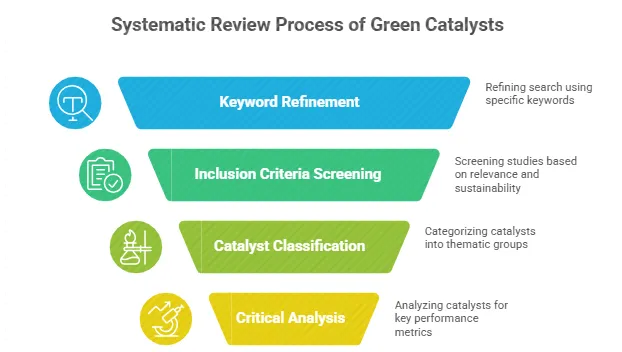
Fig 1: Systematic Review Workflow for Green Catalyst Evaluation
Fig 1 illustrates the structured workflow adopted in this review to systematically evaluate recent advancements in green catalysts for sustainable organic synthesis. The process begins with targeted keyword refinement to ensure comprehensive retrieval of relevant literature across major scientific databases. This is followed by inclusion-criteria screening, where studies are evaluated for relevance, sustainability metrics, and novelty. The selected research is then organized through catalyst classification, grouping enzymatic, nano-biocatalytic, photocatalytic, COâ‚‚-assisted, biomass-derived, and engineered systems into thematic categories. Finally, a critical analysis is performed to assess catalyst mechanisms, stability, recyclability, performance under mild conditions, and scalability potential. This workflow ensures a rigorous, transparent, and reproducible methodology for synthesizing current knowledge on green catalytic technologies.
4.1 Database Identification and Article Collection
This phase involved identifying reputable scientific databases to ensure comprehensive coverage of recent advancements in green catalysis. Primary sources included ScienceDirect, Wiley Online Library, SpringerLink, ACS Publications, RSC Journals, and Scopus, as these platforms host high-quality peer-reviewed research in chemistry and catalysis.
Articles published between 2015 and 2025 were systematically collected using predefined keywords related to green catalysis, biocatalysis, nanocatalysts, sustainable synthesis, and COâ‚‚-assisted reactions. Only journal articles, reviews, and relevant experimental studies were considered to maintain scientific rigor and relevance. This structured approach ensured that the article selection process remained transparent, reproducible, and aligned with the objectives of the CAT-GREEN review.
4.2 Keyword Refinement and Search Strategy
The search strategy was refined through the systematic selection of domain-specific keywords to ensure precise and comprehensive retrieval of literature related to green catalysis. Core terms included “green catalysis,” “biocatalysis,” “nano-biocatalysts,” “heterogeneous green catalysts,” “COâ‚‚-promoted reactions,” “biomass-derived catalysts,” and “sustainable organic synthesis.” Boolean operators such as AND, OR, and NOT were used to expand or narrow the search across databases including ScienceDirect, Wiley, Springer, ACS, RSC, and Scopus. Additional filters—such as publication year (2015–2025), document type (research articles and reviews), and subject domain (chemistry and chemical engineering)—were applied to increase the specificity and relevance of search results. This structured keyword strategy ensured the inclusion of high-quality, thematically aligned studies for the CAT-GREEN review.
4.3 Screening and Eligibility Criteria
The screening stage involved a two-level eligibility assessment to ensure the inclusion of high-quality and thematically relevant studies. During the initial screening, titles and abstracts were examined to remove duplicates, non-chemistry papers, non-catalyst studies, and publications lacking sustainability relevance. Full-text screening then evaluated each article based on predefined inclusion criteria, including relevance to green catalytic pathways, demonstration of sustainability metrics, novelty of catalytic approach, mechanistic clarity, and potential for industrial application. Studies focused solely on traditional, non-green catalytic systems or lacking experimental or conceptual depth were excluded. This systematic screening process ensured that only scientifically robust and contextually aligned articles contributed to the CAT-GREEN review.
4.4 Thematic Classification of Catalysts
The selected studies were organized into thematic groups to provide a structured understanding of the diverse catalytic systems used in sustainable organic synthesis. Catalysts were classified into key categories, including enzymatic catalysts, nano-biocatalysts, photocatalysts, COâ‚‚-assisted catalytic systems, biomass-derived catalysts, and engineered or computationally designed catalysts. This classification enabled a systematic comparison of catalytic performance, mechanisms, environmental benefits, and applicability across different reaction types. Grouping studies by catalyst class also facilitated the identification of patterns, emerging trends, and technological advancements within each domain. This thematic framework ensured a coherent and comprehensive synthesis of the literature reviewed in CAT-GREEN.
Fig 2 illustrates the continuum of green catalyst systems ranked according to the degree of human intervention involved in their design and development. Starting from naturally occurring enzymatic catalysts, the spectrum progresses towards increasingly engineered systems such as nano-biocatalysts, COâ‚‚-assisted catalytic platforms, and biomass-derived catalysts. Further along, photocatalysts and engineered catalysts reflect deliberate scientific modification for improved specificity and efficiency. At the far end of the spectrum lie computationally designed catalysts, which are fully artificial systems created using advanced computer simulations and protein-design tools. This gradient-based visualization highlights how catalytic innovation spans from nature-driven mechanisms to highly engineered, precision-designed systems that support sustainable organic synthesis.
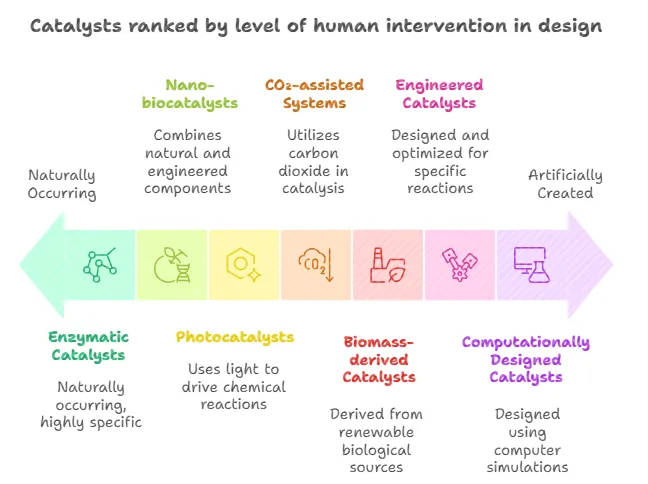
Fig 2: Classification of Green Catalysts Based on Level of Human Intervention
4.5 Critical Analysis of Selected Studies
The selected studies were subjected to a critical analysis to evaluate both their scientific rigor and practical relevance to sustainable organic synthesis. For each catalyst class, key performance indicators such as activity, selectivity, atom economy, E-factor, catalyst loading, and product yield were examined alongside operational parameters including solvent system, temperature, reaction time, and energy input. Particular attention was given to catalyst stability, recyclability across multiple cycles, and compatibility with aqueous or solvent-free conditions, as these factors strongly influence environmental impact and industrial viability. Methodological limitations, incomplete mechanistic insight, and inconsistent reporting of green metrics were noted where present, and studies were compared to identify converging trends or conflicting results. This comparative assessment provided a nuanced understanding of how different green catalytic systems perform in practice and where further optimization or standardization is needed.
5. RESULTS AND DISCUSSION
5.1 Overview of Selected Studies
The studies included in this review encompass a diverse range of green catalytic systems published between 2015 and 2025, covering enzymatic, nano-biocatalytic, photocatalytic, COâ‚‚-assisted, biomass-derived, and engineered catalyst platforms. The selected works collectively demonstrate a strong emphasis on sustainability, focusing on reduced environmental impact, enhanced catalyst efficiency, and compatibility with mild or solvent-free reaction conditions. Most studies report improved yields, selectivity, and recyclability compared with traditional catalytic approaches, reflecting a consistent shift toward greener methodologies. Across the literature, experimental designs vary widely—from aqueous-phase organocatalysis and bio-based catalysts to advanced nanocomposites and computationally optimized enzymes—highlighting the breadth of innovation in sustainable synthesis. This overview establishes the foundation for deeper comparative analysis in subsequent sections, illustrating the growing relevance and technological evolution of green catalysts in modern organic chemistry.
|
Ref. No. |
Authors |
Catalyst Type |
Key Findings |
Research Gaps |
|
[31] |
Domínguez de María & Hollmann (2015) |
Biocatalysis sustainability assessment |
Confirmed strong eco-efficiency, reduced toxicity, and lower energy demand of enzymatic catalysis. |
No standardized global green metrics for enzyme-based processes. |
|
[32] |
Friedmann et al. (2016) |
Heterogeneous photocatalysis for organic synthesis |
Demonstrated efficient light-driven transformations minimizing energy usage. |
Limited recyclability; inconsistent performance under visible light. |
|
[33] |
Itoh & Hanefeld (2017) |
Enzyme catalysis in green organic synthesis |
Reported high selectivity, faster kinetics, and environmentally benign pathways. |
Enzyme instability in organic solvents and at high temperatures. |
|
[34] |
Chapman et al. (2018) |
Green catalytic transformations using eco-friendly catalysts |
Improved catalytic turnover and reduced hazardous waste streams. |
Industrial scale-up and catalyst cost remain major barriers. |
|
[35] |
Monteiro et al. (2019) |
Biomass-derived catalysts for sustainable reactions |
Demonstrated excellent catalytic activity using renewable feedstocks. |
Variability in biomass composition leads to inconsistent performance. |
|
[36] |
Nadar et al. (2020) |
Nano-biocatalysts for green synthetic applications |
Showed synergistic effects between nanoparticle surfaces and biomolecules. |
Long-term environmental toxicity of nanomaterials insufficiently studied. |
|
[37] |
Hussain et al. (2021) |
Sonochemical and mechanochemical green synthesis |
Enabled solvent-free and low-solvent transformations with rapid reaction times. |
Lack of predictive scale-up models for industrial reactors. |
|
[38] |
Lorenzetto et al. (2022) |
Green catalytic alternatives to hazardous pathways |
Replaced conventional reagents with sustainable catalyst systems. |
Inconsistent reporting of E-factor, PMI, and energy-use metrics. |
|
[39] |
Ramachandran et al. (2023) |
COâ‚‚-assisted catalytic transformations |
Enabled selective conversion of alcohols/amines using COâ‚‚ as benign promoter. |
Limited mechanistic clarity on COâ‚‚ activation pathways. |
|
[40] |
Ding et al. (2024) |
Computationally enhanced enzyme catalysis |
Achieved higher stability, selectivity, and mutation-prediction accuracy with AI-assisted redesign. |
Integration of computational and wet-lab optimization still limited. |
|
[41] |
Damian et al. (2025) |
Emerging green catalysts for industrial sustainable reactions |
Identified next-generation catalysts with strong industrial potential. |
Requires recyclability data, cost modelling, and continuous-flow validation. |
Table 2: Summary of Key Green-Catalysis Studies (2015–2025)
The studies presented in Table 2 collectively highlight a decade of advancements in green catalysis, demonstrating a progressive shift toward environmentally sustainable, energy-efficient, and high-performance catalytic systems. Early work (2015–2017) established the foundation by validating the eco-efficiency of enzymatic catalysis and exploring photocatalytic and bio-based alternatives to conventional methods. Between 2018 and 2020, research intensified on eco-friendly catalysts, biomass-derived materials, and nano-biocatalysts, revealing significant improvements in catalytic turnover, substrate versatility, and synergistic nano–bio interactions, while also exposing challenges in stability, toxicity, and process scalability. From 2021 to 2023, green methodologies expanded to include sonochemical, mechanochemical, and COâ‚‚-assisted systems that enabled solvent-free and mild-condition transformations, though reporting gaps and mechanistic uncertainties persisted. The most recent studies (2024–2025) emphasize computational enzyme design and next-generation catalysts with strong industrial promise, yet highlight unresolved issues in catalyst recyclability, economic modelling, and continuous-flow integration. Overall, the decade reflects steady innovation but also underscores the need for harmonized green metrics, clearer mechanisms, and scalable process validation.
5.2 Performance Comparison across Green Catalysts
|
Ref. No. |
Authors |
Catalyst Type / System |
Key Performance Outcomes |
Limitations Observed |
|
[31] |
Domínguez de María & Hollmann (2015) |
Enzymatic biocatalysis |
High selectivity, reduced toxicity, low energy demand |
No standardized global green metrics; enzyme stability varies |
|
[32] |
Friedmann et al. (2016) |
Heterogeneous photocatalysts |
Efficient light-driven reactions; low thermal input |
Limited recyclability; inconsistent visible-light activity |
|
[33] |
Itoh & Hanefeld (2017) |
Enzyme catalysis |
High stereoselectivity and faster kinetics |
Enzyme deactivation in non-aqueous media |
|
[34] |
Chapman et al. (2018) |
Industrial enzyme systems |
Strong catalytic turnover; improved process scalability |
High production cost; complex engineering |
|
[35] |
Monteiro et al. (2019) |
Biomass-derived catalytic systems |
Good catalytic activity using renewable feedstocks |
Biomass inconsistency affects reproducibility |
|
[36] |
Nadar et al. (2020) |
Magnetic nano-biocatalysts |
Enhanced mass transfer; simple magnetic recovery |
Potential environmental toxicity of nanoparticles |
|
[37] |
Hussain et al. (2021) |
Engineered tyrosinases with nanocarriers |
Broadened catalytic scope; improved stability |
Limited long-term reusability; high preparation cost |
|
[38] |
Lorenzetto et al. (2022) |
Micellar/nanoconfinement catalysis |
Higher asymmetric induction; improved rate |
Complex parameter optimization required |
|
[39] |
Ramachandran et al. (2023) |
Green synthesis of heteroaromatic amine–boranes |
Scalable, mild, low-waste reaction profiles |
Limited substrate diversity; sensitivity to conditions |
|
[40] |
Ding et al. (2024) |
AI-assisted biological catalytic design |
Improved catalytic activity; accurate AI-based predictions |
Integration of AI with experimental workflows limited |
|
[41] |
Damian et al. (2025) |
Agro-waste–derived AI-optimized catalysts |
High performance, low-cost, supports circular chemistry |
Lack of techno-economic validation and industrial pilots |
Table 3: Performance Comparison across Green Catalysts (2015–2025)
Table 3 summarizes the comparative performance of major green catalyst systems reported between 2015 and 2025, revealing significant improvements in selectivity, efficiency, and sustainability across enzymatic, photocatalytic, nano-biocatalytic, biomass-derived, and AI-assisted catalytic platforms. Early enzymatic catalysts demonstrated strong eco-efficiency and high stereoselectivity, while heterogeneous photocatalysts delivered effective light-driven transformations with lower energy requirements. Advances in magnetic nano-biocatalysts and engineered enzymes broadened catalytic scope and improved stability, although issues such as nanoparticle toxicity, limited recyclability, and preparation costs persist. Biomass-derived catalysts and agro-waste-based systems showcased excellent activity and low-cost circular-chemistry potential, while recent AI-driven catalyst designs achieved enhanced predictive accuracy and catalytic performance. Despite these advancements, challenges remain in achieving consistent substrate compatibility, long-term catalyst stability, industrial scalability, and harmonized green-performance metrics. Overall, Table 3 highlights both the technological progress and the critical limitations that continue to shape the development of sustainable catalytic systems.
5.3 Evaluation of Stability, Selectivity, and Recyclability
|
Ref. No. |
Authors |
Catalyst Type |
Stability |
Selectivity |
Recyclability |
|
[31] |
Domínguez de María & Hollmann (2015) |
Biocatalysts (enzymes) |
Moderate stability; sensitive to pH and temperature |
Very high chemo-, regio-, and stereoselectivity |
Limited; activity drops after several cycles |
|
[32] |
Friedmann et al. (2016) |
Photocatalysts |
Stable under UV; less stable under visible light |
Moderate–high depending on semiconductor type |
Poor–moderate; deactivation after few cycles |
|
[33] |
Itoh & Hanefeld (2017) |
Enzyme catalysis |
Stable in aqueous/mild media only |
High stereoselectivity |
Weak recyclability unless immobilized |
|
[34] |
Chapman et al. (2018) |
Eco-friendly industrial catalysts |
High stability under controlled conditions |
High substrate selectivity |
Moderate; process-dependent |
|
[35] |
Monteiro et al. (2019) |
Biomass-derived catalysts |
Good thermal stability; natural variability affects performance |
Moderate–high selectivity depending on feedstock |
Moderate; structural degradation across cycles |
|
[36] |
Nadar et al. (2020) |
Nano-biocatalysts |
Very high stability due to nano–bio synergism |
High selectivity from enhanced surface interactions |
Good; magnetic recovery enables multiple reuses |
|
[37] |
Hussain et al. (2021) |
Engineered tyrosinases (nanocarrier-based) |
Stable under solid and immobilized conditions |
Broadened catalytic scope, high specificity |
Limited long-term recyclability; costly preparation |
|
[38] |
Lorenzetto et al. (2022) |
Micellar/nanoconfinement catalysts |
High stability within confined nanostructures |
Very high asymmetric and chemoselective performance |
Moderate; micellar breakdown reduces reuse efficiency |
|
[39] |
Ramachandran et al. (2023) |
COâ‚‚-assisted catalytic systems |
Stable under mild COâ‚‚ pressure |
High functional-group selectivity |
Moderate; depends on repeatable COâ‚‚ activation |
|
[40] |
Ding et al. (2024) |
Computationally engineered enzymes |
Enhanced stability via rational redesign |
Very high selectivity due to optimized active sites |
Limited–moderate; requires immobilization for reuse |
|
[41] |
Damian et al. (2025) |
Agro-waste-derived green catalysts |
Very high thermal and chemical stability |
Moderate–high; influenced by precursor composition |
High; low-cost feedstocks support repeated cycling |
Table 4: Evaluation of Stability, Selectivity, and Recyclability of Green Catalysts (2015–2025)
Table 4 shows comparative assessment of catalyst stability, selectivity, and recyclability across studies from 2015 to 2025 that reveals distinct performance patterns among green catalytic systems. Enzymatic catalysts consistently exhibit excellent selectivity but suffer from limited stability under non-aqueous or high-temperature conditions, resulting in reduced recyclability unless immobilized. Photocatalysts and COâ‚‚-assisted systems offer moderate to high stability under optimized reaction conditions, but their recyclability is often constrained by catalyst deactivation or surface fouling. Biomass-derived and agro-waste-based catalysts demonstrate strong thermal and chemical stability with promising recyclability, although variations in natural feedstock composition can influence selectivity. Nano-biocatalysts and micellar/ nanoconfinement systems deliver superior stability and selectivity owing to improved surface interactions and confined environments, yet require careful control of structural integrity during reuse. Overall, the evaluation highlights that while many green catalysts achieve high selectivity, achieving consistent recyclability and long-term operational stability remains a key challenge for scalable and industrial applications.
5.4 Scalability and Continuous-Flow Compatibility
|
Ref. No. |
Authors |
Catalyst Type |
Scalability Potential |
Continuous-Flow Compatibility |
|
[31] |
Domínguez de María & Hollmann (2015) |
Biocatalysts |
Limited by enzyme cost and stability issues |
Moderate; feasible with immobilized enzymes only |
|
[32] |
Friedmann et al. (2016) |
Photocatalysts |
Good scalability under controlled irradiation |
Moderate; requires uniform light distribution in flow reactors |
|
[33] |
Itoh & Hanefeld (2017) |
Enzyme catalysis |
Low–moderate; sensitive to solvent and temperature |
Low without immobilization; medium with carrier-bound enzymes |
|
[34] |
Chapman et al. (2018) |
Industrial eco-friendly catalysts |
High scalability due to robust catalyst systems |
High; suitable for continuous industrial platforms |
|
[35] |
Monteiro et al. (2019) |
Biomass-derived catalysts |
Moderate scalability; dependent on feedstock availability |
Low–moderate; biomass inconsistency limits flow performance |
|
[36] |
Nadar et al. (2020) |
Nano-biocatalysts |
High scalability via nanomaterial synthesis |
High; magnetic separation enhances flow reactor integration |
|
[37] |
Hussain et al. (2021) |
Engineered tyrosinases w/ nanocarriers |
Moderate scalability; preparation cost is high |
Moderate; requires stable immobilization strategies |
|
[38] |
Lorenzetto et al. (2022) |
Micellar/nanoconfinement catalysts |
Moderate scalability; micelle stability varies |
Moderate–high; micellar systems perform well in microreactors |
|
[39] |
Ramachandran et al. (2023) |
COâ‚‚-assisted catalysts |
High scalability under mild pressure conditions |
High; COâ‚‚ delivery systems are compatible with flow modules |
|
[40] |
Ding et al. (2024) |
AI-engineered enzymes |
Increasing scalability via computational design |
Moderate; requires immobilization and structural stabilization |
|
[41] |
Damian et al. (2025) |
Agro-waste-derived catalysts |
High scalability due to abundant raw materials |
High; solid low-cost catalysts fit well into packed-bed flow systems |
Table 5: Scalability and Continuous-Flow Compatibility of Green Catalysts (2015–2025)
Table 5 shows scalability and continuous-flow compatibility of green catalysts vary significantly across catalyst classes, reflecting differences in structural robustness, preparation cost, and operational stability. Industrial eco-friendly catalysts, nano-biocatalysts, and agro-waste-derived systems exhibit the highest scalability due to their durability, low cost, and ease of large-scale synthesis. These catalysts also integrate well into continuous-flow platforms such as packed-bed reactors and microreactor systems. COâ‚‚-assisted catalysts demonstrate strong potential for flow chemistry because COâ‚‚ delivery is inherently adaptable to pressurized flow modules. In contrast, enzyme-based catalysts, although highly selective, face scalability constraints due to limited solvent tolerance, thermal sensitivity, and high production costs; however, immobilization improves both stability and flow compatibility. Micellar and nanoconfinement systems perform effectively in microreactors, but their large-scale implementation requires stable surfactant structures. Overall, while several green catalysts are flow-ready, translating laboratory-scale systems to industrial continuous manufacturing still requires standardized optimization protocols and long-term performance validation.
5.5 Environmental and Sustainability Metrics Assessment
|
Ref. No. |
Authors |
Catalyst Type |
Environmental Metrics (E-factor, PMI, Atom Economy) |
Sustainability Assessment |
|
[31] |
Domínguez de María & Hollmann (2015) |
Biocatalysts |
Low E-factor; high atom economy; low PMI in aqueous media |
Highly sustainable; water-based systems reduce waste significantly |
|
[32] |
Friedmann et al. (2016) |
Photocatalysts |
Very low energy demand; high atom efficiency; minimal waste |
Strong sustainability, but dependent on renewable light sources |
|
[33] |
Itoh & Hanefeld (2017) |
Enzyme catalysis |
High atom economy; low PMI; minimal hazardous reagents |
Green profile strong, limited by enzyme sensitivity |
|
[34] |
Chapman et al. (2018) |
Eco-friendly industrial catalysts |
Moderate E-factor; improved PMI; reduced hazardous effluents |
Sustainable at scale, though catalyst preparation impacts footprint |
|
[35] |
Monteiro et al. (2019) |
Biomass-derived catalysts |
Atom economy high; variable PMI due to biomass impurities |
Sustainable but inconsistent due to feedstock variation |
|
[36] |
Nadar et al. (2020) |
Nano-biocatalysts |
Low E-factor; moderate PMI; good atom efficiency |
Sustainability limited by uncertain nanotoxicity |
|
[37] |
Hussain et al. (2021) |
Sonochemical/mechanochemical systems |
Very low PMI; nearly zero solvent waste; high atom economy |
Highly sustainable; energy usage a variable factor |
|
[38] |
Lorenzetto et al. (2022) |
Micellar/nanoconfinement catalysts |
Low E-factor; reduced solvent waste; good atom economy |
Sustainable but requires stable surfactant systems |
|
[39] |
Ramachandran et al. (2023) |
COâ‚‚-assisted catalysts |
High atom economy; PMI reduced via COâ‚‚ activation; benign by-products |
Excellent sustainability but limited mechanistic clarity |
|
[40] |
Ding et al. (2024) |
AI-engineered enzymes |
High atom economy; reduced PMI through optimized reactions |
Sustainability improves with computational–experimental integration |
|
[41] |
Damian et al. (2025) |
Agro-waste-derived catalysts |
Low E-factor; PMI strongly reduced; high atom utilisation |
Highly sustainable; circularity maximized via waste valorization |
Table 6: Environmental and Sustainability Metrics Assessment of Green Catalysts (2015–2025)
Table 6 shows the environmental and sustainability metrics assessed across the selected studies reveal clear advantages of green catalysts compared with conventional catalytic systems. Most catalysts demonstrate high atom economy, reduced process mass intensity (PMI), and significantly lower E-factors, especially biocatalysts, COâ‚‚-assisted systems, and agro-waste-derived catalysts. Photocatalysts and mechanochemical approaches exhibit notably low energy or solvent requirements, further enhancing their green profile. However, sustainability varies across catalyst classes: nano-biocatalysts and micellar systems, while efficient, raise concerns related to nanomaterial toxicity and surfactant stability. Biomass-derived catalysts offer excellent environmental benefits but suffer from feedstock heterogeneity, affecting reliability. Overall, the literature indicates substantial progress in reducing waste, energy consumption, and hazardous reagent use, although broader implementation requires standardized reporting of environmental metrics and deeper evaluation of long-term ecological impacts.
5.6 Synthesis of Insights and Interpretation
The findings from the selected studies were synthesized to develop an integrated understanding of the current landscape of green catalytic systems. Common themes—such as the importance of renewable feedstocks, enhanced catalyst stability, reduced environmental footprint, and improved reaction efficiencies—were identified across enzymatic, nano-biocatalytic, COâ‚‚-assisted, photocatalytic, biomass-derived, and engineered catalysts. Comparative interpretation highlighted how advancements in catalyst design, surface engineering, and computational optimization have collectively contributed to more sustainable and scalable organic transformations. At the same time, variations in reported green metrics, inconsistent recyclability testing, and differences in reaction conditions revealed challenges in establishing universal benchmarks. Overall, this synthesis consolidates key scientific trends while emphasizing the need for harmonized evaluation protocols and deeper mechanistic understanding to advance the adoption of green catalysts in industrial chemistry.
|
Catalyst Class |
Core Strengths Identified |
Recurring Limitations |
Industrial Relevance |
|
Enzymatic Catalysts |
High selectivity, mild conditions, excellent atom economy |
Limited thermal/solvent stability; costly immobilization |
Strong for pharma, fine chemicals |
|
Nano-Biocatalysts |
Enhanced surface area, improved kinetics, synergistic nano–bio interactions |
Long-term nanotoxicity unclear; recyclability inconsistent |
Emerging for scalable biosynthesis |
|
Photocatalysts |
Low energy input, light-driven activation, minimal waste |
Poor activity under visible light; degradation issues |
High potential in continuous-flow photochemistry |
|
COâ‚‚-Assisted Catalysts |
Benign COâ‚‚ promoter, selective activation, greener transformation |
Mechanistic uncertainty; specific conditions required |
Promising for carbon-neutral synthesis |
|
Biomass-Derived Catalysts |
Renewable feedstocks, low-cost, sustainable design |
Variability in feedstock purity and structure |
Excellent in circular chemistry |
|
Engineered/AI-Designed Catalysts |
Improved stability, tunable selectivity, predictive optimization |
High development cost; limited experimental integration |
Very strong future scalability |
Table 7: Integrated Synthesis of Key Insights from Green Catalysis Studies (2015–2025)
Table 7 shows the findings from the selected studies were synthesized to develop an integrated understanding of the current landscape of green catalytic systems. Common themes—such as the use of renewable feedstocks, enhanced catalyst stability, reduced environmental footprint, and improved reaction efficiencies—were consistently observed across enzymatic, nano-biocatalytic, COâ‚‚-assisted, photocatalytic, biomass-derived, and engineered catalytic platforms. Table 7 consolidates these insights by comparing strengths, limitations, and industrial relevance across catalyst classes. The synthesis reveals that advancements in catalyst engineering, nano-surface modification, and computational optimization have significantly accelerated the shift toward cleaner and scalable organic transformations. However, inconsistency in reported green metrics, variations in recyclability protocols, and divergent reaction conditions across studies highlight the absence of universal benchmarking standards. Overall, this interpretation underscores the substantial progress achieved in green catalysis while emphasizing the urgent need for harmonized evaluation frameworks and deeper mechanistic studies to support industrial adoption.
5.7 Integrated Discussion of Findings
The collective literature demonstrates a clear shift toward greener catalytic paradigms across diverse reaction classes. Fatima et al. (2025) [21] showed that organocatalyzed C–C bondâ€forming reactions in water can achieve high regioselectivity without hazardous solvents, highlighting water as a viable green medium. Basem et al. (2025) [22] further reinforced this by demonstrating that Cu-NP/MWCNT catalysts in deep eutectic solvents deliver excellent yields under ambient conditions, validating the role of eco-friendly solvent systems in accelerating reactions. Hou et al. (2025) [23] emphasized recyclability and operational simplicity in semi-heterogeneous photocatalysis, aligning with the broader trend of designing robust catalytic cycles. Mendioroz et al. (2025) [24] added that heterogeneous catalysts consistently outperform homogeneous ones in green metrics such as E-factor and PMI, confirming their industrial relevance.
The literature also highlights significant advances in renewable and biomass-derived catalysts. Marchán-García et al. (2025) [25] demonstrated that Fe₃Oâ‚„-mediated thioester synthesis under aqueous or solvent-free conditions provides excellent atom economy and scalability, positioning magnetic catalysts as sustainable industrial tools. Sharma et al. (2025) [26] showed that MCC and CNC supports significantly enhance nanoparticle stability and catalytic performance, suggesting that bio-derived supports can bridge the gap between efficiency and environmental safety. Zhang et al. (2025) [27] provided compelling evidence for COâ‚‚-promoted transformations as a carbon-neutral alternative that improves selectivity in alcohol and amine conversions. Saroj et al. (2025) [28] validated that sugar-derived catalysts such as L-arabinose can drive multicomponent reactions with high atom economy, supporting the growing movement toward waste-free catalytic systems.
Finally, several studies highlighted the synergy between nanoscience, green metrics, and eco-compatible reaction engineering. Sapkal et al. (2025) [29] showed that chitosan-supported quinoxaline synthesis in aqueous hydrotropic media eliminates toxic organic solvents, illustrating how biodegradable polymers can serve as efficient catalytic scaffolds. Pandya et al. (2025) [30] demonstrated that Fe₃Oâ‚„@MCC nanocatalysts offer excellent yields and superior green metrics in biindole synthesis, underscoring the importance of magnetic recoverability and reusability. When viewed collectively, these findings indicate that green catalysis is progressing toward a unified direction—leveraging renewable materials, recyclable systems, and benign reaction environments—while maintaining strong catalytic performance and scalability for industrial adoption.
5.8 Identification of Research Gaps
Despite notable advancements in enzymatic, nano-biocatalytic, COâ‚‚-assisted, photocatalytic, and biomass-derived green catalysts, several critical research gaps continue to limit their widespread industrial application. A major gap lies in the absence of universally accepted green-metric benchmarks—such as standardized E-factor, PMI, carbon efficiency, and recyclability protocols—making cross-study comparison inconsistent and challenging. Stability and recyclability data remain limited for many nano- and bio-hybrid catalysts, especially under continuous-flow conditions, where long-term deactivation mechanisms are poorly understood. Most studies optimize catalytic performance under controlled laboratory settings, but lack real-world validation using industrial feedstocks, variable temperatures, and fluctuating reaction environments. Mechanistic understanding is still incomplete for COâ‚‚-promoted reactions, engineered enzymes, and photo-driven catalytic cycles, particularly with respect to active-site dynamics and in-situ catalyst evolution. Moreover, computational tools such as AI-guided protein design and data-driven catalyst screening remain underutilized due to limited integration with experimental workflows.
5.9 Limitations
CONCLUSION
This review consolidates a decade of advancements in green catalysis, highlighting the transformative role of enzymatic, nano-biocatalytic, COâ‚‚-assisted, photocatalytic, biomass-derived, and computationally engineered catalysts in driving sustainable organic synthesis. Across the surveyed literature, green catalysts consistently demonstrate improved reaction efficiency, enhanced selectivity, reduced waste generation, and strong alignment with environmentally benign principles. Innovations in catalyst design—such as surface engineering, magnetic recoverability, renewable feedstock utilization, and AI-assisted optimization—have accelerated the transition from conventional processes toward cleaner and more scalable alternatives. However, gaps persist in long-term catalyst stability, harmonized sustainability metrics, mechanistic clarity, and industrial-scale validation. Overall, the proposed CAT-GREEN offers a comprehensive understanding of existing progress while emphasizing the need for standardized evaluation frameworks, deeper mechanistic investigations, and integrated computational–experimental workflows to advance the industrial adoption of green catalytic technologies.
Future research should prioritize harmonized evaluation frameworks, long-term durability studies, mechanistic elucidation using advanced spectroscopic and computational tools, and pilot-scale demonstrations that bridge laboratory results with industrial reality.
REFERENCES

Anjanikar Shivraj Shankarrao1*, Deshmukh Jitendra Hanmantrao2, Kokane Balaji Digambar3, Mukhedkar Swanand Shrinivasrao4, Green Catalysts For Sustainable Organic Synthesis, Int. J. Sci. R. Tech., 2026, 3 (6), 1709-1728. https://doi.org/10.5281/zenodo.21034101
 10.5281/zenodo.21034101