

We use cookies to ensure our website works properly and to personalise your experience. Cookies policy
Department of Pharmacology, K. V. N. Naik S. P. Sanstha’s, Institute of Pharmaceutical Education & Research, Nashik, 422002, Maharashtra, India.
The field of drug delivery has experienced a paradigm shift in recent decades, driven by collaborations across engineering, biology, and medicine. Traditional pharmaceutical formulations are being replaced by advanced delivery systems designed to optimise pharmacokinetics, therapeutic index, and disease targeting. These innovations are not limited to a single discipline; instead, they represent the merging of materials science, microfluidic engineering, synthetic biology, and clinical insights. From an engineering standpoint, the creation of stimuli-responsive polymers, nano- and microparticles, and organ-on-chip technologies has transformed drug encapsulation, release, and screening processes. At the same time, advances in biological understanding have led to the development of biomimetic systems such as cell membrane-coated nanoparticles and exosome-inspired carriers, capable of evading immune detection, extending circulation time, and homing to disease sites. In medicine, clinical applications in oncology, neurology, and infectious diseases increasingly depend on personalised delivery strategies to overcome physiological barriers and improve therapeutic outcomes. This review summarises key interdisciplinary advances in modern drug delivery systems (DDS) and categorises the contributions into three main areas: engineering innovations, biological integration, and clinical translation. By examining both fundamental principles and cutting-edge technologies, we aim to offer a comprehensive resource for researchers and clinicians looking to leverage these synergies to develop next-generation therapeutics. Special focus is given to how these platforms address current clinical challenges and how they can be scaled from laboratory research to clinical practice.
Modern drug delivery systems (DDS) have advanced well beyond simple pharmaceutical formulations that focus on improving solubility or shelf life. Today, DDSs are sophisticated, adaptable platforms that combine principles from materials science, cellular biology, fluid dynamics, and clinical medicine. The increasing complexity of therapeutic options, such as molecularly targeted agents, biologics, and gene therapies, requires the development of delivery vehicles capable of precise localisation, controlled release, and biocompatible degradation. In this setting, drug delivery has become an integrated science, necessitating collaboration across traditionally isolated disciplines.1
This interdisciplinary approach is practical; it tackles the real-world limitations of relying on a single discipline. For example, a polymer-based nanoparticle may show an ideal release profile in vitro but trigger an immune response in vivo due to poor biological integration. Likewise, lipid-based formulations might demonstrate favourable biodistribution but lack durability under physiological shear forces. These issues highlight the importance of combining engineering design with biological compatibility and clinical utility.2
The DDS trajectory can be broadly categorised into four generations. First-generation systems were mainly passive carriers, such as microspheres, tablets, and emulsions, designed for sustained or delayed release. Second-generation systems introduced environmental responsiveness by using pH-sensitive or thermo-responsive polymers. Third-generation platforms have incorporated surface modifications to enable ligand-mediated targeting, including antibody or peptide functionalization. Fourth-generation systems represent a peak of interdisciplinary innovation: advanced materials capable of responding to multiple stimuli, biomimetic coatings that evade immune clearance, and microfluidic devices that mimic organ-level physiology for ex vivo testing.
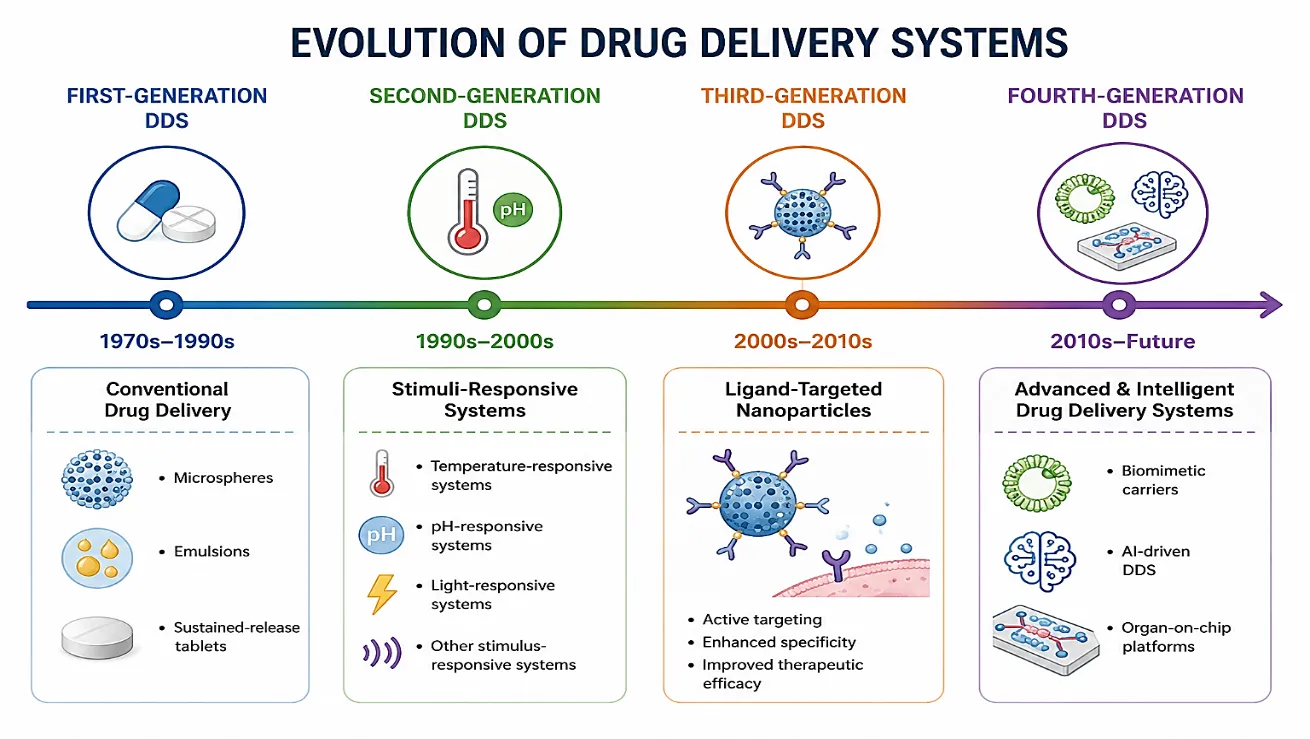
Figure 1. Evolution of Drug Delivery Systems
This review explores the interdisciplinary evolution of drug delivery technologies across three main areas. We begin with engineering innovations, focusing on materials, microfabrication, and controlled-release mechanics. Next, we examine biological insights that inform stealth properties, cell-specific targeting, and immune modulation. Finally, we consider the translational and clinical applications of DDS in oncology, neurology, and infectious diseases, highlighting how integrated systems are transforming therapeutic strategies. By presenting a coherent story across these areas, we aim to explain how engineering, biology, and medicine come together to shape the next phase of precision therapy.
|
Generation |
Key Features |
Representative Technologies |
|
First |
Sustained release |
Microspheres, tablets |
|
Second |
Stimuli-responsive |
pH-sensitive polymers |
|
Third |
Active targeting |
Antibody-conjugated nanoparticles |
|
Fourth |
Biomimetic and AI-integrated |
Exosomes, organ-on-chip |
Table 1. Evolution of Drug Delivery Systems
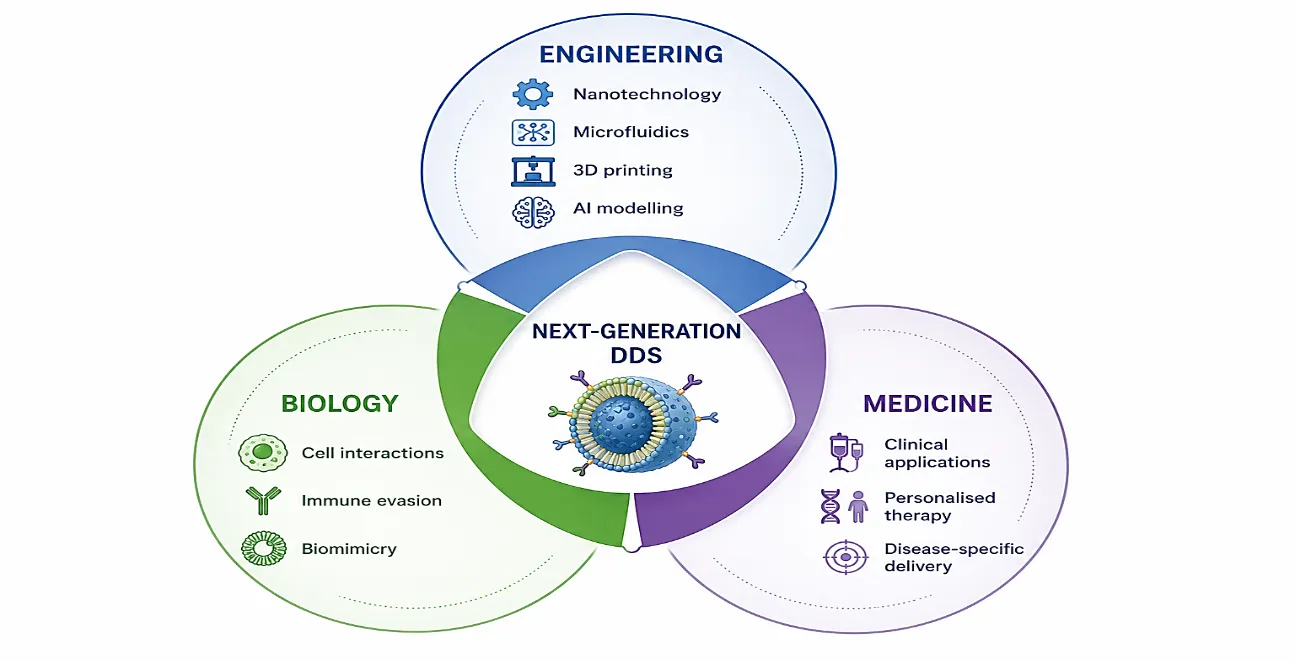
Figure 2. Interdisciplinary Framework of Modern DDS
The success of any drug delivery system (DDS) fundamentally depends on its engineering framework, including material composition and design architecture. Material properties determine biodistribution, release kinetics, and drug stability, while device-level engineering controls the spatial and temporal aspects of delivery. Engineering platforms form the basis for functionality, specificity, and scalability. In this section, we examine how nanocarriers, innovative materials, microfabricated systems, and computational models contribute to the rational design of advanced DDS.
A. Nanocarriers and Microdevices
Nanoscale drug carriers have been a key focus of drug delivery research due to their tunable physicochemical properties, which enhance solubility, protect labile drugs, and enable passive targeting through the enhanced permeability and retention (EPR) effect. Among the most studied are liposomes, phospholipid vesicles that can encapsulate both hydrophilic and hydrophobic drugs. PEGylated liposomes, such as Doxil®, have longer circulation half-lives and reduced toxicities.3
Dendrimers are highly branched macromolecules with extensive surface functionality, allowing precise molecular control and multivalent interactions. Nanogels, composed of crosslinked hydrophilic polymers, swell and release drugs in response to physiological stimuli. Polymeric nanoparticles, particularly those made from PLGA or PEG-PLA, provide controlled degradation and can be surface-modified for targeted delivery.
Microscale devices, including microneedles and implants, offer innovative means for local and sustained drug release. Microneedles enable painless transdermal delivery of vaccines and biologics, bypassing first-pass metabolism. Biodegradable implants are used for long-term hormone therapy or chemotherapeutic delivery, providing spatial precision and programmable kinetics in drug administration.4
|
Platform |
Advantages |
Limitations |
Clinical Applications |
|
Liposomes |
Biocompatible |
Stability issues |
Cancer |
|
Polymeric nanoparticles |
Controlled release |
Manufacturing complexity |
Oncology |
|
Dendrimers |
High loading capacity |
Toxicity concerns |
Gene delivery |
|
Nanogels |
Stimuli-responsive |
Scale-up challenges |
Chronic diseases |
|
Microneedles |
Painless delivery |
Limited dose |
Vaccines |
Table 2. Comparison of Major Drug Delivery Platforms
B. Stimuli-Responsive Systems
Stimuli-responsive or “smart” drug delivery systems are designed to release therapeutics in response to internal (e.g., pH and enzymes) or external (e.g., light and temperature) cues. These systems provide spatial and temporal control, enhancing drug efficacy and minimising off-target effects. pH-responsive carriers help target acidic tumour microenvironments or endosomal compartments. Polymers such as poly(L-histidine) or poly (β-amino ester) change conformation or solubility under acidic conditions, triggering release. Enzyme-responsive carriers employ cleavable linkers or substrates that are degraded by overexpressed proteases (e.g., MMPs in tumours). Temperature-sensitive systems, often based on poly(N-isopropylacrylamide) (PNIPAAm), undergo phase transitions near physiological temperatures, enabling thermally triggered drug release. Light-responsive systems, including those based on azobenzene or coumarin moieties, allow non-invasive, externally controlled release via photochemical or photothermal mechanisms. Smart polymers act as “switches” that respond to multiple stimuli, enabling on-demand drug release with high precision. These are especially valuable in managing chronic diseases, where synchronised or pulsatile delivery is needed.5
|
Stimulus |
Material Example |
Trigger Mechanism |
Application |
|
pH |
Poly(histidine) |
Acidic tumour pH |
Cancer |
|
Enzyme |
MMP-sensitive polymers |
Protease cleavage |
Tumours |
|
Temperature |
PNIPAAm |
Thermal transition |
Localised delivery |
|
Light |
Azobenzene systems |
Photochemical activation |
Controlled release |
Table 3. Stimuli-Responsive DDS and Trigger Mechanisms
C. 3D Printing and Microfluidics
Advances in additive manufacturing have enabled the development of 3D-printed drug delivery platforms tailored to individual patient needs. Customizable drug-eluting tablets, implants, and transdermal patches can now be produced with precise geometries and controlled-release profiles. Techniques such as fused deposition modelling (FDM) and stereolithography allow for the incorporation of temperature-sensitive bioactive agents during printing.
Microfluidic systems have also revolutionised drug delivery, screening and formulation. Lab-on-a-chip devices mimic physiological microenvironments, enabling high-throughput screening of DDS under organ-specific conditions. “Organ-on-chip” systems, which replicate vascularized tissues like the liver, brain, and lung, have become essential for predicting DDS behaviour in vivo before clinical use.
Microfluidic synthesis further allows for the production of uniform nanoparticles with controlled size, surface charge, and drug loading, surpassing conventional bulk mixing in reproducibility and scalability.6
D. Mathematical Modelling and AI
Computational modelling is an essential tool for rational DDS design and optimisation. Mathematical models simulate drug release kinetics, diffusion through biological tissues, and degradation profiles under various physiological conditions. These models inform dosage regimens, predict therapeutic windows, and lessen reliance on trial-and-error experiments.
Artificial intelligence (AI) is opening a new chapter in formulation science. Machine learning algorithms analyse complex datasets to identify key formulation parameters affecting stability, release rate, and bioavailability. AI-driven platforms have successfully predicted nanoparticle behaviour, screened excipient libraries, and proposed optimal formulations tailored to specific therapeutic goals.7
AI also integrates with 3D printing and microfluidics to develop adaptive DDS capable of real-time feedback and adjustments based on sensor data or patient-specific information.
Engineering innovations underpin modern DDS, providing the material foundation and design principles for customised drug release. Whether through nanoscale carriers, stimuli-responsive polymers, bio-fabricated devices, or computational tools, these platforms enable therapeutic strategies with improved precision, safety, and efficacy. The following sections examine how biological insights can further enhance and guide these engineered systems for optimal clinical outcomes.8,9
The clinical success of drug delivery systems (DDS) depends not only on engineering ingenuity but also on seamless integration with the host’s biological environment. Biological systems present a diverse set of physical, chemical, and immunological barriers that can degrade, sequester, or eliminate therapeutic carriers before they reach their intended targets. Therefore, a robust DDS must strategically engage with these interfaces to minimise immune clearance and maximise site-specific delivery. This section explores how the body shapes the fate of drug carriers and how engineering strategies are evolving to respect and replicate the biological architecture.
A. Interaction with Biological Barriers
Drug carriers traverse multiple biological barriers before reaching their target sites. These barriers vary in terms of permeability, enzymatic composition, and immune surveillance intensity.
The gastrointestinal (GI) tract poses challenges such as enzymatic degradation, acidic pH, and poor epithelial permeability. Therefore, oral DDS must incorporate mucoadhesive polymers, pH-resistant coatings, or enzyme inhibitors to enhance stability and uptake.
The skin, particularly the stratum corneum, limits the transdermal absorption of large molecules. Microneedles and lipid-based enhancers have been developed to disrupt this barrier for transient systemic or local delivery.
The mucosal barriers of the respiratory, vaginal, and ocular tissues are rich in mucus and immune cells, requiring carriers that are muco-penetrating yet non-immunogenic. Surface modifications with polyethene glycol (PEG) or zwitterionic polymers reduce mucin-binding.
The blood-brain barrier (BBB) remains one of the most formidable obstacles. It excludes >98% of small molecules and nearly all large biological molecules. Engineering strategies include receptor-mediated transcytosis (e.g., transferrin or insulin receptors), focused ultrasound disruption, and nanoparticle surface ligand functionalization to enhance CNS penetration of nanoparticles.10
B. Biomimetic Delivery
Biomimetic systems exploit natural architecture to improve biocompatibility, circulation time, and targeting specificity. Exosomes, nanoscale vesicles secreted by cells, are being harnessed as natural carriers because of their endogenous origin, stability in circulation, and intrinsic targeting capability. Engineered exosomes have been used to deliver small RNAs, proteins, and drugs to inflammatory and neoplastic sites.
Another frontier is the use of cell membrane-coated nanoparticles. Coating synthetic cores with membranes from red blood cells (RBCs), leukocytes, or cancer cells imparts unique homing abilities and immune evasion properties. RBC-mimicking carriers benefit from prolonged circulation and complement evasion. Leukocyte-mimicking particles can target the inflamed endothelium, whereas cancer cell membrane coatings enable homotypic targeting of primary and metastatic tumours.
Bioinspired geometries, such as discoidal or filamentous shapes, further enhance margination and vascular retention, especially in tumour microenvironments.11
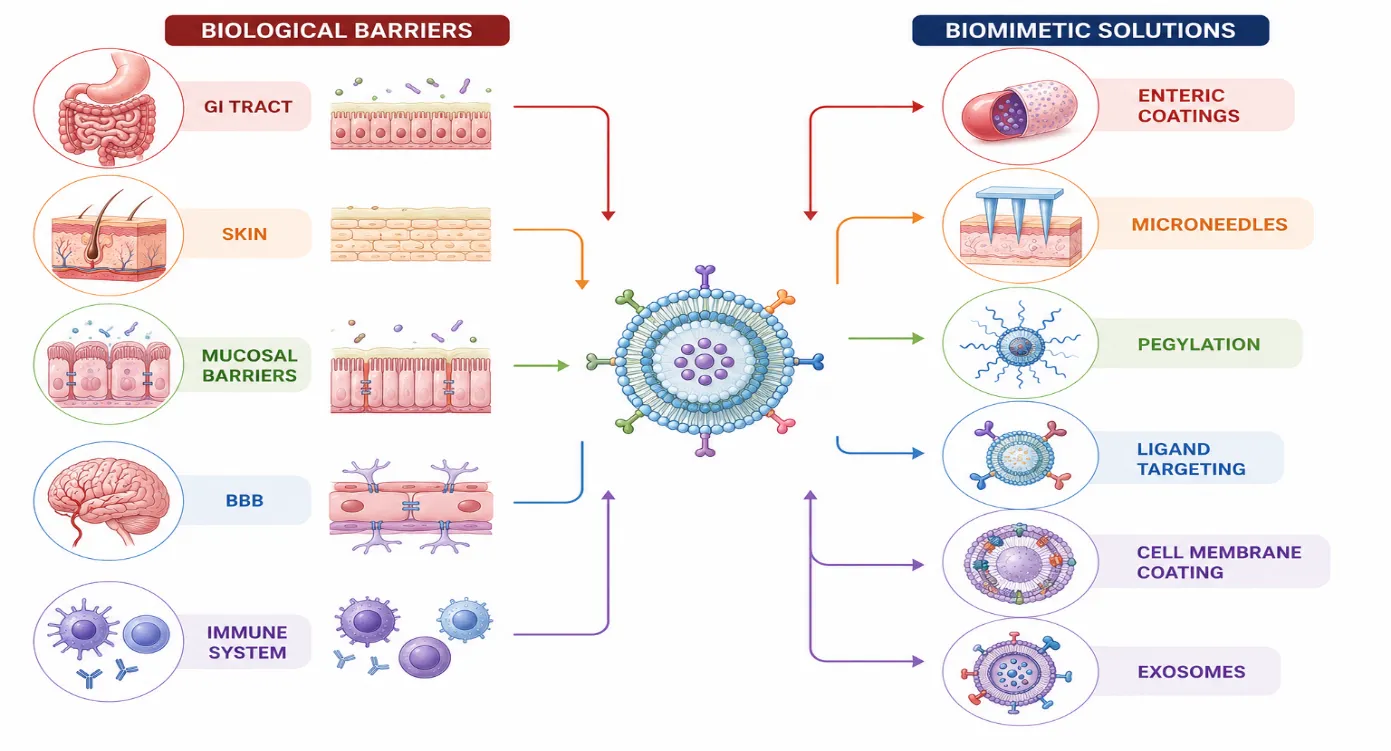
Figure 3. Biological Barriers and Biomimetic Solutions
C. Immune System Considerations
Interactions with the immune system are a double-edged sword. While immune modulation may be therapeutic, immune clearance can limit the efficacy of DDS. Nanoparticles are rapidly opsonised by plasma proteins and phagocytosed by the mononuclear phagocyte system (MPS), particularly in the liver and spleen.
PEGylation, the surface grafting of PEG chains, creates a hydrophilic “stealth” layer that reduces protein adsorption and delays recognition by phagocytes. However, PEGylation is not without drawbacks; repeated administration can elicit anti-PEG antibodies, diminish its protective effect, and potentially induce hypersensitivity.
To overcome this, alternative “stealth” strategies include zwitterionic coatings, CD47 peptide display (a “don’t eat me” signal), and leukocyte membrane cloaking.12,13
D. Toxicity, Biodegradability, and Long-term Effects
The clinical translation of DDS is often halted by suboptimal toxicity profiles or concerns about long-term biocompatibility. Some otherwise promising materials, such as certain dendrimers or non-degradable polymers, have been abandoned because of their cytotoxicity, immune activation, or organ accumulation.
Biodegradability is a prerequisite for systemic delivery platforms. FDA-approved polymers such as PLGA, PCL, and PEG-PLA degrade into nontoxic byproducts and are cleared through renal or hepatic pathways. The choice of excipients, surfactants, and surface modifications also affects the biodistribution, off-target effects, and safety profiles.
Longitudinal studies and in vivo tracking technologies (e.g., PET/MRI imaging of labelled carriers) are essential for assessing chronic accumulation, especially for CNS-targeted or depot formulations.14
|
Biological Barrier |
Key Challenge |
Engineering Solutions |
|
GI tract |
Enzymes, low pH, and low permeability |
Enteric coatings, enzyme inhibitors, mucoadhesives |
|
Skin |
Stratum corneum barrier |
Microneedles, lipid-based permeation enhancers |
|
Mucosa |
Mucin binding, local immune surveillance |
PEGylation, zwitterionic coatings, nanoparticle size tuning |
|
Blood-brain barrier |
Tight junctions, efflux pumps |
Receptor-mediated transport, focused ultrasound, and ligand modification |
|
Immune system |
Opsonisation, phagocytosis |
PEGylation, cell membrane coating, CD47 mimicry |
Table 4. Summary of Biological Barriers vs. Engineering Solutions
Drug delivery systems must be compatible with biological environments to achieve clinical viability. Understanding and engineering biological barriers, immune evasion, and toxicity concerns are essential steps toward this goal. In the following section, we examine how these biologically informed platforms translate into tangible therapeutic advances across key medical domains.
While the engineering and biological sophistication of drug delivery systems (DDS) has accelerated dramatically, their actual impact is measured by their effectiveness in addressing unmet clinical needs. Translational success depends on harmonising design principles with the physiological realities and therapeutic constraints of diverse patient populations and disease states. This section explores the role of DDS in four key medical arenas: oncology, neurology, infectious disease, and chronic illnesses, along with the unique demands of paediatric and geriatric populations.
A. Oncology
Cancer remains a primary driver of innovation in drug delivery because of its heterogeneity, aggressiveness, and systemic treatment challenges. The tumour microenvironment (TME), characterised by hypoxia, acidic pH, elevated interstitial pressure, and immune suppression, presents both obstacles and opportunities. DDS are engineered to exploit the enhanced permeability and retention (EPR) effect, whereby leaky vasculature allows nanoparticles (typically <200 nm) to accumulate preferentially in tumours. However, EPR varies between tumour types and patients, necessitating alternative strategies such as active targeting and stimuli-responsive release.
Theragnostic platforms that combine therapeutic and diagnostic functions are emerging as game-changers. Nanoparticles labelled with imaging agents (e.g., iron oxide, quantum dots) allow for real-time monitoring of drug distribution and tumour response. Additionally, the targeted delivery of immunomodulators, such as checkpoint inhibitors or tumour vaccines, enhances efficacy while minimising systemic toxicity.15,16
B. Neurology
Neurological diseases, such as Alzheimer’s disease, Parkinson’s disease, glioblastoma, and epilepsy, are notoriously difficult to treat because of the blood-brain barrier (BBB). DDS designed for central nervous system (CNS) delivery must overcome this tightly regulated interface.
Strategies include receptor-mediated transcytosis using ligands for transferrin, insulin, or low-density lipoprotein receptors to shuttle across the BBB. Nanocarriers coated with surfactants, such as polysorbate 80, or conjugated with apolipoproteins, can mimic endogenous transport mechanisms.
For neurodegenerative disorders, sustained delivery systems, such as injectable hydrogels or implantable pumps, provide controlled release of neurotrophic factors or antisense oligonucleotides to slow disease progression.17
Furthermore, DDSs are being developed to deliver CRISPR/Cas9 components or siRNAs to silence pathogenic genes, although immune activation and delivery efficiency remain significant challenges.18,19
C. Infectious Disease and Vaccines
The COVID-19 pandemic catalysed the most high-profile application of DDS in recent memory: the deployment of lipid nanoparticles (LNPs) to deliver mRNA vaccines. LNPs protect mRNA from degradation, enable cellular uptake, and promote endosomal escape. The clinical success of the Pfizer-BioNTech and Moderna vaccines validated the scalability, safety, and efficacy of this platform.
In addition to vaccines, DDSs are being developed to combat antimicrobial resistance (AMR). Nano-antibiotics, which are antibiotics encapsulated in or conjugated to nanocarriers, improve drug penetration into bacterial biofilms and reduce resistance development by maintaining high local concentrations.
Responsive DDS that release antimicrobials upon encountering bacterial enzymes or acidic infection sites are also under exploration, providing a new paradigm for infection-targeted therapy.20,21
D. Chronic Diseases (Diabetes, Cardiovascular Disease)
Chronic conditions require sustained and predictable drug levels to manage symptoms and prevent complications. In diabetes, glucose-sensitive hydrogels and microneedles that release insulin in response to rising glucose levels are advancing toward clinical applications, offering an alternative to constant monitoring and manual dosing.
For cardiovascular disease (CVD), long-acting injectable antihypertensives or statins could improve adherence. DDS are also used to deliver anti-inflammatory agents locally to atherosclerotic plaques or stents, reducing restenosis and systemic side effects.
Polymeric microspheres and implantable reservoirs are being developed to provide month-or even year-long release of cardiovascular drugs, aligning with the goals of long-term disease stabilisation.22,23
E. Paediatrics and Geriatrics
Drug delivery to paediatric and geriatric patients must account for distinct pharmacokinetics, physiology, and compliance issues. In children, taste masking, ease of administration, and non-invasive formats (e.g., oral films, inhalables, and transdermal patches) are essential.
DDS for neonates must be safe for underdeveloped metabolic systems and organs, requiring materials with proven biocompatibility and tunable dosing precision.
In older adults, polypharmacy, altered metabolism, and reduced renal clearance require formulations that minimise dosing frequency and interactions. Transdermal patches, subcutaneous implants, and extended-release oral tablets address these needs.
For both groups, a patient-centred design emphasising simplicity, safety, and acceptability is key to improving adherence and therapeutic outcomes.
The medical integration of drug delivery technologies reflects the growing sophistication of aligning design with disease. From oncology to infectious diseases and chronic conditions, DDS platforms are evolving to meet precise clinical challenges, facilitated by bio-responsive materials and intelligent engineering. Paediatric and geriatric care add an essential dimension to DDS design, reinforcing the need for personalised, age-appropriate approaches. The next frontier lies in harmonising clinical demands with scalable, patient-specific solutions, a topic we return to in the concluding discussion on future innovations.24
|
Disease Area |
DDS Technology |
Therapeutic Benefit |
|
Oncology |
Liposomes, theranostic nanoparticles |
Targeted chemotherapy |
|
Neurology |
BBB-targeted nanoparticles |
CNS drug delivery |
|
Infectious diseases |
LNPs |
mRNA delivery |
|
Diabetes |
Glucose-responsive hydrogels |
Automated insulin release |
|
Cardiovascular disease |
Drug-eluting stents |
Reduced restenosis |
Table 5. Clinical Applications of Drug Delivery Systems
The rise of modern drug delivery systems (DDS) is inseparable from the convergence of disciplines. Technological innovation alone is insufficient; progress requires alignment between academia, industry, regulatory agencies, and data science. This interdisciplinary alignment is not only a conceptual necessity but also a practical one, facilitating the efficient translation of DDS from bench to bedside. This section explores key translational interfaces, including institutional partnerships, collaborative research models, regulatory harmonisation, and open-data ecosystems, that drive real-world impact in drug delivery.
A. Academia–Industry Partnerships
Perhaps the most impactful example of academia-industry collaboration is the rapid development and deployment of mRNA vaccine platforms. Academic insights into RNA stability, lipid nanoparticle delivery, and immune activation form the scientific foundation. Companies such as Moderna and BioNTech translated these concepts into scalable products within months of the sequencing of SARS-CoV-2.
These partnerships accelerated not only vaccine design but also manufacturing workflows, regulatory submissions, and global distribution strategies. Shared intellectual property frameworks, pre-competitive consortia, and public-private funding mechanisms (e.g., Operation Warp Speed, CEPI) exemplify how cross-sectoral collaboration can compress development timelines without compromising safety or efficacy.25
B. Multidisciplinary R&D Models
Integrated research models are emerging as engines of DDS innovation. Hospital-university-pharma ecosystems bring together clinicians, bioengineers, and formulation scientists under a unified translational pipeline.
For example, leading institutions like MIT, Stanford, and Karolinska have established cross-disciplinary centres focused on drug delivery and regenerative medicine. These hubs facilitate rapid iteration between preclinical design and clinical validation, informed by real-time patient feedback.
Similarly, some pharmaceutical companies now co-locate engineering labs within clinical research units, enabling direct feedback loops between prototype development and therapeutic performance.26
C. Regulatory Synergy
Translational progress in DDS also depends on regulatory clarity. Agencies like the U.S. Food and Drug Administration (FDA) and the European Medicines Agency (EMA) have published draft and final guidelines on nanomedicine characterisation, manufacturing controls, and pharmacokinetics.
FDA's Nanotechnology Task Force and EMA's Reflection Papers on nanotechnology-based medicinal products signal growing regulatory maturity. However, challenges persist in standardising toxicity assays, bioanalytical methods, and quality-by-design (QbD) metrics across platforms.
Collaborative frameworks such as the Nanotechnology Characterisation Laboratory (NCL) help bridge these gaps by offering centralised testing services aligned with regulatory standards. These efforts reduce uncertainty for developers while ensuring safety and reproducibility.27
D. Data Integration and Open Science
In the age of big data, translational DDS research increasingly relies on shared data ecosystems. Cross-platform databases capture pharmacokinetics (PK), pharmacodynamics (PD), toxicity profiles, and biodistribution data, facilitating meta-analyses and in silico modelling.
Projects like the NCATS Open Data Portal, EUDAT, and Nano-informatics platforms aggregate data across research groups and geographies. AI and machine learning algorithms leverage these datasets to predict formulation stability, immune compatibility, and patient-specific response.
Open science initiatives encourage pre-competitive data sharing, transparency in negative results, and reproducibility, key to accelerating innovation while minimising duplication of effort.
Effective drug delivery today is not just a scientific feat but an interdisciplinary achievement. Academia, industry, regulatory bodies, and data networks are forming increasingly cohesive ecosystems to ensure that drug delivery innovations are clinically relevant, safe, and scalable. These translational bridges are essential to sustain the pipeline of next-generation therapeutics and realise the full promise of engineered, biologically-informed DDS.28,29
Despite the remarkable progress in modern drug delivery systems (DDS), several critical challenges continue to impede widespread clinical translation and global accessibility. Chief among these are issues of scalability and reproducibility. Many nano- and micro-engineered platforms that perform well in lab-scale settings face technical and regulatory hurdles when scaled for mass production. Ensuring uniformity in size, drug loading, release kinetics, and surface functionality is nontrivial, especially under Good Manufacturing Practice (GMP) constraints.30
Safety and long-term effects remain another pressing concern. Although many DDS are designed with biocompatibility in mind, long-term biodistribution, potential organ accumulation, and immunogenicity are not always well-characterised. Chronic administration in vulnerable populations such as paediatrics, geriatrics, or immunocompromised patients demands robust longitudinal safety studies.31
Cost-effectiveness is particularly crucial in low- and middle-income countries (LMICs), where access to sophisticated therapies is often limited. The complexity of some DDS platforms may make them prohibitively expensive for large-scale deployment unless manufacturing is simplified and supported by policy or public-private partnerships.32
Looking forward, several innovations hold promise for overcoming these limitations. 3D bio-printed DDS could enable customizable implants or tissue scaffolds that release drugs in a spatially and temporally controlled manner. AI-designed personalised delivery platforms will likely use multi-omic and clinical data to tailor materials, dosing regimens, and targeting strategies for individual patients. Finally, bioelectronic DDS, which merges electronics with biology, is emerging as a closed-loop system capable of sensing physiological states and modulating drug release in real time.
The path ahead lies in marrying technological sophistication with clinical pragmatism, regulatory foresight, and equitable access, ensuring that the next generation of drug delivery is not only innovative but also impactful on a global scale.33, 34
|
Technology |
Current Status |
Future Potential |
|
AI-guided DDS |
Early adoption |
Personalised medicine |
|
Organ-on-chip |
Preclinical |
Drug screening |
|
Bioelectronic DDS |
Experimental |
Closed-loop therapy |
|
3D bioprinting |
Emerging |
Patient-specific implants |
|
Exosome delivery |
Clinical trials |
Precision targeting |
Table 6. Emerging Technologies and Future Prospects
CONCLUSION
The evolution of drug delivery systems demonstrates the power of cross-disciplinary collaboration. Engineering innovation, biological understanding, and medical needs have combined to make the field a key part of modern treatments. Success stories, from lipid nanoparticle-enabled mRNA vaccines to microfabricated implants for chronic disease management, highlight the real clinical benefits of interdisciplinary efforts. Yet, the future is still full of potential. Next-generation DDS, such as AI-personalised carriers, bio-responsive implants, and bioelectronic feedback systems, aim to redefine precision medicine. These innovations will not only improve treatment effectiveness but also customise interventions based on individual physiology, disease conditions, and life stages. Moving forward, continuous collaboration among academic researchers, industry leaders, clinicians, and regulators will be vital to ensure these advances are scientifically valid and fairly applied. In this way, drug delivery will keep evolving, not just as a support for therapies but as a transformative force in medicine itself.
REFERENCES





Prerna Vijay Thete*, Sadhna Pandurang Thete, Vaishnavi Niranjan Vaidya, Sable Rutuja Bhaurao, Mukund Mahadev Pache, Interdisciplinary Insights Into Modern Drug Delivery Platforms: Engineering, Biology, And Medicine, Int. J. Sci. R. Tech., 2026, 3 (6), 1267-1279. https://doi.org/10.5281/zenodo.20796683
 10.5281/zenodo.20796683