

We use cookies to ensure our website works properly and to personalise your experience. Cookies policy
Jagadambha Institute of Pharmacy & Research, Kalamb
Glaucoma is a group of progressive optic neuropathies characterized by damage to retinal ganglion cells and the optic nerve. The resulting visual impairment may be irreversible, making early detection and sustained management important. Elevated intraocular pressure (IOP) is a major modifiable risk factor, and reducing IOP remains the principal established approach for slowing disease progression. Current pharmacological treatment includes prostaglandin analogues, beta-adrenergic antagonists, carbonic anhydrase inhibitors, alpha-adrenergic agonists, cholinergic agents, hyperosmotic medicines, and Rho-associated protein kinase inhibitors. Although these medicines are widely used, conventional eye drops may be limited by low ocular bioavailability, frequent administration, adverse effects, and difficulties with long-term adherence. These limitations have encouraged the development of drug-delivery systems intended to improve ocular retention, tissue penetration, and duration of drug release. Emerging approaches include nanotechnology-based formulations, liposomes, hydrogels, drug-loaded contact lenses, sustained-release implants, and intracameral systems. Research is also examining neuroprotective and stem-cell approaches, novel carriers, and wearable or implantable biomedical microelectromechanical systems (BioMEMS). This review discusses established pharmacological therapies, their mechanisms and limitations, and emerging technologies being investigated for glaucoma management. It also considers challenges related to safety, effectiveness, delivery, patient acceptability, and clinical translation. Further well-designed research is needed to establish the long-term value of emerging approaches and determine their appropriate role alongside established IOP-lowering treatment.
Glaucoma comprises a group of progressive optic neuropathies involving damage to retinal ganglion cells and the optic nerve. As the disease advances, visual function may deteriorate permanently. Elevated intraocular pressure (IOP) is an important modifiable risk factor, although glaucoma can also occur in people whose IOP is within the statistically normal range. Consequently, the management of glaucoma requires more than a single pressure measurement: treatment aims to reduce the risk of further optic-nerve damage and preserve visual function over time [1,2].
The two major clinical forms are open-angle glaucoma (OAG) and angle-closure glaucoma (ACG). In OAG, resistance to aqueous-humour drainage may increase through the trabecular meshwork. In ACG, the drainage angle becomes obstructed, restricting aqueous-humour outflow. The resulting pressure-related stress may contribute to deformation and remodelling of the lamina cribrosa, impaired axonal transport, reduced ocular perfusion, and cellular dysfunction [1,2].
Glaucoma is a substantial public-health concern. The supplied literature reports an estimated global prevalence of 3.54% among people aged 40–80 years, corresponding to approximately 76 million affected people in 2020. The number was projected to increase to 111.8 million by 2040. The same literature reports differences in the distribution of OAG and primary ACG among populations, emphasizing the importance of appropriate screening, diagnosis, and long-term care [2].
Reducing IOP remains the principal established strategy for slowing glaucoma progression. Pharmacological treatment commonly begins with topical medicines that reduce aqueous-humour production, increase its outflow, or act through both mechanisms. The choice of medicine depends on the type of glaucoma, the amount of pressure reduction required, patient-specific factors, tolerability, and contraindications [1,2].
Despite their clinical value, conventional eye drops have limitations. Only a portion of an administered dose may reach the intended ocular tissues, while tear turnover, blinking, nasolacrimal drainage, and limited tissue penetration can reduce drug availability. Frequent dosing, adverse effects, difficulty instilling drops, and complex treatment regimens may also affect adherence. These challenges have encouraged research into new medicines and delivery systems designed to maintain effective treatment while reducing the burden of administration [3–5].
2. CURRENT PHARMACOLOGICAL TREATMENT
Pharmacological treatment of glaucoma is primarily directed toward lowering IOP. Medicines differ in their mechanisms of action, dosing schedules, adverse-effect profiles, and suitability for individual patients. Regular monitoring is required to assess pressure control, visual function, tolerability, and adherence [1,2].
2.1 Beta-adrenergic antagonists
Beta-adrenergic antagonists, commonly called beta-blockers, reduce aqueous-humour secretion by inhibiting adrenergic receptors in the ciliary body. Timolol is a widely used example. Other agents include beta-1-selective medicines, which may be considered when the systemic effects of non-selective beta-blockers are a concern.
The advantages of beta-blockers include their established role in treatment, availability, and relatively convenient dosing. However, some of the administered medicine may be absorbed systemically. Cardiovascular or respiratory effects can therefore be relevant, and the patient’s medical history should be considered when selecting treatment. Local tolerability, response, and the need for additional medicines should also be assessed during follow-up [1,2].
2.2 Alpha-adrenergic agonists
Alpha-adrenergic agonists lower IOP by reducing aqueous-humour production and increasing uveoscleral outflow. Brimonidine is used in glaucoma management, while apraclonidine may be limited by allergic reactions and a reduced response with continued use.
The possible neuroprotective effects of brimonidine have also been investigated. These observations have generated interest in whether some glaucoma medicines might have effects beyond pressure reduction. However, possible neuroprotective activity should be distinguished from established clinical use: IOP reduction remains the principal supported treatment target [1,2].
2.3 Carbonic anhydrase inhibitors
Carbonic anhydrase inhibitors reduce aqueous-humour production by interfering with bicarbonate secretion in the ciliary body. Acetazolamide and methazolamide are systemic agents, whereas dorzolamide and brinzolamide are used topically.
Systemic carbonic anhydrase inhibitors may cause adverse effects such as fatigue, paraesthesia, nausea, dizziness, electrolyte disturbances, and kidney stones. Topical formulations were developed to reduce systemic exposure, although local tolerability and possible systemic effects remain relevant. These medicines may be used alone or as part of a combination regimen, depending on the patient’s response and treatment needs [1,2].
2.4 Prostaglandin analogues
Prostaglandin analogues include latanoprost, travoprost, bimatoprost, and tafluprost. They lower IOP mainly by increasing uveoscleral outflow. Their effectiveness and generally convenient once-daily administration have contributed to their use in glaucoma treatment.
Ocular adverse effects may include conjunctival hyperaemia, irritation, itching, eyelash growth, and changes in iris pigmentation. Less common effects, including macular oedema or anterior-segment inflammation, may be relevant in susceptible patients. Treatment selection should therefore consider the individual’s clinical circumstances, tolerability, and response over time [1,2].
2.5 Cholinergic agents and hyperosmotic medicines
Cholinergic agents, such as pilocarpine, act by contracting the ciliary muscle and improving trabecular outflow. Their effects may be relatively short-lived, and the need for frequent administration can make them less convenient for some patients. Cholinergic adverse effects may include sweating, salivation, gastrointestinal disturbance, bronchospasm, and bradycardia.
Hyperosmotic medicines, including oral glycerin or isosorbide and intravenous mannitol, can temporarily reduce IOP. They are used in selected urgent situations or around ocular surgery rather than as routine long-term therapy. Their role is therefore different from that of medicines intended for sustained daily pressure control [1,2].
2.6 Rho-associated protein kinase inhibitors
Rho-associated protein kinase (ROCK) inhibitors act on the trabecular meshwork and Schlemm’s canal, changing cellular and cytoskeletal activity to enhance aqueous-humour outflow. Ripasudil and netarsudil are examples used in glaucoma or ocular hypertension.
ROCK inhibitors may be considered when additional IOP reduction is required. As with other medicines, the choice to use them depends on the treatment goal, the patient’s response, tolerability, and the availability of other options [1,2].
2.7 Fixed-dose combinations
Fixed-dose combinations contain two medicines in a single formulation. Examples include combinations of timolol with dorzolamide, brinzolamide, or brimonidine. Combining medicines with different mechanisms may help simplify treatment when more than one agent is required.
A reduced number of separate drops may make a regimen easier to follow and may reduce exposure to preservatives compared with the use of multiple individual products. However, combination therapy still requires assessment of contraindications, adverse effects, and whether the combined treatment achieves the desired pressure reduction [1,2].
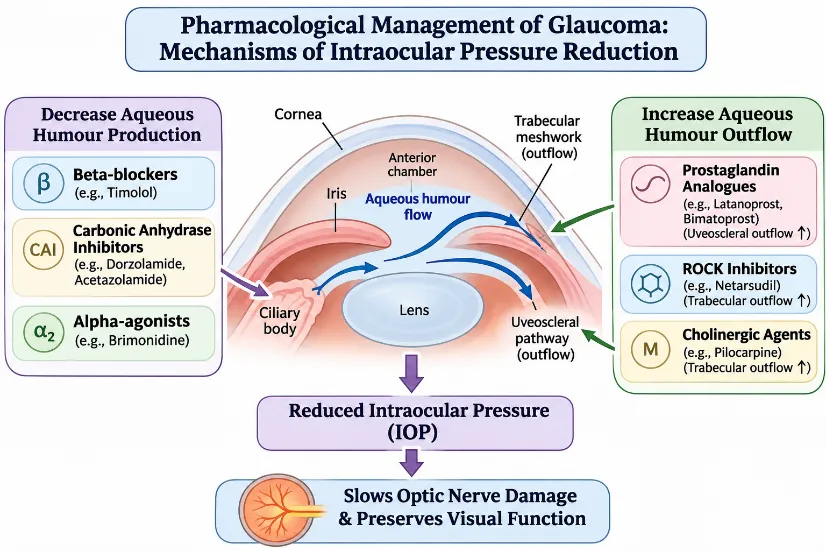
Figure 1: Pharmacological Management of Glaucoma: Mechanisms of Intraocular Pressure Reduction[2]
Table 1: Current Pharmacological Therapies for Glaucoma[2]
| Drug class | Examples | Mechanism of action |
|---|---|---|
| Beta-blockers | Timolol | Reduces aqueous humour production |
| Alpha-agonists | Brimonidine | Reduces production and increases outflow |
| Carbonic anhydrase inhibitors | Dorzolamide, acetazolamide | Reduces aqueous humour production |
| Prostaglandin analogues | Latanoprost, bimatoprost | Increases uveoscleral outflow |
| Cholinergic agents | Pilocarpine | Increases trabecular outflow |
| ROCK inhibitors | Netarsudil, ripasudil | Improves trabecular outflow |
3. LIMITATIONS OF CONVENTIONAL EYE-DROP THERAPY
Topical eye drops remain a common method of glaucoma treatment, but delivery to the intended ocular tissues is affected by anatomical and physiological barriers. Blinking and tear turnover can remove a formulation from the ocular surface, while nasolacrimal drainage may carry part of the dose away from the eye. Limited corneal penetration can further restrict the amount of drug reaching intraocular tissues. Some of the administered dose may also enter the systemic circulation [3,4].
The effectiveness of a topical medicine therefore depends not only on its pharmacological activity but also on how much drug reaches the target tissue and how long it remains available. Formulation properties, dosing frequency, patient technique, and the condition of the ocular surface may all influence treatment performance.
Long-term glaucoma management can also be challenging because treatment is often ongoing and may involve more than one medicine. Missed doses, difficulty instilling drops, local discomfort, and complex schedules can interfere with consistent use. A treatment may be pharmacologically effective but less useful in practice if a patient cannot maintain the prescribed regimen.
These limitations have encouraged the development of delivery systems intended to prolong ocular residence, improve drug availability, control release, or reduce the frequency of administration. Such systems must demonstrate not only successful delivery but also acceptable safety, usability, and clinical benefit [3–6].
4. EMERGING OCULAR DRUG-DELIVERY SYSTEMS
Emerging ocular drug-delivery technologies are being developed to address the barriers associated with conventional eye drops. The principal goals include improving drug retention, supporting penetration into relevant tissues, controlling release, and reducing the need for repeated administration. Technologies under investigation include nanocarriers, lipid-based formulations, hydrogels, drug-loaded contact lenses, and sustained-release implants [3–6].
4.1 Nanotechnology-based formulations
Nanotechnology-based formulations are being investigated to improve the solubility, stability, retention, and penetration of ocular medicines. Nanosuspensions contain finely dispersed drug particles and may be useful for compounds with poor aqueous solubility. Polymeric and inorganic nanoparticles can also be designed to carry a drug and influence its release.
The performance of a nanocarrier depends on several formulation features, including particle size, surface properties, composition, and drug-loading capacity. These characteristics may affect the interaction of the formulation with ocular tissues and its release behaviour. Different nanocarrier designs may therefore be suitable for different drugs or delivery objectives [3,4].
Despite their potential, nanotechnology-based systems require careful evaluation. Important considerations include physical and chemical stability, biocompatibility, toxicity, clearance, and the possibility of unwanted accumulation. A formulation that improves drug retention or penetration must still demonstrate that it can do so safely and consistently [3,4].
4.2 Liposomes
Liposomes are vesicles formed from lipid bilayers. Their structure allows them to carry hydrophilic and lipophilic substances, making them of interest for the delivery of different types of drugs. Liposomal formulations have been explored for topical ocular administration because their composition can be adjusted to influence drug incorporation and release.
Surface modification and other formulation strategies have been investigated to improve interactions with ocular tissues. However, the usefulness of a liposomal formulation depends on more than its ability to contain a drug. Stability during storage, release characteristics, ocular tolerability, manufacturing consistency, and evidence of improved therapeutic performance must also be considered [7].
4.3 Hydrogels
Hydrogels are water-containing polymer networks that can serve as matrices for controlled drug release. Their ability to retain water and accommodate pharmaceutical agents has led to investigation of their use in ocular delivery.
A hydrogel-based system may be designed to prolong the residence of a formulation at the ocular surface or to release a drug over a defined period. Nanoparticle-loaded and peptide-based hydrogels have also been explored. Important development considerations include the consistency of drug release, compatibility with ocular tissues, ease of administration, and whether the system offers a meaningful advantage over conventional drops [5,6].
4.4 Drug-loaded contact lenses
Drug-loaded contact lenses are being investigated as a means of maintaining a drug-containing material in contact with the ocular surface. The approach may help prolong the period during which a formulation is present near the eye.
The design of such lenses must balance drug loading and release with comfort, visual clarity, and ocular safety. A lens that releases drug too rapidly may not provide sustained exposure, while a lens that releases too slowly may not deliver an adequate amount. Further evaluation is therefore required to establish suitable release profiles and determine whether these systems improve treatment outcomes or adherence [5,6].
4.5 Long-acting and implantable systems
Long-acting delivery systems are intended to release medication over an extended period, thereby reducing reliance on daily eye drops. Approaches include biodegradable implants and intracameral systems. These technologies are of interest because they may reduce the burden of repeated administration and help maintain drug exposure over time.
Bimatoprost implant technology, including Durysta™, has been developed for sustained drug release. The performance of an implant may depend on drug dispersion, aqueous-humour flow, device characteristics, and the duration of release. Computational work has examined drug dispersion and aqueous-humour flow in the anterior chamber in relation to implant performance [1].
Potential advantages of implantable systems include fewer administrations and reduced dependence on daily adherence. However, implantation procedures and device-related factors introduce considerations that do not apply in the same way to conventional eye drops. These include procedural risks, biocompatibility, dose limitations, device performance, and the need for long-term follow-up. Sustained-release approaches should therefore be assessed for both their delivery performance and their overall clinical value [1,2,7].
Table 2: Limitations of Conventional Eye-Drop Therapy and Emerging Drug-Delivery Approaches[6,7]
| Limitations of conventional eye drops | Emerging approaches |
|---|---|
| Tear turnover and blinking reduce drug retention | Nanoparticles and hydrogels |
| Limited corneal penetration | Nanotechnology-based formulations |
| Nasolacrimal drainage causes drug loss | Liposomes and drug-loaded contact lenses |
| Frequent administration and missed doses | Sustained-release implants |
| Difficulty instilling drops and local discomfort | Drug-loaded contact lenses and long-acting systems |
| Complex treatment schedules | Sustained-release and implantable systems |
5. NEUROPROTECTIVE AND STEM-CELL APPROACHES
5.1 Neuroprotective strategies
Glaucoma involves degeneration of retinal ganglion cells and the optic nerve. This has encouraged research into neuroprotective approaches that aim to preserve neuronal function in addition to reducing IOP. Such approaches investigate processes including axonal injury, oxidative stress, inflammation, and reduced neurotrophic support.
Several growth factors have been studied for their potential role in supporting retinal ganglion-cell survival. These include brain-derived neurotrophic factor, ciliary neurotrophic factor, glial cell line-derived neurotrophic factor, and nerve growth factor. The aim of this research is to determine whether supporting neuronal survival or function could help preserve vision in glaucoma [11].
Neuroprotective approaches remain under investigation. Their potential role should be considered separately from the established benefit of IOP reduction. Evidence is required to determine whether these strategies provide meaningful preservation of visual function and whether they can be delivered safely and effectively to the relevant ocular tissues.
5.2 Stem-cell research
Stem-cell approaches are being investigated for retinal, optic-nerve, and other ocular disorders. The cell sources discussed in the supplied literature include human embryonic stem cells, induced pluripotent stem cells, and umbilical-tissue-derived cells. Mesenchymal stem cells have attracted interest because of their regenerative and immunomodulatory properties and their potential to release trophic factors.
Potential applications include supporting damaged tissues or delivering factors that may influence cell survival. However, the application of stem cells to glaucoma remains investigational. The source and characteristics of the cells, the method of delivery, cell survival, safety, and functional integration are all important considerations [11].
5.3 Delivery challenges for neuroprotective and cell-based approaches
Delivering therapeutic agents or cells to the intended ocular tissues can be difficult. Topical, subconjunctival, intravitreal, and surgical routes have been considered, but the tear film, corneal and ciliary barriers, blood–retinal barrier, and retinal pigment epithelium may restrict delivery or expose unintended tissues.
For cell-based approaches, further questions include whether cells can survive in the intended location, whether they can perform the required function, and whether their presence may cause unintended effects. These issues require careful study before such approaches can be considered established glaucoma treatments [11].
1. 6. NOVEL CARRIERS AND BioMEMS TECHNOLOGIES
6.1 Novel carrier systems
Research into novel carriers includes cell-membrane-based systems, extracellular vesicles, viral and bacterial platforms, targeted conjugates, and microneedles. These approaches aim to use or modify carrier properties to support delivery, targeting, or controlled release.
Cell-membrane carriers derived from red blood cells, platelets, white blood cells, or stem cells may retain some biological surface characteristics. Extracellular vesicles are being explored because they can transport proteins and other biological material. Viral platforms have been investigated for gene delivery, while engineered bacterial systems are being studied for condition-responsive transport. These approaches differ in their design and intended function, and each requires its own safety and performance evaluation [12].
Antibody–drug conjugates are designed to direct therapeutic agents toward selected cells. Stimulus-responsive microneedles may be engineered to release a payload in response to conditions such as pH, enzymes, temperature, or light. These technologies remain at different stages of research and development. Their relevance to glaucoma depends on whether they can deliver the intended agent safely, reliably, and in a clinically useful manner [12].
6.2 Wearable and implantable BioMEMS
Biomedical microelectromechanical systems (BioMEMS) combine components such as sensors, actuators, microfluidic structures, and electronic systems. Potential applications in glaucoma include IOP measurement, physiological monitoring, and controlled drug delivery.
The materials used in BioMEMS devices influence their comfort, durability, signal quality, and compatibility with biological tissues. Materials discussed in the supplied literature include polydimethylsiloxane, polyimides, parylene C, polymethyl methacrylate, and polyurethane. The suitability of a material depends on the intended location, duration of use, and design of the device [13].
Wearable biosensors may be designed to measure physiological or biochemical signals, while implantable devices may combine sensing, communication, and localized drug release. The possibility of connecting devices to data systems may also support the transmission of measurements for clinical assessment. However, long-term reliability, safety, comfort, signal accuracy, and clinical usefulness remain important questions for future research [13].
2. 7. CHALLENGES AND FUTURE DIRECTIONS
Although glaucoma pharmacotherapy and drug-delivery research have advanced, several challenges remain. A new medicine, formulation, or device must demonstrate a meaningful benefit beyond technical feasibility. Relevant considerations include the magnitude and duration of IOP reduction, ocular and systemic safety, ease of use, patient acceptability, manufacturing consistency, and cost.
Long-acting delivery systems may reduce the need for frequent administration, but they can introduce procedure-related or device-related risks. Their performance also depends on reliable drug release and appropriate duration of action. Nanotechnology-based systems may improve selected formulation properties, but their distribution, clearance, stability, and long-term safety must be established [3–7].
Neuroprotective and stem-cell approaches require evidence that they preserve visual function and provide benefits that are clinically meaningful. Delivery to the intended tissues, safety, and the ability to maintain an appropriate therapeutic effect are central questions. Similarly, BioMEMS and biosensor technologies must demonstrate reliable measurements, safe operation, and a clear role in clinical decision-making [11–13].
Future research should prioritize well-designed clinical studies, long-term follow-up, and outcomes that matter to patients. Research should also assess whether emerging technologies are practical, accessible, and affordable for routine care. A technology that is effective under controlled study conditions may still face barriers related to manufacturing, usability, cost, or clinical implementation.
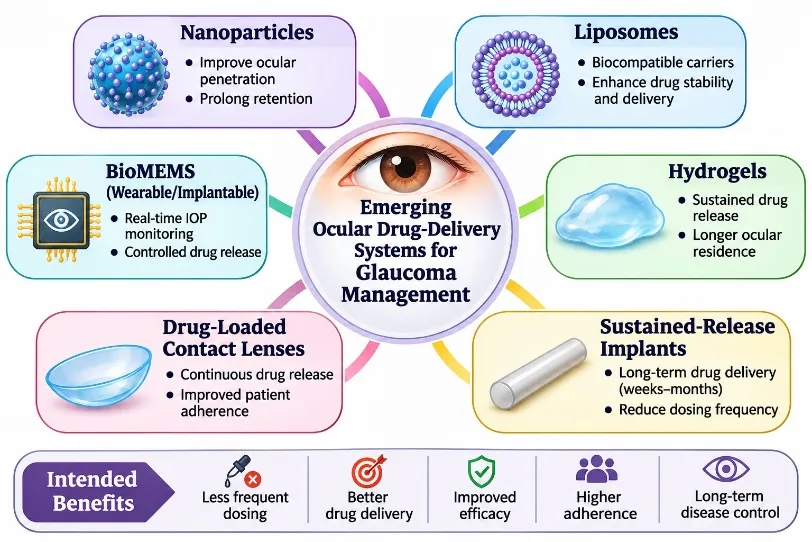
Figure 2: Emerging Ocular Drug-Delivery Systems for Glaucoma Management[13]
CONCLUSION
Pharmacological management remains a central component of glaucoma care, with treatment primarily directed toward lowering IOP and reducing the risk of further optic-nerve damage. Established medicines include prostaglandin analogues, beta-blockers, carbonic anhydrase inhibitors, alpha-adrenergic agonists, cholinergic agents, hyperosmotic medicines, and ROCK inhibitors. Their selection depends on effectiveness, tolerability, contraindications, and the patient’s ability to maintain treatment over time.
Conventional eye drops may be limited by ocular barriers, low bioavailability, frequent dosing, and adherence difficulties. Research into nanocarriers, liposomes, hydrogels, drug-loaded contact lenses, and sustained-release implants seeks to address some of these limitations. Neuroprotective approaches, stem-cell research, novel carriers, and BioMEMS technologies represent additional areas of investigation.
These developments offer possible ways to improve glaucoma management, but their clinical role depends on evidence of safety, efficacy, reliability, and practical value. Continued research and long-term evaluation are necessary before emerging approaches can be considered established alternatives to current treatment. For now, IOP reduction remains the principal established pharmacological strategy, while newer approaches should be evaluated as potential complements to established care.
REFERENCES


Tejas D. Kakad, Dr. Suraj P. Rajurkar, Samiksha V. Patil, Palak S. Shende, Aditya Rudarakar, Bhushan V. Pote, Pharmacological Management of Glaucoma: Current Therapies and Recent Advances, Int. J. Sci. R. Tech., 2026, 3 (11), 1033-1040. https://doi.org/10.5281/zenodo.24463862
 10.5281/zenodo.24463862