Pharmacovigilance is an important part of hospital and clinical pharmacy that focuses on the detection, assessment, understanding, reporting, and prevention of adverse drug reactions (ADRs) and other medicine-related problems. In hospitals, patients are often exposed to multiple medicines, complex treatment regimens, drug interactions, high-risk medicines, and medication errors, which may increase the risk of harm. This review describes the concept, objectives, methods, and importance of pharmacovigilance in hospital and clinical pharmacy practice. The major activities include spontaneous reporting, active surveillance, intensive monitoring, collection of ADR information, causality assessment, severity and preventability assessment, documentation, reporting, follow-up, and risk minimization. The review also highlights medication errors occurring during prescribing, transcribing, dispensing, administration, monitoring, and patient use. Clinical and hospital pharmacists have an important role in medication history taking, medication reconciliation, prescription review, identification of drug interactions, monitoring adverse effects, ADR documentation and reporting, patient counselling, and education of healthcare professionals. A multidisciplinary approach involving physicians, pharmacists, nurses and other healthcare professionals can strengthen hospital pharmacovigilance systems. Effective pharmacovigilance helps identifymedicine-related risks at an early stage, promotes rational and safe medicine use,reduces preventable harm, and contributes to improved patient safety and quality of healthcare.
Pharmacovigilance, preventability assessment, documentation, reporting, identifymedicine-related risks
pharmacovigilance is an important component of hospital and clinical pharmacy practice. It is concerned with the detection, assessment, understanding, and prevention of adverse drug reactions and other medicine-related problems. Medicines are essential for the prevention and treatment of diseases, but their use may also be associated with unwanted or harmful effects. Therefore, continuous monitoring of medicine safety is necessary to ensure that the benefits of treatment outweigh the possible risks.In hospitals, pharmacovigilance has particular importance because patients often have serious illnesses, multiple diseases, complex treatment regimens, and may receive several medicines simultaneously. Factors such as polypharmacy, drug interactions, renal or hepatic impairment, extremes of age, previous ADRs, and the use of high-risk medicines can increase the possibility of medicine-related problems. Early identification and proper assessment of these problems can help reduce patient harm and improve the quality of healthcare.Clinical pharmacists play an important role in hospital pharmacovigilance. Their responsibilities include obtaining medication histories, reviewing prescriptions, identifying drug interactions and contraindications, monitoring patients for adverse effects, checking relevant laboratory parameters, documenting suspected ADRs, and supporting ADR reporting. Clinical pharmacists can also provide patient counselling and educate other healthcare professionals about safe and rational medicine use.Pharmacovigilance involves a continuous process. A suspected ADR is first detected and relevant patient, drug, and reaction information is collected. The reaction is then documented and assessed for causality, severity, seriousness, and preventability. Appropriate clinical management is provided, and the suspected ADR is reported through the relevantpharmacovigilancesystem. Follow-up is performed to determine the patient's outcome. Collected data can subsequently be analyzed to identify recurring problems and potential safety signals.Hospital pharmacovigilance also includes monitoring of medication errors, drug interactions, high-risk medicines, antimicrobial therapy, and special patient populations such as pediatric and geriatric patients. Information obtained from pharmacovigilance activities can be used to improve prescribing practices, medication monitoring, patient counselling, healthcare-professional education, and hospital medication-safety procedures.Thus, pharmacovigilance is not limited to reporting adverse drug reactions. It is a continuous patient-safety activity that connects detection, assessment, reporting, follow-up, analysis, and preventive action. Effective collaboration among physicians, clinical pharmacists, nurses and other healthcare professionals is essential for developing a strong pharmacovigilance system in hospitals.
DEFINITION / CONCEPT OF PHARMACOVIGILANCE
- DEFINITION – pharmacovigilance means monitoring medicines to make sure they are safe for patients. It helps healthcare professionals identify unwanted effects of medicines and take suitable steps to prevent harm.
- Concept of Pharmacovigilance -
The main concept of pharmacovigilance is to improve the safety of medicines and protect patients. A medicine may be useful for treating a disease, but it can also cause unwanted effects in some patients. Therefore, patients need to be monitored during treatment.
The basic concept includes:
Detection of ADRs – Finding unwanted or unexpected effects caused by medicines.
Collection of information – Recording details about the patient, medicine, dose, reaction, and other medicines used.
Assessment – Checking the possible relationship between the medicine and the reaction.
Reporting – Reporting suspected ADRs to the appropriate pharmacovigilance system.
Follow-up – Monitoring the patient and recording the final outcome.
Prevention – Taking steps to reduce the chance of the same problem happening again.
Improving medicine safety – Using collected information to promote safe and proper use of medicines.
- Objective OF PHARMACOVIGILANCE –
- Detect and assess adverse drug reactions (ADRs) and other drug-related problems.
- Prevent harm to patients by identifying safety problems early.
- Monitor the safety and effectiveness of medicines throughout their life cycle.
- Identify new or previously unknown adverse effects of medicines.
- Assess the risk–benefit ratio of medicines and ensure that benefits outweigh risks.
- Promote safe and rational use of medicines.
- Improve patient safety and quality of healthcare.
- Provide reliable safety information to healthcare professionals, regulatory authorities, and patients.
- Support regulatory actions such as warnings, changes in dosage, restrictions, or withdrawal of unsafe medicines.
- Prevent recurrence of drug-related problems and reduce morbidity and mortality associated with medicines.
• USES –
- Detects adverse drug reactions and unexpected side effects.
- Prevents drug-related harm and improves patient safety.
- Monitors the safety of medicines after they are marketed.
- Identifies new safety signals that were not detected during clinical trials.
- Assesses the risk–benefit balance of medicines.
- Promotes rational and safe use of medicines.
- Helps healthcare professionals and patients make informed decisions about medicines.
- Supports regulatory decisions, such as changing warnings, dosage recommendations, or restrictions.
• FUNCTION –
- Detects adverse drug reactions (ADRs) and unexpected side effects.
- Prevents drug-related harm and improves patient safety.
- Monitors the safety of medicines after they are marketed.
- Identifies new safety signals that were not detected during clinical trials.
- Assesses the risk–benefit balance of medicines.
- Promotes rational and safe use of medicines.
- Helps healthcare professionals and patients make informed decisions about medicines.
- Supports regulatory decisions, such as changing warnings, dosage recommendations, or restrictions.
- Risk assessment and management of identified drug-related risks.
- Communication of safety information to healthcare professionals, authorities, and the public.
- Continuous monitoring of medicines throughout their life cycle.
- Regulatory support for actions needed to protect public health.
- Prevention of future ADRs through appropriate safety measures.
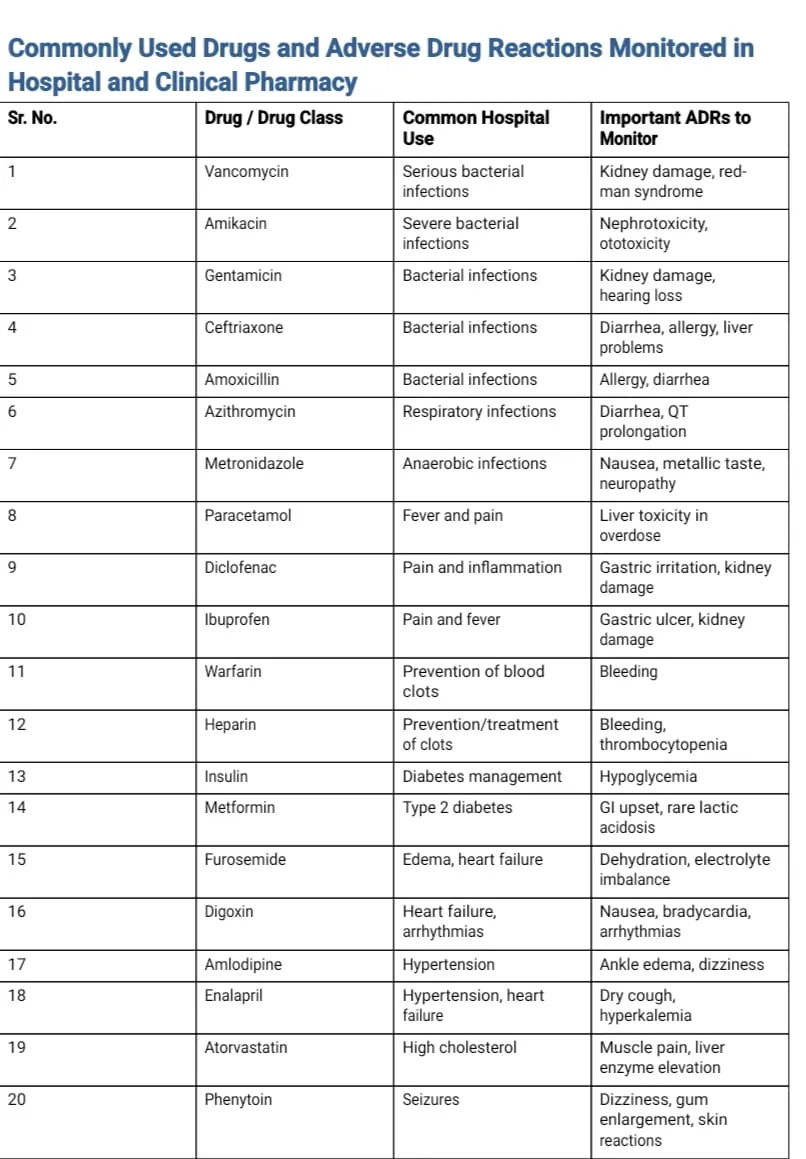
- NEW DRUG APPLICATION AND PHARMACOVIGILANCE –
New Drug Application is a formal application submitted by a pharmaceutical company to a regulatory authority seeking permission to market a new drug.
In the United States, an NDA is submitted to the U.S. Food and Drug AdministrationOther countries use comparable regulatory submissions, although terminology and requirements differ
- Pharmaceutical/quality information
- Non-clinical studies
- Clinical trial results
- Safety data
- Efficacy data
- Proposed labeling
- Manufacturing information
- Risk-management information
- Objectives of an NDA
The major objectives are to establish:
A. Safety
The drug should have an adequately characterized safety profile based on available evidence.
B. Efficacy
There should be sufficient evidence that the drug produces the intended therapeutic effect.
C. Quality
The product should be manufactured consistently according to appropriate quality standards.
D. Benefit–risk balance
The overall evidence should support the proposed use of the drug.
E. Appropriate use
The labeling, dosage, contraindications, warnings and precautions should allow healthcare professionals and patients to use the drug appropriately.
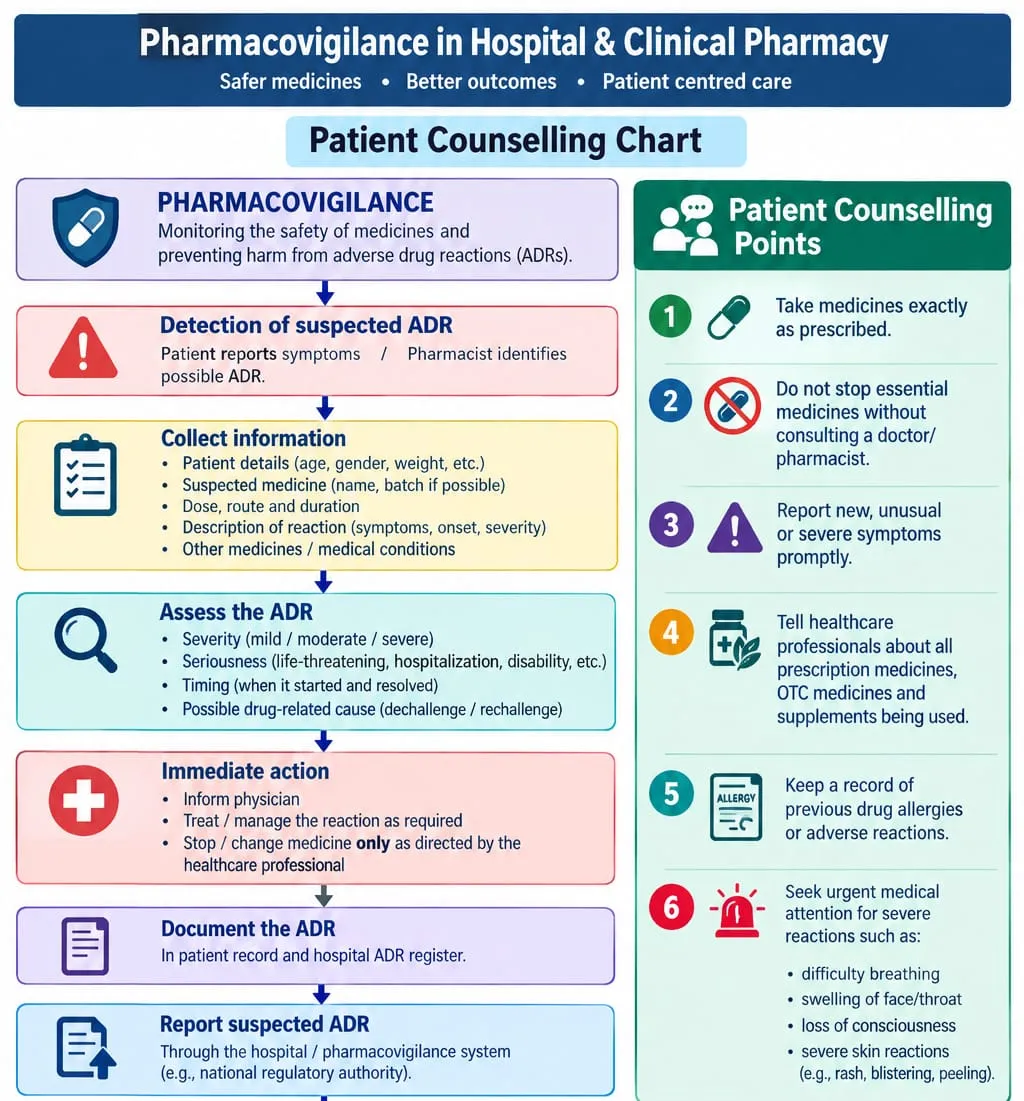
- Methodology of pharmacovigilance in hospital and clinical pharmacy –
Pharmacovigilance is the science and activities concerned with the detection, assessment, understanding, and prevention of adverse effects or other drug-related problems.
1. Detection of adverse drug reactions
- Patient interviews and clinical monitoring
- Review of medical records
- Medication charts and laboratory reports
- Reports from doctors, nurses, pharmacists, and patients
- Monitoring of high-risk medicines
2. Methods of ADR monitoring
A. Spontaneous reporting
- Healthcare professionals or patients voluntarily report suspected ADRs.
- The pharmacist identifies and documents the suspected reaction.
- Reports are submitted to the appropriate pharmacovigilance centre.
- Useful for detecting rare and unexpected ADRs.
B. Active surveillance ADR information is actively sought rather than waiting for reports. Examples:
- Prescription-event monitoring
- Patient follow-up
- Chart review
- Laboratory data monitoring
- Targeted monitoring of specific drugs or diseases
C. Intensive monitoring
Continuous monitoring of selected patients receiving particular medicines.
Particularly useful for newly marketed or high-risk drugs.
D. Cohort studies
A group of patients receiving a particular drug is followed over time.
ADR frequency can be compared with appropriate populations.
E. Case-control studies
Patients with a particular adverse event are compared with controls.
Previous exposure to a suspected drug is investigated.
3. Collection of ADR information
- Important information includes:
- Patient details
- Suspected drug and dose
- Route and duration of treatment
- Description and onset of reaction
- Concomitant medicines
- Relevant medical history
- Laboratory findings
- Dechallenge/rechallenge information
- Outcome of the reaction
4. Causality assessment
The relationship between the drug and ADR is assessed using methods such as:
WHO-UMC causality assessment
Naranjo algorithm
The reaction may be classified as certain, probable/likely, possible, unlikely, etc., depending on the method used.
5. Severity and preventability assessment
- The pharmacist may assess:
- Severity: mild, moderate, severe, or fatal
- Preventability: preventable, probably preventable, or not preventable
6. Documentation and reporting
- Identifies the suspected ADR.
- Documents it in the patient's record.
- Completes an ADR reporting form.
- Reports it to the hospital pharmacovigilance unit/appropriate pharmacovigilance centre.
- Follows up the patient and updates the report when necessary.
7. Evaluation and prevention
- After detecting an ADR, appropriate action may include:
- Discontinuation or modification of the suspected medicine
- Dose adjustment
- Switching to an alternative drug
- Symptomatic treatment
- Patient counselling
- Monitoring for recurrence
- Alerting healthcare professionals when appropriate
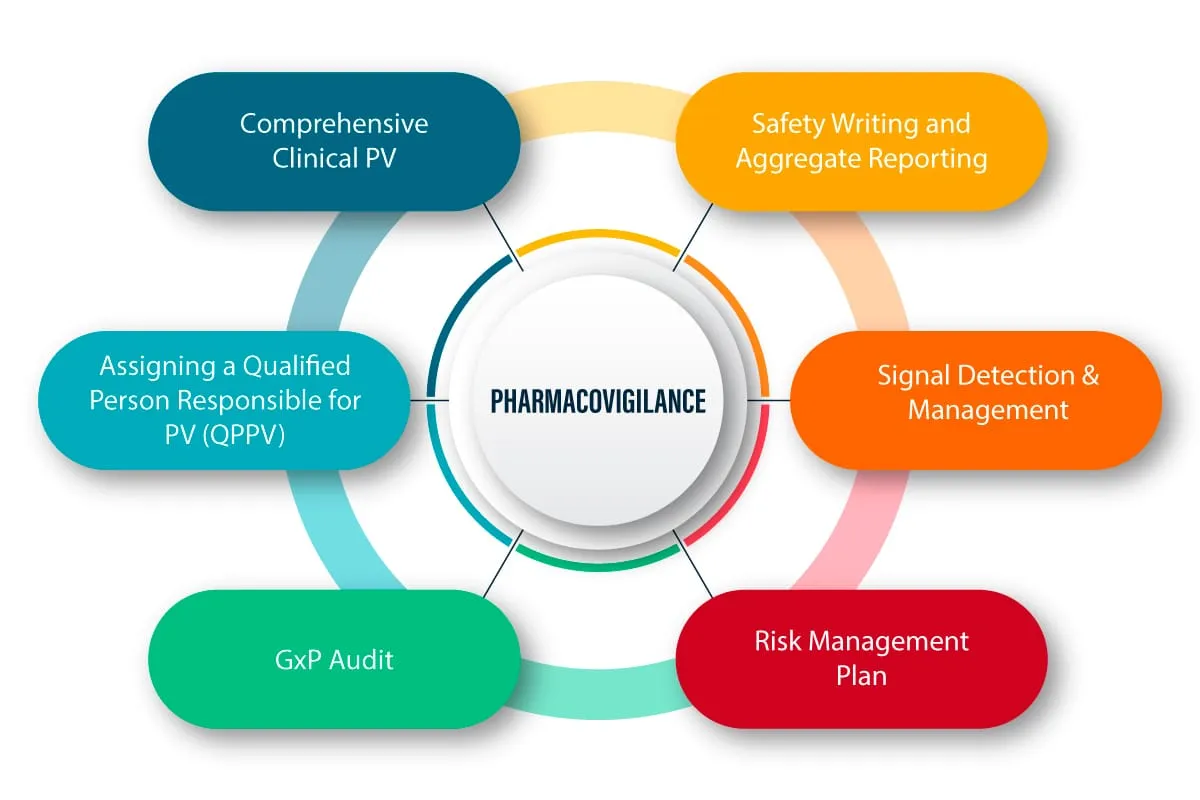
- Importance of Pharmacovigilance in Hospital
- Multiple diseases
- Polypharmacy
- Renal or hepatic impairment
- Complex drug regimens
- Frequent changes in therapy
- Intravenous medications
- High-risk medicines
- Drug-drug interactions
- Drug-food interactions
- Medication administration errors
- Longer exposure to certain medicines
- Greater likelihood of receiving emergency medications
- Pharmacovigilance and Clinical Pharmacy
Clinical pharmacy focuses on optimizing medicine therapy for individual patients, whereas pharmacovigilance focuses strongly on identifying and preventing medicine-related harm at the patient and population levels.
The two disciplines are closely connected.
- Clinical pharmacy activities
- Medication history
- Medication reconciliation
- Prescription review
- Drug-interaction assessment
- Dose optimization
- Therapeutic drug monitoring
- Patient counselling
- Monitoring therapeutic response
- Monitoring adverse effects
- Pharmacovigilance activities
- ADR identification
- ADR documentation
- ADR reporting
- Causality assessment
- Severity assessment
- Signal detection
- Risk assessment
- Risk minimization
- Safety communication
- Role of the Clinical Pharmacist in Pharmacovigilance
The clinical pharmacist can contribute throughout the pharmacovigilance cycle.
- Identification of suspected ADRs
- The pharmacist reviews:
- Patient complaints
- Medication charts
- Laboratory results
- Vital signs
- Drug administration records
- Clinical notes
- Previous ADR history
- Changes after starting or stopping medicines
- Medication History and Medication Reconciliation
- A complete medication history is an important pharmacovigilance activity.
- The pharmacist should document:
- Generic and brand name
- Dose
- Route
- Frequency
- Duration
- Indication
- Start and stop dates
- Previous exposure
- Previous ADRs
- Allergy history
- OTC medicines
- Herbal products
- Supplements
- Detection of Adverse Drug Reactions
- A new symptom occurs after starting a medicine.
- Laboratory values change after drug exposure.
- The reaction improves after withdrawal of the suspected drug.
- The reaction recurs after re-exposure.
- A known pharmacological effect becomes excessive.
- A drug interaction is identified.
- A characteristic clinical syndrome develops.
- Information Required in an ADR Report
- A useful ADR report generally contains four major categories of information.
A. Patient information
- Age
- Sex
- Relevant medical history
- Weight where clinically relevant
- Diagnosis
- Relevant laboratory findings
B. Suspected medicine
- Medicine name
- Dose
- Route
- Frequency
- Start date
- Stop date
- Indication
- Batch/lot information when relevant
- C. Adverse reaction
- Description of reaction
- Date of onset
- Severity
- Outcome
- Treatment provided
- Relevant investigations
D. Reporter information
- Name/profession
- Contact information
- Healthcare institution
- Causality assessment -
Causality assessment attempts to determine how likely it is that a medicine caused a particular adverse event.
- Temporal relationship
- Alternative explanations
- Dechallenge
- Rechallenge
- Dose-response relationship
- Previous knowledge of the reaction
- Objective evidence
- Concomitant medicines
- Patient-specific risk factorste of reporting
- Severity Assessment
- Severity describes the intensity or clinical impact of the reaction.
- A reaction can range from:
- Mild
- Moderate
- Severe
- Pharmacovigilance Methods
- Spontaneous reporting
Healthcare professionals voluntarily report suspected ADRs.
- Advantages:
- Relatively inexpensive
- Useful for rare and unexpected reactions
- Can cover large populations
- Useful for signal generation
- Limitations:
- Under-reporting
- Incomplete reports
- Reporting bias
- Cannot usually provide incidence directly
- Variable quality of information
- Medication Errors and Pharmacovigilance
- Pharmacovigilance is not restricted to classical ADRs.
- Medication errors can occur during:
- Prescribing
- Transcribing
- Dispensing
- Administration
- Monitoring
- Patient use
- Examples:
- Wrong dose
- Wrong medicine
- Wrong patient
- Wrong route
- Duplicate therapy
- Omitted dose
- Incorrect infusion rate
- Role of Hospital Pharmacist
A hospital pharmacist can support pharmacovigilance through:
- Dose
- Frequency
- Route
- Contraindications
- Interactions
- Duplication
- Allergies
- Dispensing
- Ensuring the correct:
- Patient
- Medicine
- Strength
- Dosage form
- Quantity
- Instructions
- Medication monitoring
Monitoring high-risk medicines and identifying possible adverse effects.
Maintaining accurate records of suspected reactions.
Submitting suspected ADRs to the appropriate pharmacovigilance centre.
- Education
- Doctors
- Nurses
- Pharmacists
- Patients
- Pharmacy students
- Clinical Pharmacist in the Pharmacovigilance Committee
- Physicians
- Clinical pharmacists
- Hospital pharmacists
- Nurses
- Microbiologists
- Laboratory professionals
- Hospital administrators
- Pharmacovigilance personnel
- The committee can:
- Review ADR reports
- Review medication errors
- Identify recurrent problems
- Monitor high-risk medicines
- Develop SOPs
- Educate healthcare professionals
- Review prescribing practices
- Recommend risk-reduction strategies
- Monitor implementation
- Provide feedback
- High-Risk Medicines Requiring Close Monitoring
- Anticoagulants
- Insulin
- Opioids
- Antiepileptic drugs
- Chemotherapeutic agents
- Immunosuppressants
- Certain antiarrhythmics
- Aminoglycosides
- Vancomycin
- Digoxin
- Potassium-containing intravenous preparations
CONCLUSION -
Pharmacovigilance is an essential part of hospital and clinical pharmacy that helps to ensure the safe and effective use of medicines. It involves the detection, assessment, documentation, reporting, and prevention of adverse drug reactions and other medicine-related problems. In hospitals, factors such as polypharmacy, drug interactions, high-risk medicines, complex treatment regimens, and medication errors increase the need for continuous medicine-safety monitoring.Clinical and hospital pharmacists play an important role in pharmacovigilance through medication history taking, medication reconciliation, prescription review, ADR identification and reporting, causality and severity assessment, patient counselling, and monitoring of high-risk medicines. Effective communication and collaboration among pharmacists, physicians, nurses, and other healthcare professionals can strengthen pharmacovigilance activities.Overall, an effective pharmacovigilance system helps identify medicine-related risks at an early stage, reduce preventable medication-related harm, promote rational medicine use, and improve patient safety and quality of healthcare. Continuous monitoring, proper documentation, timely reporting, and appropriate preventive actions are therefore important components of safe hospital and clinical pharmacy practice.
REFERENCES
- World Health Organization. Pharmacovigilance: Ensuring the Safe Use of Medicines. Geneva: WHO; 2004. World Health Organization
- World Health Organization. Safety Monitoring of Medicinal Products: Guidelines for Setting Up and Running a Pharmacovigilance Centre. Geneva: WHO; 2000. WHO
- Edwards IR, Aronson JK. Adverse drug reactions: definitions, diagnosis, and management. Lancet. 2000;356 (9237):1255-1259.
- Naranjo CA, Busto U, Sellers EM, et al. A method for estimating the probability of adverse drug reactions. Clinical Pharmacology & Therapeutics. 1981;30 (2):239-245
- PubMedLazarou J, Pomeranz BH, Corey PN. Incidence of adverse drug reactions in hospitalized patients: a meta-analysis of prospective studies. JAMA. 1998;279 (15):1200-1205.
- PubMedBates DW, Cullen DJ, Laird N, et al. Incidence of adverse drug events and potential adverse drug events: implications for prevention. JAMA. 1995;274 (1):29-34.
- PubMedLeape LL, Cullen DJ, Clapp MD, et al. Pharmacist participation on physician rounds and adverse drug events in the intensive care unit. JAMA. 1999;282 (3):267-270.
- PubMedvan Grootheest AC, de Jong-van den Berg LTW. The role of hospital and community pharmacists in pharmacovigilance. Research in Social and Administrative Pharmacy. 2005;1 (1):126-133.
- PubMedMiguel A, Azevedo LF, Araújo M, Pereira AC. Frequency of adverse drug reactions in hospitalized patients: a systematic review and meta-analysis. Pharmacoepidemiology and Drug Safety. 2012.
- PubMedPatel TK, Patel PB. Incidence of adverse drug reactions in Indian hospitals: a systematic review of prospective studies. Current Drug Safety. 2016;11 (2):128-136.
- PubMedKaboli PJ, Hoth AB, McClimon BJ, Schnipper JL. Clinical pharmacists and inpatient medical care: a systematic review. Archives of Internal Medicine. 2006;166 (9):955-964.
- PubMedWorld Health Organization. WHO Pharmacovigilance Guidance and Information. Geneva: WHO. World Health Organization
- Uppsala Monitoring Centre. Documenting Causality Assessments. Uppsala: WHO Collaborating Centre for International Drug Monitoring.
- WHO-UMC SupportIndian Pharmacopoeia Commission. Pharmacovigilance Programme of India (PvPI). Ministry of Health and Family Welfare, Government of India.
- Indian Pharmacopoeia CommissionIndian Pharmacopoeia Commission. ADR Reporting Form and ADR Monitoring Centres under PvPI. Government of India.
- Indian Pharmacopoeia CommissionPrakasam D, et al. Benefits of patient/caregiver engagement in adverse drug reaction reporting compared with other sources of reporting in the inpatient setting: a systematic review. Journal of Patient Safety. 2021;17 (8):e765-e772.
- PubMedDelgado-Pérez G, Dávila-Espinoza C, Beltran-Noblega C. Impact of the role of the clinical pharmacist on the underreporting of adverse drug reactions at a Peruvian hospital. Journal of Pharmacy Practice. 2023;58 (3):295-303.
- PubMedMachado-Alba JE, et al. Hospital medication errors in a pharmacovigilance system in Colombia. Farmacia Hospitalaria. 2015;39 (6):889-899.
- PubMedDsouza VS, Leyens L, Kurian JR, Brand A, Brand H. Artificial intelligence in pharmacovigilance: a systematic review on predicting adverse drug reactions in hospitalized patients. Research in Social and Administrative Pharmacy. 2025;21 (6):453-462.
- PubMedWorld Health Organization. WHO Guidelines on Safety Monitoring of Herbal Medicines in Pharmacovigilance Systems. Geneva: WHO; 2004.


 10.5281/zenodo.23279291