

We use cookies to ensure our website works properly and to personalise your experience. Cookies policy
1Department of Botany, RTM Nagpur University, Nagpur, Maharashtra, India.
2Department of Botany, M.B. Patel College, Sakoli, Dist. Bhandara, MS, India
3Department of Botany, M.B. Patel College, Deori, Dist. Gondia, MS, India
The phylloplane, comprising the exposed surfaces of leaves and other aerial plant organs, represents a dynamic microbial habitat supporting diverse fungal communities. Phylloplane fungi occur as epiphytes, endophytes, saprotrophs, commensals, opportunistic colonizers, and plant pathogens and interact continuously with their host plants under fluctuating environmental conditions. Solanaceae includes economically important crops such as tomato (Solanum lycopersicum), potato (Solanum tuberosum), eggplant (Solanum melongena), and chilli (Capsicum spp.), which are frequently affected by fungal and oomycete diseases. Consequently, understanding their phylloplane mycoflora is important for sustainable crop protection and plant health. Recent culture-independent approaches, particularly internal transcribed spacer (ITS)-based metabarcoding, have substantially expanded the detection of fungal diversity compared with culture-dependent methods. Studies indicate that phyllosphere fungal communities are influenced by host species and genotype, geographical location, leaf age, seasonality, precipitation, temperature, humidity, light, water stress, disease status, and agricultural practices. Investigations of wild tomato species have demonstrated persistent core microbial taxa alongside significant effects of host identity, location, sampling time, and plant health. Beneficial phylloplane fungi may contribute to biological control through competition, antibiosis, mycoparasitism, hydrolytic enzyme production, nutrient limitation, and induction of plant defence responses. Nevertheless, detection of fungal taxa through sequencing does not establish their ecological or functional roles. Future research should integrate standardized sampling, ITS metabarcoding, culture collections, metagenomics, metabolomics, strain-level functional validation, synthetic microbial communities, ecological modelling, and multi-season field experiments. Such integrated approaches can improve understanding of Solanaceae phylloplane ecology and facilitate environmentally sustainable disease management, microbiome engineering, and agricultural biotechnology.
The phyllosphere, defined as the aerial surface of plants, represents one of the largest and most diverse microbial habitats in terrestrial ecosystems. Plant leaves are colonized by complex communities of bacteria, fungi, yeasts, viruses, cyanobacteria, actinobacteria and other microorganisms [1]. These microorganisms are not merely passive inhabitants of the leaf surface; they can influence plant physiology, plant fitness, nutrient cycling, disease development and interactions with the surrounding environment. The composition and functional activity of phyllosphere microorganisms are dynamic and may vary according to host plant identity, geographical location, seasonality and environmental conditions [2].Fungi constitute an important component of the phyllosphere microbiome because they can occupy different ecological niches on leaf surfaces and interact with plants as mutualists, commensals, saprotrophs or pathogens [3]. The leaf environment is characterized by fluctuating temperature, humidity, ultraviolet radiation, limited nutrient availability and intermittent water availability. Therefore, microorganisms inhabiting this environment must tolerate considerable environmental variation. The assembly of phyllosphere communities is influenced by microbial dispersal, environmental selection, interactions among microorganisms and characteristics of the host plant . Recent studies have further emphasized that phyllosphere microbial communities are shaped by both biotic and abiotic factors and that their composition can change across spatial and temporal scales [4] .The Solanaceae family is particularly important for studying phylloplane mycoflora because it includes several economically important vegetable and food crops such as tomato (Solanum lycopersicum), potato (Solanum tuberosum), eggplant (Solanum melongena) and pepper (Capsicum annuum). These crops are cultivated under diverse environmental conditions and are affected by numerous fungal diseases [5]. At the same time, their leaves provide a suitable habitat for diverse epiphytic microorganisms. Understanding the diversity of fungi associated with Solanaceae leaves can therefore provide information about host microbe interactions, disease ecology and the potential use of beneficial microorganisms in crop production.Recent research on tomato has demonstrated that phyllosphere microbial communities can differ considerably among host species and geographical locations [6]. Studies involving wild tomato species from different geographical locations have shown differences in microbial community composition associated with host identity, location, sampling time and plant health. Such findings demonstrate the importance of considering host genotype, environmental conditions and plant health when evaluating tomato associated phyllosphere microorganisms [7] .The origin and development of phyllosphere microorganisms are also influenced by several external sources. Microorganisms can reach leaf surfaces from soil, air and seeds, after which their establishment is affected by ecological and abiotic conditions. Plant-associated microorganisms can interact with leaf tissues and influence leaf functions, plant growth and other aspects of host physiology [8]. Plants, in turn, can influence their associated microorganisms through leaf chemistry, secondary metabolites and immune responses . Host genetics, plant developmental stage, leaf characteristics and environmental conditions can further influence the establishment and structure of phyllosphere microbial communities [9].The study of phylloplane fungi is therefore relevant not only to fungal diversity but also to sustainable agriculture. Some fungi may act as plant pathogens, whereas others may compete with pathogens, contribute to biological control or participate in nutrient related processes. Understanding these different ecological roles can help identify potentially beneficial microorganisms and improve knowledge of natural disease suppressive mechanisms. The phyllosphere microbiome is increasingly being considered an important component of plant health and disease management [10] .Despite increasing interest in phyllosphere microbiology, important knowledge gaps remain regarding the diversity, ecological functions and host specific associations of phylloplane fungi in Solanaceae crops. Many studies have focused on individual crops, specific geographical regions or particular disease systems, while comparative information across major Solanaceae hosts remains comparatively limited. Therefore, systematic assessment of phylloplane mycoflora can contribute to a better understanding of fungal diversity, ecological interactions, plant health and potential applications in sustainable agriculture and environmental monitoring [11].
This review focuses on the diversity, ecology and functional significance of phylloplane mycoflora associated with Solanaceae, with particular emphasis on host associated variation, environmental factors, microbial interactions, beneficial fungi, biological control, methodological approaches and applications in sustainable agriculture and environmental monitoring.
Solanaceous crops provide a useful framework for studying phylloplane ecology because they differ in leaf architecture, trichome density, surface chemistry, growth habit and disease susceptibility. Tomato leaves, for example, are glandular and chemically active surfaces, whereas potato and eggplant have different canopy structures and microclimates. Pepper leaves also support diverse microorganisms and may be affected by agricultural inputs such as foliar sprays [12].
Host genotype is one of the major determinants of phyllosphere community assembly. Differences in leaf nutrients, metabolites, surface structures and immune responses can create distinct niches for microbial colonization. Studies of Solanaceae systems have also shown that disease status can alter microbial communities, making it difficult to separate cause from consequence. A fungal taxon that becomes abundant on diseased leaves may be a pathogen, a secondary colonizer, or a member responding to altered leaf chemistry [13].
Solanaceous crops differ in leaf architecture, trichome density, surface chemistry, canopy structure, growth habit and disease susceptibility. These traits influence microbial attachment and resource availability. Tomato leaves, for example, possess glandular trichomes that create localized microhabitats. Host genotype can alter the chemistry and physical structure of these niches, thereby changing microbial recruitment. Evidence from non Solanaceae systems demonstrates the strength of this effect: Qian et al. detected 1,575 fungal OTUs from Mussaenda pubescens leaves at 97% similarity and found that community composition was significantly structured by host genotype, with less influence from geographic distance [14].
The same principle is relevant to Solanaceae, but disease status must also be considered. Disease lesions can release nutrients, alter pH and moisture, and create new surfaces for colonization. Therefore, an increased abundance of a taxon on symptomatic leaves cannot automatically be interpreted as evidence of pathogenicity. Comparative studies should include healthy controls, disease severity, cultivar information, sampling position and environmental metadata [15].
Fungal communities of leaves commonly include members of Ascomycota and Basidiomycota, together with less abundant or context dependent lineages. Frequently detected genera in phyllosphere studies include Cladosporium, Alternaria, Epicoccum, Aureobasidium, Vishniacozyma and other yeasts or filamentous fungi. The ecological role of a genus cannot be inferred solely from its name because closely related taxa may occupy different trophic niches. Recent molecular approaches have demonstrated that community richness is often greater than suggested by culture based isolation. ITS amplicon sequencing can reveal rare and unculturable taxa and enables comparison of alpha diversity, beta diversity and differential abundance. However, sequencing results depend on primer choice, databases, sampling design and bioinformatic pipelines [16]. Therefore, culture and molecular approaches should be considered complementary.High throughput sequencing has further demonstrated the presence of numerous rare and dominant fungal taxa within individual plant hosts. For example, analysis of the phyllosphere of Mussaenda pubescens identified 1,575 fungal OTUs at 97% sequence similarity. Approximately 76.4% of sequences belonged to Ascomycota, whereas 17.1% belonged to Basidiomycota. Several other fungal lineages were also detected [9]. Interestingly, about 70% of the detected OTUs were represented by fewer than 50 sequences, indicating that phylloplane communities contain a large proportion of low abundance or rare taxa. Fungal community composition was also significantly associated with host genotype, demonstrating that plant genetic characteristics can influence fungal diversity [17]. Overall, the diversity of phylloplane fungi has important ecological and agricultural significance. Some fungi may contribute to nutrient cycling and decomposition, whereas others may act as plant pathogens or opportunistic colonizers. Beneficial and antagonistic fungi can compete with pathogens, produce antimicrobial metabolites or contribute to plant defence. Therefore, characterization of phylloplane fungal diversity, particularly in economically important Solanaceae crops, can provide useful information for understanding plant health, disease development, biological control and sustainable crop production [18].
|
Fungal group / example |
Possible role on Solanaceae leaves Relevance |
Relevance |
|
Cladosporium spp. |
Common epiphytes; saprotrophic or opportunistic associations |
Community structure; possible disease association |
|
Alternaria spp. |
Saprotrophic and pathogenic members |
Leaf spot disease and decomposition |
|
Epicoccum spp. |
Often associated with healthy or diseased foliage |
Potential antagonism and secondary metabolites |
|
Yeasts (e.g., Vishniacozyma) |
Epiphytic colonization |
Competition for nutrients and space |
|
Other Ascomycota/Basidiomycota |
Variable trophic strategies |
Indicators of habitat and host conditions |
Table 1. Representative fungal groups reported from plant phyllospheres and their potential functional relevance. Roles are context dependent and should be confirmed at species or strain level.
Potato provides a particularly relevant system because late blight caused by Phytophthora infestans creates strong selection pressure on foliar microbial communities. Recent sequencing based work on infected potato foliage in Indonesian highlands detected differences in fungal diversity and community composition between sites. Ascomycota dominated the analyzed communities, while the relative representation of other fungal groups differed between locations. The study also demonstrates why site, cultivar and management variables must be interpreted cautiously when inferring ecological causes [19].
The potato microbiome literature increasingly treats the plant as an integrated system that includes rhizosphere, endosphere and phyllosphere compartments. For sustainable disease management, future work should determine whether beneficial leaf associated fungi can be consistently established and whether they reduce pathogen infection under field conditions.Potato phylloplane fungi may therefore have different ecological functions. Pathogenic fungi can contribute to disease development, whereas saprophytic and potentially antagonistic fungi may occupy ecological niches on the leaf surface and interact with pathogens through competition and other microbial interactions [20]. Trichoderma and other fungi isolated from plant associated environments are of particular interest for biological control research, although the presence of a fungal genus on potato leaves alone does not establish its biocontrol activity. Studies of potato associated microorganisms have demonstrated that leaf surfaces can contain microorganisms with strong competitive abilities, supporting further investigation of the potato phylloplane as a potential source of beneficial microorganisms [21] . Overall, available evidence indicates that potato phylloplane mycoflora is a dynamic and functionally diverse microbial community influenced by host characteristics, environmental conditions, disease status and fungicide application. Culture dependent studies provide information about cultivable fungi, whereas ITS based sequencing can reveal a broader spectrum of fungal diversity. Combining both approaches would therefore provide a more comprehensive understanding of potato phylloplane mycoflora and its possible applications in disease monitoring, biological control and sustainable potato production [22] .
Fungicide application is another important factor affecting potato phylloplane mycoflora. Gupta and Singh studied the effects of Ridomil MZ, Blitox 50 and Dithane M 45 on potato phylloplane microflora and reported an initial reduction in microbial populations after fungicide application, followed by subsequent recovery. The three fungicides affected the phylloplane community differently, and some resident fungal species were displaced. These findings indicate that disease management practices may influence not only target pathogens but also non target microorganisms inhabiting potato leaves [23].
Eggplant leaf associated fungal communities can change between asymptomatic and symptomatic tissues. A 2024 study using both culture based and ITS metabarcoding approaches reported predominant Ascomycota and Basidiomycota and identified differences in fungal families and genera between asymptomatic and symptomatic leaf spot samples. Such work supports the view that disease is associated with community restructuring, although observational comparisons do not by themselves establish causality [24].
Pepper phyllosphere research has also demonstrated the presence of diverse fungal ribotypes, including Ascomycota and yeast like Basidiomycota. Earlier pesticide exposure studies showed that systemic chemicals can alter or select components of the leaf associated fungal community. This highlights an important sustainability question: crop protection products may affect non target phyllosphere microorganisms in addition to their intended targets [25].The eggplant study also demonstrated that fungal community structure is associated with plant health status. Seven trophic modes were detected, including pathotroph, saprotroph, symbiotroph and combinations of these modes. The pathotroph saprotroph mode was common, particularly in symptomatic leaves. These findings indicate that disease development may be accompanied by substantial changes in the composition and ecological functions of the leaf associated fungal community [26]. Overall, available evidence indicates that both eggplant and pepper possess diverse leaf associated fungal communities. In eggplant, recent ITS based research provides quantitative evidence of differences between healthy and leaf spot associated communities, whereas pepper studies demonstrate strong representation of Ascomycota and the influence of pesticides, plant developmental stage and environmental pathogen stress. These findings support the importance of studying Solanaceae phylloplane fungi for disease diagnosis, biological control, plant microbe interactions and sustainable crop protection [27].
Humidity and leaf wetness are among the strongest environmental variables influencing fungal survival and growth. Water availability affects spore germination, nutrient diffusion and microbial competition. Temperature influences growth rate and metabolic activity, while ultraviolet radiation creates oxidative and DNA damaging stress. Fungi that persist on exposed leaves may therefore possess pigmentation, protective structures, stress response mechanisms or rapid colonization strategies.Host traits are equally important [28]. Leaf age, cuticle composition, trichomes, stomatal density and exudates influence microbial attachment and resource availability. Plant genotype can select distinct microbial communities. In addition, disease lesions release nutrients and modify local humidity, creating conditions that may favor secondary colonizers [29].Phylloplane fungal communities are dynamic and are influenced by several interacting ecological factors, including host plant identity, leaf characteristics, temperature, humidity, rainfall, seasonality, ultraviolet (UV) radiation, soil and atmospheric conditions, agricultural practices, geographical location and interactions with other microorganisms.Although phylloplane fungi occur on leaves, environmental conditions associated with soil and the surrounding ecosystem can indirectly influence their communities. A study of 231 leaf samples from nine sites found that factors such as aridity, soil conditions, leaf pH and soil organic carbon were associated with variation in phyllosphere fungal communities [30]. The study suggested that broad abiotic environmental conditions can be important drivers of fungal community structure.Fungicide application, irrigation, fertilization and other crop management practices can modify phylloplane fungal communities. Fungicides may reduce sensitive fungal populations and alter community composition, while changes in nutrient and moisture availability can influence fungal establishment. Therefore, agricultural management is an important anthropogenic factor affecting phylloplane fungi .Overall, phylloplane fungal diversity is determined by the combined influence of host plant characteristics, leaf traits, temperature, humidity, rainfall, seasonality, UV radiation, soil and atmospheric conditions, agricultural management and microbial interactions. These factors create a constantly changing microenvironment on leaf surfaces and contribute to differences in fungal richness, abundance and community composition [31].
The phylloplane is a multispecies habitat in which fungi interact with bacteria, yeasts, other fungi, the host plant and abiotic conditions. Interactions may involve competition for carbon sources, spatial exclusion, antibiosis, volatile compounds, hydrolytic enzymes and induction of plant defense [32]. Some microorganisms can occupy the same niche without obvious effects, while others can alter community assembly by changing resource availability. The outcome of an interaction is context dependent. A fungus that behaves as a harmless epiphyte under one environmental condition may become opportunistic under another. Likewise, an antagonist may suppress a pathogen in controlled experiments but fail in the field if humidity, UV radiation, nutrient availability or formulation is unsuitable [33].The leaf surface, or phylloplane, is a dynamic microbial habitat where fungi, bacteria and other microorganisms interact with each other as well as with the host plant. These interactions influence microbial colonization, community composition, pathogen establishment and plant health. Because nutrients and water are often limited on leaf surfaces, microorganisms compete for available resources and suitable colonization sites. At the same time, some microorganisms produce compounds that inhibit competitors or pathogens, while others can indirectly protect the plant by stimulating host defence responses [34]. Microbial interactions on the leaf surface have important applications in biological disease management. Beneficial microorganisms can suppress pathogens through competition, antimicrobial metabolite production, direct inhibition, interference with pathogen communication and stimulation of plant defence. Understanding these mechanisms can help in developing microbiome based and microbial biocontrol strategies for sustainable agriculture . Plant pathogens can modify the microbial community present on leaf surfaces. When a pathogen colonizes or infects a leaf, changes in nutrients, plant metabolites and host defence responses may alter the abundance and composition of resident microorganisms [35]. Therefore, pathogen infection can disturb the existing microbial community and may influence subsequent microbial colonization . Overall, microbial interactions on the leaf surface involve a complex combination of competition, antagonism, mycoparasitism, chemical communication, cooperation and plant mediated interactions [36]. These processes determine which microorganisms successfully colonize the phylloplane and can influence pathogen suppression and plant health. Therefore, understanding microbial interactions is essential for exploiting naturally occurring phylloplane microorganisms in biological control and sustainable crop protection [37] .
The composition of leaf associated microbiota can respond to environmental conditions and anthropogenic pressures. Applied phyllosphere microbiology has proposed biomonitoring approaches that use microbial profiles for early risk detection. Fungi may serve as indicators of habitat conditions, pollutant exposure or plant stress, although reliable biomarker development requires standardized sampling and strong reference datasets [38].
Potential monitoring targets include pesticide exposure, atmospheric deposition, changes in humidity and temperature, and disease risk. Because community composition is influenced by host identity and geography, monitoring programs should compare standardized host plants and sampling locations and include appropriate environmental metadata [39].Phylloplane microorganisms are continuously exposed to atmospheric conditions and therefore can respond to changes in the surrounding environment. Changes in temperature, humidity, atmospheric pollutants, dust, heavy metals, agricultural chemicals and other environmental stresses can influence the abundance, diversity and composition of microorganisms living on leaf surfaces. Because of this environmental sensitivity, phylloplane fungal communities have potential for use in environmental monitoring and phyllobiomonitoring. Fungi in particular have been considered useful environmental bioindicators because of their wide distribution, ecological diversity and sensitivity to environmental changes [40]. Phyllobiomonitoring may contribute to the assessment of air quality changes, agricultural pollution, environmental stress, habitat disturbance and climate related changes. Integration of fungal community data with physicochemical measurements, pollutant concentrations and statistical approaches such as multivariate community analysis can provide a more comprehensive assessment of ecosystem condition. Recent biomonitoring research has demonstrated the value of integrating biological responses with pollutant data and multivariate analyses for environmental risk assessment [41].
Overall, phyllobiomonitoring represents a promising approach in which changes in leaf associated fungal communities are investigated as biological responses to environmental conditions. The combination of fungal diversity analysis, molecular identification, pollutant measurements and ecological data can improve understanding of environmental stress and ecosystem health. However, because phylloplane fungi respond to several interacting factors, their use as environmental indicators requires standardized sampling and interpretation alongside conventional environmental measurements [42] .
A robust study begins with a clearly defined sampling design. Researchers should record host species or cultivar, plant age, disease status, location, weather, management history and sampling time. Leaves should be collected using sterile tools and processed consistently. Surface washing, leaf imprinting, dilution plating and direct microscopy can be used for culture based isolation, while DNA extraction followed by ITS sequencing can characterize broader fungal communities [43] .
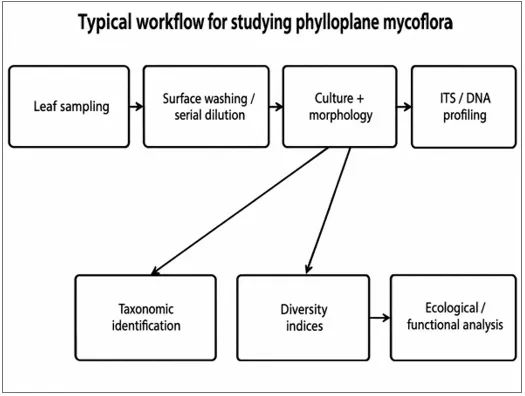
Figure 3. General workflow for investigating phylloplane mycoflora using complementary culture dependent and molecular approaches.
The diversity of Solanaceae phylloplane fungi can be understood through a framework in which dispersal, selection, host filtering, microbial interactions and environmental variation act together [44]. Wind and insects introduce propagules, while the leaf surface filters these organisms through physical and chemical stresses. Established communities then modify the local environment and interact with pathogens and the host [45].The phylloplane fungal communities of Solanaceae crops show considerable ecological variation depending on host plant identity, leaf characteristics, environmental conditions, agricultural practices and plant health status. Tomato, potato, eggplant and pepper provide different leaf habitats and therefore can support different fungal assemblages. Comparative analysis of these crops helps to identify common ecological drivers as well as host specific patterns in phylloplane fungal diversity [46] .
The ecological framework can therefore be represented as:
Host plant identity and genotype
↓
Leaf traits and chemical environment
↓
Environmental factors
(temperature + humidity + rainfall + UV + season)
↓
Agricultural practices and geographical conditions
↓
Microbial colonization and interactions
↓
Phylloplane fungal diversity and community composition
↓
Functional outcomes
(pathogenesis + antagonism + decomposition + plant protection)
↓
Plant health and sustainable crop production
A comparative ecological framework demonstrates that phylloplane fungal communities in Solanaceae are shaped by interactions between host identity, leaf traits, environmental conditions, agricultural management and microbial interactions [47]. Tomato, potato, eggplant and pepper therefore provide useful comparative systems for understanding how fungal communities respond to different ecological conditions [48]. Integrating culture based isolation, microscopy, ITS metabarcoding and ecological analyses can provide a more comprehensive understanding of fungal diversity, function and potential applications in sustainable agriculture [49] .
The conceptual model illustrates the major ecological processes governing fungal communities on the leaves of Solanaceae crops such as tomato, potato, eggplant and pepper [50]. The leaf surface represents a heterogeneous and dynamic habitat where fungi interact with the plant, other microorganisms and the surrounding environment. Fungal colonization is not controlled by a single factor; rather, it results from the interaction of host characteristics, leaf properties, environmental conditions and microbial interactions .The fungal ecology of Solanaceae leaves is governed by a complex network of interactions involving the host plant, environmental conditions and microbial communities. Leaf surfaces represent dynamic microhabitats where fungi continuously colonize, compete and interact with other microorganisms. Because leaf surfaces are exposed to fluctuating environmental conditions, fungal communities remain highly variable in composition and function [51].The establishment of fungal communities begins with the arrival of fungal propagules through air currents, rain splashes, insects, irrigation water and plant to plant contact. However, successful colonization depends on several ecological filters, including leaf surface structure, nutrient availability, cuticular waxes, antimicrobial compounds and environmental conditions. Therefore, fungal diversity on Solanaceae leaves is the result of both dispersal processes and environmental selection
Solanaceae crops such as tomato, potato, eggplant and pepper differ in their leaf morphology, trichome density, stomatal arrangement and chemical composition. These host specific characteristics create different ecological niches that support distinct fungal communities. Comparative studies indicate that host identity can significantly influence fungal richness, abundance and community composition [52].
Microclimatic conditions present on leaf surfaces also influence fungal ecology. Relative humidity, temperature and rainfall affect spore germination, fungal growth and survival. High humidity generally favours fungal colonization, while drought and intense ultraviolet radiation may limit fungal activity. Seasonal changes further influence fungal succession by modifying environmental conditions and plant physiology [53].
Phylloplane fungi perform several ecological functions [54]. Saprotrophic fungi contribute to decomposition of organic materials present on leaf surfaces, while pathogenic fungi can cause foliar diseases. Endophytic fungi may enhance stress tolerance or remain asymptomatic, and antagonistic fungi can suppress pathogens through competition, antimicrobial compounds and mycoparasitism [55]. Thus, fungal communities contain organisms with multiple ecological roles .Interactions among fungi, bacteria and the host plant are important components of fungal ecology [56]. Competition for nutrients and colonization sites determines which microorganisms become dominant. Some microorganisms cooperate through metabolic interactions, while others inhibit competitors through antimicrobial metabolites. These interactions influence community stability and can affect plant health [57].
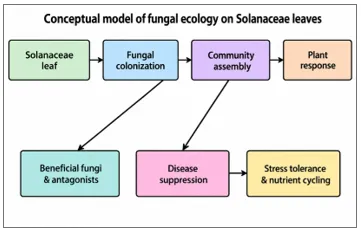
Figure 2. Conceptual model linking Solanaceae host traits, fungal community assembly and plant health outcomes.
|
Application |
How phylloplane mycoflora may contribute |
Current limitation |
|
Biological control |
Antagonism, competition, metabolites and induced resistance |
Field persistence and formulation |
|
Sustainable crop protection |
Potential reduction or complement to chemical inputs |
Need multi season field validation |
|
Environmental monitoring |
Community shifts as indicators of stress or contamination |
Host and climate effects can confound signals |
|
Biodiscovery |
Search for enzymes and bioactive secondary metabolites |
Biodiscovery |
|
Disease forecasting |
Community signatures may associate with disease states |
Association does not prove causality |
Table 2. Potential applications of Solanaceae phylloplane mycoflora and key constraints.
Future research should integrate ITS metabarcoding, shotgun metagenomics, metabolomics and culture collections to connect taxonomy with function [59]. Synthetic communities could be used to test causal interactions under controlled conditions before field deployment. Machine learning approaches may help identify microbial signatures associated with disease or environmental stress, but models require large, well annotated datasets and independent validation [60].For Solanaceae, priority areas include tomato and potato disease systems, eggplant leaf spot complexes, and pepper production under contrasting pesticide regimes. Research should also investigate how climate change, heat stress, altered rainfall and increasing UV exposure may reshape phylloplane fungal communities. The goal should be to move from descriptive lists of fungi toward predictive ecology and validated applications. Although considerable progress has been made in understanding phylloplane fungal diversity, ecology and plant microbe interactions, several important knowledge gaps remain. Compared with below ground plant microbiome research, the phyllosphere remains relatively understudied [61]. A systematic analysis of phyllosphere microbiome research published up to March 2025 identified 268 relevant studies and showed that above ground research remains much less extensive than below ground microbiome research. The same analysis also identified geographical disparities, including relatively few studies from the Southern Hemisphere [62].Overall, future research should focus on standardized sampling, comparative Solanaceae studies, long term monitoring, functional characterization, multi omics integration, microbial interaction studies, SynCom development and field scale validation. These approaches can help transform phylloplane fungal research from descriptive biodiversity studies into functional and application oriented research supporting sustainable agriculture and environmental monitoring [63].
CONCLUSION
Phylloplane mycoflora represents a dynamic component of the Solanaceae plant microbiome with implications for crop health, disease ecology and environmental interactions. Fungal communities are shaped by host traits, climate, agricultural practices and microbial interactions. Culture based studies remain valuable for obtaining living isolates, while ITS based and other molecular approaches reveal a broader diversity of leaf associated fungi. Recent work on tomato, potato and eggplant demonstrates that fungal communities can vary with water stress, disease status and geographic or management context.
The practical potential of phylloplane fungi is considerable, particularly for biological control, sustainable crop protection and environmental monitoring. Nevertheless, community detection alone is insufficient to establish function. Future progress depends on standardized sampling, robust field experiments, strain level characterization and integration of ecological, molecular and functional data. A combined approach can transform phylloplane mycology from descriptive biodiversity research into a foundation for sustainable and environmentally informed agriculture. The study of phylloplane mycoflora in Solanaceae provides an important link between fungal biodiversity, plant health, ecological monitoring and sustainable agriculture.
REFERENCES

Humesh G. Bhoyar1*, Amit A. Jagiya2, Arun K. Zingare3, Phylloplane Mycoflora Of Solanaceae: Diversity, Ecology, And Applications In Sustainable Agriculture And Environmental Monitoring, Int. J. Sci. R. Tech., 2026, 3 (10), 205-218. https://doi.org/10.5281/zenodo.23124775
 10.5281/zenodo.23124775