

We use cookies to ensure our website works properly and to personalise your experience. Cookies policy
DBATU University Lonare Raigad Maharashtra
Premenstrual Syndrome (PMS) is a common condition affecting women of reproductive age and is characterized by physical, emotional and behavioral symptoms occurring during the luteal phase of the menstrual cycle. Herbal formulations have gained increasing attention for the management of PMS due to their safety effectiveness , and reduced adverse effect compared to synthetic medicines. The present study focuses on the preparation and evaluation of a herbal arishta formulation containing Nirgudi, Ginger, and Spearmint for the management of PMS symptoms. The herbal ingredients were selected based on their traditional medicinal properties such as anti-inflammatory, analgesic, antispasmodic, antioxidants, and hormonal balancing activities. The Arishta was prepared by the fermentation method using suitable sweetening and fermenting agents uder controlled conditions. The prepared formulation was evaluated for various physicochemical parameters including pH, specific gravity, alcohol content, viscosity, total solids, microbial load, and organoleptics characteristics such as color, odor and taste. Preliminary phytochemical screening was also carried out to identify the presence of bioactive constituent including flavonoids, alkaloids, tannins, glycoside, and phenolic compound.
Premenstrual syndrome (PMS) is a common gynecological disorder affecting women during the luteal phase of the menstrual cycle. It is characterized by physical, emotional and behavioral symptoms such as abdominal pain, headache, irritability, fatigue, mood swings,
anxiety, breast tenderness and bloating, which usually disappear after the onset of menstruation, Hormonal imbalance, stress , nutritional deficiencies and altered neurotransmitter activity are considered Major contributing factors for PMS. Although conventional therapies such as analgesics, Hormonal preparation, and antidepressants are available, their long term use may produce adverse effect. Therefore, herbal formulations are gaining importance because of their safety, efficacy, affordability and minimal side effects.
In traditional Ayurvedic medicines Arishta preparations are widely as self generated alcoholic fermented formulations prepared from medicinal plants, jaggery or sugar and natural fermenting agents. These preparations improve the extraction of active phytoconstituents and enhance shelf life as well as therapeutic efficacy. Herbal arishta formulations are considered effective due to their rapid absorption and better bioavailability.
The present study focuses on the preparation and evaluation of herbal arishta formulations for the management of PMS using Nirgudi, Ginger, and Spearmint as major ingredients. Nirgudi
(Vitex negundo) is known for its anti-inflammatory, analgesic, and harmone - balancing properties, which help reduce menstrual pain and discomfort. Ginger ( Zingiber officinale) possesses anti- spasmodic, anti- emetic, and anti- inflammatory activities that aid in relieving nausea, cramps, and body pain associated with PMS. Spearmint (MenthaSpicata) is widely used for its cleming, digestive, and mood- enhancing effects, helping to reduce stress, anxiety, and bloating.
The herbal Arishta is prepared by the fermentation process using selected medicinal plant material along with sweetening and fermenting agents under controlled conditions. The prepared formulation is further evaluated for various physicochemical parameters such as pH, specific gravity, alcohol content, viscosity, color, odor, microbial load,and stability studies to equality, safety, and effectiveness.
The aim of this study is to develop a safe and effective herbal arishta formulation for PMS and to scientifically evaluates it's pharmaceutical and therapeutic potential using Shri Ganpati Institute of Pharmaceutical Sciences and Research tembhurni.
3. Objective
4. Review of Literature
4.1. Pre menstrual syndrome (PMS)
Pre menstrual syndrome (PMS) is a condition characterized by physical, emotional, and behavioral symptoms during the luteal phase of the menstrual cycle. Oxidative stress, inflammation, and prostaglandins imbalance are major factors involved in PMS Natural compounds with antioxidants and anti- inflammatory properties May help relieve symptoms by reducing pain, inflammation and mood disturbances.
4.2. Nirgudi ( Vitex negundo)
Nirgudi is widely used in ayurveda for menstrual disorders and reproductive health. It possesses anti- inflammatory, analgesic, and mild harmone- regulating properties. Studies indicate it's potential in reducing menstrual pain and discomfort. However, direct clinical studies on Vitex negundo for PMS are limited, and most evidence is based on related species and pre clinical research.
4.3. Ginger (Zingiber officinale)
Ginger is one of the most scientifically supported herbs for PMS management. Clinical studies have shown that ginger significantly reduces physical, emotional, and behavioral symptoms of PMS. Its activity is mainly due to inhibition of prostaglandin synthesis through cyclo oxygenase and lipo oxygenase pathways. Ginger also exhibits antioxidant, anti- inflammatory, and analgesic effect with good safety and tolerability.
4.4. Spearmint (MenthaSpicata)
Spearmint is known for its anti- androgenic, antioxidant, and anti-inflammatory properties. Studies in women with harmonal imbalance and PCOS showed reduced testosterone levels and improved harmonal profile after spearmint consumption. Its phytoconstituents may help regulate menstrual irregularities and support harmonal balance, making it beneficial in PMS management.
5. Plant profile
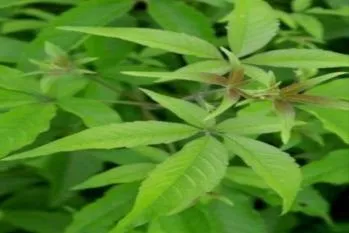
5.1. Nirgudi
Common name - Nirgudi
Biological name - Vitex negundo Family - Lamiaceae
Biological source - Nirgudi consists of the fresh and dried leaves, root, bark, and seeds of Vitex negundo .
Chemical constituents-- Flavonoids, Alkaloids, Glycoside, Tannins, Essential oils, and Terpenoids Medicinal Uses -
1. Anti- inflammatory Activity -
Used in arthritis, joint pain, swelling, and muscular pain.
2. Analgesic (pain reliever)
Helps reduce headache, body ache,and rheumatic pain.
3. Antipyretic
Traditionally used to reduce fever.
4. Respiratory disorders
Useful in cough, asthma, cold, and bronchitis.
5. Gynecological uses
Used in some Ayurvedic preparations for menstrual disorders and premenstrual symptoms.
6. Nervous disorders
Traditionally used for stress and nervous weekness.
5.2. Ginger
Common name - Adark, sunth
Biological name - Zingiber officinale
Family - zingiberaceae
Biological source - Ginger consists of the dried or fresh rhizomes ( underground stem ) of Zingiber officinale.
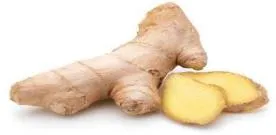
Chemical constituents- Gingerol, Shogaol, Zingerone, volatile oil, Resins and starch
Uses of Ginger
1. Medicinal uses -
â— Used as a carminative
â— Used as a antiemetic
â— Helpful in indigestion and stomach discomfort
â— Used in cough and cold preparation
2. Pharmaceutical uses -
â— Flavouring agent in formulation
â— Ingredient in herbal syrup andarishta preparation.
â— Used in Ayurvedic and herbal medicine.
5.3. Spearmint
Common name - puthina
Biological name - MenthaSpicata Family - Lamiaceae
Biological source - spearmint consists of the fresh or dried leaves and flowering tops of the MenthaSpicata.
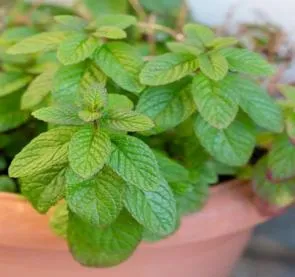
Chemical constituents - Limonene, Methone, Flavonoids, Rosmarinic acid, and Tannins.
Uses of Spearmint
1. Medicinal uses
â— Used as a carminative to relieve flatulence and indigestion.
â— Helps in nausea and stomach discomfort.
â— Used for common cold and cough preparation.
â— Used in stress relief and relaxation.
2. Pharmaceutical uses
â— Flavouring agent in syrup, toothpaste, mouthwash, and chewing gum.
â— Ingredient in herbal formulations and herbal teas.
â— Used in aromatherapy preparation.
5.4. Dhataki flower
Common name - Dhataki
Biological name – woodfordiafruticosa
Family - Lythraceae
Biological source - Dhataki consists of the dried flower of woodfordia friticosa.
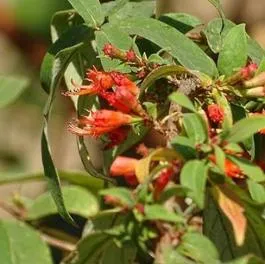
Chemical constituents - Tannins, Flavonoids, Glycoside, Anthraquinone, phenolic compounds.
Uses of Dhataki
â— Used as a fermenting agent in Ayurvedic preparations such as Arishta and Asava.
â— Helps in menstrual disorders and excessive bleeding.
â— Possesses astringent property.
Used in treatment of:
â— Diarrhea
â— Disentry
â— Leucorrhea
â— Ulcers
â— Shows anti-inflammatory and antimicrobial activity.
â— Used in traditional medicine for wound healing.
6. Material and Methods
6.1. Materials
Plant Material
1. Nirgudi leaves (vitex negundo) fresh and healthy
2. Ginger (Zingiber officinale) cleaned and peeled
3. Spearmint (MenthaSpicata) Fresh
Other Ingredient
1. Jaggery (gur) or sugar - as a fermentation substrate
2. Water - purified or distilled
3. Dhataki flower (woodfordiafruticosa) - Natural fermenting agent.
Chemicals and Reagent
1. pH buffer solution
2. Distilled water
3. Reagent for alcohol estimation
Equipment
1. Weighing balance
2. Grinder
3. Formulation vessel (glass / earthen container with airtight lid)
4. Measuring cylinder and meter
5. pH meter
6. Hydrometer or alcohol meter
7. Glass bottles for storage
6.2. Methods
Collection and Authentication
1. Fresh plant material (Nirgudi, Ginger, and Spearmint) are collected from reliable sources and authenticated by a botanist or Pharmacognosy department.
2. Materials are washed thoroughly to remove dirt and impurities.
Ingredient with Quantity
1. Nirgudi leaves - 100g. (Coarsely powered)
2. Ginger - 50g. (Crushed)
3. Spearmint leaves - 50g. (Coarsely powered)
4. Jaggery - 500g.
5. Water - 4 liters
6. Dhataki flower - 25g.
3. Preparation of Decoction
1. Mix Nirgudi, Ginger, and Spearmint with 4 liters of water.
2. Boil gently until the volume reduces to approximately 1 litre (1/ 4th).
3. Allow it to cool and filter through muslin cloth.
Fermentation in Earthen pot
1. Transfer the cooled decoction into the earthen pot.
2. Add jaggery and stir until completely dissolved.
3. Add Dhataki flower to initiate fermentation.
4. Mix properly using a clean wooden stirrer.
Sealing and fermentation
1. Cover the mouth of the pot with a clean cloth.
2. Seal tightly using clay - smeared cloth to make it airtight.
3. Keep the pot in a warm place ( 25-30°C), away from direct sunlight.
4. Allow fermentation for 15 - 30 days without disturbance.
Observation during fermentation:
1. Development of mild alcoholic smell.
2. Formation of gas bubbles initially.
3. Settling of solid particles at the bottom.
4. Clear supernatant liquid formation.
Filtration and Collection
1. After fermentation, open the pot carefully.
2. Filter the liquid using muslin cloth.
3. Collect the clear Arishta and discard residue.
Storage

Evaluation parameters
Organoleptic Characteristics
1. Color - Dark Amber
2. Odor - Aromatic Fermented
3. Taste - sweetsour 4.Appearance - clear
Physicochemical parameters
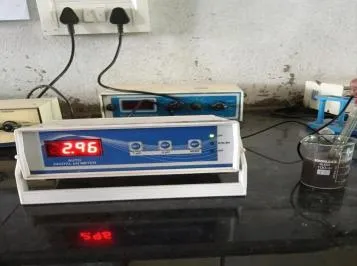

2. Specific gravity - 1.04
3. Clevenger Apparatus

Density bottle
4. Alcohol content (by specific gravity method) - 4.5%
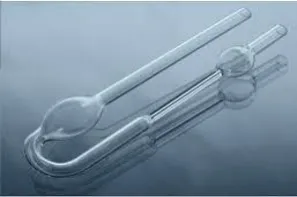
5. Viscosity
CONCLUSION
The herbal arishta formulated from Vitex negundo (Nirgudi), Zingiber officinale (Ginger), and Mentha Spicata (Spearmint) was successfully prepared using traditional fermentation
(sadhana Kalpana). Organoleptic, physicochemical, and phytochemical evaluations confirmed the stability, safety, and presence of active constituent such as flavonoids, alkaloids, tannins, and essential oil. The finished formulation exhibited significant in- vitro anti-inflammatory, antioxidant, and harmone - modulating potential. These findings suggest that the polyherbal Arishta may offer a safe, natural, and effective alternative for managing key symptoms of premenstrual syndrome (PMS), including moodswings, pain, and harmonal imbalance. Further in- vivo and clinical studies are recommended to establish it's therapeutic efficacy and dosage.
The prepared Nirgudi - Ginger - spearmint arishta is a pharmaceuticallystable, phyrochemically rich, and therapeutically promising herbal formulations for pre menstrual syndrome. It aligns with traditional Ayurvedic principles while offering a modern, natural approach to women health. With further clinical validation, it can serve as a cost - effective, safe alternative to synthetic drugs like NSIDs or harmonal pills for PMS management.
REFERENCES

Ankita B. Chatte, Rupali K. Bagwale*, Preparation And Evaluation Of Herbal Arishta For Pre-Menstrual Syndrome, Int. J. Sci. R. Tech., 2026, 3 (6), 1684-1691. https://doi.org/10.5281/zenodo.21033589
 10.5281/zenodo.21033589