

We use cookies to ensure our website works properly and to personalise your experience. Cookies policy
Satavahana University College of Engineering, Husnabad, Telangana, India.
Heterocyclic compounds play a significant role in modern drug discovery because their structural diversity and tunable physicochemical properties support the development of therapeutic agents with diverse biological activities. These compounds contain one or more heteroatoms, such as nitrogen, oxygen, or sulfur, within their ring structures and are widely investigated for antimicrobial, anticancer, antiviral, antifungal, and other pharmacological applications. This review examines recent advances in heterocyclic compound synthesis, their physicochemical properties, biological applications, and significance in medicinal chemistry. Relevant literature published primarily between 2020 and 2025 was considered through a structured narrative review of research articles and reviews addressing heterocycle synthesis, structure–activity relationships (SAR), molecular optimization, and computational drug discovery. Particular attention is given to synthetic approaches, including multicomponent reactions, catalytic methods, microwave-assisted synthesis, mechanochemical techniques, and environmentally sustainable strategies. The review also discusses how substituent modification, bioisosteric replacement, molecular docking, quantitative structure–activity relationship modelling, and artificial intelligence can support lead identification and optimization. Despite substantial progress, challenges remain in improving selectivity, solubility, bioavailability, safety, synthetic scalability, and environmental sustainability. Overall, integrating innovative synthetic chemistry with computational modelling and experimental biological validation may accelerate the discovery of safer and more effective heterocyclic drug candidates.
1.1 Background of Heterocyclic Compounds
Heterocyclic compounds are cyclic organic molecules containing at least one heteroatom, such as nitrogen (N), oxygen (O), or sulfur (S), within their ring structure. These compounds are classified according to ring size, heteroatom composition, and molecular architecture. Common examples include pyridine, imidazole, indole, furan, thiophene, quinoline, and thiazole. Their structural diversity and distinctive electronic properties make them important building blocks in pharmaceutical and medicinal chemistry. Heterocyclic scaffolds are frequently incorporated into drug molecules because they can influence molecular polarity, hydrogen bonding, solubility, and interactions with biological targets (Heravi & Zadsirjan, 2020; Pibiri, 2024).
1.2 Importance in Drug Discovery
Heterocyclic compounds contribute significantly to the development of therapeutic agents against bacterial, viral, fungal, inflammatory, and cancer-related diseases. Nitrogen-containing heterocycles, in particular, are widely represented in medicinal chemistry because their basicity and hydrogen-bonding characteristics can support interactions with enzymes, receptors, and other biological macromolecules. Oxygen- and sulfur-containing rings also provide opportunities to modify molecular reactivity, lipophilicity, and biological activity. Furthermore, heterocyclic scaffolds facilitate structural optimization, enabling researchers to investigate relationships between molecular structure and pharmacological performance (Hossain et al., 2024; Rusu et al., 2023).
1.3 Research Problem and Objectives
Despite considerable progress, developing effective heterocycle-based drugs remains challenging because of inadequate potency, poor selectivity, toxicity, limited aqueous solubility, and unfavorable pharmacokinetic properties. Conventional synthetic procedures may also involve hazardous reagents, costly catalysts, or inefficient purification steps. Therefore, integrating innovative synthesis techniques with physicochemical evaluation and biological testing is essential for improving drug discovery.
This review aims to examine recent advances in heterocyclic compound synthesis, evaluate their physicochemical properties, summarize their major therapeutic applications, and identify emerging research trends. It also discusses the challenges associated with molecular optimization and highlights future opportunities involving sustainable chemistry, computational drug design, and experimental validation.
2. Related Work
2.1 Classification of Heterocyclic Compounds
Heterocyclic compounds are classified according to their ring structure, heteroatom composition, and degree of saturation. Nitrogen-containing heterocycles, including pyridine, pyrimidine, imidazole, indole, and triazole, are widely investigated because of their diverse chemical properties and pharmaceutical relevance. Oxygen-containing heterocycles, such as furan and benzofuran, provide structural frameworks for developing bioactive molecules. Similarly, sulfur-containing heterocycles, including thiophene and thiazole, are important in medicinal chemistry. Fused heterocycles, such as quinoline and quinazoline, offer additional opportunities for molecular modification and target-specific drug design (Fig. 1.). Heravi and Zadsirjan (2020) highlighted the widespread presence of nitrogen heterocycles in prescribed drugs, demonstrating their importance in pharmaceutical development.
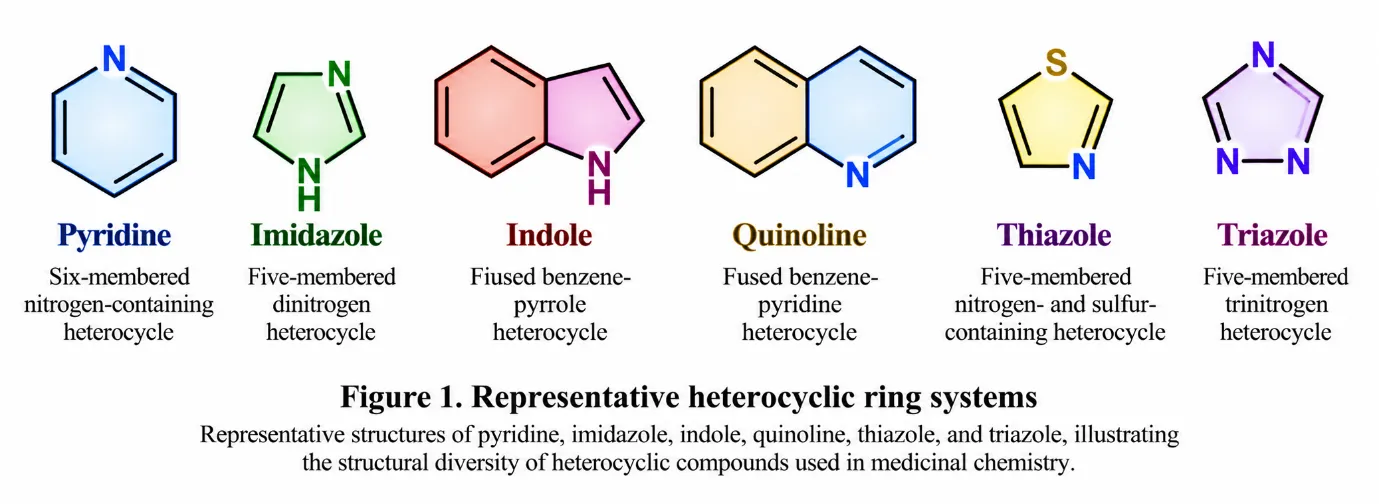
Figure 1: Representative Heterocyclic Ring Systems
Figure 1 illustrates six representative heterocyclic compounds: pyridine, imidazole, indole, quinoline, thiazole, and triazole. These structures contain nitrogen and/or sulfur atoms and serve as important scaffolds in medicinal chemistry and drug discovery.
2.2 Recent Advances in Heterocycle Synthesis
Recent advances in synthetic organic chemistry have expanded the methods available for preparing structurally diverse heterocyclic compounds. Multicomponent and one-pot reactions enable the construction of complex molecules through fewer reaction and purification steps. Transition-metal-catalyzed reactions facilitate selective bond formation and the functionalization of heterocyclic frameworks. Microwave-assisted synthesis can reduce reaction times in suitable chemical systems, whereas mechanochemical methods offer opportunities to minimize solvent consumption. Visible-light-mediated reactions have also attracted interest because they enable transformations under comparatively mild conditions. Sivaraj et al. (2025) reviewed emerging non-conventional approaches for synthesizing nitrogen-containing heterocycles, emphasizing their synthetic versatility. Mukherjee et al. (2025) examined advances in fluorinated heterocycle synthesis and their pharmaceutical relevance. Collectively, these developments support research into more efficient, selective, and environmentally responsible synthetic strategies.
2.3 Therapeutic Applications
Heterocyclic scaffolds are investigated across several therapeutic areas. Nitrogen-containing rings are important in antimicrobial and antiviral drug research, while imidazole and triazole derivatives have significant applications in antifungal drug development. Quinoline and related fused heterocycles have been explored for antimalarial and antimicrobial activities. Indole, quinazoline, and other heterocyclic frameworks are also investigated in anticancer research, including the development of compounds targeting specific enzymes and cellular signalling pathways. In addition, heterocyclic derivatives have applications in anti-inflammatory research and the development of compounds targeting neurological disorders. Hossain et al. (2024) reviewed heterocyclic molecules used in cancer treatment, while Rusu et al. (2023) discussed the importance of five-membered heterocycles in antibacterial drugs. However, therapeutic activity depends on the complete molecular structure and must be established through appropriate biological testing.
2.4 Research Gap
Although previous studies have extensively examined heterocycle synthesis, molecular properties, and therapeutic activities, these aspects are not always integrated into a unified assessment of drug-discovery potential. Improvements in synthetic efficiency do not necessarily produce compounds with superior biological activity, safety, or pharmacokinetic characteristics. Similarly, promising computational predictions require experimental validation. Therefore, further research should connect sustainable synthesis, physicochemical characterization, structure–activity relationship analysis, and biological evaluation. This review addresses these interconnected dimensions and identifies opportunities to improve the safety, selectivity, scalability, and clinical translation of heterocycle-based drug candidates.
METHODOLOGY
3.1 Literature Search Strategy
A structured narrative literature review approach was adopted to examine recent advances in heterocyclic compounds for drug discovery. Relevant scientific literature was considered from PubMed, Scopus, Web of Science, ScienceDirect, and Google Scholar. The search focused primarily on publications from 2020 to 2025, while foundational studies were included where necessary to explain established concepts in medicinal chemistry and drug development. The review aimed to identify research addressing heterocyclic synthesis, physicochemical properties, biological activities, and pharmaceutical applications.
3.2 Search Keywords
The literature search used combinations of the following keywords: “heterocyclic compounds and drug discovery,” “heterocycle synthesis and medicinal chemistry,” “heterocyclic scaffolds and biological activity,” “green synthesis of heterocycles,” and “fluorinated heterocycles and pharmaceuticals.” Related terms covering antimicrobial agents, anticancer compounds, structure–activity relationships, and computational drug design were also considered to identify relevant research across different therapeutic areas.
3.3 Inclusion and Exclusion Criteria
Peer-reviewed research articles and review papers relevant to heterocyclic chemistry and pharmaceutical development were considered for inclusion. Priority was given to studies reporting synthetic procedures, structural characterization, physicochemical properties, biological assays, or drug-development applications. Foundational publications were retained when they provided essential information about established chemical principles. Duplicate publications, unrelated studies, and articles lacking sufficient methodological information were excluded from the review.
3.4 Data Extraction and Analysis
Relevant information was organized according to heterocyclic scaffold, synthesis method, physicochemical characteristics, reported biological activity, therapeutic application, and study limitations. The findings were compared qualitatively to identify recurring research trends, methodological advantages, and unresolved challenges. Particular attention was given to the relationship between molecular structure, synthetic efficiency, and pharmaceutical potential (Fig 2).
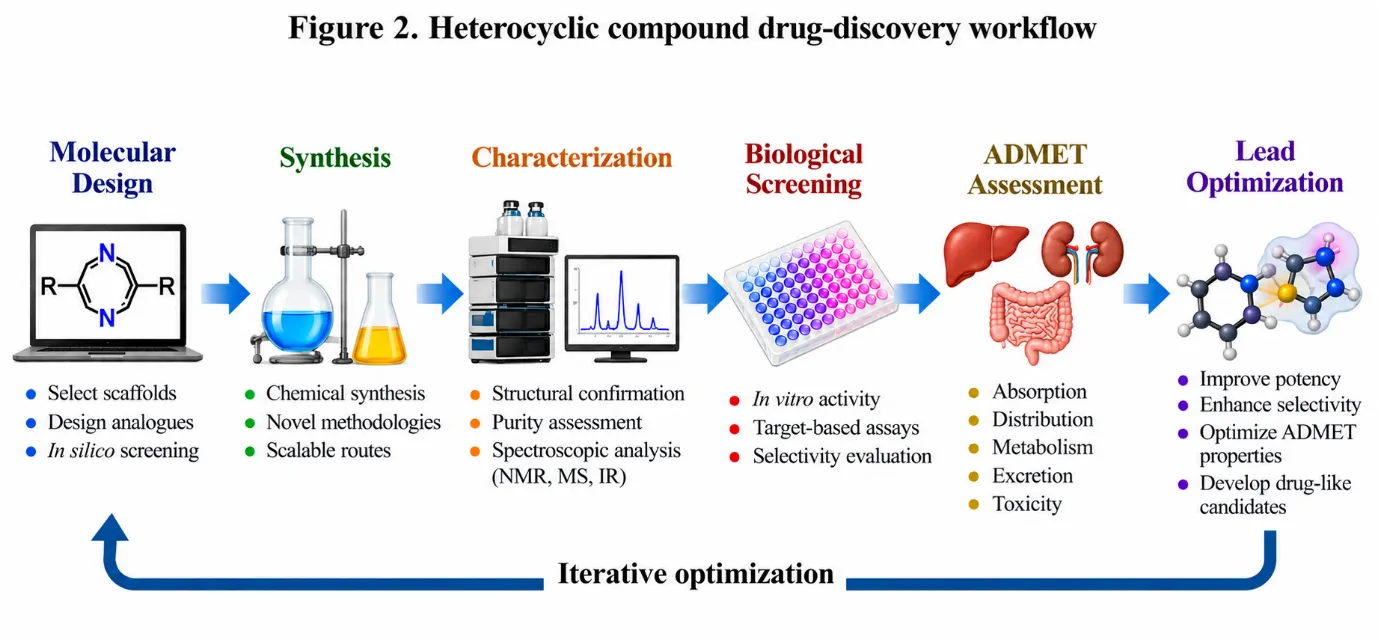
Figure 2: Heterocyclic Compound Drug-Discovery Workflow
Figure 2 illustrates the drug-discovery workflow, from molecular design and synthesis to characterization, biological screening, ADMET assessment, and lead optimization. The iterative process aims to improve the potency, selectivity, safety, and drug-like properties of heterocyclic compounds.
4. Results and Review Findings
4.1 Trends in Heterocycle Synthesis
The reviewed literature highlights growing interest in catalytic, one-pot, multicomponent, and sustainable methods for synthesizing heterocyclic compounds. Multicomponent reactions can produce structurally diverse molecules with fewer reaction steps, while transition-metal catalysis facilitates selective bond formation and functionalization. Microwave-assisted and mechanochemical techniques offer potential advantages in reaction time and solvent consumption, respectively. Visible-light-mediated synthesis also enables transformations under suitable photochemical conditions. However, their effectiveness depends on the substrate, reaction mechanism, catalyst, and scalability (Kushwaha et al., 2024; Sivaraj et al., 2025).
4.2 Physicochemical Properties
Physicochemical properties strongly influence the suitability of heterocyclic compounds for pharmaceutical development. Molecular weight, lipophilicity, aqueous solubility, membrane permeability, hydrogen-bonding capacity, and metabolic stability affect absorption, distribution, and interactions with biological targets. Introducing nitrogen, oxygen, or sulfur into a molecular ring can alter its electronic distribution and polarity. However, improvements in one property may adversely affect another.
The partition coefficient describes the distribution of a neutral compound between octanol and water:
logP=log10(Coctanol/Cwater)
Here, Coctanol and Cwater represent the equilibrium concentrations of the compound in the respective phases. Higher logP generally indicates greater lipophilicity, whereas lower values indicate greater preference for the aqueous phase. For ionizable compounds, the pH-dependent distribution coefficient, log D, is often more appropriate (Lipinski et al., 1997).
4.3 Biological and Pharmaceutical Applications
Heterocyclic scaffolds are investigated across diverse therapeutic areas. Their biological activity depends on the complete molecular structure, substituent positions, physicochemical characteristics, and interactions with biological targets.
Table 1: Representative Heterocyclic Scaffolds and Pharmaceutical Applications
| Scaffold | Major application areas |
|---|---|
| Pyridine | Antimicrobial and targeted drug research |
| Imidazole | Antifungal and antimicrobial research |
| Indole | Anticancer and neurological research |
| Quinoline | Antimalarial and antimicrobial research |
| Thiazole | Antibacterial and anticancer research |
| Triazole | Antifungal and other therapeutic research |
Source: Adapted conceptually from Heravi and Zadsirjan (2020), Hossain et al. (2024), and Rusu et al. (2023).
4.4 Comparison of Synthetic Methods
Table 2: Advantages and Limitations of Selected Heterocycle Synthesis Methods
| Method | Potential advantage | Limitation |
|---|---|---|
| Multicomponent reactions | Structural diversity and fewer reaction steps | Competing reactions may occur |
| Metal catalysis | Selective bond formation | Catalyst cost and residual metals |
| Microwave synthesis | Potentially shorter reaction times | Scale-up and equipment constraints |
| Mechanochemistry | Potential reduction in solvent use | Reaction-dependent reproducibility |
| Photochemical synthesis | Access to alternative reaction pathways | Light penetration and catalyst requirements |
Source: Qualitative synthesis of considerations discussed by Kushwaha et al. (2024) and Sivaraj et al. (2025).
Overall, the literature suggests that no single synthesis method is optimal for every heterocyclic scaffold. Method selection should consider reaction yield, selectivity, purity, safety, energy consumption, and scalability. Likewise, pharmaceutical potential must be assessed through physicochemical characterization and biological validation rather than inferred from the presence of a particular heterocyclic ring alone.
DISCUSSION
5.1 Structure–Activity Relationships
Structure–activity relationship (SAR) analysis is essential for understanding how chemical modifications influence the biological activity of heterocyclic compounds. Ring size, heteroatom position, aromaticity, and substituent distribution can affect molecular conformation, electronic properties, and interactions with biological targets. Substituents may improve binding affinity or selectivity, but their effects depend on the target and the surrounding molecular structure. Therefore, systematic structural modification and biological testing are necessary to identify promising drug candidates (Heravi & Zadsirjan, 2020; Rusu et al., 2023).
5.2 Molecular Optimization
Molecular optimization aims to improve potency, selectivity, solubility, permeability, and metabolic stability. Fluorination can modify molecular lipophilicity, acidity, and susceptibility to metabolic transformation, although these effects are structure-dependent. Bioisosteric replacement provides another strategy for modifying molecular properties while retaining important biological interactions. Such approaches should be evaluated using experimental measurements rather than assuming that a particular substitution will necessarily improve pharmaceutical performance (Mukherjee et al., 2025; Subbaiah & Meanwell, 2021).
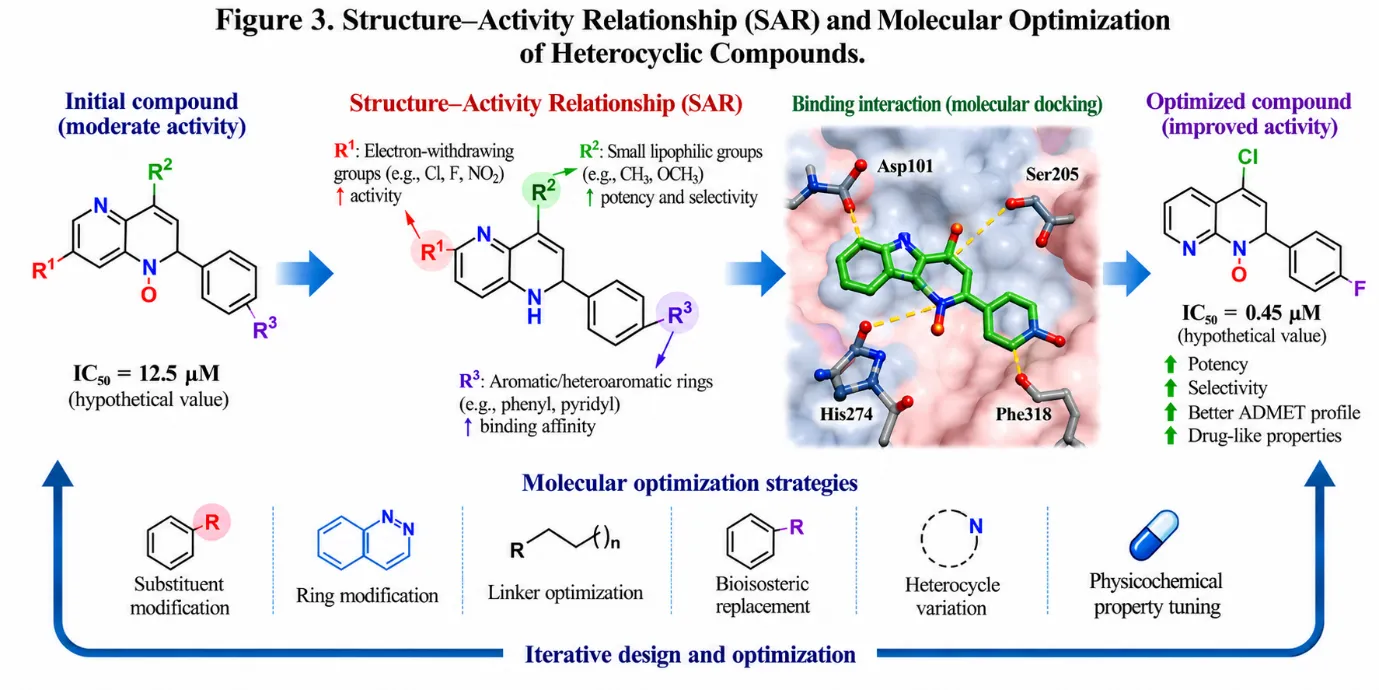
Figure 3: Structure Activity Relationship (SAR) and Molecular Optimization of Heterocyclic Compounds.
Figure 3 illustrates how structural modifications to a heterocyclic compound can influence biological activity and support lead optimization. Changes in substituent groups and molecular interactions may improve potency, selectivity, and drug-like properties during drug discovery.
5.3 Computational Drug Discovery
Computational approaches increasingly support heterocycle-based drug discovery. Molecular docking estimates potential ligand–target binding poses, while molecular dynamics simulations investigate the behavior and stability of molecular complexes over time. Quantitative structure–activity relationship (QSAR) models identify associations between molecular descriptors and biological activity. Artificial intelligence and machine learning can further assist compound screening and prioritization. Nevertheless, predictions depend on data quality, model validation, and the applicability of the training data to new compounds. Computational findings should therefore be confirmed through appropriate experimental studies.
5.4 Challenges and Limitations
Several challenges continue to restrict the development of heterocyclic drug candidates. Unwanted toxicity and off-target effects can limit therapeutic usefulness, while antimicrobial resistance complicates the development of effective anti-infective agents. Poor aqueous solubility, inadequate permeability, and unfavorable metabolic stability can also reduce bioavailability. In addition, costly catalysts, hazardous reagents, complex purification, and difficulties in scaling laboratory procedures may affect manufacturing feasibility. Importantly, strong in-vitro activity does not guarantee clinical efficacy because drug performance also depends on pharmacokinetics, safety, dosage, and biological complexity.
5.5 Research Implications
Future research should integrate computational predictions with synthesis, structural characterization, biological assays, and pharmacokinetic evaluation. Researchers should also develop reproducible synthetic protocols that document reaction conditions, yields, purity, and environmental considerations. Combining molecular optimization with sustainable chemistry and rigorous experimental validation may improve the identification of safer, more selective, and developable heterocyclic drug candidates.
6. Conclusion and Future Work
6.1 Conclusion
Heterocyclic compounds play a significant role in modern drug discovery because their structural diversity and physicochemical properties support the development of therapeutically relevant molecules. Nitrogen-, oxygen-, and sulfur-containing scaffolds are widely investigated for antibacterial, antiviral, antifungal, anticancer, and anti-inflammatory applications. Advances in catalytic reactions, multicomponent synthesis, fluorination, and sustainable chemistry have expanded the possibilities for preparing and modifying heterocyclic structures. Furthermore, structure–activity relationship analysis and computational methods support the optimization of molecular potency, selectivity, and drug-like properties. However, toxicity, poor solubility, antimicrobial resistance, and limitations in translating laboratory findings into clinical outcomes remain important challenges.
6.2 Future Work
Future research should prioritize environmentally sustainable and scalable synthesis methods that reduce hazardous reagents, solvent consumption, and energy requirements. Artificial intelligence and machine learning may accelerate molecular design and candidate selection when supported by reliable data and rigorous validation. Further investigation is also needed to improve safety, bioavailability, metabolic stability, and target selectivity. Predicted biological activities should be confirmed through reproducible laboratory experiments, followed by appropriate pharmacokinetic and toxicological evaluations. Integrating medicinal chemistry, computational modelling, pharmacology, and pharmaceutical development will be essential for translating promising heterocyclic compounds into effective and safe therapeutic agents.
REFERENCES

Dr. B. Sunitha, Recent Advances in Heterocyclic Compounds for Drug Discovery: Synthesis, Properties, and ApplicationsSynthetic and Computational Approaches to Heterocyclic Chemistry: Optimization and Drug Design, Int. J. Sci. R. Tech., 2026, 3 (11), 381-388. https://doi.org/10.5281/zenodo.23976133
 10.5281/zenodo.23976133