

We use cookies to ensure our website works properly and to personalise your experience. Cookies policy
Sir Issac Newton College of Pharmacy, Nagapattinam - 611102
Diabetes mellitus is a chronic metabolic disorder characterized by persistent hyperglycemia and impaired metabolic homeostasis. Its pharmacological management includes oral antidiabetic drugs, insulin, and other glucose-lowering therapies. Despite their effectiveness, conventional approaches are associated with limitations such as gastrointestinal degradation, hepatic first-pass metabolism, poor bioavailability, frequent administration, injection-related pain, needle phobia, and reduced patient adherence. Transdermal drug delivery offers an attractive alternative by bypassing gastrointestinal and hepatic first-pass effects, enabling sustained drug release, improving pharmacokinetic profiles, and enhancing patient convenience. However, the stratum corneum presents a major barrier to the passive transport of hydrophilic and high-molecular-weight therapeutics, particularly insulin. Microneedle technology has emerged as a minimally invasive approach that temporarily disrupts the stratum corneum and creates microscopic pathways for drug delivery. Recent advances include glucose-responsive microneedles capable of sensing glucose fluctuations and adjusting insulin release according to metabolic requirements. Integration with nanocarriers, biosensors, continuous glucose monitoring, and closed-loop technologies may enable personalized diabetes management. This review examines physiological barriers, transdermal strategies, microneedle types, materials, fabrication techniques, and applications in diabetes therapy, with emphasis on glucose-responsive systems. Despite promising preclinical findings, challenges involving drug loading, mechanical strength, skin variability, stability, reproducibility, manufacturing, regulatory approval, long-term safety, and clinical validation must be addressed to facilitate successful clinical translation.
Diabetes mellitus is one of the most important chronic metabolic disorders worldwide and represents a major public-health challenge because of its increasing prevalence, long-term complications, and substantial economic burden. Persistent hyperglycemia can contribute to microvascular complications such as diabetic retinopathy, nephropathy, and neuropathy and can also increase the risk of cardiovascular and other macrovascular complications. Effective pharmacological treatment therefore requires long-term maintenance of glycemic control while minimizing adverse effects and improving patient adherence1.
The conventional treatment of diabetes includes oral antidiabetic medications, injectable insulin, glucagon-like peptide-1 receptor agonists, and other glucose-lowering therapies. Oral administration is convenient but is not suitable for all therapeutic molecules because many peptides and proteins undergo enzymatic degradation within the gastrointestinal tract and exhibit poor intestinal permeability. Insulin is a major example. Because of its physicochemical characteristics and susceptibility to degradation, insulin is generally administered by the subcutaneous route. However, repeated injections can cause pain, discomfort, anxiety, local skin reactions, and treatment burden. These factors may contribute to inadequate adherence, particularly when multiple daily injections are required2.
Transdermal drug delivery has therefore attracted considerable attention as an alternative route for systemic administration. The transdermal route can avoid gastrointestinal degradation and hepatic first-pass metabolism and may provide prolonged and relatively controlled drug exposure. Nevertheless, the skin is highly efficient at preventing the penetration of foreign molecules. The stratum corneum, the outermost layer of the epidermis, represents the principal barrier to transdermal drug transport. Conventional passive transdermal systems are generally more suitable for potent, relatively small, lipophilic molecules, whereas many antidiabetic drugs, particularly peptide-based therapeutics, have physicochemical properties that limit passive permeation3.
Microneedles (MNs) have emerged as an important strategy for overcoming this barrier. These devices contain microscopic projections capable of penetrating the stratum corneum without reaching the deeper pain-sensitive tissues associated with conventional hypodermic needles. MNs can therefore create temporary microchannels through which drugs can enter the viable epidermis and dermis and subsequently reach systemic circulation. Several MN designs have been explored for insulin delivery, including hollow, solid, coated, dissolving, hydrogel-forming, and glucose-responsive systems4.
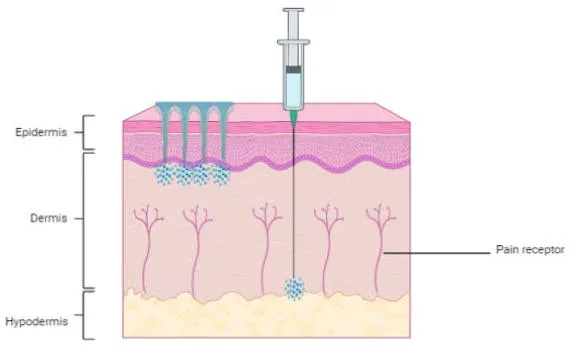
Figure 1. Microneedles
Recent research has progressed beyond simple drug-loaded microneedles toward intelligent systems capable of responding to physiological glucose concentrations. Glucose-responsive microneedle patches using glucose oxidase, phenylboronic acid, and related sensing mechanisms have demonstrated the potential for self-regulated insulin release in preclinical models5.
The present review summarizes current developments in transdermal and microneedle-based delivery of antidiabetic drugs, emphasizing formulation strategies, microneedle architectures, glucose-responsive technologies, therapeutic applications, translational challenges, and future opportunities.
2. Limitations of Conventional Antidiabetic Drug Delivery
The route of administration strongly influences the therapeutic performance, safety, and patient acceptability of antidiabetic drugs. Oral therapy remains the preferred approach for many patients with type 2 diabetes because of its convenience. However, oral delivery can be associated with variable absorption, gastrointestinal adverse effects, hepatic first-pass metabolism, and degradation of biologically unstable molecules. These limitations become particularly important for peptide and protein therapeutics6.
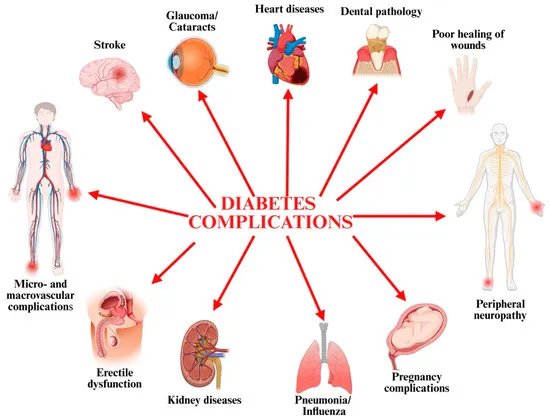
Figure 2. Complications of Antidiabetic Drug Delivery
Insulin therapy presents an additional challenge. Subcutaneous insulin injections are effective and remain the established standard for insulin-dependent patients, but repeated administration can cause pain and psychological discomfort. Injection-related anxiety and needle phobia may negatively affect treatment adherence. Moreover, conventional injections produce insulin absorption that does not completely reproduce physiological insulin secretion. This can contribute to fluctuations in circulating insulin concentrations and increase the risk of hypoglycemia7.
Alternative approaches such as insulin pumps can improve delivery flexibility but require specialized devices, maintenance, and patient training. Needle-free jet injectors, iontophoresis, sonophoresis, chemical permeation enhancers, and various nanocarrier systems have also been investigated. However, each approach has limitations relating to penetration efficiency, dose control, equipment requirements, skin irritation, formulation stability, or clinical practicality.
Transdermal microneedles attempt to combine the convenience of a patch with the delivery capability of an injection. This concept is particularly attractive for diabetes because it may allow minimally invasive administration of macromolecules that cannot efficiently cross intact skin8.
3. Skin as a Barrier to Transdermal Drug Delivery
The skin consists principally of the epidermis, dermis, and subcutaneous tissue. The stratum corneum is the major barrier to molecular transport. It consists of corneocytes embedded within a lipid-rich extracellular matrix and provides an effective barrier against environmental chemicals, microorganisms, and excessive water loss9.
For a drug to cross intact skin, it must partition into the stratum corneum, diffuse through or around the corneocytes, enter the viable epidermis and dermis, and subsequently reach the systemic circulation. Drug permeability depends on molecular size, lipophilicity, ionization, hydrogen bonding, formulation characteristics, and the physicochemical properties of the skin.
Microneedles address this problem by mechanically creating micron-scale pathways across the stratum corneum. These pathways reduce the effective diffusion barrier while avoiding the depth associated with conventional injections10.
4. Conventional Transdermal Approaches for Antidiabetic Drug Delivery
Several enhancement technologies have been investigated to improve transdermal delivery of insulin and other antidiabetic agents11.
4.1 Chemical permeation enhancement
Chemical permeation enhancers can modify the organization of stratum corneum lipids and increase drug diffusion. Examples include surfactants, fatty acids, alcohols, terpenes, and certain solvents. Although chemical enhancement can increase drug flux, excessive disruption of skin lipids may cause irritation or inflammation. Furthermore, achieving reproducible delivery of large protein molecules remains difficult12.
4.2 Iontophoresis
Iontophoresis uses a low electrical current to facilitate drug movement across the skin. It can increase transport of charged molecules and can potentially provide controlled delivery. However, device complexity, electrical requirements, skin irritation, and limited delivery efficiency for large macromolecules can restrict its application13.
4.3 Electroporation
Electroporation involves application of short electrical pulses that temporarily increase skin permeability. It has been investigated for enhancing the transdermal delivery of macromolecules, including insulin. However, optimization of electrical parameters and prevention of tissue damage are important considerations14.
4.4 Sonophoresis
Sonophoresis uses ultrasound to increase skin permeability. Acoustic energy can alter the structure of the stratum corneum and facilitate molecular transport. Although promising, variability in skin response and the need for controlled ultrasound parameters remain important challenges.
4.5 Nanocarrier-assisted delivery
Liposomes, niosomes, nanoemulsions, nanoparticles, solid lipid nanoparticles, nanostructured lipid carriers, and other nanosystems have been evaluated for transdermal delivery. Nanocarriers can protect labile drugs and potentially improve skin penetration. Nevertheless, nanoparticles alone may not always provide sufficient transport across intact skin for therapeutically relevant amounts of insulin15.
These strategies can also be combined with microneedles to create synergistic delivery systems. Recent reviews emphasize the increasing movement from single-method transdermal delivery toward combination technologies designed to improve penetration and control drug release.
5. Microneedle Technology
Microneedles are arrays of microscopic projections, generally ranging from tens to hundreds of micrometers in length, designed to penetrate the stratum corneum while minimizing pain and tissue injury. After insertion, microneedles can create temporary microchannels that facilitate drug transport16.
The major advantages of MN-based delivery include:
Microneedle-based insulin delivery has been investigated in several configurations, with different designs offering different advantages in drug loading, release control, mechanical strength, and dose flexibility.
6. Types of Microneedles for Antidiabetic Drug Delivery
6.1 Solid microneedles
Solid MNs primarily function by creating temporary microchannels in the skin. The drug can subsequently be applied as a formulation over the treated skin surface. This approach is sometimes referred to as the “poke-and-patch” strategy.
Solid MNs can provide effective skin disruption but require a separate drug-containing formulation. Their principal limitations include additional administration steps and difficulty in achieving precise drug dosing through the microneedle itself17.
6.2 Coated microneedles
Coated MNs contain a thin drug layer on the microneedle surface. During insertion, the coating dissolves or disperses into the skin.
The approach enables rapid delivery and relatively straightforward manufacturing. However, the amount of drug that can be incorporated into the coating is limited by the available surface area. This may be problematic for therapies requiring relatively high doses of insulin.
6.3 Hollow microneedles
Hollow MNs contain internal channels through which a liquid drug formulation can be delivered. They can provide more precise dose control than coated MNs and can potentially deliver relatively larger quantities of drug.
6.4 Dissolving microneedles
Dissolving MNs are manufactured using water-soluble or biodegradable polymers in which the drug is incorporated into the microneedle matrix. Following insertion into the skin, the polymer dissolves and releases the incorporated therapeutic agent18.
This approach is particularly attractive for insulin because the needles can disappear after application, eliminating the need for sharps disposal. Dissolving MNs can also be designed for rapid or sustained release depending on polymer composition and structure19.
6.5 Hydrogel-forming microneedles
Hydrogel-forming MNs swell after absorbing interstitial fluid and create aqueous pathways between the patch reservoir and the skin. They can provide controlled drug transport while the drug itself may remain outside the needle structure.
Hydrogel MNs are particularly attractive for sustained delivery and can potentially accommodate drug reservoirs containing larger quantities of therapeutic agents20.
6.6 Stimulus-responsive microneedles
Stimulus-responsive MNs represent an advanced class of systems designed to respond to physiological signals such as glucose concentration. These systems can alter drug release according to changes in the local biochemical environment21.
Glucose-responsive MNs are particularly important because they may provide a mechanism for self-regulated insulin delivery. Research has focused on glucose oxidase, phenylboronic acid, glucose-binding molecules, and combinations of these approaches22.
|
Strategy |
Main mechanism |
Suitability for insulin |
Key limitation |
|
Passive patch |
Diffusion across intact skin |
Low |
Stratum corneum barrier |
|
Chemical enhancers |
Modify skin barrier |
Moderate |
Irritation and variable permeability |
|
Iontophoresis |
Electrical enhancement |
Moderate |
Device complexity |
|
Electroporation |
Temporary electrical disruption |
Potentially high |
Tissue irritation and parameter control |
|
Sonophoresis |
Ultrasound-mediated enhancement |
Potentially high |
Variable skin response |
|
Nanocarriers |
Protection and enhanced penetration |
Promising |
Limited penetration through intact skin |
|
Microneedles |
Mechanical disruption of stratum corneum |
High potential |
Dose loading and manufacturing |
|
Glucose-responsive MN |
Glucose-triggered release |
Very promising |
Clinical translation |
|
Closed-loop MN |
Sensing + algorithm + delivery |
Future potential |
Complex integration |
Table 2. Major Strategies for Transdermal Antidiabetic Drug Delivery
7. Materials Used for Microneedle Fabrication
Material selection is critical because the microneedle must possess sufficient mechanical strength for skin penetration while maintaining biocompatibility and appropriate drug-release characteristics23.
7.1 Polymers
Biodegradable and water-soluble polymers are extensively investigated for dissolving and hydrogel-forming MNs. Commonly explored materials include polyvinyl alcohol, polyvinylpyrrolidone, hyaluronic acid, carboxymethyl cellulose, maltose, dextran, gelatin, chitosan, and related polymeric materials24.
7.2 Hyaluronic acid
Hyaluronic acid is particularly attractive because of its biocompatibility, water solubility, and ability to form mechanically stable microneedle structures. It can also contribute to rapid dissolution after insertion.
7.3 Synthetic biodegradable polymers
Materials such as polylactic acid, polyglycolic acid, and their copolymers have been explored for biodegradable microneedle systems. Their degradation behavior can be manipulated through polymer composition and molecular weight25.
7.4 Metals and silicon
Silicon and metallic microneedles can provide high mechanical strength and precise structural dimensions. However, concerns related to brittleness, fabrication complexity, residual materials, and manufacturing costs have encouraged increasing interest in polymeric systems26.
8. Fabrication Techniques
Several manufacturing methods are available for microneedle production. The selection depends on the intended microneedle design, material properties, drug stability, and required production scale.
Common fabrication approaches include micromolding, photolithography, laser micromachining, drawing lithography, injection molding, 3D printing, and two-photon polymerization.
Micromolding is particularly attractive for pharmaceutical MN production because it can facilitate reproducible fabrication of polymeric arrays. However, scale-up requires strict control of mold filling, drying, drug distribution, needle geometry, and batch-to-batch uniformity27.
Recent advances in microneedle engineering increasingly emphasize scalable manufacturing and reproducible mechanical performance because these factors are essential for clinical translation.
9. Microneedle-Based Insulin Delivery
Insulin represents the most extensively investigated antidiabetic therapeutic for MN-based transdermal delivery. Conventional insulin administration requires injection because the molecule is a relatively large peptide that does not efficiently cross intact skin28.
MN systems overcome this barrier by providing direct access through the stratum corneum. After insertion, insulin may diffuse into the viable epidermis and dermis and subsequently enter systemic circulation.
Different MN configurations have been evaluated. Hollow MNs can deliver insulin solutions through microchannels, whereas dissolving MNs can release insulin as their polymeric matrix dissolves. Hydrogel-forming MNs can facilitate sustained delivery, while glucose-responsive systems aim to adjust insulin release according to local glucose concentration29.
Preclinical studies have demonstrated promising glucose-lowering effects using several MN designs. Nevertheless, translation to routine clinical use remains challenging because insulin dose requirements vary considerably between individuals and may change rapidly according to food intake, physical activity, illness, and other physiological factors.
10. Glucose-Responsive Microneedle Systems
The development of glucose-responsive insulin delivery represents one of the most advanced directions in MN research. The objective is to develop a system capable of sensing elevated glucose concentrations and releasing insulin when required30.
10.1 Glucose oxidase-based systems
Glucose oxidase catalyzes the conversion of glucose to gluconic acid and hydrogen peroxide. This reaction can alter the local pH or generate chemical changes that trigger insulin release.
In a typical glucose-responsive system, elevated glucose increases enzyme activity, producing an environmental change that destabilizes a carrier or alters polymer properties, thereby accelerating insulin release31.
10.2 Phenylboronic acid-based systems
Phenylboronic acid and related boronic-acid-containing materials can reversibly interact with glucose. Changes in glucose concentration can modify the physicochemical properties of the polymeric system and thereby regulate insulin release.
10.3 Glucose-binding systems
Other systems utilize glucose-binding molecules to generate a response to changes in glucose concentration. Such systems aim to produce dynamic drug release without relying exclusively on enzymatic reactions32.
10.4 Electronic and closed-loop systems
The integration of microneedles with electronic glucose sensors provides a pathway toward closed-loop diabetes management. In principle, a sensor can detect glucose concentration, an algorithm can determine the required insulin dose, and an integrated delivery system can release insulin accordingly.
Recent reviews describe glucose oxidase and phenylboronic acid systems as major categories of glucose-responsive MN platforms, while electronic closed-loop and glucose-transporter-based concepts represent emerging directions33.
11. Nanotechnology-Assisted Microneedle Delivery
Combining nanotechnology with MNs may provide additional control over antidiabetic drug delivery. Nanoparticles can protect insulin against degradation, modify release kinetics, and potentially increase drug loading34.
Lipid nanoparticles, polymeric nanoparticles, nanogels, liposomes, and other nanosystems can be incorporated into microneedle matrices or used as reservoirs associated with MN patches.
The combination of nanoparticles and MNs can potentially overcome limitations associated with both systems individually. MNs facilitate skin penetration, while nanoparticles can provide protection and controlled release. However, the complexity of these systems may increase manufacturing requirements and regulatory challenges35.
12. Delivery of Non-Insulin Antidiabetic Drugs
Although insulin has received the greatest attention, transdermal delivery may also be relevant to selected non-insulin antidiabetic agents.
Potential candidates include small-molecule antidiabetic drugs for which gastrointestinal adverse effects, variable absorption, or frequent dosing are significant concerns. However, not every antidiabetic drug is suitable for transdermal administration. Molecular size, dose requirement, lipophilicity, melting point, skin permeability, potency, and therapeutic window must be considered during candidate selection36.
For drugs requiring relatively high daily doses, conventional passive patches may be impractical because of limited skin flux. Microneedle-assisted systems can increase permeability but do not completely eliminate the problem of dose loading. Therefore, rational selection of the drug candidate is an essential step in developing transdermal antidiabetic formulations37.
13. Advantages of Microneedle-Based Antidiabetic Delivery
|
Feature |
Conventional oral/injectable delivery |
Microneedle-based delivery |
|
Gastrointestinal degradation |
Possible with oral therapy |
Avoided |
|
Hepatic first-pass metabolism |
Possible with oral therapy |
Reduced/avoided |
|
Pain |
Injections may cause pain |
Generally minimally invasive |
|
Macromolecule delivery |
Limited orally |
More feasible |
|
Controlled release |
Formulation-dependent |
Can be engineered |
|
Patient convenience |
Variable |
Patch-based administration possible |
|
Insulin delivery |
Established |
Emerging |
|
Glucose-responsive release |
Limited with conventional injections |
Possible with smart MN systems |
|
Integration with sensors |
Possible but device-dependent |
Potentially high |
|
Sharps disposal |
Required for injections |
Reduced with dissolving MNs |
Table 1. Microneedle systems provide several potential advantages over conventional administration.
14. Limitations and Challenges38
Despite substantial progress, microneedle-based antidiabetic delivery remains largely an emerging technology.
14.1 Limited drug loading
The relatively small dimensions of MN arrays can restrict the quantity of drug incorporated into the system. This is especially important for drugs requiring high doses39.
14.2 Mechanical strength
Microneedles must be sufficiently strong to penetrate the stratum corneum without bending or breaking. The mechanical requirements become particularly important for dissolving polymeric systems.
14.3 Skin variability
Skin thickness, hydration, age, anatomical location, disease status, and individual physiological differences can influence insertion and drug delivery40.
14.4 Drug stability
Insulin and other biological molecules may be sensitive to temperature, moisture, pH, mechanical stress, and formulation conditions. Manufacturing and storage must therefore preserve biological activity.
14.5 Dose reproducibility
Reliable delivery of the intended dose is essential, particularly for insulin because excessive delivery can produce hypoglycemia41.
14.6 Skin irritation
Although MNs are minimally invasive, repeated application may produce erythema, inflammation, irritation, or changes in skin integrity. Long-term repeated-use studies are therefore required42.
14.7 Manufacturing and scale-up
Laboratory-scale MN fabrication can produce highly specialized structures, but commercial manufacturing requires reproducibility, quality control, high throughput, and acceptable production costs43.
14.8 Regulatory challenges
Regulatory evaluation of MN systems can be complicated because they may be considered drug-device combination products. Requirements may encompass drug quality, device performance, mechanical strength, sterility, biocompatibility, stability, dose delivery, and manufacturing consistency44.
14.9 Clinical translation
A major gap remains between promising animal studies and large-scale human clinical evidence. Reviews of the translational literature have highlighted inconsistent reporting of important parameters such as insertion efficiency, dose delivery, mechanical properties, stability, and patient-centered design45.
|
Challenge |
Possible solution |
|
Low drug loading |
High-capacity polymer matrices and nanocarriers |
|
Insufficient mechanical strength |
Optimized polymer composition and needle geometry |
|
Skin variability |
Patient-specific insertion and application protocols |
|
Insulin instability |
Stabilizers, lyophilization, optimized polymers and storage |
|
Dose variability |
Improved insertion-force control and device design |
|
Skin irritation |
Biocompatible materials and optimized needle dimensions |
|
Manufacturing complexity |
Scalable micromolding and automated production |
|
Regulatory uncertainty |
Early drug-device combination product planning |
|
Limited clinical evidence |
Large randomized controlled trials |
|
Hypoglycemia risk |
Glucose-responsive and closed-loop systems |
|
Poor patient usability |
Human-factor and patient-centered design |
Table 3. Major Translational Challenges and Possible Solutions
15. Patient-Centered Design and Adherence
The ultimate value of a novel drug-delivery technology depends not only on pharmacological performance but also on whether patients are willing and able to use it consistently.
A successful antidiabetic MN patch should be easy to apply, comfortable, discreet, stable during storage, capable of delivering a reproducible dose, and preferably require minimal technical training. Patch adhesion is another important consideration because movement, sweating, and environmental conditions may affect device performance46.
Patient-centered development should therefore incorporate human factors engineering, usability studies, patient preference, treatment burden, and cost considerations. A technology that demonstrates excellent drug release in an animal model but is difficult to apply or lacks dose flexibility may have limited clinical utility47.
16. Integration with Continuous Glucose Monitoring
One of the most promising future directions is the integration of MN-based delivery with continuous glucose monitoring (CGM).
CGM systems provide repeated information about glucose levels, while smart delivery systems could potentially use this information to regulate insulin administration. Integration of sensing and delivery could produce a closed-loop system capable of dynamically adjusting therapy.
Microneedles themselves can also be engineered to access interstitial fluid, creating opportunities for minimally invasive biosensing. Therefore, a single patch could potentially combine glucose monitoring, data transmission, and therapeutic delivery48.
Such integrated systems could represent a transition from conventional drug delivery toward personalized and responsive diabetes management. Recent research has increasingly explored integrated MN platforms for glucose detection and treatment49.
CONCLUSION
Transdermal delivery represents an attractive alternative strategy for improving the administration of antidiabetic therapeutics. Although the stratum corneum severely restricts the passive penetration of many antidiabetic drugs, microneedle technology provides a practical mechanism for temporarily bypassing this barrier. Solid, coated, hollow, dissolving, hydrogel-forming, and stimulus-responsive MNs have demonstrated considerable potential for insulin and other therapeutic agents.
Among these approaches, glucose-responsive microneedles are particularly promising because they attempt to reproduce a key physiological characteristic of insulin regulation: increased insulin availability during hyperglycemia and reduced release when glucose levels decline. Current systems based on glucose oxidase, phenylboronic acid, glucose-binding mechanisms, and emerging electronic closed-loop technologies demonstrate substantial scientific progress.
Nevertheless, the transition from laboratory research to routine clinical use requires resolution of several challenges, including drug loading, dose accuracy, mechanical strength, skin variability, biological stability, irritation, manufacturing scalability, regulatory requirements, and long-term clinical safety. Human studies and patient-centered development will be particularly important.
Overall, the convergence of microneedle engineering, nanotechnology, biomaterials, biosensing, continuous glucose monitoring, and intelligent drug-release systems could transform transdermal antidiabetic therapy. Future generations of microneedle patches may evolve from simple minimally invasive delivery devices into integrated, personalized, and potentially closed-loop platforms for diabetes management.
REFERENCES





A. Thoufic Ahamed*, M. Mohamed Musammeel, B. Ketrin Jenowa, B. Sowmiya, K. Abthagir, Transdermal And Microneedle-Based Delivery Of Antidiabetic Drugs: Current Progress And Future Perspectives, Int. J. Sci. R. Tech., 2026, 3 (9), 11-23. https://doi.org/10.5281/zenodo.22230359
 10.5281/zenodo.22230359