Vincristine (VCR), a vinca alkaloid chemotherapeutic agent, is extensively used in the treatment of lymphoid leukemias and lymphomas. However, its therapeutic effectiveness is limited by rapid systemic clearance, P-glycoprotein (P-gp)-mediated drug efflux, and dose-dependent neurotoxicity. Poly (lactic-co-glycolic acid) (PLGA) nanoparticles (NPs) have emerged as a promising biodegradable and tunable drug-delivery platform for addressing these limitations. Encapsulation of VCR within PLGA NPs can enhance drug solubility and stability, prolong its circulation time, and provide controlled and sustained drug release. Furthermore, these nanoparticles can facilitate the co-delivery of chemosensitizing agents and targeting ligands, potentially improving therapeutic selectivity. Preclinical investigations of VCR-loaded PLGA NPs have reported improved drug entrapment, sustained release profiles, enhanced intracellular drug delivery, and the potential to overcome multidrug resistance (MDR) in P-gp-overexpressing cancer models. In addition, recent advances in nanomedicine for hematological malignancies highlight PLGA-based systems as promising polymeric carriers for the targeted treatment of leukemia and lymphoma. Therefore, this review focuses on the pharmacological profile of VCR, formulation approaches for VCR-loaded PLGA nanoparticles, their potential advantages and limitations, and the underlying mechanisms that may contribute to enhanced antileukemic activity.
Vincristine, Poly (lactic-co-glycolic acid) (PLGA), Nanoparticle, Leukemia, Controlled drug release, Antileukemic activity
Chemotherapy continues to play a fundamental role in the management of acute lymphoblastic leukemia (ALL) and various other hematological malignancies. However, conventional small-molecule chemotherapeutic agents are frequently associated with inadequate tumor selectivity, rapid elimination from the systemic circulation, and substantial toxicity to healthy tissues. Vincristine (VCR), a vinca alkaloid that exerts its anticancer activity primarily through disruption of microtubule dynamics, is an important component of therapy for lymphoid leukemias.[1] Despite its therapeutic efficacy, the clinical application of VCR is restricted by dose-related neurotoxicity, pharmacokinetic variability, and drug resistance mechanisms involving efflux transporters such as P-glycoprotein (P-gp). In recent years, nanotechnology-based drug delivery systems, particularly polymeric nanoparticles, have attracted considerable interest as a means of addressing these limitations. Such systems can alter the biodistribution of therapeutic agents, provide controlled and sustained drug release, and permit surface modification for targeted delivery.[2] Among biodegradable polymers, poly (lactic-co-glycolic acid) (PLGA) has been extensively explored because of its favorable biocompatibility, biodegradability, and established regulatory acceptance. These properties make PLGA a suitable carrier for the delivery of anticancer drugs, including vincristine. Accordingly, this review examines VCR-loaded PLGA nanoparticles as a promising drug-delivery approach for improving leukemia therapy, with emphasis on formulation strategies, pharmacological mechanisms, and key translational considerations.[3]
Leukemia: overview
What is Leukemia?
Leukemia comprises a group of hematological malignancies characterized by the uncontrolled proliferation of abnormal white blood cells in the bone marrow and peripheral blood. It is classified into acute forms, such as acute lymphoblastic leukemia (ALL) and acute myeloid leukemia (AML), and chronic forms, including chronic lymphocytic leukemia (CLL) and chronic myeloid leukemia (CML). ALL, the most common leukemia in children, involves the accumulation of immature lymphoid cells (lymphoblasts) and generally requires intensive combination chemotherapy.[1,8]

Figure 1: Skin Condition in Leukemia
Key Features of Leukemia
- Bone Marrow Infiltration: Leukemic blasts accumulate in the bone marrow, suppressing normal hematopoiesis and leading to anemia, thrombocytopenia, and neutropenia.
- Circulating Malignant Cells: Unlike solid tumors, leukemic cells circulate in peripheral blood and infiltrate bone marrow and other tissues, complicating selective drug delivery.
- Multidrug Resistance (MDR): Overexpression of efflux transporters, such as P-glycoprotein (P-gp), reduces intracellular vincristine accumulation and may contribute to treatment failure.
- Relapse and Minimal Residual Disease (MRD): Residual leukemic cells persisting after treatment may cause relapse, necessitating further therapy and, in some cases, prolonged maintenance treatment.
- Treatment-Related Toxicity: Conventional chemotherapy, including vincristine, may cause neurotoxicity and myelosuppression, limiting treatment intensity and adversely affecting patients’ quality of life.[1,8]
Drug profile:
1. General Information
• Drug name: Vincristine sulfate (VCR)
• Chemical name: 22-Oxovincaleukoblastine sulfate
• Molecular formula: C₄₆H₅₆Nâ‚„Oâ‚â‚€·Hâ‚‚SOâ‚„
• Molecular weight: ~923 g/mol (as sulfate salt)
• Class: Vinca alkaloid, antineoplastic agent (microtubule inhibitor)
• Indications: Acute lymphoblastic leukemia (ALL), non-Hodgkin lymphoma, Hodgkin lymphoma, and selected malignancies as part of combination chemotherapy
• Route: Intravenous (IV) only; vesicant (avoid extravasation).
• Key toxicities: Vincristine causes dose-limiting peripheral and autonomic neuropathy, constipation, and myelosuppression (generally less pronounced than with vinblastine). Its vesicant properties can also cause tissue injury if extravasation occurs.[1]

Figure 2: Vincristine Derived from Catharanthus Roseus
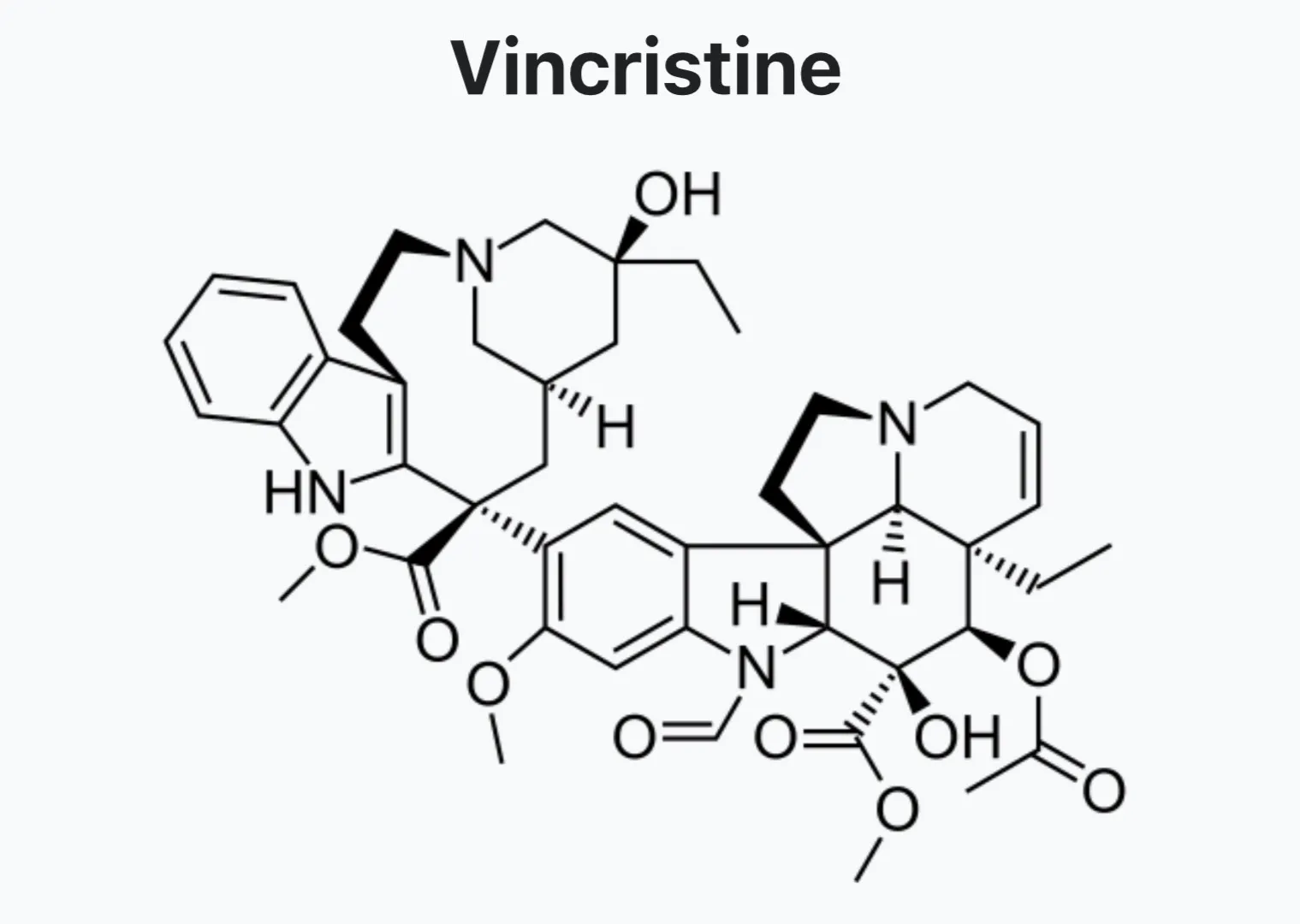
Figure 3: Structure of Vincristine
2. Biological Source
- Plant source: Catharanthus roseus (syn. Vinca rosea), commonly known as Madagascar periwinkle.
- Family: Apocynaceae.
- Part used: Leaves (primary source of vinca alkaloids).
- Geographical origin: Native to Madagascar and cultivated in India, Africa, and other tropical regions for alkaloid production.
- Other alkaloids from same plant: Vinblastine, vincristine, vinleurosine, vinrosidine, and ajmalicine.[1]
3. Phytoconstituents of Catharanthus roseus
Catharanthus roseus contains more than 130 alkaloids, among which vincristine and vinblastine are the most clinically significant.
- Vincristine (VCR): An antimitotic vinca alkaloid used to treat leukemia and lymphoma.
- Vinblastine (VLB): An anticancer alkaloid used in Hodgkin lymphoma, testicular cancer, and other malignancies.
- Vindesine and vinorelbine: Vinca alkaloid derivatives with anticancer activity against various malignancies.
- Ajmalicine: An indole alkaloid with vasodilatory and antihypertensive properties.
- Catharanthine and vindoline: Precursor alkaloids involved in the biosynthesis of vincristine and vinblastine.
- Other compounds: Flavonoids, terpenoids, and phenolic acids, which may contribute to antioxidant and anti-inflammatory activities.[1]
4. Biotechnological Approaches
- Plant cell culture: In vitro cultures of C. roseus can produce vinca alkaloids, although yields are often limited.
- Metabolic engineering: Genetic modification of biosynthetic pathways may enhance catharanthine and vindoline production.
- Microbial production: Engineered yeast or bacteria expressing key biosynthetic enzymes offer a potential alternative for vinca alkaloid production.[1]
5. Pharmacological Action of Vincristine
Vincristine (VCR) exerts its antineoplastic effect by binding to the β-subunit of tubulin at the vinca-binding site, thereby inhibiting microtubule polymerization and mitotic spindle formation. This leads to metaphase arrest and apoptosis, particularly in rapidly dividing leukemic cells. VCR may also disrupt microtubule-dependent intracellular transport and signaling. However, P-glycoprotein (P-gp/ABCB1)-mediated drug efflux can reduce intracellular VCR levels and contribute to multidrug resistance (MDR). PLGA nanoparticles may help overcome these limitations by enhancing cellular uptake, protecting VCR from premature degradation, and enabling co-delivery of P-gp modulators.[1,3]
Pharmacological activities of vincristine:
1. Antimitotic / Anticancer Activity
- Primary mechanism: Vincristine binds to the β-subunit of tubulin at the vinca-binding site, inhibiting tubulin polymerization and microtubule assembly.
- Cell-cycle effect: Disruption of microtubule formation prevents mitotic spindle assembly, resulting in metaphase (M-phase) arrest.
- Outcome: Prolonged mitotic arrest can induce apoptosis, particularly in rapidly proliferating malignant cells.
- Clinical relevance: This mechanism supports vincristine use in combination chemotherapy for leukemia and lymphoma, including induction regimens and selected maintenance protocols.[1]
2. Antileukemic Activity
- Target cells: Primarily lymphoblasts in ALL; vincristine is also used in selected AML regimens.
- Effect: Promotes apoptosis and may reduce the percentage of leukemic blasts in bone marrow.
- Combination synergy: Enhances treatment efficacy when combined with corticosteroids, anthracyclines, and asparaginase in multi-agent regimens.
- Nanomedicine relevance: PLGA-based delivery systems aim to increase intracellular VCR concentrations in leukemic cells while minimizing systemic toxicity.[1]
3. Antilymphoma Activity
- Hodgkin lymphoma: Vincristine may be used in selected alternative or salvage treatment regimens.
- Non-Hodgkin lymphoma (NHL): It is an important component of combination regimens such as CHOP and R-CHOP.
- Mechanism: Vincristine disrupts microtubule formation, causing mitotic arrest and promoting apoptosis in malignant lymphocytes.
- Clinical outcome: In combination therapy, vincristine contributes to treatment response and remission.[1]
4. Antimitotic Activity in Solid Tumors
- Pediatric solid tumors: Vincristine is used in combination regimens for Wilms’ tumor, neuroblastoma, rhabdomyosarcoma, and Ewing sarcoma.
- Adult solid tumors: It may be included in selected treatment regimens for certain solid malignancies.
- Mechanism: Vincristine inhibits mitosis by disrupting microtubule formation, resulting in cell-cycle arrest and tumor cell death.
- Combination therapy: It is commonly administered as part of multi-agent chemotherapy to improve treatment efficacy and help overcome drug resistance.[1]
5. Immunomodulatory / Anti-inflammatory Effects (Indirect)
- Effect on immune cells: Vincristine targets rapidly dividing lymphocytes, helping reduce malignant cell burden in lymphoproliferative disorders.
- Secondary effect: It may indirectly reduce tumor-associated inflammation by decreasing the number of malignant cells.
- Note: These effects are secondary to its primary antimitotic mechanism.1
6. Neurotoxicity (Dose-Limiting Adverse Effect)
- Mechanism: Disruption of axonal microtubules impairs axoplasmic transport.
- Manifestations: Peripheral neuropathy (numbness and tingling), autonomic neuropathy (constipation and orthostatic hypotension), and cranial nerve dysfunction.
- Clinical significance: Neurotoxicity is dose-limiting and requires careful monitoring and dose adjustment.
- Nanomedicine relevance: PLGA nanoparticles may reduce peak plasma VCR concentrations, potentially minimizing neurotoxicity.[1]
7. Myelosuppression (Lesser than Vinblastine)
- Effect: Vincristine generally causes less bone marrow suppression than vinblastine.
- Manifestations: Leukopenia may occur, while thrombocytopenia is less common.
- Clinical relevance: Its relatively limited myelosuppressive effect supports its use in intensive combination chemotherapy regimens.[1]
8. Vesicant Activity
- Mechanism: Vincristine causes direct tissue damage if extravasation occurs.
- Clinical significance: Careful intravenous administration and prompt management of extravasation are essential.
- Nanomedicine relevance: PLGA encapsulation may reduce exposure to free VCR and potentially minimize vesicant-related tissue injury.[1]
Therapeutic applications of vincristine in leukemia:
- Acute lymphoblastic leukemia (ALL): Vincristine is a key component of multi-agent chemotherapy regimens for pediatric and adult ALL.
- Mechanism in ALL: It inhibits microtubule formation, causing metaphase arrest and promoting apoptosis in leukemic lymphoblasts.
- Combination regimens: Vincristine is commonly combined with corticosteroids (prednisone or dexamethasone), anthracyclines (daunorubicin), L-asparaginase, and methotrexate.
- Liposomal vincristine (Marqibo): This formulation has been FDA-approved for selected adults with relapsed or refractory Philadelphia chromosome-negative ALL. It alters vincristine pharmacokinetics, although reduced neurotoxicity is not guaranteed.
- Role in nanoparticle delivery: PLGA-based VCR nanoparticles are being investigated to improve bone marrow delivery, address P-gp-mediated resistance, and potentially reduce systemic toxicity.[1]
Nanoparticles: definition and key properties:
What are Nanoparticles?
Nanoparticles are nanoscale carriers, generally ranging from 1 to 100 nm, that can encapsulate, protect, and deliver therapeutic agents, including chemotherapeutic drugs. In cancer therapy, they may improve drug solubility, extend circulation time, enhance tumor accumulation, and minimize systemic toxicity compared with conventional formulations. Among various nanocarriers, poly (lactic-co-glycolic acid) (PLGA) nanoparticles are widely investigated because of their biocompatibility, biodegradability, and capacity for controlled drug release.[2,4]
Key Properties of Nanoparticles
- Particle size: Typically ranges from 10–200 nm in drug delivery systems and may influence biodistribution and tumor accumulation through the enhanced permeability and retention (EPR) effect.
- Surface charge (zeta potential): Affects nanoparticle stability, cellular uptake, and interactions with biological membranes.
- Drug loading and entrapment efficiency: Determine the quantity of drug incorporated into the nanoparticle matrix and the efficiency of encapsulation.
- Release kinetics: Drug release can be tailored to achieve initial burst release or sustained delivery by modifying polymer composition and formulation parameters.
- Surface modification: PEGylation, ligand conjugation, and biomimetic membrane coating may enhance targeting, improve circulation time, and reduce immune-mediated clearance
PLGA nanoparticles: definition and key properties:
What are PLGA Nanoparticles?
Poly (lactic-co-glycolic acid) (PLGA) nanoparticles are biodegradable polymeric carriers widely investigated for delivering anticancer agents, including vincristine. PLGA is valued for its biocompatibility, biodegradability, and hydrolytic degradation into lactic and glycolic acids, which can be metabolized by the body. PLGA has a long history of use in FDA-approved drug delivery products, although approval applies to specific formulations rather than all PLGA nanoparticles. These carriers can encapsulate drugs with different solubility properties, protect them from degradation, and enable controlled or sustained drug release over an extended period.[2,3]
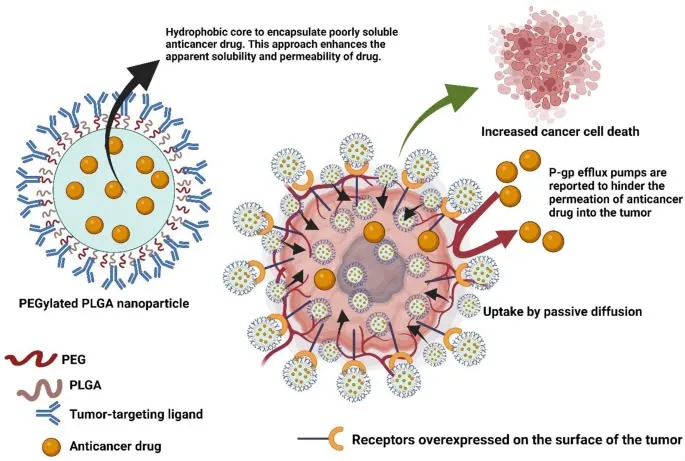
Figure 4: PLGA Nanoparticles
Key Properties of PLGA Nanoparticles
- Biodegradability: PLGA degrades through hydrolysis of its ester bonds, with the degradation rate influenced by the lactide-to-glycolide ratio and polymer molecular weight.
- Biocompatibility: Its degradation products, lactic acid and glycolic acid, enter normal metabolic pathways, supporting its favorable biocompatibility profile.
- Tunable release kinetics: Drug release can be tailored by modifying the lactide-to-glycolide ratio (e.g., 50:50 or 75:25), molecular weight, and particle size, enabling release over periods ranging from days to weeks.
- Surface modifiability: PLGA nanoparticles can be functionalized with polyethylene glycol (PEG) to reduce immune recognition, targeting ligands to enhance selective cellular uptake, or biomimetic coatings to potentially improve immune evasion.[2,3]
Rationale for Vincristine Nano-encapsulation in Leukemia:
- Vincristine exerts its anticancer activity by binding to β-tubulin and inhibiting microtubule polymerization, resulting in metaphase arrest during mitosis and ultimately inducing apoptotic cell death.[1]
- Despite its established efficacy in acute lymphoblastic leukemia (ALL) and other hematological malignancies, conventional vincristine therapy has several pharmacokinetic and safety limitations. These include low aqueous solubility, a large volume of distribution, extensive hepatic metabolism primarily mediated by CYP3A4/5, and P-glycoprotein (P-gp)-mediated efflux. Additionally, cumulative exposure to vincristine can cause dose-limiting neurotoxicity, restricting dose escalation and potentially limiting its therapeutic effectiveness.[1,2]
- Nanocarrier-based drug delivery systems may improve the solubility of poorly water-soluble drugs, prolong systemic circulation, and enhance drug accumulation in tumor tissues through the enhanced permeability and retention (EPR) effect. Additionally, co-encapsulation of P-glycoprotein (P-gp) inhibitors, such as verapamil, may reduce drug efflux and help overcome multidrug resistance (MDR), potentially improving vincristine delivery and therapeutic efficacy.[4]
Formulation strategies for vincristine-loaded PLGA nanoparticles:
Various formulation techniques have been explored for developing vincristine (VCR)-loaded delivery systems. The choice of an appropriate method depends on the drug’s physicochemical properties, particularly its limited aqueous solubility and cationic nature, as well as the desired drug-release characteristics.
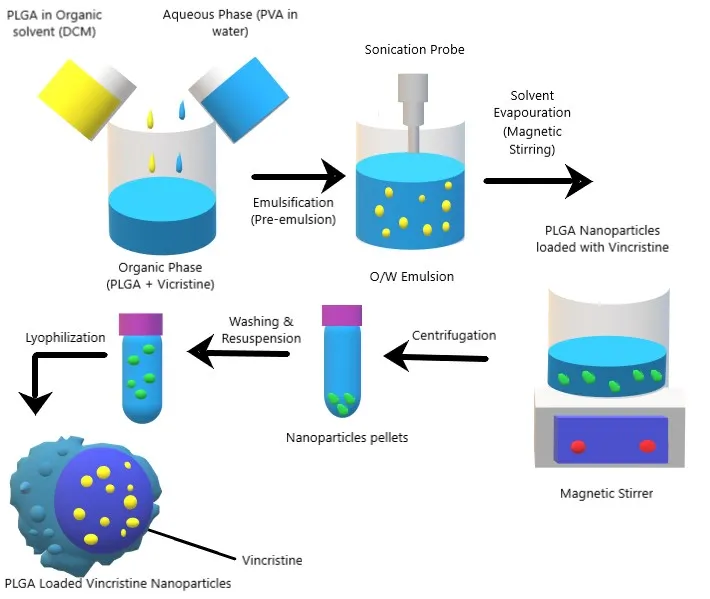
Figure 5: Formulation Strategies for Vincristine-loaded PLGA Nanoparticles
Common Preparation Methods
- Emulsification–solvent evaporation (O/W): In this method, PLGA and vincristine (VCR) are dissolved or dispersed in a suitable organic solvent, such as dichloromethane (DCM), and emulsified in an aqueous phase containing a stabilizer, such as polyvinyl alcohol (PVA). The organic solvent is then evaporated to facilitate nanoparticle formation. The resulting nanoparticles are subsequently collected by centrifugation and purified.[1,5]
- Double-emulsion (W/O/W) method: This technique is suitable for encapsulating water-soluble vincristine (VCR) in PLGA nanoparticles. An aqueous VCR solution is first emulsified in an organic phase containing dissolved PLGA to form a water-in-oil (W/O) emulsion. This primary emulsion is then dispersed into an external aqueous phase to produce a water-in-oil-in-water (W/O/W) double emulsion. Subsequent removal of the organic solvent facilitates nanoparticle formation.[1]
- Nanoprecipitation (solvent displacement) method: In this technique, PLGA and vincristine (VCR) are dissolved or dispersed in a suitable water-miscible organic solvent, such as acetone. The organic phase is gradually added to an aqueous phase containing a stabilizer. Rapid solvent diffusion into the aqueous medium reduces polymer solubility, leading to PLGA precipitation and the formation of VCR-loaded nanoparticles.[1,2]
- Salting-out/reverse salting-out method: This technique involves preparing an acetone-based emulsion in the presence of a salting-out agent, such as magnesium chloride (MgClâ‚‚). The emulsion is subsequently diluted with an appropriate aqueous medium, reducing solvent miscibility and promoting polymer precipitation to form nanoparticles. This method may improve drug entrapment efficiency, depending on the formulation composition and processing conditions.[1,2]
- Combined methods: Hybrid formulation strategies combine techniques such as salting-out and emulsion–solvent evaporation to optimize nanoparticle properties. These approaches aim to improve vincristine (VCR) entrapment efficiency and control particle size, depending on the formulation composition and processing conditions.[5,6]
Evaluation parameters:
1. Organoleptic / Physical Appearance
- Visual observation: The nanoparticle suspension is examined for color, homogeneity, and the presence of aggregates or precipitation.
- Expected result: A uniform, milky-white or slightly opalescent suspension without visible aggregates or phase separation.
- Purpose: Provides an initial assessment of formulation uniformity, physical stability, and successful nanoparticle formation.[2,9]
2. Particle Size and Size Distribution
- Technique: Dynamic light scattering (DLS), also known as photon correlation spectroscopy (PCS).
- Parameters measured: Mean particle diameter (nm) and polydispersity index (PDI).
- Target values: A particle size of 80–200 nm and a low PDI, preferably below 0.2, indicating a relatively uniform size distribution.
- Significance: Particle size and distribution influence nanoparticle stability, circulation, cellular uptake, and biodistribution. However, effective tumor or bone marrow accumulation depends on additional factors, and the enhanced permeability and retention (EPR) effect may be variable, particularly in hematological malignancies.[2,3]
3. Zeta Potential
- Parameter measured: Surface charge of nanoparticles, expressed as zeta potential (mV).
- Target values: A mildly negative zeta potential (−10 to −30 mV) may be suitable for PLGA nanoparticles, depending on formulation composition and dispersion conditions. Highly positive surface charges may enhance cellular uptake but can also increase cytotoxicity and nonspecific interactions.
- Significance: Zeta potential helps assess colloidal stability. Higher absolute values generally promote electrostatic repulsion between particles, reducing aggregation; however, stability also depends on factors such as pH, ionic strength, and stabilizer composition.[2,3]
4. In Vitro Drug Release Study
- Technique: In vitro drug release is commonly evaluated using the dialysis bag method; a Franz diffusion cell may be used when appropriate for the formulation and study design.
- Release media: Phosphate-buffered saline (PBS, pH 7.4) to represent physiological conditions and acetate buffer (pH 5.5) to investigate release under mildly acidic conditions.
- Experimental conditions: Typically maintained at 37 ± 0.5°C with gentle stirring, with samples collected at predetermined time intervals and the withdrawn volume replaced with fresh medium.
- Parameters measured: Cumulative percentage of drug released over time and release kinetics assessed using zero-order, first-order, Higuchi, and Korsmeyer–Peppas models, as appropriate.
- Expected profile: A biphasic pattern may occur, with an initial burst release followed by sustained release over 48–72 hours or longer, depending on the formulation.
- Significance: Evaluates the drug-release behavior of VCR-loaded PLGA nanoparticles and provides preliminary information for formulation optimization. In vitro release results alone cannot reliably predict in vivo performance.[2,9]
5. Morphological Analysis
- Techniques: Transmission electron microscopy (TEM) and scanning electron microscopy (SEM).
- Parameters observed: Particle shape (spherical or irregular), surface morphology (smooth or rough), and aggregation.
- Significance: TEM and SEM provide visual confirmation of nanoparticle morphology and structural characteristics, complementing particle-size measurements obtained using dynamic light scattering (DLS).[2,3]
6. Fourier Transform Infrared Spectroscopy (FTIR)
- Technique: Fourier-transform infrared (FTIR) spectroscopy in absorbance or transmittance mode.
- Purpose: To assess drug–polymer compatibility and identify potential chemical interactions between vincristine (VCR) and PLGA.
- Key observations: Shifts, broadening, or changes in the characteristic absorption bands of VCR and PLGA may indicate molecular interactions within the formulation. However, these changes alone do not confirm successful drug encapsulation.
- Significance: FTIR analysis helps evaluate drug–polymer compatibility and identify potential chemical interactions that may affect formulation stability.[2,3]
7. Differential Scanning Calorimetry (DSC) and X-Ray Diffraction (XRD)
- Differential scanning calorimetry (DSC): Evaluates thermal transitions, including glass transition, melting, and crystallization. The disappearance or reduction of the characteristic vincristine (VCR) melting peak may suggest its amorphous or molecularly dispersed state within the PLGA matrix.
- X-ray diffraction (XRD): Determines the crystalline or amorphous nature of the drug within nanoparticles. The absence or reduction of characteristic crystalline diffraction peaks may indicate reduced drug crystallinity or molecular dispersion.
- Significance: DSC and XRD complement each other in characterizing the physical state of VCR within PLGA nanoparticles, providing insights into drug release behavior and formulation stability.[2,3]
8. Stability Studies
- Storage conditions: Refrigerated (2–8°C), room temperature (25 ± 2°C), and accelerated conditions (40 ± 2°C/75 ± 5% relative humidity), as appropriate for the formulation and study protocol.
- Duration: Samples may be evaluated at 0, 1, 2, 3, and 6 months, with longer-term testing conducted as required by applicable stability guidelines.
- Parameters monitored: Particle size and polydispersity index (PDI), zeta potential, entrapment efficiency (EE), drug loading (DL), in vitro drug-release profile, and visual appearance.
- Significance: Stability studies assess changes in the physicochemical properties and drug-release behavior of VCR-loaded PLGA nanoparticles, helping establish formulation stability and support shelf-life determination.[2,3]
9. Hemocompatibility Studies
- Technique: Hemolysis assay using human or animal red blood cells (RBCs).
- Procedure: Incubate the nanoparticle formulation with an RBC suspension and measure hemoglobin release spectrophotometrically at approximately 540 nm.
- Acceptance criterion: Hemolysis below 5% is commonly considered an indication of low hemolytic activity, although acceptance limits depend on the applicable protocol and intended use.
- Significance: Evaluates the blood compatibility of VCR-loaded PLGA nanoparticles and helps assess their suitability for intravenous administration by identifying potential red blood cell damage.[2]
10. In Vitro Cytotoxicity and Cellular Uptake
- Cell lines: Leukemia cell lines, including Jurkat (T-cell acute lymphoblastic leukemia, T-ALL), Nalm-6 and REH (B-cell acute lymphoblastic leukemia, B-ALL), along with multidrug-resistant variants.
- Assays: MTT or resazurin assays to assess cell viability; flow cytometry using Annexin V/propidium iodide (PI) staining to quantify apoptosis; and PI-based cell-cycle analysis.
- Parameters measured: Half-maximal inhibitory concentration (ICâ‚…â‚€), percentage of apoptotic cells, and cellular uptake efficiency.
- Significance: Evaluates the cytotoxicity, cellular uptake, and mechanism of action of VCR-loaded PLGA nanoparticles in leukemia-relevant models, including their potential to overcome multidrug resistance.[2]
Advantages of vincristine-loaded PLGA nanoparticles:
1. Improved Solubility and Stability: PLGA encapsulation may protect vincristine (VCR) from degradation and improve its apparent solubility, supporting its formulation for parenteral administration.[1]
2. Controlled and Sustained Release: PLGA degradation facilitates gradual VCR release, potentially prolonging drug exposure and reducing high peak concentrations associated with toxicity.[2]
3. Improved Pharmacokinetic Profile: PLGA nanoparticles may increase the area under the concentration–time curve (AUC), prolong circulation, and modify tissue distribution compared with free VCR.[1]
4. Modulation of Multidrug Resistance: Co-encapsulation of P-glycoprotein (P-gp) inhibitors, such as verapamil, or suitable surfactants may reduce drug efflux and improve VCR sensitivity in resistant leukemic cells.[4]
5. Flexible Targeting Strategies: PEGylation may improve nanoparticle circulation by reducing nonspecific clearance, while ligands such as folate or antibodies may facilitate targeted delivery to leukemic cells in bone marrow and lymphoid tissues.[1,3]
Limitations and challenges of vincristine-loaded PLGA nanoparticles:
1. Scalability and Reproducibility of Manufacturing
Emulsion–solvent evaporation, double-emulsion, and salting-out techniques are sensitive to processing conditions, potentially resulting in batch-to-batch variations in particle size, drug entrapment efficiency, and release profiles. Ensuring consistent critical quality attributes during scale-up remains a significant challenge for the industrial manufacturing of VCR-loaded PLGA nanoparticles.[2,3,9]
2. Burst Release and Controlled Release Optimization
Many PLGA nanoparticle formulations exhibit an initial burst release due to vincristine (VCR) present near the particle surface or weakly entrapped within the polymer matrix. This rapid release may temporarily increase plasma drug concentrations and potentially elevate the risk of neurotoxicity. Therefore, optimizing polymer composition, molecular weight, lactide-to-glycolide ratio, and formulation conditions is essential to balance the initial therapeutic effect with sustained drug release.[2,3,9]
3. Sterilization and Long-Term Stability
Terminal sterilization techniques, such as autoclaving and gamma irradiation, may compromise nanoparticle integrity, cause aggregation, or degrade VCR, thereby affecting product quality. Lyophilization with cryoprotectants, such as trehalose or sucrose, may be necessary to improve long-term stability. However, this additional step increases formulation complexity and may influence the reconstitution properties of the nanoparticles.[2,9]
4. Regulatory and CMC Complexity
Although PLGA is a well-characterized polymer with established regulatory precedent, each VCR-loaded PLGA formulation requires comprehensive chemistry, manufacturing, and controls (CMC) documentation. This includes the systematic evaluation of critical quality attributes, such as particle size distribution, zeta potential, drug loading, encapsulation efficiency, and in vitro drug-release profiles, to ensure product quality, consistency, and reproducibility.[2,9]
5. Limited Passive Targeting in Liquid Tumors
The enhanced permeability and retention (EPR) effect, which facilitates nanoparticle accumulation in solid tumors, may be less applicable to hematological malignancies such as leukemia. As leukemic cells circulate in the bloodstream and reside within bone marrow niches, they lack the same tumor-associated vascular characteristics commonly observed in solid tumors. Consequently, passive targeting may be less effective, emphasizing the need for active targeting strategies, including ligand conjugation and biomimetic surface coatings, to enhance nanoparticle delivery to leukemic cells.[10]
6. Multidrug Resistance and Efflux Transporters
Co-encapsulation of P-glycoprotein (P-gp) inhibitors, such as verapamil, may help overcome multidrug resistance (MDR) in vitro. However, clinical translation may be limited by potential drug interactions, altered pharmacokinetics, and increased toxicity. Additionally, other efflux transporters, including multidrug resistance-associated protein 1 (MRP1) and breast cancer resistance protein (BCRP), may contribute to reduced therapeutic efficacy and should be considered during VCR-loaded PLGA nanoparticle development.[2]
7. Bone Marrow Penetration and Biodistribution
Achieving therapeutic vincristine (VCR) concentrations in the bone marrow remains challenging due to physiological barriers and rapid nanoparticle clearance by the mononuclear phagocyte system (MPS). Surface modifications, such as PEGylation and biomimetic coatings, may prolong circulation time and enhance marrow delivery. However, effective and selective targeting of leukemic cells remains an important area for further investigation.[10]
8. Cost and Accessibility
The production of GMP-grade PLGA nanoparticles may be more costly than conventional VCR formulations, potentially limiting their accessibility in resource-constrained settings. Therefore, developing cost-effective, scalable, and reproducible manufacturing processes is essential to facilitate the broader availability of advanced VCR delivery systems.[3,9]
Future scope of vincristine-loaded PLGA nanoparticles in leukemia therapy:
1. Active Targeting to Leukemic Cells and Bone Marrow
Future research should focus on developing VCR-loaded PLGA nanoparticles functionalized with ligands targeting leukemia-associated markers, such as CD19, CD22, CD33, and folate receptors, to enhance selective drug delivery. Antibody-, peptide-, and aptamer-based surface modifications may improve cellular uptake and reduce off-target exposure, potentially minimizing systemic toxicity and neurotoxicity.[4,8]
2. Co-delivery of Chemosensitizers and Combination Regimens
Co-encapsulation of VCR with P-glycoprotein (P-gp) inhibitors, such as verapamil and tariquidar, or other anticancer agents may help overcome multidrug resistance and enhance antileukemic activity. Future studies should optimize drug ratios, release kinetics, and dosing regimens to improve therapeutic efficacy against drug-resistant leukemia.[8]
3. Stimuli-Responsive and Smart Release Systems
Developing pH-sensitive, redox-responsive, and enzyme-triggered PLGA nanoparticles may enable selective VCR release within leukemic cells or specific microenvironments. Incorporating stimuli-responsive linkers or copolymers could further improve intracellular drug delivery while minimizing systemic exposure and associated toxicity.[1]
4. Biomimetic and Cell-Membrane-Cloaked
Recent advances in biomimetic nanomedicine suggest that coating PLGA nanoparticles with leukocyte, platelet, or cancer cell membranes may prolong circulation, facilitate immune evasion, and improve bone marrow targeting. Thus, membrane-coated VCR-loaded PLGA nanoparticles may exploit natural cellular interactions and tissue-homing properties to enhance antileukemic activity and improve targeted drug delivery.[4,8]
5. Personalized Nanomedicine and Theranostics
Advances in biomimetic nanomedicine suggest that coating PLGA nanoparticles with leukocyte, platelet, or cancer cell membranes may prolong circulation, enhance immune evasion, and improve bone marrow targeting. These membrane-coated VCR-loaded PLGA nanoparticles may utilize natural cellular interactions and tissue-homing properties to enhance targeted drug delivery and antileukemic activity.[4]
Acknowledgement:
The authors would like to express their sincere gratitude to their institution for providing the necessary academic resources and support for the preparation of this review article. The authors also acknowledge the valuable contributions of researchers whose published work has helped in the development of this review.
CONCLUSION:
Vincristine-loaded PLGA nanoparticles offer a promising strategy for improving leukemia therapy by addressing key limitations of conventional vincristine, including poor solubility, rapid clearance, P-glycoprotein (P-gp)-mediated efflux, and dose-limiting neurotoxicity. The biodegradable and biocompatible PLGA matrix enables controlled drug release, may improve pharmacokinetic properties, and allows surface modification for targeted delivery to leukemic cells in bone marrow and lymphoid tissues. Preclinical studies indicate potential improvements in drug encapsulation and cellular uptake, while co-delivery of P-gp inhibitors, such as verapamil, may help overcome multidrug resistance. However, further investigation is necessary to establish the safety and efficacy of these formulations.
Despite challenges associated with scalable manufacturing, initial burst release, sterilization, regulatory requirements, and limited passive targeting in hematological malignancies, advances in formulation design, biomimetic coatings, ligand-mediated targeting, and theranostic approaches may facilitate clinical translation. The clinical application of liposomal vincristine further demonstrates the potential of nanotechnology-based delivery systems in leukemia treatment. Overall, VCR-loaded PLGA nanoparticles represent a promising next-generation drug-delivery platform, but their clinical potential will depend on formulation optimization, comprehensive safety evaluation, and well-designed clinical studies in leukemia.
REFERENCES
- Shukla R, Singh A, Singh KK. Vincristine-based nanoformulations: a preclinical and clinical studies overview. Drug Deliv Transl Res. 2024;14 (1):1-16. doi:10.1007/s13346-023-01389-6
- Dinarvand R, Sepehri N, Manoochehri S, Rouhani H, Atyabi F. Polylactide-co-glycolide nanoparticles for controlled delivery of anticancer agents. Int J Nanomedicine. 2011;6:877-895. doi:10.2147/IJN.S18905.
- Narmani A, Jahedi R, Bakhshian-Dehkordi E, Ganji S, Nemati M, Ghahramani-Asl R, et al. Biomedical applications of PLGA nanoparticles in nanomedicine: advances in drug delivery systems and cancer therapy. Expert Opin Drug Deliv. 2023;20 (7):937-954. doi:10.1080/17425247.2023.2223941.
- Song XR, Cai Z, Zheng Y, He G, Cui FY, Gong DQ, et al. Reversion of multidrug resistance by co-encapsulation of vincristine and verapamil in PLGA nanoparticles. Eur J Pharm Sci. 2009;37 (3-4):300-305. doi:10.1016/j.ejps.2009.02.018.
- Lakshmikanthan M, Muthu S, Krishnan K, Altemimi AB, Abedelmaksoud TG. Poly (d,l-lactide-co-glycolide) (PLGA) nanoparticles in oncological therapeutics: Mechanisms of targeted delivery and encapsulation strategies for chemotherapeutics, gene modulators, and phytochemicals. Nanomedicine. 2026;74:102935. doi:10.1016/j.nano.2026.102935.
- Das MK, Sarma A, Chakraborty T. PLGA-derived anticancer nano therapeutics: Promises and challenges for the future. J Chem Pharm Res. 2016;8 (2):484-499.
- Alvi M, Yaqoob A, Rehman K, et al. PLGA-based nanoparticles for the treatment of cancer: current strategies and perspectives. AAPS Open. 2022;8:12. doi:10.1186/s41120-022-00060-7.
- Chatterjee M, Chanda N. Formulation of PLGA nano-carriers: specialized modification for cancer therapeutic applications. Mater Adv. 2022;3 (2):837-858. doi:10.1039/D1MA00600B.
- Li J, Wang Q, Han Y, et al. Development and application of nanomaterials, nanotechnology and nanomedicine for treating hematological malignancies. J Hematol Oncol. 2023;16:65. doi:10.1186/s13045-023-01460-2.
- Wei QY, He KM, Chen JL, Xu YM, Lau ATY. Phytofabrication of nanoparticles as novel drugs for anticancer applications. Molecules. 2019;24 (23):4246. doi:10.3390/molecules24234246.
- Tripathi D, Pandey P, Sharma S, Rai AK, Prabhu BHM. Advances in nanomaterials for precision drug delivery: Insights into pharmacokinetics and toxicity. Bioimpacts. 2024;15:30573. doi:10.34172/bi.30573.


 10.5281/zenodo.23976329