

We use cookies to ensure our website works properly and to personalise your experience. Cookies policy
Department Of Computer Technology, Bachelor Of Science (Informaton Systems), Kongu Engineering College, Perundurai, Erode, Tamilnadu, 638060
AI-Driven Public Health Chatbot for Disease Awareness is a web-based healthcare assistance system that will be developed to provide easily accessible information on diseases, guidance based on symptoms and awareness about diseases and preventive measures. The system addresses issues related to the availability of health information in multiple sources, and its poor understandability. Healthcare communication, education, personalized support, and health behaviour improvement are potential areas where AI-driven chatbots could assist in healthcare, but there are concerns about accuracy and responsible use of AI.The system has front-end with React, and the back-end is a FastAPI server that implements REST API and JWT authentication. TF-IDF and Logistic Regression is used in the classification of diseases based on their symptoms, and the information about diseases, symptoms, prevention and health maintenance are extracted from a Medical Knowledge Base. MongoDB is used for storing user profiles, chat history, reminders and any health-related information.The system has an AI Chatbot, Symptom Checker, Test Advisor, Disease Library, Nearby Hospitals, Emergency Help, Health Tracker, Health History, Health Reminders, Period Tracker, Profile, and Natural Wellness features. The Natural Wellness module includes general wellness and naturopathy. The system will combine machine learning, structured health information and personal health management functions to allow for awareness of diseases and promote health prevention, but will not replace the clinical diagnosis or therapeutic measures provided by health professionals.
Artificial Intelligence is used in healthcare to help people get to health information and learn about health issues easily. It also helps people take care of their health. Healthcare AI chatbots talk with people in language, so they can ask about illnesses and find out how to stay well and prevent problems. This means people can pick up the basics on health topics without hunting through lots of websites and apps.This project presents ‘Kongu AI Chatbot’, a health system that offers many kinds of health services. The system includes these parts: AI Chatbot, Symptom Checker, Test Advisor, Disease Library, Nearby Hospitals, Health Tracker, Health History, Health and Medicine Reminders and Period Tracker. It also covers Natural Wellness, Diet and Exercise planning and Yoga and Meditation to support self-care.
Machine Learning is built into this system, in Term Frequency–Inverse Document Frequency (TF-IDF) and Logistic Regression. These tools look at the symptoms a person reports and work out which groups of health diseases might be linked to them. The Symptom Checker also lets people spot their symptoms and get health information. The Test Advisor lists the tests that usually go with certain symptoms. The Disease Library lets a person look up diseases, including their symptoms, why they happen and how to prevent them. The ‘ Hospitals’ service helps find suitable healthcare institutions if someone needs medical attention. The Health Tracker and Health History modules let people record and look back over their health data. Health and Medicine Reminders help a person keep up with their self-care. The Natural Wellness service covers naturopathy, nutrition, diet, exercise, yoga and meditation, which help people stay well in general.
The Kongu AI Chatbot system is built to give a very smart health service and to make it easier for people to reach health information. It aims to solve the trouble people often have getting health information from many online sources by bringing different health services together in one place. So Kongu AI Chatbot adds to people’s health knowledge. Helps them spot and look into possible health issues.Keep managing their health. On top of that, the system is made to encourage self-care. Easy system use and clear presentation are part of the design too, so people can engage with it well. Kongu AI Chatbot is a health service that helps people recognise and judge health issues effectively. Still, the Kongu AI Chatbot system is not meant to replace expert diagnosis, advice and/or healthcare provision and it does not do so.
II. RELATED WORK
Esteva et al. (2019) presented a comprehensive guide to the use of deep learning in healthcare, covering important techniques including computer vision, natural language processing, reinforcement learning, and generalized deep-learning methods .This source investigated the application of deep learning within healthcare. Topics discussed include: imaging; natural language processing; electronic health records; and robotic surgery. The research highlighted the ability of deep learning to process medical data and to benefit healthcare provision. A basis is thus provided for creation of AI healthcare solutions. [1]
Topol (2019) examined how artificial intelligence and deep learning are changing medicine through the convergence of human and artificial intelligence.This source explored the impact that artificial intelligence has on healthcare, and how it can aid healthcare professionals, streamline processes and empower patients. Issues such as confidentiality, security, bias and transparency were also highlighted. The research emphasised that AI should be used as an assistant to, not as a substitute for, expert personnel. [2]
Davenport and Kalakota (2019) reviewed the growing potential of artificial intelligence in healthcare and identified major application areas including diagnosis and treatment recommendations, patient engagement and adherence, and administrative activities.Within this source, artificial intelligence’s application within healthcare was analysed. Diagnosis, treatment, engagement, and administration were all areas of interest. The research recognised the beneficial impacts which AI can have upon healthcare. It emphasised that currently AI should function as an assistant, not a substitute, for humans. [3]
Mesko and Gorog (2020) discussed the increasing role of artificial intelligence in medicine and provided guidance for medical professionals entering the AI-driven healthcare environment.Medicine is becoming increasingly intelligent and this source provided advice to healthcare professionals on adaptation to an AI enhanced healthcare environment. The research emphasised the importance of recognising the capabilities and constraints of AI, and identifying the most appropriate areas for its application. It also supports the integration of AI with medical expertise in order to enhance healthcare. [4]
Abd-Alrazaq et al. (2020) conducted a systematic review and meta-analysis to evaluate the effectiveness and safety of chatbots for improving mental health. A review and meta-analysis was completed by this source to assess the efficacy and safety of healthcare chatbots for mental health provision. It identified that chatbots can provide mental healthcare. However, further investigation into their safety and efficacy is required. [5]
Aggarwal et al. (2023) performed a systematic review of AI-based chatbots designed to promote health behaviour change. Within this source, AI enabled chatbots were analysed in relation to individuals’ health behaviour. Applications of these chatbots included behaviour change for lifestyle, smoking cessation and medication adherence. The research supported the implementation of chatbot advice, for preventative healthcare. [6]
Sallam (2023) conducted a systematic review examining the potential applications and limitations of ChatGPT in healthcare education, research, and practice. This source investigated the application of ChatGPT within healthcare in terms of education, research and healthcare provision. Benefits such as health information provision, individualised education and streamlining of processes were recognised. Again, the research emphasised the importance of AI and highlighted the significance of considering both its application and constraints within healthcare. [7]
Thirunavukarasu et al. (2023) reviewed the development and application of large language models (LLMs) in medicine, with particular attention to systems such as ChatGPT. Large language models were analysed within this source, in relation to their development and application within medicine. It recognised the capacity for these models to comprehend natural language in order to then formulate responses for both education and research. Again, this research supported the application of AI in healthcare chatbots. [8]
Singh et al. (2023) conducted a systematic review and meta-analysis evaluating chatbot interventions for physical activity, diet, and sleep. Nineteen trials involving 3,567 participants were included. A review and meta-analysis was completed by this source in relation to chatbots, analysing their application for behaviour relating to physical activity, diet and sleep. Positive impacts were identified upon physical activity levels, healthy diets and sleep quality. Hence, the research supported the application of chatbots to healthcare and for behaviour change. [9]
Li et al. (2023) performed a systematic review and meta-analysis investigating AI-based conversational agents for mental health and well-being. A review and meta-analysis of AI enabled chatbots for mental health and well-being was analysed within this source. It recognised positive effects on depression and on feelings of distress. Again, this research highlighted the potential of conversational AI to enable individualised healthcare provision. [10]
Kavieshwara et al. (2025) proposed Health Buddy, an AI-driven chatbot intended to improve public health and disease awareness in India. An AI enabled healthcare chatbot, ‘Health Buddy’, was suggested by this source to enhance health literacy within India. Natural language processing and medical knowledge are utilised within this system in order to analyse symptoms and provide health-related information. Further to this, ‘Health Guard’ builds on this by incorporating health monitoring, medication alerts and lifestyle advise, alongside emergency and hospital location services. [11]
Nilve et al. (2026) presented an AI-driven public health chatbot designed for disease awareness and accessible healthcare information. An AI enabled public health chatbot was described within this source. Gemini and Ollama are employed to facilitate text, image and speech interaction. Health related functions include symptom analysis, disease literacy and provision of health information. Again, ‘Health Guard’ further develops these services by introducing individualised health monitoring, medication alerts and hospital location, alongside emergency services. [12]
Renuka et al. (2026) presented an AI-driven public health chatbot designed as a web-based system for symptom analysis and preventive healthcare. An AI enabled public health chatbot was described within this source. Natural language processing is used to analyse symptoms and to provide general health information and health literacy. [13]
III. THE PROPOSED KONGU AI CHATBOT FRAMEWORK
The framework shown in figure 1 The Figure 3.1 shows the system architecture of the proposed AI-Driven Public Health Chatbot, including the AI engine, health services, medical knowledge base, and database. It explains how user input is processed and how the system provides disease predictions, health guidance, and other healthcare services.
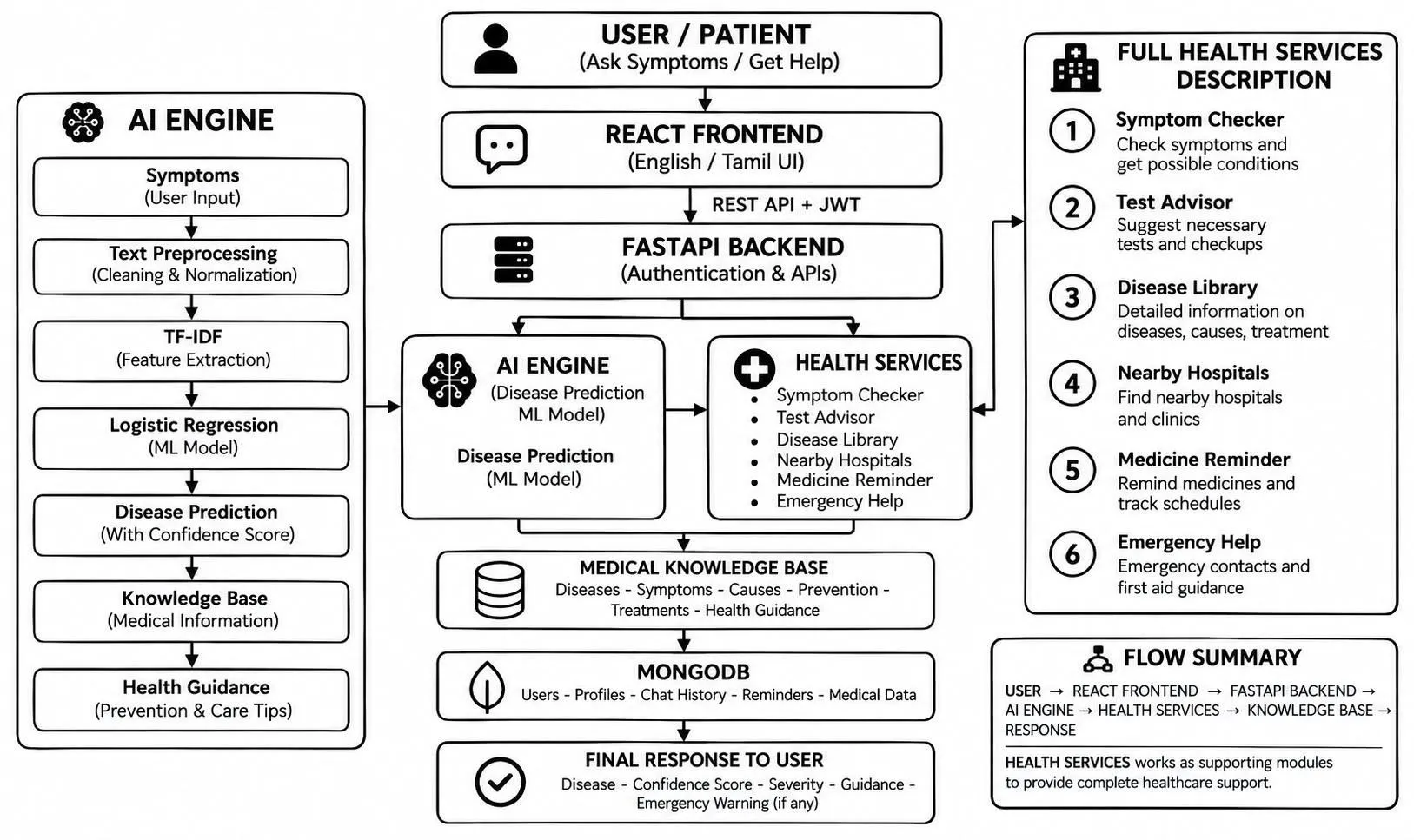
Figure 1: Proposed Kongu AI Chatbot Framework
The Kongu AI Chatbot is a web based AI application which aims to provide users with simple health related information provision, diagnosis, health management and natural health provision.It combines machine learning, natural language processing, conversational AI, medical information and geolocation to both inform and improve users’ health related experiences.To allow a user to have a singular point of access for health information, and avoid having to download multiple applications, was the primary aim for the Kongu AI Chatbot.
Using a web interface the Kongu AI Chatbot analyses a user’s input. Depending on what is being analysed, the Kongu AI Chatbot then identifies and operates the appropriate module.React was used to construct a user friendly web interface. Python was chosen for the machine learning and health classification processes. In addition, the Kongu AI Chatbot is also integrated with an AI API, to enable the Kongu AI Chatbot to communicate and provide useful responses in natural language.
Within the Kongu AI Chatbot, the Symptom Checker utilises both Term Frequency–Inverse Document Frequency (TF-IDF) and Logistic Regression in order to analyse a user’s health related symptoms and recommend disease classifications. Initially, the Kongu AI Chatbot analyses and cleans a user’s symptoms. This involves converting letters to lowercase; dividing words into individual tokens and deleting unnecessary symbols. Normalisation is then applied to symptoms.TF-IDF then assigns numerical values to this processed text. Words are valued according to how frequently they occur and their relevance. This numerical data is then analysed by a Logistic Regression classifier to analyse and predict a classification of disease, using previously analysed data.
Alongside this, the Kongu AI Chatbot conveys this predicted disease classification to a user. General health related information is also provided. It is important to recognise that this prediction does not constitute official medical diagnosis.
Furthermore, the Kongu AI Chatbot provides a medical information knowledge base containing information relating to numerous diseases, including aetiology, symptoms and preventative measures in addition to wider health information.Both the Disease Library and Test Advisor within the Kongu AI Chatbot provide users with information regarding diseases and associated medical tests for particular symptoms and diseases. These therefore support a user’s health information provision and increase users’ knowledge and health related awareness.
The AI Chatbot module enables users to converse about various health issues. This includes information regarding diseases, symptoms, healthy behaviour, diet and preventative and general health provision. Again, the Kongu AI Chatbot makes use of its AI API to facilitate communication and response production. Unlike a search engine, this means that users can input full, natural sentences and obtain lucid responses.The Health Reminder module enables users to set alerts for medication, appointments and laboratory tests. Furthermore, the Period Tracker module enables females to input and analyse information relating to their menstrual cycle and also to establish future period date alerts. Finally, in the Profile module, user and health related information is stored in order to further structure a user’s experience.
Within the Kongu AI Chatbot, the Natural Wellness module is introduced in order to boost health awareness and educate users about natural health. Information is provided regarding diet, water, physical activity, yoga, meditation, respiration and stress. Kongu also produces Naturopathy video and information resources which users can utilise to further understand and implement natural health methods. Again, these are purely educational and should not be seen as or substituted for medical advice or expert health provision.
Additionally, the Kongu AI Chatbot also possesses a Nearby Hospitals module. Making use of geolocation technology, it displays local hospital locations so that users may identify appropriate medical facilities.Emergency Help provides users with information concerning emergency health related assistance so that individuals can locate suitable emergency health provision. Whilst providing health related information and increasing health awareness, the Kongu AI Chatbot’s chat is designed to promote users seeking expert advice where appropriate.
MongoDB has been implemented as the database for the Kongu AI Chatbot. Within this, user profiles, health related information, health tracking information, alerts and period tracker information, alongside other Kongu AI Chatbot related information is stored. Data is categorised by module. On opening of the Kongu AI Chatbot, relevant data is then retrieved. Integration of React, Python, MongoDB, machine learning and the AI API facilitates a highly interactive healthcare system. Overall, this system operates by analysing user input, recognising queries, cleansing data and identifying the relevant module. Information is then analysed and responses formed. Symptomatic related queries are analysed using a TF-IDF and Logistic Regression model. General health related queries are responded to by the AI. User health related information is stored within the database. Additional health provision modules are also accessed. Processed information is then displayed on the Kongu AI Chatbot web interface. Hence, the Kongu AI Chatbot unifies health related symptom analysis, conversational health information provision, medical information, health management, alert provision, natural health information and hospital information within a singular AI based web application. This system seeks to facilitate improved accessibility to healthcare, and also enhance health awareness, whilst enabling a user to effectively oversee and manage key everyday health related information. The Figure 2. shows the chatbot page, where users can enter their health-related questions and get relevant information through the AI chatbot.
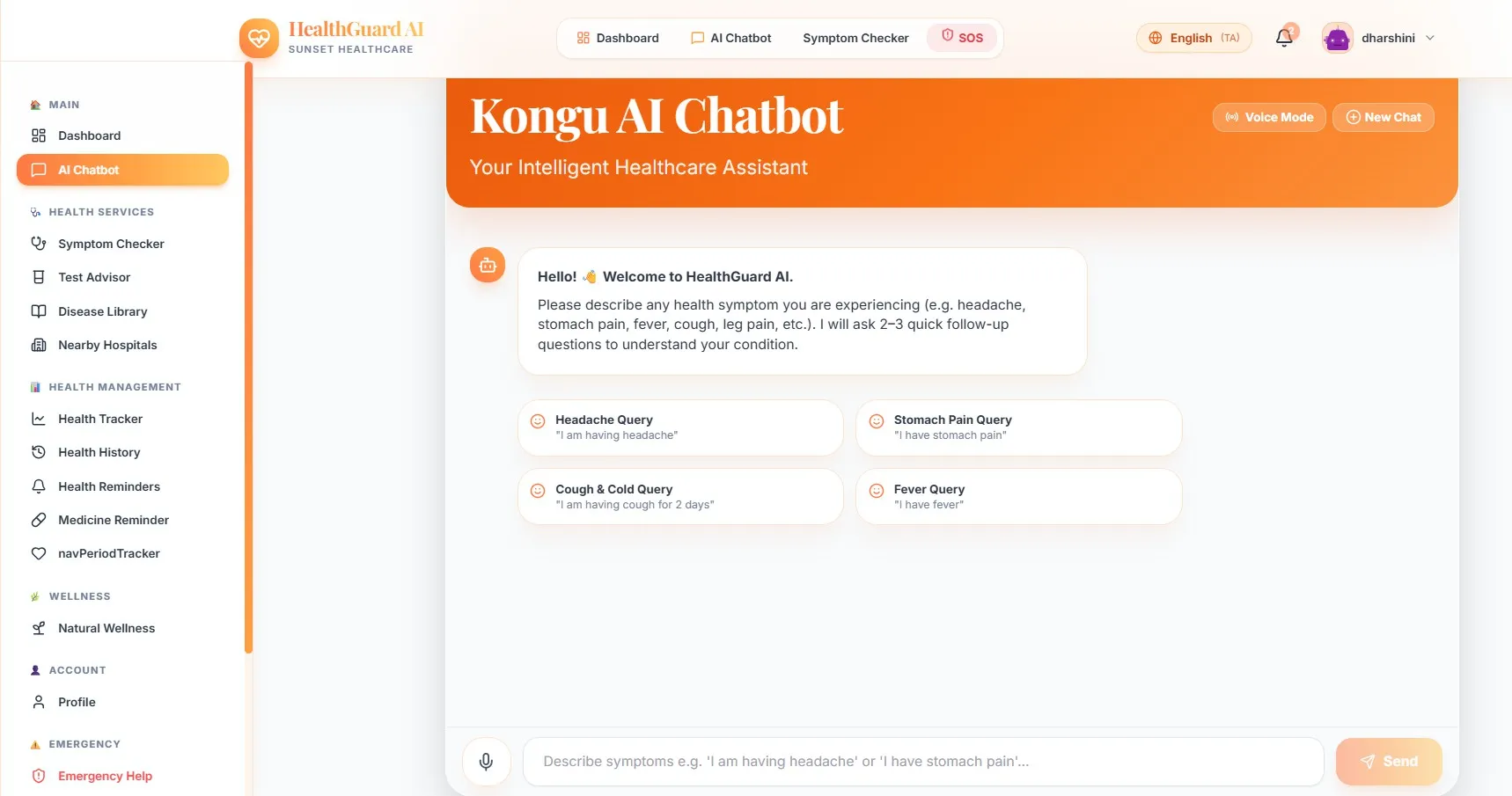
Figure 2: Kongu AI Chatbot Page
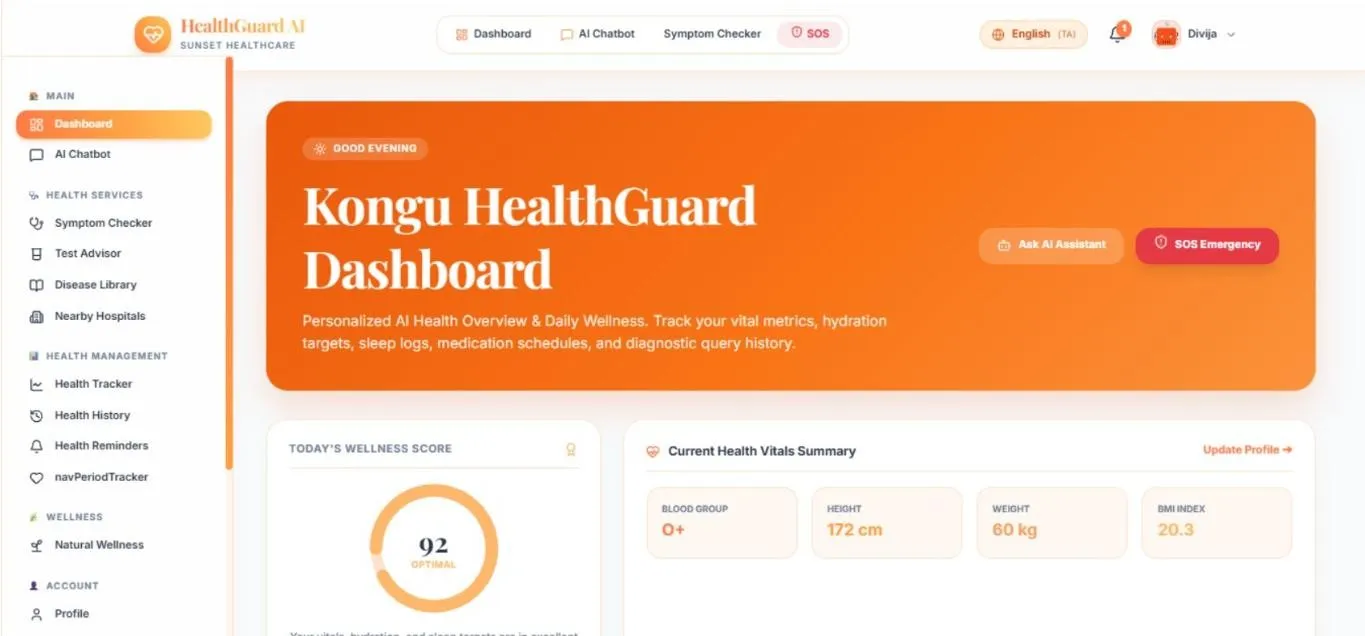
Figure 3: Dashboard Page
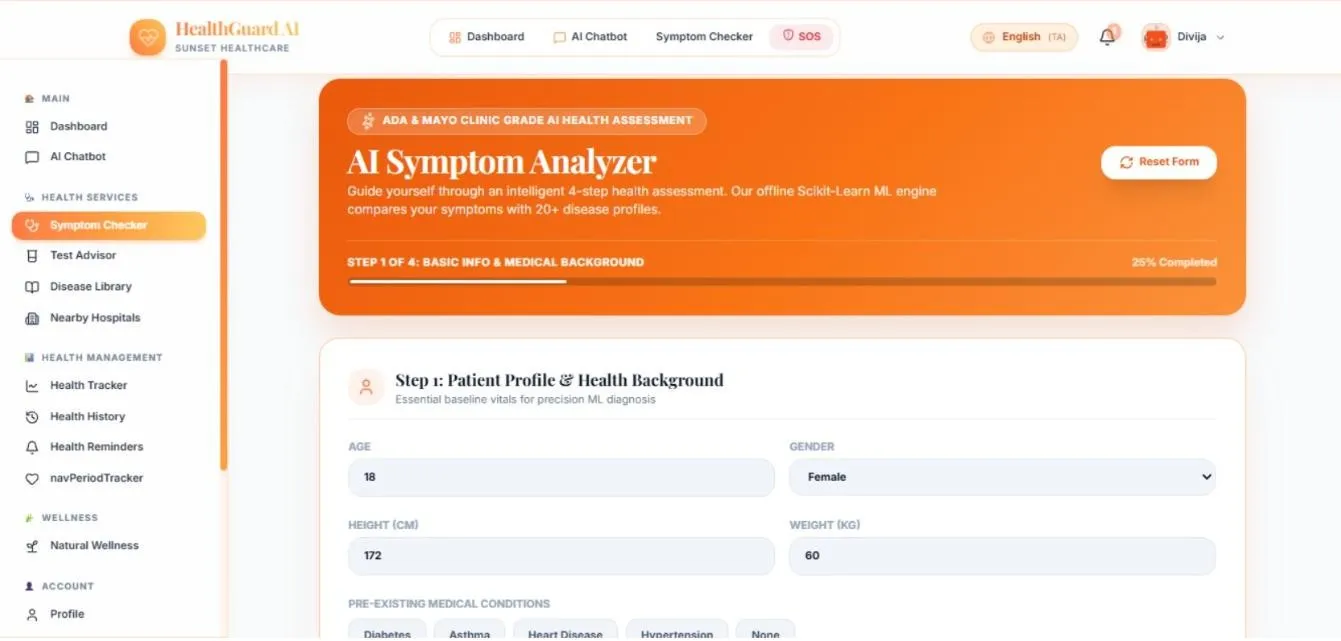
Figure 4: Symptom Analyzer Page
This is the initial page for the Kongu AI Chatbot App. Users are able to gather health information and access various health related services on this page. It also provides information about the user such as health profiles, health score and health data. Within this section, there are a range of services which can be accessed by users including the AI Chatbot figure 3.
.
Figure 4 .Users can analyse their symptoms via this function to identify potential health issues. Two methods are used within the system; TF-IDF and Logistic Regression. Firstly, the users’ symptoms. The Logistic Regression model then analyses this numerical information so as to determine which disease group a person is most likely to fall into. Together with health information, this is presented to the user. This facility aims to educate people and so increase their knowledge about health.
RESULTS AND DISCUSSIONS
The proposed system is evaluated by testing each implemented module independently and then studying the overall interaction among modules. The Symptom Checker is evaluated with the prepared symptom dataset and the trained TF-IDF + Logistic Regression classification model.
The AI Chatbot is tested with different health-related questions to evaluate its response to the user. The functionality of Disease Library is verified by checking if it provides the required information about the disease. The Health Tracker, Health Reminders, Period Tracker, and Profile section are tested for the proper functioning of the features provided. The Health Tracker, Health Reminders, Period Tracker and Profile are also tested to ensure that all features operate appropriately. Finally, the Natural Wellness section is tested to ensure that the user can view the available videos and other wellness information.
Thus the experimental setup tests both the machine learning part and the integrated healthcare application. This approach is consistent with the literature’s focus on the evaluation of chatbot usability, feasibility, effectiveness and responsible use for healthcare.[1] [2] [9] [10]
The Table 1. presents the experimental setup of the proposed system, including the modules tested, the tests performed, and the expected results for each module.
Table 1: Experimental Setup
| Module | Test Performed | Expected Result |
|---|---|---|
| AI Chatbot | Health-related queries | Relevant conversational response |
| Symptom Checker | Symptom input | Predicted disease category |
| Test Advisor | Test-related query | Relevant test information |
| Nearby Hospitals | Location input | Nearby healthcare facilities |
| Health Tracker | Health record entry | Updated health information |
| Health History | Previous records | Stored history displayed |
| Period Tracker | Cycle information | Period-related tracking information |
| Natural Wellness | Wellness query | Naturopathy wellness / Information |
The Figure 5.shows the AI Chatbot testing page, where users answer questions about their symptoms and health conditions. The chatbot asks follow-up questions to understand the symptoms and provide relevant health information.
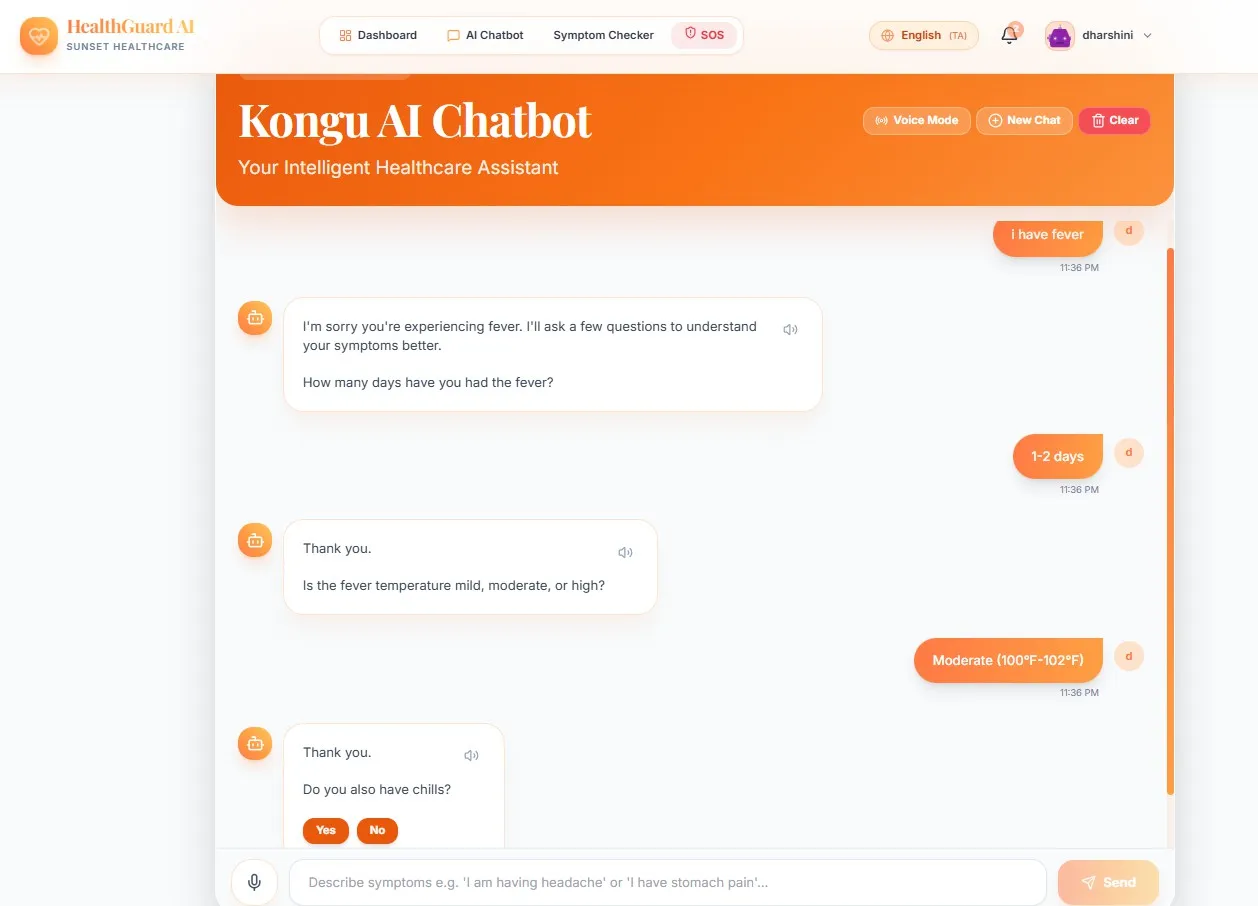
Figure 5: AI Chatbot – Request and Response Validation
The Kongu AI Chatbot is successful as it integrates a range of health related services within one web based application. This chatbot facilitates an interactive service which provides health information. Currently, the Symptom Checker analyses text which is inputted by individuals and does so using a machine learning model, which has been trained. Health Information Services then provide individuals with information relating to both conditions and test results. Furthermore, the Personal Health Management features allow people to maintain, monitor and receive alerts for their health. The Natural Wellness function provides both video and informational resources to promote good health. Taken together, these therefore deliver a enjoyable health orientated service which enables people to both remain health conscious and to understand symptoms at an early stage. It also assists with the day-to-day management of health.
V. CONCLUSION AND FUTURE ENHANCEMENT
The proposed AI-Driven Public Health Chatbot for Disease Awareness offers a single platform solution for health information, disease awareness, symptom analysis, personal health management, and healthcare-service discovery. The system is a combination of TF IDF, Logistic Regression (with API) for symptom classification with conversational AI. The application combines the power of AI Chatbot, Symptom Checker, Test Advisor, Disease Library, nearby hospitals, Health tracker, Health history, Health reminders, Period tracker, Profile, and Natural wellness into a single application.
The Natural Wellness component also offers general-awareness naturopathy information. The suggested approach illustrates the possibility of using AI and machine learning technologies to integrate personal health-management capabilities in a flexible way to create a more accessible public-health support platform. The system is designed to assist with health awareness, but should not be used as a replacement for qualified health care professionals. Existing studies highlight the need for responsible, transparent, and safe implementation of AI technology in healthcare. [4] [6] [7] [8]
This can be achieved by analysing suitable health data and applying a range of machine learning tools to analyse this information and so improve the systems ability to categorise symptoms.Furthermore, it would be an ideal enhancement if the chatbot was also translated into regional languages, so that those with such linguistic backgrounds can use it effortlessly.Individualised health advice can also be provided which is tailored to the data of each patient. This will then be even more appropriate and beneficial.Information about local hospitals can be enhanced further by including details of the distance away they are, if they provide an emergency service and navigation aids.Within the natural wellness area, extra information on naturopathy and wider wellness issues can be added. Alongside this, cautions should be included.
The Health information can be checked, alongside medical references, and suitable DISCLAIMERS can be given. This will reduce the risk of inaccurate health information being provided.
REFERENCES




Dr. S. Kavitha Bharathi, A. M. Dharshini, S. Divija, K. S. Kaviyavarshini, AI Driven Public Health Chatbot for Disease Awareness, Int. J. Sci. R. Tech., 2026, 3 (11), 1425-1434. https://doi.org/10.5281/zenodo.24560131
 10.5281/zenodo.24560131