

We use cookies to ensure our website works properly and to personalise your experience. Cookies policy
Department of Pharmacology, Gandhi Natha Rangji College of Diploma Pharmacy, Solapur, Maharashtra, India (Affiliated to Dr. Babasaheb Ambedkar Technological University, Lonere, Raigad, Maharashtra, India)
Background: Alzheimer's disease (AD) is the most prevalent neurodegenerative disorder and a leading cause of dementia worldwide, characterized by progressive cognitive decline and substantial social, clinical, and economic consequences. Although amyloid-? accumulation and tau pathology remain central to current disease models, increasing evidence indicates that AD is a multifactorial disorder involving neuroinflammation, oxidative stress, mitochondrial dysfunction, synaptic impairment, blood–brain barrier disruption, metabolic dysregulation, and neuronal loss. Key Findings: Current evidence indicates that AD pathogenesis arises from complex interactions among protein aggregation, neuroinflammation, oxidative and mitochondrial stress, impaired proteostasis, vascular dysfunction, genetic susceptibility, and metabolic alterations. Advances in cerebrospinal fluid and blood-based biomarkers, neuroimaging, artificial intelligence, and multi-omics technologies are transforming early diagnosis and patient stratification. Furthermore, the therapeutic landscape is progressing beyond symptomatic treatment toward disease-modifying approaches targeting amyloid pathology and other pathological mechanisms. Nanotechnology, immunotherapy, gene- and RNA-based interventions, natural compounds, microbiome-based strategies, and precision medicine represent promising emerging avenues. Conclusion: A comprehensive understanding of the interconnected molecular mechanisms underlying AD is essential for developing effective preventive, diagnostic, and therapeutic strategies. Future progress will depend on integrating multimodal biomarkers, artificial intelligence, multi-omics, and individualized therapeutic approaches to enable earlier detection and precision management. Continued translational research and well-designed clinical studies are required to overcome existing limitations and establish durable, safe, and clinically meaningful interventions for AD.
Global Burden of Alzheimer’s Disease
Alzheimer’s disease (AD) is the most common neurodegenerative disorder underlying dementia and represents a major global public health challenge. The progressive increase in life expectancy, demographic transition toward an aging population, and growing prevalence of age-associated neurological disorders have substantially increased the worldwide burden of AD. The disease is characterized by progressive deterioration of memory and other cognitive domains, accompanied by functional dependency and diverse neuropsychiatric manifestations. Its impact extends beyond individual patients, placing considerable demands on caregivers, healthcare professionals, and social-support systems. The increasing number of individuals living with AD is consequently associated with substantial healthcare expenditure, long-term care requirements, loss of productivity, and broader socioeconomic consequences, highlighting the urgent need for effective strategies for prevention, early detection, and disease modification.
Epidemiological Trends and Risk Factors
The epidemiology of AD is strongly influenced by advancing age, with disease prevalence increasing markedly in older populations. Although age remains the most significant non-modifiable risk factor, sex-related differences have also been reported, with women accounting for a substantial proportion of individuals affected by AD, partly reflecting differences in longevity and potentially involving biological, hormonal, and genetic factors. Genetic susceptibility further contributes to disease risk, particularly through the APOE ε4 allele, while rare mutations in APP, PSEN1, and PSEN2 are associated with familial early-onset forms of the disease. Increasing evidence also demonstrates that cardiovascular and metabolic conditions, including hypertension, diabetes mellitus, obesity, dyslipidemia, and cerebrovascular disease, may contribute to cognitive decline and AD risk through vascular dysfunction, chronic inflammation, and metabolic disturbances. In parallel, potentially modifiable lifestyle and environmental factors—including physical inactivity, unhealthy dietary patterns, smoking, excessive alcohol consumption, poor sleep, social isolation, and limited cognitive engagement—have emerged as important determinants of dementia risk. These observations emphasize that AD results from a complex interaction between genetic vulnerability, aging, vascular and metabolic health, lifestyle, and environmental exposures.
Clinical Significance of Alzheimer's Disease
The clinical progression of AD is typically characterized by an insidious and irreversible decline in cognitive function, initially affecting episodic memory and subsequently involving language, executive function, visuospatial abilities, and other cognitive domains. As the disease advances, patients experience progressive loss of independence and impairment in activities of daily living, ultimately requiring extensive personal and institutional care. Neuropsychiatric manifestations, including apathy, depression, agitation, anxiety, sleep disturbances, psychosis, and behavioral changes, further complicate disease management and may accelerate functional decline. The cumulative effects of cognitive and functional impairment significantly reduce quality of life and create profound emotional, physical, and financial challenges for caregivers and families. At the healthcare-system level, the increasing demand for diagnosis, pharmacological treatment, long-term care, and supportive services presents a substantial and growing challenge, particularly in countries with rapidly aging populations.
Evolution of Understanding Alzheimer's Disease
The scientific understanding of AD has evolved considerably since its initial neuropathological description in the early twentieth century. Historically, diagnosis was primarily based on clinical symptoms and post-mortem neuropathological confirmation. Subsequent advances in molecular neuroscience established amyloid-β accumulation and tau-associated neurofibrillary pathology as major pathological features of the disease. However, contemporary research has demonstrated that AD is not exclusively an amyloid- or tau-driven disorder but rather a complex and multifactorial neurodegenerative process involving interconnected mechanisms such as neuroinflammation, oxidative stress, mitochondrial dysfunction, impaired proteostasis, synaptic failure, cerebrovascular dysfunction, blood–brain barrier disruption, metabolic abnormalities, and neuronal loss. This expanded understanding has progressively shifted the field from a purely symptom-based clinical diagnosis toward a biologically informed disease framework supported by molecular and imaging biomarkers.
The development of cerebrospinal fluid biomarkers, plasma biomarkers, positron emission tomography, magnetic resonance imaging, and other advanced diagnostic technologies has further transformed the identification and characterization of AD. Biomarker-based approaches now facilitate the detection of pathological changes at earlier stages, potentially preceding the onset of substantial clinical symptoms. This transition toward molecular characterization has also enabled improved disease staging and patient stratification and has supported the development of targeted disease-modifying therapies. Nevertheless, substantial challenges remain regarding biomarker accessibility, diagnostic standardization, disease heterogeneity, treatment response, and the translation of molecular discoveries into clinically effective interventions.
OVERVIEW OF ALZHEIMER'S DISEASE
Definition and Classification
Alzheimer's disease (AD) is a progressive, irreversible neurodegenerative disorder characterized by the gradual deterioration of cognitive and functional abilities. It is the most common pathological cause of dementia and is associated with complex interactions among amyloid-β accumulation, tau pathology, neuroinflammation, oxidative stress, synaptic dysfunction, mitochondrial impairment, and neuronal loss. Clinically, AD may be classified according to age of onset, with late-onset AD representing the predominant form and early-onset AD occurring at a younger age and often showing stronger familial or genetic associations. From a biological perspective, contemporary frameworks increasingly define AD on the basis of underlying neuropathological changes and biomarker evidence rather than relying exclusively on clinical symptoms, reflecting the transition toward a biologically informed and biomarker-supported disease classification.
Clinical Spectrum
The clinical spectrum of AD extends from an asymptomatic or preclinical phase through mild cognitive impairment (MCI) to established Alzheimer's dementia. In preclinical AD, individuals may have detectable amyloid-β and tau-related pathological changes or abnormal biomarkers despite the absence of clinically apparent cognitive impairment. This stage is increasingly recognized as a critical window for early detection and preventive interventions because neuropathological processes may begin years before the emergence of overt symptoms. Mild cognitive impairment due to AD represents an intermediate stage in which measurable cognitive decline is present but does not substantially compromise an individual's independence in daily activities. However, a proportion of individuals with MCI subsequently progress to dementia, particularly when AD-related biomarker abnormalities are present. Alzheimer's dementia represents the clinically advanced stage, characterized by progressive cognitive deterioration that interferes with occupational, social, and everyday functioning.
Clinical Manifestations
The clinical manifestations of AD are heterogeneous and generally evolve progressively with disease advancement. Memory impairment, particularly the deterioration of episodic and recent memory, is frequently an early and prominent feature, although atypical presentations may initially involve other cognitive domains. Executive dysfunction may manifest as impaired planning, decision-making, problem-solving, cognitive flexibility, and attention. Progressive language impairment can include word-finding difficulties, reduced verbal fluency, impaired comprehension, and eventual disruption of effective communication. As the disease advances, behavioral and neuropsychiatric changes, including apathy, depression, anxiety, agitation, irritability, sleep disturbances, hallucinations, and psychotic symptoms, may develop. These manifestations contribute substantially to caregiver burden and may further complicate disease management and quality of life.
Disease Progression and Staging
AD follows a continuum of pathological and clinical progression rather than a clearly demarcated sequence of stages. The disease is commonly conceptualized as progressing from preclinical AD to MCI due to AD and subsequently to mild, moderate, and severe Alzheimer's dementia. During the preclinical phase, molecular and pathological alterations may accumulate in the absence of evident clinical symptoms. As cognitive impairment becomes detectable, individuals may enter the MCI stage, characterized by measurable decline with relative preservation of functional independence. Progression to dementia is accompanied by increasing impairment in memory, executive function, language, visuospatial abilities, and activities of daily living. In advanced disease, profound cognitive and functional dependence develops, frequently accompanied by behavioral disturbances and substantial loss of autonomy. The rate and pattern of progression vary considerably among individuals, reflecting differences in genetic background, comorbidities, cognitive reserve, pathological burden, and environmental factors.
Major Risk Factors
The development of AD is influenced by a complex combination of non-modifiable and modifiable risk factors. Increasing age is the strongest established risk factor, while genetic susceptibility—particularly the presence of the APOE ε4 allele—is an important contributor to late-onset disease risk. Other non-modifiable factors include family history, sex-related biological differences, and rare pathogenic variants associated with familial early-onset AD. In contrast, potentially modifiable factors include hypertension, diabetes mellitus, obesity, dyslipidemia, cardiovascular disease, physical inactivity, smoking, excessive alcohol consumption, poor dietary patterns, sleep disturbances, social isolation, and low levels of cognitive and educational engagement. These factors may influence AD risk through vascular dysfunction, metabolic abnormalities, chronic inflammation, oxidative stress, and impaired neuronal resilience. Recognition and management of modifiable risk factors therefore represent important components of contemporary preventive strategies and may provide opportunities to delay disease onset or slow cognitive decline. Collectively, the multifactorial nature of AD underscores the importance of integrating biological, clinical, genetic, and environmental determinants within emerging risk-stratified and precision medicine frameworks.
Neurobiology and Pathophysiology of Alzheimer's Disease
Amyloid-β Pathology
Amyloid-β (Aβ) pathology remains a central feature of Alzheimer's disease (AD) and arises from altered processing of amyloid precursor protein (APP), a transmembrane protein involved in neuronal development and synaptic function. APP undergoes sequential proteolytic cleavage through either non-amyloidogenic or amyloidogenic pathways. In the amyloidogenic pathway, β-secretase (BACE1) initiates APP cleavage, followed by γ-secretase processing, generating Aβ peptides, particularly Aβ40 and the more aggregation-prone Aβ42 species. An imbalance between Aβ production and clearance promotes the accumulation of soluble Aβ oligomers, which subsequently undergo aggregation and deposition as extracellular amyloid plaques. Increasing evidence suggests that soluble Aβ oligomers are particularly neurotoxic and contribute to synaptic dysfunction, neuronal injury, and activation of inflammatory pathways before the development of extensive plaque deposition.
Tau Hyperphosphorylation and Neurofibrillary Tangles
Tau is a microtubule-associated protein that maintains axonal structure and facilitates intracellular transport within neurons. Under physiological conditions, tau phosphorylation is tightly regulated; however, in AD, dysregulated kinase and phosphatase activity results in abnormal tau hyperphosphorylation. Hyperphosphorylated tau exhibits reduced affinity for microtubules and undergoes conformational changes, promoting misfolding and aggregation into paired helical filaments and neurofibrillary tangles. The accumulation of pathological tau disrupts axonal transport, compromises neuronal integrity, and contributes to progressive neurodegeneration. Pathological tau can also spread between anatomically connected neuronal populations through mechanisms involving cellular uptake, intracellular trafficking, and release, contributing to the progressive propagation of neurodegenerative pathology across the brain.
Amyloid–Tau Interaction
Although amyloid and tau pathologies were historically considered relatively independent processes, contemporary evidence supports a complex functional interaction between them. Aβ accumulation may initiate or amplify downstream molecular events that promote tau hyperphosphorylation, mislocalization, and aggregation, whereas pathological tau appears to be more directly associated with neuronal dysfunction and clinical disease progression. The interaction between Aβ and tau may therefore establish a self-reinforcing pathological cascade involving synaptic injury, neuroinflammation, oxidative stress, mitochondrial dysfunction, and neuronal loss. This interconnected model has contributed to a broader understanding of AD as a multifactorial disease in which amyloid pathology may act as an upstream trigger, while tau pathology represents a major mediator of neuronal degeneration and clinical decline.
Synaptic Dysfunction and Neuronal Loss
Synaptic failure is considered an early and clinically relevant feature of AD and is strongly associated with cognitive impairment. Soluble Aβ oligomers and pathological tau interfere with synaptic signaling, plasticity, neurotransmitter release, and neuronal connectivity. Persistent molecular stress subsequently activates inflammatory, oxidative, and apoptotic pathways, leading to progressive neuronal dysfunction and cell death. The cumulative loss of synapses and neurons, particularly within the hippocampus and association cortices, contributes to the deterioration of memory, executive function, and other cognitive domains. Thus, synaptic dysfunction represents an important mechanistic link between molecular pathology and the clinical manifestations of AD.
Cholinergic Dysfunction
The cholinergic system is particularly vulnerable in AD, with progressive degeneration of cholinergic neurons in the basal forebrain and reduced acetylcholine availability in affected cortical regions. Since acetylcholine plays an essential role in learning, memory, attention, and synaptic plasticity, disruption of cholinergic neurotransmission contributes substantially to cognitive impairment. This neurochemical deficit provides the rationale for the clinical use of acetylcholinesterase inhibitors, including donepezil, rivastigmine, and galantamine, which aim to enhance cholinergic signaling. However, cholinergic dysfunction is increasingly recognized as one component of a broader neurodegenerative network involving multiple neurotransmitter systems and pathological mechanisms.
Blood–Brain Barrier Dysfunction
The blood–brain barrier (BBB) is essential for maintaining cerebral homeostasis by regulating the transport of nutrients and metabolites while restricting the entry of potentially harmful substances. In AD, structural and functional disruption of the BBB has been associated with endothelial dysfunction, pericyte loss, altered tight-junction integrity, impaired vascular clearance of Aβ, and neurovascular inflammation. BBB impairment may consequently facilitate the accumulation of neurotoxic molecules, alter cerebral metabolism, and exacerbate inflammatory and oxidative processes. Importantly, the relationship between BBB dysfunction and AD pathology is likely bidirectional, with vascular injury contributing to neurodegeneration while Aβ and inflammatory mediators further compromise neurovascular integrity.
Cerebrovascular Contributions
Cerebrovascular abnormalities are increasingly recognized as important contributors to AD pathophysiology. Cerebral small-vessel disease, impaired cerebral blood flow, vascular stiffness, microinfarcts, and other vascular abnormalities may reduce neuronal resilience and compromise the clearance of pathological proteins. Cardiovascular risk factors such as hypertension, diabetes, obesity, and dyslipidemia may further promote cerebrovascular dysfunction and interact with amyloid and tau pathology. Consequently, AD is increasingly viewed as a complex neurodegenerative and neurovascular disorder in which amyloid and tau pathology, synaptic dysfunction, cholinergic deficits, BBB disruption, and cerebrovascular injury converge to drive progressive neuronal damage and cognitive decline. This integrated perspective provides an important foundation for the development of multimodal diagnostic and therapeutic strategies targeting multiple pathological mechanisms rather than a single disease pathway.
Molecular Mechanisms Underlying Alzheimer's Disease
Alzheimer's disease (AD) is increasingly recognized as a complex, multifactorial neurodegenerative disorder in which several interconnected molecular mechanisms contribute to progressive synaptic dysfunction and neuronal loss. Although amyloid-β and tau pathology remain important components of AD pathogenesis, accumulating evidence indicates that oxidative stress, mitochondrial dysfunction, neuroinflammation, excitotoxicity, impaired autophagy, endoplasmic reticulum (ER) stress, regulated cell death, and epigenetic alterations interact dynamically to drive disease progression. These mechanisms form a pathological network in which dysfunction of one cellular process can amplify others, ultimately compromising neuronal homeostasis and cognitive function.
Oxidative Stress
Oxidative stress represents a major contributor to AD pathogenesis and occurs when the generation of reactive oxygen species (ROS) exceeds the capacity of endogenous antioxidant defenses. Neurons are particularly vulnerable because of their high metabolic activity, substantial oxygen consumption, and relatively limited antioxidant capacity. Excessive ROS production promotes lipid peroxidation, resulting in damage to neuronal membranes and alterations in membrane-associated proteins; protein oxidation, which compromises enzyme activity and cellular signaling; and oxidative DNA damage, which can impair genomic stability and neuronal function. Amyloid-β accumulation, mitochondrial dysfunction, activated immune cells, and impaired cellular metabolism may further enhance ROS generation. Concurrent impairment of antioxidant systems, including glutathione-dependent defenses and enzymes such as superoxide dismutase, catalase, and glutathione peroxidase, further intensifies the redox imbalance. Thus, persistent oxidative stress may establish a self-amplifying cycle of molecular injury, inflammation, mitochondrial impairment, and neuronal degeneration.
Mitochondrial Dysfunction
Mitochondrial dysfunction is closely associated with the progression of AD and contributes to neuronal vulnerability through impaired energy metabolism and excessive ROS production. Dysfunctional mitochondria exhibit reduced oxidative phosphorylation and impaired ATP production, limiting the energy required to maintain synaptic transmission, ion gradients, and neuronal homeostasis. At the same time, abnormal mitochondrial electron transport increases mitochondrial ROS generation, further promoting oxidative damage. Alterations in mitochondrial dynamics, including disrupted fission and fusion processes, impair mitochondrial distribution and quality control within neurons. Defective mitophagy, the selective autophagic removal of damaged mitochondria, may allow dysfunctional organelles to accumulate and perpetuate oxidative and metabolic stress. The reciprocal interaction between mitochondrial dysfunction and oxidative stress therefore represents an important mechanism linking cellular metabolic failure with synaptic dysfunction and neuronal loss in AD.
Neuroinflammation
Chronic neuroinflammation is a fundamental component of AD pathology and involves persistent activation of resident immune cells within the central nervous system. Microglia, the principal innate immune cells of the brain, respond to amyloid-β and other damage-associated signals by adopting activated phenotypes that may initially facilitate pathological protein clearance but, when chronically stimulated, promote sustained inflammatory injury. Astrocytes also undergo reactive changes and contribute to the regulation of inflammatory signaling, neuronal metabolism, and synaptic function. Persistent activation of microglia and astrocytes promotes the release of pro-inflammatory mediators, including interleukins, tumor necrosis factor-α, and other cytokines, which may exacerbate neuronal dysfunction. The NLRP3 inflammasome has received particular attention because its activation can promote inflammatory signaling and maturation of IL-1β and IL-18 in response to cellular stress and pathological stimuli. This persistent inflammatory environment may interact with oxidative stress and amyloid and tau pathology, thereby establishing a chronic cycle of neuroinflammation and neurodegeneration.
Excitotoxicity
Excitotoxic neuronal injury is associated with excessive glutamatergic neurotransmission and impaired regulation of neuronal calcium homeostasis. Dysregulation of glutamate uptake and clearance may result in prolonged activation of glutamatergic receptors, particularly N-methyl-D-aspartate (NMDA) receptors. Excessive NMDA receptor stimulation promotes intracellular calcium overload, which activates calcium-dependent proteases, phospholipases, and other enzymes that contribute to oxidative stress, mitochondrial dysfunction, and neuronal injury. Sustained excitotoxic signaling may therefore interact with mitochondrial impairment and inflammatory mechanisms to accelerate synaptic dysfunction and neuronal death. The therapeutic relevance of this pathway is reflected in the use of memantine, an NMDA receptor antagonist employed for symptomatic management of moderate-to-severe AD.
Autophagy and Lysosomal Dysfunction
Autophagy and lysosomal systems play essential roles in the removal of damaged organelles, misfolded proteins, and aggregated cellular components. In AD, disruption of autophagic flux and lysosomal function may impair the clearance of amyloid-β, pathological tau, and dysfunctional mitochondria. Accumulation of autophagic vacuoles and abnormalities in lysosomal degradation have been observed in affected neurons, suggesting defective intracellular quality control. Impaired autophagy may consequently contribute to proteostatic imbalance, mitochondrial dysfunction, and neuronal vulnerability. Because autophagy is closely connected to cellular metabolism and regulated cell death, its dysregulation may influence several other pathological pathways involved in AD.
Apoptosis and Neuronal Cell Death
Progressive neuronal loss represents the pathological basis of irreversible cognitive decline in AD. Apoptosis, or programmed cell death, may be activated by persistent oxidative stress, mitochondrial dysfunction, calcium dysregulation, inflammatory signaling, and DNA damage. Mitochondrial membrane disruption can promote the release of pro-apoptotic factors and activation of caspase-dependent signaling, ultimately leading to neuronal degeneration. Although apoptosis contributes to neuronal loss, current evidence indicates that AD-associated neurodegeneration involves multiple regulated cell death mechanisms rather than a single pathway.
Endoplasmic Reticulum Stress
The endoplasmic reticulum (ER) is essential for protein folding, maturation, and intracellular quality control. Accumulation of misfolded proteins and disturbances in cellular homeostasis can trigger ER stress and activate the unfolded protein response (UPR). Initially, the UPR functions as an adaptive mechanism to restore proteostasis; however, persistent or excessive ER stress can activate inflammatory and apoptotic signaling pathways. In AD, ER stress may be linked to amyloid and tau accumulation, oxidative stress, calcium imbalance, and impaired protein degradation. Chronic activation of ER stress pathways may therefore contribute to synaptic dysfunction and neuronal death, further reinforcing the interconnected nature of AD pathology.
Ferroptosis and Other Regulated Cell Death Pathways
Emerging evidence suggests that ferroptosis, an iron-dependent form of regulated cell death characterized by excessive lipid peroxidation and failure of cellular antioxidant defenses, may contribute to neurodegeneration in AD. Altered iron homeostasis, mitochondrial dysfunction, lipid oxidation, and depletion of glutathione-dependent protective mechanisms may increase neuronal susceptibility to ferroptotic injury. In addition to ferroptosis, other regulated cell death pathways—including necroptosis, pyroptosis, and autophagy-associated cell death—may participate in disease progression. These pathways may interact with neuroinflammation and oxidative stress, suggesting that targeting regulated cell death mechanisms could represent a potential avenue for future disease-modifying interventions.
Epigenetic Dysregulation
Epigenetic mechanisms provide an important link between genetic susceptibility, environmental exposures, aging, and neurodegenerative processes. In AD, alterations in DNA methylation, histone modifications, and chromatin organization may influence the expression of genes involved in neuronal survival, inflammation, synaptic plasticity, and protein homeostasis. Abnormal DNA methylation patterns have been associated with altered expression of genes implicated in AD pathology, while changes in histone acetylation and other post-translational histone modifications may affect transcriptional regulation and neuronal function. Furthermore, non-coding RNAs, including microRNAs and long non-coding RNAs, can regulate gene expression at the post-transcriptional level and have been implicated in amyloid processing, tau phosphorylation, neuroinflammation, oxidative stress, and synaptic dysfunction. These epigenetic alterations are increasingly considered potential biomarkers and therapeutic targets, particularly within emerging precision medicine approaches.
Integrated Molecular Perspective
Collectively, these mechanisms demonstrate that AD cannot be adequately explained by a single pathological cascade. Amyloid-β and tau accumulation, oxidative stress, mitochondrial dysfunction, neuroinflammation, excitotoxicity, impaired autophagy, ER stress, ferroptosis, and epigenetic dysregulation interact through complex feedback loops that progressively undermine neuronal resilience. For example, amyloid-β and tau pathology can promote oxidative and mitochondrial stress, which in turn enhances inflammatory signaling and cellular dysfunction. Similarly, chronic neuroinflammation can amplify ROS generation and impair proteostasis, while mitochondrial and lysosomal dysfunction may reduce the capacity of neurons to eliminate damaged cellular components. Understanding these interconnected mechanisms provides a strong biological rationale for multitarget therapeutic strategies, biomarker-guided disease characterization, and precision medicine approaches aimed at identifying patient-specific pathological drivers and intervening at earlier stages of AD progression.
Hallmarks of Alzheimer's Disease
Alzheimer's disease (AD) is a multifactorial neurodegenerative disorder characterized by a complex network of pathological alterations that progressively disrupt neuronal homeostasis and brain function. Although amyloid-β accumulation and tau pathology remain defining pathological features, increasing evidence indicates that AD involves multiple interconnected processes, including protein misfolding, mitochondrial dysfunction, oxidative stress, chronic neuroinflammation, synaptic failure, impaired autophagy, cellular senescence, blood–brain barrier (BBB) disruption, neurovascular dysfunction, and altered lipid metabolism. These hallmarks do not operate independently; rather, they interact through reciprocal feedback mechanisms that promote progressive neuronal injury, cognitive decline, and disease progression.
Protein Misfolding and Aggregation
Abnormal protein folding and aggregation represent fundamental pathological characteristics of AD. The accumulation of misfolded amyloid-β (Aβ) peptides and hyperphosphorylated tau proteins disrupts neuronal homeostasis and contributes to synaptic and cellular dysfunction. Soluble Aβ oligomers can interfere with synaptic plasticity and neuronal signaling, whereas subsequent aggregation contributes to extracellular plaque formation. In parallel, pathological tau undergoes conformational changes and forms intracellular neurofibrillary tangles, disrupting microtubule stability and axonal transport. Impaired proteostasis and inadequate clearance of these abnormal proteins further facilitate their accumulation, establishing a pathological cycle that promotes neurodegeneration.
Mitochondrial Dysfunction
Mitochondrial impairment is an important contributor to neuronal vulnerability in AD. Dysfunctional mitochondria exhibit reduced oxidative phosphorylation, impaired ATP production, abnormal mitochondrial dynamics, and excessive generation of reactive oxygen species (ROS). Because neurons have high energy requirements and depend heavily on mitochondrial metabolism for synaptic transmission, disruption of mitochondrial function can rapidly compromise neuronal integrity. Mitochondrial dysfunction also interacts with amyloid and tau pathology, oxidative stress, calcium dysregulation, and apoptotic signaling, thereby contributing to progressive synaptic failure and neuronal loss.
Oxidative Stress
Oxidative stress arises from an imbalance between ROS production and endogenous antioxidant defenses and is increasingly recognized as an early and persistent feature of AD. Excessive ROS can induce lipid peroxidation, protein oxidation, and DNA damage, thereby compromising cellular membranes, enzymes, and genomic stability. Amyloid-β accumulation, mitochondrial dysfunction, activated microglia, and impaired antioxidant systems may collectively increase oxidative burden. Persistent oxidative stress can further amplify mitochondrial dysfunction and neuroinflammatory signaling, creating a self-perpetuating cycle of neuronal injury. This interconnected relationship highlights the potential importance of redox modulation as a component of future multimodal therapeutic strategies.
Neuroinflammation
Chronic neuroinflammation represents a major pathological hallmark of AD and involves sustained activation of microglia and astrocytes. Initially, these cells may contribute to the clearance of pathological proteins and tissue repair; however, prolonged activation can promote the release of pro-inflammatory cytokines, chemokines, ROS, and other mediators that damage neurons and synapses. Activation of inflammasome pathways, including the NLRP3 inflammasome, may further enhance inflammatory signaling. Neuroinflammation also interacts closely with amyloid and tau pathology, oxidative stress, and blood–brain barrier dysfunction, suggesting that chronic immune activation contributes both to the initiation and progression of neurodegenerative processes.
Synaptic Dysfunction
Synaptic dysfunction is considered one of the earliest functional abnormalities associated with AD and correlates strongly with cognitive impairment. Soluble Aβ oligomers, pathological tau, neuroinflammatory mediators, and oxidative stress can disrupt neurotransmitter release, receptor function, synaptic plasticity, and neuronal connectivity. Progressive loss of synaptic integrity impairs communication across neural networks involved in memory and cognition. As the disease advances, persistent synaptic injury is accompanied by neuronal degeneration and brain atrophy, ultimately contributing to irreversible cognitive and functional decline.
Impaired Autophagy
Autophagy is an essential cellular quality-control mechanism responsible for the degradation and recycling of damaged proteins and organelles. In AD, disruption of autophagic flux and lysosomal function may impair the clearance of Aβ, pathological tau, and damaged mitochondria. The resulting accumulation of dysfunctional cellular components can further promote oxidative stress, mitochondrial injury, and proteostatic imbalance. Because autophagy is closely linked to mitochondrial quality control and protein homeostasis, its impairment may act as a central mechanism connecting several pathological hallmarks of AD.
Cellular Senescence
Cellular senescence is increasingly recognized as a potential contributor to age-related neurodegeneration. Senescent cells exhibit persistent cell-cycle arrest and release a range of inflammatory and tissue-remodeling mediators collectively known as the senescence-associated secretory phenotype (SASP). Accumulation of senescent cells within the aging brain may promote chronic inflammation, oxidative stress, and impaired tissue homeostasis. Senescence-related alterations in glial cells and other components of the neurovascular unit may further contribute to neuronal dysfunction. These findings have stimulated interest in senolytic and senomorphic strategies as emerging therapeutic approaches, although their clinical relevance in AD requires further validation.
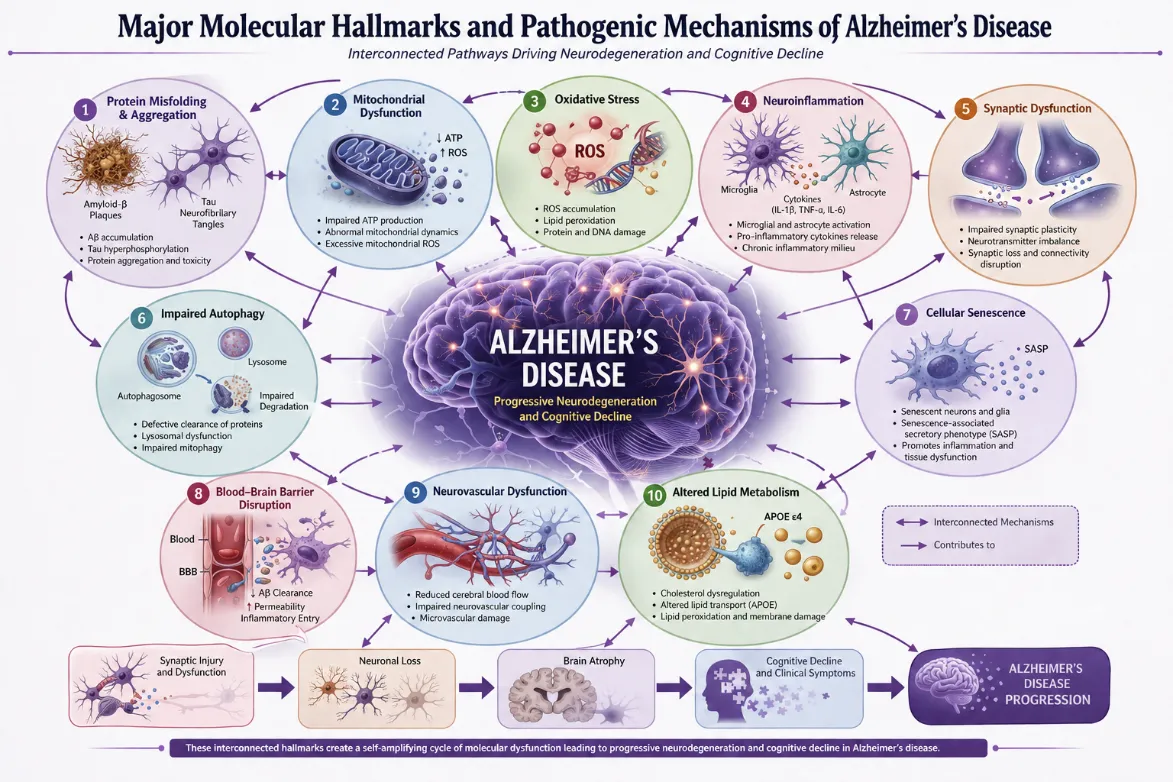
Figure 1. Major molecular hallmarks and pathogenic mechanisms of Alzheimer's disease
Blood–Brain Barrier Disruption
The BBB is a critical interface that maintains cerebral homeostasis and regulates the exchange of molecules between the circulation and brain tissue. In AD, BBB integrity may be compromised through endothelial dysfunction, pericyte loss, disruption of tight junctions, and altered transport mechanisms. BBB disruption may impair the clearance of Aβ from the brain while facilitating the entry of inflammatory mediators and potentially neurotoxic substances. This process can intensify neuroinflammation, oxidative stress, and neuronal injury. Conversely, amyloid pathology and chronic inflammation may further damage the BBB, supporting a bidirectional relationship between neurodegeneration and vascular barrier dysfunction.
Neurovascular Dysfunction
The neurovascular unit, comprising endothelial cells, pericytes, astrocytes, vascular smooth muscle cells, and neurons, plays an essential role in maintaining cerebral blood flow and metabolic support. Neurovascular dysfunction in AD may involve impaired cerebral perfusion, vascular stiffness, endothelial dysfunction, microvascular abnormalities, and reduced neurovascular coupling. These changes can compromise oxygen and nutrient delivery to vulnerable neuronal populations and impair the clearance of pathological metabolites. Cardiovascular risk factors, including hypertension, diabetes, and dyslipidemia, may further exacerbate vascular injury and interact with amyloid and tau pathology. Consequently, cerebrovascular dysfunction is increasingly considered an integral component of AD pathophysiology rather than merely a secondary consequence of neurodegeneration.
Altered Lipid Metabolism
Lipid metabolism plays a critical role in neuronal membrane integrity, synaptic function, myelination, and signaling. Dysregulation of lipid homeostasis has been implicated in AD through alterations in cholesterol transport, phospholipid metabolism, sphingolipid signaling, and apolipoprotein function. The APOE genotype, particularly the APOE ε4 allele, represents a major genetic risk factor for late-onset AD and is closely associated with lipid transport and Aβ metabolism. Altered lipid composition may influence amyloid processing, tau pathology, membrane integrity, and neuroinflammation. Furthermore, lipid peroxidation resulting from oxidative stress can generate reactive lipid species that further damage neuronal membranes and contribute to neurodegeneration.
Integrated Perspective of Alzheimer's Disease Hallmarks
Collectively, these interconnected hallmarks demonstrate that AD is not driven by a single pathological mechanism but rather by a dynamic interaction among protein aggregation, metabolic failure, oxidative injury, immune dysregulation, vascular dysfunction, and impaired cellular quality control. Protein misfolding can promote mitochondrial and synaptic dysfunction, while mitochondrial impairment enhances oxidative stress and inflammatory signaling. Chronic neuroinflammation may accelerate BBB disruption and neurovascular dysfunction, whereas impaired autophagy and altered lipid metabolism further compromise protein and cellular homeostasis. Understanding these interconnected hallmarks is therefore essential for developing multitarget therapeutic strategies and precision medicine approaches that identify distinct pathological profiles among patients and enable earlier, mechanism-based interventions.
Genetic and Epigenetic Landscape
The genetic architecture of Alzheimer's disease (AD) reflects a complex interplay between rare high-penetrance mutations, common susceptibility variants, and environmental influences. The APOE ε4 allele represents the strongest common genetic risk factor for late-onset AD and is associated with altered lipid transport, amyloid-β metabolism, neuroinflammation, and cerebrovascular dysfunction. In contrast, familial early-onset AD is primarily linked to pathogenic mutations in APP, PSEN1, and PSEN2, which influence amyloid precursor protein processing and amyloid-β generation. Genome-wide association studies (GWAS) have further identified numerous susceptibility loci involved in immune regulation, lipid metabolism, endosomal trafficking, and microglial function, highlighting the polygenic nature of AD. Beyond DNA sequence variation, epigenetic mechanisms, including DNA methylation, histone modifications, chromatin remodeling, and regulation by microRNAs and other non-coding RNAs, contribute to altered expression of genes involved in neuronal survival, synaptic function, inflammation, and protein homeostasis. Importantly, genetic susceptibility does not act in isolation; interactions between genetic background and environmental or lifestyle factors—including vascular and metabolic health, diet, physical activity, and other exposures—may modify disease risk and progression. Collectively, these findings support a multifactorial genetic–epigenetic model of AD and provide a strong foundation for risk stratification and emerging precision medicine approaches.
Risk Factors and Disease Modifiers
The development and progression of Alzheimer's disease (AD) are influenced by a complex interplay of demographic, vascular, metabolic, behavioral, psychological, and environmental factors. Aging remains the strongest risk factor, while cardiovascular disease, hypertension, diabetes, and metabolic dysfunction may increase susceptibility through cerebrovascular injury, insulin resistance, inflammation, and impaired cerebral perfusion. Obesity and physical inactivity may further contribute to metabolic and vascular disturbances associated with cognitive decline. Lifestyle-related factors, including diet and nutrition, are also important, with nutrient deficiencies and unhealthy dietary patterns potentially promoting oxidative stress and neuroinflammation, whereas balanced dietary patterns may support cognitive health. Sleep disorders, particularly chronic sleep disruption and obstructive sleep apnea, may impair glymphatic clearance and exacerbate the accumulation of pathological proteins. Similarly, depression and chronic psychological stress may influence neuroendocrine, inflammatory, and vascular pathways associated with cognitive deterioration. In contrast, sustained social interaction and cognitive engagement may enhance cognitive reserve and potentially delay clinical manifestations. Environmental exposures, including air pollution and other neurotoxic agents, have also emerged as potential contributors to neuroinflammation and neurodegenerative processes. Collectively, these factors may interact with genetic susceptibility and biological aging, highlighting opportunities for multidomain risk reduction, preventive strategies, and personalized approaches to AD management.
Biomarkers for Alzheimer's Disease
The development of reliable biomarkers has substantially transformed the diagnosis, staging, and monitoring of Alzheimer's disease (AD), facilitating the detection of pathological changes before the onset of overt clinical symptoms. Cerebrospinal fluid (CSF) biomarkers, including reduced Aβ42 and the Aβ42/Aβ40 ratio together with increased total tau and phosphorylated tau (p-tau), provide valuable evidence of amyloid and tau pathology. Advances in blood-based biomarkers, particularly plasma p-tau, neurofilament light chain (NfL), glial fibrillary acidic protein (GFAP), and plasma Aβ42/Aβ40, offer minimally invasive and increasingly accessible approaches for early detection and disease monitoring. Imaging biomarkers, including structural MRI and PET, provide complementary information on brain atrophy, glucose metabolism, amyloid deposition, and tau accumulation through amyloid- and tau-PET techniques. Genetic biomarkers, particularly APOE genotype and emerging polygenic risk profiles, may improve risk stratification, while inflammatory and oxidative stress biomarkers provide insights into disease-associated immune and redox disturbances. Metabolomic and proteomic approaches enable the identification of complex molecular signatures associated with disease progression. In parallel, digital biomarkers derived from wearable devices, smartphones, speech analysis, and cognitive monitoring are emerging as promising tools for continuous assessment of subtle functional changes. The integration of these modalities into multimodal biomarker panels, supported by artificial intelligence and multi-omics approaches, may ultimately enable earlier diagnosis, biological staging, prognosis, patient stratification, and individualized therapeutic decision-making within precision medicine frameworks.
Diagnostic Approaches
The diagnosis of Alzheimer's disease (AD) is increasingly based on an integrated combination of clinical evaluation, cognitive assessment, biomarker analysis, neuroimaging, and emerging digital technologies. Clinical assessment remains the initial step and involves a detailed evaluation of cognitive symptoms, functional status, medical history, and potential alternative causes of cognitive impairment. Neuropsychological testing provides objective assessment of memory, executive function, language, attention, and visuospatial abilities, supporting disease characterization and longitudinal monitoring. Imaging-based approaches, particularly structural MRI and molecular PET imaging, enable the assessment of brain atrophy and pathological amyloid-β and tau deposition. Fluid biomarker-based diagnosis, using cerebrospinal fluid and increasingly accessible plasma biomarkers, offers valuable evidence of underlying AD pathology and facilitates earlier biological detection. Genetic testing, including APOE genotyping and targeted analysis of pathogenic variants in familial AD, may assist in risk assessment and selected clinical contexts, although genetic susceptibility should be interpreted cautiously. Emerging digital and remote assessment tools, including smartphone-based cognitive testing, speech analysis, wearable sensors, and passive behavioral monitoring, provide opportunities for scalable and continuous evaluation of subtle functional changes. Furthermore, artificial intelligence (AI)-assisted diagnostic approaches integrating clinical, imaging, biomarker, and digital data may improve diagnostic accuracy, disease staging, and individualized risk prediction. Collectively, the convergence of these approaches is facilitating a transition from conventional symptom-based diagnosis toward early, biomarker-supported, multimodal, and precision-oriented diagnosis of AD.
Current Pharmacological Management
Current pharmacological management of Alzheimer's disease (AD) is predominantly directed toward the symptomatic improvement of cognitive and functional impairment, with limited capacity to alter the underlying neurodegenerative process. Cholinesterase inhibitors, including donepezil, rivastigmine, and galantamine, enhance central cholinergic neurotransmission by reducing the enzymatic degradation of acetylcholine and are widely used in the management of mild-to-moderate AD; donepezil may also be continued in moderate-to-severe disease. Rivastigmine inhibits both acetylcholinesterase and butyrylcholinesterase, whereas galantamine additionally modulates nicotinic acetylcholine receptors, potentially enhancing cholinergic signaling. For moderate-to-severe AD, memantine, an uncompetitive NMDA receptor antagonist, is used to attenuate excessive glutamatergic neurotransmission and pathological calcium influx associated with excitotoxic neuronal injury. These agents may be administered individually or, where clinically appropriate, in combination to support cognitive function and delay functional deterioration. Symptomatic management further includes individualized treatment of neuropsychiatric manifestations, such as depression, agitation, anxiety, sleep disturbances, and behavioral symptoms, alongside non-pharmacological supportive interventions. However, conventional pharmacotherapy is associated with variable and often modest clinical benefits, treatment-related adverse effects, and limited durability of response. More importantly, these therapies primarily address downstream symptoms rather than the fundamental pathological mechanisms involving amyloid-β accumulation, tau pathology, neuroinflammation, oxidative stress, and neuronal degeneration.
Limitations of Conventional Pharmacotherapy
Despite their established role in symptomatic management, conventional pharmacological therapies for Alzheimer's disease (AD) provide modest and often transient clinical benefits and do not substantially halt or reverse the underlying neurodegenerative process. Treatment response varies considerably among individuals, while adverse effects may limit tolerability and long-term adherence. Furthermore, these therapies primarily target neurotransmitter dysfunction rather than the complex pathological mechanisms involving amyloid-β and tau accumulation, neuroinflammation, oxidative stress, mitochondrial dysfunction, and progressive neuronal loss. The absence of durable disease-modifying effects, together with challenges in early diagnosis and patient heterogeneity, underscores the need for more targeted, biomarker-guided, and precision-based therapeutic strategies.
Emerging Therapeutic Strategies
Immunotherapy
Immunotherapy represents a major advancement in disease-modifying treatment for Alzheimer's disease (AD), with approaches targeting amyloid-β and tau pathology. Anti-amyloid monoclonal antibodies aim to facilitate the removal of pathological amyloid deposits, whereas emerging anti-tau immunotherapies seek to prevent tau aggregation and propagation. These strategies highlight the transition toward pathology-directed treatment, although clinical benefit, safety, and appropriate patient selection remain important considerations.
Gene Therapy
Gene therapy offers a potential approach for modifying the molecular drivers of AD by delivering therapeutic genes or regulating the expression of disease-associated targets. Strategies under investigation include modulation of amyloid processing, enhancement of neurotrophic signaling, and restoration of neuronal survival pathways. Despite considerable promise, challenges related to targeted delivery, long-term expression, immunogenicity, and safety require further investigation.
RNA-Based Therapeutics
RNA-based therapeutics, including antisense oligonucleotides, small interfering RNAs, and microRNA-targeting strategies, provide opportunities to regulate pathological gene expression at the molecular level. These approaches may be used to reduce the production of pathogenic proteins, modify tau-related pathways, or influence neuroinflammatory and synaptic mechanisms. Their therapeutic potential is promising, although effective delivery across the blood–brain barrier remains a major challenge.
Stem Cell-Based Approaches
Stem cell-based therapies are being explored as potential regenerative and neuroprotective interventions for AD. Mesenchymal stem cells and neural stem cell-derived approaches may promote neurotrophic support, modulate neuroinflammation, and potentially enhance neuronal repair. However, uncertainties regarding cell survival, differentiation, transplantation safety, and long-term efficacy currently limit clinical translation.
Neuroprotective Agents
Neuroprotective strategies aim to preserve neuronal function and reduce the cellular damage associated with AD progression. Potential targets include excitotoxicity, calcium dysregulation, mitochondrial impairment, synaptic dysfunction, and apoptotic signaling. By protecting neuronal networks from multiple forms of injury, these approaches may complement disease-modifying therapies and potentially delay functional deterioration.
Antioxidant-Based Therapies
Oxidative stress is an important contributor to neuronal damage in AD, making antioxidant-based interventions an area of considerable interest. Natural and synthetic antioxidants may reduce ROS accumulation, lipid peroxidation, mitochondrial injury, and oxidative damage to proteins and DNA. However, inconsistent clinical outcomes highlight the need for improved bioavailability, optimized dosing, and targeted delivery to achieve meaningful therapeutic effects.
Anti-inflammatory Strategies
Persistent activation of microglia and astrocytes contributes to chronic neuroinflammation and neuronal injury in AD. Anti-inflammatory strategies aim to modulate excessive immune activation and reduce the production of pro-inflammatory cytokines and neurotoxic mediators. Future approaches may focus on selectively regulating disease-associated inflammatory pathways while preserving the physiological immune functions required for tissue maintenance and protein clearance.
Mitochondria-Targeted Therapeutics
Mitochondrial dysfunction contributes to impaired ATP production, excessive ROS generation, and neuronal vulnerability in AD. Mitochondria-targeted therapies aim to restore mitochondrial bioenergetics, improve antioxidant capacity, regulate mitochondrial dynamics, and enhance mitophagy. Such approaches may provide neuroprotection by addressing a central mechanism linking metabolic dysfunction, oxidative stress, and neuronal degeneration.
Senolytic Approaches
Cellular senescence and the accumulation of senescent cells may contribute to age-related neurodegeneration through the release of pro-inflammatory and tissue-damaging factors known as the senescence-associated secretory phenotype. Senolytic therapies, which selectively eliminate senescent cells, and senomorphic approaches, which suppress their harmful secretory activity, are being investigated as potential strategies to restore tissue homeostasis. Their application in AD remains an emerging field requiring substantial preclinical and clinical validation.
Ferroptosis Modulation
Ferroptosis is an iron-dependent form of regulated cell death characterized by excessive lipid peroxidation and failure of cellular antioxidant defenses. Altered iron metabolism, glutathione depletion, and oxidative lipid damage may contribute to neuronal vulnerability in AD. Therapeutic strategies aimed at regulating iron homeostasis, enhancing endogenous antioxidant defenses, or inhibiting lipid peroxidation may therefore offer a novel avenue for neuroprotection, although their clinical relevance remains to be established.
Artificial Intelligence and Digital Technologies
Artificial intelligence (AI) and digital technologies are increasingly transforming the landscape of Alzheimer's disease (AD) research, diagnosis, monitoring, and precision medicine. Machine learning and deep learning algorithms can integrate complex multimodal datasets, including neuroimaging, cerebrospinal fluid and blood-based biomarkers, genetic profiles, clinical records, and cognitive assessments, to improve early disease detection, differential diagnosis, disease staging, and progression prediction. AI-assisted analysis of MRI and PET imaging may facilitate the identification of subtle structural and molecular alterations that are difficult to detect through conventional assessment. In parallel, digital biomarkers derived from smartphones, wearable devices, speech analysis, eye tracking, and computer-based cognitive testing provide opportunities for continuous and remote monitoring of cognitive and functional changes in real-world settings. Digital technologies may also support patient stratification, treatment-response prediction, and individualized clinical decision-making by identifying disease-specific patterns across heterogeneous patient populations. Furthermore, AI-driven drug discovery and computational modeling may accelerate the identification of novel therapeutic targets and facilitate the repurposing of existing compounds. Despite these advances, challenges related to data quality, algorithmic bias, interpretability, privacy, interoperability, and clinical validation must be addressed before widespread implementation. Overall, the integration of AI, digital biomarkers, multimodal data analytics, and precision medicine represents a promising paradigm for developing more accessible, predictive, and personalized approaches to AD management.
Lifestyle and Preventive Strategies
Lifestyle modification represents an important component of preventive strategies for Alzheimer's disease (AD), particularly because several modifiable risk factors are closely associated with cognitive decline and vascular health. Dietary patterns such as the Mediterranean and Mediterranean-DASH Intervention for Neurodegenerative Delay (MIND) diets, characterized by high consumption of vegetables, fruits, whole grains, legumes, nuts, and unsaturated fats, may support cognitive health through anti-inflammatory, antioxidant, and cardiometabolic mechanisms. Regular physical exercise, including aerobic and resistance-based activities, may improve cerebral perfusion, vascular function, neuroplasticity, and metabolic health, potentially reducing the risk of cognitive deterioration. Cognitive training and sustained intellectual engagement may strengthen cognitive reserve and support resilience against age-related neuronal changes. Sleep optimization is increasingly recognized as an important preventive strategy, as adequate and regular sleep may facilitate glymphatic clearance of metabolic waste and pathological proteins, whereas chronic sleep disruption may adversely affect cognitive health. Effective cardiovascular risk management, including control of hypertension, diabetes, dyslipidemia, obesity, and other vascular risk factors, may reduce cerebrovascular injury and associated cognitive decline. In addition, sustained social engagement and meaningful interpersonal interactions may promote cognitive stimulation, psychological well-being, and resilience. Collectively, these multidomain interventions provide a potentially scalable approach to reducing modifiable AD risk and complement pharmacological and biomarker-guided strategies within a broader framework of preventive and precision-oriented dementia care.
Future Perspectives
The future of Alzheimer's disease (AD) research is expected to move beyond conventional, symptom-based management toward precision neurology, in which therapeutic decisions are guided by individual genetic, molecular, biomarker, and clinical profiles. AI-guided diagnosis and treatment may facilitate the integration of multimodal data from neuroimaging, fluid biomarkers, genomics, and digital health platforms to improve early diagnosis, disease progression prediction, and treatment selection. Similarly, multi-omics-based patient stratification, incorporating genomics, transcriptomics, proteomics, metabolomics, and epigenomics, may enable the identification of biologically distinct AD subtypes and support individualized therapeutic interventions. The development of reliable digital biomarkers from wearable devices, smartphones, speech analysis, and continuous cognitive monitoring may further enhance remote disease surveillance and facilitate detection of subtle changes during the preclinical phase. Earlier identification of individuals at high risk or with biomarker-confirmed pathology may create a critical therapeutic window for intervention before substantial neuronal loss occurs.
Future therapeutic development is likely to emphasize personalized disease-modifying therapies directed toward patient-specific pathological mechanisms, including amyloid and tau pathology, neuroinflammation, oxidative stress, mitochondrial dysfunction, and vascular abnormalities. Nanotechnology-enabled brain delivery systems may improve the transport of therapeutic agents across the blood–brain barrier, enhance drug bioavailability, and enable targeted delivery to specific neural or cellular compartments. Given the multifactorial nature of AD, combination therapeutics targeting complementary pathological pathways may provide greater efficacy than single-target interventions. In parallel, emerging evidence regarding the gut–brain axis suggests that microbiome-based interventions, including dietary modulation, probiotics, prebiotics, and other microbiota-directed strategies, may offer novel opportunities to influence neuroinflammation and metabolic homeostasis, although clinical validation remains necessary. Finally, integrated preventive and risk-reduction strategies addressing cardiovascular health, physical activity, nutrition, sleep, cognitive stimulation, and social engagement are likely to remain central to reducing disease burden. Collectively, the convergence of precision neurology, AI, multi-omics, digital technologies, targeted drug delivery, combination therapies, and preventive medicine has the potential to transform AD management from late-stage symptomatic treatment toward early detection, individualized intervention, and proactive disease prevention.
CONCLUSION
Alzheimer's disease (AD) is a complex and progressive neurodegenerative disorder arising from the interplay of amyloid-β and tau pathology with oxidative stress, mitochondrial dysfunction, neuroinflammation, synaptic failure, vascular abnormalities, impaired proteostasis, and genetic and epigenetic alterations. This review highlights the evolving understanding of AD from a predominantly symptom-based disorder to a biologically defined disease characterized by identifiable molecular and pathological changes. Advances in cerebrospinal fluid and blood-based biomarkers, neuroimaging, genetic profiling, and digital technologies are facilitating earlier detection, biological staging, and longitudinal monitoring, while emerging disease-modifying therapies demonstrate the growing potential of mechanism-directed intervention.
Despite these advances, substantial challenges remain, including disease heterogeneity, incomplete understanding of interacting pathogenic pathways, variable therapeutic responses, and the need for accessible and clinically validated biomarkers. Future progress will depend on integrating multi-omics approaches, artificial intelligence, digital biomarkers, precision neurology, and biomarker-guided clinical trials to identify biologically distinct patient subgroups and optimize individualized treatment. Combining disease-modifying therapies with lifestyle-based risk reduction and preventive strategies may further improve long-term outcomes. Ultimately, the convergence of molecular insights, advanced diagnostics, targeted therapeutics, and precision medicine has the potential to shift AD management from predominantly symptomatic care toward early detection, personalized intervention, and prevention of disease progression, thereby reducing the growing global burden of dementia and improving the quality of life of patients and their caregivers.
REFERENCES

Suyash Ingle*, Sakshi Hiremath, Sanjana Jogdankar, Rutuja Gajkosh, Mansi Jagtap, Kavyanjali Kasture, Vaibhav Vagge, Alzheimer’s Disease: A Comprehensive Review Of Molecular Pathogenesis, Biomarkers, Therapeutic Advances, And Emerging Precision Medicine Approaches, Int. J. Sci. R. Tech., 2026, 3 (7), 1094-1112. https://doi.org/10.5281/zenodo.21702050
 10.5281/zenodo.21702050