

We use cookies to ensure our website works properly and to personalise your experience. Cookies policy
Womens College Of Pharmacy, Peth Vadgaon, Kolhapur, Maharashrta
Electroceuticals are a hi-tech type of medical therapy, which is drug-free, and involves a specialised electrical stimulation of the neural circuits to treat a disease and create physiological balance in the body. According to the understanding that the nervous system plays a significant role in the regulation of vital body functions, electroceuticals manipulate some neural pathway to influence organ activity in a way that it has never been heard before. Comparing to traditional drugs, which often affect multiple systems and produce a vast number of adverse effects, electroceuticals provide precise, targeted interventions with minimal off-target effects. Recent advances in developmental bioelectricity and bioelectronic medicine also mean that this technology can now be applied to electrically active non-neuronal cells, new therapeutic opportunities in diseases such as cancer, inflammation, metabolic disorders, neurodegeneration, and congenital abnormalities have been opened. Electroceuticals can potentially change the future of medicine by making the lives of billions of people healthier, and reconsider the treatment of complex conditions in a more precise, personalized, and side-effect-free manner, as the number of chronic conditions continues to grow across the globe.
Electroceuticals is the use of devices to meddle with neural signalling in medicine, a portmanteau of the terms electronic and pharmaceutical. The endocrine system is controlled by the central nervous system in a number of complex feedback systems. Moreover, most of the drug’s act via endocrine or neuronal final-receptors. Nonetheless, these effects cannot be strictly localised to the injured region or organ, hence, all familiar drugs, not to mention surgeries and non-surgeries, have their own side effects. In this connection, imagine a day when the electricity will substitute pharmaceuticals with the major aspect of medical care. Consequently, physicians may use the electroceuticals which target definite nerve fibers or certain brain circuits and can treat any disease, instead of medications or more complex procedures. In other words, the neuronal impulses within the body will be re-programmed to get the lost functionality back and a healthy balance. Consequently, they were able to regulate a large number of physiological actions, such as food intake, heartbeat, pancreatic functioning, and liver, kidney and spleen activities. They might possibly lower the inflammation and revert multiple diseases, such as heart failure, diabetes and obesity, high blood pressure and pulmonary and cerebrovascular diseases.
In 20 years, the electroceutical is expected to be a routine part of medical practice, treating up to 2 billion chronically ill or 25 percent of the global population. [1]
Considering that the nervous system plays a crucial role in regulating homeostatic and functional processes of the body, electroceuticals that regulate the nervous system have enormous potential in the management of diseases (Figure 1). This observation has been proved to play a significant role in the phenotypes and functions of cells and tissues at various stages according to developmental bioelectricity. Recent research has gone further to extend the role of ion-mediated electrical transmission to other types of cells other than neurones. This opens up possibilities to be used in a range of areas such as metabolic disorders, neurodegeneration, cancer, and birth abnormalities. [2-4]
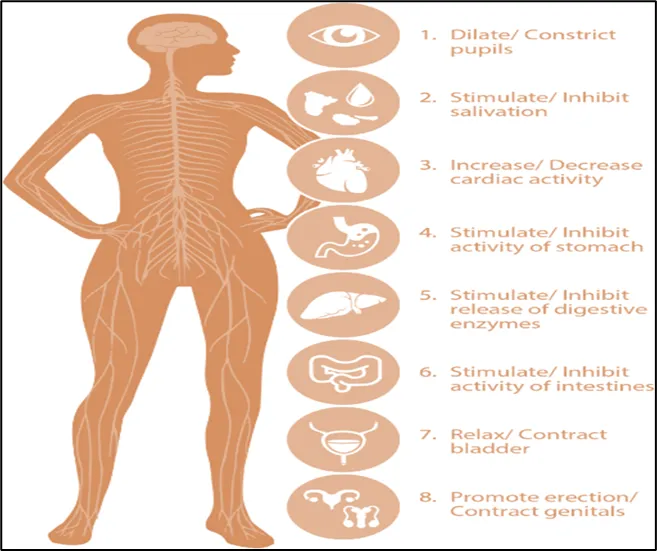
Figure 1. Anatomy showing nervous system control of key organs.
The nervous system is central to controlling the function of all major organs and homeostatic processes in the body and mediated through electric signaling. Some of the body functions controlled by the human nervous system include food intake, dilation of airways, cardiac activity, pancreatic activity, brain activity, bladder control, liver, kidney, and spleen functions, and inflammation. Studies in other model systems have shown that the central nervous system also controls some aspects of embryogenesis [5]and regeneration. Adapted with permission.[6]
Bioelectric signaling operates at four different levels within the body:
The study of electrical signaling between and within cells that is mediated by changes in the resting membrane potential (Vmem), which is regulated by the movement of ions (K+, Na+, Ca2+, and Cl−) across the plasma membrane, is known as cellular level bioelectric signaling.[7]
Important aspects of cell behaviour, including migration, death, differentiation, and proliferation, are altered by ion channels, which provide bioelectrical signals that are transformed into secondary messenger responses. A fascinating subset of bioelectric signaling at the cellular level is that of organelles and molecules. This electrical signaling, regulated by intracellular signaling pathways, plays a crucial role in preserving homeostasis within organelles such as the nuclear envelope, mitochondria, endoplasmic reticulum, phagosomes, and lysosomes.[8] For example, researchers have identified two separate groups of mitochondria with unique mitochondrial membrane potentials (Δðœ“m) in both mouse brain stem cells and human dermal stem cells.[9] While high Δðœ“m stem cells are more likely to differentiate into neurones, low Δðœ“m cells are quiescent stem cells needed to maintain a neural precursor pool. By only adjusting mitochondrial potential, this could offer an alternative to the present protocols for neural development. The absence of instruments for measuring the voltage gradient across organelle membranes, an area of active method development, contributes to the immature research status of organelle level bioelectric signalling. [10] Through an electro-Fenton effect produced by electric-field-sensitized magnetite, it has been demonstrated that alternating electric fields can break down magnetite-bound protein aggregates in Alzheimer's disease at the molecular level. [11,12] Bioelectric signalling at the cellular level has many uses, such as metabolism, quorum sensing, biofilm development in bacteria, and cancer. [13]
Recent research on the function of bioelectric signalling in stem cells has shown that endogenous electrical signalling plays a functional role in promoting differentiation and sustaining proliferative states. [14-16] or example, research on the gut of Drosophila has found conserved pathways (like mGluR) that connect intestinal stem cell proliferation to bioelectric regulators of Ca2+, Na+, and Cl−. [17, 18] The large-conductance potassium (BK) channel plays a crucial role in regulating the proliferation, self-renewal, and hyperpolarization-driven differentiation of human mesenchymal and cardiac stem cells. Additionally, recent studies have highlighted the importance of calcium signaling, initiated by mechanosensitive ion channels, in controlling stem cell migration, differentiation, and growth. It has been shown that Vmem promotes the escape from pluripotency and the initiation of germ layer differentiation (cell fate commitment) during embryonic development by means of the calcium and mammalian target of rapamycin (mTOR) signaling pathways. Under the new terminology, therapies that modify this endogenous cellular bioelectric signaling are categorized as cellular bioelectroceuticals. [19,20]
Ion channel dysregulation has long been associated with cancer. [21] The function of resting membrane potential has been investigated more recently, though, and variations in Vmem have been linked to enhanced cell invasion, proliferation, and metastasis [22] (and generally, loss of cooperativity towards normal morphostasis). [23] Individual cancer cells' bioelectrical characteristics are very different from those of normal cells; they have dysregulated ion-channel expression and activity, and their Vmem values are significantly depolarised (−5 to −40 mV compared to −40 to −90 mV in normal epithelial cells). [24] Currently, this research is being expanded to include breast cancer and human glioblastoma (GBM).[25] Cone's classic study has demonstrated a correlation between mitosis and Vmem in somatic cells, with terminally differentiated cells undergoing proliferation due to prolonged depolarisation. [26]
Research involving Xenopus has also influenced advancements in human cell applications. For instance, existing ion-channel drugs have been adapted to modulate the bioelectrical characteristics of GBM cells, leading to suppressed tumor growth and promoting a more differentiated and senescent state in these cells.[27] The Djamgoz lab introduced the "Celex (cellular excitability) hypothesis" of metastasis, suggesting that increased electrical excitability enhances the invasiveness, activity, and disruptive behavior of cancer cells, ultimately contributing to their metastatic potential.[28]
Electrical impulses in the majority of tissues vary depending on whether the tissue is growing, wounded, infected, or benign. For instance, electric currents have been recorded in tumour tissue, wound healing [29], bacterial infections of the gut epithelium [30], and tissue growth. [31]
An endogenous electrical field is created across damaged tissue in wounds; the strength of this field varies depending on the kind of tissue. [32, 33] The transepithelial membrane potential collapses to zero at the wound site, in contrast to the unwounded epidermis. This creates an electrical gradient that acts as a signal for directed cell movement into the area of damage, or electrotaxis. [34] The importance of this bioelectric cue is shown by its ability to suppress other directional cues for cell migration in wound healing. [35] When administered to the wound, a redox reaction creates wireless microcurrents that resemble the physiological electric field of the skin, which aids in wound healing and has antibacterial properties. [36, 37]
Electrical fields known as tumor-treating electrical fields (TTFields) are being introduced in cancer treatment and are locally applied to tumor tissue to prevent the growth of cancer cells and cause them to die. [38,39] Tumor Treating Fields (TTFields) represent mid-strength alternating electric fields, usually ranging between 1 and 3 volts per centimeter and at mid-range frequencies of between 100 and 300 kHz (100,000 and 300,000 cycles per second). These disciplines are precisely targeted to interfere with the cancer cell functioning without affecting inactive and non-dividing cells. Two theories address the effect that TTFields has on cancerous cells. [40, 41] First, TTFields disrupt the folding of the polar cellular networks, such as tubulin and septin, and affect the correct formation of the mitotic spindle during the metaphase. Subsequently the nonuniform intracellular electric field generated by TTFields when the cell goes cytocinesis modulates polarisable structures such as microtubules, organelles, ions, proteins and DNA. The structural disruption takes place due to the interrupted cell division. Novocure has been working on Tumor Treating Fields (TTFields) since 2000, which have been approved by the FDA as a form of treatment of mesothelioma, newly diagnosed glioblastoma (GBM) and recurrent GBM under the brand names Optune and Optune Lua. As of 2017, Novocure is in clinical trials of combining TTFields with anti-PD-1 antibody KEYTRUDA (pembrolizumab) to treat non-small cell lung cancer as part of the KEYNOTE-B36 clinical trial. [42]
Communication between organs is facilitated by electrical signals transmitted through peripheral nerves, which link the organs to the central nervous system and to one another.[43] In order to fix malfunctions in such electric signaling and neuronal circuits, organ level BEMs use electronic devices (such implants or wearables) to deliver corrected electric doses or fields that target specific biochemical systems. As the processes behind diseases are more known, the specificity of BEMs' actions on target pathways actually lies on a continuum that is constantly shifting. Nonetheless, we suggest that these interventions could be categorized as either "broad" or "precise," based on whether they specifically address the neural and molecular mechanisms underlying the disease or simply alleviate its symptoms.[44]
Broad BEMs are devices that emit non-specific electrical signals to modulate nerve activity, aiming to control symptoms in long-term conditions such as pain and tremors.[45] Broad BEMs, also known as neuromodulatory, neurostimulatory, or nerve stimulation devices, have been on the market for a long time due to their extensive history of altering neuronal activity. Instead of dynamically altering on the millisecond scale, which is essential for achieving precise therapeutic outcomes, broad BEMs usually block or stimulate using stable, simple waveforms. Furthermore, the mechanism of action (MoA) of a number of these treatments is unknown, and there is contradictory information regarding their effectiveness.[46]
Precise BEMs are devices that deliver carefully directed electrical pulses to stimulate specific biological pathways. This targeted approach allows for more accurate therapeutic outcomes and may reduce side effects by limiting the activity to a localized area. For instance, the inflammatory reflex, which uses the Vagus nerve to transfer neural information, recognises and reacts to inflammation and cytokine production in order to preserve immune system homeostasis. [47]This neurological reaction can be modulated, inflammatory cytokines can be suppressed, and immunological homeostasis may be restored by sending precise electrical pulses down the Vagus nerve at particular points.[48] It is anticipated that specifically targeting the inflammatory reflex will be safer and less immunosuppressive than systemic anti-inflammatory drugs. [49] To address inflammation, certain BEMs focus on stimulating the auricular, cervical, splenic, or pancreatic branches of the vagus nerve, which are involved in regulating biological pathways that influence inflammation and cytokine production in chronic autoimmune disorders. For instance, SetPoint Medical Inc. is conducting a Phase 2 pilot study for rheumatoid arthritis and a proof-of-concept trial for Crohn’s disease, both under FDA breakthrough designation. [50,51] Galvani Bioelectronics is conducting proof of concept research in RA that focusses on the splenic nerve. [52] Electrical stimulation of cardiovascular reflexes is another application for precise BEMs. One example is treating hypertension by focussing on The baroreflex, which is sensitive to blood pressure (Kyushu University).[53] as well as cardiac failure (CVRx). [54,55]
Voltage gradients define details like axial polarity, patterning, and organ identification (size and shape) at the organism level. [56] and are essential for embryonic growth, remodelling, and regeneration. [57,58] It has been suggested that these system-level patterning effects are governed by the morphogenetic code, which operates above the genetic and molecular levels. This code directs gene expression and cellular behavior in a top-down manner, guiding the development of specific organ-level structures and function.[59]
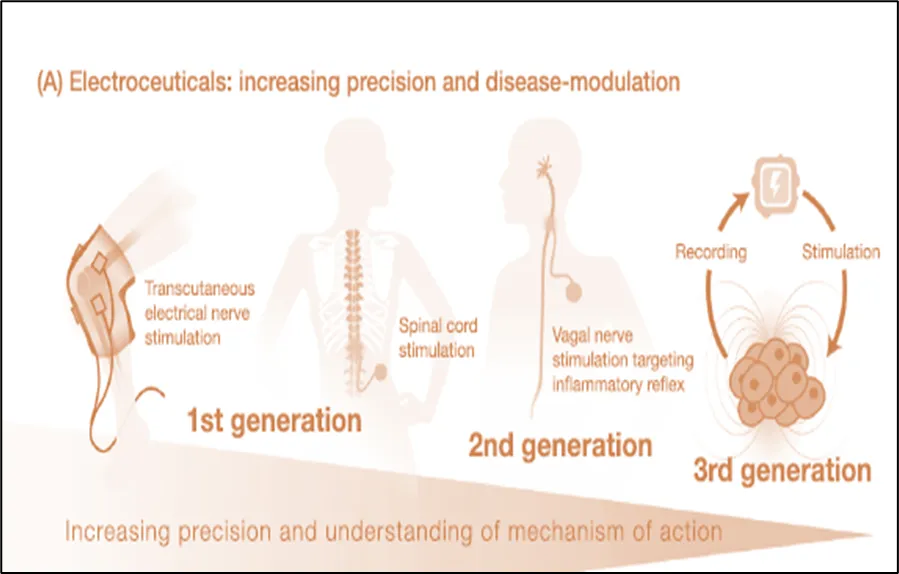
Figure 2. Evolution of electroceuticals.
It includes a set of well-known medical treatments that use electric current to create an effect, such as deep brain stimulation, transcutaneous electrical nerve stimulation, cardiac defibrillators, cardiac pacemakers, cochlear and retinal implants, and spinal cord stimulation.[60] Although these treatments are therapeutically effective, they are comparatively broad-acting and focus on excitable tissues rather than particular nerve fibres or bundles. They employ basic waveforms that are not specifically designed according to the mechanism of action, aiming to generally reduce symptoms without a complete understanding of the biological processes involved.[61]
This is aimed at altering disease with more targeted electro modulation. An instance of this with more knowledge of the principles of biology is the utilisation of miniature devices that aim a section of nerve fibbers or bundles [62] The clinical trials relating to the scope of these devices extend beyond neurological issues and is more on the similarity to the pharmaceutical drug development. [62] A good example of this genre is the splenic stimulation equipment of Galvani [63] and the Microregulators system by Setpoint [62]. Although vague nerve stimulation (VNS) is not a new technique (the VNS devices first emerged more than 30 years ago) and some of the VNS devices (like transcutaneous vagus nerve stimulators) are considered first-generation devices, the two devices address the vagus nerve with increasing specificity and are based on a better understanding of the neural molecular inflammatory pathways. [62,63] The experimental discovery of Kevin Tracey and Paul Peter Tak into the vagal inflammatory reflex gave the first indication that the nervous system is actively and reflexively regulating inflammation when it takes place [64] Genovese et al. validated this in research controlled by sham that they conducted and they showed that the likelihood of a response to treatment. [65] In order to address some of these challenges, however, new modalities of therapeutic guiding are currently being studied, these encompass closed-loop and synchronized electrical stimulation, neuronal and non-neuronal biomarker use. Should there be positive findings out of these next-generation device trials properly powered, it is hoped that it will provide essential clinical validation in the future. [60,66]
More precisely, third-generation electroceuticals use a technique to target individual cells or particular nerve fibers.[60] Third-generation electroceuticals are wireless, closed-loop, and frequently biodegradable or miniature bioelectronic systems that stimulate neuronal and non-neural tissues precisely and in real time, allowing for disease-modifying treatments that go beyond symptom management. [66]
A Comprehensively Adaptive Method
The future of personalised bioelectric therapy is hinted at by today's closed-loop devices, which will employ gathered data to apply neural stimulations more precisely in order to produce therapeutic results. [67]
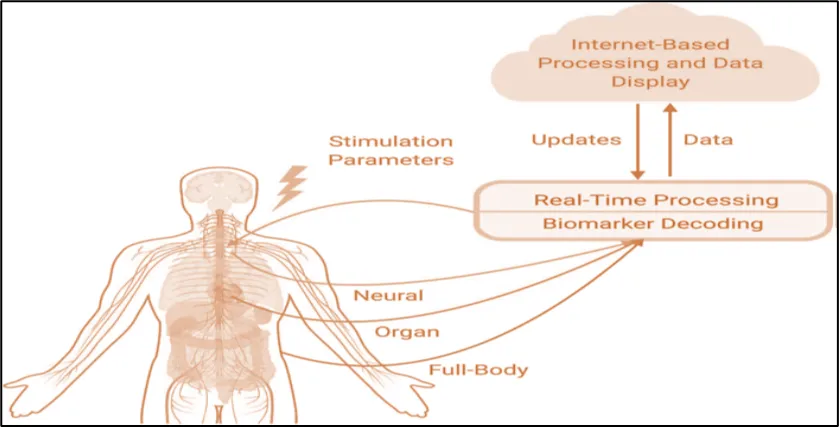
Figure 3. Actual and longer-term processing of neuronal, organ, and full-body state data will be used in personalized bioelectric therapy in the future to adjust stimulation levels for the best possible therapeutic results.[68]
Devices will be able to generate a consistent and customized therapeutic response when stimulation parameters are controlled by combining neuronal, organ, and full-body state data. Devices that convert collected data into comprehensible biomarkers and patient status evaluations that control given stimulation are still being developed. In order to achieve this, there are many obstacles related to implantable and Computer-based technologies, biomedical analysis of neural signals, and the engineering of medical devices. These devices must be able to record, decode, and control neurological, physiological, and state biomarkers over an extended period of time. In an effort to reach this future generation, various commercial and scientific organisations are tackling these issues from various perspectives. A configurable approach to system design research is used by the Dynamic Neuro-Modulator (DyNeuMo) is an adaptable brain stimulation device developed through a partnership between Bioinduction, Imperial College, and Oxford University. This system enables adjustment of stimulation settings based on multiple layers of patient data by combining population-level neural signals with broader contextual information, such as circadian cycles or movement patterns detected by accelerometers.[69] Companies such as Neuralink have invested heavily in developing advanced implantable technologies. Neuralink has engineered a high-density electrode array along with a specialized surgical robot to facilitate accurate, scalable, and long-term high-bandwidth implantation. Their objective is to build brain–machine interfaces with high data transfer capacity, suitable for both medical and non-medical uses.[70]
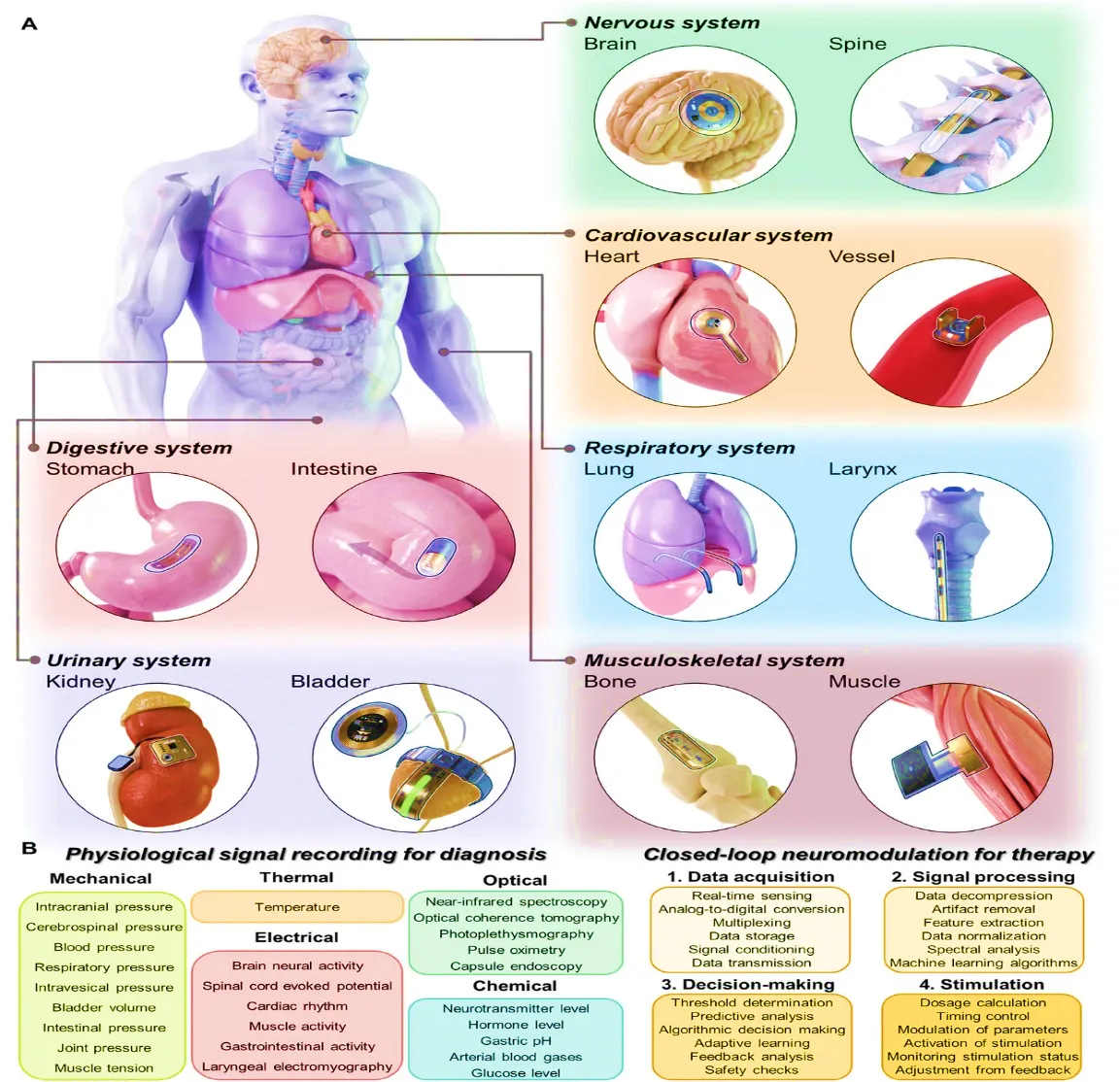
Figure. 4 Implanted bioelectronic devices tailored to a particular organ.
Categorization of implantable monitoring and therapeutic devices for the neurological, cardiovascular, respiratory, digestive, urinary, and musculoskeletal systems, among other organ systems.[71]
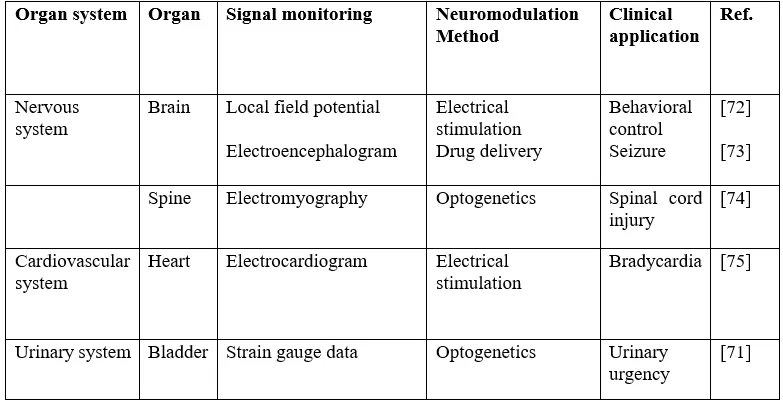
Table 1. Clinical applications for implantable bioelectronic devices with closed loops.
Figure 5. Devices for therapeutic closed-loop neuromodulation that are implanted. A) Diagram illustrating open-loop systems, conventional closed-loop systems, and AI-driven closed-loop systems.[75
The implementation sequence is a multi-phase, intricate process that includes a number of technological and computational elements to guarantee the system's efficacy and flexibility. First, data collecting entails physiological signal sensing in real time, which is essential for closed-loop systems. Analog-to-digital conversion is the next step in transforming the obtained analogue signals into digital form. Signal conditioning is used to improve the signals for precise interpretation, and multiplexing is used to manage many signals. [76] These signals have finally been analysed, stored, and sent for additional examination. [77] The next crucial step is signal processing, which involves thoroughly processing raw data. [78] Data decompression is used to control data complexity and size. By removing noise and unnecessary information, artefact removal preserves the accuracy of the data. To find particular aspects of the gathered signals that are necessary for precise analysis, feature extraction is carried out. By standardising the data, data normalisation enables cross-session or cross-time comparability. [79] Spectral analysis aids in the comprehension of the signals' frequency components, and machine learning algorithms are used to analyse and learn from the data, improving the system's capacity for decision-making and prediction. The next step is decision-making, where the system makes therapeutic decisions by interpreting the data it has analysed. Setting the parameters or boundaries for stimulation is known as threshold determination. The efficient operation of a closed loop neuromodulation system depends on the intricate connections between each of these phases. [78] Choi et al. provided examples of advanced conventional closed-loop systems, including a transient closed-loop system that combines a bioresorbable pacemaker for autonomous electrotherapy with a network of wireless body-integrated devices. Studies involving the hearts of rats, canines, and humans have shown that this system is capable of autonomous rate-adaptive pacing in cardiac pacing. [75]
An open-loop system consists of sensors that detect physiological signals and stimulators that deliver neuromodulation without feedback control. These systems lack the ability to adapt or provide feedback in real time and function according to preset parameters. The foundation for more sophisticated neuromodulation methods has been established by open-loop systems. By adding a feedback mechanism, conventional closed-loop systems offer a substantial improvement over open -loop systems. In these systems, a processor processes physiological signals that are picked up by sensors. A controller receives the feedback and stimulation parameters that are set using the processed data. The system may adapt its stimulation in response to real-time physiological data thanks to this controller. This feedback loop is essential for increasing the system's adaptability since it enables the stimulation parameters to be changed in response to shifting physiological demands. [71,74]
Artificial intelligence (AI) greatly enhances closed-loop systems' performance for effective and secure neuromodulation treatment. Following initial signal sensing and processing, the data helps build big data in AI-based closed-loop systems. AI systems learn from this data and continuously improve the system's reaction, frequently using neural networks. Through this process, the system is able to make better decisions and optimise the controller's output. A level of accuracy and customisation that was previously impossible is made possible by AI's capacity to evaluate enormous datasets and learn from intricate patterns. With the combination of multidisciplinary science and engineering, each of these evolutionary stages shows a stronger integration of technology. The transition from static, preset systems to dynamic, learning systems highlights how technology can be used to treat and control a variety of diseases in an adaptive manner in addition to interacting with biological systems. [80,81,82]
Through electrodes positioned at certain points on the anaesthetised patient's head, ECT creates a sequence of electrical currents that cause a seizure. ECT is often administered twice or three times per week, with a total of six to nine depression therapy sessions. [75,76]and ten to twenty schizophrenia sessions [77,78].More than 70% of individuals receiving ECT are diagnosed with severe depression and usually do not respond to standard treatments for the condition.[79]Acute mania, malignant catatonia, and schizophrenia are further neuropsychiatric disorders that may be treated with ECT.[80]According to earlier research examining the mechanism of ECT, patients exhibited a) an elevated seizure threshold during or following ECT therapy,[81]as well as b) the hypothalamic-pituitary-adrenal (HPA) axis being downregulated,[82]which, respectively, are neurophysiological alterations linked to the effects of antidepressants and anticonvulsants. A meta-analysis of seven controlled clinical trials conducted between 1956 and 2003 found consistent evidence that ECT is more effective than other treatments, including placebos and antidepressant medications. The analysis revealed that patients were about 11 times more likely to respond to ECT compared to a placebo (OR = 11.08, 95% CI 3.10–39.65) and approximately four times more likely to respond than those receiving antidepressant drugs (OR = 3.72, 95% CI 2.60–5.32).[83]
The term "VNS" describes a treatment method that applies intermittent electrical pulses to the vagus nerve, a mixed parasympathetic nerve composed of approximately 80% sensory (afferent) fibers and 20% motor (efferent) fibers, which is located on both sides of the neck. [89,90]Through its afferent fibers, the VNS primarily transmits bodily inputs, including visceral sensory and gustatory information, either directly or indirectly to brain regions such the orbitofrontal cortex, amygdala, and hypothalamus. [91,92]Since changes in these brain regions are often suggestive of a range of neuropsychiatric disorders, stimulating these circuits has been suggested as an alternative treatment for patients with refractory epilepsy and treatment-resistant depression. in 1997 as well as 2005. In order to stimulate the left vagus nerve via a wire, a pulse generator is often implanted on the patient's left upper chest during an invasive VNS procedure.[93]Applying electrical stimulation to the left cymba conchae of the outer ear (transcutaneous auricular vagus nerve stimulation, or ta-VNS) or the neck (non-invasive vagus nerve stimulation, or n-VNS) is another non-invasive technique for VNS.[94] The cymba conchae area receives the vagus nerve's auricular branch.[95] When compared to the effects of the conventional invasive form of VNS, previous research has shown that ta-VNS has a similar effect on the brain. [96,97]
Deep Brain Stimulation (DBS) is a surgical technique in which electrode leads are implanted into targeted areas of the brain through small openings in the skull, guided by neuroimaging and stereotactic methods. These electrodes are connected to an implanted pulse generator (IPG) placed under the skin, which delivers electrical stimulation to the brain.The IPG's stimulation parameters, which are normally set at 60–130 Hz, 2–10 V, and 60–200 ms pulse width, can be externally changed by clinicians.[103] When it comes to treating Parkinson's disease, DBS has received FDA approval and has largely taken the place of ablative neurosurgery in patients with movement abnormalities such essential tremor and dystonia.[104] DBS has also shown promise in treating depression that is resistant to therapy.[105,106] and OCD (obsessive-compulsive disorder) [107,108] For the treatment of Parkinson's disease, the subthalamic nucleus (STN) and the internal segment of the globus pallidus (GPi), both components of the basal ganglia, are commonly targeted areas in the brain. [109,110]
Although they are less severe than those caused by surgery, stimulation-induced side effects like headaches, ocular deviations, muscular contractions, discomfort, and dysarthria are more frequently described. Frequent follow-up visits, the high expense of the implantation surgery, and battery maintenance are additional concerns that frequently strain patients receiving DBS treatment. [119]
CONCLUSION
The growing complexity of electroceutical technologies introduces distinct challenges from a drug development perspective and marks a significant shift in therapeutic approaches. To advance this field, there is a strong need for researchers to deepen their understanding of the natural bioelectric code that influences tissue and organ-level organization, and to develop more effective methods for modulating both neural and non-neural bioelectric states in humans and preclinical models.
Looking ahead, electroceuticals hold great potential to accurately diagnose and treat a wide range of diseases, promote tissue and organ regeneration, and possibly reduce the impact of aging. Their long-term commercial success will rely on targeting conditions with significant unmet medical needs, where electroceuticals can clearly outperform existing treatments in terms of durability, safety, and effectiveness while also addressing factors like ease of use, intellectual property protection, scalability, cost, and reimbursement strategies.
Realizing this vision requires a more comprehensive understanding of the foundational principles of bioelectric function and how it conveys meaningful biological information across different levels of physiological organization, as outlined in the referenced ontology, along with the interconnections between those levels.
REFERENCES

Sakshi Wadgaonkar*, Sayali Patil, Ankita Patil, Sanika Mali, Shradha Lokare, Dhanraj Jadge, Electroceuticals: The Future Of Drug Free Therapy, Int. J. Sci. R. Tech., 2026, 3 (6), 220-236. https://doi.org/10.5281/zenodo.20526658
 10.5281/zenodo.20526658