View Article

  • Emerging Combination Therapy of Empagliflozin and Finerenone for the Management of Type 2 Diabetes Mellitus Associated with Chronic Kidney Disease: Therapeutic Rationale & Formulation Perspectives

  • Department of Pharmaceutics, C.L. Baid Metha College of Pharmacy, Chennai-600097, Tamil Nadu, India

Abstract

The management of Type 2 Diabetes Mellitus (T2DM) with Chronic Kidney Disease (CKD) is shifting towards a multi-pathway approach to address the unmet need of cardiorenal protection. Sodium-Glucose Cotransporter 2 (SGLT2) inhibitors and non-steroidal Mineralocorticoid Receptor Antagonists (ns-MRAs) have emerged as the backbone of this nephroprotective frontier. This review explores the therapeutic rationale and pharmaceutical formulation aspects of an Empagliflozin –Finerenone combination. The dual approach targets complementary pathways: reducing intraglomerular pressure, metabolic stress, and inhibiting mineralocorticoid receptor-mediated inflammation and fibrosis. Notably, the co-prescription of an SGLT2 inhibitor may enhance safety by mitigating Finerenone-induced hyperkalemia through increased distal sodium delivery. While clinical evidence from the CONFIDENCE trial, indicates that dual initiation is superior at lowering the urinary albumin-to-creatinine ratio (UACR) than monotherapy, there remains a significant translation gap in the development of fixed-dose combinations (FDCs). The review focuses on the therapeutic rationale, clinical evidence, formulation insights and future potential for implementing this dual approach in the care of Diabetic Kidney Disease (DKD).

Keywords

Type 2 Diabetes Mellitus; Chronic Kidney Disease; Empagliflozin; Finerenone; Fixed-Dose Combination.

Introduction

× Popup Image
    1. The Burden of T2DM and CKD

According to the 11th Edition (2025) of the International Diabetes Federation (IDF) Diabetes Atlas, there are around 589 million adults worldwide with diabetes currently. This is a global burden that is projected to greatly increase, with current estimates of the Global Burden of Disease (GBD) indicating it will reach 1.31 billion by 2050. [1] This increasing prevalence serves as a main contributor to the onset of Diabetic Kidney Disease (DKD) , currently responsible for 20-50% of all people with T2DM and is the most common cause of end-stage kidney disease (ESKD) in the world. [2]   The GBD 2021 study found that the global burden of CKD is around 673.7 million, with T2DM having the highest age-standardized prevalence rate (ASPR) of 1,259.63 per 100,000 population. [3] Progressive nature of DKD associated with metabolic dysregulation, hemodynamic stress, inflammation and fibrosis, leads to accelerated renal decline and increased cardiovascular (CV) morbidity and mortality. [4]

    1. Complex pathophysiological interplay Between T2DM and CKD

People with diabetes are at a significantly higher risk of developing CKD, while declining kidney function can further impair glucose regulation, highlighting the bidirectional relationship between these conditions. In turn, CKD- associated metabolic disturbances may worsen insulin sensitivity and glucose metabolism, contributing to insulin resistance and progression of diabetes. [5]

Diabetes contributed to CKD through chronic hyperglycemia-induced damage to the renal microvasculature, resulting in vascular dysfunction, glomerular and tubulointerstitial injury, and progressive nephron loss. [6-7] In addition to renal impairment, the coexistence of diabetes and kidney disease elevates cardiovascular risk, increasing the likelihood of adverse events such as myocardial infarction and stroke. [8]

    1. Current Management Strategies:

Managing DKD requires a multifaceted pharmacological approach along with lifestyle and dietary modifications. According to KDIGO 2020, ADA 2019 and joint ESC/EASD 2019 guidelines, Renin–angiotensin system (RAS) inhibition via ACE inhibitors or ARBs remains the foundational standard of care. More recently, SGLT2 inhibitors, particularly Empagliflozin have been recommended as a key component of therapy in T2DM-associated CKD. [9]

Despite these advances, a substantial residual risk of renal and cardiovascular events persists even with combined ACEI/ARB and SGLT2 inhibitor therapy, reflecting the multifactorial nature of CKD progression. [10] While existing treatments primarily target metabolic and hemodynamic pathways, mineralocorticoid receptor (MR) overactivation and aldosterone-driven inflammation and fibrosis remain insufficiently addressed. [9]

In this context, nonsteroidal mineralocorticoid receptor antagonists (nsMRAs), such as Finerenone, have emerged as an important therapeutic option. Recently, the "four-pillar" therapeutic framework has been adopted, integrating RAS inhibitors, SGLT2 inhibitors (such as Empagliflozin), glucagon-like peptide-1 (GLP-1) receptor agonists, and nonsteroidal mineralocorticoid receptor antagonists (nsMRAs like Finerenone). [11]

Drug Class

Examples

Mechanism of Action

Key Limitations

RAS Inhibitors

ACEIs:

Enalapril, Lisinopril

ARBs:

Losartan, Telmisartan

Reduce intraglomerular pressure and proteinuria via RAAS blockade.

Hyperkalemia, residual risk of CKD progression, Initial eGFR dip

SGLT2 Inhibitors

Canagliflozin, Empagliflozin

Restore TGF and reduce hyperfiltration

Euglycemic diabetic ketoacidosis, genital infections, volume depletion

nsMRA

Finerenone

Block MR- mediated inflammation and fibrosis

Dose-dependent hyperkalemia (Lower compared to steroidal MRAs"

GLP-1 Receptor Agonists

Semaglutide, Liraglutide

Improve glycemic control, reduce albuminuria and inflammation.

Gastrointestinal side effects (nausea, vomiting), injectable route (most agents)

Table 1: Summary of drugs for prevention and treatment of DKD [12-15]

However, significant residual renal and cardiovascular risk persists in many patients with DKD, alongside challenges such as treatment-related adverse effects, risk of hyperkalaemia. [16] These limitations highlight the need for optimized combination therapies and more effective treatment strategies.

Rationale and Objective of the Present Review

The combination of Empagliflozin, a sodium-glucose cotransporter-2 inhibitor, and Finerenone, a non-steroidal mineralocorticoid receptor antagonist, represents a promising strategy for patients with type 2 diabetes mellitus associated with chronic kidney disease [17-18].

The combination targets complementary pathways involved in DKD progression and may provide enhanced renal and cardiovascular benefits compared with monotherapy. [19]

Beyond its therapeutic potential, the combination also presents opportunities for the development of a fixed-dose combination (FDC) aimed at improving treatment adherence and simplifying complex medication regimens. Therefore, this review discusses the therapeutic rationale, clinical evidence, and formulation perspectives supporting the Empagliflozin –Finerenone combination in the management of DKD.

  1. PATHOPHYSIOLOGICAL MECHANISMS IN T2DM- ASSOCIATED CKD

The pathophysiology of Diabetic kidney disease development and progression is complex and multifactorial, as diabetes‑induced hyperglycemia activates a spectrum of pathological pathways within the kidney, including haemodynamic, metabolic, inflammatory, fibrotic, and oxidative stress mechanisms.

Glomerular Hyperfiltration and Hemodynamic Stress

Glomerular hyperfiltration is an early hallmark of diabetic kidney disease (DKD), characterized by increased intraglomerular pressure and elevated single-nephron GFR. [20]

There are three interlinked pathways that contributes to this maladaptive state:
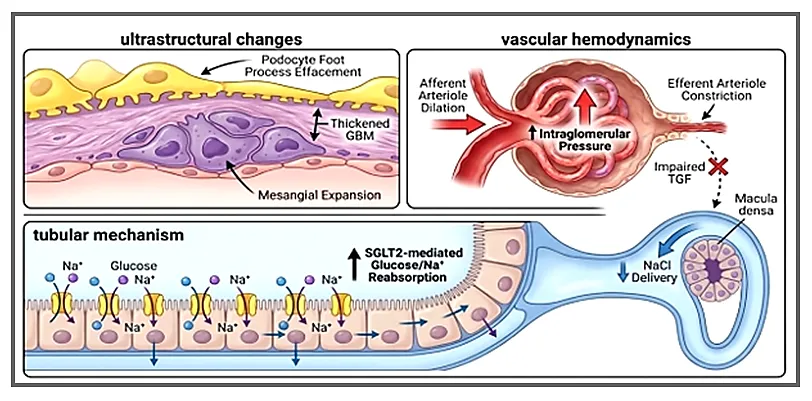
  • Ultrastructural perspective: In early diabetes, renal hypertrophy occurs, mainly due to proximal tubular enlargement and enlarged nephrons. These structural changes result in an increase in the kidney volume and filtration surface area, leading to increased GFR. Moreover, tubular hypertrophy often occurs before the rise in GFR, indicating a causal relationship. [21-22]
  • The Vascular Theory: Hyperfiltration results from an imbalance in vasoactive mediators. [21] Hyperglycemia enhances the production of vasoactive mediators such as nitric oxide (NO), cyclooxygenase-2 (COX-2)–derived prostanoids, angiotensin II and endothelin-1, causing afferent vasodilation and efferent vasoconstriction. This combined effect results in increased intraglomerular pressure and increased GFR. [23]
  • The Tubular Theory: This is the central mechanism that focuses on the impairment of Tubuloglomerular Feedback (TGF). Increased SGLT2 mediated proximal tubular sodium-glucose reabsorption reduces sodium delivery to the macula densa, suppressing TGF and promoting glomerular hyperfiltration. [24]

Fig.1. Illustration of glomerular hyperfiltration and hemodynamic stress in DKD

Metabolic Dysregulation and Oxidative Stress

Oxidative stress, resulting from an imbalance between reactive oxygen species (ROS) production and antioxidant defence system, is the major contributor of DKD. Persistent hyperglycemia increases ROS production in the mitochondria, causing oxidative stress. [25]

During oxidative phosphorylation, electrons from NADH and FADH2 are transferred via the electron transport chain (ETC) to reduce oxygen to water. [26] Under hyperglycemic state, excessive electron flux causes leakage at complexes I and III, producing ROS like superoxide anions that are then converted into hydrogen peroxide. [27] This process, facilitated by additional enzymatic sources, causes the ROS overproduction and subsequent cellular damage. [28]

A convergence of hyperglycemic metabolic dysfunctions further induces oxidative stress. The Polypol pathway, where aldose reductase converts glucose to sorbitol, depleting NADPH and reducing antioxidant capacity while inducing oxidative stress [29] , the accumulation of advanced glycation end-products (AGEs) which forms a destructive loop with ROS [30] , and increased flux through the hexosamine pathway which produces UDP-GlcNAc, driving protein O-glycosylation and contributing to endoplasmic reticulum stress and inflammation. [31]

Together, these processes culminate in mitochondrial dysfunction and a self-amplifying cycle of ROS production, ultimately leading to small vessel lesions and progressive renal injury.
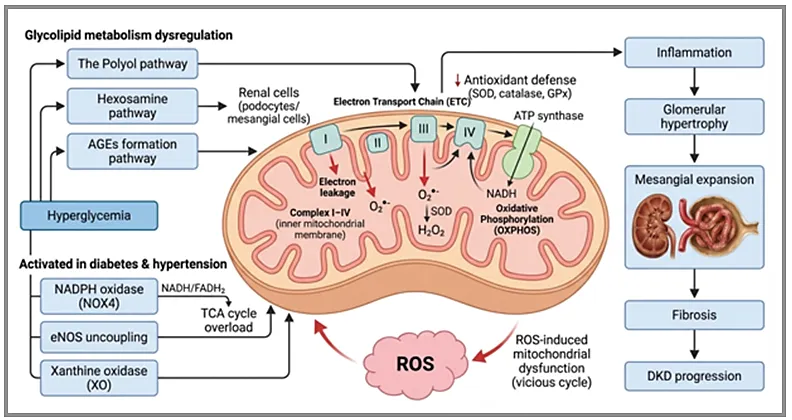
Fig.2. Illustration of metabolic dysregulation and oxidative stress in DKD

Chronic Inflammation and Tubulointerstitial Fibrosis: Role of Mineralocorticoid Receptor

In DKD, the mineralocorticoid receptor (MR), which usually controls the balance of salt and water, becomes pathologically overactive in immune cells and podocytes. Inflammatory and fibrotic cascades are initiated by this abnormal activation, accelerating renal damage and decline.

Pro-inflammatory and Pro-fibrotic signalling: Prolonged MR activation stimulates inflammatory cytokines like NF‑κB, IL‑1β, and TNF‑α, and also upregulates mediators such as TGF‑β1, PAI‑1, CTGF, collagen, and fibronectin. Together, these signals increase tissue damage and induce fibrosis. [32]

Oxidative stress loop:MR increases NADPH oxidase activity, producing ROS and causing mitochondrial dysfunction. [33] Even in the absence of aldosterone, these ROS re-activate MR through Rac1 signalling, creating a vicious cycle of oxidative stress and receptor overactivation. [34]

Structural Remodelling: Aldosterone further promotes remodelling by polarizing macrophages into a pro-inflammatory state and converting fibroblasts into myofibroblasts. This promotes tubulointerstitial fibrosis and tubular atrophy, the two major causes of renal decline in DKD. [35]

  1. EMERGING PHARMACOTHERAPEUTIC STRATEGIES IN DIABETIC KIDNEY DISEASE
    1. Empagliflozin : A Sodium–Glucose Cotransporter-2 (SGLT2) Inhibitor

Empagliflozin  is an oral SGLT2 inhibitor approved for adults with type 2 diabetes mellitus (T2DM). [36] It reduces the reabsorption of glucose and sodium and increases glycosuria by selectively inhibiting SGLT2 in the S1 segment of the proximal renal tubule. It is also effective in insulin-resistant conditions because of its insulin-independent action. [37]

Renal Protective Mechanisms

Empagliflozin produces nephroprotective benefits through hemodynamic, metabolic, antioxidant mechanisms [38] By reducing proximal tubular sodium reabsorption and increasing distal delivery to the macula densa, TGF is restored, lowering intraglomerular pressure and glomerular hyperfiltration. [39] Other nephroprotective effects include suppression of RAAS, decreased arterial stiffness, lower serum uric acid and attenuation of oxidative stress, collectively slowing CKD progression. [40]

Cardiovascular Protective Mechanisms

Empagliflozin improves cardiovascular outcomes by natriuresis, osmotic diuresis, and inhibition of sodium-hydrogen exchangers (NHE1/NHE3), even though there is no direct cardiac SGLT2 expression. [40] Additionally, it also reduces plasma volume and total body sodium, and promotes mild weight loss. [41]

By promoting mild ketone utilization, it may further enhance myocardial and renal energy efficiency. [42]

Key Clinical Evidence

  • The EMPA-REG OUTCOME trial showed significant reductions in major adverse cardiovascular events (MACE), cardiovascular mortality, and hospitalization for heart failure in patients with T2DM at high cardiovascular risk. [43] Further renal analyses confirmed a reduced risk of kidney disease progression and major renal outcomes. [44]
  • The EMPA-KIDNEY trial demonstrated a significant reduction in CKD progression and cardiovascular death, along with preservation of estimated glomerular filtration rate (eGFR), irrespective of diabetes status. These findings establish Empagliflozin as a cornerstone therapy in T2DM-associated CKD, extending benefits beyond glycemic control. [45]

Clinical Adoption

KDIGO 2022 and ADA 2025 guidelines recommend Empagliflozin as foundational therapy in T2DM-associated CKD due to consistent renal and cardiovascular benefits demonstrated in clinical trials and real-world studies.

3.2 Finerenone: A Non-Steroidal Mineralocorticoid Receptor Antagonist (nsMRA)

Finerenone is a selective, nsMRA approved for the treatment of CKD associated with T2DM. Its distinct non-steroidal structure enables high-affinity and selective MR binding and blocks the binding of aldosterone, a component of the renin-angiotensin aldosterone-system (RAAS) , preventing the recruitment of transcriptional coactivators which are responsible for driving aldosterone-mediated pro-inflammatory and pro- fibrotic gene expression. [46]

Renal and Cardioprotective Mechanisms:

Finerenone slows the progression of DKD mainly by inhibiting pathological MR overactivation. It attenuates glomerulosclerosis, tubulointerstitial fibrosis, and vascular remodeling by lowering inflammatory cytokines (TNF-α, IL-6) and fibrotic mediators (TGF-β, collagen IV). [47] It significantly lowers the urinary albumin-to-creatinine ratio (UACR), a crucial marker of renal damage and cardiovascular risk. It also exhibits hemodynamic neutrality, with minimal effects on intraglomerular hemodynamics and systemic blood pressure. [48]

Key Clinical Evidence:

The clinical utility of Finerenone in DKD has been established through the large-scale FIDELITY pooled analysis, which combined data from two landmark phase III trials:

  • FIDELIO-DKD: This trial focused on patients with predominantly advanced CKD and T2DM. It demonstrated that Finerenone significantly reduced the risk of the primary composite renal outcome (kidney failure, a sustained decrease in eGFR of ≥40%, or death from renal causes) and decreased the risk of cardiovascular events. [49]
  • FIGARO-DKD: This study included patients with earlier stages of CKD (Stage 1-4 with albuminuria). It highlighted Finerenone’s cardiovascular benefits, specifically showing a significant reduction in the risk of cardiovascular death, non-fatal myocardial infarction, non-fatal stroke, or hospitalization for heart failure. [50]

A pooled analysis of these trials (FIDELITY) confirmed the benefit of Finerenone for both primary and secondary prevention of cardiovascular events in patients with CKD and T2DM on top of a background of optimized renin–angiotensin system inhibitor therapy with well-controlled blood pressure and blood glucose levels. [51]

Collectively, these trials establish Finerenone as a key therapy for DKD, offering a direct pathway to address inflammation and fibrosis that remains unaddressed by standard-of-care ACE inhibitors or ARBs.

S. No

Brand Name

Active Ingredient(s)

Strength

Dosage Form

Manufacturer

1

Jardiance

Empagliflozin

10 mg

Tablet

Boehringer Ingelheim

2

Jardiance

Empagliflozin

25 mg

Tablet

Boehringer Ingelheim

3

Synjardy

Empagliflozin + Metformin

5 mg/500 mg

Tablet

Boehringer Ingelheim & Eli Lilly

4

Synjardy

Empagliflozin + Metformin

12.5 mg/

1000 mg

Tablet

Boehringer Ingelheim & Eli Lilly

5

Glyxambi

Empagliflozin + Linagliptin

10 mg/

5 mg

Tablet

Boehringer Ingelheim & Eli Lilly

6

Glyxambi

Empagliflozin + Linagliptin

25 mg/

5 mg

Tablet

Boehringer Ingelheim & Eli Lilly

7

Kerendia

Finerenone

10 mg

Tablet

Bayer AG

8

Kerendia

Finerenone

20 mg

Tablet

Bayer AG

Table 2: Marketed Formulations of Empagliflozin And Finerenone

  1. THERAPEUTIC RATIONALE FOR COMBINATION THERAPY

4.1 Complementary and Synergistic Mechanisms

Empagliflozin and Finerenone together target complementary pathophysiological mechanisms involved in T2DM-associated CKD. Empagliflozin primarily modulates renal hemodynamics by restoring TGF and lowering intraglomerular pressure, while Finerenone inhibits MR overactivation, thereby suppressing downstream pro-inflammatory and pro-fibrotic signaling. This dual approach allows for a more comprehensive approach to slowing the disease progression compared to monotherapy.

4.2 Mitigation of Compensatory Mechanisms

While monotherapy provides significant benefits, it may leave a substantial residual cardiorenal risk due to persistent pathological processes such as aldosterone breakthrough or sustained glomerular hyperfiltration. Combined therapy allows for simultaneous mitigation of these maladaptive pathways.
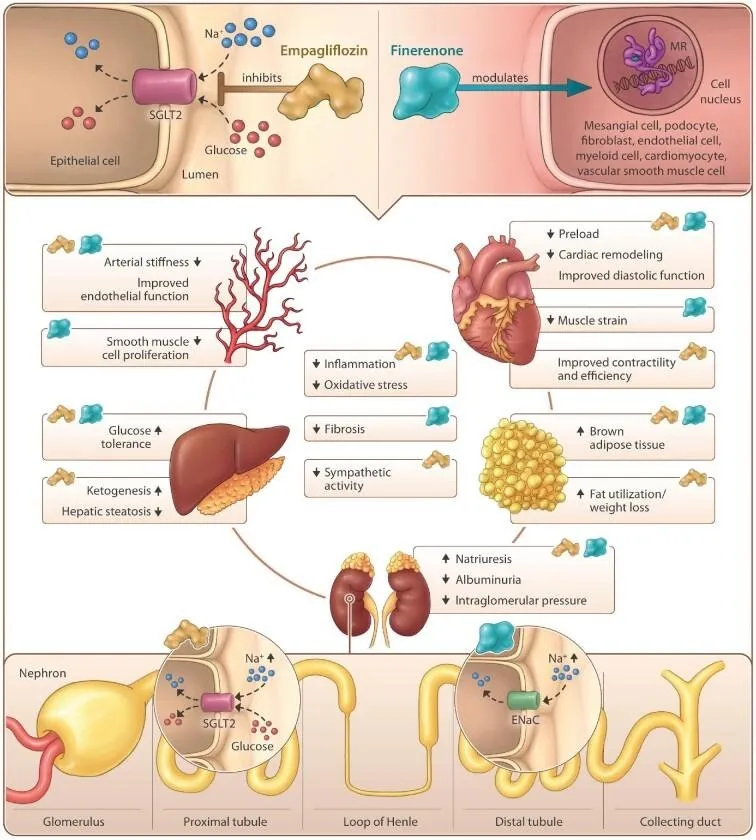
Fig.3. Proposed mechanisms for reducing adverse cardiovascular‑ and kidney‑related outcomes based on preclinical and clinical studies using Finerenone and SGLT2 inhibitors. Adapted from Green JB et al., Nephrol Dial Transplant, 2023. [52]

  1. CLINICAL EVIDENCE: The CONFIDENCE (COmbinatioN effect of Finerenone anD Empagliflozin in participants with CKD and type 2 diabetes using a UACR Endpoint) Trial

5.1 Study Design and Objectives

The CONFIDENCE trial was a multicentre, randomized, double-blind study evaluating the safety and efficacy of combined Empagliflozin and Finerenone therapy in patients with T2DM and CKD. The primary endpoint was reduction in UACR, and the secondary endpoints were changes in eGRF and cardiovascular outcomes.[53]

5.2 Efficacy Outcomes

At 180 days, combination therapy resulted in significant reductions in UACR compared to monotherapy, with reductions of 29% versus Finerenone alone and 32% versus Empagliflozin alone (P < 0.001). Benefits were consistent across KDIGO risk groups, with supportive evidence for better renal function preservation. [53]

5.3 Safety and Tolerability

There were no new or additional safety concerns found and the combination was well tolerated. While the kaliuretic effect of SGLT2 inhibitors like empagliflozin is known to off-set MRA induced potassium retention, a secondary analysis of the CONFIDENCE trial indicated that the combination resulted in a numerically lower, though not statistically significant, incidence of hyperkalemia (15.1%) compared to finerenone monotherapy (18.8%). Importantly, the treatment benefits were maintained regardless of hyperkalemia status. Other adverse events, including volume depletion and hypotension remained low, and initial eGFR declines were mild and reversible. [53]

5.4 Subgroup Analyses

The efficacy and safety profile of the combination therapy was consistent across multiple subgroups, including variations in baseline eGFR, albuminuria, age, KDIGO risk categories, and background RAAS inhibitor therapy, supporting its broad clinical applicability. [54]

  1. CLINICAL IMPLEMENTATION

When transitioning from monotherapy treatment to a dual pathway regimen, a careful strategy is needed to minimize potential safety hazards and maximize nephroprotective and cardioprotective effects for patients.

Therapy sequencing and introduction:

Due to high residual risk in DKD patients, the current clinical opinion for 2026 recommends giving priority to rapid sequencing. The CONFIDENCE trial protocol recommends the following two approaches:

Simultaneous introduction of both medications: Starting both Empagliflozin (10 mg) and Finerenone (10 or 20 mg) concurrently. The strategy is recommended for high-risk patients with increased albuminuria in order to achieve rapid reduction in UACR. [53]

Staggered introduction: Starting an SGLT2 inhibitor followed by introduction of ns-MRA after 4–8 weeks. This allows clinicians to observe the effect on hemodynamic eGFR drop from one medication before introducing another drug into the therapy. [55]

Dosages and Titrations

Empagliflozin: The therapy is typically initiated and maintained using the standard dosage (10 mg).

Finerenone:

The dosing depends on the current state of eGFR. Patients with eGFR ≥ 60 mL/min/1.73 m² are recommended to begin with the dosage of 20 mg PO daily, while those between 25–60 mL/min/1.73 m² start at 10 mg PO daily, with a goal to uptitrate to 20 mg based on serum potassium levels. Initiation of Finerenone is not recommended in patients with eGFR < 25 mL/min/1.73m2 as clinical experience is limited. In patients with end-stage renal disease (eGFR < 15 mL/min/1.73m2), discontinue Finerenone treatment as clinical experience is limited [56]

Monitoring Protocols:

To ensure safety, a standardized monitoring is recommended:

Potassium Monitoring: Serum potassium (K+) should be assessed 4 weeks after initiation or dose titration. Initiation is contraindicated if K+ > 5.0 mEq/L. [56]

The "hemodynamic dip": A mild, reversible decline in eGFR is expected. Routine monitoring should continue, but therapy generally remains unchanged unless the eGFR decline exceeds 30% from baseline.  [55]

Volume Status: Clinicians must monitor for signs of volume depletion (e.g., symptomatic hypotension, dizziness) secondary to the osmotic diuretic effect of Empagliflozin. This is particularly critical in patients concurrently treated with high-dose loop diuretics. [53]

The clinical implementation of this dual-pathway approach could be further optimized through the development of a Fixed-Dose Combination (FDC), supporting patient-centric treatment strategies.

  1. TARGET PATIENT POPULATION

The Empagliflozin –Finerenone fixed‑dose combination is intended for patients with type 2 diabetes mellitus (T2DM) complicated by chronic kidney disease (CKD), particularly those at elevated cardiorenal risk. Based on pivotal trial inclusion criteria and guideline recommendations, the ideal candidate profile includes:

  • T2DM with CKD and albuminuria (UACR ≥30 mg/g; with ≥300 mg/g indicating severe risk)
  • Currently receiving ACEi/ARB therapy as standard of care
  • Estimated glomerular filtration rate (eGFR) ≥25 mL/min/1.73 m²
  • Serum potassium ≤5.0 mEq/L to minimize hyperkalemia risk
  • High cardiorenal risk patients, including those with persistent albuminuria or established cardiovascular disease

This population reflects the cohorts studied in FIDELIO‑DKD, EMPA‑KIDNEY, and CONFIDENCE, where dual therapy demonstrated synergistic renal and cardiovascular protection. Careful patient selection is essential to maximize therapeutic benefit while mitigating risks such as hyperkalemia or volume depletion. [49,53,57]

  1. FORMULATION PERSPECTIVES AND CHALLENGES
    1. Pharmacokinetics and Pharmacodynamics (PK/PD) of the combination

Empagliflozin and Finerenone exhibit favorable pharmacokinetic compatibility with minimal potential for drug–drug interactions. Empagliflozin is metabolized mainly via uridine diphosphate glucuronosyltransferase (UGT) pathways [58], while Finerenone undergoes hepatic metabolism through CYP3A4, reducing overlap in metabolic pathways. [59]

From a pharmacodynamic perspective, the combination integrates hemodynamic modulation with anti-inflammatory and antifibrotic effects, thereby enhancing overall comprehensive therapeutic protection. [53]

Despite favourable pharmacokinetic compatibility, the combination requires careful clinical monitoring because Finerenone may increase hyperkalemia risk and Empagliflozin may contribute to volume depletion and transient eGFR decline.

Overall, the complementary and synergistic PK/PD characteristics of Empagliflozin and Finerenone support their combined use, although clinical and formulation considerations must be addressed to optimize safety and efficacy.

    1. Development of Fixed- Dose Combination (FDC)

Advancing toward a fixed‑dose combination (FDC) of Empagliflozin and Finerenone offers a promising strategy for patients with T2DM and CKD. However, their distinct physicochemical and solubility characteristics present formulation challenges.

In order to maintain therapeutic bioequivalence and long-term stability, advanced formulation approaches such as bilayer tablets and concentric “tablet-in-tablet” are essential to enable spatial separation of APIs, tailored release kinetics, thereby ensuring dose proportionality across titration levels.

Despite the established clinical synergy between Empagliflozin and Finerenone, a FDC of these agents is not yet commercially available, representing a significant opportunity to address current barriers in medication adherence and pill burden. If successfully developed, an Empagliflozin –Finerenone FDC would represent a paradigm shift in the treatment of DKD, offering a streamlined, patient‑centric approach that aligns with the growing emphasis on precision and combination therapy in complex chronic diseases.

Parameter

Empagliflozin

Finerenone

FDC Compatibility / Strategy

BCS Classification

Class III (High Sol., Low Perm.)

Class II (Low Sol., High Perm.)

May require formulation optimization to ensure compatible dissolution and drug release performance.

Aqueous Solubility

~0.5 mg/mL (Slightly soluble)

< 0.1 mg/mL (Practically insoluble)

Finerenone may require solubility-modifying approaches depending on the release design.

Log P (Lipophilicity)

1.7

2.0–2.4

Comparable lipophilicity may facilitate simultaneous analytical estimation.

Melting Point

~155°C

~250°C

Stable under standard high-shear granulation and compression temperatures.

pH solubility profile

Relatively pH-independent

Solubility decreases with increasing pH

Requires dissolution optimization during formulation development.

Metabolic Pathway

UGT1A9 (Glucuronidation)

CYP3A4 (major)

Minimal risk of metabolic drug-drug interactions (DDI).

Elimination Half-life (t½)

12.4 h

2–3 h

May require formulation optimization to achieve synchronized therapeutic exposure.

Daily Dose Range

10 mg – 25 mg

10 mg – 20 mg

Similar dose ranges support compact tablet design.

Table 3: Physicochemical and Biopharmaceutical Properties Supporting Empagliflozin –Finerenone FDC Development [53,61]

    1. Bioavailability and Dose Proportionality Considerations

Ensuring bioavailability and dose proportionality is fundamental to the development of a fixed‑dose combination (FDC) of Empagliflozin and Finerenone. Empagliflozin demonstrates high oral bioavailability with linear pharmacokinetics across therapeutic doses [59], while Finerenone shows consistent dose‑proportional exposure within its approved range and minimal food effects. [59] Their distinct metabolic pathways (UGT for Empagliflozin , CYP3A4 for Finerenone) reduce the risk of pharmacokinetic overlap, supporting compatibility in a single dosage form.

From a regulatory standpoint, agencies such as the FDA and EMA require demonstration of bioequivalence between the FDC and individual monotherapies, typically assessed through Cmax, AUC0‑t, and AUC0‑∞ values within the accepted 80–125% confidence interval. [62,63] This is particularly critical in patients with CKD, where altered clearance may increase variability in systemic exposure. Dose proportionality studies are therefore essential to confirm that therapeutic efficacy and safety are maintained across different strengths of the combination.

    1. Analytical Challenges and Quality Control Strategies

The development of an FDC involving Empagliflozin and Finerenone requires a robust analytical framework to ensure dosage form performance and regulatory compliance. Given their distinct physicochemical properties, the following technical challenges must be addressed:

  • Development of Simultaneous RP-HPLC Methods:

While pharmacopoeial methods exists for single-entity formulations, a simultaneous RP-HPLC estimation method is essential for a FDC. [64]

  • Chromatographic Resolution: The method must accomplish high-resolution baseline separation of Empagliflozin and Finerenone within a single chromatographic run to ensure precise quantification.
  • Mobile Phase Optimization: To accommodate the different polarities and UV-absorption maxima of the two APIs, the mobile phase composition, pH and flow rate must be precisely adjusted. [64]
  • Detection Sensitivity: The assay must be sufficiently sensitive to quantify both drugs accurately across their therapeutic dose ratios (e.g., 10 mg vs. 20 mg).
  • ICH Validation: All developed methods must undergo thorough validation according to ICH Q2(R1) guidelines for linearity, accuracy, precision, limit of detection, limit of quantification and robustness. [65]
  • Stability-Indicating Assay: The protocol must distinguish the parent drugs from potential degradation products through forced degradation studies to ensure long-term stability.
  • Dissolution Profiling: The method must support simultaneous dissolution testing to accurately track the release kinetics of both molecules and ensure no pharmaceutical antagonism occurs.
  1. FUTURE RESEARCH DIRECTIONS

Despite encouraging clinical evidence, several areas warrant further exploration:

  • Long-term outcomes: Extended follow-up studies are required to establish sustained renal and cardiovascular benefits across diverse patient populations.
  • Biomarkers: Identification of predictive biomarkers could enable more personalized treatment strategies.
  • Special populations: Additional data are required in patients with advanced CKD, elderly individuals, and those with multiple comorbidities.
  • Formulation Advancement: Exploration of innovative drug delivery systems and formulation strategies may help optimize pharmaceutical performance, stability, and patient adherence in combination therapy.

CONCLUSION

The combination of Empagliflozin and Finerenone represents a promising advancement in the management of T2DM associated with CKD. By targeting complementary hemodynamic, inflammatory, and fibrotic pathways involved in DKD progression, this dual approach offers more enhanced renal and cardiovascular protection than monotherapy.

Emerging clinical evidence supports its efficacy and safety, reinforcing its role within the evolving multi-pillar treatment framework for DKD. Looking ahead, the development of a novel fixed‑dose combination and further clinical validation, could transform DKD management. Long‑term studies and real‑world evidence will be important to further establish its role in clinical practice.

ACKNOWLEDGEMENTS

Funding

None to declare

Conflict of interest (If any)

None to declare

Ethics approval

None to declare

REFERENCES

  1. International Diabetes Federation. IDF Diabetes Atlas. 11th ed. Brussels: International Diabetes Federation; 2025.
  2. Sun H, Saeedi P, Karuranga S, Pinkepank M, Ogurtsova K, Duncan BB, et al. IDF Diabetes Atlas: Global, regional and country-level diabetes prevalence estimates for 2021 and projections for 2045. Diabetes Res Clin Pract. 2022;183:109119.
  3. Hu R, Zhao Z, Xie L, Ma Z, Wu W, Li S, et al. Global, regional, and national burden of chronic kidney disease due to diabetes mellitus type 2 from 1990 to 2021, with projections to 2036: a systematic analysis for the Global Burden of Disease Study 2021. Front Med (Lausanne). 2025;12:1531811.
  4. Hoogeveen EK. The epidemiology of diabetic kidney disease. Kidney Dial. 2022;2(3):433-42.
  5. Akhtar M, Taha NM, Nauman A, Mujeeb IB, Al-Nabet AD. Diabetic kidney disease: past and present. Adv Anat Pathol. 2020;27(2):87-97.
  6. Sugahara M, Pak WL, Tanaka T, Tang SC, Nangaku M. Update on diagnosis, pathophysiology, and management of diabetic kidney disease. Nephrology (Carlton). 2021;26(6):491-500.
  7. Jha R, Lopez-Trevino S, Kankanamalage HR, Jha JC. Diabetes and renal complications: an overview on pathophysiology, biomarkers and therapeutic interventions. Biomedicines. 2024;12(5):1098.
  8. Pugliese G, Penno G, Natali A, Bonora E, Di Paolo S, Reboldi G, et al. Diabetic kidney disease: new clinical and therapeutic issues. J Nephrol. 2020;33(1):9-35.
  9. European Medicines Agency. Kerendia (Finerenone): EPAR – public assessment report [Internet]. Amsterdam (NL): European Medicines Agency; 2022 [cited 2026 Apr 9]. Available from: https://www.ema.europa.eu/en/documents/assessment-report/kerendia-epar-public-assessment-report_en.pdf
  10. Perkovic V, Jardine MJ, Neal B, Bompoint S, Heerspink HJL, Charytan DM, et al. Canagliflozin and renal outcomes in type 2 diabetes and nephropathy. N Engl J Med. 2019;380(24):2295-306.
  11. Agarwal R, Fouque D. The foundation and the four pillars of treatment for cardiorenal protection in people with chronic kidney disease and type 2 diabetes. Nephrol Dial Transplant. 2023;38(2):253-7.
  12. Ebell MH. Using ACE inhibitors and ARBs in advanced chronic kidney disease does not worsen, and may improve, renal outcomes. Am Fam Physician. 2023;107(5):Online.
  13. DeFronzo RA, Reeves WB, Awad AS. Pathophysiology of diabetic kidney disease: impact of SGLT2 inhibitors. Nat Rev Nephrol. 2021;17(5):319-34.
  14. Glicklich D, Frishman WH. Drug therapy of apparent treatment-resistant hypertension: focus on mineralocorticoid receptor antagonists. Drugs. 2015;75:473-85.
  15. Rojano Toimil A, Ciudin A. GLP-1 receptor agonists in diabetic kidney disease: from physiology to clinical outcomes. J Clin Med. 2021;10:3955.
  16. Kidney Disease: Improving Global Outcomes (KDIGO) Diabetes Work Group. KDIGO 2022 clinical practice guideline for diabetes management in chronic kidney disease. Kidney Int. 2022;102(4 Suppl):S1-S127.
  17. Wanner C, Inzucchi SE, Zinman B, Koitka-Weber A, Mattheus M, George JT, et al. Consistent effects of Empagliflozin  on cardiovascular and kidney outcomes irrespective of diabetic kidney disease categories: insights from the EMPA-REG OUTCOME trial. Diabetes Obes Metab. 2020;22(12):2335-47.
  18. Bakris GL, Agarwal R, Anker SD, Pitt B, Ruilope LM, Rossing P, et al. Effect of Finerenone on chronic kidney disease outcomes in type 2 diabetes. N Engl J Med. 2020;383(23):2219-29.
  19. Agarwal R, Green JB, Heerspink HJL, Mann JFE, McGill JB, Mottl AK, et al. Finerenone with Empagliflozin in chronic kidney disease and type 2 diabetes. N Engl J Med. 2025;393(6):533-43.
  20. Magee GM, Bilous RW, Cardwell CR, Hunter SJ, Kee F, Fogarty DG. Is hyperfiltration associated with the future risk of developing diabetic nephropathy? A meta-analysis. Diabetologia. 2009;52:691-7.
  21. Vallon V, Komers R. Pathophysiology of the diabetic kidney. Compr Physiol. 2011;1:1175-232.
  22. Hostetter TH. Hypertrophy and hyperfunction of the diabetic kidney. J Clin Invest. 2001;107:161-2.
  23. Kishi S. Redefining glomerular hyperfiltration: pathophysiology, clinical implications, and novel perspectives. Hypertens Res. 2025;48(3):1176-8.
  24. Tonneijck L, Muskiet MHA, Smits MM, van Bommel EJM, Heerspink HJL, van Raalte DH, et al. Glomerular hyperfiltration in diabetes: mechanisms, clinical significance, and treatment. J Am Soc Nephrol. 2017;28(4):1023-39.
  25. Wang N, Zhang C. Oxidative stress: a culprit in the progression of diabetic kidney disease. Antioxidants. 2024;13(4):455.
  26. Tang C, Cai J, Yin XM, Weinberg JM, Venkatachalam MA, Dong Z. Mitochondrial quality control in kidney injury and repair. Nat Rev Nephrol. 2020;17:299-318.
  27. Flemming NB, Gallo LA, Forbes JM. Mitochondrial dysfunction and signaling in diabetic kidney disease: oxidative stress and beyond. Semin Nephrol. 2018;38:101-10.
  28. Sedeek M, Nasrallah R, Touyz RM, Hébert RL. NADPH oxidases, reactive oxygen species, and the kidney: friend and foe. J Am Soc Nephrol. 2013;24:1512-8.
  29. Brownlee M. Biochemistry and molecular cell biology of diabetic complications. Nature. 2001;414(6865):813-20.
  30. Yonekura H, Yamamoto Y, Sakurai S, et al. Roles of the receptor for advanced glycation endproducts in diabetes-induced vascular injury. J Pharmacol Sci. 2005;97(3):305-11.
  31. Singh LP, Cheng DW, Kowluru R, et al. Hexosamine induction of oxidative stress, hypertrophy and laminin expression in renal mesangial cells: effect of the anti-oxidant alpha-lipoic acid. Cell Biochem Funct. 2007;25(5):537-50.
  32. Granata S, Barberio L, D’Agostino R, et al. Emerging therapeutic pipelines on kidney fibrosis: challenges in translational research. J Transl Med. 2026;24:346.
  33. Flemming NB, Gallo LA, Forbes JM. Mitochondrial dysfunction and signaling in diabetic kidney disease: oxidative stress and beyond. Semin Nephrol. 2018;38(2):101-10.
  34. Shibata S, Nagase M, Yoshida S, Kawarazaki W, Kurihara H, Tanaka H, et al. Modification of mineralocorticoid receptor function by Rac1 GTPase: implication in proteinuric kidney disease. Nat Med. 2008;14(12):1370-6.
  35. Luther JM, Fogo AB. The role of mineralocorticoid receptor activation in kidney inflammation and fibrosis. Kidney Int Suppl. 2022;12(1):63-8.
  36. Zinman B, Wanner C, Lachin JM, Fitchett D, Bluhmki E, Hantel S, et al. Empagliflozin , cardiovascular outcomes, and mortality in type 2 diabetes. N Engl J Med. 2015;373(22):2117-28.
  37. DeFronzo RA, Norton L, Abdul-Ghani M. Renal, metabolic and cardiovascular considerations of SGLT2 inhibition. Nat Rev Nephrol. 2017;13(1):11-26.
  38. Mazzieri A, Marcon LMR. Nephroprotective mechanisms of SGLT2i: beyond the glucose-lowering effect. Biomedicines. 2025;13(9):2123.
  39. Cherney D, Škrtić M. Sodium-glucose cotransporter-2 inhibition and the potential for renal protection in diabetic nephropathy. Curr Opin Nephrol Hypertens. 2015;24(1):96-103.
  40. Cherney D, Lund SS, Perkins BA, Groop PH, Cooper ME, Kaspers S, et al. The effect of sodium glucose cotransporter 2 inhibition with Empagliflozin  on microalbuminuria and macroalbuminuria in patients with type 2 diabetes. Diabetologia. 2016;59:1860-70.
  41. Verma S, McMurray JJV. SGLT2 inhibitors and mechanisms of cardiovascular benefit: a state-of-the-art review. Diabetologia. 2018;61(10):2108-17.
  42. Marx N, McGuire DK. Sodium-glucose cotransporter-2 inhibition for the reduction of cardiovascular events in high-risk patients with diabetes mellitus. Eur Heart J. 2016;37(42):3192-200.
  43. Zinman B, Wanner C, Lachin JM, et al. Empagliflozin , cardiovascular outcomes, and mortality in type 2 diabetes. N Engl J Med. 2015;373:2117-28.
  44. Wanner C, Inzucchi SE, Lachin JM, et al. Empagliflozin  and progression of kidney disease in type 2 diabetes. N Engl J Med. 2016;375:323-34.
  45. The EMPA-KIDNEY Collaborative Group. Empagliflozin  in patients with chronic kidney disease. N Engl J Med. 2022;388:117-27.
  46. Amazit L, et al. Finerenone impedes aldosterone-dependent nuclear import of the mineralocorticoid receptor and gene expression. J Biol Chem. 2015;290(36):21876-89.
  47. Kolkhof P, et al. Finerenone, a novel selective nonsteroidal mineralocorticoid receptor antagonist protection from renal and cardiac damage. Hypertension. 2014;64(1):69-78.
  48. Agarwal R, et al. Cardiovascular and kidney outcomes with Finerenone in type 2 diabetes and chronic kidney disease: the FIDELITY pooled analysis. Eur Heart J. 2021;42(46):4741-51.
  49. Bakris GL, Agarwal R, Anker SD, Pitt B, Ruilope LM, Rossing P, et al. Effect of Finerenone on chronic kidney disease outcomes in type 2 diabetes. N Engl J Med. 2020;383(23):2219-29.
  50. Pitt B, et al. Cardiovascular events with Finerenone in kidney disease and type 2 diabetes (FIGARO-DKD). N Engl J Med. 2021;385(24):2252-63.
  51. Filippatos G, Anker SD, Agarwal R, et al. Finerenone and cardiovascular outcomes in patients with chronic kidney disease and type 2 diabetes: combined analysis of FIDELIO-DKD and FIGARO-DKD (FIDELITY). Eur Heart J. 2022;43(6):474-84.
  52. Green JB, Mottl AK, Bakris G, Heerspink HJL, Mann JFE, McGill JB, et al. Design of the COmbinatioN effect of Finerenone anD Empagliflozin  in participants with chronic kidney disease and type 2 diabetes using a UACR Endpoint study (CONFIDENCE). Nephrol Dial Transplant. 2023;38(4):894-903.
  53. Agarwal R, Green JB, Heerspink HJL, Mann JFE, McGill JB, Mottl AK, et al. Finerenone with Empagliflozin  in chronic kidney disease and type 2 diabetes. N Engl J Med. 2025;393(6):533-43.
  54. Vaduganathan M, Green JB, Heerspink HJL, Kim SG, Mann JFE, McGill JB, et al. Simultaneous initiation of Finerenone and Empagliflozin  across the spectrum of kidney risk in the CONFIDENCE trial. Nephrol Dial Transplant. 2025;gfaf160.
  55. Agarwal R, Green JB, Heerspink HJL, Mann JFE, McGill JB, Mottl AK, et al. Early hemodynamic safety of simultaneous initiation of Finerenone and Empagliflozin  in chronic kidney disease and type 2 diabetes: the CONFIDENCE trial. J Am Coll Cardiol. 2026 Mar 24.
  56. Health Canada. Kerendia (Finerenone tablets) product monograph [Internet]. Ottawa (ON): Health Canada; 2022 [cited 2026 May 8]. Available from: Kerendia Product Monograph PDF
  57. Herrington WG, Staplin N, Wanner C, Green JB, Hauske SJ, Emberson JR, et al. Empagliflozin  in patients with chronic kidney disease. N Engl J Med. 2022;387(15):1299-309.
  58. Heise T, Seman L, Macha S, et al. Safety, tolerability, pharmacokinetics and pharmacodynamics of multiple rising doses of Empagliflozin  in patients with type 2 diabetes mellitus. Diabetes Obes Metab. 2013;15(7):613-21.
  59. Kolkhof P, Bärfacker L, Eitner F, et al. Finerenone, a novel selective non-steroidal mineralocorticoid receptor antagonist protects from rat cardiorenal injury. J Cardiovasc Pharmacol. 2014;64(1):69-78.
  60. Kolkhof P, Hartmann E, Freyberger A, et al. Effects of Finerenone combined with Empagliflozin  in a model of hypertension induced end organ damage. Am J Nephrol. 2021;52(8):642-52.
  61. Boehringer Ingelheim Pty Ltd. Jardiance (Empagliflozin ) product information [Internet]. Canberra (AU): Therapeutic Goods Administration; 2017 [cited 2026 May 8]. Available from: TGA Jardiance Product Information PDF
  62. European Medicines Agency. Guideline on the investigation of bioequivalence. EMA/CHMP/EWP/1401/98 Rev. 1. London: EMA; 2010.
  63. U.S. Food and Drug Administration. Guidance for industry: bioequivalence studies with pharmacokinetic endpoints for drugs submitted under an ANDA. Silver Spring (MD): FDA; 2013.
  64. Rao RN, Kumar R, Reddy GN. Development and validation of a stability indicating RP-HPLC method for simultaneous estimation of Empagliflozin and Finerenone in bulk and pharmaceutical dosage forms. J Pharm Biomed Anal. 2022;210:114564.
  65. International Council for Harmonisation. Validation of analytical procedures: text and methodology Q2(R1). Geneva: ICH; 2005.

Reference

  1. International Diabetes Federation. IDF Diabetes Atlas. 11th ed. Brussels: International Diabetes Federation; 2025.
  2. Sun H, Saeedi P, Karuranga S, Pinkepank M, Ogurtsova K, Duncan BB, et al. IDF Diabetes Atlas: Global, regional and country-level diabetes prevalence estimates for 2021 and projections for 2045. Diabetes Res Clin Pract. 2022;183:109119.
  3. Hu R, Zhao Z, Xie L, Ma Z, Wu W, Li S, et al. Global, regional, and national burden of chronic kidney disease due to diabetes mellitus type 2 from 1990 to 2021, with projections to 2036: a systematic analysis for the Global Burden of Disease Study 2021. Front Med (Lausanne). 2025;12:1531811.
  4. Hoogeveen EK. The epidemiology of diabetic kidney disease. Kidney Dial. 2022;2(3):433-42.
  5. Akhtar M, Taha NM, Nauman A, Mujeeb IB, Al-Nabet AD. Diabetic kidney disease: past and present. Adv Anat Pathol. 2020;27(2):87-97.
  6. Sugahara M, Pak WL, Tanaka T, Tang SC, Nangaku M. Update on diagnosis, pathophysiology, and management of diabetic kidney disease. Nephrology (Carlton). 2021;26(6):491-500.
  7. Jha R, Lopez-Trevino S, Kankanamalage HR, Jha JC. Diabetes and renal complications: an overview on pathophysiology, biomarkers and therapeutic interventions. Biomedicines. 2024;12(5):1098.
  8. Pugliese G, Penno G, Natali A, Bonora E, Di Paolo S, Reboldi G, et al. Diabetic kidney disease: new clinical and therapeutic issues. J Nephrol. 2020;33(1):9-35.
  9. European Medicines Agency. Kerendia (Finerenone): EPAR – public assessment report [Internet]. Amsterdam (NL): European Medicines Agency; 2022 [cited 2026 Apr 9]. Available from: https://www.ema.europa.eu/en/documents/assessment-report/kerendia-epar-public-assessment-report_en.pdf
  10. Perkovic V, Jardine MJ, Neal B, Bompoint S, Heerspink HJL, Charytan DM, et al. Canagliflozin and renal outcomes in type 2 diabetes and nephropathy. N Engl J Med. 2019;380(24):2295-306.
  11. Agarwal R, Fouque D. The foundation and the four pillars of treatment for cardiorenal protection in people with chronic kidney disease and type 2 diabetes. Nephrol Dial Transplant. 2023;38(2):253-7.
  12. Ebell MH. Using ACE inhibitors and ARBs in advanced chronic kidney disease does not worsen, and may improve, renal outcomes. Am Fam Physician. 2023;107(5):Online.
  13. DeFronzo RA, Reeves WB, Awad AS. Pathophysiology of diabetic kidney disease: impact of SGLT2 inhibitors. Nat Rev Nephrol. 2021;17(5):319-34.
  14. Glicklich D, Frishman WH. Drug therapy of apparent treatment-resistant hypertension: focus on mineralocorticoid receptor antagonists. Drugs. 2015;75:473-85.
  15. Rojano Toimil A, Ciudin A. GLP-1 receptor agonists in diabetic kidney disease: from physiology to clinical outcomes. J Clin Med. 2021;10:3955.
  16. Kidney Disease: Improving Global Outcomes (KDIGO) Diabetes Work Group. KDIGO 2022 clinical practice guideline for diabetes management in chronic kidney disease. Kidney Int. 2022;102(4 Suppl):S1-S127.
  17. Wanner C, Inzucchi SE, Zinman B, Koitka-Weber A, Mattheus M, George JT, et al. Consistent effects of Empagliflozin  on cardiovascular and kidney outcomes irrespective of diabetic kidney disease categories: insights from the EMPA-REG OUTCOME trial. Diabetes Obes Metab. 2020;22(12):2335-47.
  18. Bakris GL, Agarwal R, Anker SD, Pitt B, Ruilope LM, Rossing P, et al. Effect of Finerenone on chronic kidney disease outcomes in type 2 diabetes. N Engl J Med. 2020;383(23):2219-29.
  19. Agarwal R, Green JB, Heerspink HJL, Mann JFE, McGill JB, Mottl AK, et al. Finerenone with Empagliflozin in chronic kidney disease and type 2 diabetes. N Engl J Med. 2025;393(6):533-43.
  20. Magee GM, Bilous RW, Cardwell CR, Hunter SJ, Kee F, Fogarty DG. Is hyperfiltration associated with the future risk of developing diabetic nephropathy? A meta-analysis. Diabetologia. 2009;52:691-7.
  21. Vallon V, Komers R. Pathophysiology of the diabetic kidney. Compr Physiol. 2011;1:1175-232.
  22. Hostetter TH. Hypertrophy and hyperfunction of the diabetic kidney. J Clin Invest. 2001;107:161-2.
  23. Kishi S. Redefining glomerular hyperfiltration: pathophysiology, clinical implications, and novel perspectives. Hypertens Res. 2025;48(3):1176-8.
  24. Tonneijck L, Muskiet MHA, Smits MM, van Bommel EJM, Heerspink HJL, van Raalte DH, et al. Glomerular hyperfiltration in diabetes: mechanisms, clinical significance, and treatment. J Am Soc Nephrol. 2017;28(4):1023-39.
  25. Wang N, Zhang C. Oxidative stress: a culprit in the progression of diabetic kidney disease. Antioxidants. 2024;13(4):455.
  26. Tang C, Cai J, Yin XM, Weinberg JM, Venkatachalam MA, Dong Z. Mitochondrial quality control in kidney injury and repair. Nat Rev Nephrol. 2020;17:299-318.
  27. Flemming NB, Gallo LA, Forbes JM. Mitochondrial dysfunction and signaling in diabetic kidney disease: oxidative stress and beyond. Semin Nephrol. 2018;38:101-10.
  28. Sedeek M, Nasrallah R, Touyz RM, Hébert RL. NADPH oxidases, reactive oxygen species, and the kidney: friend and foe. J Am Soc Nephrol. 2013;24:1512-8.
  29. Brownlee M. Biochemistry and molecular cell biology of diabetic complications. Nature. 2001;414(6865):813-20.
  30. Yonekura H, Yamamoto Y, Sakurai S, et al. Roles of the receptor for advanced glycation endproducts in diabetes-induced vascular injury. J Pharmacol Sci. 2005;97(3):305-11.
  31. Singh LP, Cheng DW, Kowluru R, et al. Hexosamine induction of oxidative stress, hypertrophy and laminin expression in renal mesangial cells: effect of the anti-oxidant alpha-lipoic acid. Cell Biochem Funct. 2007;25(5):537-50.
  32. Granata S, Barberio L, D’Agostino R, et al. Emerging therapeutic pipelines on kidney fibrosis: challenges in translational research. J Transl Med. 2026;24:346.
  33. Flemming NB, Gallo LA, Forbes JM. Mitochondrial dysfunction and signaling in diabetic kidney disease: oxidative stress and beyond. Semin Nephrol. 2018;38(2):101-10.
  34. Shibata S, Nagase M, Yoshida S, Kawarazaki W, Kurihara H, Tanaka H, et al. Modification of mineralocorticoid receptor function by Rac1 GTPase: implication in proteinuric kidney disease. Nat Med. 2008;14(12):1370-6.
  35. Luther JM, Fogo AB. The role of mineralocorticoid receptor activation in kidney inflammation and fibrosis. Kidney Int Suppl. 2022;12(1):63-8.
  36. Zinman B, Wanner C, Lachin JM, Fitchett D, Bluhmki E, Hantel S, et al. Empagliflozin , cardiovascular outcomes, and mortality in type 2 diabetes. N Engl J Med. 2015;373(22):2117-28.
  37. DeFronzo RA, Norton L, Abdul-Ghani M. Renal, metabolic and cardiovascular considerations of SGLT2 inhibition. Nat Rev Nephrol. 2017;13(1):11-26.
  38. Mazzieri A, Marcon LMR. Nephroprotective mechanisms of SGLT2i: beyond the glucose-lowering effect. Biomedicines. 2025;13(9):2123.
  39. Cherney D, Škrtić M. Sodium-glucose cotransporter-2 inhibition and the potential for renal protection in diabetic nephropathy. Curr Opin Nephrol Hypertens. 2015;24(1):96-103.
  40. Cherney D, Lund SS, Perkins BA, Groop PH, Cooper ME, Kaspers S, et al. The effect of sodium glucose cotransporter 2 inhibition with Empagliflozin  on microalbuminuria and macroalbuminuria in patients with type 2 diabetes. Diabetologia. 2016;59:1860-70.
  41. Verma S, McMurray JJV. SGLT2 inhibitors and mechanisms of cardiovascular benefit: a state-of-the-art review. Diabetologia. 2018;61(10):2108-17.
  42. Marx N, McGuire DK. Sodium-glucose cotransporter-2 inhibition for the reduction of cardiovascular events in high-risk patients with diabetes mellitus. Eur Heart J. 2016;37(42):3192-200.
  43. Zinman B, Wanner C, Lachin JM, et al. Empagliflozin , cardiovascular outcomes, and mortality in type 2 diabetes. N Engl J Med. 2015;373:2117-28.
  44. Wanner C, Inzucchi SE, Lachin JM, et al. Empagliflozin  and progression of kidney disease in type 2 diabetes. N Engl J Med. 2016;375:323-34.
  45. The EMPA-KIDNEY Collaborative Group. Empagliflozin  in patients with chronic kidney disease. N Engl J Med. 2022;388:117-27.
  46. Amazit L, et al. Finerenone impedes aldosterone-dependent nuclear import of the mineralocorticoid receptor and gene expression. J Biol Chem. 2015;290(36):21876-89.
  47. Kolkhof P, et al. Finerenone, a novel selective nonsteroidal mineralocorticoid receptor antagonist protection from renal and cardiac damage. Hypertension. 2014;64(1):69-78.
  48. Agarwal R, et al. Cardiovascular and kidney outcomes with Finerenone in type 2 diabetes and chronic kidney disease: the FIDELITY pooled analysis. Eur Heart J. 2021;42(46):4741-51.
  49. Bakris GL, Agarwal R, Anker SD, Pitt B, Ruilope LM, Rossing P, et al. Effect of Finerenone on chronic kidney disease outcomes in type 2 diabetes. N Engl J Med. 2020;383(23):2219-29.
  50. Pitt B, et al. Cardiovascular events with Finerenone in kidney disease and type 2 diabetes (FIGARO-DKD). N Engl J Med. 2021;385(24):2252-63.
  51. Filippatos G, Anker SD, Agarwal R, et al. Finerenone and cardiovascular outcomes in patients with chronic kidney disease and type 2 diabetes: combined analysis of FIDELIO-DKD and FIGARO-DKD (FIDELITY). Eur Heart J. 2022;43(6):474-84.
  52. Green JB, Mottl AK, Bakris G, Heerspink HJL, Mann JFE, McGill JB, et al. Design of the COmbinatioN effect of Finerenone anD Empagliflozin  in participants with chronic kidney disease and type 2 diabetes using a UACR Endpoint study (CONFIDENCE). Nephrol Dial Transplant. 2023;38(4):894-903.
  53. Agarwal R, Green JB, Heerspink HJL, Mann JFE, McGill JB, Mottl AK, et al. Finerenone with Empagliflozin  in chronic kidney disease and type 2 diabetes. N Engl J Med. 2025;393(6):533-43.
  54. Vaduganathan M, Green JB, Heerspink HJL, Kim SG, Mann JFE, McGill JB, et al. Simultaneous initiation of Finerenone and Empagliflozin  across the spectrum of kidney risk in the CONFIDENCE trial. Nephrol Dial Transplant. 2025;gfaf160.
  55. Agarwal R, Green JB, Heerspink HJL, Mann JFE, McGill JB, Mottl AK, et al. Early hemodynamic safety of simultaneous initiation of Finerenone and Empagliflozin  in chronic kidney disease and type 2 diabetes: the CONFIDENCE trial. J Am Coll Cardiol. 2026 Mar 24.
  56. Health Canada. Kerendia (Finerenone tablets) product monograph [Internet]. Ottawa (ON): Health Canada; 2022 [cited 2026 May 8]. Available from: Kerendia Product Monograph PDF
  57. Herrington WG, Staplin N, Wanner C, Green JB, Hauske SJ, Emberson JR, et al. Empagliflozin  in patients with chronic kidney disease. N Engl J Med. 2022;387(15):1299-309.
  58. Heise T, Seman L, Macha S, et al. Safety, tolerability, pharmacokinetics and pharmacodynamics of multiple rising doses of Empagliflozin  in patients with type 2 diabetes mellitus. Diabetes Obes Metab. 2013;15(7):613-21.
  59. Kolkhof P, Bärfacker L, Eitner F, et al. Finerenone, a novel selective non-steroidal mineralocorticoid receptor antagonist protects from rat cardiorenal injury. J Cardiovasc Pharmacol. 2014;64(1):69-78.
  60. Kolkhof P, Hartmann E, Freyberger A, et al. Effects of Finerenone combined with Empagliflozin  in a model of hypertension induced end organ damage. Am J Nephrol. 2021;52(8):642-52.
  61. Boehringer Ingelheim Pty Ltd. Jardiance (Empagliflozin ) product information [Internet]. Canberra (AU): Therapeutic Goods Administration; 2017 [cited 2026 May 8]. Available from: TGA Jardiance Product Information PDF
  62. European Medicines Agency. Guideline on the investigation of bioequivalence. EMA/CHMP/EWP/1401/98 Rev. 1. London: EMA; 2010.
  63. U.S. Food and Drug Administration. Guidance for industry: bioequivalence studies with pharmacokinetic endpoints for drugs submitted under an ANDA. Silver Spring (MD): FDA; 2013.
  64. Rao RN, Kumar R, Reddy GN. Development and validation of a stability indicating RP-HPLC method for simultaneous estimation of Empagliflozin and Finerenone in bulk and pharmaceutical dosage forms. J Pharm Biomed Anal. 2022;210:114564.
  65. International Council for Harmonisation. Validation of analytical procedures: text and methodology Q2(R1). Geneva: ICH; 2005.

Photo
G. Selvi
Corresponding author

Department of Pharmaceutics, C.L. Baid Metha College of Pharmacy, Chennai-600097, Tamil Nadu, India

Photo
Nivethitha Gogarneeswaran
Co-author

Department of Pharmaceutics, C.L. Baid Metha College of Pharmacy, Chennai-600097, Tamil Nadu, India

Photo
Krithika Shri G.
Co-author

Department of Pharmaceutics, C.L. Baid Metha College of Pharmacy, Chennai-600097, Tamil Nadu, India

Nivethitha Gogarneeswaran, G. Selvi*, Krithika Shri G., Emerging Combination Therapy of Empagliflozin and Finerenone for the Management of Type 2 Diabetes Mellitus Associated with Chronic Kidney Disease: Therapeutic Rationale & Formulation Perspectives, Int. J. Sci. R. Tech., 2026, 3 (8), 878-892. https://doi.org/10.5281/zenodo.22059427

More related articles
Comparative Evaluation Of Imeglimin, Glimepiride &...
Debkantha Gope, Sayani Debnath, Sayantika Kundu, Santanu Shaw...
Phytochemicals in The Management of Diabetes Melli...
Rutuja Pangavhane , Mukund Pache ...
Development and Evaluation of a Floating Drug Deli...
M. Selva vignesh, Dr. G. Selvi, P. Nirmal...
Saxagliptin In Type 2 Diabetes Mellitus : Pharmacology, Clinical Efficacy, Safet...
M. Prasada Rao, SK. Apsana, S. Rajini, Y. Narasimha Rao...
Evaluation Of Self Care Practices Among Known Type 2 Diabetic Patients in A Rura...
Dr. Sarmatha V., Ponnarasan T., Palanivel S., Dr. Kannan S., Dr. Sangameswaran B., Satheeshkumar N....
Related Articles
A Review On RP-HPLC Method Development And Validation For Simultaneous Estimatio...
Nikhil A. Bawane, Pratiksha D. Wagh, Mamata D. Wadkar, Jotshna R. Adhagale, Pallavi D. Borse, Vanita...
Development And Validation Of RP-HPLC Method For Simultaneous Estimation Of Metf...
Nikhil A. Bawane, Pallavi D. Borse, Vanita S. Sawant, Nidhi U. Kalamkar, Sachin S. Shinde...
Current Advances in Pharmacotherapy for Diabetes Mellitus: A Comprehensive Revie...
Shreyash Gugliya, Dr. Manojkumar Mahajan, Rinkesh Zanjari, Dr. Chandrashekhar Upasani...
Gene Therapy on Type 1 Diabetes Mellitus: An Overview of Contemporary Treatment ...
Nikita Choudhary , Maggie Jo Alex, Prerana Nyaynit, Khushi Malve , Saujanya Rokade , Jhanvi Yadav ...
Comparative Evaluation Of Imeglimin, Glimepiride & Linagliptin In The Management...
Debkantha Gope, Sayani Debnath, Sayantika Kundu, Santanu Shaw...