

We use cookies to ensure our website works properly and to personalise your experience. Cookies policy
Child Health Nursing Department, Driems University, School Of Nursing, Kotasahi, Tangi, Kataka, Odisha 754022
Fanconi anaemia (FA) is a rare inherited multisystem disorder characterized by chromosomal instability, congenital abnormalities, progressive bone marrow failure, and increased susceptibility to malignancy. Common findings include short stature, abnormal skin pigmentation, upper-limb skeletal abnormalities, microcephaly, renal or genitourinary anomalies, and endocrine, ocular, auditory, or developmental problems. Bone-marrow failure often presents during childhood and may progress to pancytopenia. Diagnosis is supported by chromosome-breakage testing with diepoxy butane (DEB) or mitomycin C (MMC) and may be followed by molecular genetic testing. Management requires long-term haematology, genetics, and multidisciplinary surveillance. Hematopoietic stem cell transplantation (HSCT) is the only curative treatment for the hematologic manifestations, while other care is directed toward cytopenias, congenital anomalies, endocrine and nutritional needs, infection and bleeding prevention, and cancer surveillance. This journal-style review presents an illustrative paediatric case and emphasizes practical nursing assessment, family education, safety, and coordinated multidisciplinary care.
Fanconi anaemia is a genetically heterogeneous disorder of DNA interstrand cross-link repair. Although the condition is named for its hematologic presentation, it affects multiple organ systems. Physical abnormalities occur in many affected individuals, but some children may have few or no obvious congenital features. Progressive cytopenias, especially thrombocytopenia or leukopenia, may be the first major clinical clue. Early recognition is important because affected children need specialized surveillance and treatment planning, and the diagnosis has implications for family testing and donor selection.1,5
Case Scenario:
An 8-year-old girl is brought to a paediatric haematology clinic with increasing fatigue, easy bruising, recurrent minor infections, and reduced exercise tolerance for several months. Her parents report that she has always been shorter than peers. Examination shows short stature, several café-au-lait–type pigmented macules, a small head circumference for age, and a hypoplastic thumb on one hand. There is no active bleeding. Her complete blood count shows anaemia, leukopenia/neutropenia, and thrombocytopenia. A bone-marrow examination shows marked hypocellularity. Because the combination of congenital findings and pancytopenia raises suspicion for an inherited bone-marrow-failure syndrome, chromosome-breakage testing with DEB/MMC is performed and shows increased chromosome breakage. Subsequent molecular testing identifies biallelic pathogenic variants in an FA-associated gene. The child and family are referred for multidisciplinary care and assessment for possible HSCT.
History And Initial Assessment:
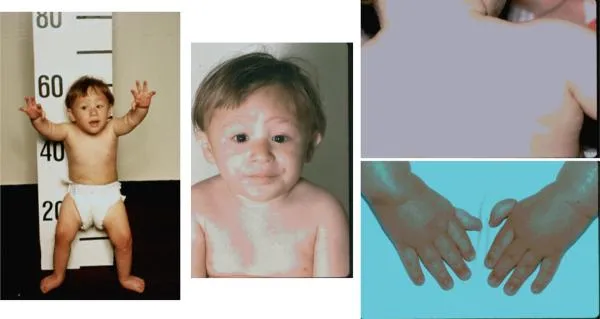
Figure 1: Overview of the History-Taking and Initial Assessment Process in Fanconi Anaemia, Including Patient and Family History, Clinical Evaluation, and Physical Examination.
Epidemiology:
Fanconi anaemia is rare. Orphanet reports an expected prevalence at birth of at least approximately 1 in 160,000 and classifies FA as a rare genetic multisystem disorder. The disorder is usually recognized in childhood, but age at diagnosis is variable because the physical phenotype can be subtle and some patients may initially present with bone-marrow failure rather than obvious congenital anomalies.13
Etiology And Genetics:
FA results from pathogenic variants affecting genes involved in the Fanconi DNA-repair pathway. Most forms follow autosomal-recessive inheritance; FANCB-related disease is X-linked, while RAD51-related FA can follow an autosomal-dominant pattern. Molecular testing is useful for confirming the genetic subtype, guiding family counselling, and facilitating testing of relatives and potential stem-cell donors.14
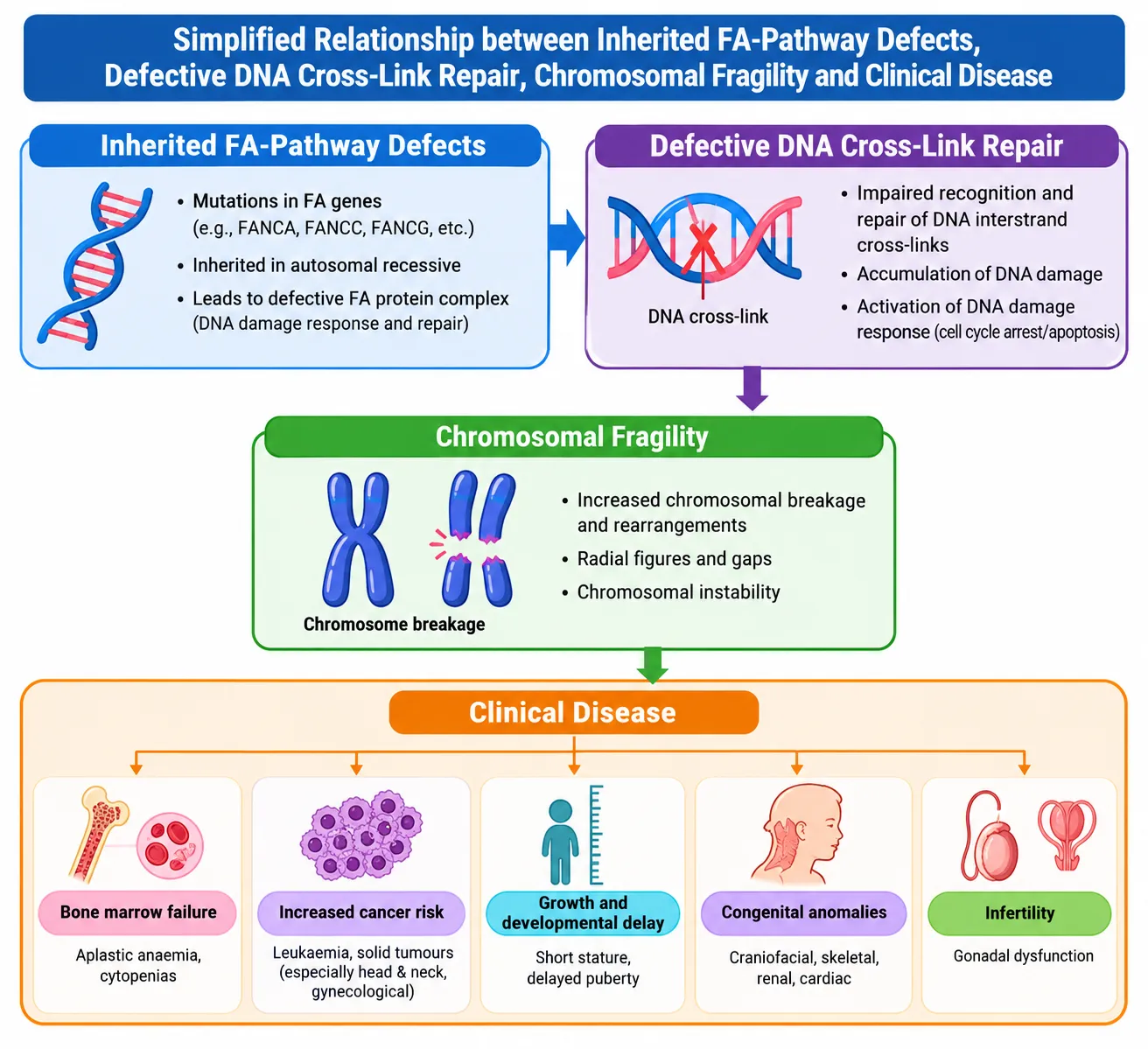
Flowchart: Simplified relationship between inherited FA-pathway defects, defective DNA cross-link repair, chromosomal fragility, and clinical disease.2
Clinical Manifestations:
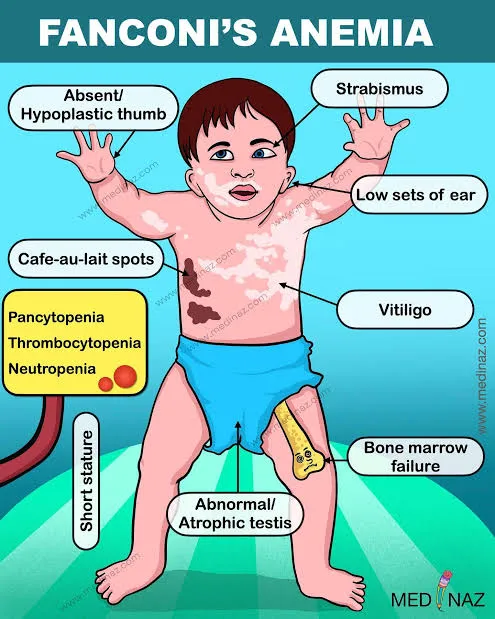
Figure 2: Clinical Manifestations of Fanconi Anemia, Including Congenital Abnormalities, Progressive Bone Marrow Failure, Hematologic Complications, and Increased Risk of Malignancies
Genetic Features:
Pathophysiology:
FA Gene Mutation
↓
Defective DNA Cross-link Repair
↓
DNA Damage Accumulation
↓
Chromosomal Instability
↓
┌─────────────┴─────────────â”
Bone Marrow Failure Cancer Predisposition
↓ ↓
Stem Cell Loss MDS, AML, Solid Tumors
↓
Pancytopenia
Common Findings
Other: microcephaly, eye or hearing abnormalities, congenital heart defects, gastrointestinal anomalies, and developmental difficulties1,9.
Diagnosis And Investigations:
Diagnosis begins with clinical suspicion and is confirmed with specialized laboratory testing. The current Gene Reviews chapter describes increased chromosome breakage and radial forms in lymphocytes after exposure to DEB and/or MMC as a key diagnostic finding. Molecular genetic testing can identify pathogenic variants and define the FA subtype.
1. Hematologic Assessment
2. Chromosome-Breakage Testing
• DEB and/or MMC stress testing of lymphocytes is used to demonstrate characteristic chromosome fragility.
3. Molecular Genetic Testing
• Targeted FA gene testing, multigene panel, exome sequencing, or other molecular approaches may be selected according to the clinical situation.
4. Baseline Multisystem Evaluation
Differential Diagnosis:
The differential diagnosis includes other inherited bone-marrow-failure and chromosome-instability syndromes. Examples include dyskeratosis congenita, Diamond-Blackfan anemia, Shwachman-Diamond syndrome, Bloom syndrome, ataxia-telangiectasia, and Seckel syndrome. Molecular and chromosome-breakage testing helps distinguish FA from phenotypically overlapping conditions5.
Medical Management:
Management is individualized and should be coordinated through clinicians experienced in inherited bone-marrow-failure syndromes. Treatment addresses hematologic disease while monitoring non-hematologic manifestations throughout life.
Hematologic Care
Multisystem Care
Nursing Management:
1. Assessment of Fatigue and Anaemia
Goal: Maintain adequate oxygenation, reduce fatigue, and support participation in age- appropriate activities.
2. Infection Prevention
Goal: Prevent infection and identify infection early.
3. Bleeding Precautions
Goal: Minimize bleeding and prevent avoidable injury.
4. Nutrition and Growth
Goal: Support adequate nutrition and optimal growth.
5. Development, Schooling, and Psychosocial Support
Goal: Promote developmental potential, participation, and family coping.
6. Preparation for HSCT When Indicated
Goal: Promote safe preparation, informed participation, and continuity of care.
7. Long-Term Surveillance and Health Education
Goal: Improve early recognition of complications and adherence to lifelong surveillance.2
Multidisciplinary Care:
Children with Fanconi anaemia may require coordinated care from paediatric haematology, bone-marrow-transplant specialists, clinical genetics, endocrinology, nephrology/urology, orthopaedics, ophthalmology, audiology/ENT, dentistry/oral medicine, nutrition, developmental services, psychology/social work, and other specialists according to individual manifestations8.
Priority Nursing Problems
Family And Caregiver Education:
Nursing Care Plan
| Assessment | Nursing Diagnosis | Goals / Expected Outcomes |
Nursing Interventions | Evaluation |
|---|---|---|---|---|
| Fatigue, pallor, reduced activity, anaemia | Fatigue related to reduced oxygen-carrying capacity secondary to anaemia | Child will demonstrate improved activity tolerance and balanced rest/activity. | Assess fatigue; cluster care; Provide rest; Monitor CBC; Administer prescribed therapy/transfusion; Encourage gradual activity. |
Fatigue reduced; child participates in age-appropriate activity. |
| Neutropenia/recurrent infections | Risk for infection related to neutropenia and impaired haematopoiesis | Child will remain free from preventable infection | Monitor temperature; Hand hygiene; Aseptic technique; Infection education; Follow individualized vaccination plan; Report fever promptly. |
No avoidable infection; family demonstrates correct precautions. |
| Thrombocytopenia, bruising/petechiae | Risk for bleeding related to thrombocytopenia | Child will remain free from significant bleeding or injury. | Inspect skin/mucosa; Reduce trauma; Gentle oral care; Monitor platelet count; Teach bleeding precautions; Follow transfusion orders. |
No significant bleeding; caregivers verbalize precautions. |
| Short stature/poor growth or feeding concerns | Imbalanced nutrition: less than body requirements related to inadequate intake or disease-related needs, if present | Child will maintain adequate intake and follow an individualized growth plan | Monitor weight/height; Assess intake; small frequent meals; Dietitian referral; Manage contributing endocrine/GI problems. |
Nutritional intake and growth trend improve or remain stable. |
| Child/family facing chronic inherited illness | Anxiety related to uncertainty, investigations, and long-term treatment | Child/family will verbalize understanding and demonstrate effective coping strategies | Use simple explanations; Allow questions; Provide psychological support involve family in care; connect with counselling/support resources. |
Family demonstrates understanding and identifies coping resources. |
Prognosis And Long-Term Follow-up:
The course of FA varies widely. Bone-marrow failure is progressive in many affected individuals, while some have later or milder hematologic manifestations. The risk of MDS/AML and solid tumors requires lifelong surveillance. HSCT can correct the hematologic manifestations of marrow failure but does not remove the underlying multisystem phenotype or all cancer risks. Long-term care therefore continues after transplantation12.
CONCLUSION:
Fanconi anaemia is a rare inherited multisystem disorder in which defective DNA repair produces chromosomal instability, progressive bone-marrow failure, congenital abnormalities, and increased cancer susceptibility. Paediatric nurses have an important role in early recognition, ongoing assessment, infection and bleeding prevention, nutritional and developmental support, family education, and coordination of multidisciplinary follow-up. Accurate diagnosis also supports genetic counselling and safe planning for hematopoietic stem cell transplantation when indicated. Because FA remains a lifelong condition, nursing care should extend beyond the immediate hematologic problem to growth, endocrine, sensory, oral, psychosocial, and cancer-surveillance needs1.
REFERENCES





Arpita Sahoo, Sheeba Anitha Rani, Yerni Jyothi Kolli, Tadi Priyanka, Prathima Prakasam, Fanconi Anaemia in Children: Bridging Genetic Complexity, Clinical Challenges, and Holistic Nursing Care, Int. J. Sci. R. Tech., 2026, 3 (10), 1214-1221. https://doi.org/10.5281/zenodo.23660771
 10.5281/zenodo.23660771