

We use cookies to ensure our website works properly and to personalise your experience. Cookies policy
Abasaheb Kakade College Of B. Pharmacy Bodhegaon
Diabetes mellitus is a long-term metabolic disorder marked by consistently elevated blood glucose levels due to impaired insulin production, reduced insulin effectiveness, or both. The increasing global incidence of diabetes, particularly in developing nations such as India, emphasizes the need for safer, more effective, and economical treatment options. In this context, herbal medicines have attracted considerable interest because of their natural origin, fewer side effects, and holistic therapeutic approach. The present study aims to formulate and evaluate an antidiabetic polyherbal churna composed of medicinal plants known for their hypoglycemic and antioxidant activities. The formulation was developed using a blend of Moringa oleifera (moringa leaves), Syzygium cumini (jamun seeds), Momordica charantia (bitter gourd), Elettaria cardamomum (cardamom), Zingiber officinale (ginger), Aegle marmelos (bael), and Piper nigrum (black pepper). These herbs were selected based on their traditional medicinal use and scientifically reported properties, including enhancement of insulin sensitivity, improvement of glucose metabolism, reduction of oxidative stress, and support of pancreatic function. The churna was prepared using standard procedures such as collection, drying, grinding, sieving, blending, and proper packaging to ensure consistency and quality. The prepared formulation was assessed for its organoleptic characteristics, physicochemical properties, flow behavior, and phytochemical composition. It showed desirable features such as a fine powder consistency, brownish-green appearance, characteristic odor, and bitter taste. The physicochemical parameters, including pH, ash values, and moisture content (loss on drying), were found to be within acceptable limits, indicating good stability and purity. Flow property evaluations such as bulk density, tapped density, Carr’s index, Hausner’s ratio, and angle of repose suggested satisfactory flow characteristics suitable for handling and packaging. Phytochemical analysis confirmed the presence of important bioactive compounds like alkaloids, flavonoids, glycosides, tannins, phenolics, saponins, and terpenoids, which are associated with antidiabetic effects. In summary, the formulated antidiabetic polyherbal churna demonstrated acceptable pharmaceutical quality and promising therapeutic potential. It may serve as a safe, economical, and natural option for managing diabetes. Nevertheless, further experimental and clinical studies are necessary to confirm its effectiveness and safety in humans.
Current status of diabetes in India
India is widely recognized as the “diabetes capital of the world” due to the rapidly growing number of people affected by diabetes. According to the ICMR-INDIAB study (2023), over 100 million adults in India are living with diabetes, while more than 130 million individuals are classified as prediabetic, placing them at a greater risk of developing the disease. The incidence of diabetes is steadily increasing in both urban and rural regions of the country. Diabetes mellitus has become a major global health concern, with its prevalence rising continuously in developed as well as developing countries. Although synthetic antidiabetic drugs are commonly used for treatment, they are often associated with adverse effects such as hypoglycemia, weight gain, and cardiovascular problems. As a result, herbal medicines are receiving increasing attention because they are considered safer, more affordable, and capable of providing a holistic therapeutic approach.
Diabetes mellitus, commonly referred to as diabetes, is a long-term condition that arises when the body either produces insufficient insulin or is unable to utilize it effectively. Antidiabetic agents are medications used to manage or prevent this condition, which is characterized by the body’s inability to regulate blood sugar levels. [1] These agents work by helping to maintain normal blood glucose levels. The two main types of diabetes mellitus are Type 1 diabetes and Type 2 diabetes. In India, the mortality rate due to diabetes was 27.35 deaths per 100,000 individuals in 2019, showing an increase compared to 22.30 deaths per 100,000 individuals in 1990. Diabetes is a lifelong (chronic) condition that belongs to a group of metabolic disorders marked by elevated blood glucose levels (hyperglycemia). It affects over 230 million people globally, and this number is projected to rise to 350 million by 2025.
A significant proportion of affected individuals remain undiagnosed, and only about half receive proper treatment. The condition occurs due to insufficient insulin production, insulin resistance, or both. Insulin, which is produced by the β-cells of the pancreas, plays a key role in regulating blood sugar levels. Common symptoms of diabetes include blurred vision, excessive thirst, fatigue, frequent urination, increased hunger, and unintended weight loss. [2]
Diabetes is a chronic metabolic disorder in which the body is unable to utilize glucose effectively, either completely or partially. It is the fourth leading cause of death worldwide, with one person dying every 10 seconds due to diabetes-related complications. If not properly managed, diabetes can lead to serious conditions such as diabetic ketoacidosis and nonketotic hyperosmolar coma.
In India, various traditional and alternative medicinal approaches have long been used to manage diabetes, and numerous herbal plants are commonly employed in the treatment of Type 2 diabetes mellitus. [3] Diabetes mellitus is a metabolic disorder marked by persistent high blood glucose levels due to impaired insulin secretion, reduced insulin effectiveness, or both (Kharroubi, 2015). If not properly managed, it can lead to serious complications such as nerve damage (neuropathy), kidney damage (nephropathy), eye disorders including retinopathy, and cardiovascular diseases. According to the World Health Organization, around 422 million
people worldwide are affected, especially in low- and middle-income countries. [4]
India is often referred to as the diabetes capital of the world. Diabetes mellitus is a chronic metabolic disorder marked by high blood sugar levels, insulin resistance, and a relative deficiency of insulin, along with disturbances in the metabolism of carbohydrates, fats, and proteins. [5] Its prevalence is increasing rapidly worldwide, and over time it can result in severe complications such as neuropathy, nephropathy, retinopathy, cardiovascular diseases, and dyslipidemia. [6]
Currently, type II diabetes accounts for nearly 90% of cases, particularly among younger individuals. This rise is largely linked to lifestyle changes, including reduced physical activity and unhealthy dietary habits. [7] India is widely known as a rich source of medicinal plants because of its diverse bioclimatic regions and its long-standing tradition of using herbal remedies for therapeutic purposes. Herbal medicines have been extensively used in traditional healthcare systems, largely due to their natural origin and relatively fewer side effects compared to synthetic drugs. [8]
Polyherbalism refers to the use of multiple herbs in a single formulation to enhance therapeutic effectiveness. In such combinations, certain herbs may act directly on specific receptors, while others may improve the absorption, distribution, metabolism, or elimination of active compounds, thereby producing a synergistic effect. The present study aims to evaluate the pharmacognostic and physiological properties of a polyherbal powder. Additionally, several plants included in PHP formulations are reported to have potential benefits in the management of diabetes mellitus. [9]
A churna may consist of a single drug or a combination of multiple drugs, all powdered separately and then mixed homogeneously. Sharangadhara describes churna as a finely powdered dry medicine that is passed through a cloth to ensure uniform particle size. It is also known by synonyms such as Rajaha and Ksoda, and the recommended dosage is one Karsa Pramana. Acharya Kashyapa defines churna as any substance reduced to a fine powder and highlights its use in various conditions such as Anjana, Amavikara, Vrana, and Grahani roga. Overall, churna is characterized as a dry, finely sieved medicinal powder used in Ayurvedic treatments. [10]
Type II diabetes mellitus occurs mainly due to peripheral insulin resistance along with insufficient insulin secretion by the pancreas. It is more prevalent than Type I diabetes. Individuals with Type II diabetes often pass through intermediate conditions such as impaired fasting glucose and impaired glucose tolerance, collectively referred to as prediabetes. Obesity is considered a major contributing factor in the development of Type II diabetes, with nearly 90% of diabetic patients being overweight or obese. Diabetes is recognized as one of the leading causes of mortality worldwide, ranking sixteenth globally. Common symptoms associated with diabetes include blurred vision, excessive thirst, fatigue, frequent urination, and unexplained weight loss.
Modern therapeutic approaches provide several treatment options for both Type I and Type II diabetes. However, diabetes is also associated with various complications, including cardiomyopathy, nephrotoxicity, neuropathy, cerebrovascular diseases, and delayed wound healing. The high economic burden associated with diabetes management has encouraged many patients to explore alternative and complementary treatment approaches. [11]
Churna
Churna refers to a powdered form of a single drug or a mixture of two or more drugs, each ground separately and then blended uniformly. In Ayurveda, it is described as a finely powdered medicinal preparation. According to Sabda Kalpa Drum, the term “churna” is derived from Pesascurnikaranam, meaning the process of grinding or pulverizing. As per the Indian Ayurvedic Formulary, churna is obtained through Pesana (trituration or pounding) and is defined as a fine powder of medicinal substances. [12] It may consist of one drug or a combination of multiple drugs that are individually powdered and then mixed homogeneously. Sharangadhara describes churna as a finely powdered dry medicine that is sieved through cloth, ensuring uniform particle size.The synonyms of churna include Rajaha and Ksoda, and the recommended dose is one Karsa Pramana. Acharya Kashyapa also defines churna as a finely ground substance and mentions its use in conditions such as Anjana, Amavikara, Vrana, and Grahani roga. Overall, churna is a dry, finely powdered formulation that is carefully prepared and sieved to achieve a smooth and consistent texture.
Classification of Churna 1) Based on composition
3) Based on structure
4) Based on composition
5) Based on therapeutic action (Karma)
Historical Background of Churna
The origin of Churna is associated with the traditional medicinal system of Ayurveda. Churna refers to a finely powdered formulation made from dried herbs, minerals, and other natural ingredients. It has been widely used in India since ancient times for the prevention and management of various diseases.The preparation and use of Churna were mentioned in classical Ayurvedic texts such as Charaka Samhita and Sushruta Samhita. Early Ayurvedic practitioners prepared these herbal powders by drying medicinal plants and pulverizing them into a fine consistency. [14]
What is antidiabetic churna?
Antidiabetic churna is traditional Ayurvedic polyherbal powder formulation prepared from various medical plants known to help to regulate blood glucose levels. It typically includes herbs such as jamun seed, cardamom, moringa, bael, black pepper and others that work together to improve insulin sensitivity, enhance glucose utilization, inhibit carbohydrate digestive enzymes, and reduce oxidative stress. Because of its multitargeted action and low toxicity, antidiabetic churna is commonly used as a supportive therapy for managing diabetes mellitus.
Pharmacological Activities
Antidiabetic Churna exhibits several pharmacological properties due to the synergistic action of herbal constituents:
Advantages
Polyherbal formulation
The Polygrass formulation is defined as a formulation that includes two or more herbs. That individual medicinal plants contain sufficient antioxidant substances such as phenolic compounds and flavonoids that are responsible for the treatment of diabetes. The Polygrass formulation controls diabetes better than the individual drug due to the synergistic and minimal side effects. [16]
Polyherbal Churna
Polyherbal Churna is a traditional Ayurvedic powdered formulation prepared by mixing two or more medicinal herbs in suitable proportions. In Ayurveda, polyherbal formulations are widely used because the combined action of different herbs provides enhanced therapeutic effectiveness and reduced side effects. Churna dosage forms are considered simple, economical, and easy to administer.
Definition
Polyherbal Churna may be defined as a fine powdered preparation obtained by blending dried medicinal plant materials for the treatment and prevention of various diseases. [17]
History
The concept of polyherbal formulations was described in ancient Ayurvedic texts such as Charaka Samhita and Sushruta Samhita. Ancient physicians prepared herbal powders from medicinal plants and used them for therapeutic purposes.
1. Vedic Period (1500 – 600 BCE)
Charaka Samhita (200 BCE)
Sushruta Samhita (200 CE)
Ashtanga Hridaya (600 CE)
Sharangadhara Samhita (1300 CE)
• First text to give a dedicated chapter: Churna Kalpana Adhyaya, Madhyama Khanda
Rules defined:
• Polyherbal examples: Triphala Churna, Trikatu Churna, Avipattikar Churna.
Bhaishajya Ratnavali (1800 CE)

4. Modern Period (1900 CE – Present)
Advantages of Polyherbal Churna
LITERATURE REVIEW
HISTORY OF DIABETES:
1. Ancient period (1550 BC - 5th century) â— 1550 BC - Egypt:
The first mention of diabetes is in the Papyrus Ebers, which describes a disease in which a person urinates in large quantities.
The Indian doctors Sushruta and Charaka called this disease "Madhumeha", which means sweet hunger.
The ants were attracted to the urine because it contained sugar.
The disease appears in two forms: one observed in young people (similar to type 1) and the other more common in overweight adults (similar to type 2).
The Greek doctor Aretaeus of Cappadocia was the first to use the term "diabetes", which means passing, in reference to the excessive urination seen in patients. He described diabetes as a disease in which the body wears out, saying that "flesh and limbs melt in hunger."
At that time, progress in the understanding of diabetes was minimal. Doctors identified the disease by tasting the patient's urine: if it was sweet, they diagnosed it as "honey urine". 4. Renaissance in the 18th century â— 1675:
The English physician Thomas Willis added the word "Mellitus" (Latin for sweet honey) after confirming the sweet taste of diabetic urine.
Matthew Dobson discovered that the sweet taste came from sugar in the urine and blood, giving scientists a clearer idea of the disorder.
Paul Langerhans identified special groups of cells in the pancreas, later called the islets of Langerhans.
Minkowski and von Mering discovered that removing the pancreas in dogs causes diabetes. This proves that diabetes is closely related to pancreatic function.
5. The discovery of insulin (early 20 century) â— 1921:
An important breakthrough occurred when Frederick Banting, Charles Best, J.J.R. Macleod and James Collip successfully discovered insulin.
The first injection of insulin was given to Leonard Thompson, a boy, saving his life. This discovery transformed diabetes from a deadly disease to a controllable disease.
Banting and Macleod received the Nobel Prize for this revolutionary discovery.
Metformin, an important oral antidiabetic drug, was introduced.
Over the years, some major advances have followed:
Today, the treatment of diabetes has become much more advanced. Modern management includes:
DIABETES
Diabetes mellitus is a long-term metabolic condition in which blood sugar levels remain consistently elevated due to problems with insulin production, its function, or both.
Types of Diabetes [21]
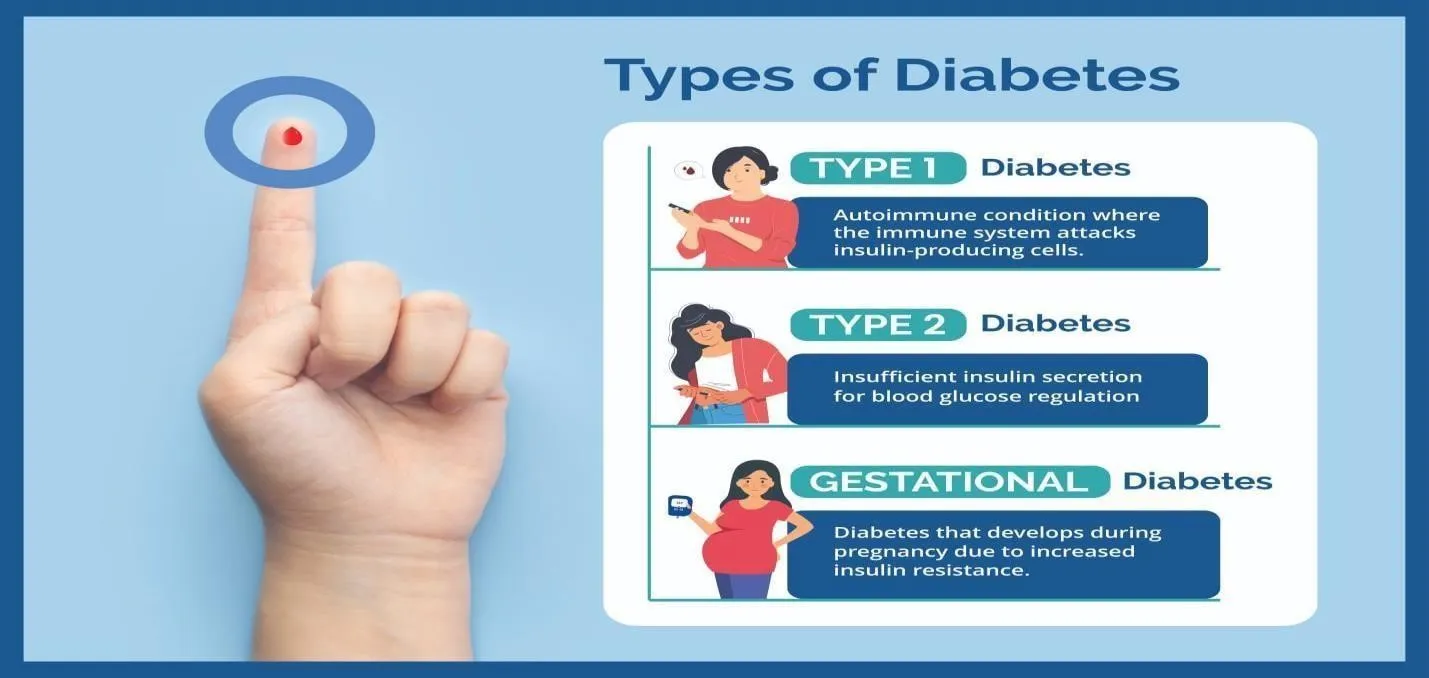
Fig No.1 (Types of Diabetes)
|
Causes |
Symptoms |
|
|
|
|
Lack of Insulin |
Frequent urination |
|
Insulin resistance |
Excessive thirst |
|
Unhealthy diet |
Increased hunger |
|
Obesity |
Fatigue |
|
Lack of exercise |
Blurred vision |
|
Genetic [22] |
Slow healing of wounds [23] |
Pathogenesis of Diabetes: [24]
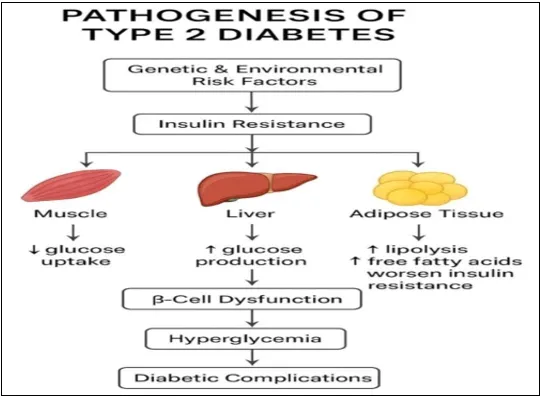
Fig No. 2 (Pathogenesis of Diabetes)
Mechanism of Action of Diabetes: [25]
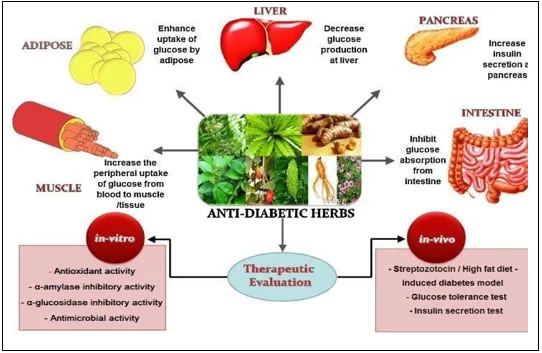
Fig No.3 (Mechanism of Action of Diabetes)
PLANT PROFILE:
1] Moringa leaves
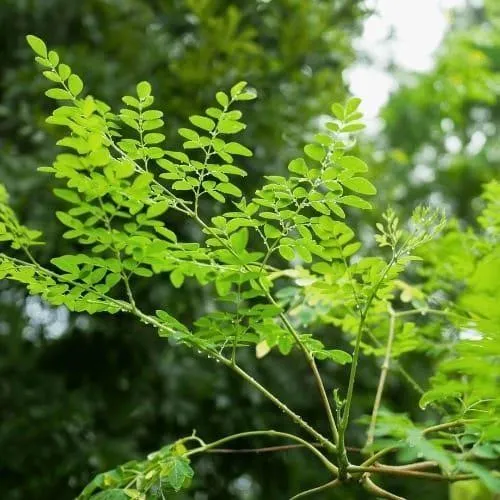
Fig No.4 (Moringa leaves)
Synonyms-Drumstick Tree, Miracle Tree.
Scientific Name-Moringa Oleifera
Family-Moringaceae
Chemical Constituent –
Chlorogenic acid, Quercetin, Kaempferol, Iuteolin, And Apigenin, Caffeic acid, Ferulic acids, Moringin & other related phenolic compounds.
Uses -
Moringa leaf powder is made from dried leaves of Moringa oleifera and is highly nutritious. It is rich in vitamins, minerals, and antioxidants that support overall health. It helps in controlling blood sugar levels and improving metabolism. It also boosts immunity and aids digestion. It can be easily consumed by mixing with water, milk, or food [27].
2] Jamun seeds
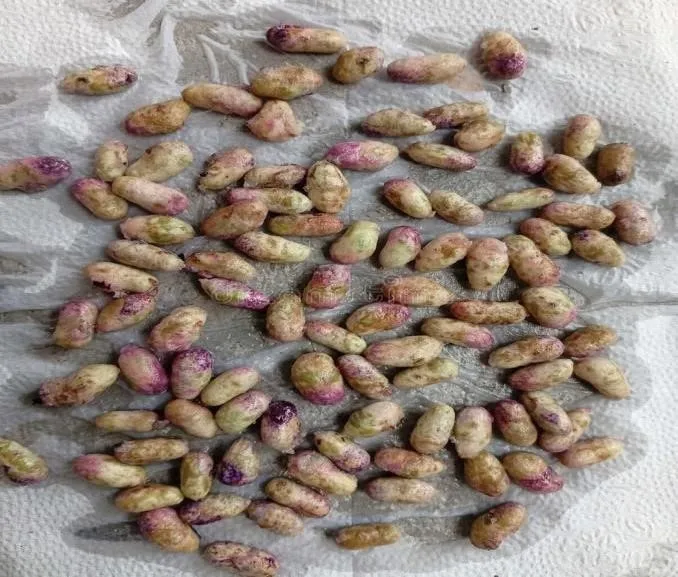
Fig No.5 (Jamun Seeds)
Synonyms- Black Plum, Jamun, Java Plum, Indian Blackberry, Malabar Plum And Damson Plum.
Scientific Name- Syzygium Cumini
Family- Myrtaceae
Chemical Constituents-
Jamun mainly contains Polyphenols, Flavonoids, Anthocyanins, Gallic acids, Tannins, Phenols, Alkaloids, Glycosides, Isoquercetin, Kaempferol.
Use-
Jamun seed, obtained from the fruit of Syzygium cumini, is widely used in traditional medicine. It is rich in alkaloids, flavonoids, and tannins that help regulate blood sugar levels. The seed powder is commonly used in managing Diabetes mellitus by improving insulin activity. It also has antioxidant and antimicrobial properties that support overall health. Additionally, it aids digestion and may help in reducing frequent urination associated with diabetes. [28]
3] Bitter gourd
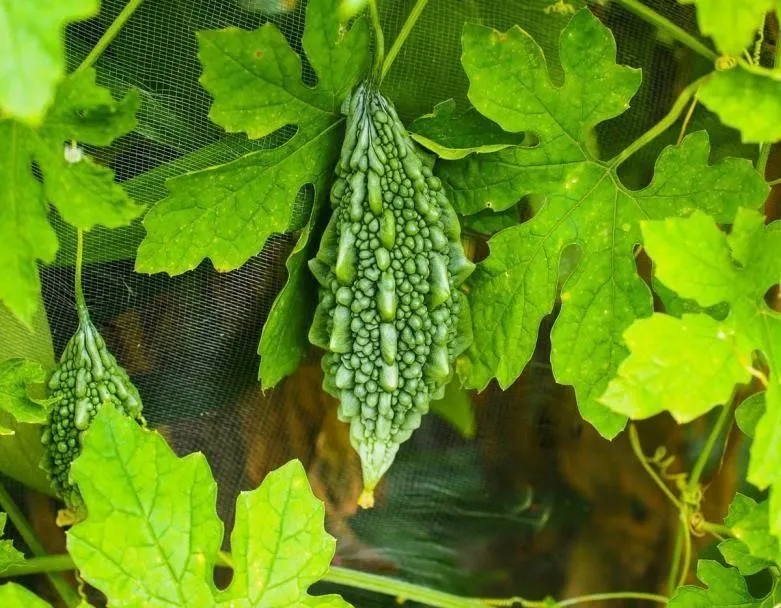
Fig No.6 (Bitter Gourd)
Synonyms-Karli, Karela, Bitter Melon, Balsam Pear, Bitter Apple, Karavella
Scientific Name-Momordica Charantia
Family-Cucurbitaceae
Chemical Constituents-
The plant contains Charantin, Polypeptide-p, Alkaloids, Momordicine I and II, Hypoglycemic glycosides such as Charantin, Momordicosides, Triterpenoids including Momordic acid, Quercetin, Saponins, Sterols, ß-Sitosterol and Stigmasterol.
Uses -
Bitter gourd, scientifically known as Momordica charantia, is a medicinal vegetable widely used for its health benefits. It contains active compounds like charantin and polypeptide-p that help lower blood sugar levels. It is commonly used in the management of Diabetes mellitus by improving glucose utilization. Bitter gourd also has antioxidant and anti-inflammatory properties that support overall health. Additionally, it aids digestion and helps in detoxifying the body. [29]
4] Cardamom
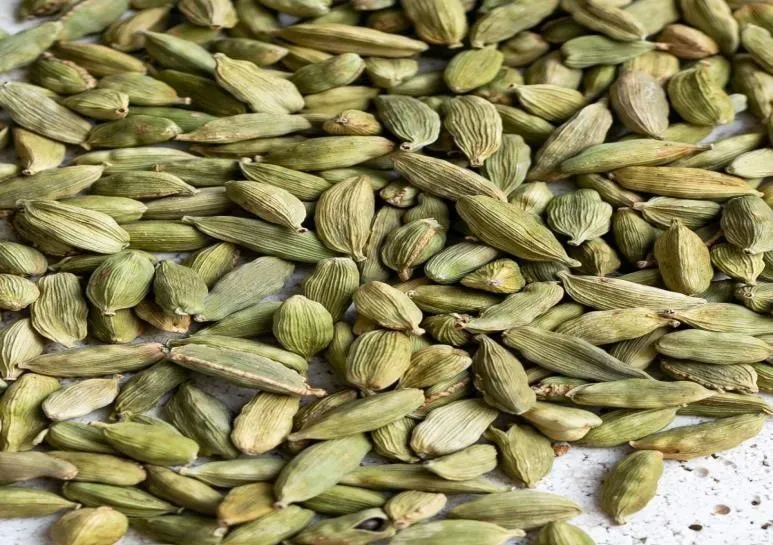
Fig No.7 (Cardamom)
Synonyms- Cardamom Seeds, Cardamom Fruits, Cardamon.
Scientific Name- Elettaria Cardamomum
Family- Zingiberaceae
Geographical Source-
It occurs wild in Sri Lanka and also in Myanmar and Malaysia. In India it is cultivated scientifically in Karnataka, Tamil Nadu, Kerala, Malabar hills and Guatemala.
Chemical Constituents -
1,8-Cineole, Flavonoids, Phenolic acid, Terpenoids, α-terpineol, Borneol and tannins.
Uses -
Cardamom, scientifically known as Elettaria cardamomum, is a popular aromatic spice used in food and medicine. It contains essential oils and antioxidants that help protect the body from damage. Cardamom supports digestion by relieving bloating, gas, and indigestion. It may help regulate blood pressure and improve heart health. Additionally, it has antimicrobial properties and freshens breath naturally. [30]
5] Ginger
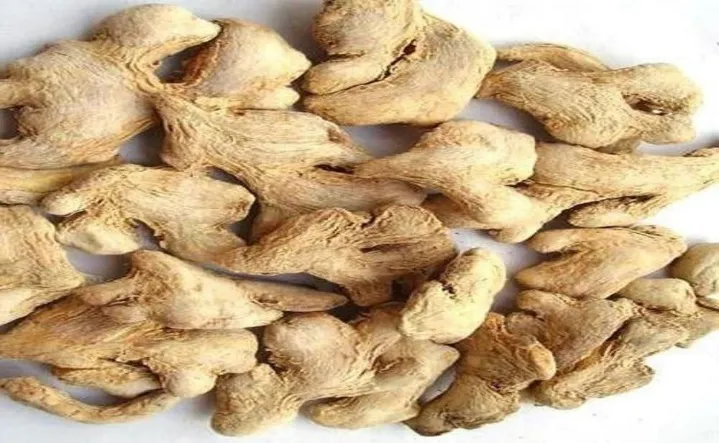
Fig No.8 (Dry Ginger)
Synonyms-Adarak, Ginger, Zingiber, Zingiberis, Sunthi.
Scientific Name-Zingiber Officinale
Family-Zingiberaceae
Chemical Constituents-
Proteins, Volatile oil, Gingerols, Shogaols, Terpenes, Organic acids, Carbohydrates, Lipids, αZingiberene, β-bisabolene, α-farnesene, β-sesquiphellandrene, α-Curcumene, Minerals and Vitamins.
Uses -
Ginger, scientifically known as Zingiber officinale, is a widely used medicinal spice. It contains active compounds like gingerol that have strong antioxidant and anti-inflammatory properties. Ginger helps in digestion by reducing nausea, bloating, and indigestion. It may also help regulate blood sugar levels and support immunity. Additionally, it is commonly used to relieve cold, cough, and sore throat symptoms. [31]
6)] Beal
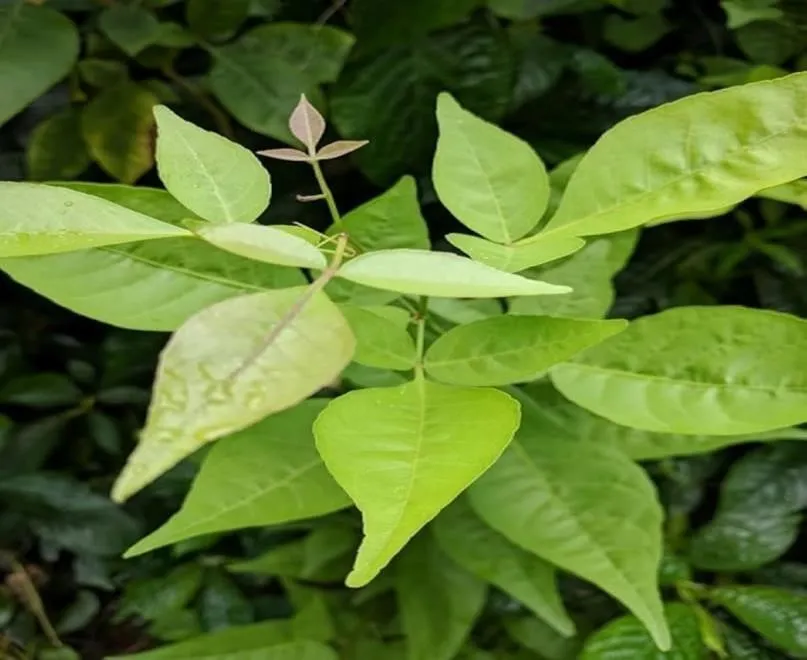
Fig No.9 (Beal Leaves)
Synonyms-Bael Fruits, Bel, Indian Bael, Bengal Quince
Scientific Name-Aegle Marmelos
Family-Rutaceae
Chemical Constituents-
Marmelosin, Carbohydrates, Proteins, Volatile oil, Vitamin, alkaloids and Tannins.
Uses -
Bael, scientifically known as Aegle marmelos, is a medicinal plant widely used in traditional medicine. Its fruit and leaves contain tannins, flavonoids, and alkaloids with therapeutic properties. Bael is especially useful for digestive disorders like diarrhea, dysentery, and constipation. It also shows potential in managing Diabetes mellitus by helping regulate blood sugar levels. Additionally, it has antimicrobial and anti-inflammatory effects that support overall health. [33]
7] Black pepper
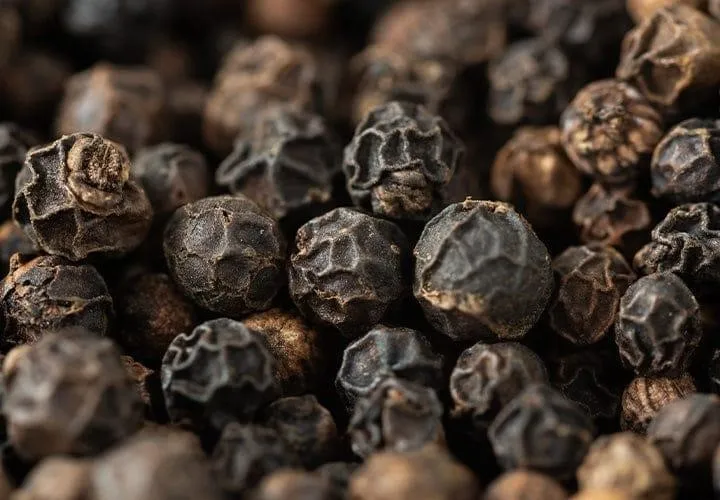
Fig No.10 (Black pepper) Synonyms-Pepper, Piper Nigrum, Maricha
Scientific Name-Piper Nigrum
Family-Piperaceae
Chemical Constituents -
It contains an alkaloid piperine, volatile oil, pungent resin, piperidine and starch.
Uses-
Black pepper, scientifically known as Piper nigrum, is a commonly used spice with medicinal properties. It contains piperine, an active compound that enhances nutrient absorption and metabolism. Black pepper aids digestion by stimulating digestive enzymes and reducing bloating. It also has antioxidant and anti-inflammatory effects that support overall health. Additionally, it may help in managing Diabetes mellitus by improving insulin sensitivity. [34]
METHODOLOGY
Method of Preparation of Antidiabetic Churna (Procedure)
Crude herbal drugs are collected from reliable and authentic sources.
The collected materials are cleaned properly to remove dust, dirt, and foreign particles.
• Drying
The cleaned drugs are dried (preferably in shade) to remove moisture and preserve active constituents.
Each ingredient is accurately weighed according to the required formulation.
The dried drugs are powdered separately using a grinder or pulverizer.
• Sieving
The powdered materials are passed through a suitable sieve (e.g., sieve no. 60) to obtain a fine and uniform powder.
• Mixing
All the sieved powders are mixed thoroughly to ensure uniform distribution of ingredients.
• Packaging
The prepared churn is packed in airtight containers to protect it from moisture and contamination.
• Labeling
The labeling procedure for antidiabetic churn involves checking and confirming details such as product name, ingredients, dosage, batch number, manufacturing and expiry dates, storage guidelines, and warnings, followed by printing and attaching the label to the container and conducting a final inspection for correctness and compliance. [35,36]
BATCH WIES FORMULATION TABLE OF ANTIDIABETIC POLYHERBAL CHURNA
|
Sr. No |
Ingredients |
Batch A (100 gm) |
Batch B (100 gm) |
Batch C (100 gm) |
Uses |
|
1 |
Moringa Leaves |
20 |
10 |
15 |
Immunoboost |
|
2 |
Jamun seeds |
25 |
35 |
30 |
Antidiabetic |
|
3 |
Bitter gourd |
25 |
30 |
30 |
Antidiabetic |
|
4 |
Cardamom |
5 |
5 |
5 |
Digestive stimulant |
|
5 |
Ginger |
10 |
8 |
8 |
Improve insulin sensitivity |
|
6 |
Beal |
10 |
10 |
10 |
Mild laxative |
|
7 |
Black pepper |
5 |
2 |
2 |
Enhance bioavailability |
Table No.1 (Batch Wise Formulation)
FORMULATION TABLE
|
Sr. No |
Ingredients |
Scientific Name |
Quantity |
|
1 |
Moringa Leaves |
Moringa Oleifera |
15 gm |
|
2 |
Jamun seeds |
Syzygium Cumini |
30 gm |
|
3 |
Bitter gourd |
Momordica Charantia |
30 gm |
|
4 |
Cardamom |
Elettaria Cardamomum |
5 gm |
|
5 |
Ginger |
Zingiber Officinale |
8 gm |
|
6 |
Beal |
Aegle Marmelos |
10 gm |
|
7 |
Black pepper |
Piper Nigrum |
2 gm |
Table No.2 (Formulation Table)
ADVANTAGES
1) Multitargeted action -
Herbs work through multiple mechanisms, such as increasing insulin secretion and improving insulin sensitivity.
2) Reduced adverse effects-
Smaller doses of each plant are often required in polyherbal combinations, which helps reduce toxicity and side effects.
The combined action of different herbs can enhance overall therapeutic effectiveness.
Many herbs protect the kidneys, liver and pancreas from oxidative stress caused by diabetes.
5) Reasonably priced and readily available-
Especially in India, most herbs like Jamun, Cardamom, Bael, Bitter gourd, Ginger, Moringa and Black pepper are easily available and affordable.
6) Suitable for long term use-
When formulated properly, polyherbal churn can be used for extended periods with relatively low toxicity.
7) Adaptable-
Different combinations can be prepared based on patient needs (e.g., more bitter herbs for high glucose, more digestive herbs for obesity. [37]
DISADVANTAGES
1) Lack of standardization-
Each batch may vary in potency due to differences in plant quality, harvesting time, and processing methods.
2) Delayed onset of action-
Compared to allopathic antidiabetic drugs, herbal formulations usually act more slowly.
3) Potential drug-herb interactions-
They may interact with prescription medicines (such as hypoglycemic drugs), increasing the risk of low blood sugar.
4) Dosage challenges-
The exact amount of active phytochemicals is often unknown. Incorrect measurement may lead to overdose or under dose.
5) Poor palatability-
Many antidiabetic herbs have a bitter taste, making regular consumption difficult.
6) Insufficient scientific evidence-
Although individual herbs have supporting research, complete clinical trials on polyherbal churns are still limited.
7) Storage issue-
Herbal powders can absorb moisture easily, increasing the risk of microbial growth or loss of potency if not stored. [38,39]
EVALUATION PARAMETER
Angle of Repose –
The static angle of repose was measured according to the fixed funnel and free-standing cone method. A funnel was clamped with its tip 2 cm above a graph paper placed on a flat horizontal surface. The powders were carefully poured through the funnel. Block the orifice of the funnel by thumb, Fill the powder in the funnel and remove the thumb immediately. Measure the height of the pile and diameter.
θ= tan-1(h/r) Where, θ= angle of repose h- height of the powder in cm, r-the radius of a heap of powder. [40]
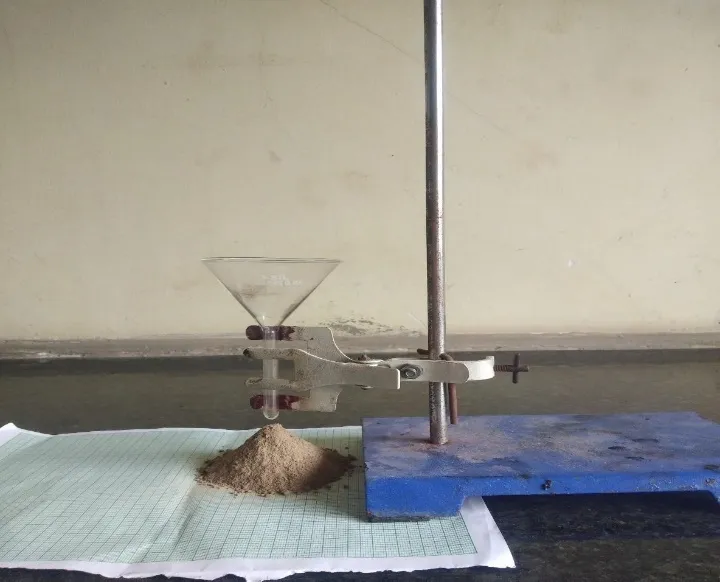
Fig No.11 (Angle of Repose)
Bulk Density-
Take a clean and dry measuring cylinder. Weigh accurately 20 gm of powder. Place it in a dried graduated measuring cylinder and note the volume as ml.
Bulk density = weight of powder / Volume of powder
sample to a solvent, mix until no more dissolves, then filter and measure the dissolved amount.
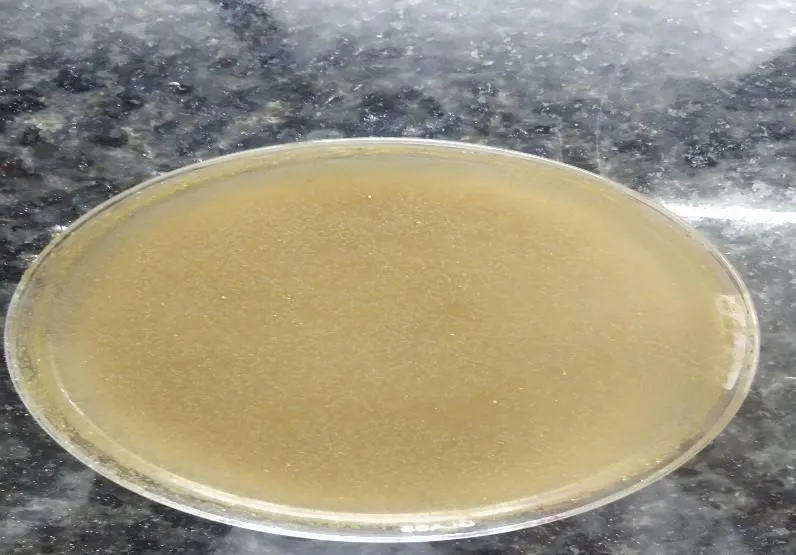
Fig No.14 (Solubility Test)
Carr’s index
Carr’s index is a measure used to evaluate the compressibility and flow properties of a powder. It is calculated using bulk density and tapped density. In general, powders that are less deformable tend to flow more easily. This index reflects the extent of particle interactions within the powder. In free-flowing powders, particle interactions are minimal, so the difference between bulk and tapped densities is small. In contrast, poorly flowing powders have more particle contacts, leading to a greater difference between these densities.
Compressibility index = [(ρtap - ρb) / ρtap] / ×100
Where,
ρb = Bulk Density ρtap=Tapped Density
Hausner’s ratio
The Hausner's ratio is a proximate indicator of particle movement simplicity. The method used to determine it is as follows.
Hausner's Ratio=Tapped density (PT) / Bulk density (B)
Where,
PT = tapped density
B = bulk density. [41]
PHYSIOCHEMICAL EVALUATION
Physicochemical evaluation involves analyzing basic properties of a sample such as pH, moisture content, and ash values. These parameters help assess the purity, quality, and stability of the material. Standard laboratory methods are used to obtain reliable and reproducible results.
PH
Calibrate the pH meter using standard buffer solutions, immerse the electrode in the sample solution, allow the reading to stabilize, and record the pH value and Ph of sample was found to be 6.5 (slightly acidic). [42]
Determination of moisture content
Moisture content was determined by the loss on drying method. A clean, dry weighing dish was first weighed, and a known quantity of the sample was added and reweighed. The sample was then placed in a hot air oven maintained at a specified temperature and dried for a fixed period. After drying, the dish was removed, cooled in a desiccator to avoid moisture uptake, and weighed again. This drying and weighing process was repeated until a constant weight was obtained. The reduction in weight was used to calculate the percentage of moisture present in the sample. [43]
W2-W1
Determination of ash value
Ash values are used to assess the quality and purity of a crude drug. About 3 g of air-dried powdered drug was accurately weighed and placed in a pre-weighed silica crucible. The sample was then incinerated by gradually increasing the temperature until it became dull red hot and completely free from carbon. After cooling, it was weighed, and the process was repeated until a constant weight was obtained. Finally, the total ash percentage was calculated with reference to the air-dried sample. [44]
Total Ash value = Weight of total ash / Weight of crude drug taken × 100
Determination of water-soluble ash
Total ash of the sample was first prepared and weighed. The ash was then boiled with a measured quantity of distilled water, and the insoluble portion was collected on an ash less filter paper. This residue was washed, dried, and ignited to a constant weight. The weight of the insoluble matter was subtracted from the total ash to obtain the water-soluble ash value. The percentage of water-soluble ash was calculated. [45]
W2-W1
Determination of acid insoluble ash
Total ash obtained from the sample was boiled with dilute hydrochloric acid. The insoluble portion was collected on an ash less filter paper, thoroughly washed with hot water, and then dried and ignited to a constant weight. The remaining residue represents the acid-insoluble ash, which is calculated as a percentage of the original sample.
Acid insoluble ash value = Weight of acid insoluble ash/Weight of crude drug taken × 100
Determination of loss on drying
Loss on drying was determined by weighing a known amount of the sample in a clean, dry dish and drying it in a hot air oven at a specified temperature. After a set period, the sample was cooled in a desiccator and reweighed. Drying and weighing were repeated until a constant weight was obtained, and the decrease in mass was calculated as the moisture content. [46]
LOD = loss in weight in sample / Weight of the sample X 100
Evaluation of antioxidant activity
Hydrogen peroxide is used as a free radical to assess the antioxidant potential of natural compounds. The reduction in colour of the test sample indicates its ability to donate hydrogen atoms. Hydrogen peroxide, a stable radical that is soluble in methanol, forms a violet solution, which turns yellow when it reacts with an antioxidant. In this method, 2 g of the immune booster sample (0–5 mg/mL in methanol) was mixed with 2 mL of hydrogen peroxide solution (0.4 mM in methanol). The mixture was vortexed properly and kept in the dark at room temperature for 30 minutes. After incubation, the absorbance was measured at 230nm using a spectrophotometer. Gallic acid and Ascorbic acid were used as standard reference compounds. [47]
ORGANOLEPTIC PROPERTIES
|
Sr. No |
Parameter |
Observation |
|
|
|
F1 |
F2 |
F3 |
||
|
1) |
Appearance |
Fine Powder |
Fine Powder |
Fine Powder |
|
2) |
Colour |
Brownish Green |
Brownish Green |
Brownish Green |
|
3) |
Taste |
Bitter |
Bitter |
Bitter |
|
4) |
Odour |
Characteristics |
Characteristics |
Characteristics |
Table No.3 (Organoleptic Properties)
PHYSICAL PARAMETER AND PHYSIOCHEMICAL EVALUATION
|
Sr. No |
Parameter |
Observation |
|
||
|
F1 |
F2 |
F3 |
|||
|
1 |
PH |
5.2 (more acidic) |
4.8 (highly acidic) |
6.5 (slightly acidic) |
|
|
P2 |
Ash value |
10.5 % w/w |
12.8 % w/w |
7.8 % w/w |
|
|
3 |
Loss on drying |
9.5 % w/w |
12.0% w/w |
5.0 % w/w |
|
|
4 |
Acid insoluble ash |
3.8 % w/w |
4.5 % w/w |
1.3 % w/w |
|
|
5 |
Water soluble ash |
2.0 % w/w |
1.5 % w/w |
3.2 % w/w |
|
|
6 |
Bulk density |
0.32 g |
0.28 g |
0.40 g |
|
|
7 |
Tapped density |
0.50 g |
0.48 g |
0.47 g |
|
|
8 |
Angle of repose |
45 degree |
50 degree |
34.7 degree |
|
|
9 |
Carr’s index |
36 % w/w (poor flow) |
41.6 % w/w (very poor flow) |
14.89 % (good flow) |
w/w |
|
10 |
Hausner’s ratio |
1.56 (very poor flow) |
1.71 (very poor flow) |
1.175 (good flow) |
|
Table No.4 (Physical Parameter and Physiochemical Evaluations)
Phytochemical Tests
Keller-Killiani test for glycosides
In the Keller–Killiani test, 1 g of powdered drug is extracted with 10 mL of 70% alcohol for about 2 minutes and then filtered. To the filtrate, 10 mL of water and 0.5 mL of a strong lead acetate solution are added, followed by filtration. The resulting filtrate is shaken with 5 mL of chloroform, and the chloroform layer is separated into a porcelain dish. The solvent is gently evaporated, and the remaining residue is cooled and dissolved in 3 mL of glacial acetic acid containing 2 drops of 5% ferric chloride solution. This solution is then carefully layered over 2 mL of concentrated sulphuric acid. The formation of a reddish-brown ring at the interface and a bluish-green color in the upper layer, which darkens over time, indicates a positive result. [48]
Mayer’s test for alkaloids
Add 1 mL of Mayer’s reagent to 1 mL of the extract. The formation of a whitish-yellow or cream-colored precipitate indicates the presence of alkaloids. [49]
Foam test for saponins
A small amount of both alcoholic and aqueous extracts is taken separately, then 20 ml of distilled water is added and the mixture is shaken lengthwise in a graduated cylinder for 15 minutes. The formation of a 1 cm thick foam layer indicates the presence of saponins. [50] Molisch’s test for carbohydrates
Take 2 ml of the extract and add 1 ml of α-naphthol solution. Carefully pour concentrated sulphuric acid along the side of the test tube. The appearance of a purple or reddish-violet ring at the interface of the two layers confirms the presence of carbohydrates. [51]
Salkowski test for terpenoids
Approximately 5 mL of the extract is mixed with 2 mL of chloroform, and then about 3 mL of concentrated sulphuric acid (Hâ‚‚SOâ‚„) is carefully added to form a separate layer. The formation of a reddish-brown color at the interface confirms the presence of terpenoids. [52]
Ellagic phenolic assay
Four drops of 5% (w/v) glacial acetic acid and four drops of 5% sodium nitrite (NaNOâ‚‚) solution were added to 2 mL of the immune booster sample and shaken for about five minutes. The appearance of a muddy brown precipitate indicates the presence of phenolic compounds. For the flavonoid test, 2 mL of the sample was treated with around five drops of 10% ferric chloride solution. A green-blue color change confirms the presence of phenolic hydroxyl groups. [53]
Test for flavonoids
1 mL of the stock solution was placed in a test tube, and a few drops of dilute sodium hydroxide solution were added. This produced an intense yellow coloration. Upon adding a few drops of dilute acid, the solution became colourless, indicating the presence of flavonoids. [54]
RESULT
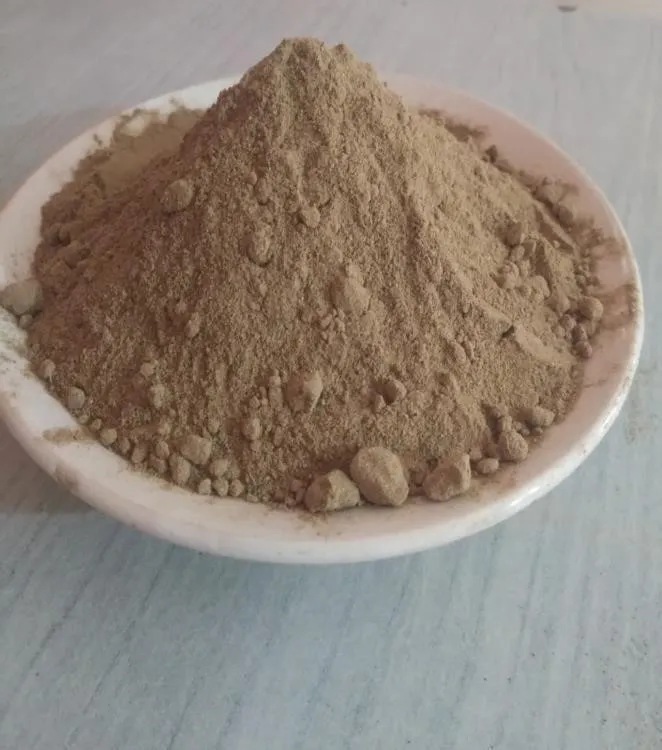
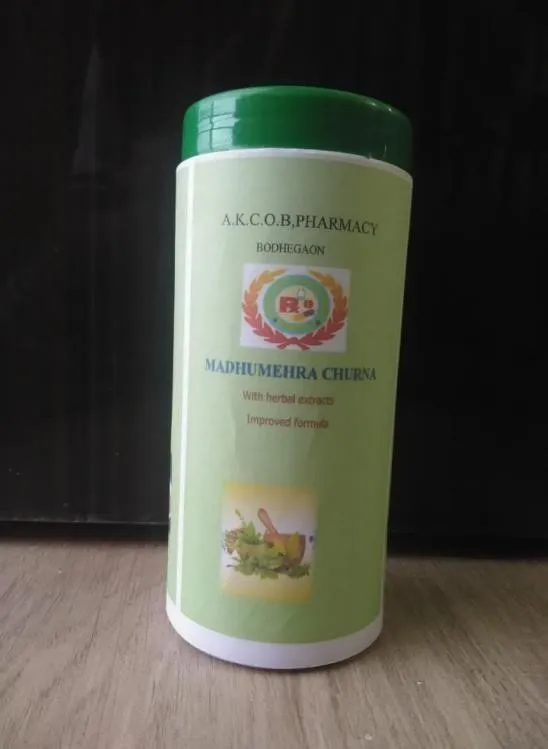
The prepared antidiabetic polyherbal churn was found to be a fine, brownish-green powder with a characteristic odour and bitter-pungent taste. The physicochemical parameters such as loss on drying, total ash, acid-insoluble ash, and extractive values were within acceptable limits, indicating good purity and stability of the formulation. The flow properties (bulk density, tapped density, Carr’s index, Hausner’s ratio, and angle of repose) showed good flowability, making the powder suitable for handling and packaging. Phytochemical screening confirmed the presence of important constituents like alkaloids, flavonoids, glycosides, tannins, phenolics, saponins, and terpenoids, which are responsible for its antidiabetic potential. The formulation also complied with microbial standards, ensuring safety. Overall, the results indicate that the developed polyherbal churn possesses satisfactory pharmaceutical quality and promising therapeutic activity.
CONCLUSION
The antidiabetic polyherbal churn formulated with jamun seed, bitter gourd, moringa leaves, bael patra, ginger, cardamom, and black pepper was prepared successfully following standard methods. The formulation exhibited satisfactory organoleptic characteristics, including a brownish-green color, typical odour, bitter and pungent taste, and a fine powder texture, suggesting good acceptability. The physicochemical parameters such as loss on drying, ash values, extractive values, and pH were within acceptable limits, indicating the formulation’s quality, purity, and stability. The evaluation of flow properties, including bulk density, tapped density, Carr’s index, Hausner’s ratio, and angle of repose, confirmed that the powder possesses good flow behavior, making it suitable for processing and packaging. Phytochemical analysis revealed the presence of key bioactive compounds like alkaloids, flavonoids, glycosides, tannins, phenolic compounds, saponins, and terpenoids, which are associated with antidiabetic and antioxidant effects. Additionally, the formulation met the required microbial standards, ensuring its safety for use.
In conclusion, the prepared polyherbal churn showed satisfactory pharmaceutical characteristics, stability, and promising therapeutic potential. Therefore, it can be regarded as a safe, cost-effective, and beneficial herbal formulation for diabetes management, in line with traditional practices. However, further in vivo and clinical investigations are necessary to establish its efficacy and safety more conclusively
REFERENCES
Elsevier;2009. p. 137, Chemical Tests for Alkaloids: Mayer’s reagent.
Elsevier;2009. p. 137, Chemical Tests for Alkaloids: Mayer’s reagent.

Kranti Akolkar*, Bansode Laxmi, Hemant Gangurde, Formulation And Evaluation Of Antidiabetic Polyherbal Churna, Int. J. Sci. R. Tech., 2026, 3 (9), 120-141. https://doi.org/10.5281/zenodo.22304293
 10.5281/zenodo.22304293