

We use cookies to ensure our website works properly and to personalise your experience. Cookies policy
Department of Pharmacognosy , Pravara Rural College of Pharmacy, Loni, Maharashtra, India- 413736
The current study focused on creating, improving, and assessing a herbal hydrogel that contains Manilkara zapota leaf extract for topical use. The leaves of Manilkara zapota underwent Soxhlet extraction using a hydroethanolic solvent. We then screened the extract for various plant compounds. Preliminary phytochemical analysis confirmed the presence of flavonoids, tannins, phenolics, terpenoids, glycosides, alkaloids, and saponins, which suggests the plant extract has antioxidant properties. We prepared herbal hydrogel formulations using Carbopol 940 as a gelling agent. Propylene glycol served as both a co-solvent and a penetration enhancer. We optimized the formulations using Design-Expert® software, considering Carbopol 940 and propylene glycol concentrations as independent variables. We chose viscosity, spreadability, and pH as dependent responses. The prepared formulations were assessed for physicochemical properties such as appearance, pH, viscosity, spreadability, extrudability, washability, homogeneity, and stability. The formulations showed satisfactory physical traits, including smooth consistency, good homogeneity, acceptable pH, and suitable spreadability for topical application. The viscosity increased with higher concentrations of Carbopol 940, while spreadability decreased accordingly. The optimized formulation had a viscosity of 20150 cP, a spreadability of 6.7 g·cm/sec, and a pH of 6.1. This formulation demonstrated favorable physicochemical properties and maintained stability throughout the study. The close match between predicted and experimental values confirmed the reliability of the optimization. The study suggests that Manilkara zapota leaf extract can be effectively included in a Carbopol-based hydrogel system. It may represent a promising herbal topical formulation for antioxidant uses. However, additional pharmacological and clinical research is necessary to confirm its therapeutic effectiveness and long-term stability.
The skin is one of the largest protective organs in the human body. It constantly faces environmental pollutants, ultraviolet (UV) radiation, microorganisms, and harmful chemicals. These external factors trigger the production of reactive oxygen species (ROS), leading to oxidative stress, cell damage, premature aging, inflammation, and a decline in skin structure. Oxidative stress is a major cause of skin aging because it harms proteins, lipids, and DNA. Antioxidants are crucial for neutralizing free radicals and protecting the skin from oxidative damage. Recently, there has been more awareness of the negative effects of synthetic chemicals. This has sparked interest in herbal and plant-based topical products for skin care and pharmaceutical use.
Medicinal plants are known to contain many beneficial natural compounds such as flavonoids, phenolic compounds, tannins, alkaloids, glycosides, saponins, and terpenoids. These compounds show a variety of health benefits, including antioxidant, antimicrobial, anti-inflammatory, antidiabetic, and wound-healing properties. Herbal products with antioxidant-rich phytochemicals have gained significant attention in cosmetic and topical drug delivery development due to their therapeutic potential, safety, and fewer side effects compared to synthetic options. Phenolic compounds are known to lower oxidative stress by scavenging free radicals and preventing damage to lipids.
Manilkara zapota, also called sapodilla or chikoo, belongs to the Sapotaceae family and is commonly grown in tropical and subtropical areas. Various parts of the plant, such as leaves, bark, fruits, and seeds, have been used in traditional medicine to treat fever, diarrhea, wounds, inflammation, coughs, and other ailments. Research on Manilkara zapota has identified important bioactive compounds like quercetin, catechin, chlorogenic acid, gallic acid, caffeic acid, flavonoids, tannins, and polyphenolic compounds, which contribute to its health benefits (Febriza et al., 2024; Rivas-Gastelum et al., 2023).
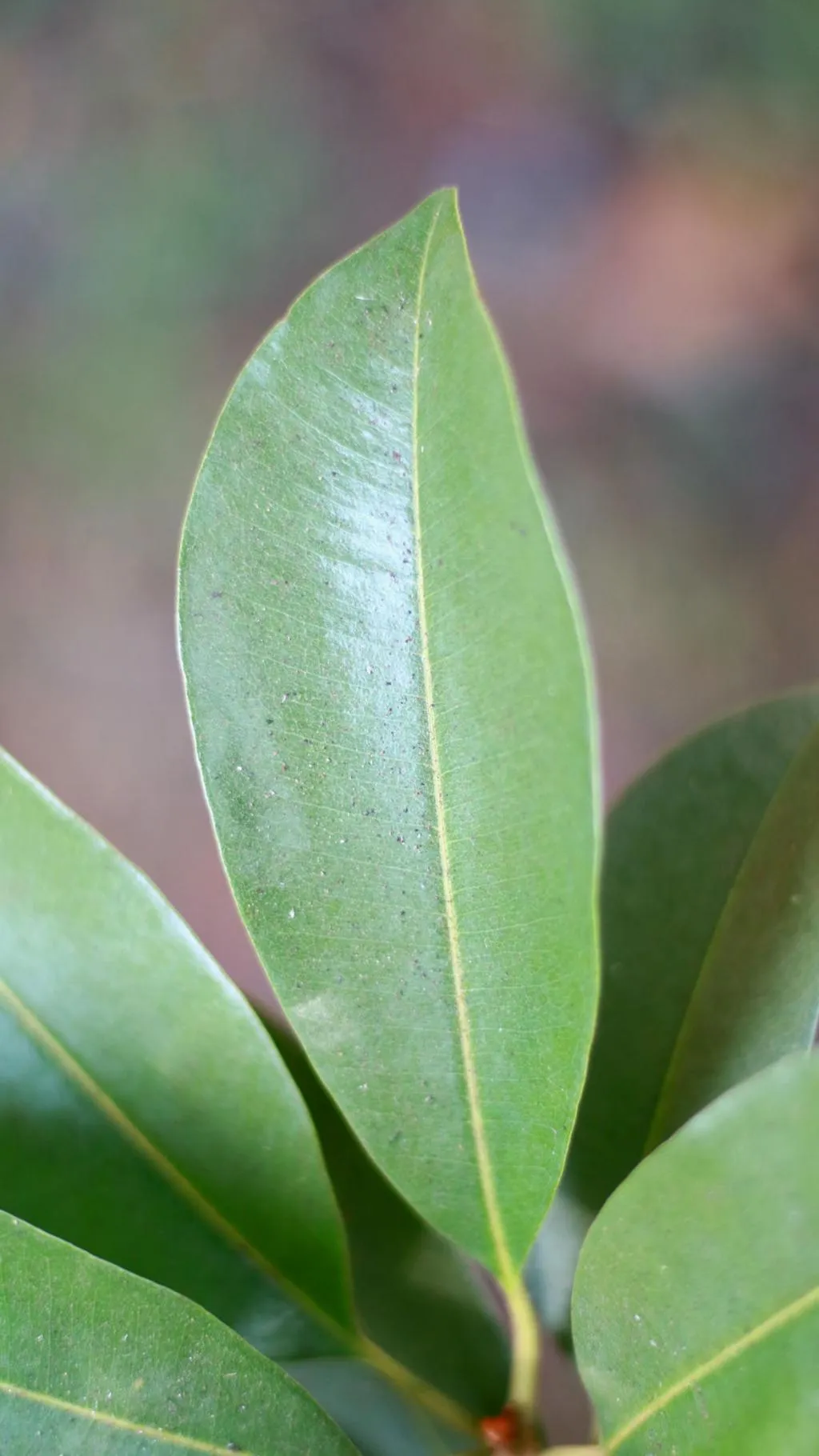
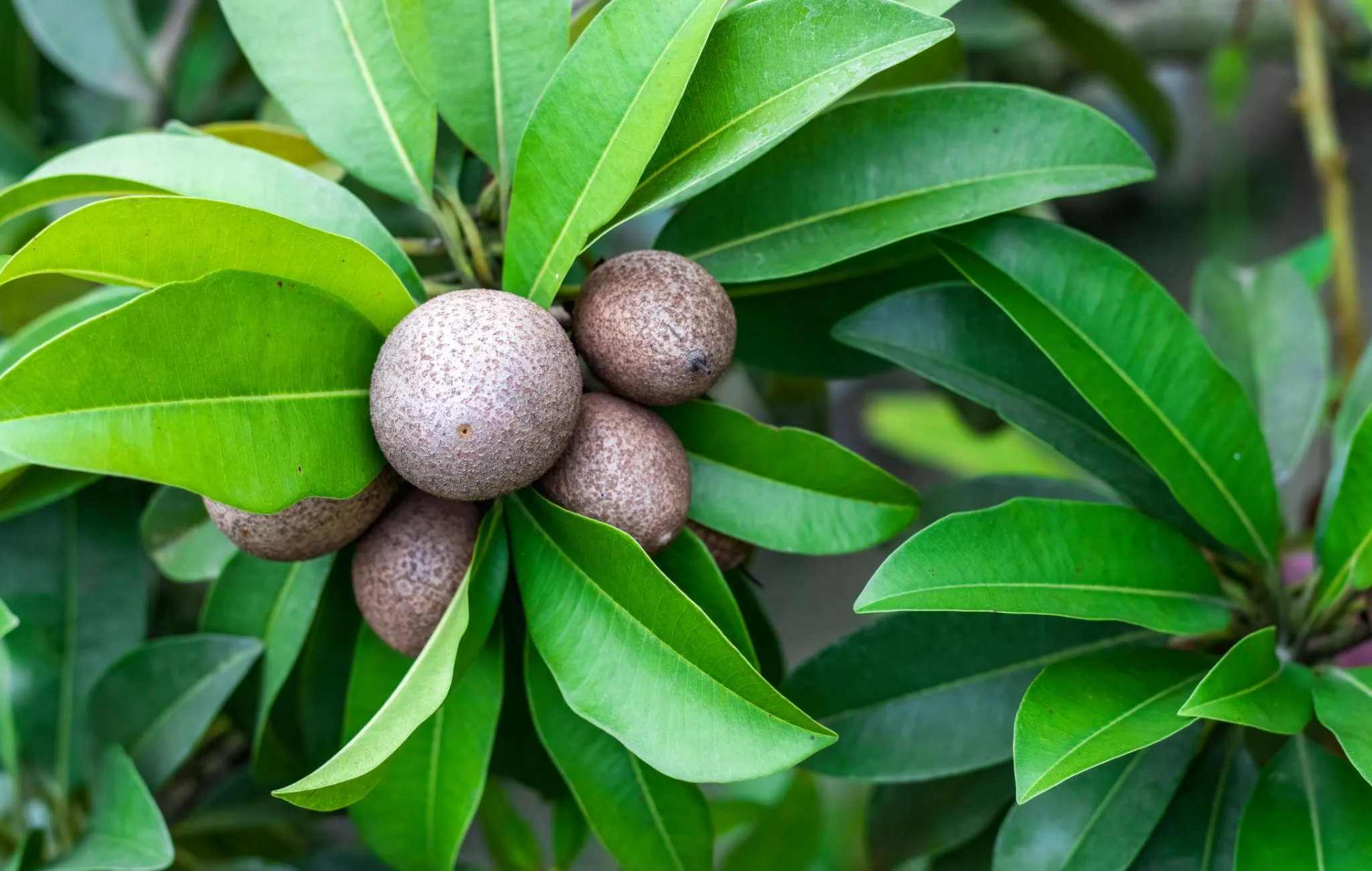
Figure 1: Manilkara zapota Leaves
Several studies have shown that Manilkara zapota leaf extracts have strong antioxidant properties due to their high levels of phenolic and flavonoid compounds. The plant's antioxidant activity has been tested using various in vitro methods, including the DPPH radical scavenging assay, ferric reducing antioxidant power assay, and nitric oxide scavenging methods, demonstrating its effectiveness in neutralizing free radicals (Nagani et al., 2012). Additionally, phytochemical screening confirmed the presence of flavonoids, tannins, terpenoids, glycosides, and phenolic compounds in different extracts of Manilkara zapota, highlighting its medicinal and therapeutic significance (Sharma et al., 2024).
Among various topical drug delivery systems, hydrogels are viewed as good carriers for herbal extracts due to their high water content, non-greasy nature, ease of use, improved patient compliance, and ability to release active ingredients in a controlled manner. Carbopol-based hydrogels are commonly used in pharmaceutical and cosmetic products because of their excellent viscosity, spreadability, stability, and bioadhesive qualities. Adding herbal extracts to hydrogel systems can enhance formulation acceptance and aid in delivering bioactive compounds to the skin.
While many studies have examined the health benefits and antioxidant effects of Manilkara zapota, there has been limited research on developing and optimizing hydrogel systems with Manilkara zapota leaf extract for topical antioxidant applications. Therefore, this study focused on creating, optimizing, and evaluating a herbal hydrogel containing Manilkara zapota leaf extract using Carbopol 940 as a gelling agent. The prepared formulations were assessed for various physicochemical properties, including pH, viscosity, spreadability, homogeneity, and overall performance.
MATERIALS AND METHODS
Plant Material Collection and Authentication
Fresh leaves of Manilkara zapota were collected from Maharashtra, India. The plant material was washed thoroughly with distilled water to remove dirt and other foreign particles. The leaves were dried in the shade at room temperature for several days and then coarsely ground with a mechanical grinder. The powdered material was stored in an airtight container for further experiments. The plant material was confirmed based on its physical traits using standard botanical references.
Preparation of Plant Extract
Fresh leaves of Manilkara zapota were shade dried and coarsely ground. About 80 g of dried leaf powder was subjected to Soxhlet extraction with 500 mL of 70% ethanol as the solvent. The extraction lasted for 4 to 5 hours until complete extraction occurred. The yield of the hydroethanolic extract was 43.01% w/w. The extract was filtered and concentrated by evaporating the solvent using a water bath to achieve a dried hydroethanolic extract. The dried extract was stored in an airtight container for further studies.
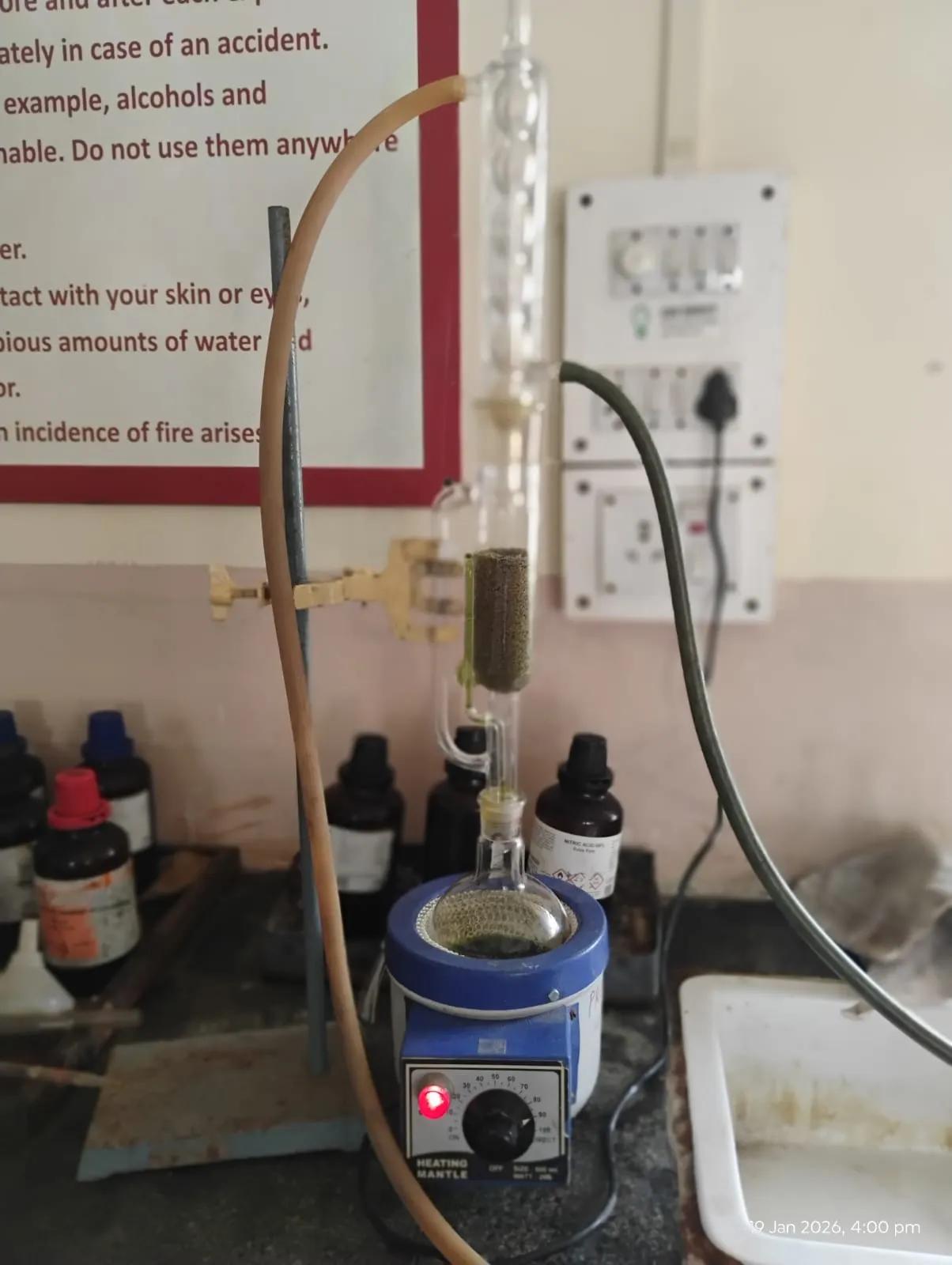
Figure 2: Extraction and Isolation
Soxhlet extraction is commonly used to effectively extract compounds from medicinal plants because it allows for continuous extraction and better recovery of bioactive compounds (Sharma et al., 2024).
Phytochemical Screening
Preliminary phytochemical screening of the extract was conducted to identify various bioactive compounds like alkaloids, flavonoids, tannins, glycosides, saponins, phenolic compounds, and terpenoids using standard qualitative chemical tests. Characteristic color changes or the formation of precipitates indicated the presence of these phytoconstituents. Previous studies on Manilkara zapota have found flavonoids, tannins, polyphenols, terpenoids, and other antioxidant compounds that contribute to its medicinal properties (Febriza et al., 2024).
Formulation of Herbal Hydrogel
The herbal hydrogel containing Manilkara zapota leaf extract was made using Carbopol 940 as the gelling agent. The required amounts of Carbopol 940 were slowly dispersed in distilled water with continuous stirring to prevent lumps and allowed to fully hydrate. Propylene glycol was added as a co-solvent and penetration enhancer, while glycerin served as a humectant. The prepared plant extract was separately dissolved and added to the hydrated polymer mixture while stirring continuously. Other additives, including preservatives and stabilizers, were included as needed. The formulation's pH was adjusted with a suitable neutralizing agent to create a clear and homogeneous gel. The final hydrogel was stored in airtight containers for further evaluation.
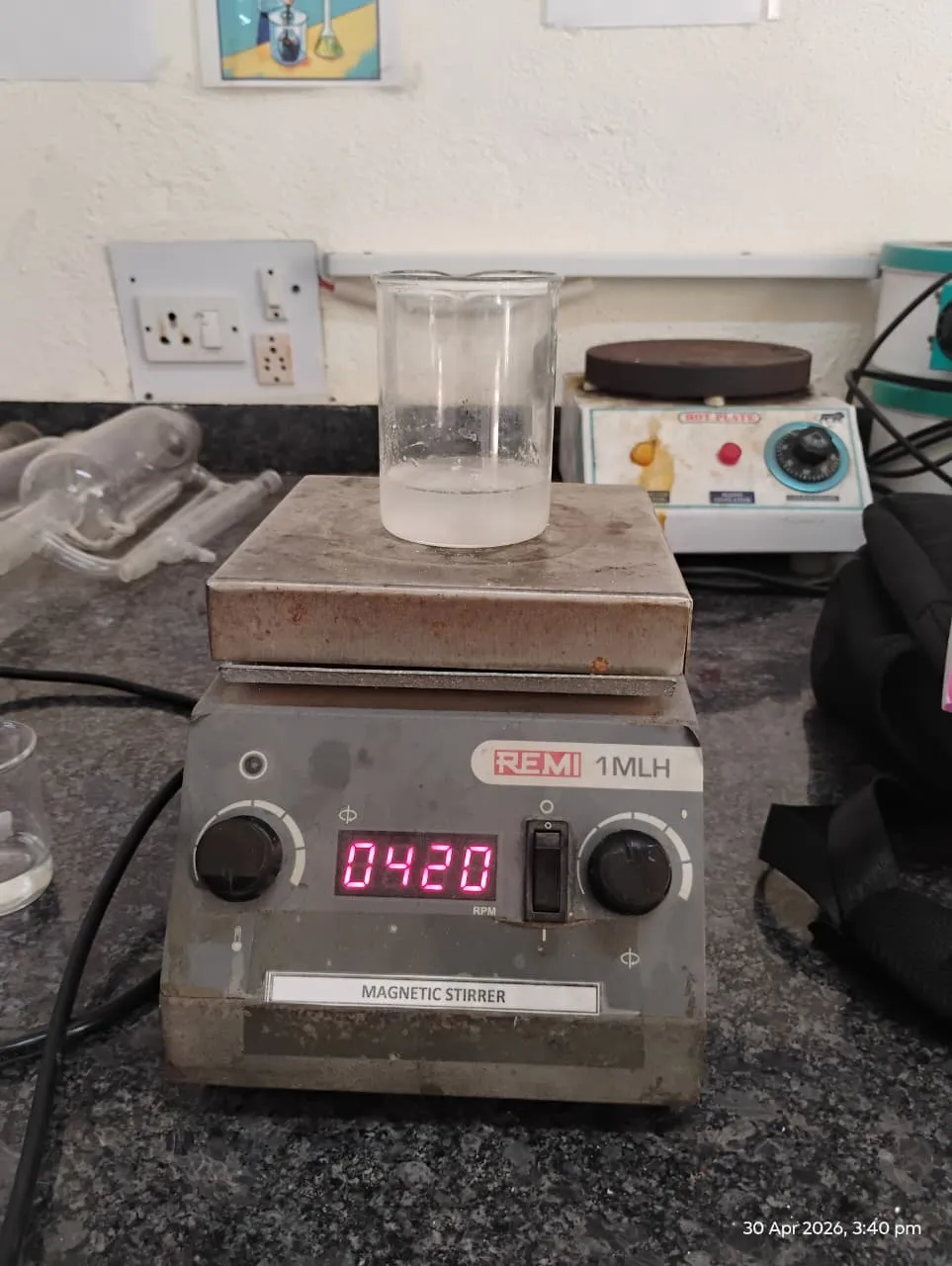
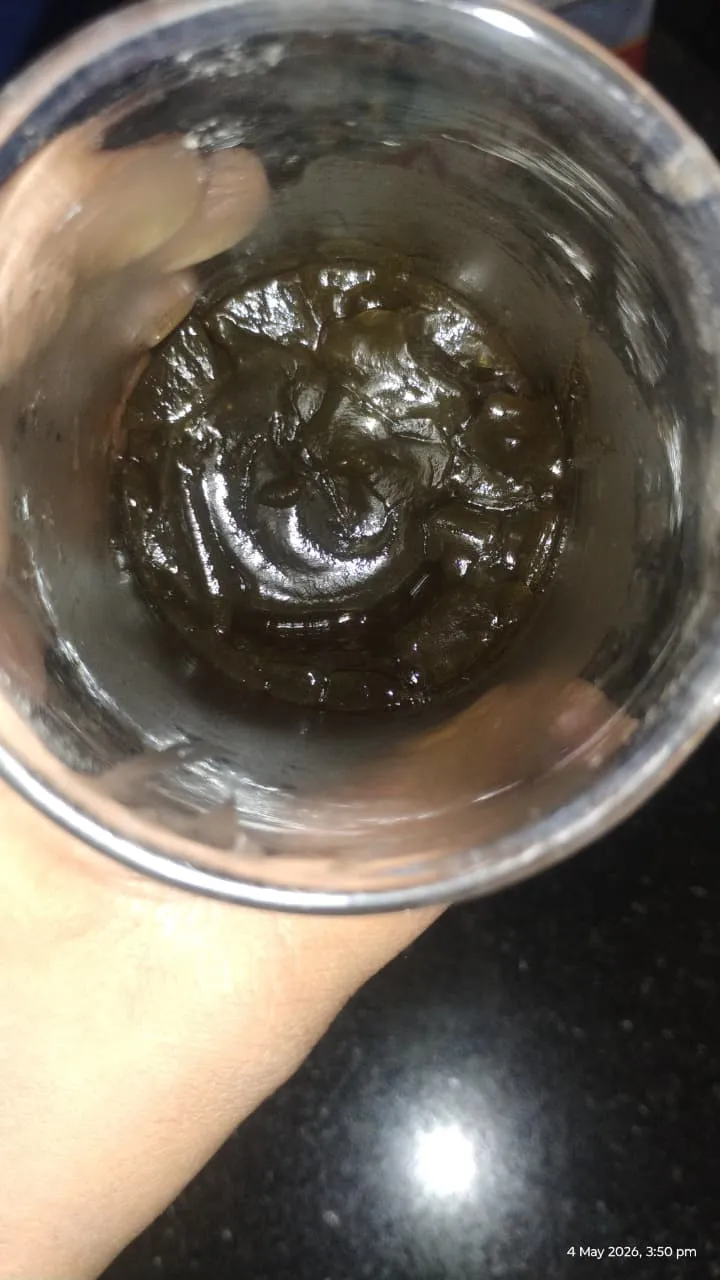
Figure 3: Hydrogel Formulation
Table 1: Composition of Hydrogel Formulations
| Ingredients | Function | Quantity |
|---|---|---|
| Manilkara zapota Leaves extract | Active ingredient | 1.5 |
| Carbopol 940 | Gelling agent | 0.5-1.0 |
| Glycerin | Humectant | 5 |
| Propylene glycol | Co-solvent/penetration enhancer | 5-10 |
| Triethanolamine | Neutralizer(pH adjustment & gel formation) | q.s |
| Phenoxyethanol | Preservative | 0.05 |
| Disodium EDTA | Chelating agent | q.s |
| Distilled water | Vehicle/aqueous phase | q.s to 100 |
Optimization of Hydrogel Formulation
The hydrogel formulations were optimized using Design-Expert® software and an appropriate experimental design. Carbopol 940 concentration and propylene glycol concentration were chosen as independent variables. The dependent response variables considered were pH, viscosity, and spreadability. Different formulation batches were made according to the design matrix generated by the software, and the responses obtained were analyzed statistically to identify the optimized formulation with the desired physical and chemical properties.
Table 2: Experimental Design Generated by Design-Expert®
| Ingredients | F1 | F2 | F3 | F4 | F5 | F6 | F7 |
|---|---|---|---|---|---|---|---|
| Manilkara zapota Leaves Extract (% w/w) | 1.5 | 1.5 | 1.5 | 1.5 | 1.5 | 1.5 | 1.5 |
| Carbopol 940 (% w/w) | 0.5 | 1.0 | 0.5 | 1.0 | 0.75 | 0.75 | 0.75 |
| Propylene Glycol (% w/w) | 5.0 | 5.0 | 10 | 10 | 7.5 | 7.5 | 7.5 |
| Glycerin (% w/w) | 5.0 | 5.0 | 5.0 | 5.0 | 5.0 | 5.0 | 5.0 |
| Triethanolamine (% w/w) | q.s | q.s | q.s | q.s | q.s | q.s | q.s |
| Phenoxyethanol (% w/w) | 0.8 | 0.8 | 0.8 | 0.8 | 0.8 | 0.8 | 0.8 |
| Disodium EDTA (% w/w) | 0.05 | 0.05 | 0.05 | 0.05 | 0.05 | 0.05 | 0.05 |
| Distilled Water | q.s to 100 | q.s to 100 | q.s to 100 | q.s to 100 | q.s to 100 | q.s to 100 | q.s to 100 |
Evaluation of Hydrogel Formulations
Organoleptic Evaluation
A small amount of each hydrogel formulation was observed for colour, odour, and appearance. Texture was also observed after applying on bare skin
Viscosity Measurement
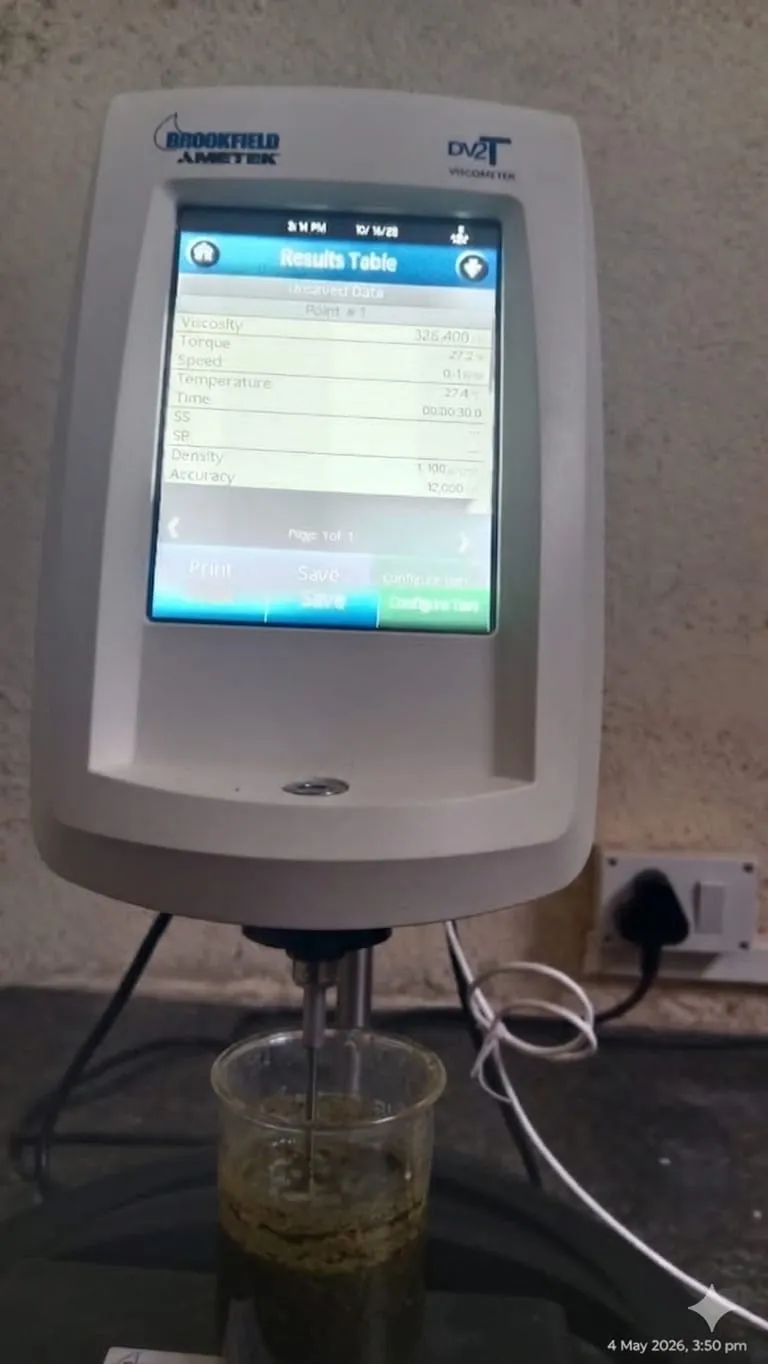
Figure 4: Brookfield Viscometer
The viscosity of the formulations was determined by using a viscometer (Brookfield). For this study, spindle number 64 was used at 10 RPM where spindle factor 2000 was used for the calculation (where Dial reading X Factor=Viscosity in centipoise, mPa.s).
Hydrogels were taken in a beaker and the spindle was dipped in about 2 min and then reading was taken. The procedure was repeated 3 times for each formulation
Determination of pH
1 g of each formulation was accurately weighed and solubilized in 100 ml purified water. The pH of the solution was measured using pH meter, which was calibrated before use with standard buffer solution
Spreadability Study
To determine spreadability, 2 g of each gel formulation was placed within a circle of 1 cm diameter pre-marked on a glass slide, over which a second glass slide was placed for 5 min to expel air and distribute uniformly between two slides. The excess gel was scrapped off from the edges. The top slide was subjected to a pull of 3 g with the help of string attached to the hook and the time (second) required by the top slide to cover a distance (cm) was noted. The procedure was repeated 3 times for each formulation.
Spreadability was calculated using the following formula:
S= M × L/T
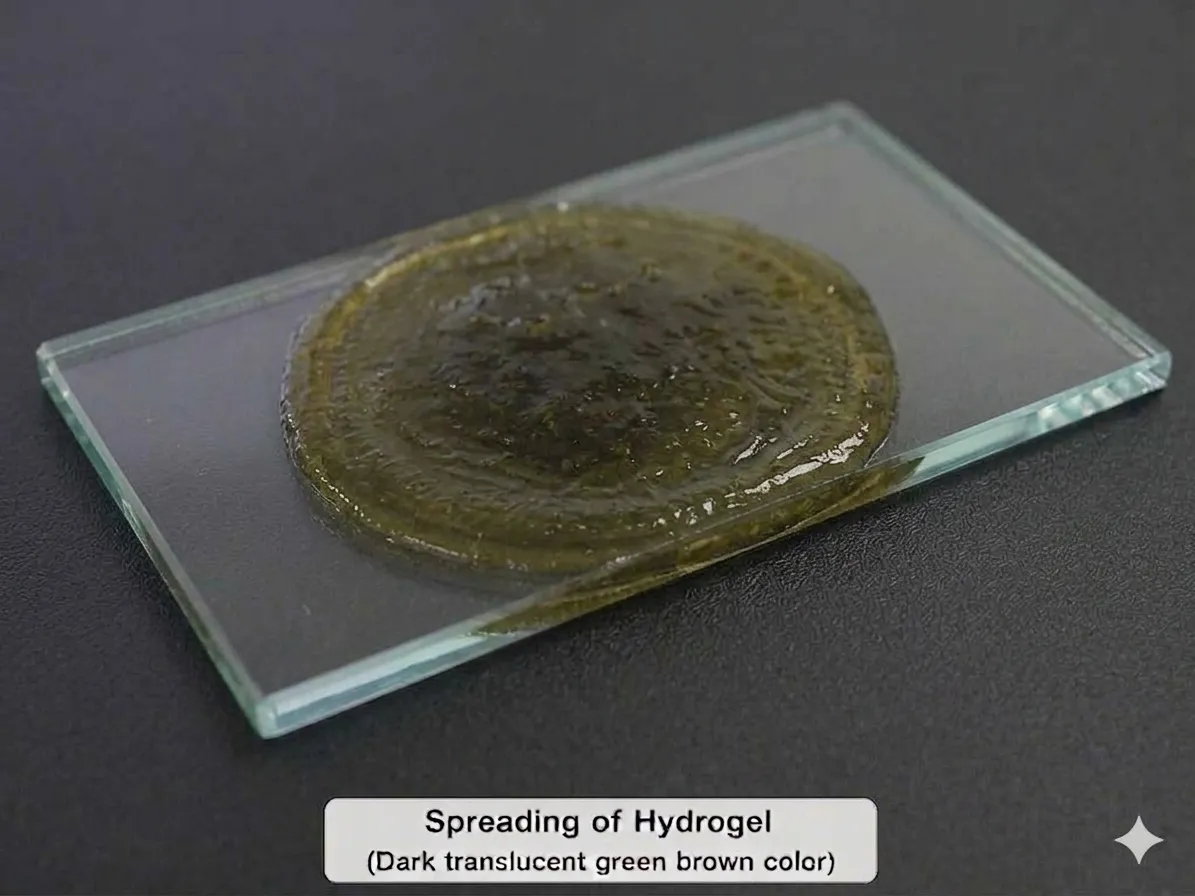
Figure 5: Spreadability
Where, S = Spreadability, M = Weight in the pan (tied with the upper slide), L= Length moved by the glass slide, T = Time in seconds needed to separate the top slide from the bottom slide.
Extrudability Study
To determine extrudability, a closed collapsible tube was taken and 5 gm of prepared gel was added pressing thoroughly and folding the crimped end to restrain its rolling back. When the cap was removed, formulation extruded until the pressure dissipated. The weight of the empty tube was recorded. The amount of extrudate gel was collected and weighed. The percentage of the extrudate gel was calculated (>90% extrudability: excellent, >80% extrudability: good, >70% extrudability: fair)
Washability Test
Washability of the prepared hydrogel formulations was evaluated by applying a small quantity of gel on the skin surface and washing it with water. The ease of removal of the formulation from the applied surface was observed visually. Good washability is considered an important characteristic for topical gel formulations to improve user compliance and convenience.
Homogeneity
The prepared hydrogels were evaluated for homogeneity by visual inspection after the gels were set in the container. The formulations were examined for uniform appearance and absence of aggregates or lumps.
Stability Study
The optimized hydrogel formulation was subjected to stability studies under suitable storage conditions to evaluate changes in appearance, pH, viscosity, and homogeneity over a specified period. Stability studies are essential to determine the physical integrity and storage suitability of topical formulations.
RESULTS AND DISCUSSION
Phytochemical Screening
Table 3: Phytochemical Screening of Manilkara zapota Leaf Extract
| Phytochemical Test | Observation | Result |
|---|---|---|
| Alkaloids | Formation of cream/reddish brown precipitate | Present (+) |
| Flavonoids | Development of yellow coloration | Present (+++) |
| Tannins | Formation of dark green/blue-black coloration | Present (+++) |
| Glycosides | Formation of brown ring at junction | Present (+) |
| Saponins | Persistent froth formation observed | Present (++) |
| Phenolics | Development of bluish-black coloration | Present (+++) |
| Terpenoids | Reddish brown interface formation | Present (++) |
Organoleptic Evaluation
All prepared hydrogel formulations containing Manilkara zapota leaf extract were evaluated for their physical appearance, color, consistency, and homogeneity. The formulations appeared smooth, homogeneous, and free from visible particulate matter or phase separation. The prepared hydrogels exhibited a dark translucent appearance due to the presence of plant extract and showed acceptable consistency suitable for topical application. No evidence of grittiness or lump formation was observed, indicating proper dispersion of Carbopol 940 within the formulation matrix. The satisfactory appearance and consistency of the formulations suggested good compatibility between the polymer and incorporated herbal extract. The observed characteristics are consistent with previously reported herbal hydrogel formulations where Carbopol-based systems produced smooth and stable gel preparations suitable for topical delivery applications (Sharma et al., 2024).
pH Determination
The pH values of all prepared hydrogel formulations were found within the acceptable range for topical application. Maintenance of pH near the physiological skin pH is important to minimize the risk of skin irritation and enhance formulation compatibility. The optimized formulation exhibited satisfactory pH, indicating the suitability of the prepared hydrogel for dermal application.
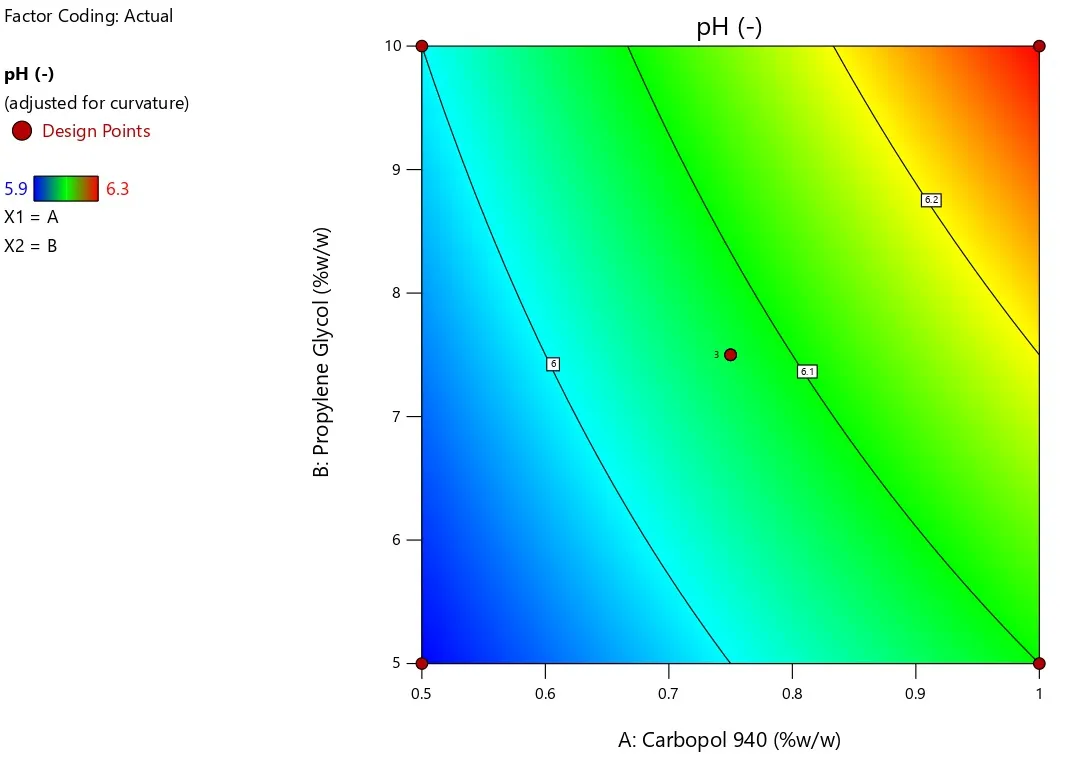
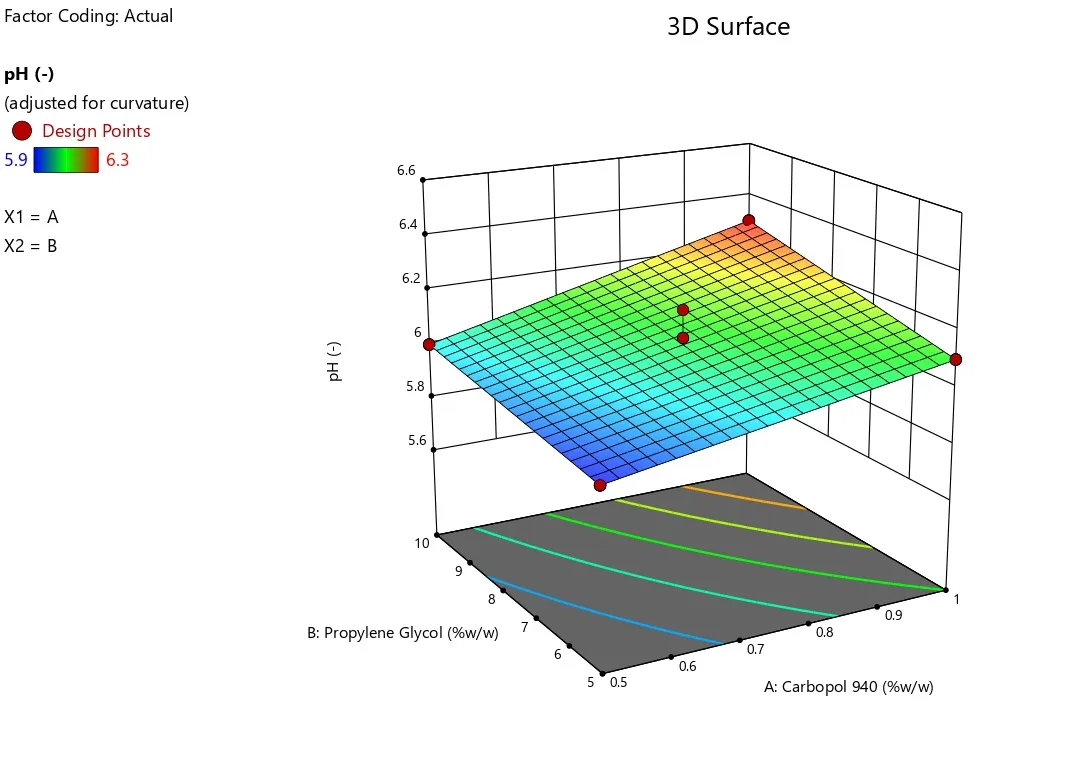
Figure 6: A)Contour Plot Showing Effect of Carbopol 940 and Propylene Glycol on pH. B)3D Response Surface Plot for pH
Viscosity Study
Formulations containing 1.0% Carbopol exhibited viscosity above 25,000 cP, whereas 0.5% Carbopol formulations showed lower viscosity values below 14,000 cP. The viscosity of the prepared formulations increased with increasing concentration of Carbopol 940 due to the formation of a highly cross-linked polymeric network structure. Higher polymer concentration resulted in greater resistance to flow and improved gel consistency. The optimized formulation showed satisfactory viscosity, indicating suitable rheological behavior for topical administration. Proper viscosity is essential to ensure ease of application and prolonged retention of the formulation at the site of application.
However, excessively high viscosity may negatively affect spreadability and extrusion behavior. Therefore, optimization of Carbopol concentration was necessary to achieve balanced formulation properties. The observed increase in viscosity with increasing Carbopol concentration was in agreement with previously reported studies on Carbopol-based herbal hydrogels and topical gel systems.
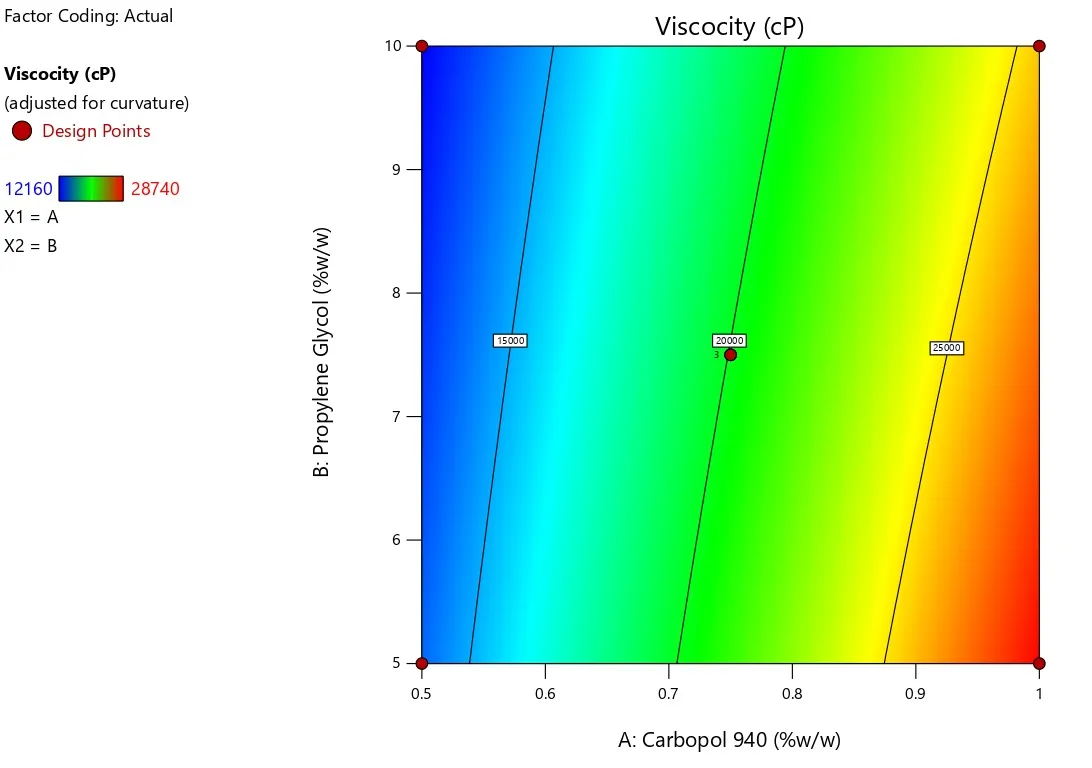
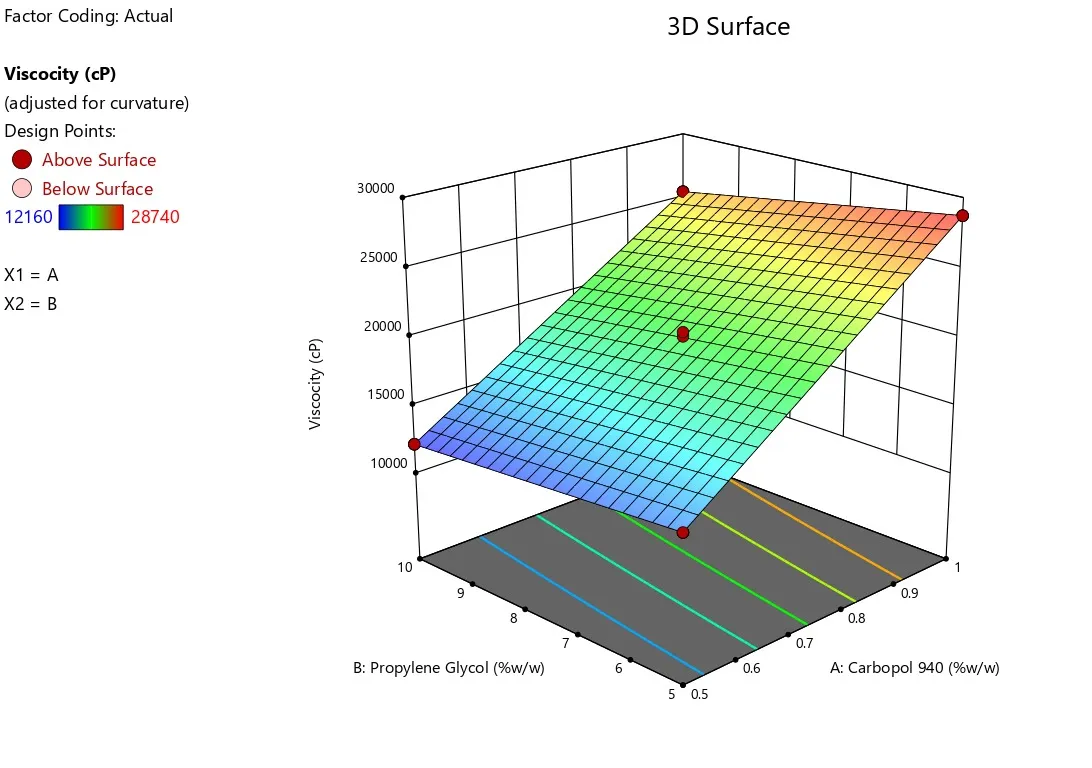
Figure 7: A)Contour Plot Showing Effect of Carbopol 940 and Propylene Glycol on Viscosity. B)3D Response Surface Plot for Viscosity
Spreadability Study
Spreadability studies revealed that the prepared hydrogels possessed acceptable spreading characteristics. Spreadability was influenced mainly by the concentration of Carbopol 940 and propylene glycol. Formulations containing higher polymer concentrations exhibited comparatively lower spreadability due to increased viscosity and greater internal resistance within the gel matrix. The optimized formulation demonstrated good spreadability, indicating ease of application over the skin surface with minimal shear force. Proper spreadability is considered an important parameter for patient compliance and uniform distribution of active constituents across the application site. Propylene glycol also contributed positively toward improving spreadability because of its humectant and co-solvent properties, which helped maintain smooth consistency within the formulation.
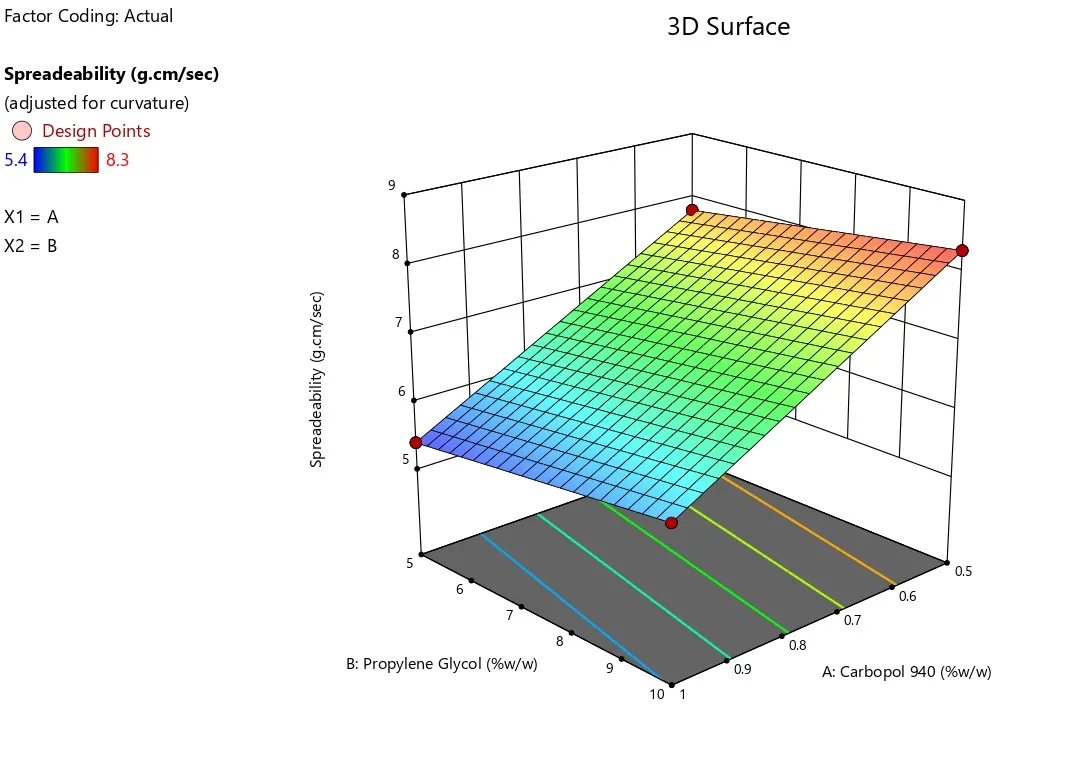
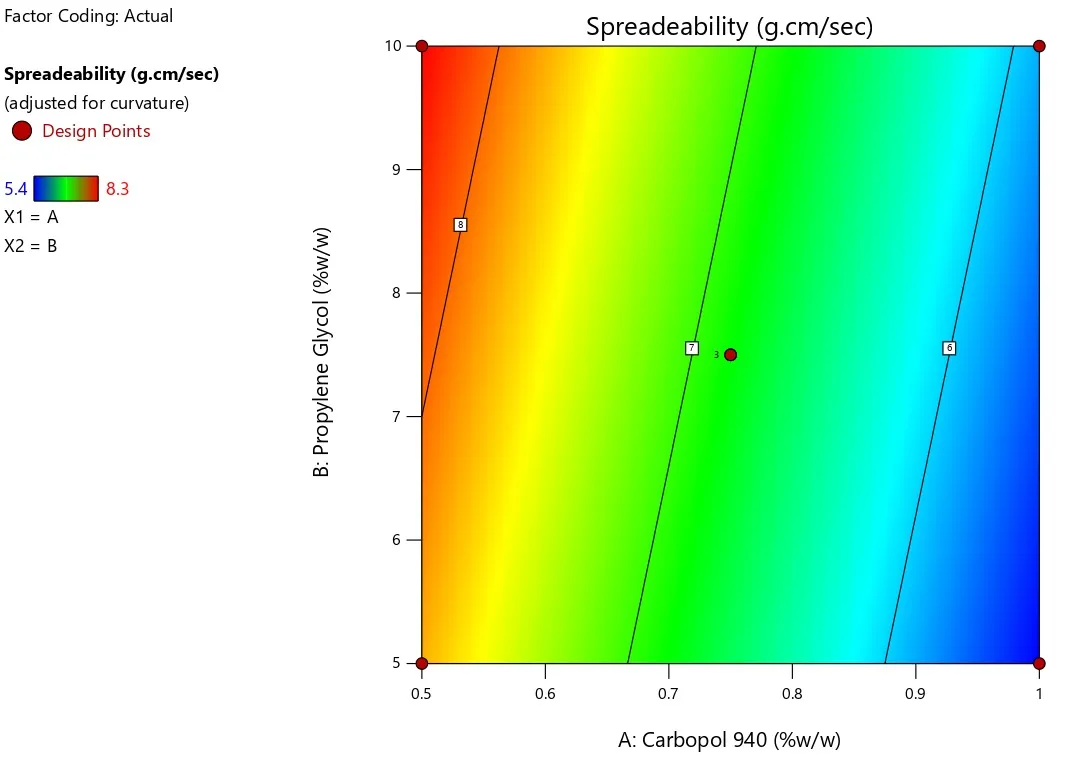
Figure 8: A)Contour Plot Showing Effect of Carbopol 940 and Propylene Glycol on Spreadability. B)3D Response Surface Plot for Spreadability
Extrudability Study
The prepared hydrogel formulations exhibited satisfactory extrudability from collapsible tubes upon application of slight pressure. Extrudability is an important quality parameter for topical semisolid formulations because it determines the ease with which the product can be removed from the container during application. Formulations containing excessively high polymer concentration showed comparatively lower extrusion efficiency due to increased viscosity. The optimized formulation demonstrated smooth and continuous extrusion, indicating appropriate consistency and patient convenience during topical administration.
Washability Test
Washability studies indicated that the prepared hydrogel formulations could be removed easily from the applied surface using water. The formulations did not leave excessive oily residue after washing, which may improve patient acceptability and convenience. Good washability is considered a desirable property in topical hydrogel formulations because it enhances ease of use and promotes user compliance.
Homogeneity
All prepared formulations showed good homogeneity without the presence of lumps, aggregates, or phase separation. Uniform distribution of the herbal extract throughout the gel matrix indicated proper formulation methodology and efficient incorporation of ingredients. Homogeneous formulations are essential to ensure uniform drug distribution and consistent topical performance.
Table 4: Evaluation Parameters of Prepared Hydrogel Formulations
| Evaluation Parameters | F1 | F2 | F3 | F4 | F5 | F6 | F7 |
|---|---|---|---|---|---|---|---|
| Carbopol 940 (% w/w) | 0.5 | 1.0 | 0.5 | 1.0 | 0.75 | 0.75 | 0.75 |
| Propylene Glycol (% w/w) | 5 | 5 | 10 | 10 | 7.5 | 7.5 | 7.5 |
| Viscosity (cP) | 13850 | 28740 | 12160 | 25480 | 20150 | 19840 | 20460 |
| Spreadability (g·cm/sec) | 7.8 | 5.4 | 8.3 | 5.9 | 6.7 | 6.5 | 6.6 |
| pH | 5.9 | 6.1 | 6.0 | 6.3 | 6.1 | 6.2 | 6.1 |
| Extrudability | Good | Moderate | Excellent | Moderate | Good | Good | Good |
| Washability | Good | Good | Good | Good | Good | Good | Good |
| Homogeneity | Homogeneous | Homogeneous | Homogeneous | Homogeneous | Homogeneous | Homogeneous | Homogeneous |
Optimization Study Using Design-Expert®
Optimization of the hydrogel formulation was carried out using Design-Expert® software by considering Carbopol 940 concentration and propylene glycol concentration as independent variables, while viscosity, spreadability, and pH were selected as dependent responses. Statistical analysis demonstrated that Carbopol concentration had a significant effect on viscosity and spreadability of the prepared formulations.
An increase in Carbopol concentration produced higher viscosity values and reduced spreadability due to the formation of a denser polymeric network structure. Propylene glycol influenced the consistency and spreadability of the gel by improving hydration and reducing internal friction within the formulation matrix.
The optimized formulation was selected based on the desirability function generated by the software. The optimized batch exhibited acceptable pH, satisfactory viscosity, good spreadability, and overall desirable physicochemical characteristics suitable for topical application. The desirability value obtained for the optimized formulation indicated a good agreement between predicted and experimental responses.
Table 5: Predicted and Experimental Values of Optimized Hydrogel Formulation
| Parameter | Predicted Value | Experimental Value |
|---|---|---|
| pH | 6.10 | 6.10 |
| Viscosity (cP) | 20080 | 20150 |
| Spreadability (g·cm/sec) | 6.6 | 6.7 |
Stability Study
The optimized hydrogel formulation remained physically stable during the stability study period without significant changes in color, appearance, pH, viscosity, or homogeneity. No phase separation or microbial growth was observed during storage, indicating good physical stability of the formulation.
The stability of Carbopol-based hydrogels may be attributed to the strong polymeric network structure capable of maintaining formulation integrity throughout the storage period. The obtained results suggested that the prepared herbal hydrogel possessed satisfactory stability characteristics suitable for topical use.
Table 6: Preliminary Short-Term Stability Study.
| Time Period | Appearance | pH | Viscosity (cP) | Homogeneity |
|---|---|---|---|---|
| Initial | Dark translucent, smooth | 6.1 | 20150 | Homogeneous |
| 15 Days | No significant change | 6.1 | 20090 | Homogeneous |
| 30 Days | No significant change | 6.2 | 19980 | Homogeneous |
CONCLUSION
The present study successfully demonstrated the formulation, optimization, and evaluation of a herbal hydrogel containing Manilkara zapota leaf extract using Carbopol 940 as a gelling agent. Preliminary phytochemical screening confirmed the presence of important bioactive constituents such as flavonoids, tannins, phenolics, saponins, glycosides, and terpenoids, which are known to contribute to antioxidant and therapeutic activities. Previous studies have also reported that Manilkara zapota possesses significant antioxidant potential due to its rich polyphenolic and flavonoid content (Rivas-Gastelum et al., 2023; Febriza et al., 2024).
The prepared hydrogel formulations exhibited satisfactory physicochemical properties including acceptable pH, viscosity, spreadability, extrudability, washability, and homogeneity suitable for topical application. Optimization using Design-Expert® software indicated that Carbopol 940 and propylene glycol concentrations significantly influenced formulation characteristics, particularly viscosity and spreadability. The optimized formulation demonstrated desirable consistency, good stability, and acceptable formulation performance.
The findings of the study suggest that Manilkara zapota leaf extract can be effectively incorporated into a Carbopol-based hydrogel system for topical antioxidant-oriented applications. However, further studies involving advanced antioxidant assays, skin permeation studies, microbial evaluation, and in vivo investigations are recommended to establish the therapeutic efficacy and clinical applicability of the developed herbal hydrogel formulation. The optimized formulation may serve as a promising herbal topical delivery system.
REFERENCES

Saurabh Shinde, Satwik Kanade, Jatin Kudnar, Formulation, Optimization and Evaluation of Herbal Hydrogel Containing Manilkara Zapota Leaf Extract, Int. J. Sci. R. Tech., 2026, 3 (11), 135-144. https://doi.org/10.5281/zenodo.23915459
 10.5281/zenodo.23915459