

We use cookies to ensure our website works properly and to personalise your experience. Cookies policy
Department of Pharmaceutics, Sree Abirami College of Pharmacy, Coimbatore, India
Acne vulgaris is one of the most prevalent chronic inflammatory skin disorders, affecting adolescents and adults worldwide. Although conventional topical therapies such as antibiotics, retinoids, and benzoyl peroxide are effective, their long-term use is frequently associated with adverse effects including skin irritation, dryness, microbial resistance, and poor patient compliance. Herbal-based transdermal and topical delivery systems have emerged as promising alternatives owing to their favorable safety profile and the presence of multiple bioactive phytoconstituents with antimicrobial, anti-inflammatory, and antioxidant activities. Bauhinia tomentosa is a medicinal plant rich in flavonoids, phenolic compounds, tannins, and other phytochemicals that have demonstrated therapeutic potential in the treatment of inflammatory and microbial skin disorders. The present study aims to formulate, optimize, and characterize bioactive herbal patches containing aqueous and ethanolic extracts of Bauhinia tomentosa for the management of acne vulgaris and associated inflammation. The plant extracts will be prepared using aqueous and ethanolic extraction methods and subjected to preliminary phytochemical screening. Herbal patches will be developed using suitable film-forming polymers, plasticizers, and permeation enhancers by the solvent-casting technique. Formulation optimization will be carried out using an appropriate experimental design to obtain patches with desirable physicochemical and mechanical properties. The developed patches will be evaluated for appearance, thickness, weight variation, folding endurance, tensile strength, surface pH, moisture content, moisture uptake, drug content uniformity, swelling index, and in vitro drug release. Ex vivo skin permeation studies using suitable biological membranes will be performed to assess permeation characteristics. The antimicrobial activity against acne-causing bacteria and anti-inflammatory potential will be evaluated using established in vitro methods. Stability studies will be conducted according to applicable guidelines to determine the physicochemical stability of the optimized formulation. The optimized herbal patch is expected to provide sustained release of bioactive constituents, improve skin penetration, reduce acne-associated microbial growth and inflammation, minimize systemic exposure, and enhance patient compliance. The findings of this study may contribute to the development of a safe, effective, and plant-based transdermal therapeutic approach for the management of acne vulgaris and associated inflammatory conditions.
The skin is the largest organ of the human body and forms the outer protective covering of the body. It acts as a physical barrier between the internal organs and the external environment. The skin protects the body from harmful microorganisms, ultraviolet radiation, chemicals, and physical injuries while also helping in the regulation of body temperature and maintenance of fluid balance. In addition, the skin performs important sensory functions by detecting touch, pressure, pain, and temperature through specialized nerve endings.[1]
Structurally, the skin is composed of three major layers: epidermis, dermis, and hypodermis (subcutaneous tissue). The epidermis is the outermost layer mainly composed of keratinized epithelial cells that provide protection against external damage. The dermis lies beneath the epidermis and contains blood vessels, hair follicles, sebaceous glands, sweat glands, collagen fibers, and nerve endings. The hypodermis consists mainly of adipose tissue that provides insulation, cushioning, and energy storage.
The skin plays a vital role in maintaining homeostasis of the body. Sebaceous glands present in the dermis secrete sebum, an oily substance that lubricates and protects the skin surface. Excess production of sebum along with microbial colonization and inflammation may lead to various skin disorders such as acne vulgaris. Because of its large surface area and permeability characteristics, the skin is also considered an important route for topical and transdermal drug delivery systems.
Transdermal patches are designed to deliver drugs through the skin in a controlled manner for prolonged therapeutic action. Herbal transdermal systems containing medicinal plant extracts have gained significant attention due to their improved patient compliance, reduced side effects, and enhanced therapeutic efficacy in treating skin disorders including acne-associated inflammation.[2]
A Transdermal Drug Delivery System (TDDS) is a specialized and advanced drug delivery approach in which therapeutic agents are administered through the skin to achieve systemic effects at a controlled and predetermined rate. In TDDS, drug molecules penetrate through different layers of the skin and enter systemic circulation without passing through the gastrointestinal tract. The skin acts as a protective barrier; however, suitable drug molecules with appropriate molecular weight and lipophilicity can effectively permeate through the epidermal layers. Transdermal drug delivery systems have gained considerable attention in modern pharmaceutical research due to their ability to improve therapeutic effectiveness and patient compliance. Transdermal patches are medicated adhesive dosage forms designed to deliver therapeutic agents through the skin into systemic circulation at a controlled and sustained rate. These patches provide a convenient, painless, and non-invasive method of drug administration and are widely used in modern pharmaceutical applications for prolonged therapeutic action. Transdermal patches consist of several important components including a backing layer, drug reservoir or matrix, adhesive layer, release liner, and permeation enhancer. The backing layer protects the formulation from environmental factors, while the adhesive layer ensures proper attachment of the patch to the skin surface. Permeation enhancers improve drug penetration through the stratum corneum and increase bioavailability. Compared to conventional dosage forms such as tablets and injections, transdermal patches offer numerous advantages including improved patient compliance, reduced dosing frequency, controlled drug release, avoidance of first-pass metabolism, minimized gastrointestinal irritation, and maintenance of steady plasma drug levels. Furthermore, transdermal patches can improve the stability of active pharmaceutical ingredients and reduce fluctuations in drug concentration. Recent advancements in polymer science, nanotechnology, and pharmaceutical biomaterials have significantly enhanced the development of novel transdermal patches for various therapeutic applications including pain management, hormonal therapy, cardiovascular disorders, and wound healing. Herbal transdermal patches have also gained increasing importance due to their natural origin, enhanced safety profile, and therapeutic effectiveness in skin and wound care applications. Transdermal anti-acne patches are an advanced topical drug delivery system designed to deliver therapeutic agents directly to the affected skin area. These patches provide controlled and sustained release of active ingredients, improving the treatment of acne vulgaris.[3]
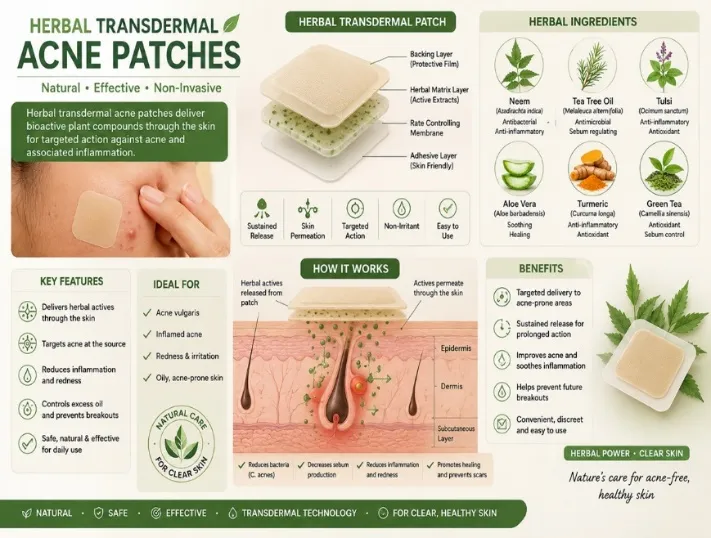
Figure 1: Transdermal Acne Pathes
Importance
Herbal transdermal patches containing plant extracts such as Bauhinia tomentosa may provide effective anti-acne activity due to the presence of flavonoids, phenolic compounds, and antioxidants. These bioactive constituents help reduce bacterial growth, inflammation, and oxidative stress associated with acne.[4]
Herbal Therapy for Acne
Bauhinia tomentosa L. Is a valuable medicinal plant belonging to the family Fabaceae (Leguminosae), widely distributed in tropical and subtropical regions of Asia and Africa. The plant is commonly known as Yellow Bell Orchid Tree due to its attractive yellow bell-shaped flowers with dark maroon markings. It is an evergreen or semi-deciduous shrub or small tree traditionally used in various indigenous systems of medicine for the treatment of numerous ailments. Different parts of the plant including leaves, roots, bark, flowers, and seeds possess important pharmacological properties and are utilized in traditional herbal preparations.
Taxonomically, Bauhinia tomentosa belongs to the genus Bauhinia, which comprises several medicinally important species known for their therapeutic activities. The plant grows abundantly in dry and moist climatic conditions and is commonly cultivated as an ornamental and medicinal shrub. Morphologically, the plant possesses bilobed leaves, drooping yellow flowers, slender branches, and elongated pods containing seeds. The leaves are rich in secondary metabolites and are widely explored for medicinal applications.[5]
Phytochemical investigations of Bauhinia tomentosa have revealed the presence of several biologically active constituents such as flavonoids, tannins, alkaloids, glycosides, phenolic compounds, saponins, steroids, and terpenoids. Among these, flavonoids and phenolic compounds are considered major contributors to the plant’s antioxidant and anti-inflammatory activities. The presence of tannins and saponins also contributes to antimicrobial and wound healing properties. These phytoconstituents exhibit significant therapeutic potential by scavenging free radicals, inhibiting microbial growth, reducing oxidative stress, and suppressing inflammatory mediators.Several pharmacological studies have demonstrated that Bauhinia tomentosa possesses a broad spectrum of biological activities including antimicrobial, antioxidant, anti-inflammatory, antidiabetic, analgesic, hepatoprotective, antiulcer, and wound healing effects. Ethanolic and aqueous extracts of the plant have shown inhibitory action against various Gram-positive and Gram-negative bacterial strains as well as certain fungal organisms.[6]The antioxidant activity of the plant is attributed to its ability to neutralize reactive oxygen species and prevent cellular oxidative damage. Anti-inflammatory activity has also been reported through inhibition of inflammatory mediators and reduction of tissue edema. In recent years, the increasing demand for herbal medicines has encouraged extensive scientific investigation of medicinal plants for dermatological applications. The antimicrobial and antioxidant properties of Bauhinia tomentosa make it a promising candidate for the treatment of acne vulgaris, a chronic inflammatory skin disorder associated with microbial infection, oxidative stress, and excessive inflammation. Herbal formulations containing plant extracts offer several advantages over conventional synthetic drugs, including improved safety, reduced adverse effects, enhanced patient compliance, and lower risk of microbial resistance. The development of topical and transdermal herbal formulations using Bauhinia tomentosa extracts has gained significant research interest. Polymeric anti-acne patches prepared from aqueous and ethanolic extracts may provide sustained release of active phytoconstituents directly at the affected site, thereby improving therapeutic efficacy and minimizing systemic side effects. Therefore, Bauhinia tomentosa L. represents a scientifically important medicinal plant with immense potential for the development of novel herbal anti-acne formulations and other pharmaceutical application.[7]
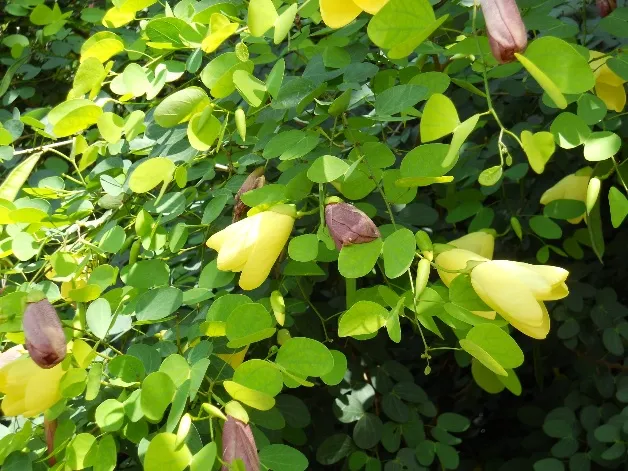
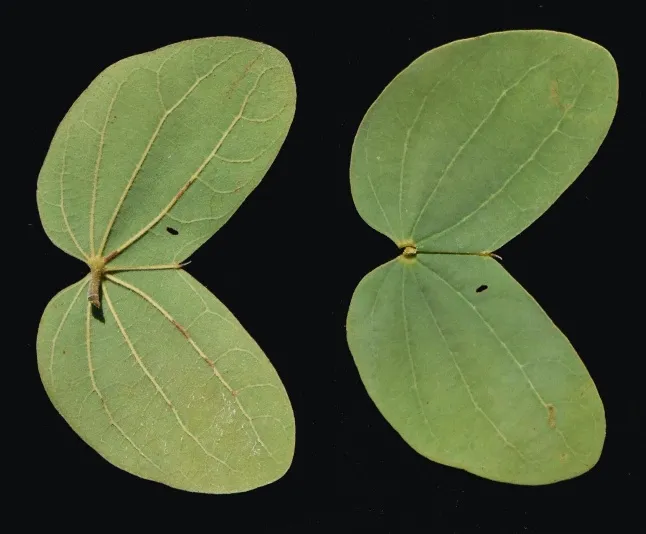
Figure 2: Bauhinia tomentosa Linn.
MATERIALS AND METHODS
Collection and Authentication of Plant Material: Fresh leaves and flowers of Bauhinia tomentosa Linn. were collected from the vicinity of South Indian Agri Farm, Thrissur, Kerala. The plant material was authenticated by the Botanical Survey of India, Southern Regional Centre, Coimbatore, and a voucher specimen was deposited in the institutional herbarium of Sree Abirami College of Pharmacy for future reference. The collected leaves were cleaned, shade-dried at room temperature for two weeks, pulverized into coarse powder, and stored in airtight containers until further use [8].
Preparation of Plant Extracts: Ethanolic Extract: The powdered leaves (100 g) were extracted with ethanol using maceration or Soxhlet extraction. For maceration, the powder was soaked in 500 mL of ethanol for 72 h with occasional stirring. For Soxhlet extraction, the powdered material was extracted continuously using a suitable ethanolic solvent system. The extracts were filtered and concentrated under reduced pressure at 40–50°C. The dried extracts were stored in airtight containers under desiccated conditions until further analysis.
Preliminary Phytochemical Screening: The extracts were subjected to preliminary phytochemical screening for alkaloids, glycosides, steroids, triterpenoids, tannins, flavonoids, phenolic compounds, and proteins using standard qualitative procedures. The tests included Hager’s test, modified Bornträger’s test, Liebermann–Burchard’s test, gelatin test, alkaline reagent test, ferric chloride test, and Biuret test, respectively.
Solubility Studies: The ethanolic extract (10 mg) was separately dispersed in 5 mL of selected solvents, including distilled water, ethanol, methanol, chloroform, dichloromethane, acetone, and hexane. The samples were stirred or sonicated for 30 min at room temperature and visually examined for dissolution, turbidity, and undissolved residue.
UV–Visible Spectrophotometric Analysis: A stock solution of the dried ethanolic extract (100 mg) was prepared in methanol and made up to 100 mL to obtain a concentration of 1 mg/mL. Working solutions of 20, 40, 60, 80, and 100 µg/mL were prepared by dilution. Suitable colorimetric assays were employed for the estimation of total flavonoids and total phenolic compounds using quercetin and gallic acid as reference standards, respectively. Absorbance was measured at 415 nm for flavonoids and 765 nm for phenolics. Calibration curves were constructed by plotting absorbance against concentration, and the corresponding regression equations were used for quantitative estimation [9].
Antimicrobial Activity:The antimicrobial activity of the plant extract and selected herbal patch formulation was evaluated using the agar well-diffusion method. Mueller–Hinton agar plates were inoculated with standardized microbial suspensions, and wells of 6 mm diameter were filled with the test samples. After incubation under suitable conditions for the selected microorganisms, the zones of inhibition were measured in millimetres. Appropriate positive and negative controls were included.
In Vitro Anti-inflammatory Activity:The anti-inflammatory activity of the extract and optimized patch was evaluated using the egg albumin denaturation method. The reaction mixture contained 2 mL of test sample or standard drug, 0.2 mL of fresh egg albumin, and 2.8 mL of phosphate buffer (pH 6.4). The mixtures were incubated at 37 ± 1°C for 15 min and heated at 70 ± 2°C for 5 min. After cooling, absorbance was measured at 660 nm against an appropriate blank. Diclofenac sodium or aspirin served as the reference standard.
Formulation of Herbal Patches: Herbal patches containing Bauhinia tomentosa Linn. extract were prepared by the solvent-casting method. HPMC K15M was dispersed in distilled water, while PVA was dissolved separately in hot distilled water and cooled. The polymer solutions were mixed under continuous stirring to obtain a homogeneous polymeric matrix. The accurately weighed plant extract was dissolved or dispersed in a suitable solvent and incorporated into the polymer mixture. PEG 400, propylene glycol, and Tween 80 were added as plasticizer, permeation enhancer, and surfactant, respectively. The mixture was stirred until uniform, allowed to stand to remove entrapped air, and poured into a leveled glass Petri dish. The casting solution was dried at 25 ± 2°C for 24–48 h or at 40 ± 2°C until a uniform film was formed. The dried films were peeled off, cut into patches of 2 × 2 cm², wrapped individually, and stored in airtight containers until evaluation [10].
Evaluation of Herbal Patches: The prepared patches were evaluated for physical appearance, colour, transparency, homogeneity, flexibility, and surface defects. Thickness was measured at five different positions using a digital micrometer, while weight variation was determined using an analytical balance. Folding endurance was assessed by repeatedly folding the patch at the same point until breakage. Surface pH was measured after moistening the patch with distilled water and allowing it to equilibrate for 30 min.Moisture content and moisture uptake were determined gravimetrically. Flatness was assessed by measuring dimensional changes, while tensile strength and percentage elongation were evaluated using a suitable mechanical testing instrument. Drug content uniformity was determined by extracting the active constituents from a measured patch area, filtering the solution, and analysing it spectrophotometrically using the established calibration curve. The swelling index was calculated from the change in patch weight following immersion in phosphate buffer. Water vapour transmission rate (WVTR) was determined by measuring the weight change of a patch-sealed container over a specified period. Fourier transform infrared spectroscopy (FTIR) was performed over 4000–400 cm⻹ to identify characteristic functional groups and assess possible interactions between the extract and formulation excipients [11].
In Vitro Drug Release Studies: In vitro drug release was evaluated using a Franz diffusion cell fitted with a suitable dialysis membrane. The receptor compartment contained phosphate buffer of an appropriate pH and was maintained at 37 ± 0.5°C under continuous stirring. The herbal patch was placed in the donor compartment, and samples were withdrawn at predetermined intervals (0.5, 1, 2, 3, 4, 6, 8, 10, 12, and 24 h). An equal volume of fresh receptor medium was added after each withdrawal. The samples were analysed spectrophotometrically, and cumulative drug release was calculated using the calibration curve with correction for previously withdrawn samples [12].
Drug Release Kinetics: The in vitro release data were fitted to zero-order, first-order, Higuchi, Korsmeyer–Peppas, and Hixson–Crowell models to determine the release kinetics and mechanism. The models were evaluated using their respective linearized equations and correlation coefficients ((R^2)). The Korsmeyer–Peppas diffusion exponent ((n)) was used to interpret the release mechanism, considering the geometry of the patch and the applicable model assumptions.The model providing the best fit was identified using (R^2), alongside the assumptions and suitability of each model.
Ex Vivo Skin Permeation Study: Ex vivo skin permeation was evaluated using a Franz diffusion cell fitted with excised goat or porcine ear skin, subject to institutional ethical and biosafety requirements. The skin was mounted between the donor and receptor compartments, with the stratum corneum facing the donor compartment. The patch was applied to the skin, and the receptor medium was maintained at 37 ± 0.5°C with continuous stirring. Samples were collected at predetermined intervals and replaced with fresh medium. The samples were analysed spectrophotometrically to determine cumulative permeation, steady-state flux, and permeability coefficient [13].
Stability Studies: Stability studies were conducted for three months under long-term conditions (25 ± 2°C/60 ± 5% RH) and accelerated conditions (40 ± 2°C/75 ± 5% RH), with reference to applicable ICH stability guidance [37]. Samples were evaluated at 0, 1, 2, and 3 months for physical appearance, thickness, weight variation, folding endurance, surface pH, drug content, in vitro drug release, and matrix integrity. Antimicrobial activity was also assessed where applicable. The results were compared with the initial values to determine changes in the physical, chemical, mechanical, and functional properties of the optimized patch during storage.[14]
RESULT:
Ethanolic extract of Bauhinia tomentosa Linn.
Weight of Powder sample = 100g
Weight of extract with container = 10.5g
Weight of empty container = 2g
Actual weight of extract = Weight of extract with container - Weight of empty container
= 10.5-2= 8.5g
Percentage yield (%) =15/100x100 = 8.5%w/w
Formulation of Bioactive Herbal Patches of plant Extracts of Bauhinia tomentosa Linn.
Table 1: Bioactive Herbal Patches Formulation
| Ingredient (mg/capsule) | F1 | F2 | F3 | F4 |
|---|---|---|---|---|
| Ethanolic Extract of Bauhinia tomentosa (mg) | 200 | 200 | 200 | 200 |
| HPMC K15M (mg) | 400 | 500 | 600 | 700 |
| Ethyl Cellulose (mg) | 100 | 150 | 200 | 250 |
| PVP K30 (mg) | 100 | 100 | 100 | 150 |
| PEG-400 (mL) | 0.5 | 0.5 | 0.5 | 0.5 |
| Propylene Glycol (mL) | 0.3 | 0.3 | 0.3 | 0.3 |
| Ethanol (mL) | q.s | q.s | q.s | q.s |
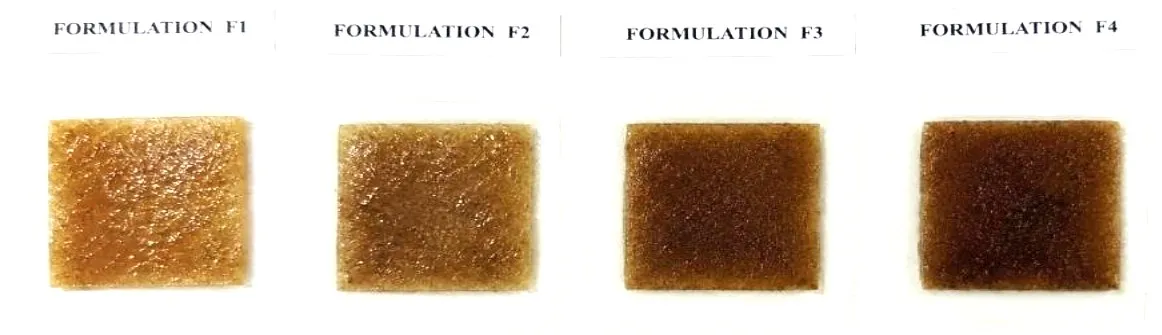
Figure 2: Formulation of Bioactive Herbal Patches of Ethanolic Extract of Bauhinia tomentosa Linn.
Table 2: In-vitro Drug Release Bioactive Herbal Patches
| Time (h) | F1 (%) | F2 (%) | F3 (%) | F4 (%) |
|---|---|---|---|---|
| 0 | 0.00 | 0.00 | 0.00 | 0.00 |
| 1 | 18.42 | 15.76 | 13.84 | 11.92 |
| 2 | 32.65 | 29.18 | 25.76 | 22.48 |
| 4 | 51.38 | 47.62 | 43.15 | 38.76 |
| 6 | 66.84 | 62.35 | 57.82 | 52.46 |
| 8 | 78.56 | 74.18 | 69.64 | 63.82 |
| 10 | 86.42 | 82.16 | 77.48 | 71.36 |
| 12 | 91.68 | 88.54 | 84.72 | 79.26 |
[Figure - see the formatted PDF]
Figure 3: In-vitro Dissolution Studies of Bioactive Herbal Patch Bauhinia tomentosa Linn.
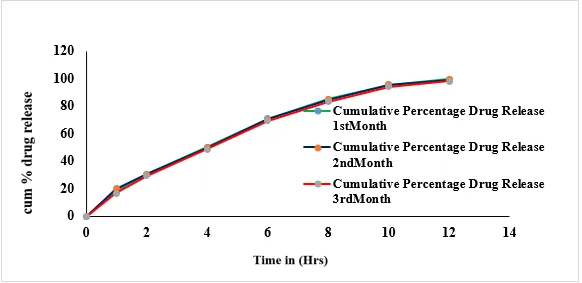
Figure 4: Accelerated Stability Plots
DISCUSSION:
The percentage yield of ethanolic extract of Bauhinia tomentosa Linn ethanol as solvents. the aqueous and ethanol extract gave the highest yield (8.5%w/w).Preliminary phytochemical testing of ethanolic extract of Bauhinia tomentosa Linn. Major Phyto constituents detected presence of Alkaloids, Glycosides steroids and Triterpenoids, Tannins, Flavonoids, Phenol.
Solubility test for aqueous and ethanolic extract of Bauhinia tomentosa Linn. more soluble in Water and Ethanol.With Quercetin concentrations ranging from 1 to 20 μg/ml, ethanol was used to generate the calibration curve for Quercetin. At 415.0 nm, the absorbance was determined. The standard curve for Quercetin is shown in table 6. The regression equation is given by y= 0.0688x and the R2 value is 0.9994, indicating good linearity.FTIR spectra showed all characteristic peaks of the herbal extract and polymer without significant peak shifts, indicating compatibility between the extract and excipients. No evidence of chemical interaction was observed.The Bauhinia tomentosa extract showed a concentration-dependent antibacterial activity against both Staphylococcus aureus and Cutibacterium acnes. The maximum zone of inhibition was observed at 200 mg/mL, measuring 25 mm against S. aureus and 24 mm against C. acnes. The activity increased progressively with increasing extract concentration, indicating promising antibacterial potential of the extract against acne-associated microorganisms.The optimized formulation (F4) exhibited marked inhibition of protein denaturation (85.4%), approaching the activity of the standard drug, indicating strong anti-inflammatory potential. The ethanolic extract contributed greater activity than the aqueous extract, likely due to its higher concentration of flavonoids and phenolic constituents.The prepared Bioactive herbal patches exhibited a smooth, uniform surface without visible cracks, indicating successful solvent evaporation during casting. The characteristic herbal odor confirmed the presence of Bauhinia tomentosa extracts. Flexibility and uniformity suggested proper interaction between the polymer and plasticizer.Patch thickness increased gradually with increasing polymer concentration. Uniform thickness indicated even spreading of the casting solution and reproducible fabrication.Minimal weight variation confirmed uniform casting and homogeneous distribution of herbal extracts throughout the patches.Folding endurance improved with increased polymer concentration, indicating enhanced flexibility and mechanical strength. Values greater than 300 indicated excellent resistance to repeated bending.Moisture content decreased slightly with increasing polymer concentration. Lower moisture minimizes microbial contamination and enhances product stability.Lower moisture uptake indicated better resistance to environmental humidity, suggesting improved storage stability.The surface pH remained within the normal skin pH range (5.5 - 7.0), suggesting minimal risk of skin irritation following topical application.Mechanical strength increased as polymer concentration increased. Higher tensile strength improves handling during packaging and application.The increased elongation values demonstrated enhanced elasticity of the patches, allowing better adaptation to skin movement.Drug content ranged between 95 - 99%, indicating uniform distribution of Bauhinia tomentosa extracts in all formulations. F4 showed the highest content uniformity.All formulations exhibited sustained release behavior. F4 demonstrated the highest cumulative drug release (96%) over 12 hours, suggesting an optimal polymer matrix that effectively regulated diffusion of phytoconstituents.The release data best fitted the Korsmeyer–Peppas model (R² = 0.994), indicating diffusion-controlled release from the polymeric matrix. The Higuchi model also showed excellent correlation, confirming matrix diffusion as the dominant release mechanism.The optimized formulation remained stable throughout the three-month accelerated stability study. No significant changes in appearance, drug content, pH, or drug release were observed, indicating good physicochemical stability.
CONCLUSION:
The present research work was undertaken to formulate and evaluate bioactive herbal topical patches incorporating Bauhinia tomentosa Linn. leaf extracts for the targeted management of acne vulgaris and associated cutaneous inflammation. Acne vulgaris is a chronic inflammatory disorder involving excessive sebum production. The presence of bioactive phytoconstituents with antimicrobial and anti-inflammatory potential makes Bauhinia tomentosa a promising candidate for the development of a herbal topical delivery system. The study was designed to provide localized and sustained delivery of herbal bioactive constituents through a polymeric patch system. Fresh leaves of Bauhinia tomentosa Linn. were collected, authenticated, shade-dried and powdered. Aqueous and ethanolic extracts were prepared and concentrated. The percentage yield obtained was 13.5% w/w for the aqueous extract and 8.5% w/w for the ethanolic extract. The extracts were subjected to phytochemical screening and characterization. The preliminary phytochemical investigation indicated the presence of important bioactive constituents including alkaloids, flavonoids, phenolic compounds, tannins, saponins, terpenoids and glycosides. These phytoconstituents support the potential biological activity of the plant extract. The extracts were further evaluated by UV–Visible and FTIR spectroscopy. Antibacterial activity was investigated against acne-associated microorganisms, including Cutibacterium acnes. The anti-inflammatory potential of the extract was evaluated using the protein denaturation inhibition assay with aspirin as the standard. The extract demonstrated concentration-dependent anti-inflammatory activity, increasing from 6.90% inhibition at 25 μg/mL to 92.50% inhibition at 1000 μg/mL. The maximum inhibition was observed at 1000 μg/mL, demonstrating promising anti-inflammatory potential. Pre-formulation studies were carried out to assess the suitability of the herbal extracts and formulation components. Bioactive herbal patches were prepared by the solvent-casting technique using suitable film-forming polymers, plasticizers and permeation-enhancing components. HPMC K15M, ethyl cellulose and PVP K30 were incorporated to obtain a stable polymeric matrix, while PEG 400 and propylene glycol contributed to flexibility and formulation performance. The prepared patches were evaluated for appearance, thickness, weight variation, folding endurance, surface pH, moisture characteristics, mechanical properties, drug content, swelling behaviour and in-vitro drug release.In-vitro drug release studies were conducted for 12 hours. All four formulations exhibited a gradual increase in cumulative drug release with increasing time. The percentage drug release at 12 hours was 91.68% for F1, 88.54% for F2, 84.72% for F3 and 79.26% for F4. F4 showed the lowest release throughout the study and was therefore considered to possess the most sustained and controlled release profile.
Drug-release kinetics were investigated using zero-order, first-order, Higuchi, Korsmeyer–Peppas and Hixson–Crowell models to understand the release behaviour and mechanism of the developed herbal patches. The release behaviour indicated the influence of the polymeric matrix on diffusion and sustained release of the herbal constituents.
The optimized formulation was further subjected to stability evaluation under accelerated conditions of 40 ± 2°C/75 ± 5% RH for three months. The formulation remained stable during the study period, with no significant changes in appearance, drug content, surface pH or drug-release behaviour. The cumulative release at 12 hours remained within the observed range during the three-month stability study, supporting the physicochemical stability of the optimized herbal patch.
Overall, the study demonstrated the feasibility of developing Bauhinia tomentosa Linn. leaf extract-loaded bioactive herbal patches with acceptable physicochemical characteristics, promising antibacterial and anti-inflammatory potential, and sustained release properties. Among the developed formulations, F4 exhibited the most prolonged and controlled in-vitro release profile and was selected as the optimized formulation based on its overall performance.
REFERENCES


G. Saroj, M. Saravanakumar, D. Dhachinamoorthi, B. Premkumar, Formulation and Evaluation of Bioactive Herbal Topical Patches Incorporating Bauhinia Tomentosa Linn. Leaf Extracts for Targeted Management of Acne Vulgaris and Associated Cutaneous Inflammation., Int. J. Sci. R. Tech., 2026, 3 (10), 1170-1179. https://doi.org/10.5281/zenodo.23594963
 10.5281/zenodo.23594963