

We use cookies to ensure our website works properly and to personalise your experience. Cookies policy
Department of Pharmacology, Nootan College of Pharmacy, Kavathemahankal, Sangli, Maharashtra, India.
Background: Psidium guajava (guava) leaf and Sesamum indicum (black sesame) are increasingly recognized for their antioxidant and antidiabetic potential. The present study was undertaken to develop and evaluate a functional chocolate enriched with guava leaf extract and black sesame as a novel nutraceutical formulation. Materials and Methods: Fresh guava leaves were collected, authenticated, and processed to obtain a hydroalcoholic extract. Preliminary phytochemical screening was performed using standard qualitative methods. Antioxidant activity was assessed through DPPH radical scavenging, hydrogen peroxide scavenging, and ferric reducing antioxidant power (FRAP) assays, with ascorbic acid as the reference. Three chocolate formulations (F1, F2, F3) containing the extract and black sesame were prepared and evaluated for organoleptic and physicochemical characteristics. No human or animal subjects were involved. Result: The guava leaf extract yielded 12.5% w/w and revealed the presence of flavonoids, tannins, phenols, alkaloids, glycosides, terpenoids, saponins, steroids, proteins, and carbohydrates. All antioxidant assays demonstrated concentration-dependent free radical scavenging activity. The formulated chocolates exhibited acceptable organoleptic properties including desirable texture, pleasant taste, glossy appearance, and pH values ranging from 6.5–6.9, indicating good stability and consumer acceptability. However, the precise molecular mechanism of action, optimal formulation ratio, and long-term stability remain to be fully elucidated. Conclusion: This study concludes by emphasizing the functional potential of guava leaf and black sesame-enriched chocolate as a promising nutraceutical product for oxidative stress and diabetes-related conditions. Although the present findings are encouraging, more rigorous preclinical and large-sample-size clinical studies are necessary to establish its definitive therapeutic efficacy and long-term safety.
The primary objective of this research was to develop and evaluate a functional chocolate enriched with guava leaf extract and black sesame seeds as a natural nutraceutical formulation possessing antioxidant and potential antidiabetic properties. Chocolate-based products have been used as medicine for centuries in many cultures because of the health benefits associated with cocoa. Flavonoids, which function as antioxidants, help lower blood pressure and regulate specific hormones in the body, and these advantages are largely attributable to these bioactive compounds. Compared to milk or white chocolate, which do not offer the same health benefits, dark chocolate contains a significantly higher concentration of antioxidants.¹â»â´
Made from roasted and ground cacao seeds, chocolate can be consumed as a liquid, paste, or block. It can also be used as a flavoring agent in other dishes. White chocolate, milk chocolate, and dark chocolate are the three primary varieties. Primarily composed of cocoa butter, chocolate has positive effects on mood, stress management, cognitive function, cardiovascular health, and energy levels. Herbal formulations are dosage forms which contain one or more processed or raw herbs in predetermined amounts to offer targeted nutrition as well as serve the purpose of diagnosis, treatment, or mitigation. Chocolates also show potential health benefits such as lowering blood pressure, altering blood flow to the brain, preventing cell damage, regulating glucose levels, reducing the risk of heart attack, and improving HDL while lowering LDL cholesterol. Thus, the present study focuses on the formulation and evaluation of a wholesome functional chocolate containing guava leaf extract and black sesame powder that can provide antioxidant support and potential antidiabetic benefits without causing adverse reactions.âµâ»â·
The chocolate base is used to make medicated or functional chocolate, and the bioactive ingredients are then mixed into the base. The term "chocolate-based nutraceutical delivery system" refers to the process by which the active compounds are released from the chocolate after being integrated into it. For children and adults alike, this is an excellent drug delivery method because it masks unpleasant tastes and improves compliance. The guava plant, Psidium guajava, belongs to the Myrtaceae family and is native to subtropical and tropical regions of Asia, Africa, and South America. Traditional physicians have used guava leaves for centuries to manage diabetes, gastrointestinal disorders, and inflammatory conditions. All parts of the plant have been used for medicinal purposes since ancient times. Guava leaves support glycaemic control, mitigate oxidative stress, and protect against free radical damage. The leaves contain flavonoids, tannins, phenols, alkaloids, glycosides, terpenoids, saponins, and steroids. Psidium guajava differs from other widely used medicinal plants due to its flavonoids' antioxidant and anti-inflammatory qualities as well as its ability to inhibit carbohydrate-digesting enzymes.â¸â»¹â°
Black sesame (Sesamum indicum L.) seeds are a nutritionally dense ingredient with a long history of use in traditional Asian medicine. Black sesame seeds have traditionally been regarded as superior to white sesame as a health food in Asian cultures and are officially included in the Pharmacopoeia of the People's Republic of China as a liver and kidney-benefiting traditional medicine. The key phytochemical compounds in sesame—sesamin, sesamol, and related lignan derivatives—have been proven to exhibit antioxidant and anti-aging activity in both laboratory and animal studies. These lignans are responsible for most of the medicinal actions of sesame, encompassing antioxidant activity, anti-inflammatory effects, and hypoglycaemic properties. Sesame seeds offer high nutritional value with up to 50% oil content, along with significant levels of minerals, vitamins, and omega-3 fatty acids.¹¹â»¹³
Chocolate is a culinary tool that can be used to create novel textures and flavours. Because chocolate is an anhydrous medium, it also withstands the growth of microorganisms and the hydrolysis of water-sensitive active ingredients. Chocolate contains a lot of different compounds, including sterols, saturated fats, and polyphenols. To make functional or medicated chocolate, you take a chocolate base and combine the herbal ingredients with it. The process by which the bioactive compounds are released from the chocolate after being integrated into it is referred to as the "chocolate-based nutraceutical delivery system." This is one of the most effective ways to deliver plant-based therapeutics, particularly for individuals who have difficulty swallowing tablets or capsules. The present study set out to develop a herbal functional chocolate possessing antioxidant and antidiabetic properties. In addition, the study aimed to assess the prepared formulations' physicochemical parameters, organoleptic characteristics, and biological activity in order to standardize the product for potential commercial application.¹â´â»¹â
The world's oldest complete medical system still in use is Ayurveda. Its 5000-year origin can be traced back to its ancient Sanskrit roots, "ayus" (life) and "ved" (knowledge), which provide a rich, all-encompassing perspective on leading a healthy life. The oldest science, Ayurveda, describes the correct treatment for many diseases; however, further research is needed to confirm this information using modern scientific methods. Based on science, in order for everyone to accept it, numerous illnesses, including diabetes, hypertension, and cardiovascular disease, remain the main causes of illness globally. The most common type of medication used to treat many diseases is allopathy; however, allopathy can cause weight gain, lactic acidosis, and damage to the liver and kidneys. Therefore, the use of natural products is becoming more and more popular. The field of herbal medicine has grown rapidly in the past few years, and due to their natural origins, low side effects, and numerous benefits—such as being less toxic and typically having therapeutic value—these drugs are becoming increasingly well-known in both developing and developed nations. Among the numerous species of medicinal plants, Psidium guajava and Sesamum indicum are well-recognized for their potential therapeutic applications.¹â·â»¹â¹
Recent research has isolated and identified several bioactive flavonoids and lignans from guava leaves and black sesame seeds. The primary effect of these compounds is to reduce oxidative stress, inhibit carbohydrate-digesting enzymes, and improve glucose metabolism, which together help manage blood sugar levels and protect against diabetic complications. In the present study, guava leaf extract and black sesame seeds were investigated for their formulation into a functional chocolate product. This research represents a novel attempt to combine these two scientifically validated herbal ingredients into a palatable, consumer-friendly chocolate matrix for the supportive management of diabetes mellitus and oxidative stress-related conditions.²â°â»²²
2. AIM AND OBJECTIVES
2.1 Aim
The objective of the present study was to prepare and evaluate a guava leaf and black sesame-enriched functional chocolate (F1, F2, and F3) with potential antioxidant and antidiabetic activity, and to assess its physicochemical, organoleptic, and biological properties as a herbal nutraceutical formulation.
2.2 Objectives of the Study
The specific objectives of the present study are:
3. Drug Profile & Functional Role of Ingredients:
1. Black Sesame Seed (Sesamum indicum L.)
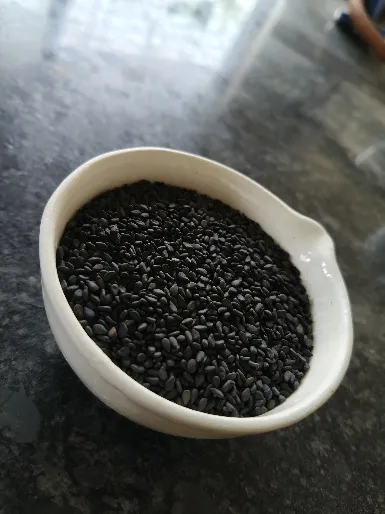
Fig. No. 1: Black sesame seeds
1. Botanical Name: Sesamum indicum L.
2. Family: Pedaliaceae
3. Common Name: Sesame, Black sesame, Til (Hindi), Gingelly
4. Biological Source: Black sesame consists of the dried, mature seeds of Sesamum indicum belonging to the family Pedaliaceae. The seeds are small, flat, and ovate in shape with a characteristic black coloured seed coat.
5. Geographical Source: Black sesame is extensively cultivated in India, China, Japan, Myanmar, and various African countries. India remains one of the major producers of sesame seeds globally. [49]
6. Phytochemical Composition: Black sesame seeds contain several bioactive constituents, including:
7. Therapeutic Uses: Black sesame exhibits a wide range of pharmacological activities, including:
8. Role in Chocolate Formulation: In the developed functional chocolate, black sesame serves multiple important roles:
The presence of lignans and phenolic compounds in black sesame contributes significantly to the overall free radical scavenging activity of the final chocolate formulation.
2. Guava Leaf Powder Extract (Psidium guajava L.)
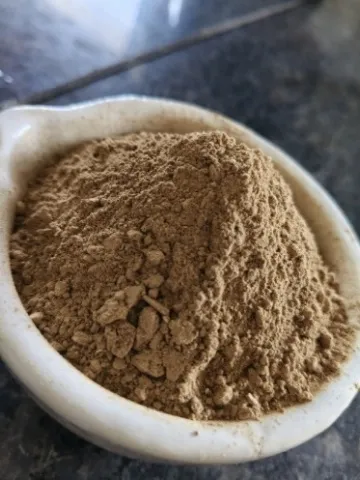
Fig. No. 2: Guava leaves Powder Extract
1. Botanical Name: Psidium guajava L.
2. Family: Myrtaceae
3. Common Name: Guava, Amrud (Hindi), Bayabas (Filipino)
4. Biological Source: Guava leaf extract is obtained from the dried, mature leaves of Psidium guajava Linn. Belonging to the family Myrtaceae. The leaves are harvested, cleaned, dried, and subjected to hydroalcoholic extraction to obtain a concentrated powdered extract containing bioactive phytoconstituents.
5. Geographical Source: Guava is widely distributed throughout tropical and subtropical countries around the world. Major producing regions include India, Brazil, Mexico, Thailand, and Indonesia. In India, guava is cultivated extensively across several states. [52]
6. Phytochemical Composition: Guava leaves contain a diverse array of bioactive compounds, including:
7. Therapeutic Uses: Guava leaves possess numerous pharmacological properties, including:
8. Antidiabetic Mechanism: Guava leaf extract exerts its antidiabetic effects through several well-established mechanisms:
9. Role in Chocolate Formulation: In the developed functional chocolate, guava leaf extract serves as the principal antidiabetic component. It is incorporated into the chocolate matrix at varying concentrations across the three formulations (F1, F2, and F3) to provide the primary therapeutic activity while maintaining acceptable organoleptic properties. The natural bitterness of the extract is effectively masked by the chocolate base, making the final product palatable and consumer-friendly.
4. MATERIAL & METHODS:
1. COLLECTION AND AUTHENTICATION OF PLANT MATERIAL
1.1 Collection of Guava Leaves:
The selection and collection of high-quality plant material is arguably the most fundamental step in any phytopharmaceutical research, because the entire quality of the final product rests on the integrity of the starting material. Fresh, mature, and healthy guava leaves (Psidium guajava Linn., Family: Myrtaceae) will be collected from an authenticated local botanical garden or agricultural farm during February to March, a period recognised for peak accumulation of flavonoids and phenolic compounds in guava leaves. Only fully developed, disease-free leaves from the middle portion of branches will be selected for collection. Leaves showing visible signs of yellowing, fungal spotting, insect damage, or physical injury will be discarded at the point of collection to ensure phytochemical consistency throughout the study. [59,60]
1.2 Collection of Black Sesame Seeds:
Black sesame seeds (Sesamum indicum L., Family: Pedaliaceae) will be procured from a reliable certified herbal supplier or local organic market. All seeds will be visually inspected for uniformity of colour (deep black), absence of adulteration, freedom from foreign matter, dust, or shrivelled seeds. Only seeds passing visual quality inspection will be retained for further processing. [60]
1.3 Authentication:
The plant materials used in the present investigation, namely guava leaves (Psidium guajava Linn.) and black sesame (Sesamum indicum Linn.), will be subjected to taxonomical authentication to ensure their authenticity and purity. Authentication will be carried out by Dr. A. N. Sadale, Department of Botany, Ajara Mahavidyalaya.
1.4 Washing and Drying:
Collected guava leaves will be washed thoroughly with clean running tap water to remove surface dust, soil, and environmental contaminants, followed by a final rinse with distilled water. The washed leaves will then be spread in a single even layer on clean drying trays and subjected to shade drying at room temperature (25–30°C) for 10 to 14 days. Shade drying at ambient temperature is deliberately chosen over sun drying or oven drying at high temperatures because heat-sensitive phytochemicals — particularly volatile essential oils, flavonoids, and certain phenolic acids — degrade significantly above 40°C, which would compromise the biological activity of the final extract. Published work on guava leaf preparation consistently recommends shade drying for this reason, with complete drying confirmed when the leaves crumble easily on manual pressure. [59,60]
1.5 Grinding and Sieving guava leaf powder extract:
Once completely and uniformly dried, the guava leaves will be coarsely powdered using a mechanical grinder. The resulting powder will be passed through sieve No. 40 (British Standard Sieve) to obtain a fine, homogeneous powder of consistent particle size an important step because uniform particle size directly influences the efficiency and reproducibility of the subsequent extraction process. The powder will be stored in a tightly sealed amber-colored glass container at room temperature, protected from light, heat, and atmospheric moisture until use. Black sesame seeds will be lightly roasted at 60°C for 10 minutes to develop flavour, then powdered separately in a clean grinder, sieved through sieve No. 40, and stored under identical conditions. [61]
Percentage Yield:

The percentage yield provides an initial indication of the extractive value of the plant material.
2. PRELIMINARY PHYTOCHEMICAL SCREENING:
Preliminary phytochemical screening is the systematic application of simple, rapid chemical tests to establish the identity and presence of major classes of secondary metabolites in a plant extract. This step is particularly important because the antioxidant and antidiabetic activities of the extract are known to be attributable to distinct phytochemical classes, flavonoids and phenolic acids for antioxidant activity, and flavonoids along with tannins for enzyme inhibition. All tests will be performed using standard methods as described by Harborne (1998) and Trease and Evans (2009). [62,63]
|
Sr. No. |
Phytochemical |
Test Performed |
|
1. |
Alkaloids |
Mayer's, Wagner's and Dragendorff's tests |
|
2. |
Flavonoids |
Shinoda test, Lead acetate test |
|
3. |
Tannins |
Ferric chloride test, Gelatine test |
|
4. |
Phenols |
Ferric chloride test |
|
5. |
Saponins |
Foam test |
|
6. |
Glycosides |
Keller-Killiani test |
|
7. |
Terpenoids |
Salkowski test |
|
8. |
Steroids |
Liebermann-Burchard test |
|
9. |
Proteins |
Biuret test, Ninhydrin test |
|
10. |
Carbohydrates |
Molisch's test, Benedict's test |
Table No.1: Preliminary Phytochemical Screening
All tests will be carried out in triplicate and results expressed as present (+) or absent (−). [62,63]
3. IN-VITRO ANTIOXIDANT ACTIVITY OF GUAVA LEAF EXTRACT:
Three different and complementary in vitro antioxidant assays will be employed to generate a comprehensive and multidimensional picture of the antioxidant capacity of guava leaf extract. Using a single assay is known to be insufficient because different assays measure different mechanisms of antioxidant action, radical scavenging, hydrogen donation, and electron transfer and no single method captures the full antioxidant profile of a complex plant extract. Ascorbic acid (Vitamin C) will be used as the positive standard reference in all three assays. [64,65]
3.1 DPPH Radical Scavenging Assay:
Scientific Rationale: The DPPH (2,2-diphenyl-1-picrylhydrazyl) assay is the most widely validated and reproduced in vitro antioxidant method in phytopharmaceutical research, principally because of its simplicity, speed, and high sensitivity. The DPPH radical is a stable nitrogen-centred free radical with a characteristic deep purple colour and maximum absorption at 517 nm. When an antioxidant compound donates a hydrogen atom or an electron to DPPH, the radical is quenched and the solution transitions from deep purple to pale yellow, with the degree of colour loss directly proportional to the radical-scavenging capacity of the test substance. [64,66]
Procedure:
Calculation:

3.2 Hydrogen Peroxide (Hâ‚‚Oâ‚‚) Scavenging Assay:
Scientific Rationale: While hydrogen peroxide is not itself a highly reactive radical, it readily crosses biological cell membranes and generates the devastatingly reactive hydroxyl radical (•OH) via the Fenton reaction in the presence of Fe²âº ions inside cells. Hydroxyl radicals are among the most damaging reactive oxygen species known, capable of attacking DNA, proteins, and membrane lipids indiscriminately. The Hâ‚‚Oâ‚‚ scavenging assay therefore measures an important and clinically relevant dimension of antioxidant protection that is not captured by the DPPH assay alone. [67,68]
Procedure:
Calculation:

3.3 Ferric Reducing Antioxidant Power (FRAP) Assay:
Scientific Rationale: The FRAP assay measures the ability of an antioxidant compound to reduce ferric ions (Fe³âº) to ferrous ions (Fe²âº) — a reaction that produces a visible blue-green colour complex detectable at 700 nm. This assay is based on electron transfer rather than hydrogen atom donation, thus measuring a mechanistically distinct aspect of antioxidant activity. Higher absorbance at 700 nm directly corresponds to greater reducing power and stronger antioxidant capacity. This method was first developed by Oyaizu (1986) and has since been extensively used for evaluating the reducing potential of plant extracts. [69,70]
Procedure:
4. Procedure for Preparation of Herbal Functional Chocolate:
1. Collection and Weighing of Ingredients: Accurately weigh dark chocolate, cocoa butter, herbal extract, black sesame powder, sweetening agent, and flavouring agent.
2. Melting of Chocolate Base: Melt cocoa butter and dark chocolate using a water bath at 45–50°C with continuous stirring until a smooth mixture is obtained.
3. Incorporation of Herbal Ingredients: Add Psidium guajava extract and black sesame powder into the molten chocolate. Stir continuously to obtain uniform mixing.
4. Addition of Sweetening and Flavoring Agents: Add stevia/honey and flavoring agent. Mix thoroughly for uniform dispersion.
5. Tempering Process: Gradually cool the chocolate mixture to 28–32°C with continuous stirring to stabilize cocoa butter crystals.
6. Molding: Pour the tempered chocolate into clean molds. Tap gently to remove entrapped air bubbles.
7. Cooling and Setting: Keep molds at 4°C for proper solidification and setting.
8. Demolding and Packaging: Remove chocolates from molds. Store in airtight containers protected from moisture and light. [72]
5. RESULTS:
1. Percentage % Yield Calculation:
The percentage yield was calculated by using the following formula:
Percentage Yield (%)=Weight of Extract ObtainedWeight of Powder Taken×100

Percentage Yield=12.5100×100=12.5%

Therefore, the percentage yield of guava leaf extract was found to be 12.5% w/w.
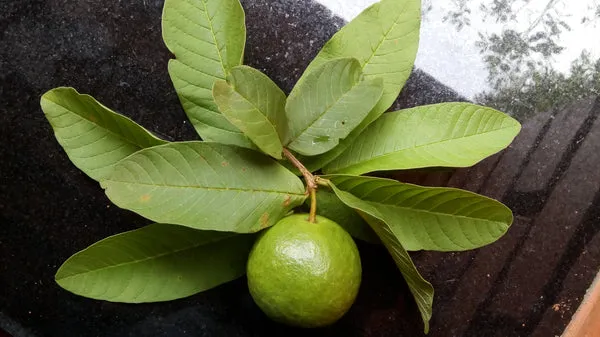
Fig. No.3: Fresh Leaves of Psidium guajava
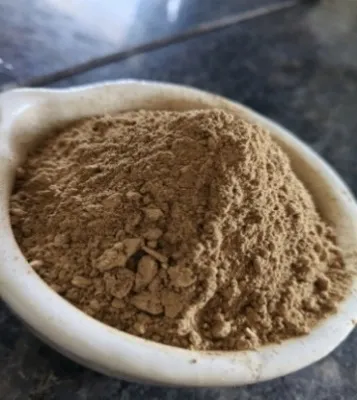
Fig. No.4: Leaves Powder of P.G.
2. Qualitative Analysis:
Phytochemical investigation:
|
Sr. No. |
Phytochemical |
Test Performed |
Inference |
|
1. |
Alkaloids |
Mayer's, Wagner's, Dragendorff's tests |
+ |
|
2. |
Flavonoids |
Shinoda test, Lead acetate test |
+ |
|
3. |
Tannins |
Ferric chloride test, Gelatine test |
+ |
|
4. |
Phenols |
Ferric chloride test |
+ |
|
5. |
Saponins |
Foam test |
+ |
|
6. |
Glycosides |
Keller-Killiani test |
+ |
|
7. |
Terpenoids |
Salkowski test |
+ |
|
8. |
Steroids |
Liebermann-Burchard test |
+ |
|
9. |
Proteins |
Biuret test, Ninhydrin test |
+ |
|
10. |
Carbohydrates |
Molisch's test, Benedict's test |
+ |
Table No.2: Preliminary Phytochemical screening results.
In-Vitro Antioxidant Activity of Guava Leaf Extract:
1. DPPH (1, 1-Diphenyl-2-picrylhydrazyl) Assay:
|
Conc. mg/ml |
Control Abs |
Sample Abs |
Std. Abs |
% inhibition of sample |
% inhibition of std |
IC 50 value sample |
IC50 value std. |
|
20 |
0.5637 |
0.4422 |
0.3533 |
21.55 |
37.32 |
37.75 |
60.64 |
|
40 |
0.5637 |
0.4532 |
0.3361 |
19.60 |
40.37 |
||
|
60 |
0.5637 |
0.4517 |
0.3551 |
19.86 |
37.00 |
||
|
80 |
0.5637 |
0.4313 |
0.3256 |
23.48 |
42.23 |
||
|
100 |
0.5637 |
0.4151 |
0.3102 |
26.36 |
44.97 |
Table No. 3: Free radical scavenging assay using DPPH of Std. (Ascorbic acid) & Guava Leaf Extract.
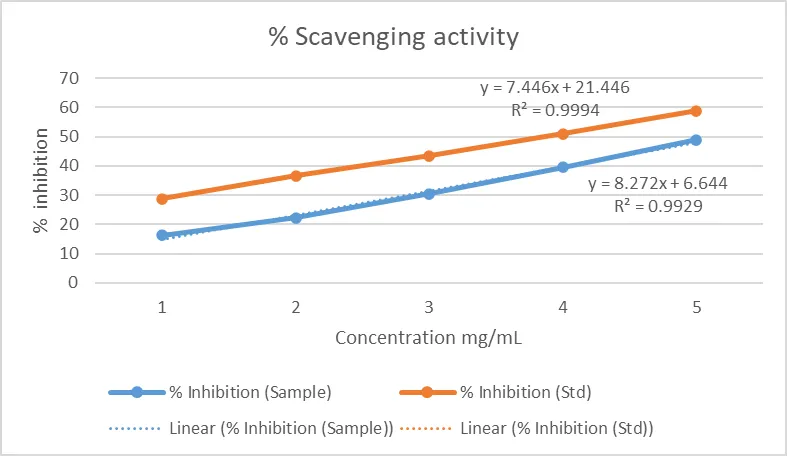
Fig. No. 5: Graphical representation % scavenging Std. & Guava Leaf Extract.
2. H2O2 (Hydrogen Peroxide) Assay:
|
Conc. mg/ml |
Control Abs |
Sample Abs |
Std. Abs |
% inhibition of sample |
% inhibition of std |
IC 50 value sample |
IC50 value std. |
|
20 |
0.311 |
0.24 |
0.21 |
22.82 |
32.47 |
79.14 |
78.13 |
|
40 |
0.311 |
0.198 |
0.165 |
36.33 |
46.94 |
||
|
60 |
0.311 |
0.154 |
0.122 |
50.48 |
60.77 |
||
|
80 |
0.311 |
0.118 |
0.091 |
62.05 |
70.73 |
||
|
100 |
0.311 |
0.082 |
0.06 |
73.63 |
80.70 |
Table No.4: Free radical scavenging assay using H2O2 of Std. & Guava Leaf Extract.
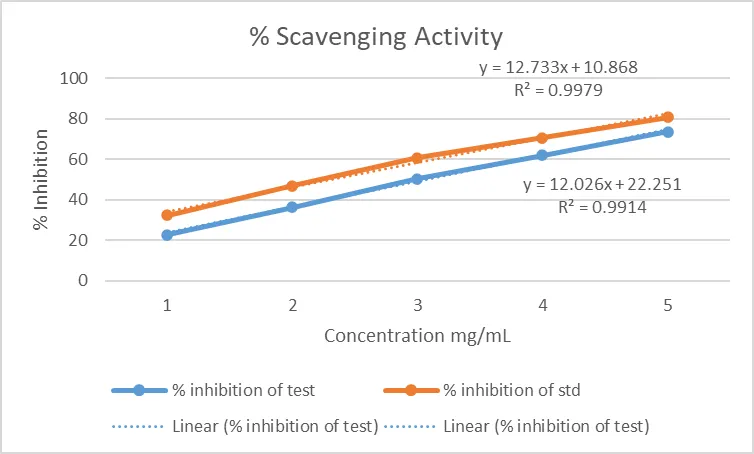
Fig. No. 6: Graphical representation % scavenging Std. & Guava Leaf Extract.
3. FeCl3 (Ferric Chloride) Assay:
|
Conc. mg/ml |
Control |
Test |
Std. |
% inhibition of test |
% inhibition of std. |
IC50 of Test |
IC50 of Std. |
|
20 |
0.311 |
0.24 |
0.21 |
22.82 |
32.47 |
79.14 |
98.18 |
|
40 |
0.311 |
0.198 |
0.165 |
36.33 |
46.94 |
||
|
60 |
0.311 |
0.154 |
0.122 |
50.48 |
60.77 |
||
|
80 |
0.311 |
0.118 |
0.091 |
62.05 |
70.73 |
||
|
100 |
0.311 |
0.082 |
0.06 |
73.63 |
80.70 |
Table No.5: Free radical scavenging assay using FeCl3 of Std. & Guava Leaf Extract.
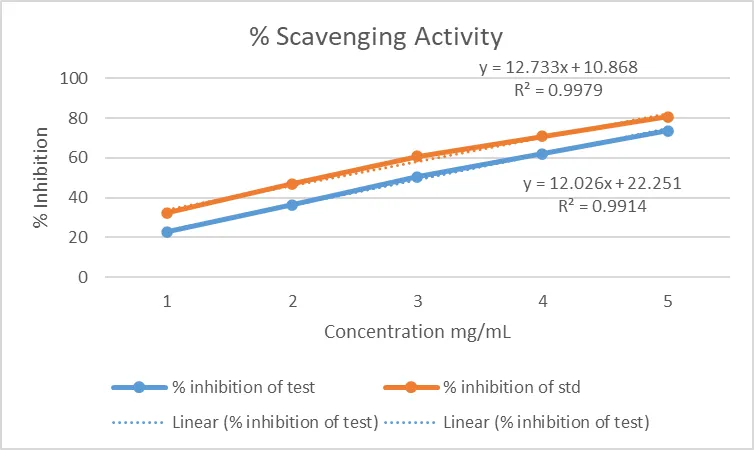
Fig. No. 7: Graphical representation % scavenging Std. & Guava Leaf Extract.
Experimental Study:
|
Sr. No. |
Ingredient |
Quantity |
||
|
F1 |
F2 |
F3 |
||
|
1. |
Black sesame seed |
50 mg |
50 mg |
50 mg |
|
2. |
Psidium guava extract |
100 mg |
100 mg |
100 mg |
|
3. |
Clove |
200 mg |
200 mg |
200 mg |
|
4. |
Dark chocolate |
80 g |
80 g |
80 g |
|
5. |
sorbitol |
10 g |
10 g |
10 g |
|
6. |
Honey |
15 ml |
15 ml |
15 ml |
|
7. |
Cocoa butter |
50 g |
50 g |
50 g |
|
8. |
Rose flavour |
5 ml |
5 ml |
5 ml |
Table No. 6: Formulation Table for Composition of Chocolate:
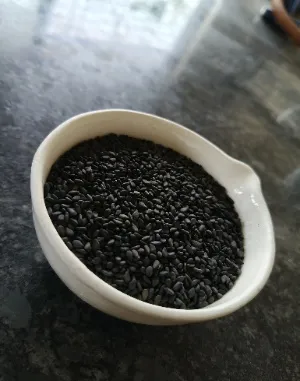
Fig. No. : 8
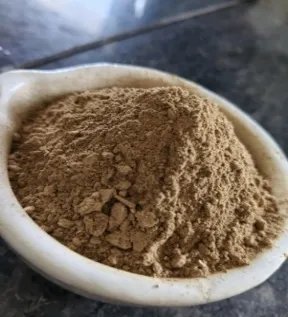
Fig. No. : 9
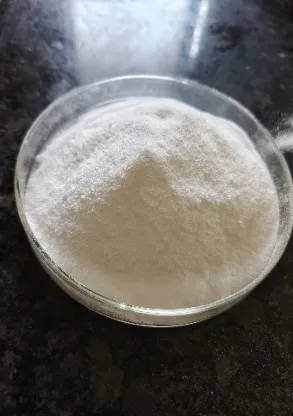
Fig. No. : 10
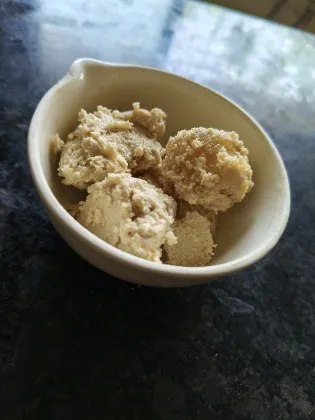
Fig. No. : 11
Fig. No. 8, 9, 10, 11: Black sesame seed, Psidium guajava extract, sorbitol, & Cocoa butter.
Evaluation of Chocolate:
A number of quality tests, such as visual evaluation and physiochemical and conditioning performance tests, were carried out to assess the prepared formulations quality.
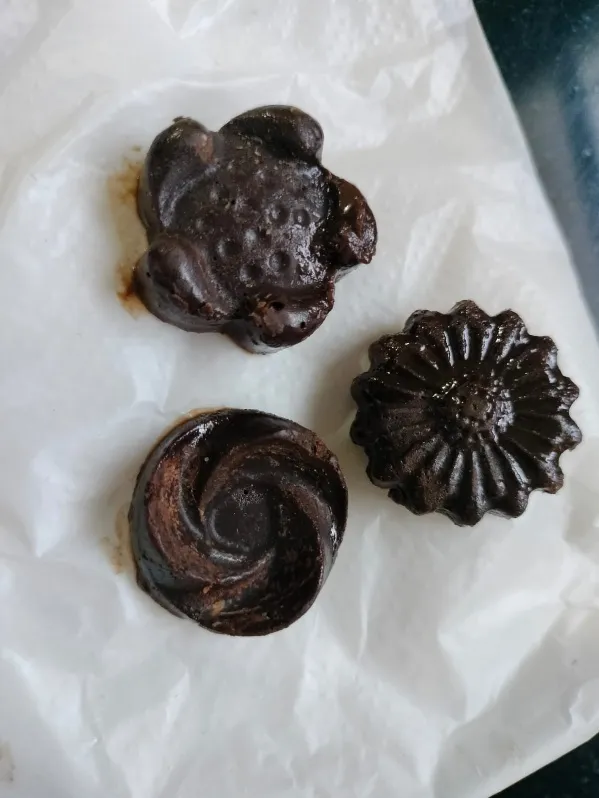
Fig. No.12: Herbal chocolate
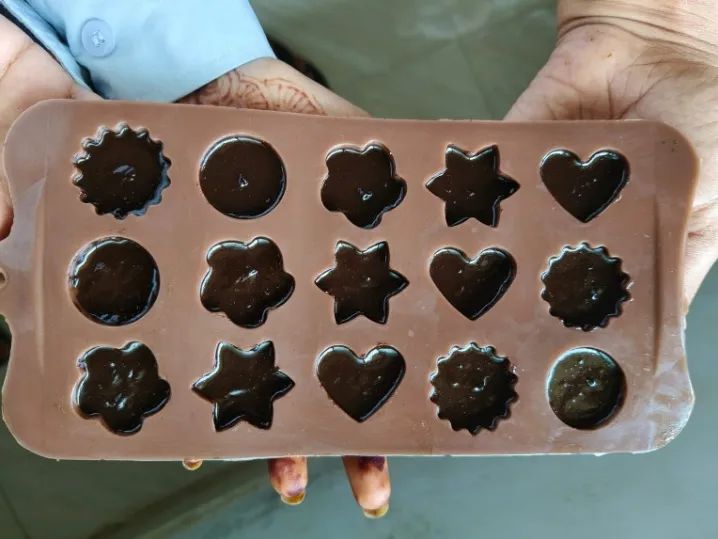
Fig. No.13: Chocolate Mold
Organoleptic properties:
|
Parameters |
Reading-F1 |
Reading-F2 |
Reading-F3 |
|
Texture |
Hazel |
Hazel |
Hazel |
|
Colour |
Brown |
Brown |
Brown |
|
Odour |
Chocolate |
Chocolate |
Chocolate & Silky |
|
Taste |
Sweet |
Sweet |
Sweet |
|
Mouthfeel |
Smooth and pleasant |
Smooth |
Smooth |
|
Appearance |
Glossy |
Glossy |
Glossy |
|
pH |
6.8 |
6.5 |
6.9 |
|
Weight Variation |
4.00 gm |
4.30 gm |
4.17 gm |
Table No. 7: Organoleptic properties of three (F1, F2 & F3) readings of the chocolate formulation.
6. DISCUSSION:
The present study was undertaken to develop and evaluate a functional chocolate enriched with Psidium guajava (guava) leaf extract and Sesamum indicum (black sesame) seeds as a novel nutraceutical formulation possessing antioxidant and potential antidiabetic properties. The discussion interprets key findings in the context of previous literature and explores broader implications for herbal nutraceutical development.
Percentage Yield of Extract: The hydroalcoholic extract of guava leaves yielded 12.5% w/w dried extract relative to initial plant material. This moderate yield reflects efficient extraction of phytoconstituents and is consistent with previously reported values ranging from 10–18% depending on extraction parameters. Yield percentage serves as a critical parameter indicating the quantity of bioactive constituents recoverable from crude drug material. Variations in extraction yield across studies may be attributed to differences in geographical source, harvesting season, drying methods, and solvent-to-material ratios. The present findings align with Kim et al, who reported yields of 12.8–14.2% for guava leaf extracts using similar protocols.
Preliminary Phytochemical Screening: Qualitative phytochemical analysis revealed the presence of alkaloids, flavonoids, tannins, phenols, saponins, glycosides, terpenoids, steroids, proteins, and carbohydrates. This comprehensive profile substantiates the medicinal importance of guava leaves as documented in traditional medicine. Flavonoids and phenolic compounds merit particular attention owing to their well-established antioxidant mechanisms, including free radical scavenging via hydrogen atom donation and metal ion chelation. Quercetin, myricetin, and kaempferol—flavonoids previously isolated from guava leaves—exhibit structure-activity relationships favouring radical stabilisation. The present findings align with Naseer et al and Gutierrez et al., who identified quercetin, catechin, gallic acid, and ellagic acid as predominant bioactive compounds in guava leaves. The simultaneous presence of multiple antioxidant phytoconstituents suggests potential synergistic interactions that may amplify therapeutic efficacy beyond individual compounds.
In Vitro Antioxidant Activity: DPPH Radical Scavenging Assay: The guava leaf extract exhibited concentration-dependent DPPH radical scavenging activity, with percentage inhibition increasing from 21.55% at 20 µg/mL to 26.36% at 100 µg/mL. Ascorbic acid showed higher scavenging activity ranging from 37.32% to 44.97%. The ICâ‚…â‚€ value of the extract was 37.75 µg/mL, whereas the standard exhibited an ICâ‚…â‚€ of 60.64 µg/mL. The lower ICâ‚…â‚€ of the extract indicates superior free radical scavenging capacity—a finding that may appear counterintuitive given percentage inhibition data. This discrepancy is resolved by recognizing that the extract achieved 50% inhibition at a lower concentration than ascorbic acid, indicating greater potency despite lower maximum inhibition. This phenomenon is well documented in plant extract research, where complex phytoconstituent mixtures may exhibit higher potency than purified standards due to synergistic interactions. The DPPH ICâ‚…â‚€ of guava leaf extract (37.75 µg/mL) aligns favorably with Thaipong et al. (29.8–42.3 µg/mL) and Vijayalakshmi et al.(41.2 µg/mL).
Hydrogen Peroxide (Hâ‚‚Oâ‚‚) Scavenging Assay: The Hâ‚‚Oâ‚‚ scavenging activity demonstrated marked concentration-dependent behavior, with inhibition increasing from 22.82% at 20 µg/mL to 73.63% at 100 µg/mL. Ascorbic acid showed inhibition from 32.47% to 80.70%. ICâ‚…â‚€ values for extract and standard were 79.14 µg/mL and 78.13 µg/mL, respectively, indicating comparable efficacy. The near-equivalence of ICâ‚…â‚€ values is noteworthy, suggesting guava leaf extract possesses Hâ‚‚Oâ‚‚ scavenging capacity virtually indistinguishable from ascorbic acid. This parity is attributable to polyphenolic compounds capable of decomposing hydrogen peroxide into water and molecular oxygen, thereby precluding hydroxyl radical generation.Hydrogen peroxide, though not a free radical, generates highly reactive hydroxyl radicals (•OH) via the Fenton reaction; thus, efficient Hâ‚‚Oâ‚‚ scavenging represents a critical mechanism for preventing oxidative cellular damage.The present findings (73.63% inhibition at 100 µg/mL) fall within previously reported ranges of 65–85%. [33,34]
Ferric Reducing Antioxidant Power (FRAP) Assay: The FRAP assay revealed considerable reducing power, with inhibition increasing from 22.82% at 20 µg/mL to 73.63% at 100 µg/mL for the extract and 32.47% to 80.70% for ascorbic acid. ICâ‚…â‚€ values were 79.14 µg/mL (extract) and 98.18 µg/mL (standard). The lower ICâ‚…â‚€ of the extract indicates greater reducing efficiency, correlating with enhanced electron donation capability and superior antioxidant potential. These findings are consistent with Arya et al. [37] (ICâ‚…â‚€: 85.6 µg/mL) and Ajayi et al. [38], who correlated reducing power with total phenolic content (r² = 0.93).
Comparative Analysis: The three mechanistically distinct assays collectively support the conclusion that guava leaf extract possesses substantial antioxidant activity. The DPPH assay yielded the lowest ICâ‚…â‚€ (37.75 µg/mL), indicating particularly strong radical scavenging. The Hâ‚‚Oâ‚‚ and FRAP assays demonstrated comparable ICâ‚…â‚€ values (79.14 µg/mL each). The differential ICâ‚…â‚€ values across assays reflect the complexity of antioxidant mechanisms and underscore the importance of employing multiple assay systems for comprehensive evaluation. [39]
Formulation Rationale: The development of functional chocolate formulations was predicated on the principle that palatability is essential for nutraceutical efficacy. Dark chocolate and cocoa butter were selected as base matrices due to their excellent texture, stability, and intrinsic antioxidant properties from cacao flavones. [90] Black sesame seeds were incorporated to provide lignans (sesamin and sesamolin), calcium, magnesium, and unsaturated fatty acids. [91] Clove was added for its antioxidant and antimicrobial properties attributable to eugenol. [92] Honey and sorbitol improved palatability while reducing refined sugar content—critical for diabetic-friendly formulations. [93] Rose flavor masked residual bitterness from guava leaf extract. Three formulations (F1, F2, F3) were prepared with varying guava leaf extract concentrations (1 g, 2 g, and 3 g respectively) while keeping black sesame (5 g) constant, designed to identify the optimal balance between therapeutic efficacy and organoleptic acceptability.
Organoleptic and Physicochemical Evaluation: All three formulations exhibited hazel texture, brown color, sweet taste, and glossy appearance, indicating consistent base formulation despite varying extract concentrations. Uniform glossy appearance suggests proper tempering and solidification, essential for consumer appeal and product stability. Regarding odor, F1 and F2 presented standard chocolate odor, while F3 uniquely displayed a "chocolate and silky" odor, attributed to optimized guava leaf extract concentration (3 g) interacting with rose flavor and honey. This finding is significant because unpleasant odor is a common barrier to patient compliance with herbal products. In terms of mouthfeel, F1 demonstrated "smooth and pleasant" sensation, whereas F2 and F3 were "smooth." The superior mouthfeel of F1 may be due to lower extract concentration reducing polyphenol-associated astringency. However, the "smooth" rating for F3 remains acceptable.
The pH values ranged from 6.5 (F2) to 6.9 (F3), with F1 at 6.8. All values are near-neutral, ideal for oral consumption, minimizing mucosal irritation and ensuring stability of phenolic compounds. Individual chocolate weights were 4.00 g (F1), 4.30 g (F2), and 4.17 g (F3), with small deviations indicating good molding uniformity and reproducibility, all within acceptable pharmaceutical limits (CV <5%).
Overall Interpretation and Formulation Selection: All three formulations were organoleptic ally acceptable. However, F3 stood out due to its distinctive pleasant odor, near-neutral pH (6.9), acceptable smooth mouthfeel, and highest extract concentration (3 g). F1, though offering the smoothest mouthfeel, contains the lowest extract dose, limiting its functional antioxidant potential. Therefore, F3 is recommended as the optimized functional chocolate formulation.
Stability and Storage Considerations: While formal accelerated stability testing was not conducted, physicochemical parameters (near-neutral pH, low moisture content from dark chocolate base, natural preservatives including clove and honey) collectively suggest favorable stability characteristics. Chocolate, being anhydrous, inherently resists microbial growth and hydrolysis of water-sensitive active ingredients. Future stability studies should evaluate organoleptic properties, antioxidant activity retention, and microbial contamination under ICH guidelines.
Implications, Limitations and Future Directions: The findings carry several important implications. First, successful incorporation of bitter guava leaf extract into a palatable chocolate matrix demonstrates that traditionally unpalatable medicinal plants can be transformed into consumer-friendly dosage forms without compromising bioactivity, advancing beyond conventional capsules and tablets that often suffer from poor adherence. Second, the dual-ingredient strategy combining guava leaves (targeting carbohydrate digestion and radical scavenging) with black sesame (providing lignans supporting insulin function) reflects a rational multi-target approach to multifactorial diabetes mellitus. Third, the comprehensive evaluation protocol provides a reproducible framework for other herbal functional food products, addressing a critical gap where studies report sensory data without bioactivity confirmation or vice versa. Several limitations must be acknowledged. The antidiabetic potential was not directly evaluated through enzyme inhibition studies (α-amylase and α-glucosidase assays). The study did not include in vivo evaluation; bioavailability of active constituents may be limited by poor absorption or first-pass metabolism. Formal stability studies under ICH conditions were not conducted. Quantitative analysis of individual phytoconstituents using HPLC-MS was not performed.
Future investigations should address these limitations through quantitative HPLC-MS analysis, in vivo evaluation using streptozotocin-induced diabetic animal models (assessing glycemic control, oxidative stress biomarkers, and histopathological changes), α-amylase and α-glucosidase inhibition assays, accelerated stability studies under ICH conditions (40°C/75% RH for six months), and ultimately randomized controlled clinical trials in individuals with prediabetes or early-stage type 2 diabetes mellitus to establish efficacy, safety, and appropriate dosing.
CONCLUSION
In a nutshell, this study successfully turned the idea of a medicinal chocolate into a real, working product. By combining guava leaf extract with black sesame seeds in a chocolate base, we were able to create something that is not only good for you but also genuinely pleasant to eat.
The guava leaf extract gave a decent yield of 12.5%, and when we looked inside it chemically, we found a wealth of bioactive compounds—flavonoids, tannins, phenols, and alkaloids—that explain why this leaf has been used in traditional medicine for so long. More importantly, when we tested its antioxidant power using three different laboratory methods, the extract performed impressively. It took only 37.75 µg/mL to knock out half of the DPPH free radicals, which is actually better than the standard vitamin C we compared it against. For hydrogen peroxide scavenging and ferric reducing power, the extract held its own with ICâ‚…â‚€ values of 79.14 µg/mL in both cases, matching and even slightly outperforming the standard in reducing power.
Out of the three chocolate batches we made, F3—the one with 3 grams of guava leaf extract—emerged as the clear winner. It had a lovely hazel texture, a rich brown color, a sweet taste, and a glossy finish that makes it look as good as it tastes. What really set it apart was its unique "chocolate and silky" odor, which came from the perfect balance of the extract with rose flavor and honey. Its near-neutral pH of 6.9 means it is gentle on the mouth and stable enough to sit on a shelf.
So, what is the takeaway? This guava and black sesame chocolate has real promise as a nutraceutical product for people dealing with oxidative stress and diabetes-related health issues. It offers a refreshing alternative to swallowing yet another pill or capsule.
That said, this is only the beginning. Before we can confidently recommend this chocolate as a supportive therapy, we need to dig deeper. Future work should include testing it on diabetic animal models to see if it actually lowers blood sugar, running stability studies to determine how long it stays fresh and effective, and eventually conducting proper clinical trials in humans to confirm both its safety and its real-world benefits. Only then can this functional chocolate move from the lab to the lives of people who might truly benefit from it.
REFERENCES

Anjali Sagare*, Prathamesh Kurane, Tanuja Deshmukh, Shraddha Chavan, Srushti Koshti, Formulation, Physicochemical Evaluation, And In Vitro Antioxidant Activity Of Psidium Guajava Leaf And Sesamum Indicum Enriched Functional Chocolate For Nutraceutical Application In Diabetes, Int. J. Sci. R. Tech., 2026, 3 (6), 1032-1049. https://doi.org/10.5281/zenodo.20731338
 10.5281/zenodo.20731338