

We use cookies to ensure our website works properly and to personalise your experience. Cookies policy
K.V.N.N.S.P.S's Institute of Pharmaceutical Education and Research, Nashik
Nutraceutical products have gained significant importance in recent years due to their combined nutritional and therapeutic benefits. The increasing demand for functional foods and herbal health supplements has encouraged the development of innovative nutraceutical dosage forms with improved patient acceptability and health-promoting properties. Among various herbal ingredients, guava leaves (Psidium guajava) possess remarkable medicinal value because of their antioxidant, antimicrobial, anti-inflammatory, antidiabetic, and gastroprotective activities. The presence of bioactive phytoconstituents such as flavonoids, tannins, phenolic compounds, and essential oils makes guava leaves a promising natural ingredient for nutraceutical applications. The present research work was aimed at the development and evaluation of nutraceutical guava leaf chocolate as a novel herbal confectionery formulation. The study involved the preparation of guava leaf powder/extract followed by incorporation into chocolate formulations at different concentrations to prepare formulations F1, F2, and F3. The prepared chocolates were evaluated for various physicochemical and organoleptic parameters including color, odor, appearance, texture, taste, hardness, weight variation, melting point, pH, moisture content, and stability characteristics. Antioxidant activity studies were also carried out to determine the nutraceutical potential of the developed formulations. The formulated chocolates exhibited satisfactory physicochemical properties with acceptable texture, appearance, and palatability. Among all formulations, one formulation demonstrated better stability, optimum hardness, improved antioxidant activity, and superior sensory acceptability. The incorporation of guava leaf extract into chocolate successfully enhanced the functional and nutraceutical value of the product without significantly affecting its organoleptic characteristics. The study concluded that nutraceutical guava leaf chocolate can be considered a promising herbal functional food with potential health benefits and good consumer acceptability. The developed formulation may serve as an innovative nutraceutical product for future pharmaceutical and functional food applications.
The term nutraceutical is derived from the combination of “nutrition” and “pharmaceutical.” Nutraceuticals are products that provide nutritional as well as medicinal benefits to the human body.[1] These products are widely used for the prevention and management of various diseases and are considered an important part of modern healthcare systems. Nutraceuticals include dietary supplements, functional foods, herbal products, fortified foods, probiotics, and medicinal beverages.
In recent years, the demand for nutraceutical products has increased significantly because people are becoming more health conscious and prefer natural remedies over synthetic medicines. Herbal nutraceuticals are especially popular due to their safety, lower side effects, and therapeutic value. Medicinal plants contain several bioactive compounds such as flavonoids, tannins, alkaloids, and phenolic compounds that exhibit antioxidant, antimicrobial, anti-inflammatory, and antidiabetic properties.
Modern pharmaceutical research is focused on developing nutraceutical products in innovative dosage forms to improve patient compliance and acceptability. As a result, chocolates, gummies, herbal candies, and chewable products are increasingly being developed as nutraceutical delivery systems. Chocolate-based formulations are particularly preferred because they possess excellent taste, smooth texture, and flavor masking properties.
Chocolate is one of the most commonly consumed confectionery products worldwide due to its pleasant taste, aroma, and consumer acceptability. Traditional chocolates are mainly prepared from cocoa solids, cocoa butter, milk solids, sugar, and flavoring agents. Recently, the concept of herbal chocolate has gained importance in nutraceutical and pharmaceutical industries.[2]
Herbal chocolates are formulations in which medicinal plant extracts or herbal powders are incorporated into chocolate bases to provide therapeutic benefits along with nutritional value. These formulations are considered excellent alternatives to conventional dosage forms such as tablets and capsules because they improve palatability and patient compliance.
Chocolate itself possesses antioxidant activity because cocoa contains flavonoids and polyphenolic compounds. These compounds are known to reduce oxidative stress and provide cardiovascular benefits. When herbal ingredients are incorporated into chocolate, the resulting formulation may show enhanced nutraceutical properties due to synergistic therapeutic effects.
Herbal chocolates are especially beneficial for pediatric and geriatric patients because they are easy to consume and can effectively mask the bitter taste of herbal ingredients. Therefore, chocolate-based herbal formulations are gaining increasing attention in the development of functional foods and nutraceutical products.
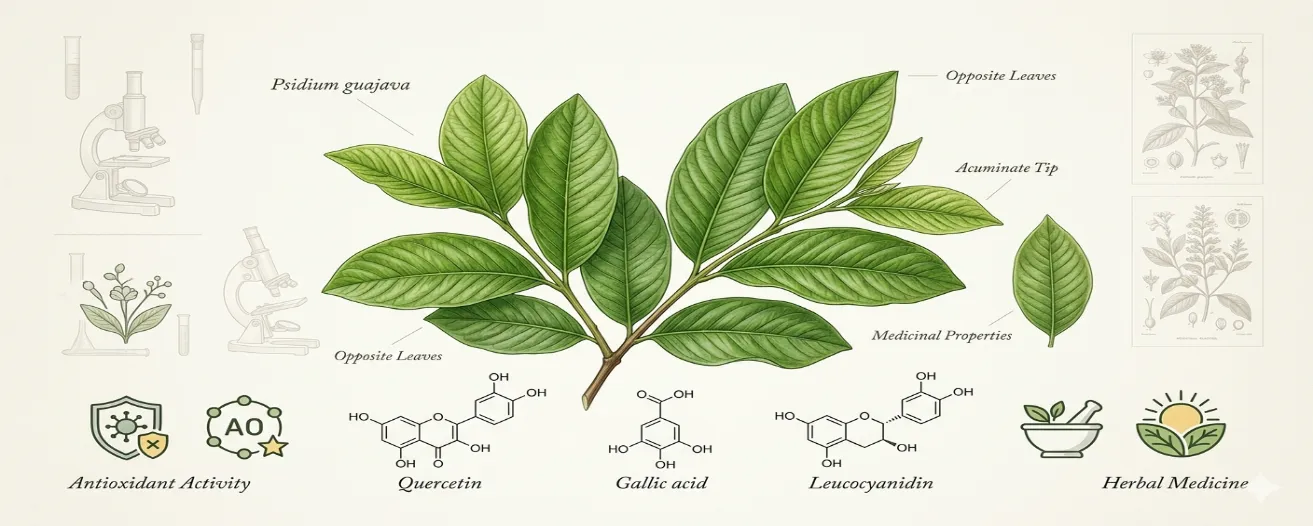
Guava (Psidium guajava) belongs to the family Myrtaceae and is widely cultivated in tropical and subtropical regions. The plant is well known for its nutritional fruits and medicinal leaves. Different parts of the guava plant including fruits, leaves, bark, and roots are traditionally used in herbal medicine for the treatment of various disorders.[3]
|
Parameter |
Description |
|
Scientific Name |
Psidium guajava |
|
Family |
Myrtaceae |
|
Common Name |
Guava |
|
Part Used |
Leaves |
|
Biological Source |
Dried leaves of Psidium guajava |
Taxonomical Classification
Guava leaves contain several phytoconstituents such as flavonoids, tannins, phenolic compounds, glycosides, terpenoids, and essential oils. These phytochemicals are responsible for various pharmacological activities including antioxidant, antimicrobial, anti-inflammatory, and antidiabetic effects.
Because of the presence of these bioactive compounds, guava leaves are considered highly suitable for nutraceutical and functional food applications.
Guava leaves possess significant medicinal and therapeutic properties and have been used traditionally for the treatment of diarrhea, dysentery, diabetes, cough, oral infections, and gastrointestinal disorders. The medicinal value of guava leaves is mainly attributed to the presence of flavonoids, tannins, and polyphenolic compounds.[4]
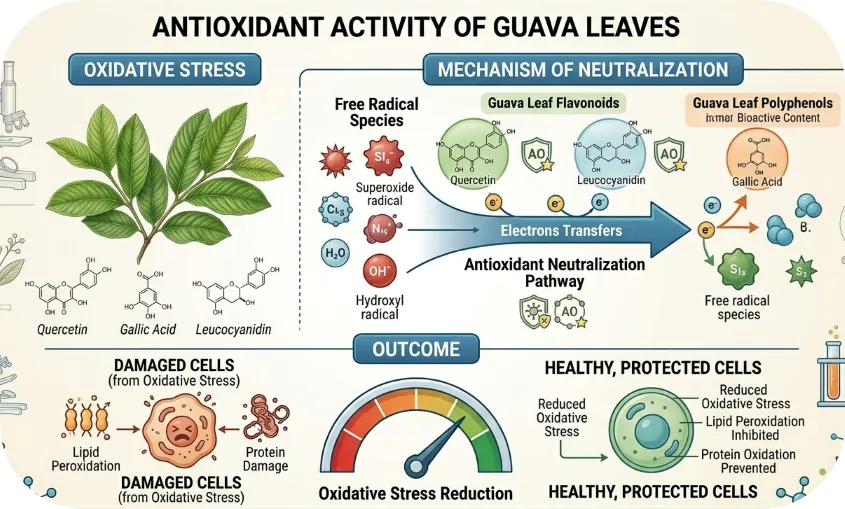
One of the major therapeutic properties of guava leaves is antioxidant activity. Antioxidants help neutralize harmful free radicals and reduce oxidative stress in the body. Oxidative stress is associated with several chronic diseases such as diabetes, cardiovascular disorders, cancer, and aging-related complications.
Guava leaves also exhibit antimicrobial activity against various pathogenic microorganisms. The antimicrobial action is mainly due to tannins and flavonoids present in the leaves, which interfere with microbial growth and metabolism.
In addition to antioxidant and antimicrobial effects, guava leaves are reported to possess anti-inflammatory, antidiabetic, gastroprotective, and hepatoprotective properties. Due to these multiple therapeutic benefits, guava leaves are widely used in herbal formulations and nutraceutical preparations.
Antioxidants are compounds that protect biological systems against oxidative damage caused by reactive oxygen species and free radicals. Excessive production of free radicals may lead to cellular damage, inflammation, aging, and chronic diseases.
Guava leaves are rich in natural antioxidants such as quercetin, catechin, gallic acid, and other polyphenolic compounds. These compounds exhibit strong free radical scavenging activity and help protect cells from oxidative stress.[5]
The antioxidant activity of guava leaves can be evaluated using different laboratory methods including:
Incorporation of guava leaf extract into chocolate formulations may improve the antioxidant profile of the final product and increase its nutraceutical value.
Guava leaves possess significant antibacterial and antifungal activities against several pathogenic microorganisms. Natural antimicrobial agents obtained from medicinal plants are becoming increasingly important because of rising microbial resistance to synthetic antibiotics.
The antimicrobial properties of guava leaves are mainly due to the presence of flavonoids, tannins, and essential oils. These phytochemicals inhibit microbial growth by damaging microbial cell membranes and interfering with protein synthesis.
Studies have shown that guava leaf extracts exhibit activity against microorganisms such as:
Due to these antimicrobial properties, guava leaf formulations may help support gastrointestinal health and improve overall immunity.
Nutraceutical guava leaf chocolate combines the nutritional value of chocolate with the medicinal properties of guava leaves. Such formulations may provide several health benefits including antioxidant protection, digestive support, immune enhancement, and reduction of oxidative stress.[6]
The presence of cocoa flavonoids along with guava leaf phytoconstituents may produce synergistic therapeutic effects. Chocolate formulations also improve the palatability of herbal products and increase patient compliance.
Some important health benefits of nutraceutical guava leaf chocolate include:
Therefore, nutraceutical herbal chocolates can serve as effective and consumer-friendly functional food products.
Modern lifestyle patterns, unhealthy food habits, stress, and environmental pollution have increased the occurrence of chronic diseases and nutritional deficiencies. As a result, consumers are increasingly demanding products that provide both nutritional and therapeutic benefits.
Conventional pharmaceutical dosage forms such as tablets and capsules may show poor patient compliance, particularly among pediatric and geriatric populations. Nutraceutical confectionery products such as herbal chocolates provide a more palatable and convenient alternative dosage form.
Advantages of nutraceutical chocolates include:
These advantages make herbal chocolates promising products for nutraceutical and functional food applications.
Although guava leaves possess excellent medicinal properties, their direct consumption is limited due to bitter taste and poor palatability. Most herbal preparations are available in the form of powders, capsules, and decoctions, which may reduce patient acceptability.
There is a need to develop an innovative nutraceutical dosage form that can effectively deliver guava leaf phytoconstituents while maintaining good taste and consumer acceptability. Chocolate-based herbal formulations may effectively mask bitterness and improve the overall acceptability of herbal products.
Therefore, the present study focuses on the development and evaluation of nutraceutical guava leaf chocolate as a novel functional food formulation.
The present research work has significant importance in pharmaceutical and nutraceutical fields because it focuses on the development of a herbal chocolate formulation containing guava leaf extract.[7]
The scope of the study includes:
The developed product may have future applications in nutraceutical industries, functional food sectors, herbal pharmaceutical industries, and health supplement markets.
LITERATURE REVIEW
Literature review is an important part of pharmaceutical and nutraceutical research because it provides scientific background regarding previously conducted studies, formulation approaches, medicinal plant applications, antioxidant activities, and evaluation methods. The present review focuses on nutraceuticals, herbal chocolates, guava leaves, antioxidant properties, antimicrobial activity, and functional food development.
Several researchers have reported that medicinal plants containing polyphenols, flavonoids, and tannins possess significant therapeutic activities and can be successfully incorporated into nutraceutical products. Chocolate-based herbal formulations have also gained increasing attention because of their improved palatability, patient compliance, and consumer acceptability.
Researchers introduced the concept of nutraceuticals and explained their role in disease prevention and health promotion. Nutraceutical products provide therapeutic benefits in addition to nutritional value and may reduce dependence on synthetic drugs.
Various studies reported that functional foods and nutraceutical products have become important components of preventive healthcare systems. Nutraceuticals containing natural antioxidants may reduce the risk of chronic diseases such as cardiovascular disorders, diabetes, and cancer.
Scientific investigations also highlighted the importance of bioactive plant constituents in improving human health. Nutraceutical products containing herbal ingredients can provide physiological and therapeutic benefits beyond basic nutrition.
The increasing global demand for nutraceutical products has encouraged pharmaceutical industries to develop innovative functional food formulations with improved stability, safety, and acceptability.
Herbal chocolates have gained significant importance in recent years due to their nutritional value and improved patient compliance. Several studies have been conducted on incorporation of medicinal plant extracts into chocolate formulations.
Research on herbal chocolates prepared using medicinal plant extracts demonstrated good consumer acceptability and enhanced antioxidant activity. Chocolate can serve as an effective carrier system for herbal ingredients because of its flavor masking properties and smooth texture.
Studies on nutraceutical chocolate formulations demonstrated that incorporation of herbal extracts into chocolates improved the functional value of the product without significantly affecting organoleptic characteristics. The prepared formulations exhibited acceptable hardness, melting point, texture, and stability.
Research investigations have also indicated that herbal chocolates may be particularly useful in pediatric and geriatric populations due to ease of administration and pleasant taste. Chocolate formulations effectively mask the bitterness associated with herbal ingredients and improve patient adherence.
Guava (Psidium guajava) leaves have been extensively studied for their medicinal and pharmacological activities. The leaves contain important phytoconstituents such as flavonoids, tannins, phenolic compounds, glycosides, and essential oils responsible for various therapeutic effects.
Studies investigating the medicinal properties of guava leaves reported significant antioxidant, antimicrobial, antidiabetic, and anti-inflammatory activities. Researchers concluded that guava leaves possess high therapeutic potential and can be used in herbal pharmaceutical formulations.
Pharmacognostic investigations on guava leaves reported the presence of quercetin, catechin, gallic acid, and other polyphenolic compounds which contribute to strong antioxidant activity. Researchers emphasized the importance of guava leaves in functional food and nutraceutical applications.
Several studies have also demonstrated the antidiarrheal and gastroprotective effects of guava leaves. Traditional systems of medicine have used guava leaf preparations for the treatment of gastrointestinal disorders, oral infections, wounds, and diabetes.
Oxidative stress plays an important role in the development of chronic diseases such as diabetes, cardiovascular disorders, aging, and cancer. Therefore, antioxidant-rich nutraceutical products are gaining significant attention in pharmaceutical research.
Studies have shown that guava leaves possess strong antioxidant activity due to the presence of flavonoids and phenolic compounds. Guava leaf extracts exhibited excellent free radical scavenging activity when evaluated using DPPH and ferric reducing antioxidant assays.
Cocoa used in chocolate formulations is also rich in flavonoids and polyphenols which contribute to antioxidant activity. Therefore, the combination of guava leaf extract and cocoa may produce synergistic antioxidant effects in nutraceutical chocolate formulations.
Several research studies have concluded that herbal formulations containing antioxidant-rich plant extracts may help reduce oxidative stress and improve overall health status.
The antimicrobial activity of guava leaves has been widely investigated against various pathogenic microorganisms. Researchers have reported that guava leaf extracts exhibit antibacterial and antifungal activities due to the presence of tannins, flavonoids, and terpenoids.
Microbiological studies on guava leaf extract demonstrated inhibitory activity against microorganisms such as Escherichia coli, Staphylococcus aureus, Salmonella species, and Candida albicans. The studies concluded that guava leaves may serve as natural antimicrobial agents in herbal formulations.
Research investigations also suggested that plant-based antimicrobial agents are becoming increasingly important because of rising microbial resistance associated with synthetic antibiotics. Herbal nutraceutical products containing antimicrobial phytoconstituents may help support gastrointestinal health and immunity.
Evaluation of chocolate formulations is an essential part of nutraceutical product development. Several researchers have studied physicochemical and organoleptic properties of chocolate formulations including hardness, melting point, texture, moisture content, taste, and stability.
Pharmaceutical evaluation studies reported that proper optimization of chocolate formulations is necessary to achieve acceptable texture, appearance, and melting characteristics. Excessive moisture content may affect stability and microbial growth, whereas improper hardness may reduce consumer acceptability.
Researchers also emphasized the importance of sensory evaluation studies for determining consumer preference and palatability of herbal chocolates. Parameters such as taste, odor, color, mouthfeel, and texture significantly influence the success of nutraceutical confectionery products.
|
Study Area |
Major Findings |
|
Nutraceuticals |
Important in disease prevention and health promotion |
|
Functional foods |
Natural antioxidants reduce chronic disease risk |
|
Guava leaves |
Significant antioxidant and antimicrobial activity |
|
Herbal chocolates |
Improved palatability and antioxidant potential |
|
Chocolate evaluation |
Physicochemical stability is essential for quality |
Although several studies have been conducted on guava leaves and nutraceutical formulations, limited research work is available on the development of nutraceutical guava leaf chocolate formulations. Most available herbal products are prepared as capsules, powders, syrups, or decoctions, which may show poor patient compliance due to bitterness and unpleasant taste.
Very few studies have focused on incorporating guava leaf extract into chocolate formulations while evaluating physicochemical properties, antioxidant activity, sensory characteristics, and stability parameters simultaneously.
Therefore, the present study aims to develop and evaluate nutraceutical guava leaf chocolate as an innovative herbal functional food product with improved palatability, antioxidant activity, and consumer acceptability.
|
Sr. No. |
Author/ Researcher |
Year |
Research Topic |
Major Findings |
Relevance to Present Study |
|
1 |
DeFelice |
1989 |
Nutraceutical concept |
Introduced the concept of nutraceuticals for health promotion and disease prevention |
Supports development of nutraceutical chocolate |
|
2 |
Diplock et al. |
1999 |
Functional foods |
Functional foods reduce risk of chronic diseases |
Provides scientific basis for herbal chocolate formulation |
|
3 |
Roberfroid |
2000 |
Functional food science |
Bioactive plant compounds improve physiological health |
Supports use of guava leaves in nutraceutical products |
|
4 |
Joseph and Priya |
2011 |
Medicinal properties of guava leaves |
Guava leaves possess antioxidant and antimicrobial activity |
Justifies selection of guava leaves |
|
5 |
Gutiérrez et al. |
2008 |
Phytochemistry of guava |
Guava leaves contain flavonoids and tannins |
Supports therapeutic potential of formulation |
|
6 |
Thaipong et al. |
2006 |
Antioxidant evaluation methods |
Guava extracts showed strong antioxidant activity |
Supports antioxidant studies of chocolate |
|
7 |
Rathod et al. |
2019 |
Herbal chocolate formulation |
Herbal chocolates improve palatability and compliance |
Supports chocolate as herbal carrier system |
|
8 |
Beckett |
2008 |
Chocolate science |
Chocolate composition affects texture and stability |
Useful for formulation development |
|
9 |
Afoakwa |
2010 |
Chocolate technology |
Proper chocolate processing improves product quality |
Supports preparation methodology |
|
10 |
Kiumarsi et al. |
2017 |
Antimicrobial activity of guava leaves |
Guava leaves inhibit microbial growth |
Supports medicinal value of formulation |
|
11 |
Cowan |
1999 |
Plant antimicrobial agents |
Medicinal plants possess antimicrobial properties |
Supports herbal therapeutic applications |
|
12 |
Brand-Williams et al. |
1995 |
DPPH antioxidant assay |
DPPH assay useful for antioxidant evaluation |
Supports antioxidant testing method |
|
13 |
Kokate et al. |
2010 |
Pharmacognosy studies |
Medicinal plants contain active phytoconstituents |
Supports pharmacognostic significance |
|
14 |
Harborne |
1998 |
Phytochemical analysis |
Standard phytochemical methods for herbal drugs |
Supports extraction and evaluation methods |
|
15 |
Hii et al. |
2009 |
Cocoa polyphenols |
Cocoa contains antioxidant flavonoids |
Supports synergistic antioxidant activity |
Table 10. Summary Chart of Literature Review
Nutraceutical Concept
↓
Functional Food Development
↓
Medicinal Importance of Guava Leaves
↓
Phytochemical Constituents
↓
Antioxidant and Antimicrobial Activity
↓
Development of Herbal Chocolate
↓
Evaluation of Chocolate Formulation
↓
Stability and Acceptability Studies
↓
Development of Nutraceutical Guava Leaf Chocolate
Graphical Summary of Literature Findings
|
Research Area |
Contribution to Present Study |
|
Nutraceuticals |
Basis for functional food development |
|
Guava Leaves |
Source of antioxidant phytoconstituents |
|
Herbal Chocolates |
Improved palatability and compliance |
|
Antioxidant Studies |
Evaluation of therapeutic potential |
|
Chocolate Technology |
Stability and texture optimization |
|
Pharmacognosy |
Standardization of herbal ingredient |
|
Sensory Evaluation |
Consumer acceptability assessment |
Overall Interpretation of Literature Review
The reviewed literature indicates that guava leaves possess significant medicinal and antioxidant properties due to the presence of flavonoids, tannins, and polyphenolic compounds. Previous studies also demonstrate that chocolate formulations can effectively mask the bitterness of herbal ingredients while improving palatability and patient compliance.
The literature further suggests that nutraceutical products containing natural antioxidants may help reduce oxidative stress and improve overall health status. However, limited studies are available regarding incorporation of guava leaf extract into chocolate formulations. Therefore, the present research was undertaken to develop and evaluate nutraceutical guava leaf chocolate as a novel herbal functional food product.
OBJECTIVES OF STUDY
The present research work entitled “Development and Evaluation of Nutraceutical Guava Leaf Chocolate” was carried out with the aim of developing a novel herbal nutraceutical formulation with improved therapeutic value, antioxidant potential, and consumer acceptability. The study focused on formulation development, physicochemical evaluation, antioxidant assessment, and stability analysis of guava leaf chocolate formulations. The major objectives of the study are as follows:
2.1 Collection and Authentication of Plant Material
2.2 Preparation of Guava Leaf Powder/Extract
2.3 Formulation of Nutraceutical Chocolate
2.4 Evaluation of Organoleptic Properties
2.5 Evaluation of Physicochemical Parameters
2.6 Evaluation of Antioxidant Activity
2.7 Stability Study
2.8 Comparative Evaluation of Formulations
2.9 Development of Functional Nutraceutical Product
MATERIALS AND METHODS
The present research work was carried out for the development and evaluation of nutraceutical guava leaf chocolate using guava leaf powder/extract as a medicinal and functional ingredient. The methodology included collection and processing of guava leaves, preparation of extract, formulation of chocolate using different concentrations of guava leaf extract, and evaluation of prepared formulations for physicochemical, organoleptic, and antioxidant parameters.
The entire study was performed using standard pharmaceutical and nutraceutical formulation techniques under controlled laboratory conditions. [18]
The materials used in the preparation of nutraceutical guava leaf chocolate were of pharmaceutical or food grade quality. Fresh guava leaves were collected from local agricultural areas and all other ingredients were procured from authorized suppliers.
2.1 List of Materials Used
|
Sr. No. |
Material |
Category |
Use in Formulation |
|
1 |
Guava leaves |
Herbal ingredient |
Active nutraceutical agent |
|
2 |
Cocoa powder |
Chocolate base |
Flavor and antioxidant source |
|
3 |
Cocoa butter |
Lipid base |
Texture and consistency |
|
4 |
Milk powder |
Nutritional ingredient |
Taste enhancement |
|
5 |
Sugar |
Sweetening agent |
Palatability |
|
6 |
Vanilla essence |
Flavoring agent |
Flavor enhancement |
|
7 |
Distilled water |
Solvent |
Extraction process |
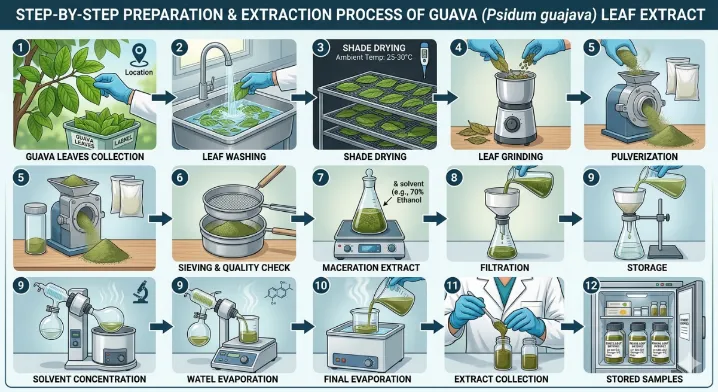
Fresh and healthy guava leaves were collected from local cultivated plants during the morning hours to ensure maximum phytochemical content. Diseased, damaged, and contaminated leaves were removed carefully.
The collected leaves were washed thoroughly with distilled water to remove dirt, dust particles, and foreign contaminants. The cleaned leaves were authenticated based on their morphological characteristics such as shape, color, odor, and texture.
The authenticated leaves were then subjected to drying and pulverization for further processing. [19]
4. Preparation of Guava Leaf Powder
4.1 Drying of Leaves
The washed guava leaves were shade dried at room temperature for approximately 7–10 days. Shade drying was preferred to prevent degradation of heat-sensitive phytoconstituents and preserve antioxidant activity.
The leaves were spread uniformly on clean trays and protected from direct sunlight, dust, and moisture during the drying process.
4.2 Pulverization
After complete drying, the leaves became brittle and were pulverized using a mechanical grinder to obtain coarse powder. The powdered material was sieved through suitable mesh size to ensure uniform particle distribution.
The prepared powder was stored in airtight containers protected from moisture and light until further use. [20]
The guava leaf extract was prepared using aqueous extraction method because of its simplicity, safety, and suitability for nutraceutical applications.
5.1 Extraction Procedure
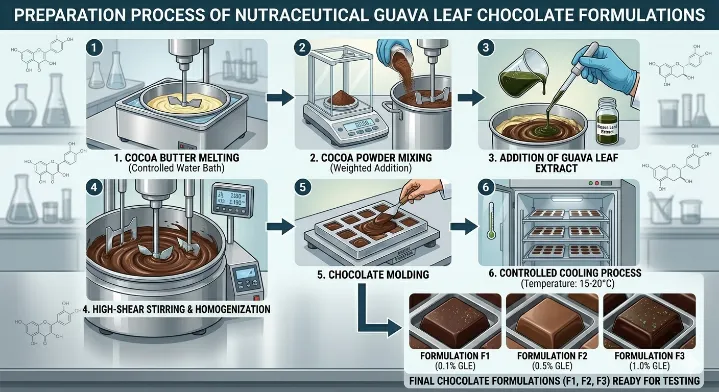
Nutraceutical guava leaf chocolates were prepared using standard chocolate manufacturing method. Different formulations were prepared by varying the concentration of guava leaf extract.
6.1 Formula for Chocolate Preparation
|
Ingredients |
F1 |
F2 |
F3 |
|
Guava leaf extract (g) |
1 |
2 |
3 |
|
Cocoa powder (g) |
15 |
15 |
15 |
|
Cocoa butter (g) |
10 |
10 |
10 |
|
Milk powder (g) |
8 |
8 |
8 |
|
Sugar (g) |
12 |
12 |
12 |
|
Lecithin (g) |
0.5 |
0.5 |
0.5 |
|
Vanilla essence (mL) |
0.2 |
0.2 |
0.2 |
6.2 Method of Chocolate Preparation
Step 1: Preparation of Chocolate Base
Cocoa butter was melted using water bath method at controlled temperature of approximately 40–45°C. Cocoa powder and milk powder were added slowly with continuous stirring to obtain a uniform mixture.
Step 2: Addition of Guava Leaf Extract
Measured quantity of guava leaf extract was incorporated into the chocolate base according to formulation design (F1, F2, and F3). Continuous stirring was performed to ensure uniform distribution of extract throughout the formulation.
Step 3: Addition of Excipients
Sugar, lecithin, and vanilla essence were added to improve sweetness, texture, emulsification, and flavor characteristics.
Step 4: Molding Process
The prepared chocolate mixture was poured into suitable molds and allowed to cool at refrigerated temperature until solidification occurred.
Step 5: Packaging and Storage
Prepared chocolates were removed carefully from molds, wrapped in aluminum foil, and stored in airtight containers under cool and dry conditions for further evaluation studies. [22]
Prepared nutraceutical guava leaf chocolates were evaluated for various organoleptic, physicochemical, and stability parameters.
7.1 Organoleptic Evaluation
Organoleptic properties of the prepared formulations were evaluated visually and manually.
Parameters Evaluated
These parameters were evaluated to determine consumer acceptability and overall product quality. [23]
7.2 Weight Variation Test
Individual chocolates from each formulation batch were weighed separately using digital weighing balance.
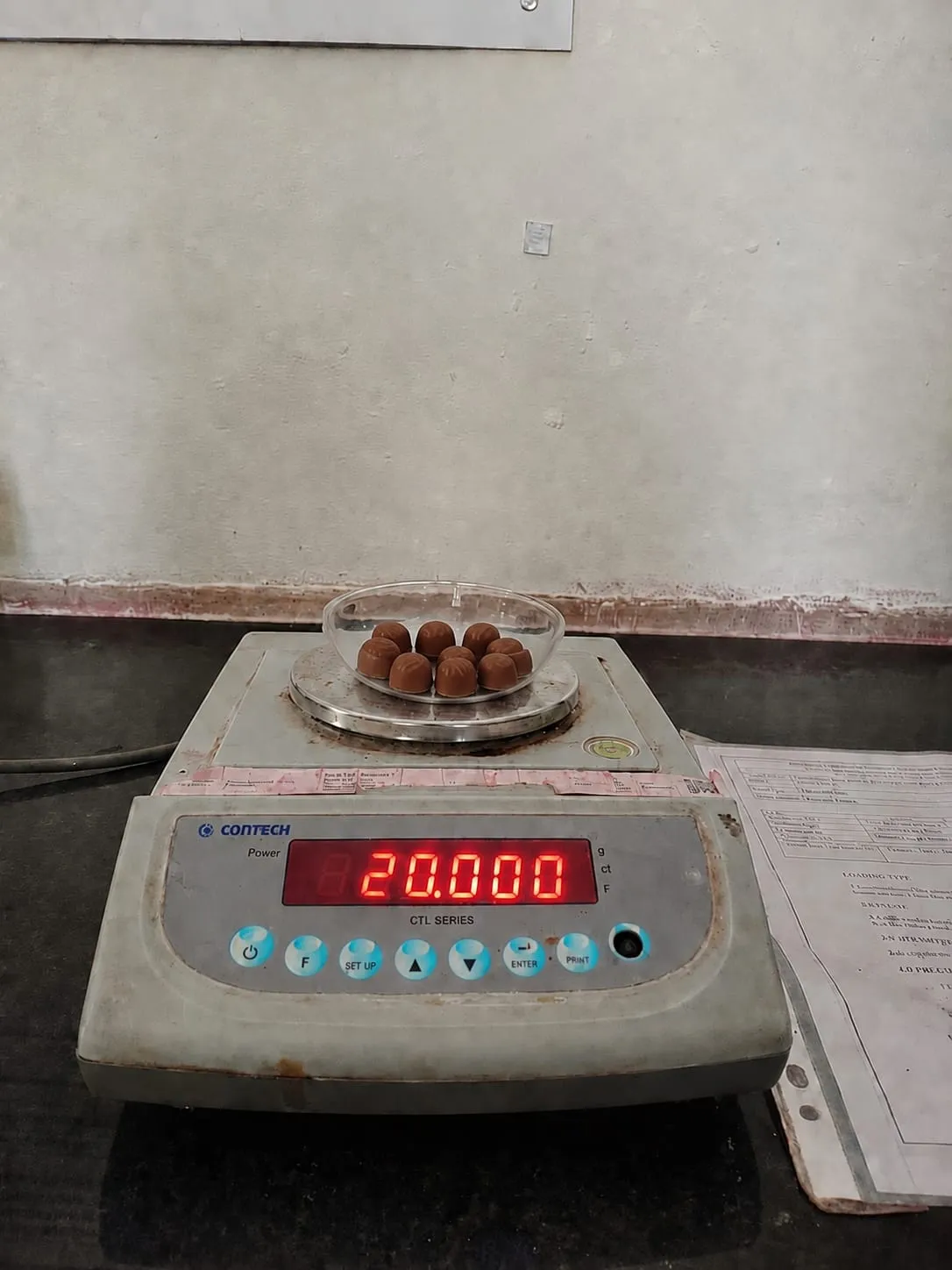
Procedure
The test was performed to ensure uniformity of formulation. [24]
7.3 Hardness Test
Hardness of chocolate formulations was determined using suitable hardness testing method.
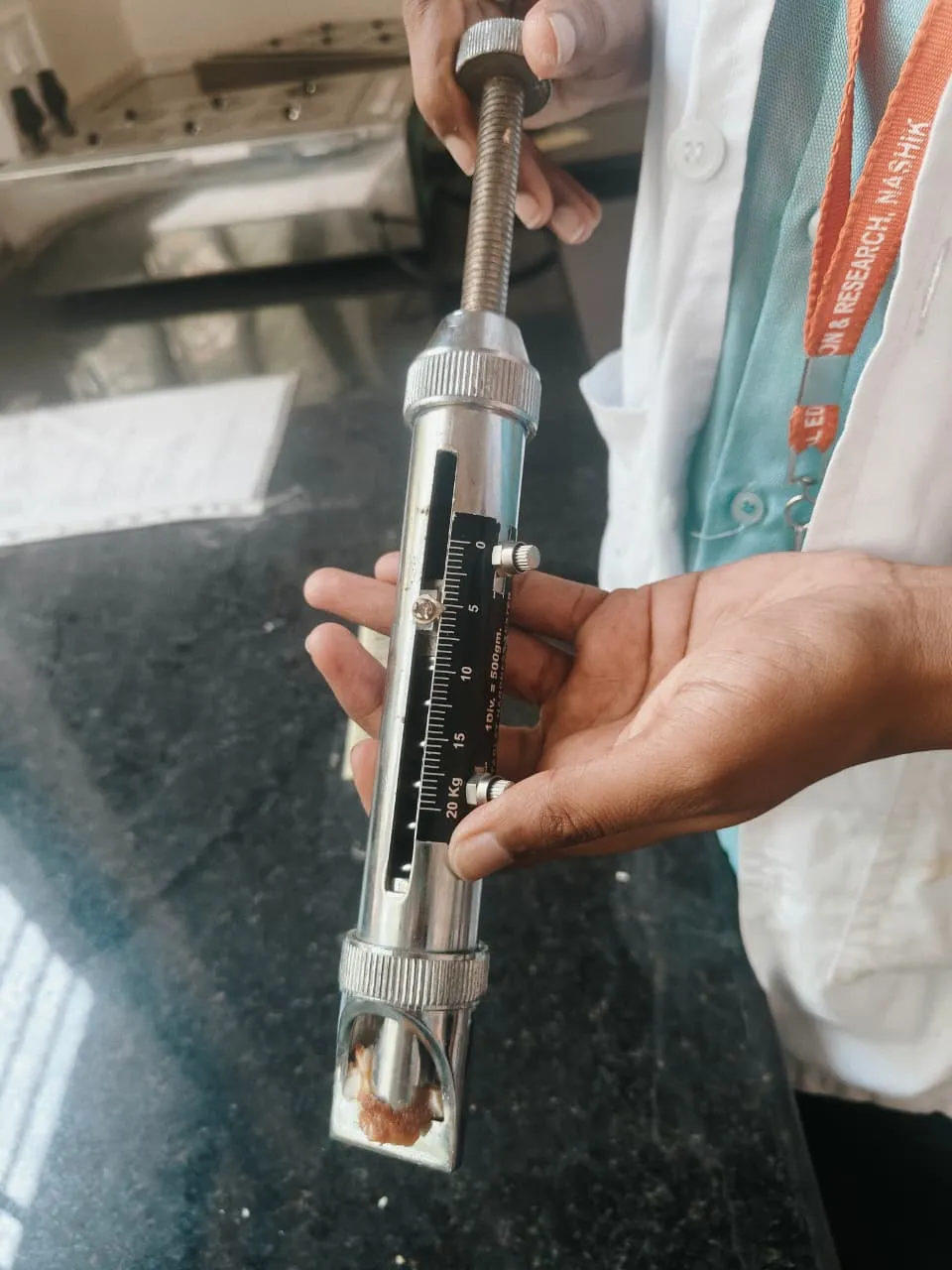
Purpose
Proper hardness is essential for maintaining product stability and consumer acceptability. [25]
7.4 Determination of Melting Point
Melting point of chocolate formulations was determined using capillary method.
Importance
The melting behavior of chocolates significantly affects sensory acceptability. [26]
7.5 Determination of pH
The pH of chocolate formulations was determined by dispersing sample in distilled water followed by pH measurement using digital pH meter.

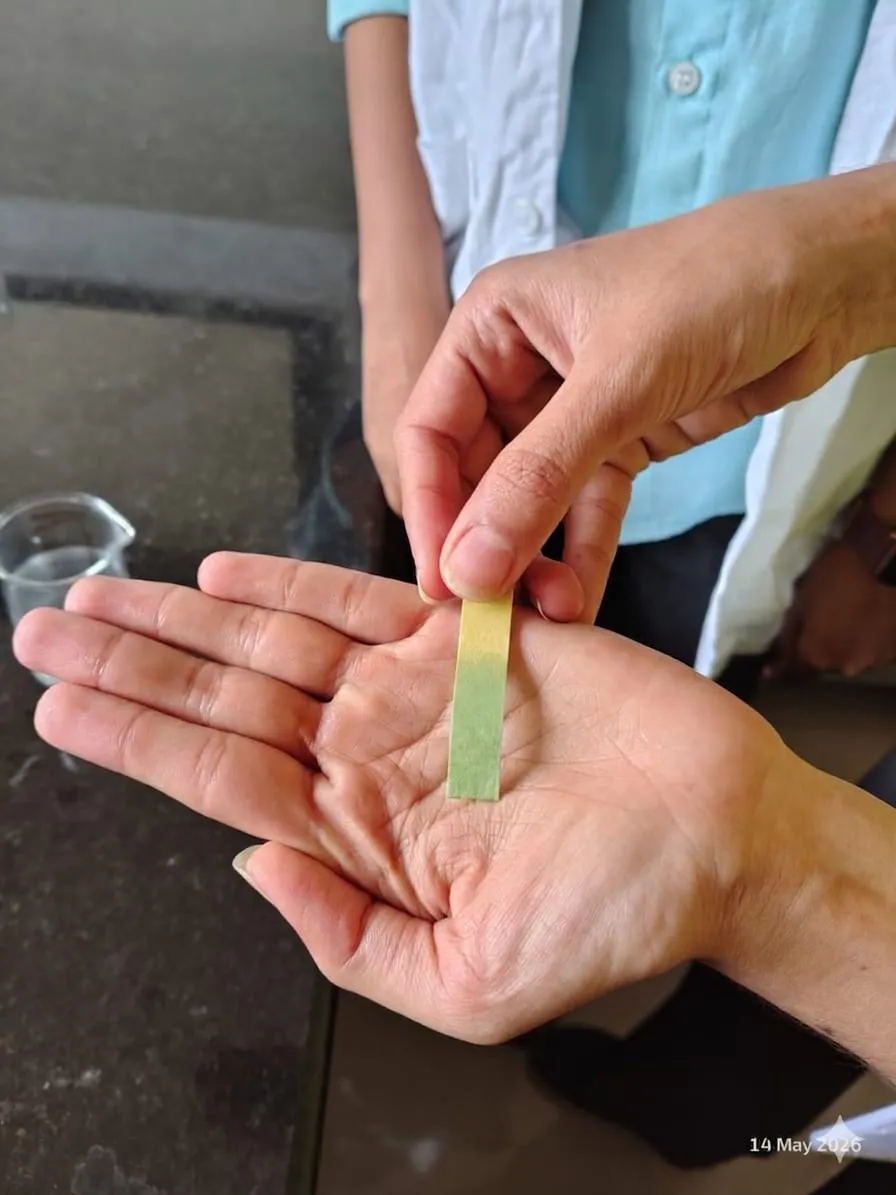
Importance of pH Study
7.6 Moisture Content Determination
Moisture content was determined using drying method.
Importance
The moisture content of nutraceutical chocolate should remain within acceptable limits for maintaining quality. [27]
7.7 Antioxidant Activity Study
Antioxidant activity of guava leaf chocolate formulations was evaluated using DPPH free radical scavenging assay.
Principle
The method is based on reduction of DPPH radicals by antioxidant compounds present in guava leaf extract.
Importance
Higher antioxidant activity indicates better therapeutic potential of the formulation. [28]
7.8 Stability Study
Stability studies were carried out to determine the effect of storage conditions on formulation quality.
Parameters Observed During Stability Study
The formulations were stored under room temperature and refrigerated conditions for evaluation of stability characteristics. [29]
RESULTS
The prepared nutraceutical guava leaf chocolate formulations (F1, F2, and F3) were successfully developed and evaluated for various organoleptic, physicochemical, antioxidant, and stability parameters. The results obtained from evaluation studies indicated that incorporation of guava leaf extract influenced texture, taste, antioxidant activity, and overall formulation characteristics.
Comparative evaluation of all formulations was carried out to identify the most suitable nutraceutical chocolate formulation with acceptable quality, stability, and therapeutic potential. [30]
Organoleptic evaluation was performed to assess the sensory characteristics of prepared chocolate formulations including color, odor, taste, texture, and appearance.
|
Parameters |
F1 |
F2 |
F3 |
|
Color |
Dark Brown |
Dark Brown |
Brownish Green |
|
Odor |
Pleasant |
Pleasant |
Slight Herbal Odor |
|
Taste |
Sweet and Acceptable |
Slightly Bitter |
Bitter |
|
Texture |
Smooth |
Smooth |
Slightly Granular |
|
Appearance |
Uniform |
Uniform |
Slightly Non-uniform |
Table 1. Organoleptic Evaluation of Nutraceutical Guava Leaf Chocolate
Observation
The weight variation test was performed to determine uniformity among prepared chocolate formulations.
|
Formulation |
Average Weight (g) |
Percentage Deviation |
|
F1 |
10.12 |
±1.2% |
|
F2 |
10.18 |
±1.5% |
|
F3 |
10.25 |
±1.8% |
Table 2. Weight Variation Study
Observation
All formulations showed acceptable weight variation within permissible pharmaceutical limits indicating uniform distribution of ingredients during formulation process. [32]
Hardness evaluation was performed to determine mechanical strength and texture consistency of chocolate formulations.
|
Formulation |
Hardness (kg/cm²) |
|
F1 |
3.2 |
|
F2 |
3.5 |
|
F3 |
3.9 |
Table 3. Hardness Study
Observation
Melting point determination was carried out to evaluate thermal stability and melting behavior of formulations.
|
Formulation |
Melting Point (°C) |
|
F1 |
33°C |
|
F2 |
34°C |
|
F3 |
35°C |
Table 4. Melting Point Study
Observation
All formulations showed suitable melting characteristics for chocolate formulations. Increase in herbal extract concentration slightly increased melting point values. [34]
The pH values of formulations were determined to evaluate compatibility and stability.
|
Formulation |
pH |
|
F1 |
6.4 |
|
F2 |
6.2 |
|
F3 |
6.0 |
Table 5. pH Study
Observation
All formulations showed near neutral pH indicating suitability for nutraceutical consumption and formulation stability. [35]
Moisture content analysis was performed to evaluate stability and shelf-life characteristics.
|
Formulation |
Moisture Content (%) |
|
F1 |
1.8 |
|
F2 |
2.0 |
|
F3 |
2.3 |
Table 6. Moisture Content Study
Observation
Antioxidant activity was evaluated using DPPH free radical scavenging assay.
|
Formulation |
Percentage Inhibition (%) |
|
F1 |
62% |
|
F2 |
74% |
|
F3 |
85% |
Table 7. Antioxidant Activity Study
Observation
Stability studies were carried out under room temperature and refrigerated conditions for 30 days.
|
Parameter |
F1 |
F2 |
F3 |
|
Change in Color |
No Change |
No Change |
Slight Change |
|
Change in Odor |
No Change |
No Change |
Slight Herbal Odor |
|
Texture Stability |
Stable |
Stable |
Slightly Hard |
|
Appearance |
Uniform |
Uniform |
Slightly Non-uniform |
Table 8. Stability Study
Observation
|
Evaluation Parameter |
Best Formulation |
|
Taste |
F1 |
|
Texture |
F2 |
|
Hardness |
F2 |
|
Antioxidant Activity |
F3 |
|
Stability |
F2 |
|
Overall Acceptability |
F2 |
Table 9. Comparative Evaluation Summary
Overall Observation
Among all formulations, F2 showed the best balance between antioxidant activity, texture, palatability, stability, and overall consumer acceptability. Although F3 exhibited highest antioxidant activity, increased bitterness and hardness reduced its sensory acceptability. F1 demonstrated excellent taste but comparatively lower antioxidant activity.
Therefore, F2 was considered the optimized nutraceutical guava leaf chocolate formulation. [39]
DISCUSSION
The present research work focused on the development and evaluation of nutraceutical guava leaf chocolate as a novel herbal functional food formulation. Different chocolate formulations containing varying concentrations of guava leaf extract were successfully prepared and evaluated for organoleptic, physicochemical, antioxidant, and stability parameters. The obtained results demonstrated that incorporation of guava leaf extract significantly influenced the quality characteristics and nutraceutical properties of the prepared formulations. [40]
The organoleptic evaluation revealed that all formulations possessed acceptable appearance and texture; however, variations were observed in taste and odor due to differences in concentration of guava leaf extract. Formulation F1 showed better sweetness and overall taste because of lower concentration of herbal extract. F2 demonstrated balanced sensory properties with acceptable herbal flavor and smooth texture, whereas F3 showed comparatively higher bitterness and slight herbal odor due to increased concentration of guava leaf extract. These findings indicate that excessive incorporation of herbal extract may adversely affect palatability and consumer acceptability of nutraceutical chocolates. [41]
The weight variation studies confirmed that all prepared formulations showed uniform distribution of ingredients and proper molding characteristics. The percentage deviations observed in all formulations were within acceptable pharmaceutical limits, indicating satisfactory formulation consistency and manufacturing uniformity.
Hardness evaluation demonstrated that increase in concentration of guava leaf extract resulted in increased hardness of chocolate formulations. F3 exhibited maximum hardness due to higher solid content contributed by the herbal extract. Although higher hardness may improve mechanical strength and handling properties, excessive hardness can negatively influence mouthfeel and sensory acceptability. F2 exhibited optimum hardness with satisfactory texture characteristics, suggesting appropriate balance between structural integrity and consumer preference. [42]
Melting point studies revealed slight increase in melting point values with increase in guava leaf extract concentration. The melting behavior of chocolate is an important parameter because it directly affects texture, storage stability, and mouthfeel. All prepared formulations showed suitable melting characteristics within acceptable range for chocolate products. The results indicated that incorporation of guava leaf extract did not significantly interfere with the melting properties of chocolate base.
The pH values of all formulations remained near neutral, indicating compatibility of formulation ingredients and suitability for nutraceutical consumption. Stable pH values also suggest lower possibility of chemical degradation and microbial instability during storage conditions.
Moisture content analysis demonstrated that all formulations contained low moisture levels suitable for maintaining product stability and preventing microbial contamination. Slight increase in moisture content was observed with increasing concentration of guava leaf extract. Excessive moisture in chocolate formulations may lead to microbial growth, texture changes, and reduced shelf life; however, all prepared formulations remained within acceptable moisture limits. [43]
One of the most significant findings of the present study was the antioxidant activity exhibited by nutraceutical guava leaf chocolate formulations. Antioxidant activity increased progressively from F1 to F3 due to higher concentration of guava leaf extract. Guava leaves are rich sources of flavonoids, phenolic compounds, quercetin, and tannins, which contribute to strong free radical scavenging activity. Cocoa present in chocolate formulations also contains flavonoids and polyphenolic compounds that may contribute synergistically to antioxidant effects. Therefore, incorporation of guava leaf extract successfully enhanced the nutraceutical value of chocolate formulations. [44]
Stability studies indicated that F1 and F2 formulations remained physically stable throughout the storage period without significant changes in appearance, texture, or odor. F3 showed slight hardening and mild changes in appearance during storage due to higher concentration of herbal extract. Refrigerated storage conditions were found to be more suitable for maintaining formulation stability and sensory characteristics.
Comparative evaluation of all prepared formulations demonstrated that F2 was the optimized formulation because it exhibited balanced organoleptic properties, acceptable hardness, good stability, and considerable antioxidant activity. Although F3 showed highest antioxidant activity, increased bitterness and hardness reduced overall acceptability. F1 exhibited superior taste but comparatively lower nutraceutical activity due to lower herbal concentration.
The present study successfully demonstrated that guava leaf extract can be effectively incorporated into chocolate formulations to develop nutraceutical products with improved therapeutic value and acceptable sensory characteristics. Chocolate proved to be an efficient carrier system for herbal ingredients because it effectively masked bitterness and improved palatability. The developed nutraceutical chocolate may serve as a promising functional food product for health-conscious consumers and may have future applications in pharmaceutical and nutraceutical industries. [45]
CONCLUSION
The present research work entitled “Development and Evaluation of Nutraceutical Guava Leaf Chocolate” was successfully carried out with the objective of developing a novel herbal nutraceutical formulation possessing therapeutic value, antioxidant activity, and improved consumer acceptability. Guava leaf extract was effectively incorporated into chocolate formulations to prepare nutraceutical chocolates with functional food potential.
The study confirmed that guava leaves contain valuable phytoconstituents responsible for antioxidant and medicinal activities. Incorporation of guava leaf extract into chocolate formulations significantly enhanced the nutraceutical value of the final product without causing major instability in formulation characteristics.
Different formulations (F1, F2, and F3) were prepared and evaluated for organoleptic properties, physicochemical parameters, antioxidant activity, and stability studies. The results demonstrated that all formulations possessed acceptable quality characteristics such as uniform appearance, suitable melting behavior, satisfactory hardness, acceptable pH, and low moisture content.
Among all prepared formulations, F2 was identified as the optimized formulation because it exhibited the best balance between taste, texture, antioxidant activity, stability, and overall consumer acceptability. Although F3 demonstrated highest antioxidant activity due to greater concentration of guava leaf extract, its increased bitterness and hardness slightly reduced sensory acceptability. F1 showed excellent palatability but comparatively lower antioxidant potential.
The antioxidant studies confirmed that nutraceutical guava leaf chocolate possesses significant free radical scavenging activity, mainly due to the presence of flavonoids and polyphenolic compounds in guava leaves and cocoa. The developed formulation therefore may help reduce oxidative stress and provide health-promoting benefits.
The study also demonstrated that chocolate can serve as an effective carrier system for herbal ingredients because it improves palatability, masks bitterness, and enhances patient compliance. Nutraceutical chocolates may therefore represent a promising alternative to conventional herbal dosage forms such as powders, syrups, and capsules.
In conclusion, nutraceutical guava leaf chocolate can be considered a promising herbal functional food with potential applications in nutraceutical, pharmaceutical, and health supplement industries. The developed formulation showed satisfactory stability, acceptable organoleptic properties, and enhanced antioxidant activity, making it suitable for future development as a commercial nutraceutical product.
REFERENCES




Krushi Haribhau Pradhan*, Pratik Umesh Bhabad, Janvi Dhanraj Patil, Varsha Rohit Chavan, Development And Evaluation Of Nutraceutical Guava Leaf Chocolate, Int. J. Sci. R. Tech., 2026, 3 (6), 660-682. https://doi.org/10.5281/zenodo.20621171
 10.5281/zenodo.20621171