

We use cookies to ensure our website works properly and to personalise your experience. Cookies policy
Delight College of Pharmacy, Koregaon Bhima, Pune, Maharashtra, India-412216.
Tuberculosis remains a major cause of infectious mortality, and successful treatment requires effective multidrug exposure across heterogeneous disease sites. Conventional administration is complicated by prolonged therapy, adverse effects, variable pharmacokinetics and incomplete access to some intracellular and tissue compartments. Liposomes provide aqueous and lipid domains capable of accommodating antitubercular drugs with different physicochemical properties. Their composition, size and surface characteristics influence drug retention, biological distribution and interaction with macrophages. This narrative review examines the rationale for liposomal treatment of tuberculosis, with particular attention to isoniazid and rifampicin, vesicle architecture, preparation principles, characterization and research evidence. Selected original studies support sustained drug delivery and improved preclinical performance, while recent co-encapsulation work demonstrates continuing interest in coordinated delivery of complementary agents. Nevertheless, cellular uptake, prolonged release and favourable laboratory findings do not independently establish clinical benefit. Major unresolved issues include access to diverse lesion compartments, maintenance of effective drug combinations, storage stability, reproducible manufacture and route-specific tolerability. Clinical experience with inhaled liposomal amikacin in nontuberculous mycobacterial disease provides a relevant platform precedent but does not demonstrate efficacy against tuberculosis. Liposomes should therefore be regarded as investigational tools for improving antitubercular drug delivery, with their therapeutic value dependent on rigorous pharmacological and clinical validation.
1. Introduction to Tuberculosis
1.1 Definition and Causative Organism
Tuberculosis (TB) is an infectious disease caused predominantly by Mycobacterium tuberculosis, an acid-fast bacterium within the M. tuberculosis complex. Pulmonary disease is the most familiar presentation, although lymph nodes, the central nervous system, bones and other organs may be involved. Its clinical importance reflects both the burden of disease and the difficulty of maintaining effective treatment and prevention services across populations [1].
1.2 Transmission and Risk Factors
Transmission occurs mainly through inhalation of airborne particles released by people with infectious pulmonary or laryngeal disease. Poor ventilation and prolonged shared indoor exposure increase transmission opportunities. HIV infection, undernutrition, diabetes, tobacco use and immunosuppression increase susceptibility to disease or adverse outcomes. Exposure, infection and progression to symptomatic disease are distinct events and should not be treated as interchangeable outcomes [1,2].
1.3 Latent and Active Tuberculosis
TB infection without clinically apparent disease is commonly termed latent TB infection; affected individuals do not transmit TB merely because an infection test is positive. Active disease involves clinically or microbiologically apparent illness and may be infectious when the respiratory tract is involved. Tuberculin skin tests and interferon-gamma release assays indicate immune sensitization and cannot, by themselves, distinguish infection from active disease. Assessment therefore requires the appropriate clinical and diagnostic context [2].
1.4 Global Burden and Drug-Resistant Tuberculosis
The WHO Global Tuberculosis Report 2025 estimated that 10.7 million people developed TB in 2024; approximately 1.23 million died, including people living with HIV. These are estimates for 2024 rather than contemporaneous case counts. Multidrug-resistant TB denotes resistance to at least isoniazid and rifampicin. Rifampicin-resistant TB is a broader category relevant to treatment selection, and susceptibility information remains essential when constructing effective regimens [1,3,4].
1.5 Conventional Treatment and Its Limitations
Drug-susceptible TB is treated with combinations of medicines rather than single agents. Isoniazid, rifampicin, pyrazinamide and ethambutol remain central to established regimens, while shorter options are available for selected populations. Current guidance also includes shorter all-oral approaches for eligible patients with drug-resistant disease. Consequently, older descriptions of routinely prolonged injectable-based treatment do not adequately represent contemporary practice [4].
Despite improvements in regimen design, adverse effects, drug interactions, variable exposure and treatment interruption remain important problems. A delivery system must be evaluated within the complete regimen: improving the exposure of one component is insufficient if companion drugs become ineffective or are poorly tolerated. Simplifying administration is useful only when it preserves treatment effectiveness and remains feasible for the intended population [4].
1.6 Need for Liposome-Based Targeted Drug Delivery
Liposomes offer a means of changing drug distribution and release without changing the identity of the active molecule. Early animal studies of encapsulated isoniazid and rifampicin supported the feasibility of altering organ exposure and therapeutic performance. The central rationale is improved delivery to relevant compartments while maintaining tolerability; treatment shortening and reduced resistance must remain hypotheses until directly demonstrated [5,6].
Scope of the review: This article is a narrative synthesis of selected original liposome studies, authoritative TB guidance and primary drug-identity resources. It is not a systematic review or meta-analysis. Clinical guidance, chemical identity, formulation evidence and translational interpretation are considered separately; findings from different carrier types or mycobacterial species are not assumed to be equivalent.
2. Antitubercular Drugs
2.1 Classification of Antitubercular Drugs
Antitubercular agents can be classified by their role in treatment regimens or by pharmacological class. Clinical selection depends on susceptibility, disease site, patient eligibility and prior exposure. The broad first-line/second-line distinction is useful for introductory discussion, but contemporary regimen-based recommendations provide a more accurate basis for treatment decisions [4].
Table 1: Selected Antitubercular Drug Classes and Treatment Roles [4]
| Class or role | Representative agents | Relevance to delivery |
|---|---|---|
| Core drugs for susceptible disease | Isoniazid, rifampicin, pyrazinamide, ethambutol | Different molecular properties complicate uniform co-delivery. |
| Fluoroquinolones | Levofloxacin, moxifloxacin | Use depends on regimen and susceptibility. |
| Other agents used in resistant disease | Bedaquiline, linezolid, pretomanid, delamanid, clofazimine, cycloserine | Carrier selection cannot substitute for clinical eligibility or safety assessment. |
2.2 Isoniazid Chemical Name, Structure and Molecular Formula
Isoniazid (INH), also called isonicotinic acid hydrazide, has the systematic name pyridine-4-carbohydrazide. Its molecular formula is C₆H₇N₃O and its molecular mass is approximately 137.14 g/mol. The molecule contains a pyridine ring bearing a carbohydrazide group at the 4-position. Its comparatively hydrophilic character favours association with the aqueous liposomal compartment rather than strong retention within the hydrocarbon region of the bilayer [7].
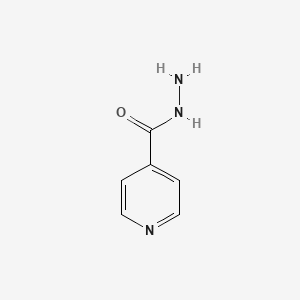
Figure 1: Two-dimensional Chemical Structure of Isoniazid. Source: PubChem CID 3767 [7].
2.3 Rifampicin Chemical Name, Structure and Molecular Formula
Rifampicin (RIF; rifampin) is a semisynthetic rifamycin antibiotic. Its chemical name can be expressed as 3-[(4-methylpiperazin-1-yl)iminomethyl]rifamycin SV. The molecular formula is C₄₃H₅₈Nâ‚„Oâ‚â‚‚ and the molecular mass is approximately 822.9 g/mol. Its ansamycin framework contains a bridged aromatic system, multiple oxygenated groups and a substituted piperazine moiety. The structure supports interactions with lipid bilayers, but its behaviour cannot be reduced to a simple hydrophobic-versus-hydrophilic classification [8].
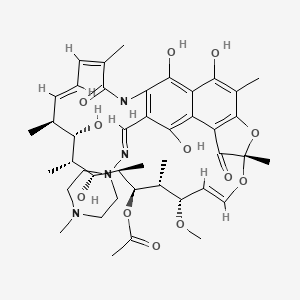
Figure 2: Two-dimensional Chemical Structure of Rifampicin. Source: PubChem CID 135398735 [8].
2.4 Binding, Molecular Targets and Mechanism of Action
Isoniazid is a prodrug whose activation leads to inhibition of InhA, an enoyl-acyl carrier protein reductase involved in mycolic acid biosynthesis. Interruption of this pathway compromises formation of essential cell-envelope components. Structural work established the role of InhA and its cofactor interactions in understanding isoniazid activity. Liposomal encapsulation modifies delivery; it does not remove the requirement for an active pharmacological pathway [7,9].
Rifampicin inhibits bacterial DNA-dependent RNA polymerase by binding to its β-subunit and obstructing productive RNA extension. Structural evidence explains how binding near the nascent RNA path interferes with transcription. Increasing local drug availability may improve exposure where inadequate delivery is limiting, but it should not be presented as a general solution to target-mediated resistance [10].
2.5 Physicochemical Properties Relevant to Drug Delivery
Table 2: Drug Properties Relevant to Liposomal Delivery [7,8]
| Property | Isoniazid | Rifampicin |
|---|---|---|
| Molecular formula | C₆H₇N₃O | C₄₃H₅₈Nâ‚„Oâ‚â‚‚ |
| Molecular mass | 137.14 g/mol | 822.9 g/mol |
| Structural character | Small pyridine carbohydrazide | Large oxygenated ansamycin |
| Likely formulation association | Predominantly aqueous compartment | Bilayer and interfacial association |
| Main delivery consideration | Retention of a small water-soluble solute | Solubilization, chemical stability and bilayer interaction |
Co-loading therefore requires drug-specific interpretation. The amount initially incorporated, the amount retained during storage and the amount released at the destination are different quantities. Equal formulation concentrations do not establish equal intracellular exposure. A meaningful comparison should follow each drug separately and consider the changing ratio between pharmacologically available components [11,12].
3. Liposomes
3.1 Definition
Liposomes are closed vesicles formed by one or more lipid bilayers surrounding an aqueous compartment. The amphiphilic organization of phospholipids creates a membrane-like barrier: polar head groups contact water, while hydrocarbon chains associate within the bilayer. Foundational studies of phospholipid assemblies established their ability to compartmentalize solutes and model membrane permeability [13].
3.2 Structure and Composition
Phospholipids form the structural framework, while cholesterol and other components can modify membrane organization. Composition influences permeability, rigidity and interactions with the surrounding medium. Water-soluble cargo can occupy the enclosed aqueous volume, whereas lipid-associated molecules can reside within or near the membrane. Surface-bound polymers or ligands introduce an additional layer of function, but also increase the number of attributes requiring characterization [13,14].
3.3 Types of Liposomes
Table 3: Structural Classification of Liposomes [13,14]
| Type | Defining architecture | Principal implication |
|---|---|---|
| Multilamellar vesicles (MLV) | Several concentric bilayers | Multiple aqueous layers; heterogeneous structure may complicate interpretation. |
| Small unilamellar vesicles (SUV) | One bilayer and relatively small internal volume | Limited aqueous volume per vesicle. |
| Large unilamellar vesicles (LUV) | One bilayer and larger aqueous interior | Greater aqueous capacity relative to smaller single-bilayer vesicles. |
MLV, SUV and LUV describe architecture rather than therapeutic quality. Size ranges used to name these categories vary across publications; measured distributions and evidence of lamellarity are therefore more informative than terminology alone. A small mean diameter should not automatically be interpreted as superior loading, targeting or clinical performance [14].
3.4 Role in Drug Delivery
The principal contribution of a liposome is to alter the relationship between the administered dose and the exposure experienced by tissues or cells. Encapsulation may protect a fraction of the payload and change its release profile. However, the carrier and drug need not remain associated throughout circulation or cellular processing, so vesicle localization alone is not proof that active drug reaches its intended destination [5,6,14].
4. Liposome-Based Drug Delivery Systems
4.1 Liposomal Delivery of Antitubercular Drugs
Isoniazid and rifampicin are prominent candidates because they contribute complementary pharmacological actions while differing substantially in molecular size and formulation behaviour. Published studies have examined their separate encapsulation and co-delivery. Comparisons should identify whether the intervention changes distribution, release, drug combination or administration route, because these differences influence the interpretation of any observed advantage [5,11,12].
4.2 Drug Loading and Encapsulation
Passive incorporation occurs during vesicle formation; other liposomal products use loading approaches based on differences between the internal and external environments. Such approaches are not interchangeable across molecules. A reported encapsulation percentage should specify how unassociated drug was distinguished from vesicle-associated drug and should be accompanied by drug recovery. Precipitated material or incompletely separated free drug can otherwise inflate apparent incorporation [14,15].
4.3 Mechanism of Drug Delivery
Distribution depends on vesicle properties, administration route and biological interactions. Macrophage-associated delivery has particular relevance to intracellular disease, and ligand-bearing formulations have been investigated for this purpose. In a study of dual-drug liposomes, mannosylated carriers showed favourable preclinical distribution and activity relative to comparator formulations. These observations support continued investigation rather than a universal claim of selective delivery to infected cells [11].
4.4 Intracellular Drug Release
After cellular association, drug availability depends on whether the vesicle is internalized, where it traffics and when its payload becomes accessible. Carrier uptake and antibacterial activity are separate endpoints. Imaging of a fluorescent lipid can reveal carrier-associated material but cannot independently establish the concentration of unbound antibiotic at its molecular target. Orthogonal measurements are consequently needed to connect distribution with pharmacological effect [5,11,15].
4.5 Evaluation of Liposomal Drug Delivery Systems
A useful evidence framework separates product quality, exposure, biological activity and tolerability. Formulation characterization establishes what was administered; pharmacokinetic and distribution measurements establish where drug-related material travelled; efficacy endpoints establish whether treatment improved outcomes. A favourable result in one category cannot replace evidence in the others. This distinction is especially important when comparing conventional and modified formulations with different free-drug fractions [15].
5. Preparation Methods of Liposomes
5.1 Thin-Film Hydration
Thin-film hydration involves generating a lipid film and subsequently hydrating it to form vesicles. It is widely used in exploratory liposome research, including antitubercular co-delivery studies. Its conceptual simplicity is balanced by heterogeneity in initial vesicle populations and the need to establish reproducibility. The method name alone does not specify a transferable product or demonstrate suitability for commercial manufacture [11,12,14].
5.2 Reverse-Phase Evaporation
Reverse-phase evaporation uses an emulsion-based principle to generate vesicles with appreciable internal aqueous volume. The original report demonstrated its value for solute capture. For pharmaceutical interpretation, potential advantages in aqueous cargo incorporation must be weighed against solvent handling, residual solvent assessment and the sensitivity of the payload to processing [16].
5.3 Solvent Injection and Controlled Mixing
Solvent-injection approaches form vesicles when lipids encounter an aqueous environment under mixing. Controlled mixing platforms offer a route toward more consistent process definition, although they do not guarantee equivalence to a film-hydrated product. Comparison requires examination of the resulting vesicles, residual materials, drug association and reproducibility rather than reliance on the preparation label [14,15].
5.4 Sonication, Extrusion and Downstream Processing
Sonication and membrane extrusion are generally size-modification operations rather than distinct therapeutic mechanisms. Purification removes unassociated material, while drying or other stabilization operations may change vesicle integrity. Each additional operation can affect recovery and release behaviour. A review of methods should therefore consider the complete processing sequence at a conceptual level, rather than assuming that size reduction alone creates an improved formulation [14].
6. Characterization of Liposomes
6.1 Particle Size, Polydispersity and Surface Charge
Particle size should be reported with the measurement method and distribution descriptor. Dynamic light scattering provides a hydrodynamic measurement, and its polydispersity index describes the breadth of the assessed population. Zeta potential reflects electrokinetic behaviour in the stated medium rather than an invariant material constant. Changes in dilution conditions or ionic environment can therefore alter apparent comparability between studies [14,15].
6.2 Entrapment Efficiency and Drug Loading
Entrapment efficiency (%) = 100 × mass of encapsulated drug / total drug mass used as the stated denominator. Drug loading (%) = 100 × mass of encapsulated drug / mass of the defined recovered drug-loaded formulation. The denominator must be explicit, because using total added drug or total recovered drug changes interpretation. For a combination product, both quantities should be reported separately for each active ingredient [12,15].
6.3 Morphology and Drug–Excipient Compatibility
Electron microscopy can help assess vesicle morphology, while cryogenic approaches preserve a state closer to the hydrated dispersion. Spectroscopic and thermal measurements provide complementary information on interactions or physical changes. Neither a single microscopy image nor the absence of a new infrared band is sufficient to prove uniformity or long-term compatibility. Structural observations should be interpreted alongside chemical integrity and recovery measurements [12,14].
6.4 In Vitro Release and Stability
Release measurements should distinguish liberation from the carrier from transport across the test apparatus. A mathematical fit describes the observed data under the chosen conditions; it does not by itself establish the in vivo mechanism. Stability assessment should consider drug degradation, leakage, aggregation and changes after handling or reconstitution. In dual-drug formulations, divergent loss or release can alter the intended combination even when total lipid remains unchanged [12,15].
6.5 Biological and Route-Specific Assessment
Biological evaluation should link exposure to a defined therapeutic outcome and examine tolerability independently. For pulmonary products, aerodynamic behaviour and compatibility with the administration device are distinct from the nanometre-scale size of the vesicles. The approved label for inhaled liposomal amikacin also illustrates that respiratory adverse reactions remain possible despite localized delivery [17].
7. Research Evidence in Tuberculosis
7.1 Foundational Pharmacological Studies
Deol and Khuller examined the stability, biodistribution and toxicity of lung-associated stealth liposomes containing antitubercular drugs. Their findings supported altered drug disposition and lower toxicity to macrophages under the conditions studied. In related work, Deol and colleagues evaluated therapeutic performance in a murine TB model. These studies established an early preclinical rationale, but their outcomes cannot be directly extrapolated to contemporary human multidrug treatment [5,6].
7.2 Sustained Delivery and Combination Formulations
Dutt and Khuller compared liposomes with poly (lactide-co-glycolide) microparticles as sustained-delivery carriers for isoniazid and rifampicin. The study is relevant because it separates the general goal of prolonged exposure from the properties of a particular carrier. Findings attributed to polymeric particles should not be reassigned to liposomes merely because both platforms appeared in the same investigation [18].
Shrivastava and colleagues investigated mannosylated and non-mannosylated liposomes containing both drugs. The reported vesicle size was 1.29 ± 0.24 µm, with entrapment efficiencies of 84.7 ± 1.25% for rifampicin and 31.8 ± 0.12% for isoniazid. These unequal values illustrate the difficulty of treating co-encapsulation as a single formulation outcome. The study supported macrophage-associated delivery in preclinical assessments; it did not establish a clinically effective human dose or treatment duration [11].
7.3 Recent Co-Encapsulation Evidence
Sinha and colleagues reported a 2026 co-loaded formulation with a mean size of 129.5 ± 2.20 nm and PDI of 0.369 ± 0.06. Entrapment efficiencies were 63.84 ± 1.62% for rifampicin and 56.92 ± 1.69% for isoniazid. These findings demonstrate nanoscale co-incorporation, although the PDI should not be described as evidence of a highly monodisperse population. Laboratory release and antimicrobial findings warrant further study; they do not substantiate clinical treatment shortening or resistance reversal [12].
Table 4: Selected Original Studies and Limits of Inference
| Study | Main contribution | Interpretive limitation |
|---|---|---|
| Deol and Khuller, 1997 [6] | Stability, distribution and toxicity evidence in mice | Preclinical disposition does not establish human selectivity. |
| Deol et al., 1997 [5] | Therapeutic evaluation of liposomal INH and RIF in murine TB | Animal efficacy requires clinical confirmation. |
| Dutt and Khuller, 2001 [18] | Comparison of liposomes and PLG carriers | Carrier-specific findings must remain separate. |
| Shrivastava et al., 2021 [11] | Mannosylated dual-drug vesicles; unequal drug entrapment | Micrometre-scale formulation; no human outcome evidence. |
| Sinha et al., 2026 [12] | Nanoscale dual-drug formulation and laboratory evaluation | No demonstrated clinical benefit or validated treatment shortening. |
7.4 Pulmonary Delivery and the Clinical Evidence Boundary
Liposomal amikacin inhalation suspension provides evidence that an inhaled liposome product can be developed for a defined mycobacterial indication. Its authorized use concerns selected adults with refractory Mycobacterium avium complex lung disease as part of combination therapy. MAC disease is not tuberculosis. This precedent supports the practical relevance of pulmonary liposome development while leaving efficacy, safety and regimen integration in TB unresolved [17].
8. Future Perspectives
8.1 Linking Targeting to Therapeutic Benefit
Future work should test whether a delivery change produces a meaningful improvement beyond increased carrier uptake. Relevant comparisons include exposure at disease sites, preservation of effective drug combinations and tolerability. Ligand-bearing carriers also need evidence that their behaviour remains consistent across clinically relevant biological conditions. A targeting claim is strongest when it links a defined distribution change to a reproducible therapeutic outcome [6,11].
8.2 Stability, Manufacture and Clinical Translation
A formulation intended for routine care must remain reproducible during scale-up, storage and administration. Manufacturing changes require product comparability, and the final dosage form must be assessed with its intended route and device. Development priorities should include feasible quality controls, acceptable shelf life and a clear pharmacokinetic rationale. Additional formulation complexity is justified only when it delivers a measurable advantage [15].
8.3 Clinical and Implementation Priorities
Clinical development should compare the investigational delivery strategy with an appropriate current regimen, rather than an obsolete standard. Outcomes must address efficacy, relapse, adverse effects and the burden of administration. Affordability, supply reliability and patient acceptability are also central to implementation. A product that performs well in laboratory testing may offer limited public-health value if it cannot be delivered consistently where TB care is needed [3,4].
CONCLUSION
Liposomes provide a scientifically credible platform for modifying antitubercular drug distribution and release. Their distinct aqueous and lipid domains support investigation of isoniazid and rifampicin, including combination delivery. Original studies establish preclinical promise, while recent work shows continued progress in co-encapsulation. The decisive evidence gap is the translation from formulation attributes to sustained clinical benefit. Claims of lower toxicity, reduced dosing frequency, resistance control or shorter treatment require direct confirmation. Further development should prioritize meaningful exposure measurements, effective drug combinations, reproducible product quality and comparisons against contemporary care.
10. Acknowledgement
REFERENCES



Rutuja P. Sonune, Vishal S. Madankar, Sampat D. Navale, Liposome-Based Targeted Drug Delivery for the Treatment of Tuberculosis: A Review, Int. J. Sci. R. Tech., 2026, 3 (11), 671-679. https://doi.org/10.5281/zenodo.24216855
 10.5281/zenodo.24216855