

We use cookies to ensure our website works properly and to personalise your experience. Cookies policy
Department Of Pharmaceutics, D K Patil Institute Of Pharmacy, Loha, Nanded.
Machine learning (ML), a subset of artificial intelligence (AI), has emerged as a transformative technology in pharmaceutical research by enabling the efficient analysis of large and complex datasets. The growing availability of biomedical, genomic, proteomic, and clinical data has accelerated the adoption of machine learning techniques across various stages of drug development. This review highlights the fundamental concepts of machine learning, including supervised learning, unsupervised learning, reinforcement learning, and deep learning, and discusses their significance in modern pharmaceutical sciences. Machine learning has demonstrated substantial potential in drug discovery through target identification, virtual screening, lead optimization, and toxicity prediction, thereby reducing development time and cost. Additionally, ML facilitates drug repurposing by identifying new therapeutic indications for existing drugs using data-driven approaches. In formulation development, machine learning supports optimization of formulation variables, prediction of critical quality attributes, and implementation of Quality by Design (QbD) principles. Furthermore, ML enhances clinical trial efficiency through improved patient recruitment, outcome prediction, and real-time data monitoring. The integration of machine learning with pharmacogenomics and healthcare data has also contributed significantly to the advancement of personalized medicine by enabling individualized treatment strategies. Despite its numerous advantages, challenges such as data quality issues, model interpretability, regulatory concerns, ethical considerations, and computational requirements remain barriers to widespread implementation. Future developments in explainable artificial intelligence, big data analytics, omics technologies, and digital healthcare systems are expected to further expand the role of machine learning in pharmaceutical research. Overall, machine learning represents a powerful tool for accelerating innovation, improving decision-making, and enhancing the development of safe, effective, and patient-centered pharmaceutical products.
Machine Learning (ML) is a branch of Artificial Intelligence (AI) that enables computer systems to learn patterns from data and make predictions or decisions without being explicitly programmed. The rapid growth of pharmaceutical data generated through genomics, proteomics, high-throughput screening, electronic health records, and clinical trials has created opportunities for the application of ML in pharmaceutical research (1,2).
Traditional drug discovery and development processes are time-consuming, expensive, and associated with high failure rates. The development of a new drug may require more than 10 years and billions of dollars in investment before reaching the market (3). Machine learning offers innovative solutions to these challenges by enabling rapid analysis of complex biological datasets, identification of potential drug candidates, prediction of pharmacokinetic and pharmacodynamic properties, and optimization of clinical trial designs (4).
In recent years, pharmaceutical industries and academic researchers have increasingly adopted ML algorithms to improve decision-making throughout the drug development pipeline. ML models can predict molecular activity, toxicity, bioavailability, drug-target interactions, and patient responses with greater accuracy compared to conventional statistical methods (5). These capabilities help reduce research costs, minimize experimental failures, and accelerate the development of safer and more effective therapeutic agents.
The integration of ML with big data analytics, cloud computing, and advanced computational biology has transformed pharmaceutical research. Applications now extend beyond drug discovery to formulation optimization, quality control, manufacturing process monitoring, pharmacovigilance, and personalized medicine (6). Furthermore, the emergence of deep learning techniques has significantly enhanced the ability to analyze complex biological and chemical datasets, facilitating the identification of novel therapeutic targets and biomarkers (7).
Machine learning is also playing a crucial role in precision medicine by enabling individualized treatment strategies based on genetic, environmental, and clinical data. Such approaches improve therapeutic outcomes while reducing adverse drug reactions (8). Despite these advantages, challenges such as data quality, algorithm interpretability, regulatory acceptance, and ethical concerns remain significant barriers to widespread implementation (9).
Overall, machine learning represents a transformative technology that is reshaping pharmaceutical research by increasing efficiency, reducing costs, and enhancing the success rate of drug development. Continued advancements in computational methods and data availability are expected to further expand its role in the pharmaceutical sciences (10).
Role of Machine Learning in Pharmaceutical Research
Drug Discovery
↓
Lead Optimization
↓
ADME/Toxicity Prediction
↓
Formulation Development
↓
Clinical Trial Design
↓
Personalized Medicine
↓
Pharmacovigilance
2. Machine Learning Techniques
Machine learning techniques can be broadly classified into supervised learning, unsupervised learning, reinforcement learning, and deep learning. Each technique has unique applications in pharmaceutical research depending on the type of data and research objectives.
2.1 Supervised Learning
Supervised learning utilizes labeled datasets to train models capable of predicting outcomes for new observations. The model learns the relationship between input variables and known outputs during training (1).
Common supervised learning algorithms include:
Applications in Pharmaceuticals
|
Algorithm |
Principle |
Pharmaceutical Application |
|
Linear Regression |
Predicts continuous values |
Solubility prediction |
|
Logistic Regression |
Binary classification |
Toxicity prediction |
|
Decision Tree |
Rule-based classification |
Drug candidate selection |
|
Random Forest |
Ensemble learning |
ADMET prediction |
|
SVM |
Hyperplane classification |
Drug-target interaction |
|
ANN |
Multi-layer learning |
Molecular property prediction |
Table 1. Supervised Learning Algorithms and Applications
2.2 Unsupervised Learning
Unsupervised learning analyzes unlabeled data to identify hidden patterns, clusters, or relationships. It is useful when predefined output labels are unavailable (2).
Common Algorithms
Applications
|
Method |
Function |
Pharmaceutical Use |
|
K-Means |
Data clustering |
Compound classification |
|
Hierarchical Clustering |
Similarity grouping |
Gene expression analysis |
|
PCA |
Dimensionality reduction |
Omics data analysis |
|
Association Rules |
Pattern discovery |
Drug utilization studies |
Table 2. Unsupervised Learning Methods
2.3 Reinforcement Learning
Reinforcement learning is based on an agent interacting with an environment and learning optimal actions through rewards and penalties. Unlike supervised learning, the algorithm learns through trial and error (3).
Applications
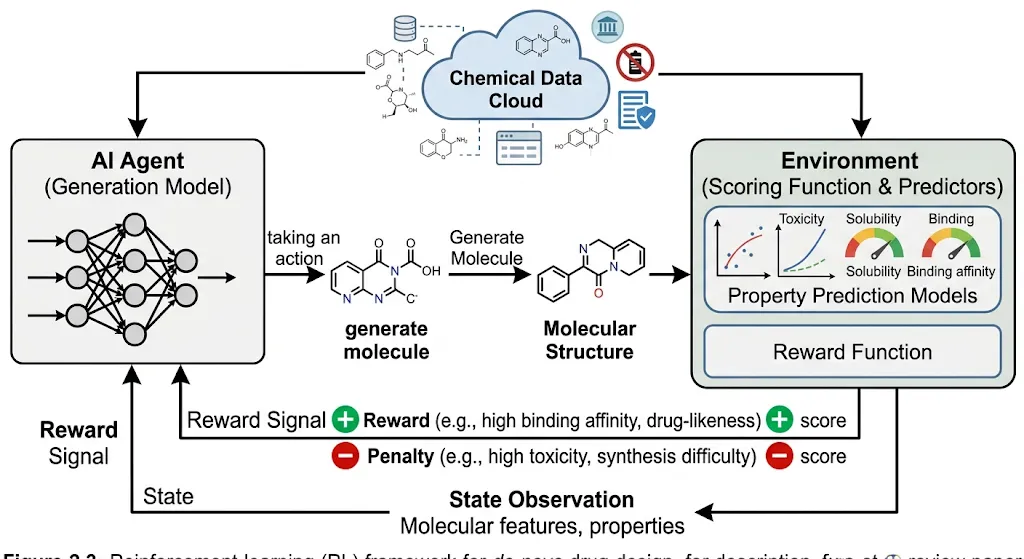
Fig 1: Reinforcement Learning (RL) Framework in De Novo Drug Design
2.4 Deep Learning
Deep learning is a subset of machine learning based on artificial neural networks with multiple hidden layers. It can automatically extract features from large and complex datasets (4).
Common Deep Learning Models
Applications
|
Model |
Characteristics |
Application |
|
CNN |
Image processing |
Histopathology analysis |
|
RNN |
Sequential data analysis |
Genomic sequence analysis |
|
LSTM |
Long-term memory capability |
Drug response prediction |
|
DNN |
Multi-layer learning |
Drug discovery |
Table 3. Deep Learning Models and Uses
Classification of Machine Learning Techniques
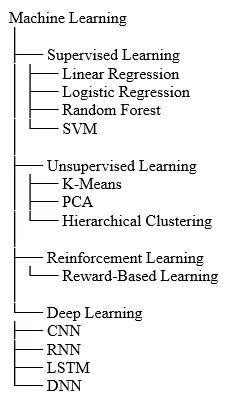
The adoption of these machine learning techniques has significantly enhanced pharmaceutical research by enabling faster drug discovery, accurate prediction of biological activities, optimization of formulations, and improved patient outcomes. Continued advancements in computational power and data availability are expected to further strengthen their role in modern pharmaceutical sciences
3. Applications of Machine Learning in Pharmaceutical Research
3.1 Drug Discovery
Drug discovery is one of the most significant applications of machine learning (ML) in pharmaceutical research. Conventional drug discovery is a lengthy and costly process involving target identification, hit discovery, lead optimization, and preclinical evaluation. Machine learning algorithms can analyze vast chemical and biological datasets to identify potential drug candidates with desired pharmacological properties (11).
ML models are capable of predicting drug-target interactions, biological activity, toxicity, and pharmacokinetic properties before laboratory testing. Deep learning techniques such as convolutional neural networks (CNNs) and graph neural networks (GNNs) can analyze molecular structures and identify compounds with high therapeutic potential. These computational approaches significantly reduce the number of compounds that require experimental screening, thereby lowering research costs and accelerating drug development (12,13).
|
Application |
Benefit |
|
Target Identification |
Discovery of novel therapeutic targets |
|
Virtual Screening |
Rapid screening of millions of compounds |
|
Lead Optimization |
Improvement of efficacy and safety |
|
Toxicity Prediction |
Early identification of adverse effects |
|
Drug-Target Interaction Prediction |
Enhanced success rate of candidate selection |
Table 4. Applications of ML in Drug Discovery
Machine Learning-Assisted Drug Discovery Process
Target Identification
↓
Virtual Screening
↓
Hit Identification
↓
Lead Optimization
↓
Preclinical Evaluation
↓
Clinical Development
3.2 Drug Repurposing
Drug repurposing involves identifying new therapeutic indications for existing drugs. Since approved drugs already possess established safety profiles, repurposing can substantially reduce development time and cost compared to de novo drug discovery (14).
Machine learning algorithms integrate genomic, proteomic, transcriptomic, and clinical datasets to identify novel drug-disease relationships. By analyzing large biomedical databases, ML models can predict previously unknown therapeutic applications for marketed drugs. This strategy gained considerable attention during the COVID-19 pandemic, where AI and ML tools were extensively used to identify potential antiviral agents from existing drug libraries (15).
ML-based drug repurposing offers several advantages, including reduced clinical failure rates, shorter development timelines, and lower regulatory hurdles. Network-based and deep-learning approaches are particularly effective in uncovering hidden associations between drugs, targets, and diseases (16).
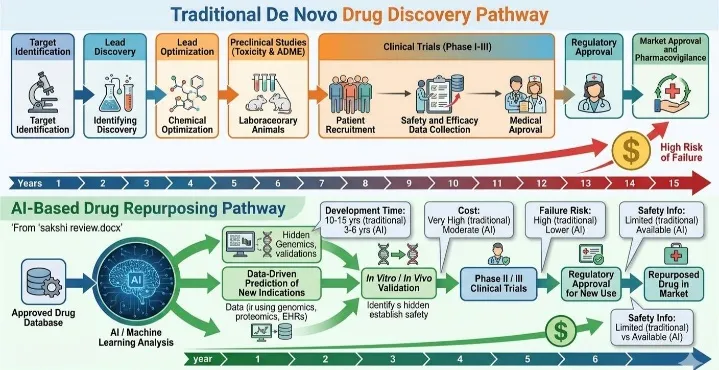
Fig 2: ML-Driven Drug Repurposing vs. Traditional De Novo Discovery
|
Parameter |
Conventional Drug Discovery |
Drug Repurposing |
|
Development Time |
10–15 years |
3–6 years |
|
Development Cost |
Very High |
Moderate |
|
Safety Information |
Limited |
Available |
|
Clinical Failure Risk |
High |
Lower |
Table 5. Advantages of Drug Repurposing Using ML
3.3 Formulation Development
Machine learning is increasingly being utilized in pharmaceutical formulation development to optimize formulation composition and manufacturing processes. Traditional formulation development relies heavily on trial-and-error experimentation, which is labor-intensive and resource-consuming (17).
ML algorithms can predict the effects of excipients, processing parameters, and formulation variables on critical quality attributes such as drug release, particle size, stability, and bioavailability. By analyzing historical formulation data, machine learning models assist researchers in selecting optimal formulation components and process conditions (18).
Applications include:
|
Formulation Area |
Machine Learning Application |
|
Tablets |
Dissolution prediction |
|
Nanoparticles |
Particle size optimization |
|
Nanoemulsions |
Stability prediction |
|
Transdermal Systems |
Permeation prediction |
|
Controlled Release Systems |
Release kinetics modeling |
Table 6. ML Applications in Formulation Development
ML-Based Formulation Optimization
Formulation Variables
↓
Data Collection
↓
Machine Learning Model
↓
Prediction of CQAs
↓
Optimized Formulation
3.4 Clinical Trials
Clinical trials represent one of the most expensive and time-consuming stages of drug development. Machine learning can improve clinical trial efficiency by enhancing patient recruitment, optimizing study design, predicting outcomes, and reducing trial failures (19).
ML algorithms analyze electronic health records, genetic information, and demographic data to identify suitable patient populations. Predictive models can estimate treatment responses and adverse effects, enabling better patient stratification and personalized treatment strategies during clinical trials (20).
Additionally, machine learning facilitates real-time monitoring of clinical trial data, helping researchers identify safety concerns early and improve decision-making processes. The use of AI-driven analytics has been shown to reduce trial duration and improve overall success rates (21).
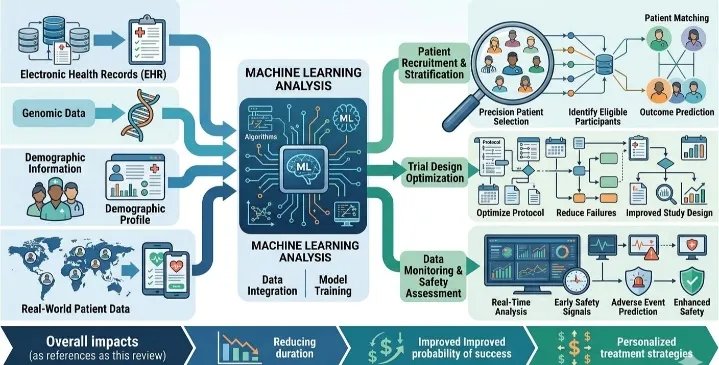
Fig 3: Machine Learning Framework for Clinical Trial Optimization
|
Clinical Trial Stage |
ML Contribution |
|
Patient Recruitment |
Identification of eligible participants |
|
Trial Design |
Optimization of protocols |
|
Data Monitoring |
Real-time analysis |
|
Safety Assessment |
Adverse event prediction |
|
Outcome Prediction |
Improved success probability |
Table 7. Role of ML in Clinical Trials
3.5 Personalized Medicine
Personalized medicine aims to provide individualized therapies based on a patient's genetic, environmental, and clinical characteristics. Machine learning plays a crucial role in analyzing complex healthcare datasets and identifying patterns that influence treatment responses (22).
ML models integrate genomic sequencing data, biomarker profiles, medical histories, and lifestyle information to predict disease susceptibility and therapeutic outcomes. This approach enables clinicians to select the most appropriate treatment while minimizing adverse drug reactions (23).
In oncology, machine learning has been widely applied for cancer diagnosis, prognosis prediction, biomarker discovery, and selection of targeted therapies. Similar applications are emerging in cardiovascular diseases, neurological disorders, and rare genetic diseases (24,25).
|
Area |
Application |
|
Oncology |
Precision cancer therapy |
|
Pharmacogenomics |
Drug response prediction |
|
Rare Diseases |
Early diagnosis |
|
Cardiovascular Diseases |
Risk assessment |
|
Neurological Disorders |
Personalized treatment planning |
Table 8. Applications of ML in Personalized Medicine
Machine Learning in Personalized Medicine
Patient Data
(Genomics + Clinical Records + Biomarkers)
↓
Data Integration
↓
Machine Learning Analysis
↓
Disease Prediction
↓
Therapy Selection
↓
Personalized Treatment
Machine learning has emerged as a transformative technology across multiple stages of pharmaceutical research. Its applications in drug discovery, drug repurposing, formulation development, clinical trials, and personalized medicine have significantly improved efficiency, reduced costs, and accelerated innovation. As computational methods and biomedical datasets continue to evolve, ML is expected to become an indispensable component of future pharmaceutical research and healthcare systems
4. Benefits of Machine Learning in Pharmaceutical Research
Machine learning (ML) has revolutionized pharmaceutical research by enabling the analysis of large and complex datasets, improving prediction accuracy, and accelerating decision-making processes. The integration of ML into pharmaceutical research has enhanced efficiency across drug discovery, formulation development, clinical trials, and personalized medicine (26).
4.1 Accelerated Drug Discovery
One of the primary advantages of machine learning is its ability to significantly reduce the time required for drug discovery. Traditional drug development is often associated with extensive experimental screening and high failure rates. ML algorithms can rapidly analyze millions of chemical compounds and identify promising drug candidates with desired biological activities, thereby reducing the duration of early-stage drug development (27).
4.2 Reduction in Research and Development Costs
The pharmaceutical industry invests billions of dollars in drug development, with many candidates failing during clinical evaluation. Machine learning minimizes unnecessary experimentation by accurately predicting molecular properties, toxicity, and pharmacokinetic behavior. This leads to substantial cost savings and improved allocation of research resources (28).
4.3 Improved Prediction Accuracy
Machine learning models can identify complex nonlinear relationships that are difficult to detect using conventional statistical approaches. Advanced algorithms such as random forests, support vector machines, and deep neural networks provide highly accurate predictions regarding drug efficacy, toxicity, stability, and patient response (29).
4.4 Enhanced Decision-Making
ML-driven analytics support researchers in making evidence-based decisions throughout the pharmaceutical development process. By integrating multiple datasets, machine learning enables informed selection of drug candidates, optimization of formulations, and efficient clinical trial management (30).
4.5 Optimization of Pharmaceutical Formulations
Machine learning facilitates the prediction of critical quality attributes (CQAs), including dissolution rate, particle size, drug release profile, and stability. This reduces the need for trial-and-error experimentation and accelerates formulation optimization under Quality by Design (QbD) principles (31).
4.6 Improved Clinical Trial Efficiency
Clinical trials often encounter challenges related to patient recruitment, protocol design, and data management. ML algorithms can identify suitable participants, predict treatment outcomes, and monitor safety data in real time. These capabilities improve trial success rates while reducing costs and timelines (32).
4.7 Advancement of Personalized Medicine
Machine learning enables individualized treatment strategies through the analysis of genomic, clinical, and biomarker data. Personalized therapeutic approaches improve treatment efficacy and reduce adverse drug reactions, contributing to better patient outcomes (33).
|
Benefit |
Impact on Pharmaceutical Research |
|
Faster Drug Discovery |
Reduced development timelines |
|
Cost Reduction |
Lower R&D expenditure |
|
Accurate Predictions |
Improved success rates |
|
Formulation Optimization |
Better product quality |
|
Clinical Trial Improvement |
Efficient patient management |
|
Personalized Medicine |
Individualized therapy |
|
Data Integration |
Better decision-making |
Table 9. Benefits of Machine Learning in Pharmaceutical Research
5. Challenges and Limitations of Machine Learning in Pharmaceutical Research
Despite its numerous advantages, machine learning faces several challenges that limit its widespread implementation in pharmaceutical research. Addressing these issues is essential for maximizing the reliability and applicability of ML-based systems (34).
5.1 Data Quality and Availability
Machine learning models are highly dependent on the quality and quantity of available data. Incomplete, inconsistent, biased, or poorly annotated datasets can significantly affect model performance and reliability. Many pharmaceutical datasets are fragmented across different organizations, limiting effective model training (35).
5.2 Limited Interpretability
Many advanced machine learning algorithms, particularly deep learning models, function as "black boxes," making it difficult to understand how predictions are generated. Lack of transparency can reduce confidence among researchers, clinicians, and regulatory authorities (36).
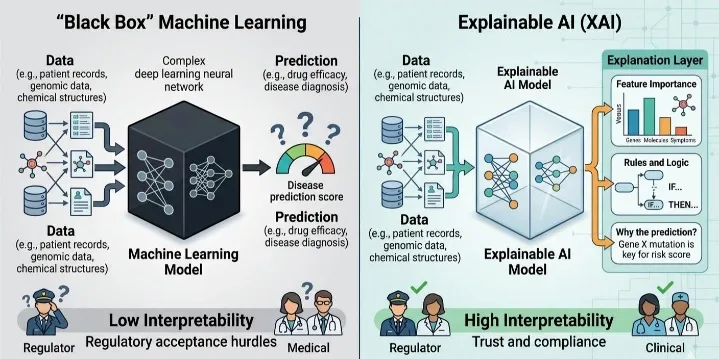
Fig 4: The "Black Box" Problem vs. Explainable AI (XAI)
5.3 Overfitting and Generalization Issues
Overfitting occurs when a model performs well on training data but poorly on new datasets. Pharmaceutical datasets are often limited in size, increasing the risk of overfitting and reducing the generalizability of ML models across diverse patient populations (37).
5.4 Regulatory Challenges
Regulatory agencies require transparency, validation, and reproducibility before adopting machine learning-based approaches in pharmaceutical development. Establishing standardized guidelines for ML implementation remains a significant challenge (38).
5.5 Ethical and Privacy Concerns
Machine learning applications frequently involve patient-specific information, including genomic and clinical data. Ensuring data privacy, confidentiality, and compliance with ethical standards is essential to prevent misuse of sensitive healthcare information (39).
5.6 Computational Complexity
Training sophisticated machine learning and deep learning models often requires high-performance computing infrastructure, specialized software, and skilled personnel. These requirements may limit implementation in resource-constrained research settings (40).
5.7 Data Bias and Model Fairness
Biases present in training datasets can lead to inaccurate predictions and unequal healthcare outcomes. Ensuring diversity and representativeness in pharmaceutical datasets is crucial for developing fair and reliable ML systems (41).
|
Challenge |
Impact |
|
Poor Data Quality |
Reduced model accuracy |
|
Limited Interpretability |
Difficulty in regulatory acceptance |
|
Overfitting |
Poor external validation |
|
Regulatory Issues |
Delayed implementation |
|
Privacy Concerns |
Ethical and legal challenges |
|
Computational Cost |
Increased infrastructure requirements |
|
Dataset Bias |
Reduced model fairness |
Table 10. Challenges and Limitations of Machine Learning
Although machine learning offers substantial advantages in pharmaceutical research, overcoming limitations related to data quality, interpretability, regulation, and ethics is critical for its successful integration into routine pharmaceutical development. Future advancements in explainable AI, standardized regulatory frameworks, and robust data management practices are expected to address many of these challenges and further enhance the utility of machine learning in pharmaceutical sciences
6. Future Perspectives of Machine Learning in Pharmaceutical Research
Machine learning (ML) is expected to play an increasingly important role in the future of pharmaceutical research. Advances in computational power, artificial intelligence, big data analytics, and biomedical sciences are likely to expand the scope and effectiveness of ML-driven approaches across the entire drug development lifecycle (42).
6.1 Integration with Artificial Intelligence and Big Data
The continuous growth of biomedical databases, genomic repositories, electronic health records, and real-world patient data provides unprecedented opportunities for machine learning applications. Future pharmaceutical research will increasingly integrate ML with big data analytics to extract meaningful insights from complex datasets, enabling faster identification of therapeutic targets and optimization of drug development processes (43).
6.2 AI-Driven Drug Discovery
Artificial intelligence and machine learning are expected to transform traditional drug discovery into a more automated and predictive process. Advanced deep learning algorithms, generative models, and molecular simulations will facilitate the rapid design of novel drug candidates with improved efficacy and safety profiles. AI-assisted platforms may significantly reduce the time required to discover and develop new medicines (44).
Future AI-Driven Drug Development
Big Data
↓
Artificial Intelligence
↓
Machine Learning Models
↓
Novel Drug Design
↓
Personalized Therapies
↓
Improved Healthcare Outcomes
6.3 Advancement of Precision and Personalized Medicine
The future of healthcare is increasingly moving toward personalized medicine, where treatments are tailored to individual patients based on genetic, molecular, and clinical characteristics. Machine learning algorithms will continue to improve the prediction of treatment responses, disease progression, and adverse drug reactions, enabling highly individualized therapeutic strategies (45).
6.4 Explainable Artificial Intelligence (XAI)
One of the major limitations of current machine learning systems is the lack of transparency in decision-making processes. Future research is focused on developing Explainable Artificial Intelligence (XAI), which provides understandable and interpretable predictions. Explainable models will enhance trust among researchers, clinicians, and regulatory authorities, facilitating broader adoption in pharmaceutical applications (46).
6.5 Digital Twins and Virtual Clinical Trials
Digital twin technology involves creating virtual representations of patients using clinical, physiological, and genomic data. Combined with machine learning, digital twins may allow researchers to simulate disease progression and treatment responses before conducting actual clinical studies. Virtual clinical trials could reduce costs, improve patient recruitment, and accelerate regulatory approval processes (47).
6.6 Integration with Omics Technologies
Machine learning is expected to become increasingly integrated with genomics, proteomics, metabolomics, transcriptomics, and other omics technologies. Such integration will enhance biomarker discovery, disease prediction, target identification, and personalized therapeutic interventions, leading to more effective and precise healthcare solutions (48).
6.7 Smart Pharmaceutical Manufacturing
Future pharmaceutical manufacturing will incorporate Industry 4.0 technologies, including machine learning, automation, robotics, and Internet of Things (IoT) systems. Real-time monitoring and predictive analytics will improve process control, product quality, and manufacturing efficiency while reducing operational costs (49).
|
Emerging Trend |
Expected Impact |
|
AI-Driven Drug Discovery |
Faster identification of drug candidates |
|
Personalized Medicine |
Individualized treatment strategies |
|
Explainable AI |
Improved transparency and trust |
|
Digital Twins |
Virtual simulation of patient outcomes |
|
Omics Integration |
Enhanced biomarker discovery |
|
Smart Manufacturing |
Improved quality and productivity |
|
Real-World Data Analytics |
Better clinical decision-making |
Table 11. Emerging Trends in Machine Learning for Pharmaceutical Research
6.8 Regulatory Evolution and Global Collaboration
As machine learning applications continue to expand, regulatory agencies are expected to develop standardized frameworks for validation, transparency, and ethical implementation. International collaboration among academia, industry, healthcare institutions, and regulatory organizations will be essential to establish best practices and ensure safe deployment of AI technologies in pharmaceutical research (50).
6.9 Sustainable and Efficient Drug Development
Future ML-based platforms are anticipated to reduce experimental waste, minimize resource utilization, and improve sustainability in pharmaceutical research. Predictive models can optimize experimental design, reduce laboratory failures, and facilitate environmentally responsible drug development practices (51).
Future Ecosystem of Machine Learning in Pharmaceuticals
Big Data + Omics Data
↓
Machine Learning Algorithms
↓
Explainable AI
↓
Drug Discovery & Development
↓
Digital Clinical Trials
↓
Personalized Medicine
↓
Smart Healthcare Systems
In conclusion, machine learning is poised to become a cornerstone of future pharmaceutical research. The convergence of artificial intelligence, big data, omics technologies, digital health systems, and advanced computational methods will drive innovation in drug discovery, formulation development, clinical trials, and precision medicine. Continued advancements in explainable AI, regulatory frameworks, and data-sharing initiatives will further strengthen the role of machine learning in creating safer, more effective, and patient-centered healthcare solutions
CONCLUSION
Machine learning has emerged as a transformative technology in pharmaceutical research, offering innovative solutions to many challenges associated with conventional drug development. Its applications span multiple domains, including drug discovery, drug repurposing, formulation development, clinical trial optimization, and personalized medicine. By enabling rapid analysis of large and complex datasets, machine learning facilitates informed decision-making, improves prediction accuracy, and accelerates the identification of promising therapeutic candidates.
The integration of machine learning techniques such as supervised learning, unsupervised learning, reinforcement learning, and deep learning has significantly enhanced the efficiency and effectiveness of pharmaceutical research processes. These approaches have contributed to reduced development timelines, lower research costs, improved formulation optimization, and better patient outcomes. Furthermore, advances in artificial intelligence, big data analytics, and omics technologies are expanding the potential applications of machine learning in healthcare and drug development.
Despite its numerous advantages, challenges related to data quality, model interpretability, regulatory compliance, ethical concerns, and computational requirements remain important considerations. Addressing these limitations through the development of explainable artificial intelligence, standardized regulatory frameworks, and robust data management systems will be essential for broader adoption.
Overall, machine learning is expected to play a pivotal role in shaping the future of pharmaceutical sciences. Continued technological advancements and interdisciplinary collaboration among researchers, healthcare professionals, industry stakeholders, and regulatory agencies will further enhance its contribution to the development of safer, more effective, and patient-centered therapeutic interventions.
REFERENCES


Sakshi Manoj Uplenchwar*, S. M. Ambore, Machine Learning In Pharmaceutical Research, Int. J. Sci. R. Tech., 2026, 3 (6), 1579-1594. https://doi.org/10.5281/zenodo.20935383
 10.5281/zenodo.20935383