

We use cookies to ensure our website works properly and to personalise your experience. Cookies policy
1Department of Pharmacology, JES's SND College of Pharmacy, Babhulgaon (Yeola), India
2Department of Pharmaceutical Quality Assurance, JES's SND College of Pharmacy, Babhulgaon (Yeola), India
3Department of Pharmaceutics, JES's SND College of Pharmacy, Babhulgaon (Yeola), India
Migraine is a prevalent and disabling neurological disorder characterized by recurrent headache attacks and associated symptoms such as nausea, vomiting, photophobia, and phonophobia. Conventional oral therapies may be limited by variable drug absorption, gastrointestinal disturbances, first-pass metabolism, delayed onset of action, and poor adherence, highlighting the need for individualized therapeutic approaches. Personalized migraine therapy integrates patient-specific factors, including genetic variability, hormonal status, comorbidities, migraine frequency, and treatment response, to optimize clinical outcomes. Transdermal drug delivery systems (TDDS) offer a promising platform for personalized migraine management by bypassing gastrointestinal and hepatic first-pass effects and enabling controlled and sustained drug release. Conventional patches, microneedles, iontophoresis, sonophoresis, electroporation, nanocarrier-based systems, and stimuli-responsive smart patches can enhance drug permeation and provide flexible dosing strategies. Biomarker-guided treatment, pharmacogenomics, and digital monitoring may further facilitate patient stratification and individualized patch selection. Emerging technologies integrating artificial intelligence, wearable sensors, nanomedicine, and closed-loop drug delivery could enable real-time adaptation of therapy according to patient needs. This review discusses the pathophysiological and molecular basis of migraine, principles of personalized medicine, innovative TDDS technologies, current clinical developments, challenges, and future perspectives, emphasizing their potential to improve therapeutic efficacy, safety, adherence, and patient-centered migraine care.
1.1 Overview of migraine and global burden
Migraine is a common and significant primary headache disorder marked by recurring bouts of moderate to severe head pain, typically affecting one side of the head. These headaches are characterized by pulsating sensations that worsen with physical activity and are frequently accompanied by symptoms such as nausea, vomiting, sensitivity to light (photophobia), and sound (phonophobia) [1] (fig 1) The recent data from the Global Burden of Disease Study underscore the widespread nature of migraine, ranking it as the sixth most common disorder globally and the second leading cause of years lived with disability [2]. The management of migraine includes acute and preventive pharmacotherapy using nonsteroidal anti-inflammatory drugs (NSAIDs), triptans, gepants, ditans, calcitonin gene-related peptide (CGRP)-targeted therapies, and monoclonal antibodies. However, therapeutic response varies considerably among patients because of differences in genetic makeup, disease phenotype, comorbidities, age, sex, and drug metabolism. Consequently, the concept of personalised migraine therapy has emerged, aiming to tailor treatment according to individual patient characteristics to maximize efficacy while minimizing adverse effects. [3,4]
Despite significant advances in pharmacotherapy, conventional oral dosage forms have several limitations in migraine management. During migraine attacks, nausea, vomiting, and delayed gastric emptying (gastroparesis) may impair drug absorption, resulting in delayed onset of action and inconsistent therapeutic outcomes. Injectable formulations can overcome some of these challenges but are associated with pain, poor patient acceptance, and reduced adherence. These limitations have prompted the development of alternative drug delivery systems capable of providing rapid, effective, and patient-friendly drug administration. [1,5] Transdermal drug delivery systems (TDDS) provide an attractive alternative to conventional dosage forms by delivering drugs across the skin directly into the systemic circulation. This route bypasses hepatic first-pass metabolism, offers sustained plasma drug concentrations, improves patient compliance, reduces dosing frequency, and enables non-invasive drug administration. [6] Recent innovations in transdermal technology, including microneedle arrays, iontophoresis, sonophoresis, nano formulations, lipid-based vesicles, polymeric nanoparticles, and smart wearable patches, have significantly enhanced skin permeability and expanded the range of drugs suitable for transdermal administration. [7,8]
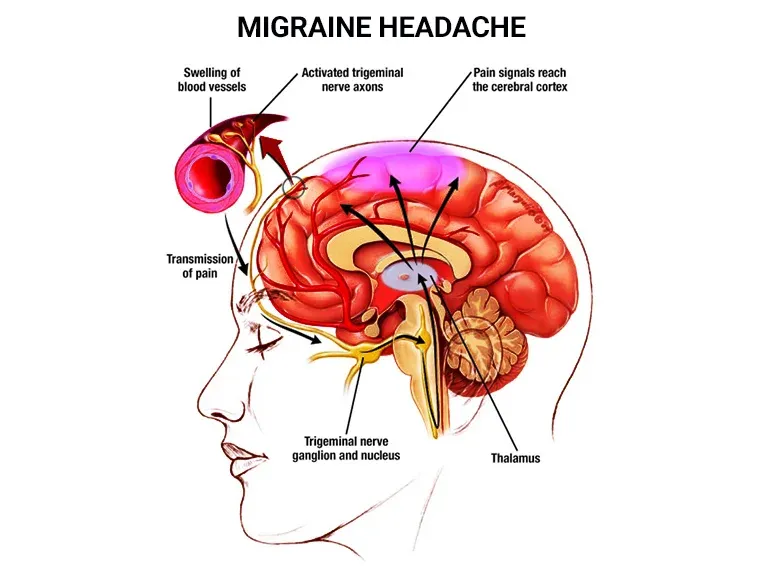
Figure 1: Symptomatic Sites of Migraine Headache
1.2. Classification of migraine
Migraine is broadly classified into migraine without aura and migraine with aura, based on the presence of transient neurological symptoms. According to frequency, it is categorized as episodic migraine and chronic migraine. Other recognized forms include menstrual migraine, vestibular migraine, and migraine with brainstem aura. These classifications are based on headache characteristics, aura symptoms, frequency, and associated clinical features. Table: 1 summarises the classification of migraine.
Table 1: Classification of Migranine
| Sr No. | Classification | Defination | Symptoms | Reference |
|---|---|---|---|---|
| 1. | Migraine with aura | It is a type of migraine featuring temporary nervous system warning sign | -Visual changes -Sensory disturbances -Speech issues -Movement or balance |
[9] |
| 2. | Migraine without aura | The most frequent type of migraine causing throbbing head pain, nausea and strong sensitivity to light and sound without any warning signs before the headache | -Stomach sickness -Light sensitivity -Sound sensitivity -Smell sensitivity |
[10] |
| 3. | Chronic migraine | It is a neurological condition defined as having headaches on 15 or more days per month for at least three months, with at least 8 of those days featuring fall migraine features. | -Severe throbbing -Head pain -Extreme sensitivity to light -Cognitive fatigue |
[11] |
| 4. | Menstrual migraine | A type of severe throbbing headache linked to a person periods. It is mostly triggered by the sharp drop is estrogen level just before menstruation. | -Throbbing or pulsing head pain, often on one side -Strong dislike of bright light and loud sound -Dizziness and extreme tiredness |
[12] |
| 5. | Vestibular migraine | It is neurological condition causing recurrent episodes of vertigo, dizziness, and balance problems | -Vertigo or a false spinning sensation -Imbalance and unsteadiness -Sensitivity to light, noise or motion. |
[13] |
1.3. Limitation of conventional oral and injectable therapies
1. Lot of medications, especially those with hydrophilic components that penetrate the A skin too slowly, might not work as intended. 2. Local erythema, itching, and oedema can be brought on by the medication, the adhesive, or any excipients in the patch formulation. 3. Ionic medicines cannot be delivered using TDDS. 4. TDDS is unable to achieve high drug concentrations in plasma or blood. 5. Drugs with large molecular sizes cannot be created using TDDS. 6. Pulsatile medication delivery is not possible with TDDS. 7. If a medicine or formulation irritates skin, TDDS cannot be established. 8. The barrier function of the skin varies from one place to another on the same individual, from person to person, and also with age [14].
1.4 Need for personalized medicine in migraine management
1. To Diagnosing disease earlier in development using optimal surveillance, thereby allowing more effective interventions or treatment options.
2. Avoiding preventable drug related complications and side effects resulting from generic “one size fits all” drug prescribing.
3. By ensuring appropriate drug is used and that the dosing regimen takes into consideration any genetic variants enhance the therapeutic efficacy which may affect metabolism of the drug.
4. If someone is at increased risk of developing a disease, followed by promotion of and support for compliance with available prevention strategies. [15]
5. Decreased health care cost.
6. Due to better targeted therapies, there will be higher probability to get desired outcomes.
7. Mainly focus on prevention and prediction of diseases rather than reaction.
8. Probability of negative side effects can be reduced.
9. Disease intervention will be earlier in comparison to the past.[16]
1.5. Role of transdermal drug delivery system (TDDS) in individualized treatment:
1. Transdermal delivery has a variety of advantages compared with the oral route. In particular, it is used when there is a significant first-pass effect of the liver that can prematurely metabolize drugs.
2. Transdermal delivery also has advantages over hypodermic injections, which are painful, generate dangerous medical waste and pose the risk of disease transmission by needle re-use, especially in developing countries .[17]
3. In addition, transdermal systems are non-invasive and can be self-administered.
4. They can provide release for long periods of time (up to one week). They also improve patient compliance and the systems are generally inexpensive.
5. Perhaps the greatest challenge for transdermal delivery is that only a limited number of drugs are amenable to administration by this route.
6. With current delivery methods, successful transdermal drugs have molecular masses that are only up to a few hundred Daltons, exhibit octanol-water partition coefficients that heavily favor lipids and require doses of milligrams per day or less [18,19]
7. It can provide a non-invasive alternative to parenteral routes, thus circumventing issues such as needle phobia [20]
8. A large surface area of skin and ease of access allows many placement options on the skin for transdermal absorption.[21]
9. The pharmacokinetic profiles of drugs are more uniform with fewer peaks, thus minimizing the risk of toxic side effects [20]
10. It can improve patient compliance due to the reduction of dosing frequencies and is also suitable for patients who are unconscious or vomiting, or those who rely on self-administration [22]
11. TDD avoids pre-systemic metabolism, thus improving bioavailability[23]
12. The use of the skin as a novel site for vaccination strategies, this organ is known to be replete with dendritic cells in both the epidermal and dermal layers which play a central role in immune responses making TDD an attractive vaccination route for therapeutic proteins and peptides [24,25]
2. Migraine pathophysiology and therapeutic targets
2.1 Neurobiology of migraine
2.1.1. Central sensitization:
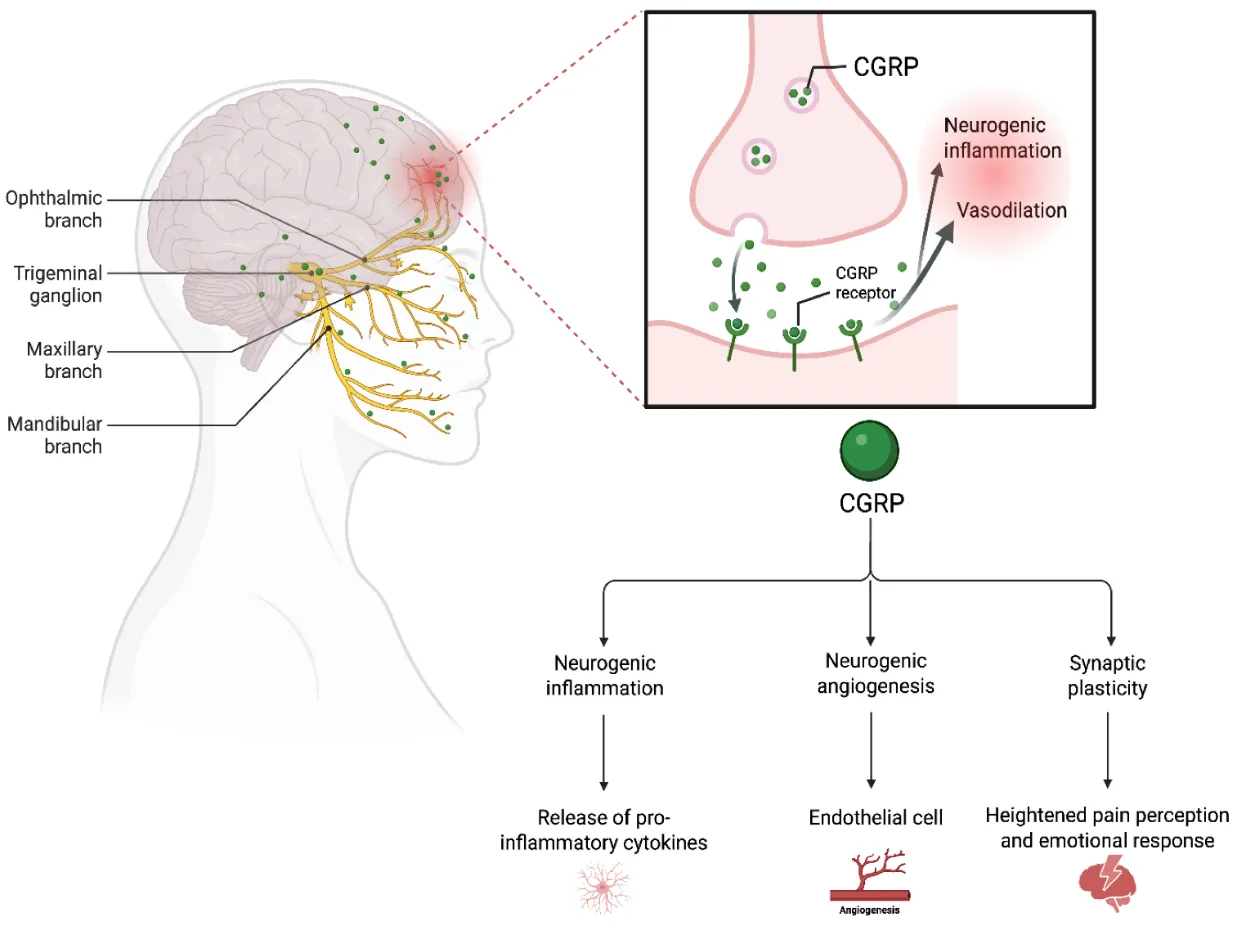
Figure 2: Central Sensitization Mechanism in Migraine [28]
Despite over three decades of research on CGRP, we have likely only scratched the surface in our understanding of CGRP actions in the CNS. So far, it is clear that CGRP contributes to central sensitization as a neuromodulator of glutamatergic signaling and that it works by both presynaptic and postsynaptic mechanisms [26] (fig.2). In general, this involves second messenger-mediated activation of presynaptic calcium channels and postsynaptic glutamate receptors in multiple regions of the brain. These actions have been studied in neurons of the spinal and medullary dorsal horns, amygdala, and anterior cingulate and insular cortices. To date, the evidence points to CGRP acting via cAMP-dependent pathways [27] that trigger immediate and long-term changes in protein function and gene expression, specifically those changes that underlie the neuroplasticity of central sensitization [29,30]. Organization is somewhat arbitrary, and there is certainly overlap. For example, CGRP-mediated nociceptive and aversive actions likely overlap in the transmission of sensations from the posterior thalamus and PBN to the insular cortex and amygdala .
2.1.2. Neurogenic inflammation:
In animal models, the highly effective triptan antimigraine drugs (5-HT1B/1D/1F receptor agonists) inhibit release of vasoactive neuropeptides from trigeminovascular nerve endings, and both neurogenic plasma extravasation and vasodilation in the meninges. They also inhibit transmission of nociceptive impulses to second-order neurons of the trigeminocervical complex [31]. So, their pharmacology is of limited use in trying to discriminate between the different pain mechanisms. On the other hand, effective inhibitors of plasma extravasation in animal models (such as neurokinin-1 (NK-1) endothelin ET-A/B receptor antagonists or conformationally restricted triptan analogues) with no effect on transmission in the trigeminocervical complex lack clinical efficacy in the treatment of migraine. Substance P was not found to be increased in the cranial venous circulation during migraine attacks, and it is not even clear whether plasma extravasation occurs in humans during migraine [32] .
2.1.3. Trigeminovascular system :
A large body of indirect evidence indicates that the development of migraine headache depends on the activation and sensitization of trigeminal sensory afferents that innervate cranial tissues, in particular, the meninges and their large blood vessels . [33] In the rat these cranial perivascular fibers have similar central projections terminating in the so-called trigeminocervical complex (TCC) comprising the C1andC2dorsal horns of the cervical spinal cord and the caudal division of the spinal trigeminal nucleus (TNC); the C-fiber terminals are located mainly in superficial layers and the A-δ fiber terminals in deep layers [34] The TCC makes direct ascending connections with different areas in the brain stem and with higher structures, including several hypothalamic and thalamic nuclei, which in turn make ascending connections with the cortex [34] A large fraction of migraineurs experience exacerbation of headache by light (photophobia).Investigators recently uncovered a neural mechanism for migraine photophobia [35]. Dura-sensitive thalamic neurons in the rat posterior thalamus receive monosynaptic input from retinal ganglion cells (mainly intrinsically photosensitive cells involved in non-image-forming functions), and light enhances the activity of dura-sensitive thalamic neurons located in the same area. The idea that a non-image-forming retinal pathway is involved in migraine photophobia is supported by the finding that exacerbation of headache by light was preserved in blind migraineurs who could sense
light in the face of severe degeneration of rod and cone photo receptors [35] The TCC receives descending projections from brain stem and hypothalamic nociceptive modulatory nuclei that may mediate descending modulation of trigeminovascular nociceptive traffic [36] . Indeed, electrical stimulation of the vlPAG or the nucleus raphae magnus in the RVM results in inhibition of the response of trigeminovascular TCC neurons to dural stimulation [37, 38]. Moreover, modulation of the response of trigeminovascular TCC neurons to dural stimulation [occurred after injection of orexin A or B or a somatostatin antagonist in the posterior hypothalamus [39,40].
2.1.4. Cortical Spreading Depression:
Increasing evidence from animal studies supports the idea that CSD, the underlying mechanism of aura, can activate trigeminal nociception and thus trigger headache mechanisms. A direct nociceptive effect of CSD was demonstrated by the find in gthata single CSD can lead to a long-lasting increase in ongoing activity of dural nociceptors and central trigeminovascular neurons in superficial and deep laminae of the TCC [41] . In most neurons activation occurred with a delay consistent with that between the onset of visual aura and the onset of headache; the delay as well as the magnitude and duration of neuronal activation were similar in peripheral and central neurons, suggesting that CSD-evoked activity of meningeal nociceptors is sufficient to activate the central neurons. Immediate neuronal activation by CSD was observed in a fraction of neurons, mainly C nociceptors and exclusively laminae I and II TCC neurons, suggesting that such activation may be mediated by peptidergic nociceptors with axon collaterals extending to the pia, where immediate activation may be mediated by increased K+ or other noxious mediators released in the wake of the CSD wave [42] This hypothesis is supported by the demonstration that CSDinduced CGRP release from perivascular trigeminal fibers contributes to the transient dilation of pial vessels measured during CSD [43]. A possible explanation for the long-lasting activation 373 www.annualreviews.org • Migraine Annu. Rev. Physiol. 2013.75:365-391. Downloaded from www.annualreviews.org by Harvard University on 04/15/13. For personal use only. of the dural afferents is that release of proinflammatory neuropeptides in the dura promotes NI that sustains the activation of meningeal nociceptors and leads to their sensitization [44]
2.2 Molecular targets
Migraine involves multiple molecular pathways associated with trigeminovascular activation, neurogenic inflammation, and pain transmission. Key molecular targets include calcitonin gene-related peptide (CGRP), serotonin (5-HT) receptors, PACAP, TRPV1 channels, and voltage-gated sodium channels. Targeting these pathways may reduce trigeminal activation and migraine-related pain. Table 2 summarises the molecular target in migraine.
Table 2: Major Molecular Targets in Migraine
| Molecular Target | Role in migraine | Therapeutic significance | Reference |
|---|---|---|---|
| Calcitonin Gene -related peptide (CGRP) | CGRP is a neuropeptide released from trigeminal nerves that causes . vasodilation, neurogenic in and lamination and pain transmission. | CORP receptor antagonists (Gepantsies and anti-CGRP are effective in m treatment antibodies migraine prevention and treatement. | [45] |
| Serotonin(HT/B/1D/F) | Activation of these receptors reduces CGRP release, inhibits pain transmission, and constricts dilated cranial blood vessels. | Triptans (5-HT1B / 1D agonists) and ditans (5- HT1F agonist ) are widely used as anti-migraine drug | [46] |
| PACAP (pituitary adenylate cyclase activating peptide) pathway | PACAP contributes to vasodilation, neuroinflammation and activation of trigeminal pain pathway triggering migraine attacks | PACAP and PAC1 receptor antagonists are emerging targets for novel migraine therapies. | [47] |
| Ion channels TRPV1 and sodium channels | TRPV1 mediates pain sensation ,while voltage -gated sodium channel regulate neuronal excitability and pain signaling | Drugs targeting TRPV1 and sodium channels may reduce migraine pain by decreasing neuronal hyperexcitability | [48] |
| Dopamine receptar | Dopamine is involved in premonitory migraine symptoms such as nausea ,vomiting ,yawning ,and hypersensitivity | Dopamine receptor antagonist (eg.metochopramide,prochlorperazine) help relieve migraine associated nausea and acute symptoms | [49] |
2.3 Factors influencing individual response:
3 Concept of personalized medicine in migraine:
3.1 Principles of personalized therapy
Precision medicine has gained increasing attention in recent years and has largely replaced the term “personalised medicine” [62,63]. It incorporates individual clinical, lifestyle, genetic, and biomarker information to improve patient-specific treatment strategies [62,64]. Precision medicine may be defined as treatments tailored to individual patient characteristics, including genetic, biomarker, phenotypic, or psychosocial factors [65]. It also involves integrating diverse clinical and biological data to stratify patients into subgroups, enabling more precise therapeutic approaches [66,67].
3.1.2. Patient stratification
The expanding therapeutic options for migraine provide clinicians and patients with a wide range of treatment choices [68,69]. Although guidelines recommend approaches for selecting and sequencing acute treatments, these recommendations may lack empirical evidence [70]. Early initiation of effective treatment is essential to minimize pain and disability [69]. Three acute treatment strategies have been proposed: step care across attacks, step care within attacks, and stratified care. Step care across attacks begins with nonspecific therapy, with treatment escalation if the response is inadequate [71]. In step care within attacks, patients initially use nonspecific therapy and reassess their response after approximately 2 hours, adding a migraine-specific treatment if required [72].
3.1.3. Biomarker guided treatment
To studies have reported higher baseline concentrations of CGRP in individuals with migraine who subsequently benefited from preventive treatment with botulinum toxin A compared to those who did not receive therapeutic benefit.[73] However, this finding was not reproduced in a subsequent validation study. [74] Recently, new large-scale plasma metabolome and proteome analyses are possible with high throughput screening. As an example, in a recent study, plasma samples from over 10.000 participants were profiled on a 1H-NMR-based metabolomics platform, to quantify almost 150 individual metabolites and metabolite ratios (e.g., lipids, fatty acids, and lipoproteins), and revealed alterations in HDL metabolism in migraine. [75].
3.2. Biomarkers for personalized therapy:
Biomarkers are defined as, “measurable indicators of normal or abnormal biological processes, and they can be used to diagnose diseases, monitor disease progression, and guide treatment decisions.” (Table 3).
Table 3: Biomarkers for Personalized Therapy
| Biomarker Type | Examples | What it indicates | Role in personalized therapy | Potential clinical application | Reference |
|---|---|---|---|---|---|
| Genetic biomarkers | CGRP-related genes (CALCA, CALCB, RAMP1), TRPM8, MTHFR, HTR1F, KCNK18 | Genetic susceptibility to migraine and differences in drug response | Helps identify patients who may have different susceptibility or response to specific treatments | Selection and optimization of preventive/acute therapies; prediction of treatment response and adverse effects | [76] |
| Inflammatory biomarkers | CGRP, IL-1β, IL-6, TNF-α, IL-10, CRP | Neurogenic inflammation and inflammatory activity associated with migraine | May help identify inflammatory phenotypes and monitor response to therapy | Evaluation of response to CGRP-targeted therapies, anti-inflammatory approaches and disease activity | [77] |
| Neuroimaging biomarkers | MRI, fMRI, PET, DTI; functional connectivity; cortical thickness; brainstem/hypothalamic activity | Structural and functional changes in migraine-related brain networks | Helps characterize individual neurological phenotype and potentially predict treatment response | Patient stratification, treatment-response prediction and monitoring of changes after therapy | [78] |
| Digital biomarkers | Headache-diary data, smartphone/app data, wearable heart-rate and sleep data, activity patterns, digital pain scores | Real-time information about headache frequency, triggers, sleep, stress and lifestyle | Enables continuous, individualized monitoring and adjustment of treatment | Early detection of attacks, identification of triggers, monitoring adherence and treatment effectiveness | [79] |
3.3. Pharmacogenomics:
The fact that only the 50% of migraine patients adequately respond to acute and prophylaxis therapies suggest that migraine patients react differently to given drugs [80]. The patient’s response (efficacy and toxicity) to a drug is affected by DNA and RNA variations in that patient, resulting in different rates of therapeutic effect as in different risk of adverse events, also burdening the health expenses [81]. The genomic characterization of the allelic variants carried by the patients allows identification of drug-interacting proteins (metabolic enzymes, transporters, targets) with an altered activity. Since alteration of the drug-protein interactions can change both the pharmacokinetic and pharmacodynamic profiles of the administered drug, recognition of such alteration may be used to avoid administration of non-appropriate drugs, choosing an alternative medication in the same pharmacological class. Moreover, in the next future it will be possible to design new drugs targeted on a patient’s genetic trait. By cross-referencing the data relating to each drug used in a politreated patient, it is possible to predict drug-drug interactions using web-based knowledgebases. The same interactions impact differently on the metabolic destiny of each of the other drugs included in the therapy, so it is possible, in light of the patient’s genomic profile, to optimize the therapeutic choices by entrusting treatment to drugs that do not interfere with each other and do not interfere with the profile of the patient in question. Many drugs are metabolized by isoforms of Cytochrome P450, membrane-associated proteins in the endoplasmic reticulum [82], and different studies show as they are particularly important in drugs used in migraine therapy.
4. Transdermal Drug Delivery System:
TDD is a painless method of delivering drugs systemically by applying a drug formulation onto intact and healthy skin[83] The drug initially penetrates through the stratum corneum and then passes through the deeper epidermis and dermis without drug accumulation in the dermal layer. When drug reaches the dermal layer, it becomes available for systemic absorption via the dermal microcirculation[84] . TDD has many advantages over other conventional routes of drug delivery. It can provide a non-invasive alternative to parenteral routes, thus circumventing issues such as needle phobia . A large surface area of skin and ease of access allows many placement options on the skin for transdermal absorption [85]. Furthermore, the pharmacokinetic profiles of drugs are more uniform with fewer peaks, thus minimizing the risk of toxic side effects . It can improve patient compliance due to the reduction of dosing frequencies and is also suitable for patients who are unconscious or vomiting, or those who rely on self-administration [86]. TDD avoids pre-systemic metabolism, thus improving bioavailability . With reference to the use of the skin as a novel site for vaccination strategies, this organ is known to be replete with dendritic cells in both the epidermal and dermal layers which play a central role in immune responses making TDD an attractive vaccination route for therapeutic proteins and peptides [87].
4.1. Principles of transdermal drug delivery:
4.1.1. Skin anatomy:
Epidermis :The epidermis is the outermost layer of the skin and varies in thickness with approximately 0.8 mm on the palms of the hands and soles of the feet. It consists of multi-layered regions of epithelial cells and the viable epidermis is often referred to as the epidermal layers below the stratum corneum [88] The cellular content of the epidermis consists predominantly of keratinocytes (approximately 95% of cells), with other cells of the epidermal layers including melanocytes, Langerhans cells and merkel cells [89] The stratum corneum is the most superficial layer of the epidermis [88]. Dermis: The dermis is approximately 2–3 mm thick and consists of collagenous (70%) and elastin fibres which give strength and elasticity to the skin [90]. Blood vessels found in the dermis provide nutrients for both the dermis and epidermis. Nerves, macrophages and lymphatic vessels are also present in the dermis layer. Hypodermis: The hypodermis or subcutaneous layer is the deepest layer of the skin and consists of a network of fat cells . It is the contact layer between the skin and the underlying tissues of the body, such as muscles and bone. Therefore, the major functions of the hypodermis are protection against physical shock, heat insulation and support and conductance of the vascular and neural signals of the skin [91].(fig.3)
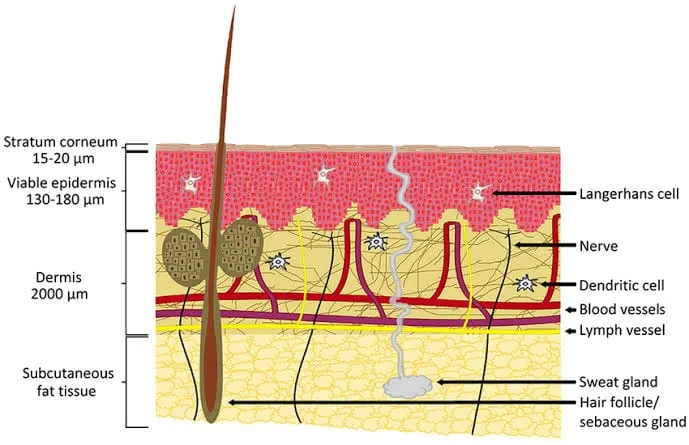
Figure 3: Anatomy of the Skin.
4.1.2 Drug permeation pathway:
There are two possible routes of drug penetration across the intact skin, namely the transepidermal and transappendegeal pathways, The transepidermal pathway involves the passage of molecules through the stratum corneum, an architecturally diverse, multi-layered and multi-cellular barrier. Transepidermal penetration can be termed intra- or inter-cellular [92]. The intra-cellular route through corneocytes, terminally differentiated keratinocytes, allows the transport of hydrophilic or polar solutes. Transport via inter-cellular spaces allows diffusion of lipophilic or non-polar solutes through the continuous lipid matrix. The transappendegeal route involves the passage of molecules through sweat glands and across the hair follicles [93]. (fig.4)
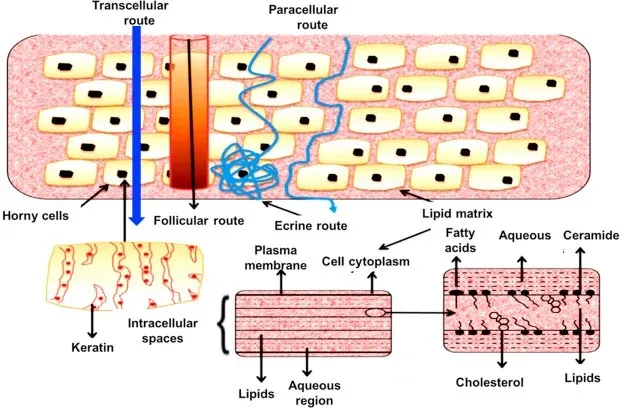
Figure 4: Possible Drug Permeation Pathway Across Human Skin.
4.2. Advantages of Transdermal drug delivery system in migraines
1.Bypasses gastrointestinal tract.
2.Avoid First-pass metabolism.
3. Sustained drug release
4. Improved Patient compliance
5. Useful during nausea.
6. Reduced dosing frequency.
7. More consistent plasma concentration
8. Non-invasive and painless
9. Treatment can be stopped easily.
10. Potential for personalized therapy.
4.3. Limitation of Transdermal drug delivery system in migraines
1. Limited drug permeability
2. Skin barrier effect
3. Skin irritation
4. Slow onset of action
5. Unsuitable for high dose drugs
6. Variable absorption
7. Manufacturing cost
5. Innovative transdermal drug delivery technologies:
5.1. Conventional transdermal patches:
Conventional transdermal patches are adhesive dosage forms designed to deliver a drug through the skin into the systemic circulation at a controlled rate for a prolonged period. Table 4 summarises the types of conventional transdermal patches.
Table 4: Types of Conventional Transdermal Patches
| Types | Description | Examples | Reference |
|---|---|---|---|
| Drug-in-adhesive patch | Drug is incorporated directly into the adhesive | Nicotine patch | [94] |
| Reservoir patch | Drug is present in a separate reservoir with a rate-controlling membrane. | Some older hormone patches | [94] |
| Matrix patch | Drug is dispersed throughout a polymer matrix | Fentanyl matrix patch | [94] |
| Vapour patch | Releases volatile substances or vapours through the skin | Certain aromatherapy patches | [94] |
5.2. Microneedle- based systems:
MN arrays, minimally invasive drug delivery systems, were developed to overcome some of the disadvantages commonly associated with hypodermic needle usage and in order to address and improve patient compliance. MN arrays have the potential to be used as an alternative to hypodermic and subcutaneous needle technologies [95]. MN technologies have been subject to intensive research and development efforts by both academic and industrial researchers with some devices currently in clinical development and others awaiting FDA approval. Also the number of publications describing MN as novel minimally invasive devices for drug delivery purposes has grown exponentially in recent years.[96] As MN combine the ease of use of a transdermal patch with the effectiveness of delivery achieved using conventional hypodermic needle and syringes, they continue to elicit interest and investment [97]. Types of microneedles summarises in table 5.
Table 5: Types of Microneedles
| Types of microneedles | Description | Mechanism of drug delivery | Advantages | Limitations | Reference |
|---|---|---|---|---|---|
| Solid microneedles | Solid, needle-like structures that create microscopic pores in the skin. | First, the skin is pierced to create microchannels; the drug is then applied through a patch or formulation. | Simple design; enhances skin permeability; suitable for poorly permeable drugs. | Usually requires a two-step application; possible skin irritation. | [98] |
| Hollow microneedles | Microneedles containing a hollow internal channel. | Drug solution is directly injected through the hollow needle into the skin. | Precise and controlled drug delivery; suitable for larger molecules. | More complex and expensive to manufacture; risk of clogging or needle breakage. | [98] |
| Dissolving microneedles | Microneedles made from water-soluble/biodegradable polymers containing the drug. | Needles penetrate the skin and gradually dissolve, releasing the drug. | Painless/minimally invasive; no sharps waste; good patient acceptability. | Drug loading may be limited; stability of drug and polymer can be a concern | [99] |
| Hydrogel-forming microneedles | Microneedles made from cross-linked polymers that swell and form a hydrogel after absorbing skin fluid. | After insertion, the needles swell and create pathways through which the drug diffuses from a drug reservoir. | Can provide sustained/controlled delivery; useful for larger molecules; generally leaves no polymer residue in skin. | More complex formulation; slower drug release may occur; mechanical strength must be optimized. | [100] |
5.3 Iontophoresis:
Iontophoresis involves the application of physiologically acceptable electrical currents (0.1–1.0 mA/cm2) to drive charged permeants into the skin through electrostatic effects and make ionic drugs pass through the skin into the body by its potential gradient (fig.5). Unlike other transdermal enhancement methodologies, it acts mainly by involving a second driving force, the electrical potential gradient as companion to the concentration gradient across the skin since uncharged species can also be delivered through electroosmosis [101].
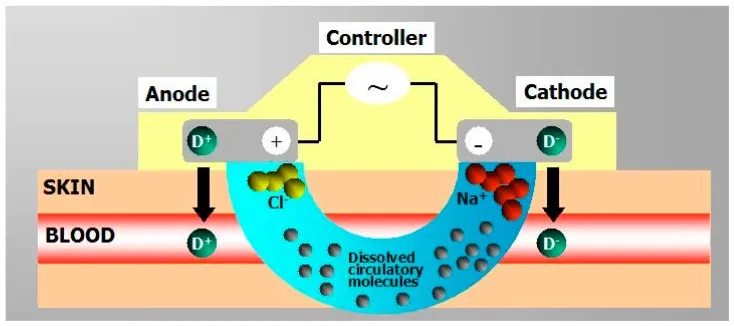
Figure 5: Schematic Representation of an Iontophoresis Patch
5.4. Electroporation:
The two major means of electrically-facilitated TDD are iontophoresis and electroporation [. In electroporation, cells are temporarily exposed to high intensities of electric pulses that lead to the formation of aqueous pores in the lipid bilayers of the stratum corneum, thus allowing the diffusion of drugs across skin [101]. The technique was first described by Neumann et al. in 1982 [102]. Usage of high voltage pulses (50–500 V) for short times of only one second have been shown to increase transport across the skin for different molecular weight drugs ranging from small e.g., fentanyl, timolol , orcalcein [62], to high molecular weight drugs such as LHRH, calcitonin, heparin or FITC–dextran with molecular weights up to 40 kDa . However, the main drawbacks are the lack of quantitative delivery, cell death with high fields and potential damage to labile drugs, e.g., those of protein origin [103]
5.5. Sonophoresis:
The term “sonophoresis” (“phonophoresis”) is used to describe the effects of ultrasound on the movement of drugs through intact living skin and into the soft tissues [104]. Iontophoresis primarily involves delivery of “ions” (as well as some molecules through the process of electro endo osmosis) whereas sonophoresis involves the delivery of “molecules”. Although the exact mechanism is not known, drug absorption may involve a disruption of the stratum corneum lipids allowing the drug to pass through the skin.
5.6. Nanocarrier based system:
Nanocarrier-based systems utilize engineered submicron materials (ranging from 1 to 1000 nm)—such as liposomes, polymeric nanoparticles, micelles, dendrimers, and solid lipid nanoparticles—to revolutionize therapeutic delivery by significantly enhancing drug solubility, stability, and bioavailability (Fig 6). These sophisticated vehicles improve pharmacokinetics and prolong plasma half-life through passive mechanisms like the enhanced permeability and retention (EPR) effect or active targeting strategies using surface ligands, antibodies, and peptides. By enabling controlled, sustained, or stimuli-responsive release and effectively crossing complex biological barriers (such as the blood-brain barrier), nanocarriers maximize site-specific therapeutic efficacy in cancer therapy, gene delivery, and infectious diseases while minimizing systemic toxicity.
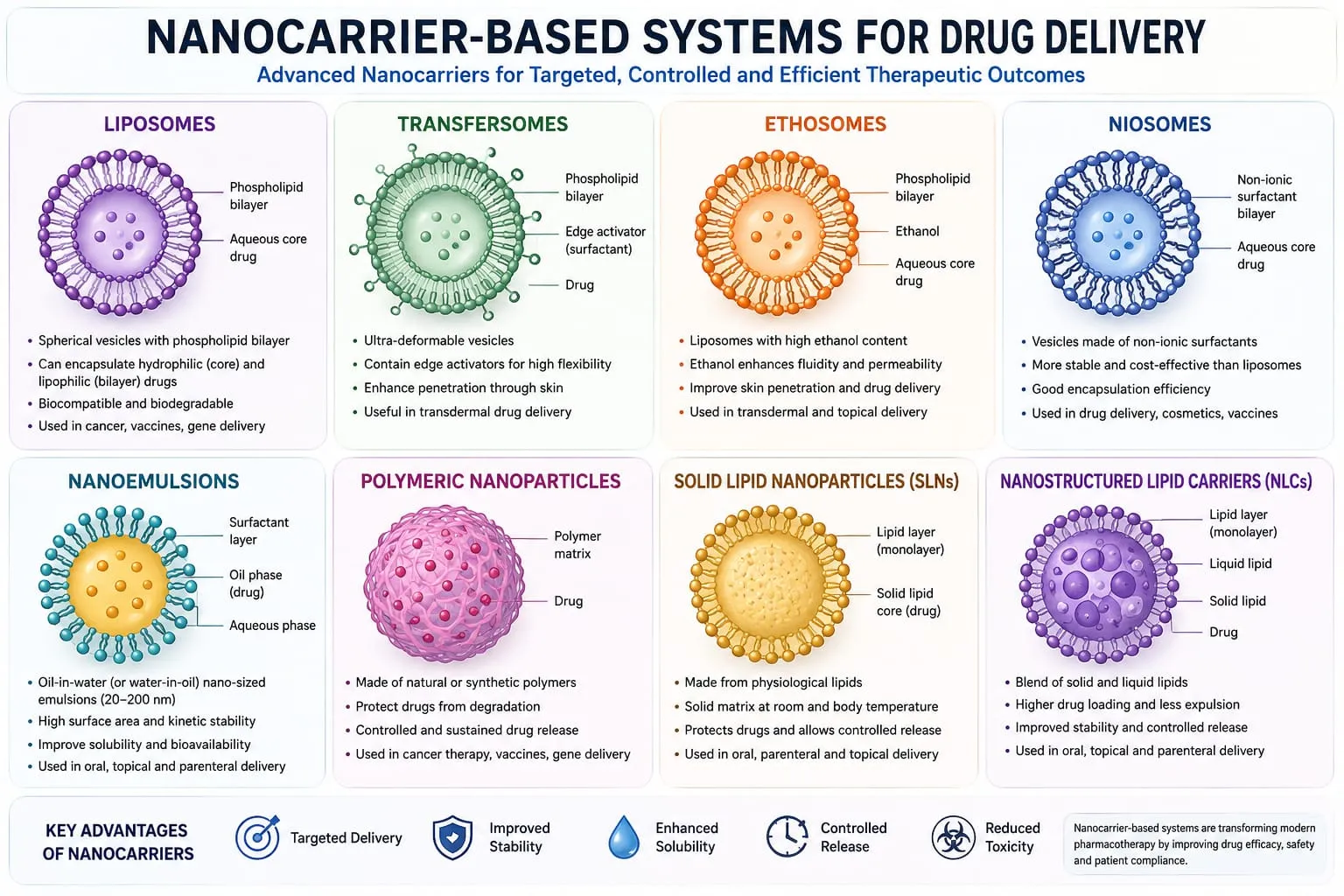
Figure 6: Nanocarrier Based Systems for Drug Delivery
5.7 Stimuli – Responsive (Smart) patches:
Stimuli-responsive or “smart” patches are advanced transdermal systems that respond to internal or external stimuli to provide controlled or on-demand drug release. They can enhance therapeutic effectiveness by adapting drug delivery to physiological changes. pH-responsive patches use polymers or drug carriers that respond to pH changes by swelling, shrinking, dissolving, or altering permeability, thereby controlling drug release.
Temperature-responsive patches contain thermosensitive polymers that undergo structural changes at specific temperatures, regulating drug diffusion and release. They may be useful for conditions involving changes in skin temperature, inflammation, or fever. Electrically responsive patches use electrical stimulation, such as iontophoresis, to enhance drug transport across the skin and regulate drug delivery according to therapeutic needs. Wearable-controlled systems integrate transdermal patches with sensors, smartwatches, or electronic controllers to monitor physiological parameters and regulate drug release in real time. These systems offer potential for personalized and on-demand therapies, including future migraine management [105].
6. Personalized Transdermal therapeutics for Migraine:
Personalized transdermal therapeutics for migraine refers to the development of transdermal drug-delivery systems tailored to an individual patient’s migraine characteristics, treatment response, severity, and therapeutic needs. Transdermal delivery can provide controlled drug release, avoid gastrointestinal degradation and reduce first-pass metabolism. It may also be useful for patients who experience nausea or vomiting during migraine attacks and have difficulty taking oral medicines. The table 6 summarises the acute migraine treatment.
Table 6: Acute Migraine Treatment
| Drug / Treatment | Use in migraine | Mechanism / Role | Advantages | Disadvantages | Reference |
|---|---|---|---|---|---|
| Sumatriptan | Used for acute treatment of moderate-to-severe migraine attacks. | Selective 5-HTâ‚B/â‚D receptor agonist; reduces trigeminal nerve activity and cranial vasodilation. | Avoids oral administration; useful when nausea/vomiting is present; can provide controlled drug delivery. | Possible skin irritation; skin penetration may be limited; formulation requires specialized technology. | [106] |
| Zolmitriptan | Used for acute relief of migraine with or without aura. | 5-HTâ‚B/â‚D receptor agonist that suppresses trigeminal neurotransmission. | Non-oral route; convenient; potential for sustained and controlled release. | Variable skin absorption; possible local irritation; transdermal formulations require further development. | [107] |
| NSAIDs (Diclofenac, Ibuprofen, Naproxen) | Used for mild-to-moderate acute migraine pain and associated inflammation. | Inhibit COX enzymes and reduce prostaglandin synthesis. | Can avoid oral administration; potentially prolonged drug exposure; convenient for selected patients | Skin penetration may be inadequate; systemic NSAID adverse effects can still occur; irritation is possible. | [108] |
| CGRP antagonists (Gepants) | Used for acute treatment of migraine; some agents are also used for prevention. | Block CGRP signaling involved in migraine pain transmission. | Potential for personalized and controlled delivery; may be useful when oral treatment is unsuitable | Transdermal use is still an emerging area; skin permeability and formulation challenges; limited clinical evidence for many transdermal approaches | [109] |
6.1 Preventive Therapy :
Preventive therapy is used in patients who experience frequent or severe migraine attacks with the aim of reducing the frequency, intensity, and duration of migraine episodes. Transdermal drug delivery provides an alternative route for administering preventive drugs by allowing the drug to pass through the skin and enter systemic circulation. It can help avoid gastrointestinal degradation and first-pass hepatic metabolism and may provide more consistent drug concentrations.
β-Blockers such as propranolol and metoprolol are established preventive medicines for migraine. They are thought to reduce migraine susceptibility by modulating adrenergic activity and neuronal excitability. Their incorporation into transdermal systems may provide prolonged drug release; however, appropriate drug loading and enhancement of skin permeation are required.
Calcium channel blockers, particularly agents such as flunarizine and verapamil, may be used for migraine prevention by reducing calcium-dependent neuronal excitability and vascular responses. Their application in transdermal systems is a potential area of research, although formulation and permeation characteristics must be carefully optimized.
Antiepileptic drugs, such as topiramate and valproate, are used as preventive treatments because they decrease neuronal hyperexcitability through mechanisms involving ion channels and neurotransmitter systems. Transdermal delivery could potentially provide sustained drug exposure and improve adherence, but the relatively high therapeutic doses and physicochemical properties of these drugs can present challenges for conventional patches.
CGRP monoclonal antibodies such as erenumab, fremanezumab, galcanezumab and eptinezumab represent an important modern approach to migraine prevention. They specifically target the calcitonin gene-related peptide pathway involved in migraine pathophysiology. However, because monoclonal antibodies are large biological molecules, they have very poor penetration through intact skin and are therefore not suitable for conventional passive transdermal patches. Advanced approaches such as microneedles may provide a future route for transdermal or minimally invasive delivery.
Natural compounds such as curcumin, ginger constituents, peppermint/menthol and rosemary-derived compounds have attracted interest because of their potential anti-inflammatory, antioxidant and neuromodulatory activities. Advanced transdermal technologies such as nanoemulsions, liposomes, ethosomes, transfersomes and microneedles may improve their skin penetration and controlled delivery. However, stronger clinical evidence is required before these compounds can be considered established preventive migraine therapies.[110]
6.2. Individualized patch selection:
Individualized patch selection for migraine requires matching a patient's specific symptoms and clinical history with the appropriate technology, such as choosing non-medicated cooling gel patches for instant, drug-free localized comfort, or utilizing prescription transdermal systems to bypass the gastrointestinal tract if severe nausea or vomiting prevents the absorption of oral medications. Additionally, advanced neuromodulation "smart" patches offer a high-tech, wireless alternative by using electrical stimulation to trigger the brain's natural pain-relieving mechanisms, though final selection must strictly account for individual contraindications like cardiovascular disease, uncontrolled hypertension, or localized skin sensitivities (Fig 7).
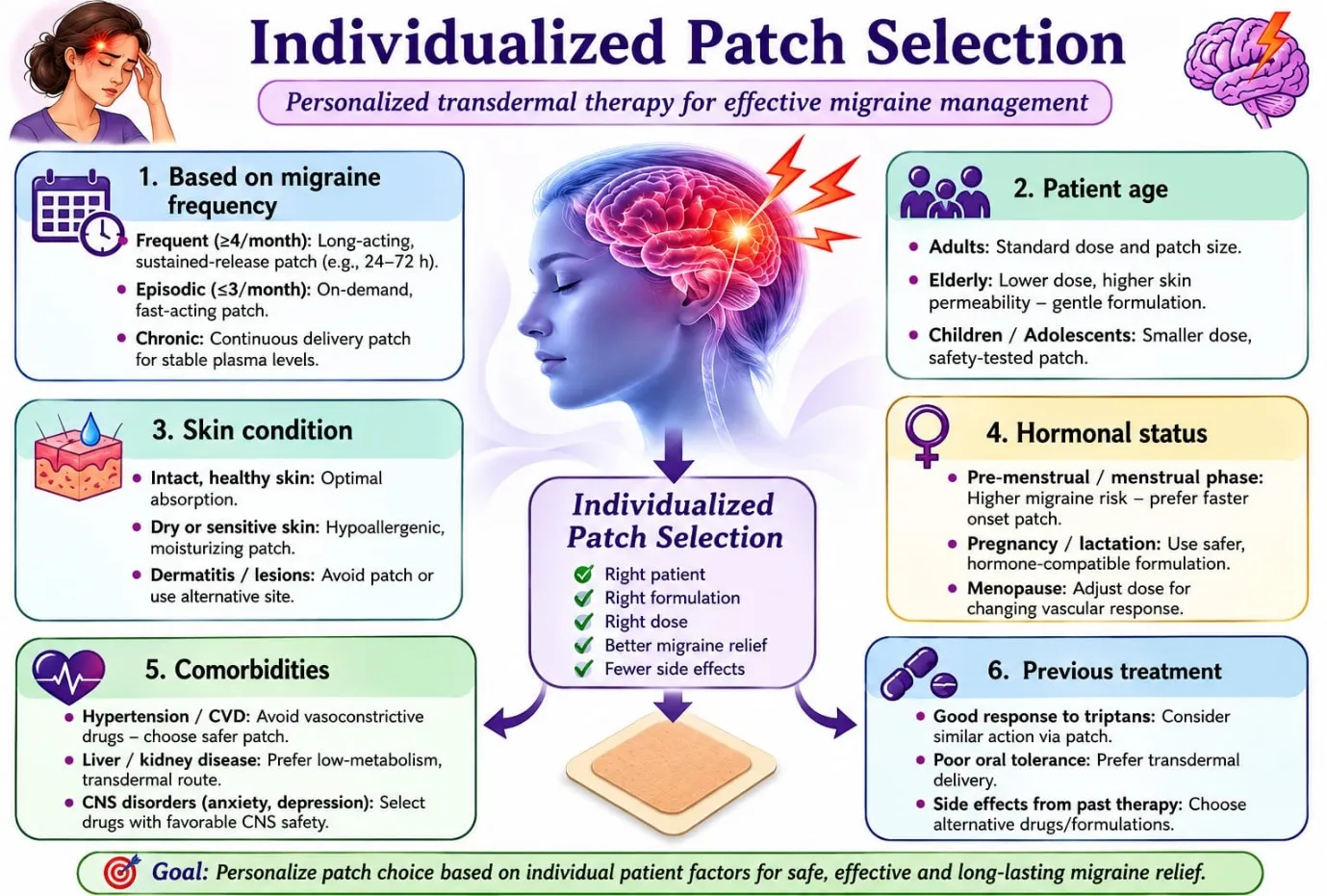
Figure 7: Individualized Patch Selection
7. Clinical Evidence and current developments: Table 7 summarizes various approved transdermal products.
Table 7: Approved Transdermal Products
| Product | API | Technology | Indication | Status |
|---|---|---|---|---|
| ZECUITY® | Sumatriptan | Iontophoretic transdermal system | Acute migraine with/without aura in adults | FDA approved in 2013; approval withdrawn in 2020 |
| Dose delivery | 6.5 mg sumatriptan | Low-level electrical current | Delivered over 4 h | Discontinued [111] |
8. Challenges in personalized transdermal migraine therapy:
Personalizing transdermal migraine therapy faces significant barriers due to inter-individual skin variability, which directly alters how consistently anti-migraine drugs penetrate the skin's stratum corneum barrier. This anatomical variance can cause unpredictable plasma concentrations, making it difficult to achieve the rapid, reliable therapeutic levels required to stop an acute attack quickly (Fig 8).
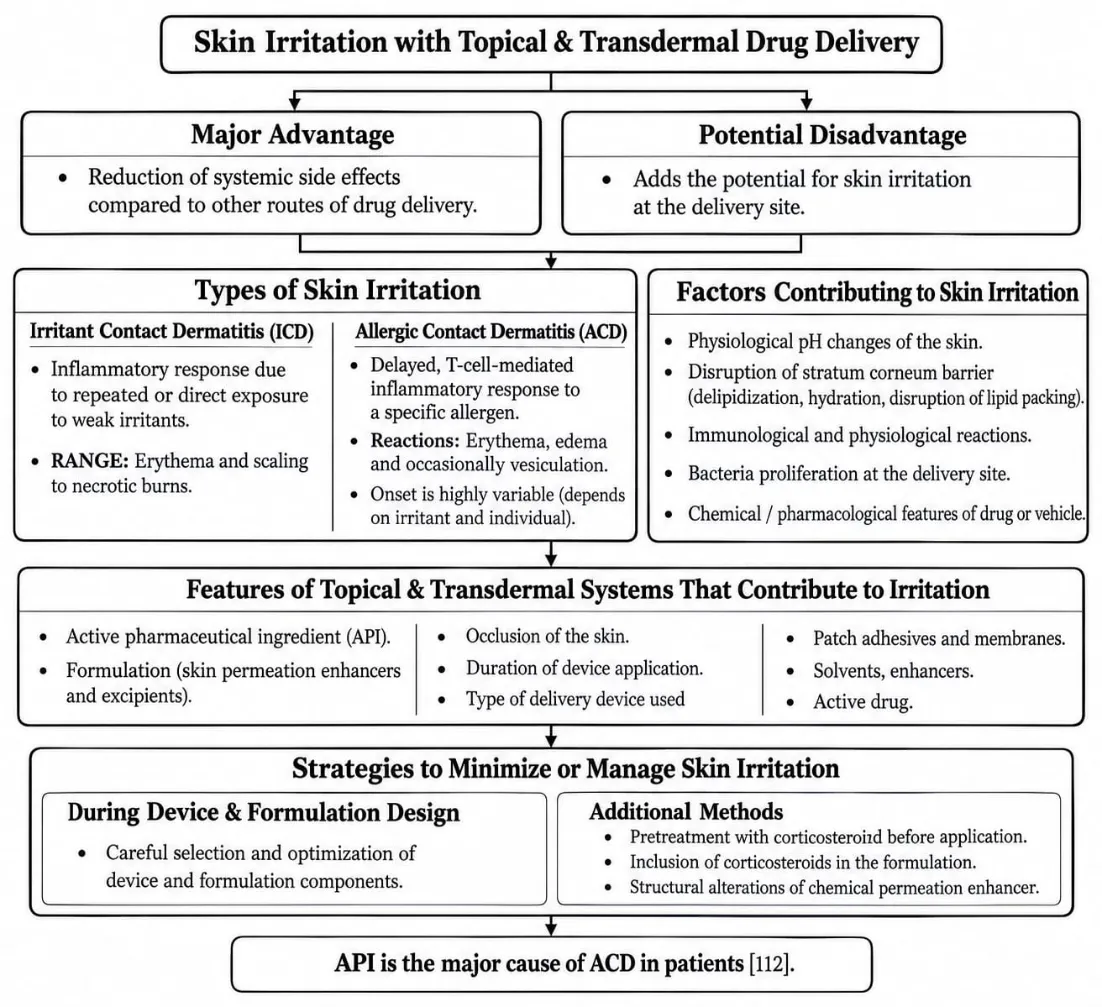
Figure 8: Challenges in Personalized Transdermal Migraine Therapy
9. Future Perspective :
-AI-integrated smart patches: AI can help adjust drug delivery according to individual patient needs and migraine patterns.
-Personalized nanomedicine: Nanocarriers can improve drug penetration through the skin and enable patient-specific therapy.
-3D-printed transdermal patches: 3D printing can provide precise control over drug dose, release rate, and patch design.
-Gene-guided drug delivery: Pharmacogenomic information may help select the most appropriate drug and dosage for individual patients.
-Continuous biomarker monitoring: Wearable patches may continuously monitor biomarkers associated with migraine onset and progression.
-Closed-loop drug delivery systems: Sensors can detect physiological changes and automatically regulate drug release.
-Digital therapeutics integration: Smart patches may be combined with mobile applications and digital therapeutics for comprehensive migraine management.
CONCLUSION:
Personalized migraine therapy represents a promising shift from conventional, one-size-fits-all treatment toward individualized management based on patient-specific clinical, genetic, biological, hormonal, and lifestyle factors. Innovative transdermal drug delivery systems provide an attractive platform for achieving this goal by offering non-invasive, sustained, and potentially patient-tailored drug administration while avoiding gastrointestinal limitations and first-pass metabolism. Technologies such as microneedles, iontophoresis, sonophoresis, electroporation, nanocarriers, and stimuli-responsive smart patches can enhance drug permeation and provide greater control over drug release.The integration of transdermal delivery with pharmacogenomics, biomarkers, wearable sensors, artificial intelligence, and digital therapeutics may further enable selection of appropriate drugs, doses, and delivery patterns according to individual migraine characteristics. Although challenges such as skin variability, limited drug loading, patch adhesion, manufacturing complexity, cost, regulatory requirements, and long-term safety remain, advances in materials science and personalized medicine are progressively addressing these limitations. Future development of AI-enabled, biomarker-responsive, closed-loop, and 3D-printed transdermal systems could facilitate real-time and adaptive migraine management. Thus, personalized transdermal drug delivery has considerable potential to improve therapeutic efficacy, tolerability, adherence, and quality of life in patients with migraine and may become an important component of precision migraine therapy.
REFERENCES


Prachi Gaikwad, Pooja B. Rasal, Vikas S. Shinde, Amol U. Gayke, Personalized Migraine Therapy Using Innovative Transdermal Drug Delivery System, Int. J. Sci. R. Tech., 2026, 3 (10), 1058-1081. https://doi.org/10.5281/zenodo.23473715
 10.5281/zenodo.23473715