

We use cookies to ensure our website works properly and to personalise your experience. Cookies policy
Academy of Global Studies, Corona del Mar High School
Sunscreen protects the skin against harmful UV radiation. One of the major characteristics that differentiates sunscreen is the chemical makeup: mineral-based—which includes titanium dioxide and zinc dioxide—and chemical-based—which includes avobenzone, octisalate, octocrylene, and homosalate. Perspiration on skin can dilute applied sunscreen, decreasing its protective ability. This study aims to understand the difference in effectiveness between mineral-based and chemical-based sunscreen samples against UVA (315-400 nanometers) with the condition of sweat contamination. A UVA lamp and sensor were used to determine how much radiation passed through a swatch of each of the six tested sunscreen samples. The findings suggest that there is a negligible difference (p>0.05) in the average amount of UVA blocked by each sample. Mineral-based sunscreen performed slightly better on average (1.430 units escaped) compared to chemical-based sunscreen (1.856 units escaped). This similar level of quality between sunscreen makeups against UVA with added sweat means there is much more freedom involved for individuals whose skin is frequently exposed to both sweat and the sun. It reinforces the fact that mineral- and chemical-based sunscreens are both significantly effective and allows for consumers to focus more on personal preference when choosing sunscreen without any risk of less protection.
Nearly everyone on Earth is exposed to a universal source of danger every day. This danger is ultraviolet radiation—invisible high-energy rays constantly emitted from the sun which permeate the ozone layer and have detrimental effects on unprotected skin. The primary line of defense against ultraviolet radiation’s carcinogenic and aging rays is sunscreen. Sunscreen is one of the most important health products on the market. It is a protective substance against ultraviolet radiation (UVR) commonly in spray or lotion format. There are countless options for the average consumer to choose between, including different brands, strengths, formulas, and compositions. This contributes to the stark lack of knowledge regarding the comparative effectiveness of each variation.
In the United States, sunscreen requires thorough testing by the US Food and Drug Administration (FDA) of its protection against different types of UVR, level of safety to apply to the skin, and its effectiveness when in contact with water.1 If a sunscreen passes the latter test, it can be advertised as both ‘water-resistant’ and ‘sweat-resistant’.1 This poses a major issue because sweat contains a variety of chemicals, including water, salt, urea, and lactic acid. However, there is no specific FDA testing to determine how these substances interact with the sunscreen. Moreover, there is limited in-depth information on the differences between different formulations of sunscreen, namely mineral-based and chemical-based sunscreen, when in contact with these materials. This study compares the effectiveness of the aforementioned two groups of sunscreen against UVA—a specific range of UVR between 315 nanometers and 400 nanometers—when in contact with synthetic sweat. The null hypothesis is that there will be no difference in the effectiveness of mineral- and chemical-based sunscreens. The alternative hypothesis is that there will be a measurable difference. The researcher predicts that the mineral-based sunscreen will be more effective in blocking UVA with the added sweat solution because of its thicker, more stubborn consistency. In contrast, the researcher predicts that the chemical-based sunscreen will not protect against UVA as proficiently when in contact with the synthetic sweat because it will react negatively to the substances in the solution, causing the sunscreen to fluctuate in level of protection.
LITERATURE REVIEW:
Sunscreens are predominantly differentiated by mineral (also known as natural or physical) makeup versus chemical makeup. They are made either from naturally occurring materials—titanium oxide and zinc oxide—or from synthetic formulas, consisting of four main active ingredients—avobenzone, octocrylene, homosalate, and octisalate.2 Both makeups utilize different methods of protection against the sun’s harmful rays. The thicker consistency of mineral sunscreens causes UV light to reflect away from the skin while chemical sunscreens absorb the radiation through chemical filters that convert UVR to heat which is ultimately released by the skin.3 Mineral sunscreen is preferred by those with sensitive skin although it tends to leave a white cast and involves more vigorous application.3 Alternatively, some prefer chemical sunscreen because of its easy and inconspicuous application despite concerns of absorption of the synthetic ingredients into the bloodstream.3
Sunscreen can protect against UVA (315–400 nanometers), which primarily causes skin inflammation and wrinkles, as well as UVB (280–315 nanometers), which causes sunburns and DNA mutations.4 UVA is colloquially known as the ‘aging rays’ while UVB as the ‘burning rays’.5 UVC (100–280 nanometers), on the other hand, is largely blocked by the ozone layer, so it is not a major concern for skin protection. Two common aspects that characterize sunscreen are Sun Protection Factor, or SPF, and broad spectrum. SPF is a measure of a product’s level of protection against UVB rays. The higher the SPF value, the lower chance of sunburn. Broad spectrum indicates that a sunscreen also protects against UVA radiation and has passed FDA approved tests against both types of UVR. For the highest level of protection, the American Academy of Dermatology suggests use of a broad spectrum sunscreen with an SPF of thirty or higher because of its advanced UVR protection.6
While both mineral and chemical sunscreens can have the ability to effectively block both UVA and UVB, scientists have questioned which makeup has a stronger effect against each type of UVR. According to dermatologist Anisha Patel, in general, mineral sunscreen is considered more protective against both UVA and UVB because of its physical barrier against UVR compared to the absorption properties of chemical sunscreen.7 Specifically, titanium dioxide, one of the aforementioned active ingredients of mineral sunscreen, yields the highest level of combined UVA and UVB protection.8 Furthermore, the issue of harmful chemical intake when using chemical sunscreen is legitimate. According to the Cureus Journal of Medical Science, oxybenzone, a common chemical-based sunscreen active ingredient, does significant damage to the neuroendocrine system, explaining its recent plummet of use in modern sunscreen options.8
As previously mentioned, many sunscreens are advertised as ‘water-resistant’ or ‘sweat-resistant’. While sunscreens can never be fully waterproof, after rigorous FDA testing, the label ‘water-resistant’ can be used on the packaging indicating that the product will be effective for forty to eighty minutes while skin is wet.9 However, it is important to note that thorough initial application, reapplication, and high SPF is still required for effective protection. Interestingly, the results of the FDA water exposure test apply to the issue of sweat exposure and the FDA does not conduct a specific test on sunscreen with regards to sweat.1 Again, this is notable because sweat contains numerous additional materials other than water that might disrupt sunscreen effectiveness including salt, urea, and lactic acid.
Sweat exposure is a very important, yet relatively unresearched aspect of sunscreen development. According to the Journal of the American Academy of Dermatology, modern sunscreen formulas do not stop the body from producing sweat naturally.10 Additionally, current sunscreens do not inhibit the body’s ability to maintain thermal balance and release heat through sweat, according to the International Journal of Cosmetic Science.11 These properties indicate that, while sunscreen creates an impermeable barrier against UVR, it does not prevent the skin from executing its processes fully. However, there are concerns regarding the effect of sweat on sunscreen performance. Sweat causes disruptions in sunscreen effectiveness through “sunscreen wash-off” and “sunscreen redistribution,” according to chemistry professor Fatemeh Keshavarzi.12 This means sweat decreases the integrity and uniformity of a layer of sunscreen on the surface of skin, presenting the issue of less protection when the two are in contact. Interestingly, according to Pennsylvania State University kinesiologist Tony Wolf, on its own, sweat does have some protective properties against UVR, specifically preventing the noticeable redness caused by vasodilation, or blood vessel widening, during a sunburn.13
Frequent and unprotected exposure to UVR results in extensive damage to the skin and subsequent deterioration of the layers of the epidermis. For example, in a study conducted by Stanford University material substance engineer Krysta Biniek, when exposed to UVB radiation, the outermost layer of the epidermis and first layer of skin affected by UVR contact, the stratum corneum, experienced heavily compromised structural strength, flexibility, and ability to block UVR after elongated exposure.14 This surface level damage, while seemingly unimportant, can snowball into a much larger health risk—specifically, skin cancer. Skin cancer is an extremely common side effect of overexposure to UVR. It stems from DNA damage that causes cell mutations and subsequent rapid, uncontrollable cell growth. Basal-cell and squamous-cell carcinoma are the two most prevalent types of skin cancer but are both less severe than melanoma which is sadly the cause of almost 10,000 deaths each year.15 Wearing sunscreen and implementing other sun protection methods are imperative in preventing skin cancer and skin damage.
Despite overwhelming scientific evidence and extensive research on the subject, the general public is surprisingly very uneducated about sunscreen and its importance to skin protection. In recent decades, this lack of knowledge has become a more urgent issue because of the deteriorating ozone layer and higher exposure levels to UVR as a result of climate change. According to a survey of about 630 parents conducted by dermatologists J.M. McGregor and A.R. Young, there is substantial confusion about when sunscreen works the best and how different strengths of sunscreen work, especially with regards to children.16 This presents a concerning issue because lack of knowledge on sunscreens can lead to overexposure and irreversible skin damage. Furthermore, according to a survey done by the US Centers for Disease Control and Prevention, or CDC, about thirty-five percent of American women between the ages of eighteen and twenty-nine protect themselves from the sun regularly while only about fifteen percent of men in the same demographic do so.17 Again, these low distributions indicate how sunscreen and sun protection are extremely understated in modern society and how widespread education and familiarity is necessary.
Sunscreen and other sun protective measures are extremely important aspects of physical health. They block UVR from the sun which prevents premature skin deterioration, skin irregularities, and skin cancer. Currently, there is a significant lack of knowledge regarding sunscreens in society, contributing to their infrequent use. Unfortunately, the scientific knowledge of sunscreen and the current formulas is still not comprehensive. The goal of this study is to understand the effectiveness of chemical sunscreen compared to mineral sunscreen against UVA under the condition of sweat exposure. This deeper knowledge on the subject can contribute considerably to future advancements and the improvement of skin health worldwide.
METHODOLOGY:
The optimal method for this study is an experimental, scientific method-based research style. Experimental research involves the manipulation of different variables: independent, dependent, and controlled. Independent variables are the aspect of the experiment that is manipulated by the researcher. In this experiment, the independent variable is the type of sunscreen being tested, whether it is synthetic chemical-based or natural mineral-based. Dependent variables are the aspect of the experiment that is being measured. For this experiment, the dependent variable is the amount of UVA radiation that penetrates the layer of the various sunscreens. The final variable is the controlled variable which includes every part of the experiment that stays the same throughout every trial. The controlled variables in this case are the SPF of each tested sunscreen (SPF 50), the format of the sunscreens (lotion), the amount and contents of the artificial sweat solution, the type of UV radiation being measured (UVA), the UVA measurement device, the time exposed to UVA (one hour), and the method of application of sunscreen and artificial sweat to the testing surface. An empirical, quantitative experimental approach is the best fit for this experiment because it will allow the researcher to model the setup as closely as possible to real-world situations and collect meaningful data and information throughout the experiment. This will ensure that the results are applicable and useful on a broader scale.
MATERIALS:
The materials needed for the experiment include three types of chemical-based sunscreens and three types of mineral-based sunscreens. The chemical-based sunscreens used are Banana Boat Sport Lotion SPF 50, Neutrogena Beach Defense Water + Sun Protection Sunscreen Lotion Broad Spectrum SPF 50, and Coppertone Complete Lotion SPF 50. All three formulas contain the UVB blockers homosalate, octisalate, and octocrylene. They also all contain avobenzone which specifically targets UVA. The role in chemical sunscreen of these substances is to absorb the harmful UV rays, thereby preventing them from affecting the surface to which they are applied. The three mineral-based sunscreens used are Banana Boat Sport Mineral Lotion SPF 50, Neutrogena Pure and Free Baby Mineral Sunscreen Broad Spectrum SPF 50, and Coppertone Pure & Simple Baby SPF 50 Mineral Lotion. All three share their only active ingredient, zinc oxide. Zinc oxide is a naturally occurring ionic compound that creates a physical barrier on the surface of the skin, causing both UVA and UVB rays to bounce off it. When applied properly to skin, it prevents sun damage and sunburn. The inactive ingredients of all six samples play a major role in determining their consistency and usability, but they do not directly protect against the sun. The full ingredient list for all six tested samples can be found in Appendix A.
Other necessary materials include a UVA lamp, UV light meter, and application surface for the sunscreen samples. For this experiment, a standard glass microscope slide is used. It is important to note that the surface should not absorb or reflect the UVA light a great amount as this will slightly skew the results. The best material for this would be quartz but, if necessary, glass or certain types of plastic are comparable. This experiment uses the PASCO wireless UV light sensor to measure the amount of UVA that passed through the slides. It is important to note that the PASCO light sensor measures light intensity in ‘units’, which is not a set metric of SI measurement. Despite this imprecise variable, the experiment aims to compare the UV blocking capabilities of mineral and chemical sunscreen so this method of measurement will still yield credible results.
For this study, it is vital that a control test is done to indicate how much UVA light is absorbed by the surface material. This difference can then be accounted for once the experimental values are found. A mass balance, beaker, funnel, and spray bottle are necessary for measuring and distributing the simulated sweat solution. Finally, an index card or thin, flat item and fan are needed for the application of the tested sample to the microscope slide.
Since the use of real human sweat is both unethical and unattainable for this experiment, a synthetic sweat solution is needed. The primary ingredients of sweat are water, salt, urea, and lactic acid. Since lactic acid and urea are not accessible to the researcher, the solution simply contains salt water. Generally, sweat contains between 0.1 and 0.5 grams (g) of salt per 100 milliliters (mL) of water. This experiment uses a solution of (0.31g NaCl)/(100mL H2O), which is applied to the sunscreen samples as an additional condition to the testing of their effectiveness.
Procedure:
The first step of this process is to prepare the saline solution. Measure 100 mL of distilled water in a beaker. Then measure about 0.30 g of table salt (NaCl) using a mass balance. Mix the two substances together and swirl until the salt has fully dissolved. Then transfer the solution to a spray bottle cleaned with distilled water via the funnel. To set up the experiment space, take a cardboard box and cut a hole of about five inches across on the top. This will serve as a window for the UVA lamp to shine through and block out as much outside UVR as possible. For more clarification, photos of the setup and experiment steps can be found in Appendix B. This experiment used SparkVue software to collect the data directly from the PASCO UVA light sensor. Within the SparkVue mobile phone app, the sensor should be set to measure the UVA wavelengths in relation to time.
Before experimentation on the sunscreen samples can be completed, a control trial must be run. Place the two microscope slides that will be used in the sunscreen trials (after thorough washing with distilled water) on top of each other, then place them on top of the sensor and under the UVA lamp. After ensuring the data collection mechanism is working properly, turn on the lamp and record data for an hour. Repeat three more times to ensure that no major lab errors were made or outliers were recorded.
The next step is to test the sunscreen samples. The following steps will be repeated for each sunscreen sample three times to ensure high accuracy. Wash the two slides with soap and water, then rinse with distilled water to wash off any excess material or chemicals from previous use. Wipe them dry with a clean paper towel. Then, squeeze a small dollop of the sunscreen being tested onto one slide. With an unused index card, carefully spread the lotion across the slide. This part of the experiment is not perfectly precise, but the finished product should be just barely opaque. This inconsistency in measuring mirrors the actual application process during consumer use—an even layer is not likely and, therefore, not representative of the sunscreen’s true effectiveness when applied to human skin. Furthermore, the three trials ensure that the range of thickness variation is accounted for. After the sunscreen is spread across the slide, let it dry for fifteen minutes, preferably under a small fan to speed up the process. This time value was chosen because it is the recommended amount of time to wait before being exposed to the sun after application on all six sunscreen bottles. Once the fifteen minutes has passed, spray the slide five times from about a foot away with the saline solution after doing a few test sprays to ensure a uniform distribution. Then, let the slide dry for five more minutes under the fan. Place the second slide on top of the slide with sunscreen and press together. Do not touch the center of the slide where the UVA will be penetrating and be measured. Instead, only touch the slides’ edges and perimeter. This prevents any foreign materials, such as hand oils and dirt, from interfering with the data recording.
Finally, place the two slides in the same configuration as the control trial. Place the lamp over the window in the box, turn it on, and begin recording data. Leave this setup for an hour. After an hour has passed, take the slides out and repeat the cleaning and procedural process for all of the six sunscreen samples three times each. Be sure to label each trial based on the formula, brand, and trial number to prevent any data loss or confusion.
This specific procedure is most effective because it creates a controlled environment to test UVA with minimal outside UVA being mistakenly included. This method allows for isolation of the sunscreen on the slides directly in contact with the saline solution without the unpredictability and variation of real human skin or a synthetic replacement. Additionally, this allows for the inclusion of real-life randomization in sunscreen application and sweat production by the body while still maintaining a high level of control and organization in data collection.
RESULTS:
The initial data collected was the control experiment. These three trials consisted of two clean microscope slides stacked on top of each other, then exposed directly to the UVA lamp. Below, Figure 1 shows the results of the control trials.
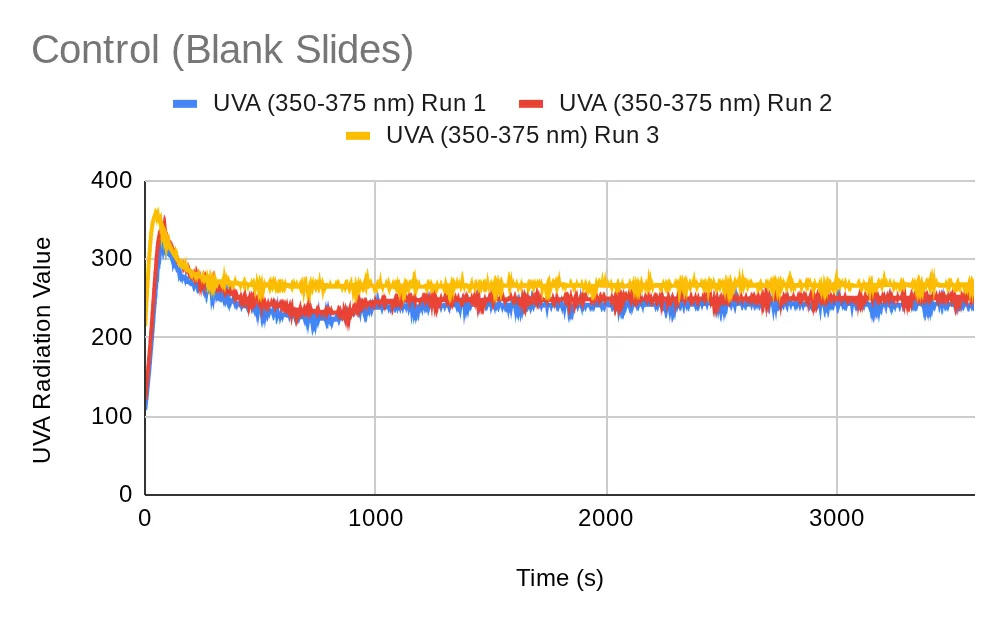
Figure 1: Amount of UVA That Passes Through Blank Slides (Control)
The next set of data collected was the escaped UVA for the six sunscreen samples. Because of a steep drop in escaped UVA as the tools calibrated and the sunscreen began working, around ninety seconds was omitted from the beginning of the data collection by bounding the y-axis from zero units of UVA to six, eight, or twelve units of UVA, depending on the sample. The following graphs are the results for escaped UVA in each of the tested sunscreens depicted below in Figures 2 through 7.
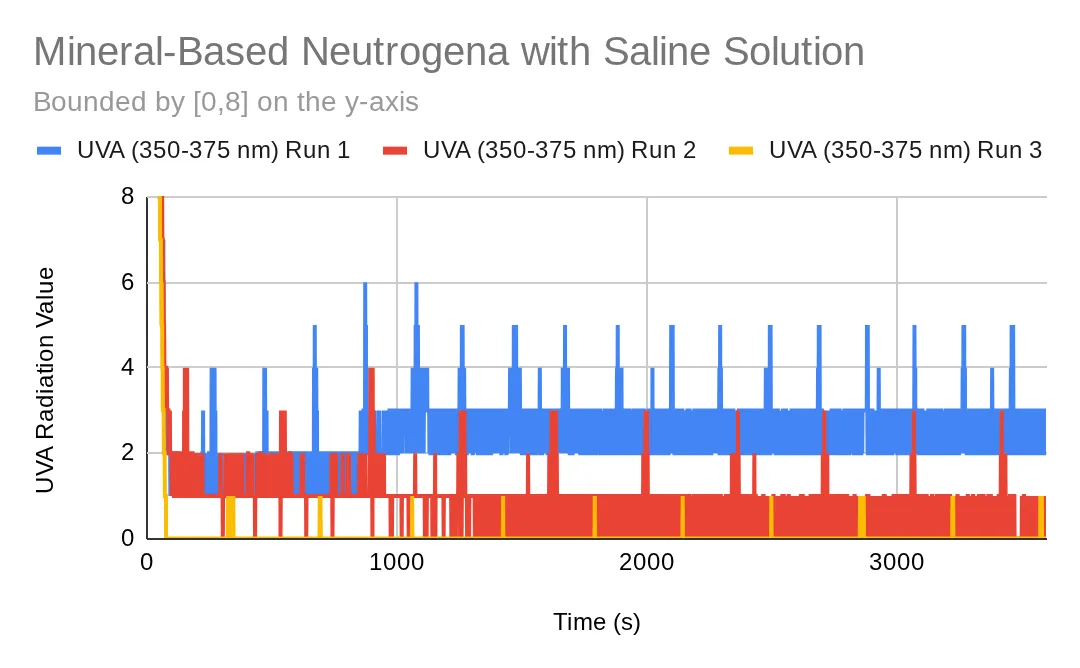
Figure 2: Amount of UVA That Passes Through Swatch of Neutrogena Pure and Free Baby Mineral Sunscreen Broad Spectrum SPF 50 with Saline Solution
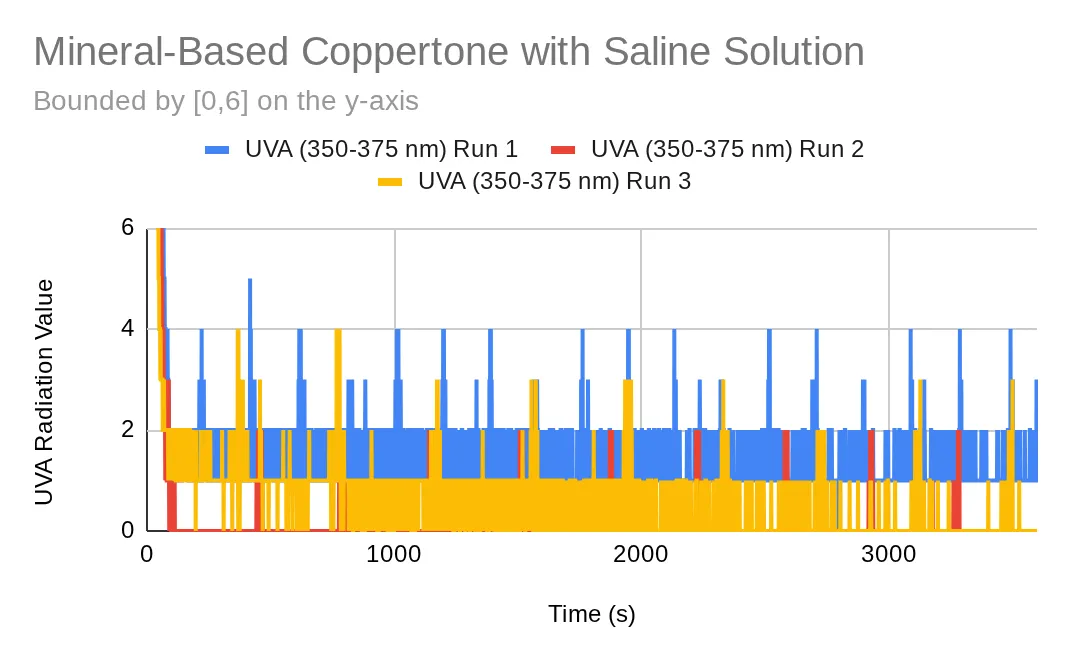
Figure 3: Amount of UVA That Passes Through Swatch of Coppertone Pure & Simple Baby SPF 50 Mineral Lotion with Saline Solution
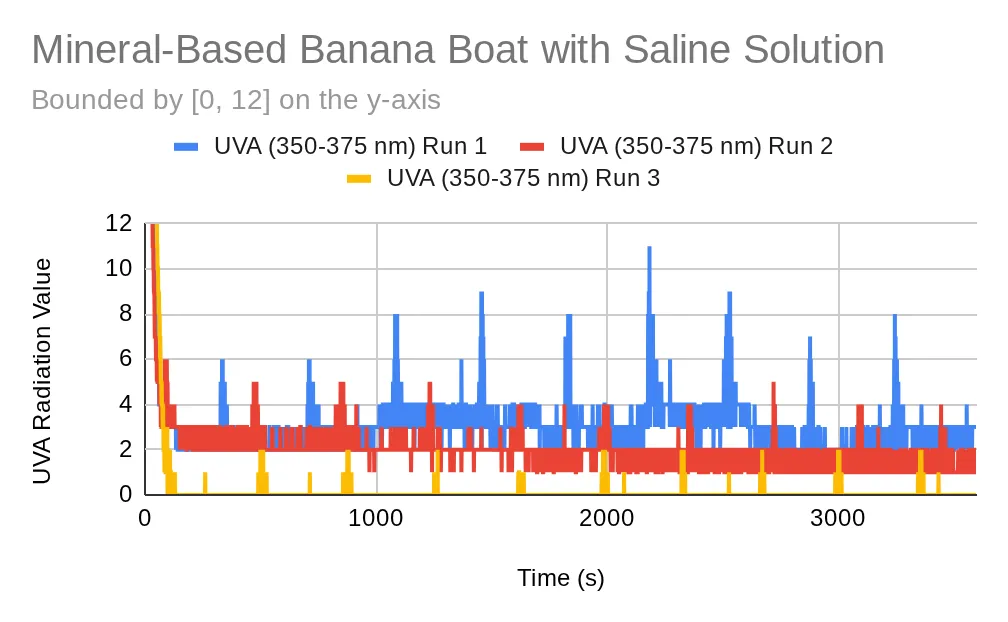
Figure 4: Amount of UVA That Passes Through Swatch of Banana Boat Sport Mineral Lotion SPF 50 with Saline Solution
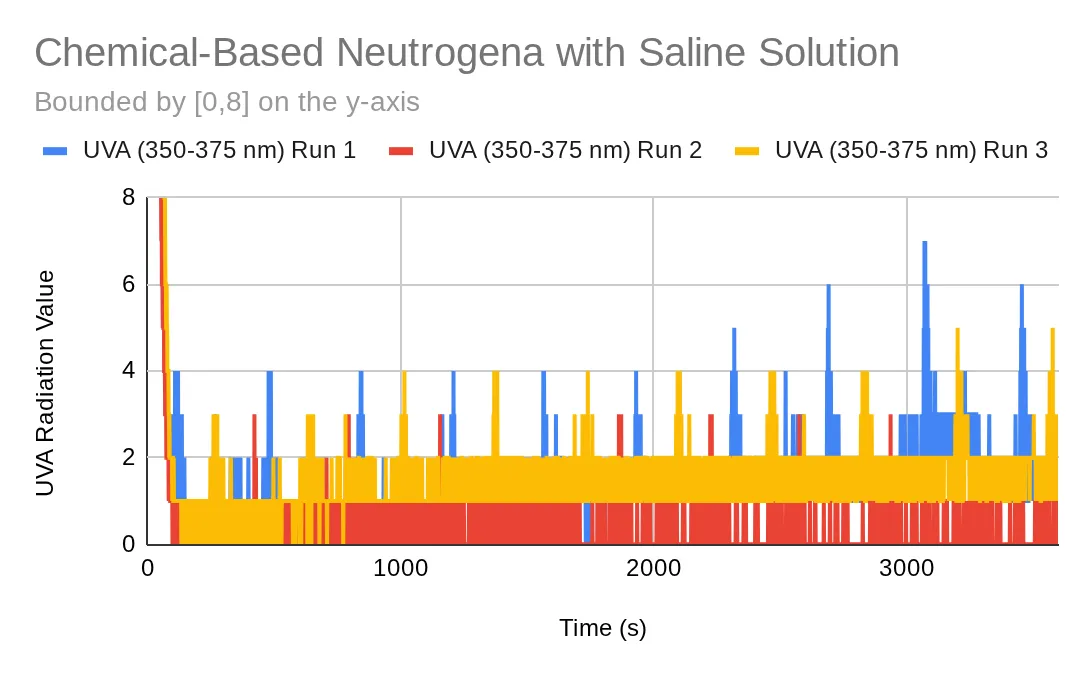
Figure 5: Amount of UVA That Passes Through Swatch of Neutrogena Beach Defense Water + Sun Protection Sunscreen Lotion Broad Spectrum SPF 50 with Saline Solution
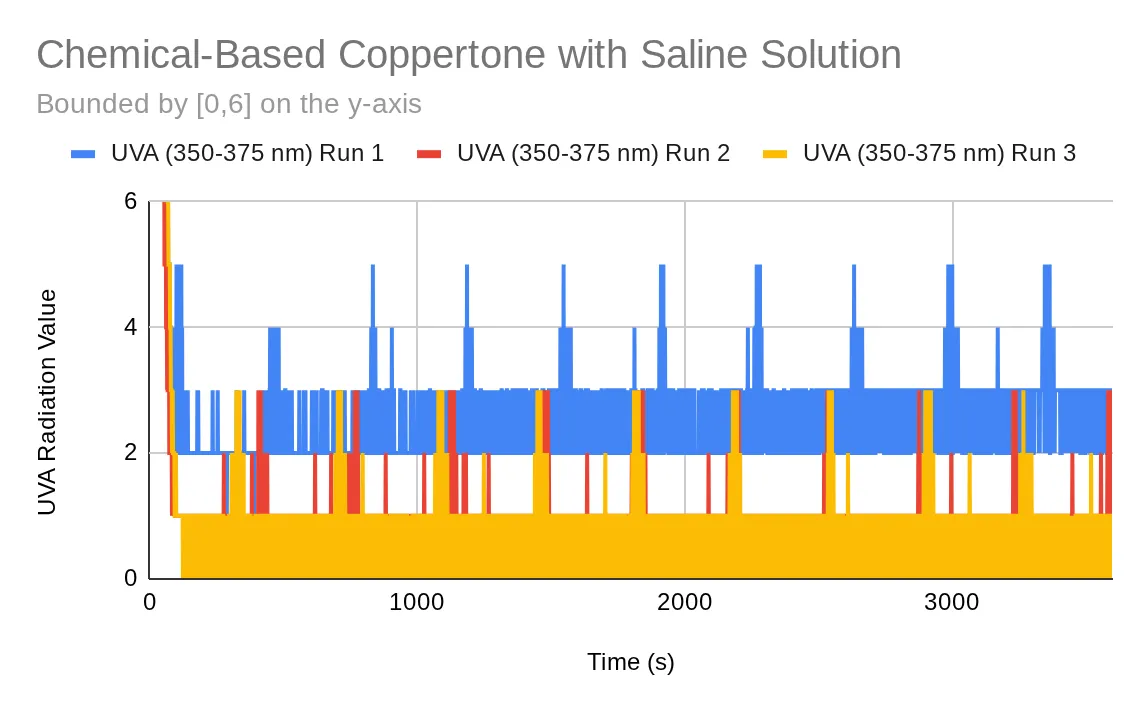
Figure 6: Amount of UVA That Passes Through Swatch of Coppertone Complete Lotion SPF 50 with Saline Solution
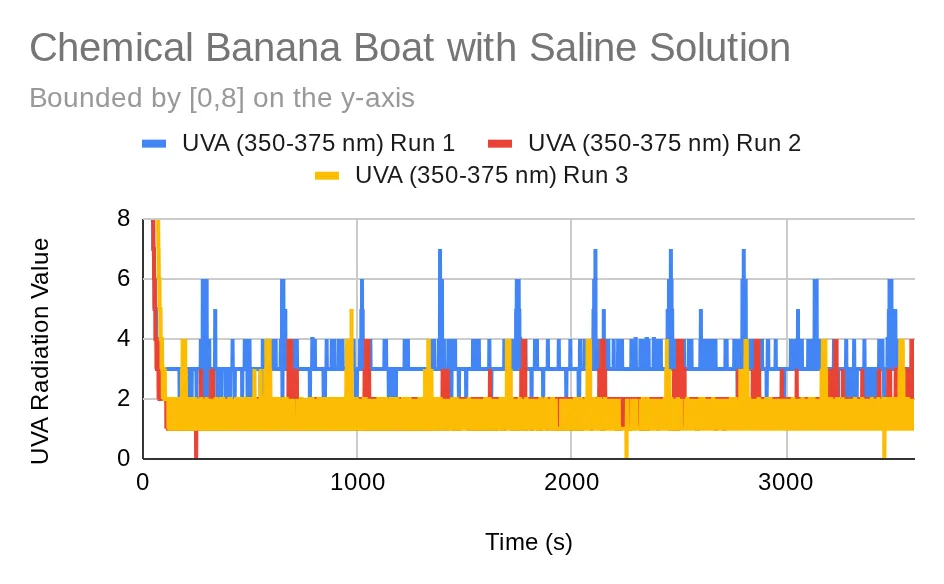
Figure 7: Amount of UVA That Passes Through Swatch of Banana Boat Sport Lotion SPF 50 with Saline Solution
The average escaped UVA value for each individual trial and the average value for all three trials combined was calculated for each sunscreen sample. The results are shown below in Table 1.
Table 1: Trial and Sample Averages of Escaped UVA in Tested Sunscreens
| Sample Name | Trial 1 Average | Trial 2 Average | Trial 3 Average | Sample Average |
|---|---|---|---|---|
| Control | 242.489 | 250.334 | 269.243 | 254.022 |
| Mineral Neutrogena | 2.614 | 1.061 | 0.278 | 1.318 |
| Mineral Coppertone | 1.796 | 0.380 | 0.766 | 0.981 |
| Mineral Banana Boat | 3.117 | 2.142 | 0.424 | 1.894 |
| Chemical Neutrogena | 1.751 | 0.583 | 1.901 | 1.412 |
| Chemical Coppertone | 2.893 | 1.264 | 1.092 | 1.750 |
| Chemical Banana Boat | 3.383 | 2.008 | 1.831 | 2.407 |
Source: Researcher’s Data.
The average for the entire mineral group was calculated at 1.430 units of UVA and the average for the chemical group was found to be about 1.856 units of UVA. Compared to the average of the three control trials, 254.022 units of UVA, it is evident that a significant amount of UVA was blocked even with interference from the simulated sweat. Finally, a t-test was conducted to assess the statistical significance of the collected data. The p-value for the experiment was 0.329 meaning, if the null hypothesis is true, there is a 32.9% chance of yielding results at least as extreme as the data observed. Since the p-value > 0.05, the results are not statistically significant. Therefore, the evidence suggests that the null hypothesis is correct. However, this does not mean that the conclusion is meaningless.
DISCUSSION:
This experiment tested the amount of UVA that is able to pass through a slide covered in a thin layer of sunscreen, differing in makeup, and sprayed with a sweat-like saline solution. The researcher hypothesized that the mineral-based sunscreen would be the most protective because of its substantial physical barrier compared to chemical-based sunscreen’s absorbent formula. Because the p-value > 0.05, the null hypothesis is not rejected. This means that there does not appear to be a significant difference in the effectiveness of mineral-based sunscreen and chemical-based sunscreen against UVA when exposed to a sweat-mimicking saline solution.
However, other observations noted during the experiment presented some conclusions that were not being specifically tested. The chemical-based sunscreens were much thinner and easier to work with, especially when spreading the sample evenly across the slide. However, after the testing period, the sweat solution had diluted the layers to the point that there were visible gaps in the previously even distribution. When the top and bottom slides were separated, the sample had solidified into a gelatinous consistency. Conversely, there was no evident negative reaction between the saline solution and the mineral-based sunscreen samples. An image of both slides post-UVA exposure can be found in Appendix C. Therefore, it can be assumed that interaction between chemical-based sunscreens and sweat produced by the body would have a similar, if less extreme reaction. This might be realized by coagulation of applied sunscreen in areas where sweat is most abundant. However, incorrect application of both sunscreen types on the body can produce irregularities regardless of skin condition.
Limitations:
While this study yielded explicit results, there were some limitations to the experiment that prevented more accurate data. The setup system—a cardboard box with a hole cut in the top to let the UVA light in—was not completely foolproof. There were still cracks around the edges of the box and a small gap between the top of the box and the lamp where UVA light could escape. Also, since the sensor was not directly underneath the light (there was about six inches between them), the stream of light was able to disperse throughout the contents of the box and was not fully trained on the sensor. This would lead to decreased results of the measured amount of UVA that the sunscreen swatches let pass through. Furthermore, because of the imperfection of the tools used, there is inevitably a small margin of error caused by the PASCO light sensor and the UVA lamp. A lab with better funding could access more precise and delicate tools to better measure UVA. This would also include access to a more powerful UVA lamp to better mimic the strength of UVA in the direct sunlight as well as quartz microscope slides to eliminate any unintended additional UV absorption.
The sample preparation had some limitations as well. Better sanitation and sterilization actions could have been taken when working with the microscope slides and sunscreen samples. For example, wearing gloves prevents oils, dirt, and other contaminants from sticking to the slide surface and skewing results. The use of a standard index card may have also resulted in additional paper fibers or dust from being unintentionally added to the sunscreen. Also, while the variation in thickness of the layer of sunscreen on the slide represented the irregularity of real-life application, this inconsistency may have had an effect on the collected data. Moreover, the placement of the two slides together once the sunscreen and saline solution had dried presented some possible issues. Dust or air bubbles could have been trapped in between the glass layers, causing disruption of the layer of sunscreen being tested. Since this experiment was not completed in a professional grade laboratory setting, there was a high likelihood of uncontrollable environmental limitations affecting the results.
Additional limitations come from the small sample size of only three types of mineral sunscreens and three types of chemical sunscreen across three distinct brands. Even though the tested brands are widely known and some of the most successful in the market, a larger sample size would account for more variation in composition, active ingredient ratios, and additional additives that could affect UVA protection with sweat. With more time, continued trials could have been conducted to avoid minor outliers and to further solidify the conclusion.
Future researchers should create an environment of complete blackout to conduct the experiment so as to avoid additional UV interference. They should use more precise instruments and create more uniformity in the application of the sunscreen samples to the slides, specifically by dictating an exact mass used for each trial and ensuring a uniform thickness throughout the layer. Finally, researchers should expand the testing pool to a more diverse range of sunscreens in brand and formula as well as format (e.g., lotion or stick application). These changes will yield more precise data and results more applicable to real life sunscreen use.
Implications:
This study found that there is no significant advantage to chemical-based sunscreen or mineral-based sunscreen against UVA radiation when exposed to saline solution. This means that, generally, regardless of the active ingredients in a given sunscreen, most formulas will protect the skin from the aging UVA rays. All six tested sunscreens claimed to be water-resistant but only the two Banana Boat products advertised that they were also sweat-resistant. This study’s results indicate that this distinction does not involve any difference in protection, at least against UVA radiation. Knowing this allows consumers to choose their preferred sunscreen products with the confirmation that a water-resistant sunscreen should work just as well when they are sweating. Furthermore, sunscreens with numerous claims to additional protection are often more expensive so this knowledge can save the average consumer some money in their daily life.
From a health perspective, this study’s results suggest a possible increasing trend of sunscreen use. Since vigorous activity evidently does not decrease UVA blocking effectiveness, individuals who do not wear sunscreen habitually might be influenced to start regularly applying and protecting themselves, assuming they apply and reapply properly. Choosing sunscreens can become much easier for the average person. Because the protection was universally high throughout all tested sunscreen formulas, the consumer’s choice does not need to be based on the active ingredient but instead based on personal preference and comfort. Again, this can help encourage more sunscreen use and more universal skin health.
CONCLUSION:
This study set out to determine if mineral-based or chemical-based sunscreens protect better against UVA when they are exposed to simulated sweat-like saline solution. The results reported that there was no statistically significant difference (p > 0.05) between the levels of protection that the two groups provided. Even though sunscreens are not tested specifically against sweat before they are released into the market, the water-resistant capability that they are tested on extends to sweat as well. This result disproved the hypothesis that mineral-based sunscreen would maintain a higher level of protection compared to chemical-based samples, but it is nonetheless a very impactful discovery. Since sweat does not greatly affect UVA protection, consumers have more freedom to select cheaper or more gentle sunscreen options. This can, in turn, lead to a decrease in UVR-driven skin disease. Future studies could experiment with simulated sweat solutions that are more accurate in makeup to body-produced sweat. They could also delve into other naturally occurring factors that might decrease sunscreen capability, for example, contact with dirt, sand, chlorine, or ocean water. Researchers could also conduct this same study, but with a focus on UVB to create a more complete picture of the comparative effectiveness of mineral-based sunscreen and chemical-based sunscreens. The results of this study set up the scientific community well for further related research and provide meaningful and reassuring information for all sunscreen users.
APPENDIX A: Sunscreen Samples’ Full Ingredient List:
| Banana Boat Sport Lotion SPF 50 | Active: Avobenzone (2.7%), Homosalate (7.5%), Octisalate (4.5%), Octocrylene (5.0%) Inactive: Water, Glycerin, Silica, Dimethicone, Phenoxyethanol, Caprylyl Glycol, Acrylates/C12-22 Alkyl Methacrylate Copolymer, Cetearyl Alcohol, Sodium Polyacrylate, Chlorphenesin, PEG-100 Stearate, Glyceryl Stearate, Xanthan Gum, Fragrance, Disodium EDTA, Tocopheryl Acetate, Aloe Barbadensis Leaf Juice |
|---|---|
| Banana Boat Sport Mineral Lotion SPF 50 | Active: Zinc Oxide (19%) Inactive: Water, Isohexadecane, Ethylhexyl Palmitate, Diisopropyl Adipate, Cocos Nucifera (Coconut) Oil, Stearyl Octyldodecyl Citrate Crosspolymer, Glycerin, Polyhydroxystearic Acid, Silica, Sodium Chloride, Phenoxyethanol, Triethoxycaprylylsilane, Xanthan Gum, Cetyl PEG/PPG-10/1 Dimethicone, Caprylyl Glycol, Lauryl PEG-8 Dimethicone, Ethylhexylglycerin, Aluminum Hydroxide, Tocopheryl Acetate, Titanium Dioxide |
| Coppertone Complete Lotion SPF 50 | Active: Avobenzone (3%), Homosalate (9%), Octisalate (4.5%), Octocrylene (9%) Inactive: Water, SD Alcohol 40-B, Butyloctyl Salicylate, Diethylhexyl Carbonate, Glycereth-26, Styrene/Acrylates Copolymer, Butylene Glycol, Diisopropyl Adipate, Dimethicone, Polyamide-8, Isododecane, 1,2-Hexanediol, Ammonium Acryloyldimethyltaurate/VP Copolymer, Bis-Ethylhexyloxyphenol Methoxyphenyl Triazine, Fragrance, Xanthan Gum, Behenyl Alcohol, Acrylates/C10-30 Alkyl Acrylate Crosspolymer, Disodium EDTA, Sodium Hydroxide |
| Coppertone Pure & Simple Baby SPF 50 Mineral Lotion | Active: Zinc Oxide (24.08%) Inactive: Water, C12-15 Alkyl Benzoate, Isopropyl Palmitate, Butyloctyl Salicylate, Ethylhexyl Isononanoate, Cetyl PEG/PPG-10/1 Dimethicone, Propylene Glycol, Caprylylsiloxane, Bis-Octyldodecyl Dimer Dilinoleate/Propanediol Copolymer, Dimethicone/Vinyl Dimethicone Crosspolymer, Polyester-27, Camellia Sinensis Leaf Extract, Giant Saccharomyces/Xylinum/Black Tea Ferment, Lotus (Nelumbo Nucifera) Extract, Hydroxyacetophenone, Beeswax, Trihydroxystearin, PEG-12 Dimethicone Crosspolymer, Tocopherol, 1,2-Hexanediol, Caprylyl Glycol, Sodium Chloride |
| Neutrogena Beach Defense® Water + Sun Protection Sunscreen Lotion Broad Spectrum SPF 50 | Active: Avobenzone (3%), Homosalate (15%), Octisalate (5%), Octocrylene (10%) Inactive: Water, Butyloctyl Salicylate, Styrene/Acrylates Copolymer, Potassium Cetyl Phosphate, Benzyl Alcohol, Silica, Glyceryl Stearate, Peg-100 Stearate, Dimethicone, Caprylyl Glycol, Synthetic Beeswax, Ethylhexylglycerin, Acrylates/C12-22 Alkyl Methacrylate Copolymer, Behenyl Alcohol, Fragrance, Xanthan Gum, Chlorphenesin, Dimethicone/Peg 10/15 Crosspolymer, Hydrolyzed Jojoba Esters, Disodium Edta, Sodium Polyacrylate, Ethylhexyl Stearate, Bht, Jojoba Esters, Trideceth-6 |
| Neutrogena® Pure and Free Baby Mineral Sunscreen Broad Spectrum SPF 50 | Active: Zinc Oxide (21.6%) Inactive: Water, C12-15 alkyl benzoate, styrene/acrylates copolymer, octyldodecyl citrate crosspolymer, phenyl trimethicone, cetyl PEG/PPG-10/1 dimethicone, dimethicone, glycerin, polyhydroxystearic acid, ethyl methicone, silica, cetyl dimethicone, triethoxycaprylylsilane, phenoxyethanol, glyceryl behenate, sodium chloride, acrylates/dimethicone copolymer, chlorphenesin, phenethyl alcohol, caprylyl glycol, cetyl dimethicone/bis-vinyldimethicone crosspolymer, chrysanthemum parthenium (feverfew) flower/leaf/stem juice |
Sources: Banana Boat, “Banana Boat Sport Lotion SPF 50”; Neutrogena “Beach Defense® Water + Sun Protection Sunscreen Lotion Broad Spectrum SPF 50”; Coppertone, “Complete Lotion SPF 50”; Banana Boat, “Banana Boat Sport Mineral Lotion SPF 50”; Neutrogena, “Neutrogena® Pure and Free Baby Mineral Sunscreen Broad Spectrum SPF 50”; Coppertone, “Pure & Simple Baby SPF 50 Mineral Lotion.”
APPENDIX B: Photos of Experiment Set Up and Procedure
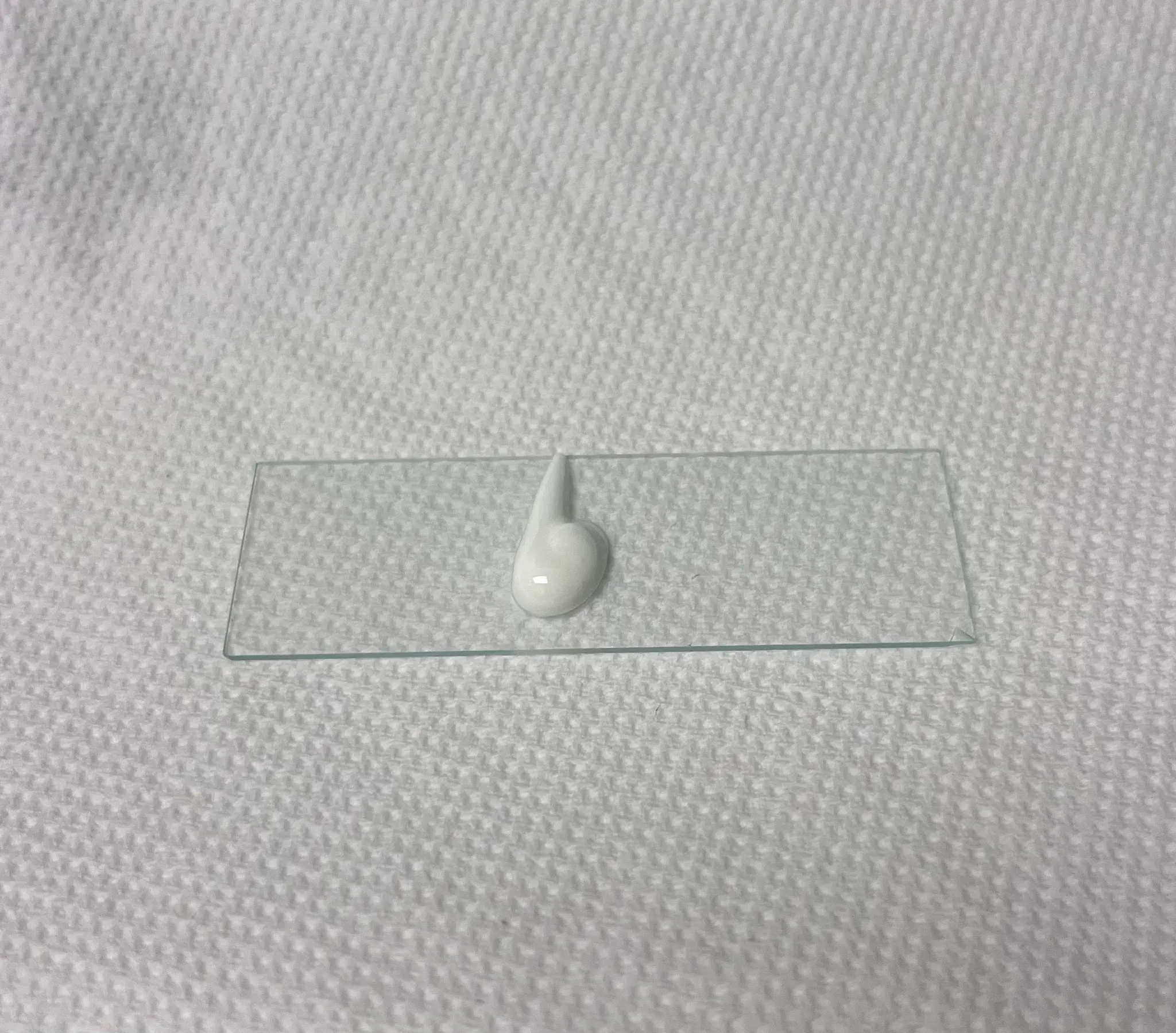
Figure B1: Chemical Coppertone Sample
Before Being Spread Evenly
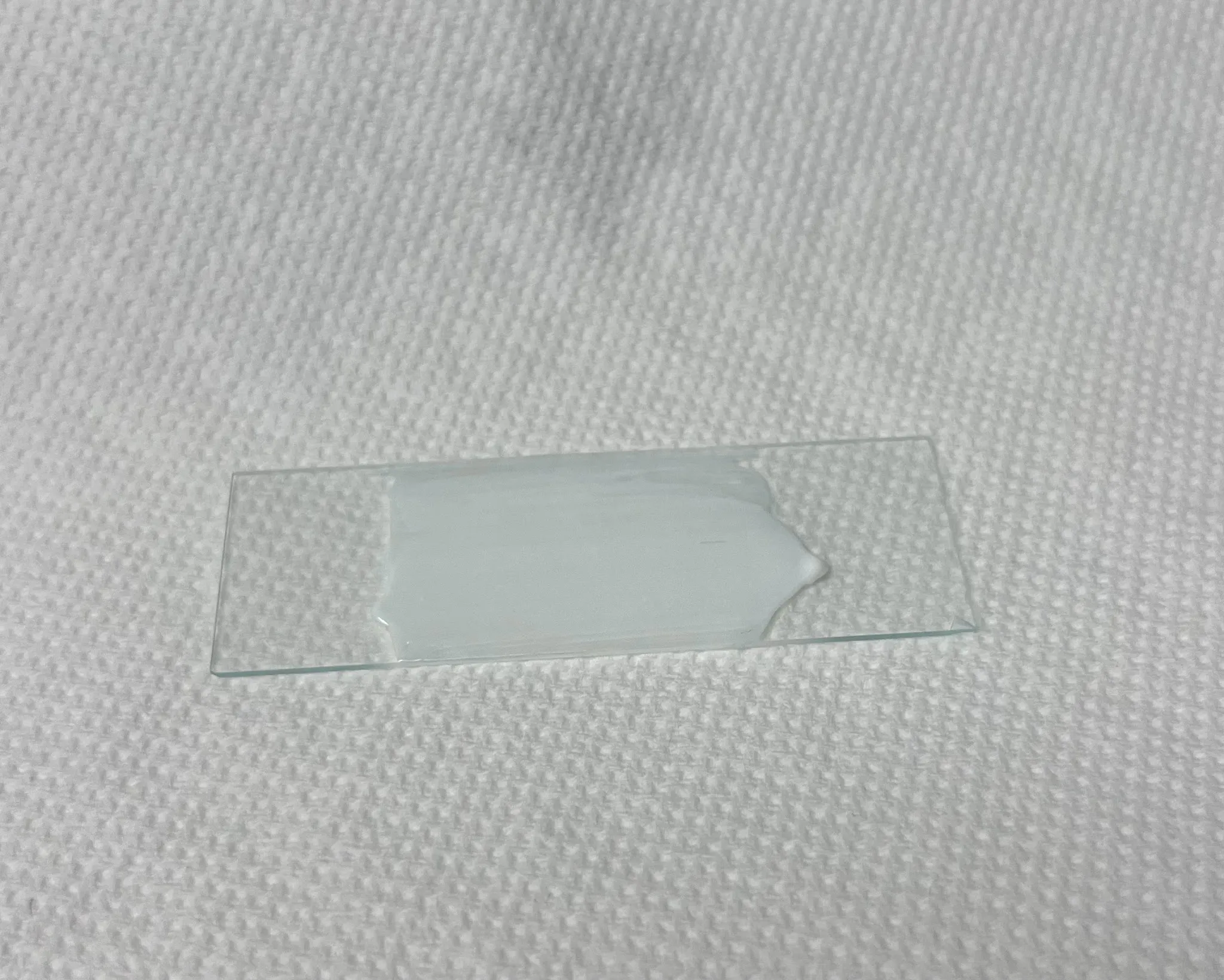
Figure B2: Chemical Coppertone Sample
After Being Spread Out with Index Card
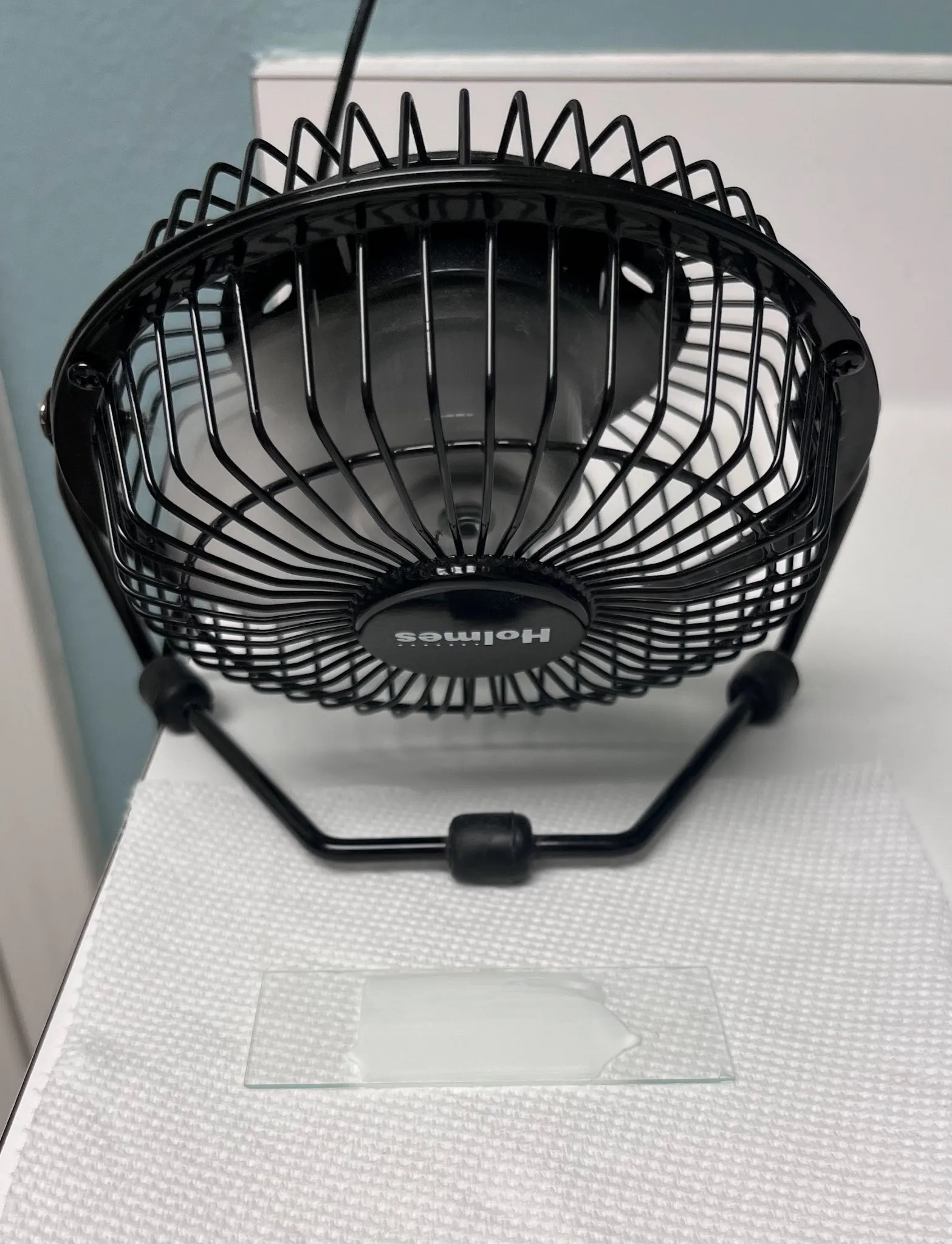
Figure B3: Chemical Coppertone Slide
Drying Under Fan (No Saline Added)
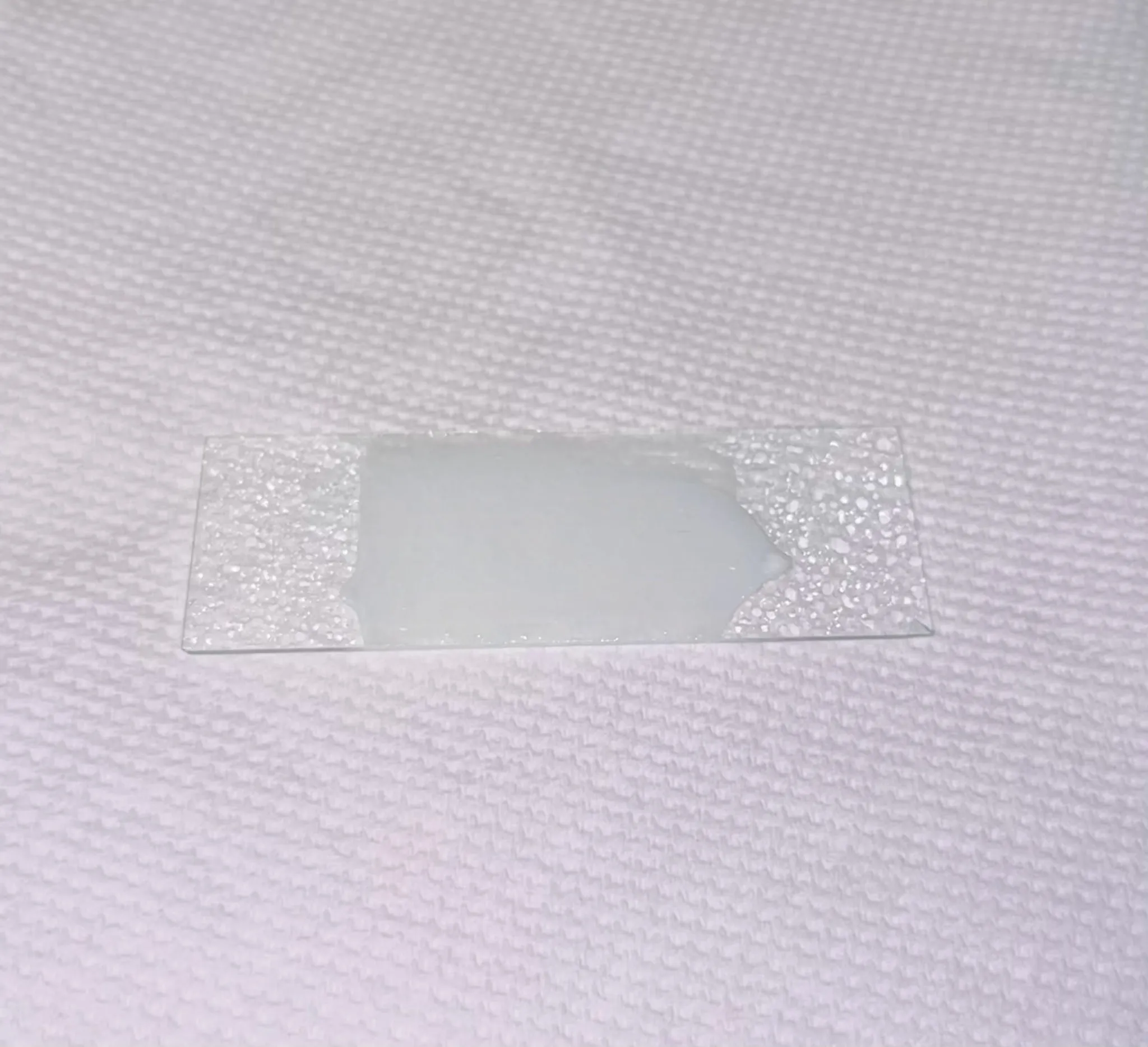
Figure B4: Chemical Coppertone Sunscreen
Sample with Saline Solution Added
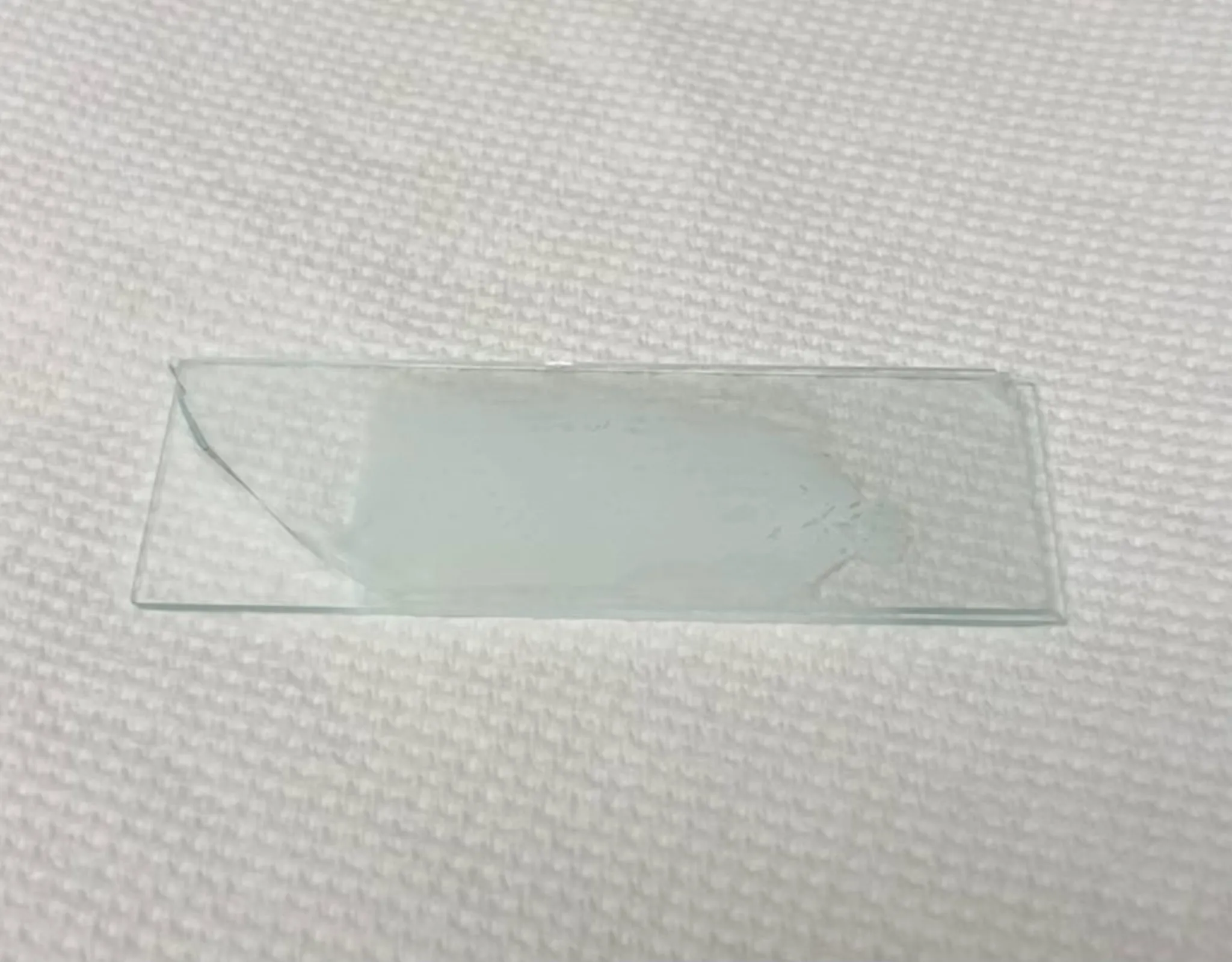
Figure B5: Two Stacked Microscope Slides With Sunscreen Sample and Saline Solution
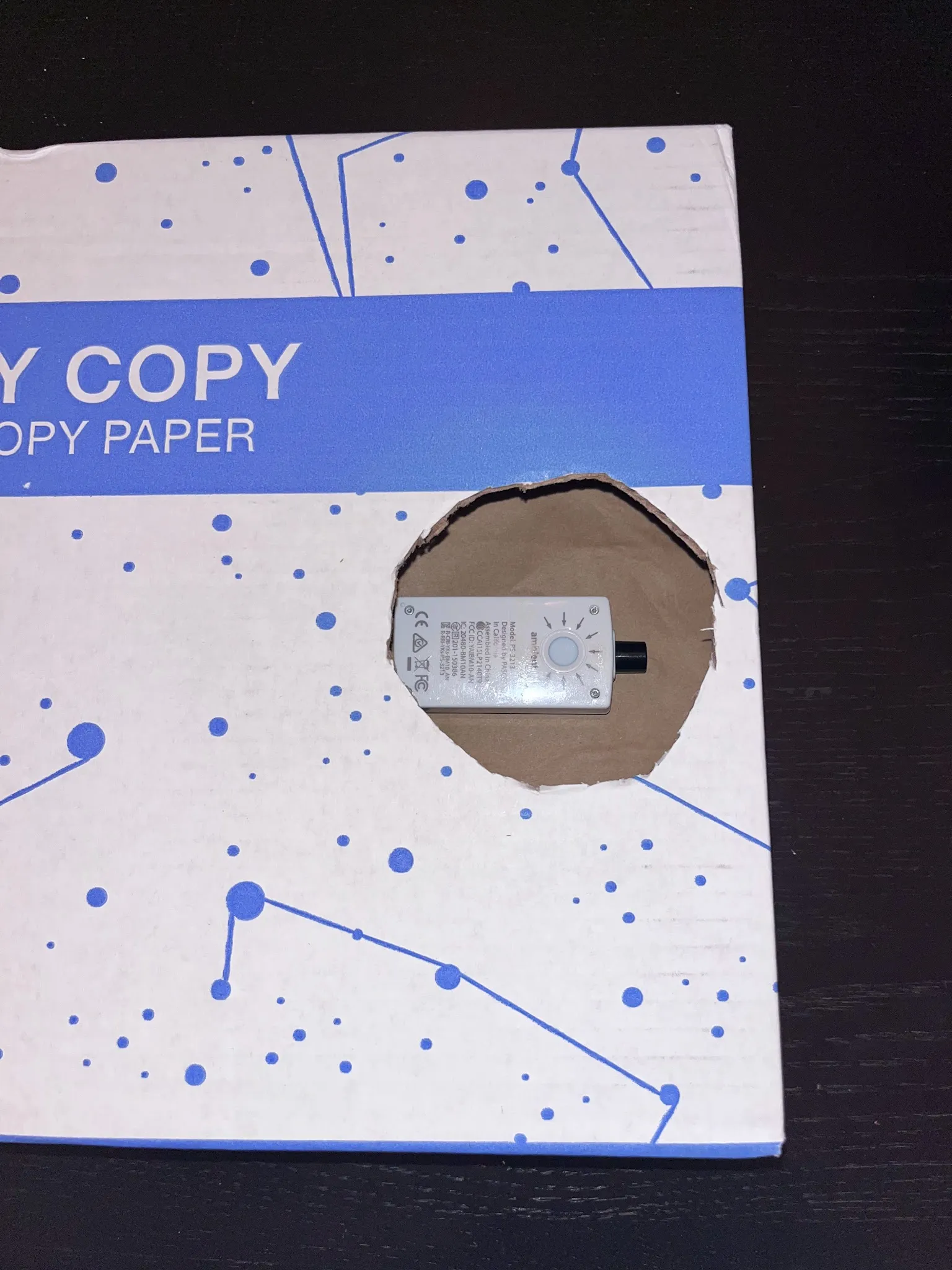
Figure B6: Bird’s Eye View of UVA Sensor in the Cardboard Box
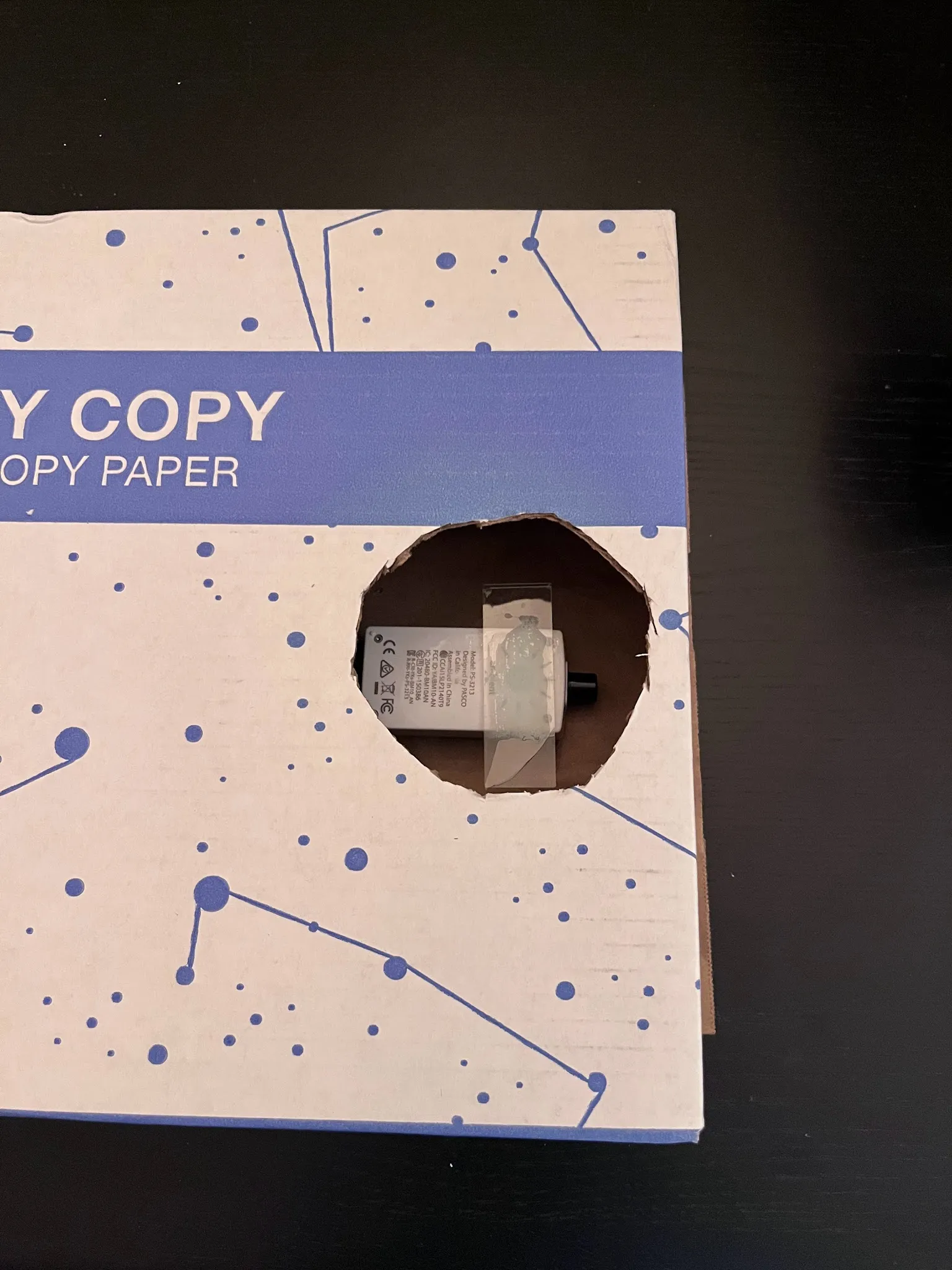
Figure B7: Bird’s Eye View of UVA Sensor with Tested Slide on Top
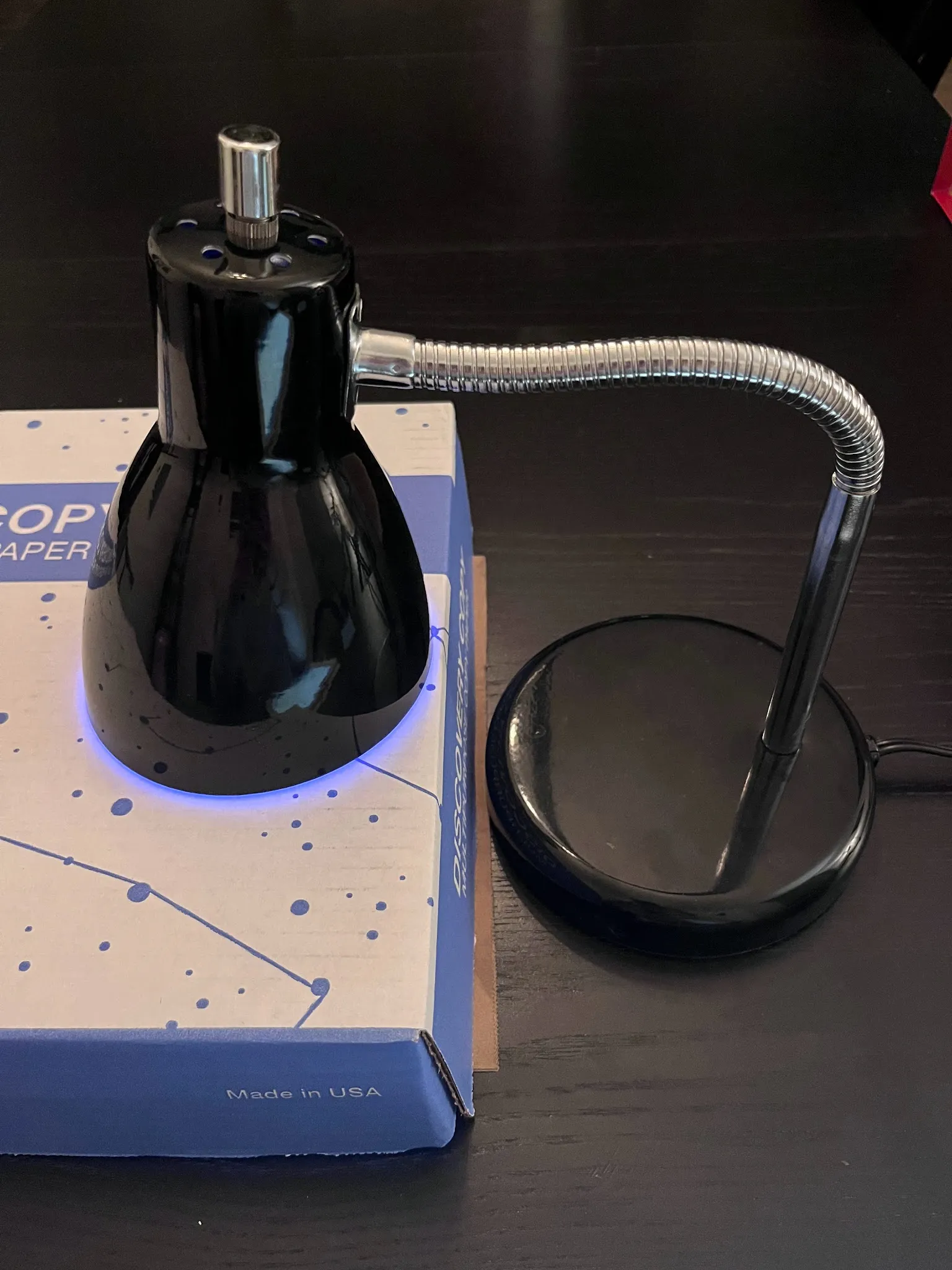
Figure B8: Experimental Trial in Process with UVA Lamp Covering Opening in Box
APPENDIX C: Differences in Reaction to Saline Solution
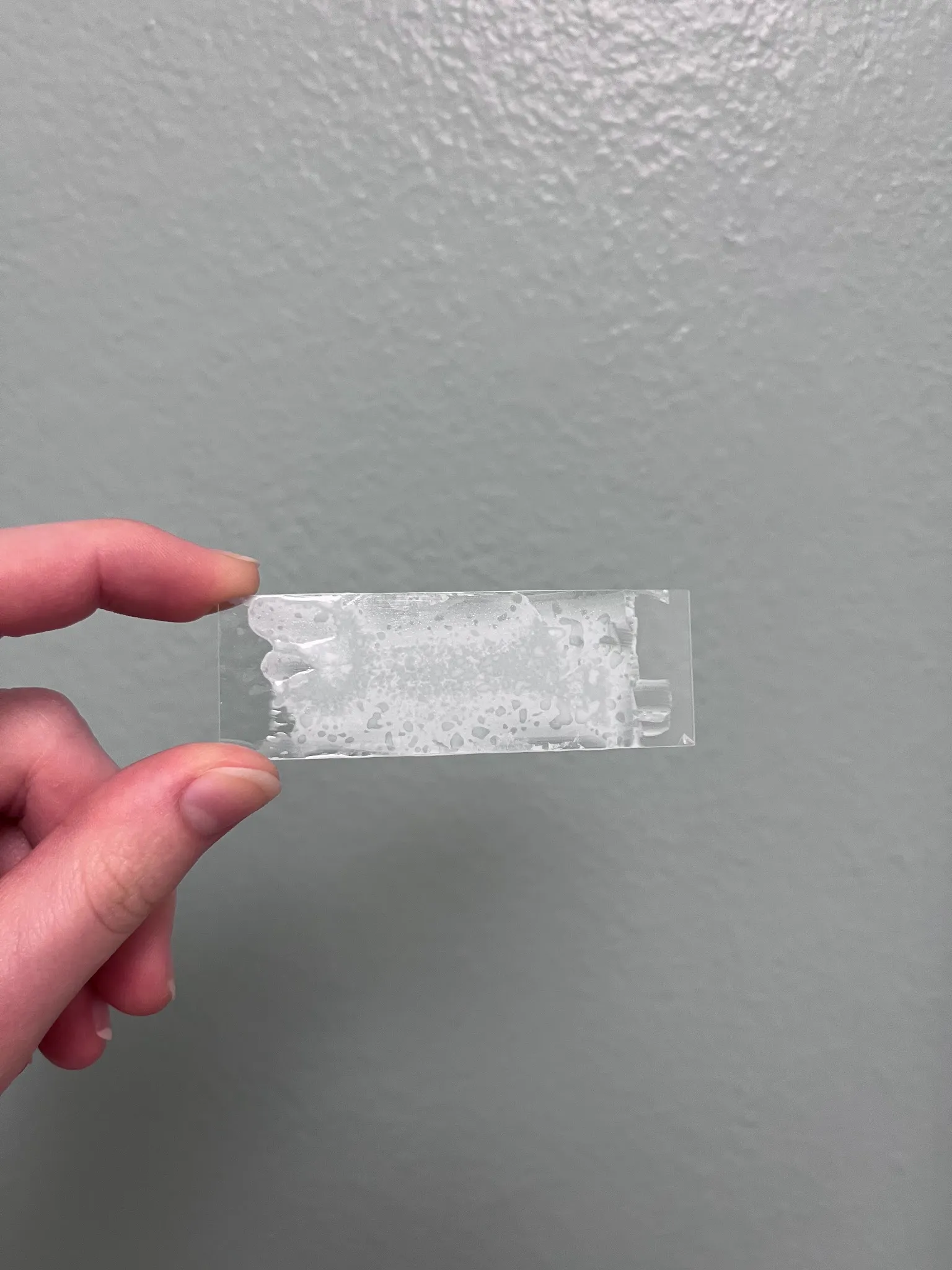
Figure C: 1: Separation After Trial 1 of Chemical Neutrogena
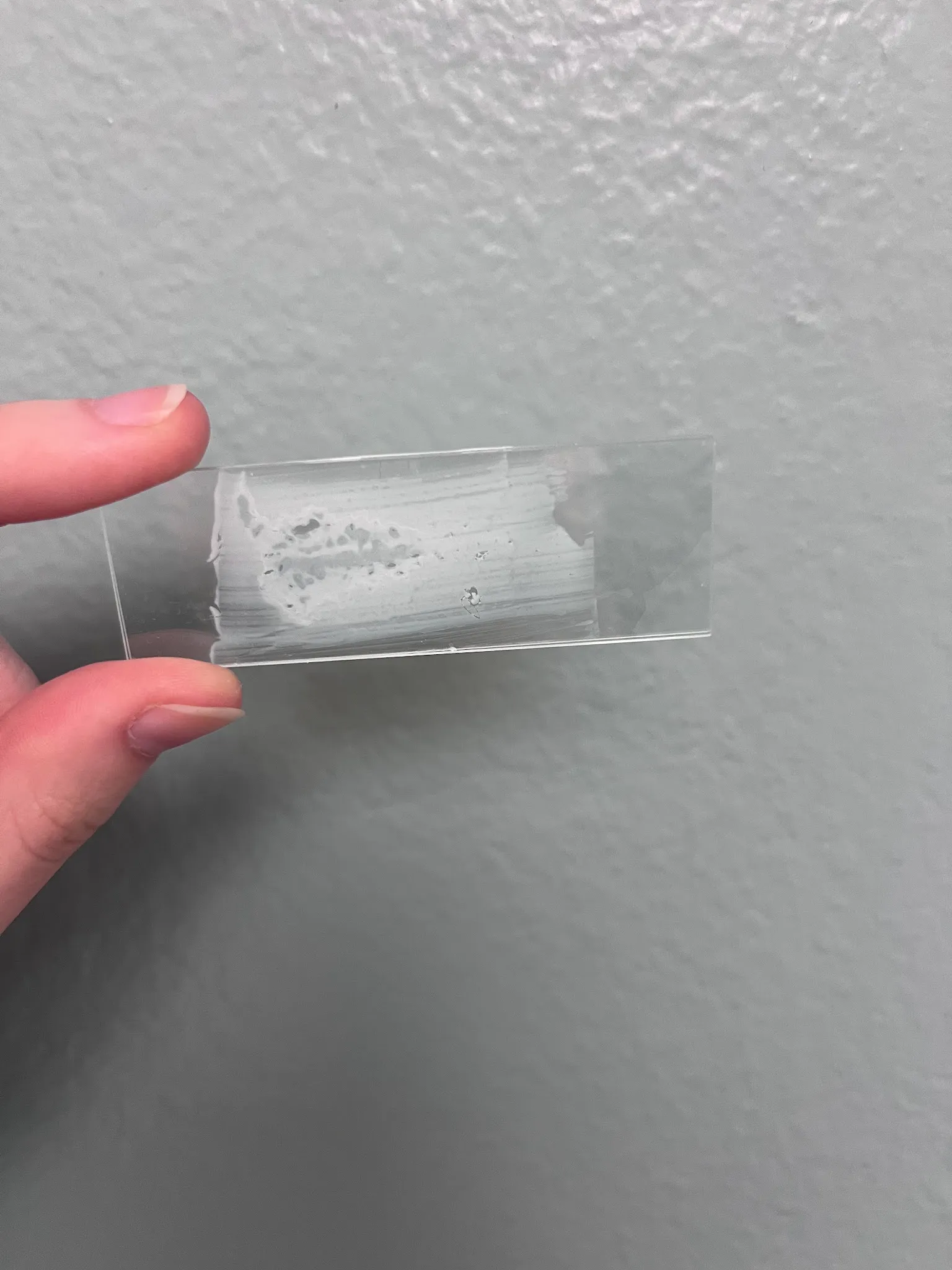
Figure C2: Separation After Trial 1 Of Chemical Coppertone
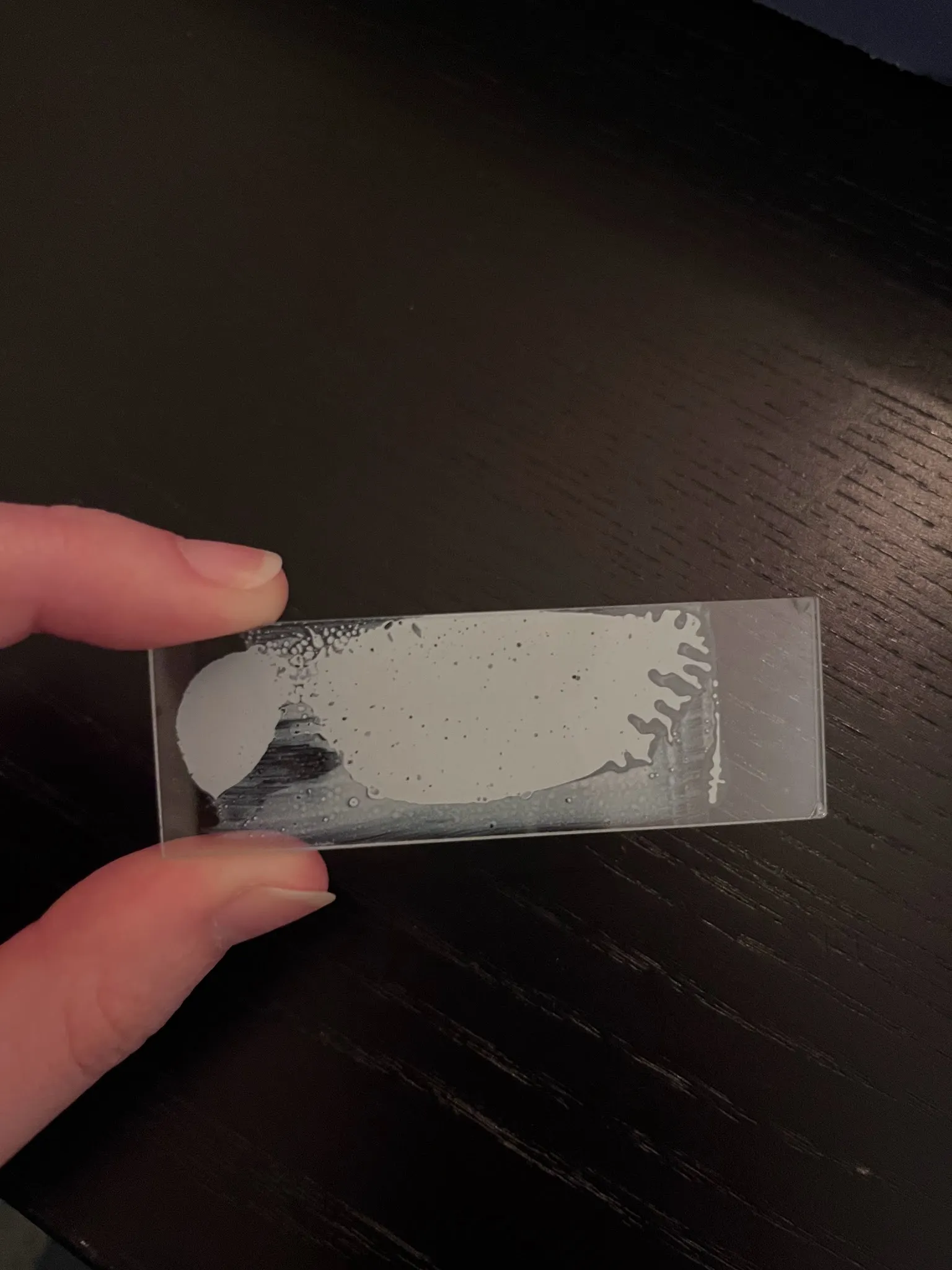
Figure C: 3: Very Little Separation Post-Experiment in Mineral Neutrogena
*Most severe reaction throughout all three trials pictured for both Figure C1 and Figure C2. The chemical banana boat sample did not experience any notable separation throughout its three trials, so is not represented.
**This depiction is applicable to all three mineral sunscreen samples since there was only spot separation throughout all nine trials.
REFERENCES

Evelyn Sarnowski, Soak up the Sun: The Effectiveness of Mineral-Based Versus Chemical-Based Sunscreen Against UVA Radiation When Exposed to Sweat, Int. J. Sci. R. Tech., 2026, 3 (10), 836-850. https://doi.org/10.5281/zenodo.23340711
 10.5281/zenodo.23340711