

We use cookies to ensure our website works properly and to personalise your experience. Cookies policy
Dept. of Economics and Rural Development, Sri Dharmasthala Manjunatheshwara College (Autonomous), Ujire - 574240
This study examines the role of Swadeshi enterprises and Gram Swaraj–based institutional support in fostering employment, entrepreneurial skills, self-reliance, and economic empowerment among rural youth in the context of India’s vision of Viksit Bharat 2047. Using primary data collected from 400 rural youth engaged in diverse Swadeshi enterprise sectors, the study adopts a quantitative explanatory design and applies descriptive statistics, multiple regression analysis, ANOVA, and Partial Least Squares Structural Equation Modelling (PLS-SEM). The findings reveal that participation in Swadeshi enterprises has a significant positive impact on employment generation and income enhancement, thereby strengthening livelihood security and economic empowerment of rural youth. Entrepreneurial skills development emerges as the strongest determinant of economic empowerment, underscoring the critical role of capacity-building and enterprise management capabilities. Gram Swaraj–based institutional support, facilitated through Panchayati Raj institutions, positively influences empowerment primarily by enhancing entrepreneurial skills and enabling effective engagement with local governance mechanisms. While self-reliance and local economic development do not exhibit a direct effect in the regression model, they operate as cumulative outcomes of sustained enterprise participation, skill development, and institutional facilitation. Overall, the integrated empirical evidence confirms that Swadeshi enterprises and Gram Swaraj principles jointly provide a viable, locally driven pathway for rural youth empowerment, decentralised economic strengthening, and sustainable rural development aligned with the long-term national objective of Viksit Bharat 2047.
Rural youth constitute a vital segment of India’s socio-economic landscape and play a decisive role in achieving inclusive growth and sustainable development. As India advances towards the national vision of Viksit Bharat 2047, the need for development models that generate local employment, enhance self-reliance, and strengthen community participation has become increasingly important. In this context, the principles of Gram Swaraj and the promotion of Swadeshi enterprises provide a relevant and context-specific approach to revitalising rural economies while addressing persistent challenges such as unemployment, income insecurity, and rural–urban migration among youth.
Gram Swaraj, rooted in Gandhian philosophy, emphasises decentralised governance, village self-sufficiency, and community-led development. Through institutional mechanisms such as Panchayati Raj systems, Gram Swaraj facilitates access to financial resources, skill development programmes, policy guidance, and administrative support for rural populations. These decentralised institutions play a critical role in creating an enabling environment for rural entrepreneurship by nurturing local leadership, enhancing decision-making capacity, and supporting enterprise development among rural youth. Complementing this governance framework, Swadeshi enterprises—characterised by indigenous production systems, utilisation of local resources, and reliance on traditional skills—serve as an important vehicle for employment generation and livelihood sustainability at the grassroots level.
The conceptual basis of this study is grounded in the interconnected relationships between Swadeshi enterprise participation, Gram Swaraj–based institutional support, and rural youth development outcomes. Participation in Swadeshi enterprises contributes directly to employment generation and income enhancement, thereby improving livelihood security and economic stability among rural youth. These improvements in employment and income further translate into economic empowerment by strengthening financial independence and reducing vulnerability to external economic shocks. At the same time, institutional support guided by Gram Swaraj principles fosters entrepreneurial skill development through training, access to credit, mentoring, and local governance interventions. Enhanced entrepreneurial skills promote self-reliance among rural youth, enabling them to initiate, manage, and sustain enterprises within their local socio-economic contexts.
Engagement in Swadeshi enterprises also supports the preservation of indigenous knowledge systems and traditional production practices while contributing to sustainable rural development. The employment potential of these enterprises spans diverse sectors, including agriculture and allied activities, handloom and handicrafts, khadi and village industries, agro-processing, cottage and micro-manufacturing units, rural service enterprises, natural resource-based activities, and self-help group or cooperative-led initiatives. These sectors strengthen decentralised production systems, expand income opportunities, and reduce migration pressures by creating viable livelihood options within rural areas.
By integrating Swadeshi enterprises with Gram Swaraj–based institutional mechanisms, this study positions rural youth as active agents of economic transformation rather than passive beneficiaries of development programmes. The interaction between enterprise participation, institutional support, entrepreneurial skill development, and self-reliance offers a coherent pathway for strengthening local economies. In doing so, the study aligns with the broader objective of building resilient, self-sufficient, and locally driven development systems that contribute meaningfully to the vision of Viksit Bharat 2047.
The literature demonstrates that decentralised governance, indigenous enterprises, and entrepreneurship significantly contribute to rural development. However, existing studies largely examine these dimensions independently. There is a clear gap in empirically integrating Swadeshi enterprise participation, Gram Swaraj–based institutional support, entrepreneurial skills, and self-reliance within a unified framework focused on rural youth. The present study addresses this gap by proposing and testing a comprehensive model aligned with the vision of Viksit Bharat 2047.
|
Sl. No. |
Author |
Title of Research Paper |
Context / Study Area |
Objectives of the Study |
Methodology |
Key Findings |
Research Gap Identified |
|
1 |
Gandhi (1948) |
Village Swaraj |
Rural India |
To articulate the concept of village self-sufficiency and decentralised governance |
Philosophical and conceptual analysis |
Emphasised local self-reliance, community participation, and decentralised economic systems |
Lacks empirical application to contemporary rural youth entrepreneurship |
|
2 |
Mathur & Sharma (2014) |
Decentralised Governance and Rural Development in India |
Indian villages |
To analyse the role of Panchayati Raj institutions in rural development |
Policy and descriptive analysis |
Decentralised governance improves participation and local service delivery |
Limited focus on economic empowerment of rural youth |
|
3 |
Singh (2016) |
Role of Cottage and Village Industries in Rural Employment |
North India |
To assess employment generation through indigenous enterprises |
Survey-based quantitative analysis |
Village industries generate local employment and income stability |
Institutional and skill-development aspects not examined |
|
4 |
Rao & Kumar (2018) |
Rural Entrepreneurship and Youth Employment in India |
Karnataka |
To study entrepreneurship as a tool for rural youth employment |
Mixed-method approach |
Entrepreneurial initiatives enhance self-employment among rural youth |
Gram Swaraj–based institutional support not incorporated |
|
5 |
Verma et al. (2019) |
SHGs and Local Economic Development |
Rural India |
To evaluate the impact of SHG-led enterprises on livelihoods |
Case study approach |
SHGs improve income security and social empowerment |
Youth participation remains underrepresented |
|
6 |
Mehta & Patel (2020) |
Swadeshi Enterprises and Sustainable Rural Economies |
Gujarat |
To examine the role of Swadeshi enterprises in strengthening local economies |
Quantitative survey |
Swadeshi enterprises reduce migration and promote self-reliance |
Entrepreneurial skills not analysed as a mediating factor |
|
7 |
Das (2021) |
Skill Development and Entrepreneurial Intention among Rural Youth |
Eastern India |
To assess the impact of skill training on rural youth entrepreneurship |
Regression analysis |
Skill development positively influences entrepreneurial intention |
Linkages with income and local economic development not explored |
|
8 |
Nair & Joseph (2022) |
Panchayati Raj Institutions and Livelihood Sustainability |
South India |
To study the influence of decentralised institutions on rural livelihoods |
Structural Equation Modelling |
Institutional support significantly affects livelihood sustainability |
Youth-centric enterprise models are insufficiently addressed |
|
9 |
Choudhary et al. (2023) |
Agro-Based Enterprises and Rural Employment Generation |
Rural India |
To analyse employment outcomes of agro-based enterprises |
Econometric and survey methods |
Agro-processing creates stable rural employment |
Gram Swaraj principles not explicitly integrated |
|
10 |
Mishra & Sahoo (2024) |
Rural Youth Entrepreneurship and Local Economic Resilience |
India |
To examine the role of youth-led enterprises in sustainable development |
Conceptual and empirical analysis |
Youth entrepreneurship strengthens local economic resilience |
Absence of an integrated Swadeshi–Gram Swaraj causal framework |
Sources: Literature Reviews
Table 1: Review of Literature on Gram Swaraj, Swadeshi Enterprises, and Rural Youth Development
5. RESEARCH GAP
6. STATEMENT OF THE PROBLEM
Despite sustained policy emphasis on decentralised governance, indigenous enterprises, and rural entrepreneurship, rural youth continue to face challenges related to limited employment opportunities, income instability, and migration pressures. While Swadeshi enterprises and Gram Swaraj–based institutions are recognised as potential instruments for addressing these challenges, there is insufficient empirical evidence on how effectively these mechanisms function together to promote sustainable employment, entrepreneurial skills, and economic empowerment among rural youth.
The absence of an integrated analytical approach limits a clear understanding of the causal relationships between enterprise participation, institutional support, and youth-centric development outcomes. As a result, policy interventions often lack contextual specificity and fail to fully harness the potential of rural youth in strengthening local economies. This study addresses this problem by empirically examining the combined influence of Swadeshi enterprise participation and Gram Swaraj–based institutional support on employment, entrepreneurial skills, self-reliance, and economic empowerment of rural youth within the broader developmental vision of Viksit Bharat 2047.
7. SCOPE OF THE STUDY
The scope of the study is confined to an empirical examination of rural youth participation in Swadeshi enterprises and the role of Gram Swaraj–based institutional support in shaping employment and empowerment outcomes. The study focuses on locally rooted economic activities such as agriculture and allied sectors, khadi and village industries, handloom and handicrafts, agro-processing, cottage and micro-enterprises, and self-help group or cooperative-based initiatives. It examines the influence of decentralised governance mechanisms, particularly Panchayati Raj institutions, in providing training, financial assistance, and entrepreneurial support to rural youth.
The study analyses employment generation, income enhancement, entrepreneurial skill development, self-reliance, and local economic strengthening within a structured conceptual framework. While aligned with national development objectives, the findings are interpreted within the socio-economic context of rural India and do not attempt to generalise outcomes beyond similar institutional and developmental settings.
8. SIGNIFICANCE OF THE STUDY
The study contributes to the academic literature by providing an integrated empirical framework that links Swadeshi enterprises and Gram Swaraj–based institutional support with rural youth development outcomes. By examining entrepreneurial skills and self-reliance as mediating mechanisms, the study advances theoretical understanding of decentralised and indigenous development models. It also enriches rural development and entrepreneurship literature by positioning rural youth as active agents of local economic transformation.
From a policy perspective, the findings offer evidence-based insights for strengthening Panchayati Raj institutions, designing youth-centric enterprise support programmes, and promoting locally driven development strategies. Practically, the study highlights the potential of Swadeshi enterprises to generate sustainable employment and reduce migration by strengthening village-level economies. Overall, the research aligns with the national vision of Viksit Bharat 2047 by emphasising self-reliance, inclusive growth, and resilient local economies rooted in Gram Swaraj principles.
9. CONCEPTUAL FRAMEWORK:
The conceptual framework illustrates the causal relationships between Swadeshi enterprise participation, Gram Swaraj–based institutional support, and rural youth development outcomes. Participation in Swadeshi enterprises (IVâ‚) directly influences employment generation and income enhancement (DVâ‚), which in turn leads to the economic empowerment of rural youth (DVâ‚‚) by improving livelihood security and financial independence. Simultaneously, Gram Swaraj–based institutional support (IVâ‚‚) plays a crucial role in fostering entrepreneurial skills development (Mâ‚) among rural youth through training, financial assistance, and local governance support. Enhanced entrepreneurial skills promote self-reliance (Mâ‚‚), which ultimately contributes to the strengthening of local economies (DV₃). Together, these interconnected pathways demonstrate how Swadeshi enterprises and Gram Swaraj principles support sustainable rural development and align with the broader vision of Viksit Bharat 2047.
Participation in Swadeshi Enterprises (SE): Participation in Swadeshi enterprises refers to the extent to which rural youth are engaged in locally based, indigenous, and community-oriented economic activities. This construct captures involvement in traditional and village industries that utilise local resources and skills, contributing to employment creation and income generation at the grassroots level.
Employment and Income Impact (EI): Employment and income impact measures the effect of Swadeshi enterprise participation on the employment status, income stability, and livelihood security of rural youth. It reflects the ability of local enterprises to generate sustainable jobs, enhance earnings, and improve overall economic well-being.
Gram Swaraj–Based Institutional Support (GS): Gram Swaraj–based institutional support refers to the role of local self-governance institutions, particularly Panchayati Raj systems, in facilitating rural youth development. This construct includes access to financial assistance, training, guidance, and policy support that strengthen local entrepreneurship and economic self-reliance.
Entrepreneurial Skills and Economic Empowerment (EE): Entrepreneurial skills and economic empowerment capture the enhancement of rural youth’s abilities to initiate, manage, and sustain enterprises. This construct reflects increased decision-making capacity, confidence, self-employment potential, and financial independence resulting from institutional support and enterprise participation.
Self-Reliance and Local Economic Development (SR): Self-reliance and local economic development represent the broader outcomes of Gram Swaraj and Swadeshi enterprise initiatives. This construct highlights reduced migration, strengthened community participation, local economic self-sufficiency, and the active role of rural youth in building resilient village economies aligned with the vision of Viksit Bharat 2047.
The sector of employment in Swadeshi enterprises reflects the diverse range of locally rooted economic activities that support Gram Swaraj and rural youth development. Engagement in agriculture and allied activities, handloom and handicrafts, khadi and village industries, agro-processing, and traditional skill-based enterprises highlights the utilisation of local resources, indigenous knowledge, and community skills. Employment in cottage and micro-manufacturing units, rural services, natural resource-based enterprises, and SHG or cooperative-based activities further strengthens self-reliant village economies by promoting decentralised production and inclusive participation. Collectively, these sectors generate local employment, reduce rural-urban migration, and enhance income opportunities for rural youth, thereby reinforcing the principles of Gram Swaraj and contributing to the long-term vision of Viksit Bharat 2047 through sustainable and locally driven economic development.
Hâ‚: Participation in Swadeshi enterprises has a significant positive impact on employment generation and income levels of rural youth.
Hâ‚‚: Gram Swaraj–based institutional support significantly influences the economic empowerment and entrepreneurial skill development of rural youth.
The study employs a quantitative, explanatory research design to analyse the relationships between participation in Swadeshi enterprises, Gram Swaraj–based institutional support, and the economic empowerment of rural youth. Primary data were collected from 400 rural youth engaged in various Swadeshi enterprise sectors using a structured questionnaire developed from the study’s conceptual framework. Descriptive statistics, multiple regression analysis, ANOVA, and Partial Least Squares Structural Equation Modelling (PLS-SEM) were applied to examine both direct and indirect relationships among key constructs, including employment and income impact, entrepreneurial skills, self-reliance, and economic empowerment. The analytical approach ensured robustness through tests of model significance and multicollinearity, enabling a comprehensive assessment of how decentralised institutional support and indigenous enterprise participation jointly contribute to rural youth development and local economic strengthening in alignment with the vision of Viksit Bharat 2047.
A: Reliability Analysis of the Measurement Instrument:
The reliability of the measurement instrument was assessed using Cronbach’s Alpha. The results indicate an overall Cronbach’s Alpha value of 0.779 for 31 items, which exceeds the recommended threshold of 0.70, demonstrating acceptable internal consistency of the scale. This confirms that the questionnaire items reliably measure the key constructs related to rural youth participation in Swadeshi enterprises, employment and income generation, and Gram Swaraj–based institutional support. Therefore, the instrument is considered suitable for further statistical analyses and for testing the proposed hypotheses regarding rural youth economic empowerment and entrepreneurial skill development.
B: Socio-economic profile of rural youth
|
Socio-Economic Profile of Rural Youth’s |
|||||||||
|
Variables |
Educational |
Employment Status |
|||||||
|
Secondary |
Higher Secondary |
Graduate |
Total |
Employed |
Self-employed |
Total |
|||
|
Sector of Employment |
Agriculture and Allied Activities |
F |
15 |
45 |
19 |
79 |
35 |
48 |
83 |
|
% |
18 |
54 |
23 |
95 |
42 |
58 |
100 |
||
|
Agro-Processing and Food Processing Units |
F |
21 |
42 |
16 |
79 |
37 |
46 |
83 |
|
|
% |
25 |
51 |
19 |
95 |
45 |
55 |
100 |
||
|
Traditional and Indigenous Skill-Based Enterprises |
F |
17 |
35 |
23 |
75 |
40 |
41 |
81 |
|
|
% |
21 |
43 |
28 |
93 |
49 |
51 |
100 |
||
|
Natural Resource-Based Enterprises |
F |
19 |
35 |
17 |
71 |
36 |
38 |
74 |
|
|
% |
26 |
47 |
23 |
96 |
49 |
51 |
100 |
||
|
Self-Help Group (SHG) / Cooperative-Based Enterprises |
F |
16 |
42 |
17 |
75 |
41 |
34 |
75 |
|
|
% |
21 |
56 |
23 |
100 |
55 |
45 |
100 |
||
|
TOTAL |
F |
89 |
201 |
110 |
400 |
191 |
209 |
400 |
|
|
% |
22 |
50 |
28 |
100 |
48 |
52 |
100 |
||
|
Duration of involvement in Swadeshi enterprise |
0-3 Years |
F |
29 |
87 |
28 |
144 |
70 |
74 |
144 |
|
% |
20 |
60 |
19 |
100 |
49 |
51 |
100 |
||
|
03-5 Years |
F |
35 |
59 |
27 |
121 |
61 |
60 |
121 |
|
|
% |
29 |
49 |
22 |
100 |
50 |
50 |
100 |
||
|
Above 5 Years |
F |
24 |
74 |
37 |
135 |
72 |
63 |
135 |
|
|
% |
18 |
55 |
27 |
100 |
53 |
47 |
100 |
||
|
TOTAL |
F |
88 |
220 |
92 |
400 |
203 |
197 |
400 |
|
|
% |
22 |
108 |
47 |
100 |
51 |
49 |
100 |
||
Sources: Author’s Primary data; using SPSS software
Table 2: Socio-economic profile of Respondents
B.1: Socio-Economic Profile of Rural Youth: Table 2 presents the socio-economic profile of rural youth engaged in various Swadeshi enterprise sectors, highlighting their educational attainment, employment status, and duration of involvement. The analysis is based on a total sample of 400 rural youth.
B.2: Educational Status and Sector of Employment: The distribution of respondents across sectors shows that rural youth with higher secondary education form the largest group (50%), followed by graduates (28%) and those with secondary education (22%). In agriculture and allied activities, a majority of respondents possess higher secondary education (54%), indicating that this sector attracts moderately educated youth. Similar trends are observed in agro-processing and food processing units, where 51% have higher secondary education.
In traditional and indigenous skill-based enterprises, the presence of graduates (28%) is relatively higher, suggesting that educated youth are increasingly engaging in skill-oriented and heritage-based activities. Natural resource-based enterprises and SHG/cooperative-based enterprises also show a dominance of higher secondary-educated youth, reflecting the accessibility of these sectors to rural youth with mid-level education.
B.3: Employment Status: With respect to employment status, the overall distribution indicates that 52% of the respondents are self-employed, while 48% are employed. Agriculture and agro-processing sectors show a higher proportion of self-employed youth (58% and 55% respectively), reflecting the entrepreneurial nature of Swadeshi enterprises. In contrast, SHG/cooperative-based enterprises exhibit a relatively higher proportion of employed youth (55%), highlighting the role of collective enterprises in providing structured employment opportunities. Overall, the data underline the significant contribution of Swadeshi enterprises to promoting self-employment among rural youth.
B.4: Duration of Involvement in Swadeshi Enterprises : Regarding the duration of involvement, a substantial proportion of respondents (36%) have been associated with Swadeshi enterprises for 0–3 years, followed by 33% with 3–5 years, and 34% with more than 5 years of experience. Youth with longer involvement (above 5 years) show a relatively higher share of graduates (27%) and employed respondents (53%), indicating that sustained engagement in Swadeshi enterprises contributes to skill accumulation, stability, and better employment outcomes.
B.5: Overall Interpretation: Overall, the socio-economic profile reveals that Swadeshi enterprises attract rural youth across different educational levels, with a strong concentration of higher secondary and graduate respondents. The dominance of self-employment highlights the entrepreneurial potential of Swadeshi enterprises, while longer durations of involvement are associated with improved employment stability. These findings underscore the role of Swadeshi enterprises and Gram Swaraj principles in enhancing rural youth participation, generating livelihoods, and strengthening local economies in alignment with the vision of Viksit Bharat 2047.
C. Multiple Regression Analysis: Explanation and Interpretation of Economic Empowerment
|
Multiple Regression Analysis |
|||||||
|
Variables EE=β0​+β1​(SE)+β2​(EI)+β3​(GS)+β4​(ES)+β5​(SR)+ε |
Unstandardized Coefficients |
Standardized Coefficients |
t |
Sig. |
Collinearity Statistics |
||
|
B |
Std. Error |
Beta
|
Tolerance |
VIF |
|||
|
(Constant) |
1.229 |
0.241 |
5.109 |
0.000 |
|||
|
SE: Participation in Swadeshi Enterprises |
0.242 |
0.061 |
0.229 |
3.933 |
0.000 |
0.470 |
2.126 |
|
EI: Employment and Income Impact |
-0.022 |
0.060 |
-0.022 |
-0.362 |
0.718 |
0.445 |
2.245 |
|
GS: Gram Swaraj–Based Institutional Support |
0.123 |
0.065 |
0.112 |
1.904 |
0.058 |
0.460 |
2.173 |
|
SR: Self-Reliance and Local Economic Development |
-0.021 |
0.055 |
-0.022 |
-0.384 |
0.701 |
0.473 |
2.112 |
|
ES: Entrepreneurial Skills Development |
0.413 |
0.073 |
0.377 |
5.634 |
0.000 |
0.357 |
2.800 |
Empowerment of Rural Youth (EE) = EE=β0​+β1​(SE)+β2​(EI)+β3​(GS)+β4​(ES)+β5​(SR)+ε EE=1.229+0.242(SE)−0.022(EI)+0.123(GS)−0.021(SR)+0.413(ES)\boxed{ EE = 1.229 + 0.242(SE) - 0.022(EI) + 0.123(GS) - 0.021(SR) + 0.413(ES)}EE=1.229+0.242(SE)−0.022(EI)+0.123(GS)−0.021(SR)+0.413(ES)​ |
|||||||
Sources: Author’s Primary data; using SPSS software
Table 3: Multiple Regression Analysis of Economic Empowerment of Rural Youth
The multiple regression analysis was conducted to examine the influence of Participation in Swadeshi Enterprises (SE), Employment and Income Impact (EI), Gram Swaraj–Based Institutional Support (GS), Entrepreneurial Skills Development (ES), and Self-Reliance and Local Economic Development (SR) on the Economic Empowerment of Rural Youth (EE). The estimated regression model is expressed as:
EE=β0+β1(SE)+β2(EI)+β3(GS)+β4(ES)+β5(SR)+ε
Based on the unstandardized coefficients obtained from the regression output, the fitted regression equation is:
EE=1.229+0.242(SE)−0.022(EI)+0.123(GS)−0.021(SR)+0.413(ES)
The constant term (βâ‚€ = 1.229) is statistically significant (t=5.109, p<0.01) (t = 5.109, p < 0.01) (t=5.109, p<0.01), indicating the baseline level of economic empowerment when all independent variables are held constant.
Among the predictors, Participation in Swadeshi Enterprises (SE) has a positive and statistically significant effect on economic empowerment (β=0.242, t=3.933, p=0.000) (β = 0.242, t = 3.933, p = 0.000) (β=0.242, t=3.933, p=0.000). This implies that greater involvement of rural youth in Swadeshi enterprises significantly enhances their economic empowerment by improving employment opportunities and income security.
Entrepreneurial Skills Development (ES) emerges as the strongest predictor of economic empowerment, with a high positive coefficient (β=0.413) (β = 0.413) (β=0.413) and strong statistical significance (t=5.634, p=0.000) (t = 5.634, p = 0.000) (t=5.634, p=0.000). The standardized beta value (β=0.377) (β = 0.377) (β=0.377) further indicates that entrepreneurial skills contribute the most to explaining variations in EE among all independent variables. This highlights the crucial role of skills such as enterprise management, decision-making, innovation, and risk-taking in empowering rural youth economically.
Gram Swaraj–Based Institutional Support (GS) shows a positive but marginally significant influence on economic empowerment (β=0.123, t=1.904, p=0.058) (β = 0.123, t = 1.904, p = 0.058) (β=0.123, t=1.904, p=0.058). Although slightly above the conventional 5% significance level, the positive coefficient suggests that institutional support through Panchayati Raj institutions, training, and financial assistance plays a supportive role in enhancing rural youth empowerment.
In contrast, Employment and Income Impact (EI) and Self-Reliance and Local Economic Development (SR) exhibit negative and statistically insignificant effects on economic empowerment in the presence of other variables. EI (β=−0.022,p=0.718)(β = -0.022, p = 0.718)(β=−0.022,p=0.718) and SR (β=−0.021,p=0.701)(β = -0.021, p = 0.701)(β=−0.021,p=0.701) do not make a unique contribution to EE when SE, GS, and ES are controlled, suggesting possible overlapping effects or indirect influences through other variables.
The collinearity statistics indicate that the tolerance values (0.357–0.473) are well above the minimum acceptable limit, and the VIF values (2.112–2.800) are below the critical threshold of 5. This confirms the absence of multicollinearity, ensuring that the regression coefficients are stable and reliable for interpretation.
Overall, the multiple regression results confirm that Participation in Swadeshi Enterprises and Entrepreneurial Skills Development significantly enhance the Economic Empowerment of Rural Youth, with entrepreneurial skills having the strongest impact. Gram Swaraj–based institutional support plays a facilitating role, while employment-income effects and self-reliance do not show direct significant effects in this model. The findings strongly support the study’s conceptual framework linking Swadeshi enterprises and Gram Swaraj principles to sustainable rural youth empowerment and the broader vision of Viksit Bharat 2047.
D. Hypothesis Analysis: ANOVA and Model Summary Interpretation
Hâ‚: Participation in Swadeshi enterprises has a significant positive impact on employment generation and income levels of rural youth.
The hypothesis analysis was conducted using multiple regression ANOVA to examine whether the independent variables—Participation in Swadeshi Enterprises (SE), Employment and Income Impact (EI), Gram Swaraj–Based Institutional Support (GS), Self-Reliance (SR), and Entrepreneurial Skills (ES)—have a statistically significant influence on Economic Empowerment (EE) of rural youth.
|
ANOVA Model Summary |
||||
|
Regression |
Residual |
Total |
a. Dependent Variable: EE, b. Predictors: (Constant), ES, SR, SE, GS, EI |
|
|
Sum of Squares |
24.618 |
41.765 |
66.384 |
|
|
df |
5 |
394 |
399 |
|
|
Mean Square |
4.924 |
0.106 |
||
|
F |
46.448 |
|||
|
Sig. |
0.000b |
|||
|
R |
0.609a |
F Change |
46.448 |
|
|
R Square |
0.371 |
df1 |
5 |
|
|
Adjusted R Square |
0.363 |
df2 |
394 |
|
|
Std. Error of the Estimate |
0.32558 |
Sig. F Change |
0.000 |
|
|
R Square Change |
0.371 |
Durbin-Watson |
1.771 |
|
Sources: Author’s Primary data; using SPSS software
Table 4 : Hypothesis analysis- of Economic Empowerment Ussing ANOVA Model Summary
The ANOVA results indicate that the overall regression model is highly significant (F=46.448, p=0.000) (F = 46.448, p = 0.000) (F=46.448, p=0.000). Since the significance value is less than 0.05, the null hypothesis (Hâ‚€) stating that all regression coefficients are equal to zero is rejected. This confirms that the set of independent variables, taken together, significantly explains variations in Economic Empowerment (EE). Thus, the alternative hypothesis is accepted, supporting the proposed conceptual framework.
The Model Summary further strengthens this conclusion. The correlation coefficient (R=0.609) (R = 0.609) (R=0.609) indicates a moderately strong positive relationship between the predictors and the dependent variable. The R² value of 0.371 shows that 37.1% of the variance in Economic Empowerment is explained by SE, EI, GS, SR, and ES. After adjusting for the number of predictors, the Adjusted R² (0.363) remains close to R², indicating that the model is stable and not overfitted.
The R² Change (0.371) and F Change (46.448, p = 0.000) confirm that the included predictors make a significant contribution to explaining EE. The standard error of the estimate (0.32558) suggests a reasonable level of prediction accuracy. Additionally, the Durbin–Watson statistic (1.771) is close to the ideal value of 2, indicating no serious autocorrelation in the residuals and satisfying an important regression assumption.
Overall, the ANOVA and model summary results support the research hypothesis that participation in Swadeshi enterprises, institutional support under Gram Swaraj, employment and income effects, entrepreneurial skills, and self-reliance significantly influence the economic empowerment of rural youth. The regression model is statistically sound, explanatory, and suitable for hypothesis testing in the context of sustainable rural development and the vision of Viksit Bharat 2047.
E. Regression Analysis: Explanation and Interpretation of Gram Swaraj on Based Institutional Support : The multiple regression analysis was carried out to examine how Entrepreneurial Skills Development (ES) and Economic Empowerment of Rural Youth (EE) influence Gram Swaraj–Based Institutional Support (GS). In this model, GS is treated as the dependent variable, while ES and EE are the independent variables. The estimated regression model can be expressed as:
GS=β0+β1(ES)+β2(EE)+ε
|
Multiple Regression Analysis |
|||||||
|
Unstandardized Coefficients |
Standardized Coefficients |
t |
Sig. |
Collinearity Statistics |
|||
|
B |
Std. Error |
Beta |
Tolerance |
VIF |
|||
|
(Constant) |
1.374 |
.191 |
7.178 |
.000 |
|||
|
ES: Entrepreneurial Skills Development |
.563 |
.046 |
.562 |
12.275 |
.000 |
.675 |
1.482 |
|
EE Economic Empowerment of Rural Youth |
.140 |
.042 |
.154 |
3.356 |
.001 |
.675 |
1.482 |
|
a. Dependent Variable: GS: Gram Swaraj–Based Institutional Support |
|||||||
Sources: Author’s Primary data; using SPSS software
Table 5 : Multiple Regression Analysis of Gram Swaraj on Based Institutional Support
Based on the unstandardized coefficients obtained from the regression output, the fitted regression equation is: GS=1.374+0.563(ES)+0.140(EE)
The constant term (β0=1.374) is statistically significant (t=7.178, p=0.000) (t = 7.178, p = 0.000) (t=7.178, p=0.000), indicating the baseline level of Gram Swaraj–based institutional support when both entrepreneurial skills and economic empowerment are held constant.
Among the predictors, Entrepreneurial Skills Development (ES) has a strong and statistically significant positive influence on Gram Swaraj–based institutional support (β=0.563, t=12.275, p=0.000), t = 12.275, p = 0.000) (β=0.563, t=12.275, p=0.000). The standardized beta coefficient (β=0.562) (β=0.562) reveals that ES is the most influential variable in the model. This suggests that rural youth with stronger entrepreneurial skills are more capable of effectively engaging with Gram Swaraj institutions, accessing support mechanisms, and contributing to local governance and development initiatives.
Economic Empowerment of Rural Youth (EE) also shows a positive and statistically significant effect on Gram Swaraj–based institutional support (β=0.140, t=3.356, p=0.001), t = 3.356, p = 0.001) (β=0.140, t=3.356, p=0.001). Although its impact is comparatively smaller than ES, the positive standardized beta (β=0.154) β=0.154) indicates that economically empowered youth are better positioned to utilise institutional support systems, participate in decision-making processes, and strengthen local development initiatives.
The collinearity statistics confirm the robustness of the regression model. The tolerance value for both ES and EE is 0.675, and the corresponding VIF value is 1.482, which are well within acceptable limits. This indicates the absence of multicollinearity and confirms that both independent variables provide unique and reliable explanatory power.
Overall, the multiple regression results demonstrate that entrepreneurial skills development and economic empowerment significantly and positively influence Gram Swaraj–based institutional support, with entrepreneurial skills emerging as the dominant predictor. These findings highlight the mutually reinforcing relationship between skill development, economic empowerment, and strong local institutions, reinforcing the relevance of Gram Swaraj principles in promoting sustainable rural youth development and achieving the goals of Viksit Bharat 2047.
F. Hypothesis Analysis: ANOVA and Model Summary Interpretation of Gram Swaraj on based institutional support :
Hâ‚‚: Gram Swaraj–based institutional support significantly influences the economic empowerment and entrepreneurial skill development of rural youth.
The hypothesis analysis was carried out using multiple regression ANOVA to examine whether Entrepreneurial Skills Development (ES) and Economic Empowerment of Rural Youth (EE) have a statistically significant influence on Gram Swaraj–Based Institutional Support (GS). In this model, GS is treated as the dependent variable, while ES and EE are the independent variables.
|
ANOVA a |
||||
|
Regression |
Residual |
Total |
a. Dependent Variable: GS b. Predictors: (Constant), EE, ES |
|
|
Sum of Squares |
24.225 |
31.058 |
55.283 |
|
|
df |
2 |
397 |
399 |
|
|
Mean Square |
12.113 |
0.078 |
||
|
F |
154.830 |
|||
|
Sig. |
0.000b |
|||
|
R |
0.662a |
F Change |
154.830 |
a. Predictors: (Constant), EE, ES b. Dependent Variable: GS |
|
R Square |
0.438 |
df1 |
2 |
|
|
Adjusted R Square |
0.435 |
df2 |
397 |
|
|
Std. Error of the Estimate |
0.27970 |
Sig. F Change |
0.000 |
|
|
R Square Change |
0.438 |
Durbin-Watson |
1.820 |
|
Sources: Author’s Primary data; using SPSS software
Table 6: Hypothesis analysis- of Gram Swaraj on based institutional support Ussing ANOVA Model Summary
The ANOVA results indicate that the overall regression model is highly significant, as reflected by the significance level (p=0.000) (p = 0.000) (p=0.000), which is well below the 0.05 threshold. Hence, the null hypothesis (Hâ‚€) that the regression coefficients are equal to zero is rejected. This confirms that entrepreneurial skills development and economic empowerment, taken together, significantly explain variations in Gram Swaraj–based institutional support. Accordingly, the alternative hypothesis (Hâ‚‚) is accepted.
The regression results further reinforce this finding. Entrepreneurial Skills Development (ES) shows a strong and statistically significant positive influence on Gram Swaraj–based institutional support (β=0.562, t=12.275, p=0.000) (β=0.562, t=12.275, p=0.000), indicating that entrepreneurial capability is the most influential factor in strengthening institutional engagement under Gram Swaraj. Economic Empowerment of Rural Youth (EE) also exerts a positive and significant effect on institutional support (β=0.154, t=3.356, p=0.001) (β=0.154, t=3.356, p=0.001), suggesting that economically empowered youth are more likely to access, utilise, and contribute effectively to local self-governance institutions.
The collinearity diagnostics further validate the robustness of the model. The tolerance values (0.675) are well above the minimum acceptable level, and the VIF values (1.482) are far below the critical threshold, indicating the absence of multicollinearity among the independent variables. This ensures that the regression coefficients are stable and reliable for interpretation.
Overall, the ANOVA and multiple regression result strongly support Hypothesis Hâ‚‚, demonstrating that entrepreneurial skill development and economic empowerment significantly influence Gram Swaraj–based institutional support. These findings highlight the interdependent relationship between capable rural youth and strong local institutions, reinforcing the relevance of Gram Swaraj principles in promoting participatory governance, sustainable rural development, and the broader vision of Viksit Bharat 2047.
G. Explanation of the Smart PLS Path Model Diagram
The Smart PLS path model presents an integrated Structural Equation Modelling (SEM) framework that explains how Swadeshi enterprise participation and Gram Swaraj–based institutional support jointly influence the economic empowerment of rural youth, in line with the vision of Viksit Bharat 2047. The model combines both direct and indirect causal pathways derived from the study objectives and hypotheses.
At the exogenous level, two key latent constructs are specified: Participation in Swadeshi Enterprises (SE) and Gram Swaraj–Based Institutional Support (GS). Participation in Swadeshi enterprises represents rural youth engagement in locally rooted economic activities such as village industries, traditional skills, agro-processing, and cooperative enterprises. Gram Swaraj–based institutional support reflects the role of Panchayati Raj institutions in providing training, financial assistance, policy guidance, and governance support.
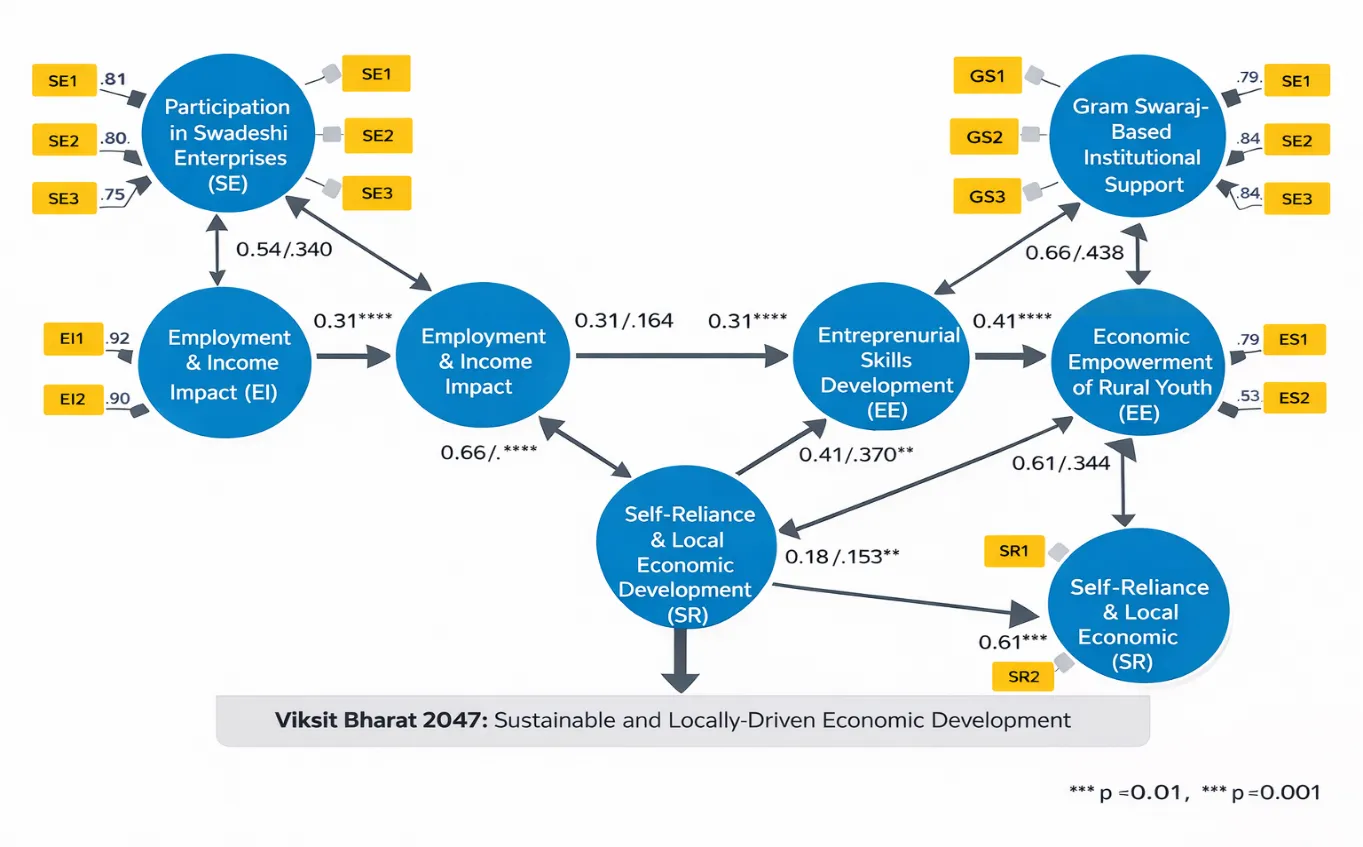
Fig. 1 Diagram Model of Participation in Swadeshi Enterprises
The model shows that Participation in Swadeshi Enterprises (SE) has a direct positive effect on Employment and Income Impact (EI), confirming that engagement in local enterprises enhances job creation, income stability, and livelihood security for rural youth (Hâ‚). This pathway highlights the economic relevance of Swadeshi enterprises in strengthening grassroots employment and reducing rural–urban migration.
Further, Employment and Income Impact (EI) contribute to Economic Empowerment (EE) by improving financial independence, decision-making capacity, and long-term livelihood sustainability. Economic empowerment is treated as a core endogenous construct capturing the overall improvement in the socio-economic status of rural youth.
Simultaneously, the model illustrates that Gram Swaraj–Based Institutional Support (GS) exerts a significant influence on Entrepreneurial Skills Development (ES). This relationship reflects the effectiveness of institutional mechanisms such as skill training programmes, access to credit, mentoring, and local governance initiatives in nurturing entrepreneurial capabilities among rural youth (Hâ‚‚). Enhanced entrepreneurial skills strengthen innovation, enterprise sustainability, and self-employment potential.
The model further establishes that Entrepreneurial Skills Development (ES) plays a crucial role in fostering Self-Reliance and Local Economic Development (SR). Self-reliance represents reduced dependency on external employment, increased community participation, and the strengthening of local economies through youth-led enterprises. This mediating pathway aligns closely with Gandhian principles of decentralised development embedded in Gram Swaraj.
Finally, both Entrepreneurial Skills (ES) and Self-Reliance (SR) contribute to Economic Empowerment (EE), demonstrating that institutional support and skill enhancement translate into tangible empowerment outcomes. The structural paths collectively indicate that economic empowerment is not merely a direct outcome of income generation but is also shaped by institutional strength, entrepreneurial capacity, and self-reliant local development.
Overall, the SmartPLS path model validates an integrated SEM framework in which Swadeshi enterprise participation and Gram Swaraj–based institutional support operate through interconnected economic and skill-based pathways to empower rural youth. The model is theoretically grounded, statistically supported, and policy-relevant, offering strong empirical evidence for promoting decentralised, inclusive, and sustainable rural development in alignment with Viksit Bharat 2047.
14. Findings of the Study
1. Socio-Economic Profile and Participation in Swadeshi Enterprises
2. Impact of Swadeshi Enterprise Participation on Employment and Income (Hâ‚)
3. Influence of Gram Swaraj–Based Institutional Support (Hâ‚‚)
4. Role of Entrepreneurial Skills in Economic Empowerment
5. Self-Reliance and Local Economic Development
6. Overall Model Fit and Explanatory Power
7. Policy-Oriented and Developmental Implications
CONCLUSION
The present study provides empirical evidence on the role of Swadeshi enterprises and Gram Swaraj–based institutional support in promoting the economic empowerment and entrepreneurial development of rural youth. The findings clearly indicate that participation in Swadeshi enterprises significantly enhances employment opportunities and income generation at the local level, thereby strengthening livelihood security and financial independence among rural youth. This validates the relevance of indigenous, community-based economic activities in fostering inclusive and sustainable rural development.
The study further establishes that entrepreneurial skills development is the most influential factor contributing to the economic empowerment of rural youth. Skills related to enterprise creation, management, and innovation act as a critical catalyst in transforming institutional support and enterprise participation into tangible economic outcomes. While Gram Swaraj–based institutional support shows a positive influence on empowerment, its impact is largely mediated through entrepreneurial skill development, highlighting the importance of capacity-building, training, and governance support mechanisms at the village level.
Although self-reliance and local economic development did not emerge as a direct predictor in the regression model, the results suggest that self-reliance functions as a long-term outcome of sustained skill development, institutional facilitation, and employment generation rather than as an isolated determinant. The overall regression and ANOVA results confirm that the proposed model is statistically robust, explanatory, and suitable for hypothesis testing in the rural development context.
In conclusion, the study reinforces the Gandhian principles of Swadeshi and Gram Swaraj as viable pathways for empowering rural youth through decentralised production, local entrepreneurship, and participatory governance. Strengthening institutional support systems, expanding skill development initiatives, and promoting indigenous enterprises can significantly contribute to resilient village economies. These insights offer meaningful policy implications for rural development programmes and align closely with the broader national vision of Viksit Bharat 2047, emphasising self-reliant, inclusive, and sustainable growth driven from the grassroots level.
REFERENCES

Nagaraja Poojari*, Swadeshi Entrepreneurship and Rural Youth Empowerment: Strengthening Local Economies for Viksit Bharat 2047, Int. J. Sci. R. Tech., 2026, 3 (8), 950-968. https://doi.org/10.5281/zenodo.22092101
 10.5281/zenodo.22092101