

We use cookies to ensure our website works properly and to personalise your experience. Cookies policy
Womens College of Pharmacy Peth Vadgaon
The human gut microbiome plays a significant role in drug metabolism, therapeutic efficacy, safety, and individual variability in treatment response. The bidirectional interactions between gut microorganisms and pharmaceutical agents form the basis of pharmacomicrobiomics, an emerging field that investigates how microbial composition and activity influence drug absorption, distribution, metabolism, and excretion (ADME). Certain microorganisms can activate, inactivate, or chemically modify drugs through enzymatic processes, while pharmaceutical agents can alter microbial composition and function, potentially leading to dysbiosis and adverse effects. This review discusses the mechanisms underlying microbiome–drug interactions, their influence on pharmacokinetics and pharmacodynamics, and their clinical significance in various diseases, including diabetes, inflammatory bowel disease, and cancer. It also highlights microbiome-triggered drug delivery systems using polysaccharides, microbial enzymes, and bacteria-responsive formulations for targeted colonic drug delivery. These approaches offer potential advantages, including improved site-specific drug release, enhanced therapeutic efficacy, and reduced systemic toxicity. However, interindividual microbiome variability, antibiotic-associated disturbances, formulation challenges, and limited clinical evidence remain significant barriers to clinical translation. Understanding these interactions may support the development of personalized therapeutic strategies, microbiome-targeted interventions, and more effective drug delivery systems. Further multidisciplinary research and well-designed clinical studies are required to establish standardized approaches and translate pharmacomicrobiomics into routine clinical practice.
The term "microbiome" typically mentions to the community of bacteria found in human tissues, but it can also be used to describe any kind of microbe found in the human body, such as viruses, fungus, or bacteria. The importance of the microbiome to the host's physiological functions and overall health is now widely recognized.
The human host's interactions with their surroundings can be mediated by the intricate ecosystem that is the human gut microbiome. Furthermore, the gut microbiota may indirectly impact how a person responds to immunotherapy when treating cancer.
This review presents an overview of the microbiome's impact on medication efficacy and its role in immunotherapy, discusses the symbiotic relationships between microbes and medications (Figure 1)(1-4).
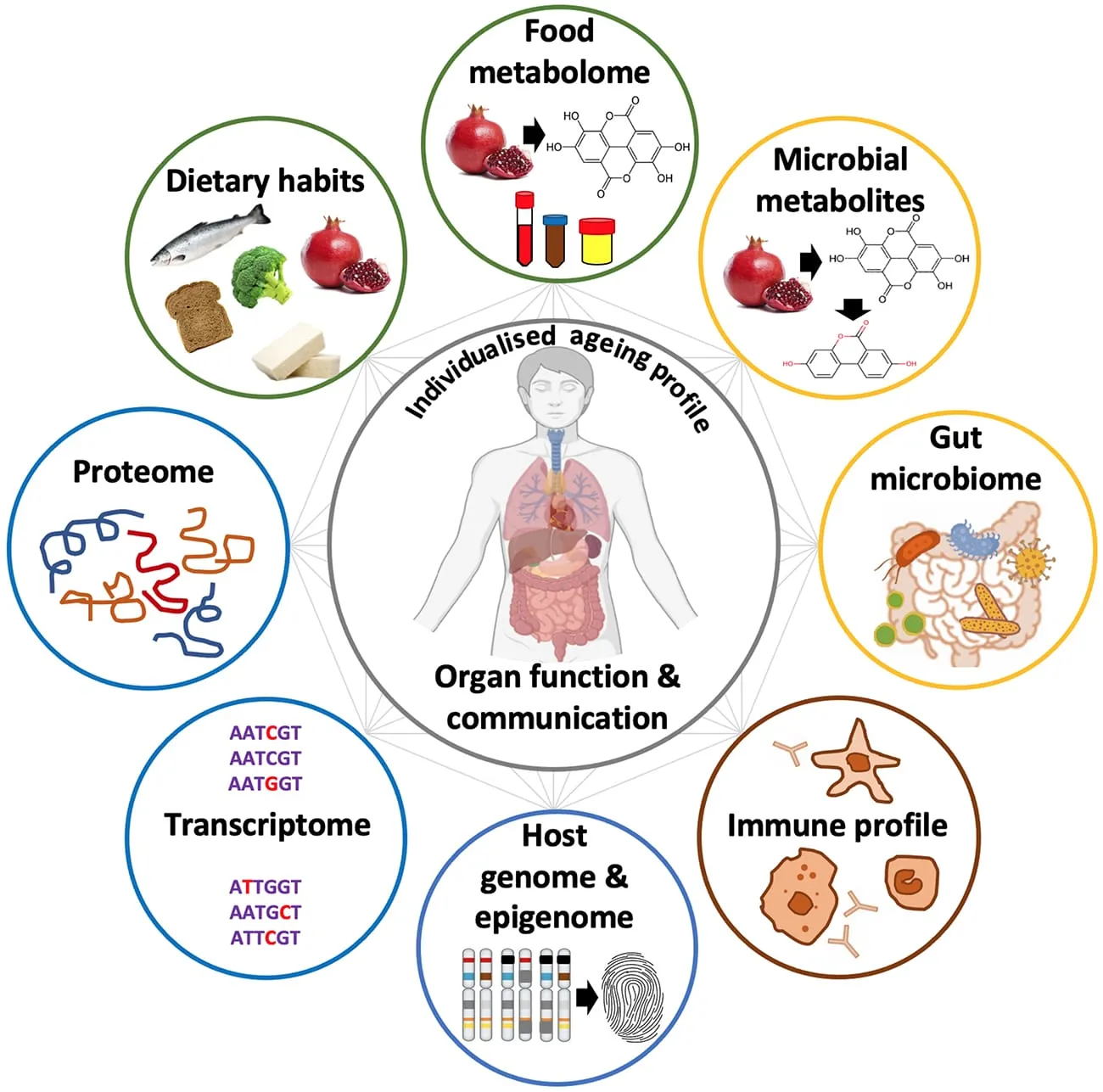
Figure 1: Organ Function & Communication
The learning of the connectionamongst microbiome difference and drug response and disposition (ADME) is known as pharmacomicrobiomics. In this study, we give a summary of the past and look at the most recent research on the complicated (5-6).
Therapeutic medications modify the composition of the gut microbiome
Antibiotics, antifungals, antivirals, antiprotozoal, and anti-archaeal are examples of antimicrobial medications. These compounds aim for proteins that are either rare in the host organism or readily distinguishable from their human analogues. Homologues, those that inhabit the human body as commensal microbes often contain them. Mild to severe adverse effects in patients can be caused by antibiotics, which can "collaterally damage" the microbiome (1). The majority of studies have focused on antibiotics, with results showing that they modify the gut microbiome's composition as well as other physiological host features, such as metabolic, immunological, and cognitive functions, in both humans and animals (2). According to preliminary findings, healthy patients' microbiome can partially recover after receiving antibiotics. Current clinical research on how drugs affect the digestive system. The majority of microbiome studies have been cross-sectional; interventional or longitudinal methods, as well as comparisons to treatment-naïve but ill control groups, are frequently lacking. Because of this, it is challenging to distinguish between drug-related and disease-mediated effects. Metformin, an antidiabetic medication, is a prime example of this problem. The medication has a high intestine drug concentration due to its poor oral bioavailability (3-8).
It was among the first non-antibiotic medications to be demonstrated to affect gut microbiota.While antibiotics have a direct impact on some microbiome members, other drugs can change the microbiome's composition and function indirectly through host-mediated mechanisms; for example, proton-pump inhibitors can alter the microbiome's composition by increasing the stomach's pH. Bacteria in the intestines can change and metabolise drugs, that much is true. The microbiome can also have an indirect effect on host xenobiotic metabolism in the liver. Additionally, all of these interactions have crosstalk. In the end, these intricate relationships may result in interpersonal variations in treatment success and detrimental health effects (4-5).Drugs have the ability to influence both the composition and functionality of the gut microbiome. Some drugs, like antibiotics, directly impact certain members of the microbiome, while others, like proton-pump inhibitors, alter the microbiome's composition by raising the stomach pH through host-mediated mechanisms. It is true that microorganisms in the intestines can change and metabolise drugs. Additionally, the microbiome can indirectly affect host xenobiotic metabolism in the liver. Additionally, all of these interactions have crosstalk. In the end, these intricate relationships may result in interpersonal variations in treatment success and detrimental health effects (3).
The Mechanistic Underpinnings of the Gut Microbiome
• The Biochemical Factory of the Colonic Microflora
Anaerobes that produce enzymes like ẞ-glucosidase, pectinase, dextranase, B-galactosidase, and azoreductase predominate in the colon, which has one of the greatest microbial populations in the human body. These enzymes are dependable biological triggers for site-specific drug release since they are mostly absent in the upper gastrointestinal system. Drug carriers that are appropriately designed stay stable while in transit but quickly break down when they come into contact with this bacterial enzyme (9-10).
• Polysaccharides as Microbial Initiators
Human gastric or pancreatic enzymes are unable to break down polysaccharides such pectin, guar gum, dextran, chitosan, and inulin. They travel unaltered to the colon, where the drug load is released when bacterial fermentation breaks down their matrix (Pharma Excipients; Science Direct). Because of this, polysaccharide coatings or matrices are used in a lot of colon-targeted medications. The medication disperses into the intestinal lumen and provides selective delivery when bacteria break down the polymer backbone (11-12).
• Prodrugs Sensitive to Microbiota
Making medications into prodrugs that are activated by bacteria is a further tactic. In the upper intestine, these substances stay dormant, but colonic bacteria enzymatically transform them. Classic examples are prodrugs connected to azo-bonds that are broken down by azoreductase (PubMed). Colonic enzymes are also necessary for the activation of glyosidic prodrugs. Because of this chemical construction, the medication won't start working until it enters the intended microbial environment (10).
• Smart or Combined Delivery Systems
To improve specificity, recent formulations incorporate several triggers, including pH sensitivity, enzymatic degradation, and time-controlled polymer swelling. Better protection against premature release is offered by dual or multi-layer tablets, especially in patients with varyingdigestive transit durations. The adaptability of microbiota-triggered techniques is further expanded by nanoparticles, Nano emulsions, and polysaccharide-based self-emulsifying systems (9-14).
THERAPEUTICAPPLICATIONS
When it comes to administering corticosteroids, immunomodulatory, and 5-aminosalicylic acid (5-ASA) directly to inflammatory tissue, microbiome-triggered tablets work very well. According to studies, azoreductase-responsive 5-ASA Nano formulations had better anti-inflammatory properties and longer retention in the colon (10).
• TreatmentforColonCancer
Chemotherapeutic drugs have been delivered directly to colonic tumors using polysaccharide matrices like pectin and guar gum. This targeted strategy increases medication accumulation at tumor locations, reduces systemic toxicity, and improves therapeutic index (10).
The upper gastrointestinal system frequently breaks down biologic medications. By protecting these molecules until they reach the colon, where enzymatic activity is reduced, microbiome-triggered tablets provide a safe oral delivery method. This approach is being investigated for peptide therapies and oral vaccinations (10)
• AccuracyandCustomizedHealthcare
Microbiome-triggered administration allows for customized dose because individual differences in microbiome composition are substantial. Based on the microbial enzyme activity of each patient, advanced microbiome profiling may help choose particular polysaccharide carriers or prodrug connections (10).
Microbiome-Triggered Delivery Benefits
• Site-SpecificDisclosure
These technologies guarantee high local drug concentration and little systemic exposure—perfect for diseases like IBD and colon cancer—because release is dependent on colonic bacteria (16).
• Protection of sensitive drug
Safeguarding delicate medications Proteins, peptides, probiotics, and unstable medications are examples of sensitive medications that are shielded from digestive enzymes and strong stomach acid. Until the medication reaches microbiome-rich regions, where bacterial enzymes cause release, it stays encapsulated. The medication is coated or encapsulated with substances that withstand stomach acid and upper intestine digestion in microbiome-triggered administration. The medicine is released when the coating is broken by bacteria enzymes in the colon. This guarantees efficient activation at the target spot and shields delicate medications from premature destruction (16).
• Enhanced Bioavailability
Colon-specific administration, where microbial breakdown permits regulated release, is advantageous for large molecules and poorly soluble medications (13).
• Consistent and Regulated Release
After bacterial activation, several microbiota-sensitive polymers release medications gradually, allowing for long-lasting therapeutic effects (16).
Patient safety is enhanced and off-target effects are reduced by localizing activity (16).
• Using Natural, Safe Materials
Inulin, guar gum, and pectin are examples of biodegradable polysaccharides that are thought to be safe, economical, and compatible with contemporary pharmaceutical procedures (16).
Obstacles and Restrictions
• Variability of the Microbiome
Individual differences in age, food, antibiotic exposure, and illness condition all affect microbial enzyme activity. Unpredictable release rates or insufficient medication activation could result from this (10).
• Disruption of Antibiotics
Antibiotic therapy may decrease drug release and efficacy by suppressing the bacterial populations required for drug activation (11).
• Making Release Profiles Standard
The intrinsic variety of the microbiome makes it challenging to achieve consistent performance across a diverse population (10).
Uniform polysaccharide coating production and stability during manufacturing continue to be technical problems (10).
• Regulatory Obstacles
Regulatory bodies may need more proof of consistency, safety, and population-specific efficacy because performance is dependent on biological factors (10).
Linking microbial and human factors that influence medication response variability
A. Individual differences in medication reaction and human metabolism
Despite the abundance of data sets, optimizing therapeutic efficacy while minimising toxicity remains a challenging task. Two branches of pharmacology, pharmacogenomics and pharmacometabolomics, aim to address this challenge by studying the effects of drugs on human genetics and metabolism. The detoxification of several pharmaceuticals can be influenced by specific changes in UGT1A1. These medications include irinotecan, an anti-inflammatory drug used in chemotherapy, NSAIDs, and atazanavir, an anti-HIV treatment. Clinical laboratories can consequently evaluate the individual toxicity risk of each patient by means of a UGT1A1 genotyping assay. The original advocates of pharmacogenomics held the view that studying the human genome and the genetic variants present in drug-metabolizing enzymes would greatly benefit clinical practice by reducing side effects and ineffectiveness. However, clinical settings have not made extensive use of basic research results that describe the consequences of genome variants on medicine metabolism. This discrepancy arises, in part, because of the conventional wisdom regarding the human liver and intestinal mucosa as sites of drug metabolism. The gut microbiota is an additional component of drug metabolism; it has its own unique enzymatic capabilities, which it uses to create metabolites that differ from those of the host (17-26).
B. Drug metabolism is shaped by microbiome chemical processes.
Drug breakdown, drug activation, and host enzyme regulation are just a few of the ways in which the gut microbiota alters drugs. Spanogiannopoulos et al. and Wilson et al. have conducted extensive reviews of the known microbial responses that impact drug metabolism. Acetylation, deamination, dihydroxylation, decarboxylation, demethylation, deconjugation, and proteolysis are just a few of the many other chemical reactions that have their roots in the microbiome of the human digestive tract. More than fifty different therapeutic drugs have their metabolism and efficacy influenced in some way by different microbial strains and enzymes (27-32).
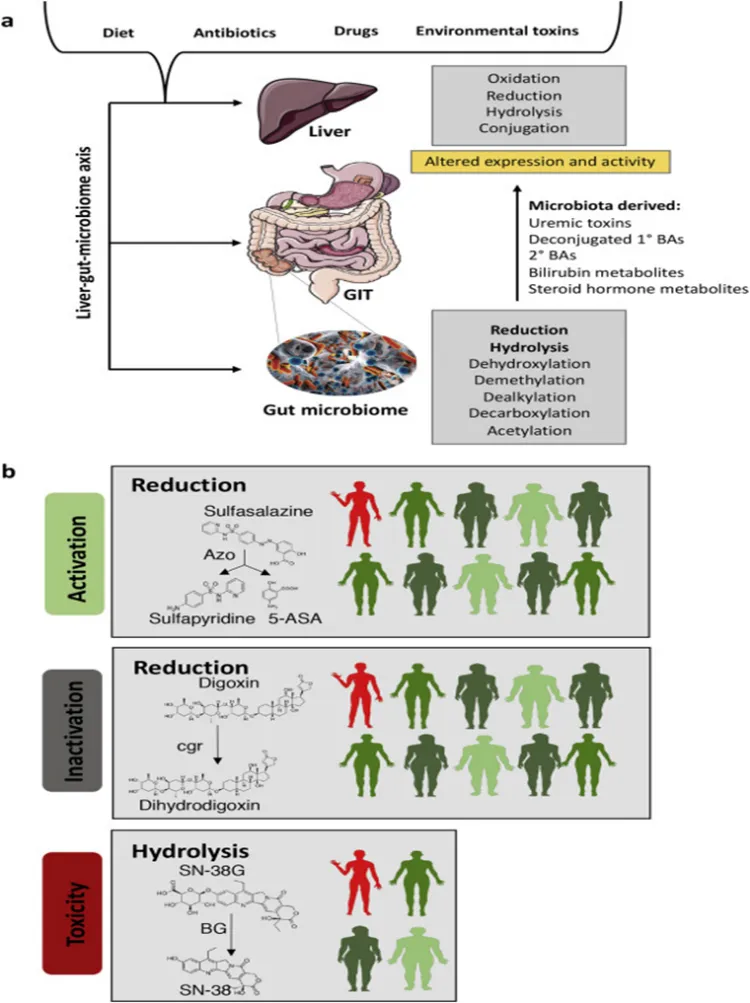
Figure 2: Phase I and II Drug Metabolism Enzyme Regulation by the Microbiome
C.Phase I and II drug metabolism enzyme regulation by the microbiomeImportant host hepatic enzymes that generally aid in medication metabolism are indirectly shaped by microbial metabolism of food and endogenous substances; patients who take drugs that interact negatively with these microbiomes may experience side effects. (30-39).
Foods, medicinal medications, and environmental pollutants are among the chemically varied exogenously derived substrates that are metabolized by hepatic and gut microbiota enzymes. Among the enzymes that make up phase II are UGTs, SULTs, and GSTs, which stand for glutathione S-transferases. Hydrophilic medicinal medications and drug conjugates are mostly hydrolysed and reduced by the gut flora before being discharged into the gastrointestinal tract via the biliary system. The byproducts of these interactions are hydrophobic substances that the gut microbiota can either modify or undergo substantial degradation before being reabsorbed through the enterohepatic circulation. Indirectly regulating phase I and II hepatic enzymes, the metabolism of the gut microbiota produces compounds that alter hepatic function, including secondary bile acids and uremic toxins. The microorganisms in the intestines break down dramatically. Indirectly regulating phase I and II hepatic enzymes, gut microbiota metabolism produces compounds such secondary bile acids and uremic toxins (Figure 2)(30-36).
D. Clinical experiments
Numerous clinical studies are examining the effectiveness of probiotics in modifying microbiome-dependent adverse medication reactions. The possibility of using probiotics to reduce CPT-11-induced toxicity was investigated using a randomized, double-blind design (Table 1). Future research utilising a similar approach could investigate the effects of diet on microbiome β-glucuronides activity and patient toxicity by analysing microbiome function utilising metagenomics or met transcriptomic sequencing from faecal samples (29).
Effects of the microbiome on medications
A direct approach to target gut microbes is with antibiotics, and a brief course of antibiotic treatment is enough to significantly alter the microbiome's composition. Nineteen drug classes were associated with specific microbial species, according to deep sequencing of the gut microbiomes of 1,135 people who took part in a population-based study. The kind and quantity of medications a person takes, either in combination or separately, may have an impact on the gut flora. However, rats who were pre-treated with probiotics had higher blood levels of the antidiabetic gliclazide compared to rats that were not, indicating that the gut flora may affect the absorption of a drug. Another study indicated that mice given Lactobacillus reutter for three days had less oral paracetamol, whereas mice given a different strain of the same species had no impact. Because the probiotic raised levels of sulfatase and aryl sulphate transferase while decreasing B-glucuronides enzyme (42-46).
Drug Absorption in the Microbiome
Since the bioavailability and absorption rate of potential oral pharmaceuticals constitute a substantial obstacle to pharmacological efficacy, almost 40% of these drugs were withdrawn from the market in the 1990s because of their poor pharmacokinetics and/or bioavailability. A patient's capacity to absorb a medicine is entirely dependent on the drug's chemical properties and the host's import/export capabilities. A large number of gut lumen cell types have no role in absorption. To narrow the focus of differential expression analysis to specific cell types, such as absorptive enterocytes, single-cell RNA sequencing or laser capture microdissection are viable options. This could be crucial for genes that act in different cell types, such P-glycoprotein, which is expressed in T cells and phagocytes (41-53)
Drug Distribution in the Microbiome
The term "microbiome drug distribution" describes how medicinal substances interact with and are impacted by the intricate network of bacteria that inhabit the human body, especially the gut. By chemically modifying medications or changing the physiological environment of the host, the human microbiome can have a substantial effect on drug absorption, metabolism, and overall efficacy. For instance, some gut bacteria have the ability to either increase ordecrease the therapeutic benefits of medications by activating, inactivating, or even producing their metabolites. In disciplines like pharmacokinetics and pharmacodynamics, this relationship is essential since it affects how medications are transported throughout the body and how they work. Because variances in an individual's microbiome composition might result in disparities in drug response, efficacy, and toxicity, understanding microbiome drug distribution is becoming more and more crucial for personalized medicine. The rapidly developing field of microbiome drug distribution studies how the human microbiome affects not only drug metabolism but also the location and movement of medications within the body. Following administration, medications come into contact with gut bacteria that have the ability to change their chemical structure through enzymatic processes such hydrolysis, reduction, or deconjugation. For example, in the colon, microbial enzymes such as B-glucuronide’s might reactivate drug metabolites, resulting in extended circulation or even localized toxicity (61).
Drug Metabolism in the Microbiome
The microbiome is an integral part of drug metabolism and has a significant influence on medication metabolism, including absorption, activation, inactivation, and elimination from the body. Hydrolysis, reduction, deconjugation, and decarboxylation are just a few examples of the chemical events that can alter drugs in the gut, where trillions of bacteria called the gut microbiota produce a variety of enzymes. These microbial changes can occasionally produce hazardous chemicals, increase medication action, or decrease therapeutic efficacy. Microbial enzymes can directly change drug structure at an early stage of pharmacokinetics because, in contrast to human liver enzymes, they function in the intestinal lumen before medicines even enter the systemic circulation. Drug efficacy can also be directly determined by microbial metabolism. Digoxin, a well-known example, is a cardiac glycoside that can be rendered inactive by certain gut bacteria like Egger Thellalent. Digoxin may have less of a therapeutic impact in people who have more of this bacterium. On the other hand, some medications need to be activated by microbes; for instance, some prodrugs require bacterial enzymes to transform them into active pharmacological molecules. By altering host systems such as bile acid metabolism, intestinal permeability, cytochrome P450 enzymes in the liver, and immunological signaling pathways, the microbiome also indirectly affects drug metabolism. Drug absorption and systemic exposure may be changed by these actions. Inter-individual inconsistency in drug response is greatly influenced by microbiome makeup, which varies greatly among persons due to food, antibiotics, age, genetics, and illness conditions (61).
Microbiome: Detoxification and Drug Excretion
The portal vein and biliary tract link the liver to the intestines, bringing the two organs closer together as close relatives that allow for the interchange of chemicals and metabolites between the host and bacteria. Evidence suggests that the gut-liver axis regulates gene expression, facilitates biliary excretion and recycling, and links the microbiome to the liver. A study comparing the liver xenobiotic metabolism expression in germfree and conventionally raised mice found that microbial tryptophan metabolites may activate aryl hydrocarbon receptors (AHRs). Not only does the human microbiome reside in the gut, but it also functions as a "metabolic organ" that profoundly changes the way medications are eliminated from the body. Despite the liver being the primary location for drug metabolism, the microbiota impacts excretion—the final disposal of drugs—through three fundamental mechanical processes (41, 54-55).
Gut Neutrality Is Essential
While many medications, particularly those with a high potential for side effects, are amenable to oral administration, there are still a number of obstacles. Interactions between gut flora and quickly absorbed drugs in the portal vein occur before these compounds reach the systemic circulation. Pharmacomicrobiomics, the study of drug-microbiome interactions, is essential for optimal therapy planning. The composition of the microbiome can be changed by drugs, and medications can change the pharmacokinetics, metabolism, and bio distribution of the microbiome [Citation1]. These alterations often cause dysbiosis, even if some of them are beneficial (metformin is one example). In this context, we propose "gut neutrality," the development and use of pharmaceuticals and formulations that lessen the likelihood of harmful interactions with the microbes that inhabit the human digestive tract. Several approaches have been proposed. Achieving gut neutrality and avoiding unfavourable drug-gut interactions can maximise therapeutic effectiveness without unwanted side effects (61).
Bidirectional pharmacomicrobiomic interactions dictate adverse drug event profiles and therapeutic efficacy
• Toxicity resulting from drug metabolism mediated by the microbiota
As demonstrated by the anti-anxiolytic nitrazepam, toxicity brought on by microbiome-mediated drug metabolism can be direct. Orally administered nitrazepam undergoes nitro reduction by Clostridium, Bacteroidetes, and Eubacteria. Additionally, polypharmacy situations exacerbate potential toxicity to the gut microbiome. For instance, when sorivudine, an antiviral, and 5-fluorouracil (5-FU), an antineoplastic, are administered together, Bactericides species prevents metabolism. Metabolized 5-FU bio accumulates as a result, increasing the risk of bleeding, infection, gastrointestinal problems, dyspnea, and tachycardia. Similarly, up to 10% of individual. ls experience medication inactivation due to digoxin's gut microbial metabolism. Egger deactivates digoxin, which is prescribed for arrhythmia. Digoxin was changed into inactive dihydrodigoxin by Thella lent's glycoside reductase enzyme (56-58).
• Drug-induced microbiome dysbiosis-related toxicity
The therapeutic goal of a medicine may be undermined by drug-induced microbiome dysbiosis, which can interfere with the gut microbiome's relationships to different health systems. For example, microbiome dysbiosis caused by psychotropic medications such as clozapine, risperidone, and olanzapine, which are prescribed for bipolar disorder and schizophrenia, disrupts the gut-brain axis, resulting in altered neuroenergetics (the process of energy metabolism and demand by neuronal cell systems) and cognitive disturbance. For instance, over the course of 21 days, olanzapine caused a 30% rise in body weight in Sprague-Dawley rats. By interfering with neuroenergetics, cognition, and mood stabilization, these alterations may affect therapy effects. Furthermore, the psychological and sociocultural effects of metabolic dysfunction, including weight increase, might cause therapeutic noncompliance and worsen mental health (56-60).
MICROBIOME DRUG INTERACTIONS IN DISEASED STATES
Anti-diabetic medication-microbiome interactions in both directions
Recently, type-2 diabetes (T2D) has spread around the world, primarily as a result of rising obesity rates and sedentary lifestyles. Hyperglycemia, hypertension, and abnormal cholesterol profiles are frequently present in type 2 diabetes (T2D), a multifactorial illness marked by problems in the metabolism of fat and carbohydrates (Figure3). Many anti-diabetic medications target these organs in order to normalize blood glucose levels.
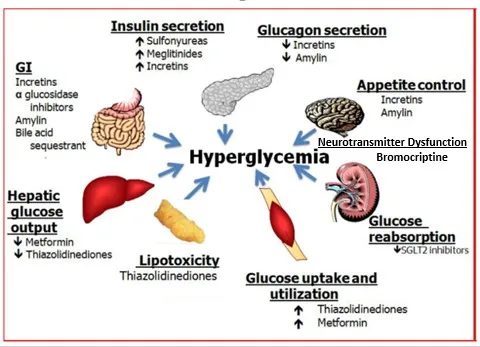
Figure 3: Targeted Processes of Antidiabetic Drugs and the Metabolic Organs That Contribute to Diabetic Hyperglycemia
A. How antidiabetic medications affect the composition of the gut microbiota
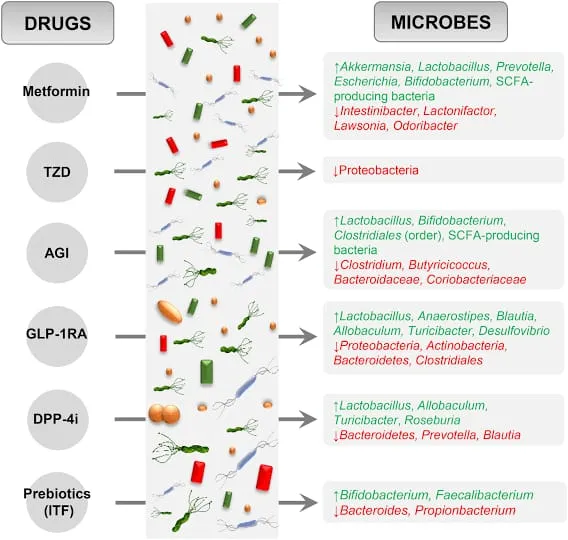
Figure 4: Antidiabetic Medication Effects on the Proportion of Gut Microorganisms
Drug–microbiome interactions play an important role in the management of type 2 diabetes (T2D). Among antidiabetic drugs, metformin remains the first-line therapy for newly diagnosed T2D due to its effectiveness in improving glycemic control and reducing cardiovascular risk (Figure 4)(63-66).
Metformin increases Clostridium cocleatum and Muciniphila levels in HFD-fed mice, according to additional study in a similar line. An active component found in A. muciniphila cell walls decreases obesity and diabetes in a mouse model by imitating the effects of metformin, according to a recent study (66-70).
B. Pancreatic Cancer and Microbiome
A diverse and intricate ecosystem present in various parts of the body, the human microbiome plays an essential role in the regulation of critical functions that influence health and disease. A variety of cancer types have recently shown that the microbiome plays an important role in carcinogenesis, with studies showing that it is associated with tumour growth and metastasis and may serve as a biomarker for early identification, progression, and treatment resistance. It might be due to a number of factors, such as the fact that it was discovered at a late stage, the tumor's aggressive growth, the frequency of metastases, and the primary resistance to standard of care. Also, most chemotherapy treatments are associated with high levels of toxicity, which means they can't be used on individuals with poor performance or who are very old. Because of this, creating biomarkers to predict chemotherapy responses or harm and early, effective treatments are of the utmost importance (82-96).
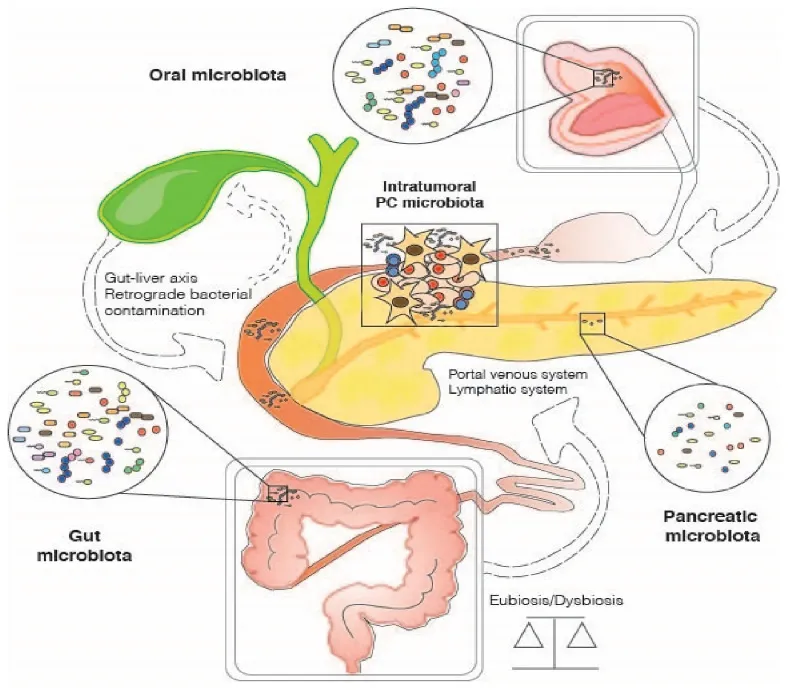
Figure 5: Pancreatic Microbiome
C. The gut-brain axis of microbiota
It was in ancient Greece that the idea of a gut-brain axis was initially put forth (60-61). Studies on gastric acid secretion in humans with gastric fistulas conducted in the early 1800s by Beaumont, Wolf, and Wolff, along with Pavlov's work on dogs (for a historical overview, see Wolf (1981)), scientifically established the idea that human emotions influence host physiology. The gut, its microbiota, and the brain are in a constant state of two-way communication, which has been shown to influence a variety of outcomes, including sugar preference, mental health, mood, decision-making (65-68), with the gut microbiome "involuntarily influencing host's behaviour and brain biochemistry," the ideas of evolutionary reliance or local manipulation seem more likely, despite the fascinating possibility that the gut microbiome may manage host behaviour for its own benefit. Based on clinical and experimental data, there are various direct and indirect channels that the gut microbiota, gut, and brain can employ to communicate. These channels include neurological, immunological, endocrine, and metabolic systems (97-101).
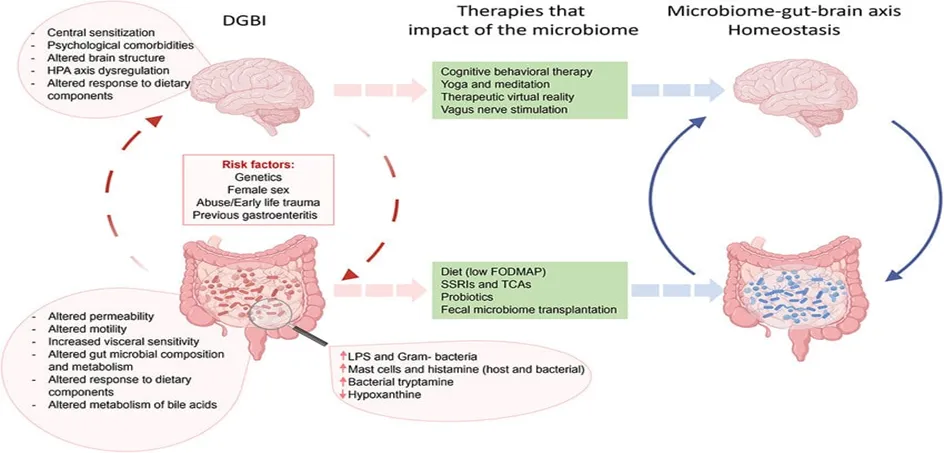
Figure 6: The Gut-Brain Axis of Microbiota
D. Systemic Sclerosis and the Microbiome
Significant inflammation, maculopathy, and fibrosis are hallmarks of systemic sclerosis (SSc), an inflammatory disorder that impacts both the skin and internal organs. Although some cellular and molecular pathways have been demonstrated, the origins and pathophysiology of SSc are still not well understood. SSc is a rare rheumatological disorder that can be deadly. Presently, no effective disease-modifying medications exist for SSc because of the complexity and variability of the clinical and pathological characteristics (75-77). Furthermore, DCs promote the secretion of immunoglobulin A (IgA) by B cells, which inhibits the adhesion of pathogenic microbes to the epithelium and neutralises them. The immune cells of the host can be influenced by commensal bacteria, though. Inflammation in the intestines triggers the translocation of polysaccharide. A molecules from commensal Bactericides fragile to plasmacytoid dendritic cells (pDCs) via toll-like receptor 2 (TLR2), which in turn stimulates Treg cell production of interleukin-10 (IL-10) (78-81).
Aberrant immune responses, which result in inflammation and vasculopathy and ultimately fibrosis, are part of the traditional development of SSc. Nevertheless, it is still unclear what initiates and speeds up the sequence of harmful activities. Therefore, in order to stop the series of events that contribute to the development of SSc, it is essential to clarify the interaction between different cell types. Figure provides a summary of the pathophysiology of SSc (71).
E. Microbiome in the Treatment of Breast Cancer
Cancer of the breast (BC) is a persistent therapeutic challenge because of tumour heterogeneity, drug resistance, and immunological dysfunction. The increasing evidence of the microbiome's role in the development of the disease is making these problems worse. Pathogenic bacteria, such as Fusobacterial nucleatum, have been associated with immunological evasion, extracellular matrix change, and treatment outcomes. Common methods of influencing the microbiome, such as antibiotics and probiotics, can cause dysbiosis and lack specificity. The microbiome of a given BC subtype or disease stage is known to be unique. Table 1 shows that patients in advanced stages of BC often have an enrichment of microbial taxa like Bacteroidetes, Clostridium spp., and Blautia, although certain harmful strains like enter toxigenic Bactericides fragile (ETBF) and F. nucleate have been mechanistically associated to the progression of the disease and resistance to treatment (16).
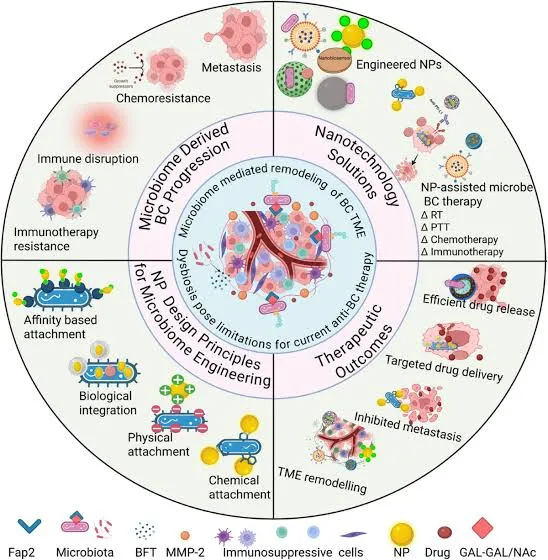
Figure 7: Microbial Nanotechnology for Targeting BC
This picture illustrates a state-of-the-art strategy for halting the progression of BC: microbial nanotechnology. Metastasis can be facilitated by pathogens like F. nucleate by tumour binding, MMP synthesis, and immune suppression (82). Table 1 represents diseases associated with the Gut Microbiome.
Table 1: Diseases Associated with the Gut Microbiome
| Disease | Description | Key Gut Microbiome Changes | Mechanism Linking Microbiome to Disease | Common Symptoms | Evidence Strength |
|---|---|---|---|---|---|
| Inflammatory Bowel Disease | Chronic inflammatory disorder of the gastrointestinal tract including Crohn's disease and ulcerative colitis. | Reduced microbial diversity; decreased Faecalibacterium prausnitzii and other beneficial bacteria; increased inflammatory bacteria. | Dysbiosis disrupts the intestinal barrier, activates immune responses, and promotes chronic inflammation. | Abdominal pain, diarrhea, rectal bleeding, weight loss, fatigue. | Very strong |
| Irritable Bowel Syndrome | Functional gastrointestinal disorder affecting bowel habits and abdominal comfort. | Altered composition of gut bacteria; increased gas-producing microorganisms. | Changes in microbial metabolites affect gut motility, sensitivity, and brain-gut communication. | Bloating, abdominal pain, constipation, diarrhea. | Strong |
| Clostridioides difficile Infection | Bacterial infection often occurring after antibiotic treatment. | Loss of protective microbiota due to antibiotics. | Reduced colonization resistance allows C. difficileovergrowth and toxin production. | Severe diarrhea, fever, abdominal pain, colitis. | Very strong |
| Colorectal Cancer | Cancer of the colon or rectum. | Increased Fusobacterium nucleatum and other potentially carcinogenic bacteria. | Microbial toxins and chronic inflammation may promote tumor formation. | Blood in stool, weight loss, altered bowel habits. | Strong |
| Celiac Disease | Autoimmune disorder triggered by gluten. | Reduced beneficial bacteria and altered microbial diversity. | Microbiota may influence immune responses and intestinal permeability. | Diarrhea, malabsorption, anemia, weight loss. | Moderate to strong |
| Obesity | Excessive body fat accumulation. | Altered Firm cutes/Bacteroidetes balance; lower microbial diversity. | Enhanced energy harvest from food and altered metabolic signaling. | Excess weight gain, metabolic complications. | Strong |
| Type 2 Diabetes | Metabolic disease characterized by insulin resistance. | Reduced butyrate-producing bacteria and altered microbial metabolites. | Increased inflammation and impaired glucose regulation. | High blood sugar, fatigue, frequent urination. | Strong |
| Non-Alcoholic Fatty Liver Disease | Fat accumulation in the liver unrelated to alcohol use. | Increased gut permeability and altered microbiota. | Bacterial products enter circulation and promote liver inflammation. | Fatigue, liver enlargement, abdominal discomfort. | Strong |
| Rheumatoid Arthritis | Autoimmune disease affecting joints. | Increased abundance of certain pro-inflammatory bacteria such as Prevotella copri. | Microbial stimulation of immune pathways may trigger autoimmunity. | Joint pain, swelling, stiffness. | Moderate to strong |
| Allergic Diseases | Includes asthma, eczema, and food allergies. | Reduced microbial diversity in infancy. | Impaired immune system maturation increases allergic responses. | Wheezing, skin rash, food reactions. | Strong |
| Parkinson's Disease | Progressive neurodegenerative disorder. | Reduced SCFA-producing bacteria and altered gut flora. | Gut inflammation and microbial metabolites may influence brain pathology through the gut-brain axis. | Tremors, rigidity, slow movement. | Moderate |
| Alzheimer's Disease | Neurodegenerative disease causing dementia. | Dysbiosis and altered microbial metabolite production. | Chronic inflammation and microbial products may contribute to neurodegeneration. | Memory loss, cognitive decline. | Moderate |
| Autism Spectrum Disorder | Neurodevelopmental condition affecting communication and behavior. | Differences in microbiome composition compared with healthy controls. | Gut-brain signaling and microbial metabolites may influence neurological development. | Social communication difficulties, repetitive behaviors. | Emerging evidence |
| Major Depressive Disorder | Mood disorder characterized by persistent sadness. | Reduced microbial diversity and altered neurotransmitter-related metabolites. | Microbiota influence serotonin production, inflammation, and brain function. | Low mood, fatigue, sleep disturbances. | Moderate |
CONCLUSION
There is a growing body of evidence showing that the gut microbiota plays an important and ever-changing role in regulating the disposal, effectiveness, and safety of drugs. While microbes do have an impact on how medications are metabolised, activated, and poisonous, pharmaceuticals can have the opposite effect by altering the microbiome. It is becoming more recognised that this complex interplay is a major contributor to the inter-individual variability in therapeutic response, and it is challenging the traditional "one-size-fits-all" approach to medication. Critically, applying microbiome information to clinical practice has the potential to substantially increase precision medicine. Through the use of microbiome analysis, clinicians can anticipate therapeutic responses particular to each patient, which could lead to more effective medication selection and dose methods. This approach has the potential to improve therapeutic outcomes by raising the efficiency of medications, decreasing the occurrence of adverse drug reactions, and reducing the diversity in treatment responses among groups. Antibiotics, anticancer drugs, antidiabetic pharmaceuticals, and neuroactive chemicals are only a few examples of the medicinal importance of microbiome-mediated drug modulation. Despite these promising advances, many challenges remain. For example, there is a dearth of comprehensive human research, microbiome analysis methodologies are not standardised, and our understanding of microbial metabolic pathways is limited. To fill these gaps, research including microbiology, pharmacology, bioinformatics, and clinical sciences must be conducted by people from different disciplines. Potentially useful developments in the future for incorporating microbiome data into therapeutic decision-making include co-interventions including probiotics or prebiotics, medications that target the microbiome, and prediction models driven by artificial intelligence. Understanding the interplay between medications and the microbiome is crucial to the development of personalised medicine. Additional research in this field is expected to lead to better patient care worldwide by transforming conventional drug therapy into safer, more effective, and more precise methods of treatment.
REFERENCES

Roshani Amit Mujawar, Sadiya Jamal Mujawar, Samruddhi Nivas Mane, Dr. Mahesh Babanrao Thorat, Dr. Dhanraj Raghunathrao Jadge, The Microbiome–Drug Interface: Decoding Bidirectional Interactions, Therapeutic Outcomes and Precision Medicine, Int. J. Sci. R. Tech., 2026, 3 (11), 249-266. https://doi.org/10.5281/zenodo.23974106
 10.5281/zenodo.23974106