

We use cookies to ensure our website works properly and to personalise your experience. Cookies policy
1CVS Pharmacy, Red Oak, Texas 75154, United States
2A. M. Reddy Memorial College of Pharmacy, Petlurivaripalem, Narasaraopet, Palnadu, Andhra Pradesh, India – 522601
3Narasaraopeta Institute of Pharmaceutical Sciences, Narasaraopet, Palnadu, Andhra Pradesh, India-522601
Pharmacogenomics (PGx) is an important component of precision medicine that uses genetic information to explain interindividual variability in medication response. Its clinical value is greatest when a validated genetic result can be translated into a specific therapeutic action, such as selection of an alternative drug, dose adjustment, intensified monitoring, or avoidance of a medicine associated with severe toxicity. The role of pharmacy practice is expanding because pharmacists possess expertise in pharmacology, pharmacokinetics, pharmacodynamics, medication safety, medication therapy management, patient counseling, and longitudinal follow-up. This review examines the current role of pharmacogenomics in pharmacy practice, including clinically actionable gene–drug relationships, pharmacist-led testing, community and hospital implementation, electronic health record (EHR) integration, clinical decision support, medication safety, health equity, ethics, pharmacoeconomics, and future research. Evidence from pharmacogenomic implementation literature, Clinical Pharmacogenetics Implementation Consortium (CPIC) guidance, and regulatory resources was considered. Important examples include CYP2C19–clopidogrel, CYP2D6–opioids and selected antidepressants, DPYD–fluoropyrimidines, TPMT/NUDT15–thiopurines, HLA-B–abacavir, HLA-B–carbamazepine and allopurinol, SLCO1B1–statins, CYP3A5–tacrolimus, and VKORC1/CYP2C9/CYP4F2–warfarin. Pharmacists can contribute across the complete PGx pathway: identifying candidates, arranging testing, interpreting results, documenting genotype/phenotype, recommending evidence-based medication changes, communicating with prescribers, counseling patients, monitoring outcomes, and evaluating service quality. Contemporary implementation studies indicate that community-pharmacy delivery is feasible and generally acceptable, but barriers include pharmacist knowledge and confidence, reimbursement, workflow integration, interoperability, standardized guidance, privacy, and equitable access. A successful precision-pharmacy model should therefore combine pharmacogenomic information with clinical phenotype, comorbidities, organ function, concomitant medicines, patient preferences, and therapeutic monitoring. Future pharmacy research should emphasize prospective clinical outcomes, cost-effectiveness, implementation science, Indian population data, diverse genomic representation, and responsible artificial-intelligence-supported clinical decision support.
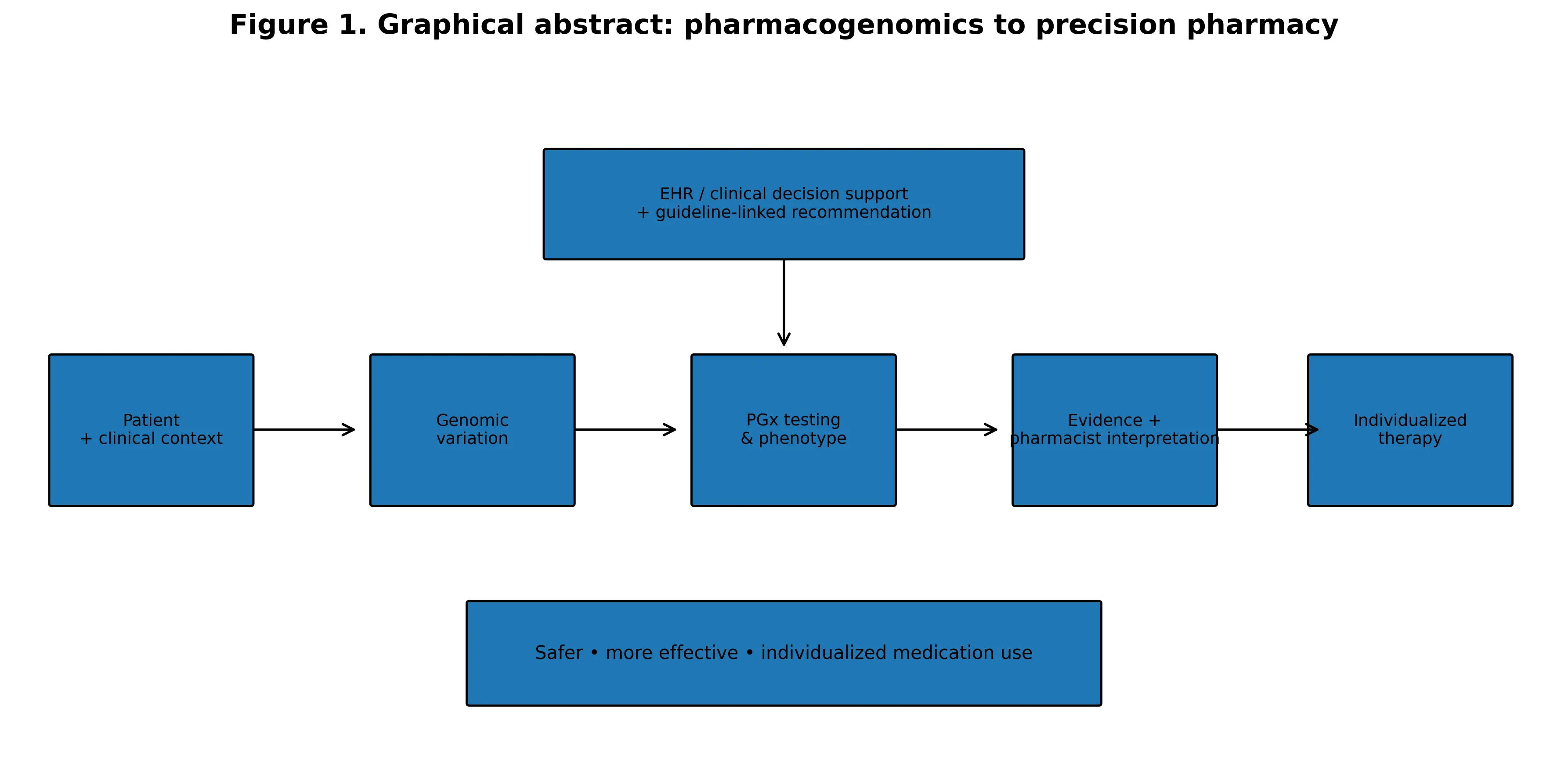
Figure 1: Graphical Abstract: Pharmacogenomics to Precision Pharmacy.
Variability in drug response is a fundamental problem in pharmacotherapy. Patients who receive the same medicine at comparable doses may experience therapeutic benefit, treatment failure, adverse drug reactions, or toxicity. Conventional medication optimization considers age, body weight, renal and hepatic function, disease severity, adherence, drug interactions, diet, lifestyle, and other clinical variables. Pharmacogenomics adds inherited genomic information to this decision-making framework and can identify patients who are more likely to respond to, fail, or experience toxicity from particular medicines.
The terms pharmacogenetics and pharmacogenomics are sometimes used interchangeably, although pharmacogenetics traditionally refers to the relationship between particular genetic variants and drug response, whereas pharmacogenomics is broader and can include multiple genes, genomic pathways and large-scale genomic data. In practical pharmacy care, the distinction is less important than the ability to translate a validated result into an appropriate medication decision.
The field has progressed beyond proof-of-concept research. CPIC publishes guidelines that explain how an existing genetic result can be used to guide prescribing, while regulatory pharmacogenomic resources identify biomarkers incorporated into drug labeling. The presence of evidence and guidance does not, however, guarantee implementation. Testing must be connected to the right patient, the right medication decision, an interpretable result, an accessible clinical recommendation, and follow-up.
Pharmacists are well positioned to connect these components. Pharmacists routinely evaluate drug therapy, identify medication-related problems, counsel patients, monitor safety, and communicate recommendations to prescribers. Published implementation studies describe pharmacist roles including genotype interpretation, medication selection and adjustment, adverse-event monitoring, patient education, and integration of PGx into medication-management services. Community pharmacies may also provide an accessible setting for testing, while hospital pharmacists can integrate PGx into specialty and multidisciplinary care.
2. Rationale for Pharmacogenomics in Pharmacy Practice
The rationale for PGx is based on the observation that genetic variation can influence pharmacokinetics, pharmacodynamics, immune-mediated drug reactions, and disease biology. For pharmacokinetic genes, variants may alter absorption, metabolism, transport, or elimination and thereby change systemic exposure. For pharmacodynamic genes, variants may alter drug targets or downstream pathways. Human leukocyte antigen (HLA) variants provide a different mechanism: they can identify patients at increased risk of severe immune-mediated reactions to selected medicines. In oncology, tumor genomic biomarkers may identify molecular targets and are conceptually related to precision medicine even though they are not always germline pharmacogenomic tests.
3. Objectives
4. Review Methodology
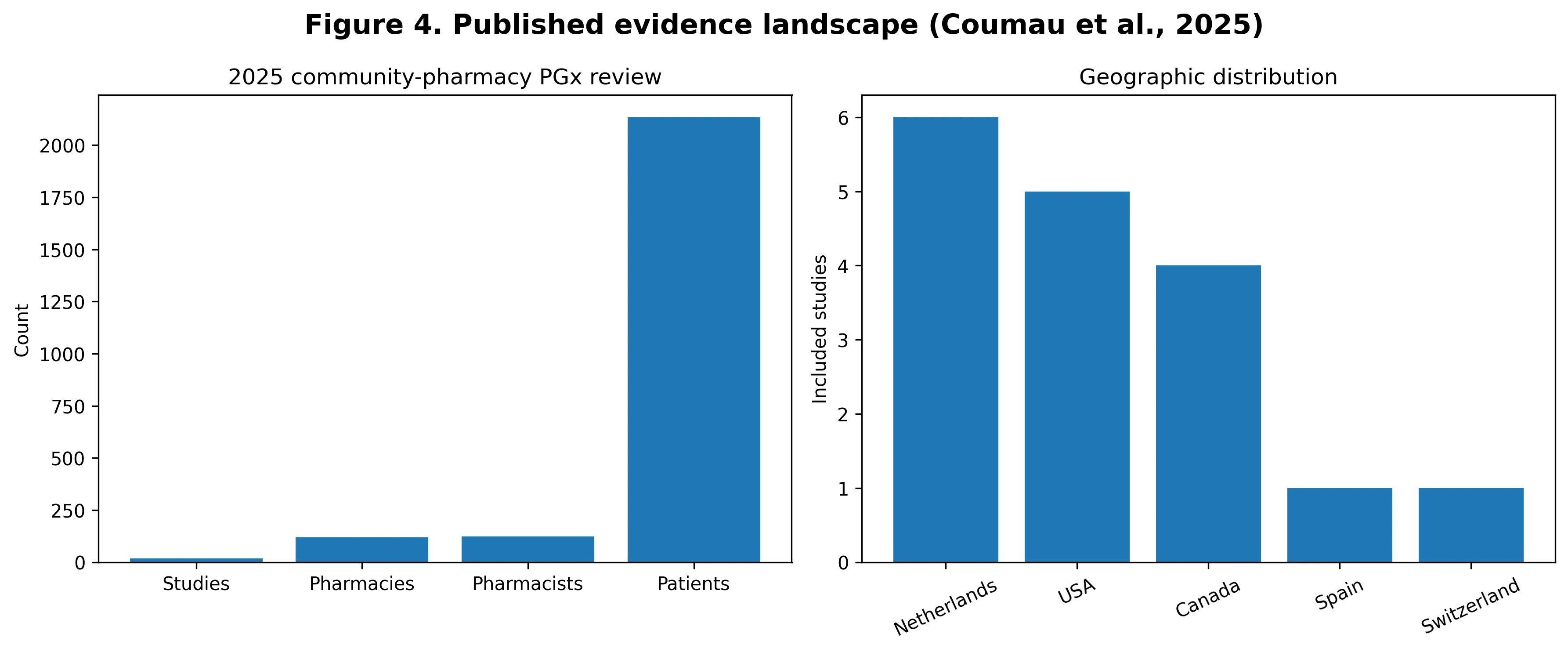
Figure 2: Published Community-Pharmacy PGx Evidence Landscape. Counts Are Study-Level Totals Reported by Coumau Et Al. (2025), Not Pooled Clinical-Effect Estimates.
This full-length narrative review was developed using a focused literature and guideline approach. Searches were conducted conceptually around PubMed-indexed literature and authoritative pharmacogenomic resources using combinations of pharmacogenomics, pharmacogenetics, precision medicine, pharmacy practice, pharmacist, community pharmacy, implementation, pharmacogenomic testing, clinical decision support, medication safety, CPIC, gene–drug interaction, and precision pharmacy. Priority was given to CPIC guidance, regulatory pharmacogenomic information, recent implementation studies, systematic/scoping reviews, and pharmacist-focused studies. Landmark implementation studies were retained where they established important service models. The review synthesizes published evidence rather than presenting new patient-level data. Consequently, no original patient outcomes, laboratory results, effect sizes, or statistical analyses are claimed.
The evidence was organized into five clinical-practice domains: (1) actionable gene–drug relationships; (2) pharmacist-led testing and interpretation; (3) implementation in community and institutional settings; (4) clinical informatics, ethics, and equity; and (5) future research. Because PGx recommendations are periodically updated, clinicians should use the current version of the relevant CPIC guideline, regulatory labeling, and institutional protocol at the time of prescribing.
5. Pharmacogenomic Mechanisms Relevant to Pharmacy
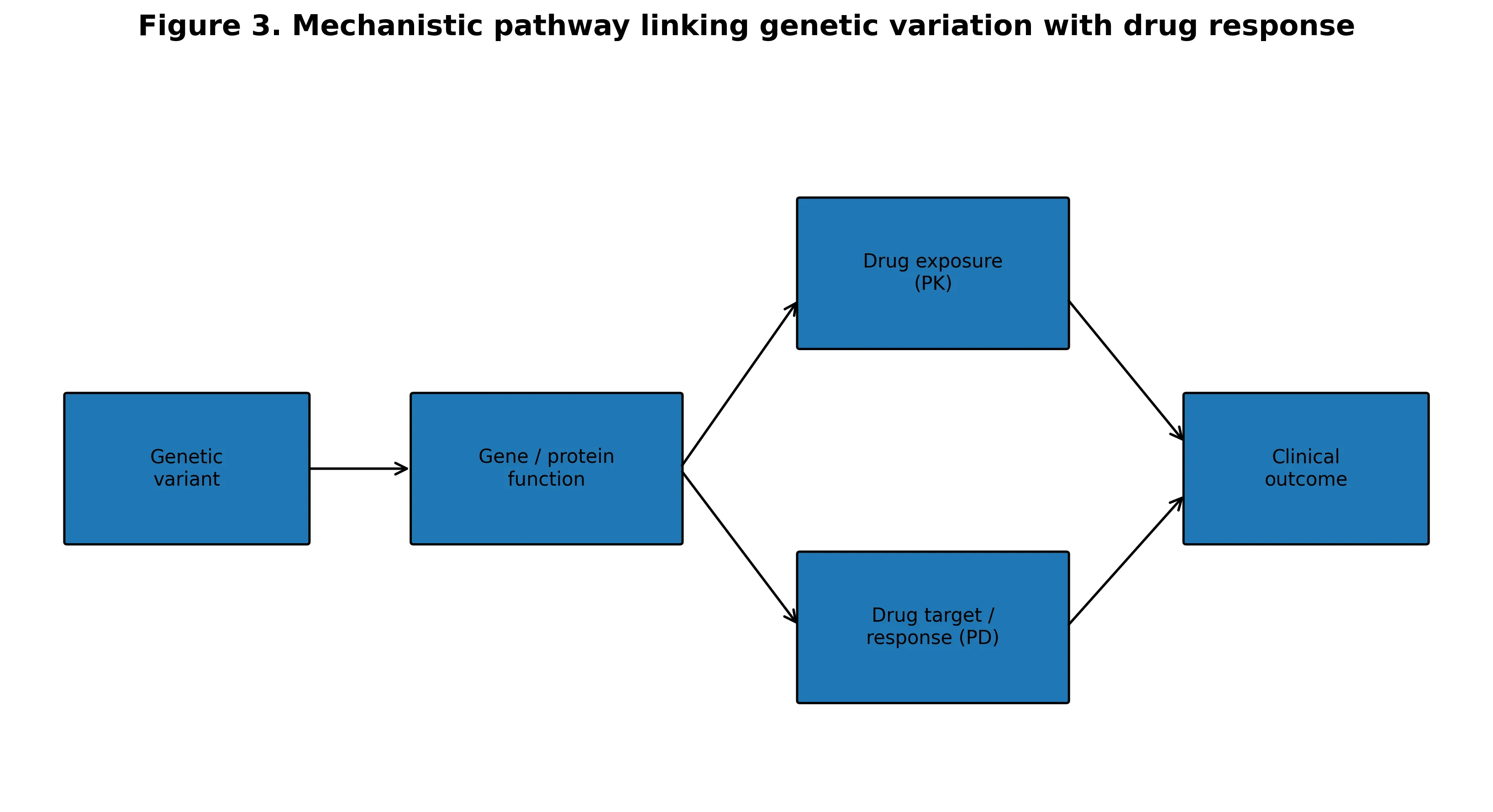
Figure 3: Mechanistic Pathway Linking Genetic Variation with Pharmacokinetic or Pharmacodynamic Changes.
| Mechanism | Examples | Clinical implication |
|---|---|---|
| Drug metabolism | CYP2C19, CYP2D6, CYP2C9, CYP3A5, DPYD | Altered drug exposure, efficacy or toxicity |
| Drug transport | SLCO1B1 and related transporters | Altered tissue/systemic exposure |
| Drug target/pathway | Selected receptor or pathway variants | Altered pharmacodynamic response |
| Immune-mediated reaction | HLA-B variants | Prediction/avoidance of severe hypersensitivity |
| Drug activation | Clopidogrel, codeine | Genotype may alter formation of active metabolite |
| Tumor biomarker | EGFR, ALK, BRAF, HER2, KRAS | Targeted treatment selection |
6. Major Clinically Actionable Gene–Drug Relationships
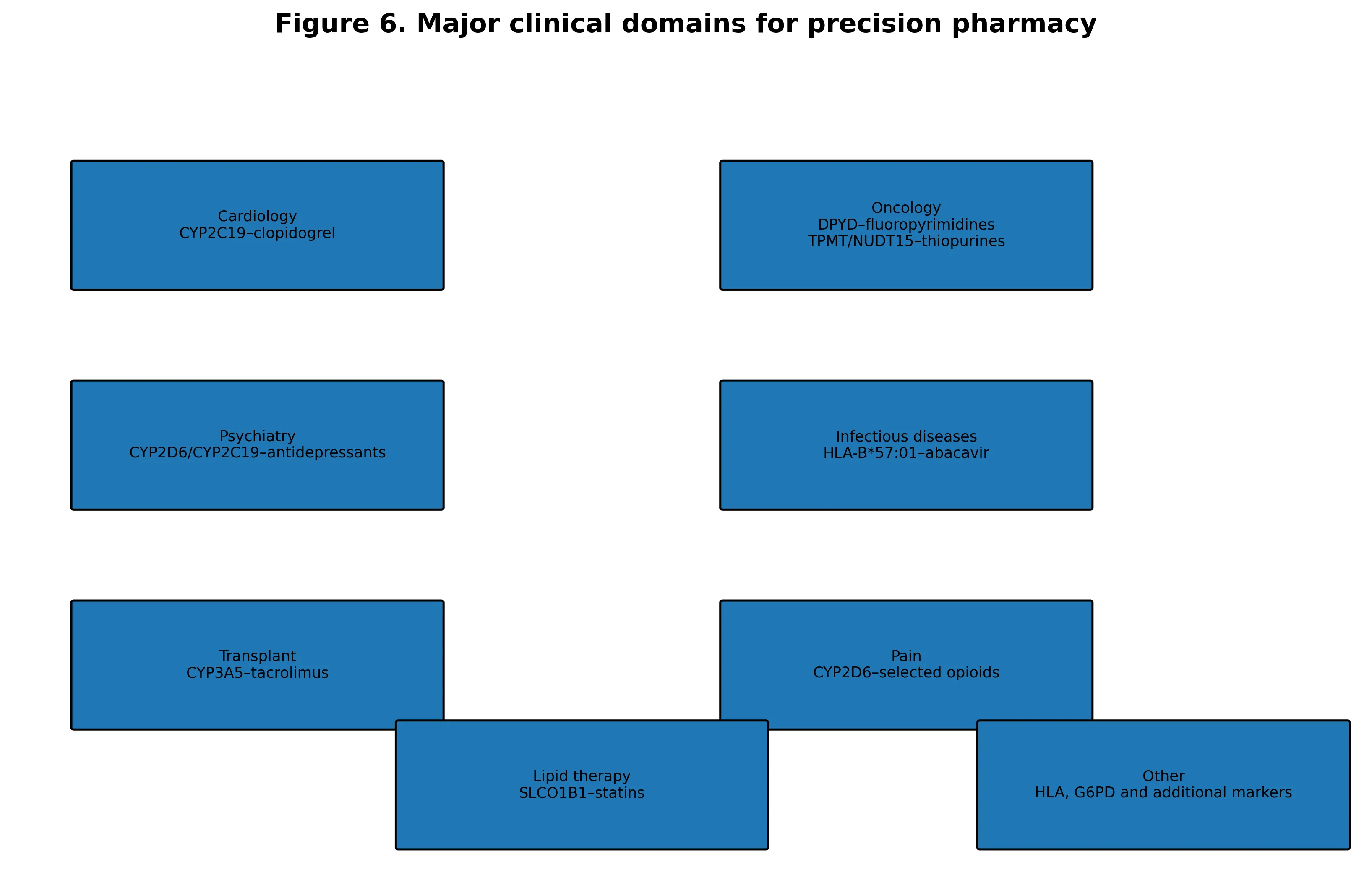
Figure 4: Major Clinical Domains in Which Pharmacogenomics Can Inform Precision Pharmacy.
| Gene/biomarker | Drug(s) / class | Clinical issue | Pharmacy-practice action |
|---|---|---|---|
| CYP2C19 | Clopidogrel | Reduced activation in relevant loss-of-function phenotypes | Use current CPIC recommendation to assess alternative antiplatelet therapy when indicated |
| CYP2D6 | Codeine | Ultrarapid or poor metabolism can alter opioid response/toxicity | Avoid inappropriate use and select alternative based on current guidance |
| CYP2D6 | Selected antidepressants | Altered metabolism can affect exposure | Use phenotype-informed dosing/selection where guideline-supported |
| CYP2C19 | Selected antidepressants | Exposure can differ by metabolizer status | Consider genotype-guided therapy with clinical context |
| DPYD | Fluorouracil, capecitabine | Reduced DPD activity may increase severe toxicity | Support pre-treatment testing and genotype-guided dose/alternative where recommended |
| TPMT | Azathioprine, mercaptopurine, thioguanine | Reduced activity increases myelosuppression risk | Use genotype/phenotype information to guide starting therapy |
| NUDT15 | Thiopurines | Reduced function increases myelosuppression risk | Incorporate genotype with TPMT and clinical factors |
| HLA-B*57:01 | Abacavir | Hypersensitivity risk | Positive result supports avoidance |
| HLA-B*15:02 | Carbamazepine | SJS/TEN risk in relevant populations | Consider testing/alternative therapy when appropriate |
| HLA-B*58:01 | Allopurinol | Severe cutaneous adverse reaction risk | Use current guideline-supported strategy |
| SLCO1B1 | Selected statins | Increased exposure/myopathy risk for relevant variants | Consider statin selection/dose and clinical monitoring |
| CYP3A5 | Tacrolimus | Variable metabolism and exposure | Integrate genotype with therapeutic drug monitoring |
| VKORC1/CYP2C9/ CYP4F2 |
Warfarin | Dose variability | Use validated genotype-informed dosing with clinical factors |
| MT-RNR1 | Aminoglycosides | Ototoxicity susceptibility in relevant variants | Consider risk information where testing is clinically applicable |
7. Detailed Clinical Applications
7.1 Cardiovascular Pharmacotherapy
Clopidogrel is among the most visible examples of PGx-guided cardiovascular therapy. Clopidogrel requires bioactivation, and CYP2C19 function contributes to the formation of its active metabolite. Reduced-function phenotypes can therefore be associated with reduced antiplatelet effect. The pharmacist's role is not simply to identify a genotype; it is to interpret the phenotype within the clinical context, determine whether the patient is receiving a relevant medication, consult the current evidence, and communicate a specific recommendation to the prescriber. PGx may also be relevant to statin-associated muscle toxicity and warfarin dose variability, although clinical variables remain important and genotype should not be interpreted in isolation.
7.2 Oncology
Oncology is one of the most mature areas of precision medicine. Germline PGx examples include DPYD-guided fluoropyrimidine therapy and TPMT/NUDT15-guided thiopurine therapy. These applications illustrate an important medication-safety principle: testing can identify a subgroup in whom standard dosing may produce disproportionate toxicity. Pharmacists can support pre-treatment screening, result interpretation, dose communication, toxicity monitoring and documentation. Oncology precision medicine also uses somatic tumor biomarkers such as EGFR, ALK, BRAF, HER2 and KRAS to select targeted therapies. Pharmacy practice therefore intersects both pharmacogenomics and broader molecularly guided treatment.
7.3 Psychiatry
Psychiatric pharmacotherapy is characterized by substantial variability in response and tolerability. CYP2D6 and CYP2C19 are relevant to the metabolism of several antidepressants, and CPIC has developed guidance for selected serotonin reuptake inhibitors. PGx should be viewed as a decision-support tool rather than a substitute for psychiatric assessment. Prior treatment response, adverse effects, comorbidities, concurrent medicines, adherence, substance use, and patient preferences remain important. Pharmacists can identify patients with repeated treatment failure or intolerance, review genotype results when available, and help clinicians apply current evidence.
7.4 Infectious Diseases
In infectious diseases, HLA-B*57:01 testing before abacavir is a classic example of PGx preventing severe hypersensitivity. Additional pharmacogenomic considerations may include selected CYP-mediated interactions and MT-RNR1-associated aminoglycoside ototoxicity. Antimicrobial stewardship programs could incorporate PGx where a validated test produces a meaningful treatment or safety action.
7.5 Transplantation
Tacrolimus exposure varies considerably between patients. CYP3A5 genotype can contribute to this variability, although therapeutic drug monitoring remains essential. A genotype-informed starting dose may complement rather than replace concentration-guided dose adjustment. Pharmacists in transplant programs can integrate genotype, measured concentrations, adherence, interacting medicines, organ function and clinical status.
7.6 Pain Management
CYP2D6 influences the activation and disposition of several opioids, including codeine. Genotype-informed recommendations can help identify patients at risk of inadequate analgesia or toxicity. Opioid pharmacogenomics should be integrated with non-genetic factors including opioid tolerance, age, renal/hepatic function, interacting medicines, respiratory risk and the clinical indication.
7.7 Rheumatology and Other Chronic Diseases
Pharmacogenomic applications are also being evaluated in inflammatory diseases, gastroenterology, dermatology and other chronic conditions. The strength of evidence varies substantially. Pharmacy practice should prioritize relationships with validated recommendations and clinically meaningful outcomes rather than adopting every commercially available genetic association.
8. Role of Pharmacists Across the PGx Care Pathway
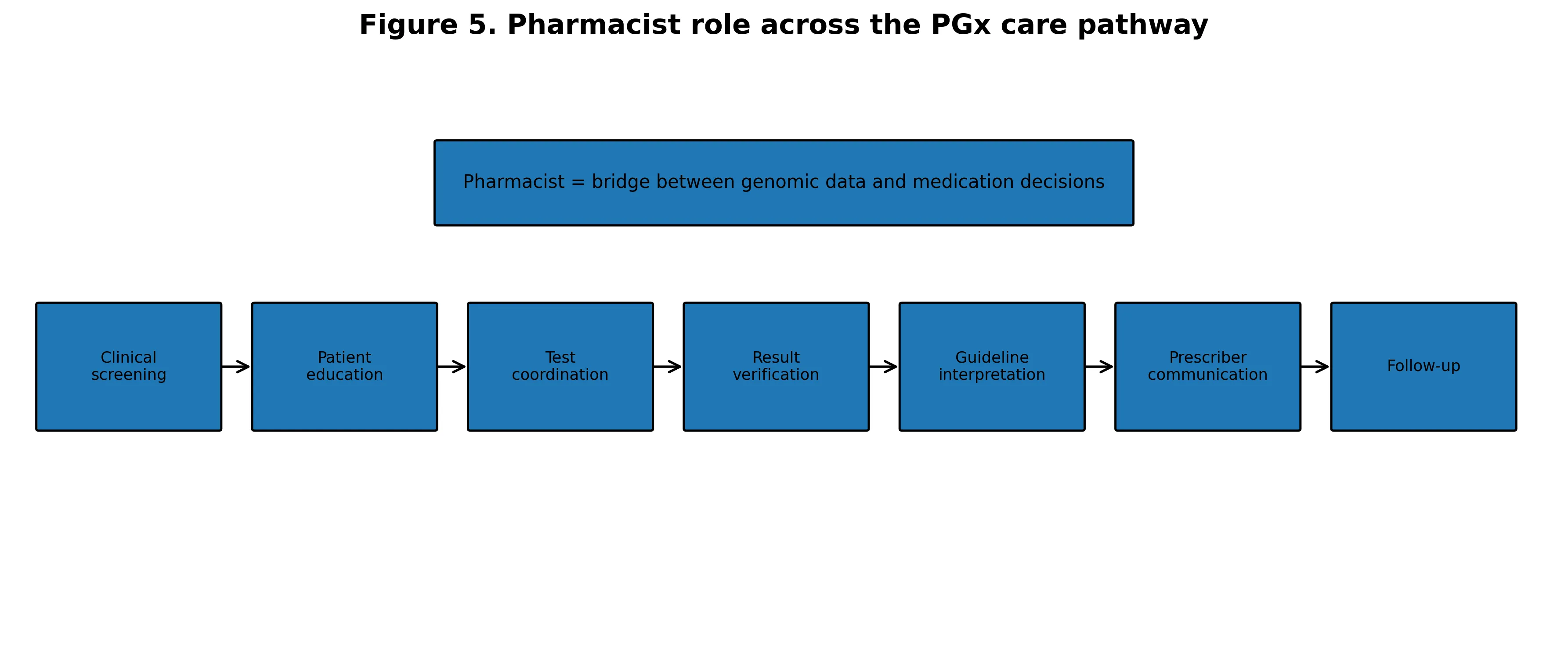
Figure 5: Pharmacist Role Across the PGx Care Pathway.
| Step | Detailed pharmacist responsibility |
|---|---|
| 1. Identify | Screen medication lists and clinical scenarios for actionable gene–drug relationships. |
| 2. Assess | Confirm indication, clinical urgency, prior response, adverse effects, comorbidities, organ function and interacting medicines. |
| 3. Educate | Explain why testing is being considered, what it can and cannot predict, and potential implications. |
| 4. Coordinate testing | Use an appropriate validated laboratory/testing pathway and ensure correct patient/specimen identification. |
| 5. Receive result | Confirm genotype/diplotype and quality/validity of the report. |
| 6. Interpret | Translate genotype into phenotype using a current evidence-based guideline. |
| 7. Recommend | Communicate drug choice, dose, alternative or monitoring recommendation when supported. |
| 8. Document | Record result, phenotype, source, interpretation, recommendation and date. |
| 9. Counsel | Explain medication changes, expected benefits, safety considerations and follow-up. |
| 10. Monitor | Assess efficacy, adverse effects, adherence, laboratory parameters and therapeutic concentrations when relevant. |
| 11. Reassess | Update interpretation when guidelines or clinical circumstances change. |
| 12. Evaluate | Measure clinical, economic, workflow and patient-reported outcomes. |
9. Community Pharmacy Implementation
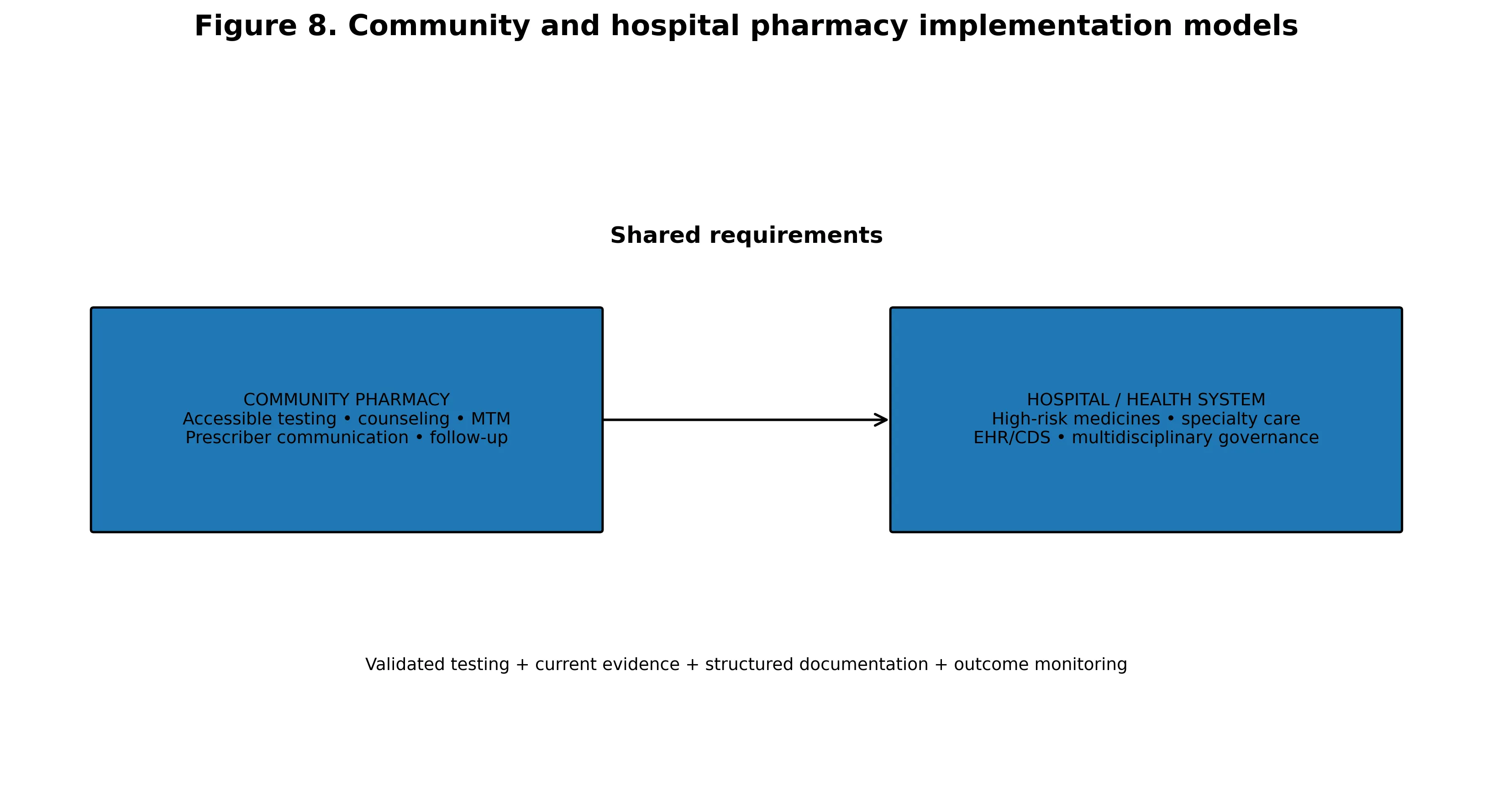
Figure 6: Community and Hospital Pharmacy Implementation Models.
Community pharmacy is an attractive setting because pharmacists are accessible, routinely manage medicines, and frequently encounter patients before and after prescribing decisions. A 2025 scoping review identified 17 studies of PGx implementation in community pharmacies and reported generally favorable feasibility, patient engagement and satisfaction, while noting inconsistent prescriber adoption and continuing barriers related to standardized guidance, education, reimbursement, and workflow integration. Earlier mapping of community-pharmacy literature identified knowledge gaps, confidence in interpretation and communication, cost, privacy, and workflow integration as recurring barriers.
An early community-pharmacy implementation study demonstrated the practical feasibility of a CYP2C19 service for patients receiving clopidogrel. In that study, pharmacist recommendations for patients with actionable variants were accepted by prescribers, but reimbursement was a major challenge. This illustrates a recurring implementation pattern: technical testing may be feasible while sustainable financing and integration into routine care remain difficult.
9.1 Proposed Community Pharmacy Workflow
| Stage | Action | Documentation |
|---|---|---|
| Patient identification | Medication-based PGx screening | Eligibility checklist |
| Initial consultation | Discuss clinical indication and testing | Consent/education note |
| Testing | Collect specimen via validated pathway | Laboratory accession |
| Result review | Verify report and phenotype | PGx result record |
| Recommendation | Apply current guideline | Pharmacist intervention note |
| Prescriber communication | Send concise recommendation | Communication record |
| Patient follow-up | Review medication and symptoms | Follow-up note |
| Outcome assessment | Clinical/workflow/economic measures | Program dashboard |
10. Hospital and Health-System Pharmacy
Hospital pharmacy services can integrate PGx into high-risk medications, oncology, transplant, cardiology, psychiatry, antimicrobial stewardship and medication-safety programs. The principal advantage is proximity to laboratory medicine, EHR infrastructure and multidisciplinary teams. A hospital PGx program should establish governance, define testable medication scenarios, identify who interprets results, create standardized recommendations, build EHR/CDS functionality, and establish responsibility for longitudinal follow-up.
10.1 Multidisciplinary Team
| Professional group | Potential contribution |
|---|---|
| Clinical pharmacist | Medication assessment, PGx interpretation, recommendation and monitoring |
| Physician | Diagnosis, therapeutic decision and clinical integration |
| Laboratory/genomics specialist | Testing quality and analytic interpretation |
| Pharmacy informatics | EHR integration and clinical decision support |
| Genetic counselor/genetics specialist | Genomic counseling and complex findings |
| Nursing | Patient education and monitoring |
| IT/data governance | Security, interoperability and audit |
| Health economist | Cost-effectiveness and budget impact |
| Research team | Implementation and outcome evaluation |
11. Preemptive Versus Reactive Testing
| Characteristic | Reactive PGx testing | Preemptive PGx testing |
|---|---|---|
| Trigger | Specific medication decision | Anticipated future medication needs |
| Timing | After clinical need identified | Before need arises |
| Testing scope | Usually targeted | Often multi-gene |
| Immediate usefulness | High | May be delayed |
| Reuse | Limited to relevant result | Potentially reusable across medicines |
| Infrastructure | Moderate | Requires durable EHR storage and governance |
| Potential efficiency | Good for selected scenarios | Potentially high over lifetime |
| Major challenge | Turnaround time | Upfront cost and interpretation of broad data |
Preemptive testing may be particularly valuable when a patient's results can be stored in a structured EHR and reused. However, a preemptive model should avoid indiscriminate testing without an implementation plan. The clinical value of a PGx panel depends on the evidence for each gene–drug relationship, the probability that the patient will receive relevant medicines, and the ability of the health system to act on results.
12. Electronic Health Records and Clinical Decision Support
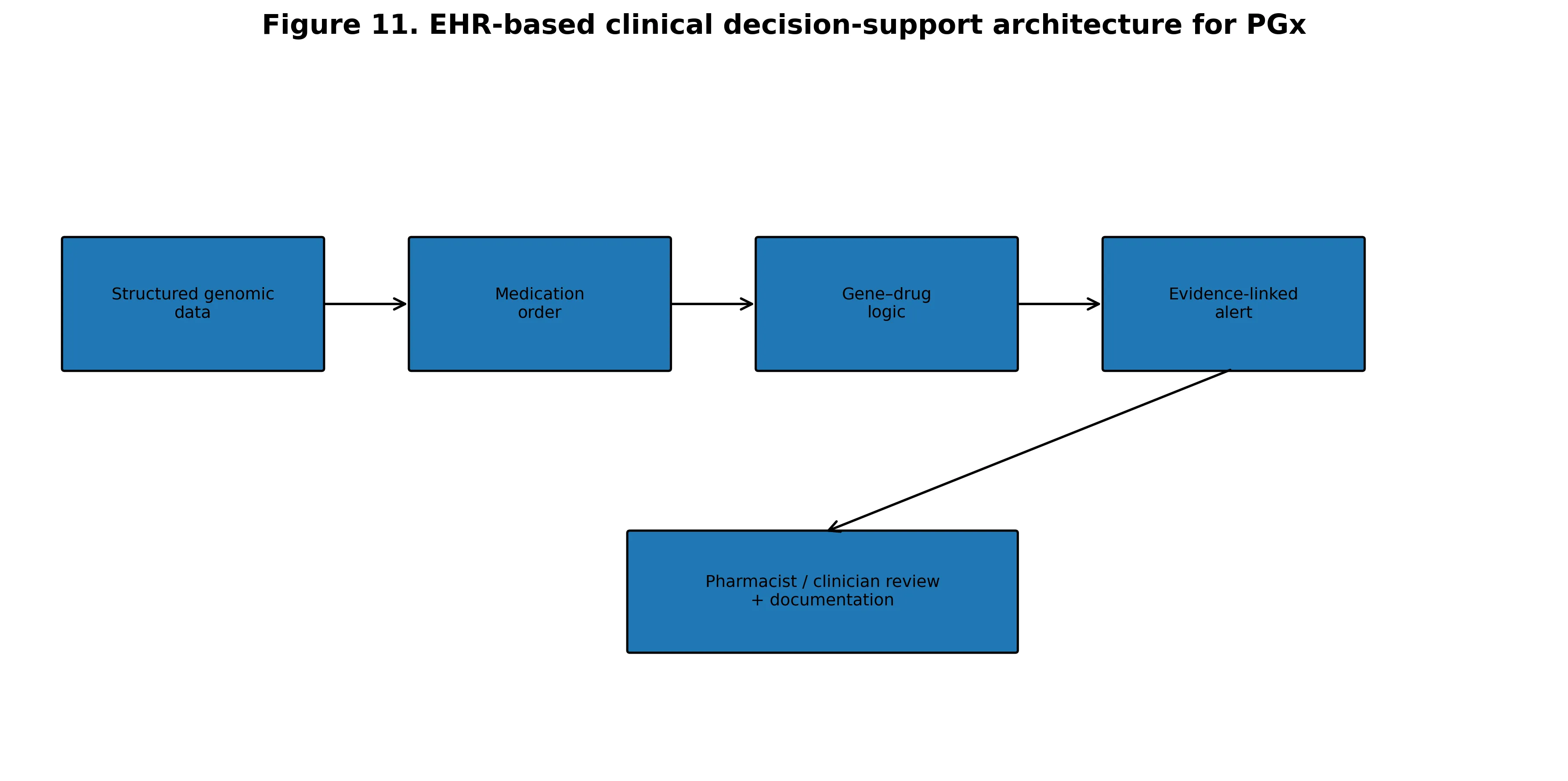
Figure 7: EHR-based Clinical Decision-Support Architecture for PGx.
PGx implementation is fundamentally an informatics problem as well as a laboratory and clinical problem. A result that remains in a PDF or external laboratory portal may not be available when a prescriber orders a relevant medicine. Structured storage allows automated recognition of gene–drug relationships. The EHR should ideally preserve the genotype/diplotype, predicted phenotype, test source, date, and evidence-linked recommendation.
| CDS layer | Example |
|---|---|
| Genomic data | CYP2C19 diplotype |
| Phenotype | Intermediate metabolizer |
| Medication | Clopidogrel |
| Evidence | Current CPIC guideline |
| Trigger | Medication order |
| Alert | Actionable gene–drug interaction |
| Recommendation | Consider guideline-supported alternative |
| Override/documentation | Reason for accepting or overriding recommendation |
| Follow-up | Clinical outcome monitoring |
CDS should be designed to minimize alert fatigue. Alerts should be targeted to clinically actionable situations, distinguish urgent safety warnings from lower-priority recommendations, provide concise rationale, and allow documentation of clinical judgment. Pharmacists can contribute to alert governance by assessing clinical relevance and monitoring override patterns.
13. Medication Safety and Adverse Drug Reactions
One of the strongest arguments for PGx is prevention of severe adverse drug reactions. HLA-B*57:01 testing has become a model for genotype-guided avoidance of abacavir-associated hypersensitivity. HLA-B*15:02 and carbamazepine, HLA-B*58:01 and allopurinol, DPYD and fluoropyrimidines, and TPMT/NUDT15 and thiopurines illustrate different mechanisms by which genetic information can identify patients at increased risk. Pharmacists can strengthen safety by ensuring results are available before therapy when appropriate, documenting them prominently, and preventing inadvertent re-exposure.
| Clinical area | Gene/biomarker | Potential safety value | Key pharmacy activity |
|---|---|---|---|
| Antiretroviral therapy | HLA-B*57:01 | Avoid severe hypersensitivity | Verify result before abacavir |
| Neurology | HLA-B*15:02 | Reduce SJS/TEN risk in relevant populations | Review ancestry/testing context and alternative therapy |
| Gout | HLA-B*58:01 | Reduce severe cutaneous reaction risk | Check genotype before appropriate allopurinol use |
| Oncology | DPYD | Reduce fluoropyrimidine toxicity | Support testing and dose recommendation |
| Immunomodulatory therapy | TPMT/NUDT15 | Reduce thiopurine myelotoxicity | Guide initial therapy and monitoring |
14. Pharmacogenomics Education and Competency
The pharmacist workforce is a major determinant of successful implementation. A systematic review of pharmacists and pharmacy students found generally positive attitudes toward PGx but persistent gaps in knowledge and confidence, together with strong interest in additional education. Community pharmacists have described needs for enriched PGx education, active learning, reputable clinical resources, team-based implementation, and access to experts. PGx education should therefore emphasize clinical application rather than genetics alone.
| Competency domain | Expected capability |
|---|---|
| Foundational genetics | Understand alleles, diplotypes, phenotype and inheritance |
| Pharmacology | Explain how genotype changes exposure or response |
| Guidelines | Locate and apply current CPIC/FDA/institutional guidance |
| Clinical reasoning | Integrate PGx with non-genetic factors |
| Communication | Explain results clearly to patients and prescribers |
| Informatics | Use EHR/CDS and document results |
| Ethics | Address consent, privacy and data governance |
| Research literacy | Interpret evidence quality and uncertainty |
15. Health Economics and Reimbursement
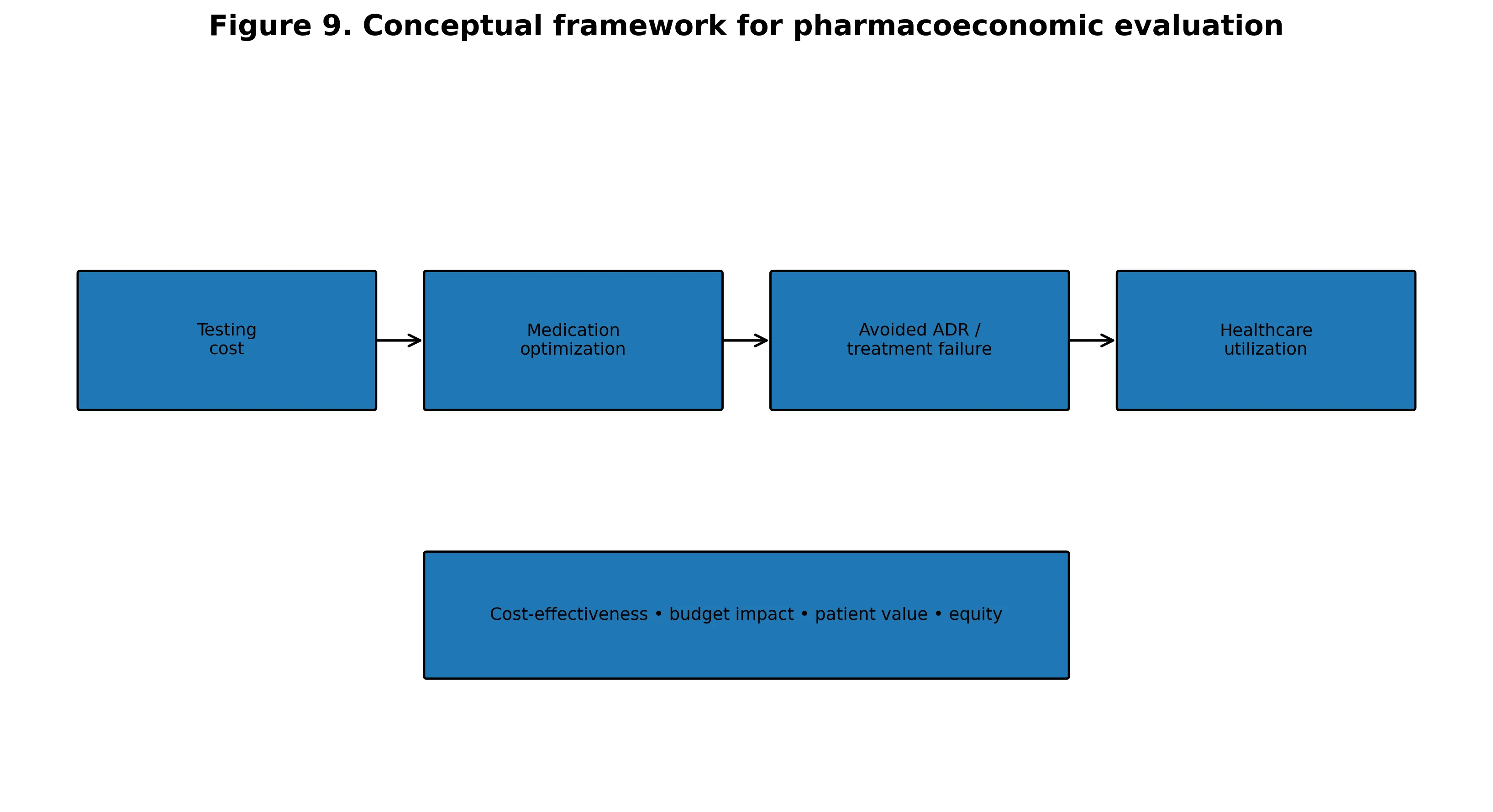
Figure 8: Conceptual Framework for Pharmacoeconomic Evaluation; It Does Not Represent Original Economic Outcome Data.
The economic case for PGx depends on the clinical scenario, testing cost, prevalence of actionable variants, alternative medication cost, cost of adverse events, hospitalization risk, and the degree to which testing changes treatment. A high-cost test may be economically attractive when it prevents a severe adverse reaction or avoids repeated treatment failures. Conversely, broad testing may have uncertain value when actionable results are unlikely to influence prescribing. Pharmacoeconomic studies should therefore measure not only testing costs but also medication changes, adverse events, hospitalizations, emergency visits, treatment response, patient productivity, and long-term healthcare utilization.
Reimbursement remains a practical barrier, particularly in community settings. A sustainable model may require a combination of payer reimbursement, health-system investment, value-based care arrangements, or inclusion of PGx within pharmacist-provided medication-management services.
16. Patient Perspectives, Consent and Health Literacy
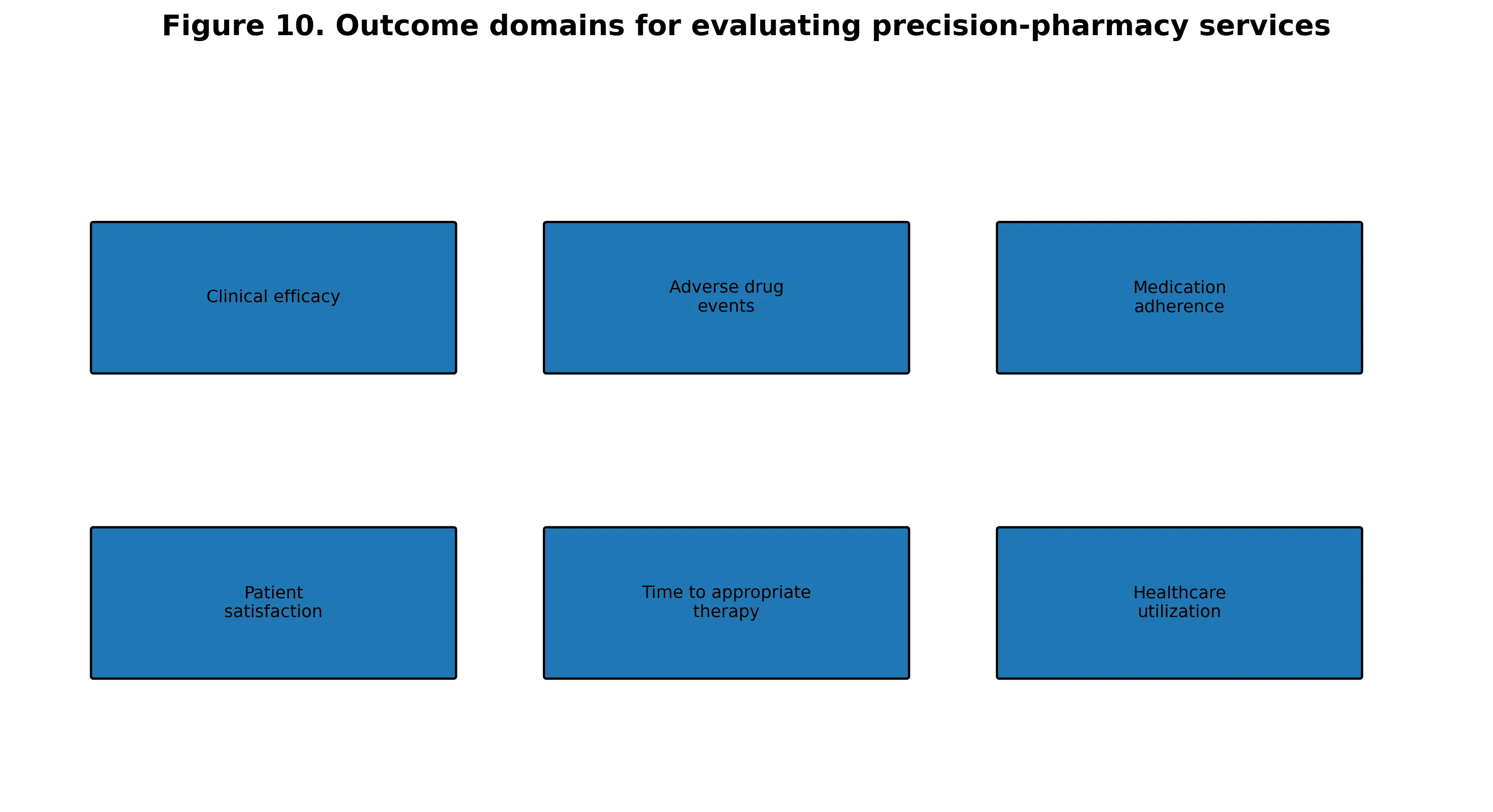
Figure 9: Recommended Patient and Health-System Outcome Domains for Evaluating Precision-Pharmacy Services.
Patient understanding is essential because genetic information can appear more definitive than it actually is. Pharmacists should explain that PGx usually changes probabilities rather than guaranteeing an outcome. A patient may have a genetic phenotype associated with altered metabolism while still responding differently because of disease, adherence, interacting medicines or other biological factors. Consent processes should clarify the purpose of testing, specimen handling, data storage, possible clinical uses, and limitations.
Health literacy should guide communication. Rather than beginning with allele nomenclature, pharmacists can start with the medication decision: “This test may help us determine whether your body is likely to process this medicine differently.” Results can then be explained using practical terms such as typical, slower, or faster metabolism when scientifically appropriate.
17. Privacy, Ethical, Legal and Social Considerations
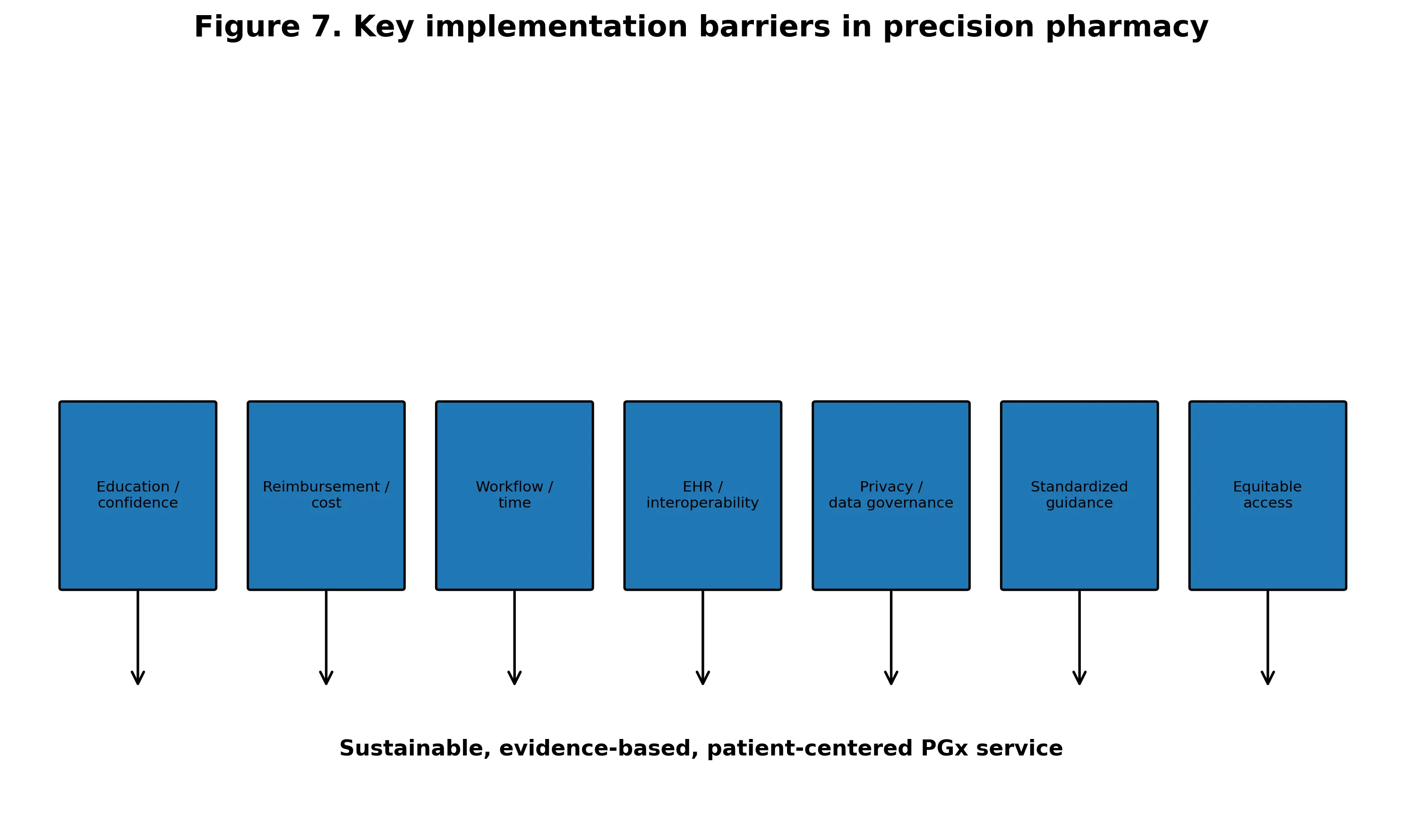
Figure 10: Key Implementation Barriers Affecting Sustainable PGx Practice.
18. Pharmacogenomics and Health Equity in India
India presents a major opportunity for pharmacy-led precision medicine research because of its large population, extensive genetic diversity, expanding healthcare infrastructure, and increasing use of advanced diagnostics. At the same time, implementation must consider affordability, laboratory availability, uneven digital infrastructure, variable health literacy, regional diversity, and access differences between urban and rural settings. Indian research should avoid simply importing evidence generated in other populations without evaluating local relevance.
Priority areas include characterization of actionable pharmacogenomic variants in Indian populations; pharmacist knowledge and training; patient acceptance; cost-effectiveness; EHR readiness; laboratory quality; community-pharmacy models; and integration with existing medication-safety programs. Multicenter Indian studies would be particularly valuable because regional genetic variation may affect the prevalence and predictive performance of some biomarkers.
| Indian research area | Suggested study outcome |
|---|---|
| Population genomics | Frequency of actionable variants by region/population |
| Pharmacist education | Knowledge, confidence and competency improvement |
| Community pharmacy | Feasibility, acceptance and workflow time |
| Hospital pharmacy | ADR reduction and medication optimization |
| Economics | Cost per actionable result and cost per clinical event avoided |
| EHR/CDS | Alert acceptance and clinical-action rate |
| Patient perspective | Understanding, consent and satisfaction |
| Equity | Access and outcome differences across socioeconomic groups |
19. Artificial Intelligence in Precision Pharmacy
Artificial intelligence (AI) and machine learning may strengthen PGx implementation by identifying patients who are likely to benefit from testing, integrating genomic and clinical variables, prioritizing clinically meaningful alerts, and supporting longitudinal outcome analysis. AI could also help pharmacists summarize complex genomic reports and identify relevant guidelines. However, AI should not replace clinical responsibility. Models must be validated in the populations in which they will be used, monitored for bias, linked to authoritative evidence, and subjected to human oversight.
| AI application | Potential benefit | Risk requiring control |
|---|---|---|
| Patient identification | Find eligible patients from EHR data | Incomplete/biased data |
| Genotype interpretation support | Reduce manual lookup burden | Incorrect interpretation |
| CDS prioritization | Reduce alert fatigue | Missed important alerts |
| Outcome prediction | Identify high-risk patients | Model bias/poor calibration |
| Documentation support | Improve consistency | Hallucinated clinical information |
| Research analytics | Identify implementation patterns | Privacy and data governance |
20. Proposed Comprehensive Pharmacist-Led Precision Medicine Model
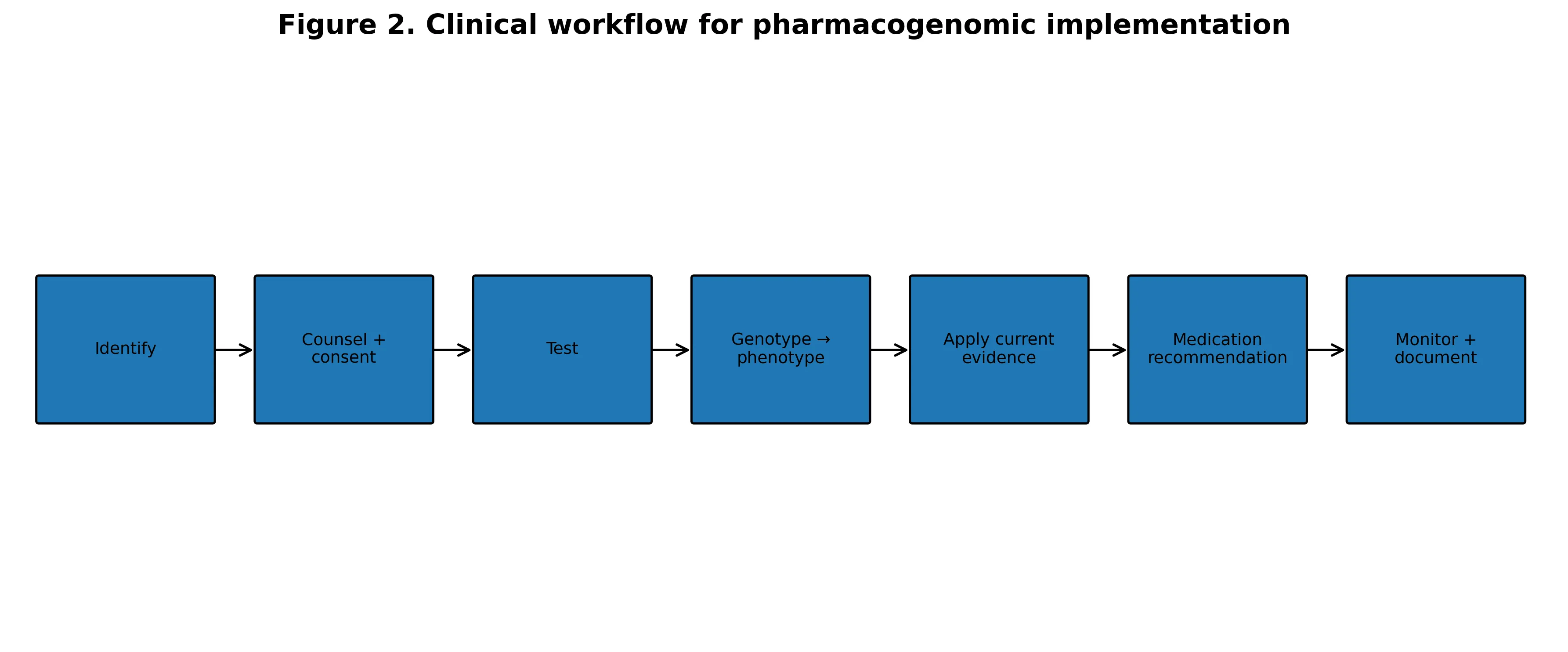
Figure 11: End-to-end Clinical Workflow for Pharmacogenomic Implementation in Pharmacy Practice.
A practical service can be organized into four interconnected phases: preparation, testing, action, and evaluation. Preparation includes selecting priority gene–drug pairs, defining eligibility, training pharmacists, establishing laboratory partnerships, and configuring EHR documentation. Testing includes patient identification, education, consent where required, specimen collection, laboratory analysis, and result verification. Action includes genotype-to-phenotype translation, evidence review, prescriber communication, medication modification, and monitoring. Evaluation includes clinical outcomes, patient outcomes, economic outcomes, workflow measures, and equity indicators.
| Phase | Activities | Key performance indicators |
|---|---|---|
| Preparation | Protocol, training, laboratory, EHR | Staff competency; workflow readiness |
| Testing | Eligibility, counseling, specimen, laboratory | Turnaround time; test completion |
| Interpretation | Genotype → phenotype → recommendation | Actionable-result rate |
| Clinical action | Recommendation and medication change | Recommendation acceptance; time to action |
| Monitoring | Efficacy, toxicity, adherence | ADR rate; treatment response |
| Evaluation | Economic and implementation analysis | Cost-effectiveness; sustainability |
| Quality improvement | Audit and protocol updates | Alert overrides; guideline currency |
21. Tables of Selected Evidence From Pharmacy Practice Literature
| Study/evidence | Setting | Main finding relevant to pharmacy |
|---|---|---|
| Ferreri et al., 2014 | Community pharmacy | PGx service for CYP2C19/clopidogrel was feasible; prescriber acceptance was high, while reimbursement was problematic. |
| Mahmoud et al., 2021 | Pharmacy practice scoping review | 43 non-oncology studies identified; CYP2C19/antiplatelet models were prominent and pharmacist education, collaboration and CDS were important facilitators. |
| Aref et al., 2023 | Community pharmacy scoping review | 39 studies mapped; benefits were recognized, while knowledge, confidence, cost, privacy and workflow barriers were common. |
| Knowledge/perceptions systematic review, 2024 | Pharmacists and students | Positive attitudes were common, but knowledge and confidence remained insufficient and further education was desired. |
| Coumau et al., 2025 | Community pharmacy scoping review | 17 studies; feasibility and satisfaction were favorable, but reimbursement, standardization, education and workflow integration remained challenges. |
| Kiani et al., 2026 | Community pharmacy | Recent survey evidence highlights interest in PGx alongside continuing implementation barriers and need for structured strategies. |
DISCUSSION
The evidence supports a transition from asking whether pharmacogenomics is scientifically plausible to asking where it provides enough clinical value to become routine pharmacy practice. This distinction is important. Not every statistically significant gene–drug association is clinically actionable, and not every actionable relationship requires universal testing. Pharmacy practice should prioritize evidence in which a genetic result changes a medication decision and where the resulting action improves safety, efficacy, or resource use.
The pharmacist is uniquely positioned to operationalize this approach. In contrast to a laboratory-only model, pharmacist-led PGx services can connect testing with medication reconciliation, clinical assessment, patient counseling, prescriber communication and follow-up. Published literature has demonstrated feasibility in both institutional and community settings, while more recent implementation studies show that the principal challenges have shifted toward sustainability, education, reimbursement, workflow and interoperability.
Community pharmacy deserves particular attention because accessibility may improve equitable reach. However, the community setting also has practical constraints, including limited consultation time, variable access to EHR genomic data, reimbursement uncertainty and the need for collaboration with prescribers. Implementation should therefore be designed around existing medication-management workflows rather than as a completely separate service.
Hospital programs have the advantage of multidisciplinary infrastructure and access to laboratory and informatics resources. They may be especially suitable for high-risk medicines and specialty populations. Nevertheless, hospital PGx should also avoid excessive alerting and ensure that results remain available after transitions of care.
Education is a cross-cutting requirement. Pharmacists may be enthusiastic about precision medicine while lacking confidence in interpreting diplotypes or applying guidelines. Continuing education should use case-based learning, simulated clinical decisions and direct practice with evidence resources. Undergraduate and postgraduate pharmacy curricula can introduce genomics while emphasizing the practical medication-management role.
The Indian context deserves specific investigation. The country has substantial genetic diversity, and implementation strategies developed in other healthcare systems may not transfer directly. Indian pharmacy researchers can contribute by studying actionable variant frequencies, patient acceptance, laboratory pathways, affordability, EHR integration and pharmacist-led service models. Such research could support locally relevant precision-pharmacy guidelines.
23. Limitations of the Present Review
This manuscript is a narrative review and not a systematic review or meta-analysis. Searches were focused on clinically relevant literature and authoritative sources rather than designed as an exhaustive PRISMA systematic search. No pooled effect estimate is presented, and no original patient-level data were analyzed. Pharmacogenomic recommendations evolve as new evidence emerges; therefore, the tables are intended as a practical overview rather than a substitute for current prescribing guidelines or drug labeling. Before clinical implementation, each gene–drug relationship should be checked against the most recent CPIC recommendation, regulatory label, local formulary and institutional policy.
24. Future Directions
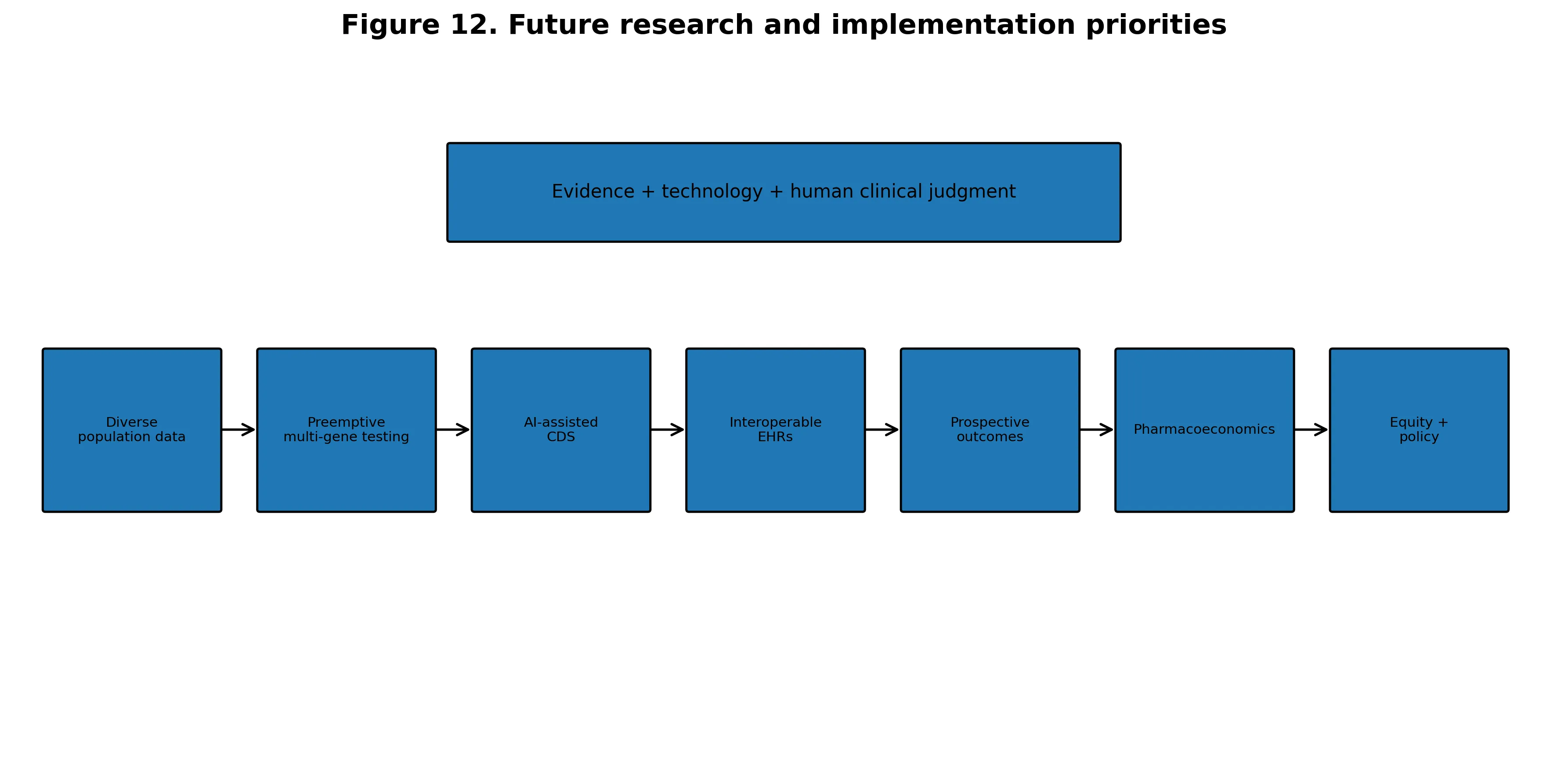
Figure 12: Future Research and Implementation Priorities for Precision Pharmacy.
1. Prospective randomized and pragmatic trials of pharmacist-led PGx services.
2. Real-world measurement of adverse drug reactions, treatment response and medication persistence.
3. Cost-effectiveness and budget-impact analyses in community and hospital pharmacy.
4. Preemptive multi-gene testing with long-term outcome assessment.
5. Development of standardized pharmacist competency frameworks.
6. Integration of PGx into pharmacy education and continuing professional development.
7. Indian multicenter studies evaluating genomic diversity and clinical implementation.
8. Patient-centered research on health literacy, consent and trust.
9. Interoperable EHR standards for persistent genomic data.
10. AI-assisted PGx decision support with transparent evidence linkage and pharmacist oversight.
11. Implementation science studies using standardized frameworks to compare models across healthcare systems.
12. Equity-focused research assessing who receives testing and who benefits from precision medicine.
CONCLUSION
Pharmacogenomics is becoming an increasingly relevant component of precision pharmacy. The strongest clinical applications are those in which a validated genetic result leads to an actionable change in medication choice, dose, monitoring, or avoidance. Pharmacists can provide value across the entire pathway, from identifying eligible patients and coordinating testing to interpreting results, communicating recommendations, counseling patients, documenting findings, and monitoring outcomes. Community-pharmacy evidence demonstrates feasibility and patient acceptability, while hospital programs provide opportunities for multidisciplinary integration and high-risk medication management. The major barriers are no longer purely scientific; they include education, reimbursement, workflow, informatics, evidence standardization, privacy and equitable access. Future research should focus on prospective outcomes, pharmacoeconomics, implementation science, population diversity, and responsible digital and AI tools. A sustainable precision-pharmacy model should integrate genomic information with clinical judgment rather than treating PGx as an isolated laboratory result.
26. Declarations
Authors' contributions: Dr. Mohana Priya Pamidi contributed to conceptualization, literature review, manuscript drafting and critical revision. Dr. K. Venkata Gopaiah contributed to scientific supervision, critical review and final manuscript revision. Both authors approved the final manuscript.
Funding: No external funding was received for preparation of this review.
Conflict of interest: The authors declare no conflict of interest.
Ethical approval: Not applicable. This manuscript is a literature-based review and does not contain original human or animal research.
Data availability: No original patient-level dataset was generated or analyzed.
Acknowledgements: The authors acknowledge the published researchers and clinical organizations whose work has contributed to the development of clinical pharmacogenomics.
REFERENCES

Dr. Mohana Priya Pamidi, Dr. K. Venkata Gopaiah, Ramya Teaj Medarametla, Pharmacogenomics and Precision Medicine in Pharmacy Practice: Current Evidence, Clinical Applications, Implementation Strategies, and Future Directions, Int. J. Sci. R. Tech., 2026, 3 (10), 1198-1213. https://doi.org/10.5281/zenodo.23659675
 10.5281/zenodo.23659675