

We use cookies to ensure our website works properly and to personalise your experience. Cookies policy
Department of Pharmaceutics, Shree Santkrupa College of Pharmacy, Ghogaon-Karad, Maharashtra- 415111, India
For the oral drug delivery, pH-triggered polymers is a major strategy to protect the sensitive drugs and to site-specific release enhanced by electrostatic interaction?via gastrointestinal (GI) pH gradient of bio-modifiers. Research indicates that these copolymers can be used to enhance the stability of acid-labile drugs, increase solubility of poorly water-soluble compounds, and significantly improve oral?delivery of peptides, proteins, and colon-targeted therapeutics. Varieties of polymers such as enteric polymers, polyacids, polybases, hydrogels, interpenetrating networks (IPNs), hybrid nanocarriers and biomimetic systems are showing different modes of release that are controlled?and targeted. There are scale-up, safety, and regulatory?concerns but pH-responsive polymers very much remain promising material candidates for patient-friendly next-generation oral medicines.
Oral drug administration is still the most frequently used route of drug delivery, as it is the easiest and safest method and a less-invasive alternative with better patient compliance. Nevertheless, the journey of drugs through the whole GI tract and then into the blood is very dangerous and one of most suffering thing for oral administration[1]. The GI tract is a very extreme place: it contains large pH variations, high level of enzyme activity, strong mucus barriers for gut protection and tight junctions between epithelial cells that altogether make absorption rate of many drugs and particularly peptides/proteins/acid-labile compounds quite low[2].
To address these problems, researchers have developed pH-responsive polymers that are only responsive to the varying pH environment of the GI tract. The polymers will protect the drug molecules from the harsh environment of the stomach and subsequently, release the medicine at a particular site (intestine or colon) in a controlled manner. The understanding of the GI tract in combination with smart polymer development are essential for advancement of oral drug delivery technologies[3].
1.1. Importance of oral drug delivery
Oral drug administration is the preferred and most frequent administration since it is very comfortable, safe and simple; for these reasons the patient adhesion especially in a long-term therapeutic treatment may be increased. Oral administration (in contrast to parenteral routes) eliminates pain and distress, the cost of skilled personnel is reduced and when treatment is required on a large scale it can be more economical. However, one of the major disadvantages to this approach is that many therapeutic molecules (peptides, proteins, nucleic acids and some small molecules) have low oral bioavailability mainly due to their sensitivity toward extreme gastric conditions and rapid enzymatic degradation in the GI environment[4].
Acid-labile drugs are unable to tolerate the acidic medium (pH 1-3) of the stomach, and hence they break down almost instantaneously whereas macromolecules such as peptides are very quickly degraded by proteolytic enzymes and do not retain their therapeutic efficacy following oral administration [5]. Moreover, the oral administration still remains of clinical interest in view of patient self-administration, increased compliance with and convenience for long-term drug therapies as well as a basis for developing innovative formulations including controlled release and targeted GI products. In this regard, improving oral delivery of problematic drugs is still crucial in the current pharm industry by optimizing drug formulations or using pH-responsive polymers etc.[6,7].
1.2. Physiological stresses to the Gl tract
In fact, the GI region is a highly complex and dynamic system that poses several physiological challenges, making it possible to deliver drugs through the gastrointestinal (GI) tract in an efficient manner just to a certain extent. Amongst these the most significant is the sudden variation in pH throughout the GI tract. For example, the stomach has a pH of 1-3, and is therefore very acidic; the swift degradation of drugs sensitive to acid and its unfolding as far as proteins or peptides are concerned are some impacts derived from this. Once in the small intestine, the pH values increase abruptly up to5.5-6.5 inside the duodenum and 7.5-8.0 inside ileum, causing for many drugs unpredictable dissolution/ precipitation phenomenology [2,4]. This constant pH variation complicates further the development of stable oral formulations(Fig. 1).
The acidic and basic pH alterations are attached one of the greatest inconveniences for oral absorption, though the enzymatic degradation. A majority of peptide and protein drugs are rapidly hydrolyzed by digestive enzymes, such as pepsin in the stomach and trypsin, chymotrypsin and other proteases in the small intestine, before they can reach site of absorption. Another obstacle is the mucus layer, which is a viscous inelastic barrier formed by mucin glycoproteins and mainly entraps or hinders the molecules of drugs as well as NPs movement thus impeding them from being accessible to the underlying epithelial cells[5]. The intestinal epithelium is sealed with very strong tight junctions that cannot, for sure, permit the paracellular diffusion of hydrophilic and high-molecular-weight molecules; as a consequence, filtering efficiency decreases[7].
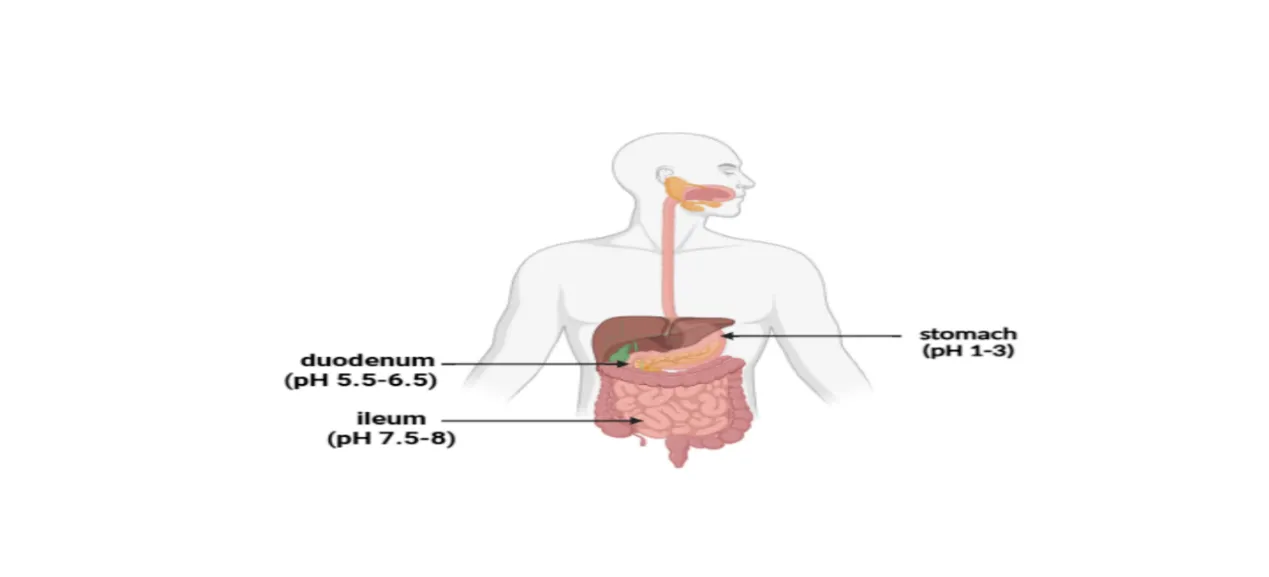
Figure 1: pH of Gastrointestinal tract
1.3. Intrinsic reply of pH-activated polymers for oral delivery challenges
pH-responsive polymers have been increasingly serving as crucial components of the gastrointestinal (GI) tract's biological barriers and consequently emerged as one of the cornerstones for contemporary oral drug delivery platforms. These polymers are added to the compositions as drug carriers and as a result, shall allow the free liberation of drug on passing through various pH subjected regions in the intestinal tract; consequently retaining back in unfriendly acidic environments while releasing it up where absorption is positively conditioned. In the stomach, pH of 1–3, pharmaceutical-grade polymers such as Eudragit exhibit integrity-cellulose acetate phthalate and hydroxypropyl methylcellulose phthalate sustain its acidic environment[1,2]. If these drugs are prevented from being destroyed by the acid then they are, in particular these drugs that are very acid sensitive such as some chemicals and peptides and proteins. Upon passage of the formulation from the stomach up to the intestine, where pH is high as 6.5-7.5, the polymers dissolve or swell resulting in a controlled release for drug at desired site & hence enhanced stability& absorption[4].
Unlike the case of simple protection, pH-responsive systems promote drug permeation and absorption across the intestinal epithelium. Photo certain polymers change sign of charge at intestinal pH condition to positive and can interact with the negative charge on mucosal membranes thus causing the mucosal membranes open tight junctions for short-term in order to increase paracellular transport[7]. This is particularly advantageous for hydrophilic compounds and biologics. In addition, pH-sensitive of nanoparticles, hydrogels and matrix system are able to offer continuous sustained or pulsatile release based on the condition of GI[5].
pH-sensitive polymers are a special type of advanced materials which experience structural or physicochemical modification at pH values they are exposed to in GI environment. The polymers contain active groups such as carboxyl (-COOH), amino (-NHâ‚‚), sulfonate and phosphate capable of gaining or losing of protons, causing the modification in the properties of these copolymers such as solubility, swelling power, charge distribution and conformational structure of polymer chain[8,9].
The polymers contain acidic groups (polyacids) that retain their protonated state and thus insolubilize in an acid environment, such as the stomach (pH 1-3), creating a protective wall around the drug. On the other hand, in intestinal pH from 6.5 to 7.5, these groups become charged causing processes of relaxation or dissolution/swelling of the polymer which again result in controlled and/or site specific drug delivery[10].
2.1 The chemical foundations of pH sensitivity
The chemical mechanism of pH sensitivity in polymers is based mainly on the use of ionizable functional groups that are able to reversibly take up or release protons from a spatial environment due to variation of pH. These active groups, e.g., carboxylic acids (-COOH), sulfonic acids (-SO₃H), phosphoric acids (-PO₃H) and amines (-NHâ‚‚), are responsible for the swelling/collapse/solubility or insolubility of the polymer according to pH[8–10]. In acid media, the weak acidic groups are protonated and almost unionized, leading to a compact and insoluble polymer through strong hydrogen-binding interaction between molecules. This characteristic allows polyacids to remain intact in the stomach, and prevent acid hydrolysis of drugs[11].
In contrast, at pH close to neutral or basic, these groups ionize to cause the electrostatic repulsion between polymer chains and swollen-relaxed-dissolved states of the polymer. This enables localized drug delivery in the small intestine or colon with a pH of 6.5-7.5[12]. Polymers with basic groups, for example chitosan or polyethyleneimine, demonstrate contrasting behaviour: at low pH amine groups are protonated resulting in a swollen state or the solubility of the polymer, while a higher pH results in their deprotonation leading to chain collapse and precipitation[11].
2.2. lonizable groups and polymer behaviour
Ionizable groups are highly relevant for the pH-responsive properties of polymers, and therefore their use in oral drug delivery. These groups are primarily carboxylic (-COOH), sulfonic (-SO₃H), phosphoric acid (-PO₃H) and amine groups (R-NH₂) and are protonated-dissociated or co-exist in different forms depending on the local pH, which exerts a wide variety of effects on polymers with relation to their solubility, conformation and swelling [1-3]. In the acidic environment of the GI tract, weak acidic groups will remain protonated and uncharged with hydrogen bonds forming and dense polymer structures developing which are responsible for slowing down the release of a drug. Such behaviour is found in several enteric polymers such as methacrylic acid copolymers and cellulose acetate phthalate (CAP) which are stable at low pH, but become soluble when the intestinal pH rises greater than that of their pKa values[4,5].
The properties of the pH-sensitive polymer are highly influenced by the alteration in state behaviour of their functional groups which is reflected through solubility, swelling, conformation and drug release, inside GI tract. Under acidic environment, one still finds charged polymers such as carboxyl (-COOH), remain protonated and unionized, hence further compact chains that are timeless with water repulsive and insoluble. For this reason, the polymer can protect the drug against gastric acidity and digestive enzymes[1,4,5]. Similarly, when the polymers possess basic functional groups such as primary or tertiary amines, the reverse scenario is observed where they are protonated with positive charge and become swollen or soluble cause of low pH, while at higher pH are deprotonated to have less water retaining capability and loose chains[4]. The response of a polymer depends on several parameters, including the density of ionizable groups, the architecture and molecular weight of the polymer[2,5].
2.3. Pathways of swelling, dissolution and erosion
The oral drug delivery behaviour of pH-responsive polymers is largely controlled by their swelling, dissolution and degradation kinetics, which are all closely related to the ionization state of the functional moieties constituting a polymeric matrix. The swelling is initiated when such acid or base groups, e.g., carboxyl (-COOH) or amino (-NHâ‚‚), become totally ionic at their pertinent pH range and thus undergo electrostatic repulsion driving the polymer strongly out while allowing the solvent to penetrate. In acidic solution, the polyacids are protonated and are tightly coiled which does not allow swelling, in neutral or slightly basic conditions deprotonation of the chain takes place and causes chain expansion with an increase in hydrophilicity[1,4,5]. This expansion is the prime facilitator for controlled release of drugs encapsulated at intestinal pH.
The possibility of dissolution is increased with rising ionization since the level at which intermolecular forces, such as hydrogen bonding and hydrophobic interactions are overcome also increases. Methacrylic acid copolymers, for instance, dissolve quickly at a pH above their pKa and thereby allow gastric release of drug in the duodenum or jejunum [4,6,7].
Mechanisms of degradation do not only act as a driving force but they contribute to drug release in considerable extent and more especially if biodegradable systems are comprised of ester, amide or anhydride-forming type polymers. Polymer chain cleavage by hydrolysis or enzymes may occur when the matrix becomes wet and drug can be delivered either long-term or pulsatile over plant growth period time scale[1,5]. The degradation rate of ionizable polymers can be tailored as desired by controlling crosslinking density, hydrophilicity and molecular architecture[6,7].
2.4. Design considerations for Gl-targeted responsiveness
To design good pH-sensitive polymers that are suitable for site-specific drug delivery system into the GI, a complete understanding of the variations in terms of pH between different parts or sections in the GI (stomach and intestines), transit times, enzymes present at each part like stomach and intestine as well as physiological barriers is necessary. One of the most crucially considered parameters is selection of polymers having pKa values at right position i.e. those which do not alter their characteristics at during of an acidic gastric pH (1-3) and, further dissolves or swells intestinal pH range (6.0-7.5) or colonic pH (above 7.0) according to site specificity. This protects acid-labile drugs including drug release from the specific GI site[1,4,6]. In addition to the density and distribution of ionizable groups, the polymer starts to ionize at the rate that acidic or basic groups in each resin particle are converted to a protolyzed form during swelling, dissolution or its transition of charge[1,5].
The density of crosslinking is also a highly important design factor: light crosslinked polymers hydrate to much water resulting in more rapid drug release, while for the highly crosslinked matrix the drug-release process slows and is mainly controlled by diffusion. The entire release characteristic from certain GI areas could be extremely well adjusted by means of the crosslinking degree[5,7]. Additionally, the hydrophilicity or hydrophobicity of polymer influences drug-loading and hydration of polymer. Hydrophilic polymers are capable to absorb water at small time scale within the interior pH of intestine, such as immediate release is achieved while hydrophobic polymer can retard swelling and sustain or pulse drug delivery[2,3].
3.1. Enteric polymers (such as Eudragit®, cellulose derivatives)
Use of enteric polymers in general is quite broad for oral dosage forms, but that is because they survive in the acidic environment of the stomach and allow drug release only at a pH equal to the intestinal one. These polymers contain ionizable carboxyl groups, which remain in the protonated state in the stomach (pH 1-3), so that no drug is released prematurely. Only in the gut, at about pH >5.5-7.0 (depending on the swelling/threshold properties of each polymer), do these groups get unprotonated and response by swelling or dissolving followed by drug release in the targeted region. The most commonly used methacrylic acid copolymers are Eudragit® L100, L100-55 and S100; Eudragit® L dissolves at pH > 6.0, whereas S100 (Eudragit® S) dissolves at pH > 7.0 thus enabling colon targeting [13-16].
Of the cellulose derivatives, cellulose acetate phthalate (CAP), hydroxypropyl methylcellulose phthalate (HPMCP) and hydroxypropyl methylcellulose acetate succinate (HPMCAS) may be cited as the best enteric coating materials. Among the various electrorheological materials, the silica-based particles are the most attractive owing to their high mechanical strength, good stability and resistance to acid. These above polymers are widely used for pharmaceutical application such as protection of acid-labile drugs including proton-pump inhibitors and peptides, target delivery in case of inflammatory bowel disease and colorectal cancer[13,16].
3.2. Polyacids and polyanions
Polyacids and polyanions change their properties by pH as would be expected due to their chemical composition that contains acidic functional (mainly carboxyl) groups. They are already in unionized state in the stomach and ionized state in the intestine. Prominent examples of these macromolecules are polyacrylic acid (PAA), carbomers and methacrylic acid copolymers. The high pH tries to ionize, in turn to make these polymers so swell that the great negatively charged groups repel one another and explain why this drug release is either controlled or pulsed. Of note, PAA-based systems show high mucoadhesive strength and can be accompanied by the formation of many hydrogen bonds with mucin leading to a prolonged GI residence time. This may open up new applications for them as drug carries in the intestine and colon due to the precise control over swelling behaviour resulting from adjusting their pKa[17].
3.3. Polybases and polycations
Polybases is a class of pH responsive polymers. They have basic groups, such as amines which beget a positive charge at low pH and lose the proton when at neutral or alkaline pH. Chitosan, one of the commonly used and well studied cationic polymer is positively charged in acidic environment resulting in enhanced solubility, swelling and mucoadhesion. Other polycations, including polyethyleneimine (PEI) and polylysine, could transiently open tight junctions which can thereby increase paracellular permeability. It was evaluated the ability of these polymers to enhance the solubilization and intestinal absorption of peptides, proteins and hydrophilic drugs[18].
3.4. Hydrogels and interpenetrating polymer networks(IPN)
Hydrogels are polymer systems, swelling in water and capable to undergo a dynamic response based on the environmental pH. They respond to changes in pH by the ionization of acidic or basic functionalities in the polymer backbone. Polyacrylic acid hydrogels, (PMAA) networks, and chitosan-based hydrogels are commonly used for oral controlled release[19]. IPNs, which are made by weaving two or more polymer networks together without any chemical bonding and improve the mechanical properties of the hydrogel while giving it a dual-responsive feature. These systems could give sustained release, pulsatile release or can also be targeted making them especially useful to deliver peptides, proteins and not-soluble drugs[20].
3.5. Composite and hybrid pH-responsive systems
Composite and hybrid polymer systems, consisting at least of two different types of material (often referred to as being combinations of e.g. polymers-lipids, lipids; or inorganic particles), which can change pH sensitive, endowed with good muscle strength and loading efficiency. This combination of best characteristics from the individual components results in higher stability in gastric fluid, stronger mucoadhesion and release at intestinal or colonic pH.
The hybrid polymer systems can include various nanocarriers, such as nanoparticles, liposomes, micelles or inorganic carriers such as silica and calcium phosphate to achieve dual-stimuli responsiveness, enhanced permeability or enzyme-triggered release. Such high-end systems are very popular for colon targeted therapies, oral chemotherapy and microbial targeting[21,22]. The classification of pH-Triggered Polymers is shown in Table 1.
|
Sr.no |
Polymer Class
|
Properties |
Applications in Oral Drug Delivery |
Examples |
Refs |
|||
|
1. |
Enteric Polymers |
Poorly soluble in acidic pH; dissolve/swell between pH > 5.5 to 7.0. |
Protect acid-labile drugs and carry them to the intestine and colon. |
Eudragit,L100, S100,L30D; HPMC-AS; HPMCP; CAP |
[5] |
|||
|
2. |
Polyacids |
Insoluble at acid pH and protonated; swell and ionize at higher pH. |
Intestinal release; release in pH-dependent fashion; hydrogels. |
Poly(methacrylic acid); Poly(acrylic acid); Carbopol; Alginate |
[6] |
|||
|
3. |
Polybases |
soluble at low pH; deprotonated & collapse at neutral pH |
Mucoadhesion; gastric retention; protective coatings |
Chitosan; Polyethyleneimine (PEI); Eudragit, E; Poly(lysine) |
[6] |
|||
|
4. |
Hydrogel |
Volume growth on neutral pH may be reversible, with ionization. |
Controlled release; protein protection; peptide delivery |
PEG hydrogels |
[5] |
|||
|
5. |
Composite & Hybrid pH Responsive Systems |
Tunable pH-response from multiple components |
Colon-specific delivery; dual-responsive systems; stabilizing nanoparticles |
Polymer–lipid hybrids; Polymer–inorganic hybrids; Nanocomposites |
[6] |
Table 1: Classification of pH-Triggered Polymers
4.1. Coatings for the specific release in stomach or intestine
Enteric coatings are employed extensively to prevent the drug release in stomach and facilitate its dissolution at higher intestinal pH. These coatings function by forming a pH-sensitive barrier around the dosage form. Polymer coatings: conventional polymer coats such as cellulose derivatives and methacrylic acid copolymers still remain un accessible in gastric fluid and are then solubilized when the pH is above their limit value. This releases the acid-labile molecules while aiming for ligand release in the duodenum, jejunum or ileum[23].
Advances in coatings applications have imparted mechanical stability that increased the uniformity and drug protection as well. Among the new coat materials that have been used for profile specific releases are modified Eudragit® grades and HPMCAS. In addition, the new types of enteric-coated particles provide means for precise positioning in different parts of the GI and thus allow enhancement of drug delivery efficacy to the gastrointestinal mucosa in treatments including ulcerative colitis, colon cancer, and peptides therapies[24].
4.2. Polymeric nanoparticles and nanocapsules
The possibility of delivering drugs in greater amount and more stably targeted release is due to the small size of nanoparticles and the surface properties that can be adjusted. Biodegradable nanoparticles, made of PLA, PLGA, PCL and even natural polymers defend sensitive drugs and release them retardely through pH triggered swelling or degradation[25,26].
Polymeric NPs with mucoadhesive properties, pH-responsive coatings, and surfaces modified with ligands to enhance intestinal absorption and enzyme activity reduction are among the latest innovations in nanomedicine for oral delivery [27]. Polymeric nanocapsules with a polymeric shell encapsulating hydrophobic or hydrophilic core are known to be highly stable materials with a formatted release pattern and, consequently, they are suitable for delivery of peptides, genes and poorly soluble drugs[28]. Table 2 Difference between Polymeric Nanoparticles and Nanocapsule.
|
Sr.No |
Feature
|
Polymeric Nanoparticles |
Polymeric Nanocapsules |
|
|
1. |
Structure |
A drug uniformly disperses through a polymer network of the matrix type. |
Encapsulated is the condition where the drug is held inside a core surrounded by a polymeric shell. |
|
|
2. |
Drug Location |
|
Drugs are carried in oily/aqueous cores surrounded with polymeric coatings. |
|
|
3. |
Stability |
|
Colloidal stability is high because it is protected by core–shell. |
|
|
4. |
Drug Loading |
Regarding hydrophilic medicinal drugs; it is ideal for hydrophobic ones. |
Higher loading efficiency due to core compartment |
|
|
5. |
Advantages |
Simple-to-construct, customizable set-backs, good defence. |
The removal of highly unstable or sensitive drugs from their controlled release design is desired. |
Table 2: Key Differences Between Polymeric Nanoparticles and Nanocapsules[25-28]
4.3. Microparticles and microencapsulation
Microparticles are utilized in oral drug delivery to enhance stability, gastrointestinal residence time, and selective release. The study validates that with the accurate adjustment in the dimension, porosity and polymer composition of the microparticles and using pH-responsive materials especially, drugs from gastric degradation can escape and look for release sites in small intestine or colon. It has been reported that the use of apoptotic microparticles with an enteric polymer or biodegradable matrix as their core can selectively release anticancer drugs, peptides, or anti-inflammatory agents in the colon. Through modulation of particle size, porosity and polymer type microparticles could produce a major enhancement in oral drug absorption and efficacy [29].
Microencapsulation is one of the most important techniques for both protection and delivery control of oral drugs. The drugs are encapsulated in micro sized polymeric matrices (polymers used: e.g. Eudragit, alginate, chitosan or PLGA) that are pH dependent. These microcapsules have the aforementioned pH-sensitive property and can protect their active drug content in stomach acid, while providing more stable and better absorbed or therapeutically targeted active product released when pH increases in the intestines/colon. [30]
4.4. Layer-by-layer assembly and complexation
Layer-by-layer (LbL) assembly is a versatile manufacturing approach where oppositely charged polymers are alternatively adsorbed to create thin films or capsules of the nanostructured materials with highly-controlled structure. LbL nanoparticles with pH-sensitive layers that dissolve or swell upon ionization can be engineered and used to deliver agents in specific areas of the intestine[31].
The next generation LbL systems can be designed to modulate permeability, prevent drug degradation and allow co-administration of multiple therapeutic agents. Their modular nature allows for flexibility in thickness, charge and responsiveness, making them suitable for oral delivery of peptides, proteins and vaccines[32].
4.5. 3D printing and other advanced manufacturing methodologies
Due to the 3D printing, we have a new opportunity for producing a tailored oral dosage form with targeted shape, porosity, drug distribution and pH-triggered–release profile. FDM (fused deposition modelling), inkjet print how means to prepare 3D-printed tablets are sometimes referred to as "printlets") and may also involve pH-responsive or other polymers in complex geometries for optimized release kinetics[33].
Drug/multi particulates also can be prepared using 3D printing as printlets, were immediate, delayed and multi-phasic release methods were given values and may even considered as future trends in oral drug delivery too [34]. Fig. 2 summarises the Formulation Strategies and Fabrication Techniques.
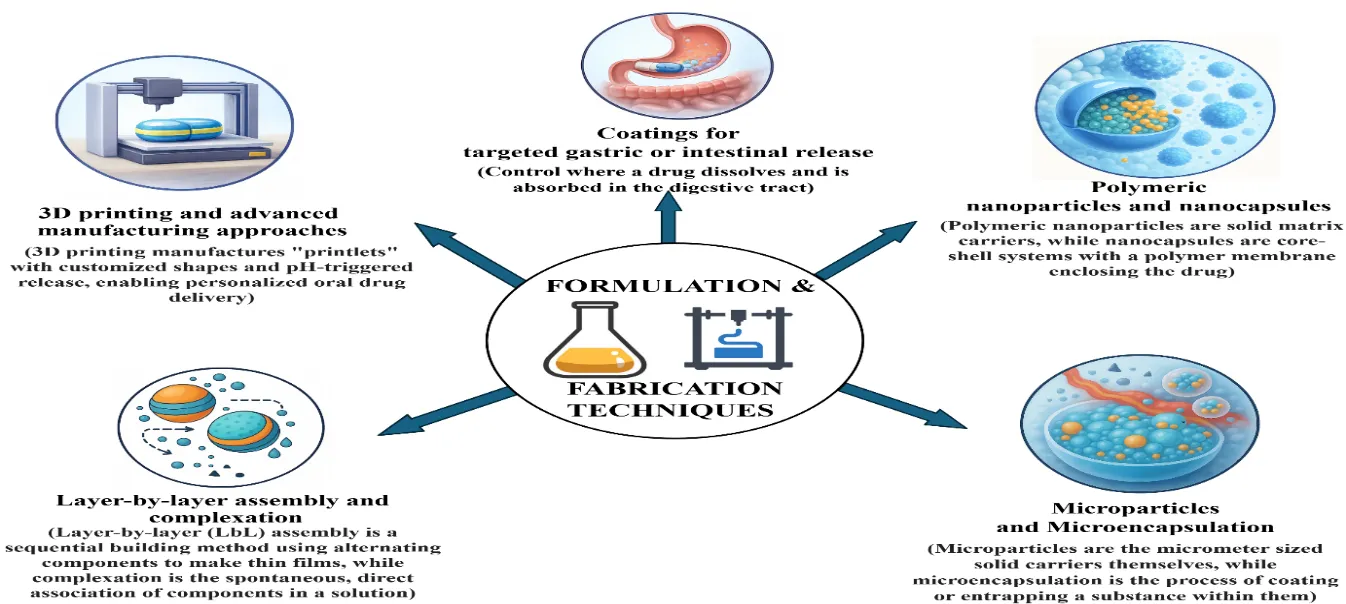
Figure 2: Formulation Strategies and Fabrication Techniques
5.1. Protection of acid-labile drugs
Drug instability in an acidic environment is one of the significant problems involved in oral administration. pH-sensitive coatings, in conjunction with polymer matrices, are able to form the acid-resistant barrier and keep drugs stable chemically until they reach the small intestine (higher pH) [35]. Enteric polymers, methacrylic acid copolymers and cellulose derivatives resist to the pH environment in stomach but dissolve or swell at intestinal pH allowing a targeted release. These types of strategies have been used for protecting acid-labile therapeutic protein, enzymes and small molecules[36].
5.2. Augmented delivery of slightly deliquescent drugs
Most of the APIs are poorly water soluble which may lead to poor dissolution and limited absorption in GIT of fine particles. Use of pH-responsive polymers, which modify microenvironment pH creating better wetting, and helping in controlling supersaturation generation, is one of the approaches to enhance solubilization with these agents. For instance, hydrophilic drugs can be solubilized by pH-sensitive polymeric micelles or nanoparticles and released at intestinal pH for maximum absorption[37]. In addition, understanding physio mechanical properties of drugs is also important as solubility is often a function of ionization and pH in the local surroundings [38].
5.3. Oral administration of peptides and proteins
Peptides and proteins are highly sensitive to the acid in the stomach and degradation by proteolytic enzymes. A protective barrier, which is multi-level, can be formed by pH-sensitive polymers:
✔ protecting against low pH,
✔ reducing exposure to the digestive enzymes,
✔ enhance the absorption in the intestine by means of mucoadhesion or modulation of tight junctions.
A series of studies have demonstrated the pharmaceutical potential of polymer based systems for enhancing oral delivery of assorted biologics such as insulin, GLP-1 analogs, etc.[39]. The pH-responsive nanoparticles and hydrogel can release the drug in the intestine, which is a better way to enhance stability and bioavailability of peptide drugs[40,41].
5.4. Colon-targeted drug delivery
pH sensitive dissolving is a method of delivering drugs-site specific in to the colon because the pH in the colon is near about or higher 7.0. Enteric-coated tablets, multi-unit systems and pH-sensitive microparticles are the techniques being used to achieve colonic release of drugs to treat disorders like IBD, cancer of rectum and local infections[42]. Using pH-sensitive polymers within enzymes-degradable matrices (e.g. polysaccharides degraded by colonic microflora) could further enhance the targeting efficiency due to utilizing both pH and bacteria triggers[43]. The recent improvements are represented by the surface coating of NPs using polymers and by the preparation of mucoadhesive systems releasing drug in response to the alteration of pH at colonic level which still resist degradation within upper GIT[44].
5.5. Microbiome- and site-specific therapeutic systems
The barrier of the GI mucus is one of the key parameters, which affects drug penetration and absorption. The pH-sensitive polymeric systems can be formulated either to completely avoid mucus or to adhere strongly for longer time periods. Mucus-penetrating nanoparticles, fabricated using techniques including surface hydrophilicity or charge shielding, show enhanced uptake into intestinal tissues[45]. In addition, these new oral formulations are designed to affect or interact with the gut microbiome in such a way that local therapeutic effects could be enhanced, microbial equilibrium established or drugs selectively targeted to microbiota rich areas[46].
5.6. Oral delivery of anticancer agents
One of the most challenging tasks in anticancer drugs delivery is oral administration where the characteristics of drug such as poor solubility, instability and significant first-pass metabolism are considered always. The gastric acid stable and intestinal release controlled nanomedicines have higher systemic availability for the chemotherapy medicines, which in turn results in greater efficacy. Tumor-targeted NPs can be administered via the oral route if they are surface coated with pH-sensitive materials, because such coatings not only protect drug from degradation, but also facilitate absorption of the drug through intestine. Drug delivery in this way not only facilitates patient compliance but it is also a non-invasive method of chemotherapy as opposed to the injectable route[47].
6.1. In vitro pH-shift dissolution testing
Dissolution testing is a basic tool to predict the performance of pH-responsive systems in various GI conditions. New dissolution methods can simulate these changes in pH from stomach to intestine, which can be very valuable when characterising enteric coatings and elucidating pH dependent drug release mechanisms. The most recent is the recommendation that biorelevant media similar to those pertaining to both fasted and fed states in the GI tract used, thereby ensuring that drug release profiles mimic in vivo behaviour[48]. Novel pH-trigger and biphasic systems are used to assess acid resistance, release lag-time and dissolution at intestinal pH. Such trials are essential method when acid-labile drug which either is protected or released into the terminal small intestine or colon awaiting effects[49].
6.2. In vivo assessment models
In vivo studies are required to prove the bioavailability, absorption properties and therapeutic efficacy of pH-responsive oral formulations. Several animal species, such as rodents, dogs and pigs are used to study GI transit time, polymer-degradation rates, and pharmacokinetic profiles of oral CR systems. The studies demonstrate intestinal permeability, enzymatic degradation, and drug uptake mechanisms. The combination of imaging methodologies, such as gamma scintigraphy and MR imaging, affords the possibility to follow the distribution and degradation of pH-responsive systems in the G.I. tract which will further strengthen the correlation between in vitro and in vivo behaviour[50].
6.3. Stability, permeability, and release kinetics
Another reason for the need of a model for drug release is to understand the different and simultaneously acting phenomena such as swelling, diffusion, solubilization and degradation in pH sensitive polymers. The employment of mechanistic models, such as Higuchi and Korsmeyer–Peppas but also zero/first order kinetics especially for drug transport in hydrophilic approaches and pH-responsive networks, helps to estimate[51]. Not only are mathematical techniques valuable to differentiate diffusion-limited from erosion-mediated release, they can be a useful tool for rational formulation design. Furthermore, permeability tests on Caco-2 cells or mucus models performed to study the impact of pH changes on polymer behaviour, drug transport and interaction with the membrane[52].
6.4. Safety, toxicity, and excipient considerations
Safety assessment is important as the polymers and excipients must be nontoxic, nonirritant and biocompatible for oral administration. Some pH-responsive excipients are known to be GRAS (Generally Recognised As Safe), but their amount, residual monomers and degradation products should be investigated in detail[53]. Saftey profiling includes cytoxicity and hemocompatibility investigations and long-term toxicity testing. Specific safety profiles, regulatory status and allowable daily intake levels for widely used enteric polymers, plasticizers and pH-responsive materials are available in the Handbook of Pharmaceutical Excipients as one such compendium[54].
7.1. Dual-stimuli responsive polymer systems
A dual-responsive carrier is constructed to respond also pH other factors, the presence of enzymes, changes in temperature conditions, redox environment and some biomolecules etc. These multi-mode systems permit time and place controllable drug release with greater precision. For example, pH and enzyme/or pH and temperature-responsive carriers can be engineered to remain intact during passage through the stomach with subsequent fast release of drug in small intestine or colon, respectively based on disease associated biological cues[55]. The efficacy of drug internalization and treatment is further improved by pH-responsive/reducible multifunctional nanocarriers with conjugated targeting ligands, imaging agents or mucoadhesive properties[56].
7.2. Biomimetic and biointeractive polymer carriers
Biomimetic drug transporters have revolutionized oral drug delivery and allow nanoparticles to escape the immune surveillance, across the mucus layer and bind more selectively with GI tissues. The nanoparticles that are covered in cell membranes, which include erythrocyte cell membrane, platelet cell membrane and the bacterial membrane exhibit natural surface characteristics, which promote adhesion as well as immune evasion and thus yield a relatively higher bioavailability[57]. Such systems, have more resident time in GIT and sufficient penetration through the mucous barriers that make them the promising candidate for oral delivery of vaccines, peptides and anticancer drugs. In addition, the biomimetic strategies have superior compatibility with material and low toxicity than that of the synthetic materials[58].
7.3. Hybrid nanocarriers (lipid-polymer, inorganic-polymer)
Hybrid nanocarriers combine the advantages of polymers for structural stability with those of lipids or inorganic compounds for biocompatibility and drug solubilization, both necessary properties in this kind of carriers. The lipid-polymer hybrid nanoparticles have many interesting properties, including high encapsulation efficiency, controlled release patterns and efficient interaction with the gut membranes hence, they are suitable for oral delivery of hydrophobic drugs and biologics [59]. Similarly, polymer–inorganic nanocomposites also receive applause in terms of improved mechanical strength, pH-snapping and mucoadhesion. Other properties are that they can be formulated for colon concentration, and have increased cellular uptake or protect the payload from enzymatic degradation[60].
7.4. Personalized oral solid dosage forms and precision therapeutics
Personalized medicine is coming along quickly, and one of the most helpful technologies is that of 3D printing the exact shapes, dosage strengths, and pH-responsive release patterns of tablets (“printlets”). Moreover, 3D printing can mix enteric polymers or layers that dissolve at various pH of GI[61]. Using this technology allows for potential applications such as patient-individualised medication, dose adaptation and multiple drugs in a single tablet. Research early has implied that 3D printing of such oral dosage forms may generate stable and reproducible tablets with precisely controlled delayed or pulsatile release profiles, Consequently it would be transformer in the future of oral therapy [62].
8.1. Manufacturing and scalability
Scale-up Poor scale-up of that is done in the lab to commercial production is one of the main barriers to commercialization. In practice, pH-responsive polymers virtually always require extremely tight control of the molecular weight, functional group density and cross-linking in patterning that is usually almost impossible to be handled reproducibly at large scales[63, 64]. Inter-batch variability may strongly influence the critical quality attributes such as release point, swelling properties and drug content. In addition, extremely high-tech polymeric systems, such as nanocarriers or multilayer coatings or complex biodegradable matrices rely on cutting-edge manufacturing processes (such as solvent evaporation, nanoprecipitation, microfluidics) that may not normal be the most cost-effective in a scale up perspective[65]. Yet, one of the main obstacles for industries to take that direction is still the difficulty of achieving reproducibility and stability combined with economic production[66].
8.2. Regulatory pathways for novel polymers
Development of new pH-sensitive polymers for clinical application takes a very long route before it can be approved, and likely requires studies in safety and toxicology. The agencies, which include the F.D.A. and E.M.A. consider various aspects of the polymer, including whether it is biodegradable; how it degrades when broken down in the body, if monomers are present after the polymerization and its toxicity in systems over a long term. While some polymers such as methacrylic copolymers and cellulose derivatives are well-established excipients, many smart or stimuli-responsive polymers lack alternative regulatory precedence[67]. This is because more evidence needs to be filed before it can demonstrate that these new polymers are safe, environmentally friendly and do not contribute to contamination of the environment with low-value plastics. Regulatory pathways are even more complex when it comes to nanomaterials or hybrid polymer systems, in which bioaccumulation, toxicology of nanoparticles and interaction with the mucosa remain an issue[68].
8.3. Patient-centric design and acceptability
For oral pH-responsive systems to achieve clinical success they should complement patient-convenient attributes such as swallowability, taste, dosing frequency and stability in real life. Smart polymeric systems would not lose their performance even when the circumstances are changing (poor pH in stomach, fed/fasted state, different types of diseases and inter-patients variability). Compliance of the patients could be dependent on its dosage size, flavour and texture, specially for childrens and elderly age group. The user-friendliness and storage stability of new polymeric formulations must be good to enable translation[69].
8.4. Future opportunities in clinical translation
The development of pH-responsive oral drug delivery in the future is anticipated to combine the use of biodegradable and environmentally safe polymers, as well as manufacturability and regulatory acceptance using standardized testing systems[70]. Intelligent polymer engineering such as multi-responsive systems, targetable nanocarriers and tailor-made biodegradable matrices is a promising way to improve therapeutic outcomes. Progress of polymer chemistry, the developments of analytical tools, and predictive modelling will help to bridge the gap between what is learned about new innovation at academia, and what is applicable in clinical fields. If the research and regulatory harmonization can be sustained, pH-responsive oral drug delivery systems are well poised to emerge as a class of therapeutics employed extensively[71].
CONCLUSION
There is now a new era in oral delivery which has been unlocked by the pH-triggered polymers when natural drug stability, activation and targeting can be fully monitored throughout the gastrointestinal tract. Through research carried out for many years, polymers have emerged as a viable alternative to address significant physiological factors such as gastric acidity, enzymatic degradation and mucus barriers or variable intestinal permeability taking advantage of naturally occurring pH gradients. Solubilization of poorly soluble drugs, protection of acid-labile therapeutics and successful oral delivery of not only peptides, proteins, anticancer agents or colon-targeted therapies are other few examples in addition to the non-soluble drugs obtained by a variety of different materials like enteric polymers, polyacids(including that known as colonic delivery polymers(surface coating)), polybases (like Calu-dur®), hydrogels, IPN hybrids analogous with dendrimers, hybrid nanocarrier or biomimetic system. Already known techniques of production, such as nanoparticle formulations, microparticles, LbL assembly and 3D printing further augments device enriched ability and precision.
The burgeoning field of smart and patient-customized drugs can be evidenced by the emergence of fresh technologies such as dual-responsive polymers, polymer–inorganic composites, lipid–polymer hybrids, and customized 3D-printed dosage forms. However, the industrial application of these pharmaceutical technologies has encountered several obstacles including men's (menopausal) and women's (postmenopausal) patients variation in gastrointestinal physiology, safety analysis, new excipients approval by regulatory authorities and large scale production problems. However, the vast majority of cited publications constantly assert that the coming oral drug delivery systems will rely heavily on pH responsive polymers and it would provide to patients safer, more effective and very specific therapeutical solutions.
REFERENCES

Shailesh Shantaram Jadhav*, Jameel Ahmed S. Mulla, Advances In pH-Triggered Polymers For Oral Drug Delivery: Design Strategies And Applications, Int. J. Sci. R. Tech., 2026, 3 (9), 299-313. https://doi.org/10.5281/zenodo.22876400
 10.5281/zenodo.22876400