

We use cookies to ensure our website works properly and to personalise your experience. Cookies policy
Child Health Nursing Department, Driems University, School Of Nursing, Kotasahi, Tangi, Cuttack, Odisha 754022
Kabuki Syndrome (KS) is a rare genetic disorder characterized by distinctive facial features, developmental delay, intellectual disability, growth abnormalities, and multiple congenital anomalies. The syndrome was first described in Japan and affects various organ systems, resulting in lifelong healthcare needs. It is an uncommon developmental chromatinopathy caused by mutations in genes that regulate chromatin remodeling and gene expression. The principal genes implicated are KMT2D (12q13.12), encoding a histone H3K4 methyltransferase typically associated with autosomal dominant inheritance and frequent de novo variants, and KDM6A (Xp11.3), encoding a histone H3K27 demethylase with X-linked transmission. Both proteins act within the ASCOM epigenetic complex; disruption of their complementary methylation activities leads to broad transcriptional dysregulation during embryogenesis. Clinically, KS manifests with a recognizable facial gestalt, congenital heart disease, skeletal anomalies, renal malformations, immunodeficiency, and neurodevelopmental impairment, necessitating lifelong multidisciplinary care. Advances in next-generation sequencing have enabled accurate molecular diagnosis, improving genetic counselling and early intervention strategies. Despite progress, therapeutic options remain supportive, underscoring the need for further research into targeted epigenetic therapies. This review highlights the genetic basis, clinical spectrum, diagnostic approaches, and management challenges of KS, emphasizing its significance as a model disorder for understanding chromatin-mediated regulation of human development.
Case Scenario: Kabuki Syndrome in a 5 years old male Child, presenting with complaints of persistent developmental delay, speech impairment, and recurrent infections admitted to Tertiary pediatric hospital, Bhubaneswar, Odisha, India`
History of Past Illness:
Child (patient) born at term, weighing 2.6 kg. Early infancy was marked by feeding difficulties and poor weight gain. Motor milestones were delayed: sat at 10 months, walked independently at 24 months. Speech development remained limited, with only single words by age 5. He experienced recurrent respiratory infections (4–6 episodes per year) and two hospitalizations for pneumonia. Genetic evaluation at age 3.5 confirmed Kabuki syndrome.
On examination:
Introduction
Kabuki syndrome is a rare multisystem developmental disorder first described in Japan in 1981. It is most commonly associated with pathogenic variants in the KMT2D gene and less frequently in KDM6A, leading to disruption of chromatin remodeling and transcriptional regulation. Clinically, affected children present with a characteristic facial gestalt arched eyebrow, long palpebral fissures, depressed nasal tip, and large ears alongside growth deficiency, intellectual disability, congenital heart defects, skeletal anomalies, and immune dysfunction. Because of its broad spectrum of manifestations, Kabuki syndrome requires multidisciplinary management involving pediatricians, cardiologists, therapists, audiologists, ophthalmologists, and genetic specialists. Early recognition is crucial to initiate developmental therapies, monitor systemic complications, and provide family counseling.
Epidemiology
Kabuki syndrome is considered an ultra-rare disorder, but reported prevalence varies widely across regions. In Japan, where the condition was first described, estimates suggest approximately 1 in 32,000 live births, while studies in Australia and New Zealand report a lower frequency of 1 in 86,000 births. Globally, the prevalence is thought to range between 1–9 per 100,000 births, though underdiagnosis remains a major challenge due to phenotypic variability and limited access to genetic testing. Importantly, Kabuki syndrome has been documented across all ethnic groups without sex predilection, underscoring its universal distribution. Recent advances in next-generation sequencing have led to increased recognition of atypical cases, including milder phenotypes that may previously have gone unnoticed. This evolving epidemiological picture highlights the need for heightened awareness among clinicians and nurses, as early identification directly influences developmental outcomes and family counselling.
Etiology and Genetics of Kabuki Syndrome
1. Genetic Basis
KMT2D gene (Kabuki syndrome type 1)
KDM6A gene (Kabuki syndrome type 2)
Genotype–phenotype correlation:
Major genes implicated in Kabuki syndrome
|
Gene |
Syndrome |
Chromosome |
Main protein function |
Inheritance |
|
KMT2D |
KS type 1 |
12q13.12 |
Histone H3K4 methyltransferase |
Autosomal dominant |
|
KDM6A |
KS type 2 |
Xp11.3 |
Histone H3K27 demethylase |
X-linked |
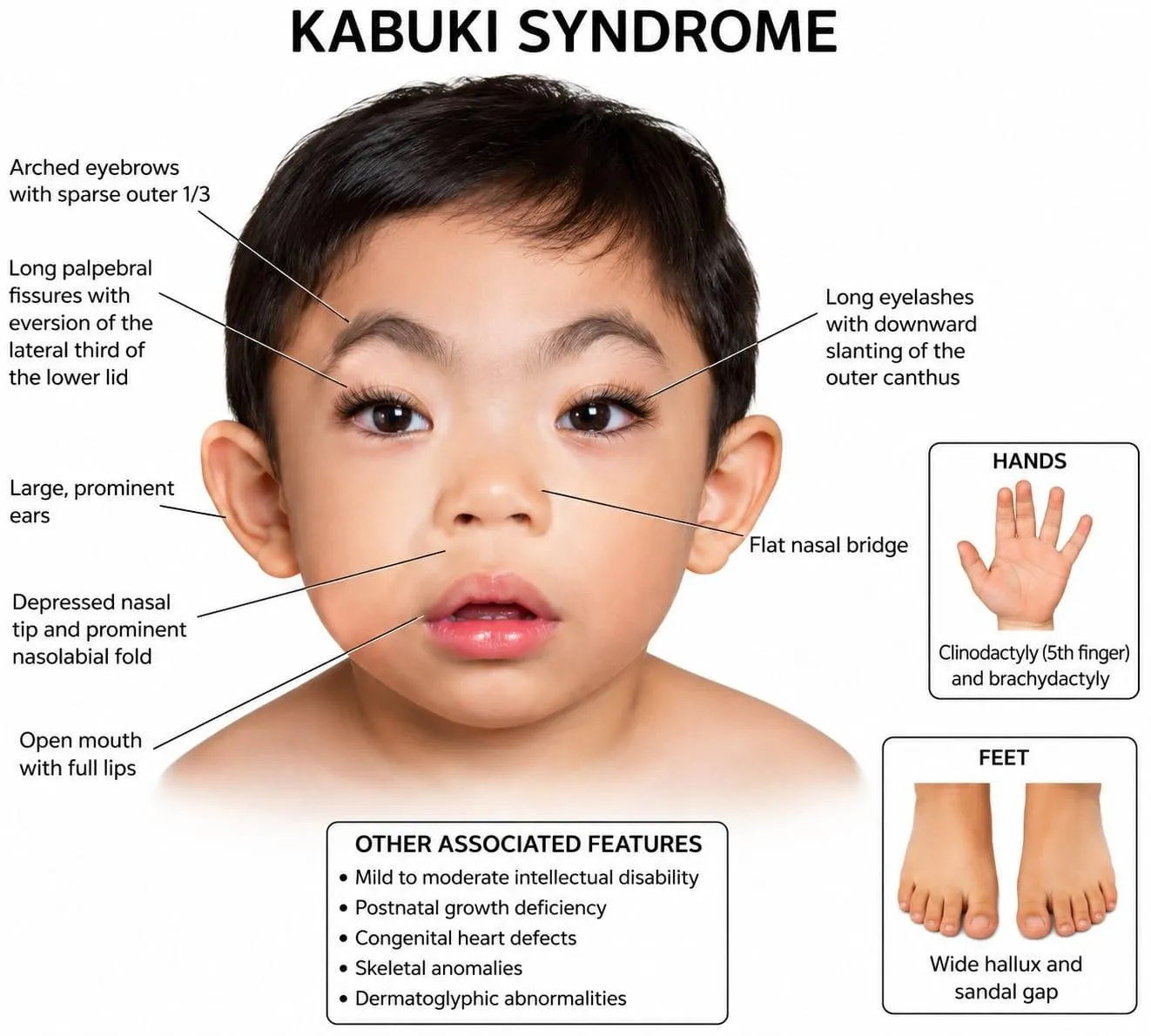
Figure-1, Clinical Features of kabuki Syndrome
Clinical Manifestations
Kabuki syndrome is characterized by a distinctive facial gestalt and multisystem involvement. Common features include:
Diagnosis and Investigations
Diagnosis is based on clinical recognition of characteristic features supported by genetic confirmation.
Medical Management
NURSING MANAGEMENT
Growth and Development
Assessment: Monitor developmental milestones regularly.
Interventions: Provide age-appropriate stimulation, encourage play, collaborate with physiotherapist/occupational therapist, and educate parents on home activities.
Goal: Maximize developmental potential and independence.
Nutrition and Feeding
Assessment: Observe swallowing, feeding patterns, and weight gain.
Interventions: Offer small frequent feeds, maintain upright position during feeding, refer to dietitian/speech therapist, monitor for aspiration.
Goal: Maintain adequate nutrition and growth.
Respiratory Care
Assessment: Monitor respiratory rate, effort, oxygen saturation, and breath sounds.
Interventions: Position for optimal ventilation, suction as needed, encourage fluids, observe for infection signs.
Goal: Maintain clear airway and stable respiratory status.
Communication Support
Assessment: Evaluate speech and language ability
Interventions: Encourage verbal interaction, use simple instructions, allow response time, introduce pictures/gestures, refer for speech therapy.
Goal: Improve communication and social interaction.
Mobility and Physical Function
Assessment: Check muscle tone, strength, and mobility.
Interventions: Assist ambulation, encourage physiotherapy exercises, ensure safety precautions, promote physical activity at developmental level.
Goal: Enhance mobility and prevent injury.
Infection Prevention
Assessment: Monitor temperature and signs of infection.
Interventions: Maintain hygiene, encourage immunization, educate parents on early signs, avoid exposure to sick contacts.
Goal: Keep child free from preventable infections.
Cardiac Monitoring
Assessment: Observe heart rate, oxygen saturation, activity tolerance, cyanosis, edema, fatigue.
Interventions: Administer prescribed medications, ensure cardiology follow-up.
Goal: Maintain stable cardiovascular status.
Sensory Support
Assessment: Screen hearing and vision regularly.
Interventions: Provide assistive devices, position child for communication, educate parents and teachers.
Goal: Optimize sensory functioning and learning
Caregiver Education and Support
Assessment: Identify caregiver knowledge gaps and anxiety.
Interventions: Explain condition in simple terms, teach feeding and infection prevention, encourage participation in care, provide emotional support, link to support groups.
Nursing Care Plan
|
Assessment |
Nursing Diagnosis |
Goals/ Expected Outcomes |
Nursing Interventions |
Evaluation |
|
Child with feeding difficulty, poor weight gain, hypotonia |
Imbalanced nutrition: less than body requirements related to feeding difficulties |
Child will maintain adequate nutritional status and show steady weight gain |
-Provide thickened feeds or gastrostomy if needed - Collaborate with dietician for high-calorie diet - Monitor weight regularly |
Child maintains adequate nutrition and weight gain |
|
Developmental delay, hypotonia, intellectual disability |
Delayed growth and development related to genetic disorder |
Child will achieve developmental milestones with early intervention |
- Enroll in early intervention programs - Encourage play therapy - Provide structured learning activities |
Child achieves age-appropriate developmental milestones |
|
Recurrent ear infections, immune dysfunction |
Risk for infection related to recurrent otitis media |
Child will remain free from infection during care period |
- Monitor for signs of infection - Educate parents on hygiene - Ensure vaccination schedule adherence |
No infection episodes during hospitalization |
|
Scoliosis, joint laxity, impaired mobility |
Impaired physical mobility related to musculoskeletal abnormalities |
Child will demonstrate improved mobility with physiotherapy |
-Provide physiotherapy and safe exercises - Positioning to prevent scoliosis progression - Encourage active play |
Improved mobility and muscle strength
|
|
Speech delay, hearing loss |
Impaired verbal communication related to hearing impairment |
Child will demonstrate improved mobility with physiotherapy |
- Provide hearing aids/assistive devices - Initiate speech therapy - Encourage family interaction |
Improved mobility and muscle strength
|
|
Parents expressing anxiety about prognosis |
Anxiety (family) related to chronic illness |
Family will verbalize reduced anxiety and improved coping |
- Offer counselling - Connect family with support groups - Provide education about condition and home care |
Family demonstrates effective coping strategies |
Important Multidisciplinary Care
Children with Kabuki syndrome may require individualized assessment and follow-up involving pediatricians, cardiologists, developmental specialists, physiotherapists, occupational therapists, speech-language therapists, audiologists, ophthalmologists, dentists, dietitians, and genetic specialists, depending on their manifestations.
Priority nursing problems are usually
CONCLUSION
Kabuki Syndrome is a rare, multisystem genetic disorder that profoundly impacts growth, development, and overall health. Its etiology lies in mutations of chromatin-modifying genes (KMT2D and KDM6A), which disrupt transcriptional regulation and lead to diverse clinical manifestations. The case of Aarav Kumar highlights the challenges of delayed milestones, recurrent infections, and congenital anomalies, emphasizing the importance of early diagnosis and multidisciplinary care. Epidemiological data confirm KS as an ultra-rare condition, often underdiagnosed due to phenotypic variability. Genetic insights reveal genotype–phenotype correlations that guide prognosis and management. Clinical manifestations span craniofacial, skeletal, cardiac, renal, neurological, and sensory systems, requiring comprehensive diagnostic evaluations. Medical and nursing management focus on surveillance, supportive therapies, and caregiver education. Priority nursing concerns include airway clearance, feeding difficulties, developmental stimulation, infection prevention, mobility support, and communication enhancement. With coordinated multidisciplinary interventions, children with Kabuki Syndrome can achieve improved developmental outcomes and quality of life.
REFERENCES




Peeyush Kumar Pradhan, Sheeba Anitha Rani*, Yerni Jyothi Kolli, Prathima Prakasam, Beyond The Mask: Understanding And Caring For Child With Kabuki Syndrome, Int. J. Sci. R. Tech., 2026, 3 (9), 511-517. https://doi.org/10.5281/zenodo.22939952
 10.5281/zenodo.22939952