

We use cookies to ensure our website works properly and to personalise your experience. Cookies policy
Department of Pharmacy, JES’s S.N.D. college of Pharmacy Babhulgoan (Yeola), India
Personalized drug therapy aims to improve treatment efficacy and safety by considering individual genetic, molecular, physiological, and clinical characteristics. Biomarkers support patient stratification, treatment selection, dose optimization, response monitoring, and prediction of adverse drug reactions. This critical narrative review evaluates current advances, clinical applications, translational challenges, research gaps, and future perspectives related to biomarkers in personalized drug therapy. Pharmacogenomic biomarkers help explain interindividual differences in drug pharmacokinetics, pharmacodynamics, efficacy, and toxicity. In addition, multi-omics, immune, imaging, liquid-biopsy, and digital biomarkers are expanding the scope of individualized pharmacotherapy. These approaches have shown important clinical utility in oncology and are increasingly being explored across cardiovascular, neurological, immunemediated, metabolic, and other therapeutic areas. However, clinical translation remains constrained by inadequate analytical and clinical validation, assay variability, limited representation of diverse populations, difficulties in interpreting rare genetic variants, uncertain clinical utility, high testing costs, ethical concerns, and limited integration into routine healthcare. Biomarkers can support a shift from empirical prescribing toward more precise and individualized drug therapy. Their successful implementation will require prospective clinical validation, standardized testing, diverse population datasets, regulatory harmonization, integration of multiomics and clinical information, and evidence of real-world clinical and economic benefit. A combined approach incorporating pharmacogenomics, therapeutic drug monitoring, modelinformed precision dosing, and artificial intelligence may provide a more comprehensive foundation for individualized drug therapy.
Personalized drug therapy represents a major shift in modern healthcare, moving away from a onesize-fits-all approach toward treatment strategies tailored to individual patient characteristics. This approach seeks to improve therapeutic efficacy, reduce adverse drug reactions, and optimize dosing by considering variability in genetic, molecular, clinical, and environmental factors. Within this framework, biomarkers have emerged as important tools for personalized pharmacotherapy because they can support patient stratification, predict drug response, guide dose selection, and monitor treatment outcomes. As a result, biomarkers are increasingly central to the development and implementation of precision medicine [1,2].
Recent advances in genomics, pharmacogenomics, proteomics, metabolomics, and therapeutic drug monitoring have significantly expanded the role of biomarkers in personalized drug therapy. These developments have enabled more precise identification of patients who are likely to benefit from specific therapies and those who may be at increased risk of toxicity. In parallel, approaches such as model-informed precision dosing and biomarker-guided treatment strategies have strengthened the potential for individualized decision-making in clinical practice [1,3]. Modelinformed precision dosing can integrate patient characteristics, drug measurements, biomarkers, and pharmacokinetic/pharmacodynamic models to support individualized dosing decisions [3].
Despite these promising developments, the translation of biomarkers from research settings into routine clinical use remains challenging. Important barriers include inadequate analytical and clinical validation, variability in testing approaches, lack of standardization, limited evidence of clinical utility, difficulties integrating biomarker information into clinical workflows, cost and reimbursement concerns, and limitations in healthcare infrastructure [4,5]. Recent implementation studies further emphasize the need for appropriate clinical workflows, healthcare-professional education, standardized interpretation, and evidence demonstrating meaningful patient benefit [5,6].
An additional concern is the limited representation of diverse populations in pharmacogenomic datasets, which may affect the generalizability and equitable implementation of biomarker-guided therapy [7]. These challenges highlight the need for a critical assessment of current advances, clinical translation, implementation barriers, and evidence gaps to determine how biomarkers can be effectively integrated into personalized drug therapy.
This review aims to summarize current advances in biomarkers relevant to personalized drug therapy, evaluate their clinical translation, identify major research gaps, and discuss future perspectives for improving their implementation in routine practice.
2. Basic Concepts and Classification of Biomarkers
2.1 Definition and Basic Concepts
A biomarker is a defined characteristic that is measured as an indicator of normal biological processes, pathogenic processes, or biological responses to an exposure or intervention, including therapeutic interventions. Biomarkers may include molecular, biochemical, histological, radiographic, or physiological characteristics and can be assessed using analytical methods appropriate to their intended application. Their interpretation depends on the biomarker itself, its intended use, and the clinical context in which it is measured [8,9].
In personalized drug therapy, biomarkers provide biological information that can support disease characterization, patient stratification, treatment selection, dose optimization, monitoring of therapeutic response, and identification of treatment-related toxicity. Their clinical relevance is associated with the biological variability observed among patients, which can contribute to differences in therapeutic response and susceptibility to adverse effects [1,3]. Biomarker-guided approaches can therefore provide objective information for tailoring therapeutic decisions to individual patient characteristics.
The clinical relevance of a biomarker depends on evidence concerning its analytical performance, clinical validity, and clinical utility. Analytical validity refers to the accuracy, precision, reliability, reproducibility, and robustness of the method used to measure the biomarker. Clinical validity refers to the ability of the biomarker to appropriately identify, measure, or predict the biological or clinical characteristic of interest. Clinical utility refers to the extent to which biomarker use provides meaningful information that improves patient management, therapeutic decision-making, or clinical outcomes [9–11]. Establishing these aspects is essential for supporting the translation of biomarkers from research into clinical and therapeutic applications.
A representative example is HER2 amplification or overexpression, which identifies a biologically distinct subgroup of breast cancer and supports selection of patients for HER2-directed therapies [12,13]. This illustrates how biomarker information can connect molecular disease characterization with therapeutic decision-making.
2.2 Classification of Biomarkers
Biomarkers can be classified according to their intended clinical or biological use, based on the principal question they are intended to address. The FDA-NIH Biomarkers, EndpointS, and other Tools (BEST) framework recognizes seven major categories: susceptibility/risk, diagnostic, monitoring, prognostic, predictive, pharmacodynamic/response, and safety biomarkers [8,9]. These categories are not necessarily mutually exclusive, and the same biomarker may have different roles depending on the disease, therapeutic intervention, patient population, and context of use [8].
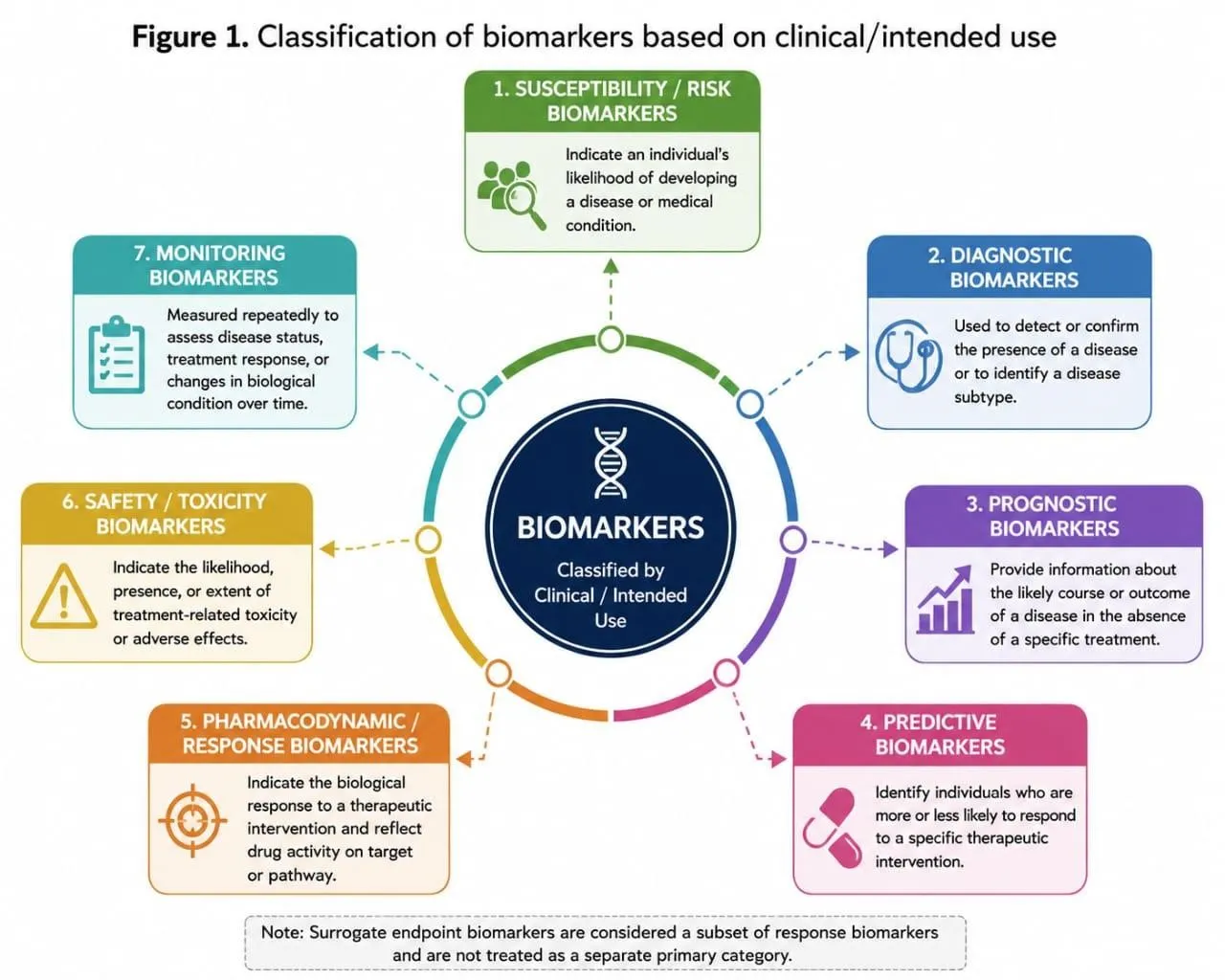
2.2.1 Susceptibility/Risk Biomarkers
Susceptibility or risk biomarkers indicate the likelihood that an individual will develop a disease, disease complication, or treatment-related adverse event. They are generally assessed before disease onset or before exposure to a particular therapeutic intervention and may support preventive or risk-reduction strategies.
For example, HLA-B*57:01 is associated with an increased risk of abacavir hypersensitivity, while certain DPYD genetic variants are associated with an increased risk of fluoropyrimidine-related toxicity [14,15]. These biomarkers indicate an increased probability of an event rather than confirming that the event will definitely occur. Their clinical value is greatest when the result leads to an actionable intervention, such as treatment avoidance, dose modification, or enhanced monitoring.
2.2.2 Diagnostic Biomarkers
Diagnostic biomarkers are used to detect or confirm the presence of a disease or to identify a specific molecular, pathological, or disease subtype [8,9]. They can improve disease characterization and help distinguish biologically different conditions that may require different therapeutic approaches.
Examples include EGFR mutations and BCR::ABL1 fusion, which can identify molecularly defined disease subgroups and support selection of appropriate targeted therapeutic strategies [12,13]. Diagnostic biomarkers may therefore contribute not only to disease identification but also to patient stratification for treatment.
2.2.3 Monitoring Biomarkers
Monitoring biomarkers are measured repeatedly to assess the status of a disease or medical condition, treatment response, recurrence, progression, or changes following therapeutic intervention [8,9]. Unlike a single baseline measurement, repeated assessment can provide dynamic information throughout the course of disease and treatment.
Examples include circulating tumor DNA (ctDNA), viral load, hormone concentrations, and selected biochemical markers. Serial ctDNA assessment, for example, may provide information about changes in molecular disease burden and help identify molecular response or emerging resistance in selected cancers. However, the clinical usefulness of monitoring biomarkers depends on validated analytical methods, appropriate sampling strategies, and clearly defined criteria for interpreting changes and making clinical decisions.
2.2.4 Prognostic Biomarkers
Prognostic biomarkers provide information about the likely course or outcome of a disease, such as the probability of progression, recurrence, complications, or survival, independent of a particular therapeutic intervention [8,9].
They can assist in estimating baseline disease risk and may support decisions regarding surveillance intensity and treatment planning. Prognostic biomarkers should be distinguished from predictive biomarkers: prognostic biomarkers provide information about expected disease outcome, whereas predictive biomarkers provide information about the likelihood of benefit or harm from a particular treatment.
2.2.5 Predictive Biomarkers
Predictive biomarkers identify patients who are more or less likely to experience a favorable or unfavorable response to a specific therapeutic intervention. They are particularly important in personalized drug therapy because they directly support treatment selection and patient stratification [8,9].
For example, HER2 amplification or overexpression can identify patients who may benefit from HER2-directed therapies [12,13]. Similarly, selected genomic alterations can identify patients who may be more likely to benefit from targeted therapies or immune-based treatments. The predictive value of a biomarker is context-dependent and may vary according to the specific drug, disease, treatment line, assay platform, cutoff value, and patient population. Therefore, predictive biomarkers should be interpreted within the specific clinical context in which they have been validated.
2.2.6 Pharmacodynamic/Response Biomarkers
Pharmacodynamic or response biomarkers indicate that a biological response has occurred following exposure to a therapeutic intervention. They may provide evidence of target engagement, pathway modulation, pharmacological activity, or an early biological response [8,9].
These biomarkers are particularly useful during drug development and clinical research because they can help determine whether a treatment is affecting its intended molecular or physiological target. They may also support dose selection and early assessment of treatment activity. However, demonstration of a pharmacodynamic response does not necessarily establish meaningful clinical benefit. Therefore, such biomarkers should be interpreted together with relevant clinical outcomes. 2.2.7 Safety/Toxicity Biomarkers
Safety biomarkers are used to identify, predict, detect, or monitor treatment-related toxicity or biological injury associated with therapeutic intervention [8,9]. They may provide early evidence of organ injury or increased susceptibility to adverse drug reactions and can support decisions regarding dose modification, additional monitoring, or treatment discontinuation.
Examples include DPYD variants associated with fluoropyrimidine toxicity, TPMT and NUDT15 variants associated with thiopurine-induced myelosuppression, and selected HLA variants associated with severe drug hypersensitivity reactions [14–16]. Their clinical usefulness depends not only on the accuracy of the biomarker but also on whether the result can lead to an effective clinical action, such as dose reduction, enhanced monitoring, or selection of an alternative treatment.
•Surrogate Endpoint Biomarkers
Surrogate endpoint biomarkers are not considered a separate primary category in the present classification. They are generally considered within the response-biomarker framework and may be used as substitutes for direct clinical outcomes in clinical trials. Their validity requires evidence that changes in the surrogate reliably predict the clinically meaningful benefit or harm of interest [8,9]. Therefore, their interpretation requires strong evidence of clinical validity and utility.
Abbreviations:
ctDNA, circulating tumor DNA; EGFR, epidermal growth factor receptor; HER2, human epidermal growth factor receptor 2; HLA, human leukocyte antigen; DPYD, dihydropyrimidine dehydrogenase; TPMT, thiopurine S-methyltransferase; NUDT15, nudix hydrolase 15.
3. Major Biomarker Modalities in Personalized Drug Therapy
Biomarkers encompass diverse biological and technological modalities, ranging from genomic and molecular characteristics to cellular, tissue, imaging, liquid-biopsy, and digital measurements. Advances in high-throughput technologies and molecular profiling have expanded the range of biomarkers available for personalized drug therapy. These modalities provide complementary information about disease biology, drug disposition, treatment response, and individual susceptibility to adverse effects [17–19]. Integration of information across multiple modalities may provide a more comprehensive representation of patient-specific biological characteristics than reliance on a single biomarker.
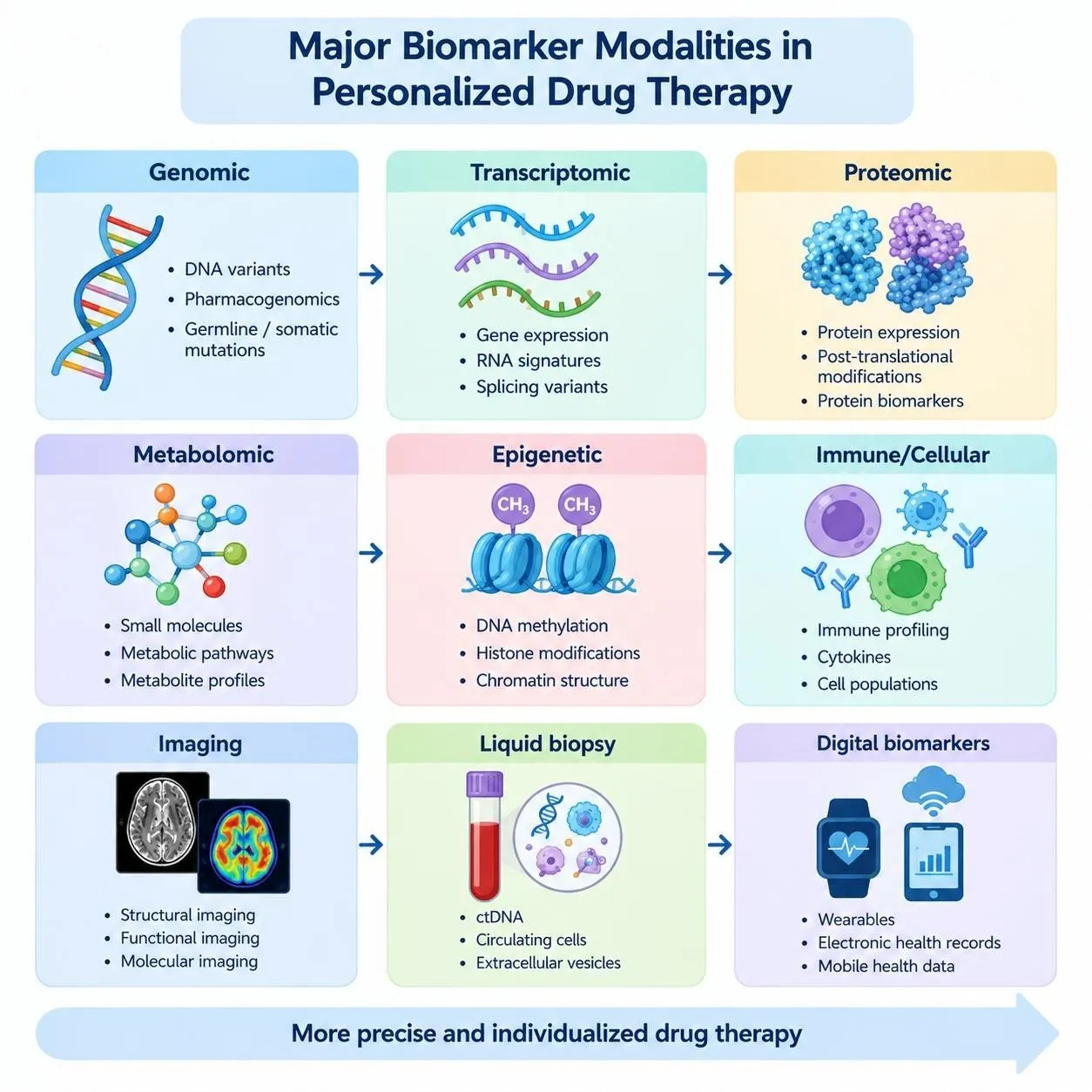
Figure 2: Major Biomarker Modalities in Personalized Drug Therapy.
3.1 Genomic and Pharmacogenomic Biomarkers
Genomic biomarkers are derived from an individual’s DNA and include single-nucleotide variants, insertions/deletions, copy-number alterations, structural variants, and other genomic changes. Pharmacogenomic biomarkers represent a clinically important subset that identifies genetic variations capable of influencing drug pharmacokinetics, pharmacodynamics, efficacy, or toxicity [17,20]. These biomarkers commonly involve genes encoding drug-metabolizing enzymes, drug transporters, therapeutic targets, and immune-response proteins. Genetic variation in these components can alter drug exposure or pharmacological response, contributing to clinically relevant interindividual differences in treatment outcomes.
For example, CYP2C19 genotype can influence the metabolic activation and clinical response to clopidogrel, whereas TPMT and NUDT15 variants can increase susceptibility to thiopurine-related toxicity [20,21]. Such genotype–drug relationships have supported the development of pharmacogenomic guidelines for treatment selection and dose optimization. However, clinical utility depends on the strength of genotype–phenotype evidence, representation of diverse populations, availability of validated testing, and integration of results into clinical workflows [20,22]. Because the frequency and clinical effects of actionable variants can differ among populations, population-specific evidence remains important for equitable implementation. Common analytical approaches include genotyping assays, targeted PCR-based methods, genotyping arrays, and next-generation sequencing.
3.2 Transcriptomic Biomarkers
Transcriptomic biomarkers reflect changes in RNA expression, including messenger RNA (mRNA), microRNA (miRNA), long non-coding RNA, and other RNA species. Transcriptomic profiling provides information about gene activity and cellular pathways that may change during disease development or following therapeutic intervention [18,19].
Unlike genomic biomarkers, which generally represent relatively stable DNA characteristics, transcriptomic biomarkers can reflect dynamic biological states. Changes in gene expression may therefore provide information about disease activity, treatment response, resistance mechanisms, and pathway activation. High-throughput RNA sequencing has enabled the identification of multigene expression signatures that may improve molecular disease characterization and support treatment-response assessment.
Major approaches include bulk and single-cell RNA sequencing, microarrays, quantitative PCR, and targeted RNA panels. Their major advantage is the ability to capture dynamic biological changes and, particularly with single-cell approaches, cellular heterogeneity. However, clinical translation can be affected by RNA instability, tissue specificity, pre-analytical variation, assay standardization, and reproducibility. Therefore, transcriptomic signatures require analytical and clinical validation before routine clinical implementation.
3.3 Proteomic Biomarkers
Proteomic biomarkers are based on proteins and protein-related characteristics measured in biological samples such as blood, tissue, urine, and other body fluids. Because proteins are functional products of cellular processes, proteomic measurements can provide information about disease mechanisms, signaling pathways, treatment response, and tissue injury [18,23].
Proteomic technologies allow the simultaneous assessment of multiple proteins and can therefore identify protein patterns associated with disease subtypes, therapeutic response, or treatmentrelated toxicity. Protein biomarkers may also provide information closer to the functional phenotype than measurements of upstream DNA or RNA alterations.
Major approaches include mass spectrometry-based proteomics, multiplex protein assays, and immunoassays such as enzyme-linked immunosorbent assays (ELISA). In personalized drug therapy, proteomic profiles may support patient stratification, pharmacodynamic assessment, and identification of candidate markers of treatment response or toxicity. However, differences in sample preparation, protein stability, analytical platforms, and assay performance can affect reproducibility. Translation from discovery-stage proteomic signatures to clinical-grade assays therefore requires rigorous analytical and clinical validation.
3.4 Metabolomic Biomarkers
Metabolomic biomarkers represent measurable changes in small-molecule metabolites involved in cellular metabolism. The metabolome is influenced by genetic background, disease processes, diet, environmental exposures, microbiome activity, and drug treatment, making metabolomic profiles useful indicators of dynamic physiological states [18,24].
Metabolomic analysis can identify metabolic patterns associated with disease status, drug response, treatment resistance, or adverse effects. Because metabolites are downstream products of multiple biological pathways, they may capture the combined influence of genetic and environmental factors more directly than some upstream molecular measurements.
In personalized drug therapy, metabolomic information may contribute to patient stratification, treatment-response assessment, and characterization of metabolic phenotypes associated with altered drug disposition or toxicity. Major analytical approaches include liquid chromatography– mass spectrometry (LC-MS), gas chromatography–mass spectrometry (GC-MS), nuclear magnetic resonance (NMR) spectroscopy, and targeted metabolite panels. Nevertheless, biological variability, sensitivity to pre-analytical conditions, metabolite identification and annotation challenges, complex data interpretation, and the need for standardized analytical procedures remain important limitations.
3.5 Epigenetic Biomarkers
Epigenetic biomarkers reflect changes in gene regulation that occur without alteration of the underlying DNA sequence. Important mechanisms include DNA methylation, histone modifications, and regulatory non-coding RNAs [18,25]. Epigenetic alterations can influence gene expression and may contribute to disease development, treatment response, and therapeutic resistance.
In personalized drug therapy, epigenetic biomarkers may provide information about diseaseassociated regulatory states and treatment-related molecular changes. In oncology, for example, abnormal DNA methylation patterns have been investigated for disease characterization and treatment-response assessment. Some epigenetic alterations are reversible, which also makes specific epigenetic pathways potential therapeutic targets.
Major analytical approaches include bisulfite sequencing, methylation arrays, chromatin immunoprecipitation sequencing (ChIP-seq), assay for transposase-accessible chromatin sequencing (ATAC-seq), and small-RNA sequencing. However, tissue specificity, temporal variability, analytical complexity, and incomplete understanding of biomarker–outcome relationships can limit clinical translation. Consequently, many epigenetic biomarkers remain at the research or validation stage.
3.6 Immune and Cellular Biomarkers
Immune and cellular biomarkers describe characteristics of immune cells, cellular populations, activation states, immune mediators, or tumor-infiltrating immune components. They are particularly relevant to immunotherapy and inflammatory disorders, where treatment response may depend on the patient’s immune status [26].
Examples include immune-cell populations, cytokine profiles, immune checkpoint-related markers, and characteristics of tumor-infiltrating lymphocytes. PD-L1 expression, for example, may contribute to treatment selection for certain immune checkpoint inhibitor therapies, although its predictive performance varies according to tumor type, assay, treatment, and clinical setting.
Major approaches include flow cytometry, mass cytometry, immunohistochemistry (IHC), multiplex IHC, cytokine profiling, single-cell RNA sequencing, and spatial transcriptomic techniques. These approaches can provide information about immune-cell composition, functional status, and cellular interactions within the tissue microenvironment. However, tissue heterogeneity, temporal changes, differences in assay methodology, and variability in IHC interpretation can affect reproducibility. Standardized assays, scoring systems, and clinical validation are therefore important for broader implementation.
3.7 Imaging Biomarkers
Imaging biomarkers are objectively measured characteristics obtained from medical imaging techniques, including magnetic resonance imaging (MRI), computed tomography (CT), positron emission tomography (PET), ultrasound, and other imaging modalities. They can provide anatomical, functional, metabolic, or molecular information about disease and treatment effects [27].
In personalized drug therapy, imaging biomarkers can support disease characterization, treatment selection, response assessment, and monitoring of disease progression. Quantitative imaging and radiomics enable the extraction of large numbers of measurable imaging features that may provide information about disease heterogeneity and treatment response. Radiomics has consequently emerged as an important approach for developing quantitative imaging biomarkers in precision medicine.
Important approaches include quantitative imaging biomarkers, radiomics, and imaging-based phenotyping. Advantages include non-invasive assessment, spatial information, and the possibility of longitudinal monitoring. However, differences in imaging equipment, acquisition protocols, image reconstruction, segmentation, feature extraction, and analytical pipelines can affect reproducibility. Standardization, harmonization, and external validation are therefore essential for clinical translation.
3.8 Liquid-Biopsy Biomarkers
Liquid biopsy involves the analysis of disease-associated biological material obtained from body fluids, most commonly blood. Important analytes include circulating tumor DNA (ctDNA), circulating tumor cells (CTCs), cell-free RNA, extracellular vesicles, and other circulating molecular components [28].
Liquid-biopsy biomarkers provide a minimally invasive approach for repeated assessment of disease biology. In oncology, serial ctDNA analysis can provide information about molecular response, residual disease, emerging resistance, and changes in tumor-associated genomic alterations. Recent evidence highlights the expanding role of liquid biopsy in precision oncology, including treatment-response monitoring and resistance profiling.
Major technologies include digital PCR, targeted next-generation sequencing, whole-genome approaches, droplet-based assays, and microfluidic enrichment methods. Advantages include minimally invasive sampling, repeatability, and the potential to capture temporal changes in disease biology. However, low analyte abundance, pre-analytical variability, assay sensitivity, biological heterogeneity, interpretation of negative results, and the need for validated clinical thresholds remain important limitations.
3.9 Digital Biomarkers
Digital biomarkers are objectively measured characteristics collected and analyzed using digital devices, sensors, mobile technologies, wearable devices, or other digital platforms. They may capture physiological, behavioral, or functional parameters continuously or at high frequency. Examples include physical activity, heart rate, sleep patterns, movement characteristics, glucose measurements, and other sensor-derived parameters.
In personalized drug therapy, digital biomarkers can complement molecular and clinical measurements by providing longitudinal information about treatment response, disease progression, adherence, and patient functioning. Major technologies include wearable sensors, mobile health applications, continuous glucose monitoring devices, actigraphy, smartphone-based assessments, and remote monitoring platforms. Artificial intelligence and machine-learning approaches can further support analysis of complex digital data streams. However, definitions and validation standards for digital biomarkers remain heterogeneous, and issues related to device variability, interoperability, privacy, cybersecurity, patient adherence, and clinical validation can limit implementation. Recent systematic evidence also emphasizes the need for harmonized standards, diverse-population validation, and improved interoperability for equitable adoption.
3.10 Multimodal Biomarker Integration
The different biomarker modalities described above provide complementary information across multiple biological levels. Integrating genomic, transcriptomic, proteomic, metabolomic, immune, imaging, liquid-biopsy, and digital data may therefore improve the characterization of individual patients and support more comprehensive therapeutic decision-making [18,19].
However, multimodal integration requires standardized assays, compatible data structures, robust analytical pipelines, appropriate validation strategies, and clinically interpretable models. These considerations are particularly important when combining high-dimensional molecular data with clinical and real-world information. The application of such integrated approaches, together with therapeutic drug monitoring, model-informed precision dosing, and computational methods, is discussed in the following section.
4. Current Advances in Biomarker-Guided Therapy
Recent advances in molecular profiling, pharmacogenomics, therapeutic drug monitoring, pharmacometrics, and computational technologies are expanding the role of biomarkers in personalized drug therapy. The field is increasingly moving beyond the use of individual biomarkers toward integrated approaches that combine molecular, pharmacokinetic, pharmacodynamic, and clinical information. These developments aim to improve patient stratification, treatment selection, dose optimization, response monitoring, and prediction of treatment-related toxicity [30–34].
4.1 Advances in Biomarker Discovery and Validation
Advances in next-generation sequencing, high-throughput molecular profiling, single-cell technologies, proteomics, metabolomics, and liquid biopsy have increased the ability to identify candidate biomarkers across different stages of disease and treatment. Current research increasingly focuses on biomarker signatures and panels rather than isolated biomarkers because multiple biological features may provide complementary information about treatment response and toxicity [31,34].
An important development is the increasing emphasis on context of use and systematic biomarker validation. Candidate biomarkers require appropriate analytical performance and clinical validation before their clinical utility can be established. Biomarkers may be developed for different purposes, including patient selection, treatment-response prediction, pharmacodynamic assessment, treatment monitoring, or safety evaluation. Therefore, biomarker development should be closely aligned with the intended clinical decision and supported by evidence demonstrating meaningful patient benefit [31,32].
4.2 Multi-Omics Approaches
Multi-omics approaches integrate information from multiple molecular layers, including genomics, transcriptomics, proteomics, metabolomics, and epigenomics. Integration of these datasets can provide a more comprehensive understanding of disease biology and interindividual differences in therapeutic response than analysis of a single molecular layer [34].
In personalized drug therapy, multi-omics approaches may help identify molecular subgroups, characterize mechanisms of treatment response and resistance, and develop biomarker combinations for patient stratification. Integration with clinical characteristics may further improve prediction of treatment response and toxicity [34].
However, multi-omics datasets are highly dimensional and heterogeneous. Data harmonization, reproducibility, computational complexity, population diversity, and independent clinical validation remain major considerations. Thus, although multi-omics approaches offer substantial potential, their routine clinical use requires robust analytical pipelines and prospective evidence of clinical utility [34].
4.3 Biomarker-Guided Dose Optimization
Biomarker information can increasingly be combined with conventional patient characteristics to support individualized drug dosing. Pharmacogenomic variants, drug concentrations, pharmacodynamic markers, disease-related biomarkers, and organ-function measures may provide complementary information about differences in drug exposure and response [30,33].
Pharmacogenomic information can identify patients who may require an alternative treatment or modified dose, while pharmacodynamic and safety biomarkers can provide information about biological response or toxicity. Combining these data with pharmacokinetic/pharmacodynamic information may therefore improve dose individualization [30,33].
However, a biomarker should not be considered sufficient for dose adjustment solely on the basis of biological association. The relationship between the biomarker, drug exposure, clinical response, and toxicity must be adequately characterized and clinically validated before biomarkerguided dosing can be routinely implemented [30–32].
4.4 Therapeutic Drug Monitoring
Therapeutic drug monitoring (TDM) is an established approach for individualizing therapy through measurement of drug concentrations and interpretation of these measurements in relation to therapeutic exposure or toxicity. It is particularly relevant for drugs with a narrow therapeutic index, substantial pharmacokinetic variability, or established exposure–response relationships [30,33].
Recent developments are extending TDM beyond drug concentration measurement toward integrated approaches that incorporate patient characteristics, pharmacokinetic/pharmacodynamic models, biomarkers, and repeated measurements. Point-of-care assays and self-sampling approaches may also facilitate more timely monitoring and treatment adjustment [33].
Nevertheless, effective TDM requires appropriate sampling strategies, validated therapeutic targets, reliable analytical methods, timely interpretation, and a defined clinical response to the measured result. Therefore, TDM is most effective when incorporated into a broader individualized dosing framework [30,33].
4.5 Model-Informed Precision Dosing
Model-informed precision dosing (MIPD) is an important development in individualized pharmacotherapy. It combines patient-specific characteristics and drug concentration measurements with pharmacokinetic/pharmacodynamic models to estimate individual drug exposure and support dose selection. Unlike conventional approaches based mainly on observed concentrations, MIPD uses mathematical models to account for sources of interindividual and intraindividual variability and to predict appropriate dosing regimens [30].
MIPD can incorporate factors such as age, body weight, organ function, disease characteristics, concomitant medications, pharmacogenomic information, drug concentrations, and selected biomarkers. Bayesian forecasting is commonly used to update population pharmacokinetic models using individual patient data and improve dose predictions [30].
Recent developments have explored the integration of MIPD with biomarkers, biosensors, and machine-learning approaches. Clinical applications have been investigated in areas including infectious diseases, oncology, transplantation, and inflammatory disorders. However, model qualification, external validation, implementation infrastructure, clinician acceptance, and prospective clinical evidence remain important requirements for wider adoption [30,32,33].
4.6 Artificial Intelligence and Computational Approaches
Artificial intelligence (AI) and machine-learning approaches are increasingly being applied to biomarker discovery, patient stratification, treatment-response prediction, and individualized dosing. These methods can analyse complex and high-dimensional datasets generated from genomics, proteomics, imaging, electronic health records, and digital health technologies [34].
AI can assist in identifying relationships between molecular characteristics and therapeutic outcomes that may be difficult to detect using conventional analytical approaches. It can also support multimodal data integration and development of predictive models for treatment selection and response monitoring. Recent literature highlights the growing role of AI in biomarker discovery and precision medicine, while also emphasizing limitations related to data quality, population diversity, model generalizability, interpretability, and clinical validation [34].
In personalized drug therapy, AI should therefore be viewed as a complementary decision-support approach rather than a replacement for clinical and pharmacological expertise. Robust external validation, prospective clinical evaluation, transparency, and appropriate governance are essential before AI-based biomarker models can be routinely implemented [34].
4.7 Integration of Biomarkers with Clinical and Real-World Data
An important emerging direction is the integration of biomarker information with clinical characteristics, electronic health records, pharmacokinetic measurements, treatment history, imaging data, and real-world evidence. Such integration can provide a more dynamic representation of individual patient status and allow treatment decisions to be refined as biological and clinical conditions change [34].
Multimodal approaches may combine molecular biomarkers with physiological, imaging, and digital information to improve treatment-response prediction and clinical decision support. Recent work in multimodal AI emphasizes that successful clinical translation requires models to be designed around practical clinical tasks and workflows rather than benchmark performance alone [34].
However, successful integration requires interoperable data systems, standardized data structures, adequate population representation, privacy protection, and clinically interpretable decision support tools. Evidence of real-world effectiveness and clinical benefit will be necessary to establish whether these integrated approaches improve patient outcomes [32,34].
5. Clinical Applications Across Therapeutic Areas
Biomarker-guided approaches are increasingly being applied across different therapeutic areas to address inter individual variability in treatment response, drug exposure, and susceptibility to adverse effects. Depending on their intended use, biomarkers can support patient stratification, treatment selection, dose optimization, response assessment, and toxicity prediction. The extent of clinical implementation varies considerably between therapeutic areas, with oncology representing one of the most established fields, while applications in cardiovascular, neurological, psychiatric, infectious, and autoimmune diseases continue to expand [35–39].
5.1 Oncology
Oncology represents one of the most advanced areas of biomarker-guided personalized therapy because of the substantial molecular heterogeneity observed among tumors. Molecular biomarkers can identify biologically distinct tumor subgroups and support selection of targeted or immune based treatments. Examples include HER2, EGFR, KRAS, BRAF, and BRCA1/2, which may provide clinically relevant information for treatment selection depending on tumor type and therapeutic context [36].
Pharmacogenomic biomarkers also contribute to the optimization of anticancer therapy. For example, DPYD variants can identify patients at increased risk of severe fluoropyrimidine toxicity, while UGT1A1 variation can influence irinotecan-related toxicity. Other pharmacogenomic markers, including TPMT and CYP2D6, have also been investigated in relation to toxicity or treatment response for selected anticancer therapies [35,36].
Liquid-biopsy biomarkers, particularly circulating tumor DNA (ctDNA), provide an additional approach for longitudinal assessment of tumor biology. Serial molecular measurements may help evaluate treatment response, detect residual disease, and identify emerging resistance. However, their clinical application depends on validated analytical methods, appropriate sensitivity thresholds, and evidence supporting their use for specific clinical decisions.
Overall, oncology illustrates how biomarker information can connect molecular characterization with treatment selection, toxicity management, and longitudinal monitoring [35,36].
5.2 Cardiovascular Diseases
Cardiovascular diseases provide important applications for pharmacogenomic-guided treatment because genetic variability can influence drug metabolism, pharmacological response, and susceptibility to adverse effects. Pharmacogenomic approaches have been investigated for antiplatelet agents, anticoagulants, statins, and other cardiovascular therapies [35].
A well-established example is the CYP2C19–clopidogrel relationship. Reduced-function CYP2C19 variants can decrease the formation of the active clopidogrel metabolite and may influence antiplatelet response. Similarly, variation in CYP2C9 and VKORC1 contributes to interindividual differences in warfarin dose requirements, while SLCO1B1 variants have been associated with an increased risk of statin-associated muscle toxicity.
These examples demonstrate the potential of pharmacogenomic information to support drug selection and dose individualization. However, implementation depends on the strength of genotype–phenotype evidence, availability of validated testing, clinical guidelines, and integration of testing into routine cardiovascular care [35].
5.3 Neurology and Psychiatry
Neurology and psychiatry present important opportunities for biomarker-guided therapy because of substantial heterogeneity in disease mechanisms and treatment response. Biomarkers derived from blood, cerebrospinal fluid, molecular profiling, and imaging can provide information about disease subtype, prognosis, pharmacodynamic effects, and treatment response [35,37].
In neurodegenerative diseases, biomarkers related to amyloid, tau, neurodegeneration, neuroinflammation, and brain imaging are increasingly being incorporated into clinical research and therapeutic development. In Alzheimer’s disease, for example, blood- and cerebrospinal-fluidbased biomarkers and molecular imaging can assist in disease characterization and assessment of treatment-related biological changes. Biomarker-guided approaches are also increasingly relevant to clinical-trial decision-making and therapeutic development in neurodegenerative disorders [37].
In psychiatry, pharmacogenomic testing has been investigated for supporting selection and dosing of psychotropic medicines, particularly through genes involved in drug metabolism such as CYP2D6 and CYP2C19. However, the clinical usefulness of psychiatric pharmacogenomic testing varies among drugs and patient populations, and genetic information generally needs to be interpreted together with clinical characteristics and treatment history [35].
5.4 Infectious Diseases
Biomarker-guided therapy in infectious diseases can address variability arising from host genetics, pathogen characteristics, drug exposure, and treatment response. Pharmacogenomic biomarkers may identify genetic factors associated with altered drug metabolism or toxicity, while pathogenderived and host-response biomarkers can provide information about disease status and therapeutic response. Pharmacogenomics-assisted treatment is increasingly being investigated across infectious diseases, although clinical implementation varies according to the strength of evidence for individual drug–gene relationships [35].
Individualized dosing is particularly relevant for anti-infective drugs for which substantial pharmacokinetic variability can influence efficacy or toxicity. In selected settings, biomarker information can be interpreted alongside drug concentrations and patient-specific characteristics to support more individualized treatment decisions. However, the clinical value of such approaches depends on validated exposure–response relationships, reliable analytical methods, and timely availability of results [30,33,35].
5.5 Autoimmune and Inflammatory Disorders
Autoimmune and inflammatory disorders are characterized by considerable molecular and clinical heterogeneity, resulting in variable responses to immunomodulatory treatments. Biomarkers can therefore support patient stratification, assessment of disease activity, prediction of treatment response, and monitoring of therapeutic effects [38,39].
Recent multi-omics approaches have expanded biomarker discovery in autoimmune diseases by integrating genomic, transcriptomic, proteomic, metabolomic, epigenomic, and microbiomerelated information. These approaches may help identify molecular subgroups and signatures associated with treatment response or disease activity [38].
For example, metabolomic profiling has been investigated for predicting responsiveness to therapies such as methotrexate and TNF- or IL-6-targeted treatments in rheumatoid arthritis [39].
However, many proposed biomarkers remain under investigation, and differences in disease phenotype, treatment history, population characteristics, and assay methodology continue to present challenges for clinical validation [38,39].
5.6 Comparative Clinical Relevance Across Therapeutic Areas
The clinical role of biomarkers differs according to disease biology, therapeutic mechanism, available evidence, and the maturity of implementation pathways. The major applications across therapeutic areas can be summarized as follows:
| Therapeutic area | Representative biomarkers | Major personalized application |
|---|---|---|
| Oncology | HER2, EGFR, KRAS, BRAF, DPYD, UGT1A1, ctDNA | Treatment selection, toxicity prediction, response and resistance monitoring. |
| Cardiovascular diseases | CYP2C19, CYP2C9, VKORC1, SLCO1B1 |
Drug selection and dose optimization. |
| Neurology | Amyloid, tau, neurodegeneration-related biomarkers |
Disease characterization, treatment monitoring, and therapeutic development. |
| Psychiatry | CYP2D6, CYP2C19 | Support for psychotropic drug selection and dosing. |
| Infectious diseases | Host genetic markers, pathogen biomarkers, drugexposure markers | Treatment selection, dose optimization, and response monitoring. |
| Autoimmune/inflammatory diseases | Cytokines, immune signatures, metabolomic and multi-omics markers | Patient stratification and prediction/monitoring of treatment response. |
Overall, oncology currently provides some of the clearest examples of biomarkerdirected treatment, whereas applications in cardiovascular, neurological, psychiatric, infectious, and autoimmune diseases continue to develop. Recent pharmacogenomic literature identifies oncology, cardiology, psychiatry, neurology, infectious diseases, and other therapeutic areas as important fields for pharmacogenomics-assisted therapy [35].
The increasing availability of multimodal biomarkers may further broaden these applications by allowing molecular, pharmacological, physiological, and clinical information to be considered together. Nevertheless, clinical adoption requires evidence that biomarker-guided decisions improve meaningful patient outcomes rather than merely demonstrating biological association [35,37–39].
6. Clinical Translation and Validation of Biomarkers
The successful translation of biomarkers from research findings into personalized drug therapy requires evidence that they can be measured reliably, demonstrate clinically relevant associations, and provide meaningful information for therapeutic decision-making. Biomarker validation is therefore a context-dependent process involving assessment of analytical performance, clinical validity, and clinical utility for a defined intended use [40,41].
6.1 Analytical Validation
Analytical validation determines whether the method used to measure a biomarker produces accurate, precise, reliable, and reproducible results. Depending on the biomarker and its intended application, important analytical characteristics may include accuracy, precision, sensitivity, specificity, selectivity, reproducibility, stability, limit of detection, and limit of quantification [40,42]. Pre-analytical factors, including specimen collection, handling, storage, and processing, can also influence biomarker measurements and should therefore be appropriately controlled.
Analytical requirements should be established according to the intended context of use rather than applying identical criteria to all biomarker types. This is particularly important for complex biomarkers, including genomic signatures, multi-omics profiles, imaging-derived measures, and digital biomarkers, where differences in platforms and analytical pipelines may affect measurement consistency [40,42].
6.2 Clinical Validation
Clinical validation evaluates whether a biomarker appropriately identifies, measures, or predicts the biological or clinical characteristic for which it is intended [40,43]. Unlike analytical validation, which focuses primarily on measurement performance, clinical validation examines the relationship between the biomarker and the relevant disease characteristic, treatment response, clinical outcome, or treatment-related toxicity.
Clinical validation should be performed in appropriately characterized patient populations and under conditions relevant to the intended clinical application. Evidence from exploratory studies may support biomarker discovery but is generally insufficient to establish clinical validity. Independent replication and evaluation in clinically representative populations are therefore important for determining reproducibility and generalizability [40,43].
6.3 Clinical Utility
Clinical utility refers to the extent to which biomarker information improves clinical decision-making, patient management, or meaningful health outcomes compared with existing approaches [44]. A biomarker may demonstrate strong analytical performance and clinical association but still have limited clinical utility if its result does not lead to an effective clinical intervention.
In personalized drug therapy, clinical utility may be demonstrated through improved treatment response, reduced adverse drug reactions, more appropriate drug selection, optimized dosing, reduced treatment failure, or improved healthcare efficiency. Prospective clinical studies and comparative outcome assessments are particularly important for determining whether biomarker-guided interventions provide benefits beyond standard clinical practice.
6.4 Regulatory Qualification and Context of Use
Regulatory evaluation of biomarkers is closely associated with their context of use (COU), which specifies how and for what purpose a biomarker is intended to be applied [40]. A biomarker may be adequately supported for one application but require additional evidence when used for a different clinical or regulatory purpose.
Regulatory qualification provides a structured pathway for evaluating biomarkers intended to support drug development. The FDA Biomarker Qualification Program allows developers to seek qualification of biomarkers for defined contexts of use [45]. However, qualification of a biomarker does not automatically establish the validity of every assay or platform used to measure it. Appropriate analytical validation remains necessary for the specific measurement method and intended application.
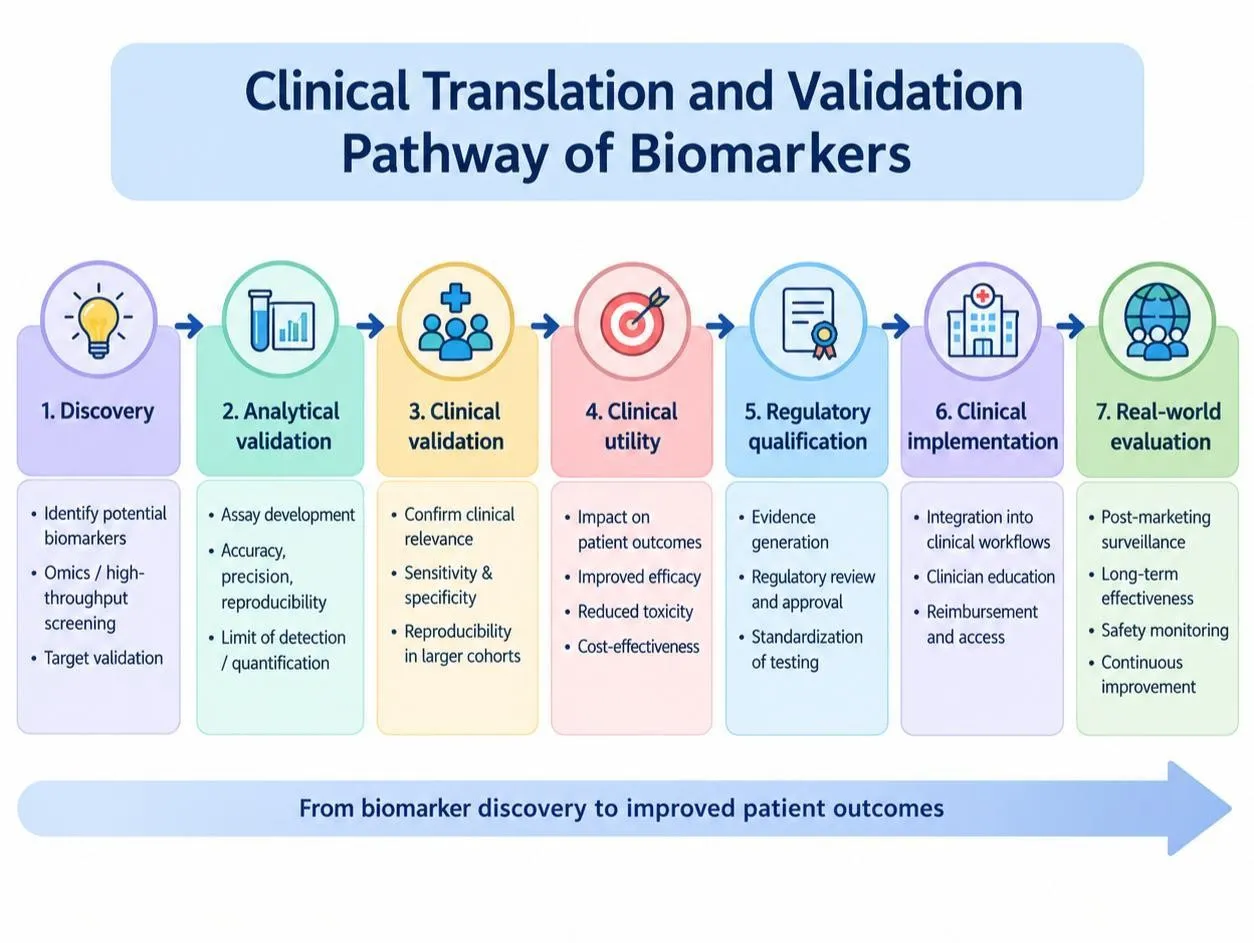
Figure 3: Clinical Translation and Validation of Biomarkers
6.5 Standardization and Reproducibility
Standardization is important for ensuring that biomarker results are comparable across laboratories, analytical platforms, institutions, and patient populations. Differences in specimen handling, assay procedures, measurement platforms, dataprocessing methods, and interpretation criteria can contribute to variability and reduce reproducibility.
This issue is particularly relevant to complex biomarker modalities such as multiomics signatures, imaging biomarkers, liquid-biopsy measurements, and digital biomarkers. Harmonized protocols, standardized reference materials, predefined analytical criteria, quality-control procedures, and independent validation can improve reproducibility and facilitate clinical translation [40,42].
6.6 Clinical Implementation and Real-World Evidence
Even adequately validated biomarkers may require additional evidence before they can be effectively incorporated into routine clinical practice. Implementation requires appropriate laboratory infrastructure, timely availability of test results, healthcare-professional education, standardized interpretation, and integration of biomarker information into clinical workflows and decision-support systems.
In pharmacogenomic applications, integration of actionable genetic results into electronic health records and clinical decision-support systems can facilitate their use when relevant medicines are prescribed. Real-world evidence can further evaluate whether biomarker-guided strategies remain effective across diverse patient populations and healthcare settings. Such evidence can identify implementation gaps and determine whether biomarker use produces meaningful benefits under routine clinical conditions.
6.7 Translational Framework for Biomarker Implementation
The translation of a biomarker into personalized drug therapy can be viewed as a progressive process:
Biomarker discovery → Analytical validation → Clinical validation → Clinical utility → Regulatory evaluation → Clinical implementation → Real-world evaluation
Each stage addresses a distinct translational question. Analytical validation establishes whether the biomarker can be measured reliably; clinical validation determines whether it reflects or predicts the intended biological or clinical characteristic; clinical utility assesses whether its use improves decision-making or patient outcomes; and implementation evaluates whether the biomarker can be incorporated effectively into routine healthcare [40,44].
Therefore, successful biomarker translation requires a fit-for-purpose and evidencebased approach rather than relying solely on biological association or technical performance. Strengthening prospective validation, standardized measurement, clinical utility assessment, regulatory alignment, and real-world evaluation will be essential for converting biomarker discoveries into reliable tools for personalized drug therapy.
7. Challenges and Research Gaps
Despite substantial progress in biomarker discovery and biomarker-guided personalized drug therapy, several factors continue to influence their broader clinical implementation. These include differences in analytical methods, population representation, clinical evidence, accessibility, data interpretation, and integration into healthcare systems. Addressing these considerations will help improve the reliability, generalizability, and practical value of biomarker-guided therapeutic strategies.
7.1 Biomarker Standardization and Reproducibility
Variation in sample collection, processing, analytical platforms, assay procedures, data analysis, and reporting can influence biomarker measurements and reproducibility. This is particularly relevant for complex biomarkers derived from multi-omics, imaging, liquid-biopsy, and digital technologies. Harmonized analytical procedures, standardized reporting criteria, quality-control systems, and independent validation are therefore important for improving consistency across laboratories and clinical settings [46,47]. The FDA-NIH BEST framework emphasizes that biomarker validation should be linked to a clearly defined intended use and that both analytical and clinical performance should be appropriately evaluated.
7.2 Population Diversity and Generalizability
Biomarker performance may vary among populations because of differences in genetic background, environmental factors, disease characteristics, lifestyle, and healthcare access. Recent analyses continue to identify gaps in the representation of global ancestral diversity in genomic and pharmacogenomic datasets [48,49]. Such differences may affect the generalizability of biomarker associations and pharmacogenomic recommendations.
Increasing the inclusion of diverse populations in biomarker discovery, validation, and clinical studies is therefore important for developing evidence that is broadly applicable and supports equitable personalized drug therapy. Recent work in population pharmacogenomics also highlights the importance of understanding population-specific variation in clinically actionable pharmacogenes [49].
7.3 Clinical Validation and Evidence Limitations
Although many biomarkers demonstrate promising associations with disease characteristics or treatment response, not all have sufficient evidence to support routine clinical use. Exploratory and discovery studies provide an important foundation for biomarker development, but they generally need to be followed by appropriate analytical and clinical validation [40,46]. Independent replication and evaluation in clinically representative populations are important for determining reproducibility and generalizability.
An important research gap is the limited availability of prospective studies that directly evaluate whether biomarker-guided treatment improves clinically meaningful outcomes compared with conventional treatment strategies. Long-term and real-world evaluations can provide additional evidence regarding sustained clinical benefit and practical implementation.
7.4 Cost, Accessibility, and Healthcare Integration
The cost and availability of biomarker testing can influence its adoption in routine clinical practice. Advanced sequencing, multi-omics profiling, imaging analysis, and specialized laboratory assays may require considerable infrastructure and technical expertise. Differences in healthcare resources may consequently influence access to biomarker-guided therapies.
Integration of biomarker results into electronic health records, clinical decisionsupport systems, and established treatment pathways may facilitate clinical use. Evaluation of cost-effectiveness, reimbursement, laboratory capacity, and healthcare resource requirements is also important when considering wider implementation. Recent implementation research in hospital settings highlights the importance of appropriate clinical workflows and strategies for integrating pharmacogenetic testing into routine care [50].
7.5 Ethical, Privacy, and Regulatory Considerations
The increasing use of genomic, clinical, imaging, and digital data raises considerations regarding patient privacy, informed consent, data security, and responsible data sharing. Genomic information may also have implications for biological relatives, requiring appropriate approaches to consent and data governance.
Regulatory frameworks need to accommodate rapidly developing biomarker technologies while maintaining appropriate standards for analytical validity, clinical validity, and intended use. The FDA Biomarker Qualification Program provides a framework for evaluating biomarkers for specific contexts of use, while emphasizing that biomarker qualification is distinct from approval or clearance of a particular measurement test [51].
7.6 Data Interpretation and Multimodal Integration
The increasing availability of genomic, transcriptomic, proteomic, metabolomic, imaging, immune, and digital data provides opportunities for more comprehensive characterization of individual patients. However, integrating these heterogeneous data types remains technically and computationally challenging. Differences in data structure, measurement scales, missing information, biological variability, and analytical methods can complicate interpretation.
Artificial intelligence and machine-learning approaches may assist in identifying complex biomarker patterns and developing predictive models. However, appropriate model validation, interpretability, reproducibility, and independent clinical evaluation remain important before these approaches can be widely incorporated into clinical decision-making.
7.7 Key Research Gaps
Several areas require further investigation to strengthen the clinical application of biomarkers in personalized drug therapy:
•Greater population diversity in biomarker discovery and validation studies.
•Prospective clinical studies evaluating biomarker-guided treatment strategies.
•Standardized analytical and reporting procedures across laboratories and platforms.
•Stronger evidence of clinical utility and cost-effectiveness in routine healthcare.
•Improved integration of multimodal biomarkers with clinical and pharmacological information.
•Independent validation of AI-based biomarker models using diverse datasets.
•Long-term real-world evidence to evaluate effectiveness, safety, and implementation.
•Improved accessibility and healthcare-system integration to support equitable use of biomarker-guided therapy.
Overall, these considerations highlight areas where further research and implementation work can strengthen the reliability and practical value of biomarkers. Continued efforts toward standardized methodologies, diverse population representation, prospective clinical evaluation, and appropriate integration into healthcare systems can support the transition of promising biomarker approaches into reliable components of personalized drug therapy.
Table 2: Key Challenges and Research Gaps Affecting the Clinical Translation of Biomarkers in Personalized Drug Therapy [2,46–50].
| Challenge | Key research gap |
|---|---|
| Standardization | Assay variability and limited reproducibility |
| Population diversity | Underrepresentation of diverse populations |
| Clinical validation | Limited prospective validation and clinicaloutcome evidence |
| Cost & accessibility | High testing costs and unequal access |
| Healthcare integration | Limited workflow integration and decisionsupport systems |
| Ethical & regulatory issues | Privacy, consent, data governance, and regulatory harmonization |
| Data integration | Challenges in integrating multi-omics, clinical, and digital data |
| Future research | Need for real-world evidence, longitudinal studies, and implementation research |
8. Future Perspectives
The future of personalized drug therapy is expected to move beyond the use of individual biomarkers toward integrated, dynamic, and patient-specific approaches. Advances in multi-omics, artificial intelligence (AI), pharmacogenomics, therapeutic drug monitoring (TDM), model-informed precision dosing (MIPD), imaging, and digital technologies may enable more comprehensive assessment of individual biological variability and treatment response. These developments could improve treatment selection, dose optimization, response monitoring, and prevention of treatment-related toxicity [52–55].
8.1 Multi-Omics and Multimodal Biomarker Integration
Future biomarker strategies are likely to increasingly combine genomic, transcriptomic, proteomic, metabolomic, immune, imaging, and clinical data. Integration of multiple biological layers may provide a more comprehensive representation of disease mechanisms and individual treatment response than single biomarkers [52,53].
Multimodal biomarker panels may therefore improve patient stratification and prediction of treatment response. However, their successful development will require standardized data structures, validated analytical pipelines, appropriate statistical methods, and clinically interpretable models [53].
8.2 AI-Driven Biomarker Discovery and Prediction
Artificial intelligence and machine-learning approaches have considerable potential for biomarker discovery, pattern recognition, and prediction of treatment response. These approaches can analyze high-dimensional genomic, clinical, imaging, and longitudinal datasets and identify complex relationships that may not be readily detected using conventional methods [53,54].
Future applications may include AI-assisted identification of treatment-response signatures, prediction of adverse drug reactions, and integration of biomarker information into clinical decision-support systems. Prospective validation, transparency, reproducibility, and appropriate human oversight will remain important for responsible clinical implementation [54].
8.3 Dynamic and Longitudinal Biomarker Monitoring
Future personalized drug therapy may increasingly incorporate dynamic biomarkers that capture changes in disease biology and treatment response over time. Serial measurements obtained through liquid biopsy, TDM, imaging, wearable devices, and other minimally invasive approaches could provide longitudinal information about therapeutic effectiveness and emerging resistance [55].
Dynamic monitoring may allow treatment decisions to be adjusted according to changes in an individual’s biological state rather than relying only on baseline characteristics. This approach could contribute to more adaptive and responsive pharmacotherapy [55].
8.4 Integration with Model-Informed Precision Dosing
Combining biomarkers with pharmacokinetic/pharmacodynamic models and TDM may provide a more comprehensive approach to individualized dosing. Pharmacogenomic information can help explain differences in drug metabolism or transport, whereas drug concentrations and patient-specific clinical characteristics provide information about actual drug exposure [52,56].
Future MIPD systems may integrate these complementary data sources to refine dose recommendations throughout therapy. Such approaches may be particularly valuable for drugs with narrow therapeutic windows and substantial interindividual pharmacokinetic variability [52,56].
8.5 Population-Specific and Equitable Biomarker Development
Future biomarker research should increasingly include diverse populations to improve the generalizability and equitable application of biomarker-guided therapy. Greater representation of underrepresented populations in genomic datasets, biobanks, and prospective clinical studies can strengthen evidence across different genetic backgrounds and healthcare settings [57].
International research collaborations and diverse clinical datasets may contribute to the development of more broadly applicable biomarker strategies and help support equitable access to personalized drug therapy [57].
8.6 Clinical Decision Support and Healthcare Integration
The future value of biomarkers will depend substantially on their effective integration into clinical workflows. Biomarker results could increasingly be combined with electronic health records, medication histories, laboratory data, pharmacokinetic information, and clinical characteristics to generate actionable treatment recommendations [53,56].
Clinical decision-support systems may assist healthcare professionals in interpreting complex biomarker information and applying it to drug selection, dose adjustment, treatment monitoring, and toxicity prevention. Interoperability, user-friendly interfaces, validated algorithms, and appropriate governance will be important for successful integration [54,56].
8.7 Regulatory Harmonization and Translational Development
Emerging biomarker technologies, including multi-omics, AI-based biomarkers, digital biomarkers, and complex composite signatures, may require continued development of appropriate regulatory frameworks. Greater harmonization of evidence requirements and clearer definitions of intended use may facilitate responsible translation while maintaining appropriate standards for patient safety and clinical reliability [58].
Early collaboration among researchers, clinicians, diagnostic developers, pharmaceutical companies, patients, and regulatory authorities may further improve the efficiency of biomarker development and translation [58].
8.8 Real-World and Outcome-Based Evaluation
Future biomarker research should increasingly evaluate biomarker-guided therapy using real-world clinical data and patient-centered outcomes. Beyond demonstrating predictive performance, biomarker strategies should demonstrate meaningful effects on treatment effectiveness, safety, quality of life, healthcare utilization, and costeffectiveness [55,58].
Longitudinal real-world evaluation may also help determine how biomarker-guided approaches perform across different healthcare settings and patient populations and support continuous refinement after implementation [55,58].
8.9 Toward Integrated and Adaptive Personalized Drug Therapy
The long-term direction of personalized drug therapy is likely to involve integrated and adaptive treatment systems rather than reliance on isolated biomarkers. A combination of pharmacogenomics, multi-omics, TDM, MIPD, imaging, digital biomarkers, and AI-based decision support could enable treatment strategies that respond to both baseline characteristics and changes occurring during therapy [52– 56].
Such an integrated framework could shift personalized drug therapy from a predominantly static approach, in which treatment is selected using characteristics measured before therapy, toward a dynamic and continuously informed approach in which treatment decisions evolve with the patient’s biological and clinical response [52–56].
Overall, continued technological development combined with robust clinical evidence, appropriate validation, equitable population representation, regulatory harmonization, and healthcare integration may allow biomarkers to play an increasingly important role in individualized pharmacotherapy. The future of personalized drug therapy will therefore likely depend not on a single biomarker or technology, but on the coordinated use of complementary biological, pharmacological, clinical, and digital information [52–58]
CONCLUSION
Biomarkers have become important components of personalized drug therapy by providing objective information that can support patient stratification, treatment selection, dose optimization, therapeutic monitoring, and prediction of treatmentrelated toxicity. Advances in pharmacogenomics, multi-omics, liquid biopsy, imaging, digital biomarkers, therapeutic drug monitoring, and model-informed precision dosing have expanded the potential of biomarker-guided approaches beyond conventional empirical prescribing [30,34,35,55].
Despite these advances, successful clinical translation depends on reliable analytical performance, clinical validation, demonstrated clinical utility, standardized testing, representative population data, and effective integration into healthcare workflows [2,46–50]. Emerging artificial intelligence and multimodal approaches provide opportunities to integrate diverse biological and clinical information; however, their clinical application requires appropriate validation, interpretability, reproducibility, and regulatory oversight [34,54].
Overall, the future of personalized drug therapy is expected to progress from isolated biomarker-based decisions toward integrated and adaptive therapeutic strategies that combine molecular, pharmacological, clinical, and digital information. Continued prospective research, real-world evaluation, technological development, and collaboration among researchers, clinicians, diagnostic developers, pharmaceutical organizations, and regulatory authorities will be essential for translating biomarker discoveries into accessible and clinically meaningful personalized therapies [30,34,55].
REFERENCES


Sakshi N. Rajwade, Amol P. Darwade, Pragati B. Rothe, Arati B. Salunke, Ashwini N. Sangale, Nikita D. Jadhav, Vikas B. Bhagwat, Mrunal P. Ghuge, “Biomarkers in Personalized Drug Therapy: Current Advances, Clinical Translation, Research Gaps, and Future Perspectives”, Int. J. Sci. R. Tech., 2026, 3 (10), 1501-1523. https://doi.org/10.5281/zenodo.23834991
 10.5281/zenodo.23834991