

We use cookies to ensure our website works properly and to personalise your experience. Cookies policy
Government College of Nursing, District Hospital Tumkur, Karnataka, India.
Alzheimer’s disease is a progressive neurodegenerative condition associated with decline in memory, attention, language, executive function and the ability to perform everyday activities. Cognitive symptoms can reduce independence, communication, social participation and quality of life for patients and increase care demands for families. A nurse led cognitive stimulation programme is a structured, person centred, non pharmacological approach that uses meaningful activities to engage several cognitive domains while encouraging interaction, confidence and participation. Activities may include orientation, reminiscence, conversation, music, word games, sorting, simple problem solving, sensory experiences and familiar daily tasks. Nurses can adapt the programme to the person’s abilities, preferences, fatigue, sensory needs and cultural background, while monitoring responses and supporting caregivers. Evidence from cognitive stimulation therapy trials and systematic reviews suggests small to moderate short term benefits in cognition among people with mild to moderate dementia. Improvements in communication, mood and quality of life have also been reported in some studies, although findings are variable and long term effects remain uncertain. The evidence specifically isolating nurse led delivery in Alzheimer’s disease is less extensive than the broader dementia cognitive stimulation literature. This review discusses the rationale, components, nursing role, implementation, outcome measures, safety, evidence and limitations of nurse led cognitive stimulation. It highlights the need for adequately powered controlled studies, standardized protocols, culturally adapted activities, caregiver involvement and longer follow up to establish sustained cognitive, functional, emotional and quality of life outcomes. Furthermore, individualized approaches may improve engagement, promote meaningful interactions and support dignity while addressing the evolving needs of individuals living with Alzheimer’s disease and their families.
Alzheimer’s disease is the most common cause of dementia and is characterized by progressive changes in memory, thinking, language, judgement and functional ability. The condition affects the person’s daily routine, relationships, emotional wellbeing and independence. Cognitive changes may be accompanied by anxiety, apathy, sleep disturbance, reduced social participation and difficulty communicating needs [1,3]. These effects can influence quality of life for both the person living with dementia and family caregivers. As the disease progresses, individuals may experience difficulties in recognizing familiar people, managing daily activities, understanding information and maintaining meaningful social relationships. Pharmacological treatment may help some symptoms, but it does not fully restore cognition or prevent progression. Therefore, supportive non pharmacological care is an important part of dementia management [4,5]. Cognitive stimulation refers to engaging people in activities and discussions that stimulate thinking, memory, attention, language and social interaction. It is usually delivered through enjoyable, meaningful activities rather than drills aimed at a single skill. Cognitive stimulation may encourage mental engagement, promote communication, support emotional wellbeing and provide opportunities for meaningful participation. A nurse led programme can offer consistent structure, familiar communication, individualized activity selection, observation and timely modification. Nurses may assess baseline abilities, establish rapport, deliver activities, encourage participation, document responses and involve caregivers. Activities should be adapted to the patient’s interests, life history, language, culture and level of fatigue. Suitable activities may include reminiscence, music, reading, picture recognition, simple puzzles, conversation, orientation exercises and familiar household tasks. Cognitive stimulation therapy is commonly delivered in small groups, while individualized cognitive stimulation can be used when group participation is difficult [6,7]. Research reviews report cognitive benefits in dementia, particularly over the short term, but effects on quality of life and other outcomes are less consistent. Intervention frequency, duration, setting, severity of dementia and the quality of facilitation may contribute to differences in findings. The involvement of nursing professionals may help maintain continuity of care, recognize individual needs, encourage patient participation and facilitate communication between patients, families and healthcare professionals. The current review therefore considers how nurse led cognitive stimulation may support cognitive function and quality of life in Alzheimer’s disease, while acknowledging evidence from mixed dementia populations when Alzheimer specific evidence is limited [8,9].
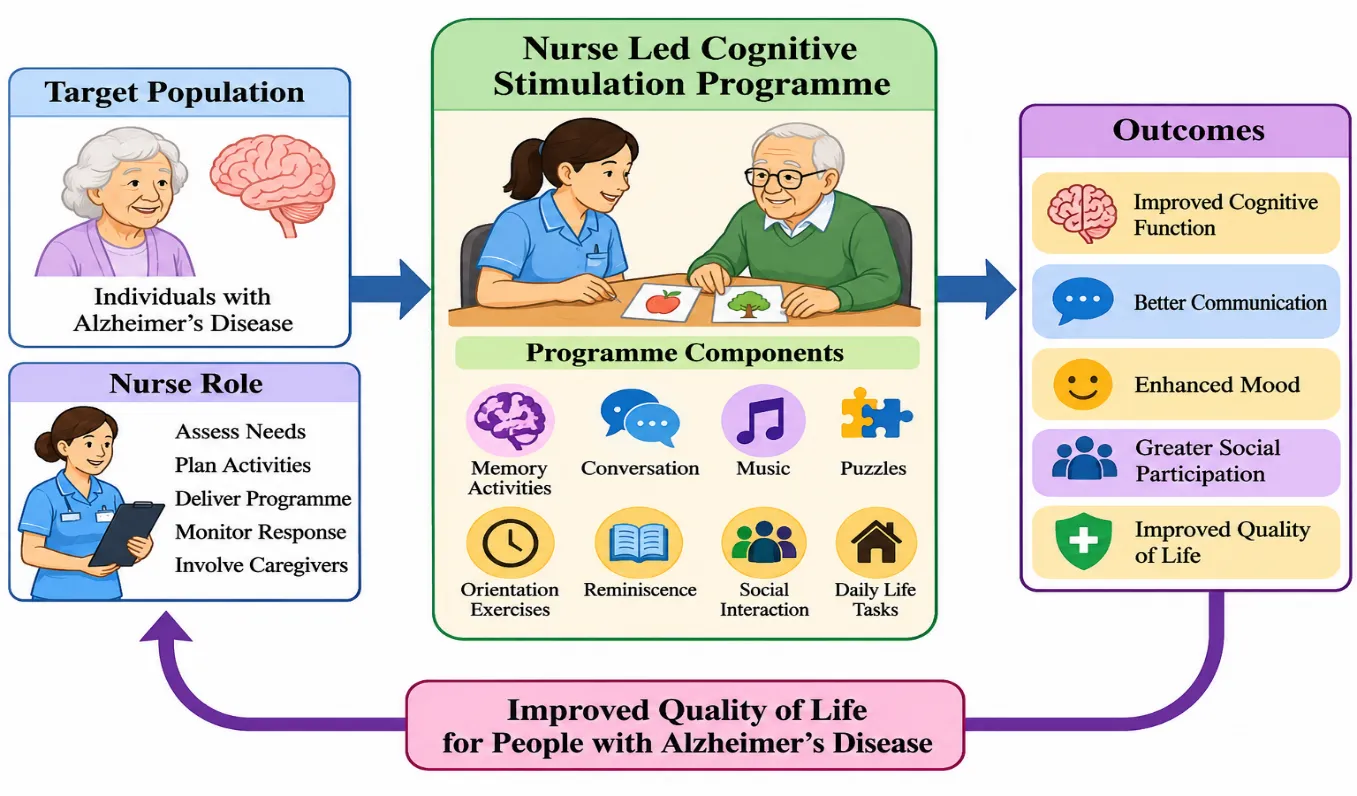
Figure 1: Conceptual Framework of a Nurse Led Cognitive Stimulation Programme
2. Alzheimer’s Disease, Cognitive Domains and Daily Function
Alzheimer’s disease commonly begins with changes in episodic memory and may later affect other cognitive systems. Episodic memory concerns remembering recently experienced events. Semantic memory involves knowledge of words, objects and concepts. Working memory supports holding and manipulating information briefly, such as remembering two instructions while completing a task. Attention supports focusing and shifting between tasks [10,11]. Executive function includes planning, sequencing, judgement, flexible thinking and problem solving. Language changes may include word finding difficulty, reduced comprehension of complex sentences and trouble maintaining conversation. Visuospatial changes can affect finding objects, judging distance, recognizing layouts or navigating familiar spaces. Cognitive difficulties can influence activities of daily living. A patient may forget steps in dressing, become uncertain while preparing food, lose track of a conversation or require reminders to complete grooming [13]. Nursing observation should consider the interaction between cognitive ability, physical health, pain, fatigue, medication effects, hearing, vision, mood and environment. A sudden change in cognition is not automatically disease progression and may signal delirium, infection, dehydration, medication adverse effects or another acute condition requiring clinical assessment. Cognitive stimulation should match the cognitive domain and functional level without reducing the patient to a score [14].
3. Cognitive Stimulation Programme Components and Activity Examples
Table 1: Programme Activity Domains, Nursing Approach and Potential Outcomes
| Sr. No. | Domain | Example activity | Nursing facilitation | Potential target |
|---|---|---|---|---|
| 1 | Orientation | Calendar, weather, familiar places, daily routine | Use gentle prompts and avoid confrontation | Orientation and attention [15] |
| 2 | Reminiscence | Photo album, familiar objects, life story discussion | Invite memories without demanding exact recall | Autobiographical memory and identity [16] |
| 3 | Language | Naming, word categories, describing pictures | Allow time, offer optional cues | Expressive language and communication [17] |
| 4 | Attention | Matching cards, sorting by colour or shape | Start simple, reduce distractions | Focused attention [18] |
| 5 | Executive ability | Sequencing steps, planning a simple activity | Break into small steps and offer choices | Planning and problem solving [19] |
| 6 | Music | Songs from preferred era, rhythm, song discussion | Use preferred music and monitor emotional response | Engagement and mood [20] |
| 7 | Everyday function | Folding cloth, setting a table, arranging familiar items | Encourage independence and safe completion | Functional participation [21] |
| 8 | Social interaction | Group conversation, shared game, paired activity | Support turn taking and include quieter participants | Communication and connection [22] |
| 9 | Sensory engagement | Safe textured objects, seasonal items, crafts | Check allergies, comfort and sensory tolerance | Interest and meaningful engagement [23] |
4. Theoretical and Neuropsychological Rationale
Cognitive stimulation is supported by ideas from cognitive reserve, neuroplasticity, learning theory, social engagement and person centred care. Cognitive reserve describes the capacity of brain networks to cope with pathology through efficient processing and alternative strategies. Neuroplasticity refers to the brain’s capacity to change in response to experience, although this capacity is altered and constrained in Alzheimer’s disease. Repeated engagement may provide practice for remaining cognitive skills and may support compensatory strategies, but claims that a programme reverses neurodegeneration should be avoided [24,25]. Social interaction may contribute to stimulation because conversation requires attention, language, interpretation, memory and turn taking. Positive interaction may also reduce isolation and support a sense of belonging. Activities that are personally meaningful can activate emotion, motivation and autobiographical associations, which may help engagement. Person centred theory emphasizes the individual’s identity, preferences and emotional needs rather than viewing dementia only as impairment. These concepts support a holistic programme in which cognitive challenge is balanced with enjoyment, comfort and respect [26,27]. The rationale does not mean every cognitive activity produces measurable improvement. Cognitive stimulation is different from cognitive training, which typically practices specific skills with structured repetition, and cognitive rehabilitation, which focuses on personally relevant goals and strategies for daily life. The approaches may overlap, but programme description should specify what was delivered. Nurse led cognitive stimulation should define the activity mix, facilitator training, dose, adaptations and outcome measures so that the intervention can be replicated and evaluated [28].
5. Role and Responsibilities of Nurses
The nurse has a central role in assessing readiness, designing individualized activities, facilitating engagement and evaluating outcomes. Before starting, the nurse reviews relevant clinical information and identifies conditions that may affect participation, including acute illness, pain, fatigue, sleep disruption, hearing or vision impairment, mobility limitations, mood symptoms and medication changes [29,30]. The nurse asks the patient and caregiver about preferences, hobbies, language, occupational history, meaningful routines and disliked activities. A baseline profile should document abilities and areas where assistance is needed rather than recording deficits alone. During sessions, the nurse provides clear instructions, models tasks when helpful, gives adequate response time, uses graded cues and encourages the patient without infantilizing language. The nurse observes facial expression, verbal response, attention, frustration and fatigue. Activities can be simplified, shortened, paused or changed. After the session, documentation should describe the activity, degree of participation, response, adaptations, safety issues and plan for the next session [31,33]. The nurse should communicate observations to the care team and caregivers when appropriate, while maintaining privacy. Nurses also support caregiver education, coordinate referrals and advocate for access to meaningful activity. They may collaborate with occupational therapists, speech and language therapists, psychologists, physicians, social workers and activity coordinators. If distress or sudden cognitive change occurs, the nurse assesses possible underlying causes rather than assuming the patient is unwilling. Nurse led programmes require training, supervision, practical resources and protected time to ensure consistency and quality [34,35].
6. Cognitive Function Outcomes and Evidence
Cognitive function is a principal outcome of cognitive stimulation programmes. Studies commonly use global screening tools or multidomain measures to assess orientation, memory, attention, language and executive function. Cognitive stimulation therapy trials have reported improvements in global cognition in dementia populations, and meta analyses have generally found short term cognitive benefits [36,37]. The magnitude of change varies according to intervention intensity, baseline severity, study design, outcome instrument and population. These findings support cognitive stimulation as a potentially useful supportive intervention but do not demonstrate that it alters the underlying course of Alzheimer’s pathology. The original CST randomized trial reported improvement in cognition and quality of life measures following a structured programme. Subsequent reviews and meta analyses have generally supported cognitive benefits, but the quality and consistency of evidence vary. Some reviews include mixed dementia diagnoses rather than Alzheimer’s disease alone. Nurse led non pharmacological studies also include interventions other than cognitive stimulation, making it difficult to isolate the effect of the specific programme. Interpretation should therefore distinguish evidence for CST in dementia from direct evidence for a nurse led programme in Alzheimer’s disease. Cognitive outcomes should be interpreted alongside daily function and patient experience [38,39]. A small change in a cognitive screening score may be statistically significant without being meaningful to the patient. Repeated testing may produce practice effects, while sensory impairment, fatigue, education, language and mood can influence performance. The nurse should not use a single score to determine programme success. Cognitive assessment is best combined with functional observations, communication, participation, patient preference and quality of life outcomes [40].
7. Quality of Life, Emotional Wellbeing and Social Participation
Quality of life in Alzheimer’s disease includes physical comfort, emotional state, relationships, identity, autonomy, meaningful activity and the person’s perception of their own wellbeing. Cognitive stimulation may create opportunities to experience achievement, make choices, share memories, enjoy music and connect with others. Group programmes can reduce social isolation and provide a predictable social routine [41,42]. Individual sessions may be more suitable for people who are fatigued, anxious, have communication challenges or do not enjoy groups. The best delivery format depends on the person and the service setting. Some studies report improvements in quality of life following cognitive stimulation, but results are less consistent than cognitive outcomes. Quality of life can be influenced by the person’s physical health, environment, relationships, caregiver stress, mood, pain, sleep and social support. The nurse should ask the patient what they enjoy and, when possible, obtain self report rather than relying only on proxy ratings [43,44]. Proxy reports may be valuable when communication is limited, but the patient’s own perspective should be respected wherever it can be obtained. Quality of life should not be treated as a secondary or optional outcome. A programme that improves test performance but increases distress or exhaustion would not represent meaningful benefit. Nurses should observe enjoyment, engagement, sense of control, comfort and willingness to return. A positive activity may be valuable even when no measurable cognitive change occurs. Conversely, a patient who consistently dislikes a group session may benefit more from a different activity, a shorter session or one to one engagement [45].
8. Programme Structure, Frequency, Duration and Individualization
A structured programme should include assessment, goal setting, activity selection, session delivery, monitoring and periodic review. A common CST model includes a series of sessions over several weeks, often delivered twice weekly, but a nurse led programme should follow a defined protocol and local service needs. Session duration should be adjusted to tolerance. Some participants may benefit from a longer group session with breaks, while others may engage better in brief individual sessions [46,47]. Regular scheduling can support routine and anticipation, but flexibility is essential. A typical session can begin with a warm greeting and gentle orientation, followed by a brief discussion topic. The main activity may involve reminiscence, language, sorting, music, planning or a practical task. The nurse should include opportunities for social interaction and choice. A closing activity can summarize the session, acknowledge participation and ask what the patient enjoyed [48]. Session goals should be realistic, such as participation, communication, sustained attention, enjoyment or practicing a functional task. The programme should not be presented as a competition or examination. Individualization is essential across disease severity. People with mild impairment may enjoy complex conversation, planning or current events. Those with moderate impairment may benefit from familiar objects, simple categories, visual support and shorter instructions. People with advanced impairment may respond to sensory engagement, familiar music, gentle conversation, simple choices and comfort focused interaction [49,50].
9. Person Centred Care, Caregiver Partnership and Communication
Person centred care recognizes that the person remains an individual with preferences, values, relationships, history and rights. Cognitive stimulation should be built around meaningful topics rather than generic worksheets. Nurses can create a brief activity profile that records preferred language, hobbies, occupation, favourite music, meaningful celebrations, daily routines, sources of comfort, dislikes and communication preferences. This profile should be updated when the patient or caregiver provides new information [51,52]. Activities should be respectful of culture and avoid assumptions based on age, gender or background. Communication strategies include speaking calmly, using short but adult appropriate sentences, asking one question at a time, allowing pauses, reducing background noise, using gestures and visual cues, and offering two simple choices when open ended questions are difficult. Nurses should avoid arguing, repeated correction, sarcasm, infantilizing terms and rushing. If the patient cannot recall an event, the nurse can validate emotion and shift to a familiar topic. If the patient becomes distressed, the nurse should pause, identify possible triggers and offer reassurance or a different activity [53,54]. Caregiver partnership can help the programme continue between sessions. Caregivers may suggest topics and assist with safe, enjoyable home activities, but they should not be made responsible for delivering a complex protocol without training or support. Education can include the purpose of stimulation, realistic expectations, communication strategies, signs of fatigue and how to respect refusal. Caregiver burden and wellbeing should also be assessed. A programme should strengthen patient and caregiver relationship, not add pressure or guilt [55].
10. Assessment Instruments, Monitoring, Safety and Documentation
Cognitive function may be assessed using validated instruments such as the Mini Mental State Examination, Montreal Cognitive Assessment or Alzheimer’s Disease Assessment Scale Cognitive Subscale, depending on the study design and clinical context. Quality of life may be assessed using Quality of Life in Alzheimer’s Disease or dementia specific measures such as DEMQOL. Functional outcomes may include activities of daily living scales. Mood, neuropsychiatric symptoms, communication and caregiver outcomes may be assessed with validated tools appropriate to the population [56,57].Instruments should be selected in advance, used by trained staff and applied consistently. Safety includes screening for pain, acute illness, fatigue, sensory impairment, fall risk, choking risk when food materials are used, allergies, infection prevention and emotional distress. The nurse should monitor for agitation, sadness, frustration, overstimulation and withdrawal. Participation must be voluntary and consent should be sought in a manner the person can understand, with appropriate decision support and attention to capacity and local legal requirements [58,59]. Documentation should include date, session number, setting, activity, stated goal, duration, attendance, level of participation, response, mood, cueing used, adaptations, adverse events, patient preference and plan. A simple structured record supports continuity and evaluation. Outcome data should include baseline and follow up assessments with clear timing. If possible, assessors should be blinded to intervention assignment in research. Patient and caregiver feedback can complement scale scores and help interpret whether changes are meaningful in everyday life [60].
11. Implementation in Nursing Settings, Barriers and Clinical Recommendations
Implementation depends on staffing, training, leadership, materials, scheduling, space and documentation systems. Nurses may face time pressure, high workload, competing clinical tasks, lack of activity resources, unfamiliarity with dementia communication and difficulty sustaining sessions. Patients may have different language needs, levels of impairment, fatigue or sensory limitations [61,62]. Caregiver availability can vary. Group programmes may be disrupted by staff turnover or changes in care routines. These barriers should be identified before launch rather than treated as individual nurse failure. A practical implementation plan includes staff orientation, a written activity guide, patient assessment forms, a small activity kit, a schedule, supervision and a simple evaluation process. Training should cover Alzheimer’s disease, person centred communication, facilitation skills, safety, distress recognition and adapting activities. Leaders can appoint a dementia care champion and include cognitive stimulation in care planning [63,64]. Materials can be inexpensive and locally available, such as photographs, calendars, familiar household items, music, cards, sorting materials and culturally relevant objects. The programme should be designed for feasibility in the intended setting. Clinical recommendations include offering stimulation as an adjunct to comprehensive dementia care, tailoring activities to individual preferences, maintaining predictable routines, monitoring both cognitive and quality of life outcomes, and reviewing the programme regularly. Services should avoid claims of cure, guaranteed memory recovery or disease reversal. If cognitive decline is abrupt or accompanied by new symptoms, medical assessment is required [65].
12. Research Gaps and Future Perspectives
Important research gaps remain. Many studies enrol mixed dementia populations, so results may not be directly applicable to Alzheimer’s disease alone. Nurse led delivery is not always clearly distinguished from programmes delivered by psychologists, therapists, trained facilitators or care staff. Interventions vary in activity content, frequency, duration, group size, training, setting and fidelity, making comparisons difficult. Follow up is often limited, leaving uncertainty about whether cognitive and quality of life gains persist [66,67]. Quality of life, communication, function, mood, caregiver outcomes and patient preference are not consistently measured together. Studies may also underrepresent people from diverse language, cultural, educational and socioeconomic backgrounds. Future research should conduct adequately powered randomized controlled trials that specifically describe the nurse facilitator role, training, programme manual, fidelity checks and usual care comparison. Studies should clearly report Alzheimer’s disease diagnosis, severity, baseline function, comorbidities, medication status, sensory needs and setting. Outcomes should include validated cognition measures, patient reported quality of life where possible, communication, mood, functional ability, social participation, caregiver burden, adverse effects and cost. Longer follow up should test durability and maintenance strategies. Researchers should examine whether group, individual, home based and digitally supported formats differ in effectiveness, acceptability and equity [68,69]. Culturally adapted programmes deserve particular attention. Activity materials should be developed with patients, caregivers and nurses from different communities and languages. Future studies should identify which components benefit which individuals and how to personalize stimulation without losing programme quality. Research should be transparent, registered where appropriate, and report null findings as well as positive results [70].
CONCLUSION
Nurse led cognitive stimulation programmes provide a person centred, non pharmacological approach to supporting people living with Alzheimer’s disease. Meaningful activities that engage memory, attention, language, orientation, reasoning and social interaction may encourage participation, communication, confidence and enjoyment. Evidence from cognitive stimulation therapy research in dementia suggests small short term benefits in global cognition, while quality of life and other outcomes show variable results across studies. The findings should be interpreted cautiously because studies differ in population, intervention content, facilitator training, session frequency, setting, outcome measures and follow up. Evidence specifically evaluating nurse led cognitive stimulation in Alzheimer’s disease is less extensive than the broader dementia literature. Nurses can contribute through careful assessment, individualized planning, supportive communication, activity facilitation, safety monitoring, documentation and caregiver education. Programmes should respect patient preferences, avoid distress, and be adapted to sensory, cultural, functional and cognitive needs. Cognitive stimulation is not a cure and should not replace medical assessment or other appropriate care. Future studies should use rigorous controlled designs, standardized but flexible protocols, Alzheimer’s disease specific samples, validated measures of cognition and quality of life, longer follow up and culturally relevant activities. Research into implementation, cost, caregiver outcomes and digital or home based delivery may help develop sustainable programmes. Overall, cognitive stimulation is best viewed as a meaningful component of comprehensive dementia care whose value should be judged by cognition, quality of life, engagement, dignity and the lived experience of patients.
REFERENCES

Roopa P. M., Dr. Nandaprakash P., Effectiveness of a Nurse Led Cognitive Stimulation Programme on Cognitive Function and Quality of Life Among Patients with Alzheimer’s Disease, Int. J. Sci. R. Tech., 2026, 3 (11), 1345-1355. https://doi.org/10.5281/zenodo.24538079
 10.5281/zenodo.24538079