

We use cookies to ensure our website works properly and to personalise your experience. Cookies policy
Deparment of Pharamacy, JES, SND College of Pharmacy, Babhulgoan, Yeola
Robotic drug dispensing and pharmacy automation are emerging technologies that are transforming modern healthcare by improving the accuracy, efficiency, and safety of medication management. Traditional pharmacy practices often involve manual processes that can be time-consuming and susceptible to dispensing errors. The integration of robotic systems and automated technologies helps overcome these challenges by streamlining medication storage, retrieval, counting, packaging, labeling, and dispensing. These systems use advanced technologies such as robotics, barcode scanning, artificial intelligence, and computerized medication management to ensure accurate and timely delivery of medicines. Pharmacy automation also reduces the workload of pharmacists, minimizes human errors, improves inventory control, and allows healthcare professionals to devote more time to patient counseling and clinical services. Furthermore, automated dispensing systems are increasingly being adopted in hospital pharmacies, community pharmacies, and pharmaceutical distribution centers to enhance workflow efficiency and patient safety. Despite these benefits, challenges such as high initial investment, maintenance requirements, staff training, and integration with existing healthcare systems remain important considerations. This review highlights the principles, applications, advantages, limitations, and future prospects of robotic drug dispensing and pharmacy automation in modern pharmaceutical practice. Overall, these technologies have significant potential to improve medication safety, optimize pharmacy operations, and support the development of a more efficient and patient-centered healthcare system. Introduction: Medication management within a hospital environment is a complex process usually involving at least four stages from (1) prescribing, (2) transcription and verification, (3) dispensing by nurse to the patient and (4) administration by nurse to the patient. Medication management is associated with a risk of errors and inefficiencies across all stages of the process. There is considerable variability in the estimates of medication errors reported in the prescription (approximately 10%–39%), dispensing (approximately 11%–40%) and administration (approximately 10.5%–38%) stages of medication management across different territories with multifactorial causes. Healthcare policy is therefore focused on methods to reduce the burden of medication errors.1 In recent years, the automation of medication process services such as ordering, dispensing, delivery and administration of medications has been promoted as an important strategy for improving dispensary efficiency, maximising storage capacity and minimising dispensing errors. For example, The UK National Health Service has undertaken a review of operational productivity and performance in acute hospitals in England and has recommended a Hospital Pharmacy Transformation Programme (HPTP). A key part of this HPTP is to develop services by “increasing pharmacist prescribers, e-prescribing and administration, accurate cost coding of medicines and consolidating stockholding by April 2020, so that pharmacists and clinical pharmacy technicians spend more time on patient-facing medicines optimisation activities”. There are initiatives and guidelines to improve medication safety and automation is one of the proposed important strategies. Definition: Robotic drug dispensing: The use of robotic equipment and computerized systems to select, count, package, label, and dispense medications according to prescription or medication orders
Medication management within a hospital environment is a complex process usually involving at least four stages from (1) prescribing, (2) transcription and verification, (3) dispensing by nurse to the patient and (4) administration by nurse to the patient. Medication management is associated with a risk of errors and inefficiencies across all stages of the process. There is considerable variability in the estimates of medication errors reported in the prescription (approximately 10%–39%), dispensing (approximately 11%–40%) and administration (approximately 10.5%–38%) stages of medication management across different territories with multifactorial causes. Healthcare policy is therefore focused on methods to reduce the burden of medication errors.1 In recent years, the automation of medication process services such as ordering, dispensing, delivery and administration of medications has been promoted as an important strategy for improving dispensary efficiency, maximising storage capacity and minimising dispensing errors. For example, The UK National Health Service has undertaken a review of operational productivity and performance in acute hospitals in England and has recommended a Hospital Pharmacy Transformation Programme (HPTP). A key part of this HPTP is to develop services by “increasing pharmacist prescribers, e-prescribing and administration, accurate cost coding of medicines and consolidating stockholding by April 2020, so that pharmacists and clinical pharmacy technicians spend more time on patient-facing medicines optimisation activities”. There are initiatives and guidelines to improve medication safety and automation is one of the proposed important strategies.
Definition:
Robotic drug dispensing: The use of robotic equipment and computerized systems to select, count, package, label, and dispense medications according to prescription or medication orders
Why a pharmacy robot?
According to www.youhaverights.com, in the United States, it is estimated that 30 million pharmacy errors occur annually. An estimated 7,000 patients die from these cases of errors and thousands of severe complications each year. These errors occur due to the misinterpretation of the prescription by the pharmacist with regard to medication name or dosage, to name a few. The reasons for the occurrence of these errors usually seem to stem from the overworked pharmacy employees. These employees operate under extreme pressure and have ever-increasing workloads. The increasing number of prescriptions needed to be filled daily reduces the amount of time that the staff can use to focus on each individual prescription. The most common pharmacy errors are incorrect dispensing of medications, incorrect dosage being administered due to the failure of staff to instruct consumers on specific medication usage, and incorrect delivery and preparation of IV (intravenous) drugs to patients in hospitals
So, the need for robotic-assisted pharmacies arises from here to distribute drugs to eradicate or substantially reduce human error. The advantages of robotics in pharmacy are to improve and add to the current patient care and therefore increase revenue, improvement in the overall functionality and operation of pharmacies, and effective management and storage of medication as well as patient data. Overall enhanced productivity leads to increased dispensing speed and, therefore, decreased patient waiting time. It allows for the decentralizing of pharmacy services and the evolution of ward-based medicine management. This allows the elimination or significant decrease in the number of errors and contamination. Therefore, using barcoding and photo verification increases patient safety and decreases the risk of litigation. This improves dispensing efficiency and enables the re-engineering of pharmaceutical services, which leads to maximum utilization of space in hospital pharmacy departments. The use of AI is an improvement of the traditional pharmaceutical dispensing system. Although we have seen the evident improvement and efficiency that technology adds to various systems, such as the reduction or absence of human error, as with anything that is not perfect and has been created by man, it would be unwise to not take into account the disadvantages that technology presents. These disadvantages include the following: computer literacy and staff competencies may impact their ability to manage or program the dispensing robot. This could lead to extensive input of training over a significant period of time. The dispensing robot requires accurate programming as incorrect programming may lead to errors. As with most technology, there are sizable startup costs, maintenance costs as well as the need for continuous software updates. It is well known that with the evolution of technology, systems can be considered out of date quite quickly, which will then require updating. Although robots will bring increased and improved efficiency and productivity, the redundancy of pharmacists will never occur. Where there is a limited pharmacist and patient interaction, it might make patients reluctant to use the service. These dispensing robots rely on computer programs that can fail at any time. The maintenance and upgrade of software as well as the connection of the dispensing robot to the pharmacy’s system could be timely and will require meticulous detail in order to avoid any repercussions and errors.
Pharmacy Robot's System Architecture
For efficiency, the best fit across multiple areas is usually custom. From the view of the system architecture, each application, robot, or system is custom designed and built based on the needs and functions of the system. All aspects involved within the application are carefully considered when an automation system is built. In this section, in order to understand the system architecture, we will explain in detail the pharmacy robot system architecture by giving an example of a pharmacy robot that was introduced by some authors. The robot communicates autonomously and directly with a physician, assistant, or intermediary. The robot then scans the inventory of stock in order to assess the availability of the prescribed medication. When the prescribed medication is available, the robot will fill the container with the medication and store the filled container. This is all done by the robot referencing and interacting with its environment using the internal map created with the map-making algorithm. The specific robot in this article makes use of simultaneous localization and mapping (SLAM). When the patient or representative arrives to collect the prescription, the robot will validate the identity of the individual receiving it. The patient or representative then presents the prescription, and the robot will then issue the prepared medication over to the patient. As mentioned above, this specific robot makes use of AI and SLAM in order to interact with a variety of things. Not only does SLAM allow the robot to have a clear and accurate map of its surroundings, but it also allows the robot to update the map when needed, keeping an accurate and updated “vision” of the current locations of inventory
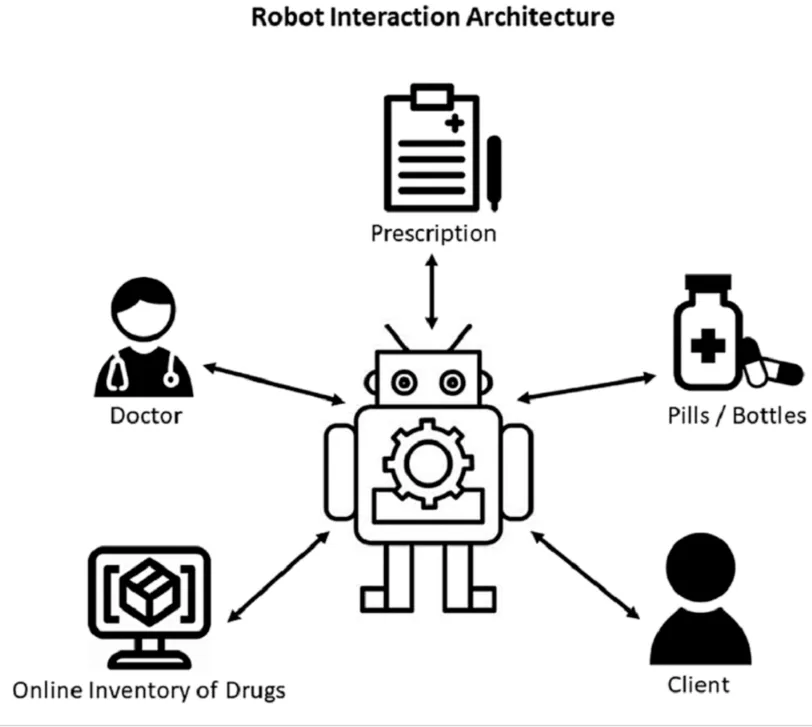
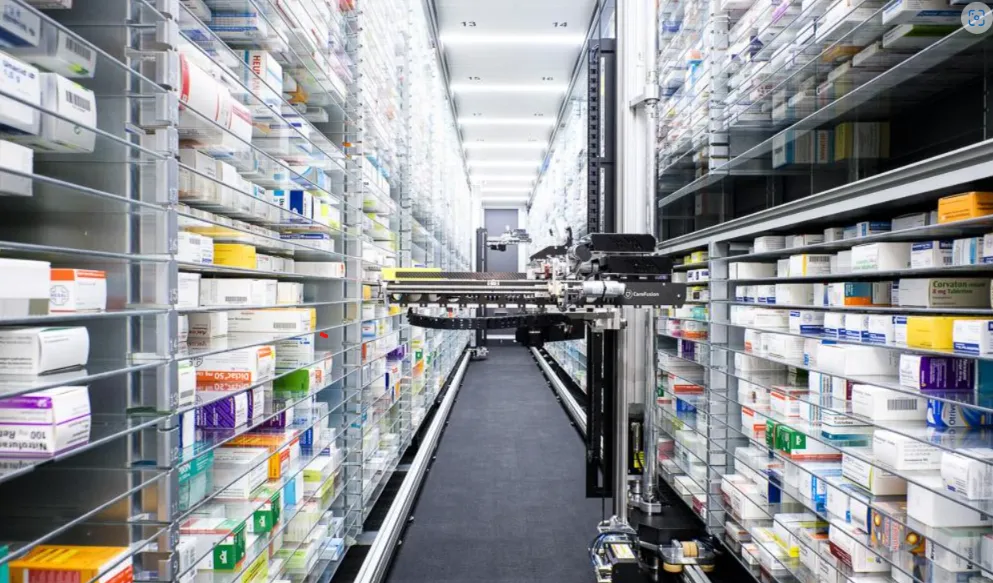
Examples of pharmacy robot
The following are some of the most widely known unit dose drug automation systems in the world. These are Pyxis and Rowa Speed case automation systems. Their advantages and disadvantages can be summarized as follows:
| Name of Robot | Year | Advantages | Disadvantages |
|---|---|---|---|
| Pyxis automation system | 2019 | Workload moved from the pharmacy to the clinic floors. Fingerprint verification ensures that only authorized individuals have access to the medicine. Allows keeping track of stock. Receives all drug-related reports. Ensures that the proper medicine is available at the right moment. | Unable to track lots as a unit dose. Mistakes could occur as a result of reinstalling the returned medication. The inability of checking the expiration dates of the same medications in the same drawer. Issues with data transmission. Barcode verification of tablet medications is performed only at the bedside. The inability of preventing medication mistakes completely. |
| Rowa Speed case system | 2008 | Decreased department costs, medication mistakes, and patient drug distribution times. Improved service efficiency. Stock control is relatively easy. | This technology is unable to package unit doses and deliver medications to the clinic. |
The physical architecture of the pharmacy area; this is often referred to as an embodiment. Multiple customers may enter and choose an available room. These rooms are individually secure as they can be locked from within . Over and above this, the vault, which is the store for a variety of medications and dispensers, can be controlled according to specific requirements, such as light and temperature. This allows for the control and reduction of the deterioration of various medicines that require refrigeration, etc. This setup allows the servicing of multiple people at one time .
How Robotic Drug Dispensing Improves Accuracy and Reduces Medication Errors.
Robotic drug dispensing systems improve medication safety by automating the process of medicine identification, selection, counting, verification, and packaging.
In a traditional pharmacy, many activities are performed manually. This can lead to errors such as selecting the wrong medicine, dispensing an incorrect quantity, or providing the wrong strength.
Robotic automation reduces these risks by using barcode scanners, sensors, automated storage, computer software, and verification systems.
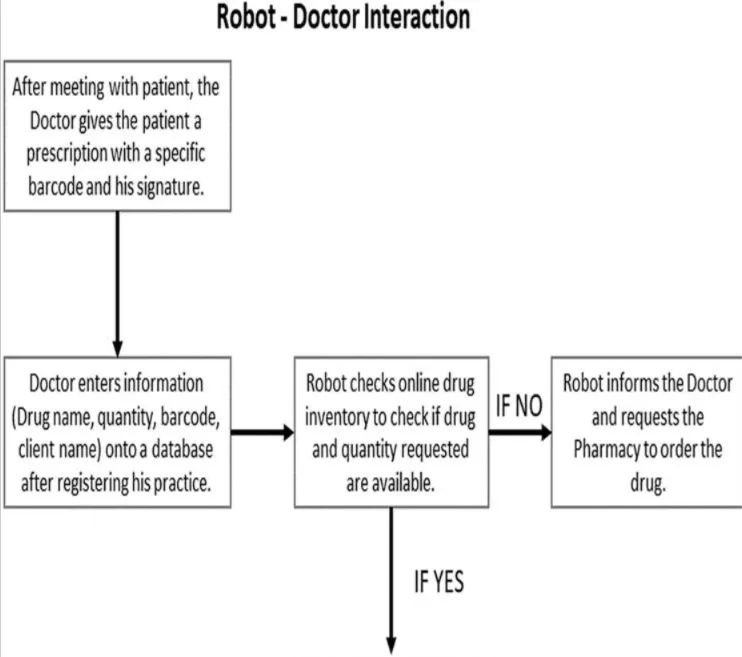
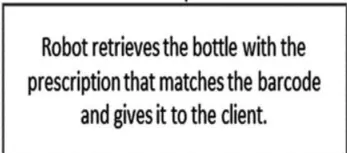
Improved Accuracy in Robotic Drug Dispensing: Reducing Medication Selection and Dispensing Errors
One of the biggest advantages of robotic drug dispensing is its ability to improve the accuracy of medication handling and reduce errors during the selection, counting, verification, and dispensing of medicines.
In traditional pharmacies, pharmacists or pharmacy technicians often perform these tasks manually. Human errors can occur due to workload, fatigue, similar-looking medicine packages, incorrect counting, or confusion between different drug strengths.
Robotic pharmacy automation reduces these risks by using automated mechanisms, barcode scanners, optical sensors, and computerized verification systems.
How does robotic automation improve accuracy?
A. Accurate Medicine Identification
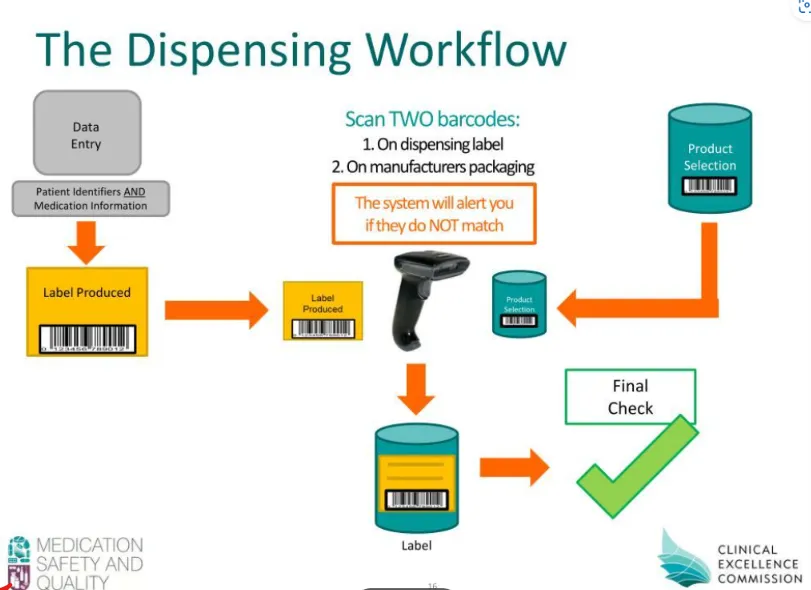
Every medicine has a unique product identification code. Barcode scanners retrieve the medicine's information, and the computer compares the scanned product with the prescription.
If the medicine does not match the prescription, the system generates an alert. For example, if paracetamol 500 mg is prescribed but paracetamol 650 mg is selected, barcode verification detects the mismatch.
B. Accurate Medicine Selection
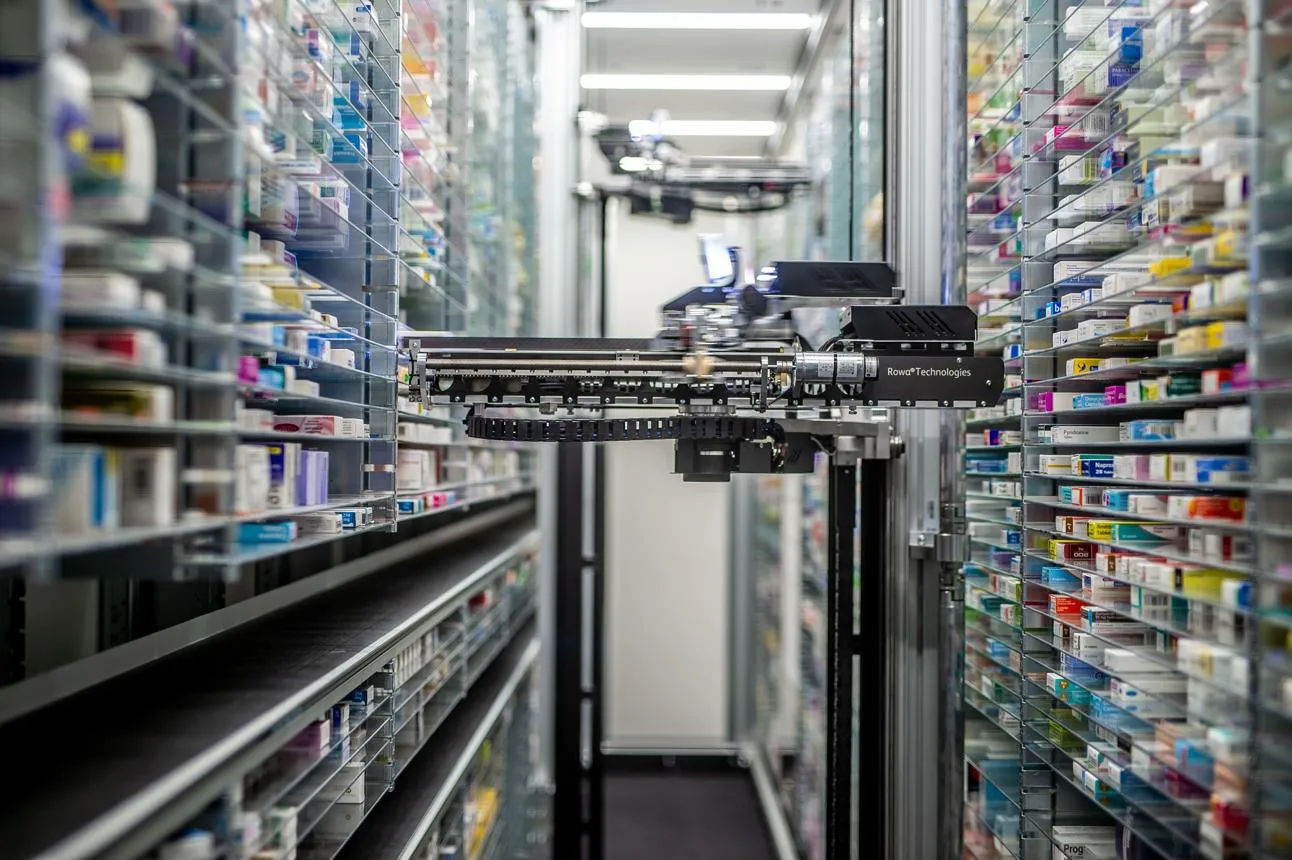
Medicines are stored in designated locations. The robot uses its software to identify the correct location, and its retrieval mechanism selects the required product.
This process reduces errors caused by manually selecting packages with similar names or appearances.
C. Accurate Tablet Counting
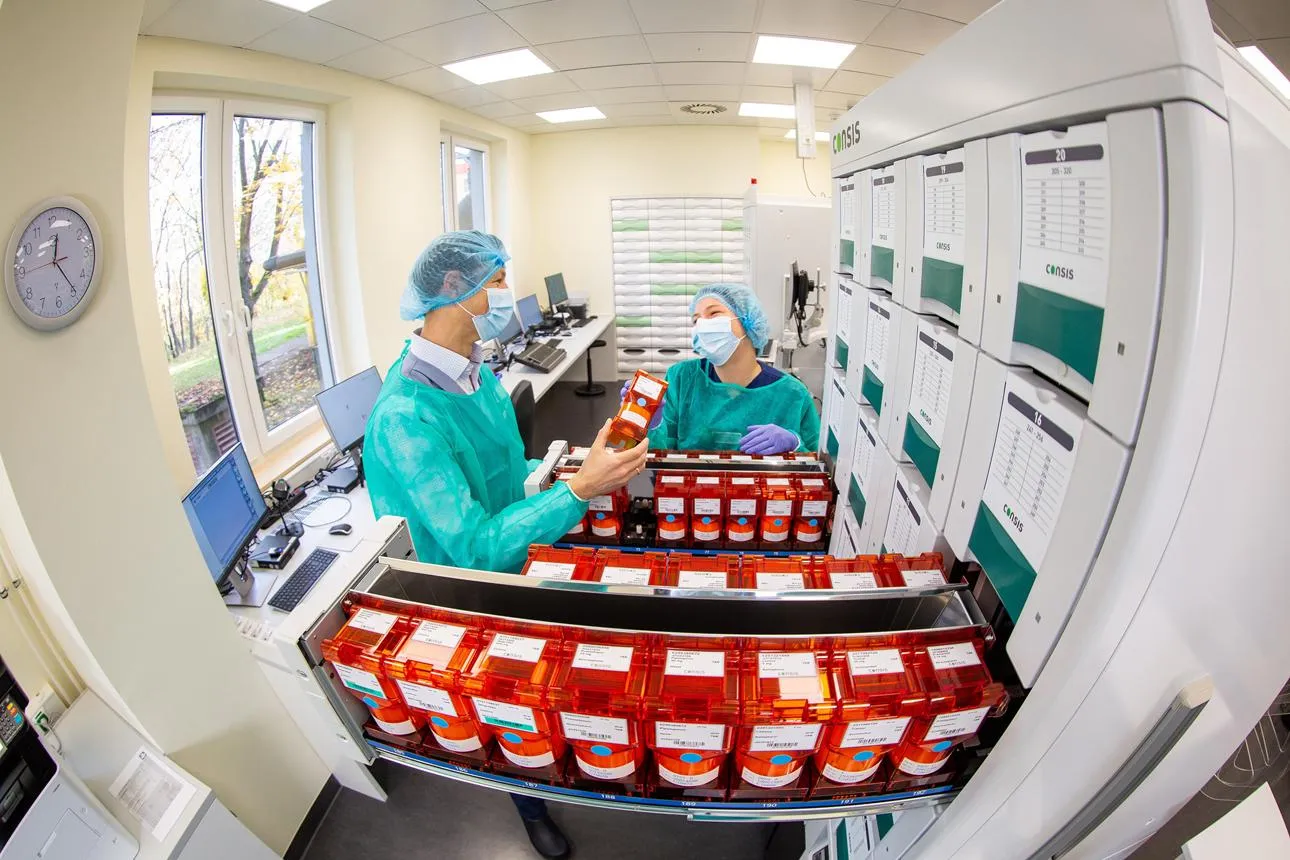
Optical sensors detect and count individual tablets or capsules. The system dispenses the required quantity and can identify discrepancies between the expected and actual counts.
For example, if a prescription requires 20 tablets, the automated counting system helps ensure that exactly 20 tablets are prepared.
D. Dosage and Strength Verification
Pharmacy software compares the prescribed medicine and strength with the selected product. It generates an alert when it detects an incorrect strength or dosage.
The pharmacist then performs the final clinical verification before dispensing.
E. Prevention of Duplicate Dispensing
The pharmacy management system maintains electronic records of dispensing activities. It can identify duplicate orders or repeated transactions, helping to prevent an unintended duplicate supply.
F. Expiry-Date and Batch Verification
Inventory software records each medicine's batch number and expiry date. It can flag expired or near-expiry products and support stock rotation according to the First Expiry, First Out (FEFO) principle.
This reduces the risk of dispensing expired medicines.
Manual dispensing versus robotic dispensing
Consider a hospital prescription for 10 tablets of a particular medicine.
Traditional dispensing
Robotic dispensing

Types of errors reduced by robotic automation
| Error type | Automation solution |
|---|---|
| Wrong medicine | Barcode verification |
| Wrong strength | Electronic product verification |
| Wrong quantity | Automated tablet counting |
| Wrong patient | Patient identification systems |
| Duplicate dispensing | Electronic prescription records |
| Expired medicine | Expiry tracking |
| Incorrect labelling | Automated label printing |
| Incorrect medicine retrieval | Robotic storage and retrieval |
Multiple safety checkpoints in robotic dispensing
How can hospitals measure improved accuracy?
Hospitals can monitor the following parameters:
For example, a hospital can compare dispensing error rates before and after installing a robotic dispensing system to evaluate its impact.
Safer for Patients and Pharmacy Staff Through Robotic Drug Dispensing and Pharmacy Automation
Robotic drug dispensing and pharmacy automation improve safety for both patients and pharmacy staff by reducing manual handling, minimizing medication errors, controlling access to medicines, and creating safer working environments.
In a traditional pharmacy, employees may spend many hours selecting medicines, handling heavy stock containers, counting tablets, preparing prescriptions, and managing potentially hazardous medications. These activities can create risks for both patients and staff.
Automation introduces robotic systems, sensors, barcode verification, automated storage, and computer-controlled dispensing to reduce these risks.
1. How robotic pharmacy automation improves patient safety
A. Reduces medication errors
Medication errors can cause serious harm to patients.
Robotic dispensing systems improve safety through:
Example: If a patient is prescribed a 250 mg tablet but the dispensing system retrieves a 500 mg tablet, barcode verification can identify the mismatch and stop the dispensing process.
B. Ensures the right medicine reaches the right patient
Patient identification is an important part of medication safety.
Automated systems can integrate with hospital information systems to:

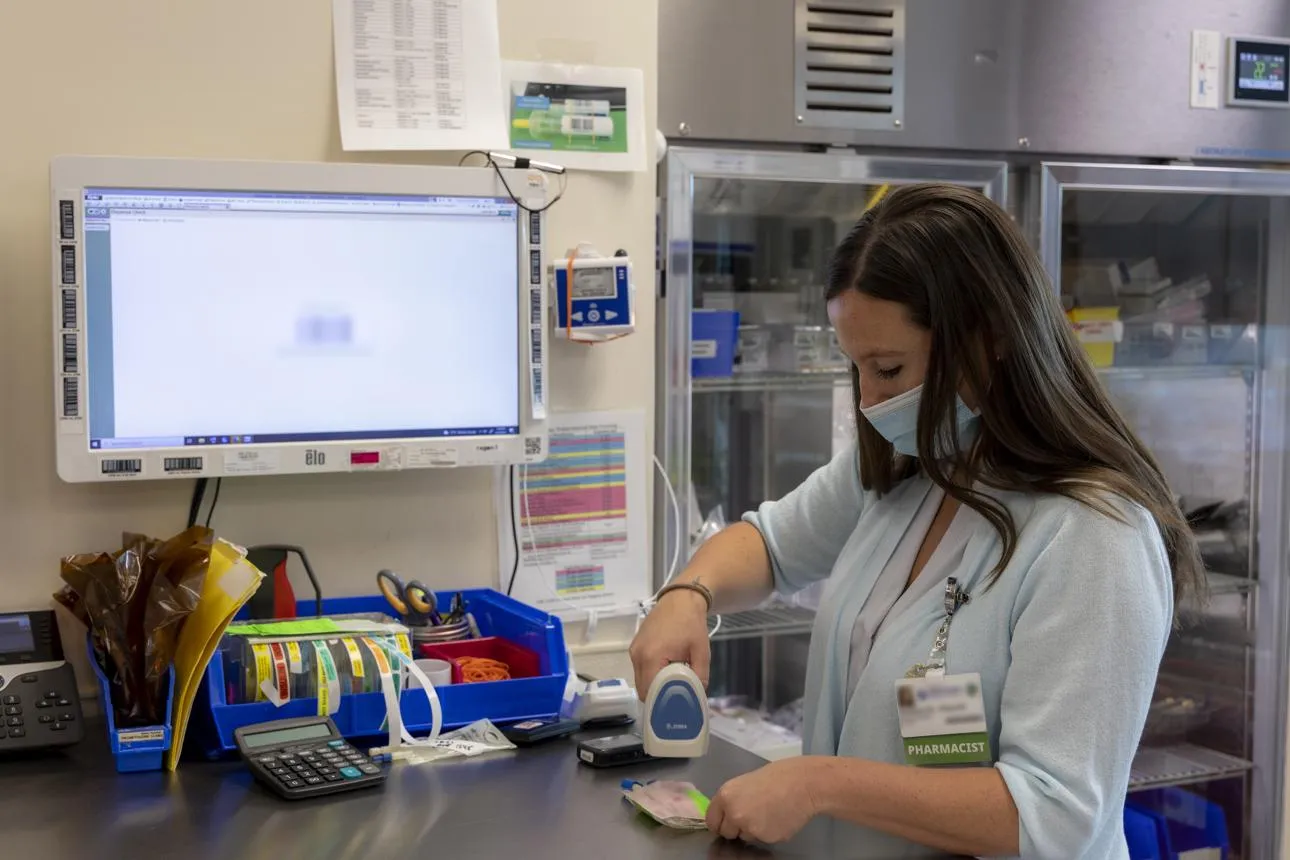
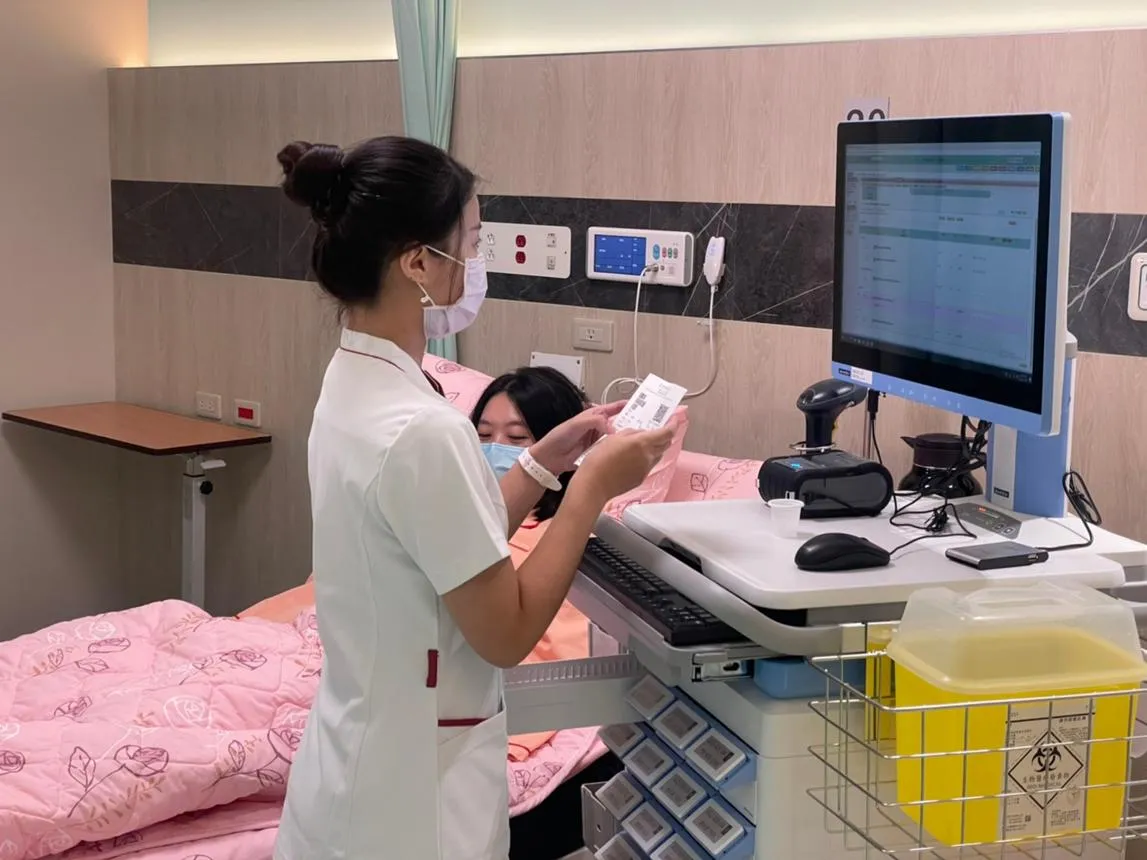
For example, barcode scanning of the patient's identification band and medicine barcode can help verify the correct patient and medication during administration.
C. Reduces contamination risks
Certain medications require special handling because contamination can affect patient safety.
Examples include:
Robotic compounding systems can operate within controlled environments and use enclosed equipment to reduce direct human contact with hazardous substances.
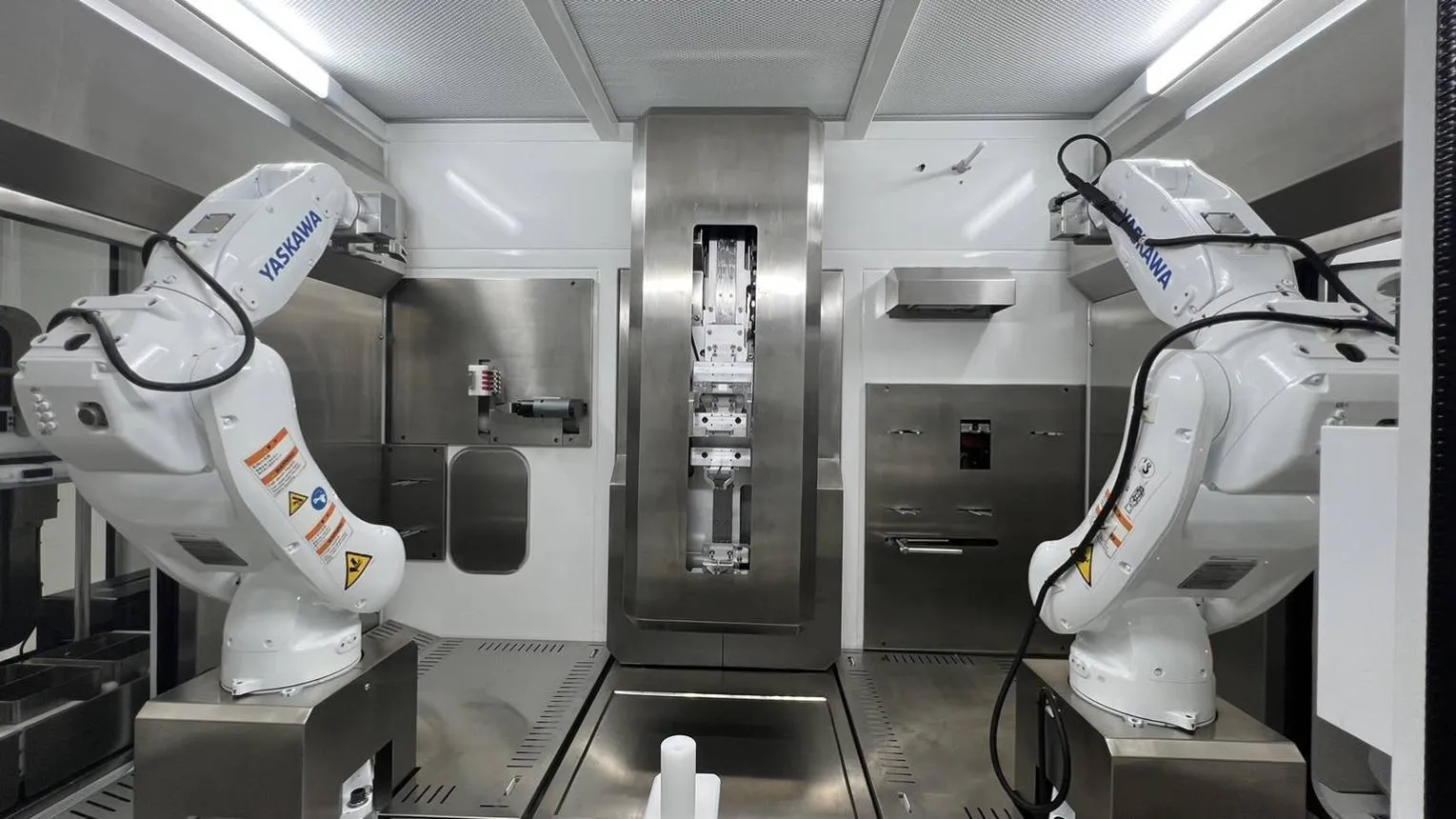
Benefits include:
Importantly, automation must be combined with appropriate cleanroom controls, aseptic procedures, and validated equipment.
D. Improves medication traceability
Traceability means the ability to track a medicine throughout its journey.
Automated pharmacy systems can record:
This information is useful when a medicine batch needs to be recalled or investigated.
E. Prevents access to restricted medicines
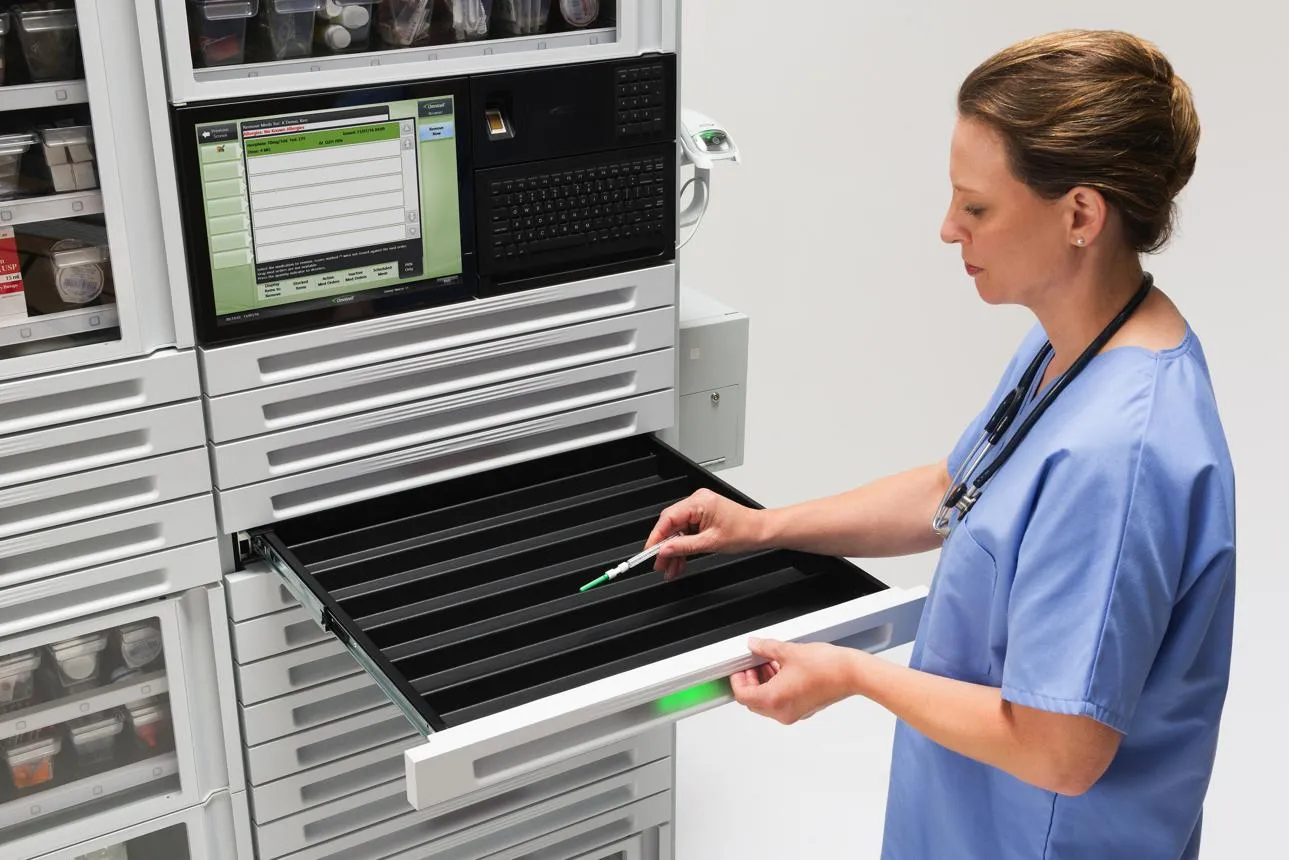
Automated dispensing cabinets provide controlled access to medicines.
They can include:
This helps prevent unauthorized access, medication diversion, and incorrect medicine removal.
2. How robotic pharmacy automation improves pharmacy staff safety
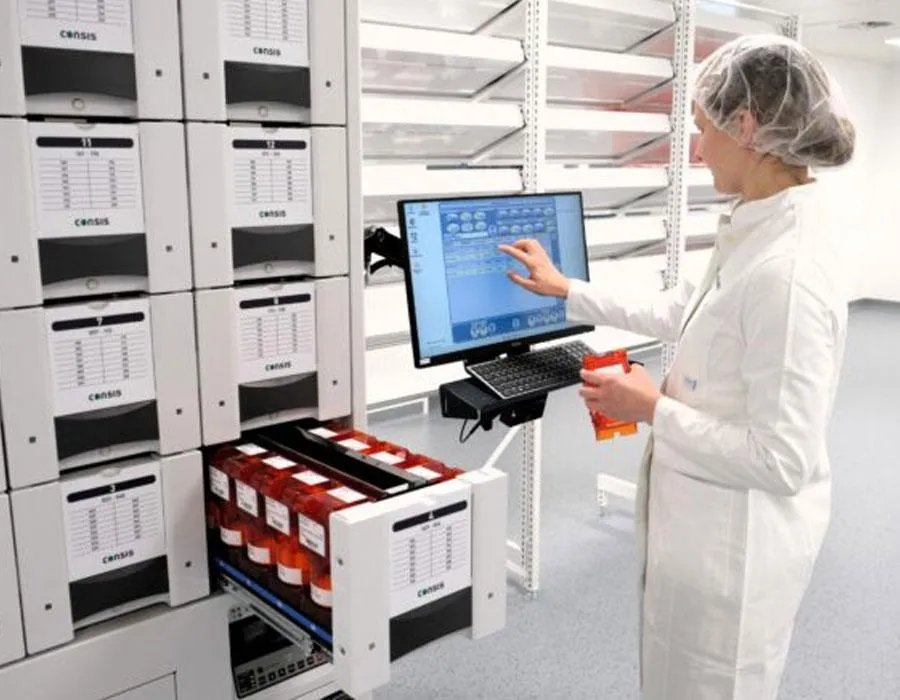
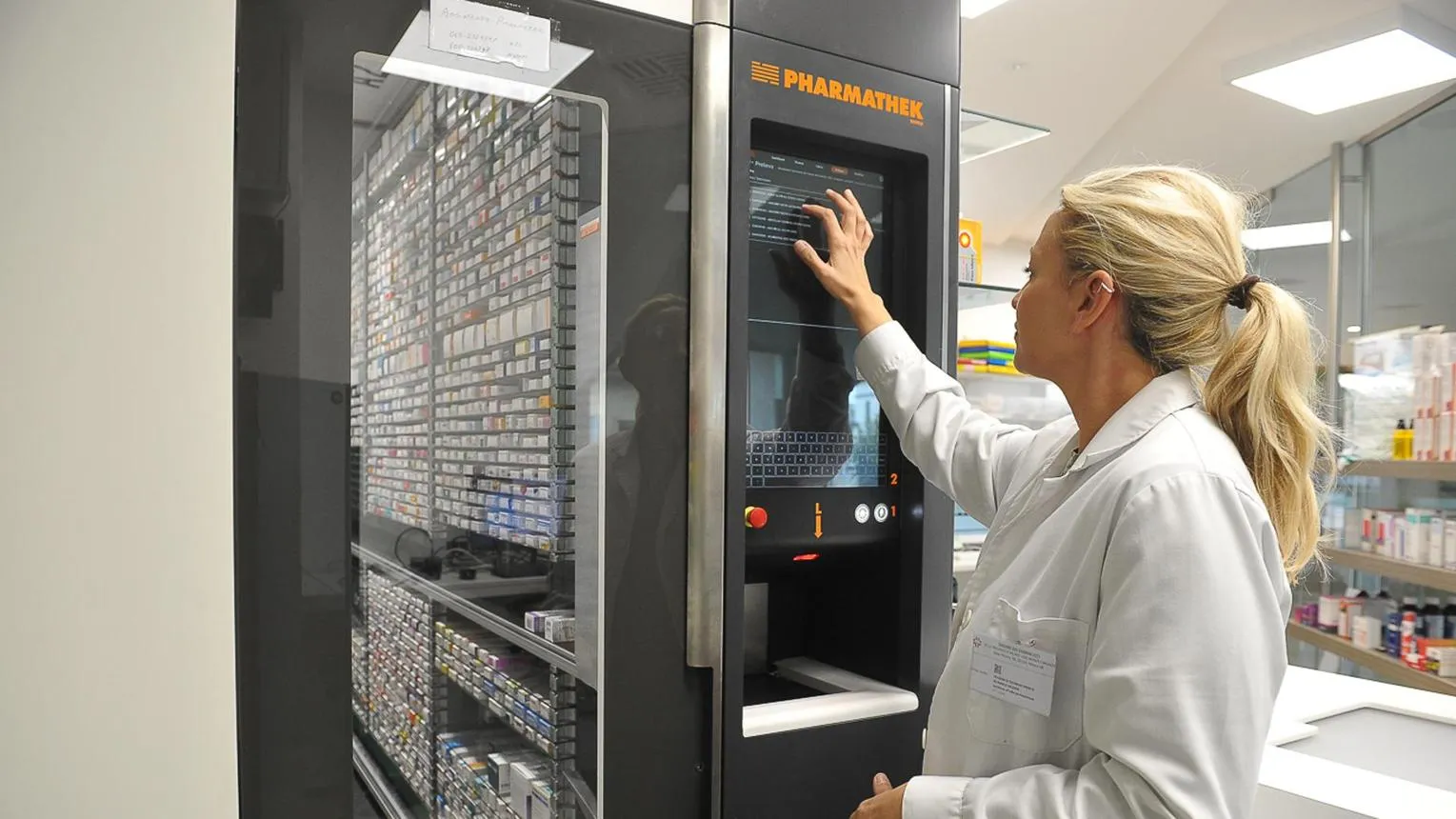
Pharmacy employees regularly perform repetitive and physically demanding tasks. Automation reduces some of these activities and improves workplace safety.
A. Reduces physical workload
In traditional pharmacies, staff frequently:
Robotic storage and retrieval systems can automatically retrieve medicine packages.
Safety benefits:
B. Reduces exposure to hazardous medicines
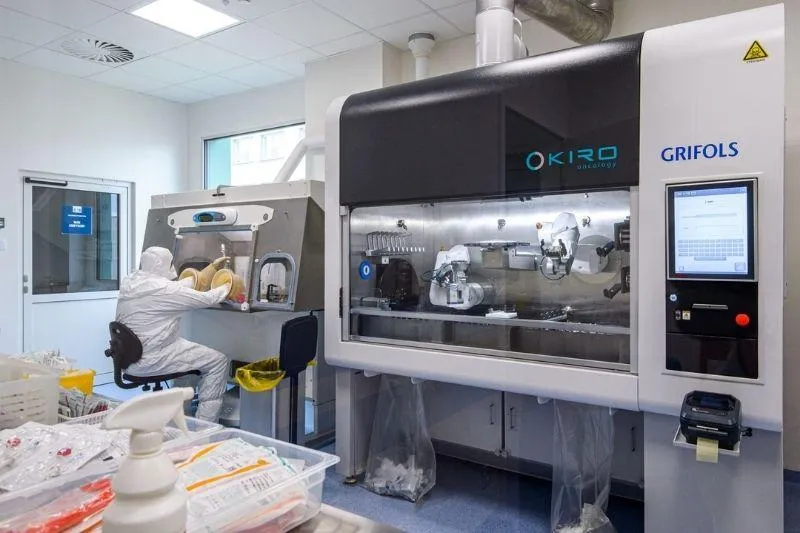
Some pharmaceutical substances can be harmful if inhaled, absorbed through the skin, or accidentally spilled.
Examples include certain:
Robotic compounding and enclosed preparation systems can reduce staff exposure.
Advantages include:
Robots do not eliminate exposure risks; protective equipment, containment procedures, cleaning protocols, and staff training are still essential.
C. Reduces repetitive manual activities
Pharmacy technicians may spend considerable time:
Automation performs many of these repetitive operations.
This can reduce:
D. Improves workplace organization
Automated storage systems organize medicines in designated locations.
This helps:
E. Reduces stress and workload pressure
During peak hospital hours, pharmacy staff may need to process hundreds of medication orders.
Automation can assist by:
Pharmacists can then devote more time to clinical responsibilities, medication counselling, and patient care.
3. Patient safety versus pharmacy staff safety
| Safety aspect | Patient benefits | Staff benefits |
|---|---|---|
| Medication accuracy | Fewer selection and dispensing errors | Less pressure from repetitive checking |
| Barcode verification | Correct medicine identification | Easier verification |
| Robotic retrieval | Reduced selection mistakes | Less manual handling |
| Automated counting | More accurate quantities | Reduced repetitive work |
| Sterile compounding robots | Reduced contamination risks | Reduced exposure to hazardous medicines |
| Secure dispensing cabinets | Reduced unauthorized medication access | Better controlled access |
| Inventory tracking | Reduced risk of expired medicines | Less manual stock checking |
| Automated storage | Better medicine availability | Reduced heavy lifting |
4. Safety technologies used in pharmacy automation
A pharmacy robot retrieves heavy medicine containers from high-density storage, reducing the need for employees to lift heavy boxes or reach high shelves.
Workplace safety
6. Challenges and safety precautions
Although robotic systems improve safety, they introduce new risks that hospitals must manage.
| Potential risk | Recommended precaution |
|---|---|
| Robot malfunction | Preventive maintenance |
| Incorrect medicine loading | Independent loading verification |
| Barcode failure | Manual verification backup |
| Software failure | System validation and downtime procedures |
| Unauthorized access | Authentication and access control |
| Robot movement accidents | Physical safety barriers and emergency stops |
| Cybersecurity threats | Security updates and network protection |
| Incorrect automated preparation | Pharmacist supervision and quality control |
7. How to measure safety improvements
Hospitals can use specific performance indicators to evaluate whether automation is improving safety.
| Indicator | Purpose |
|---|---|
| Medication error rate | Measures dispensing and administration errors |
| Staff injury rate | Measures workplace injuries |
| Hazardous drug exposure incidents | Evaluates occupational safety |
| Near-miss reports | Identifies errors detected before harm |
| Manual handling incidents | Measures physical workload risks |
| Medication contamination incidents | Evaluates preparation safety |
| Unauthorized access incidents | Measures medication security |
8. Overall benefits
Two major outcomes of pharmacy automation
Patient safety
Staff safety
A useful distinction: Patient safety focuses on preventing medication-related harm, while staff safety focuses on preventing occupational injuries, hazardous drug exposure, and workplace-related health problems. Pharmacy automation can improve both simultaneously.
1. Barcode technology
Verifies medicine identity and supports patient-medication matching.
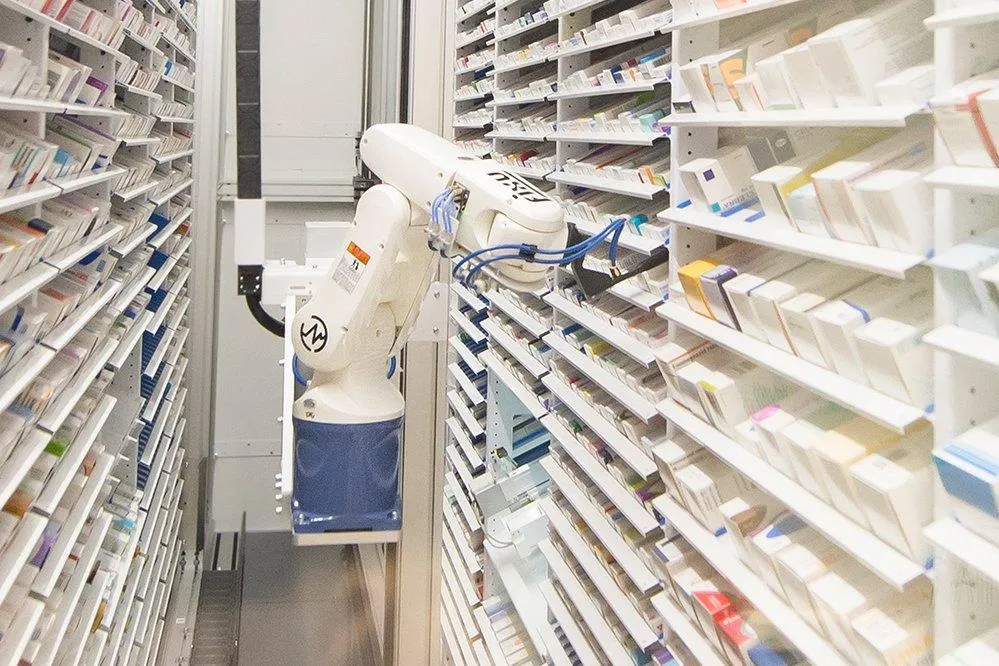
2. Robotic arms
Retrieve and transport medicine packages while reducing repetitive manual handling.
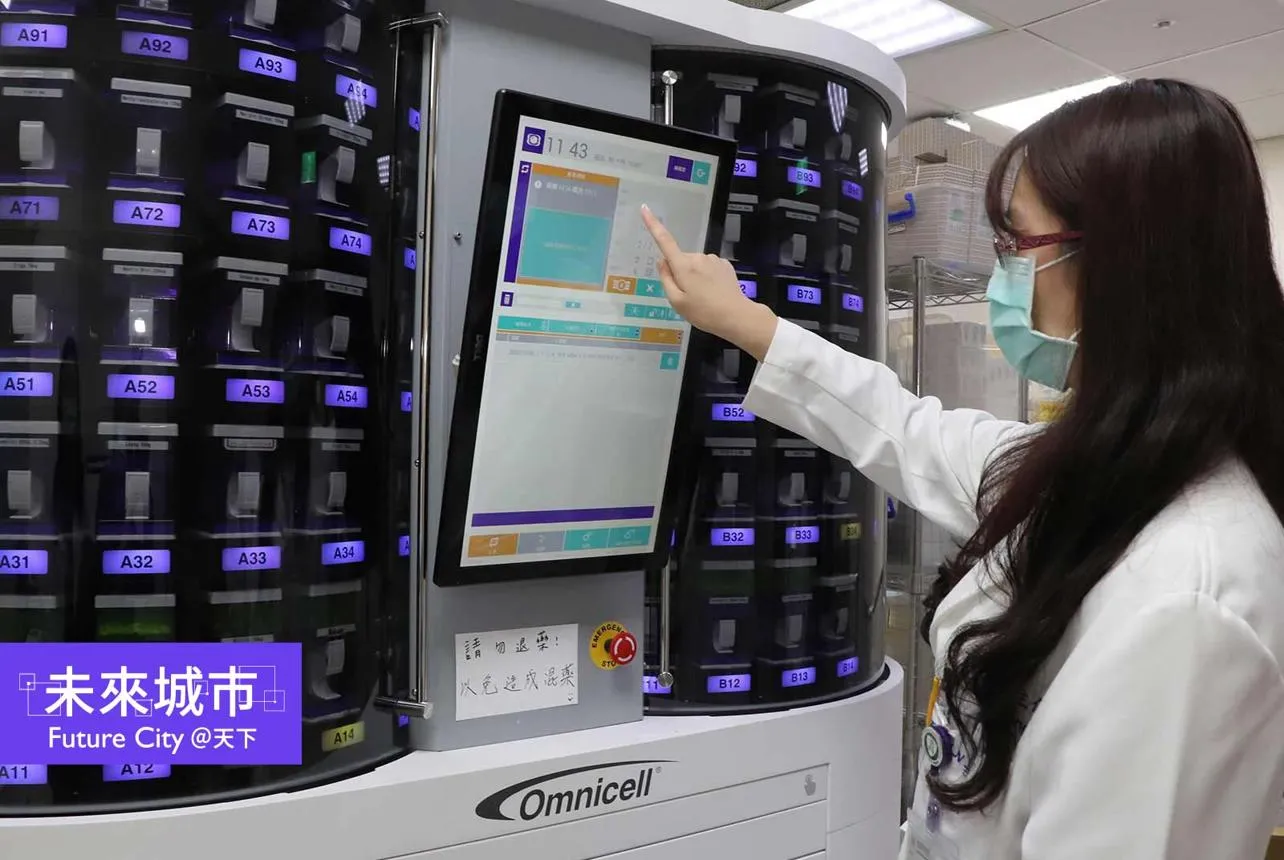
3. Automated dispensing cabinets
Provide secure, controlled access to medicines and maintain transaction records.
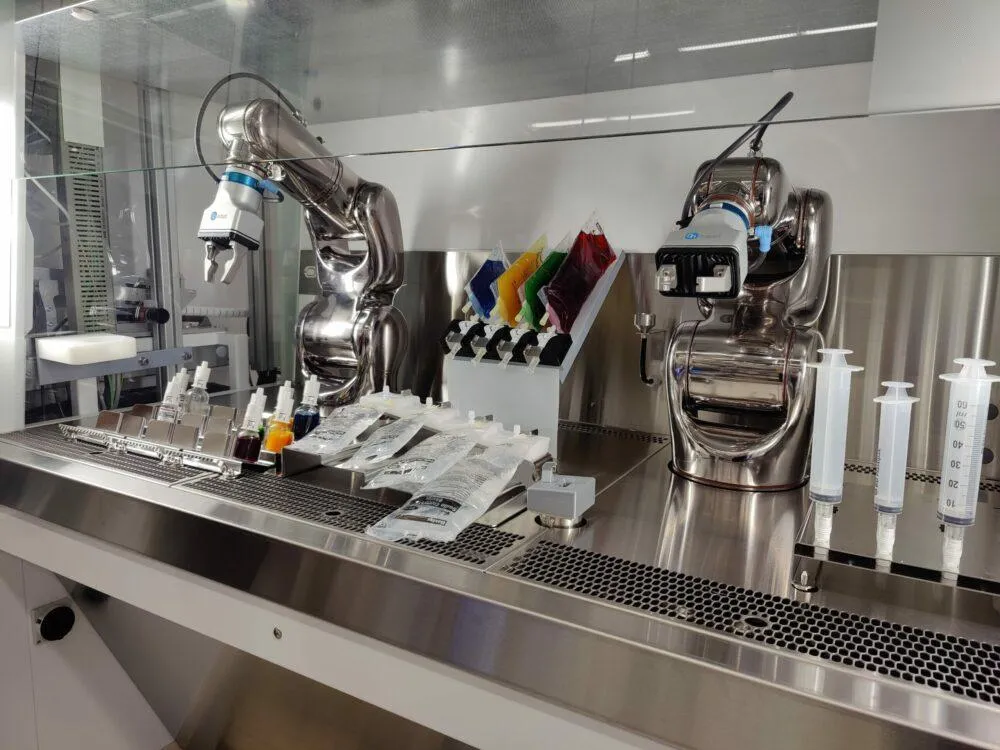
4. Robotic compounding systems
Assist with preparing certain sterile and hazardous medications under controlled conditions.
5. RFID and inventory sensors
Track medicine movement and support stock and expiry monitoring.
5. Real-life hospital examples
Consider three situations where automation improves safety.
Example 1: Preventing wrong medication administration

A nurse scans a patient's wristband and the medication barcode. The system detects that the medicine is not assigned to that patient and generates an alert.
Patient safety
Example 2: Protecting staff from chemotherapy exposure
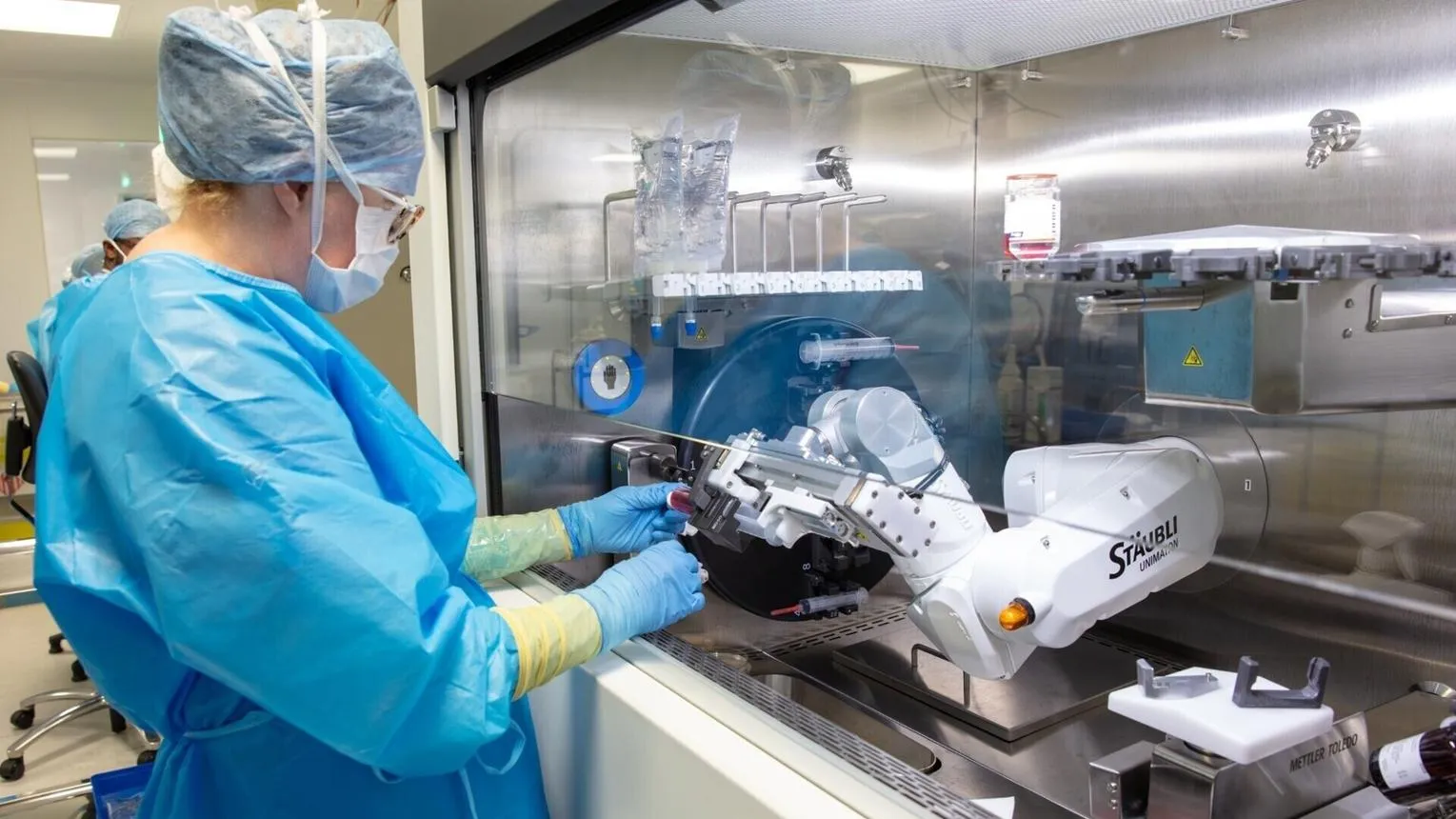
A robotic compounding system prepares certain chemotherapy medications within an enclosed controlled environment, reducing direct staff contact with hazardous substances.
Staff safety
Example 3: Preventing physical injuries
RFID and Barcode Technology in Automated Drug Dispensing
RFID (Radio Frequency Identification) and Barcode Technology are two important technologies used in modern pharmacy automation and robotic drug dispensing systems. These technologies help identify, track, verify, and manage medicines throughout the medication supply chain.
In hospitals, retail pharmacies, and pharmaceutical warehouses, accurate medicine identification is essential to prevent medication errors and ensure patient safety.
Both technologies are used to:
RFID and barcode technologies have similar purposes, but they work differently. Barcode technology uses optical scanning, whereas RFID uses radio waves to identify objects through electronic tags.
2. Barcode Technology in Automated Drug Dispensing

Definition
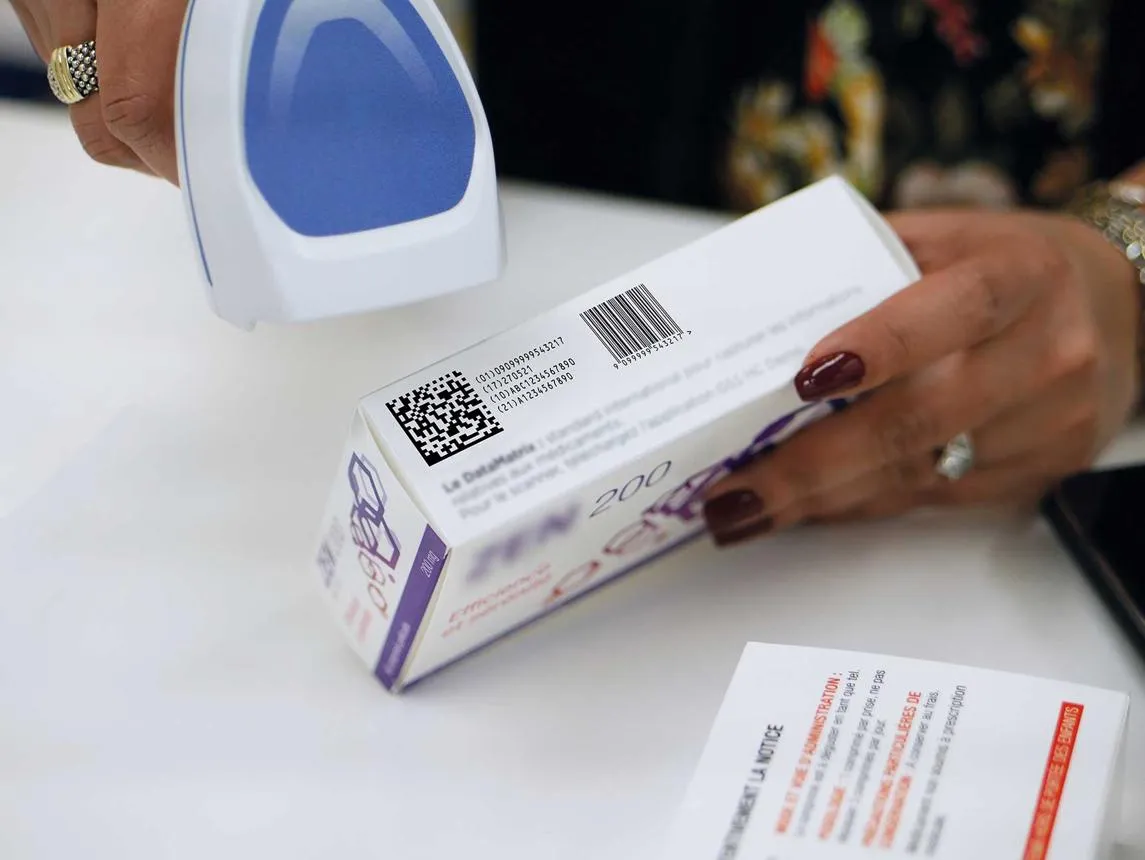
Barcode technology is an automatic identification system that uses printed lines, spaces, or patterns of symbols to represent information about a medicine.
A barcode scanner reads this information and transfers it to pharmacy management software or a hospital information system.
In pharmacy automation, barcodes are used to identify medicines, verify prescriptions, monitor inventory, and confirm medication distribution.
Types of Barcodes Used in Pharmacy
There are two major categories of barcodes used in pharmaceutical applications.
A. 1D Barcode (One-Dimensional Barcode)
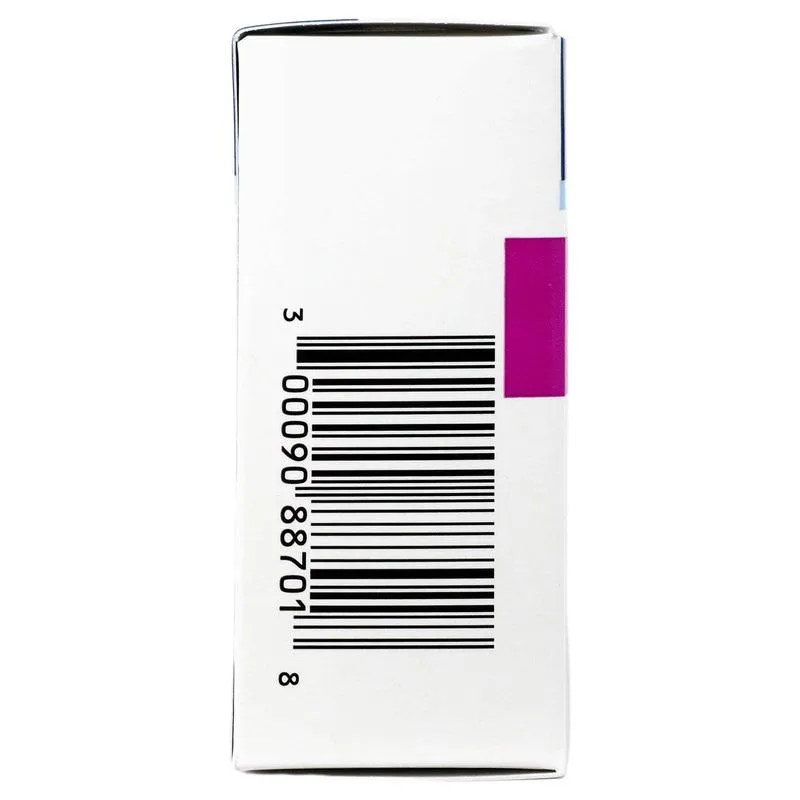
A 1D barcode consists of parallel black lines and white spaces of different widths.
It stores information in a linear format.
Examples:
Uses:
B. 2D Barcode (Two-Dimensional Barcode)
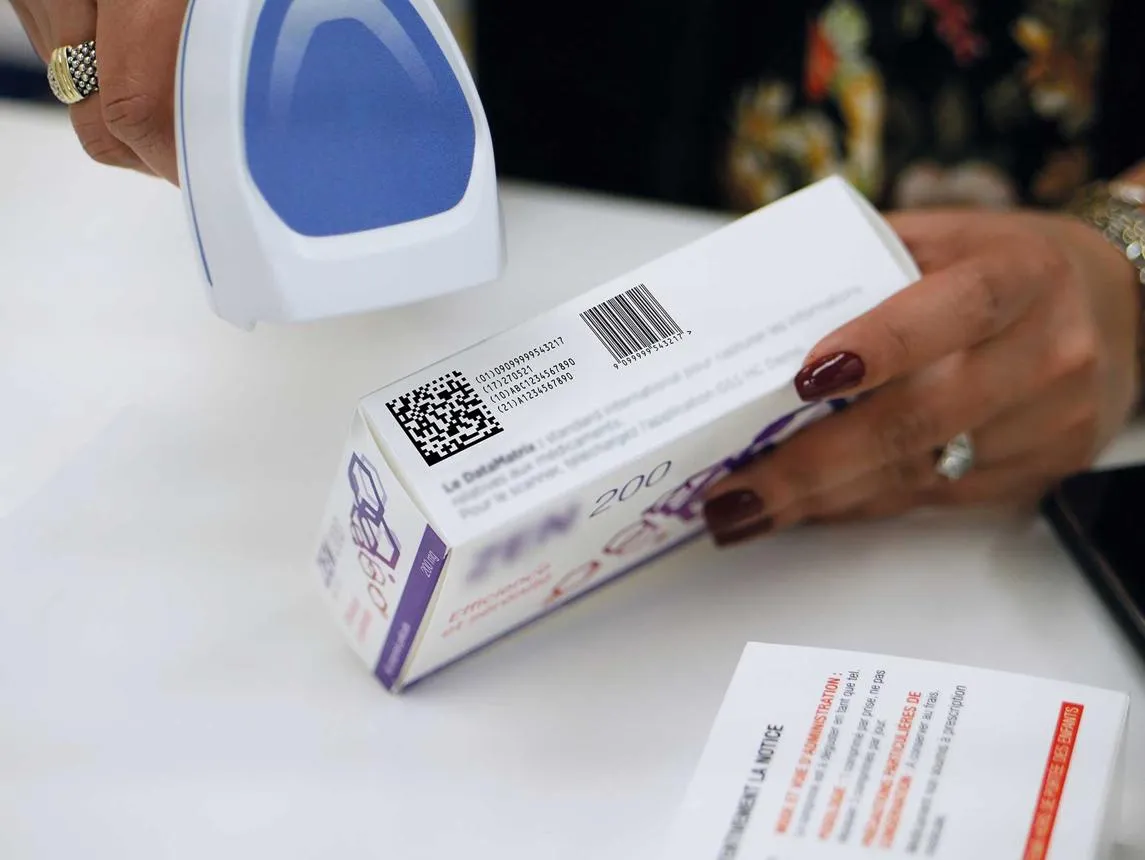
A 2D barcode stores information in a pattern of squares, dots, or other geometric shapes.
The most important example in pharmaceutical packaging is GS1 DataMatrix.
It can contain:
Uses:
Components of a Barcode System
1. Barcode label: Contains encoded medicine information.
2. Barcode scanner: Reads the barcode printed on the medicine package.
3. Computer system: Processes the scanned information.
4. Pharmacy management software: Stores medicine details and prescription information.
5. Database: Maintains records of medicine names, batch numbers, expiry dates, and stock levels.
Working Principle of Barcode Technology
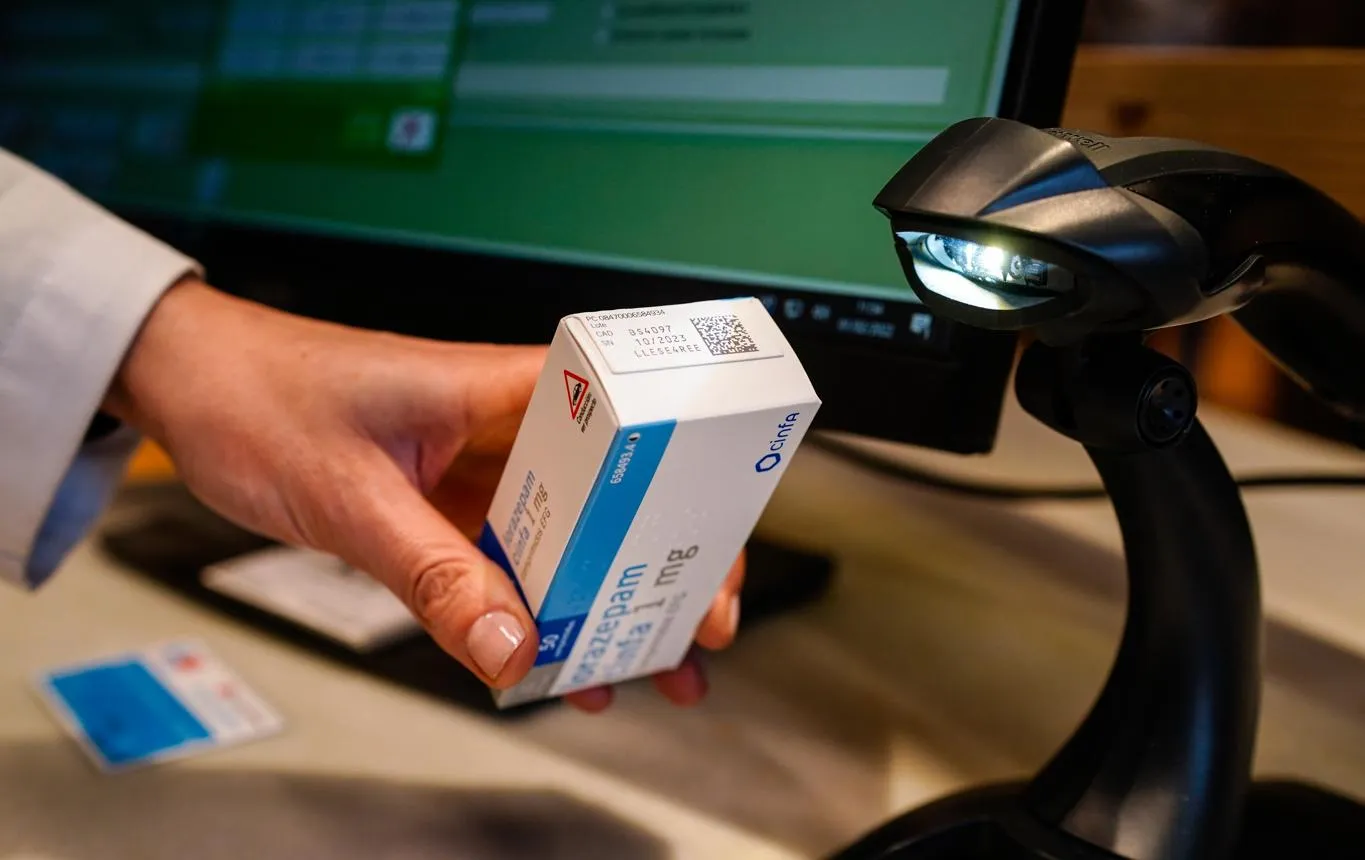
The working process involves the following steps:
1. Barcode generation: A unique barcode is assigned to the pharmaceutical product or package.
2. Barcode printing: The barcode is printed on the medicine packaging or label.
3. Scanning: The barcode scanner reads the barcode when the medicine enters the pharmacy or dispensing system.
4. Data processing: The scanner transfers the encoded information to the computer.
5. Database verification: The system compares the scanned information with the stored medicine details.
6. Medication verification: The system checks whether the selected medicine matches the prescription.
7. Dispensing: Once the required checks are completed, the medicine can proceed to the dispensing stage.
8. Record updating: The system updates inventory and dispensing records.
Applications of Barcode Technology in Pharmacy
Advantages of Barcode Technology
Limitations of Barcode Technology
3. RFID Technology in Automated Drug Dispensing
Definition
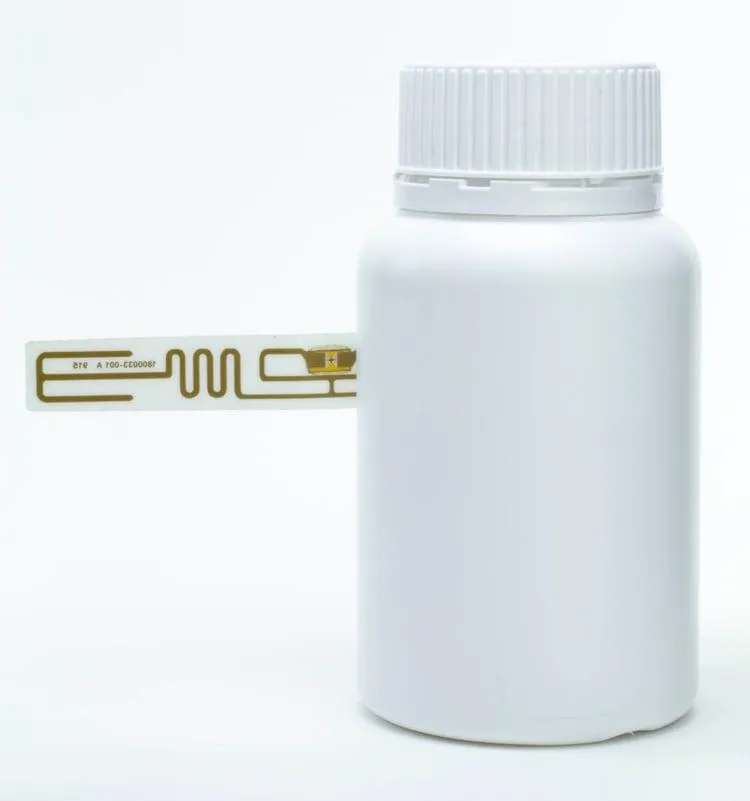
RFID stands for Radio Frequency Identification. It is an automatic identification technology that uses radio waves to identify, track, and monitor medicines and pharmaceutical products.
RFID technology uses small electronic tags attached to medicine packages, containers, or storage units. These tags communicate with RFID readers through radio frequency signals.
Unlike barcode technology, RFID does not always require direct line-of-sight scanning. Multiple RFID-tagged items can often be identified simultaneously, depending on the system and tag type.
In pharmacy automation, RFID helps monitor medicine movement, maintain inventory records, identify products, and improve medication distribution.
Components of an RFID System
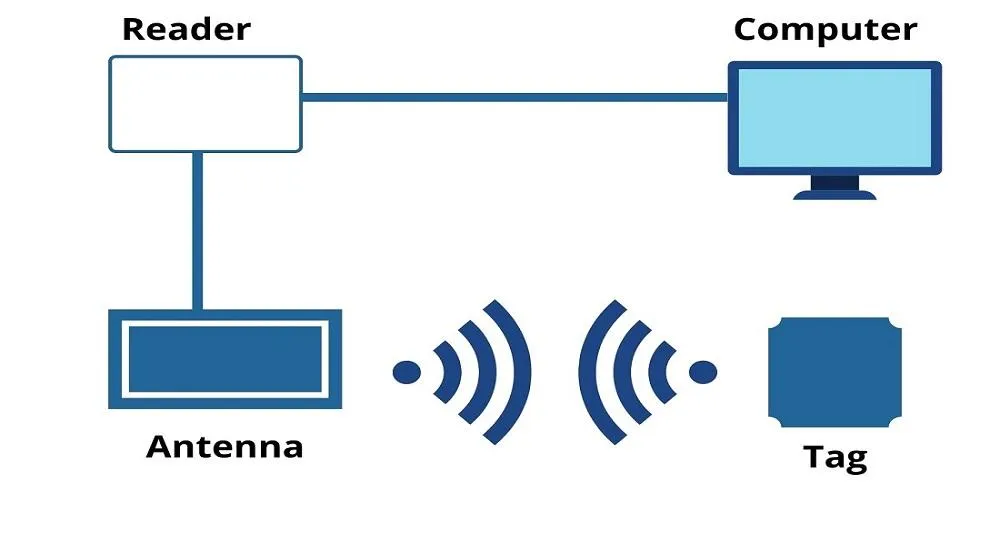
An RFID system mainly consists of five components.
1. RFID Tag
An RFID tag is a small electronic device attached to a medicine package or container.
It contains a microchip and an antenna.
It stores or provides access to information such as:
2. RFID Reader
The RFID reader is an electronic device that sends radio frequency signals and receives information from RFID tags.
It identifies medicines without requiring the scanner to physically touch the package.
3. RFID Antenna
The antenna transmits and receives radio frequency signals between the RFID reader and RFID tags.
4. Computer or Processing Unit
It processes the information received from the RFID reader and transfers it to the pharmacy management system.
5. Pharmacy Management Software
The software maintains information about:
Types of RFID Tags
RFID tags are classified into three major types.
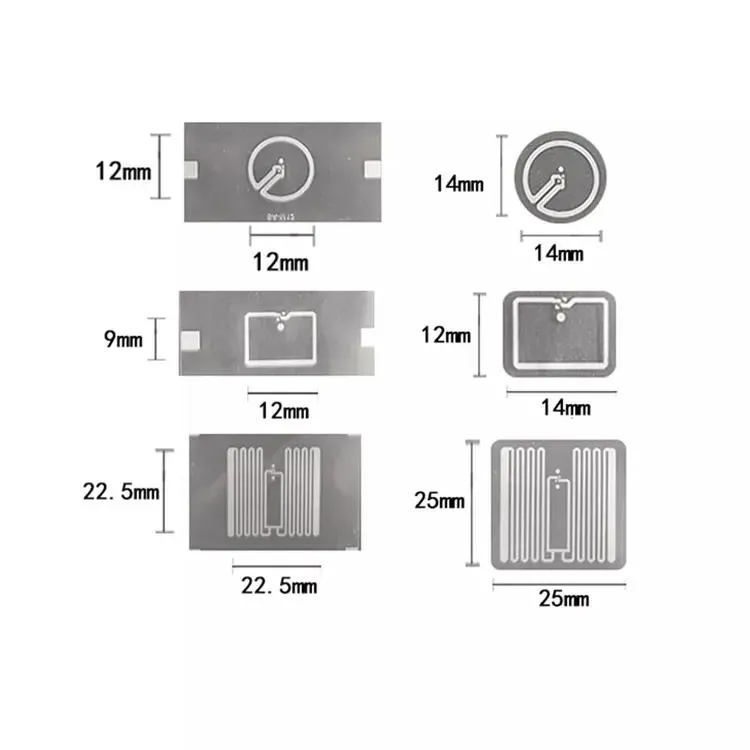
A. Passive RFID Tags
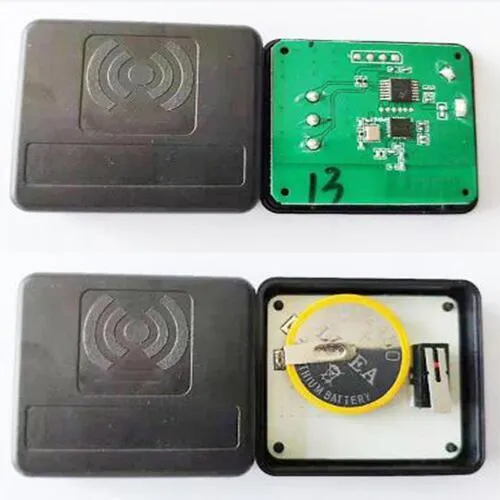
B. Active RFID Tags
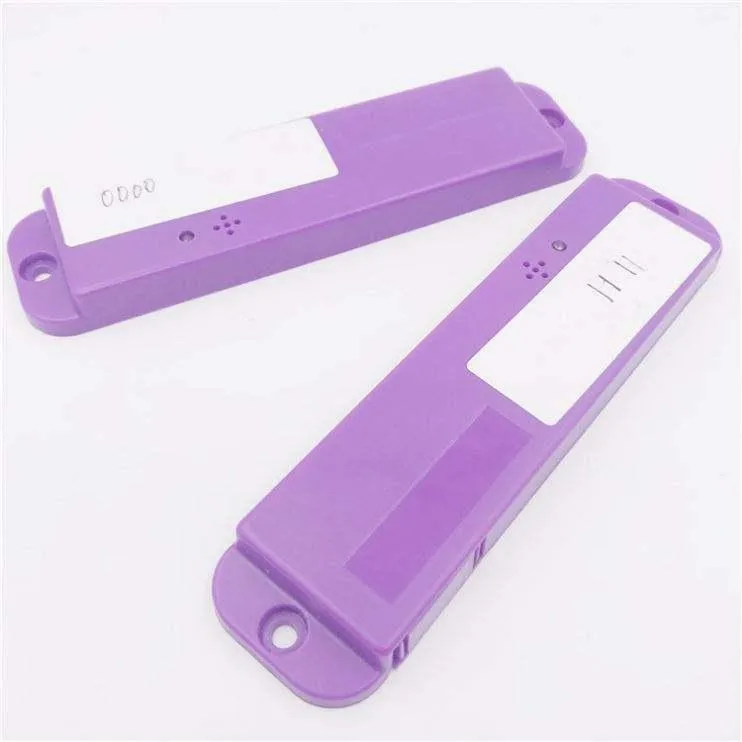
C. Semi-Passive RFID Tags
RFID systems operate at different radio frequencies.
| RFID type | Frequency | Common applications |
|---|---|---|
| LF (Low Frequency) | 125–134 kHz | Access control and specialized identification |
| HF (High Frequency) | 13.56 MHz | Smart cards and selected healthcare applications |
| UHF (Ultra High Frequency) | 860–960 MHz | Pharmaceutical inventory and supply-chain tracking |
UHF RFID is particularly useful for identifying multiple tagged medicine packages within a reading zone.
3.5 Working Principle of RFID Technology
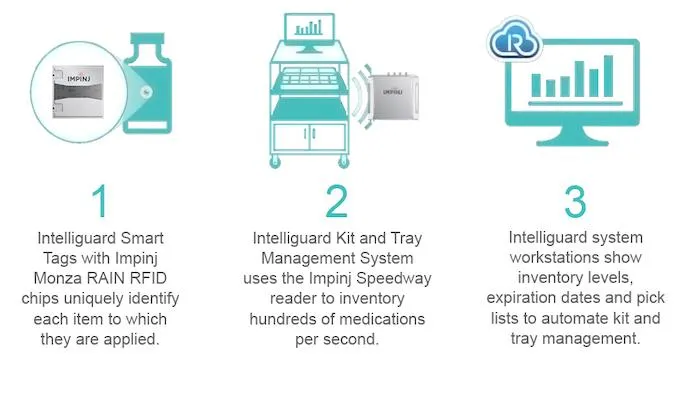
The working process involves the following steps:
1. Tagging: An RFID tag is attached to the medicine package or container.
2. Information storage: The tag contains a unique identification number and may contain additional product information.
3. Signal transmission: The RFID reader generates radio frequency signals through its antenna.
4. Tag activation: A passive RFID tag receives energy from the reader's signal.
5. Data communication: The tag responds by transmitting its identification information.
6. Data processing: The reader sends the received information to the computer system.
7. Database verification: Pharmacy software matches the RFID information with the medicine database.
8. Medicine tracking: The system records the medicine's location, stock movement, and dispensing status.
9. Inventory updating: The pharmacy database updates the medicine inventory.
Applications of RFID Technology in Pharmacy
1. Automated medicine inventory management
RFID helps identify and track medicine stock in pharmacy storage areas. It can reduce the time required for manual stock counting.
2. Medicine tracking
RFID tags help track medicines from pharmaceutical warehouses to hospitals, pharmacies, and dispensing areas.
3. Expiry date monitoring
When expiry information is stored on the tag or linked to the database, the system can identify medicines approaching their expiry date.
4. Prevention of medication errors
RFID can be integrated with automated dispensing systems to verify medicine identity before dispensing.
5. Prevention of counterfeit medicines
RFID-based identification and serialization can support product authentication and supply-chain traceability. However, RFID alone cannot guarantee that a medicine is genuine.
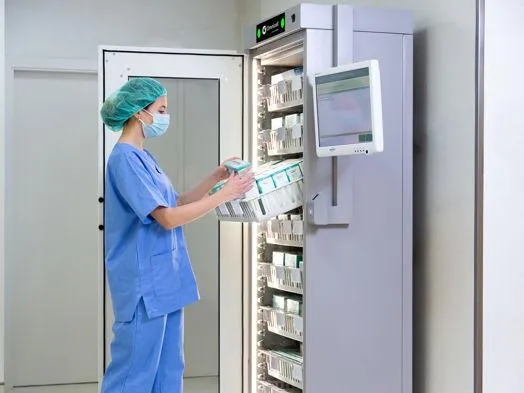
6. Automated dispensing cabinets
RFID-enabled cabinets can identify tagged medicines and record their removal or return, depending on the system design.
7. Cold-chain monitoring
RFID systems with suitable temperature sensors can help monitor temperature-sensitive medicines, such as certain vaccines and biological products.
Advantages of RFID Technology
Limitations of RFID Technology
• Difference Between RFID and Barcode Technology
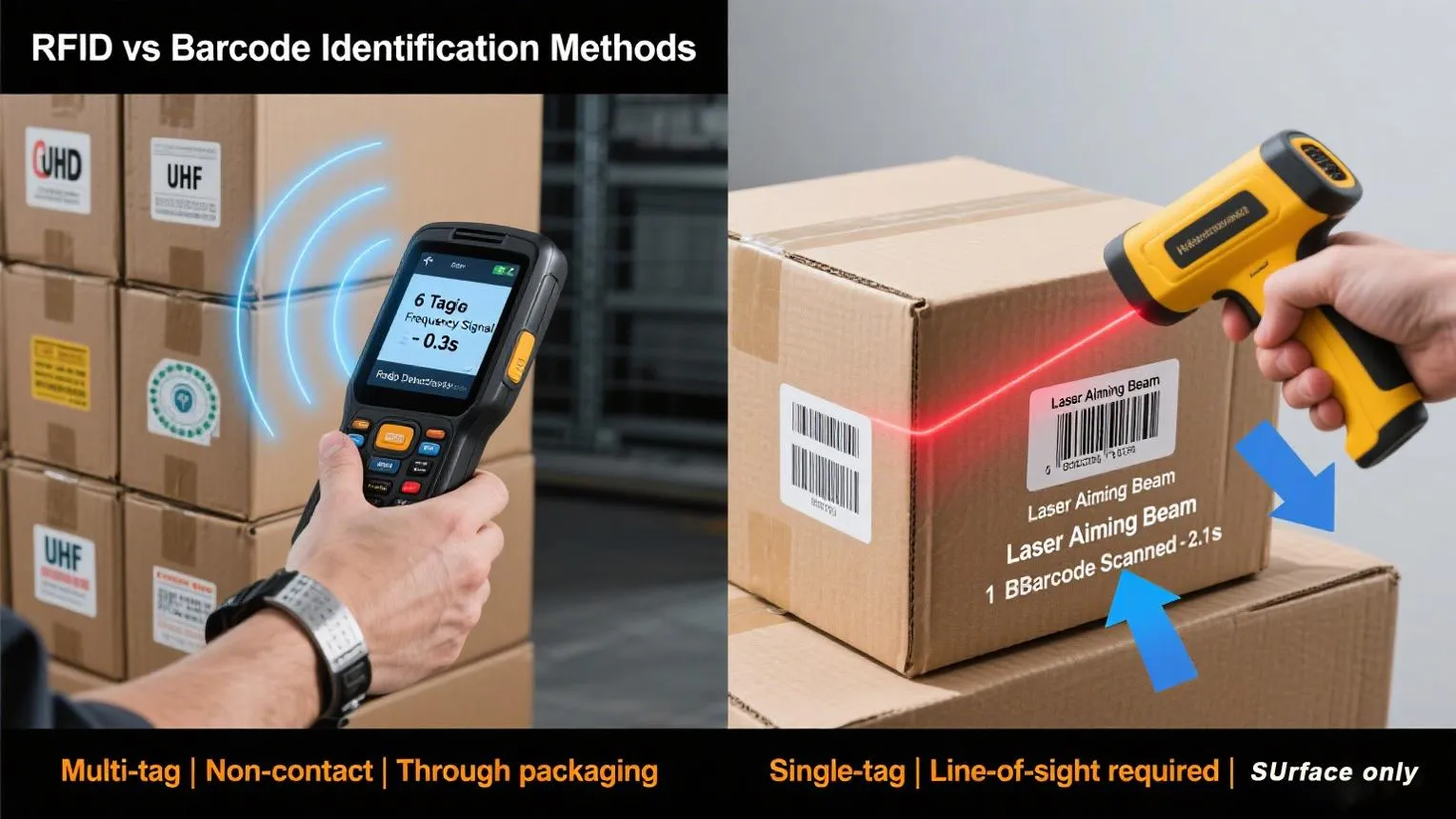
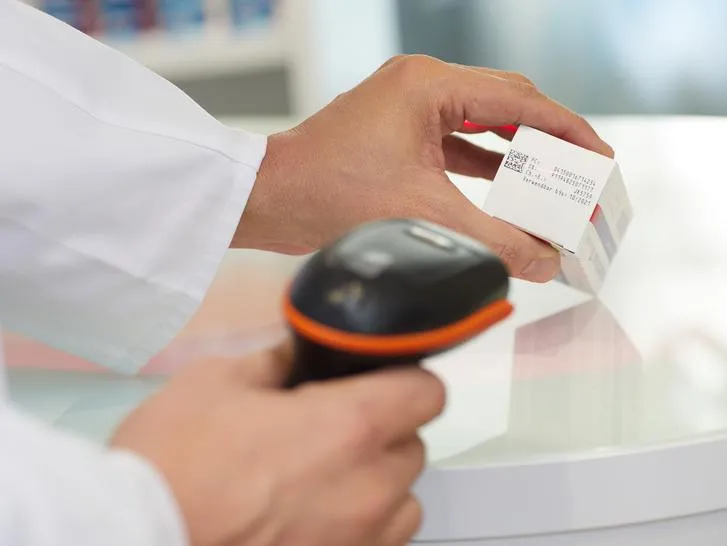
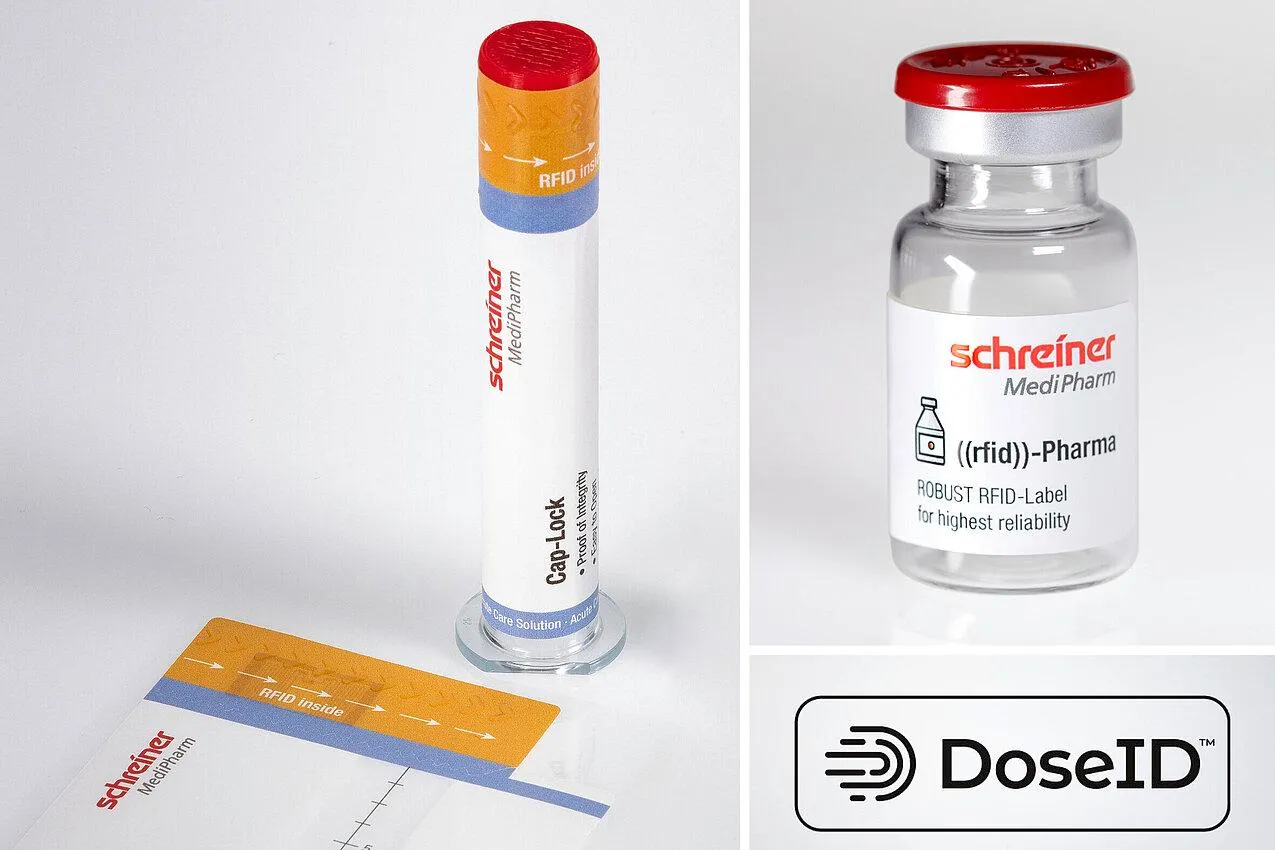
Both technologies are important in automated drug dispensing, but they differ in their working principles and applications.
| Features | Barcode technology | RFID technology |
|---|---|---|
| Full form | Barcode identification | Radio Frequency Identification |
| Technology | Optical scanning | Radio frequency signals |
| Scanning | Requires optical visibility | Usually does not require line of sight |
| Data reading | Generally one item at a time | Multiple tags can be read simultaneously |
| Storage | Printed code | Electronic tag |
| Modification | Printed code cannot be changed | Some RFID tags support rewriting |
| Cost | Generally low | Generally higher |
| Damaged label | May become unreadable | Tag may still work if undamaged |
| Tracking | Requires scanning at checkpoints | Can support automated detection at reader locations |
| Battery | Not required | Depends on tag type |
| Applications | Medicine identification and verification | Inventory tracking and automated identification |
5. Integration of RFID and Barcode Technology in Robotic Drug Dispensing
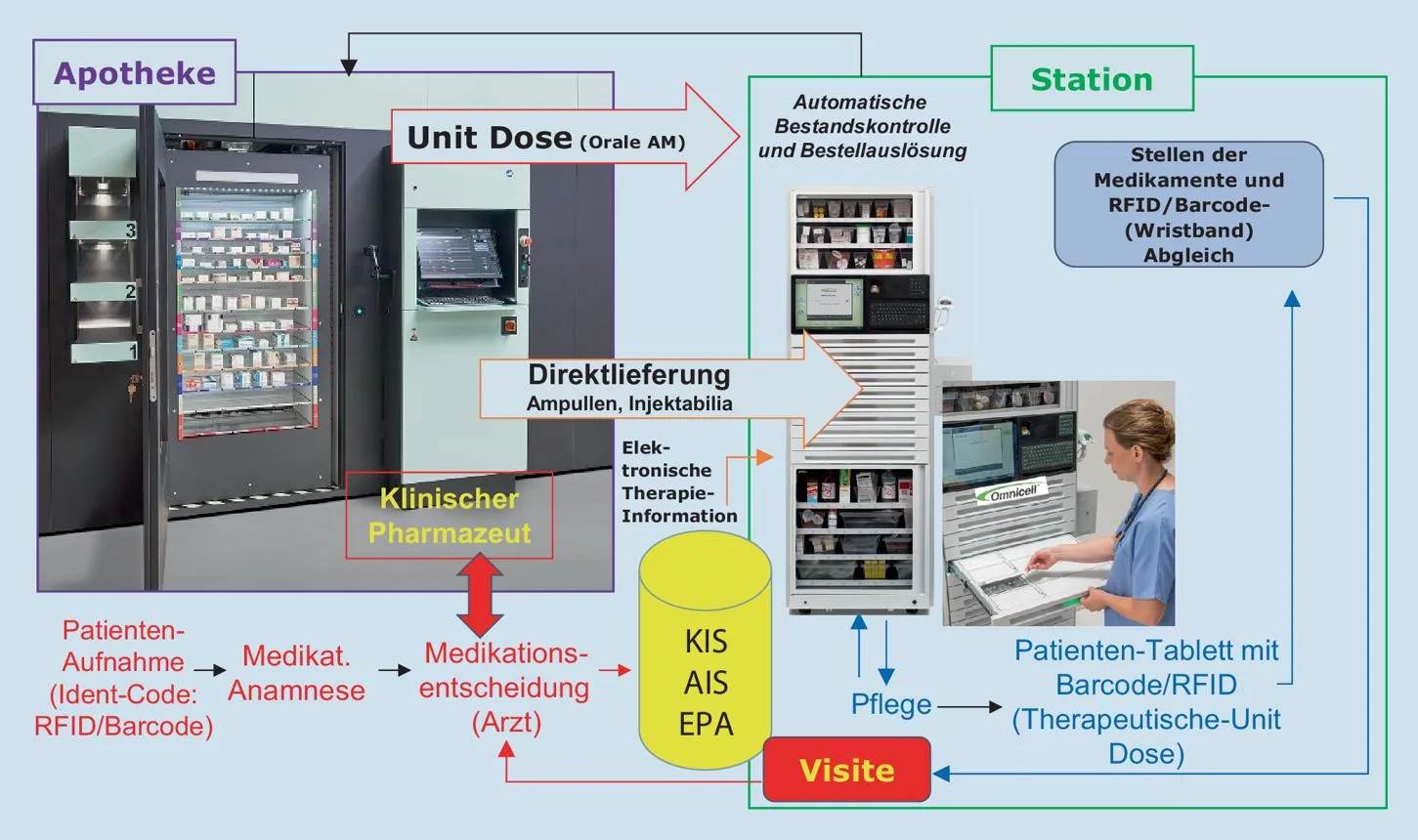
RFID and barcode technologies can be integrated into a single robotic pharmacy automation system.
Both technologies complement each other by providing accurate medicine identification and tracking.
Working Process of Integrated RFID and Barcode Technology
Step 1: Prescription Entry
Prescription details are entered into pharmacy management software.
Step 2: Barcode Verification
The medicine barcode is scanned to verify product identity and prescription details.
Step 3: RFID Identification
RFID readers identify tagged medicines and support automated tracking.
Step 4: Robotic Medicine Selection
The robotic system retrieves the required medicine from storage.
Step 5: Final Verification
Medicine identity and dispensing details are checked before release.
Step 6: Safe Dispensing
The medicine is dispensed, and the inventory database is updated.
Example
Consider a hospital pharmacy receiving a prescription for 10 tablets of a particular antibiotic.
This integration helps improve medicine identification, inventory management, and dispensing accuracy.
Note: The exact workflow depends on the equipment. Not every robotic pharmacy uses both RFID and barcode technology, and barcode or RFID identification does not replace pharmacist verification.
6. Role of RFID and Barcode Technology in Patient Safety
These technologies contribute to patient safety in several ways:
| Safety aspect | Role of technology |
|---|---|
| Right medication | Verifies medicine identity |
| Right patient | Supports patient identification through wristband barcodes or RFID |
| Right dose | Checks prescribed dose against dispensing records |
| Right route | Supports verification of medication administration instructions |
| Right time | Helps track scheduled medication administration |
| Expiry monitoring | Identifies expired or near-expiry medicines using recorded data |
| Drug recalls | Supports batch and serial number traceability |
These functions support the traditional five rights of medication administration: right patient, right drug, right dose, right route, and right time.
7. Future Scope of RFID and Barcode Technology in Pharmacy Automation
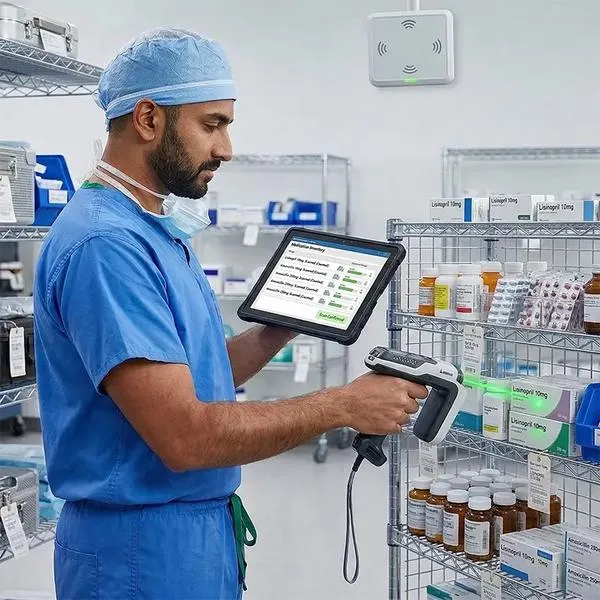
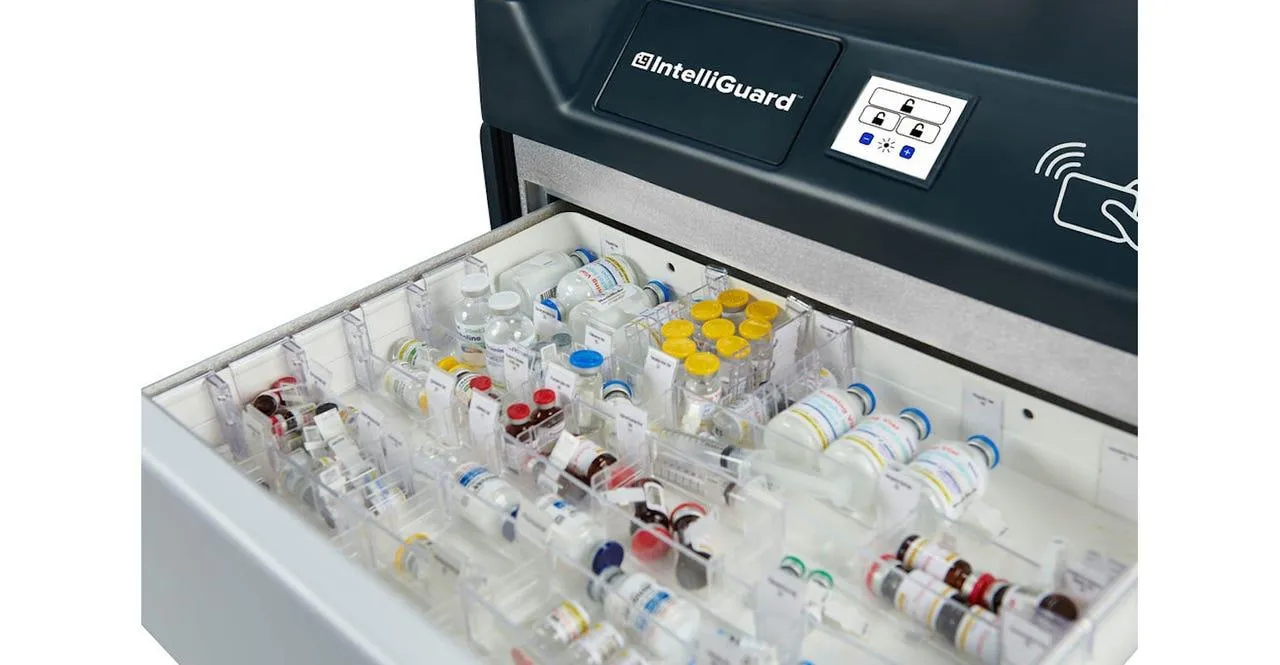
Limitations and Challenges
Despite its benefits, robotic drug dispensing presents several challenges: High initial investment installing, and integrating robotic systems can. Maintenance requirements: Equipment requires regular servicing, software updates and technical support. Technical failures: Equipment breakdown some workout ages can interrupt medication distribution. Staff training: Pharmacists and pharmacy technicians need training to operate and monitor the systems. Integration difficulties: Connecting robotics with electronic health records and hospital information systems maybe complex. Medication safety risks: Incorrect inventory data, barcode mismatches, software configuration errors, appropriate over rides can lead to errors. Reduced flexibility: Some systems may be less suitable for unusual dosage forms, urgent requests, or complex medication preparation. Professional accountability : Pharmacists remain responsible for appropriate clinical review and must follow applicable institutional policies and regulations. Role in Improving Patient Safety Robotic dispensing can contribute to patient safety through standardized medication handling and improved traceability. Key safety measures include: Barcode verification of medication identity. Accurate labelling of medication packages. Appropriate pharmacist review of medication orders. Monitoring of stock levels and expiry dates.
Electronic documentation of dispensing activities. Regular equipment enhance and system validation. Staff training and periodic safety audits.
CONCLUSION :
Robotic drug dispensing and pharmacy automation have become important technological advancements in modern pharmacy practice. These systems integrate robotics, computerized software, barcode scanning, and artificial intelligence to improve dispensing accuracy, enhance medication safety, reduce repetitive manual work, and optimize inventory management. Their applications in hospital and community pharmacies support efficient medication distribution, accurate packaging and labelling , and improved medication traceability. Further more ,the integration of artificial intelligence offers opportunities for better prescription processing, inventory forecasting, and workflow optimization, allowing pharmacists to focus more on patient counselling and clinical pharmacy services. Despite these benefits, challenges such as high initial investment, maintenance costs, technical failures, staff training requirements, and cyber security concerns must be addressed. Effective implementation requires appropriate system validation, regular maintenance, staff education, and compliance with applicable regulations. Pharmacists continue to play a vital role in prescription verification, medication safety monitoring, and clinical decision-making. In conclusion, robotic drug dispensing and pharmacy automation have significant potential to improve the quality, efficiency, and safety of pharmaceutical care
REFERENCES

Maithili Avinash Deshmukh, Rohan R. Kherud, Mrunal P. Ghughe, Ashwini C. Bornare, Akanksha S. Dare, Prachi K. Chaudhadri, Jay D. Gaikwad, Aditi N. Dhepe, “Robotic Drug Dispensing and Pharmacy Automation: Transforming Medication Management Through Advanced Technology”, Int. J. Sci. R. Tech., 2026, 3 (11), 995-1032. https://doi.org/10.5281/zenodo.24457565
 10.5281/zenodo.24457565