

We use cookies to ensure our website works properly and to personalise your experience. Cookies policy
Department of Pharmaceutics, Sree Abirami College of Pharmacy, Coimbatore, India
Justicia adhatoda L. commonly known as Vasaka or Malabar nut, is an important medicinal plant traditionally used for the management of respiratory disorders such as cough, bronchitis, and asthma. The leaves contain biologically active phytoconstituents, particularly quinazoline alkaloids such as vasicine and vasicinone, along with flavonoids, tannins, and other secondary metabolites, which contribute to its reported expectorant, bronchodilatory, anti-inflammatory, antioxidant, and antimicrobial activities. The present study focuses on the formulation and evaluation of oral hard gelatine capsules containing Justicia adhatoda leaf extract as a convenient and standardised herbal dosage form. The leaf material is subjected to suitable extraction procedures, followed by preliminary phytochemical evaluation to identify the major bioactive constituents. The prepared extract is formulated into hard gelatine capsules using appropriate pharmaceutical excipients and evaluated for relevant physicochemical and pharmaceutical parameters, including appearance, weight variation, moisture content, flow properties, drug/extract content, disintegration, and dissolution characteristics. The developed formulation is intended to provide accurate dosing, improved patient acceptability, masking of unpleasant taste and odour, and convenient oral administration. The study aims to establish a suitable herbal capsule formulation and explore the therapeutic potential of J. adhatoda leaf extract, thereby contributing to the development of a scientifically evaluated and patient-friendly herbal pharmaceutical dosage form.
Herbal medicinal plants are plants that contain naturally occurring bioactive compounds with therapeutic and health-promoting properties. For centuries, these plants have been used in traditional systems of medicine such as Ayurveda, Siddha, Unani, and Traditional Chinese Medicine for the prevention and treatment of various diseases. Plant parts including leaves, roots, stems, bark, flowers, fruits, seeds, and rhizomes are commonly used to prepare herbal medicines.[1] Medicinal plants contain important phytochemicals such as alkaloids, flavonoids, tannins, terpenoids, saponins, glycosides, phenolic compounds, and essential oils, which are responsible for various pharmacological activities. These activities may include antioxidant, anti-inflammatory, antimicrobial, antidiabetic, hepatoprotective, analgesic, and immunomodulatory effects. The growing interest in herbal medicine is mainly due to the increasing demand for natural healthcare products, traditional knowledge, and the potential of medicinal plants as sources of new therapeutic agents. However, proper identification, authentication, standardisation, quality control, safety evaluation, and scientific validation are essential to ensure the efficacy and safe use of herbal medicinal plants. Thus, medicinal plants play an important role in modern healthcare and pharmaceutical research, particularly in the discovery and development of novel herbal formulations and phytopharmaceuticals. Justicia adhatoda L., commonly known as Vasaka or Malabar nut, is a medicinal plant belonging to the family Acanthaceae.[2]
It is widely used in Ayurveda, Siddha, and other traditional systems of medicine.The leaves of Justicia adhatoda contain several biologically active phytoconstituents, particularly quinazoline alkaloids such as vasicine and vasicinone, along with flavonoids, tannins, saponins, and other phenolic compounds. These constituents have been associated with various pharmacological activities, including expectorant, bronchodilatory, anti-inflammatory, antioxidant, antimicrobial, and antitussive effects.Traditionally, the leaves and their preparations have been used mainly in the management of respiratory disorders such as cough, bronchitis, asthma, and other conditions involving excessive mucus production. Despite its established traditional use, the therapeutic effectiveness of herbal extracts can be influenced by factors such as dose, stability, extraction method, bioavailability, and patient compliance. Therefore, developing a suitable pharmaceutical dosage form is essential for delivering the herbal extract in a convenient, stable, and reproducible manner. Oral hard gelatin capsules offer several advantages, including accurate dose administration, ease of swallowing, improved patient acceptability, protection of the formulation from environmental factors, and suitability for encapsulating powdered or dried plant extracts.[3]
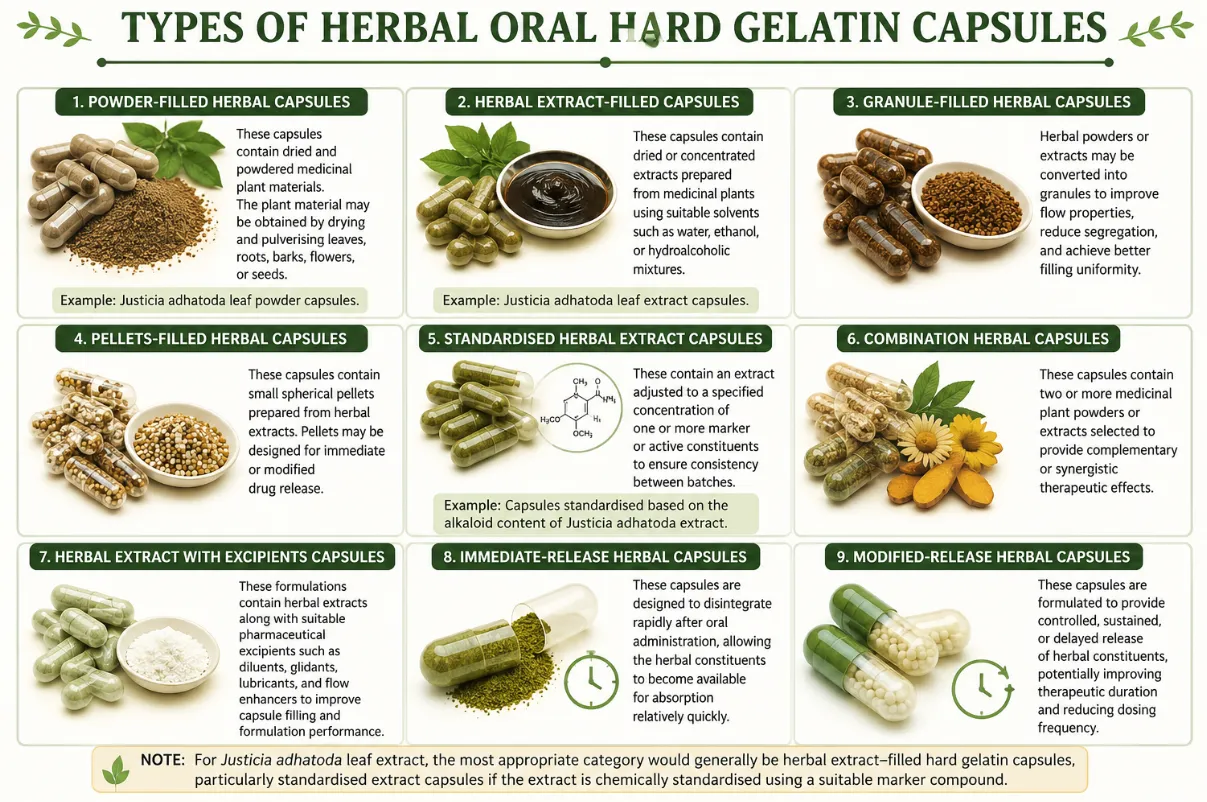
Figure 1: Types of Herbal Oral Hard Gelatine Capsule
The present study focuses on the formulation and evaluation of oral hard gelatin capsules containing Justicia adhatoda leaf extract. The study aims to develop a standardised herbal capsule formulation and evaluate its physicochemical and pharmaceutical characteristics to ensure quality, stability, and consistency. The formulated capsules may provide a convenient dosage form for the oral administration of J. adhatoda leaf extract and contribute to the development of scientifically validated herbal pharmaceutical preparations.Oral hard gelatin capsules are solid unit dosage forms consisting of a hard gelatin shell that encloses a pharmaceutical formulation in the form of powder, granules, pellets, or, in some cases, other suitable solid materials. They are widely used in pharmaceutical formulations because they provide an accurate and convenient method for administering active pharmaceutical ingredients and herbal extracts.
Hard gelatin capsules are generally composed of two parts: a body and a cap, which are manufactured from gelatin and fitted together after filling. The gelatin shell may also contain water, colouring agents, opacifying agents, and other permitted excipients. The capsule shell protects the contents from environmental factors and helps mask unpleasant tastes and odours associated with certain drugs and herbal extracts.
One of the major advantages of hard gelatin capsules is their ability to accommodate a wide range of formulations, particularly powders and dried plant extracts. They offer accurate dosing, ease of administration, good patient acceptability, rapid disintegration, and relatively simple manufacturing. Compared with tablets, capsules generally require fewer formulation steps and can be particularly suitable for herbal products where taste and odour masking are important.
In herbal medicine development, hard gelatin capsules provide a convenient dosage form for standardised plant extracts. They can improve patient compliance and facilitate the administration of a defined quantity of herbal material. The quality of the final capsule formulation depends on factors such as powder flow properties, moisture content, particle size, bulk density, capsule size, fill weight, disintegration, and dissolution characteristics.
Therefore, the formulation and evaluation of oral hard gelatin capsules containing medicinal plant extracts is an important approach in the development of modern herbal pharmaceutical products. In the present study, hard gelatin capsules are explored as a suitable oral dosage form for the incorporation of Justicia adhatoda leaf extract, with the aim of developing a convenient, stable, and therapeutically promising herbal formulation.[4]
MATERIALS AND METHODS
Collection and Authentication of Plant Material: Fresh leaves of Justicia adhatoda Linn. were collected from agricultural areas near Thrissur, Kerala, India. The plant material was authenticated by the Botanical Survey of India, Southern Regional Centre, Coimbatore, and a voucher specimen was deposited in the institutional herbarium of Sree Abirami College of Pharmacy for future reference. The leaves were washed, shade-dried at room temperature for two weeks, pulverized using a mechanical grinder, and stored in airtight containers until extraction.
Preparation of Plant Extract: The powdered leaves were extracted using ethanol or a suitable hydroalcoholic solvent by maceration or Soxhlet extraction. For maceration, the powder was soaked in the solvent at a ratio of 1:5–1:10 (w/v) for 3–7 days with intermittent shaking. For Soxhlet extraction, the powdered material was extracted continuously for approximately 6–8 hours. The extracts were filtered, concentrated under reduced pressure using a rotary evaporator at a controlled temperature, and dried to obtain a semisolid or dry extract. The percentage yield was calculated as:
Percentage yield (%) = (Weight of dried extract / Weight of powdered leaves) × 100
The dried extract was stored in an airtight, amber-coloured container until further use.
Preliminary Phytochemical Screening: The ethanolic extract was subjected to preliminary phytochemical screening for alkaloids, glycosides, steroids, triterpenoids, tannins, flavonoids, phenolic compounds, and proteins using standard qualitative chemical tests. The presence of phytoconstituents was identified based on characteristic colour changes or precipitate formation.
Solubility Studies: The solubility of the dried ethanolic extract was evaluated in solvents of different polarities, including distilled water, ethanol, methanol, acetone, chloroform, dichloromethane, and hexane. Approximately 10 mg of extract was added to 5 mL of each solvent and mixed for 30 minutes at room temperature. Solubility was assessed visually based on dissolution, turbidity, and the presence of undissolved residue.
UV–Visible Spectrophotometric Analysis: A stock solution of the ethanolic extract (1000 µg/mL) was prepared using a suitable analytical solvent. The solution was scanned over an appropriate wavelength range using a UV–Visible spectrophotometer to determine the maximum absorption wavelength (λmax). Working solutions of different concentrations were prepared by serial dilution, and absorbance was measured using a validated analytical method. Calibration curves were constructed by plotting concentration against absorbance, and the regression equation and coefficient of determination (R²) were calculated. For total flavonoid and phenolic estimations, appropriate colorimetric methods using quercetin and gallic acid as reference standards, respectively, were employed.
Formulation of Herbal Extract-Loaded Capsules: Oral hard gelatin capsules containing Justicia adhatoda Linn. leaf extract were prepared by the direct powder-filling method. Five formulations (F1–F5) were developed by maintaining a constant quantity of herbal extract and varying the proportions of selected excipients. Microcrystalline cellulose and lactose were used as diluents, while suitable glidants and lubricants were incorporated where required. The dried extract and excipients were sieved separately and blended uniformly using geometric dilution. The final powder blend was filled into appropriately sized hard gelatin capsules, which were subsequently locked, cleaned, and stored in suitable containers.
Evaluation of Powder Blends: The prepared powder blends were evaluated for bulk density, tapped density, angle of repose, Carr’s compressibility index, Hausner’s ratio, moisture content, particle-size distribution, and flow rate using standard procedures. Carr’s index and Hausner’s ratio were calculated from bulk and tapped density measurements. The results were used to assess the flowability, packing properties, and suitability of the blends for capsule filling.
Evaluation of Prepared Capsules: The formulated capsules were evaluated for the following parameters:
Physical appearance: Capsules were visually inspected for colour, shape, surface defects, proper locking, and powder leakage.
Weight variation: Twenty capsules were individually weighed, and the net fill weight was determined by subtracting the weight of the corresponding empty shells. The mean weight and percentage deviation were calculated.
Assay/content uniformity: Capsule contents were extracted using a suitable solvent, filtered, diluted, and analysed using a validated UV–Visible spectrophotometric method. The extract or selected marker content was calculated using the calibration curve and expressed as a percentage of the labelled amount. Where applicable, individual-unit content uniformity was assessed separately.
Disintegration time: Six capsules were evaluated using a disintegration apparatus maintained at 37 ± 0.5°C, following the applicable pharmacopeial procedure.
In-vitro dissolution study: The capsules were subjected to dissolution testing using a suitable medium, apparatus, and rotational speed under controlled temperature conditions. Samples were withdrawn at predetermined intervals, filtered, and analysed spectrophotometrically. Cumulative percentage release was calculated and plotted against time.
Moisture content and capsule dimensions: Moisture content was determined by loss on drying, while capsule length and diameter were measured using a digital Vernier calliper.
pH determination: The pH of an aqueous dispersion of the capsule contents was measured using a calibrated pH meter.
In-vitro Release Kinetics: The dissolution data were fitted to zero-order, first-order, Higuchi, and Korsmeyer–Peppas models to investigate the release pattern and possible mechanism. Model suitability was assessed using the coefficient of determination (R²), together with the applicability and assumptions of each model.
Stability Studies: The optimized formulation was packed in suitable moisture-protective containers and stored under selected long-term and accelerated conditions in accordance with applicable stability guidelines. Samples were evaluated at predetermined intervals for physical appearance, weight variation, assay, disintegration time, moisture content, and in-vitro dissolution profile.
Selection of Optimized Formulation: The F1–F5 formulations were compared based on powder flow, capsule weight uniformity, assay, disintegration, dissolution behaviour, and stability. The formulation demonstrating the most satisfactory overall performance was selected as the optimized formulation and stored in suitable airtight, moisture-protective packaging.
Table 1: Formulation of Oral Hard Gelatine Capsules Containing Justicia adhatoda Linn.
| Ingredient (mg/capsule) | F1 | F2 | F3 | F4 | F5 |
|---|---|---|---|---|---|
| Justicia adhatoda leaf extract | 100 | 100 | 100 | 100 | 100 |
| Microcrystalline cellulose | 250 | 225 | 200 | 175 | 150 |
| Lactose monohydrate | 100 | 125 | 150 | 175 | 200 |
| PVP K30 | 20 | 20 | 20 | 20 | 20 |
| Sodium starch glycolate | 20 | 20 | 20 | 20 | 20 |
| Talc | 5 | 5 | 5 | 5 | 5 |
| Magnesium stearate | 5 | 5 | 5 | 5 | 5 |
| Total fill weight | 500 | 500 | 500 | 500 | 500 |
RESULT:
Table 2: General Appearance Oral Hard Gelatine Capsules
| Formulation | Colour/Appearance | Capsule Integrity | Overall Appearance |
|---|---|---|---|
| F1 | Light greenish-brown, smooth | Intact | Good |
| F2 | Light greenish-brown, smooth | Intact | Good |
| F3 | Light greenish-brown, smooth | Intact | Excellent |
| F4 | Light greenish-brown, smooth | Intact | Good |
| F5 | Light greenish-brown, smooth | Intact | Good |
Table 3: Capsule Weight Variation Oral Hard Gelatine Capsules
| Formulation | Average Weight (mg) | SD (mg) | % Weight Variation |
|---|---|---|---|
| F1 | 498.6 | 3.2 | 0.64 |
| F2 | 499.2 | 2.8 | 0.56 |
| F3 | 500.1 | 2.4 | 0.48 |
| F4 | 499.5 | 2.7 | 0.54 |
| F5 | 500.4 | 3.0 | 0.60 |
Table 4: Content Uniformity / Assay of Herbal Extract Oral Hard Gelatine Capsules
| Formulation | Label Claim (mg) | Assay (%) | Drug/Extract Content (mg/capsule) |
|---|---|---|---|
| F1 | 100 | 97.2 ± 1.1 | 97.2 |
| F2 | 100 | 98.1 ± 0.9 | 98.1 |
| F3 | 100 | 99.0 ± 0.7 | 99.0 |
| F4 | 100 | 98.4 ± 0.8 | 98.4 |
| F5 | 100 | 97.8 ± 1.0 | 97.8 |
Table 5: Determination of Oral Hard Gelatine Capsules Disintegration Time
| Formulation | Disintegration Time (min) |
|---|---|
| F1 | 11.2 ± 0.4 |
| F2 | 10.4 ± 0.3 |
| F3 | 9.6 ± 0.3 |
| F4 | 10.1 ± 0.4 |
| F5 | 9.8 ± 0.3 |
Table 6: In-vitro Dissolution / Extract Release Study Oral Hard Gelatine Capsules
| Time (h) | F1 (%) | F2 (%) | F3 (%) | F4 (%) | F5 (%) |
|---|---|---|---|---|---|
| 1 | 22 | 20 | 18 | 20 | 21 |
| 2 | 39 | 36 | 33 | 36 | 37 |
| 4 | 61 | 58 | 54 | 57 | 59 |
| 6 | 76 | 72 | 68 | 71 | 73 |
| 8 | 87 | 84 | 80 | 83 | 85 |
| 10 | 94 | 92 | 88 | 91 | 93 |
| 12 | 98 | 96 | 94 | 96 | 97 |
[Figure - see the formatted PDF]
Figure 2: Comparative Dissolution Profile for Various Formulations F1 F2 F3 F4 F5
Table 7: Moisture Content / Loss on Drying Oral Hard Gelatine Capsules
| Formulation | Moisture Content / LOD (%) |
|---|---|
| F1 | 3.21 ± 0.18 |
| F2 | 3.08 ± 0.15 |
| F3 | 2.86 ± 0.14 |
| F4 | 2.94 ± 0.16 |
| F5 | 3.02 ± 0.17 |
Table 8: Capsule Dimensions Oral Hard Gelatine Capsules
| Formulation | Length (mm) | Diameter (mm) |
|---|---|---|
| F1 | 21.6 ± 0.2 | 7.6 ± 0.1 |
| F2 | 21.7 ± 0.2 | 7.6 ± 0.1 |
| F3 | 21.6 ± 0.1 | 7.6 ± 0.1 |
| F4 | 21.7 ± 0.2 | 7.6 ± 0.1 |
| F5 | 21.6 ± 0.2 | 7.6 ± 0.1 |
Table 9: Determination of pH of Extract Solution Oral Hard Gelatine Capsules
| Formulation | pH |
|---|---|
| F1 | 6.42 ± 0.05 |
| F2 | 6.48 ± 0.04 |
| F3 | 6.51 ± 0.03 |
| F4 | 6.47 ± 0.05 |
| F5 | 6.45 ± 0.04 |
Table 10: Release Kinetic Model Data for Optimized Formulation F3 Oral Hard Gelatine Capsules
| Kinetic Model | Regression Coefficient (R²) |
|---|---|
| Zero-order | 0.946 |
| First-order | 0.983 |
| Higuchi | 0.991 |
| Korsmeyer–Peppas | 0.995 |
Table 11: Stability Study Optimized Formulation F3 Oral Hard Gelatine Capsules
| Parameter | Initial | After 1 Month | After 2 Months | Observation |
|---|---|---|---|---|
| Appearance | Good | Good | Good | No significant change |
| Average weight (mg) | 500.1 | 499.8 | 500.0 | Stable |
| Assay (%) | 99.0 | 98.7 | 98.4 | Minor change |
| Disintegration (min) | 9.6 | 9.8 | 10.0 | Acceptable |
| Release at 12 h (%) | 94 | 93 | 92 | No major change |
| Moisture content (%) | 2.86 | 2.91 | 2.98 | Slight increase |
Table 12: Selection of Optimized Formulation
| Parameter | F1 | F2 | F3 | F4 | F5 |
|---|---|---|---|---|---|
| Appearance | Good | Good | Excellent | Good | Good |
| Assay (%) | 97.2 | 98.1 | 99.0 | 98.4 | 97.8 |
| Weight variation (%) | 0.64 | 0.56 | 0.48 | 0.54 | 0.60 |
| Disintegration (min) | 11.2 | 10.4 | 9.6 | 10.1 | 9.8 |
| Moisture content (%) | 3.21 | 3.08 | 2.86 | 2.94 | 3.02 |
| Release at 12 h (%) | 98 | 96 | 94 | 96 | 97 |
| Overall performance | Good | Very good | Excellent | Very good | Very good |
DISCUSSION:
The percentage yield of ethanolic extract of Justicia adhatoda Linn. Ethanol as solvents. Ethanol extract gave the highest yield (8.5%w/w). Preliminary phytochemical screening of the ethanolic extract of Justicia adhatoda Linn. revealed the presence of several important bioactive phytoconstituents. The extract showed positive tests for alkaloids, flavonoids, phenolic compounds, tannins, saponins, glycosides, steroids, terpenoids, and carbohydrates, whereas proteins were found to be absent. The presence of alkaloids, particularly the reported quinazoline alkaloids such as vasicine and vasicinone, may contribute to the traditional respiratory and pharmacological importance of the plant. Flavonoids and phenolic compounds are associated with antioxidant and anti-inflammatory properties, while tannins may contribute to antimicrobial and astringent effects. The detection of saponins, glycosides, steroids, and terpenoids further indicates the presence of diverse secondary metabolites that may contribute to the overall biological activity of the extract. The positive carbohydrate test indicates the presence of carbohydrate constituents, while the negative protein test suggests that proteins were not detectable under the experimental conditions. Overall, the phytochemical profile demonstrates that the ethanolic leaf extract of Justicia adhatoda contains a wide range of potentially bioactive constituents, supporting its pharmacological significance and suitability for further standardization and development into an oral hard gelatin capsule formulation. The solubility study demonstrated that the ethanolic extract exhibited comparatively good solubility in ethanol and methanol. This may be related to the presence of polar and moderately polar phytoconstituents extracted during the ethanolic extraction process.The formulation trials F1- F5 of Justicia adhatoda leaf extract hard gelatine capsules were designed with a constant amount of 100 mg of leaf extract per capsule, while systematically varying the proportions of microcrystalline cellulose (MCC) and lactose monohydrate. The total capsule fill weight was maintained at 500 mg for all formulations. This approach allows the effect of the diluent ratio on powder flow, packing, capsule filling, disintegration and drug-release characteristics to be investigated.The amount of MCC was gradually decreased from 250 mg in F1 to 150 mg in F5, whereas lactose monohydrate was increased from 100 mg in F1 to 200 mg in F5. MCC was incorporated primarily as a diluent and to improve powder handling and compactness, while lactose was used as a water-soluble diluent that can improve dispersion and dissolution of the herbal extract. The variation in MCC: lactose ratio is therefore expected to influence the physical properties and release behaviour of the formulations. PVP K30 was maintained at 20 mg/capsule in all formulations as a binder to improve cohesion of the powder blend and minimize segregation during capsule filling. Sodium starch glycolate (20 mg/capsule) was incorporated as a super disintegrant to promote rapid breakup of the capsule contents after administration and facilitate contact between the herbal extract and dissolution medium. Talc (5 mg/capsule) was included as a glidant and anti-adherent to improve powder flow and reduce adherence to processing equipment. Magnesium stearate (5 mg/capsule) was used as a lubricant to improve the flow of the powder blend and facilitate smooth capsule filling. The constant extract concentration across F1- F5 enables comparison of the effect of the excipient composition on formulation performance. The formulations should subsequently be evaluated for bulk density, tapped density, angle of repose, Carr's index, Hausner's ratio, weight variation, drug/extract content, disintegration time and in-vitro dissolution. The formulation exhibiting satisfactory flow properties, acceptable capsule weight variation, uniform extract content, appropriate disintegration and desirable release characteristics can be selected as the optimized formulation. All formulations showed satisfactory physical appearance and acceptable capsule integrity. The absence of cracks, dents and leakage indicated that the powder blends were suitable for filling into hard gelatine shells. F3 exhibited comparatively better uniformity and smoothness, suggesting good powder blending and capsule-filling characteristics. The average capsule weights were close to the theoretical fill weight of 500 mg. The low percentage variation observed in all formulations indicates good uniformity of powder filling. F3 showed the lowest variation, suggesting that its MCC ratio provided favourable powder-flow and packing characteristics. The assay values ranged from 97.2% to 99.0%, indicating satisfactory incorporation of the herbal extract into the capsule formulation. The relatively low variation demonstrates adequate mixing and uniform distribution of the extract throughout the powder blend. F3 exhibited the highest extract content, which may be attributed to its favorable balance between MCC and lactose and efficient powder mixing. The dissolution profiles demonstrated a gradual increase in extract release with increasing time. F1 exhibited the highest initial release, reaching 98% at 12 h, whereas F3 showed the slowest release, reaching approximately 94% at 12 h. The differences in release behaviour can be attributed primarily to the varying proportions of MCC and lactose monohydrate. The higher lactose content in F5 may facilitate penetration of dissolution medium and enhance extract release, while the relatively higher MCC content in F1 may provide a more compact powder matrix. F3 demonstrated a comparatively controlled release profile, which may be advantageous when prolonged availability of the herbal extract is desired. The moisture content of all formulations remained within an acceptable range for a dry powder-filled capsule system. F3 exhibited the lowest moisture content. Controlled moisture is important because excessive moisture may affect the mechanical properties of the gelatine shell and may also influence the stability of herbal constituents. The capsule dimensions showed minimal variation among the formulations. The results indicate that the filling process did not cause significant deformation of the hard gelatine shells. The uniform dimensions also support the reproducibility of the capsule manufacturing process.The pH values ranged from 6.42 to 6.51, indicating that the formulations produced a near-neutral extract solution. The absence of excessive acidity or alkalinity suggests good suitability for oral administration. F3 showed a pH of approximately 6.51 and therefore demonstrated a favourable pH profile. The higher R² value for the Korsmeyer–Peppas model (0.995) suggests that the release of the herbal extract from the optimized formulation was governed by a combination of diffusion and polymeric matrix-related mechanisms. The Higuchi model also demonstrated a good correlation, supporting the contribution of diffusion to the release process. The release kinetics indicate that the formulation was capable of providing a relatively controlled release of the herbal extract rather than an immediate burst release. The release exponent (n) should be calculated from the actual Korsmeyer–Peppas regression data before making a definitive statement regarding Fickian, anomalous or case-II transport. The stability study showed that the optimized F3 formulation remained physically and chemically stable during the study period. Only minor changes were observed in assay, disintegration time and dissolution behaviour. The absence of significant changes in appearance and capsule integrity indicates satisfactory stability of the formulation under the selected storage conditions. For a formal stability claim, the study should be conducted according to the applicable ICH stability conditions and duration appropriate to the intended market and packaging configuration. Based on the combined evaluation results, F3 was selected as the optimized formulation. It exhibited the highest assay value, lowest weight variation, shortest disintegration time and lowest moisture content among the tested formulations. In addition, F3 showed a comparatively controlled release profile, with approximately 94% extract release at 12 h. The optimized formulation therefore demonstrated a suitable balance between manufacturing properties and in-vitro performance. The intermediate MCC ratio of F3 appears to provide an appropriate balance between powder flow, capsule filling, disintegration and extract release.
CONCLUSION:
The present study successfully demonstrated the feasibility of formulating oral hard gelatine capsules containing Justicia adhatoda leaf extract using suitable pharmaceutical excipients such as microcrystalline cellulose, lactose monohydrate, PVP K30, sodium starch glycolate, talc, and magnesium stearate. All formulations exhibited satisfactory physical properties, weight uniformity, and extract content. Among the five formulations, F3 was identified as the optimized formulation, showing desirable assay (99.0 ± 0.7%), low weight variation (approximately 0.48%), acceptable disintegration time (9.6 ± 0.3 min), and 94% cumulative extract release at 12 h. The release-kinetic study indicated that the formulation followed the Korsmeyer–Peppas model, suggesting the involvement of diffusion and matrix-related mechanisms in extract release. Preliminary stability evaluation further demonstrated that F3 retained its acceptable physical and performance characteristics during the study period. Therefore, F3 can be considered a promising optimized capsule formulation for further investigation. However, the therapeutic efficacy and safety of Justicia adhatoda leaf extract cannot be established solely from formulation and in-vitro release studies. Further standardization, pharmacological, toxicological, long-term stability, and in-vivo studies are required to confirm its therapeutic potential and establish the suitability of the formulation for future development.
REFERENCES


R. Sivasakthi, M. Saravanakumar, D. Dhachinamoorthi, B. Premkumar, Formulation and Evaluation of Oral Hard Gelatine Capsules Containing Justicia Adhatoda Leaf Extract: Exploring Its Therapeutic Potential, Int. J. Sci. R. Tech., 2026, 3 (10), 902-910. https://doi.org/10.5281/zenodo.23392313
 10.5281/zenodo.23392313