

We use cookies to ensure our website works properly and to personalise your experience. Cookies policy
1Department of Pharmaceutics, AAEMF’S Delight College of Pharmacy, Koregaon Bhima, Tahsil-Shirur, District-Pune, Maharashtra, India - 412216.
2Department of Pharmacognosy, AAEMF’S Delight College of Pharmacy, Koregaon Bhima, Pune, Maharashtra, India-412216.
Mucormycosis is a rapidly progressive and potentially life-threatening fungal infection caused by fungi belonging to the order Mucorales. Its treatment remains challenging because of angioinvasion, vascular damage, tissue necrosis and the limited delivery of antifungal agents to infected tissues. Lipid-based nanocarriers have gained attention as drug-delivery systems that may improve the pharmaceutical properties, distribution and tolerability of antifungal agents. This review discusses the potential role of lipid-based nanocarriers in the management of mucormycosis, with emphasis on liposomes, solid lipid nanoparticles, nanostructured lipid carriers, nanoemulsions and lipid nanocrystal formulations. It also examines commonly used antifungal agents, formulation development, physicochemical characterization, drug-release behaviour, tissue distribution, safety and manufacturing considerations. Liposomal amphotericin B represents an established lipid-based formulation used in mucormycosis treatment. In addition, oral lipid nanocrystal amphotericin B (MAT2203) has demonstrated promising activity in experimental models of pulmonary mucormycosis. However, its effectiveness in human mucormycosis has not yet been established. Other lipid-based platforms offer potential formulation advantages, but require further disease-specific investigation. Overall, lipid-based nanocarriers represent a promising area of antifungal drug-delivery research. Further preclinical studies and well-designed clinical trials are necessary to establish their efficacy, safety and therapeutic value in mucormycosis.
Mucormycosis is a rare but serious fungal infection caused by fungi belonging to the order Mucorales. It is considered one of the most aggressive forms of invasive fungal infection because of its ability to spread rapidly and cause extensive tissue damage. The infection is commonly associated with species of Rhizopus, Mucor, Lichtheimia and other related genera. Although these fungi are widely distributed in the environment, they generally cause severe disease in individuals with weakened immune systems or certain underlying health conditions. Diabetes mellitus, particularly when poorly controlled, hematological malignancies, organ transplantation and prolonged corticosteroid exposure are among the important risk factors associated with mucormycosis [1,2].
The clinical presentation of mucormycosis varies depending on the site of infection. The major forms include rhino-orbital-cerebral, pulmonary, cutaneous, gastrointestinal and disseminated mucormycosis. Among these, rhino-orbital-cerebral mucormycosis has received considerable attention, particularly in India, where an increase in cases was observed during the COVID-19 pandemic. The association of uncontrolled diabetes, corticosteroid exposure and altered immune responses contributed to the increased susceptibility observed in affected patients. Early recognition is important because the infection may progress quickly and involve neighboring tissues and organs [1,3].
Despite advances in antifungal therapy, the management of mucormycosis remains challenging. Conventional treatment approaches are associated with limitations such as drug-related toxicity, variable tissue distribution and difficulties in achieving adequate drug exposure at infected sites. The presence of damaged and poorly perfused tissues may further complicate the delivery of therapeutic agents. Therefore, research into improved antifungal delivery systems has become an important area of pharmaceutical investigation [2,4].
Therefore, this review discusses the role of lipid-based nanocarriers in the context of mucormycosis, with particular attention to antifungal delivery, tissue targeting and therapeutic outcomes. It also examines the available preclinical and clinical evidence, formulation-related considerations, safety aspects, manufacturing challenges and future research opportunities. The overall aim is to understand the pharmaceutical significance of lipid-based delivery platforms and identify areas where further investigation is required.
2. PATHOPHYSIOLOGY AND DRUG DELIVERY CHALLENGES IN MUCORMYCOSIS
2.1 Pathophysiology of Mucormycosis
Mucormycosis develops when fungi belonging to the order Mucorales enter the body and establish an infection, particularly in individuals with impaired immune defence mechanisms. The infection usually begins following the inhalation of fungal spores, although direct entry through damaged skin or ingestion may also occur. The inhaled spores can reach the respiratory tract, where they may develop into fungal hyphae under favourable conditions. The progression of infection depends on several factors, including the virulence of the fungal species and the immune status of the host [4,5].
In healthy individuals, the immune system plays an important role in preventing the development of mucormycosis. Macrophages help control the initial fungal spores, while neutrophils contribute to the destruction of developing fungal hyphae. However, in patients with uncontrolled diabetes, diabetic ketoacidosis, neutropenia or prolonged immunosuppression, these protective mechanisms may become impaired. Increased availability of free iron in patients with acidosis can also support fungal growth and contribute to disease progression [4].
One of the major pathological characteristics of mucormycosis is angioinvasion, which refers to the invasion of blood vessels by fungal hyphae. During infection, the fungal hyphae interact with vascular endothelial cells and penetrate the blood vessel walls. This can result in endothelial damage, inflammation and thrombosis. The formation of blood clots reduces the supply of blood and oxygen to the surrounding tissues, eventually leading to tissue infarction and necrosis [2,4].
2.2 Drug Delivery Challenges in Mucormycosis
The treatment of mucormycosis involves several difficulties associated with the disease process and the properties of available antifungal agents. Amphotericin B is an important antifungal drug used in the management of mucormycosis, while posaconazole and isavuconazole are also used in selected treatment settings. Despite their therapeutic importance, conventional antifungal formulations may present challenges related to toxicity, drug distribution and tolerability [2,3].
One major challenge is the limited delivery of antifungal agents to infected tissues. As discussed earlier, angioinvasion causes vascular damage and thrombosis, which can reduce blood flow to the affected regions. This may interfere with the distribution of systemically administered drugs and make it difficult to achieve adequate concentrations at the site of infection.
Another important concern is drug-related toxicity. Amphotericin B deoxycholate is associated with adverse effects, particularly nephrotoxicity and infusion-related reactions. Although lipid formulations of amphotericin B have improved its safety profile compared with the conventional deoxycholate formulation, monitoring for adverse effects remains important during treatment [2].
Furthermore, mucormycosis can progress rapidly, making early diagnosis and prompt treatment essential. The infection may involve anatomically complex regions, particularly in rhino-orbital-cerebral disease. In advanced cases, antifungal therapy alone may not be sufficient, and surgical removal of infected or necrotic tissue may be necessary [2,3].
2.3 Need for Advanced Antifungal Drug Delivery Systems
Considering these challenges, there is increasing interest in developing drug delivery systems that can improve the pharmaceutical performance of antifungal agents. Nanotechnology-based delivery platforms are being studied for their ability to influence drug solubility, stability, release characteristics and distribution within the body.
Lipid-based nanocarriers are particularly relevant because their lipid composition provides opportunities for incorporating suitable antifungal compounds into different carrier structures. Liposomes, solid lipid nanoparticles and nanostructured lipid carriers are among the platforms investigated in pharmaceutical research.
Liposomal amphotericin B represents an established example of lipid-based drug delivery in the treatment of mucormycosis. Its clinical use demonstrates the importance of lipid formulation in antifungal therapy. Other lipid-based nanocarrier platforms, including solid lipid nanoparticles and nanostructured lipid carriers, may offer additional possibilities for future antifungal formulation development. However, their effectiveness against mucormycosis requires further disease-specific preclinical and clinical investigation.
Thus, understanding the pathophysiology of mucormycosis and the associated drug delivery barriers provides a scientific basis for exploring lipid-based nanocarriers. Further research in this area may help identify formulation approaches that improve antifungal delivery while maintaining an acceptable safety profile.
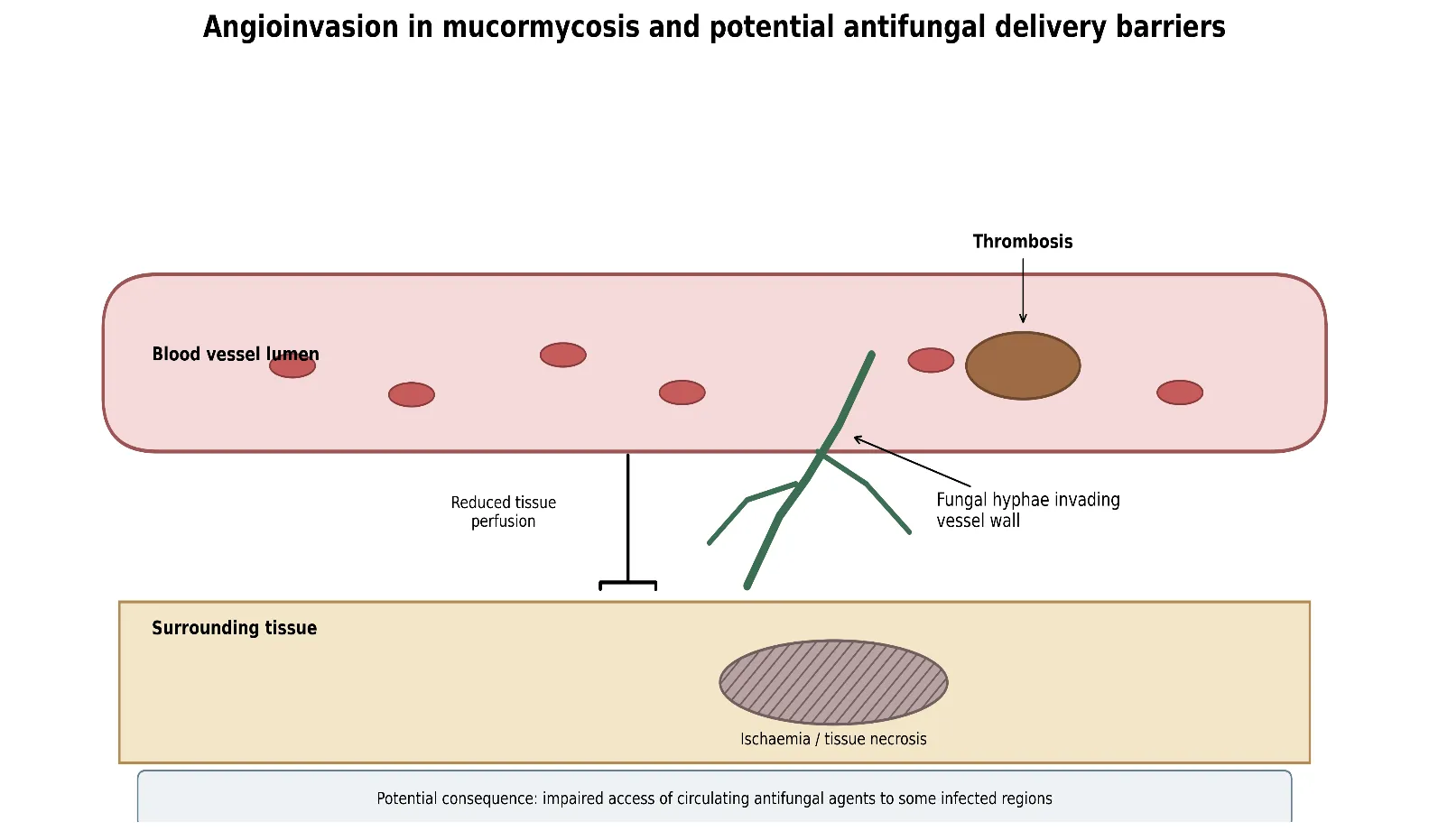
Figure 1: Angioinvasion in Mucormycosis and Its Potential Impact on Antifungal Drug Delivery.
3. OVERVIEW OF LIPID-BASED NANOCARRIER PLATFORMS
Lipid-based nanocarriers have gained considerable attention in pharmaceutical research because of their ability to incorporate different types of therapeutic agents and modify their delivery characteristics. These systems are generally composed of biocompatible lipids, surfactants and other stabilizing components. Depending on their composition and internal structure, they can carry drugs within a lipid bilayer, solid lipid matrix or oil phase. Their physicochemical properties can influence drug loading, release behaviour, stability and distribution within the body [6,8].
The major lipid-based nanocarrier platforms relevant to antifungal drug delivery include liposomes, solid lipid nanoparticles, nanostructured lipid carriers and lipid nanoemulsions. Each system has a different structural arrangement and offers specific formulation advantages and limitations.
3.1 Liposomes
Liposomes are spherical vesicular structures composed mainly of one or more phospholipid bilayers surrounding an aqueous compartment. The phospholipids are amphiphilic in nature, containing a hydrophilic head and hydrophobic fatty acid chains. This arrangement allows liposomes to incorporate water-soluble drugs within their aqueous core and lipid-soluble drugs within the bilayer.
The composition of liposomes can be modified by incorporating cholesterol and other lipid components to influence membrane rigidity, stability and drug retention. Their size, surface characteristics and lipid composition can also affect circulation behaviour and interaction with biological membranes.
Liposomes are particularly important in antifungal drug delivery because they have been successfully used in the formulation of amphotericin B. Liposomal amphotericin B is an established formulation used in the management of mucormycosis. The lipid vesicle changes the distribution and tolerability profile of amphotericin B compared with its conventional deoxycholate formulation. This provides an important clinical example of the role of lipid-based delivery in the treatment of invasive fungal infections [2].
Despite their advantages, liposomes may face formulation challenges such as leakage of the incorporated drug, lipid oxidation, physical instability and changes in vesicle size during storage. Their preparation and storage conditions therefore require careful control.
3.2 Solid Lipid Nanoparticles (SLNs)
Solid lipid nanoparticles are colloidal drug delivery systems in which the drug is incorporated into a matrix made of lipids that remain solid at room temperature and physiological temperature. These systems are generally stabilized using suitable surfactants to prevent particle aggregation and maintain dispersion stability.
SLNs were developed as an alternative to some conventional colloidal carrier systems. Their lipid matrix can protect incorporated drugs from environmental degradation and may provide controlled or sustained drug release. They can also be useful for incorporating poorly water-soluble therapeutic compounds, depending on their physicochemical properties [6].
In antifungal research, SLNs have been investigated for delivering different antifungal agents, particularly those intended for topical and localized applications. Their formulation characteristics may improve drug retention and influence drug penetration through biological barriers. The incorporation of suitable antifungal compounds into the lipid matrix may also modify their release behaviour and availability at the intended site.
However, SLNs have certain limitations. The highly ordered crystalline structure of the solid lipid matrix may reduce the space available for drug incorporation. During storage, changes in the lipid crystal arrangement may also result in drug expulsion from the nanoparticle matrix. These factors can affect drug loading, stability and long-term formulation performance [6].
3.3 Nanostructured Lipid Carriers (NLCs)
Nanostructured lipid carriers are considered an improved generation of solid lipid nanoparticles. They are prepared using a combination of solid lipids and liquid lipids, together with suitable surfactants. The presence of liquid lipid creates a less ordered internal structure compared with the highly crystalline matrix of SLNs.
This less ordered lipid arrangement provides additional space for drug incorporation and may reduce drug expulsion during storage. NLCs can also be designed to modify drug release and improve the physical stability of certain formulations.
NLCs have received attention in antifungal drug delivery research, particularly for topical formulations. Different antifungal agents belonging to the azole class have been investigated using these systems. Their performance depends on factors such as lipid selection, liquid-to-solid lipid ratio, surfactant concentration and preparation technique [7].
Although NLCs offer promising formulation advantages, their application in invasive fungal infections such as mucormycosis remains an area requiring further investigation. Most reported antifungal NLC research has focused on other fungal infections and topical delivery. Therefore, their potential for systemic antifungal delivery and mucormycosis-specific treatment should be considered investigational rather than clinically established.
3.4 Lipid Nanoemulsions
Lipid nanoemulsions are colloidal dispersions consisting of an oil phase and an aqueous phase stabilized by surfactants. They generally contain small oil droplets dispersed within a continuous liquid phase. Depending on their composition, they may be formulated as oil-in-water or water-in-oil systems.
Nanoemulsions are useful in pharmaceutical formulation because they can improve the dispersion of poorly water-soluble compounds. Their small droplet size provides a large interfacial surface area, which may influence drug release, absorption and formulation performance.
In antifungal drug delivery, nanoemulsions have been studied for their potential to improve the solubilization and delivery of certain antifungal agents. Their composition can be adjusted according to the physicochemical characteristics of the drug and the intended route of administration.
However, nanoemulsions should not be confused with liposomes or solid lipid nanoparticles. They contain liquid oil droplets rather than a phospholipid bilayer or a solid lipid matrix. Their physical stability, droplet growth, phase separation and compatibility with the incorporated drug must be evaluated during formulation development [8].
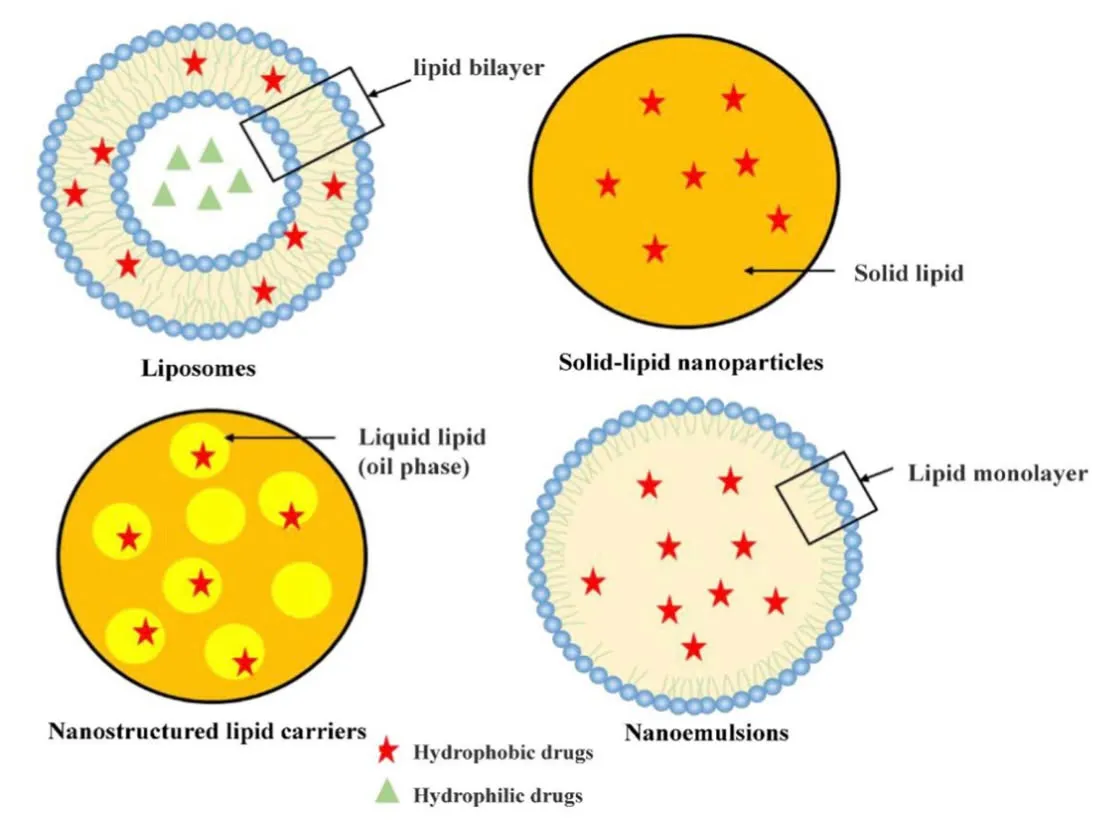
Figure 2: Schematic Representation of Different Types of Lipid-Based Nanocarriers.
4. ANTIFUNGAL AGENTS AND THEIR SUITABILITY FOR LIPID-BASED DELIVERY
The selection of an appropriate antifungal agent is an important consideration in the development of lipid-based nanocarrier systems. The physicochemical properties of the drug, including its aqueous solubility, lipophilicity, molecular structure and stability, influence its compatibility with different lipid formulations. In mucormycosis, amphotericin B, posaconazole and isavuconazole are among the important antifungal agents because of their established roles in the management of the infection [2,9].
Lipid-based delivery systems may influence the solubilization, stability and release characteristics of antifungal agents. However, not every antifungal drug requires encapsulation in a lipid carrier, and the selection of a suitable platform should be supported by formulation studies and biological evidence.
4.1 Amphotericin B
Amphotericin B is a polyene antifungal agent and remains an important drug in the treatment of invasive mucormycosis. It acts by interacting with ergosterol, a major component of the fungal cell membrane. This interaction disrupts membrane function and results in antifungal activity. Due to its broad antifungal spectrum, amphotericin B is considered a major therapeutic option against several Mucorales species [2,9].
One of the important pharmaceutical challenges associated with amphotericin B is its poor aqueous solubility and potential toxicity. The conventional amphotericin B deoxycholate formulation is associated with nephrotoxicity and infusion-related adverse reactions. To improve its therapeutic profile, lipid formulations have been developed, including liposomal amphotericin B and amphotericin B lipid complex.
Liposomal amphotericin B is particularly important in this context because it is an established lipid-based formulation recommended as a first-line treatment for mucormycosis. Its lipid composition modifies the distribution and tolerability of the drug compared with the conventional deoxycholate formulation. This demonstrates the clinical significance of lipid-based drug delivery in antifungal therapy [2].
4.2 Posaconazole
Posaconazole is a broad-spectrum triazole antifungal agent that inhibits the enzyme lanosterol 14-alpha-demethylase, which is involved in ergosterol biosynthesis. Interference with this pathway affects the fungal cell membrane and produces antifungal activity.
Posaconazole has an important role in mucormycosis management, particularly as salvage therapy and in selected situations as an alternative treatment. It is available in different pharmaceutical formulations, including oral suspension, delayed-release tablets and intravenous preparations. The delayed-release tablet and intravenous formulations generally provide more reliable drug exposure than the oral suspension [2,9].
From a drug delivery perspective, posaconazole has limited aqueous solubility, making it a potential candidate for investigation using lipid-based formulation approaches. Lipid carriers may help improve its dispersion and influence its release characteristics. However, the development of a new lipid-based formulation would require appropriate studies to establish drug loading, stability, release behaviour and antifungal activity.
4.3 Isavuconazole
Isavuconazole is a broad-spectrum triazole antifungal agent administered in the form of its prodrug, isavuconazonium sulfate. It acts by inhibiting fungal lanosterol 14-alpha-demethylase, thereby interfering with ergosterol synthesis and affecting fungal cell membrane formation.
Isavuconazole is used in the management of mucormycosis as an alternative first-line agent in selected patients and as salvage therapy. It is available in oral and intravenous formulations. Compared with some other antifungal agents, it offers useful pharmacokinetic characteristics and does not contain the same nephrotoxic excipients associated with certain intravenous formulations of other antifungal drugs [2,9].
The potential use of lipid-based nanocarriers for isavuconazole may be explored by considering its formulation characteristics and the possibility of modifying drug distribution and release. However, further studies are necessary to establish whether such systems offer meaningful advantages over the existing formulations.
4.4 Suitability of Antifungal Agents for Lipid-Based Delivery
The suitability of an antifungal agent for lipid-based delivery depends on the interaction between the drug and the lipid matrix. Lipophilic compounds may be incorporated into the lipid phase, while amphiphilic compounds may interact with lipid membranes. Hydrophilic drugs may require an appropriate carrier structure to achieve effective encapsulation.
Amphotericin B provides the strongest clinical example of lipid-based antifungal delivery in mucormycosis because liposomal amphotericin B is already used in clinical practice. Posaconazole and isavuconazole are clinically established antifungal agents, but their incorporation into newer lipid-based nanocarriers remains a separate formulation research question.
Therefore, the development of antifungal nanocarriers should consider not only drug incorporation but also release characteristics, biological compatibility, tissue distribution and therapeutic performance. The ultimate objective is to develop formulations that offer a meaningful pharmaceutical advantage without compromising drug activity or safety.
Table 1: Antifungal Agents and Their Suitability for Lipid-Based Delivery
| Antifungal agent | Drug class | Role in mucormycosis | Lipid-based delivery relevance |
|---|---|---|---|
| Amphotericin B | Polyene | Established treatment | Clinically established liposomal formulations |
| Posaconazole | Triazole | Alternative and salvage treatment | Potential formulation research candidate |
| Isavuconazole | Triazole | Alternative and salvage treatment | Potential formulation research candidate |
| Caspofungin | Echinocandin | Limited role; investigated in combinations | Requires further evidence |
5. FORMULATION DEVELOPMENT AND OPTIMIZATION
The development of lipid-based nanocarriers requires careful selection of formulation ingredients, preparation techniques and evaluation parameters. The main objective is to produce a stable formulation capable of carrying an antifungal agent while maintaining its physicochemical properties and biological activity. In mucormycosis research, formulation development should also consider the intended route of administration, drug-release behaviour, tissue distribution and safety [10,11].
5.1 Selection of Lipid Materials
The lipid phase is one of the most important components of lipid-based nanocarriers. The choice of lipid depends on the physicochemical characteristics of the antifungal drug, its solubility in the lipid phase and the desired drug-release profile. Commonly investigated lipid materials include glyceryl monostearate, stearic acid and glyceryl behenate [10,11].
For solid lipid nanoparticles (SLNs), the selected lipid should remain solid under the intended storage and application conditions. In nanostructured lipid carriers (NLCs), a combination of solid and liquid lipids is used to create a less ordered lipid matrix. This structure may provide additional space for drug incorporation and reduce the possibility of drug expulsion during storage [11].
The compatibility of the selected lipid with the antifungal agent should be assessed before finalizing the formulation. This is particularly important because antifungal agents differ in their physicochemical properties and solubility characteristics [10].
5.2 Selection of Surfactants and Stabilizers
Surfactants are used to reduce interfacial tension and help prevent particle aggregation during formulation preparation and storage. Examples include polysorbates, poloxamers and lecithin. Their selection depends on the lipid composition, drug properties and intended route of administration [10].
The concentration of surfactant can influence particle size, surface characteristics, drug entrapment and physical stability. An insufficient concentration may result in particle aggregation, whereas an unsuitable or excessive concentration may affect formulation characteristics and biological compatibility. Therefore, appropriate concentrations should be established through systematic formulation studies [10,11].
5.3 Preparation Techniques
Different techniques can be used to prepare lipid-based nanocarriers. The selection of a method depends on the type of carrier, properties of the antifungal drug, desired particle characteristics and possibilities for scale-up [10].
High-pressure homogenization: This method uses mechanical pressure to reduce the size of lipid droplets or particles. It can be performed using hot or cold homogenization approaches and is commonly investigated for the preparation of SLNs and NLCs [10].
Ultrasonication: Ultrasonic energy is used to reduce particle size and produce a relatively uniform dispersion. However, excessive energy input may cause heating and could affect sensitive formulation components [10].
5.4 Optimization of Formulation Variables
Optimization is necessary to identify the combination of formulation ingredients and processing conditions that produces desirable product characteristics. Important formulation variables include lipid concentration, surfactant concentration, drug-to-lipid ratio, aqueous phase composition and processing conditions [10].
The main responses evaluated during optimization include particle size, polydispersity index, entrapment efficiency, drug loading and physical stability. Statistical approaches, including factorial design and response surface methodology, can help evaluate the influence of multiple variables and their interactions.
A quality-by-design approach may also be applied. It begins with defining the intended product characteristics and identifying critical quality attributes. Material properties and manufacturing parameters that may influence these attributes are then evaluated systematically. This approach supports formulation understanding, process control and reproducible pharmaceutical development [13].
5.5 Characterization of Lipid-Based Nanocarriers
Characterization is essential for confirming the quality and consistency of the prepared formulation. The following parameters are commonly evaluated [10,11]:
No single characterization result is sufficient to establish the suitability of a formulation. The results should be interpreted together and in relation to the intended route of administration and therapeutic purpose [10,11].
Table 2: Important Formulation Variables and Characterization Parameters
| Parameter | Purpose in formulation development |
|---|---|
| Lipid type and concentration | Influences matrix structure and drug incorporation |
| Surfactant type and concentration | Supports particle formation and colloidal stability |
| Drug-to-lipid ratio | Influences drug loading and entrapment |
| Preparation method | Affects particle size and formulation characteristics |
| Particle size and PDI | Describe particle dimensions and size distribution |
| Zeta potential | Helps assess surface charge and colloidal behaviour |
| Entrapment efficiency | Estimates the fraction of drug associated with the carrier |
| Drug-release profile | Evaluates release behaviour under defined conditions |
| Stability | Assesses maintenance of formulation quality during storage |
6. MECHANISMS OF ANTIFUNGAL DELIVERY AND TISSUE TARGETING
Lipid-based nanocarriers can influence the delivery of antifungal agents by modifying drug solubility, release behaviour, cellular interactions and tissue distribution. These properties may help address certain limitations of conventional antifungal formulations. However, their effectiveness depends on the type of carrier, the incorporated drug and the biological environment in which the formulation is administered [14,15].
In mucormycosis, tissue targeting is particularly important because the infection can cause angioinvasion, thrombosis and tissue necrosis. These pathological changes may reduce local blood supply and limit the distribution of systemically administered drugs. Therefore, the ability of a nanocarrier to improve drug delivery to infected tissues requires specific experimental investigation [2,4,14].
6.1 Controlled and Sustained Drug Release
One of the important characteristics of lipid-based nanocarriers is their ability to modify the release of incorporated drugs. Depending on the carrier composition, the drug may be released through diffusion, lipid-matrix degradation, desorption from the particle surface or a combination of these processes [14,15].
In liposomes, the drug may be incorporated within the aqueous compartment or associated with the lipid bilayer. Its release depends on factors such as lipid composition, membrane properties and the interaction between the drug and the lipid components. In SLNs and NLCs, drug release is influenced by the structure and composition of the lipid matrix [14].
Controlled release may help maintain drug availability over a defined period and reduce sudden changes in drug concentration. However, the release profile must be evaluated for each formulation because prolonged release does not automatically indicate improved antifungal activity or better treatment outcomes.
6.2 Interaction with Fungal Cell Membranes
Lipid-based carriers may interact with fungal cell surfaces through different physicochemical processes. These interactions can influence the transfer of an incorporated antifungal agent from the carrier to the fungal cell membrane.
Amphotericin B acts primarily by interacting with ergosterol in fungal cell membranes, disrupting membrane integrity and affecting essential cellular functions. Its association with lipid-based formulations changes how the drug is presented to biological membranes and contributes to differences in its pharmacological behaviour and toxicity compared with conventional amphotericin B formulations [14].
The precise interaction between a lipid carrier and fungal cells depends on the formulation composition and the antifungal agent. Therefore, improved membrane interaction should be demonstrated experimentally rather than assumed from particle size or drug-entrapment results alone.
6.3 Cellular Uptake and Intracellular Delivery
Lipid-based nanocarriers may interact with biological cells and undergo cellular uptake through processes such as endocytosis. The extent and pathway of uptake depend on particle size, surface charge, lipid composition and the type of cell involved [15].
Following cellular uptake, the incorporated drug may be released within intracellular compartments or transferred to surrounding biological membranes. These processes may influence drug availability at cellular sites. However, cellular uptake observed in laboratory models does not necessarily demonstrate effective delivery to infected tissues in the human body.
For mucormycosis, further research is needed to determine whether particular lipid formulations can improve antifungal delivery to relevant host cells and infected tissue compartments.
6.4 Biodistribution and Tissue Accumulation
Biodistribution refers to the movement and accumulation of a drug or drug-delivery system in different organs and tissues after administration. Lipid-based formulations can alter the distribution pattern of antifungal agents compared with their conventional formulations.
Liposomal amphotericin B provides an established example. Preclinical studies have demonstrated its distribution to several organs, including the lungs, liver, spleen, kidneys and brain. The extent of accumulation and clearance varies between tissues. Studies have also reported localization of the formulation in liver and splenic macrophages, while its distribution in other organs follows different patterns [14].
6.5 Potential Strategies for Tissue Targeting
Targeted drug delivery aims to increase drug exposure at a desired biological site while limiting unnecessary exposure to other tissues. Several approaches have been investigated for lipid-based nanocarriers, including modification of particle surface characteristics, incorporation of targeting molecules and optimization of particle composition [15].
Surface modification may influence interactions with biological membranes, circulating proteins and cells. Targeting molecules may also be investigated to improve recognition or association with particular cell types. However, these strategies remain formulation-dependent and require evaluation of their stability, safety and targeting specificity.
In mucormycosis, the development of targeted lipid carriers could be explored for delivery to affected anatomical regions. Such approaches must account for the disease-associated damage to blood vessels and tissue perfusion. It is important to recognize that surface modification or nanoscale particle size alone cannot guarantee penetration into necrotic or poorly perfused areas.
6.6 Relevance to Mucormycosis Treatment
The potential value of lipid-based nanocarriers in mucormycosis lies in their ability to modify antifungal drug delivery, influence tissue distribution and potentially reduce drug-associated toxicity. Liposomal amphotericin B demonstrates the clinical importance of lipid-based drug formulation in the management of invasive fungal infections [14].
Other systems, including SLNs and NLCs, have been investigated for antifungal delivery, particularly in topical formulations. However, much of this research concerns superficial fungal infections rather than invasive mucormycosis [7,15]. Therefore, their potential use in mucormycosis should be considered investigational.
Further studies should evaluate antifungal activity against relevant Mucorales species, drug concentrations in infected tissues, pharmacokinetic behaviour, toxicity and therapeutic outcomes. These investigations are necessary to establish whether proposed delivery advantages can translate into meaningful clinical benefits.
Table 3: Potential Mechanisms of Lipid-Based Antifungal Delivery
| Mechanism | Possible contribution | Relevance to mucormycosis |
|---|---|---|
| Controlled drug release | Modifies the rate and duration of drug release | May influence antifungal drug availability |
| Lipid–membrane interaction | Supports transfer or interaction of the drug with biological membranes | Relevant to amphotericin B delivery |
| Cellular uptake | May facilitate drug entry into host cells | Requires investigation in relevant infected tissues |
| Altered biodistribution | Changes drug distribution among organs | May influence exposure in affected organs |
| Surface modification | Alters interactions with cells and biological barriers | Potential approach for future targeting research |
7. PRECLINICAL AND CLINICAL EVIDENCE
The development of lipid-based nanocarriers for mucormycosis has progressed from established lipid formulations of antifungal drugs to newer experimental delivery systems. However, the amount of available evidence differs considerably between these approaches. Liposomal amphotericin B has an established clinical role in mucormycosis management, whereas newer systems, particularly oral lipid nanocrystal formulations, are still being investigated for this infection [2,14,19].
7.1 Evidence for Liposomal Amphotericin B
Liposomal amphotericin B is an important example of the successful clinical application of lipid-based drug delivery in invasive fungal infections. It contains amphotericin B within a liposomal structure and has been widely used in the management of mucormycosis. Clinical guidelines recommend it as a principal treatment option because of its antifungal activity and comparatively improved tolerability over conventional amphotericin B formulations [2,14].
Clinical evidence supporting its use has been obtained from observational studies, case series and clinical experience involving patients with different forms of mucormycosis. These studies have reported successful treatment outcomes, although responses vary according to the extent of infection, underlying conditions, immune status and other aspects of patient management [2].
7.2 Preclinical Evidence for Oral Lipid Nanocrystal Formulations
An important development in this field was reported by Gu and colleagues in 2024. Their study investigated MAT2203, an oral lipid nanocrystal formulation of amphotericin B, in neutropenic mouse models of pulmonary mucormycosis caused by Rhizopus arrhizus var. delemar and Mucor circinelloides [19].
The researchers compared MAT2203 with liposomal amphotericin B and an untreated control group. The study evaluated survival, fungal burden in affected organs and histopathological findings. MAT2203 treatment improved survival compared with the untreated controls in both experimental infection models. It also reduced fungal burden in lung and brain tissues.
However, the findings were not uniformly equivalent to those obtained with liposomal amphotericin B. In the R. arrhizus infection model, liposomal amphotericin B produced a greater reduction in tissue fungal burden than MAT2203. In addition, the higher experimental MAT2203 exposure was not well tolerated in the animal model. These findings demonstrate both the potential and the limitations of this formulation [19].
The study is particularly relevant because it provides direct experimental evidence for a lipid nanocrystal formulation against Mucorales. Nevertheless, animal findings cannot establish clinical effectiveness in humans. Further research is necessary to evaluate its safety, pharmacokinetics and therapeutic potential in mucormycosis.
7.3 Clinical Experience with Other Lipid Nanocrystal Formulations
Clinical experience with MAT2203 has also been reported in invasive fungal infections other than mucormycosis. Dalton and colleagues published a case series in 2024 describing five patients treated with this investigational oral formulation under a compassionate-use programme. The infections included those caused by Fusarium, Rhodotorula, Candida krusei and Histoplasma capsulatum [20].
The authors reported favourable outcomes in these patients, with four infections described as cured and one patient showing improvement while continuing treatment. The formulation was generally tolerated, although gastrointestinal adverse effects were reported in some cases [20].
These observations provide preliminary human experience with oral lipid nanocrystal delivery of amphotericin B. However, none of the five cases involved mucormycosis. Therefore, these findings should not be presented as clinical proof of MAT2203 effectiveness against Mucorales.
7.4 Current Evidence Gaps and Research Needs
Despite progress in lipid-based antifungal delivery, several evidence gaps remain. The established clinical experience with liposomal amphotericin B cannot be automatically extended to other lipid-based nanocarriers. Each formulation requires independent evaluation because differences in lipid composition, particle structure, drug release and biological interactions may influence its performance.
Important areas requiring further investigation include:
Overall, the available evidence demonstrates that lipid-based drug delivery has an important role in antifungal therapy. Liposomal amphotericin B represents an established clinical approach, while MAT2203 provides encouraging but preliminary preclinical evidence specifically for mucormycosis. Other lipid nanoparticle systems remain promising research areas, but their clinical value has yet to be established.
8. SAFETY, TOXICITY AND BIOCOMPATIBILITY
Safety and biocompatibility are important considerations in the development of lipid-based nanocarriers for antifungal drug delivery. Although lipids are commonly used in pharmaceutical formulations, their presence does not automatically guarantee that a nanoparticle formulation is safe. The overall safety profile depends on the lipid composition, surfactants, particle size, surface characteristics, drug concentration and route of administration [23,24].
In mucormycosis, this consideration is particularly important because antifungal treatment may involve prolonged therapy and patients may already have underlying health conditions. Therefore, both the toxicity of the antifungal drug and the biological effects of the delivery system must be evaluated.
8.1 Safety Profile of Liposomal Amphotericin B
Liposomal amphotericin B has an established clinical role in the management of mucormycosis. Compared with conventional amphotericin B deoxycholate, its liposomal formulation has a more favourable safety profile, particularly regarding renal toxicity [14,21].
The lipid bilayer helps alter the distribution and availability of amphotericin B in the body. This reduces exposure of certain host tissues to freely available drug while maintaining antifungal activity. However, liposomal amphotericin B is not completely free from adverse effects [14,21].
Reported adverse effects include infusion-related reactions, changes in renal function and electrolyte disturbances. Hypokalaemia and hypomagnesaemia may also occur during treatment. Therefore, the improved tolerability of liposomal amphotericin B should not be interpreted as the absence of toxicity [14,21].
8.2 Infusion-Related Reactions and Hypersensitivity
Lipid-based formulations administered intravenously may produce infusion-related reactions. These can include fever, chills, nausea, headache and changes in blood pressure. The frequency and severity of these reactions may vary according to the formulation and individual patient factors [14].
Some liposomal and other nanoparticle formulations may activate the complement system, which is involved in immune responses. In certain circumstances, complement activation can contribute to hypersensitivity-like infusion reactions, including complement activation-related pseudoallergy [22].
Consequently, immune compatibility should be considered during the development of intravenously administered lipid nanocarriers. Assessment of complement activation and inflammatory responses can provide useful information about their biological safety [22].
8.3 Biocompatibility of Solid Lipid Nanoparticles and Nanostructured Lipid Carriers
SLNs and NLCs are generally prepared using physiologically acceptable lipid materials and suitable stabilizers. Their composition may provide favourable biocompatibility; however, the safety of each formulation depends on its complete composition and intended route of administration [23].
Surfactants and other formulation additives may influence cell viability and biological interactions. Similarly, particle size, surface charge and lipid concentration may affect cellular uptake and toxicity. Therefore, the safety of an SLN or NLC formulation should be evaluated independently rather than assumed from the safety of its individual ingredients [23,24].
8.4 Important Toxicological Evaluation Parameters
Several tests are used to evaluate the safety of lipid-based nanocarriers during preclinical development. These assessments help identify possible adverse biological interactions before further development.
Important evaluation parameters include:
These tests should be selected according to the composition, route of administration and intended duration of exposure [22,23].
8.5 Long-Term Safety and Stability Considerations
Long-term safety is another important consideration, particularly for formulations intended for repeated administration. Changes in particle size, aggregation, drug leakage and lipid degradation during storage may influence formulation quality and biological performance.
Repeated exposure may also produce biological effects that are not apparent during short-term studies. Therefore, appropriate stability studies and longer-term preclinical safety assessments are necessary before a formulation can be considered suitable for clinical development [23,24].
9. EMERGING STRATEGIES AND FUTURE PERSPECTIVES
Recent developments in lipid-based nanotechnology have created new opportunities for improving antifungal drug delivery. Researchers are exploring advanced formulations that may improve drug stability, modify release patterns, enhance tissue distribution and reduce unwanted drug exposure. Although these approaches show potential, their application in mucormycosis requires further disease-specific investigation [25,26].
9.1 Oral Lipid Nanocrystal Formulations
One promising development is the use of oral lipid nanocrystal formulations of amphotericin B. MAT2203 is an example of this approach and has been investigated as a potential alternative route for delivering amphotericin B.
A 2024 study evaluated MAT2203 in mouse models of pulmonary mucormycosis caused by Rhizopus arrhizus and Mucor circinelloides. The results showed improved survival compared with untreated controls, although liposomal amphotericin B produced a greater reduction in fungal burden in one of the experimental models [19].
These findings suggest that oral lipid nanocrystal formulations deserve further investigation. However, their effectiveness and safety in human mucormycosis have not yet been established. Future studies should focus on pharmacokinetics, oral absorption, tissue distribution and appropriate clinical evaluation.
9.2 Surface-Modified and Targeted Lipid Nanocarriers
Surface modification is another promising strategy for improving the biological interactions of lipid-based nanocarriers. Specific molecules, including peptides, carbohydrates and other targeting ligands, may be attached to the particle surface to influence interactions with selected cells or tissues [25,26].
In principle, these modifications could help direct antifungal agents towards particular infected tissue compartments. However, the effectiveness of targeting depends on the availability of suitable biological targets, particle stability and the characteristics of the infected tissue.
For mucormycosis, targeted delivery strategies should account for angioinvasion, vascular damage and reduced tissue perfusion. Further studies are required to determine whether surface-modified carriers can provide meaningful improvements in antifungal exposure at infected sites.
9.3 Combination Drug Delivery Approaches
Combination antifungal therapy is an important area of research in invasive fungal infections. Lipid-based nanocarriers may offer opportunities to incorporate or deliver more than one therapeutic agent, depending on the compatibility of the drugs and the formulation design [25].
A combination formulation could potentially modify drug-release patterns and improve the delivery of selected antifungal agents. However, combining drugs within a single carrier does not automatically produce synergistic antifungal activity.
Future investigations should evaluate drug compatibility, release behaviour, antifungal interactions, toxicity and therapeutic outcomes. In mucormycosis, these approaches require particular attention because the activity of different antifungal agents against Mucorales varies.
9.4 Manufacturing and Clinical Translation
The transition from laboratory-scale formulation development to clinical application remains a major challenge for newer lipid-based nanocarriers. Differences in particle size, drug loading, lipid composition and manufacturing conditions may affect the consistency of the final product [25,26].
Future research should therefore prioritize:
These requirements are essential for determining whether promising laboratory formulations can be developed into reliable pharmaceutical products.
9.5 Future Research Priorities Specific to Mucormycosis
Although lipid-based nanocarriers have demonstrated important advances in antifungal drug delivery, several questions remain unanswered specifically for mucormycosis.
Future investigations should focus on the following areas:
1. Developing and evaluating lipid-based formulations against clinically relevant Mucorales species.
2. Investigating oral lipid nanocrystal formulations of amphotericin B through further preclinical and clinical studies.
3. Determining antifungal drug concentrations in infected tissues rather than relying only on plasma measurements.
4. Evaluating the effects of formulation design on fungal burden, tissue damage and survival in appropriate experimental models.
5. Investigating the safety and biological compatibility of newer lipid-based carrier.
Overall, lipid-based nanocarriers represent a promising area of pharmaceutical research for improving antifungal drug delivery. Liposomal amphotericin B demonstrates the established clinical value of lipid-based formulations, while MAT2203 provides encouraging preliminary evidence for an oral lipid nanocrystal approach in experimental mucormycosis. Other advanced platforms, including targeted and stimuli-responsive systems, may offer additional opportunities, but their effectiveness in this disease remains to be established [19,25,26].
CONCLUSION
Lipid-based nanocarriers have gained considerable attention as potential drug-delivery systems for improving antifungal therapy. Their ability to incorporate antifungal agents, modify drug-release behaviour and influence drug distribution makes them valuable platforms for pharmaceutical research. Among the available systems, liposomes have demonstrated established clinical importance through the use of liposomal amphotericin B in the management of mucormycosis.
Recent developments, particularly oral lipid nanocrystal formulations such as MAT2203, have provided encouraging preclinical evidence and opened new possibilities for antifungal delivery. However, these findings should be interpreted carefully because experimental results in animal models do not necessarily predict clinical effectiveness in humans. Other systems, including solid lipid nanoparticles and nanostructured lipid carriers, also offer potential advantages, but their application in invasive mucormycosis requires further disease-specific investigation.
The development of effective lipid-based formulations depends on several factors, including appropriate lipid selection, formulation optimization, particle characterization, drug-release behaviour, tissue distribution, safety and manufacturing reproducibility. Particular attention must be given to the angioinvasive nature of mucormycosis, as vascular damage and tissue necrosis may limit drug delivery to infected areas.
Overall, lipid-based nanocarriers represent a promising research direction for improving antifungal drug delivery in mucormycosis. Further preclinical studies, comparative investigations and well-designed clinical trials are required to establish the therapeutic value of emerging formulations. Continued research in this field may contribute to the development of safer, more effective and more reliable antifungal delivery systems.
Ethical Approval: Not applicable
Acknowledgement: None
Conflicts of interests: There are no conflict-of-interest
Funding: Nil
Authors Contribution
All the authors have contributed equally
Source of Support: Not Applicable
Informed Consent Statement: Not Applicable
Data Availability Statement: The data presented in this review article are available within the article and its cited references.
REFERENCES



Pragati Tukaram Lawand, Anil Balajirao Panchal, Dr. Sampat Dnyaneshwar Navale, Lipid-Based Nanocarriers for Mucormycosis: Advances in Antifungal Delivery, Tissue Targeting and Therapeutic Outcomes, Int. J. Sci. R. Tech., 2026, 3 (11), 1319-1335. https://doi.org/10.5281/zenodo.24528816
 10.5281/zenodo.24528816