Nanotechnology has a key role to play in pharmaceutical protection and stability. It allows real time monitoring to occur and leads to advanced packaging with new functional properties. Therapeutics can have increased shelf-life when incorporating nanomaterials into packaging. This can increase drug safety and alert patients and healthcare professionals if the drug has become contaminated or tampered with. It also can repair any damage to the packaging at the micro level. Nanoparticles can be released that can help protect the drug by providing stabilising agents. They can also actively remove moisture and oxygen. This review provides an overview of how nanotechnology can be used within pharmaceutical packaging. The benefits provided will be highlighted. Safety issues will also be discussed, as well as how nano based packaging is regulated. Migration of nanoparticles and leachables will be evaluated, along with any risk to human health and the environment. The use of nanotechnology in packaging can lead to improvements in how drugs are stored and distributed. Nanotechnology can offer huge potential to improve pharmaceutical packaging by improving barrier properties, preventing counterfeiting and providing many benefits to the pharmaceutical company and patient.
Nanotechnology, Nano-packaging, Pharmaceutical packaging, Bio-nanocomposites, Active and smart packaging, Nanosensors, Barrier properties, Nanotoxicity
Nanotechnology is the use of matter on an atomic, molecular and supermolecular scale for industrial purpose. The American physicist Richard Feynman introduced the concept of nanotechnology in 1959. [1] Nanotechnology is a revolutionary path for technological development that concerns the management of material at the nanometer scale (one billion times smaller than a meter). Nanotechnology means any technology on the nanoscale that has numerous applications in the real world. Nanotechnology literally encompasses the fabrication and application of chemical, physical, and biological systems at scales ranging from individual molecules or atoms to submicron dimensions, and the integration of these resulting nanomaterials into larger systems. It has the potential to change our perspectives and expectations and has capability to resolve global issues. The discovery and use of carbon nanomaterials has introduced many new areas of technology in nanomedicine, biosensors, and bioelectronics. In recent years, nanotechnology has emerged as a multi-disciplinary field with fundamental understanding of the electrical, optical, magnetic, and mechanical properties of nanostructures. This property promises to deliver the next generation of functional materials, which has wide-range of applications. Nanostructures can also provide solutions to technological and environmental challenges in the areas of catalysis, medicine, solar energy conversion, and water treatment.[2]
Novel food packaging technology is now the most promising benefit of nanotechnology to the food industry in the near future, regarding its application in the agro-food sector, as one of the fastest growing fields in nano-research. As previously evidenced, nanotechnology possesses a great potential to improve innovative products and processes in the food sector which could offer an excellent opportunity to replace non-degradable plastic packaging materials.
- Food packaging and monitoring are major focus of food industry related nanotechnology research and development.
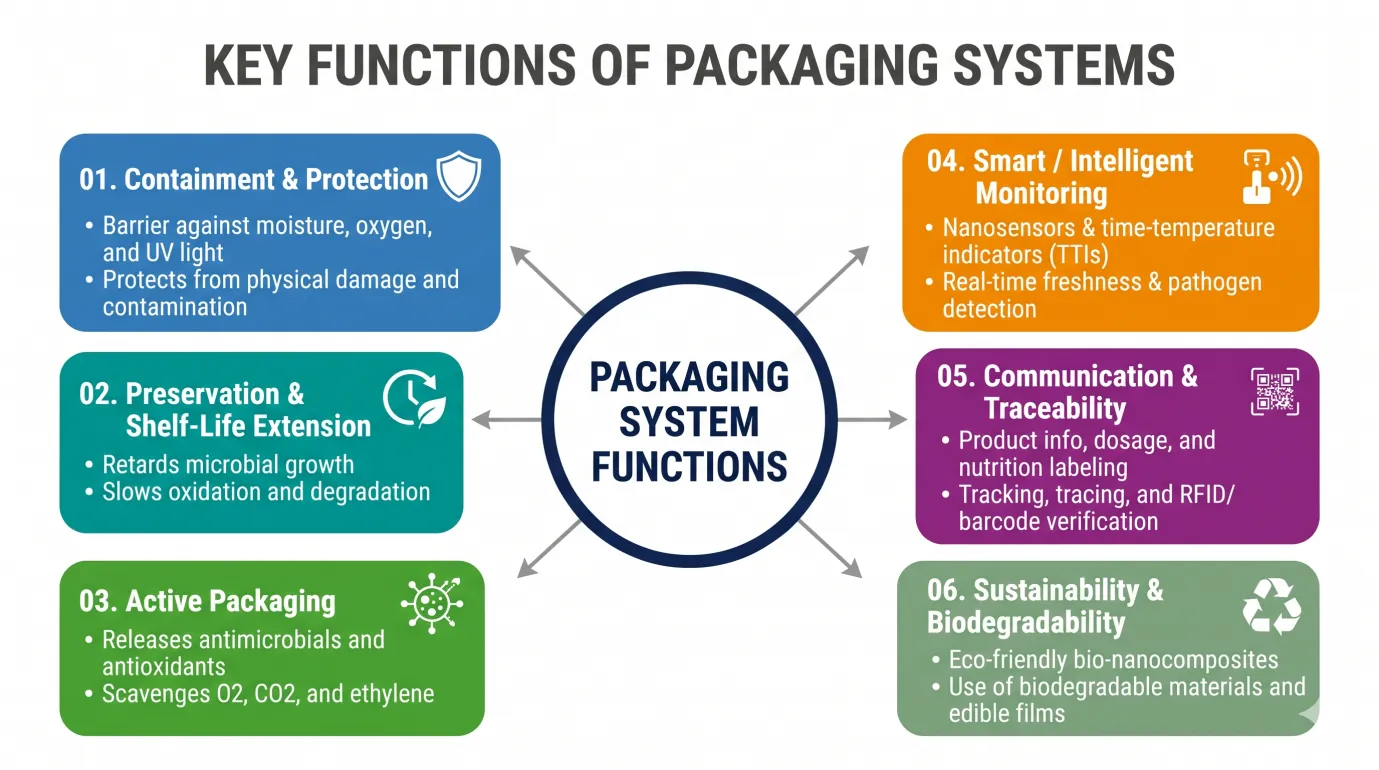
Figure 1: Key Functions of Packaging Systems
- The leading development in food packaging is activeand smart packaging that promises to improve food safety and quality and optimizes product shelf life.[Figure 1]
- On the other hand, in packaging industries, the largest part of materials used is non-degradable petroleumbased plastic polymer materials, which in turn, represent aserious problem for the global environmental.
- Therefore, the use of bio-based packaging materials, such as edible and biodegradable filmsfrom renewable resources, couldsolve the waste problem by reducing packaging waste andalso extend the shelf life, which in turn, enhances food quality.
- In this respect, by means of thecorrect selection of materials and packaging technologies, itis possible to keep the product quality and sustainfreshness duringthe time required for its commercialization and consumption.
1.1.Types of Nano structures:
- Nanostructures play a significant role in the advancement of scientific and engineering technologies at the nanoscale.
- Nanostructures have obtained much interest because of their distinct characteristics that influence physical, electrical, chemical, biological, and opto-electrical properties.
- The composition of nanostructures, such as mono-metallic, bimetallic, magnetic, metal oxide, semi-conductor, hybrid, composite, etc., has been use frequently as the basis for their classification.
- This chapter reviews different types of nanostructures and nanomaterials, such as nanowires, nanofibers, nanotubes, nanobelts, nanofluids, nanoribbons, nanosprings, nanocapsules, quantum dots, nanosheets, nanocomposites, and nanoparticles.[2]
1.2.Biological sources used in nano technology:
- The term “green nanotechnology” can explain the use of biological sources and biological activity at the nanoscale. Increased awareness of green chemistry and biological processes has led to the necessity to develop environment friendly techniques for the production of nontoxic and biocompatible nanoparticles.
- The main methods for nanoparticle production utilize chemical and physical approaches that are costly and potentially harmful to the environment.
- The low toxicity of green synthesized nanoparticles is a significant parameter that is studied using plants and microorganisms, such as fungi, bacteria, viruses, yeasts, enzymes, etc.[2]
1.3.Applications of Nanotechnology in Daily Life:
- Nanotechnology deals with the production and use of materials with nanoscale dimensions in different aspects of life.
- Nanoparticles, due to their nanoscale dimensions, have high surface-to-volume ratio andvery specific properties.
- Nanotechnology is a new and expanding technology in which its main applications are the development of innovative methods to create new products, to formulate new chemicals and materials.
- This chapter provides descriptions of the most current applications of nanotechnology that influence different aspects of human life.[2]
1.4.Risks of Nanotechnology to Human Life:
- Nanotechnology has been described as the next revolution to hit many industries such as chemistry, medicine, materials science, and engineering.
- The different risks associated with use of nanotechnology need to be discussed. In the future, disruptive changes may occur as a result of molecular production an advanced form of nanotechnology.
- Nontoxicity and nanorisks have attractedattention from toxicologists and regulatory scientists as the production of nanomaterials increases worldwide.
- The use of nanostructures is recent, but issues have already been raiseabout the potential toxicity of nanomaterials for all aspects of human life.
- Investigation of the physicochemical properties of nanomaterials, and their performance, is necessary fortheir potential hazardous and toxic effects on biological ecosystems and the human body.
- The toxicity of nanomaterials and their effect on the human body and surrounding biosystems depends on the nature, particle size, shape, substituents, and coatings of nanoparticles.
- Generally, nontoxicity is associated with manufactured nanomaterials.[2]
2. MATERIALS USED IN NANO PACKAGING
2.1 Introduction:
Packaging is a main component of each stage of the foodindustry, but its permeability is the main defect in traditionalfood packaging materials as there are no packaging materialsthat are fully atmospheric and water vapour resistant.[3]Participants with the food supply chain are seeking cost-effective, innovative, environmental-friendly and resourceful food packaging. To protect and monitor the quality of packaged foods, which can only be made possible by committed food safety, quality and its durability, several main factors are continuously discovered for innovative food packaging materials [4,5] that are related to transportation, and protection from environmental contamination, and also influence the increased demands of consumers for nutritious and high quality food products [6, 7].Tilldate; the maximum use of plastics, glass, and metals in packaging applications served as non-biodegradable materials, which have raised anxieties about atmospheric pollution. Some bio-nanocomposite materials could be developed by different functional characteristics used in food packaging.This green packaging growth, plant extracts, biodegradable materials and nanocomposite materials, has established potential for reducing the negative environmental impacts. The products used for foodstuff packaging with their classification and functions are given. [8][Figure 2]
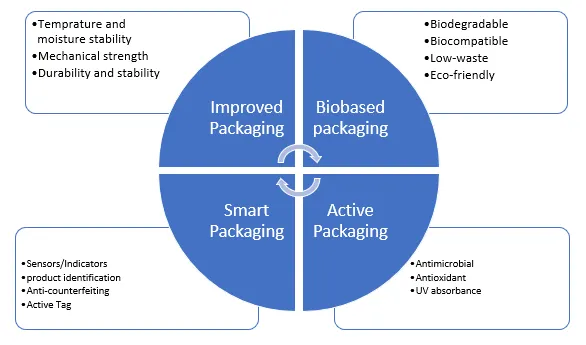
Figure 2: Food Nano-Packaging, Classification, Functions and Features
2.2 Biopolymers:
- Biopolymers have been introduced as renewable packaging materials and alternatives for petroleum-based polymers, which includes polysaccharides (starch and cellulose derivatives, chitosan, and alginates), lipids (bees and carnauba wax, and free fatty acids), proteins (casein, whey, and gluten), poly hydroxyl butyrates (PHB), polylactic acid (PLA), poly caprolactone (PCL), polyvinyl alcohol (PVA), poly butylene succinate and their biopolymer blends.
- The glycoliblends and the polyglycolic acid (PGA) have received particular attention via natural metabolic path.[9]
- Their mechanical strength, the properties of oxygen and moisture barriers can be adopted for packaging applications on the basis of efficient compounding and processing.[10]
- Most biopolymers can have problems with their handling due to their relatively high molecular weight, viscosity, hydrophobicity, crystallization, activity, fragility or melting nature, which delays their maximum industrial use. It is found to be effective in conjunction with other biopolymers, plasticizers and compatibilizers.
2.3 Paper as Packaging Materials:
- Paper is commonly used to label foodstuffs. It is the most beneficial choice as packaging materials because of its low price and weight, comprehensive availability, printability and strong mechanical properties.
- The main disadvantage is exposure to humidity and moisture absorption. [11]The paper products are treated in combination with a layer of biopolymer coating.
- It increases their barrier properties hydrophobicity, and functionalitythat can be done by surface treatment of mixed biopolymers [12, 13].
2.4 Glass and Metals as Packaging Materials:
- Glass and metals are fully resistant and vapours; it provides an effective barrier to the exchange of materials between the air inside the kit and the external atmosphere [14].
- Vapours can move within the packaging material either through molecular difusion or through pores and holes.
- Coatings using deposition of atomic layers will enhance the barrier properties of bio-based packaging materials while resistance to humidity should be enhance by hydrophobic surface treatments.[15]
3.NANOMATERIALS USED IN NANO PACKAGING
3.1 Silver Nanoparticles (AgNPs)
- Silver has been used as an antimicrobial agent for protection of food and beverages for many years.
- In ancient times, wine and water were placed in silver barrels, andthe bottom of the bottles were mountedboth silver dollars and silver spoons to preserve liquids like milk or water for travellers [3].
- AgNPs are usually metallic silver intended for sterilization and possess antimicrobial, anti-yeasts, anti-fungal, and antiviral activities as they have a larger surface area [16-19].
- AgNPs can bind to the surface of the cell and degrade lipo-polysaccharides, and form a pit within the cell membrane.
- The integration of AgNPs into plastic polymers for packaging can be implemented in several different methods. For example, silver ions can be deposited in the porous zeolite, and these materials can then be applied to plastics.
- It has been reportedthatAgNPs and ZnO-NPs containing low density Polyethylene (LDPE) can preserve and prolong the shelf life of orange juice [20].
3.2 Nanoclay
- Nanoclay was the first material to appear on the market among the polymer of nano-composites and has been the most commonly used nanomaterials in food packaging [21].
- It is commonly used for improving the physical properties of plastic packaging and its barriers to gas and moisture. Example: Montmorillonite (MMT) consists of an octahedral edge-shaped sheet of aluminium hydroxide among dual layers of tetrahedral silica.
- Due to its excellent cation exchange effciency, wide surface area and good swelling behaviour, it has been extensively used in polymer composites [22].
- MMT is derived from volcanic ash and rocks, and is therefore readily available in nature and fairly cheap.[23]
- They are usually produced in the form of platelet clusters. Thus, high shear or sonication techniques are required to disaggregate them and distribute them within the polymer matrix.
- The pattern of nanoclay dispersion in the polymer matrix is classifed into three categories: tactoid, intercalated, or exfoliated.[Figure 3]
- The intercalated method makes only a moderate level of dispersion of clay into the polymer matrix. Therefore, exfoliated NPs show the best barrier properties and reinforcement.[24]
- Nanoclay is generally recognized as an essential filler for bio-based polymer reinforcements as it can increase barrier properties, frame, creep resistance and provide mechanical strength of bio-polymer with very low clay content while biodegradability remains intact [25, 26].
- Nanopaper that consists of montmorrilonitenanoclay, nanofibrillated cellulose and chitosan were also developed. [27]
- Due to its poor compatibility with polymers, it is unusual to find a tactoid structure inside a nanocomposite.
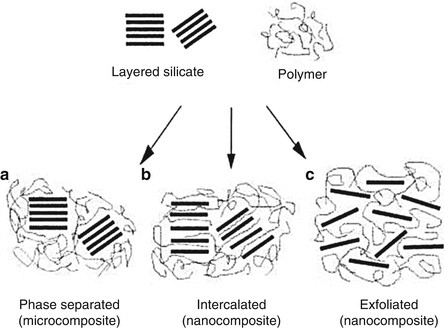
Figure 3: Three Types of Composites When Layered Clays Are Incorporated with the Polymer
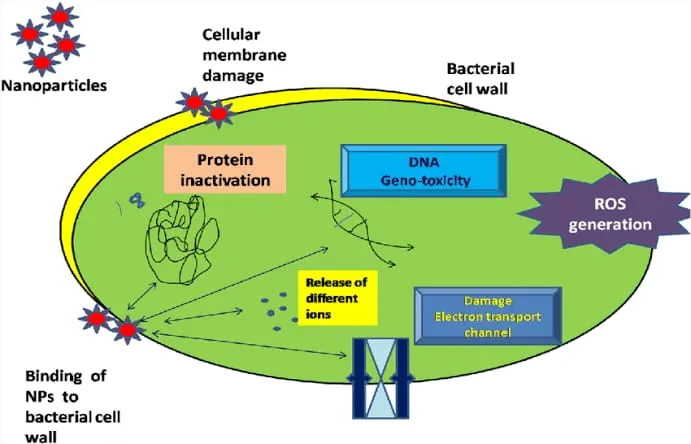
Figure 4: Schematic Representation of Antimicrobial Mechanisms of Nanoarticles
- As a result, this nanocomposite material, due to the molecular clay platelet, showed low oxygen transmission rate, excellent mechanical properties and fire retardancy.
- Due to its superior characteristics, it is widely used for beverage packaging as well. In the past, plastic bottles did not adequately retained the gas and the flavour of beer or soda because of their poor gas barrier property.
3.3 Nano Zinc-Oxide
- ZnO-nanoparticles (ZnoNPs) also exhibit diverse morphologies and shows robust inhibition against growth of broad-spectrum bacterial species [28].[Figure 4]
- ZnONPs are widely used in cosmetics, medical devices, medication delivery and atmospheric processedpackaging.
- ZnO nanostructures perform better against E. coli, Bacillus atrophaeus, andSalmonella aureus than other metal oxides.[29]
- AgNPs and ZnONPs are particularly attractive for packaging applications because it is more affordable and less toxic to animals and humans.[30]
- Moreover, under UV radiation, ZnO can produce a great amount of hydrogen peroxide, which can cause oxidative stress in bacterial cells.
- Several experiments indicate that zinc ions plays a major role in inhibiting the growth of bacteria, i.e. bacteriostatic, rather than destroying bacteria, i.e. bactericidal.[31]
- Song-Sing Nano Technology Co, Ltd. (Taiwan) plastic wrap containing ZnONPsis intended for food and beverage packaging.[32]
- The potential activity of these nano-ZnONPs can protect the food from bacterial contamination.
- With PVC– ZnO-nano-compositefilms can be used to extend the shelf life of commodities.[33]
3.4 Nano-Starch
- Starch is a natural, renewable, biodegradable, and non-toxic polysaccharide and has been widely involved in food, papermaking, pharmaceuticals, rubber, plastic, and packagingmaterials due to its low cost, environmental friendliness,and abundant supply.[34]
- In general, starch occurs in the form of discrete and partially crystalline granules mostlycomposed of two glucosidic macromolecules, named linear amylose and branched amylopectin.
- To produce nanostarch,it is important to separate crystalline starch from the amorphous and crystalline complexes.
- Several methods areused for processes of amylose extraction, such as enzyme hydrolysis, acid hydrolysis, precipitation, and mechanical micro-fluidizer treatment.[35-38]
- Theacid molecules target the amorphous regions because theseareas are hydrolysed more rapidly than that of the crystalline domains.
- As a result, an almost pure crystalline residue is extracted which is used in platelet implementations on a nanoscale [39].
- Particularly, starch nano-crystals are promising fillers for fexible food packaging because they increase mechanical and barrier properties as it is highly susceptible to hydration.[40]
- These undesirable behaviours of starch can be reduced or eliminated by reorganizing the structure of the starch granules, there-by enhancing their physico-chemical properties.
- As a natural and low-cost binder,starch nano-crystals are promising alternatives to synthetic emulsion latex.
- The starch-based nano-biopolymer binder can be made from cationic starch, which is generally used in wet-end processes to replace synthetic dry strength resins (e.g., glyoxalated poly acrylamide).
3.5 Nano Scaled Cellulose
- Nano-scaled cellulose is also known as cellulose nano-fibers, micro-fibrils or cellulose nano-whiskers [41].
- Generally, itconsists of alternating crystalline and amorphous strings.
- Crystalline region is formed with the firm hydrogen bondsnetwork that gives cellulose a relatively stable polymer.
- This complex system of hydrogen bonds makes cellulose chainsrather high axial stiffness, which is prerequisite propertyfor filler.[42]
- Therefore, they are beingcommon additives for reinforcement fibers because theirproperties and performance exceed compared with conventional fillers.
- Due to the high aspect ratio, only a small percentage of nano-cellulose can increase the effectiveness and rigidity of a polymer.
- Cellulose nano-whiskers were prepared from delignified coconut husk fibers by hydrolysis method.[43]
- These outstanding properties with excellent biodegradability suggest that nanocellulose is a promising alternative to traditional petroleum based materials.
3.6 Nano Silica
- Nano-silica is primarily used during hydrophobic coatings, particularly for materials, which are self-cleaning.
- A non-adhesive coating can turn food into a free-flowing material inside containers or jars [44, 45].
- Products that benefitfrom this technology include beer, wine, and powdered soup [46].
Development of super hydrophobic paperboard by coatingAerosil silica NPs showed prominent capability of waterresistance resulting from lotus-like surface created by nanosized silica [44].
4.DIFFERENT METHODS OF NANOPARTICLE SYNTHESIS
The nanoparticles can be synthesized by different methods, which are categorized as either bottom-up or top-down approaches.
Table 1 represents a simplifed description of the processes for nanoparticles synthesis.
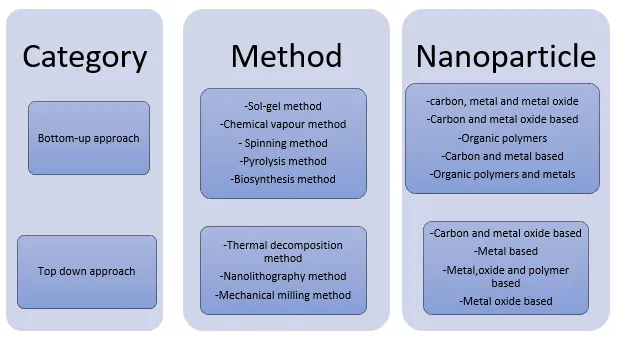
Table 1: Different Methods to Prepare Nanoparticles
4.1 Bottom-Up Method
- Bottom-up or productive method is structural building fromatom to cluster to nanoparticles.
- Sol-gel, spinning, chemicalvapor deposition (CVD), pyrolysis, and biosynthesis is the most commonly used techniques for the processingof nanoparticles.[Table 1]
4.1.1 Sol–Gel
- A colloidal mixture of solids suspended in a liquid formconstitutes the sol. The gel is usually defined as a solid macromolecule that was dissolved in a solvent.
- Sol–gel is the most recommended bottom-up method owing to its efficiency and as most of the nanoparticles can be synthesised from this method.
- It is a wet-chemical procedure, containing a chemical solution that acts as a precursor to interconnected discrete interacting particles.
- Metallic oxides and chlorides are the commonly used components in sol-gel synthesis of nanoparticles.[46]
- The components are distributed in ahost fluid either by stirring, spinning or sonication where the resultant system comprises a liquid and a solid phase.
- Further, a phase separation is conducted to retrieve the nanoparticles by alternative techniques such as sedimentation, ultra filtration or by centrifugation, while the humidity isfurthermore removed by drying mechanism.
4.1.2 Chemical Vapour Deposition (CVD)
- Chemical vapor deposition [CVD] is the precipitation of thin layers of gaseous reactant onto substrate.
- The deposition is taken out in a reactor system at room temperature by mixing gas molecules.
- A chemical reaction takes placewhen the cumulative gas comes into contact with a heated substratum.
- This reactivity creates a thin film of product, which is further recovered and used on the surface of the material.
- The major determining factor in CVD is the sub-stratum temperature.
- CVD has highly pure, consistent, hard and strong nanoparticles as its advantages while its disadvantages includes specialized equipment, requirementand the gaseous by-products of highly toxic in nature.[47]
4.1.3 Spinning
- A rotating disc reactor (SDR) performs the synthesis of nanoparticles by rotating. It includes a rotating disk inside a chamber/reactor where it is possible to control physical conditions such as temperature.
- Usually, the reactor is filled with nitrogen or other inert gasses to remove oxygen inside and prevent chemical reactions.
- The disk is rotated at various rates, for example the precursor, is pumped in and out with water.
- The spinning allows the particles or atoms to bind together and is precipitated, stored, and dried.
- The diferent operating parameters like liquid flow rate, disk rotation speed, liquid ratio, feed location, disk surface, etc. determine the synthesized nanoparticles.[48]
4.1.4 Pyrolysis
- Pyrolysis is the most frequently used method for the production of nanoparticles in large-scale industries. It involves burning a faming precursor.
- The precursor would beeither liquid or vapor that is supplied into the furnace through a small opening where it burns at atmospheric temperatures.
- In order to retrieve the nanoparticles, the combustion or by- product gases areused. In order to recover the nanoparticles, the combustion or by-product gases are then air classifed.
- Some of the furnaces utilise laser and plasma to produce high temperature for convenient evaporation, instead of flames.
- The benefits of pyrolysis are fast, reliable, cost-effective with elevated-yield, continuous processes.[49]
4.2 Top-Down Method
- Top-down or destructive approach requires nanometric-scale reduction of a bulk material to components.
- Mechanicalmilling, Electron Beam lithography, laser ablation, sputtering, and thermal decomposition are among the most frequently used technique of nanoparticles synthesis.[Table 1]
4.2.1 Thermal Decomposition
- Thermal decomposition is a heat-generated endothermic chemical process of breaking down the chemical bonds within the compound.
- The exact temperature at which an element breaks down chemically is the temperature of the decomposition.
- The nanoparticle that forms by breaking down the metals at different temperatures undergoes a chemical compound that creates secondary products [50].
4.2.2 Nanolithography
- Nanolithography is the analysis of the manufacture of nanoscopic-scale structures with a size range of approximately one dimension from 1 to 100 nm.
- Various nanolithographicprocesses include optical, electron beam, multiphoton, nanoimprint and scanning probe lithography.
- The key advantages of nanolithography are to create a cluster of desired shape and scale, from a single nanoparticle [51].
4.2.3 Sputtering
- Sputtering is mainly the accumulation of nanoparticles on a surface by extinguishing particles by colliding with ions.
- It is usually a thin film deposition of nanoparticles that is followed by annealing process.
- The shape and size can be determines by the thickness, annealing duration, temperature, and the type of substratum used [52].
4.2.4 Laser Ablation
- It is a common method to generate nanoparticles from diverse solvents.
- The radiation exposure of a metal in a liquid solution condenses a plasma plume which produces diferent nanoparticles.
- It is a ‘natural’ method because it offers a balanced synthesis of nanoparticles in organic solvents and water that does not need any stabilizing agent or chemicals.
5. APPLICATION OF NANOTECHNOLOGY IN FOOD PACKAGING AND FOOD CONTACT MATERIALS
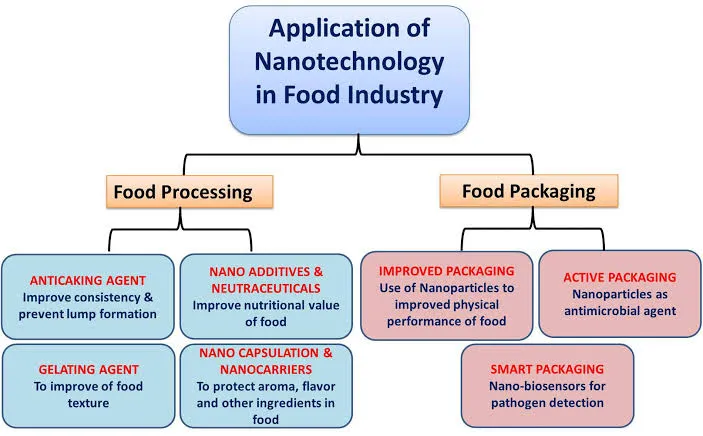
Figure 5: Application of Nanotechnology in Food Industrywith Packaging as Valuable Intervention
- Food packaging is considered to be one of the earliest commercial applications of nanotechnology in the food sector.[53][Figure 5]
- About 400-500 nano-packaging products are estimated to be in commercial use at the moment, while nanotechnology is predicted to be used in the manufacture of 25% of all food packaging within the next decade [54].
- The significant purpose of nano-packaging is to set longer shelf life by improving the barrier function of food packaging to reduce gas and moisture exchange and UV light exposure [55].
- For example, Du Pont has announced the release of a nano-titanium dioxide plastic additive namely "DuPont light stabilizer210", which could reduce UV damage of foods in transparent packaging [56].
- By 2003, over 90% of nano-packaging was based on nanocomposites, in which nanomaterials were used to improve the barrier function of plastic wrapping for foods, and plastic bottles for beer, soft drinks and juices.
- Nano-packaging can also be designed to release antimicrobials, antioxidants, enzymes, flavours and nutraceuticals to extend shelf life [57, 58].
6. TYPES OF PACKAGING FOR PHARMACEUTICAL PRODUCTS
Effective packaging is a crucial element for the pharmaceutical industry. It protects the drug during storage, sale, shipping, and use. The packaging of pharmaceutical products also depends on the type of drug as they may react with it.
While for other products, the objectives of packaging include protection, safety, functionality, branding, and attractiveness. For pharmaceutical products, objectives include chemical protection, portion control, containment, and security of the drug as well. [59] [Figure 6]
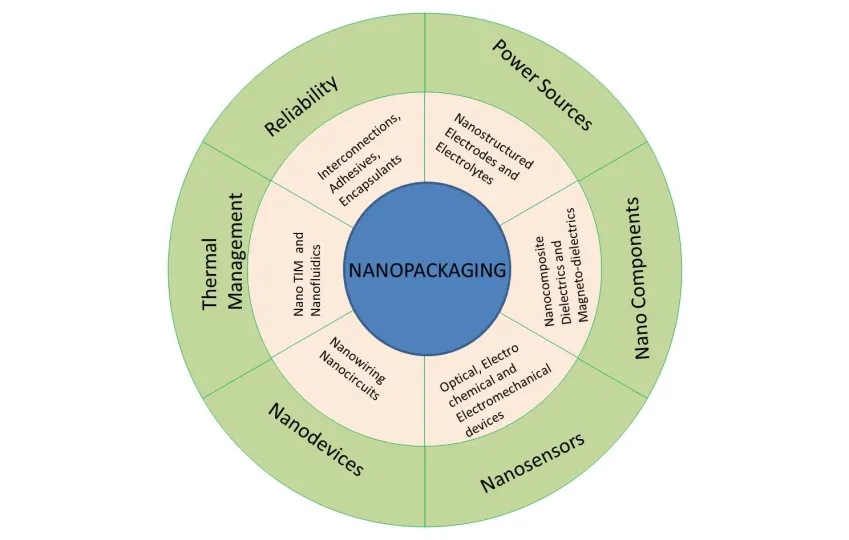
Figure 6: Factors Affecting Nanopackaging[59]
6.1Importance of Packaging for Pharma Companies
- Product packaging maintains drug quality. It protects the product from physical damage as well as biological degradation.
- Some sensitive drugs require protection from light and water as they have sensitive substances. The packaging for pharmaceuticals also needs to disseminate important information.
- There must be proper and clear labeling-correct information needs to be circulated.
- Product packaging must protect the medicines from contamination and all external influences that may alter the drugs properties.
- Product packaging is a crucial part of any product. Butin the pharmaceutical industry. Life-savings drugs and medicines require the utmost care in the form of cover.
- Besides, stringent packaging standards also apply to pharmaceutical products. [59]
There are three types of packing in the pharma industry - primary, secondary, and tertiary.
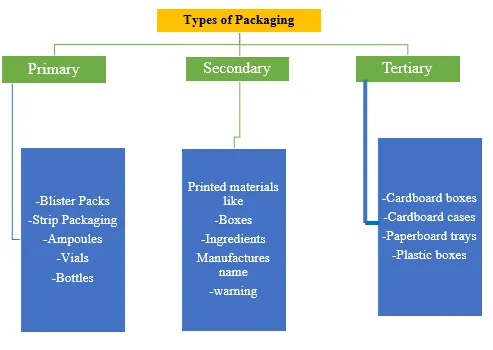
Figure 7: Types of Packaging
[I]Primary Packaging:
- It is also known as sales packaging; primary packaging is significant for pharma companies. This packaging is in direct contact with drugs and medicines.
- Therefore, the packaging needs to be inert and should not cause any alteration to the salt in the dosage.
- If the primary packaging is not done correctly, it may affect the drug, and you won’t be sure about the medicine quality and its purity.
- The material used for primary packaging must be neutral, to ensure it doesn’t interact with the pharmaceutical product during its entire life.
- If the packaging fails, the drug may become life-threatening for the patients who may consume it.
- The most common material used for primary packaging includes non-reactive substances, like aluminium and PVC.
- Likewise, high-quality plastic is used for liquid doses instead of glass. This ensures that the products don’t spill or get damaged during transportation from the factory to the pharmacy.
- The most common plastics used for tablets and pills include polyethylene, polyvinyl chloride, nylon, polycarbonate, and polyethylene terephthalate. [59]
Different Types of Primary Packaging
The primary packaging consists of packaging material that is in direct contact with the drugs. The different types of primary packaging for pharmaceutical products are as follows:
1] BLISTER PACKS
Blister pack is the most common pharmaceutical packaging used to hold solid medicines in place. These are pre-formed foil, paper, or plastic packs. Blister packs have a pocket or cavity made from thermoformed plastic. At its backside, there is a paperboard, aluminium foil, or plastic film seal that can be easily punctured by hand. Notably, this seal includes all the important information related to the drug. [59]
2] STRIP PACKAGING
It is a unit packing dosage and is specifically used to increase the dosage life as it protects the content individually. The most significant difference between blister and strip packaging is that strip doesn’t have thermo-formed cavities. Instead, the packaging is formed around the tablet. [59]
3] AMPOULES
An ampoule is a small glass or plastic container used for packaging liquid drugs and medicines. These are sealed vials generally used to protect drugs from the air and other contamination. They are sealed by melting the top with flame. Glass ampoules are expensive compared to other types of packaging. [59]
4] VIALS
Vials are plastic, or glass containers specifically used to hold solid, powder, and liquid drugs. They are bigger in size and capacity compared to ampoules. The vials are closed with crimp vials (rubber stopper or metal cap), screw vials (screw cap or dropper), or lip vials (plastic stopper or cork). However, plastic vials have different closure systems - hinge caps - which can be easily closed when pressed. The bottoms of the vials are mostly flat. [59]
5] BOTTLES
Most frequently used to carry liquid drugs as well as capsules and formed tablets. Because of excellent properties, glass bottles are most commonly used for liquid doses. And plastic bottles are used for tablets and capsules. Although they come in different colours, the most common is brown and orange as they can prevent ultraviolet light from harming photosensitive contents. [59]
6] SACHET PACKAGING
Sachet packaging is a pouch packaging made of plastic for separate doses. Mostly they are used for powder-based medicines. But they can also be used for liquid doses. Sachet packaging can be both single-use as well as resealable. [59]
[II] Secondary Packaging
Once the primary packaging is done, it is the time for the packaging that is called secondary packaging. It is just another layer of packaging which can be any printed material, like boxes.
All the important information is printed on these boxes, like ingredients, manufacturer’s name, address, warning, and type of medicine. The printed information helps the manufacturer to distinguish between different boxes with different drugs easily. The secondary packaging essentially gives the drugs a brand image at the same time, further protects them during transportation. [59]
[III]Tertiary Packaging
The last type of packaging, i.e. tertiary packaging, it is important for the shipping process. The end consumers don’t see this packaging. The retailers often remove them before they showcase the medicines in their shops or clinics. [59]
The main objective of tertiary packaging is safeguarding primary and secondary packaging from the external environment during storage and transportation. The most popular pharma product tertiary packagings are plane boxes, cardboards, and shrink wraps [59].
7. FUTURE ASPECTS OF NANO-PACKAGING
- There have been remarkable advances in the nanotechnology applications in food science and research.
- Nanotechnology aids in the detection of toxins, pathogens, and pesticides and tracking–tracing–monitoring that can assure maintenance of food quality.
- The availability of trained manpower, cost of analysis, and procurement of high-end technical equipment do not form the roadblocks for nanotechnology.
- However, some nanosystems are still at the stage of infancy or being developed as potent nanocomponents. More extensive research can be carried out in the following areas for wide application.
- Safety aspects and challenges can be taken into considerations simultaneously.
- The novel ideas of “smart packaging,” developing antigen specific biomarkers, and amalgamation of nanoparticles to prepare nanocomposite polymeric films are slowly being realized. Extensive research can be carried out for the expansion and industrial applications in future.
- Through improved outlook of nanomaterials and the realisation of their potential in the food industry, the influx of nanotech foods will provide solutions for persisting problems associated with foods and will offer long-term economic benefits.
- Globally, nations will be benefitted from increased food productivity with cost efective returns, innovative products with tuneable properties to deliver smarter and healthier foods and equally intelligent packaging systems having enhanced storage properties for better food protection.
- Nanotechnology aids in the detection of toxins, pathogens, and pesticides and tracking–tracing–monitoring that can assure maintenance of food quality.
- The availability of trained manpower, cost of analysis, and procurement of high-end technical equipment do not form the roadblocks for nanotechnology.
- Extensive research can be carried out for the expansion and industrial applications in future. Nanocomposites are carbon-neutral biodegradable molecules.
- Hence, their application in food packaging material could be harnessed in near future. Similarly, nanosilica can be explored for commercial use as a surface coating material for modified barrier properties.[60]
- Nanocomposites are carbon-neutral biodegradable molecules. Hence, their application in food packaging material could be harnessed in near future.
- Similarly, nanosilica can be explored for commercial use as a surface coating material for modified barrier properties.
- The antigen-specific biomarkers usually assist to identify the existence of the food spoilage causing organism (Cho, Kim, Kim, Kim, & Park, 2008).
- Harnessing its utility in detection of food pathogens, including bacteria, viruses, and mycotoxins through nanosensors (quick, accurate, and less labor-intensive), would be easy and quick.
- The usage of nanosensors in film packaging to sense gases released as a result of food spoilage is also of consumer's relevance (Das et al., 2011; Chaudhry & Castle, 2011).
- Such sensors can detect the spoilage at every stage of food chain, which would in turn reduce the total food loss, benefiting the food producers, retailers as well as consumers.
- Furthermore, carbon nanotubes are being used for incorporating the sensors into packaging materials mainly for the detection of microorganisms, toxic substances, and food spoilage (Tully et al., 2006).
- In-depth research can be carried out for future packaging materials in smart and intelligent food packaging systems (Wang & Irudayaraj, 2008).
- Also, extensive research insights could be gained to explicate the potential of nanofibers in area of food packaging and regarding the interactions of multiple food ingredients during nanoencapsulation.
- Nanotechnology-derived foods are likely to extend the scope of formulation and production of functional foods in coming years.
- If the rules and regulations for nanotechnology are laid to overcome various safety challenges associated with this technology, it could rule the entire food processing domain.
- As per new predictions, nanotechnology is anticipated to become the advanced technology with infinite growth rate by 2050 to unravel majority of industrial and societal problems due to its ability to find amicable solutions both at micro and macro level (Aithal, 2016).[61]
- Through improved outlook of nanomaterials and the realisation of their potential in the food industry, the influx of nanotech foods will provide solutions for persisting problems associated with foods and will offer long-term economic benefits.
- Globally, nations will be benefitted from increased food productivity with cost effective returns, innovative products with tuneable properties to deliver smarter and healthier foods and equally intelligent packaging systems having enhanced storage properties for better food protection. [62]
CONCLUSION
- In conclusion, we could recommend that there is an urgent need for regulation of nanomaterials before their incorporation into food processing, packaging, and food contact. Nanomaterials must not cause any health risks for consumers or to the environment.
- More research studies are required to investigate the hazards of nanomaterials, taking the size as a main factor even though some of chemical materials in the form of large particles are safer than when they are in the nano state.
- Nanotechnology application in food industry with an improved research could change the whole food packaging scenario andit will increase productivity of food and will give long-term economic benefits.
- In food preservation and packaging sector, they possess a huge positive impact on environment, sustainability, and human health.
- Despite the advantageswith cost-effective returns of nanofood packaging, the associated potential healthrisks have to be registered as well.
- Apart from these, the consumer acceptability addressing benefitsand risks associated with nanotech foods with greater transparency should beimproved.
- Lastly, better collaboration between stakeholders and regulatory agenciesfavoring environmental and social interests will allow humans to enjoy these hightechnology products safely.
REFERENCES
- https://www.ncbi.nlm.nih.gov/pmc/articles/PMC6982820/#:~:text=The%20American%20physicist%20and%20Nobel,Institute%20of%20Technology%20 (Caltech)
- https://www.sciencedirect.com/science/article/abs/pii/B9780128135860000079
- C. Sharma, R. Dhiman, N. Rokana, H. Panwar, Nanotechnology, An untapped resource for food packaging. Front. Microbiol. 8, 1735 (2017)
- Y.C. Wang, L. Lu, S. Gunasekaran, Biopolymer/gold NPs composite plasmonic thermal history indicator to monitor quality and safety of perishable bio products. Biosens. Bioelectron. 92, 109–116 (2017)
- S. Suh, X. Meng, S. Ko, Proof of concept study for diferent-sized chitosan NPs as carbon dioxide (CO2) indicators in food quality monitoring. Talanta 161, 265–270 (2016)
- J.W. Han, L. Ruiz-Garcia, J.P. Qian, X.T. Yang, Food packaging: a comprehensive review and future trends. Compr. Rev. Food Sci. Food Saf. 17, 860–877 (2018)
- A.M. Youssef, S.M. El-Sayed, Bionanocomposites materials for food packaging applications: concepts and future outlook. Carbohydr. Polym. 193, 19–27 (2018)
- B. Kuswandi, Environmental friendly food nano-packaging. Environ. Chem. Lett. 15, 205–221 (2017)
- O. Koivistoinen, Catabolism of biomass-derived sugars in fungi and metabolic engineering as a tool for organic acid production. PhD Thesis No. 43, VTT Technical Research Centre of Finland, Finland. ISBN 978-951-38-8100-9 (2013)
- X.Z.L. Tang, P. Kumar, S. Alaviand, K.P. Sandeep, Recent advances in biopolymers and biopolymer based nanocomposites for food packaging materials. Crit. Rev. Food Sci. 52, 426–516 (2012)
- J. Miltz, Food packaging, In Handbook of Food Engineering (Heldman, D.R. and Mishra SP).Production of nanocellulose from native cellulose-various options utilizing ultrasound. BioResources 7, 422–436 (2011)
- K. Khwaldia, E. Arab-Tehrany, S. Desobry, Biopolymer coatings on paper packaging materials. Compr. Rev. Food Sci. Food Saf. 9, 82–91 (2010)
- M.A. Abdelgawad, M.E. El-Naggar, S.M. Hudson, J. Orlando, Fabrication and characterization of bactericidal thiol-chitosan and chitosan iodoacetamide-nanofbres. Int. J. Biol. Macromol. 94, 96–105 (2017)
- H.M. Robertson, The mariner transposable element is widespread in insects. Nature 362, 241–245 (1993)
- F. ZahiriOghani, K. Tahvildari, M. Nozari, Novel antibacterial food packaging based on chitosan loaded ZnOnano particles prepared by green synthesis from Nettle leaf extract. J. Inorg. Organomet. Polym. 30, 1–12 (2020)
- R. Senjen, I. Illuminato, Nano and Biocidal Silver: Extreme Germ Killers Present a Growing Threat to Public Health (ReportofFoE Australia and FoE United States, Australia, 2009)
- I. Sondi, B. Salopek, Silver NPs as antimicrobial agent: a case study on E. coli as a model for Gram-negative bacteria. J. Colloid Interface Sci. 275, 177–182 (2009)
- C. Marambio-Jones, E.M.V. Hoek, A review of the antibacterial efects of silver nanomaterials and potential implications for human health and the environment. J. Nanopart. Res. 12, 1531–1551 (2010)
- B. Nowack, H.F. Krug, M. Height, 120 Years of nanosilver history: implications for policy makers. Environ. Sci. Technol. 45, 1177–1183 (2011)
- A. Emamifar, M. Kadivar, M. Shahedi, S. Soleimanian-Zad, Evaluation of nanocomposite packaging containing Ag and ZnO on shelf life of fresh orange juice. Innov. Food Sci. Emerg.Technol. 11, 742–748 (2010)
- N. Bumbudsanpharoke, K. Seonghyuk, Nanoclays in food and beverage packaging. J. Nanomater. 2019, 1–13 (2019)
- H.M.C.D. Azeredo, Nanocomposites for food packaging applications. Food Res. Int. 42, 1240–1253 (2009)
- L.B. De Paiva, A. Morales, F.R.V. Diaz, Organoclays: properties, preparation and applications. Appl. Clay Sci. 42, 8–24 (2008)
- N.H. Othman, W.Z.N. Yahya, M. Che Ismail et al., Highly dispersed graphene oxide–zinc oxide nanohybrids in epoxy coating with improved water barrier properties and corrosion resistance. J. Coat. Technol. Res. 17, 101–114 (2020)
- S. Bhuyan, S. Sundararajan, Y. Lu, R.C. Larock, A study of the physical and terminological properties of bio based polymer-clay nanocomposites at diferent clay concentrations. Wear 268, 797–802 (2010)
- S. Mallakpour, MSurfaceDinari, Treated montmorillonite: structural and thermal properties of chiral poly (amide-imide) organoclaybionanocomposites containing natural amino acids. J. Inorg. Organomet. Polym. 22, 929–937 (2012)
- A.D. Liu, L.A. Berglund, Clay nanopaper composites of nacre-like structures based on montmorrilonite and cellulose nanof-bres-improvements due to chitosan addition. Carbohydr. Polym. 87, 53–60 (2012)
- A. Azam, A.S. Ahmed, M. Oves, M.S. Khan, S.S. Habib, A.Memic, Antimicrobial activity of metal oxide NPs against Gram-positive and Gram-negative bacteria: a comparative study. Int J. Nanomed. 7, 6003–6009 (2012)
- L.E. Shi, Z.H. Li, W. Zheng, Y.F. Zhao, Y.F. Jin, Z.X. Tang, Synthesis, antibacterial activity, antibacterial mechanism and food applications of ZnO NPs: a review. Food Addit. Contam. Part A Chem. Anal. Control Expo Risk Assess. 31 (2), 173–186 (2014)
- C. Silvestre, D. Duraccio, S. Cimmino, Food packaging based on polymer nanomaterials. Prog. Polym. Sci. 36, 1766–1782 (2011)
- J.T. Seil, J.T. Webster, Antimicrobial applications of nanotechnology: methods and literature. Int. J. Nanomed. 7, 2767–2781 (2012)
- T. Tsuzuki, Nanotechnology, Commercialization, Properties of Nanoparticulate Materials, vol. 1 (CRC Pressbook, Boca Raton), p. 17
- R. Tankhiwale, S.K. Bajpai, Preparation, characterization and antibacterial applications of ZnO-NPs coated polyethylene flms for food packaging. Colloids Surf B Biointerfaces 90, 16–20 (2012)
- A.O. Oladebeye, A.A. Oshodi, I.A. Amoo, A. Abd Karim, Morphology, X-ray difraction and solubility of underutilized legume starch nanocrystals. Int. J. Sci. Res 2 (3), 497–503 (2013)
- J.Y. Kim, S.T. Lim, Preparation of nano-sized starch particles by complex formation with n-butanol. Carbohydr. Polym. 76 (1), 110–116 (2009)
- J.L. Putaux, S. Molina-Boisseau, T. Momaur, A. Dufresne, Platelet nanocrystals resulting from the disruption of waxy maize starch granules by acid hydrolysis. Biomacromolecules 4 (5), 1198–1202 (2003)
- N.M.C. Silva, F.F. de Da Lima, R.L.L. Fialho, E.C.M.C. Albuquerque, J.I. Velasco, F.M. Fakhouri, in Production and Characterization of Starch Nanoparticles, Applications of Modifed Starches, ed. by E.F. Huicochea, R.R. Villalobos (IntechOpen,London,2018). https://doi.org/10.5772/intechopen.74362
- E. Pérez-Pacheco, J.C. Canto-Pinto, V.M. Moo-Huchin, I.A.Estrada-Mota, R.J. Estrada-León, L. Chel-Guerrero, Thermo-plastic starch (TPS)-cellulosic fbers composites: mechanical properties and water vapor barrier: a review, in Composites from Renewable and Sustainable Materials, ed. by M. Poletto (IntechOpen, London, 2016)
- D. Liu, Wu Q, H. Chen, Chang P.R. Transitional properties ofstarch colloid with particle size reduction from micro- to nanometer. J. Colloid Interface Sci. 2009; 339 (1): 117–124
- A. Salama, M. Diab, R. Abou-Zeid, Crosslinked alginate/silica/zinc oxide nanocomposite: a sustainable material with antibacterial properties. Compos. Commun. 7, 7–11 (2018)
- H.M.C.D. Azeredo, Nanocomposites for food packaging applications. Food Res. Int. 42, 1240–1253 (2009)
- S.J. Eichhorn, A. Dufresne, M. Aranguren, N.E. Marcovich, J.R. Capadona, S.J. Rowan, C. Weder, W. Thielemans, M. Roman, S. Renneckar, W. Gindl, S. Veigel, J. Keckes, H. Yano, K. Abe, M. Nogi, A.N. Nakagaito, A. Mangalam, J. Simonsen, A.S. Benight, A. Bismarck, L.A. Berglund, T. Peijs, Review: Current International Research into Cellulose Nanofbres and Nanocomposites. J. Mater. Sci. 45, 1–33 (2010)
- M.F. Rosa, E.S. Medeiros, J.A. Malmonge, K.S. Gregorski, D.F. Wood, L. Mattoso, C. H, G. Glenn, W.J. Orts, S.H. Imam, Cellulose nanowhiskers from coconut husk fbers: efect of prepara-tion conditions on their thermal and morphological behaviour. Carbohyr. Polym. 81, 83–92 (2010)
- W.T. Chen, X.L. Wang, Q.S. Tao, J.F. Wang, Z. Zheng, X.L. Wang, Lotus-like paper/paperboard packaging prepared with nano-modifed overprint varnish. Appl. Surf. Sci. 266, 319–325 (2013)
- T. Kumari, R. Gopal, A. Goyal, Sol–gel synthesis of Pd@PdOcore–shell nanoparticles and efect of precursor chemistry on their structural and optical properties. J. Inorg. Organomet.Polym. 29: 316–325 (2019)
- A. Abdelhalim, A. Abdellah, G. Scarpa, P. Lugli, Metallic NPs functionalizing carbon nanotube networks for gas sensing applications. Nanotechnology 25, 5 (2014)
- T. Yanase, T. Miura, T. Shiratori, M. Weng, T. Nagahama, T. Shimada, Synthesis of carbon nanotubes by plasma-enhanced chemical vapor deposition using Fe1–xMnxO nanoparticles as catalysts: how does the catalytic activity of graphitization affect the yields and morphology? C J. Carbon Res. 5, 46 (2019)
- R.A. Hamouda, M.H. Hussein, R.A. Abo-elmagd et al., Synthesis and biological characterization of silver nanoparticles derived from the cyanobacteriumOscillatorialimnetica. Sci. Rep. 9, 13071 (2019)
- J. Arto. E. Gröhn Sotiris, Pratsinis, Antoni Sánchez-Ferrer, RafaeleMezzenga, and Karsten Wegner. Industrial & Engineering Chemistry Research 53, 10734–10742 (2014)
- M. Unni, A.M. Uhl, S. Savliwala, B.H. Savitzky, R. Dhavalikar, N. Garraud, D.P. Arnold, L.F. Kourkoutis, J.S. Andrew, C. Rinaldi, ACS Nano 11, 2284–2303 (2017) 97. K. Muriel, J. Corbierre, Beerens, R. Bruce, Lennox, Chem. Mater. 17, 5774–5779 (2005)
- Y. Hatakeyama, T. Morita, S. Takahashi, K. Onishi, K. Nishi-kawa, J. Phys. Chem. C 115, 3279–3285 (2011)
- J.H. HaribabuPalneedi, D. Park, Maurya et al., Laser irradiation of metal oxide flms and nanostructures: applications and advances. Adv. Mater. 30, 1–14 (2018)
- Roach S Most companies will have to wait years for nanotech’s benefits. Foodproductiondaily.com 21 August 2006. Available at:http://www.foodproductiondaily.com/news/ng.asp?id=69974 (accessed 17 January 2008)
- Reynolds G 2007 FDA recommends nanotechnology research, but not labelling.FoodProductionDaily.com News 26 July 2007. Available at http://www.foodproductiondaily-usa.com/news/ng.asp?n=78574-woodrow.wilsonnanotechnologyhazardous (accessed 24 January 2008).
- Sorrentino A, Gorrasi G and V Vittoria Potential perspectives of bionanocompositesforfood packaging applications. Trends Food SciTechnol 2007 18:84-95.
- Sorrentino A, Gorrasi G and V Vittoria Potential perspectives of bionanocompositesforfood packaging applications. Trends Food SciTechnol 2007 18:84-95.
- El Amin A Nanoscale particles designed to block UV light. FoodProductionDaily.comEurope. 18 October 2007. Available at: http://foodproductiondaily.com/news/ng.asp?id=80676 (accessed 30 October 2007).Cha D and M Chinnan Biopolymer-based antimicrobial packaging: A review. Critic Rev Food SciNutrit 2004; 44:223-237.
- LaCoste A, Schaich K, Zumbrunnen D and K Yam Advanced controlled release packaging through smart blending. PackagTechnolSci 2005; 18:77-87.
- https://packaging.shiprocket.in/packaging-of-pharmaceutical-products
- https://onlinelibrary.wiley.com/doi/full/10.1002/fft2.58
- https://onlinelibrary.wiley.com/doi/full/10.1002/fft2.58
- https://link.springer.com/article/10.1007/s10904-020-01674-8



 10.5281/zenodo.24475915