

We use cookies to ensure our website works properly and to personalise your experience. Cookies policy
Department of Pharmacy, JES's S.N.D. College of Pharmacy Babhulgoan (Yeola), India
Pharmaceutical packaging is evolving from a conventional system used mainly for containment and protection into an integrated platform that supports product authentication, traceability, environmental monitoring, and protection against counterfeiting. The increasing circulation of falsified medicines and the complexity of global pharmaceutical supply chains have created a growing need for reliable and technologically advanced packaging solutions. This review provides an overview of recent developments in pharmaceutical packaging, with particular emphasis on authentication, track-and-trace technologies, product protection, and intelligent monitoring. Connected packaging approaches, including QR codes, Data Matrix codes, radio-frequency identification (RFID), near-field communication (NFC), serialization, and digital tracking systems, can improve product identification and supply-chain visibility. Additional security technologies, such as holograms, specialized inks, blockchain, cloud platforms, and the Internet of Things (IoT), further support product verification and information exchange. Protective approaches, including tamper-evident systems, advanced barrier materials, active packaging, time–temperature indicators, and chemical or biological sensors, contribute to maintaining product quality during storage and transportation. The review also discusses challenges related to cost, scalability, interoperability, cybersecurity, sustainability, and regulatory requirements. Collectively, these technologies offer opportunities to strengthen pharmaceutical supply-chain security and improve patient protection.
Packaging is an important aspect of pharmaceuticals, ensuring that medicines remain safe and of high quality during storage and handling. It is guarding against environmental and physical factors which may affect the product before it is opened and used. The dosage form, route of administration and the properties of the formulation and the packaging material may dictate the type of packaging required. Hence medicines intended for different routes of administration need packaging systems that are particularly suitable for their specific needs [1].
Pharmaceutical packaging is not only for the protection of the product during storage. This is important throughout the product’s life cycle, from manufacturing and transportation to storage and final use by the patient. A packaging system that is well chosen and well designed ensures the stability, quality, safety and integrity of the medicinal product and facilitates handling and administration [2]. Besides, packaging provides a protective barrier against damaging factors such as moisture, light, temperature fluctuations, biological contamination, physical or mechanical stress. Minimizing the exposure of the product to these factors helps to maintain the quality and efficacy of the product until the medicine is opened and administered to the patient [3].
Pharmaceutical packaging is broadly classified as primary, secondary and tertiary packaging, depending on the degree of contact with the pharmaceutical product and its role in handling and distribution. Primary packaging is that which comes in direct contact with the dosage form and should be of suitable containment with least interaction of the formulation and the packaging material; blister and strip packages are common examples [4]. Secondary packaging is located around the primary packaging and provides additional protection during handling and transportation. Cardboard cartons and plastic crates are examples of secondary packaging [5]. Tertiary packaging is mainly intended for the bulk handling, storage, and transportation of pharmaceutical products after they have been packaged. It provides an additional level of protection during distribution and helps facilitate the safe movement of packaged products. Depending on the nature of the pharmaceutical product and the requirements of the packaging system, a range of materials such as plastics, glass, metals, polymers, rubber, and paper-based materials may be used [6].
Counterfeit, substandard, and falsified (SF) medicines pose a significant threat to public health because their contents may not meet the required standards for genuine pharmaceutical products. They can contain an incorrect quantity of the active pharmaceutical ingredient, contain little or no active ingredient, or include substituted substances instead of the intended ingredients. In some instances, these medicines may also be contaminated with harmful or toxic materials, which can affect the expected therapeutic response and place patients at risk. The occurrence of such medicines within the pharmaceutical supply chain therefore makes effective authentication and verification essential for confirming the identity, quality, and safety of pharmaceutical products before they are supplied for patient use [7,8].
Conventional primary and secondary packaging systems, such as blister packs, glass vials, and paperboard cartons, continue to be widely used for pharmaceutical products. However, these conventional systems have some limitations in meeting the requirements of increasingly complex pharmaceutical supply chains. In most cases, they provide passive protection but do not allow continuous monitoring of environmental conditions during transportation. As a result, changes in factors such as temperature, humidity, and light exposure may not be detected in real time [9].
Traditional approaches to product security also have limitations. Features such as printed information, simple one-dimensional barcodes, and non-serialized holograms are generally static and may be reproduced or modified using advanced printing methods [10]. Another concern is the use of batch-level identification rather than assigning a unique identity to each individual package. This approach can result in disconnected information at different stages of the supply chain and may make comprehensive tracking from the manufacturer to the end user more difficult [9,11]. In addition, conventional labels generally do not provide interactive functions, which limits the possibility of directly checking product authenticity by healthcare professionals or patients at the point of use [10,11].
The field of pharmaceutical packaging has progressed substantially with the emergence of innovative technologies that aim to strengthen the protection, authentication, monitoring, and traceability of medicinal products [12]. Technologies including radio-frequency identification (RFID) and blockchain are increasingly being explored within the pharmaceutical supply chain for tracking products and helping to prevent the circulation of counterfeit medicines [13]. Another important development is the introduction of smart and intelligent packaging, which incorporates sensors, indicators, and monitoring technologies to provide information on the conditions surrounding pharmaceutical products during storage and transportation. These systems can help identify unfavorable storage conditions and, in certain applications, may contribute to improved patient adherence to prescribed medication regimens [12].
This review therefore provides an overview of recent developments in next-generation pharmaceutical packaging technologies. Particular emphasis is placed on product authentication, track-and-trace solutions, and smart sensor-based environmental monitoring, as well as their potential contribution to pharmaceutical safety, product integrity, and brand protection
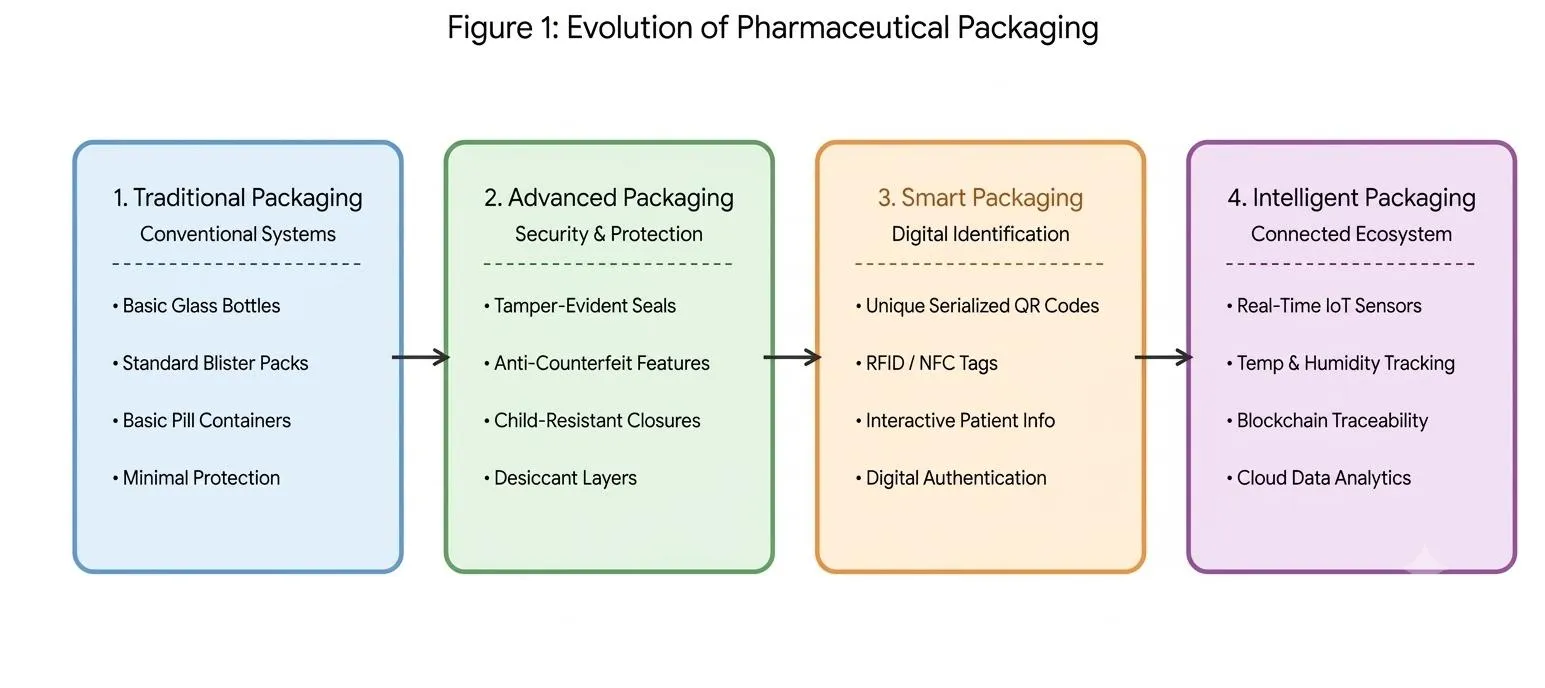
Figure 1: Evolution of Pharmaceutical Packaging (Traditional to Connected/Intelligent Systems
3. Next-Generation Pharmaceutical Packaging Technologies:
3.1 Smart Packaging :
According to Vanderroost et al. [14], smart packaging represents an integrated packaging system in which intelligent and active functions work together. The intelligent function enables the package to detect and monitor changes occurring in the product or its surrounding environment, whereas the active function allows an appropriate response to these changes. Chemical sensors and biosensors are among the technologies that can be incorporated into smart packaging systems for monitoring product quality and safety [15]. However, the design and functionality of smart packaging depend on the specific requirements of the product and its intended application. For instance, the technologies used for pharmaceutical products may differ from those required for healthcare or household products [15]. Consequently, the conditions or parameters that need to be detected, communicated, or controlled may also vary depending on the application.Smart packaging also offers capabilities for tracking and tracing products throughout their lifecycle. By monitoring conditions within the package as well as those in the external environment, these systems can generate relevant information about the status of the packaged product. Such information can assist manufacturers, retailers, and consumers in monitoring product quality and safety at different stages, from production and distribution to final use.
3.2 Connected Packaging :
Data carrier technologies have become an integral part of modern packaging systems and are increasingly incorporated into packaging labels to facilitate efficient supply-chain management. They provide stakeholders with access to timely product information and allow the movement and status of products to be monitored across various stages, from manufacturing and distribution to quality control, security, and consumer interaction [16]. These technologies are commonly
associated with tertiary packaging, including multi-unit containers, pallets, large paperboard boxes, and shipping crates. Among the different types of data carriers, barcodes and radio-frequency identification (RFID) tags are widely utilized. Their ability to identify products and support tracking and information exchange makes them important components in the development of intelligent packaging systems [17].
3.3 IoT-enabled Packaging :
The Internet of Things (IoT) has become an important part of modern digital technologies, enabling physical devices to communicate and exchange information through connected networks. By linking hardware, software, sensors, and cloud-based platforms, IoT systems can collect, transmit, and process data with limited human intervention. The interconnection of digital devices has therefore created opportunities for continuous monitoring and real-time information exchange across different applications [18–19]An IoT system may incorporate smart sensors, monitoring devices, actuators, artificial intelligence
(AI), and other data-processing technologies. These components work together to collect information from the surrounding environment and transmit it to connected applications. A typical IoT architecture includes three major elements: smart devices, an IoT application, and a graphical user interface. Smart devices obtain data related to environmental conditions, user activities, and patterns of use, which are subsequently transferred to the IoT application for processing. The application integrates information received from multiple connected devices and provides services for data management and analysis. AI and machine learning (ML) techniques can additionally be applied to the collected data to identify patterns and support data interpretation and decision-making [20–21].
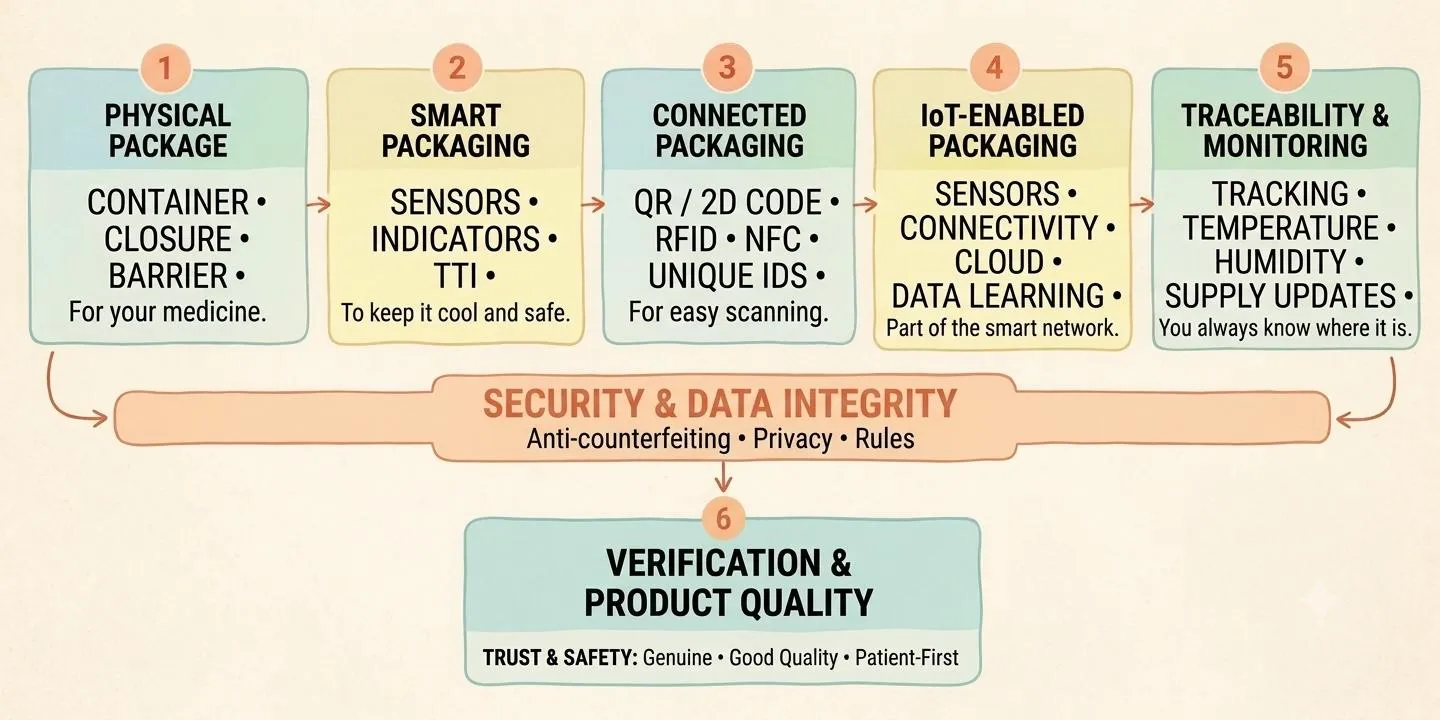
Figure 2: Architecture of Smart & Connected Packaging System
The integration of IoT with pharmaceutical supply chains has provided new approaches for monitoring and tracing medicines during transportation and distribution. IoT systems can be combined with RFID sensors, 2D barcodes, and smart labels to identify and track drug shipments, trace high-value medicines, and support verification of product authenticity. Singh et al. [22] proposed an IoT sensor-based blockchain framework for pharmaceutical supply chains that enables medicines to be tracked and traced during transportation. The framework also facilitates continuous monitoring of temperature conditions, which is particularly relevant for temperature-sensitive pharmaceutical products, while blockchain-based data management can support efforts to identify and prevent counterfeit medicines from entering legitimate distribution channels.
4. Authentication and Anti-Counterfeiting Technologies
Pharmaceutical authentication involves verifying the identity and legitimacy of a medicinal product to determine whether it is genuine. This process is essential for protecting patients, as counterfeit medicines may pose significant risks to health and therapeutic outcomes. The presence of incorrect, inadequate, or potentially harmful ingredients in counterfeit products can result in unsuccessful treatment and, in serious cases, may contribute to severe adverse health effects or death [23,24]. To distinguish genuine medicines from counterfeit products, manufacturers may incorporate different authentication features into the product or its packaging. These security features are commonly categorized as overt or covert, based on whether they can be detected directly by the user or require specific techniques or equipment for verification.
4.1 QR and 2D Data Matrix Codes
QR codes are now commonly printed on product packaging and labels, where they can provide users with additional details about the product and its manufacturer [25,26]. Based on how the encoded information is managed, QR codes can be classified as either static or dynamic. Once generated, a static QR code contains information that remains unchanged. Dynamic QR codes, in contrast, allow the associated information to be modified or updated without the need to replace the printed code. This feature makes dynamic codes useful when product information needs to be updated over time.
Two-dimensional (2D) barcodes represent information through a structured arrangement of dots, squares, or other patterns within a two-dimensional space. Their greater data-storage capacity compared with conventional linear barcodes makes them suitable for applications involving product identification, information retrieval, and tracking. The particular arrangement of the encoded elements represents product-specific information, which can be accessed by different stakeholders throughout the supply chain. Consequently, 2D barcode technology can support the activities of manufacturers, suppliers, distributors, retailers, and consumers. Common forms of 2D barcodes include PDF417, Data Matrix, and QR codes [27]. Data Matrix codes, in particular, have applications in product identification as well as tracking and tracing activities within supply-chain systems [28].
4.2 Radio Frequency Identification (RFID)
Radio-frequency identification (RFID) is widely used for identifying products, monitoring inventory, and improving traceability throughout the supply chain [29]. RFID tags are mainly classified into two categories: passive and active. Passive tags do not contain a built-in battery and obtain the energy needed for data transmission from the radio-frequency signal generated by the reader. Active tags, on the other hand, contain an internal battery, allowing them to operate over longer distances and, depending on the system, support communication with readers or other tags [30].RFID provides several practical advantages compared with conventional barcode-based identification. In particular, RFID tags can be detected without requiring a direct line of sight between the tag and reader, and multiple tags can be read at the same time. Data can also be collected from a greater distance, making RFID useful for automated identification and inventory management [31]. In pharmaceutical applications, RFID tags can contain relevant medication information, including the drug name, concentration, volume, National Drug Code (NDC), and lot number. The technology can therefore assist healthcare organizations in managing medication inventories and improving the reliability and safety of pharmaceutical handling. Despite these benefits, the implementation of RFID in healthcare can be limited by factors such as the initial investment required, difficulties associated with handling and integrating large amounts of data, and insufficient familiarity with the technology among users [32].
4.3 Near Field Communication (NFC)
Near-field communication (NFC) is a wireless communication technology designed for the exchange of information over very short distances. Because communication is possible only when compatible devices are placed close to each other, NFC has become useful in smart packaging applications, where NFC tags can be incorporated into or placed on product packages. Consumers can use NFC-enabled smartphones to read these tags and obtain product-related information. Thus, NFC allows mobile phones and other compatible devices to retrieve stored information from NFC tags or interact with nearby NFC-enabled devices [33]Smart Tags extend this concept by combining electronic labels, NFC tags, and two-dimensional (2D) barcodes with sensing and information-processing capabilities. Depending on their design, they can incorporate indicators, sensors, functional inks, and other components for monitoring environmental conditions. In addition, software-based functions such as user information, machine vision, and location tracking can be integrated into these systems. The combination of sensing, digital information, and connectivity enables Smart Tags to deliver context-specific information and services to consumers while also supporting communication with the Internet of Things (IoT) [34].
4.4 Holograms
Holographic technology can offer enhanced security by combining visible (overt) features with concealed (covert) elements. The visual quality of holograms, particularly their brightness, color, and contrast, can be improved by adjusting particle size and incorporating graphene nanosheets into colloidal suspensions to enhance the capture of scattered light. Recent studies have further demonstrated that nanostructured holograms can be directly printed onto edible films prepared from corn syrup. Such findings indicate the possibility of using holographic features in oral solid dosage forms, including film-coated tablets and capsule shells, as an additional measure for product authentication and security [35].
4.5 Security Inks
The pharmaceutical industry uses specialized inks as security features that exhibit a visible color change when viewed from different angles. Among these, iridescent and thermochromic inks are commonly used. Iridescent inks create a rainbow-like appearance, with the observed colors changing as the viewing angle is altered. Some iridescent systems display a gradual transition between multiple colors, producing a characteristic soap-bubble effect, while others show a distinct change between colors, commonly referred to as the flip-flop effect. In contrast, thermochromic inks respond to variations in temperature and undergo a reversible color change when exposed to different thermal conditions [36].
Carbon dots have attracted attention for packaging applications because of their favorable functional properties. However, achieving large-scale production with consistent particle size and quality remains a significant challenge [37]. In addition, prolonged exposure to ultraviolet (UV) radiation can reduce their fluorescence, which may limit their durability and long-term use in certain packaging environments [38].
Table. Authentication and Anti-Counterfeiting Technologies
| Technology | Principle | Role | Application | Reference |
|---|---|---|---|---|
| QR and 2D Data Matrix Codes | QR and 2D barcodes encode product-related information using structured patterns of dots, squares, or other elements. Static QR codes retain fixed information, whereas dynamic QR codes allow the associated information to be updated without replacing the printed code. | Support product identification, information access, tracking, and traceability across the supply chain. | Product packaging, product identification, information retrieval, and supply-chain tracking and tracing. | [25–28] |
| Radio Frequency Identification (RFID) | RFID uses electronic tags and radio-frequency communication for product identification and data collection. Passive tags obtain energy from the reader, while active tags contain an internal battery. Tags can be detected without direct line-of-sight and multiple tags can be read simultaneously. | Enables product identification, inventory management, medication monitoring, and improved pharmaceutical handling and safety. | Pharmaceutical inventory management, medication identification, healthcare organizations, and supply-chain monitoring. | [29–32] |
| Near Field Communication (NFC) | NFC enables wireless exchange of information over short distances. NFC tags placed on product packaging can be read using compatible devices such as smartphones. Smart Tags can additionally combine NFC, 2D barcodes, sensors, indicators, functional inks, and software-based information processing. | Facilitates access to product information and supports sensing, information processing, context-specific services, and IoT connectivity | Smart packaging, product information systems, Smart Tags, environmental monitoring, and IoT-related applications. | [33,34] |
| Holograms | Holographic security features incorporate overt and covert elements. Their optical characteristics, including brightness, color, and contrast, can be enhanced through particle-size optimization and the use of graphene nanosheets. | Provide an additional security and authentication feature for distinguishing genuine products from counterfeit products. | Oral solid dosage forms, film-coated tablets, capsule shells, and pharmaceutical packaging. | [35] |
| Security Inks | Iridescent inks produce color changes with viewing angle, including gradual multicolor or flip-flop effects, whereas thermochromic inks undergo reversible color changes in response to temperature. Carbon dots also show potential for packaging applications, although production consistency and UV stability remain challenges. | Provide visible security features for product authentication and counterfeit detection. | Pharmaceutical packaging and other packaging-based security applications. | [36–38] |
5.Traceability and Digital Supply-Chain Technologies
Pharmaceutical supply chains are a key area where traceability plays an important role, as medicines pass through several interconnected stages from manufacturing to distribution and, ultimately, to the patient. The complexity of these processes makes effective monitoring essential for maintaining the safety, quality, and authenticity of pharmaceutical products. In response to concerns such as counterfeit and suspect medicines, regulatory frameworks have increasingly focused on systems that enable product traceability, authentication, and timely action. Such systems help stakeholders verify the legitimacy of medicines and facilitate the identification and removal of potentially harmful products from authorized distribution channels [39–40].
The International Organization for Standardization (ISO) describes traceability as “the ability to follow the movement of products through specified stage (s) of production, processing, and distribution” [41]. Within pharmaceutical supply chains, traceability systems generally rely on unique identification codes assigned to individual medicines. As reported by Bansal et al. [42], these identifiers are introduced at an early point in the supply chain and remain associated with the product as it moves through subsequent stages. Preserving this unique identity until the medicine reaches the final consumer allows its movement to be monitored throughout the supply chain, thereby improving product visibility, traceability, and accountability.
5.1 Serialization:
Serialization involves assigning a distinct identification code to each individual pharmaceutical product, followed by encoding and verification of that identity [43]. Without unit-level serialization, product authentication is largely dependent on the lot or batch number, which may correspond to a large number of bottles produced under the same batch. Consequently, it is not possible to reliably confirm the authenticity of each individual bottle within that batch [44]. The use of serialization together with track-and-trace systems allows individual medicines to be followed throughout the various stages of the pharmaceutical supply chain. It also makes it possible to identify specific products affected by a quality or safety issue, enabling more targeted and efficient recalls when necessary [45].
5.2 Track-and-Trace Systems
A track-and-trace system assigns a unique identification code to each pharmaceutical product during manufacturing and maintains this identity throughout its journey across the supply chain until it reaches the end user. Product information is linked to the individual package through specific coding, which enables authorized personnel to retrieve and verify the relevant details from a secure database [46].
Pharmaceutical track-and-trace systems (PTTSs) can help in the detection and control of falsified medicines within the supply chain. When the unique code on a medicine is scanned, the information associated with that product can be compared with records held in a centralized database to confirm its authenticity. In addition to product verification, these systems can provide important information such as the expiry date, recall status, and alerts concerning suspected counterfeit or falsified medicines [47–48].
Tracking and tracing are closely related processes used to monitor the movement and history of pharmaceutical products. Tracking involves following a product from its place of origin as it moves toward its current or subsequent location, whereas tracing involves examining its history backward to identify its origin. Both processes depend on a reliable identification system that allows individual products to be distinguished throughout the supply chain. In the pharmaceutical industry, effective traceability can support pharmacovigilance by enabling the rapid and accurate identification of medicines, manufacturers, and specific batches that may be associated with adverse drug reactions [49].
5.3 Block chain Technology
Blockchain technology has increasingly been explored as a means of enabling secure and reliable information exchange. It consists of a distributed record in which data or transactions are stored with associated time information across a network of computers. Once recorded, the information is designed to be resistant to unauthorized modification. In contrast to traditional centralized databases, blockchain distributes the maintenance of records among multiple participants rather than relying on a single controlling organization [50]. This decentralized approach can facilitate information sharing while limiting the likelihood of data being altered without detection [51.
A key feature of blockchain is its ability to make unauthorized modifications to recorded information more readily identifiable, as copies of the relevant records are maintained across the participating members of the supply chain [52]. This can enhance the integrity and transparency of information exchanged between authorized stakeholders. In pharmaceutical supply chain (PSC) management, blockchain has been investigated for its potential to improve the reliability and consistency of shared data and to support measures aimed at limiting the circulation of counterfeit medicines [53]. When blockchain is integrated with traceability technologies, it can further enhance the visibility of pharmaceutical products throughout the supply chain, allowing their movement and interactions between different supply-chain participants to be monitored in a more structured and transparent manner.
5.4 Cloud and IoT Integration
The Internet of Things (IoT) has become an important technology in industrial applications and offers several opportunities to improve supply chain management (SCM). IoT connects physical devices and objects through Internet-based sensing technologies, including radio-frequency identification (RFID) [54]. In pharmaceutical supply chains, IoT can be integrated with 2D barcodes and smart labels to monitor drug shipments, track high-value medicines, and support product authentication. Singh et al. [55] proposed an IoT sensor-based blockchain system for tracking medicines during transportation. The system also enables continuous temperature monitoring, which is important for maintaining the quality of temperature-sensitive medicines and reducing the possibility of counterfeit products entering legitimate supply channels.
Cloud computing can further enhance IoT-based SCM by providing facilities for storing, managing, and processing the large volumes of data generated by connected sensors. It can also support inventory management and analysis of sensor-derived information. The authors in [56] used a centralized cloud database to store dynamic data collected from sensors together with static information obtained from actual cold-chain operations.
Similarly, the authors in [57] proposed a reference architecture for an IoT-based logistics information system for agri-food supply chains. Their smart logistics cloud platform supports data storage and processing for activities such as event management, product labeling and registration, product recalls, and quality forecasting based on sensor-generated information. The integration of IoT and cloud technologies can therefore support continuous monitoring, efficient data management, and improved coordination across complex supply-chain operations.
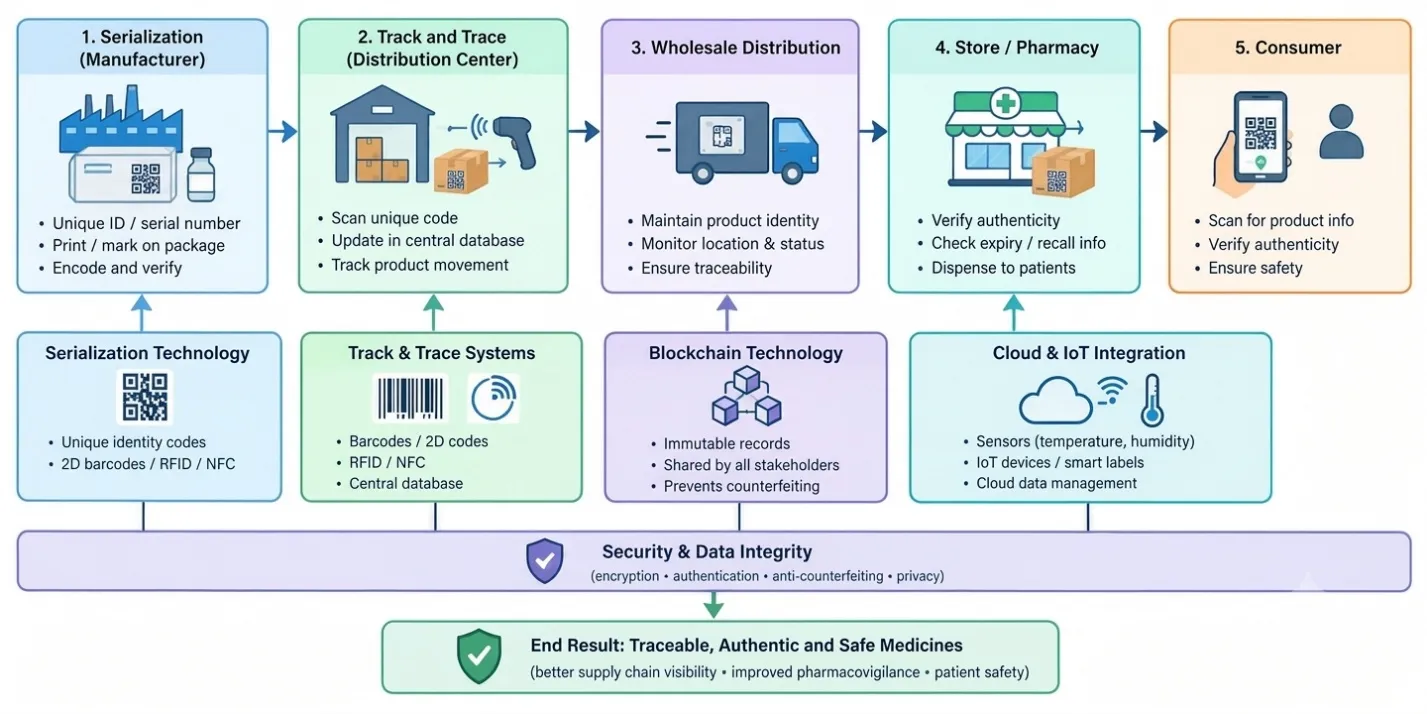
Figure 3: Conceptual Overview of Digital Supply-Chain Technologies for Traceability and Security in Pharmaceutical Supply Chains
6. Product Protection Technologies
6.1 Tamper-Evident Packaging
Tamper-evident packaging is designed to provide clear evidence if a package has been opened, damaged, or interfered with without authorization. Different types of tamper-evident packaging approaches can be used to protect pharmaceutical products, including the following:
a) Film wrappers
Film wrappers use a transparent film with a specific pattern or design that is firmly applied around the product or its container. The film has to be cut or torn to access the contents, making any opening attempt visible. Different materials can be used for these wrappers, such as ultra-destructible films and void films, which display a particular pattern, image, or message when removed. Solvent-sensitive papers may also be incorporated into these packaging systems.
b) Shrink seals and bands
Shrink seals and bands are placed over the connection between a container and its closure. The material contracts around the package when exposed to heat or drying, creating a tight seal. Opening the container requires the band to be cut or torn, providing visible evidence that the package has been disturbed.
c) Breakable caps
Breakable caps are designed to undergo visible physical damage when the container is opened. The breakage provides an immediate indication that the original closure has been disturbed. These caps can also be combined with an additional inner seal, providing two separate protective features within the same package.
d) Sealed tubes
Sealed tubes have an opening that is protected by an initial seal. The seal must be punctured or broken before the contents can be removed. Any damage to the original seal can therefore indicate that the tube has previously been opened or tampered with [58].
6.2 Tamper-Resistant Packaging
Tamper-resistant packaging (TRP) is used for over-the-counter (OTC) medicines to provide an additional level of protection and help preserve the safety and effectiveness of the product. Such packaging is designed to discourage unauthorized interference and to make it easier for consumers to identify whether the package has been disturbed or compromised. A TRP system may include one or more protective barriers or features that have a recognizable characteristic, such as a distinctive pattern, name, trademark, logo, or image. These features can be incorporated into the primary container and its closure, the secondary container or carton, or both. The overall packaging system should allow any loss of package integrity to be readily noticed. The protective feature should also remain functional under normal conditions associated with manufacturing, handling, transportation, distribution, and retail display. In addition, the package should include clear labeling that explains the particular tamper-resistant feature used, enabling consumers to recognize and assess the integrity of the package [59].
6.3 Barrier Packaging
The barrier performance of pharmaceutical packaging against oxygen, moisture, and light is a critical factor in maintaining the quality, stability, and safety of medicines [60]. Inadequate protection from these environmental factors can accelerate drug degradation, reduce therapeutic effectiveness, and promote the formation of unwanted degradation products. Therefore, packaging materials should be carefully selected based on the specific stability requirements and environmental sensitivities of the pharmaceutical product.Vitamin C is particularly vulnerable to oxidation because of its strong reducing activity. When vitamin C tablets are packed in conventional plastic containers, oxygen can gradually permeate through the packaging material and oxidize vitamin C to dehydroascorbic acid. Further degradation of this compound may result in the formation of products such as 2,3-diketogulonic acid. Consequently, packaging with sufficient oxygen-barrier properties is necessary to minimize oxidative degradation and maintain the stability of vitamin C tablets [61].Moisture protection is equally important for pharmaceutical products that are sensitive to humidity. Aspirin, for instance, can undergo hydrolysis in the presence of moisture, resulting in the formation of salicylic acid and acetic acid. If the packaging material provides inadequate resistance to water vapor, moisture can enter the package and be absorbed by enteric-coated aspirin tablets. This increased exposure to humidity may accelerate hydrolysis and adversely affect the stability of the product [62].Protection from light is also essential for photosensitive pharmaceutical products. Prolonged exposure to light may initiate degradation reactions and reduce product stability. Chlorpromazine tablets, for example, are sensitive to light and therefore require appropriate packaging materials that can effectively restrict light exposure and help maintain their quality throughout storage [63].
6.4 Active Packaging
Active packaging is a modern packaging technology in which functional substances are incorporated into the packaging material to interact with the packaged product or the surrounding environment. Depending on their function, these substances can either release desirable compounds or remove unwanted substances, helping to maintain product quality and extend its shelf life [64].
Different types of active components can be incorporated into packaging systems according to the specific protection required. These include oxygen scavengers, which help minimize oxidative deterioration; ethylene scavengers, which can regulate processes associated with product ripening; flavor and odor absorbers or releasers, which help maintain sensory properties; antimicrobial agents, which restrict microbial growth; and antioxidants, which provide additional protection against oxidation [65].
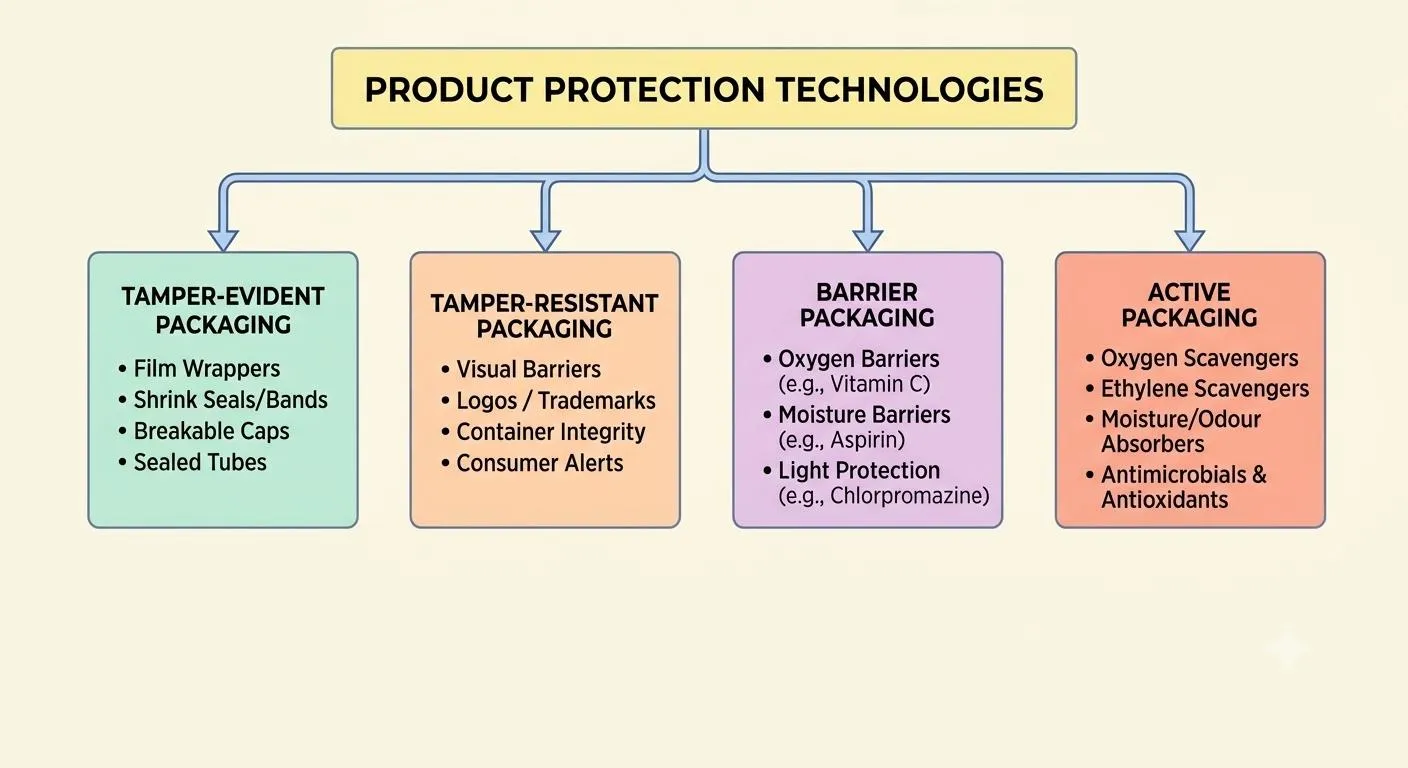
Figure 4: Product Protection Technologies in Pharmaceutical Packaging
7. Intelligent Packaging and Product Monitoring
7.1 Time–Temperature Indicators
Time–temperature indicators (TTIs) are devices used to monitor the combined effect of temperature and exposure time on a product. In visual TTI systems, changes in temperature produce a visible color response, allowing the thermal history of the product to be assessed. Depending on their design, TTIs may operate through different mechanisms, including enzymatic reactions, polymerization, or chemical diffusion. They are particularly useful during the transportation and storage of pharmaceutical products, as they provide a straightforward visual indication when the product has been subjected to unfavorable temperature conditions [66].The practical application of TTIs is supported by their relatively simple design, ease of use, and low cost. However, conventional TTI systems have some limitations, as they generally cannot provide continuous temperature measurements or transmit recorded temperature information for subsequent analysis.RFID technology offers a more advanced method for product identification and traceability. An RFID system typically includes a tag containing a microchip and antenna, along with a reader that uses radio-frequency signals to obtain information stored on the tag. The retrieved information can then be transferred to a computer system for processing, storage, and analysis. In addition to identifying individual products, RFID technology can facilitate real-time monitoring, record temperature conditions over prolonged periods, and incorporate sensing capabilities. These features make RFID systems valuable for monitoring temperature-sensitive pharmaceutical products throughout different stages of the supply chain [67].
7.2 Chemical/Biosensors
The incorporation of biosensors into intelligent packaging has attracted considerable attention as a useful sensor-based approach for monitoring changes in packaged products. The main difference between chemical sensors and biosensors is related to the nature of their recognition elements. Chemical sensors generally use a selective layer that interacts with a particular chemical compound, whereas biosensors employ biological recognition components, including enzymes, antigens, nucleic acids, and hormones, to identify specific targets.
Biosensors function by detecting biological reactions or other changes that may occur within the packaged product. Depending on the intended application, the sensing element can either be integrated into the packaging structure or placed inside the package to facilitate direct monitoring of the product condition. A typical biosensor comprises a biological receptor coupled with a transducer. The biological receptor provides the required specificity by recognizing targets such as microorganisms, enzymes, antigens, hormones, or other microbiological changes associated with product quality. Once the target is recognized, the resulting biological response is converted by the transducer into an electrical signal. This signal can then be measured and interpreted to provide information about changes occurring in the packaged product [68,69].
7.3 Indicator-Based Packaging
Indicators are responsive components placed inside or outside a package to monitor changes in the packaging environment. Depending on their type, they may show changes in color, color intensity, or dye dispersion. These visible responses provide qualitative or semi-quantitative information about the quality, freshness, and condition of the packaged product [70,71].
a) Gas Leakage/Concentration Indicators
These indicators are used to assess package integrity by detecting changes in gases such as carbon dioxide without opening or damaging the package. Gas leakage can alter the internal atmosphere and create conditions favorable for microbial growth. Therefore, these indicators can help identify possible leakage and loss of package integrity.
b) Microbial Growth Indicators
Microbial growth indicators respond to metabolites produced during microbial activity. Their response can provide an indication of the presence or possible growth of microorganisms in the packaged product.
c) Freshness Indicators
Freshness indicators assess product freshness through visible color changes or differences in color intensity. These changes may result from microbial growth or chemical deterioration. Microbiological quality can be monitored through reactions between indicators and microbial metabolites, including organic acids, ethanol, volatile nitrogen compounds, biogenic amines, carbon dioxide, glucose, and sulfur compounds [68,69].
8. Advantages of Next-Generation Pharmaceutical Packaging Technologies
Table 2: Advantages of Next-Generation Pharmaceutical Packaging Technologies
| Technology | Benefit | Advantages | Reference |
|---|---|---|---|
| Smart packaging | Monitors changes in the product and its environment | • Monitors product quality and safety • Enables tracking and tracing throughout the product lifecycle • Provides information about product condition |
[14,15] |
| Connected packaging | Manages product information across the supply chain | • Tracks product status across the supply chain • Supports production and distribution management • Supports quality assurance and security • Enables consumer engagement |
[16,17] |
| IoT-enabled packaging | Collects and securely transmits data | • Collects and transmits data in real time • Supports monitoring and data analysis • Supports decision-making • Can be used for drug shipment tracking and authenticity validation |
[18–22] |
| Serialization | Generates, encodes, and verifies the unique identity of individual physical items | • Enables authentication of individual items • Supports tracking through the supply chain • Facilitates targeted product recall |
[43–45] |
| Blockchain technology | Enables secure sharing of information | • Makes stored information difficult to adulterate • Supports consistent and reliable supply-chain information • Supports traceability • Can help prevent counterfeit medicines |
[50–53] |
| Tamper-evident packaging | Provides evidence of unauthorized opening or interference | • Provides visible evidence of package interference • Film wrappers provide tamper evidence • Shrink seals and bands indicate opening • Breakable caps and sealed tubes provide additional package security |
[58] |
| Barrier packaging | Protects against oxygen, water vapor, and light | • Helps maintain medication quality and safety • Protects stability-sensitive products • Reduces environmental effects on pharmaceutical products |
[60–63] |
| Active packaging | Releases or absorbs substances to sustain quality | • Supports product quality and shelf life • Uses oxygen scavengers • Uses antimicrobials and antioxidants •Can.use.absorbers/releasers for specific substances |
[64-65] |
| Time–temperature indicators (TTIs) | Indicate cumulative exposurr to temperature over time | • Simple structure • Low cost • Provides visual indication of temperature history • Helps monitor unsuitable temperature exposure |
[66] |
| Chemical/Biosensors | Monitor and detect chemical or biological changes | • Can be incorporated into packaging • Can monitor biological reactions • Biosensors can recognize biological materials • Transducers convert biological signals into electrical signals |
[68-69] |
10. Future perspectives
Pharmaceutical packaging is expected to evolve toward smarter, more connected, and environmentally responsible solutions. The use of artificial intelligence and other emerging technologies may enable the development of packaging systems that can perform monitoring and other functions with greater automation. In parallel, sensors and connected devices may provide better access to information about pharmaceutical products and support continuous monitoring across different stages of the supply chain.
Environmental sustainability is likely to remain a major consideration in future packaging development. Greater attention may be given to reducing the amount of packaging material, improving recyclability, and using materials with a lower environmental impact, while still providing adequate protection to the pharmaceutical product. Evaluating the environmental effects of packaging throughout its life cycle may also help guide the selection and design of more sustainable packaging systems. However, the adoption of these technologies will depend on several practical factors, including affordability, scalability, manufacturing requirements, and regulatory compliance. Balancing technological advancement with these considerations will be essential for the broader implementation of next-generation pharmaceutical packaging systems [72].
CONCLUSION
Pharmaceutical packaging is gradually moving beyond its traditional function of containing and protecting medicines. Modern packaging can now incorporate features that support authentication, traceability, product monitoring, and communication. Technologies such as smart packaging, RFID, NFC, serialization, track-and-trace systems, blockchain, sensors, indicators, tamper-evident features, and advanced barrier materials can be applied at different stages of the pharmaceutical product lifecycle. Combining several of these technologies within a single integrated packaging system may provide broader protection and functionality than relying on one technology alone.
Further research and development should focus on the practical challenges associated with the implementation of these technologies. Key considerations include cost, scalability, interoperability, cybersecurity, regulatory compliance, and validation according to the requirements of individual pharmaceutical products. Successful implementation will also depend on how effectively these technologies can be incorporated into existing packaging operations and pharmaceutical supply-chain systems. With appropriate integration, proper validation, and sufficient supporting evidence, next-generation pharmaceutical packaging may improve product integrity, enhance visibility throughout the supply chain, and provide additional support for maintaining pharmaceutical quality and patient safety.
REFERENCES

Radhika. D. Aher, Amol. U. Gayke, Vikas. S. Shinde, Akshay. D. Harpade, Payal. M. Dongare, Dnyaneshwari. G. Aher, Shweta. D. Dhikale, Next-Generation Pharmaceutical Packaging Technologies: Advances in Authentication, Traceability, and Product Protection, Int. J. Sci. R. Tech., 2026, 3 (11), 830-847. https://doi.org/10.5281/zenodo.24280249
 10.5281/zenodo.24280249