

We use cookies to ensure our website works properly and to personalise your experience. Cookies policy
Department of Pharmacy, Jagdamba Education Society SND Institute of Pharmacy Babhulgoan (Yeola), India
Artificial intelligence (AI) has emerged as a transformative technology in pharmaceutical sciences, offering innovative approaches to drug discovery, pharmaceutical research, clinical pharmacy and healthcare delivery. The integration of machine learning, deep learning, natural language processing, robotics, and predictive analytics has improved the efficiency, accuracy, and safety of pharmaceutical processes. In drug discovery and development, AI facilitates the identification of potential drug candidates, prediction of drug–target interactions, molecular optimization, toxicity assessment and clinical trial design, thereby reducing development time and costs. In clinical pharmacy, AI-based clinical decision support systems assist pharmacists in identifying drug–drug interactions, predicting adverse drug reactions, optimizing medication regimens, and supporting personalized medicine. In hospital pharmacy, Similarly, in community pharmacy practice, AI-powered chatbots and digital platforms support medication counseling, patient education, prescription processing and adherence monitoring. AI also contributes to pharmaceutical manufacturing, quality control, pharmacovigilance and the analysis of healthcare data, supporting evidence-based decision-making and improved patient outcomes. Despite these advantages, several challenges remain, including data privacy concerns, algorithmic bias, high implementation costs, regulatory uncertainties, and the need for appropriate professional training. Ensuring data security, transparency, clinical validation, and ethical implementation is essential for the responsible integration of AI into pharmacy practice. This review explores the major applications, benefits, limitations, and future perspectives of artificial intelligence in pharmaceutical sciences, emphasizing its potential to advance pharmaceutical innovation, enhance medication safety, and strengthen patient-centered pharmaceutical care.
Artificial intelligence (AI) has emerged as one of the most influential technological advancements in modern healthcare, transforming the way diseases are diagnosed, medicines are developed, and pharmaceutical services are delivered. AI refers to computational systems capable of performing tasks that typically require human intelligence, including learning, reasoning, pattern recognition, prediction, and decision-making. The increasing availability of large healthcare datasets, advances in computational technologies, and the development of sophisticated algorithms have accelerated the application of AI across pharmaceutical sciences. Technologies such as machine learning (ML), deep learning (DL), natural language processing (NLP), computer vision, and robotics are increasingly being explored to improve pharmaceutical research, medication management, clinical decision-making, and patient care [1]. The integration of these technologies into pharmacy practice represents an important step toward more efficient, accurate, and data-driven healthcare delivery.
One of the most promising applications of AI is in drug discovery and development, a complex process traditionally associated with considerable time, financial investment, and a high risk of failure. AI-based computational approaches can analyze extensive chemical, biological, genomic, and pharmacological datasets to identify potential drug candidates, predict drug–target interactions, evaluate molecular properties, and support the optimization of lead compounds. Furthermore, AI-assisted toxicity prediction and pharmacokinetic modeling can provide valuable information during the early stages of drug development, helping researchers prioritize promising compounds for further investigation [2]. AI also has the potential to improve clinical trial design through patient selection, identification of suitable biomarkers, and analysis of clinical data. These applications may accelerate pharmaceutical innovation and support the development of safer and more effective therapeutic agents. In clinical pharmacy, AI is increasingly recognized as a supportive technology for medication-related decision-making and individualized patient care. AI-based clinical decision support systems can assist pharmacists in identifying potential drug–drug interactions, assessing medication-related risks, detecting prescribing errors, and optimizing therapeutic regimens. By integrating patient-specific information, including medication history, laboratory parameters, comorbidities, and clinical records, these systems can support evidence-based pharmacotherapy and help identify patients who may be at increased risk of adverse drug reactions [3]. AI also contributes to personalized medicine by supporting the interpretation of patient characteristics, pharmacogenomic information, and treatment responses to facilitate individualized therapeutic decisions. Nevertheless, AI-generated recommendations require appropriate clinical validation and professional interpretation before being applied to patient care.
The application of AI extends beyond research laboratories and clinical decision-making to hospital and community pharmacy operations. In hospital pharmacy, automated dispensing systems, robotic technologies, prescription screening tools, and intelligent inventory management systems can improve medication handling, support stock management, and reduce the likelihood of dispensing errors. Predictive algorithms may also help forecast medicine demand, identify potential shortages, and minimize pharmaceutical wastage [4]. Similarly, in community pharmacy practice, AI-powered chatbots, virtual assistants, and digital healthcare platforms can support medication counseling, patient education, prescription processing, and adherence monitoring. These technologies may improve access to pharmaceutical services and facilitate communication between pharmacists and patients, particularly where conventional healthcare resources are limited. However, their effectiveness depends on the quality of available information, appropriate system design, and the involvement of qualified healthcare professionals.
Beyond direct patient care, AI is gaining importance in pharmaceutical manufacturing, quality assurance, pharmacovigilance, and public health research. Machine learning algorithms can support manufacturing process optimization, identify deviations in product quality, and facilitate predictive maintenance of pharmaceutical equipment. In pharmacovigilance, AI-assisted analysis of electronic health records, scientific literature, and adverse event reports may help identify potential drug safety signals and support the continuous evaluation of marketed medicines [5]. Furthermore, AI-based analytical tools can facilitate the assessment of real-world healthcare data, disease trends, and medicine utilization patterns, thereby contributing to evidence generation and public health planning. These applications demonstrate that AI has the potential to influence nearly every stage of the pharmaceutical product lifecycle, from initial molecular discovery to post-marketing safety surveillance.
Despite its considerable potential, the implementation of AI in pharmacy presents important technical, ethical, and professional challenges. Concerns regarding patient data privacy, cybersecurity, algorithmic bias, limited interoperability, high implementation costs, and inadequate digital infrastructure may restrict its widespread adoption. In addition, the limited transparency of certain AI models can make it difficult for healthcare professionals to understand the basis of specific predictions or recommendations. The reliability of AI systems may also be affected by incomplete, unrepresentative, or poor-quality training data [6]. Therefore, appropriate regulatory oversight, data protection measures, clinical validation, transparent algorithm development, and continuous professional training are essential to ensure the safe and responsible use of AI in pharmacy practice. Importantly, AI should complement rather than replace the professional judgment, ethical responsibilities, and patient-centered approach of pharmacists.
In view of these developments, a comprehensive understanding of AI applications in pharmaceutical sciences is essential for identifying opportunities for innovation and addressing the challenges associated with its implementation. The present review aims to examine the applications of artificial intelligence in pharmacy, with particular emphasis on drug discovery and development, clinical pharmacy, hospital and community pharmacy practice, pharmaceutical manufacturing, quality control, and pharmacovigilance. It further discusses the major benefits, limitations, ethical considerations, and future perspectives associated with AI integration, highlighting its potential to strengthen medication safety, improve therapeutic outcomes, and advance evidence-based, patient-centered pharmaceutical care.
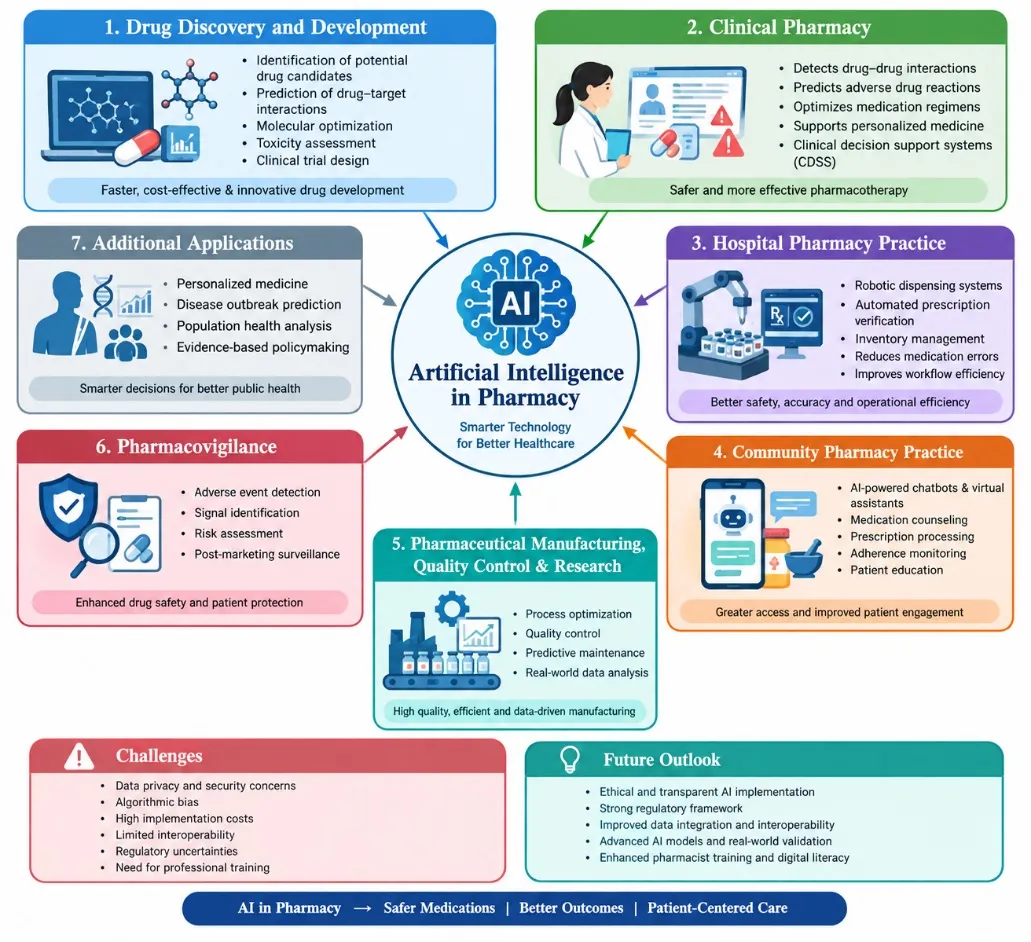
Figure 1: Artificial Intelligence in Pharmacy
Artificial Intelligence in Pharmacy
Artificial intelligence (AI) has emerged as a transformative technology across the healthcare sector, with increasingly significant applications in pharmaceutical sciences and pharmacy practice. AI refers to computational systems capable of performing tasks that traditionally require human intelligence, including pattern recognition, learning, prediction, and decision-making. In pharmacy, AI technologies support drug discovery and development, clinical decision-making, medication management, pharmacovigilance, and personalized therapy. Their integration into pharmaceutical workflows offers opportunities to improve research efficiency, enhance medication safety, and optimize patient outcomes [7].
One of the most influential applications of AI in pharmacy is drug discovery and development. Conventional drug discovery involves extensive experimental investigations, substantial financial investment, and lengthy development timelines. Machine learning (ML) and deep learning (DL) algorithms can analyze large chemical and biological datasets to predict drug–target interactions, identify promising molecular structures, evaluate biological activity, and optimize lead compounds. Neural networks and generative models further support molecular design and virtual screening, enabling researchers to prioritize compounds for experimental validation. These computational approaches may accelerate early-stage drug discovery and improve the efficiency of pharmaceutical research [8]. AI-based platforms can also assist in predicting pharmacokinetic properties, estimating toxicity risks, and identifying potential development challenges before compounds progress to advanced experimental studies [9].
AI also plays an important role in clinical pharmacy and medication therapy management. AI-enabled clinical decision support systems (CDSS) can assist pharmacists in identifying potential drug–drug interactions, contraindications, inappropriate prescriptions, and dosing errors. By integrating patient-specific information, including age, renal function, comorbidities, laboratory results, and medication history, these systems can support evidence-based therapeutic decisions. Furthermore, AI-assisted pharmacogenomic analysis may facilitate the interpretation of genetic information relevant to drug response, helping healthcare professionals select appropriate medications and adjust doses when clinically indicated. Such applications support individualized pharmacotherapy and may contribute to reducing preventable medication-related problems [10].
In hospital and community pharmacy practice, AI technologies can improve operational efficiency and medication safety. Automated dispensing systems, robotic technologies, and computer-vision applications support medication identification, prescription verification, and dispensing workflows. Meanwhile, machine learning algorithms can analyze historical consumption patterns to forecast medicine demand, optimize inventory levels, and reduce stockouts and pharmaceutical wastage. Natural language processing (NLP) can facilitate the extraction of medication-related information from electronic health records (EHRs) and clinical documentation. AI-powered chatbots and virtual assistants may also support patient education, medication counseling, adherence reminders, and access to pharmaceutical information. However, these applications require appropriate supervision to ensure that the information provided is accurate, clinically relevant, and suitable for individual patients [11].
Pharmacovigilance represents another important area of AI application. Traditional adverse drug reaction monitoring relies substantially on spontaneous reporting, clinical observations, and post-marketing surveillance activities. AI-based systems can analyze large volumes of electronic health records, adverse event reports, scientific literature, and other relevant healthcare data to identify potential safety signals. Natural language processing and pattern-recognition algorithms can assist in extracting relevant information, identifying associations between medicines and adverse events, and prioritizing reports for further assessment. These capabilities may support more efficient drug safety monitoring, although detected associations require clinical evaluation and appropriate validation before regulatory or therapeutic conclusions can be drawn [12].
Despite its advantages, the implementation of AI in pharmacy presents several challenges, including concerns about patient privacy, data security, algorithmic bias, limited transparency, and the interoperability of healthcare information systems. The accuracy of AI-generated outputs depends on the quality and representativeness of the data used for model development and validation. In addition, regulatory requirements, implementation costs, and limited digital competencies may influence adoption across different pharmacy settings. Pharmacists therefore require appropriate training to interpret AI-generated recommendations, recognize potential limitations, and maintain professional accountability. Responsible implementation should incorporate data protection, transparent decision-making, clinical validation, and effective human oversight [13].
Overall, AI is reshaping the pharmacy profession by supporting pharmaceutical innovation, improving clinical decision-making, streamlining pharmacy operations, and strengthening medication safety. Its successful integration will depend on collaboration among pharmacists, pharmaceutical scientists, healthcare professionals, technology developers, and regulatory authorities. Continued research and clinical validation are necessary to establish the effectiveness, reliability, and practical value of AI-based applications. When implemented responsibly, AI can complement pharmacists' professional expertise and contribute to more efficient, evidence-based, and patient-centered pharmaceutical care [14].
Classification and Applications of Artificial Intelligence in Pharmacy
Classification of Artificial Intelligence
Artificial intelligence (AI) can be classified according to its level of intelligence, memory characteristics and functional capabilities. These classifications provide a conceptual framework for understanding AI technologies and their applications in pharmaceutical sciences and pharmacy practice [15,16].
Classification Based on Intelligence Level
Artificial Narrow Intelligence (ANI): ANI refers to AI systems designed to perform specific tasks within a defined domain. In pharmacy, applications include drug–drug interaction prediction, dose optimization, drug discovery and prescription error detection [15,17].
Artificial General Intelligence (AGI): AGI describes a hypothetical form of AI capable of learning and reasoning across a broad range of tasks at a level comparable to human intelligence. Its potential applications in pharmaceutical research and clinical decision-making remain theoretical [15].
Artificial Superintelligence (ASI): ASI refers to a hypothetical form of AI that would surpass human cognitive abilities across a wide range of intellectual tasks. Its potential role in autonomous drug discovery and therapeutic optimization remains speculative [15].
Classification Based on Memory and Functional Capabilities
Reactive Machines: These systems respond to current inputs without retaining information from previous interactions. Simple rule-based systems may demonstrate some reactive characteristics [15].
Limited-Memory AI: These systems use previously observed data to generate predictions. Pharmaceutical examples include machine-learning models trained on chemical databases, historical patient records and adverse drug reaction reports [17,20].
Theory-of-Mind AI: This theoretical category refers to systems that could interpret human beliefs, intentions and emotions. Its application in pharmacy remains conceptual [15].
Self-Aware AI: This hypothetical category describes AI possessing awareness of its own internal state. It has no established application in current pharmacy practice [15].
Classification Based on Functional Applications in Pharmacy
AI can also be classified according to its practical applications in pharmaceutical sciences, including drug discovery, clinical decision support, pharmacy operations, pharmacovigilance and personalized medicine [17–20].
Drug discovery and development: AI supports molecular screening, drug–target interaction prediction and ADMET profiling [17,18].
Clinical decision support: AI assists in medication review, identification of potential drug interactions and patient-specific clinical decision-making [19,21].
Pharmacy operations and logistics: AI supports medicine-demand forecasting, inventory management and selected automated dispensing activities [20].
Pharmacovigilance and drug safety: AI can analyze large datasets to identify potential adverse drug reaction patterns and safety signals [20,21].
Personalized medicine: AI can support the integration of clinical and biological data to assist individualized treatment decisions [19,20].
Applications of Artificial Intelligence in Pharmacy
Drug Discovery and Molecular Design: AI has become an important computational tool in drug discovery and development. Machine-learning and deep-learning methods can analyze chemical and biological datasets to identify potential drug candidates, predict molecular properties, examine structure–activity relationships and prioritize compounds for experimental testing. These approaches can improve the efficiency of selected stages of drug development, although computational predictions require experimental validation [17,18].
Pharmaceutical Formulation and Development: AI can assist formulation scientists in examining relationships between formulation variables, manufacturing parameters and critical quality attributes. Predictive models may support optimization of excipient concentrations, dissolution profiles, drug-release characteristics and stability-related parameters. Integration with Quality by Design approaches may facilitate systematic formulation development, provided that predictions are confirmed experimentally.
Clinical Pharmacy and Therapeutic Decision Support: AI-enabled clinical decision support systems can analyze patient information, medication histories and laboratory results to identify potential prescribing problems. These systems may assist in detecting drug interactions, contraindications and inappropriate dosing. However, their recommendations require professional evaluation, and patient safety must remain a priority [19,21,22].
Pharmacy Practice and Medication Management: AI applications in pharmacy practice include prescription screening, medication reconciliation, patient counselling and adherence support. AI-assisted tools may improve access to medication information, while automated dispensing technologies can support medication handling and distribution. Appropriate verification procedures are essential to minimize errors and ensure reliable pharmaceutical care [19,21].
Pharmacovigilance and Adverse Drug Reaction Detection: AI and natural language processing can facilitate the analysis of electronic health records, scientific literature and adverse event reports. These methods may help identify patterns associated with potential adverse drug reactions and prioritize signals for further investigation. Nevertheless, the detection of a statistical association does not establish causality, and expert assessment remains necessary [20–22].
Supply Chain and Inventory Management: AI-based predictive models can support medicine-demand forecasting, inventory optimization and procurement planning. These applications may help reduce stock-outs, minimize wastage and improve distribution efficiency. Their effectiveness depends on data quality and appropriate integration with pharmaceutical supply-chain systems.
Personalized and Precision Medicine: AI can integrate clinical, genetic and biological information to support individualized treatment selection and dosage optimization. These approaches may contribute to precision medicine by identifying patient-specific patterns associated with drug response and toxicity. However, their clinical application requires appropriate validation and consideration of established clinical guidelines [19,20,22].
Hospital Automation and Pharmaceutical Robotics: Robotic and automated systems can support medication packaging, dispensing, inventory tracking and selected compounding procedures. AI may enhance these systems through predictive monitoring and intelligent decision-making, although conventional automation should be distinguished from systems that genuinely incorporate AI. Implementation requires validated workflows and appropriate safety controls [19,21].
Telepharmacy and Remote Patient Monitoring: AI-enabled digital platforms may support remote medication counselling, adherence assessment and monitoring of selected patient parameters. These technologies may improve access to pharmaceutical care, particularly for patients requiring continued follow-up. Privacy, data security and professional oversight remain essential considerations [19,20].
Drug Regulation and Quality Assurance: AI may assist pharmaceutical quality assurance through analysis of manufacturing data, identification of unusual quality patterns and document processing. Computer-vision approaches may also help screen medicine packaging for suspicious visual irregularities. However, such findings require confirmation using appropriate analytical procedures and regulatory standards [20–22].
Methods Enhancing Artificial Intelligence in Pharmacy
Artificial intelligence (AI) has emerged as an important computational approach in pharmaceutical sciences, with applications spanning drug discovery, pharmaceutical formulation, pharmacokinetic modelling, clinical decision support and pharmacy operations. The effectiveness of AI-based systems depends on the availability of high-quality data, appropriate algorithm selection, model validation and integration with established pharmaceutical knowledge. Several computational methods can enhance the predictive performance, reliability and practical utility of AI in pharmacy [23–25].
1. Machine Learning Algorithms: Machine learning (ML) enables computational systems to identify patterns in datasets and generate predictions without requiring every decision to be explicitly programmed. In pharmaceutical research, ML algorithms are used to analyze chemical structures, predict biological activity, identify potential toxicity and support medication-related decision-making [23,24].
Supervised learning methods, including support vector machines (SVMs), random forests and regression algorithms, use labelled datasets to establish relationships between input variables and known outcomes. These approaches can be applied to drug–target interaction prediction, toxicity classification and the estimation of selected clinical outcomes. Unsupervised learning methods, such as clustering and principal component analysis (PCA), identify underlying patterns in unlabelled datasets and can support compound classification, exploratory analysis and the identification of patient subgroups. Reinforcement learning uses feedback from sequential actions to optimize decisions and has potential applications in molecular design and selected treatment-optimization problems [23,24].
The performance of ML models can be improved through appropriate feature engineering, including the selection of molecular descriptors and chemical fingerprints. Ensemble learning combines predictions from multiple models to improve robustness in suitable applications, while automated machine learning (AutoML) can assist with model selection, hyperparameter optimization and workflow development. Nevertheless, these approaches require careful validation to minimize overfitting, data leakage and poor generalization to new compounds or patient populations.
2. Deep Learning and Neural Networks: Deep learning (DL) is a branch of ML that employs multilayer neural networks to identify complex relationships in large and high-dimensional datasets. It is particularly useful for molecular representation, image analysis, biological sequence processing and the analysis of unstructured biomedical information [24,25].
Convolutional neural networks (CNNs) can be applied to pharmaceutical image analysis, including the identification of tablet defects, visual inspection of packaging and selected microscopy-based assessments. Recurrent neural networks (RNNs) have been investigated for sequential data analysis, whereas transformer architectures are widely used for biomedical text processing and representation learning. Graph neural networks (GNNs) are particularly relevant to drug discovery because they represent molecules as graphs of atoms and chemical bonds, allowing models to learn relationships between molecular structure and properties.
3. Natural Language Processing: Natural language processing (NLP) enables computational systems to analyze and interpret human language. It is particularly relevant to pharmacy because substantial amounts of pharmaceutical information are contained in scientific publications, electronic health records, prescription instructions, medication histories and adverse event narratives [25,26].
NLP applications include the extraction of drug–drug interaction information from scientific literature, identification of medicines and dosage instructions in clinical documents, processing of medication-related narratives and support for information retrieval. Conversational systems may also assist with medication information and patient education, although their outputs require appropriate verification before being used for clinical decisions.
Performance can be improved by adapting biomedical language models to specific pharmaceutical tasks. Models such as BioBERT have been developed for biomedical text representation and can support named-entity recognition, relation extraction and document classification. Named-entity recognition is useful for identifying drug names, dosages, diseases and adverse events, while knowledge graphs can represent relationships among medicines, genes, diseases and biological targets. These methods may improve the organization and retrieval of pharmaceutical information, but their reliability depends on the quality of source documents, model validation and effective handling of ambiguous clinical language [25,26].
4. Predictive Analytics and Pharmacokinetic Modelling: Predictive analytics combines statistical methods, ML and computational modelling to estimate future outcomes from available data. In pharmaceutical sciences, these techniques can complement pharmacokinetic (PK) and pharmacodynamic (PD) analyses, assist in the evaluation of dose–response relationships and support medicine-demand forecasting [23,24].
AI-based approaches can help identify patterns in drug concentration–time profiles, estimate selected pharmacokinetic parameters and investigate variability in drug response. When integrated appropriately with population pharmacokinetic models, ML may help characterize complex relationships among patient characteristics, drug exposure and clinical outcomes. However, conventional pharmacometric methods, including nonlinear mixed-effects modelling, remain important for interpreting variability and establishing clinically meaningful dose recommendations.
Bayesian optimization can support the efficient selection of experimental conditions during formulation development and process optimization. Multivariate time-series forecasting can be used to estimate medicine consumption and identify temporal patterns in pharmacy inventory data. These methods should be evaluated using suitable validation procedures, and clinical dosing decisions must remain consistent with established pharmacological evidence and relevant therapeutic guidelines.
5. AI-Enhanced Drug Discovery and Molecular Design: AI has expanded the computational approaches available for drug discovery by enabling rapid analysis of chemical libraries and prediction of molecular properties. ML and DL models can support virtual screening, quantitative structure–activity relationship (QSAR) modelling, drug–target interaction prediction and the prioritization of compounds for experimental evaluation [23,24].
Generative models, including generative adversarial networks (GANs) and variational autoencoders (VAEs), can be used to propose new molecular structures with specified characteristics. Multi-objective optimization can help researchers investigate trade-offs among biological potency, solubility, stability, permeability and predicted toxicity. However, a computationally generated molecule is not necessarily biologically active, synthetically feasible or safe. Therefore, predicted properties must be assessed through appropriate chemical, biochemical and preclinical investigations.
AI-based molecular modelling can also support the analysis of protein structures and potential ligand-binding interactions. Advances in protein-structure prediction have contributed to structural biology and target-based research, but predicted structures and docking results should not be interpreted as definitive evidence of binding affinity or therapeutic efficacy. Experimental confirmation remains essential for establishing the suitability of candidate compounds [23,24].
Artificial Intelligence in Pharmaceutical Development
AI is increasingly being investigated across the pharmaceutical development pathway, including target identification, lead optimization, preclinical evaluation, clinical trial planning, manufacturing and post-marketing safety surveillance. Traditional drug development involves substantial financial investment, extended timelines and a considerable risk of failure. AI may improve selected stages of this process by analyzing complex datasets, prioritizing experimental candidates and supporting more informed research decisions [23,24].
1. AI in Drug Discovery and Target Identification: Drug discovery is one of the major applications of AI in pharmaceutical research. ML algorithms can screen large chemical datasets, predict potential interactions between molecules and biological targets, and prioritize compounds for experimental testing. These techniques may reduce the number of compounds requiring initial laboratory assessment and help researchers identify promising lead structures.
AI can also support target identification by integrating genomic, proteomic, transcriptomic and other biological data. Such analyses may reveal associations between molecular pathways and disease mechanisms, thereby helping researchers investigate potential therapeutic targets. Applications in oncology, neurodegenerative diseases and rare genetic disorders are particularly relevant because these conditions frequently involve complex biological interactions. However, computationally identified targets and drug candidates require experimental validation before their therapeutic significance can be established [23,24].
2. AI in Drug Design and Optimization: AI-assisted drug design combines computational chemistry, molecular representation learning and predictive modelling to support the development of compounds with desirable physicochemical and biological properties. Generative models can propose molecular structures, while QSAR and other predictive models can estimate selected properties relevant to drug development.
These methods can help researchers investigate improvements in biological activity, solubility, permeability and metabolic stability while identifying potential toxicity liabilities. Structural biology and protein-structure prediction can further support target-based drug design by providing structural information for investigating possible molecular interactions. Nevertheless, predicted molecular properties do not independently establish pharmacological activity, and promising candidates must undergo synthesis, analytical characterization and appropriate experimental testing [23,24].
3. AI in Preclinical Research and Clinical Trials: AI may contribute to preclinical research by integrating chemical, biological and toxicological information to prioritize compounds for further investigation. Predictive models can help identify potential safety concerns and select experiments for evaluating candidate molecules. Such predictions are intended to complement rather than replace established in vitro and in vivo assessments.
In clinical development, AI can support trial planning, participant recruitment, eligibility screening, analysis of clinical datasets and identification of patterns associated with treatment response. Data-driven approaches may help identify patient subgroups likely to benefit from a particular intervention and assist with the monitoring of selected safety outcomes. However, AI does not automatically improve trial success rates, and its performance depends on representative datasets, appropriate study design and independent validation. Clinical decisions and trial oversight must continue to follow ethical principles and applicable regulatory requirements [24,27].
4. AI in Pharmaceutical Manufacturing and Quality Assurance: AI can support pharmaceutical manufacturing by analyzing process data, monitoring production parameters and identifying patterns associated with deviations from expected performance. Predictive models may assist with process optimization, equipment maintenance and the assessment of critical quality attributes. Computer-vision systems can also be applied to visual inspection of tablets, capsules, labels and packaging.
When integrated with established pharmaceutical quality systems, these technologies may help identify potential defects and improve process monitoring. However, AI-generated predictions require suitable validation, and their implementation must be consistent with applicable good manufacturing practice requirements and relevant quality standards.
5. AI in Pharmacovigilance and Post-Marketing Surveillance: Pharmacovigilance involves the continuous monitoring and assessment of medicine safety following authorization and during clinical use. AI and NLP can help process adverse event reports, electronic health records and published literature to identify patterns that may indicate potential safety concerns. These systems can support information extraction, signal prioritization and the efficient review of large volumes of safety data [26,27].
Artificial Intelligence in Pharmacy Practice: Applications in Hospital and Community Pharmacy
AI is increasingly being explored in hospital and community pharmacy to support medication management, clinical decision-making, patient counselling and pharmacy operations. Its potential contribution lies in processing large volumes of information, identifying medication-related risks and supporting the delivery of more efficient pharmaceutical services. The benefits achieved in practice depend on the accuracy of the system, integration with existing workflows and appropriate professional oversight [26,27].
AI in Hospital Pharmacy Practice: Hospital pharmacies manage complex medication regimens, high-risk medicines, large inventories and coordination among healthcare professionals. AI-enabled systems may support these activities by analyzing medication records, prioritizing clinical alerts and assisting with selected operational tasks.
Automated Dispensing and Medication Distribution: Automated dispensing cabinets, robotic picking systems and medication-packaging technologies can assist in the storage, selection and distribution of medicines. When integrated with AI-based identification or predictive functions, these systems may improve selected aspects of workflow and inventory management. However, automation alone does not necessarily constitute AI, and the extent of error reduction depends on system design, implementation and verification procedures.
Predictive Analytics and Inventory Management: AI-based predictive models can support the identification of patients who may be at increased risk of selected medication-related complications. Such predictions may help pharmacists prioritize medication reviews and preventive interventions. At the operational level, demand forecasting can assist hospitals in planning medicine procurement, maintaining appropriate stock levels and reducing wastage. Predictions should be evaluated against actual outcomes before being relied upon for clinical or operational decisions.
AI in Community Pharmacy Practice: Community pharmacists provide accessible medication-related services, including prescription dispensing, counselling, adherence support and health education. AI applications may assist with these activities by improving information retrieval, identifying potential prescription problems and supporting the management of routine pharmacy workflows.
Patient Counselling and Medication Information: Conversational AI systems can help retrieve medicine information and generate explanations about dosage instructions, precautions and common medication-related questions. Such tools may support patient education when their information is accurate and appropriately reviewed. They should not replace individualized counselling by a pharmacist, particularly when advice involves complex medication regimens, adverse reactions or urgent clinical concerns.
Prescription Processing and Verification: Optical character recognition (OCR) can convert prescription images into machine-readable text, while AI-based language and pattern-recognition methods may assist in identifying medicine names and prescription details. These tools can flag incomplete instructions or inconsistencies for further review. Handwritten prescription interpretation remains vulnerable to recognition errors, and ambiguous or high-risk prescriptions must be verified before dispensing.
Medication Adherence Support: Digital applications, reminder systems and selected connected devices can help collect information about medication-taking behavior. AI may analyze these data to identify patterns associated with missed doses or reduced adherence and support targeted follow-up by pharmacists. Nevertheless, digital indicators do not always accurately reflect whether a medicine has been taken, and adherence interventions should account for individual circumstances, patient preferences and barriers to treatment.
Ethical and Practical Considerations in Pharmacy Practice
The use of AI in hospital and community pharmacies raises important concerns regarding confidentiality, data protection, algorithmic bias, transparency and accountability. Inaccurate predictions or inappropriate recommendations may contribute to medication errors if automated outputs are accepted without verification. Pharmacists therefore require suitable training to interpret AI-generated information, recognize its limitations and incorporate it appropriately into professional practice. Responsible implementation requires validated systems, clear accountability, appropriate access controls and continued human supervision. AI should function as a supportive tool for pharmacists rather than an independent substitute for professional judgment. Its adoption should ultimately be evaluated according to measurable improvements in medication safety, quality of care, workflow efficiency and patient outcomes [26,27].
CONCLUSION
AI-enhanced computational methods have significant potential to support pharmaceutical research and pharmacy practice. Machine learning, deep learning, NLP, predictive analytics and generative modelling provide complementary approaches for analyzing pharmaceutical data, optimizing drug candidates and supporting medication-related decisions. Across pharmaceutical development, hospital pharmacy and community practice, these technologies may improve efficiency and help identify risks, provided that their limitations are recognized. Future progress will depend on robust validation, high-quality datasets, ethical data management, regulatory compliance and meaningful collaboration between AI developers and pharmacy professionals.
REFERENCES

Akshay Devidas Harpade, Samiksha Vikas Aher, Roshan Balu Ashan, Diksha Pradeep Bansode, Artificial Intelligence Used in Pharmacy, Int. J. Sci. R. Tech., 2026, 3 (10), 1016-1027. https://doi.org/10.5281/zenodo.23472943
 10.5281/zenodo.23472943