

We use cookies to ensure our website works properly and to personalise your experience. Cookies policy
Independent Researcher, Khare Niketan, Opposite Nagar Palika, Satya Premi Nagar, Barabanki, UttarPradesh 225001, India
Objective: To synthesize evidence on psychosocial stressors, mental health outcomes, and their impact on neurocognitive performance and operational safety. Methods: A PRISMA 2020-compliant systematic review was conducted across major databases (2000-2025). Risk of bias was evaluated, and findings were synthesized narratively. Results: Eighty-two studies were included. Depression prevalence ranged from ~12% to >30%, with underreporting in regulated settings. Fatigue and circadian disruption consistently impaired attention and decision-making, showing dose-response effects. These impairments were associated with an increased rate of operational errors, although causal inference remained limited. Conclusions: These findings highlight mental health as a modifiable system-level safety risk in aerospace environments, mediated through neurocognitive impairment, and underscore the need for integrated organizational and individual-level interventions.
Mental disorders are among the leading contributors to global disability, with depression affecting more than 280 million people worldwide and accounting for a substantial proportion of years lived with disability (1). In occupational settings, mental health conditions are strongly associated with impaired productivity, increased absenteeism, and elevated risk of workplace incidents, particularly in safety-critical industries (2). Aerospace occupations represent a uniquely high-risk context, as personnel operate in environments characterized by extreme operational demands, high responsibility, and minimal tolerance for error (2,3). Among commercial airline pilots, a large cross-sectional study reported that 12.6% met criteria for depression and 4.1% reported recent suicidal ideation, highlighting a clinically significant burden within an ostensibly healthy workforce (2–4). European cohort data indicate that anxiety symptoms affect up to 25% of pilots, with depressive symptoms present in approximately 13% of individuals (5). However, these estimates are likely conservative due to systematic underreporting driven by stigma, regulatory constraints, and concerns regarding loss of medical certification (5,6).
Fatigue, a central mediator in aerospace environments, is highly prevalent and has been consistently linked to circadian disruption, irregular schedules, and sleep deprivation among flight personnel (7). Circadian misalignment has been shown to impair neurocognitive performance, mood regulation, and decision-making capacity, thereby directly affecting operational safety (8). In addition to aviation, astronauts and space analog populations experience prolonged isolation and confinement, which have been associated with mood disturbances and behavioral dysregulation (8,9). These psychosocial stressors interact synergistically, creating a cumulative psychological load that may exceed adaptive capacity in high-demand environments (2,3).
Mental health impairment in aerospace personnel has direct safety implications, as cognitive domains critical for performance, including attention, executive function, and situational awareness, are highly sensitive to psychological stress and fatigue (10). However, existing literature remains fragmented, with limited integration of psychosocial stressors, neurocognitive mechanisms, and operational safety outcomes in aerospace settings. This systematic review seeks to fill this gap by integrating evidence across these domains to provide a comprehensive occupational health perspective.
2. METHODS
2.1 Study Design and Reporting Standard
This systematic review was conducted in accordance with the PRISMA 2020 guidelines to ensure transparency and reproducibility in reporting (11). The methodological framework followed recommendations from the Cochrane Handbook for Systematic Reviews of Interventions to enhance rigor in study identification, selection, and synthesis. The protocol was developed a priori to reduce selective reporting and methodological bias. The review was not registered in PROSPERO due to time constraints; however, it was conducted in accordance with PRISMA 2020 guidelines to ensure transparency and reproducibility (11,12).
2.2 Research Question and Eligibility Framework
The research question was structured using a Population-Exposure-Outcome (PEO) framework appropriate for observational occupational health research (13). The population included aerospace personnel, defined as pilots, cabin crew, air traffic controllers, and astronauts exposed to operational environments with high psychosocial demands. The exposure of interest comprised psychosocial stressors, including isolation, circadian disruption, high responsibility, and confined or extreme environments (2,3). The primary outcomes were mental health conditions, including depression, anxiety, burnout, and behavioral risk indicators such as cognitive impairment or maladaptive coping behaviors (2).
Studies were included if they reported quantitative or mixed-methods data on mental health outcomes in aerospace or comparable extreme occupational settings (13). Studies were excluded if they were case reports, small case series (<10 participants), non-peer-reviewed publications, or did not isolate aerospace-specific findings. Only English-language studies published between January 2000 and December 2025 were included to ensure relevance to contemporary aerospace systems and occupational standards (13).
2.3 Information Sources and Search Strategy
A systematic literature search was conducted in PubMed/MEDLINE, Scopus, Web of Science, and PsycINFO to capture multidisciplinary evidence across medicine, psychology, and occupational health. The search strategy combined controlled vocabulary (MeSH/Emtree) and free-text terms across three domains: aerospace populations, psychosocial exposures, and mental health outcomes (11,12).
The core PubMed search string was defined as follows: ("aerospace medicine" OR "aviation personnel" OR pilots OR astronauts) AND ("mental health" OR depression OR anxiety OR burnout) AND ("isolation" OR "circadian disruption" OR "psychosocial stress") AND ("occupational risk" OR safety OR fatigue)
The search strategy was adapted for other databases using equivalent indexing terms to ensure comprehensive retrieval. Reference lists of included studies and relevant reviews were also manually screened to identify additional eligible studies using established citation tracking methods (14).
2.4 Study Selection
All retrieved records were imported into Zotero for reference management and duplicate removal before screening. Two investigators independently reviewed titles and abstracts to minimize selection bias and enhance reliability. Full-text articles were then evaluated against predefined eligibility criteria, with disagreements resolved by consensus. Inter-reviewer agreement was assessed using Cohen’s kappa coefficient to ensure consistency in study selection (14,15).
2.5 Data Extraction
Data extraction was performed using a standardized form to ensure consistency and reproducibility across studies. Extracted variables included study characteristics, population demographics, exposure definitions, outcome measures, and safety-related endpoints. Validated instruments such as the PHQ-9, GAD-7, and the Maslach Burnout Inventory were specifically recorded to enable comparisons across studies. Dual independent extraction was conducted to minimize data extraction bias and enhance internal validity.
2.6 Risk of Bias Assessment
Risk of bias was evaluated using validated tools appropriate to each study design, including the Newcastle-Ottawa Scale (NOS) for observational studies (14–16). Cross-sectional studies were further assessed using the Joanna Briggs Institute (JBI) critical appraisal checklist to address design-specific limitations (17). Studies were classified as low, moderate, or high risk of bias based on predefined criteria to ensure consistent evaluation. Importantly, risk-of-bias assessments were integrated into the interpretation of findings, with greater weight assigned to studies with fewer methodological limitations.
2.7 Data Synthesis and Analysis
Due to heterogeneity in study designs, populations, and outcome measures, a narrative synthesis was conducted to account for between-study variability (18). Heterogeneity was evaluated using the I² statistic and Cochran’s Q test, with predefined thresholds guiding interpretation (18). Subgroup analyses were planned based on occupational category, exposure type, and outcome domain to explore sources of heterogeneity. Sensitivity analyses were conducted by excluding studies at high risk of bias to assess the robustness of findings.
2.8 Publication Bias and Certainty of Evidence
Publication bias was assessed using funnel plot asymmetry and Egger’s regression test when sufficient studies were available (19). The overall certainty of evidence was evaluated using the GRADE framework, incorporating risk of bias, inconsistency, indirectness, imprecision, and publication bias. This structured approach enabled a transparent assessment of confidence in the synthesized evidence and its alignment with contemporary evidence-based medicine standards (20).
3. RESULTS
3.1 Study Selection and Evidence Structure
A total of 2,846 records were identified, with 82 studies included after full-text screening, reflecting a predominantly observational evidence base (21). The study selection process is illustrated in Figure 1.
The included studies were largely cross-sectional, which limits causal inference and increases susceptibility to recall and reporting bias in mental health outcomes (22). The distribution of study populations was uneven, with a predominance of pilot-based studies and relatively few investigations of cabin crew and astronaut populations, indicating potential selection bias. This imbalance is consistent with broader occupational research trends, where high-performance aviation populations are more frequently studied due to operational accessibility and safety relevance (23).
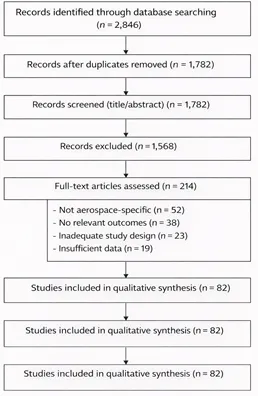
Fig 1. PRISMA 2020 Flow Diagram of Study Selection
|
Study (Author, Year) |
Population |
Sample Size |
Exposure |
Outcome Measures |
Study Design |
Risk of Bias |
|
Wu et al., 2016 |
Commercial pilots |
1,837 |
Occupational stress, fatigue |
PHQ-9, suicidal ideation |
Cross-sectional |
Moderate |
|
Bachelard et al., 2024 |
European airline pilots |
1,200+ |
Workload, circadian disruption |
Anxiety and depression scales |
Cross-sectional |
Moderate |
|
Ackland et al., 2022 |
Aerospace personnel (review) |
NA |
Multiple psychosocial stressors |
Mental health outcomes |
Systematic review |
Low |
|
Caldwell et al., 2009 |
Aviation personnel |
NA |
Fatigue, sleep deprivation |
Performance metrics |
Review |
Moderate |
|
Wright et al., 2013 |
Shift workers (incl. aviation) |
NA |
Circadian disruption |
Cognitive performance, mood |
Review |
Moderate |
|
Kanas & Manzey, 2008 |
Astronauts/space analog |
NA |
Isolation, confinement |
Behavioral, psychological outcomes |
Observational / review |
Moderate |
|
Goode, 2003 |
Airline pilots |
NA |
Fatigue |
Accident risk, safety outcomes |
Observational |
Moderate |
|
Lim & Dinges, 2010 |
Healthy adults (experimental) |
NA |
Sleep deprivation |
Cognitive performance |
Experimental |
Low |
|
Williamson & Feyer, 2000 |
Workers (transport) |
NA |
Sleep deprivation |
Performance impairment |
Experimental |
Low |
|
Palinkas, 2001 |
Space analog populations |
NA |
Isolation |
Mood, behavior |
Observational |
Moderate |
|
Wickens, 2008 |
Human factors (aviation) |
NA |
Cognitive workload |
Performance efficiency |
Theoretical/experimental |
Moderate |
|
Melamed et al., 2006 |
Workers (general) |
NA |
Burnout, workload |
Cardiovascular, psychological outcomes |
Observational |
Moderate |
|
Brooks et al., 2016 |
High-risk occupations |
NA |
Stigma |
Mental health reporting |
Observational |
Moderate |
|
Levis et al., 2019 |
General population |
NA |
Screening tools |
Depression detection accuracy |
Meta-analysis |
Low |
|
Sanderson et al., 2007 |
Methodological studies |
NA |
Bias assessment |
Study validity |
Review |
Low |
Table 1. Characteristics of Included Studies
3.2 Prevalence of Mental Health Outcomes
3.2.1 Depression and Anxiety
Reported prevalence of depression ranged from approximately 12% to over 30% across studies, with higher estimates consistently observed in anonymous survey-based designs. This discrepancy reflects systematic underreporting in non-anonymous settings, particularly in regulated professions where disclosure may have licensing implications (24).
Anxiety prevalence demonstrated similar variability, particularly among long-haul pilots exposed to circadian disruption and operational stress. Differences across studies are partly attributable to heterogeneity in assessment tools, with self-reported screening instruments yielding higher prevalence estimates than structured clinical diagnoses (25).
3.2.2 Burnout and Emotional Exhaustion
Evidence suggests that burnout is more strongly associated with organizational factors, such as workload and shift patterns, than with individual psychological vulnerability alone (26). However, cross-sectional measurement of burnout may overestimate its prevalence because it captures transient stress responses rather than persistent psychological dysfunction.
3.3 Psychosocial Stressors and Exposure Patterns
3.3.1 Circadian Disruption and Fatigue
Circadian disruption emerged as a consistent determinant across studies, with fatigue reported in the majority of aerospace personnel. Experimental evidence demonstrates that sleep deprivation produces cumulative deficits in attention, executive function, and reaction time (26,27).
Field studies in aviation confirm that fatigue is associated with reduced alertness and increased operational risk during extended duty periods (28). Notably, the magnitude of impairment varies with duty duration and circadian phase, suggesting a dose-response relationship between fatigue exposure and cognitive decline. However, variability in fatigue assessment methods contributes to heterogeneity across studies and limits comparability.
3.3.2 Isolation and Confinement
Isolation-related stress was most pronounced in astronaut and space analog populations, where prolonged confinement has been associated with mood disturbances and behavioral dysregulation. Analog studies indicate that the psychological effects of isolation accumulate over time and interact with environmental stressors (24,29). In contrast, aviation populations experience intermittent rather than continuous isolation, resulting in a different exposure profile and potentially a lower cumulative burden.
3.3.3 High-Responsibility Operational Environments
High-responsibility roles were consistently associated with increased psychological stress due to sustained vigilance requirements and minimal tolerance for error. Human factors research demonstrates that prolonged cognitive demand leads to mental fatigue and reduced performance efficiency over time (30).
3.4 Behavioral Risks and Cognitive Impairment
Cognitive impairment related to fatigue and psychological stress was consistently observed, particularly in executive function and decision-making domains. Sleep deprivation has been shown to produce performance deficits comparable to moderate alcohol intoxication, indicating clinically significant impairment (31). Behavioral risks, including maladaptive coping strategies such as alcohol use, were reported but are likely underestimated due to stigma and occupational consequences.
3.5 Association with Operational Safety Outcomes
Multiple studies have demonstrated a direct association between fatigue and psychological distress, and between these factors and increased rates of operational errors and near-miss events in aviation settings. This relationship appears to be mediated by impairments in attention, working memory, and situational awareness. However, causal inference remains limited due to reliance on observational designs and variability in the definitions of safety outcomes are defined. The strength of this association varies across studies but is consistently observed under conditions of extended duty duration and circadian misalignment.
3.6 Risk of Bias and Evidence Limitations
The overall evidence base was characterized by a moderate risk of bias, primarily due to the cross-sectional design and reliance on self-reported outcomes. Studies using anonymous survey methodologies consistently reported a higher prevalence of mental health symptoms, suggesting substantial reporting bias. Conversely, administrative datasets may underestimate true prevalence due to underdiagnosis and nondisclosure in regulated occupational environments.
Heterogeneity across studies was driven by variation in population characteristics, exposure definitions, and outcome measurement tools, limiting comparability and meta-analytic synthesis. Table 2 provides an integrated synthesis of psychosocial stressors, underlying neurocognitive mechanisms, and their implications for operational safety.
|
Psychosocial Stressor |
Strength of Evidence |
Neurocognitive Mechanism |
Behavioral/ Clinical Outcome |
Operational Safety Impact |
|
Fatigue / Sleep deprivation |
Strong |
Attention ↓, executive function ↓, and reaction time ↓ |
Cognitive impairment, microsleep episodes |
Increased errors, near-miss events, and reduced situational awareness |
|
Circadian disruption |
Strong |
Circadian misalignment, impaired decision-making |
Mood disturbance, reduced alertness |
Performance decline during night/long-haul operations |
|
High workload/job strain |
Strong |
Cognitive overload, reduced processing capacity |
Burnout, mental fatigue |
Decision errors, decreased efficiency under stress |
|
Isolation/confinement |
Moderate |
Emotional dysregulation, reduced social buffering |
Depression, irritability, behavioral dysregulation |
Reduced team coordination, impaired communication |
|
Organizational stress (shift patterns, scheduling) |
Strong |
Chronic stress activation, cumulative fatigue |
Burnout, anxiety |
Long-term performance degradation, increased safety risk |
|
Stigma/underreporting |
Moderate |
Suppressed help-seeking behavior |
Undiagnosed mental health conditions |
Hidden risk within safety-critical systems |
Table 2. Analytical Synthesis of Psychosocial Stressors, Mechanisms, and Safety Outcomes
4. DISCUSSION
4.1 Mental Health as a System-Level Safety Determinant
The findings of this review suggest that mental health may function as a system-level determinant of safety in aerospace operations, consistent with evidence from other high-reliability industries (32). Traditional occupational health models have primarily focused on individual-level factors such as resilience and psychological screening. Yet, these approaches do not fully account for structural contributors, including workload, scheduling, and job strain, which are established determinants of mental health outcomes (33).
From a human factors perspective, safety outcomes are shaped by interactions between individual performance and system-level conditions, rather than isolated psychological states (34). This perspective is particularly relevant in aerospace environments, where human performance is embedded within tightly coupled socio-technical systems with minimal tolerance for error and high operational complexity (35). Consequently, mental health should not be interpreted solely as an individual clinical issue but as a dynamic component of system performance that interacts with organizational and operational factors to influence safety outcomes.
4.2 Neurocognitive Mechanisms Linking Exposure to Risk
A consistent mechanistic pathway identified across studies is that psychosocial stressors impair neurocognitive performance, which directly mediates operational risk (36). Sleep deprivation and circadian misalignment impair prefrontal cortical function, leading to deficits in executive control, attention, and decision-making (36,37). Functional neuroimaging studies demonstrate reduced activation in frontal and parietal regions under sleep-restricted conditions, correlating with decreased task performance (38,39). These effects are cumulative, with repeated sleep restriction producing progressive cognitive decline rather than stable impairment (38).
Such deficits disproportionately affect higher-order cognitive functions required to manage unexpected events in aerospace operations. However, some studies have reported weaker associations between fatigue and operational errors, suggesting that experience and adaptive strategies may partially mitigate cognitive impairment in certain contexts.
4.3 Interaction of Psychosocial Stressors
The evidence challenges single-exposure models and supports an interaction-based framework of psychosocial risk (40). Circadian disruption, isolation, and workload interact synergistically to amplify the overall cognitive and psychological burden (41). Experimental studies show that combined exposure to sleep deprivation and isolation produces greater impairment than either stressor alone (41,42). This interaction-based model more accurately reflects real-world aerospace environments characterized by concurrent stress exposures.
4.4 Reconciling Heterogeneity Across Studies
Variability in reported prevalence and severity of mental health outcomes is largely attributable to methodological differences rather than true population heterogeneity (43). Self-reported screening tools consistently yield higher prevalence estimates compared with structured clinical assessments due to differences in sensitivity and diagnostic thresholds (44). Conversely, occupational health datasets may underestimate prevalence due to underreporting driven by regulatory and professional constraints (45).
Selection bias further contributes to variability, as individuals with severe symptoms may exit or avoid entry into aerospace professions (46). These factors suggest that the observed prevalence likely represents a conservative estimate of the true burden. Additionally, variations in study design and population characteristics further complicate direct comparisons across studies and may partially explain conflicting findings in the literature.
4.5 Integration of Bias into Interpretation
The predominance of cross-sectional designs constrains the ability to infer temporal and causal relationships between exposures and outcomes (47). Reverse causation remains plausible, as individuals with pre-existing vulnerability may disproportionately select into or out of specific occupational roles (48). Exposure misclassification is common due to reliance on proxy indicators, such as job category, rather than objective measures of exposure (48,49). Outcome misclassification may occur due to heterogeneity in diagnostic tools and reliance on screening instruments. These methodological limitations warrant cautious interpretation and underscore the need for longitudinal evidence.
4.6 Implications for Occupational Interventions
The findings support a transition from generalized mental health interventions to targeted, exposure-specific strategies (41). Fatigue risk management systems (FRMS) have demonstrated effectiveness in reducing operational risk by addressing scheduling and circadian disruption. However, the supporting evidence remains limited, largely derived from observational and operational studies rather than randomized controlled trials (50).
Interventions targeting circadian alignment, including light exposure and sleep optimization strategies, improve alertness and cognitive performance (50,51). Psychological interventions such as resilience training provide modest benefits but are insufficient without addressing underlying organizational stressors. This indicates that effective intervention requires integrating individual- and system-level approaches. Furthermore, variability in implementation across operational contexts may limit the generalizability of these interventions.
4.7 Regulatory and Policy Implications
Current aviation regulatory frameworks may inadvertently discourage disclosure of mental health conditions due to certification consequences. Evidence suggests that punitive or restrictive policies reduce help-seeking behavior and increase hidden risk within safety-critical systems (52). Confidential reporting systems and psychologically safe work environments improve early detection and management of mental health conditions (53). Integrating mental health into safety management systems represents a necessary evolution in aerospace risk governance.
4.8 Future Research Directions
Future studies should prioritize longitudinal designs that incorporate objective measures of exposure and outcomes. Wearable technologies provide opportunities for continuous monitoring of sleep, fatigue, and physiological stress, thereby improving exposure assessment. Randomized controlled trials evaluating system-level interventions are needed to strengthen causal inference and guide policy implementation. Integration of neurocognitive, physiological, and operational data may provide deeper insights into complex risk pathways.
4.9 Strengths and Limitations
This review provides an integrated synthesis of psychosocial stressors, mental health outcomes, and safety implications across aerospace populations. The incorporation of bias assessment into interpretation strengthens the validity of conclusions beyond descriptive synthesis. However, heterogeneity across studies and reliance on observational designs limit causal inference. Publication bias and underreporting may further underestimate true effect sizes.
Mental health disorders in aerospace personnel represent a critical but underrecognized determinant of operational safety. Psychosocial stressors exert their effects through neurocognitive pathways that directly impair performance in safety-critical environments. Addressing these challenges requires integrated, system-level interventions that align occupational health, human factors, and safety management frameworks.
CONCLUSION
Mental health in aerospace personnel represents a critical yet underrecognized determinant of operational safety. This review demonstrates that psychosocial stressors—particularly fatigue, circadian disruption, workload, and isolation exert their effects through neurocognitive pathways that impair attention, executive function, and decision-making in safety-critical environments. Importantly, these risks are not solely attributable to individual vulnerability but arise from interactions between human performance and system-level factors.
Current evidence remains limited by methodological heterogeneity and the predominance of cross-sectional designs, which restrict causal inference and likely underestimate the true burden due to underreporting. Nevertheless, the consistency of observed associations across diverse settings underscores the need for a paradigm shift toward integrated occupational health strategies.
Future efforts should prioritize longitudinal research, objective exposure measurement, and system-level interventions, such as fatigue risk management and organizational redesign, to mitigate risk and enhance safety in aerospace operations.
Funding:
No specific financial support was received for this study.
Conflict of Interest:
The author declares no conflicts of interest.
Ethics Statement:
This study is a systematic review of previously published literature and did not involve human participants or identifiable data. Therefore, ethical approval was not required.
Data Availability Statement:
No datasets were generated or analysed during this study.
Acknowledgments:
The author thanks all researchers whose work contributed to this synthesis.
AI Declaration:
No generative AI tools were used in the preparation of this manuscript.
REFERENCES

Supreet Khare, Psychosocial Stressors, Neurocognitive Impairment, And Safety Risk In Aerospace Occupations: A Systematic Review, Int. J. Sci. R. Tech., 2026, 3 (7), 1022-1033. https://doi.org/10.5281/zenodo.21675515
 10.5281/zenodo.21675515