

We use cookies to ensure our website works properly and to personalise your experience. Cookies policy
Delight College of Pharmacy, Koregaon Bhima, Pune, Maharashtra, India-412216.
Curcumin, the principal polyphenolic curcuminoid derived from Curcuma longa (turmeric), has attracted considerable scientific interest because of its antioxidant, anti-inflammatory, antimicrobial, and anticancer properties. However, its practical application in food, pharmaceutical, and biomedical formulations remains limited by poor aqueous solubility, rapid degradation under unfavorable environmental conditions, low absorption, and limited oral bioavailability. To overcome these challenges, curcumin-loaded oil-in-water (O/W) nanoemulsions have emerged as promising and effective delivery systems. These nanoscale formulations disperse curcumin within oil droplets stabilized by suitable emulsifiers, thereby improving its apparent solubility, physicochemical stability, and bioaccessibility during digestion. This review summarizes recent advances in the preparation of curcumin-loaded nanoemulsions, including high-energy techniques such as ultrasonication, high-pressure homogenization, and microfluidization, as well as low-energy approaches such as phase inversion temperature, phase inversion composition, and membrane emulsification. Furthermore, it discusses the influence of formulation parameters, including oil type, emulsifier concentration, droplet size, interfacial characteristics, and processing conditions, on nanoemulsion stability, curcumin retention, and delivery performance. Particular attention is given to the mechanisms through which nanoemulsions enhance curcumin solubilization and facilitate its incorporation into mixed micelles during gastrointestinal digestion. The review also highlights emerging applications in functional foods, beverages, active packaging, cosmetics, wound healing, and biomedical research targeting inflammation and cancer. Despite their considerable potential, challenges related to long-term stability, scalability, safety, regulatory approval, and commercial feasibility remain. Overall, curcumin-loaded nanoemulsions represent a versatile delivery platform with promising opportunities for improving curcumin utilization and expanding its applications across food, pharmaceutical, and healthcare industries.
Curcuma longa L., commonly referred to as turmeric, is a perennial herbaceous plant belonging to the Zingiberaceae family. It has a long history of use in traditional Indian, Chinese, and Southeast Asian medicine, where it has served various purposes as a culinary spice, natural colouring agent, food preservative, and medicinal ingredient. The characteristic yellow colour of turmeric is primarily attributed to curcuminoids, which comprise three major polyphenolic constituents: curcumin, demethoxycurcumin, and bisdemethoxycurcumin. Of these compounds, curcumin is the predominant constituent and has been extensively investigated for its diverse biological activities. It generally accounts for approximately 2–8% of the total weight of turmeric rhizomes.[1,2,3]Curcumin has been widely investigated for its diverse pharmacological properties and potential health benefits. Several studies have reported its antioxidant, anti-inflammatory, antimicrobial, antiviral, antidiabetic, cardioprotective, hepatoprotective, neuroprotective, and anticancer activities.[4,5] These biological effects are largely linked to its ability to regulate oxidative stress, inflammatory responses, transcription factors, enzymatic activities, and various intracellular signaling pathways.[6,7]Although curcumin possesses considerable therapeutic potential, its application in practical formulations is restricted by several physicochemical and pharmacokinetic limitations. Its hydrophobic nature results in poor water solubility, while its chemical instability, particularly under alkaline conditions, makes it susceptible to degradation. Furthermore, curcumin undergoes rapid metabolism following oral administration, resulting in limited absorption and low systemic availability. These limitations pose significant challenges to its effective incorporation into functional foods, beverages, nutraceutical products, and pharmaceutical formulations.[2]To address these challenges, various encapsulation approaches have been explored to improve the delivery of curcumin. These include liposomes, solid lipid nanoparticles, nanostructured lipid carriers, polymeric nanoparticles, cyclodextrin complexes, micelles, microemulsions, and nanoemulsions. Among these approaches, nanoemulsions have attracted considerable interest because of their relatively straightforward preparation, potential use of food-grade components, and ability to incorporate substantial amounts of lipophilic compounds. In addition, they can improve the dispersion of curcumin in water-based formulations and offer protection against environmental degradation, making them useful for applications in food and pharmaceutical products.[2]Nanoemulsions are colloidal delivery systems formed by dispersing two immiscible liquids, generally oil and water, with the help of an emulsifying agent. Although they are thermodynamically unstable, they can remain kinetically stable for extended periods under suitable storage conditions. In oil-in-water (O/W) nanoemulsions, curcumin is incorporated into the oil phase, which is distributed as tiny droplets throughout the continuous aqueous phase. These droplets typically fall within the nanometer range, often measuring approximately 20–200 nm. Their small size provides a greater interfacial surface area, which can improve the dispersion of curcumin in aqueous media, increase its apparent solubility, and enhance its interaction with biological membranes. Depending on the formulation and droplet characteristics, nanoemulsions may also exhibit improved optical clarity compared with conventional emulsions.[2,8]Curcumin-loaded nanoemulsions are primarily developed to overcome the limitations associated with curcumin delivery by improving its solubility, protecting it against environmental degradation, regulating its release, and enhancing its bioaccessibility during gastrointestinal digestion.² Recent research has extended beyond simply reducing droplet size, with greater emphasis on modifying the oil–water interface to improve the overall performance of these systems. For this purpose, different interfacial materials, including proteins, polysaccharides, phospholipids, surfactants, and Pickering particles, have been investigated. These materials can help strengthen the interfacial layer, improve stability under gastrointestinal conditions, and influence the release and digestion behaviour of encapsulated curcumin.[8]
The present review highlights recent developments in curcumin-loaded nanoemulsions, focusing on the different formulation and preparation techniques, factors influencing their stability and bioaccessibility, and the methods used for their physicochemical characterization. It also discusses their potential applications in food, pharmaceutical, and biomedical fields, along with the existing challenges and research opportunities that may guide the development of more effective curcumin delivery systems.[2]
1. Basic Information about Curcumin
1.1 Source and chemical nature
Curcumin is a naturally occurring polyphenolic compound obtained from the rhizomes of turmeric. It is chemically referred to as diferuloylmethane and has the molecular formula Câ‚‚â‚Hâ‚‚â‚€O₆. Its molecular structure comprises two aromatic rings bearing methoxy and hydroxyl functional groups, linked by a conjugated β-diketone chain. This arrangement of functional groups and the extended conjugated system contribute to the characteristic yellow colour of curcumin and its ability to absorb light within the visible region of the spectrum.[2,9]
Curcumin occurs in keto, enol, and diketo tautomeric forms, with the enol form generally being more stable, especially in organic solvents. Its β-diketone group also enables metal ion chelation, contributing to its antioxidant and metal-binding properties.[2,10]
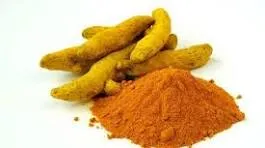
Figure 1: Curcumin
1.2 Physicochemical properties[2,8]
Curcumin is highly lipophilic and exhibits very limited solubility in water. It dissolves more readily in organic solvents, such as ethanol, acetone, and dimethyl sulfoxide, as well as in oils. Its poor water solubility restricts its incorporation into beverages, injectable preparations, and other aqueous food formulations.
Curcumin remains relatively stable in acidic environments but degrades rapidly at neutral and alkaline pH. It is also susceptible to light, oxygen, heat, oxidizing agents, and certain metal ions, making it challenging to preserve its activity during food processing, storage, digestion, and pharmaceutical formulation.
1.3 Biological activities[2,11]
Curcumin possesses several biological activities, including:
1.4 Limitations of free curcumin[2]
The main drawbacks associated with free curcumin include:
These limitations highlight the need for an effective delivery system to enhance curcumin dispersion, stability, and bioaccessibility. Among the available approaches, nanoemulsions offer a promising and practical means of improving its delivery.
2. Basic Information about Nanoemulsions
2.1 Definition
A nanoemulsion is a colloidal system consisting of two immiscible liquids, usually oil and water, stabilized by one or more emulsifying agents. Its dispersed droplets generally range from 20 to 200 nm in diameter, although sizes up to 500 nm are also reported. Nanoemulsions are thermodynamically unstable but kinetically stable, allowing them to maintain their physical characteristics for extended periods when properly formulated. However, they may gradually undergo destabilization through coalescence, flocculation, or Ostwald ripening.[2,10]
2.2 Types of nanoemulsions[2]
There are two main types:
| Type | Structure | Example |
|---|---|---|
| Oil-in-water (O/W) | Oil droplets are distributed throughout a continuous aqueous phase. | Curcumin solubilized in MCT oil droplets distributed throughout the aqueous phase. |
| Water-in-oil (W/O) | Water droplets are dispersed throughout a continuous oil phase. | Aqueous droplets dispersed within a continuous lipid phase. |
Oil-in-water nanoemulsions are widely employed for curcumin delivery due to its lipophilic nature, which allows it to dissolve within the oil droplets, while the surrounding aqueous phase facilitates its incorporation into beverages, gels, coatings, and topical formulations.
2.3 Components of curcumin nanoemulsions[2]
A typical curcumin-loaded nanoemulsion contains four main components:
| Component | Examples | Primary function |
|---|---|---|
| Curcumin | Pure curcumin, curcuminoid extracts | Provides the bioactive properties |
| Oil phase | MCT oil, corn oil, sunflower oil, orange oil, Labrafac, triacetin, long-chain triglycerides | Dissolves curcumin and forms the dispersed oil droplets |
| Emulsifier | Tween 20, Tween 80, lecithin, sodium caseinate, whey protein, pea protein, gum Arabic, modified starch, chitosan | Stabilizes oil droplets and prevents their coalescence |
| Aqueous phase | Water, buffer, glycerol solution | Acts as the continuous phase |
| Co-surfactant/co-solvent | Ethanol, propylene glycol, PEG 400 | Enhances curcumin solubilization and improves interfacial flexibility |
The choice of oil and emulsifier plays an important role in determining droplet size, curcumin loading, formulation stability, digestibility, and bioaccessibility.
2.4 Advantages of nanoemulsions[2,10]
Nanoemulsions provide several benefits for curcumin encapsulation and delivery:
2.5 Limitations of nanoemulsions[2,10]
Despite their potential benefits, nanoemulsions have certain limitations:
3. Preparation Methods for Curcumin-Loaded Nanoemulsions[2]
Curcumin-loaded nanoemulsions can be formulated through high-energy, low-energy, membrane-based, and hybrid techniques. The choice of preparation method depends on the desired droplet size, formulation stability, production scale, emulsifier type, and intended application.
3.1 High-energy emulsification methods[10]
High-energy techniques rely on mechanical forces, such as intense shear, turbulence, cavitation, and impact, to reduce larger oil droplets into nanosized droplets. These methods are commonly employed because they can produce small droplets with relatively uniform size distribution..
3.1.1 Ultrasonication[2]
Ultrasonication involves the application of high-frequency sound waves that generate cavitation bubbles within the liquid. The collapse of these bubbles produces intense localized pressure and temperature changes, resulting in the breakdown of larger oil droplets into smaller ones. This technique is relatively simple, rapid, and commonly used for laboratory-scale nanoemulsion preparation.
In one study, curcumin nanoemulsions were formulated using medium-chain triglyceride oil and phosphatidylcholine, followed by ultrasonication at 20% amplitude in successive 1-minute cycles under ice-bath cooling to avoid excessive heat generation.
Advantages:
Limitations:
3.1.2 High-pressure homogenization[2]
High-pressure homogenization involves passing a coarse emulsion through a narrow valve or opening under high pressure. The resulting pressure changes, turbulence, cavitation, and shear forces break down larger droplets into smaller ones. Several homogenization cycles may be required to achieve a finer and more uniform droplet size distribution.
Advantages:
Limitations:
3.1.3 Microfluidization[2]
Microfluidization involves the use of high-pressure pumps to split an emulsion into multiple streams that collide within specially designed interaction chambers. The resulting impact and shear forces break down the droplets, producing nanosized particles with a relatively narrow size distribution.
Advantages:
Limitations:
3.2 Low-energy emulsification methods[10]
Low-energy techniques rely on variations in temperature, composition, or interfacial properties to produce nanoemulsions. Compared with high-energy approaches, they consume less mechanical energy but may require relatively higher emulsifier concentrations.
3.2.1 Phase inversion temperature method[10]
The phase inversion temperature (PIT) method commonly employs nonionic surfactants, such as polyoxyethylene sorbitan esters. Changes in temperature alter the hydrophilic–lipophilic balance and interfacial curvature of the surfactant. Near the phase inversion temperature, interfacial tension decreases considerably, facilitating the formation of very small droplets.
Advantages:
Limitations:
3.2.2 Phase inversion composition method[10]
The phase inversion composition (PIC) method involves forming nanoemulsions by adjusting the system composition, including the oil-to-water ratio, surfactant level, or salt concentration, while maintaining a controlled temperature. This approach is particularly useful when phase inversion through temperature changes is unsuitable.
3.2.3 Emulsion inversion point method[10]
The emulsion inversion point method involves the gradual addition of water to an oil–surfactant mixture, leading to a structural transition from water-in-oil to oil-in-water emulsion. This approach has been applied to prepare curcumin-loaded orange oil nanoemulsions for incorporation into starch-based active packaging films.
Advantages:
Limitations:
3.3 Membrane emulsification[2,12]
Membrane emulsification is a technique in which porous membranes are used to regulate droplet formation. In direct membrane emulsification, the dispersed phase is forced through membrane pores into the continuous phase, whereas premix membrane emulsification involves passing a coarse emulsion through the membrane to obtain smaller droplets.
A recent study on curcumin nanoemulsions combined pre-emulsification with membrane emulsification and achieved an encapsulation efficiency of 94.5–96.5%. The resulting droplet size could also be adjusted by varying the membrane pore size.
Advantages:
Limitations:
3.4 Comparison of preparation methods[10]
| Preparation method | Energy consumption | Droplet size control | Production scale | Major limitation |
|---|---|---|---|---|
| Ultrasonication | High | Good | Laboratory to pilot scale | Heat generation and limited batch capacity |
| High-pressure homogenization | High | Very good | Industrial scale | High equipment cost and heat generation |
| Microfluidization | High | Excellent | Pilot to industrial scale | Expensive equipment |
| Phase inversion temperature | Low | Good | Potential for scale-up | Requires higher surfactant concentrations |
| Phase inversion composition | Low | Good | Potential for scale-up | Highly dependent on formulation composition |
| Emulsion inversion point | Low | Moderate to good | Potential for scale-up | Requires precise control of water addition |
| Membrane emulsification | Moderate | Excellent | Pilot to industrial scale | Membrane fouling |
Recent studies suggest that although high-energy techniques are effective in producing nanoemulsions, they require substantial energy input. In comparison, low-energy and membrane-based approaches offer better control over droplet formation and may provide more suitable options for large-scale production.
4. Characterization of Curcumin Nanoemulsions
4.1 Droplet size and polydispersity index
Droplet size is an important characteristic of nanoemulsions, as it influences their physical stability, appearance, bioaccessibility, and cellular uptake. Dynamic light scattering (DLS) is widely employed to determine the average droplet diameter and polydispersity index (PDI), with lower PDI values reflecting a more uniform droplet-size distribution.[2,10]
Curcumin-loaded nanoemulsions have been reported to exhibit average droplet sizes ranging from approximately 26–129 nm, with PDI values below 0.29, suggesting a relatively homogeneous distribution.[2]
4.2 Zeta potential[2]
Zeta potential represents the electrical charge at the surface of dispersed droplets and provides an indication of their electrostatic stability. Higher absolute zeta potential values generally help prevent droplet aggregation by increasing electrostatic repulsion. Stable curcumin nanoemulsions with zeta potential values below −26 mV have been reported.
4.3 Encapsulation efficiency[2]
Encapsulation efficiency refers to the proportion of curcumin successfully entrapped within the nanoemulsion droplets and is determined by comparing the amount of free curcumin with the total curcumin content. Higher encapsulation efficiency reflects better incorporation and potential protection of the active compound. Curcumin nanoemulsions prepared using membrane emulsification have demonstrated encapsulation efficiencies ranging from approximately 94.5–96.5%.
4.4 Morphology[2]
Techniques such as transmission electron microscopy, cryogenic electron microscopy, and atomic force microscopy are used to examine droplet morphology, size, and aggregation. These methods provide visual evidence of the structural characteristics of nanoemulsions.
4.5 Physical stability[2,10]
Physical stability is evaluated using:
4.6 Chemical stability[2,10]
The chemical stability of curcumin is assessed by monitoring its degradation under exposure to light, oxygen, heat, alkaline conditions, and during storage. Encapsulation in nanoemulsions generally helps retain curcumin content more effectively than its free form.
4.7 In vitro digestion[2,19]
In vitro digestion models simulate oral, gastric, and intestinal conditions. These models evaluate curcumin release, transformation, micellarization, and bioaccessibility. Bioaccessibility is usually defined as the fraction of curcumin transferred into the mixed micelle phase after digestion and therefore available for intestinal absorption.
5. Factors Affecting Stability and Bioaccessibility
5.1 Droplet size[2]
Smaller droplets offer a greater interfacial area, which can enhance curcumin solubilization and facilitate its release during digestion. However, excessively small droplets may promote lipid oxidation by increasing the exposure of the oil phase to oxygen and pro-oxidants. Therefore, an optimum droplet size should be maintained rather than reducing it as much as possible.
5.2 Oil phase
The choice of oil has a significant influence on curcumin solubility, droplet formation, digestion, and bioaccessibility. Long-chain triglyceride oils can promote mixed micelle formation during gastrointestinal digestion and, in some formulations, have been associated with greater curcumin bioaccessibility than medium-chain triglyceride oils.[2]
An increase in the oil content can enhance the curcumin-loading capacity of nanoemulsions. In a phase inversion temperature-based formulation, raising the oil fraction from 6.7% to 13.3% increased the maximum curcumin loading from 4.76 to 9.53 mg/mL.[8]
5.3 Emulsifier type and concentration[2]
Emulsifiers play an important role in droplet formation, prevention of coalescence, stability during digestion, and release of encapsulated compounds. Different materials, including proteins, polysaccharides, phospholipids, synthetic surfactants, and biopolymer complexes, can form protective layers around curcumin-containing oil droplets.
Protein-based nanoemulsions have gained particular interest for clean-label food formulations. Pea protein-based nanoemulsions co-encapsulating curcumin and vitamin D3 exhibited approximately 76.06% curcumin bioaccessibility, whereas potato protein-based systems showed 42.88%.
5.4 Interfacial engineering
The interfacial layer serves not only to stabilize the droplets but also regulates their digestion and release behaviour. Protein–polysaccharide complexes, multilayer interfaces, and Pickering particles can enhance stability under gastric conditions and help regulate curcumin release in the intestine.[2,8,13]
Pickering emulsions, which are stabilized by solid particles such as protein or polysaccharide nanoparticles, have emerged as a promising approach for curcumin delivery. These systems may offer better protection of curcumin, regulate its release, and improve its bioaccessibility during gastrointestinal digestion.[13]
5.5 pH and ionic strength
Changes in gastric pH, intestinal salt concentrations, bile salts, and pancreatic enzyme activity may lead to droplet flocculation, coalescence, or disruption of the interfacial layer. Therefore, curcumin nanoemulsions designed for oral administration should be evaluated under sequential gastrointestinal digestion conditions rather than being assessed only at neutral pH.[2,8]
5.6 Curcumin concentration
Excessive curcumin loading may result in crystallization, destabilization of droplets, or reduced encapsulation retention. Hence, the loading level should be optimized while maintaining suitable encapsulation efficiency, physical stability, and bioaccessibility.[8]
6. Bioaccessibility and Digestion Behavior[2,8]
Bioaccessibility is the proportion of curcumin released during digestion and made available for intestinal absorption. It is generally assessed through simulated gastrointestinal digestion, followed by separation of the micellar fraction. Curcumin incorporated into mixed micelles is considered bioaccessible because it may be available for uptake by intestinal epithelial cells.
Compared with free curcumin, nanoemulsions generally provide better retention and bioaccessibility. Formulations with droplet sizes of 26–129 nm and curcumin loading up to 9.53 mg/mL have demonstrated higher curcumin retention and antioxidant activity following simulated gastric, intestinal, and physiological incubation.
The improved bioaccessibility of curcumin through nanoemulsions can be attributed to several mechanisms:
Bioaccessibility and bioavailability are two distinct concepts that should not be confused. Bioaccessibility refers to the fraction of curcumin released during digestion and available for intestinal absorption, whereas bioavailability represents the proportion that enters systemic circulation in an active form. Although improved bioaccessibility may support absorption, it does not necessarily result in higher bioavailability in the body. Therefore, human pharmacokinetic studies are necessary to confirm these effects.
7. Applications of Curcumin-Loaded Nanoemulsions
7.1 Functional foods and beverages[2,8]
Curcumin-loaded nanoemulsions can be used in dairy products, beverages, bakery products, sauces, gels, and nutraceutical formulations to enhance dispersibility, colour stability, and potential health benefits. Recent studies have also highlighted their suitability and sensory acceptability in dairy, beverage, bakery, and nutraceutical applications.
In beverages, nanoemulsions are particularly useful for producing clear or translucent formulations while minimizing visible curcumin precipitation. This makes them suitable for functional drinks, sports beverages, herbal drinks, and fortified water.
7.2 Active and intelligent food packaging[2,14]
Curcumin has potential applications as both a natural colouring agent and a pH-sensitive indicator. Its nanoemulsions have been incorporated into biopolymer films to develop active packaging materials with antioxidant and antimicrobial properties. The addition of curcumin-loaded orange-oil nanoemulsions to banana starch films improved elongation at break and reduced water-vapour permeability.
These films may also function as freshness indicators due to the colour changes exhibited by curcumin at different pH levels, allowing real-time monitoring of food spoilage and quality changes.
7.3 Food preservation[2,15]
Nanoencapsulated curcumin can be used as an antioxidant and antimicrobial ingredient in food products, helping to limit oxidative damage and microbial growth. Recent studies have also highlighted the use of curcumin-based nanocarriers as functional ingredients, natural preservatives, colouring agents, and quality-monitoring sensors in food applications.
7.4 Anti-inflammatory applications[16]
Studies conducted in preclinical models have shown that curcumin nanoemulsions may decrease pro-inflammatory cytokines, reduce oxidative damage, and influence inflammation-related signaling pathways more efficiently than unencapsulated curcumin. These findings indicate their possible role in the treatment of inflammatory conditions, although clinical studies in humans are still required to establish their effectiveness.
7.5 Cancer research[2]
Nanoemulsion-based delivery systems may enhance curcumin transport into cells, improve its apparent solubility, and facilitate controlled release. Previous studies have reported enhanced antioxidant, anti-inflammatory, and anticancer effects of nanoencapsulated curcumin. However, most available findings are based on preclinical investigations and do not yet establish its effectiveness as a cancer treatment.
7.6 Wound healing and topical delivery[2,17]
Curcumin-loaded nanoemulsions have been explored for skin delivery and wound-healing applications. Formulations containing oils such as Labrafac PG and triacetin, combined with Tween 80 and PEG 400, have been developed. These nanoformulations may enhance skin permeation, provide sustained curcumin release, and promote wound contraction in experimental models.
7.7 Cosmetics and nutraceuticals[8]
The ability of nanoemulsions to disperse lipophilic compounds in clear or translucent aqueous formulations makes them suitable for skincare, anti-aging, and anti-inflammatory cosmetic products, as well as curcumin-enriched dietary supplements.
8. Recent Advances[8]
9. Challenges and Limitations[2,8]
10. Future Directions[17,18]
Future studies should concentrate on the following areas:
CONCLUSION
Curcumin-loaded nanoemulsions offer a potential approach to addressing the major limitations of free curcumin, particularly its poor water solubility, instability, and limited bioavailability. Entrapping curcumin within nanosized oil droplets using appropriate emulsifiers can improve its dispersion, enhance stability during storage and digestion, and increase bioaccessibility. Developments in high-energy, low-energy, membrane-based, protein-stabilized, and Pickering emulsion techniques have broadened the scope of curcumin nanoemulsions in food products, active packaging, cosmetics, and biomedical applications. Nevertheless, further progress in formulation optimization, large-scale production, safety assessment, regulatory approval, and clinical validation is necessary to support their successful commercial application.
REFERENCES

Akash B. Kolape, Prajkta A. Kate, Dr. Sampat D. Navale, Recent Advances in Curcumin-Loaded Nanoemulsions: Preparation Methods, Bioaccessibility, and Applications, Int. J. Sci. R. Tech., 2026, 3 (11), 1168-1179. https://doi.org/10.5281/zenodo.24474366
 10.5281/zenodo.24474366