

We use cookies to ensure our website works properly and to personalise your experience. Cookies policy
Shri Gurudatta Shikshan Prasarak Sanstha’s Institute of Pharmacy, Kaulkhed, Akola.
Diabetes mellitus is a chronic metabolic disorder characterized by persistent hyperglycemia resulting from impaired insulin secretion, insulin action, or both. Metformin remains the first-line oral antidiabetic drug due to its efficacy, safety, and cost-effectiveness. However, the growing interest in plant-based therapeutics has encouraged the exploration of medicinal plants such as Momordica charantia (bitter melon), which possesses significant antidiabetic properties. In-silico ADME (Absorption, Distribution, Metabolism, and Excretion) and toxicity studies provide a rapid and cost-effective approach for evaluating the pharmacokinetic and safety profiles of bioactive compounds before experimental investigations.This review compares the ADME and toxicity characteristics of metformin with major phytoconstituents of M. charantia, including charantin, momordicoside, vicine, gallic acid, and quercetin. The analysis focuses on drug-likeness, oral bioavailability, gastrointestinal absorption, blood-brain barrier permeability, cytochrome P450 interactions, and toxicity parameters. The findings suggest that several phytoconstituents exhibit promising pharmacokinetic properties and acceptable safety profiles, indicating their potential as complementary or alternative antidiabetic agents. Further experimental validation is necessary to confirm their therapeutic applicability.
Diabetes mellitus represents one of the most prevalent metabolic disorders worldwide, affecting millions of individuals and contributing significantly to morbidity and mortality. The disease is characterized by chronic hyperglycemia resulting from defects in insulin secretion, insulin action, or both.[1]Conventional pharmacotherapy primarily relies on oral hypoglycemic agents, among which metformin is considered the gold standard for the management of type 2 diabetes mellitus.Despite its effectiveness, long-term use of synthetic drugs may be associated with adverse effects, encouraging the search for safer and more affordable alternatives. Medicinal plants have attracted considerable attention because of their therapeutic potential and relatively lower toxicity. Among them, Momordica charantia L. (Cucurbitaceae), commonly known as bitter melon, has been extensively studied for its antidiabetic activity.Advancements in computational biology have enabled the prediction of pharmacokinetic and toxicological properties of drug candidates through in-silico approaches. ADME and toxicity prediction tools help identify compounds with favorable drug-like characteristics, reducing the time and cost associated with drug development. This review aims to compare the in-silico ADME and toxicity profiles of metformin and selected phytoconstituents of M. charantia.[2]
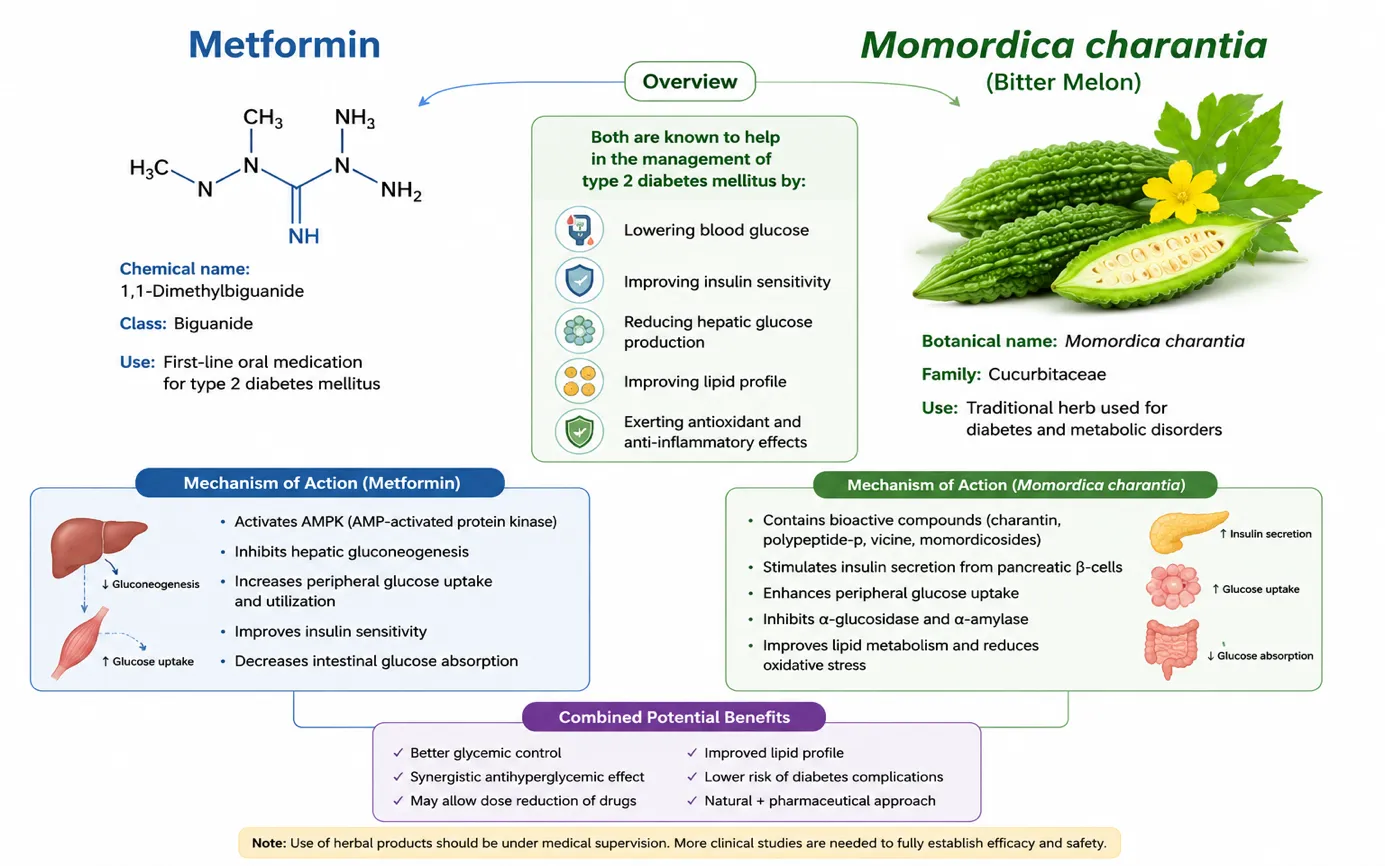
Figure 1. Comparative Diagram of Metformin and Momordica charantia in Type 2 Diabetes Management
|
Parameter |
Metformin |
Momordica charantia |
|
Category |
Synthetic antidiabetic drug |
Medicinal plant |
|
Source |
Synthetic |
Natural |
|
Main Use |
Type 2 diabetes management |
Traditional diabetes treatment |
|
Mechanism |
Improves insulin sensitivity and reduces glucose production |
Enhances insulin secretion and glucose utilization |
|
Key Constituents |
Metformin |
Charantin, Momordicoside, Vicine, Quercetin, Gallic Acid, Polypeptide-p |
|
Pharmacological Activities |
Antidiabetic |
Antidiabetic, Antioxidant, Anti-inflammatory, Hepatoprotective |
|
Advantages |
Effective, safe, low hypoglycemia risk |
Natural, multi-target therapeutic effects |
|
Limitations |
GI disturbances, vitamin B12 deficiency, lactic acidosis risk |
Lack of standardization and limited clinical evidence |
Table: Comparative Overview of Metformin and Momordica charantia[3,4]
In-Silico ADME Analysis
ADME (Absorption, Distribution, Metabolism, and Excretion) analysis is a crucial computational approach used to predict the pharmacokinetic behavior of drug candidates. It helps assess the drug-likeness, bioavailability, and safety of compounds before experimental studies. Absorption parameters such as gastrointestinal absorption, water solubility, Caco-2 permeability, and oral bioavailability determine the extent to which a compound can be absorbed into systemic circulation. Distribution studies evaluate the volume of distribution, plasma protein binding, and blood-brain barrier permeability, indicating how the compound is distributed throughout the body. Metabolism analysis focuses on cytochrome P450 enzyme interactions and metabolic stability, which influence drug biotransformation and potential drug-drug interactions. Excretion parameters, including renal and total clearance, predict the rate at which compounds are eliminated from the body. Together, these ADME properties provide valuable insights into the pharmacokinetic profile and therapeutic potential of metformin and Momordica charantia phytoconstituents.[5]
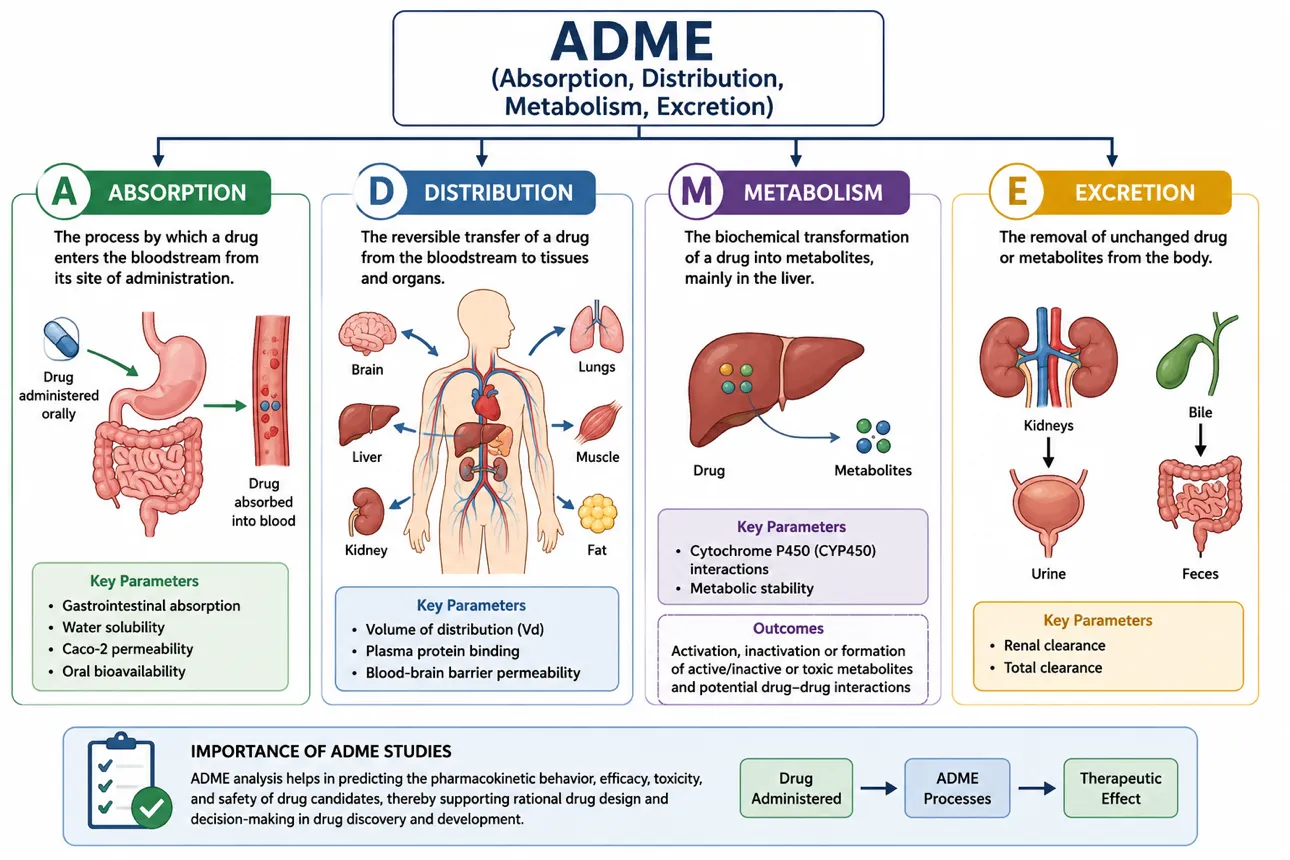
Figure 2. Overview of ADME (Absorption, Distribution, Metabolism, and Excretion) processes involved in determining the pharmacokinetic behavior of drug molecules in the body.
|
ADME Parameter |
Description |
|
Gastrointestinal Absorption |
Predicts the extent of absorption from the digestive tract after oral administration. |
|
Water Solubility |
Determines the ability of a compound to dissolve in aqueous media, influencing absorption and bioavailability. |
|
Caco-2 Permeability |
Estimates intestinal membrane permeability and oral drug absorption. |
|
Oral Bioavailability |
Predicts the fraction of an orally administered dose reaching systemic circulation. |
|
Volume of Distribution (Vd) |
Indicates the extent of drug distribution into body tissues. |
|
Blood-Brain Barrier (BBB) Permeability |
Assesses the ability of a compound to cross the blood-brain barrier. |
|
Plasma Protein Binding (PPB) |
Predicts the proportion of drug bound to plasma proteins in circulation. |
|
Cytochrome P450 Interactions |
Evaluates the potential of a compound to inhibit or be metabolized by CYP enzymes. |
|
Metabolic Stability |
Predicts the resistance of a compound to metabolic degradation. |
|
Renal Clearance |
Estimates drug elimination through the kidneys. |
|
Total Clearance |
Represents the overall rate of drug removal from the body. |
Table: Brief description of ADME parameters used in in-silico pharmacokinetic evaluation[10]
Comparative ADME Profile
The comparative ADME profile evaluates and compares the pharmacokinetic characteristics of metformin and selected Momordica charantia phytoconstituents. ADME analysis helps predict how efficiently a compound is absorbed, distributed, metabolized, and excreted in the body. Metformin exhibits high gastrointestinal absorption, excellent water solubility, and favorable oral bioavailability, contributing to its established clinical efficacy. Among the phytoconstituents, quercetin and gallic acid demonstrate good absorption and acceptable bioavailability, while charantin shows relatively lower absorption due to its larger molecular structure. Most compounds exhibit limited blood-brain barrier permeability, reducing the likelihood of central nervous system effects. Metabolic studies indicate minimal to moderate interactions with cytochrome P450 enzymes, suggesting a low potential for drug-drug interactions. Excretion parameters further reveal efficient clearance profiles for these compounds. Overall, the comparative ADME analysis indicates that several Momordica charantia phytoconstituents possess favorable pharmacokinetic properties, supporting their potential as promising antidiabetic agents. Metformin exhibits excellent water solubility and favorable oral absorption but limited membrane permeability. Quercetin demonstrates good oral bioavailability and antioxidant properties, while charantin shows moderate absorption due to its larger molecular structure. Gallic acid possesses excellent solubility and favorable pharmacokinetic characteristics.[11]
|
Parameter |
Metformin |
Charantin |
Quercetin |
Gallic Acid |
Vicine |
|
Lipinski Rule |
Pass |
Partial |
Pass |
Pass |
Pass |
|
GI Absorption |
High |
Moderate |
High |
High |
Moderate |
|
BBB Permeability |
No |
No |
Low |
No |
No |
|
CYP450 Inhibition |
Minimal |
Low |
Moderate |
Low |
Low |
|
Oral Bioavailability |
Good |
Moderate |
Good |
Good |
Moderate |
|
Water Solubility |
Very High |
Low |
Moderate |
High |
High |
Table: Comparative ADME Profile
In-Silico Toxicity Analysis[12,13]
In-silico toxicity analysis is a computational method used to predict the safety and potential adverse effects of compounds before laboratory and clinical studies. It helps identify toxic compounds at an early stage of drug development, reducing cost, time, and the need for animal testing.
1. Acute Oral Toxicity
2. Hepatotoxicity
3. Mutagenicity
4. Carcinogenicity
5. Skin Sensitization
6. Cytotoxicity
|
Toxicity Parameter |
Metformin |
Charantin |
Quercetin |
Gallic Acid |
Vicine |
|
Hepatotoxicity |
Low |
Low |
Low |
Low |
Low |
|
Mutagenicity |
Negative |
Negative |
Negative |
Negative |
Negative |
|
Carcinogenicity |
Negative |
Negative |
Negative |
Negative |
Negative |
|
Skin Sensitization |
Low |
Low |
Low |
Low |
Low |
|
Acute Toxicity |
Low |
Moderate |
Low |
Low |
Moderate |
Table: Comparative Toxicity Profile[15]
Significance of In-Silico Toxicity Analysis[16]
Software Used for In-Silico ADME and Toxicity Analysis
The in-silico ADME and toxicity assessment of metformin and Momordica charantia phytoconstituents was performed using freely accessible computational tools. SwissADME was employed to predict physicochemical properties, drug-likeness, gastrointestinal absorption, blood-brain barrier permeability, water solubility, and pharmacokinetic parameters. ProTox-3.0 (or ProTox-II) was used to evaluate toxicity parameters including acute oral toxicity, hepatotoxicity, carcinogenicity, mutagenicity, cytotoxicity, and immunotoxicity. The chemical structures of the compounds were retrieved from the PubChem database and analyzed using their respective canonical SMILES representations. These computational tools provide a rapid, cost-effective, and reliable approach for the preliminary evaluation of pharmacokinetic and safety profiles of potential drug candidates.[17]
|
Software |
Purpose |
|
SwissADME |
ADME, drug-likeness, pharmacokinetics |
|
ProTox-II |
Toxicity prediction |
|
PubChem |
Retrieval of compound structures and SMILES |
Table: Software Used for In-Silico ADME and Toxicity Analysis[18]
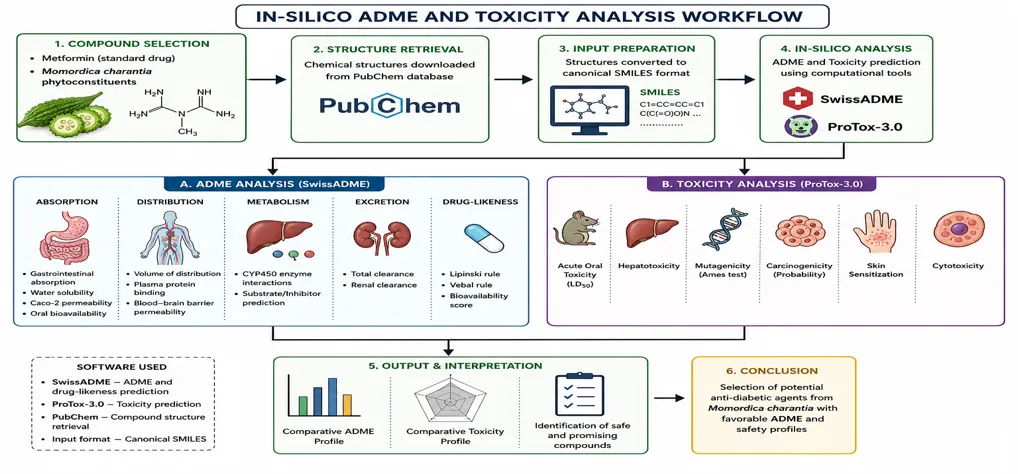
Figure 3. Computational methodology employed for ADME and toxicity prediction of metformin and Momordica charantia phytoconstituents.
Advantages of In-Silico Approaches
In-silico approaches have become an essential component of modern drug discovery and development. These computational methods enable the rapid screening of numerous drug candidates, significantly reducing the time required for preliminary evaluation. They help minimize experimental costs by identifying promising compounds before conducting expensive laboratory and animal studies. In-silico tools also facilitate the early detection of potential toxicity and unfavorable pharmacokinetic properties, thereby reducing the likelihood of late-stage drug failure. Furthermore, these approaches improve the success rate of drug discovery by prioritizing compounds with desirable ADME and safety profiles. The integration of computational predictions with experimental research supports rational drug design and accelerates the development of safer and more effective therapeutic agents.[19,20]
Future Perspectives
The integration of computational pharmacology with phytochemical research presents significant opportunities for the development of novel plant-derived antidiabetic agents. Advances in bioinformatics, artificial intelligence, and molecular modeling are enhancing the accuracy of pharmacokinetic and toxicity predictions. Future studies should combine molecular docking, molecular dynamics simulations, ADME analysis, and toxicity prediction with in-vitro and in-vivo validation to better understand the therapeutic potential of Momordica charantia phytoconstituents. Additionally, the identification of new bioactive compounds and optimization of their pharmacokinetic properties may contribute to the development of effective, safe, and affordable antidiabetic therapies. Such integrated approaches can facilitate the translation of traditional medicinal knowledge into evidence-based pharmaceutical applications.[21,22]
CONCLUSION
The present review on comparative in-silico study indicates that metformin and selected phytoconstituents of Momordica charantiaexhibit favorable pharmacokinetic properties along with acceptable safety profiles. Although metformin continues to serve as the standard antidiabetic agent with well-established clinical efficacy, phytocompounds such as quercetin, gallic acid, and charantin demonstrate promising drug-likeness and comparatively low predicted toxicity in computational assessments. These findings highlight the potential of M. charantia as a valuable natural source for the development of novel antidiabetic agents. However, further validation through extensive in vitro, in vivo, and clinical studies is essential to confirm these in-silico predictions and to establish their true therapeutic efficacy and safety.
REFERENCES





Pranjali Uddhav Thombal*, Misbah Sadaf Kasam Khan, Gayatri Santosh Jawanjal, Pranali Devidas Asolkar, Mrunali Prashant Wankhade, A Comparative Review Of In-Silico ADME And Toxicity Analysis Of Metformin And Bioactive Compounds From Momordica Charantia, Int. J. Sci. R. Tech., 2026, 3 (6), 329-336. https://doi.org/10.5281/zenodo.20541735
 10.5281/zenodo.20541735