

We use cookies to ensure our website works properly and to personalise your experience. Cookies policy
SND College Of Pharmacy, Babhulgaon ,Yeola, Nashik
Artificial intelligence (AI) has been recognized as the most effective and promising analytical tool now available to humans. Researchers in the medical and pharmaceutical domains have access to large data sets that can be examined by sophisticated AI systems. Some have referred to artificial intelligence (AI) as the "fourth industrial revolution machine." The time and money needed to maintain the drug research pipeline are the majority of the main obstacles in drug discovery and development. AI has the capacity to generate and understand vast amounts of data, which can subsequently be transformed into insightful information. The biggest pharmaceutical corporations in the world have started incorporating AI into their drug development studies as a consequence. This thorough review's goal is to evaluate the research on AI that are now available in the field of Neurology, Tuberculosis, Dermatology, Cardiovascular Diseases, Opthalmology and Cancer as well as outlining the current limitations and future directions in this field.
In management sciences and operational research, artificial intelligence (AI) plays an increasingly important role. Because artificial intelligence is easier to copy and spread, more dependable, less expensive, and more durable than natural intelligence, it is more effective than the latter. Artificial intelligence refers to the capabilities of intelligent devices and software that include thinking, assimilating, gathering knowledge, interacting, controlling, and object recognition.[1] Artificial intelligence (AI) is essential to the pharmaceutical industry, especially in pharmacy. It is used in drug discovery, analysis of new chemical entities, forecasting of newer therapeutic products, clinical trial research, and medical state diagnostics. The conversation around AI now emphasizes how ubiquitous it is in our daily lives, with uses spanning from text classification and recommendation systems to diagnoses. It is important to remember that although the general public frequently refers to anything as artificial intelligence (AI), a large amount of what is frequently called AI actually belongs to the field of machine learning (ML). Machine learning is the process of processing data, creating predictions, and assisting in decision-making by combining concepts and techniques from computer science and statistics.[2] Drug design is the creative process of creating new medications based on knowledge of a biological target. A promising drug research lead is found and developed using a combination of computer technologies known as computer-aided drug design (CADD). Computational chemistry, molecular modelling , molecular design, and rational drug design are all included in CADD. Having access to vast amounts of data does not ensure that you will obtain useful prediction models in the big data environment of today. High volume, complex, and sparse data sources need to be carefully addressed in order to forecast therapeutic efficacy and side effects. The review's most noteworthy sections describe current research employing cutting-edge deep learning technologies (DL), conventional CADD, artificial intelligence (AI), and machine learning (ML).[3] The development of many pharmacological compounds is encouraged by the huge chemical space, which consists of over 1060 molecules. But the lack of cutting-edge technologies makes the process of developing new drugs more difficult and costly, a problem that artificial intelligence (AI) can help with. AI is able to identify hit and lead compounds, validate drug targets more quickly, and optimize drug structure design.[4]
Ai Used In Drug Discovery
Due to its multidisciplinary nature, drug discovery has always been fuel by cutting-edge discoveries made in the biological or physical sciences (such as the ability to sequence genomes or improvements in receptor pharmacology) or, more recently, by utilizing computational methods in the field. The use of algorithms in drug discovery has been referred to by several names, such as structure-activity relationship (SAR) analysis, computer-aided drug design (CADD), which frequently refers to more structure-based techniques, and, more recently, machine learning and artificial intelligence (AI). Pharmaceutical research nowadays uses CADD on a regular basis for a variety of ligand- and structure-based methods and strategies. A vision of "the next 20 years" in CADD was attempted in 2007 by John Van Drie, one of the pioneers of the movement, most of which has now passed. He anticipated the following seven significant developments to occur during this time:
1. Thermodynamics computation is going to grow. 2. We'll discover how to create therapeutic candidates from strong ligands. 3. New medication target classes will present a challenge to our expertise. 4. Novel molecular pathways underlying medication efficacy will be encountered. 5. We will learn to model a complete signal transduction pathway and use that knowledge to better identify pharmacological targets, as opposed to focusing on suppressing a particular target. 6. Medicinal chemists will have access to the same advanced CADD tools that are currently exclusively available to specialists on their computers. Technology is going to spread. 7. It will be commonplace to use virtual screening.[5]
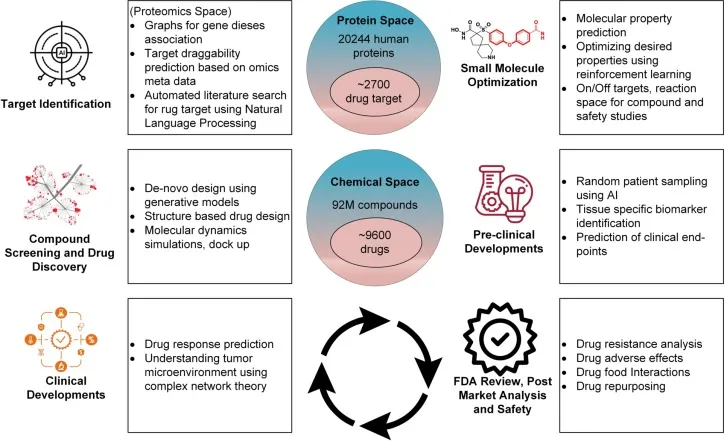
Figure 1: Applications of AI-based Methods at Different Stages of a Drug Discovery Pipeline. There Are About 2700 Known Potential Drug Target Proteins in the Human Body and About 9600 FDA-approved Small Molecule Drugs [6]
As seen in Fig. 1, a drug discovery pipeline typically consists of multiple stages. The first stage of target-based discovery is to find new targets from a vast pool of proteins (an organism's proteome) that have been shown to be associated with disease. Compound libraries are screened against these targets in high throughput to identify potentially interacting molecules. In the best-case scenario, compounds will be approved by the FDA after being improved for advantageous therapeutic characteristics and put through pre-clinical and clinical testing.
Ai used In Neurology
The field of medicine known as neurology treats conditions involving the neurological system. A crucial component of the diagnosis and treatment of neurological illnesses is the clinical examination of the nervous system. Over an extended duration, Ambient Intelligence has the potential to conduct certain clinical evaluation tasks with reasonable accuracy, such as the assessment of motor and cognitive function. AI may be able to help humans in various neurology-related non-clinical domains. The author of this paper has covered the use, implications, and possibilities of AI in neurology. A few roadblocks to their progress are touched upon, and many predictions on their future are posited. Pervasive health monitoring refers to the idea of placing wireless networks and electronic sensors all around a person's environment. This enables real-time, individualized health monitoring of every member of the population, regardless of time or place. Wearable motion sensors, brain computer interfaces, wearable intelligent textiles that continuously record a variety of physiological indicators, and smart monitoring devices integrated into the living environment are just a few examples. Pervasive health monitoring and artificial intelligence (AI) are combined in ambient intelligence (AmI) to give people a personalized, intelligent, and context-aware environment. A patient's cognitive and functional status gradually deteriorates as a result of neurodegenerative diseases (such as Parkinson's and Alzheimer's disease), which can be identified earlier with the use of AmI, which continuously monitors a patient's neurological function. AmI can help those who are intellectually impaired with everyday living activities. A successful implant of a brain computer interface device has improved communication for a patient suffering from Lou Gehrig's disease. AI has been thoroughly researched in the realm of movement disorders, particularly in relation to Parkinson's disease, which causes rigid muscles and incapacitating tremors. movement disorder kinds and subtypes, as well as the ability to interpret neuroimaging. The medical and surgical management might make use of the quantification of aberrant movements. Parkinson's disease symptoms are considerably reduced with deep brain stimulation, which involves electrically stimulating certain deep brain areas. In order to achieve the best therapeutic response, a number of stimulation settings must be frequently adjusted. However, some closed loop systems have been created that can automatically optimize these parameters for each patient based on feedback from body motion sensors. [7] One of the most prevalent neurological conditions is stroke, and AmI may have a significant influence on the epidemiological and clinical development of the condition. A stroke is caused by either an ischemic stroke, which is when blood flow to a portion of the brain is interrupted, or a hemorrhagic stroke, which is when a blood vessel in the brain bursts, resulting in bleeding. Both hemorrhagic and ischemic stroke treatments have a time limit and work best when started in the first few hours after the stroke occurs. But frequently, patients are unable to identify the symptoms or may be incapacitated enough to not be able to call for emergency medical assistance. Because of the ambiguous onset of symptoms or delayed hospital presentation, these treatments are therefore often neglected. A person's neurological function can be continuously monitored using AmI, and any concerning neurological symptoms can trigger emergency medical assistance—even if the patient is unaware of it. AmI can rule out major sources of delay in the treatment of acute stroke when combined with prehospital thrombolysis and automated imaging interpretation provided by telestroke networks. With AI, the prognosis for a stroke can also be predicted even before therapy begins. By keeping an eye on every member of the community, AmI can identify cardiac arrhythmias, particularly atrial fibrillation in cryptogenic strokes, and may even be able to stop the first cerebrovascular episode. AmI in neurorehabilitation can also enhance stroke recovery.[7-8] In chronic stroke, machine learning techniques have only lately started to yield some encouraging findings that are on par with manual segmentation.18 The authors of that work suggested an approach for supervised lesion segmentation in T1-weighted imaging. then developed a machine using a dataset of sixty patients with chronic left hemisphere stroke (post-stroke interval: 2.6±2 years), and then validated their model using a separate dataset of forty-five more patients. For the former and later datasets, the correlations between the projected manual lesion volume and the predicted lesion volume were r=0.961 and r=0.957, respectively.[8] There is now a machine learning method available to predict the result of epilepsy surgery. It is based on supervised classification and data mining and considers pathological and neuropsychological evaluations in addition to typical clinical characteristics. With the use of certain clinical and cognitive characteristics, the outcome could be predicted with around 90% accuracy. Notably, not every attribute was required for the forecast to be made. After preprocessing with filtering and artifact reduction, reports of automatic seizure identification using scalp electroencephalogram (EEG) and sophisticated artificial intelligence approaches have been made.[9] [The development of automatic and noninvasive glioma grading methods using quantitative parameters obtained from multi-modal MRI data is made possible by current machine learning approaches. A classification accuracy of above 90% was reported by Zhang et al.; this is higher than that of a skilled neuroradiologist.Prognosis in malignant gliomas may now be predicted with far greater accuracy thanks to prediction models based on data-mining and machine-learning algorithms than can be achieved with just histopathologic classification. Four experts performed semi-automatic segmentation and contrasted it with fully automated increased tumor compartmentalization. The results were similar and required more time, even if they were possible. The hope is that MR spectroscopy and machine learning algorithms, in conjunction with the extraction of pertinent information from MRI images, will eventually replace invasive conventional methods of tumor categorization.[9]
Ai Used In Tuberculosis
The bacillus Mycobacterium tuberculosis (Mtb) is the source of tuberculosis (TB), an infectious disease spread by the air that primarily affects the lungs but can potentially affect other organs like the brain. "Until the COVID-19 pandemic, tuberculosis was the leading cause of death by an infectious agent," states the most recent World Health Organization (WHO) Global TB Report (WHO, 2021). Regretfully, years of progress toward lowering TB infection globally have been undone by the COVID-19 pandemic, despite the World Health Organization's global efforts to lower the incidence of TB and its death rate. Health programs worldwide have concentrated their efforts on early TB diagnosis because tuberculosis is a disease that is challenging to eradicate (Martins and de Miranda, 2020). After the TB diagnosis has been confirmed, however, the patient's clinical status must be assessed to determine the course of treatment. This may involve an admission to the intensive care unit (ICU) or a long-term medication regimen.[10] Cavitations, nodules, consolidation, pleural effusion, and enlarged mediastinal lymph nodes—the latter of which is frequently the only sign of the disease—are among the classic radiographic features that may indicate tuberculosis. The majority of research on the use of imaging to detect certain radiographic features revealed poor interobserver agreement, with widely varying kappa values ranging from -0.03 to 0.52. In particular, lateral views did not improve the low diagnostic accuracy of mediastinal lymphadenopathy, which was linked to the potential of structural superimposition. [1] Thoracic illness develops in up to 80% of pediatric tuberculosis cases that are recorded. With a poor sensitivity of 98%, chest radiography is a low-cost equipment that offers a highly sensitive means of patient screening. It also utilizes very little radiation and is a commonly available diagnostic tool for pulmonary tuberculosis (TB) in cases where bacteriological confirmation is not possible [11].
Mobile Applications Using AI for diagnosis of TB.[12]
Table 1: Table.1
| Application | Characteristics |
|---|---|
| xRapid | The application xRapid-Lab checks parasites and red platelets in Plasmodium colonies by using computerized imaging. An iPhone can be joined to a magnifying lens and the xRapid-Lab application captures and analyses pictures from thin spread blood slides. The application is able to detect the type of parasite, the parasite proliferation stages and the total red platelets (RBCs) count in less than two minutes. |
| CRyPTIC | CRyPTIC is an application that trains its artificial intelligence (AI) to perceive drug resistance by providing it with enormous data of genomes that are marked as drug resistant. The product not only helps in perceiving the diverse TB genomes but also suggest the line of treatment with the proper medications. |
| Babylon | It permits individuals to enter their side effects into the Babylon application and get responses based on their queries. The application scrutinizes a substantial database of manifestations and diseases and using its Artificial intelligence technology, it predicts the disease. |
| Biomeme System | Transforms an iPhone into versatile DNA research center. It functions as a hand-held PCR (Polymerase Chain Reaction) Thermocycler that works by making almost a billion duplicates ofDNA of the pathogen found in patient's blood samples and labels them with fluorescent color. iPhone's camera can then distinguish the pathogen by its color, while application recognizes the type of infection observed in test sample. |
Ai Used In Dermatology
CNNs are now widely available, computationally efficient, and reasonably priced for classifying data; this has led to a surge in the field of "artificial intelligence." Thus far, the primary fields of use in medicine have been the visual diagnostic disciplines of radiology, pathology, and dermatology. For more than 30 years, attempts have been made to automate certain areas of dermatology by computer-aided picture categorization; nonetheless, the accuracy of these earlier attempts has been quite low. While there have been attempts in the past few years to use neural networks for the diagnosis or monitoring of inflammatory dermatoses, these approaches have not proven to be nearly as effective or striking as the networks developed for the diagnosis of skin lesions, especially melanoma.[13] For computer-aided diagnosis of pigmented skin lesions, which are mostly based on dermoscopy, numerous systems are commercially available. For instance, DBDermo-Mips, MoleAnalyser, and DANAOS expert systems.Numerous smartphone apps, such as SkinVision, DermaAId, Skin 10, and MoleScope, are available for tracking changes in skin moles, identifying fundamental skin diseases, and screening for skin cancer. Research conducted on the SkinVision app found that it had a 78% specificity and 80% sensitivity for identifying premalignant diseases.[14] Additionally, machine learning prediction models have been developed to ascertain how well biologic treatments for psoriasis work and to use genetic markers to distinguish psoriasis from psoriatic arthritis. Non-animal testing techniques like the Genomic Allergen Rapid Detection assay, which is based on measurements of transcriptional levels of genomic biomarkers, are gradually replacing animal models for sensitization assessment.[14] VISIA, another AI skin system made by Canfield, is now in its sixth generation and has been available on the market for more than 15 years. The device records and measures the state of the skin's surface and subsurface using UV light and cross-polarization. With its RBX® technology, Canfield separates the unique color traits—like spider veins and hyperpigmentation—that contribute to the red and brownskin components of color concentration.Its new AI wrinkle algorithm significantly improves the accuracy and recognition of wrinkles and fine lines. It can also mimic how each region would seem following a varied volume injection and how people could seem between the ages of 18 and 80.For all skin types and races, it offers a more detailed representation of subsurface melanin and vascularity conditions.[15] The mHealth app under examination, SkinVision from Amsterdam, the Netherlands, is registered as a CE class I-marked medical device41 and accessible on both iOS and Android smartphones. The application makes use of a convolutional neural network (CNN) to categorize images of skin lesions as having a low or high risk of developing skin cancer. It then gives the user feedback on this classification. The app has a built-in quality check (sharpness, ability to detect lesions, and centering) to make sure a photo is appropriate for CNN's evaluation.[16] A recent validation of the CNN revealed a sensitivity of 87-95% and a specificity of 70-78%12,13. Trained teledermatologists reviewed every photo to confirm the CNN's evaluation, and if needed, they sent the user a follow-up message within 48 hours to modify the score. There were four possible messages that might be sent: see a doctor right away, see one in four weeks, don't worry and keep an eye on the skin lesion, or snap another photo. Over the course of a 12-month follow-up period, usage of the app was tracked, along with information on ratings from tele dermatologists and assessments by CNN.[17]
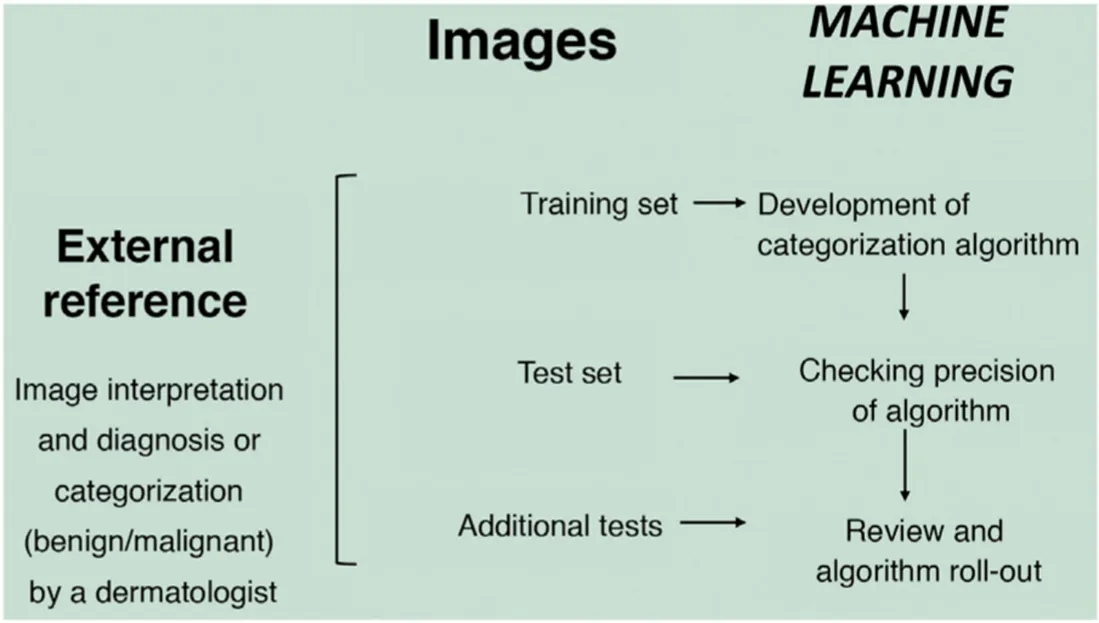
Figure 2: Fig.2 Fig. Diagramatic Presentation for Artificial Intelligence in Dermatology [17]
Fig. Diagramatic Presentation for Artificial Intelligence In Dermatology [17]
Ai Used In Cardiovascular Disease
The most dramatic and deadly symptoms of cardiovascular illness are heart attack and stroke, which typically follow a protracted period of gradual circulatory system decline. When one or more of the three coronary arteries—which provide blood to the heart muscle—become clogged, a heart attack happens. This causes injury or death to a section of the heart by cutting off its supply of oxygen and other nutrients. An infarct is the term used to describe the injured myocardium. Heart attack is also referred to as myocardial infarct, coronary occlusion, and coronary thrombosis (blood clot).[18] Clinicians can utilize the results of specific algorithms applied to current big data to improve diagnosis; for instance, AI-processed echocardiograms (ECGs) are currently utilized to diagnose heart failure, atrial fibrillation, hypertrophic cardiomyopathy, and pulmonary hypertension. Even in places with limited resources, ECG is a generally accessible, affordable, and easy supplemental test that is frequently employed.ECG has long been a powerful diagnostic tool for cardiovascular diseases. However, the degree of experience and skill a doctor has will determine how they interpret the ECG.[19] The most popular method for spotting irregularities in the electrical activity of the heart is the electrocardiogram (ECG).Electrocardiogram abnormalities can now be automatically detected using ML models, particularly the subfield DL, which cuts down on interpretation time and individual variability.[20] Ventriculoventricular segmentation in cardiac Magnetic Resonance Imaging (MRI) is one of the areas where machine learning (ML) models have the most promise for use. It enables the volumetry to be quantified and enhances the effectiveness and repeatability of clinical evaluations.[20]
Ai Used In Opthalmology
In ophthalmology, deep learning is utilized for automated diagnosis, segmentation of data, and prediction of potential outcomes. The combination of deep learning and optical coherence tomography (OCT) technology has shown promise in enhancing the diagnostic performance of posterior segment eye illnesses and identifying retinal diseases. The need for retinal image readers is always increasing due to the rise in incidence of retinal diseases. The amount of time and ophthalmologists required for picture interpretation can be decreased with the advancement of deep learning and artificial intelligence (AI) in retinal imaging analysis. AI has the potential to improve healthcare professionals' efficiency by enabling accurate and timely diagnosis of eye illnesses. Age-related macular degeneration (AMD) and diabetic macular edema (DME) are only two of the many retinal disorders that can be diagnosed, tracked, and treated via OCT pictures. Research endeavors have focused on employing deep learning algorithms as instruments for automated OCT image interpretation for medical diagnosis. To identify non-pathologic OCT pictures, many different landmarks have been identified and numerous methods have been created.[21]
Ai Used In Cancer
Chemotherapy AI focuses more on the drug-patient response in the context of cancer chemotherapy. The management of chemotherapy drug use, the prediction of chemotherapy drug tolerance, and the optimization of chemotherapy programs are among the primary application successes of AI. AI has the power to streamline and expedite the process of optimizing combination chemotherapy.[22] Artificial Intelligence is utilized in oncologic radiographic imaging for both diagnosis and detection. In the past, computer-aided detection has been utilized for breast cancer imaging; however, its clinical utility has not been proven.Forty As a result, AI-based cancer detection has made breast cancer imaging a top priority. For instance, AI-based models are currently widely employed in many practices for therapeutic purposes and are a standard component of breast imaging. The FDA in the United States has approved a minimum of five algorithms for the detection and diagnosis of breast imaging. The prediction of future outcomes for cancer patients, including death and distant and locoregional recurrence, is also possible with imaging-based machine learning algorithms. For instance, a number of recently developed machine learning models based on imaging are predictive of clinical outcomes for pancreatic cancer patients, including overall survival and disease-free survival.[23] Traditional machine learning (ML) techniques, such as random forest (RF), naïve Bayes, k-nearest neighbor, support vector machines (SVM), and related techniques, have been used to diagnose cancer early. The most popular model for image-based screening is convolutional neural networks, while mass spectrum- and SVM algorithm-based feature selection are frequently employed in molecular diagnostics. By lowering recall rates, raising incremental cancer detection rates, and raising overall cancer detection rates, digital breast tomosynthesis (DBT) can raise the rates of breast cancer detection.[24] The AI-based diagnostic model can match or even exceed experts in terms of diagnostic ability. When paired with human specialists, diagnosis accuracy can reach even higher levels. It also provides the benefits of great efficiency, reproducibility, and low time consumption. As a result, more and more AI models are being created to help clinical pathologists and lighten their labor. ML and DL diagnosis assistance primarily consists of three steps: Data preprocessing, which includes picture sharpening, masking and smoothing, image grayscale and color normalization, data standardization, and data annotation, is done in the first stage. The division of the nucleus and tissue is part of the second step. In the third phase, models are created for diagnosis, prediction, training, and verification.[25]
Ai Used In Diabetes
When your blood glucose, commonly known as blood sugar, is too high, you develop diabetes. Your body uses glucose as its primary energy source. Although glucose can also be produced by the body, it also comes from food.The pancreas secretes the hormone insulin, which facilitates the uptake of glucose by your cells for use as fuel. When you have diabetes, your body either produces insufficient amounts of insulin or doesn't use it correctly. After that, glucose remains in your circulation and does not enter your cells.Diabetes increases the risk of kidney, nerve, heart, and eye damage. There is a connection between diabetes and some cancers. Your chance of getting diabetes-related health issues may be reduced if you take action to avoid or manage your diabetes. Your body's cells don't use insulin correctly if you have type 2 diabetes. Although the pancreas may be producing insulin, it is not producing enough of it to maintain a normal blood glucose level. Diabetes type 2 is the most prevalent kind of the disease. There is a dearth of published research on attempts to optimize or automate therapy using machine learning algorithms at the patient level during routine visits, both nationally and internationally. There aren't many studies from China and the West available globally. For instance, the IBM Research China institute aims to anticipate hypoglycemic medications for patients with diabetes on a tailored basis. These studies concluded that hierarchical recurrent neural networks (HRNNs) may be used successfully.One more An analysis conducted by Bahçeßsehir University in Turkey on the management of the drug dosage planning process for three anti-diabetic medications—metformin, gliclazide, and pioglitazones—reveals that the Indexing High Dimensional Model Representation (HDMR) technique performed well in modeling drug dosages.[26]: Other methods, such as support vector regression (SVG), have been used in the treatment of diabetes. A hypoglycemia prediction has been developed using support vector regression. When patients have dangerously low blood glucose levels, this raises a warning for preventive action. When combined, these technologies are very useful for treating diabetes.[27]
Ai used In Hypertension
Globally, hypertension (HTN) is the primary cause of morbidity and mortality from cardiovascular disease (CVD). Artificial intelligence (AI) has gained recognition for its potential application in HTN and cardiovascular (CV) treatment. By combining traditional CV risk factors with multiomics (e.g., genomics, proteomics, and metabolomics), socioeconomic, behavioral, and environmental factors, AI may help develop accurate risk prediction models for patients with HTN. It may also help develop personalized treatment approaches for HTN patients. AI could be a major factor in the development of cuffless blood pressure measurement, particularly with the use of photoplethysmographs (PPGs), which have been combined with AI algorithms to estimate blood pressure. As the gold standard for measuring blood pressure outside of an office setting and a means of identifying masked and white coat hypertension, 24-hour ambulatory BP monitoring could potentially be far more accessible with the usage of AI-enhanced wearable devices.[28] For instance, research is being done on the possibility of using wearable biosensors and portable devices to monitor a patient continuously and determine their risk of getting hypertension. The potential application of wearable biosensors that measure hypertension via photoplethysmography (PPG) was investigated by Liang et al. In order to distinguish hypertensive patients (systolic blood pressure (SBP) over 140 or diastolic blood pressure (DBP) over 100) from non-hypertensive subjects (SBP below 120 or DBP below 80), they first used statistical and machine learning tools to select 10 characteristics of the PPG signal. These characteristics were then used in four machine learning algorithms with high sensitivity (over 80%) and high PPV (over 90%). Separately, Tison et al. employed a deep neural network to predict hypertension based on step count and heart rate data from commercially available wearables that included an accelerometer and PPG heart rate sensor. They discovered that they could accurately predict hypertension in a validation set with over 60% specificity and over 80% sensitivity. These studies show that people at risk for hypertension or its consequences may benefit from routine monitoring with wearable biosensors and portable devices.[29]
AI applications and new technology for hypertension management
Table 2:
| Application | Techniques | Uses |
|---|---|---|
| Identification of hypertension | Classification tree, Artificial neural network (ANN), k-nearest neighbors algorithm (KNN) | Precision diagnosis |
| Incidence prediction | Data mining with Bayesian Network | Timely intervention |
| Clinical outcome prediction | Random Forest, XGBoost | Treatment plan adjustment |
Primary care physicians face a demand-capacity gap and hypertension costs $370 billion globally annually45, placing a heavy pressure on medical resources both financially and humanly.46 With encouraging outcomes, BP measurement, prognostic, and prediction technologies have benefited from AI breakthroughs thus far (Table). When properly included into the healthcare system, these technologies may help prevent hypertension, improve prognosis, provide tailored medication, and reduce time spent in the clinic by eliminating pointless visits.[30]
Ai Used In Malnutrition
The terms "malnutrition" describe a surplus or lack of nutrients, an unbalanced intake of vital nutrients, or poor nutrient use. Underweight, wasting illness, stunting, and deficiency in certain micronutrients are all signs of malnutrition. When intelligence is incorporated into a system that can be organized in relation to the intelligence of scientific entities, it is referred to as artificial intelligence (AI). The taxonomy informs the application of AI in a number of ways, including deep learning (DL), neural networks (NN), and machine learning (ML). The body weight and body mass index (BMI) based on facial photos were analyzed using CNNs approach to identify malnutrition. By comparing several machine learning (ML) techniques, such as logistic regression (LR), support vector machines (SVM), random forest (RF), k-nearest neighbors (k-NN), and linear discriminant analysis (LDA), multiple studies also examined the prediction of malnutrition in children under the age of five. Based on the findings, it can be said that the RF predicts malnutrition better than other algorithms.[31] Within the field of biomedical nutrients research, studies pertaining to the composition of food products, nutrient production optimization, the impact of nutrients on human health and disease, and gut microbiota research have been identified as utilizing cutting-edge AI methods and systems.[32]
Table 3: The Impact of Nutrients on Human Health and Disease, and Gut Microbiota Research Have Been Identified as Utilizing Cutting-Edge AI Methods and Systems
| Topic | Nutrients | Algorithms |
|---|---|---|
| Food composition | Proteins, Minerals (K, Ca, Mg), Trace elements | SVM, LS-SVM, SVR, GA-RBFN, PLS, GA-PLS, KohNN, LASSO, CLAs |
| Production of nutrients | Retinol, Benzoquinones, Phycobiliproteins | LM, GA, ANN-GAR, FFD, GA-Fuzzy |
| Gut microbiota | Nutrients from food | SVM, kNN, RF, CLAs |
Note: learning algorithms: kNN = k-nearest neighbor, KohNN = Kohonen neural network, LM = Levenberg–Marquardt algorithm, GA = genetic algorithm, ANN-GAR = Garson’s algorithm, GA-Fuzzy = fuzzy genetic algorithm, FFD = fractional factorial design, LASSO = least absolute shrinkage and selection operator, GA-PLS = genetic algorithm-partial least squares, PLS = partial least squares regression, GA-RBFN = genetic algorithm-radial basis function network, LS-SVM = least squares support vector machine, SVM = support vector machine, SVR = support vector regression, BN = Bayes net, NB = naive Bayes, RF = random forest, CLAs = clustering algorithms.
Ai Used In Psycosis:
Machine learning (ML) has emerged as a viable method for psychosis treatment outcome prediction studies in recent years.Many artificial intelligence systems are being developed right now with a focus on mental health applications (Tom, Miles, Cowie, & Ridge, 2019). One AI application that is being investigated for use in healthcare is chatbots. Abd-alrazaq and colleagues (Abd-alrazaq et al., 2019) carried out a survey on the various chatbots used in mental health treatment. In order to accomplish this, the authors examined current chatbots and their salient characteristics using seven bibliographic databases. The various systems were categorized according to their intended use, integrated platforms, response mechanisms, and level of dialogue initiative. Additionally, it was investigated how they produced responses, what kinds of input and output they handled, whose disorders they addressed, and whether or not the chatbots were embodied. Of the systems that were seen, 47 were designed with therapy in mind, 12 with training in mind, and 10 with screening in mind. They noticed that the majority of chatbots only permitted written communication, and that the most typical method of feedback delivery was a combination of text, audio, and visual elements. The two mental illnesses that the chatbots most commonly addressed were autism and depression. The use of chatbots for mental health is a growing topic, and more research on these systems is necessary to determine their current and potential effectiveness for mental health. What degree of adoption these technologies have among stakeholders is also crucial to know.[33] Like many other study fields, SZ research has witnessed a sharp rise in the amount of studies employing deep learning techniques on minimally-processed data in recent years. These investigations have confirmed the increases in prediction and classification accuracy that have been noted in other fields of study (such as computer vision) when DNNs are applied to minimally-processed data. Deep learning may offer a means of revealing important patterns in the data that have been hidden in plain sight because of pre-existing assumptions and expectations about the disorder. These patterns would be found by replacing hand-engineered (e.g., theory-oriented) features with data-driven ones. The creation of deep learning algorithms to track conversion and relapse risks may enable prompt treatments to prevent psychosis from starting and relapsing or to lessen its effects [34].
Limitations of Ai
Personalized, predictive, preventive, and interactive healthcare is a goal that artificial intelligence (AI) has the potential to significantly advance. There are numerous barriers to effectively integrating any type of IT in the healthcare industry, let alone artificial intelligence. These challenges, which include data collection, technology advancement, therapeutic application, and ethical and societal considerations, appear at every stage of the adoption of AI. [35]
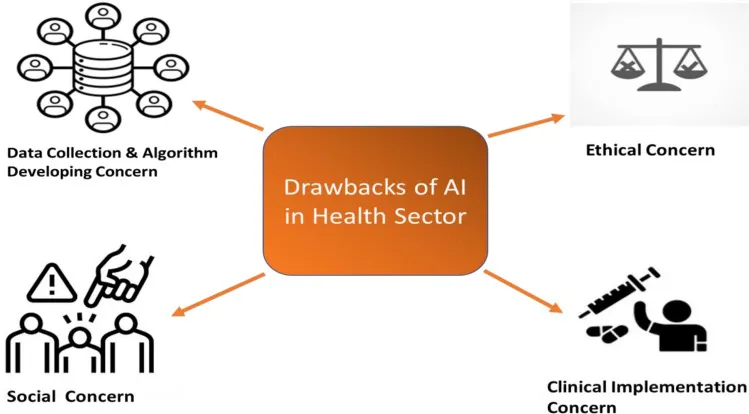
Figure 3: Drawbacks and Limitations of Ai
Data Collection Concern
Artificial intelligence (AI) has become a game-changer in a number of industries, including healthcare and medicine. AI-based solutions also give rise to privacy and data security issues. Hackers frequently target health records during data breaches because they are sensitive and valuable.[36]. The situation has gotten worse because there are no set standards for the ethical application of AI and ML in healthcare. The first issue is that pertinent data is not easily accessible. For ML and DL models to accurately categorize or predict a broad range of tasks, massive datasets are necessary.[37] The industries with easy access to massive datasets have seen the biggest advancements in machine learning's capacity to produce increasingly accurate and sophisticated algorithms. Information accessibility is a complicated problem for the healthcare industry[38]. Institutions are naturally reluctant to share health data since patient records are frequently considered secret.[39]
Ethical Concerns
Accountability, not the previously mentioned concerns about data security and privacy, is the primary issue. The existing system demands that when incorrect decisions are made, especially in the medical field, someone be held accountable due to the seriousness of the repercussions.[40] Artificial Intelligence (AI) is sometimes perceived as a "black box" by researchers who fear it will be difficult to decipher how an algorithm arrived at a certain result.[40-41] According to some, algorithms employed in lower-stakes applications—like those that aren't medical and instead focus on efficiency or improving operations—are less likely to have the "black-box" problem. In spite of this, the question of accountability becomes far more crucial when considering AI applications that aim to improve medical results, especially when errors occurs. As a result, in the event of a system failure, it is unclear who is at fault.[42]
Clinical Implementation Concerns
Artificial intelligence might have been incorporated into medical procedures for more effective application if it had gained widespread acceptance.[43] Effective load reduction depends on how well information systems work. AI-driven therapies shouldn't impede physicians' ability to review or investigate electronic health records.[44] Included in the cost is the time and money needed to train medical staff to use the technology effectively. Thus far, there have been few examples of effectively integrating AI into clinical care; the majority of these situations are still in the experimental stage.[45-46]
Algorithms Developments Concerns
After data collection, the emergence of AI technology poses a new problem. Overfitting occurs when the algorithm discovers irrelevant correlations between patient characteristics and results.[47] It occurs when there are too many factors affecting the outcome, which causes the algorithm to forecast things incorrectly.[48] As a result, even though the algorithm performs well when applied to the training dataset, it may yield unreliable results when applied to future events.[49] Another area of concern is data leaks. If the algorithm obtains very high predicted accuracy, then the method's capacity to predict events outside of the training dataset is reduced since a covariate inside the dataset might have referred to the outcome inaccurately. Still, in order to validate the conclusions made in order to resolve this problem, a new dataset is needed.[50]
CONCLUSION
The primary goal of today’s scientists is to develop a complete universal AI with advanced and trustable algorithms. This broad AI’s specialized duties are likewise more sophisticated than the current AI. It is important to see the adoption of AI systems in healthcare as a dynamic learning experience at all levels, calling for a more sophisticated systems thinking approach in the health sector to overcome these issues. AI (ML and deep learning) can handle enormous amounts of complicated nonlinear data (multiomics and nonomics) collected during cancer therapy and research, as well as data integrity, parallel processing storage, learning, and decision-making functionality to improve oncologic care. AI might thus assist to overcome the existing lack of objectivity and universality in 10 Evidence-Based Complementary and Alternative Medicine expert systems while also integrating diverse elements of clinical variability. AI’s diagnostic and prognostic performance utilizing machine learning has been demonstrated in a number of studies. The present state of AI development in medical diagnostics, particularly in image recognition, demonstrates a comparable or even superior performance to that of human experts. Notably, AI systems have shown efficacy in tasks such as analyzing medical images like X-rays and CT scans, with potential applications extending to various medical imaging modalities and practices.Exploring AI studies in areas such as magnetic resonance imaging (MRI) and beyond image analysis holds promise for improving healthcare efficiency, accuracy, and accessibility. However, it is imperative to integrate AI technologies into healthcare with a patient-centered approach, taking into account the expertise of clinicians.Collaboration between AI and human experts is seen as a key strategy to enhance diagnostic processes, prognosis, and treatment planning. Involving clinicians in the development, validation, and implementation of AI technologies is essential to ensure alignment with clinical needs and positive contributions to patient outcomes. The evolution of AI-assisted technologies requires ongoing research and a commitment to ethical considerations, data privacy, and patient well-being. Striking a balance between technological advancements and human-centered healthcare principles is critical to fully realizing the potential benefits of AI in the medical field.
REFERENCES


Ujwal Kamlesh Dashpute, Sayali D. Patil, Artificial Intelligence in Healthcare: Transforming Disease Detection and Management, Int. J. Sci. R. Tech., 2026, 3 (11), 1180-1193. https://doi.org/10.5281/zenodo.24474992
 10.5281/zenodo.24474992