Exosome-based drug delivery systems have gained considerable attention in recent years due to their potential to improve the delivery of therapeutic agents. Exosomes are small extracellular vesicles released by cells that carry various biological molecules, including proteins, lipids, and nucleic acids. Their natural ability to interact with recipient cells makes them promising carriers for delivering drugs to specific tissues. Recent research has explored their applications in cancer therapy, neurological disorders, gene delivery, and regenerative medicine. Exosomes can transport different therapeutic agents, such as small-molecule drugs, proteins, and RNA-based therapeutics. Furthermore, advances in exosome engineering and drug-loading techniques have created new opportunities to improve targeting and therapeutic effectiveness. However, challenges related to isolation, purification, large-scale production, stability, and safety remain significant barriers to clinical application. This review summarizes recent developments in exosome-based drug delivery, highlights their potential advantages and limitations, and discusses future research directions for translating these promising nanocarriers into effective therapeutic approaches.
Exosomes, drug delivery systems, extracellular vesicles, targeted drug delivery, nanocarriers, cancer therapy, gene delivery, exosome engineering
The development of an effective drug delivery system remains an important area of pharmaceutical research. Many drugs show good therapeutic activity, but their clinical usefulness can be limited by poor solubility, rapid degradation, short circulation time, low
cellular uptake, and unwanted effects on healthy tissues. Conventional drug delivery systems such as tablets, injections, liposomes, and polymeric nanoparticles have helped overcome some of these problems. However, there are still difficulties in delivering drugs selectively to the required site, particularly when the target tissue is protected by biological barriers. Because of these limitations, researchers have increasingly focused on naturally occurring biological carriers, including extracellular vesicles and exosomes .
Exosomes are small membrane-bound vesicles released by different types of cells. They are involved in communication between cells by carrying molecules such as proteins, lipids, messenger RNA, and microRNA from one cell to another. This natural ability to transport biological material has attracted considerable attention in the field of drug delivery. Unlike many synthetic nanoparticles, exosomes are derived from biological membranes and may show good biocompatibility and relatively low immunogenicity. They can also protect their contents from degradation and facilitate uptake by recipient cells .
The use of exosomes as drug carriers developed gradually during the last decade. One of the early studies was reported by Sun et al., who investigated the delivery of curcumin using exosomes. Curcumin has several pharmacological activities but its clinical application is restricted by its poor solubility and bioavailability. Encapsulation in exosomes improved its anti-inflammatory activity, providing an early indication that exosomes could be used to improve the delivery of poorly soluble drugs . This work was followed by studies investigating the use of exosomes for delivery of nucleic acids.
An important development was reported by Alvarez-Erviti et al., who demonstrated that exosomes could be engineered to deliver siRNA to the brain after systemic administration. Their study showed that targeted exosomes were able to deliver siRNA and reduce expression of the BACE1 gene. This finding was particularly significant because delivery of therapeutic molecules to the brain is difficult due to the blood–brain barrier . It opened the possibility of using exosomes for the treatment of neurological diseases as well as for other applications involving gene therapy.
Cancer treatment has become one of the major areas of research in exosome-based drug delivery. Conventional anticancer drugs can damage both cancerous and normal cells, which can lead to significant adverse effects. Targeted exosome systems are being investigated as a way of improving drug accumulation in tumor tissue. Tian et al. developed an engineered exosome system containing doxorubicin and modified the exosomal surface with an iRGD targeting peptide. The study demonstrated improved delivery of the drug to tumor cells and showed the potential of combining exosomes with active targeting strategies .
Paclitaxel has also been widely investigated as an exosome-loaded drug. Studies have shown that mesenchymal stromal cells can take up paclitaxel and release drug-containing vesicles. These vesicles were able to inhibit tumor cell growth in vitro . Later studies investigated different approaches for loading paclitaxel into exosomes and demonstrated that the loading technique can influence the amount of drug incorporated and its subsequent biological activity . Such findings are important because improving drug-loading efficiency remains one of the major challenges in the development of exosome-based formulations.
Another important application of exosomes is the delivery of drugs to the central nervous system. Haney et al. investigated exosomes as carriers for catalase in a model of Parkinson's disease. Catalase has antioxidant activity, but its delivery to the brain is difficult. The study showed that exosome-mediated delivery improved the availability of catalase and produced a neuroprotective effect . These findings encouraged further research into exosome-based treatment for neurological disorders.
As research progressed, scientists began to focus not only on loading drugs into exosomes but also on modifying their properties. Different loading methods, including passive incubation, electroporation, sonication, extrusion, and freeze–thaw methods, have been investigated. Another approach involves modifying the donor cells so that the therapeutic molecule is naturally incorporated into the vesicles during exosome formation. Each method has its own advantages and limitations, and the choice of method depends on the type of therapeutic cargo being used.
2.Significance :-
1. Exosomes are naturally occurring extracellular vesicles that can transport biological molecules between cells and therefore have potential as drug delivery carriers .
2. They can carry different therapeutic cargos, including small-molecule drugs, proteins, siRNA, microRNA, and other nucleic acids .
3. Exosomes may protect their cargo from degradation and facilitate delivery into recipient cells .
4. Early studies demonstrated the potential of exosomes for delivering drugs such as curcumin, paclitaxel, and doxorubicin .
5. Exosome-based systems have also been investigated for delivery of therapeutic molecules to difficult-to-reach sites, including the brain .
6. Surface engineering of exosomes can be used to improve their targeting toward specific cells or tissues .
7. Exosome-based delivery has shown considerable potential in areas such as cancer therapy, neurological disorders, and gene therapy .
8. Different drug-loading techniques have been developed to improve the incorporation of therapeutic agents into exosomes .
9. Despite their potential, problems related to isolation, purification, drug loading, characterization, scalability, stability, and reproducibility still need to be addressed .
3.Objectives :-
1. To review the basic characteristics and biological properties of exosomes relevant to drug delivery.
2. To study the year-wise development of exosome-based drug delivery systems.
3. To identify different types of therapeutic cargos delivered using exosomes, including small-molecule drugs and nucleic acids.
4. To review the different biological sources of exosomes used for drug delivery.
5. To describe various methods used for loading therapeutic agents into exosomes, such as incubation, electroporation, sonication, extrusion, and endogenous loading .
6. To evaluate different strategies used for targeting exosomes toward specific cells and tissues.
7. To summarize the major therapeutic applications of exosome-based drug delivery, particularly in cancer and neurological disorders.
8. To discuss the advantages of exosomes as naturally derived drug delivery carriers.
9. To identify the major limitations and challenges associated with exosome-based drug delivery, including heterogeneity, purification, scalability, stability, and reproducibility .
10. To review recent developments in engineered and multifunctional exosome-based delivery systems.
11. To identify current research gaps and future opportunities for improving exosome-based drug delivery.
4.Structure and Composition of Exosomes:
• Structure:-
- Size: Exosomes are very small extracellular vesicles, generally about 30–150 nm in diameter.
- Lipid bilayer: They are surrounded by a lipid bilayer that protects the contents inside the vesicle.
- Outer surface: The surface contains different proteins and lipids that help exosomes interact with and enter recipient cells.
- Lumen: The inner part of the exosome contains various biological molecules such as proteins and nucleic acids.
- Membrane proteins: Common exosomal markers include CD9, CD63, CD81 and CD82.
- Other proteins: Proteins such as TSG101, Alix, HSP70 and HSP90 are also commonly found in exosomes.
- Cell targeting: Surface proteins, integrins and other molecules can influence which cells take up the exosome.
• Composition:-
- Lipids: Cholesterol, phospholipids, sphingomyelin and ceramides are important components of the membrane.
- Proteins: Exosomes contain membrane proteins, enzymes, signaling proteins and cytoskeletal proteins.
- mRNA: Messenger RNA present in exosomes can be transferred to recipient cells.
- MicroRNA (miRNA): miRNAs can regulate gene expression in recipient cells.
- Other RNA: Exosomes may also contain long non-coding RNA, circular RNA and other RNA molecules.
- DNA: Small amounts of DNA or DNA fragments can also be present.
- Glycoproteins: These molecules are present on the exosome surface and can contribute to cell recognition.
- Metabolites: Exosomes may contain various small biological molecules and metabolites.
• Importance in Drug Delivery
- The lipid membrane protects the drug or therapeutic molecule from degradation.
- Exosomes can carry small-molecule drugs, proteins and nucleic acids.
- Their surface molecules can help in targeting specific cells.
- They can be taken up by recipient cells through processes such as endocytosis or membrane fusion.
- Their natural origin gives them good potential as biocompatible drug-delivery carriers.
5. Biogenesis of Exosomes:-
The biogenesis of exosomes is a natural process that takes place inside cells. Exosomes are formed through the endosomal pathway and are finally released outside the cell.
- Steps involved in Biogenesis of Exosomes :-
1. Formation of early endosome
- The process begins when the cell membrane folds inward and forms small vesicles.
- These vesicles enter the cell and develop into early endosomes.
2. Formation of late endosomes
- Early endosomes gradually mature into late endosomes.
- During this stage, different proteins, lipids and other cellular molecules are sorted into the endosome.
3. Formation of intraluminal vesicles (ILVs)
- The membrane of the late endosome starts to bud inward.
- This produces small vesicles inside the endosome called intraluminal vesicles (ILVs).
- The endosome containing many ILVs is known as a multivesicular body (MVB).
4. Sorting of cargo
- During ILV formation, specific molecules such as proteins, lipids, mRNA and microRNA can be selectively incorporated into the developing vesicles.
- This sorting process helps determine the final composition of the exosomes.
5. Formation of multivesicular body
- The MVB contains numerous ILVs.
- Some MVBs are directed toward lysosomes for degradation, while others are transported toward the cell membrane for exosome release.
6. Movement of MVB toward the plasma membrane
- The MVB moves through the cytoplasm toward the plasma membrane.
- Various proteins and cytoskeletal components help in this movement.
7. Fusion with the plasma membrane
- The MVB fuses with the plasma membrane.
- The ILVs are then released into the extracellular space.
8. Release of exosomes
- After release from the cell, the ILVs are called exosomes.
- These exosomes can travel through body fluids and interact with other cells.
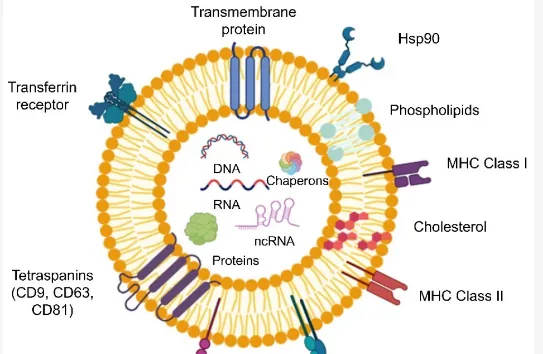
Figure 2: Biogenesis of Exosomes
• Main pathways involved:-
- ESCRT-dependent pathway: The endosomal sorting complex required for transport (ESCRT) plays an important role in membrane budding, cargo sorting and formation of ILVs.
- ESCRT-independent pathway: Exosome formation can also occur through mechanisms involving ceramide, tetraspanins and lipid rafts.
- Rab proteins: Proteins such as Rab27a, Rab27b, Rab11 and Rab35 are involved in the transport and secretion of exosomes.
• Importance in drug delivery:-
- Understanding exosome biogenesis helps researchers develop better methods for loading drugs into exosomes.
- The natural cargo-sorting mechanism can potentially be used to incorporate proteins, RNA and therapeutic drugs.
- Knowledge of exosome release pathways may help improve exosome production and large-scale manufacturing.
- Engineering the biogenesis pathway can potentially improve targeting and therapeutic.
6.Types of Exosomes:-
Exosomes can be classified mainly on the basis of their source, origin and application. Since exosomes are produced by many different cell types, their composition and therapeutic properties can vary depending on their source.
1. Mammalian cell-derived exosomes:-
- These exosomes are obtained from mammalian cells such as mesenchymal stem cells, dendritic cells, immune cells and cancer cells.
- They are widely studied for drug delivery and regenerative medicine.
- Their natural membrane proteins can help them interact with specific recipient cells.
2. Mesenchymal stem cell (MSC)-derived exosomes:-
- Obtained from mesenchymal stem cells.
- They contain proteins, lipids and different types of RNA.
- They are studied for tissue repair, inflammation, cancer therapy and regenerative medicine.
- MSC-derived exosomes are also being investigated as carriers for therapeutic drugs and nucleic acids.
3. Dendritic cell-derived exosomes:-
- These exosomes are produced by dendritic cells, which are important cells of the immune system.
- They can contain major histocompatibility complex (MHC) molecules and other immune-related proteins.
- They have been investigated for cancer immunotherapy and vaccine development.
4. Cancer cell-derived exosomes:-
- These exosomes are released by tumor cells.
- They can contain tumor-associated proteins, DNA, mRNA and miRNA.
- They are involved in tumor growth, metastasis, angiogenesis and immune regulation.
- Because of their natural tumor-targeting properties, they are also being investigated as potential drug-delivery carriers.
5. Immune cell-derived exosomes:-
- These are obtained from cells such as T cells, B cells and macrophages.
- They contain various immune-related proteins and signaling molecules.
- They are being studied for immune regulation, inflammation and cancer treatment.
6. Plant-derived exosomes/exosome-like nanovesicles:-
- These vesicles are obtained from plants such as grapes, citrus fruits, ginger and other edible plants.
- They contain lipids, proteins, metabolites and nucleic acids.
- They are being investigated as biocompatible and potentially low-cost drug-delivery systems.
7. Bacterial extracellular vesicles:-
- Bacteria also produce small extracellular vesicles, although they are not technically identical to mammalian exosomes.
- Gram-negative bacteria produce outer membrane vesicles (OMVs).
- They are studied for vaccine development, antimicrobial applications and drug delivery.
8. Engineered exosomes:-
- These are exosomes that have been modified or loaded with therapeutic molecules.
- Drugs, proteins, siRNA, miRNA or other nucleic acids can be incorporated into them.
- Their surface can also be modified to improve targeting and cellular uptake.
- They are particularly important in the development of targeted drug-delivery systems.
• Classification according to source:-
| Type |
Source |
Major application |
| MSC-derived exosomes |
Mesenchymal stem cells |
Regenerative medicine, drug delivery |
| Dendritic cell-derived exosomes |
Dendritic cells |
Immunotherapy, vaccines |
| Cancer cell-derived exosomes |
Tumor cells |
Cancer targeting, biomarker research |
| Immune cell-derived exosomes |
T cells, B cells, macrophages |
Immunomodulation |
| Plant-derived vesicles |
Fruits, vegetables, medicinal plants |
Drug delivery, nutraceutical research |
| Engineered exosomes |
Modified donor cells/exosomes |
Targeted drug delivery |
| Bacterial extracellular vesicles |
Bacteria |
Vaccines, antimicrobial delivery |
7.Mechanism of Exosome-Mediated Drug Delivery System:-
Exosome-mediated drug delivery is based on the natural ability of exosomes to carry molecules from one cell to another. The drug or therapeutic molecule is loaded into the exosome, which then travels to the target cell and releases its contents.
• Steps involved in exosome-mediated drug delivery:-
1. Selection of exosome source
- Exosomes are obtained from suitable donor cells, such as mesenchymal stem cells, dendritic cells or other cultured cells.
- The choice of donor cell can affect the properties and targeting ability of the exosomes.
2. Isolation of exosomes
- Exosomes are separated from the cell culture medium or biological fluid.
- Common methods include ultracentrifugation, size-exclusion chromatography, ultrafiltration and precipitation-based methods.
3. Loading of therapeutic drug
- The desired drug or therapeutic molecule is incorporated into the exosomes.
- Drugs may include small molecules, proteins, siRNA, miRNA, mRNA or other nucleic acids.
- Loading can be performed by methods such as incubation, electroporation, sonication, extrusion and freeze–thaw cycles.
4. Protection of the drug
- The lipid membrane of the exosome protects the loaded molecule from enzymatic degradation and rapid breakdown.
- This is particularly useful for unstable molecules such as RNA.
5. Transport through biological fluids
- After administration, exosomes can circulate through biological fluids such as blood or other extracellular fluids.
- Their small size allows them to interact with different cells and tissues.
6. Target-cell recognition
- Proteins, lipids, integrins and other molecules present on the exosome surface help it interact with recipient cells.
- Surface modification can also be used to improve targeting toward specific tissues or cells.
7. Attachment to the target cell
- The exosome comes into contact with the target cell and attaches to its surface through receptor–ligand interactions and other adhesion mechanisms.
8. Cellular uptake
- The target cell takes up the exosome mainly through endocytosis.
- Other mechanisms, including direct membrane fusion, can also contribute to exosome entry.
9. Release of therapeutic cargo
- After entering the target cell, the exosome can release its drug or biological cargo.
- The released molecule then reaches its intracellular site of action.
10. Therapeutic effect
- The drug produces its intended effect inside the target cell.
- For example, siRNA can suppress specific genes, miRNA can regulate gene expression, and anticancer drugs can interfere with tumor-cell growth.
• Main mechanisms of exosome uptake:-
- Endocytosis: The target cell surrounds and internalizes the exosome.
- Receptor-mediated uptake: Surface molecules on the exosome interact with receptors on the target cell.
- Membrane fusion: The exosomal membrane can fuse with the cell membrane and release its contents into the cell.
- Phagocytosis: Certain cells, particularly immune cells, can engulf extracellular vesicles through phagocytic mechanisms.
• Importance in drug delivery:-
- Exosomes can protect drugs from degradation.
- They can improve the delivery of poorly stable therapeutic molecules.
- They can carry different types of cargo, including drugs and nucleic acids.
- Their natural interaction with cells may improve cellular uptake.
- Surface engineering can be used to enhance targeted drug delivery.
- They have potential applications in cancer, neurological disorders, inflammation and regenerative medicine.
8.Drug Loading Methods of Exosomes:-
Drug loading is an important step in the development of exosome-based drug delivery systems. It involves incorporating a drug or therapeutic molecule into the exosome so that it can be transported to the desired cells.
1. Passive loading:-
- In this method, the drug is mixed with isolated exosomes and allowed to enter naturally.
- It is a simple and mild method and does not require complicated equipment.
- It is mainly suitable for small, hydrophobic molecules that can easily interact with the exosome membrane.
- However, the drug-loading efficiency is often low.
2. Incubation method:-
- Exosomes and the drug are mixed and incubated for a specific period.
- The drug gradually enters or associates with the exosome.
- This method is relatively simple and inexpensive.
- It is suitable for some small-molecule drugs.
- A major limitation is that only a limited amount of drug may be loaded.
3. Electroporation:-
- In this method, exosomes are exposed to a short electrical pulse.
- The electrical field temporarily creates pores in the exosome membrane.
- The drug or nucleic acid can enter through these temporary pores.
- The membrane then recovers after the electrical treatment.
- Electroporation is commonly investigated for loading siRNA, miRNA and other nucleic acids.
- Excessive electrical treatment can damage exosomes or cause aggregation.
4. Sonication:-
- Sonication uses ultrasonic energy to temporarily disturb the exosome membrane.
- This allows the therapeutic molecule to enter the exosome.
- After treatment, the membrane reorganizes and forms the exosome again.
- It can provide relatively high loading efficiency.
- However, excessive sonication may affect the structure and biological activity of the exosome.
5. Extrusion:-
- In this method, exosomes are mixed with the therapeutic molecule and passed through membranes with defined pore sizes.
- Repeated extrusion can temporarily disrupt and reform the vesicles.
- The drug becomes incorporated during this process.
- It can provide relatively uniform vesicles and good drug loading.
- The main limitation is that the process may affect some membrane proteins and biological properties.
6. Freeze–thaw method:-
- Exosomes are repeatedly frozen and thawed in the presence of the drug.
- Freezing and thawing temporarily disturb the lipid membrane.
- This allows the drug to enter the exosome.
- It is a relatively simple method.
- Repeated cycles may, however, cause exosome aggregation or changes in membrane integrity.
7. Saponin-assisted loading:-
- Saponin, a membrane-permeabilizing substance, can temporarily increase the permeability of the exosome membrane.
- This allows therapeutic molecules to enter the exosome.
- After removal of saponin, the membrane can recover.
- This method can improve loading efficiency but requires careful control because excessive membrane disruption may damage the vesicles.
8. Chemical transfection:-
- In this method, transfection reagents are used to introduce nucleic acids into cells.
- The donor cells are first exposed to the desired nucleic acid.
- The cells then package some of the nucleic acid into newly produced exosomes.
- This is also called endogenous loading.
- It is useful for loading molecules such as siRNA, miRNA and mRNA.
9. Incubation with membrane-permeabilizing agents:-
- Certain chemical agents can temporarily increase the permeability of the exosomal membrane.
- This allows therapeutic molecules to enter the vesicles.
- The method can improve loading compared with simple incubation.
- However, the chemicals must be removed carefully because they may affect the stability and biological activity of exosomes.
10. Endogenous loading:-
- In endogenous loading, the donor cells are engineered or treated so that they produce exosomes containing the desired therapeutic molecule.
- For example, cells can be modified to produce specific miRNA, siRNA or proteins.
- The therapeutic molecule is naturally incorporated into the exosomes during their formation.
- This method can provide good biological compatibility but may require genetic modification and careful control of the donor cells.
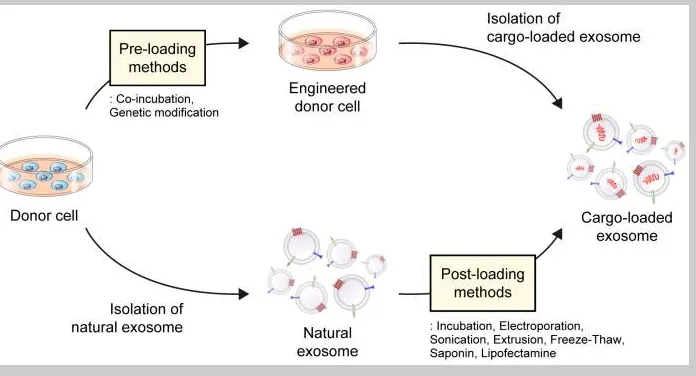
Figure 1: Drug Loading Methods for Exosomes
• Comparison of major drug-loading methods:-
| Method |
Main principle |
Commonly used for |
Major advantage |
Major limitation |
| Passive loading |
Drug naturally enters/associates with exosome |
Small molecules |
Simple |
Low loading efficiency |
| Incubation |
Drug and exosome are mixed together |
Small drugs |
Easy and inexpensive |
Limited loading |
| Electroporation |
Temporary membrane pores are created by electrical pulses |
siRNA, RNA |
Useful for nucleic acids |
Aggregation or membrane damage |
| Sonication |
Ultrasound temporarily disrupts membrane |
Small molecules, proteins |
Higher loading possible |
May affect exosome structure |
| Extrusion |
Vesicles are repeatedly passed through membranes |
Drugs, nucleic acids |
Relatively efficient |
Can alter membrane proteins |
| Freeze–thaw |
Repeated freezing and thawing disrupts membrane |
Drugs and proteins |
Simple procedure |
Aggregation may occur |
| Saponin-assisted |
Temporary membrane permeabilization |
Various molecules |
Improved loading |
Possible membrane damage |
| Chemical transfection |
Donor cells are treated with therapeutic molecules |
RNA |
Useful for biological cargo |
Requires optimization |
| Endogenous loading |
Donor cells produce cargo-loaded exosomes |
RNA, proteins |
Natural incorporation |
More complex |
9. Surface Modification and Targeting of Exosomes:-
Surface modification is an important approach for improving the targeting ability of exosome-based drug delivery systems. Although natural exosomes can interact with and enter different cells, their natural targeting is generally not specific enough for precise delivery. Therefore, researchers modify the exosome surface to improve their ability to recognize particular cells or tissues. Exosome surfaces can be modified by genetic, chemical, and non-covalent methods. In genetic engineering, targeting peptides or proteins are expressed on the surface of exosomes by modifying the parent cells. Proteins such as Lamp2b, CD63, CD81, CD9, and lactadherin can be used as platforms for attaching targeting molecules. Chemical modification provides another way to attach targeting molecules directly to the exosome membrane. Different ligands, peptides, antibodies, aptamers, or other molecules can be attached to the surface to improve recognition of specific receptors. For example, folate-modified exosomes have been investigated for targeting cancer cells that express folate receptors. pH-responsive modifications have also been explored to improve drug release in the acidic tumor environment. Targeting can be broadly divided into passive and active targeting. Passive targeting depends on the natural distribution and biological properties of exosomes, whereas active targeting uses specific ligands or surface molecules to recognize receptors on the desired cells. Active targeting can increase cellular uptake and improve the local concentration of the therapeutic cargo while potentially reducing unwanted exposure to healthy tissues. Recent studies have also investigated aptamers, peptides, antibodies, hyaluronic acid, and receptor-specific ligands for improving exosome targeting. In addition, changes in surface charge and other membrane properties can influence bio distribution and cellular uptake, although these approaches generally provide less specificity than ligand–receptor targeting.
Overall, surface engineering has changed exosomes from naturally occurring vesicles into more controllable and targeted drug-delivery carriers. However, challenges such as maintaining exosome stability, achieving reproducible modification, controlling biodistribution, avoiding unwanted immune effects, and developing scalable manufacturing methods still need to be addressed before widespread clinical application. Recent reviews continue to identify these issues as important barriers to translation.
10. Advantages of Exosome-Based Drug Delivery:-
- Biocompatible: Exosomes are naturally produced by cells and are generally well tolerated.
- Low immunogenicity: They can cause relatively low immune responses compared with some synthetic carriers.
- Targeted delivery: Surface molecules can help direct exosomes toward specific cells or tissues.
- Improved drug stability: Exosomes can protect their cargo from degradation.
- Efficient cellular uptake: Their natural membrane properties facilitate interaction with target cells.
- Blood–brain barrier penetration: Exosomes have potential for delivering therapeutics to the brain.
- Versatile cargo: They can carry drugs, proteins, peptides, mRNA, miRNA, and siRNA.
- Reduced toxicity: Targeted delivery may decrease exposure of healthy tissues to some therapeutic agents.
- Natural transport system: Exosomes are naturally involved in intercellular communication.
- Surface engineering: Their membrane can be modified with peptides, antibodies, or other targeting ligands.
- Suitable for personalized therapy: Exosomes derived from selected cell sources may be adapted for specific therapeutic applications.
- Potential for combination therapy: Multiple types of therapeutic cargo can potentially be incorporated into the same delivery platform.
11. Limitations and Challenges of Exosome-Based Drug Delivery:-
- Low drug-loading capacity: Exosomes may carry only limited amounts of some therapeutic agents.
- Difficult isolation: Obtaining pure exosomes from biological sources can be technically challenging.
- Poor standardization: Exosome size, composition, and activity can vary with the source and preparation method.
- Complex characterization: It is difficult to fully characterize all components of exosomes.
- Low production yield: Large-scale production of high-quality exosomes remains challenging.
- Storage problems: Long-term storage may affect exosome stability and biological activity.
- Uncontrolled biodistribution: Exosomes may accumulate in non-target organs.
- Targeting limitations: Natural exosomes do not always provide sufficient tissue-specific targeting.
- Drug-loading difficulties: Different drugs require different loading techniques, and loading efficiency may be low.
- Potential immunological effects: Although generally considered biocompatible, exosomes can still produce unwanted biological or immune responses.
- Safety concerns: The possibility of transferring unwanted proteins, nucleic acids, or biological signals needs careful evaluation.
- Manufacturing cost: Isolation, purification, characterization, and quality control can be expensive.
- Regulatory challenges: Standardized regulatory requirements for exosome-based medicines are still developing.
- Scale-up difficulty: A method that works at laboratory scale may not easily translate to industrial production.
- Limited clinical evidence: More large-scale clinical studies are needed to establish long-term safety and therapeutic effectiveness.
12.Applications of Exosome-Based Drug Delivery
- Cancer therapy: Exosomes can deliver anticancer drugs, siRNA, miRNA, and proteins to tumor cells.
- Brain drug delivery: They have potential to transport therapeutic molecules across the blood–brain barrier.
- Gene delivery: Exosomes can carry mRNA, miRNA, siRNA, and other nucleic acids into target cells.
- Protein delivery: Therapeutic proteins and peptides can be incorporated into exosomes.
- Anti-inflammatory therapy: Exosomes can deliver agents that regulate inflammatory responses.
- Cardiovascular diseases: They are being investigated for delivering therapeutic molecules to damaged heart tissue.
- Neurological disorders: Exosome-based systems are being studied for diseases such as Parkinson’s and Alzheimer’s disease.
- Regenerative medicine: Exosomes can transport bioactive molecules that support tissue repair and regeneration.
- Pulmonary diseases: They may be used to deliver therapeutic agents to lung tissues.
- Antimicrobial therapy: Exosomes are being investigated as carriers for antimicrobial compounds and nucleic acids.
- Vaccination: Exosomes can present antigens and are being explored as vaccine delivery platforms.
- Personalized medicine: Patient-derived exosomes may potentially be engineered to deliver individualized therapies.
- Combination therapy: Exosomes can potentially carry more than one therapeutic component for combined treatment.
13.Role of Exosomes in Cancer Therapy:-
- Targeted drug delivery: Exosomes can deliver anticancer drugs preferentially to tumor cells.
- Drug protection: They can protect drugs from degradation and improve their stability in the body.
- Gene delivery: Exosomes can transport siRNA, miRNA, mRNA, and other genetic materials to cancer cells.
- Improved cellular uptake: Their natural membrane properties facilitate uptake by recipient cells.
- Reduced toxicity: Targeted delivery may reduce exposure of healthy tissues to some anticancer drugs.
- Overcoming drug resistance: Engineered exosomes are being studied for delivering molecules that can suppress mechanisms responsible for chemotherapy resistance.
- Tumor targeting: Surface modification with peptides, antibodies, or ligands can improve recognition of specific tumor cells.
- Combination therapy: Exosomes may carry combinations of drugs and genetic therapeutics for enhanced anticancer effects.
- Immunotherapy: Exosomes can participate in immune regulation and are being investigated as carriers for cancer vaccines and immunotherapeutic agents.
- Tumor microenvironment: Exosome-based approaches are being studied to modify interactions between cancer cells and surrounding stromal or immune cells.
- Metastasis control: Therapeutic exosomes may potentially interfere with pathways involved in tumor invasion and metastasis.
- Personalized treatment: Patient-derived or engineered exosomes may offer opportunities for individualized cancer therapy.
14.Gene and RNA Delivery:-
- Gene delivery: Exosomes can transport genetic materials into target cells and are being investigated as natural, non-viral gene-delivery carriers.
- siRNA delivery: Exosomes can protect siRNA from degradation and help deliver it into cells, where it can silence specific disease-related genes.
- miRNA delivery: Exosomes naturally contain miRNAs and can be engineered to deliver therapeutic miRNAs to regulate gene expression.
- mRNA delivery: Exosomes can carry mRNA into recipient cells, where it can be translated into therapeutic proteins.
- DNA delivery: Engineered exosomes are being studied for the delivery of DNA and other genetic constructs.
- Gene editing: Exosomes are being investigated for delivering components such as CRISPR-Cas systems for targeted gene modification.
- Cancer therapy: RNA-loaded exosomes can target genes involved in tumor growth, metastasis, and drug resistance.
- Protection of RNA: The lipid membrane of exosomes can protect RNA molecules from enzymatic degradation.
- Improved cellular uptake: Exosomes naturally interact with cell membranes, facilitating intracellular delivery of RNA cargo.
- Targeted delivery: Surface modification with peptides, antibodies, or ligands can improve delivery to specific tissues or cells.
- Lower immunogenicity: Exosomes may offer advantages over some viral vectors, although their safety and immune effects require further study.
- Major challenges: Low loading efficiency, variable exosome composition, difficult large-scale production, targeting limitations, and regulatory concerns remain important barriers.
15.Exosome Delivery Across the Blood–Brain Barrier:-
- Natural BBB crossing: Exosomes have the potential to cross the blood–brain barrier (BBB), making them promising carriers for brain drug delivery.
- Drug protection: Their lipid membrane can protect therapeutic molecules from degradation during circulation.
- RNA delivery: Exosomes can transport siRNA, miRNA, and mRNA to brain cells.
- Protein delivery: Therapeutic proteins and enzymes can potentially be delivered to the brain using exosomes.
- Targeted delivery: Surface modification with peptides or ligands can improve recognition of brain endothelial cells and specific brain tissues.
- Neurodegenerative diseases: Exosomes are being investigated for delivery of therapeutics for Alzheimer’s disease, Parkinson’s disease, and other neurological disorders.
- Brain tumors: Engineered exosomes can potentially deliver anticancer drugs or genetic material to glioma and other brain tumors.
- Reduced systemic exposure: Targeted brain delivery may reduce exposure of other organs to therapeutic agents.
- Improved cellular uptake: Exosomes can interact naturally with cell membranes and facilitate intracellular delivery.
- Non-viral carrier: They provide a biological alternative to some viral gene-delivery systems.
- Current limitations: Low targeting efficiency, variable biodistribution, difficult large-scale production, and limited clinical evidence remain important challenges.
16.Diagnostic and Theranostic Applications of Exosomes:-
• Diagnostic Applications:-
- Disease biomarkers: Exosomes contain proteins, lipids, DNA, mRNA, and miRNA that can provide information about disease conditions.
- Cancer diagnosis: Tumor-derived exosomes can help identify cancer-associated molecular markers.
- Early detection: Exosomal biomarkers are being investigated for detecting diseases at an early stage.
- Liquid biopsy: Exosomes present in blood, urine, saliva, and other body fluids can be analyzed without invasive tissue sampling.
- Disease monitoring: Changes in exosomal contents can potentially be used to monitor disease progression and treatment response.
- Neurological diseases: Exosomal miRNA and proteins are being investigated as biomarkers for disorders such as Alzheimer’s and Parkinson’s disease.
- Personalized diagnosis: Molecular information from patient-derived exosomes may help support individualized treatment decisions.
• Theranostic Applications:-
- Combined diagnosis and therapy: Exosomes can potentially carry diagnostic biomarkers and therapeutic cargo in the same platform.
- Targeted cancer therapy: Engineered exosomes can deliver anticancer drugs while helping identify or monitor tumor-associated markers.
- Imaging: Exosomes can be modified or loaded with imaging agents for tracking their distribution in the body.
- Treatment monitoring: Exosomal biomarkers may help evaluate whether a therapy is producing the desired response.
- Personalized therapy: Diagnostic information obtained from exosomes can potentially guide selection of suitable therapeutic approaches.
- Gene therapy: Exosomes can simultaneously serve as carriers for therapeutic RNA and provide molecular information about the target disease.
- Non-invasive monitoring: Repeated sampling of circulating exosomes may allow treatment and disease status to be monitored with relatively low invasiveness.
17.Production and Isolation Methods of Exosomes:
• Production Methods:
- Cell culture: Exosomes are commonly produced by culturing suitable donor cells under controlled conditions.
- Cell source selection: Mesenchymal stem cells, immune cells, and other producer cells can be used depending on the intended application.
- Conditioned medium collection: The culture medium containing secreted extracellular vesicles is collected after a suitable incubation period.
- Serum-free or exosome-depleted medium: These media can reduce contamination from serum-derived extracellular vesicles.
- Cell engineering: Donor cells can be genetically modified to produce exosomes with specific therapeutic cargo or targeting molecules.
- Large-scale production: Bioreactors and optimized cell-culture systems are being explored to increase exosome yield.
• Isolation and Purification Methods:
- Differential ultracentrifugation: Uses sequential centrifugation steps to separate cells, debris, larger vesicles, and finally exosome-enriched fractions. It is widely used but can be time-consuming.
- Density-gradient centrifugation: Separates vesicles according to their density and can provide better purity than conventional ultracentrifugation.
- Size-exclusion chromatography (SEC): Separates exosomes according to particle size and is useful for obtaining relatively pure preparations while maintaining vesicle integrity.
- Ultrafiltration: Uses membrane filters to concentrate extracellular vesicles according to size. It is relatively simple and can be suitable for scale-up.
- Polymer-based precipitation: Commercial precipitation reagents can rapidly concentrate exosomes, but they may also co-isolate unwanted proteins and other contaminants.
- Immunoaffinity isolation: Uses antibodies against specific exosomal surface markers to selectively capture particular vesicle populations.
- Microfluidic methods: Miniaturized systems can isolate and analyze exosomes rapidly using size, charge, or affinity-based separation.
- Tangential flow filtration (TFF): Provides scalable concentration and purification and is increasingly investigated for large-scale manufacturing.
18.Characterization of Exosomes:
Characterization is important to confirm the identity, purity, size, morphology, and biological properties of an exosome preparation.
- Size analysis: Dynamic light scattering (DLS), nanoparticle tracking analysis (NTA), or similar methods are used to determine particle size and concentration.
- Morphology: Transmission electron microscopy (TEM) or cryo-electron microscopy is used to examine the typical vesicular structure.
- Surface markers: Common positive markers include CD9, CD63, CD81, and TSG101.
- Negative markers: Proteins such as calnexin can help identify contamination from cellular components.
- Protein analysis: Western blot, ELISA, or other immunoassays can be used to detect characteristic proteins.
- RNA analysis: Exosomal miRNA, mRNA, and other RNA molecules can be analyzed to determine their cargo.
- Lipid analysis: Lipid composition can be studied to understand membrane characteristics.
- Purity assessment: Protein contamination and other extracellular vesicles should be assessed to determine preparation quality.
- Particle concentration: NTA can provide information about the number of particles present in the preparation.
- Zeta potential: Measurement of surface charge can provide information about colloidal stability and surface properties.
- Functional testing: Cellular uptake and biological activity can be evaluated to confirm that the isolated exosomes retain their intended function.
- Sterility and safety: For therapeutic applications, preparations should also be evaluated for microbial contamination, endotoxins, and other relevant safety parameters.
19.Regulatory Considerations for Exosome-Based Drug Delivery:
- Product classification: The regulatory pathway depends on whether the exosome product is considered a biologic, drug, cell-derived product, or combination product.
- Source cells: The origin, identity, and quality of donor cells must be clearly defined.
- Manufacturing: Production should follow appropriate GMP principles with controlled and reproducible processes.
- Purity: The final product should be assessed for unwanted proteins, DNA, cells, microorganisms, and other contaminants.
- Characterization: Size, morphology, concentration, surface markers, cargo, and biological activity should be adequately characterized.
- Potency: A suitable potency assay should demonstrate that the exosome product produces the intended biological effect.
- Sterility and safety: Products intended for administration should be evaluated for sterility, endotoxins, mycoplasma, and other relevant contaminants.
- Consistency: Batch-to-batch variation should be controlled through defined manufacturing specifications.
- Stability: Appropriate stability studies are needed to establish storage conditions and shelf life.
- Drug loading: The amount, method, and consistency of therapeutic cargo loading should be controlled.
- Biodistribution: Studies may be needed to determine where exosomes travel after administration and how long they remain in the body.
- Immunogenicity and toxicity: Preclinical studies should evaluate potential immune reactions and short- and long-term toxicity.
- Clinical trials: Safety, pharmacokinetics, biodistribution, and therapeutic efficacy must be evaluated before approval.
- Regulatory standards: Requirements differ between regions, so developers should work with the relevant regulatory authority during product development.
20.Recent Advances in Exosome-Based Drug Delivery:-
- Engineered exosomes: Exosomes are being modified to improve drug loading, targeting, and therapeutic activity.
- Targeted delivery: Surface peptides, antibodies, aptamers, and ligands are being used to direct exosomes toward specific cells.
- Gene and RNA delivery: Exosomes are increasingly investigated for delivering siRNA, miRNA, mRNA, and CRISPR-related cargo.
- Improved loading methods: Electroporation, sonication, extrusion, membrane permeabilization, and donor-cell engineering are being optimized.
- Brain delivery: Targeted exosomes are being studied for transporting therapeutics across the blood–brain barrier.
- Cancer therapy: Engineered exosomes are being developed to deliver anticancer drugs and genetic materials directly to tumors.
- Hybrid exosomes: Exosomes are being combined with synthetic nanoparticles or other biomaterials to improve stability and functionality.
- Advanced isolation: Size-exclusion chromatography and tangential flow filtration are being developed for more scalable purification.
- AI and omics: Genomics, proteomics, and computational approaches are helping identify useful exosomal biomarkers and therapeutic targets.
- Theranostics: Exosomes are being explored as platforms that combine diagnosis, imaging, and therapy.
- Standardization: Greater attention is being given to standardized characterization, potency testing, manufacturing, and quality control.
- Clinical translation: Research is increasingly moving from laboratory studies toward standardized, scalable products suitable for clinical evaluation.
21.Future Prospects of Exosome-Based Drug Delivery:
- Personalized medicine: Patient-specific exosomes may support individualized drug and gene delivery.
- Advanced targeting: Better surface engineering may allow more precise delivery to tumors, brain tissue, and other organs.
- Gene therapy: Exosomes have strong potential for delivering siRNA, miRNA, mRNA, and CRISPR components.
- Brain diseases: Further development may improve treatment of neurological disorders by overcoming the blood–brain barrier.
- Cancer treatment: Engineered exosomes may provide safer and more targeted delivery of anticancer drugs.
- Theranostics: Exosomes may combine drug delivery, imaging, diagnosis, and treatment monitoring in one platform.
- Improved manufacturing: Scalable bioreactors and purification technologies may enable large-scale production.
- Better drug loading: New loading technologies may increase the amount and stability of therapeutic cargo.
- Smart delivery systems: Stimulus-responsive exosomes may release their cargo only at specific sites or under specific conditions.
- Hybrid systems: Combining exosomes with nanoparticles or biomaterials may improve stability, targeting, and therapeutic performance.
- Standardization: Development of standardized methods for production, characterization, potency, and quality control will support clinical translation.
Clinical development: More well-designed clinical studies will be needed to establish long-term safety and efficacy.
CONCLUSION:-
Exosome-based drug delivery is an emerging approach with significant potential in modern pharmaceutical research. Exosomes can naturally carry drugs, proteins, DNA, mRNA, miRNA, and siRNA and can be engineered for targeted delivery. Their biocompatibility, ability to protect therapeutic cargo, and potential to cross biological barriers make them attractive drug-delivery carriers. They have shown promising applications in cancer therapy, gene therapy, neurological disorders, and theranostics. However, challenges such as low production yield, isolation and purification, drug-loading efficiency, batch variability, safety, standardization, and regulatory requirements remain. Continued research in exosome engineering, scalable manufacturing, targeted delivery, and quality control may help translate this technology from laboratory research into safe and effective clinical therapies. Below is a 45-reference list you can use for a review paper on Exosome-Based Drug Delivery Systems. I have included foundational papers, drug/gene delivery studies, targeting and surface engineering, BBB delivery, isolation/characterization, cancer applications, and recent reviews. Several key review papers specifically cover cargo loading, targeting, clinical translation, and challenges.
REFERENCES
- Sen, J. Xavier, N. Kumar, M.Z. Ahmad, O.P. Ranjan, Exosomes as natural nanocarrier-based drug delivery system: recent insights and future perspectives, 3 Biotech, 13 (2023), p. 101, 10.1007/s13205-023-03521-2
- L.M. Doyle, M.Z. Wang,Overview of extracellular vesicles, their origin, composition, purpose, and methods for exosome isolation and analysis, Cells, 8 (2019), p. 727, 10.3390/cells8070727
- N. KuÄuk, M. PrimožiÄ, Ž. Knez, M. Leitgeb,Exosomes engineering and their roles as therapy delivery tools, therapeutic targets, and biomarkers, Int J Mol Sci, 22 (2021), p. 9543, 10.3390/ijms22179543
- H. Kim, H. Jang, H. Cho, et al.,Recent advances in exosome-based drug delivery for cancer therapy, Cancers, 13 (2021), p. 4435, 10.3390/cancers13174435
- P. Akuma, O.D. Okagu, C.C. Udenigwe, Naturally occurring exosome vesicles as potential delivery vehicle for bioactive compounds, Front Sustain Food Syst, 3 (2019), p. 23, 10.3389/fsufs.2019.00023
- Y. Zhang, J. Bi, J. Huang, Y. Tang, S. Du, P. Li, Exosome: a review of its classification, isolation techniques, storage, diagnostic and targeted therapy applications, Int J Nanomed, 15 (2020), pp. 6917-6934, 10.2147/IJN.S264498
- J. Daßler-Plenker, V. Küttner, M. Egeblad, Communication in tiny packages: exosomes as means of tumor-stroma communication, Biochim Biophys Acta Rev Cancer, 1873 (2020), Article 188340, 10.1016/j.bbcan.2020.188340
- H. Chen, L. Wang, X. Zeng, et al., Exosomes, a new star for targeted deliverFront Cell Dev Biol, 9 (2021), p. 2827, 10.3389/fcell.2021.751079
- Y. Liang, L. Duan, J. Lu, J. Xia, Engineering exosomes for targeted drug delivery, Theranostics, 11 (2021), p. 3183, 10.7150/thno.52570
- R.M. Johnstone, M. Adam, J. Hammond, L. Orr, C. Turbide, Vesicle formation during reticulocyte maturation. Association of plasma membrane activities with released vesicles (exosomes), J Biol Chem, 262 (1987), pp. 9412-9420, 10.1186/s12964-021-00730-1
- Zeng, W.; Wen, Z.; Chen, H.; Duan, Y. Exosomes as carriers for drug delivery in cancer therapy. Pharm. Res. 2023, 40, 873–887. [Google Scholar] [CrossRef] [Scilit] [PubMed]
- Elsharkasy, O.M.; Nordin, J.Z.; Hagey, D.W.; de Jong, O.G.; Schiffelers, R.M.; Andaloussi, S.E.; Vader, P. Extracellular vesicles as drug delivery systems: Why and how? Adv. Drug Deliv. Rev. 2020, 159, 332–343. [Google Scholar] [CrossRef] [Scilit] [PubMed]
- Simoes, S.; Filipe, A.; Faneca, H.; Mano, M.; Penacho, N.; Duzgunes, N.; de Lima, M.P. Cationic liposomes for gene delivery. Expert Opin. Drug Deliv. 2005, 2, 237–254. [Google Scholar] [CrossRef] [Scilit] [PubMed]
- Nag, O.K.; Awasthi, V. Surface engineering of liposomes for stealth behavior. Pharmaceutics 2013, 5, 542–569. [Google Scholar] [CrossRef] [Scilit]
- Narayanaswamy, R.; Torchilin, V.P. Targeted delivery of combination therapeutics using monoclonal antibody 2c5-modified immunoliposomes for cancer therapy. Pharm. Res. 2021, 38, 429–450. [Google Scholar] [CrossRef] [Scilit]
- Moholkar, D.N.; Kandimalla, R.; Gupta, R.C.; Aqil, F. Advances in lipid-based carriers for cancer therapeutics: Liposomes, exosomes and hybrid exosomes. Cancer Lett. 2023, 565, 216220. [Google Scholar] [CrossRef] [Scilit]
- Ickenstein, L.M.; Garidel, P. Lipid-based nanoparticle formulations for small molecules and rna drugs. Expert Opin. Drug Deliv. 2019, 16, 1205–1226. [Google Scholar] [CrossRef] [Scilit]
- Daraee, H.; Etemadi, A.; Kouhi, M.; Alimirzalu, S.; Akbarzadeh, A. Application of liposomes in medicine and drug delivery. Artif. Cells Nanomed. Biotechnol. 2016, 44, 381–391. [Google Scholar] [CrossRef] [Scilit] [PubMed]
- Narang, A.S.; Chang, R.K.; Hussain, M.A. Pharmaceutical development and regulatory considerations for nanoparticles and nanoparticulate drug delivery systems. J. Pharm. Sci. 2013, 102, 3867–3882. [Google Scholar] [CrossRef] [Scilit] [PubMed]
- Ha, D.; Yang, N.; Nadithe, V. Exosomes as therapeutic drug carriers and delivery vehicles across biological membranes: Current perspectives and future challenges. Acta Pharm. Sin. B 2016, 6, 287–296. [Google Scholar] [CrossRef] [Scilit
- Kalluri R, LeBleu VS. The biology, function, and biomedical applications of exosomes. Science, 2020; 367 (6478): Eaau6977
- Vader P, Mol EA, Pasterkamp G, Schiffelers RM. Extracellular vesicles for drug delivery. Adv Drug Deliv Rev, 2016; 106: 148–156.
- Zhang Y, Liu Y, Liu H, Tang WH. Exosomes: biogenesis, biologic function and clinical potential. Cell Biosci, 2019; 9: 19.
- Elsharkasy OM, Nordin JZ, Hagey DW, de Jong OG, Schiffelers RM, Andaloussi SE. Extracellular vesicles as Drug delivery systems: why and how? Adv Drug Deliv Rev, 2020; 159: 332–343.
- Li S, Li Y, Chen B, Zhao J, Yu S, Tang Y, et al. Exosomes in cancer therapy: a novel experimental and clinical Strategy. Int J Cancer, 2021; 148 (8): 1778–1788.
- Armstrong JP, Holme MN, Stevens MM. Re-engineering extracellular vesicles as smart nanoscale therapeutics. ACS Nano, 2017; 11 (1): 69–83.
- Luan X, Sansanaphongpricha K, Myers I, Chen H, Yuan H, Sun D. Engineering exosomes as refined biological Nanoplatforms for drug delivery. Acta Pharmacol Sin, 2017; 38 (6): 754– 763.
- Ha D, Yang N, Nadithe V. Exosomes as therapeutic drug carriers and delivery vehicles across biological Membranes: current perspectives and future challenges. Acta Pharm SinB, 2016; 6 (4): 287–296.
- Bunggulawa EJ, Wang W, Yin T, Wang N, Durkan C, Wang Y, et al. Recent advancements in the use of exosomes as Drug delivery systems. J Nanobiotechnology, 2018; 16 (1): 81.
- Sluijter JPG, Davidson SM, Boulanger CM, Buzás EI, de Kleijn DP, Engel FB, et al. Extracellular vesicles in Diagnostics and therapy of the ischaemic heart: position paper from the Working Group on Cellular Biology of the Heart of the European Society of Cardiology. Cardiovasc Res, 2018; 114 (1): 19–34.
- Antimisiaris SG, Mourtas S, Marazioti A. Exosomes and exosome-inspired vesicles for targeted drug delivery. Pharmaceutics, 2018; 10 (4): 218.
- Xu R, Greening DW, Zhu HJ, Takahashi N, Simpson RJ. Extracellular vesicle isolation and characterization: Toward clinical application. J Clin Invest, 2016; 126 (4): 1152–1162.
- Srivastava A, Amreddy N, Razaq M, Babu A, Panneerselvam J, Mehta M, et al. Exosomes as therapeutics for Cancer and other diseases: recent advances, challenges, and future directions. J Control Release, 2021; 332: 479–506.
- Liang Y, Duan L, Lu J, Xia J. Engineering exosomes for targeted drug delivery. Theranostics, 2021; 11 (7): 3183–3195.
- Kim MS, Haney MJ, Zhao Y, Mahajan V, Deygen I, Klyachko NL, et al. Development of exosome-encapsulated Paclitaxel to overcome MDR in cancer cells. Nanomedicine, 2016; 12 (3): 655–664.
- Johnsen KB, Gudbergsson JM, Andresen TL, Simonsen JB. What is the blood concentration of extracellular Vesicles? Implications for the use of extracellular vesicles as drug delivery systems. J Control Release, 2019; 316: 404–412.
- Alvarez-Erviti L, Seow Y, Yin H, Betts C, Lakhal S, Wood MJA. Delivery of siRNA to the mouse brain by Systemic injection of targeted exosomes. Nat Biotechnol, 2011; 29 (4): 341– 345.
- Patel DB, Santoro M, Born LJ, Purushotham S, Pyle MM, Hays KA, et al. Exosomes as drug delivery vehicles for Bone regeneration. J Control Release, 2019; 300: 58–73.
- Kim H, Kim EH, Kwak G, Chi SG, Kim SH, Yang Y. Exosomes: cell-derived nanoplatforms for the delivery of Cancer therapeutics. Int J Mol Sci, 2020; 21 (1): 14.
- Gangadaran P, Ahn BC. Extracellular vesicle- and extracellular vesicle mimetics-based drug delivery systems: new Perspectives, challenges, and clinical developments. Pharmaceutics, 2020; 12 (5): 442.
- Luan J, Lu Y, Ma C, Lin J, Zhang C, Li J, et al. Emerging applications of exosomes in drug delivery and cancer Therapy. Front Pharmacol, 2022; 13: 954102.
- Piffoux M, Silva AKA, Wilhelm C, Gazeau F, Tareste D. Modification of extracellular vesicles by fusion with Liposomes for the design of personalized biogenic drug delivery systems. ACS Nano, 2018; 12 (7): 6830–6842.
- Zhang X, Xu Q, Zi Z, Liu Z, Wan C, Crivelli SM, et al. Engineered exosomes for efficient intracellular delivery of Soluble proteins using optically reversible protein–protein interaction module. Nat Commun, 2021; 12 (1): 1–13.
- De Jong OG, Kooijmans SAA, Murphy DE, Jiang L, Evers MJW, Sluijter JPG, et al. Drug delivery with Extracellular vesicles: from imagination to innovation. Acc Chem Res, 2019; 52 (7): 1761–1770.
- Xu M, Feng T, Liu B, Qiu F, Xu Y, Zhao Y, et al. Exosome-based drug delivery systems: from the bench to the Clinic. Mol Pharm, 2022; 19 (4): 1402–1418.




 10.5281/zenodo.23835428