

We use cookies to ensure our website works properly and to personalise your experience. Cookies policy
1Department of Zoology, Rajkiya Mahila Mahavidyalaya, Aurai, Bhadohi, 221301
2Department of Sociology, Rajkiya Mahila Mahavidyalaya, Aurai, Bhadohi, 221301
Menstruation is a natural physiological process and a fundamental aspect of women's reproductive health. Despite increasing awareness, the concepts of menstrual health and menstrual hygiene are often used interchangeably, leading to a limited understanding of their distinct roles in promoting women's overall well-being. While menstrual hygiene primarily focuses on maintaining cleanliness through the use of safe menstrual products, proper sanitation, and hygienic practices during menstruation, menstrual health encompasses a broader framework that includes physical, mental, emotional, and social well-being, access to healthcare, menstrual education, supportive environments, and freedom from stigma and discrimination. This study aims to examine the menstrual health as well as menstrual hygiene as two different aspects of menstruation process and explore their impact on women's overall well-being. It highlights the importance of comprehensive menstrual education, particularly among adolescent girls and women in rural and underserved communities, where misinformation, cultural taboos, and inadequate menstrual resources are prevalent. By adopting a holistic approach, the paper advocates for integrating menstrual health into public health policies, educational curricula, and community awareness programs. Such interventions can enhance knowledge, improve menstrual practices, encourage timely healthcare-seeking behavior, and foster supportive social environments. Ultimately, promoting menstrual health means a state of complete physical, mental, and social well-being in relation to the menstrual cycle whereas menstrual hygiene involves using clean materials to collect or absorb menstrual blood, changing them regularly, and cleaning the body with water and soap to prevent infections and maintain health.
Menstruation marks a crucial aspect of female reproductive health, yet it continues to be perceived as impure or polluting in many traditional societies. In majority of rural India and even in some parts of urban India, menstruation is often shrouded in secrecy, reinforced by intergenerational transmission of myths and prohibitions. Girls are taught to conceal their menstrual status, avoid religious spaces, sleep separately, and refrain from household activities. Such restrictions shape not only social participation but also personal hygiene behaviors.
Menstruation is a natural biological process and an essential indicator of reproductive health experienced by nearly half of the world's population during their reproductive years. Despite its universality, menstruation continues to be surrounded by myths, misconceptions, social stigma, and cultural taboos that hinder open discussions and limit access to accurate information and healthcare. For many women and adolescent girls, particularly in low- and middle-income countries, menstruation is associated with challenges such as inadequate menstrual education, poor sanitation facilities, limited access to affordable menstrual products, and restricted participation in educational, occupational, and social activities. These barriers not only affect menstrual hygiene practices but also have far-reaching consequences for women's physical, psychological, and social well-being.
In recent years, the global discourse has shifted from focusing solely on menstrual hygiene to adopting the broader concept of menstrual health. The World Health Organization (WHO) defines health as a state of complete physical, mental, and social well-being rather than merely the absence of disease. Based on this definition, menstrual health is a comprehensive concept that enables women and girls to manage their menstrual cycle safely, comfortably, and with dignity while maintaining their overall well-being. It extends beyond hygienic practices to include access to accurate menstrual education, quality healthcare services, and effective management of menstrual disorders such as dysmenorrhea, irregular menstruation, and premenstrual syndrome. Menstrual health also emphasizes emotional and psychological well-being by addressing stress, anxiety, and stigma associated with menstruation. Furthermore, it advocates access to safe menstrual products, adequate water, sanitation, and hygiene (WASH) facilities, and supportive social environments free from discrimination. Ensuring menstrual health allows women and girls to actively participate in education, employment, and community life, thereby promoting gender equality, dignity, and an improved quality of life.
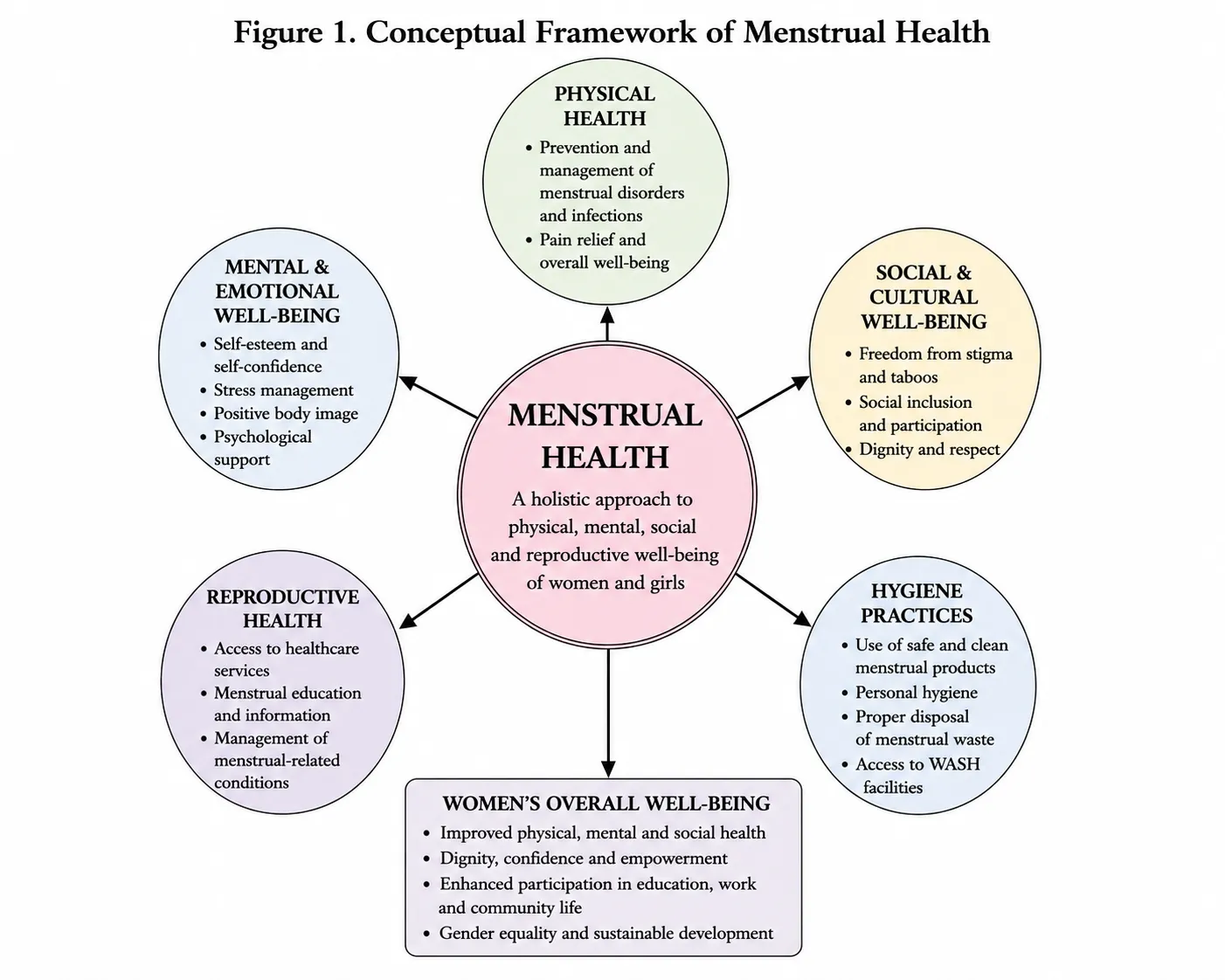
Fig.1 Conceptual Framework of Menstrual Health
Understanding Menstrual Hygiene and Menstrual health
Menstrual hygiene
It refers to the practices and behaviors that enable women and girls to manage menstruation safely, comfortably, and hygienically. According to UNICEF, effective menstrual hygiene management includes using clean and appropriate menstrual absorbents, changing them regularly, maintaining personal cleanliness by washing the body with soap and water, ensuring the safe disposal of used menstrual materials, and having access to clean, private sanitation facilities with adequate water. Good menstrual hygiene is an important factor for preventing infections, ensuring comfort, maintaining reproductive health and confidence during menstruation. It also helps women and girls participate in daily activities, including education, work, and social interactions, without discomfort or embarrassment. However, menstrual hygiene represents only one aspect of menstrual well-being. It does not address broader issues such as menstrual disorders, pain management, emotional and psychological health, access to healthcare, or the social stigma associated with menstruation. Therefore, menstrual hygiene should be considered an integral component of the broader concept of menstrual health.
Menstrual Health
Although the terms menstrual health and menstrual hygiene are often used interchangeably, they differ significantly in scope and purpose. Menstrual health is a comprehensive concept that encompasses the physical, mental, emotional, and social well-being of women and girls throughout their menstrual cycle. It includes access to accurate menstrual education, quality healthcare services, diagnosis and management of menstrual disorders, psychological support, and the right to participate in education, work, and social life without discrimination or stigma. It also adopts a human rights-based approach, recognizing menstruation as an issue of health, dignity, and gender equality.
Therefore, menstrual hygiene should be viewed as one important component of menstrual health rather than its complete definition. A holistic approach that integrates hygiene, healthcare, education, and social support is essential for improving women's overall well-being, promoting gender equality, and ensuring that all women and girls can manage menstruation with dignity, confidence, and safety.
|
Menstrual Health |
Menstrual Hygiene |
|
Includes physical, mental, emotional and social-well being. Covers overall wellbeing throughout the menstrual cycle |
Focuses on cleanliness Concentrates on keeping the body and surroundings clean during menstruation |
|
Addresses menstrual disorders includes diagnosis, treatment and management of conditions like pain, irregular periods, PCOS etc. |
Addresses hygienic management Focuses on day to day hygienic practices during menstruation |
|
Includes education and councelling Provides accurate information, menstrual education and psychological support. |
Includes Sanitary products Use of clean and safe menstrual absorbents |
|
Promotes healthcare access Ensure access to quality healthcare services and reproductive healthcare. |
Promotes safe hygiene Encourages regular changing of absorbents, washing with soap and water |
|
Human rights approach Recognises menstruation as matter of health, dignity, equality and freedom from stigma and discrimination |
Includes safe disposal Proper disposal of menstrual waste to maintain hygiene and prevent infections |
|
Enables participation in life Allows women and girls to participate in education, work and community life with dignity and confidence |
Public health approach Aims to prevent infections and ensure comfort through WASH facilities and good practices |
Table 1: Terms menstrual health and menstrual hygiene are explained
REVIEW OF LITERATURE
The existing literature on menstruation has gradually shifted from focusing exclusively on menstrual hygiene management (MHM) to adopting the broader concept of menstrual health. Earlier research primarily emphasized hygienic practices, including the use of sanitary products, access to clean water, sanitation facilities, and proper disposal of menstrual waste. These studies highlighted that inadequate menstrual hygiene contributes to infections, discomfort, school absenteeism, and reduced participation in daily activities, particularly among adolescent girls in low- and middle-income countries.
In recent years, researchers have argued that menstrual hygiene alone is insufficient to address the diverse challenges associated with menstruation. Sommer et al. (2015) described menstrual health as a multidimensional issue that extends beyond hygiene to include education, healthcare access, psychosocial support, dignity, and gender equality. Similarly, Hennegan et al. (2019), in a systematic review, reported that poor menstrual experiences are influenced by inadequate knowledge, cultural stigma, limited access to menstrual products, and insufficient healthcare services. These factors negatively affect women's physical health, mental well-being, educational attainment, and social participation.
International organizations have also expanded the discourse on menstrual health. UNICEF (2021) emphasized that effective menstrual health requires comprehensive education, supportive school and community environments, affordable menstrual products, and adequate water, sanitation, and hygiene (WASH) facilities. The World Health Organization (2022) recognizes menstrual health as an integral component of sexual and reproductive health and advocates for equitable access to healthcare services, menstrual education, and the management of menstrual disorders. Likewise, the United Nations Population Fund (UNFPA, 2022) identifies menstruation as a human rights and gender equality issue, emphasizing the need to eliminate stigma, discrimination, and restrictive cultural practices.
Overall, the literature demonstrates that menstrual hygiene is an essential component of menstrual health but does not encompass its full scope. A holistic approach integrating hygiene, healthcare, education, mental health support, and gender-sensitive policies is essential for improving women's overall well-being, promoting dignity, and ensuring equal opportunities in education, employment, and community life.
OBJECTIVES OF THE STUDY
The study aims to understand menstrual health and menstrual hygiene and evaluate the corrective measures and implementation plan for overall wellbeing of women.
METHODOLOGY
This study adopts a descriptive research design based on a comprehensive review and analysis of existing literature on menstrual health and menstrual hygiene. The study relies on secondary data collected from peer-reviewed journal articles, books, government reports, and publications of national and international organizations, including the World Health Organization (WHO), UNICEF, UNFPA, and the Ministry of Health and Family Welfare. Relevant literature published in reputed databases such as PubMed, Scopus, Google Scholar, ScienceDirect, and ResearchGate was systematically reviewed.
The collected literature was screened based on relevance, publication quality, and recency. Studies addressing menstrual health, menstrual hygiene management (MHM), menstrual education, menstrual disorders, psychosocial well-being, gender equality, and public health interventions were included. Information from these sources was critically analyzed using thematic content analysis to identify key concepts, similarities, differences, challenges, and emerging trends related to menstrual health and menstrual hygiene.
The study focuses on understanding the conceptual distinction between menstrual health and menstrual hygiene and evaluating their impact on women's physical, mental, emotional, and social well-being. The findings are synthesized to provide evidence-based recommendations for policymakers, educators, healthcare professionals, and community organizations to strengthen menstrual health education, improve healthcare access, reduce stigma, and promote gender-sensitive interventions.
Research Design: Descriptive and analytical (review-based)
Nature of Data: Primary and Secondary data
Sources of Data: Peer-reviewed journals, books, government reports, WHO, UNICEF, UNFPA, Scopus, Google Scholar, and other authentic academic sources.
Data Analysis Technique: Thematic content analysis and frequency analysis.
Factors Affecting Menstrual Health
Menstrual health is influenced by a combination of biological, social, economic, cultural, and environmental factors that determine how women and girls experience and manage menstruation. One of the most significant factors is education and awareness. Limited knowledge about menstruation, menstrual disorders, and hygiene practices often leads to misconceptions, fear, and unhealthy behaviors. Comprehensive menstrual education empowers women to make informed decisions and seek timely healthcare.
The United Nations concluded, “numerous girls do not have an accurate and complete understanding of menstruation. On the other hand, World Vision found that in India, only half of the girl populations have adequate knowledge about menstruation before experiencing their first period. Menstrual hygiene health education is essential for girls so that they efficiently manage their menstrual hygiene. During the process of experiencing their first period, it is vital that girls are in a suitable position where they understand the science behind menstruation and obtain the resources to manage a period effectively”.
Healthcare access is another critical determinant. The availability of trained healthcare professionals, affordable medical services, and early diagnosis of menstrual disorders such as dysmenorrhea, polycystic ovary syndrome (PCOS), and endometriosis significantly improves menstrual health outcomes. Conversely, inadequate healthcare services may result in delayed treatment and poor reproductive health. If observed properly the menstrual blood color indicates a lot of conditions.
|
Menstrual Blood Color |
Indication |
|
Pink |
Anemia |
|
Dark Red |
Normal Menstrual Blood |
|
Brown |
Pregnancy or post-partum bleeding |
|
Grayish |
Active infection |
|
Excessive White/Watery discharge |
Cervical Erosion |
|
Bright Red Clots |
Rapid and steady flow of blood from uterus |
|
Heavy persistent bleed |
Polyps or fibroids |
Table 2: The color of menstrual blood and its indication
Mismanagement of periods can finally lead to a number health issues, which include general discomfort with soreness and swelling. In some cases, infections are very high leading to diseases such as urinary tract infections. Such severe health complications may finally cause infertility in women. Thus lack of proper menstrual hygiene awareness is harmful for girls and women in the menstrual age. In India the most popular method for period management is sanitary pads. Using of sanitary pads without proper facilities may have some advantages as well as some disadvantages also. Hence a training is also needed for those using sanitary pads.
|
1. |
Easily available |
|
2. |
Available in various sizes and lengths that can be used according to blood flow |
|
3. |
Easy to remove |
|
4. |
Costly due to recurring expenditure |
|
5. |
Can cause rashes and vaginal infections |
|
6. |
Pads cause unpleasant odour as the added chemicals and perfumes in the pads react with the menstrual blood |
|
7. |
Wetness causes discomfort and itching |
|
8. |
Cannot be used for a prolonged time and needs to be changed with 4-5 hours. |
|
9. |
Can cause toxic-shock syndrome or cancer |
|
10. |
Requires incineration for disposal |
Table 3: The advantages and disadvantages of available sanitary pads which are most common.
When the awareness is not proper the unsafe methods of managing periods may pass down through generations. Girls in lack of scientific knowledge may choose alternative and improper ways of management such as using old cloth which may not be properly cleaned and absorbent, they are embarrassed to dry the cloths used as absorbent in sunlight. When using pads they may be unaware of the fact that the pads need to be changed timely to avoid any infection, they often should clean their private parts, properly dispose the used pads.
Socio-cultural beliefs and stigma also shape menstrual experiences. In many communities, menstruation remains surrounded by myths, taboos, and discriminatory practices that restrict women's participation in education, work, and social activities. These beliefs often discourage open discussions and prevent women from seeking appropriate support.
Economic conditions further affect menstrual health by influencing the affordability of menstrual products and healthcare services. Women from low-income households may face challenges in accessing safe menstrual materials and adequate sanitation facilities. Additionally, Water, Sanitation, and Hygiene (WASH) infrastructure plays a vital role in ensuring privacy, cleanliness, and the safe management of menstruation. Family support, community awareness, and government policies that promote menstrual education, affordable menstrual products, and gender-sensitive healthcare services are equally important. Addressing these interconnected factors through a holistic and inclusive approach is essential for improving menstrual health, enhancing women's quality of life, and promoting gender equality and reproductive well-being.
The Clincher
To overcome the stigma and taboos prevailing in society regarding menstrual hygiene, awareness is the only tool. The women folk should be trained in such a manner that they should not only themselves practice the proper menstrual hygiene method but also guide others to do so. Menstrual hygiene education is not only important for health rather it plays a primary role in reducing period poverty. From all the above discussions we could make out that education is the and only tool to manage any type social stigma, taboo or malpractice.
The silver lining is, things are definitely changing, the pace is slow but will lead to betterment. People today have a changed attitude regarding this issue; there is a shift towards being much more open to a meaningful conversation regarding menstruation. But still there are miles to go, as the statistics show that only 36% of women in India have access to proper menstrual hygiene products.
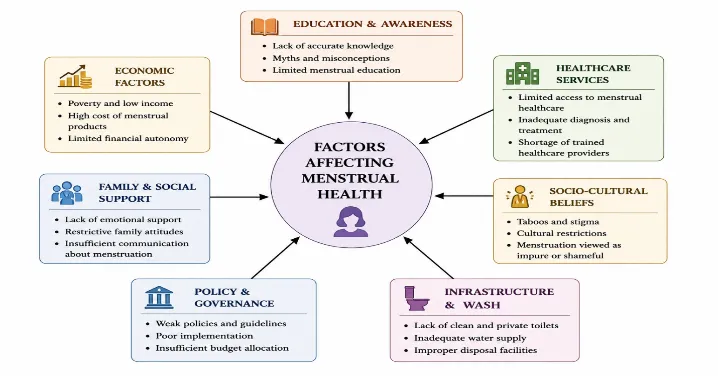
Fig. 2: Factors affecting menstrual health
Thematic Discussion
The present study is based on a comprehensive review of secondary literature, including peer-reviewed journal articles, reports published by the World Health Organization (WHO), UNICEF, UNFPA, and other credible academic sources. The thematic analysis reveals that although the terms menstrual health and menstrual hygiene are often used interchangeably, they differ significantly in their scope and implications for women's overall well-being.
The first major finding indicates that menstrual hygiene is only one component of the broader concept of menstrual health. Menstrual hygiene primarily emphasizes the use of clean and safe menstrual products, personal hygiene, regular changing of absorbents, proper disposal of menstrual waste, and access to water, sanitation, and hygiene (WASH) facilities. These practices are essential for preventing infections and ensuring comfort during menstruation. However, they do not adequately address menstrual disorders, emotional well-being, or social challenges associated with menstruation.
The review further demonstrates that menstrual health adopts a holistic approach by incorporating physical, mental, emotional, social, and reproductive health. Women experiencing menstrual disorders such as dysmenorrhea, heavy menstrual bleeding, irregular menstrual cycles, or premenstrual syndrome often require medical consultation and appropriate healthcare services. In addition, menstrual health includes menstrual education, access to healthcare, psychological support, and the elimination of stigma and discrimination. These factors collectively enable women and girls to manage menstruation with dignity and confidence.
Another significant theme emerging from the literature is the impact of menstruation on education, employment, and social participation. Inadequate menstrual knowledge, poor sanitation facilities, and cultural restrictions frequently contribute to school absenteeism among adolescent girls and reduced productivity among working women. The studies also highlight that misinformation and social taboos create fear, embarrassment, and anxiety, particularly among girls experiencing menstruation for the first time. Comprehensive menstrual education and community awareness programmes can effectively dispel myths, improve menstrual literacy, and encourage healthy menstrual practices.
The findings also emphasize the importance of integrating menstrual health into public health policies. Governments, healthcare providers, educational institutions, and community organizations should collaborate to improve access to affordable menstrual products, quality healthcare services, and gender-sensitive sanitation facilities. Incorporating menstrual health education into school curricula and community-based programmes can empower women and girls to make informed decisions regarding their reproductive health.
Overall, the thematic analysis suggests that menstrual hygiene is a necessary but insufficient condition for achieving menstrual health. A holistic approach that combines hygienic practices with healthcare access, menstrual education, psychosocial support, and gender-responsive policies is essential for enhancing women's physical, mental, emotional, and social well-being. Such an integrated framework not only improves quality of life but also contributes to gender equality, educational attainment, and sustainable public health outcomes.
RECOMMENDATIONS
Based on the findings of a survey conducted on 110 adolescent girls in rural area of Aurai, Bhadohi, Uttar Pradesh study, several recommendations are proposed to strengthen menstrual health and improve women's overall well-being. First, comprehensive menstrual health education should be incorporated into school and college curricula to provide scientifically accurate information on menstruation, menstrual disorders, hygiene practices, nutrition, and reproductive health. Second, governments and healthcare institutions should ensure affordable and equitable access to quality menstrual products, healthcare services, and gender-sensitive Water, Sanitation, and Hygiene (WASH) facilities, particularly in rural and underserved areas.

Recommended intervention pathway
Awareness campaigns involving parents, teachers, healthcare professionals, and community leaders should be conducted to challenge menstrual myths, reduce stigma, and encourage open discussions about menstruation. Healthcare providers should also promote early diagnosis and treatment of menstrual disorders through regular reproductive health services and counseling. Furthermore, policymakers should integrate menstrual health into national public health and gender equality programs to ensure sustainable interventions.
|
S. No. |
Priority action |
Corrective Measure |
Lead responsibility |
Monitoring Indicator |
|
|
Pre-menarche education |
Introduce age-appropriate menstrual education before the average age of menarche, preferably beginning in Classes 6–8,with annual reinforcement in Classes 9–12. |
Education Department; school health programme; trained female teachers/health workers |
Correct knowledge; prior awareness |
|
|
Scientific myth correction
|
Use simple modules explaining menstruation as a normal hormonal and reproductive process; explicitly address the “dirtyblood” and body-heat myths.
|
School health educators; local health department |
At least 70% correct response in a 12-month follow-up |
|
|
Confidential support mechanism |
Establish a menstrual health support committee or designated female focal person in every institution. Provide confidential counselling, emergency pads and referral.
|
School/ college administration |
100% institutions with a functional focal point |
|
|
Parent and mother orientation |
Conduct short parent sessions and provide take-home guidance on when and how to discuss menstruation before menarche. |
Schools; community health workers |
At least 80% girls aware before menarche in future cohorts |
|
|
Product affordabilityand continuity |
Provide free or subsidized pads through schools/colleges and assess carefully whether ration-linked distribution is operationally suitable. Maintain emergency dispensers and stock registers. |
Education/Health/Women and Child Development; local bodies |
No stock-out exceeding two school days |
|
|
WASH and privacy |
Ensure separate functional girls’ toilets with water, soap, doors with locks, changing space and covered bins. Provide private washing/drying guidance where reusable cloth is used.
|
Institution management; local bodies |
100% functional WASH compliance |
|
|
Pain and symptom management |
Provide guidance on normal symptoms, safe self-care, red-flag symptoms, anaemia screening where appropriate and referral to a health professional. |
School health nurse/medical officer |
Referral protocol and reduced symptom-related absence |
|
|
Safe disposal |
Standardise disposal instructions; install covered bins and establish collection/incineration or authorised waste disposal consistent with local arrangements. |
Institution and sanitation authority |
100% toilets with covered bins and documented disposal route |
|
|
Anti-stigma communication |
Use small-group sessions, anonymous question boxes and peer educators. Avoid public disclosure or compulsory personal sharing. |
Teachers; counsellors; peer leaders |
Reduction in embarrassment/concealmet indicators |
The survey gives a clear policy signal that girls need correct information before menarche, confidential opportunities to ask questions, affordable products, private WASH facilities and symptom support. The immediate concern is the combined effect of misinformation, delayed preparation and stigma.
CONCLUSION
Menstruation is a natural biological process and an integral component of women's reproductive health; however, it continues to be influenced by social stigma, cultural taboos, misinformation, and inadequate access to essential resources. This review highlights that although the terms menstrual health and menstrual hygiene are frequently used interchangeably, they represent distinct yet interconnected concepts. Menstrual hygiene primarily focuses on maintaining cleanliness through the use of safe menstrual products, personal hygiene, and adequate water, sanitation, and hygiene (WASH) facilities. In contrast, menstrual health is a broader, holistic concept that encompasses physical, mental, emotional, social, and reproductive well-being, as well as access to healthcare, menstrual education, and supportive environments that enable women and girls to manage menstruation with dignity.
The thematic analysis of the reviewed literature demonstrates that maintaining proper menstrual hygiene is essential for preventing infections and ensuring comfort during menstruation, but it alone cannot address menstrual disorders, psychological distress, social discrimination, or barriers to education and employment. Comprehensive menstrual health requires accurate knowledge, timely medical care, emotional support, and the elimination of myths and stigma that often discourage women from seeking healthcare or discussing menstrual concerns openly. The findings also emphasize that inadequate menstrual awareness and poor access to healthcare disproportionately affect adolescent girls and women living in rural and underserved communities.
Furthermore, the review underscores the importance of integrating menstrual health into public health policies, educational curricula, and community-based interventions. Governments, healthcare providers, educational institutions, and civil society organizations must work collaboratively to improve menstrual literacy, strengthen healthcare services, ensure affordable menstrual products, and provide gender-sensitive sanitation facilities. Such integrated efforts can empower women and girls to participate fully in education, employment, and social activities without fear, shame, or discrimination.
In conclusion, menstrual hygiene should be recognized as a fundamental component of menstrual health rather than its complete definition. Promoting a holistic approach that combines hygiene practices, healthcare access, menstrual education, psychosocial support, and gender-responsive policies is essential for improving women's overall well-being. Advancing menstrual health not only enhances physical and mental health outcomes but also contributes to gender equality, women's empowerment, educational attainment, and sustainable development. Therefore, shifting the focus from menstrual hygiene alone to comprehensive menstrual health is critical for ensuring that every woman and girl can experience menstruation safely, confidently, and with dignity.
DECLARATION OF INTERESTS
We declare no competing interest.
ACKNOWLEDGEMENTS
This study was funded by Research and Development Scheme, Department of Higher Education, Government of U.P., Lucknow
Sanctioned by Reference No.:24/2023/681/ Sattar-4-2023-002-4(59)2022, Lucknow
REFERENCES

Laxmi Yadav1*, Reena Singh2, Understanding Menstrual Health And Menstrual Hygiene: Corrective Measures And Implementation Plan For Overall Well-Being Of Women, Int. J. Sci. R. Tech., 2026, 3 (8), 578-589. https://doi.org/10.5281/zenodo.21979364
 10.5281/zenodo.21979364