

We use cookies to ensure our website works properly and to personalise your experience. Cookies policy
Department of Medical Laboratory Technology, Haldia Institute of Health Sciences, Haldia
The clinical biochemistry laboratories are vital for screening, diagnosis and selection of treatment and monitoring. These results are reliable as a result of reliable quality management carried out during pre-examination, examination and post-examination. Internal quality control (IQC) is used to track the day to day stability of analytical procedures and external quality assessment (EQA) is used to make an independent comparison of the laboratory's performance with assigned values or other laboratories. An unacceptable control result, however, does not, however, mean that the problem has been solved. The nonconformity must be investigated, the direct effects of the nonconformity must be controlled, the root cause (s) of the nonconformity must be identified, the corrective and preventive action (s) must be implemented and effectiveness verified through a structured corrective and preventive action (CAPA) framework. The principles of IQC and EQA in Clinical Biochemistry are reviewed and the contribution of the findings of the two to a CAPA system of Quality Management are assessed. It outlines typical nonconformities that will be found in an analysis, quality control statistical approaches, root cause analysis tools, corrective and preventive actions, documentation requirements and indicators of CAPA effectiveness. Special focus on quality management based on risk and the ISO 15189:2022 requirements. The review also points out that good CAPA go beyond incident reports closing and are evidenced by subsequent data on IQC, EQA, and process performance to show continued improvement. An integrated approach will decrease the chance of analytical failure, improve laboratory competence and promote patient safety.
Biochemical measurements are essential to the detection, diagnosis, classification and monitoring of many disorders and thus, clinical biochemistry laboratories are at the heart of modern health care. Typical tests are plasma glucose, urea, creatinine, electrolytes, and bilirubin, as well as aminotransferases, alkaline phosphatase, lipid fractions, cardiac biomarkers, and thyroid-related tests. The findings from such tests can affect the decisions regarding starting, or changing, treatment, hospitalisation, observation of drug toxicity, and evaluation of the disease's progression [1]. This therefore has the potential to impact directly on clinical outcomes, such as delayed diagnosis, inappropriate treatment, repeat testing and avoidable harm to the patient. The analytical measurement is not the only aspect of laboratory quality. The total testing process encompasses pre-examination activities (patient identification, sample collection, transport and preparation); examination activities (measurement and analytical validation); and post-examination activities (result review, reporting, and support and communication of critical values). A quality management system (QMS) should cover the entire process—from the first activity to the last—and errors can occur at any point: not only during instrument use but also prior to it [1,2]. Quality assurance (QA), quality control (QC) and quality improvement (QI) are similar but different concepts. QA is a large planned system in place to give confidence that Lab Services fulfil defined requirements. QC involves operation procedures that are implemented to check if a certain process action is acceptable or not. QI takes information from monitoring, audits, incidents and reviews of performance to enhance processes throughout time. The World Health Organization (WHO) Laboratory Quality Management System handbook presents the components of the laboratory quality system, namely organization, personnel, equipment, purchasing and inventory, process control, information management, documents and records, nonconformity management, assessment and continual improvement in an interconnected manner [1]. Internal quality control involves monitoring the analytical performance within a laboratory by repeated analysis of control materials that have known target values or target ranges. External quality assessment is based on a sample exchange made with an external provider, and compared with a value assigned, a reference method or an appropriate peer group. IQC can detect performance changes between EQA events and EQA can be used to detect persistent bias, method related differences or issues that are not detected by the routine control materials. The two methods are thus complementary and should be read simultaneously [3,4]. Corrective and preventive action is the systematic reaction to identified and/or possible quality issues. In the practical application of laboratory work, CAPA is often used to refer to a series of activities of identifying a nonconformity and then containment, investigation, root cause analysis, action planning, implementation and effectiveness review. Laboratories must take action to address nonconformities, mitigation, cause determination, corrective action determination, implementation of corrective action and effectiveness assessment to meet ISO 15189:2022 [5]. The focus is on corrective and risk-based action, and the prevention of failures is not considered as an alternative to focusing on an actual failure, it is integrated in the risk assessment and continuous improvement process. For this review the rationale is that findings of IQC and EQA are sometimes treated as a stand-alone technical occurrence. Retesting a control and/or retesting an analyser and/or submitting a corrected EQA result may improve the immediate performance but cannot always explain why it failed or prevent it from happening again. A CAPA framework connects quality-control evidence to a systematic investigation and continuous improvement process. This review explores that connection and suggests a pragmatic integrated approach for clinical biochemistry labs.
2. Review methodology
The literature search was conducted on PubMed, Scopus, Google Scholar and the websites of publishers and/or organizations for relevant literature and authoritative documents. Concepts covered comprised clinical laboratory quality management, internal quality control, external quality assessment, proficiency testing, CAPA (Corrective and Preventive Action), nonconformity management, root cause analysis, westgard multirules and risk-based quality control and ISO 15189:2022. Peer-reviewed reviews and original articles, WHO publications, ISO requirements and Clinical and Laboratory Standards Institute (CLSI) guidance were given priority. If relevant to clinical biochemistry (and if relevant to identifying, investigating or preventing laboratory quality failure), the source was selected. Wherever they existed, foundational publications that were used to describe established statistical QC principles were kept. The literature was synthesized thematically under IQC, EQA, CAPA implementation, integration and effectiveness evaluation. This is not a systematic review: no formal PRISMA selection process, pooled analysis or quantitative assessment of the quality of the studies was performed. The recommendations outlined are hence to be understood as a synthesis of the narratives and should be tailored to the local regulatory, accreditation and clinical contexts.
3. Internal quality control in clinical biochemistry laboratories
3.1 Concept and objectives
IQC is a process carried out during operation to determine if results of an analytical system are stable and within specified performance criteria. At regular time intervals and clinically relevant levels of concentration, control materials are analysed with the patient materials. They compare their results to laboratory means and/or standard deviations, or to control limits or ranges set by the manufacturer, as applicable. IQC is designed to identify systematic error, deterioration, trend and shifts in analytical performance and random error prior to reporting unreliable patient results [6,7]. Appropriate IQC strategies should be developed for each measuring system, and should include the clinical usage of the test, analytical performance, stability of the measuring system, workload, instrument characteristics and the consequences of an incorrect result. One generic QC schedule might not be suitable for all analytes. The concept of risk management for developing and maintaining a quality control plan for the specific measuring system, laboratory environment, and clinical use is outlined in CLSI EP23 [8].
3.2 Control materials and statistical monitoring
Materials prepared in-house may be used if they are suitably characterised and stable, or commercially prepared control materials may be used, which are convenient and consistent. Research laboratories typically check a plurality of concentration levels to evaluate performance over a range of measuring concentration levels, such as normal and pathological concentration levels. Control materials will be stored, prepared and handled as per instructions and changes in lot number will be assessed to prevent introducing artificial variation in the control series. The chart is a Levey-Jennings chart that shows control results on a time scale graphically compared to the mean and standard deviation. The coefficient of variation (CV) is standard deviation divided by the mean and then multiplied by 100 and is a measure of imprecision. The systematic deviation from a suitable comparison value is known as bias. When appropriate allowable performance specifications are available, total analytical error and sigma metrics can also be used. The Westgard multirule method can be used to indicate analytical errors while minimizing the number of false rejections for a method as a consequence of its performance; it should not be used mechanically, but rather based on the laboratory's quality requirements [9]. Some control rules like 1_2s can be used as a warning in a multirule system, and some like 1_3s, 2_2s, R_4s, 4_1s or 10x can be used as a rejection decision in the multirule system. Specific guidelines, sample number and sampling frequency of the QC samples will be determined on the analytical risk and the performance of the specific assay. The laboratories use an appropriate period of stable data to create their own means and SDs and then review them when there are large changes in reagent lots, calibration, instrument maintenance, or method changes.
3.3 Common IQC failures and their causes
Random events include pipetting variation, bubbles, intermittent probe blockage or poor aspiration of the sample, and systematic events include calibration drift, reagent deterioration, poor calibration factors or instrument bias, may cause IQC failures. Other contributing factors are: Control material degradation, incorrect reconstitution, evaporation, inappropriate storage temperatures, contamination, failure to follow the current SOP, and environmental changes/power fluctuations. The reasons for this are operator related, such as not having the operator adequately trained, transcription errors, having selected the wrong control lot or not being able to see a trend. If a value is outside its limit of acceptance that does not necessarily imply that the result is caused by the analyser. Investigation are consider the control material, reagent, calibration, instrument, environment, method and operator. If the same control is analysed over and over again until an acceptable result is achieved, this should not be used as a replacement for investigation as this can mask an unstable process. Defining rules for run rejection, repeat analysis, escalation & authorizing resume testing is in the laboratory area [10].
3.4 IQC as a trigger for CAPA
If an isolated warning is received, it needs to be looked at immediately, if there are repeated rejections, a major change or if there is any evidence that patient results may have been affected, then it triggers formal non-conformity management. The event will be recorded with the analyte, instrument, reagent and control lot, date and time, QC rule observed, affected analytical runs, immediate action taken and the personnel that took the action. If patient results have been released the laboratory will evaluate the potential for impact, decide if repeat testing or changes to the reports are needed, and inform clinicians if clinically significant [11].
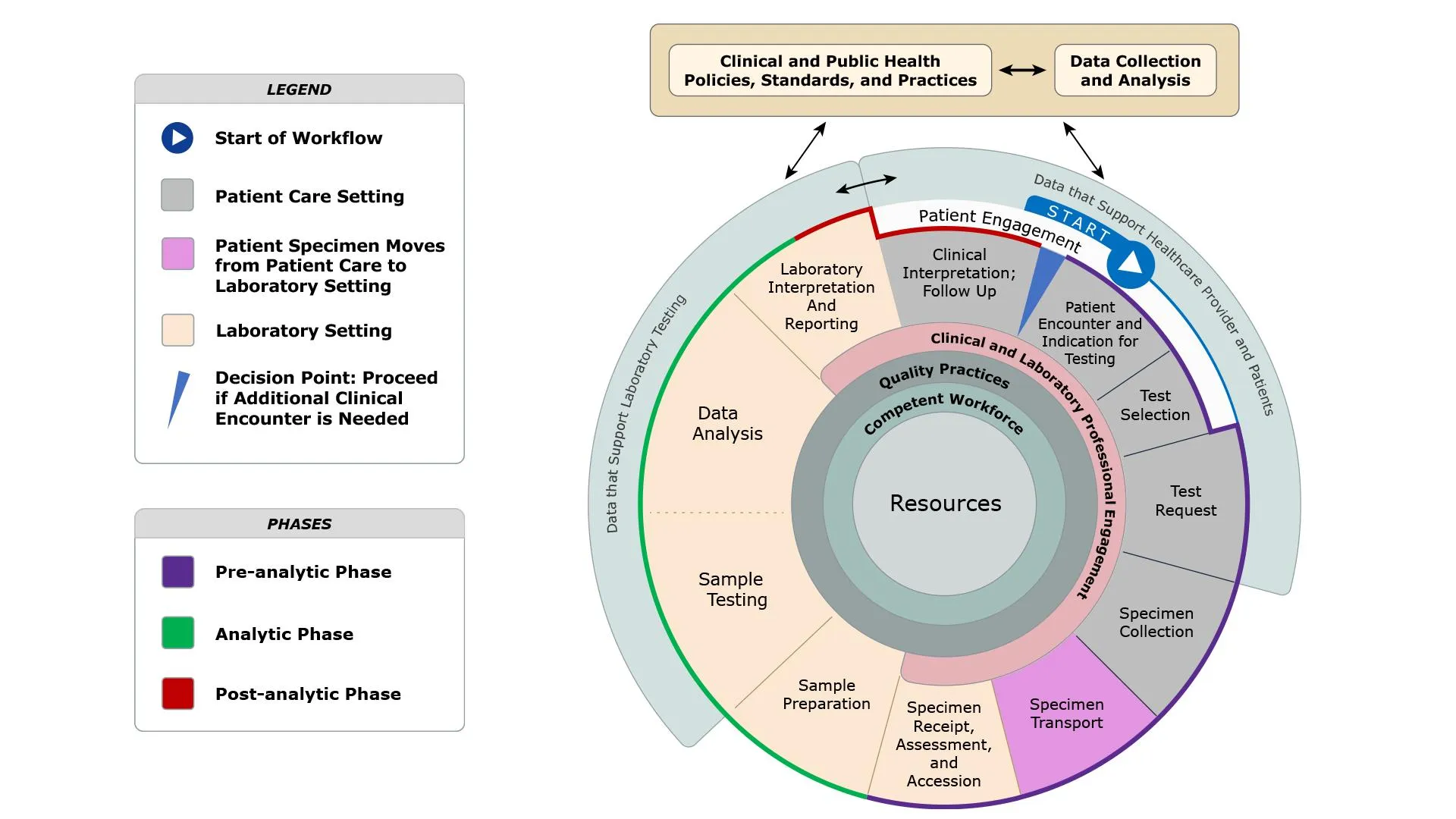
Figure 1: Overview of the Quality Management System in a Clinical Biochemistry Laboratory
4. External quality assessment in clinical biochemistry laboratories
4.1 Concept and purpose
External quality assessment is a process of evaluating laboratory performance, independent of the laboratory, through comparing the result of the test or measurement with that of another laboratory or with an assigned target value or with a reference measurement procedure. One type of EQA is known as proficiency testing (PT) where the laboratories under test take part in the analysis of samples shared by an EQA provider and report to the latter. EQA can measure analytical accuracy, comparability and method related performance and can also provide information on the effectiveness of the laboratory processes. WHO is stressing the importance of the simultaneous implementation of EQA, internal process control and quality improvement as part of a laboratory quality system [12].
4.2 EQA approaches and interpretation
Proficiency testing, inter-laboratory comparison, reference-laboratory comparison or other suitable assessment schemes can be utilized in EQA schemes. The materials, frequency, target value, peer grouping and performance criteria are determined by the provider's design. Laboratories are evaluated to see if the EQA material is commutable and if the value and peer group assigned to the material is suitable for the method used. A peer-group comparison may be helpful to determine method-specific issues but agreement does not equate trueness when there is a group bias. The performance can be reported as a percentage deviation, bias, z score, standard deviation index, or in terms of an evaluation score set by the provider. In general, a z-score is generated by subtracting the value assigned from the participant's result and dividing the result by the corresponding standard deviation for use in an assessment of proficiency. Interpretation should be based on the rules of the scheme and should take into account uncertainty, method group and limits of performance. Trends of repeated EQA results, but a single unacceptable result is sufficient grounds for prompt investigation [13].
4.3 Common EQA nonconformities
Unacceptable EQA performance may be associated with calibration errors, reagent or calibrator lot differences, method bias, instrument malfunction, incorrect units, transcription mistakes, inappropriate dilution, sample handling errors or failure to follow the provider's instructions. Some apparent failures arise from differences in method principles or peer-group assignment rather than a local analytical defect. Accordingly, EQA reports are be interpreted technically and critically rather than treated as a simple pass-or-fail certificate [14].
4.4 EQA as a trigger for CAPA
When EQA performance is unacceptable, the laboratory are verify the submitted result, check units and transcription, examine the provider's target and peer-group information, review calibration and reagent records, and compare the result with contemporaneous IQC data. If the EQA result is inconsistent with routine IQC, possible causes include commutability issues, matrix effects, method-specific bias or differences between control and proficiency materials. If both IQC and EQA show a similar shift, a persistent analytical problem becomes more likely. Badrick describes the value of integrating QC and EQA information to identify analytical and process errors and to support broader quality improvement [15].
Table 1: Common Internal Quality Control (IQC) Tools and Their Applications
| IQC tool/approach | Purpose | Application in clinical biochemistry | Role in error detection |
|---|---|---|---|
| Levey–Jennings chart | Monitors control results over time | Plots daily control values against the laboratory mean and standard deviation | Identifies shifts, trends and random variations |
| Westgard multirules | Determines acceptability of analytical runs | Applies predefined statistical rules to control results | Detects random and systematic errors |
| Mean and standard deviation (SD) | Evaluates central tendency and variation | Establishes the expected performance of control materials | Identifies changes in analytical precision [16] |
| Coefficient of variation (CV%) | Measures relative imprecision | Compares assay precision across different analytical systems or periods | Detects increased analytical variability |
| Bias assessment | Evaluates systematic deviation | Compares laboratory results with assigned or reference values | Identifies systematic analytical errors |
| Total allowable error (TEa) | Defines acceptable analytical performance limits | Compares observed analytical error with predefined quality specifications | Determines whether analytical performance meets requirements [17] |
| Sigma metrics | Evaluates overall analytical quality | Combines bias, imprecision and allowable total error | Helps prioritise assays requiring quality improvement |
These IQC tools provide complementary information regarding analytical performance. Levey–Jennings charts and Westgard rules support routine monitoring, whereas CV%, bias and sigma metrics help evaluate the overall analytical quality of individual assays. When control results indicate unacceptable performance, the laboratory are document the nonconformity, investigate its underlying cause and initiate appropriate corrective and preventive measures.
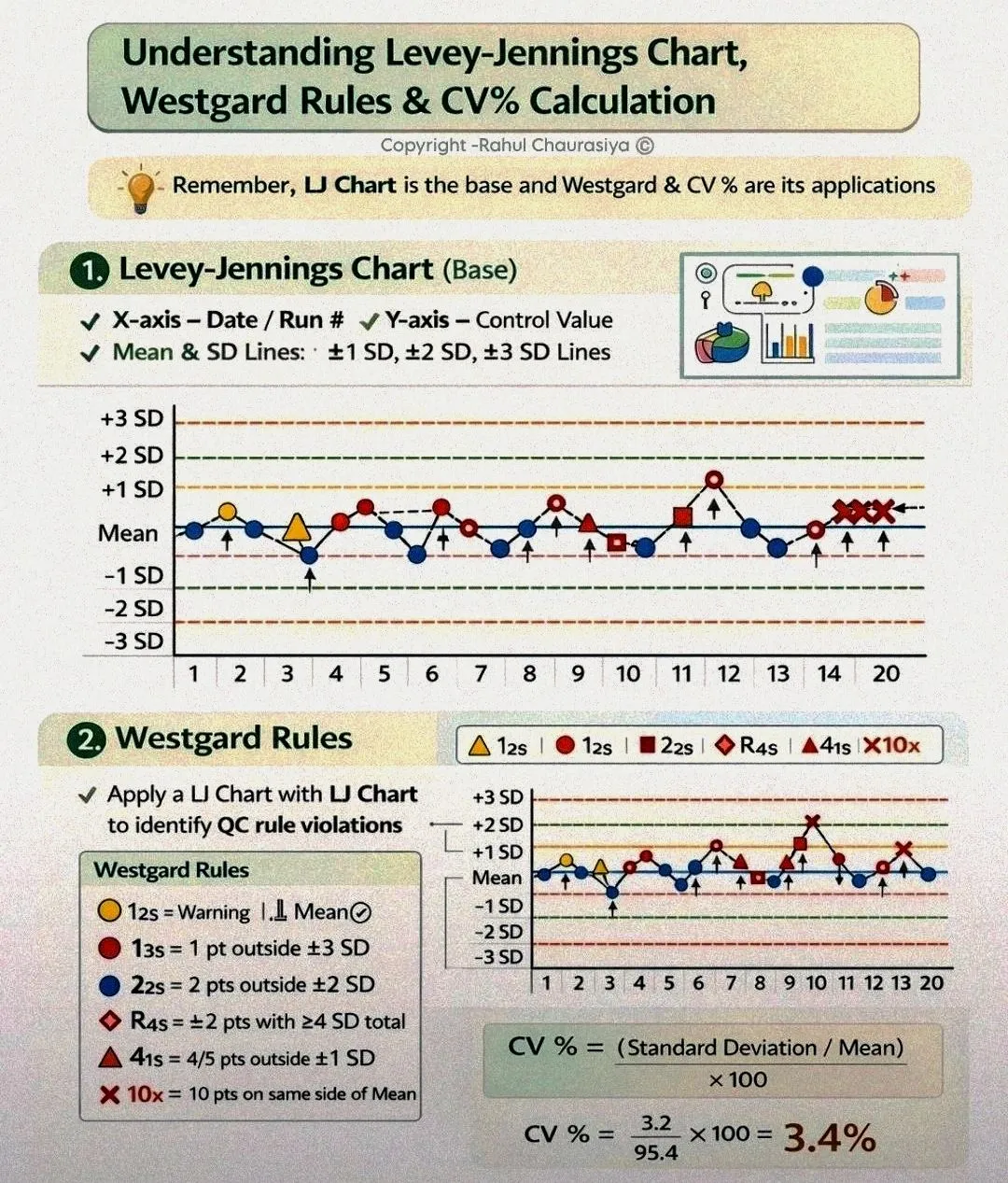
Figure 2: Internal Quality Control (IQC) Monitoring Using Levey–Jennings Chart and Westgard Rules
5. Corrective and preventive action framework
5.1 Definitions and principles
A correction is action taken immediately to remove a detected nonconformity, e.g., a retest following the resolution of an identified sample aspiration problem. Corrective action is aimed at removal of the cause of an actual nonconformity to minimize the risk of reoccurrence. Preventive action, in the context of quality-management practice, is action taken in advance to minimize the occurrence of potential nonconformities. The ISO 15189:2022 structure demands management of actual nonconformances, corrective actions, and risk assessment, risk mitigation, and continual improvement to address potential problems. An effective CAPA system is evidence-based, proportionate to risk, documented and system improvement-focused (no blame). The goal is not to just sign a form; it's to show that the cause has been understood, appropriate action has been taken and the action has lessened the risk of the cause occurring again. The CAPA will be linked to other areas such as document control, staff competency, equipment management, purchasing, process control, internal audit and management review [18].
5.2 Identification, reporting and risk assessment
Nonconformities could be identified by IQC rejection, EQA failure, internal audit, external assessment, equipment alarms, reagent monitoring, sample rejection, amended report, complaints, communication errors in the critical value report, and/or quality indicator review. A reporting mechanism should be available to all stakeholder personnel and encourage early reporting. Every event will be provided with a unique ID and provide a short description, date, location, impacted process, immediate containment, responsible individual, and initial risk classification. Risk assessment will be based on what is regarded as the risk of recurrence, the potential severity, the ease of detection and the number of patients or results that may be effected. If a high risk event occurs with the possibility of error in the patient results, it must be escalated quickly and there is a need for evaluation of the impact on the patient to be documented. A small difference in the documentation that does not affect the validity of the test might call for a commensurate response. Risk-based prioritization can guide a laboratory's resources to failures that have the highest potential impact on clinical outcomes [19].
5.3 Immediate correction and containment
The first is to deal with the nonconformity and not allow any further release or use of unreliable results. The actions taken may range from holding the analytical run to stopping testing, isolation of affected reagents or control materials, repeat calibration, arranging instrument maintenance, checking sample integrity or transfer of urgent testing to another validated system, depending on the event. Since the last QC event, patient results will be reviewed if failures might have impacted them. The review are identify the affected time window, analytes, patient population and clinical significance. If a previously published result is incorrect, then the laboratory will follow a predetermined process for clinical risk assessment, retesting if possible, and updating the report and communication with the attending physician. All decisions, such as why results were not recalled or amended, will be recorded. This patient-centred approach aligns with ISO 15189:2022, which states that all nonconformities must be addressed and patient safety must be the focus [20].
5.4 Root cause analysis
The Root Cause Analysis (RCA) is a structured investigation to determine the underlying system factors which contributed to the occurrence of a nonconformity. It can differentiate between immediate cause and contributing and root causes. For instance, if the glucose control result is unacceptable, a calibration error is an obvious issue; if the glucose control result is acceptable, but the control lot change is not under good control, or the SOP is not clear, it can be an obvious issue. If the incident is just called 'human error' without a clear understanding of why the process allowed the error to happen and how the system should be changed to prevent it happening again, then this is not enough. Five Whys is a method of questioning to uncover deeper process causes from the immediate observed problem. A fishbone diagram (also known as Ishikawa diagram) lists possible causes grouped into categories including personnel, equipment, methods, materials, measurement and environment. Failure Mode and Effects Analysis (FMEA): It is a prospective risk-assessment technique that can be used to find potential failure modes, failure effects, and possible controls. The Pareto analysis prioritizes recurring problems to determine the relatively few categories which cause a large percentage of events. These tools are complementary: the choice are reflect the complexity and risk of the incident. RCA are used based on objective evidence which includes QC charts, analyzer logs, maintenance records, reagent and calibrator lot history, temperature logs, training records, SOP versions, sample records and interviews with personnel. Investigation: Have similar failure been experienced on other instruments, shifts, analytes or sites? For complicated events that include lab staff, quality personnel, biomedical engineers, clinicians and suppliers, a multidisciplinary team might be suitable [21].
5.5 Corrective action planning and implementation
Corrective actions are specific and address the identified cause and be specific, measurable, assigned to responsible party and have realistic completion date. Reactions may range from instrument repair, review of calibration, replacement of reagents, adjustment of maintenance frequency, revisions to an SOP, a second person step to verify, retraining, competency retesting or revision of QC plan, depending on the investigation. Faulty procedure, poor equipment etc. are not considered automatically to be a training issue, and the causes have to be identified. The action plan will include what results are expected and what evidence will be needed to show the implementation. An action that may be required for a reagent lot change that caused a systematic shift may be lot-to-lot verification, revised acceptance criteria and documentation of approval prior to routine use. Where an EQA failure has occurred due to the incorrect units being reported, action may be required to correct the reporting interface, to have the units independently verified and to review other analytes, with the same configuration [22].
5.6 Preventive and risk-reduction measures
Preventive measures should be based on the identified risks and lessons learnt from the actual incidents. These include designating preventive maintenance schedules, defining the frequency of QC testing based on risk, limiting reagent inventories, ensuring temperature control, establishing patient sample acceptance criteria, using patient bar coding, and limiting document access and periodic competency assessments. Laboratories ask themselves if there might be another analyser, another department, or another shift which could fail in a similar way. A horizontal review is significant as it can be a local solution addressing a system issue. Risk based quality control should be specific to the performance and clinical use of each measuring system. CLSI EP23 suggests collection of information, mapping of the testing process, risk assessment and creating an appropriate quality control plan, as well as monitoring the quality control plan once it is implemented [8]. This approach helps to prevent problems in advance and not use the same QC rules for tests that have different risk levels [23].
5.7 Documentation, follow-up and closure
A complete CAPA record should contain the following information: description of the event, source of the event, risk assessment, containment, patient-impact assessment, evidence of investigation, root cause, action plan, responsible persons, due dates, evidence of implementation and evidence of effectiveness review. Closure are only given by an appropriate quality or laboratory manager after the required actions are taken and the effectiveness criteria are met. The CAPA will be reopened or escalated for further investigation if the action is not effective. Records will be kept in accordance to legal, accreditation and organizational requirements [24].
Table 2: External Quality Assessment (EQA) Methods and Performance Evaluation Parameters
| EQA method/parameter | Description | Purpose | Relevance to CAPA |
|---|---|---|---|
| Proficiency testing (PT) | Participating laboratories analyse distributed samples and submit results for evaluation | Assesses laboratory performance against assigned values or peer groups | Unacceptable performance may trigger a CAPA investigation |
| Inter-laboratory comparison | Compares results obtained from different laboratories | Identifies differences between analytical systems and laboratories | Helps identify method-related or laboratory-specific problems [25] |
| Peer-group comparison | Compares laboratory results with laboratories using similar analytical methods or instruments | Evaluates performance within comparable analytical groups | Supports identification of method-specific deviations |
| Percentage deviation | Expresses the difference between the laboratory result and the assigned target as a percentage | Quantifies analytical deviation | Helps determine the magnitude of unacceptable performance [26] |
| Standard deviation index (SDI) | Expresses the difference between the laboratory result and the assigned value relative to the relevant standard deviation | Evaluates deviation from the target value | Supports identification and investigation of significant deviations |
| Z-score | Expresses performance in relation to the assigned value and assessment standard deviation | Evaluates the acceptability of EQA performance | Helps prioritise corrective action according to the severity of deviation |
| Unacceptable performance rate | Represents the proportion of EQA results that do not meet defined acceptance criteria | Monitors laboratory performance over time | Can be used to assess the effectiveness of CAPA [27] |
The results from the EQAs give an independent look at the performance of the laboratories and can indicate analytical issues that can only be identified by running EQAs and not routine IQC. Unacceptable results, large variances from assigned results and poor peer-group results will be investigated through a CAPA process. The investigation is considered to cover the following: calibration, reagent quality, instrument performance, analytical methodology, staff competency and result-reporting procedures.
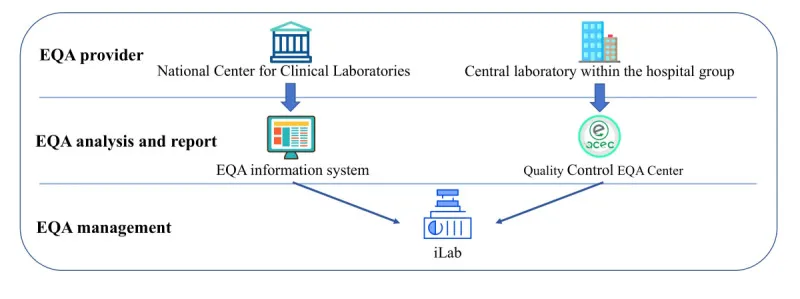
Figure 3: External Quality Assessment (EQA) Workflow in Clinical Biochemistry Laboratories
6. Integration of IQC, EQA and CAPA
The functions of IQC, EQA and CAPA are related but different. IQC supplies regular, local evidence of analytical stability; EQA supplies regular external evidence of comparability and accuracy; CAPA transforms signals into controlled enhancement. Importance of integration of QC and EQA: each individual source has its own limitations. IQC can be ineffective in identifying a common bias between control material and method, and EQA only occurs between distribution and may not catch a short-lived bias.IQC may not detect a common bias between control material or method and EQA is only performed between distributions and won't catch a short-lived bias. The process starts when a rule in an IQC is out of conformance or an EQA is found not to meet conformance. The event is recorded in the lab and is found to be of clinical risk and is contained in the lab. Then it takes a look at the appropriate IQC trends, EQA performance, calibration records, lots of reagents, maintenance log and method information. RCA determines the most probable root cause. Corrective actions are taken and the laboratory carries out adequate control measurements as well as patient-sample comparison when needed, checks subsequent EQA outcomes and reviews appropriate process indicators to verify acceptable performance. Finally, the quality manager will review the effectiveness and will close the record only when there is sufficient evidence of sustained control. There are two parts to laboratory quality assurance: internal quality control and external quality assessment. Both methods seek to ensure the dependability of the laboratory findings, but they vary in how this is accomplished, how often it is done, the means for evaluating their performance, and how errors in the laboratory can be detected. IQC is an ongoing mechanism in the lab to monitor analytical performance, while EQA is an independent mechanism based on comparing with external target values or peer laboratories. Although their major differences and respective contributions to laboratory quality management are summarized in Table 3, many similarities exist between these two groups [28].
Table 3: Comparison of Internal Quality Control (IQC) and External Quality Assessment (EQA) in Clinical Biochemistry Laboratories
| Parameters | Internal Quality Control (IQC) | External Quality Assessment (EQA) |
|---|---|---|
| Definition | A laboratory-based procedure used to monitor routine analytical performance. | An independent assessment of laboratory performance through comparison with assigned values or participating laboratories. |
| Primary objective | To ensure consistency, precision and stability of analytical results. | To evaluate analytical accuracy, comparability and overall laboratory performance. [29] |
| Implementation | Conducted within the clinical biochemistry laboratory. | Conducted through an external EQA provider. |
| Frequency | Performed routinely according to the laboratory's QC plan and analytical risk. | Performed periodically according to the EQA programme schedule. |
| Control materials | Commercial or appropriately characterized in-house control materials. | Samples distributed by an external quality assessment provider [30]. |
| Performance assessment | Mean, standard deviation, coefficient of variation and Levey–Jennings charts. | Bias, percentage deviation, z-score, SDI and peer-group comparison, as applicable. |
| Error detection | Identifies random errors, systematic errors, shifts and trends. | Identifies analytical bias, inter-laboratory variation and method-related performance differences. |
| Result evaluation | Results are compared with established laboratory control limits. | Results are compared with assigned target values or appropriate peer-group performance criteria. |
| Major limitations | May not detect certain systematic biases or errors shared by the control material and analytical method. | Periodic assessment may not detect short-term analytical failures occurring between assessment cycles [31]. |
| Role in CAPA | Initiates investigation of daily QC failures and analytical instability. | Initiates investigation of unacceptable performance and persistent analytical deviations. |
| Quality improvement | Supports continuous monitoring and immediate corrective intervention. | Supports independent performance evaluation and identification of opportunities for improvement [32]. |
Table 3 indicates that the information obtained from both IQC and EQA are complementary and different in evaluating the performance of the laboratory. IQC assists with the early detection of analytical instability and EQA allows for the detection of systematic deviations and differences between laboratories. Combined use of both these approaches increases the ability to identify nonconformities and helps to scientifically base the corrective and preventive actions to be taken. The framework can be used on routine biochemical testing. In the case of glucose, a rapid IQC change can be due to calibration, reagent lot, control stability and analyser temperature. Creatinine, it need to consider method traceability, calibration and method-specific interference. Sodium and potassium may instigate investigation if it persists from the electrode condition, the calibration, contamination and maintenance of the sample. Reagent stability, analytical interference and method-specific factors for liver enzymes or bilirubin may be important [33].
Table 4: Major Steps Involved in the Corrective and Preventive Action (CAPA) Framework in Clinical Biochemistry Laboratories
| CAPA step | Description | Activities in a clinical biochemistry laboratory | Expected outcome |
|---|---|---|---|
| 1. Identification of nonconformity | Recognition of an error or deviation from established quality requirements | Detection of IQC failures, unacceptable EQA results, calibration errors or reporting discrepancies | Early identification of quality problems |
| 2. Documentation and reporting | Recording the identified problem in the laboratory quality management system | Recording the date, affected test, instrument, batch number, nature of deviation and responsible personnel | Traceability and accountability [34] |
| 3. Risk assessment and containment | Evaluation of potential consequences and immediate control of the problem | Withholding affected results, repeating tests, reviewing previously released reports and informing relevant personnel | Reduction of immediate risk to patients |
| 4. Root cause analysis | Investigation of the underlying reasons for the nonconformity | Application of Five Whys, fishbone diagrams, Pareto analysis or other suitable investigation methods | Identification of the actual contributing causes [35] |
| 5. Corrective action planning | Selection of measures to eliminate the identified cause | Instrument servicing, recalibration, reagent replacement, staff retraining or revision of procedures | Development of appropriate corrective measures |
| 6. Preventive action and risk reduction | Implementation of measures to reduce the likelihood of similar problems | Strengthening maintenance schedules, improving reagent storage, updating SOPs and introducing additional monitoring | Reduction of future nonconformities |
| 7. Implementation and documentation | Execution of approved corrective and preventive measures | Assigning responsibilities, setting completion timelines and maintaining implementation records | Consistent implementation of CAPA [36] |
| 8. Effectiveness verification | Assessment of whether the implemented actions have resolved the problem | Reviewing subsequent IQC trends, EQA performance, recurrence records and audit findings | Confirmation of CAPA effectiveness |
| 9. Closure and continuous improvement | Formal closure after satisfactory verification | Approval by authorised quality personnel and incorporation of findings into quality improvement activities | Sustainable improvement in laboratory quality |
A CAPA system helps to prevent the recurrence of laboratory nonconformities and to manage them in an orderly way. Root cause analysis is especially significant since taking immediate steps to correct the quality problem may not prevent another from occurring. In addition, effectiveness verification should be based on documentary evidence such as better IQC performance, satisfactory EQA results and decreased recurrent nonconformities. CAPA should then be regarded as a continuous quality improvement process and not just a documentation process. Cross-source evidence is an important aspect of integration. If there is a change in the IQC and the subsequent EQA result is consistent with the change, then both results reinforce a trend of analytical problem. Where there are no changes of IQC but the EQA performance is poor, the investigation include commutability, target assignment, peer group selection, method comparison and result submission. When both an IQC and EQA are acceptable but patient complaints or audit results indicate delayed reporting of results or incorrect communication of results when an analytical process is involved, CAPA address the non-analytical process. Therefore, CAPA will cover the entire testing process, not just instrument QC [37].
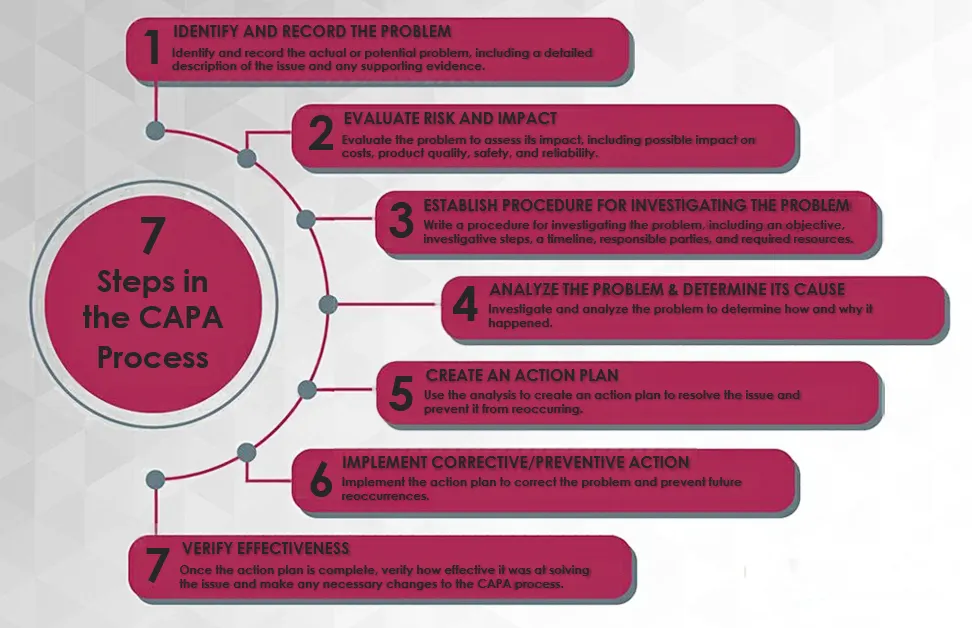
Figure 4: Continuous CAPA Cycle for Laboratory Quality Improvement
7. Evaluation of CAPA effectiveness
7.1 Why effectiveness evaluation is essential
Once a scheme is completed, it does not prove it to be effective. Recalibration can only be temporary and if the process of handling the calibrator is not controlled the cause of the failure may still exist. Staff retraining can be recorded but if the SOP is not clearly defined or workload pressures continue, then the recurrence can continue. When evaluating for effectiveness, one wants to understand if the root cause is reduced, if the nonconformity has returned and if there are unintended consequences introduced by the action [38].
7.2 Key performance indicators
Laboratories choose a smaller number of indicators, which represent their workload, risk profile and improvement goals. Examples of performance indicators include number and rate of IQC rejections per analytical run or test volume; percentage of unacceptable EQA events; percentage of repeated nonconformances; percentage of CAPA records completed within the agreed time; median time from detection to containment and closure of nonconformances; percentage of CAPA actions that pass the effectiveness review; and number of patient reports amended after analytical failure. Where possible, rates are based on a defined denominator, like failures per 1,000 analytical runs, so that they can be compared across time. Analytical indicators can include CV, bias, total error, measurement uncertainty, sigma metric and SDI and EQA z-score if relevant specification/method is suitable. These measures are not to be taken alone. A lower incidence might also be due to better performance, but may also be due to under reporting. Similarly, more CAPA records following staff training could mean a robust reporting culture, not a decrease in quality [39].
7.3 Before-and-after evaluation
A laboratory are were the expected outcome is defined prior to implementing the action. A before and after analysis might include the number of times the QC is rejected, the amount of analytical bias, the number of times the process is repeated to complete the CAPA, or the time between the initiation of the CAPA and its completion (turnaround time). The follow up interval should include routine workload, as well as any change in reagent lot, and if applicable, subsequent cycles of EQA. A longer observation period or process audit may be required for infrequent events. The effectiveness criteria should be objective and should be related to the cause. For instance, after the maintenance intervention, the laboratory could need to maintain QC performance for a specified number of consecutive runs with good performance in subsequent EQA assessment. Following the review and revision of a unit-conversion procedure, a sample of reports may be reviewed by the laboratory and the interface must be found to be calculating the appropriate units. Competency Training is less strong than Direct Observation or a Practical Assessment of Competency, after competency training [40].
7.4 Management review and continual improvement
CAPA trends are be reviewed periodically by laboratory management. Recurring equipment problems, an analyte that is consistently biased, delayed action closure, or inadequate documentation in a department, can be identified through reviews. Findings include inform resource allocation, training plans, maintenance schedules, supplier review and QMS revisions. Evaluation of corrective action effectiveness is required by ISO 15189:2022 and records of nonconforming items, causes, corrective actions, and corrective action effectiveness are required to be retained [5]. A mature system utilises these records as a tool for management information and not only for accreditation evidence.
8. Challenges and limitations in CAPA implementation
One of the greatest difficulties is separating the real cause from the coincidental cause (s). Laboratory failures can occur when the instrument, reagent performance, calibration, environment, staff practice and the sample characteristics interact. Insufficient maintenance records, lack of time or access to records for investigation may result in superficial conclusions. The phrase ‘operator error' might be masking problems with training, workload, procedures, or any controls within the system. Resource constraints can also be a constraint to implementation. Smaller laboratories may not have access to EQA Schemes, Reference measurement services, and backup analysers, specialist engineers or electronic QMS platforms. Verifications may be limited by the cost of reagent material and control material; and investigation and follow-up may be delayed by a shortage of staff. The differences in performance may be difficult to interpret at a different analytical platform or with other EQA peer groups. Organizational culture is also key. Staff may be afraid of being blamed or punished for an error and near miss and as such may under report. If Management thinks of CAPA as a document to be submitted for accreditation, the actions may be done without appropriate documentation. On the other hand, a just and learning culture promotes reporting, facilitates multidisciplinary investigation and emphasizes system improvement. Simple solutions such as easier to fill out reporting forms, clear escalation protocols, ongoing training and review of delayed actions and prioritization of actions based on patient risk. Another constraint is that there may be poor definition of the indicators or inconsistent measurement of the indicator. A comparison of absolute QC failure numbers between laboratories must take into account variables such as workload, method, and QC rules and denominators. Target assignment and method grouping, coupled with the design of the scheme, also influence the performance of the EEA. Thus, CAPA effectiveness will be assessed through various sources of evidence and in the context of the local analytical and clinical needs.
9. Emerging trends and future perspectives
Electronic laboratory information systems and electronic QMS platforms can enhance CAPA traceability with the ability to connect QC records, instrument logs, reagent lots, maintenance, staff training and patient-result information. Automated alerts can help detect control trends and prompt for a review when a formal failure is not yet experienced. Action ownership and due dates, recurrence and effectiveness can also be tracked using digital dashboards. These systems need to be properly configured and have access controls, data integrity protection and documented procedures for failure. Recurring data patterns, across instruments, analytes, shifts and reagent lots, may be identified with the help of data analytics. The only way predictive approaches could help with maintenance planning is to supplement and not replace professional review, and they could identify unusual QC behaviour. To prevent misalerts, missed failures, models require representative data, transparent performance evaluation and continuous monitoring. Risk-based QC and process mapping and structured incident analysis continue to be key building blocks of any advanced system [8]. Future work involves testing the standardized CAPA indicators, cost-effective models for implementation in resource-limited laboratories and the impact of CAPA maturity on patient-centred outcomes. By making IQC, EQA, risk assessment, audit results and clinical feedback more integral, laboratories can shift from the reactive nature of troubleshooting to that of proactive quality improvement.
CONCLUSION
The CAPA system is a necessary tool to move the results of quality control to ongoing improvement in clinical biochemistry laboratories. IQC offers routine monitoring of analytical stability, whereas EQA provides an independent assessment of the comparability and performance. None of the systems are adequate by themselves to guarantee that identified issues are thoroughly explored or that improvements are made to stop the issues from reoccurring. CAPA provides the structured route for reporting nonconformities, immediate containment of nonconformities, patient impact assessment, root cause analysis, corrective intervention and effectiveness verification. It relies on objective evidence, risk-based prioritisation, competent people, management commitment and reliable documentation. Evaluation are trends in IQC and EQA performance, recurrence rates, analytical indicators or evidence that actions have been taken that have resolved the identified cause. The integration of CAPA to the broader laboratory QMS can enhance the reliability of the analysis, readiness for accreditation and patient safety. Digital tools and data analytics can also be part of this process, but need to be properly validated and controlled.
REFERENCES


Sambit Roy, Yaiswarya Mondal, Evaluation of Corrective and Preventive Action (CAPA) Framework for Internal and External Quality Control in a Clinical Biochemistry Laboratory, Int. J. Sci. R. Tech., 2026, 3 (11), 642-657. https://doi.org/10.5281/zenodo.24216570
 10.5281/zenodo.24216570