

We use cookies to ensure our website works properly and to personalise your experience. Cookies policy
Department of Electrical and Electronics Engineering, K.Ramakrishnan College of Technology, Samayapuram, Trichy
Muscle cramps are sudden and painful involuntary contractions that can cause muscle tension, discomfort, restricted movement, and reduced physical performance. Conventional recovery methods such as stretching, massage, and heat therapy require manual intervention and may not continuously monitor muscle condition. This paper presents a Smart Muscle Cramp Recovery Device, a portable wearable system designed for real-time muscle monitoring and assisted recovery. The device uses an ESP32 development board as the main processing and control unit. An AD8232 EMG sensor monitors the electrical activity of the targeted muscle to identify changes associated with abnormal muscle activity or possible cramps, while a DS18B20 temperature sensor measures the temperature of the muscle/skin region. The ESP32 processes these sensor signals using a C-based embedded program and controls the recovery mechanisms according to the programmed conditions. An EMS/TENS module with electrode pads provides controlled electrical stimulation, while a vibration motor provides mechanical vibration to support muscle relaxation. A flexible heating pad provides heat-based recovery assistance. A MOSFET/relay driver module enables the ESP32 to control these recovery components safely. A 0.96-inch I2C OLED display provides temperature and system-status information, while push buttons provide user control and a buzzer/LED provides alerts. The ESP32's built-in Bluetooth enables wireless communication. The system is powered by a 3.7 V, 2000 mAh rechargeable battery, with a TP4056 charging module and 5 V voltage regulator for power management. The components are integrated into a wearable elastic band/sleeve. Thus, the proposed system combines sensing, processing, decision-making, and multiple recovery methods into an affordable and user-friendly device for muscle-cramp recovery.
Muscle cramps are sudden, involuntary, and painful contractions of muscles that can occur during or after prolonged physical activity. They may cause muscle stiffness, discomfort, restricted movement, and reduced physical performance. Students, athletes, workers, and individuals involved in continuous physical activities may experience such muscle-related problems.
Fig.1 illustrates a muscle cramp occurring in the calf region. The affected area is highlighted in red to represent the painful and tightened muscle. The lightning symbols indicate the discomfort associated with the cramp. The enlarged circular section shows the muscle in a contracted and tightened state, demonstrating how the muscle becomes tense during a cramp. This condition can result in pain and temporary difficulty in movement. The fig,1 represents the problem addressed by the proposed Smart Muscle Cramp Recovery Device. The device is designed to monitor the condition of the targeted muscle using an EMG sensor and temperature sensor and provide appropriate recovery assistance through mechanisms such as vibration, electrical stimulation, or controlled heating.
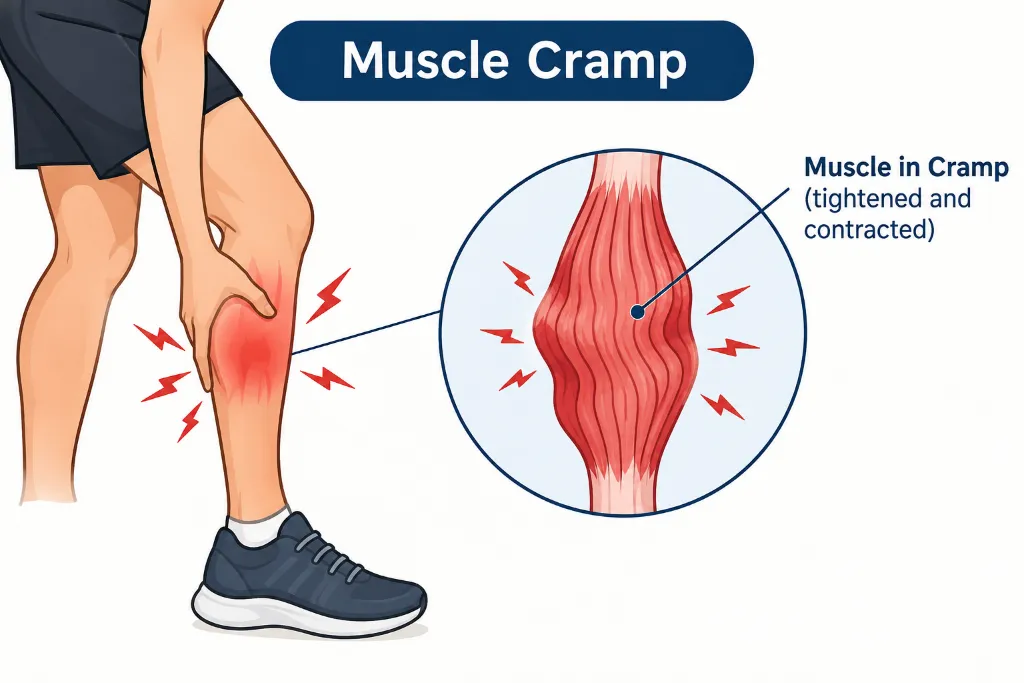
Figure 1: Muscle Cramp
Conventional methods for managing muscle cramps include stretching, massage, and heat therapy. However, these methods generally require manual intervention and are not designed to continuously monitor the condition of the affected muscle. There is therefore a need for a portable system that can monitor muscle activity and provide timely recovery assistance.
The Smart Muscle Cramp Recovery Device proposed in this paper is a wearable system that combines muscle activity monitoring, temperature measurement, and automated recovery assistance. An AD8232 EMG sensor is used to monitor the electrical activity of the targeted muscle, while a DS18B20 temperature sensor measures the local temperature. An ESP32 microcontroller processes the sensor data using C-based programming and controls the recovery mechanisms. The device incorporates EMS/TENS electrical stimulation, vibration, and a flexible heating pad to provide different forms of muscle relaxation assistance.
The system is designed to be portable, affordable, user-friendly, and suitable for real-time monitoring, with information displayed through an OLED display and optional Bluetooth communication. This integrated approach aims to reduce dependence on manual recovery methods and provide convenient assistance for muscle-cramp recovery.
LITERATURE SURVEY:
Miller et al. [1] reviewed the available literature on exercise-associated muscle cramps (EAMC) and discussed the major physiological factors associated with their occurrence. The study explained that muscle cramps can be influenced by multiple interacting factors, including neuromuscular fatigue, exercise intensity, environmental conditions, and individual susceptibility. Various approaches for the treatment and prevention of muscle cramps were also discussed. This study provides a fundamental understanding of the causes and mechanisms of exercise-associated muscle cramps and supports the need for effective muscle recovery approaches.
Schwellnus [2] investigated the major theories proposed to explain exercise-associated muscle cramps, including dehydration, electrolyte depletion, and altered neuromuscular control. The study emphasized that EAMC cannot always be explained by a single physiological factor and highlighted the importance of altered neuromuscular control associated with muscle fatigue. The findings indicate that muscle condition and neuromuscular activity should be considered when developing approaches for managing exercise-associated muscle cramps.
Miller et al. [3] presented an evidence-based review of the pathophysiology, treatment, and prevention of exercise-associated muscle cramps. The study reported that EAMC is influenced by a combination of intrinsic and extrinsic factors rather than a single cause. Different treatment and prevention strategies were discussed, with emphasis on individualized approaches based on the athlete and exercise conditions. This study provides important evidence for developing a muscle recovery system that considers multiple factors affecting muscle cramps.
Schwellnus [4] investigated muscle cramping in marathon running and discussed the possible causes and risk factors associated with strenuous endurance exercise. The study highlighted the relationship between high-intensity or prolonged exercise and the occurrence of muscle cramps. It also discussed the importance of identifying individual risk factors and suitable preventive measures. This work provides useful background for understanding muscle cramps that occur after prolonged physical activity.
Miller et al. [5] investigated the reflex inhibition of electrically induced muscle cramps in hypohydrated humans. The study demonstrated that specific neuromuscular stimulation could influence electrically induced muscle cramping and provided evidence for the involvement of neural mechanisms in cramp control. The findings are relevant to the use of controlled electrical stimulation as a possible component of muscle recovery systems. This study supports the consideration of electrical stimulation for assisting muscle relaxation and recovery.
Miller et al. [6] examined the effect of three percent hypohydration on the threshold frequency required to induce electrical muscle cramps. The results indicated that this level of hypohydration did not significantly affect the threshold frequency of electrically induced cramps. The study provides evidence that muscle cramping cannot be attributed only to hydration status and that neuromuscular factors also need to be considered. This finding supports the development of recovery systems that focus on controlled neuromuscular stimulation rather than relying only on hydration-related interventions.
Yin et al. [7] conducted a meta-analysis to evaluate the effects of vibration training on delayed-onset muscle soreness (DOMS). The study reviewed existing research on vibration-based interventions and their effects on muscle soreness and recovery. The findings suggested that vibration-based approaches may provide benefits in reducing muscle discomfort and improving recovery after exercise. This study supports the inclusion of a controlled vibration mechanism as one of the recovery methods in a smart muscle recovery device.
Lu et al. [8] performed a systematic review and meta-analysis to investigate whether vibration therapy can benefit individuals experiencing delayed-onset muscle soreness. The study analyzed previous experimental results related to vibration interventions and muscle recovery. The findings indicated potential benefits of vibration in reducing soreness and improving post-exercise recovery. This research provides supporting evidence for using localized vibration as a non-invasive recovery technique.
Koh et al. [9] investigated the effects of vibratory stimulation on maximal voluntary isometric contraction following delayed-onset muscle soreness. The study evaluated muscle performance after vibration-based stimulation and examined its effect on recovery from exercise-induced muscle soreness. The results indicated that vibratory stimulation could influence muscle functional recovery. This study supports the use of vibration as a controlled physical stimulation method in a muscle recovery assistance system.
Broadbent et al. [10] studied the effects of vibration therapy on muscle soreness and physiological responses following downhill running. The research examined the use of vibration after exercise and reported reductions in muscle soreness along with changes in physiological recovery indicators. The findings demonstrate the potential of vibration therapy as a post-exercise recovery technique. This study provides additional support for incorporating vibration-based stimulation into a portable muscle recovery device.
Malone et al. [11] conducted a systematic review of neuromuscular electrical stimulation (NMES) during recovery from exercise. The study analyzed the available evidence on the use of low-intensity electrical stimulation for post-exercise recovery. The review indicated that NMES may assist recovery in certain conditions, although the effectiveness can vary depending on the stimulation parameters and recovery protocol. This study provides a basis for incorporating controlled electrical stimulation into a smart muscle recovery system.
Menezes et al. [12] investigated the effectiveness of electrical stimulation for preventing or treating delayed-onset muscle soreness in athletes and untrained adults through a systematic review and meta-analysis. The study compared results from multiple investigations involving electrical stimulation and muscle soreness. The findings provided evidence regarding the potential benefits and limitations of electrical stimulation for post-exercise muscle recovery. This research supports the use of electrical stimulation as one component of a multi-modal muscle recovery approach.
Billot et al. [13] investigated the effects of an electrostimulation training program on strength, jumping, and kicking performance in soccer players. The study demonstrated that controlled electrical stimulation can influence muscular performance and adaptation when appropriately applied. The results highlight the ability of electrostimulation to activate muscles in a controlled manner. This work provides technical support for incorporating an electrical stimulation module into a muscle recovery and assistance device.
Babault et al. [14] studied the effects of electromyostimulation training on muscle strength and power in elite rugby players. The research examined the use of electrical muscle stimulation as a method of producing controlled muscular activation. The results demonstrated that electromyostimulation can influence muscle strength and power when applied using suitable training parameters. This study provides a foundation for understanding the controlled use of electrical stimulation in systems involving muscle activation and recovery.
Wang et al. [15] conducted a systematic review and meta-analysis of randomized controlled trials to evaluate the effects of heat and cold therapy on pain associated with delayed-onset muscle soreness. The study compared different thermal treatment approaches and analyzed their effectiveness in reducing post-exercise muscle discomfort. The findings indicated that heat and cold therapies can be useful approaches for managing exercise-related muscle soreness. This research supports the use of controlled temperature-based therapy as another recovery method in a smart muscle recovery device.
Wang et al. [16] performed a network meta-analysis to compare the effects of different heat and cold therapies on pain associated with delayed-onset muscle soreness. The study analyzed multiple thermal treatment methods and compared their relative effects on muscle pain and recovery. The findings provide evidence that temperature-based interventions can contribute to post-exercise pain relief. This study supports the development of a controlled thermal stimulation module for assisting muscle recovery.
Mayer et al. [17] investigated the use of continuous low-level heat wrap therapy for the prevention and early treatment of delayed-onset muscle soreness in the lower back. The randomized controlled study examined the application of localized heat following physical activity. The results demonstrated the potential of controlled low-level heat application for reducing muscle soreness during the recovery period. This study provides a practical basis for using localized and controlled heat therapy in a portable muscle recovery device.
Qiu et al. [18] investigated skeletal muscle thickness during dynamic contractions induced by neuromuscular electrical stimulation using sonomyography. The study demonstrated that muscle structural changes during electrically induced contraction can be analyzed using sensing techniques. The research provides an important connection between electrical stimulation and monitoring of muscle response. This work supports the development of intelligent muscle recovery systems in which stimulation can potentially be combined with muscle-response sensing for improved control.
Agotici et al. [19] conducted a computational study on spatially distributed sequential stimulation for fatigue-resistant neuromuscular electrical stimulation. The study addressed the problem of rapid muscle fatigue that can occur during conventional electrical stimulation and investigated sequential stimulation of different muscle regions. The results indicated that distributing stimulation spatially can help reduce fatigue during NMES. This research is particularly relevant to the proposed system because intelligent control of stimulation can improve the effectiveness and comfort of electrical muscle stimulation.
Jung et al. [20] developed a volitional EMG-controlled wearable functional electrical stimulation system for lower-limb rehabilitation. The system used electromyography (EMG) and inertial measurement unit (IMU) information to estimate the user's movement intention and dynamically control electrical stimulation. The study demonstrated the potential of combining muscle activity sensing, motion sensing, wearable hardware, and electrical stimulation in a single system. This work provides a technological foundation for developing a smart and sensor-assisted muscle recovery device.
METHODOLOGY:
The proposed system is a wearable intelligent muscle-cramp monitoring and recovery device designed to continuously monitor muscle condition and provide suitable recovery intervention. The wearable device consists of EMG sensors, a temperature sensor, EMS/TENS electrodes, a heating pad, a vibration motor, user-control buttons, and a rechargeable battery integrated into a compact band. The EMG sensors acquire electrical signals produced by the muscle, while the temperature sensor monitors the local temperature of the muscle region. Since the raw EMG signal is weak and may contain noise, it is passed through a signal-conditioning and amplification circuit to filter and amplify the signal before it is processed.
Fig.2 illustrates the physical structure of the proposed wearable muscle-cramp monitoring and recovery device. The device is designed as a compact band that can be worn around the target muscle, such as the calf or thigh. EMG sensors are positioned on the muscle to measure electrical muscle activity and identify changes associated with fatigue or abnormal muscle contraction. A temperature sensor is included to monitor the local temperature of the muscle region. EMS/TENS electrodes are provided for controlled electrical stimulation when recovery intervention is required. The heating pad provides localized heat therapy, while the vibration motor module provides mechanical vibration to support muscle relaxation and recovery. All these components are integrated into a single wearable unit, allowing sensing and recovery functions to be performed directly at the affected muscle region.
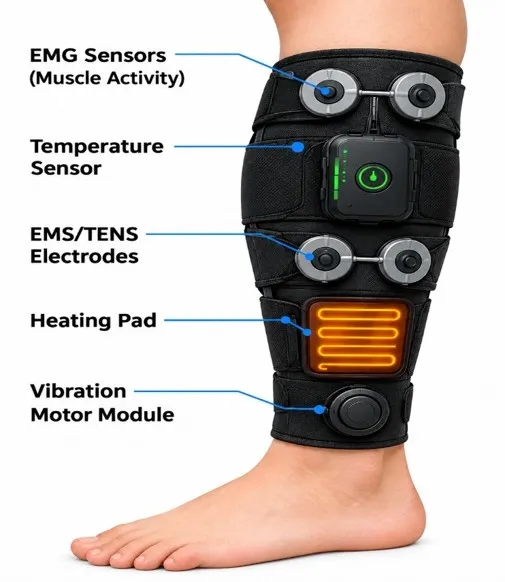
Figure 2: Wearable Band
Fig.3 represents the functional architecture and working flow of the proposed system. The EMG sensor and temperature sensor act as the primary inputs, while user inputs and the battery provide additional control and power. The EMG signal is first sent to the signal-conditioning and amplification stage, where the weak muscle signal is amplified and processed before being supplied to the ESP32 microcontroller. The ESP32 acts as the central processing and control unit. It receives the sensor information and sends the data to the cramp-detection algorithm, which analyzes the muscle condition and identifies possible fatigue or cramp-related activity. Based on the detected condition, the ESP32 controls the output devices, including EMS/TENS stimulation, heating element, vibration motor, and buzzer/LED alert. The system also uses Bluetooth communication to transfer monitoring and recovery information to the mobile application. The application provides features such as real-time monitoring, cramp alerts, recovery status, recovery guidance, history and analytics, and hydration reminders. Therefore, the second figure explains the complete signal flow from muscle sensing → signal processing → ESP32 decision-making → recovery intervention → continuous monitoring and mobile feedback.
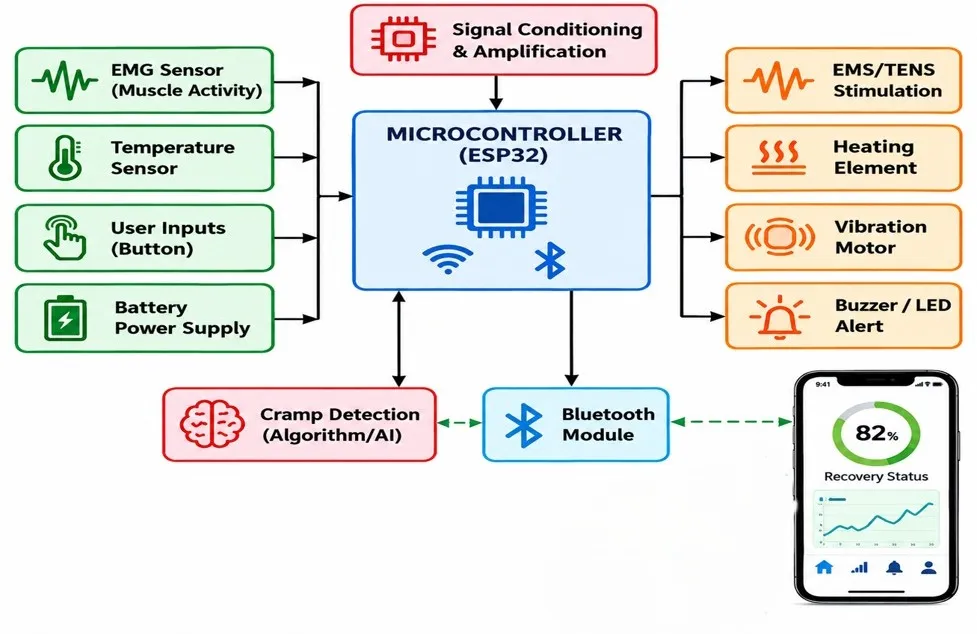
Figure 3: Block Diagram of Smart Muscle Cramp Recovery
Conditioned EMG signal and temperature data are provided to an ESP32 microcontroller, which acts as the main control unit of the system. The ESP32 processes the acquired signals and uses a cramp/fatigue detection algorithm to identify abnormal muscle activity and determine the muscle condition. Based on the detected condition, the system can classify the muscle as being in a normal, fatigued, or potential cramp state. When an abnormal or high-risk condition is detected, the ESP32 activates an appropriate recovery mechanism. The system can provide localized vibration through the vibration motor, controlled heat through the heating pad, or electrical stimulation through EMS/TENS electrodes. A buzzer or LED provides an alert to the user when necessary.
After the recovery intervention is activated, the sensors continue to monitor the muscle condition. The system therefore operates in a closed-loop manner, where the EMG and temperature signals are continuously reassessed to determine whether the muscle condition is improving. Once the detected muscle activity returns toward the normal condition, the recovery intervention can be reduced or stopped according to the programmed control logic. The device also communicates with a mobile application through Bluetooth, allowing the user to monitor muscle activity in real time, receive cramp alerts, view recovery status and historical data, and receive recovery guidance and hydration reminders. Thus, the overall methodology follows a
“Sense → Process → Detect → Intervene → Reassess” approach, integrating real-time muscle monitoring with controlled recovery techniques in a single wearable system.
RESULTS AND DISCUSSION:
The Smart Muscle Cramp Recovery Device integrates an EMG sensor, temperature sensor, ESP32 controller, vibration mechanism, electrical stimulation unit, and heating element into a single wearable system. The EMG sensor monitors changes in muscle electrical activity, while the temperature sensor measures the temperature of the targeted muscle region. The ESP32 processes the sensor signals and controls the recovery mechanisms based on the programmed conditions. When abnormal muscle activity is detected, the system can activate vibration, controlled electrical stimulation, or localized heating to support muscle recovery. The prototype demonstrates the feasibility of combining real-time muscle monitoring with multiple recovery techniques in a compact device. The temperature sensor also helps maintain controlled heating conditions. However, sensor placement, individual muscle characteristics, and movement may affect the measured EMG signals. Therefore, further testing with different users, muscle groups, and exercise conditions is required to evaluate performance and establish reliable operating thresholds.
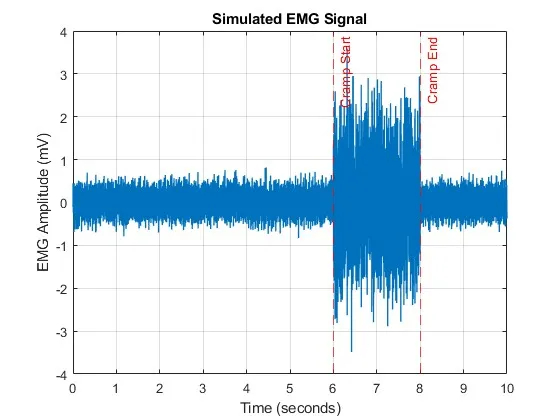
Figure 4: Simulated EMG Signal
The Fig 4 represents the graph of simulated EMG signal during a muscle cramp. From 0 to about 6 seconds, the muscle activity remains relatively low and stable, indicating normal muscle condition. At around 6 seconds, the “Cramp Start” marker shows the beginning of the cramp, followed by a sudden increase in EMG amplitude and rapid fluctuations. This high-amplitude activity continues until approximately 8 seconds, where the “Cramp End” marker indicates the end of the cramp. After 8 seconds, the signal decreases back toward its normal level, showing muscle relaxation and recovery.
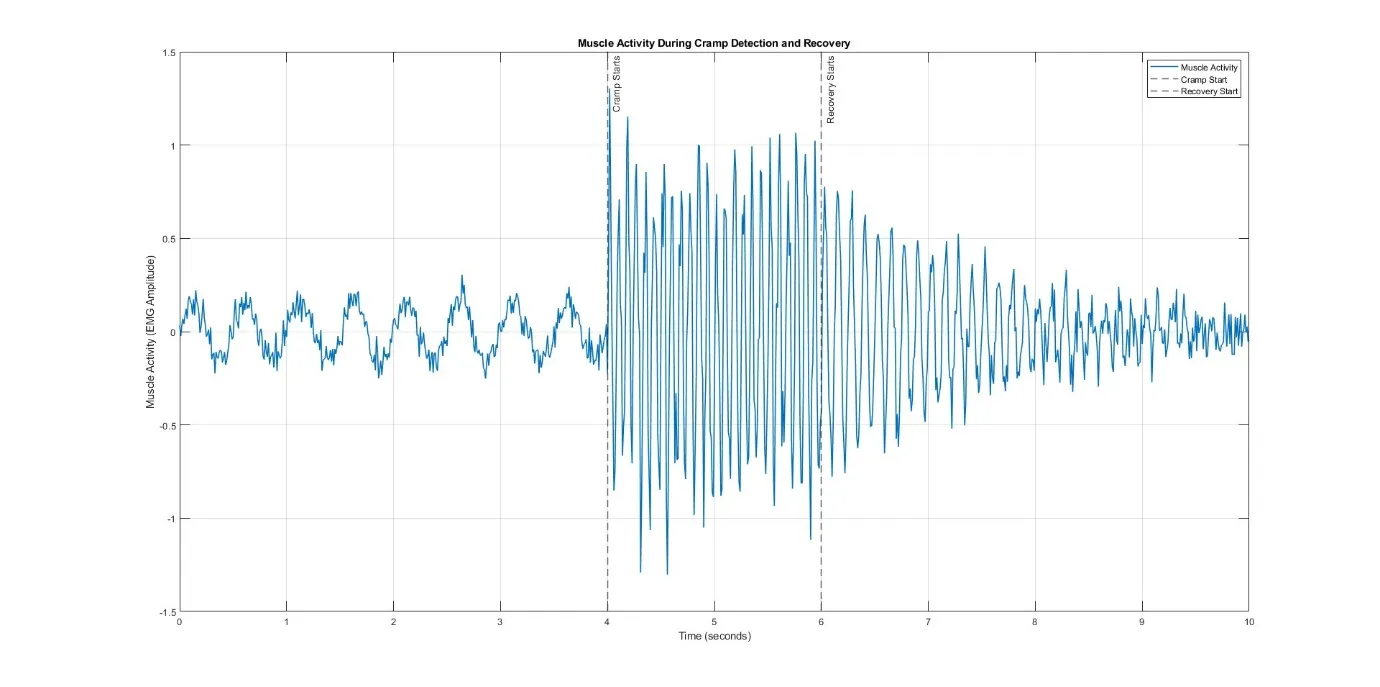
Figure 5: RMS EMG Analysis for Muscle Cramp Detection and Recovery
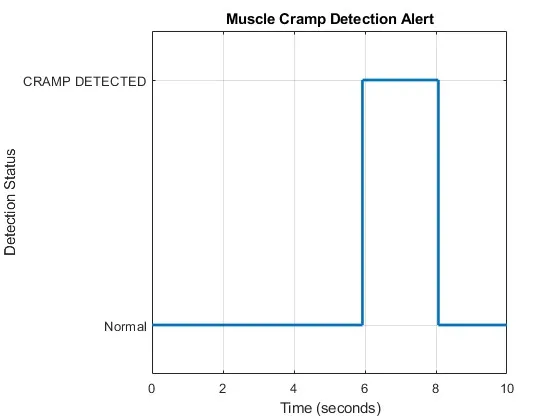
Figure 6: Cramp Detection
The Fig 6 shows the graph of muscle cramp detection alert over time. From 0 to 6 seconds, the system indicates Normal muscle activity. At 6 seconds, a cramp is detected and the alert changes to “CRAMP DETECTED”, remaining active until about 8 seconds. After 8 seconds, the status returns to Normal, indicating that the cramp has ended.
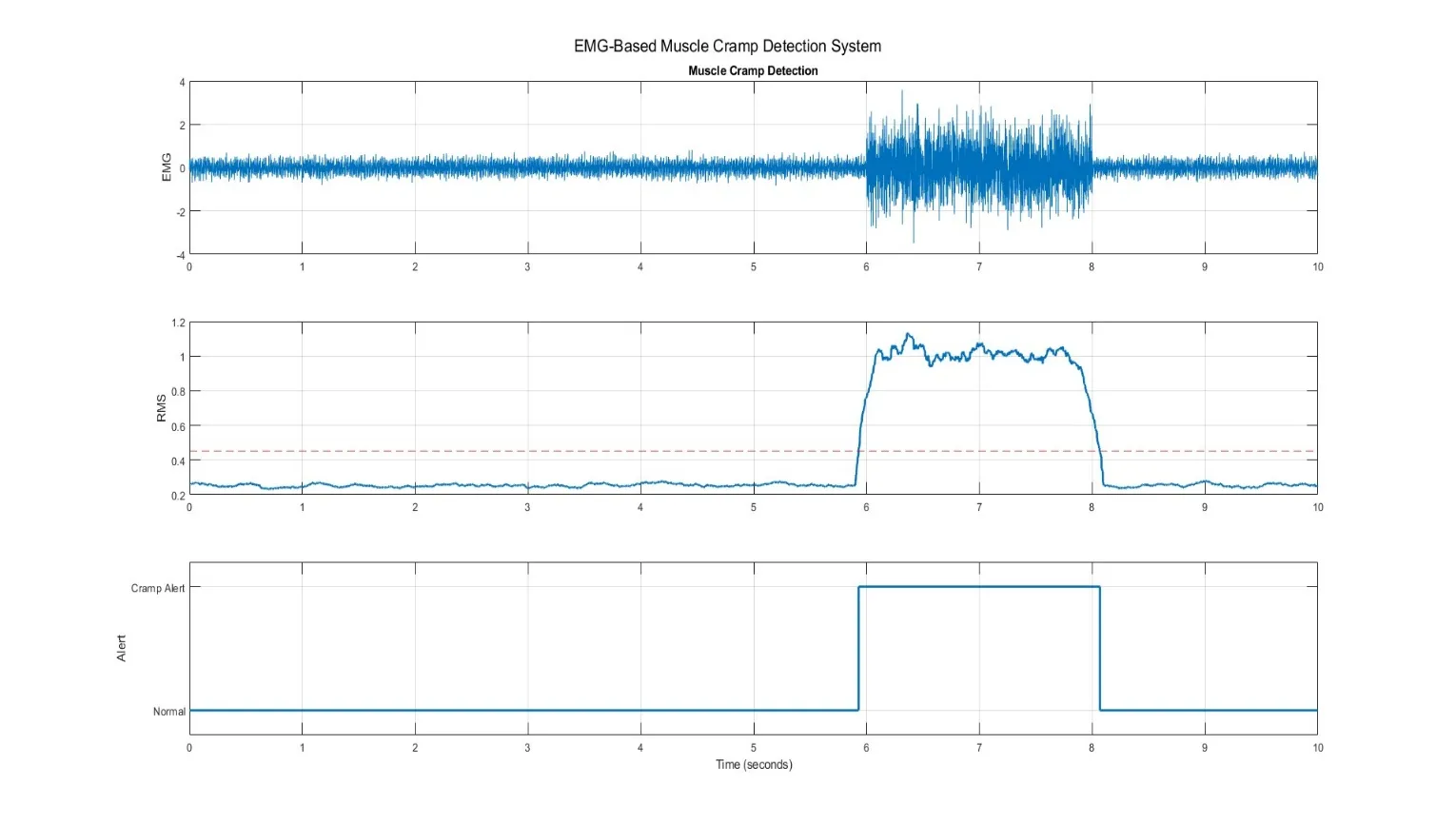
Figure 7: Combined Results
The Fig 7 shows the complete EMG-based muscle cramp detection process. The top graph represents the raw EMG signal, where normal muscle activity is observed until about 6 seconds, followed by a sudden increase in signal intensity during the cramp period from approximately 6 to 8 seconds. The middle graph shows the RMS value of the EMG signal; it remains low during normal activity but rises above the predefined threshold during the cramp, confirming increased muscle activity. The bottom graph represents the cramp alert, which changes from “Normal” to “Cramp Alert” when the RMS value exceeds the threshold and returns to normal after the cramp ends. Thus, the figure demonstrates how RMS EMG can be used to detect a muscle cramp and generate an automatic alert.
CONCLUSION:
The developed EMG-Based Muscle Cramp Detection System successfully demonstrates the use of electromyography (EMG) signals for identifying abnormal muscle activity associated with muscle cramps. The system analyzes the raw EMG signal and calculates its Root Mean Square (RMS) value to obtain a reliable measure of muscle activity intensity. During normal muscle conditions, the RMS value remains relatively low and stable. When a muscle cramp occurs, the EMG amplitude and RMS value increase significantly, allowing the system to distinguish cramp activity from normal muscle activity using a predefined threshold. Once the RMS value exceeds this threshold, the system generates a cramp alert, providing an indication of the detected condition. After the cramp ends, the RMS value gradually returns toward its normal level and the alert is automatically cleared. The results demonstrate that RMS-based EMG analysis can provide a simple and effective approach for real-time muscle cramp detection. The proposed system can potentially be implemented using wearable EMG sensors and embedded controllers for continuous monitoring. Overall, this project provides a foundation for developing a low-cost, portable, and real-time muscle cramp monitoring system that could support athletes and individuals during physical activity by providing timely alerts when abnormal muscle activity is detected.
REFERENCES

Kishore J., Afsarkhan A., Aswin J., Bharathraj S., Smart Muscle Cramp Recovery Assistance Device, Int. J. Sci. R. Tech., 2026, 3 (10), 1134-1143. https://doi.org/10.5281/zenodo.23592980
 10.5281/zenodo.23592980